

 Portable Tire Inflators
 Electric Air Pumps
 Electric Car Tyre Pumps
 Electric Ball Pumps
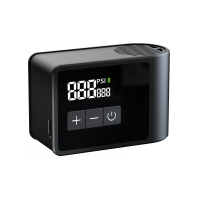 Electric Bike Pump
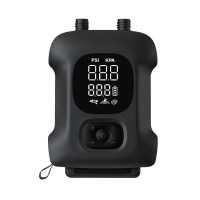 SUP Air Pump
Understanding the Mechanics of a Rechargeable Bike Pump for Daily Rides
Getting a flat tire miles away from home is frustrating. Standing on the side of the road with a manual hand pump turns a minor inconvenience into a sweaty workout. A rechargeable bike pump eliminates this physical strain, inflating a completely flat tire in minutes with the push of a button.
Modern lithium-ion technology has shrunk these devices down to the size of a smartphone. They easily fit inside a saddlebag or a rear cycling jersey pocket. Carrying one ensures you always have compressed air on demand.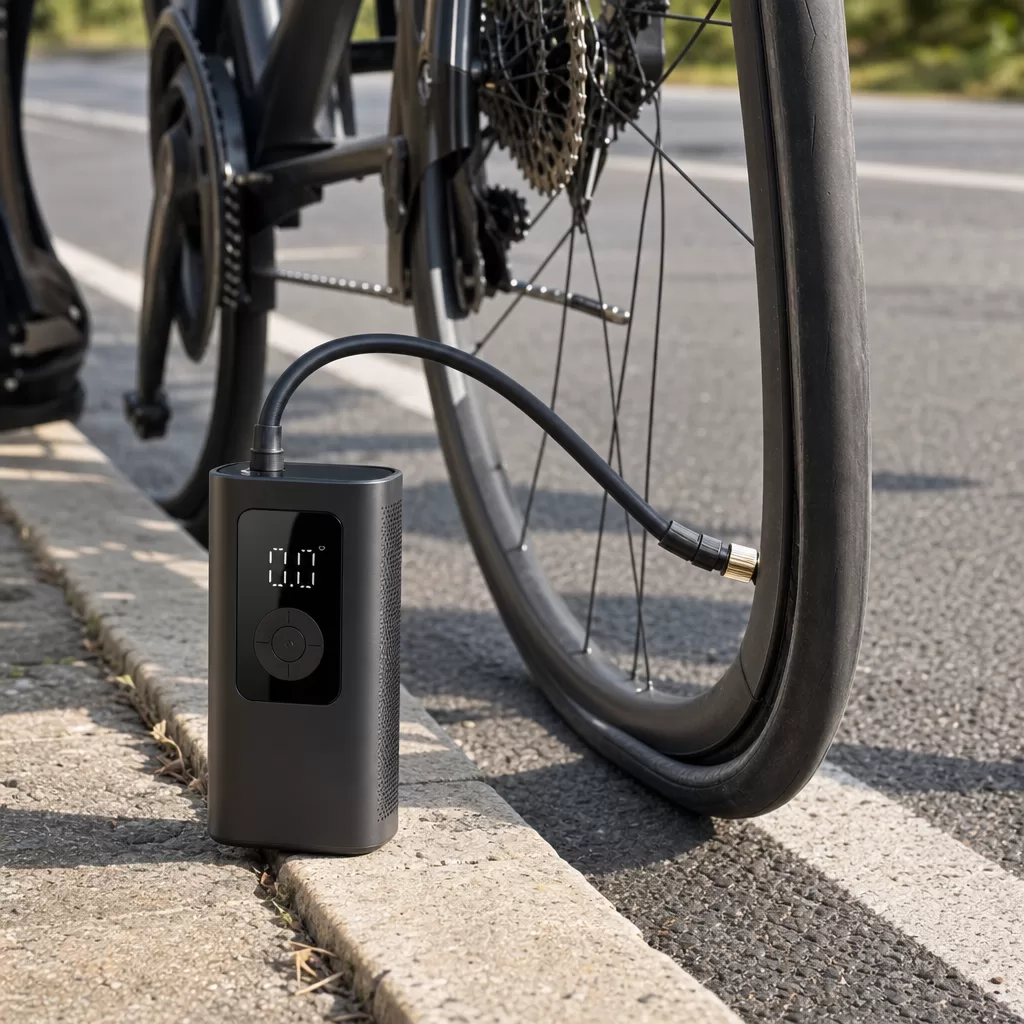
Why do riders switch from manual to battery-powered pumps?
A traditional mini pump requires between 200 and 300 manual strokes to reach a rideable 60 PSI on a road tire. This repetitive motion drains energy needed for riding. It also frequently damages the fragile valve stem through vigorous, uneven shaking.
A battery-powered inflator provides precise, automated pressure without the physical effort. You simply secure the hose, set the desired pressure on the digital screen, and wait. The pump stops automatically once it hits the exact target, preventing over-inflation and tube blowouts.
How much PSI do you actually need for different tires?
Knowing your specific pressure requirement dictates which pump motor you should buy. Not all electric pumps handle high-pressure scenarios equally. Most commuter bikes require low to medium pressure, while road racing bikes demand high pressure to reduce rolling resistance on smooth tarmac.
A pump struggling to reach 100 PSI will overheat and shut down prematurely. You must verify the maximum output specification before purchasing. Compare your current bicycle setup against standard industry inflation parameters.
| Bicycle Type | Typical Tire Size | Required Pressure Range | Recommended Pump Output |
|---|---|---|---|
| Mountain Bike | 27.5" / 29" | 25 – 40 PSI | High Volume, Max 60 PSI |
| Gravel Bike | 700c x 40mm | 35 – 50 PSI | Moderate Volume, Max 80 PSI |
| Road Bike | 700c x 25mm | 80 – 110 PSI | Low Volume, Max 120+ PSI |
| E-Bike | 20" Fat Tire | 15 – 30 PSI | High Volume, Max 50 PSI |
What battery capacity is sufficient for everyday riding?
Battery sizes in portable tire inflators usually range from 2,000 mAh to 4,000 mAh. A standard 2,000 mAh unit can fill roughly two completely empty 700c road bike tires up to 100 PSI. After this, it will require a recharge via a USB-C cable.
If you ride mountain bikes with high-volume 29-inch tires, you need more sustained power. Pushing a high volume of air takes longer and generates substantial heat inside the cylinder. Choosing a pump with dual 2,000 mAh cells prevents thermal throttling during continuous inflation.
Heat management is critical for electronic longevity. Look for models featuring active cooling vents or aluminum housing to protect internal circuit boards from melting.
How do you ensure valve compatibility out of the box?
Bicycle inner tubes use one of two main valve standards: Schrader or Presta. Schrader valves are identical to car tire valves, featuring a thicker stem with a central spring pin. Presta valves are narrow and require you to unscrew a tiny top captive nut before air can flow.
Virtually every portable electric bike pump defaults to a Schrader connection mechanism. To use it on a modern road or gravel bike, you must attach a small brass or plastic Presta adapter to the hose end.
Losing this tiny adapter on a dark road renders the pump useless for Presta tubes. To avoid this, secure it directly to your valve stem or keep it permanently threaded onto the pump hose.
How much does a reliable electric bicycle inflator cost?
You can expect to pay between $40 and $80 for a reliable unit. Models priced below $30 often rely on plastic internal gears rather than metal cylinders. Plastic gears warp under the intense heat generated by compressing air past 50 PSI, causing early motor failure.
Moving closer to the $70 mark usually grants you aluminum alloy cylinders, accurate digital pressure sensors, and fast-charging capabilities. Investing in a solid metal casing also protects the lithium battery from impact if dropped on harsh pavement.
Can you use these devices for other inflatables?
While designed primarily for cyclists, a high-quality electric inflator handles a variety of everyday pneumatic tasks. The threaded hose connections accept different needles, cones, and specialized nozzles.
You can effectively use this tool for several secondary applications:
- Topping off car and motorcycle tires during seasonal ambient temperature drops.
- Inflating basketballs, soccer balls, and volleyballs to strict tournament specifications.
- Pumping up small stroller tires, scooter wheels, or wheelchair pneumatics.
For us, manufacturing smart inflation equipment means engineering a single, compact solution that crosses over multiple daily activities seamlessly. A versatile air source reduces the need to buy separate tools for your garage.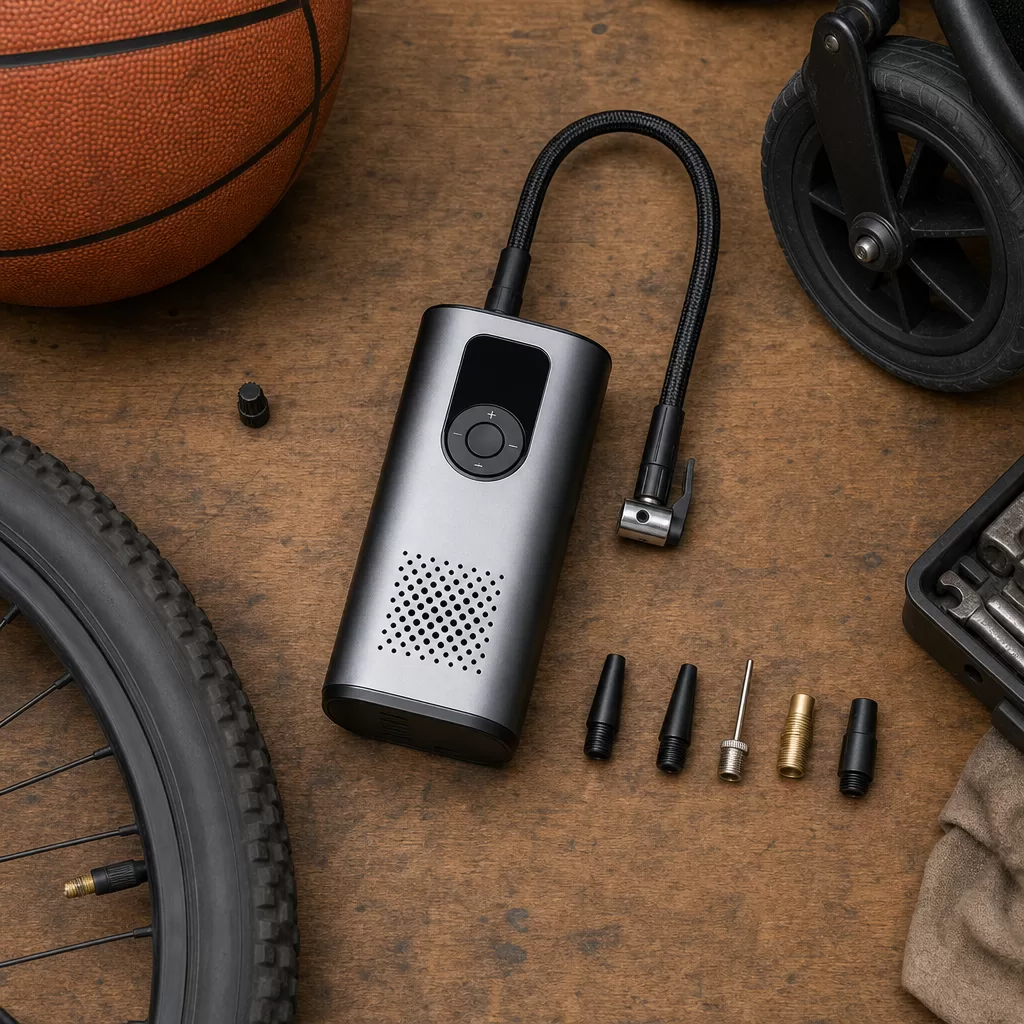
What happens when the battery dies on the road?
A dead battery turns your electric pump into dead weight in your bag. Unlike CO2 canisters that offer one quick burst of air, a depleted electric inflator leaves you completely stranded if you carry no mechanical backup.
Make it a habit to check the digital battery indicator before long weekend rides. Most units take roughly two to three hours to fully charge from a standard wall adapter or power bank.
Keep a small manual hand pump strapped to your frame as a fail-safe mechanical backup during remote, multi-day bikepacking trips. Ultimately, carrying a reliable rechargeable bike pump trades physical manual labor for the simple responsibility of routine charging.
-
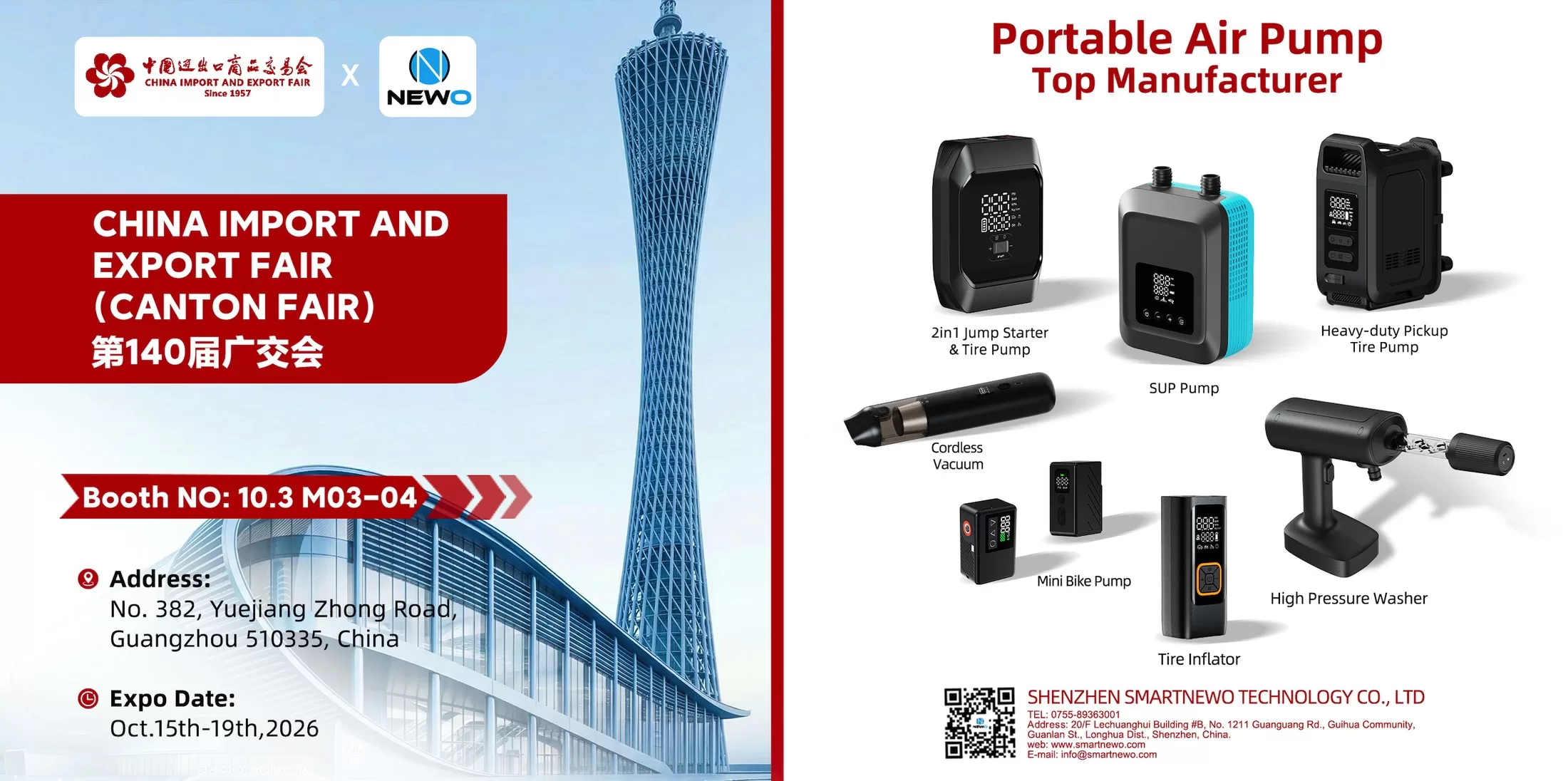
Meet NEWO at the 140th Canton Fair: Visit Booth 10.3 M03–04
Meet NEWO at the 140th Canton Fair in Guangzhou, October 15–19, 2026. Visit Booth 10.3 M03–04 to explore portable air pumps and discuss OEM, ODM and distribution opportunities.... -

As Shenzhen Welcomes the World for APEC 2026, NEWO Welcomes You to Our Factory
As Shenzhen prepares for APEC 2026, NEWO welcomes international buyers and partners to visit our factory, meet our team and explore future cooperation.... -
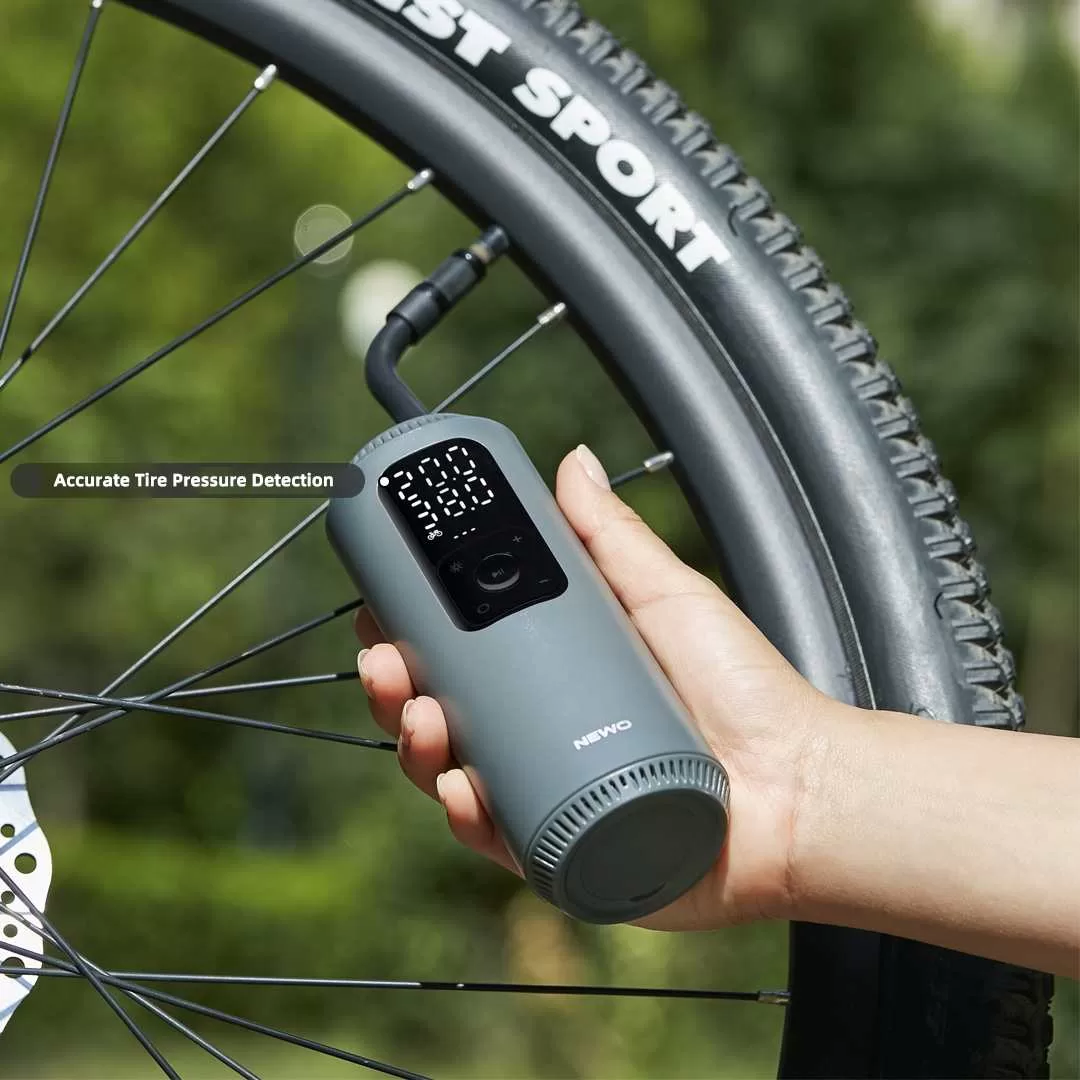
Leading the Way in Product Innovation and Excellence
Smartnewo exemplifies professionalism in product innovation and manufacturing. Their collaboration with Xiaomi Youpin on the G01 crowdfunding project highlights their expertise in creating compact, powerful inflatable pumps. Rigorous engineering, meticulous production processes, and advanced quality assurance underscore their commitment to excellence. The success of the G01 project, with significant market... -
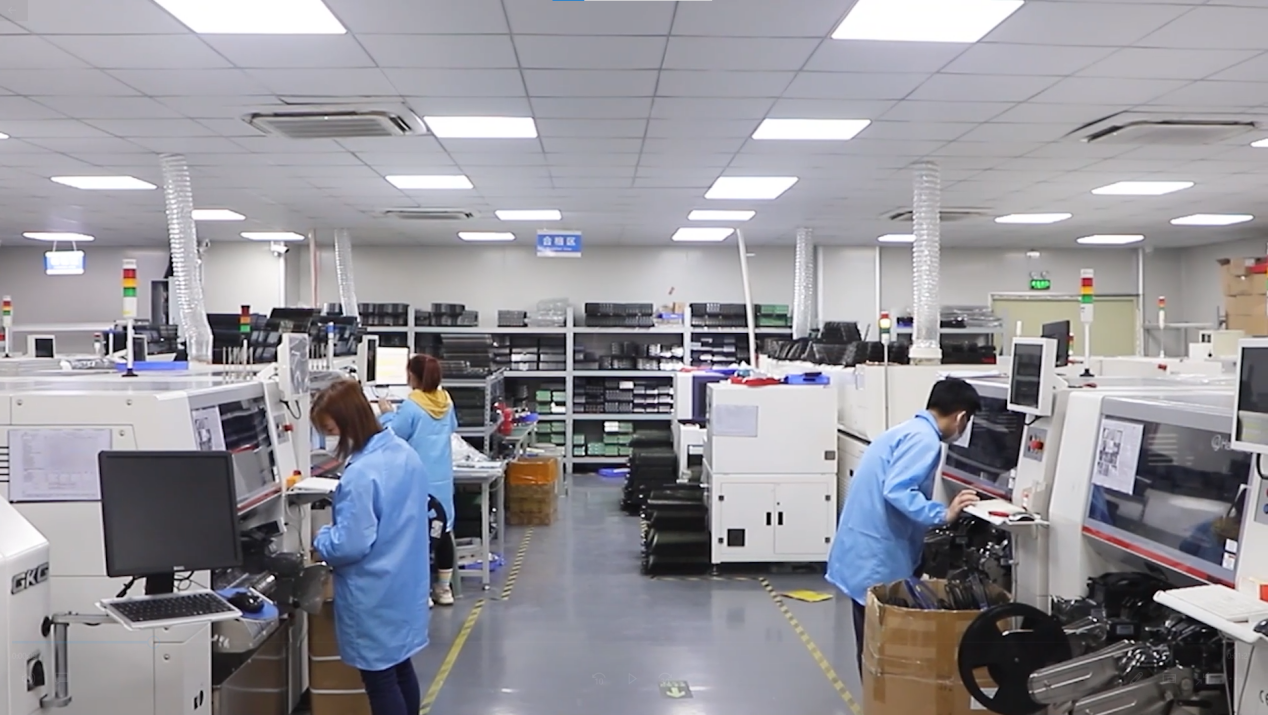
Essential Qualities of an Excellent Supplier
In today's competitive market, finding a reliable supplier is crucial for business success. Based on insights from Smartnewo and broader internet research, here are key qualities an excellent supplier must possess:... -
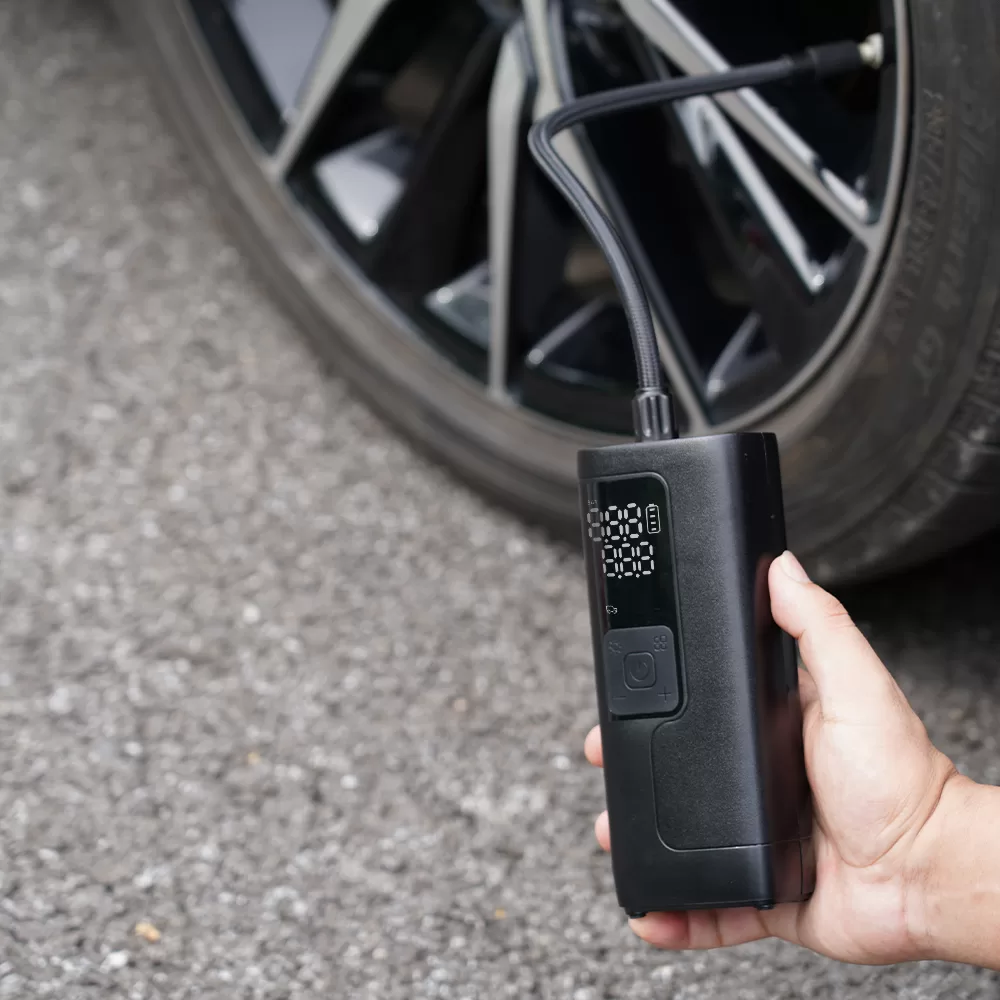
NW06 Tire Inflator: Compact Power for Quick Inflation
Summary The NW06 Tire Inflator delivers quick and efficient tire inflation with a powerful 35L/min airflow. It features a user-friendly LCD screen for real-time pressure monitoring, dual power options with a built-in 6000mAh battery, and multiple nozzle attachments for versatile use. Its compact design and integrated LED light ensure convenience and... -
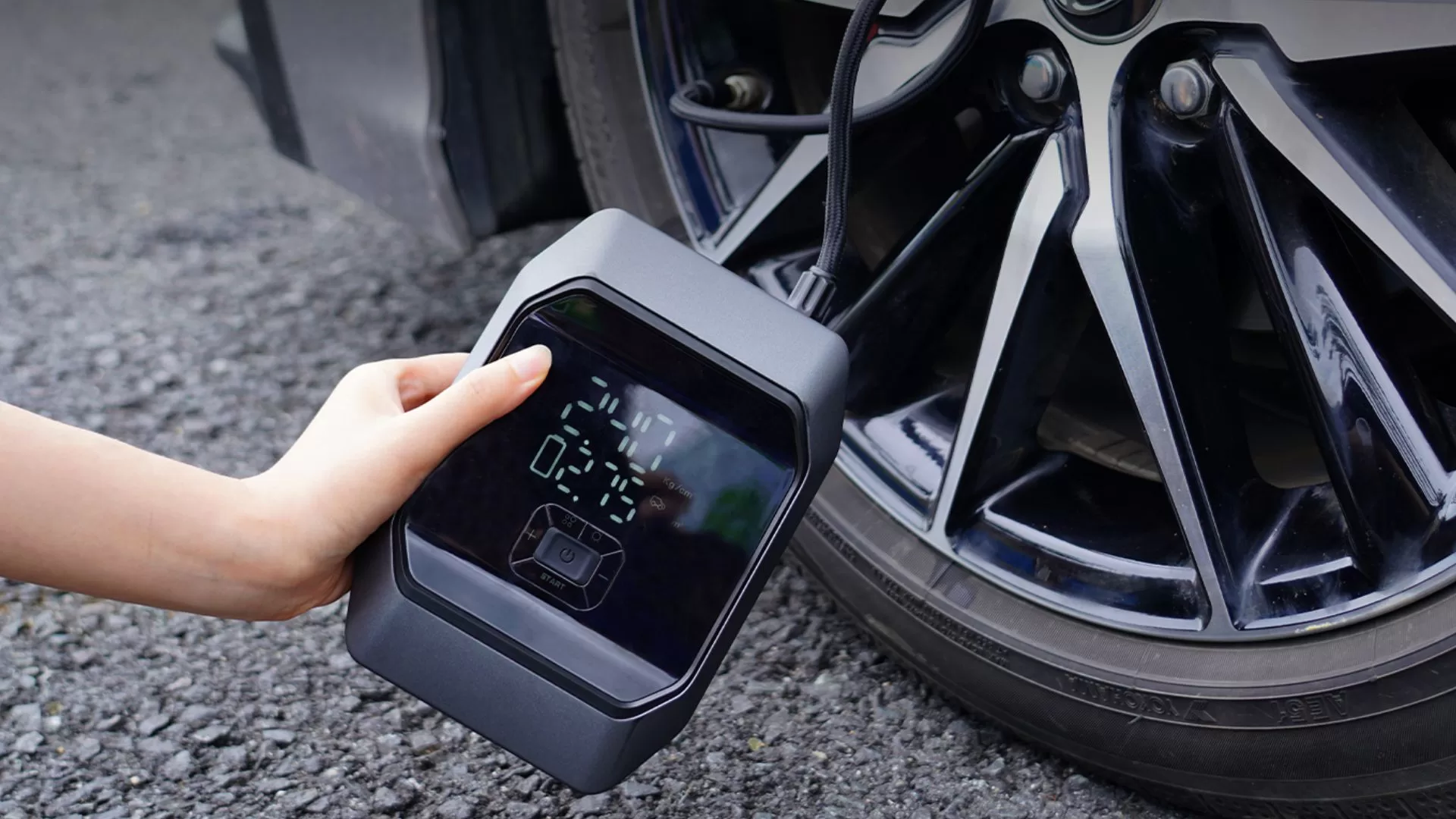
Unleash the Power of Portability: The SmartNewo Jump Starter with Air Compressor KF03
This guide will walk you through the steps to effectively use a portable tire inflator, helping you stay prepared and safe on the road.... -
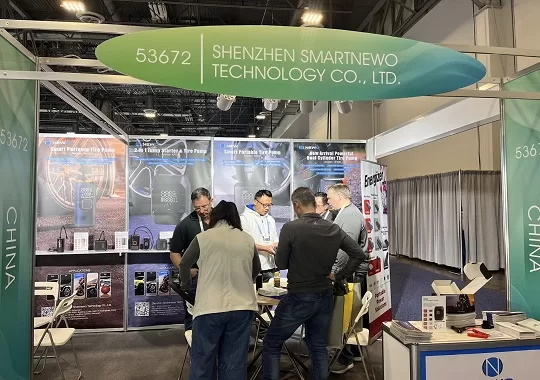
Newo Attends The 2024 Consumer Electronics Show (CES)
Smartnewo booth is located at 53672, Halls A-D, Level 2, Venetian Expo, Las Vegas Convention Center (LVCC). ... -
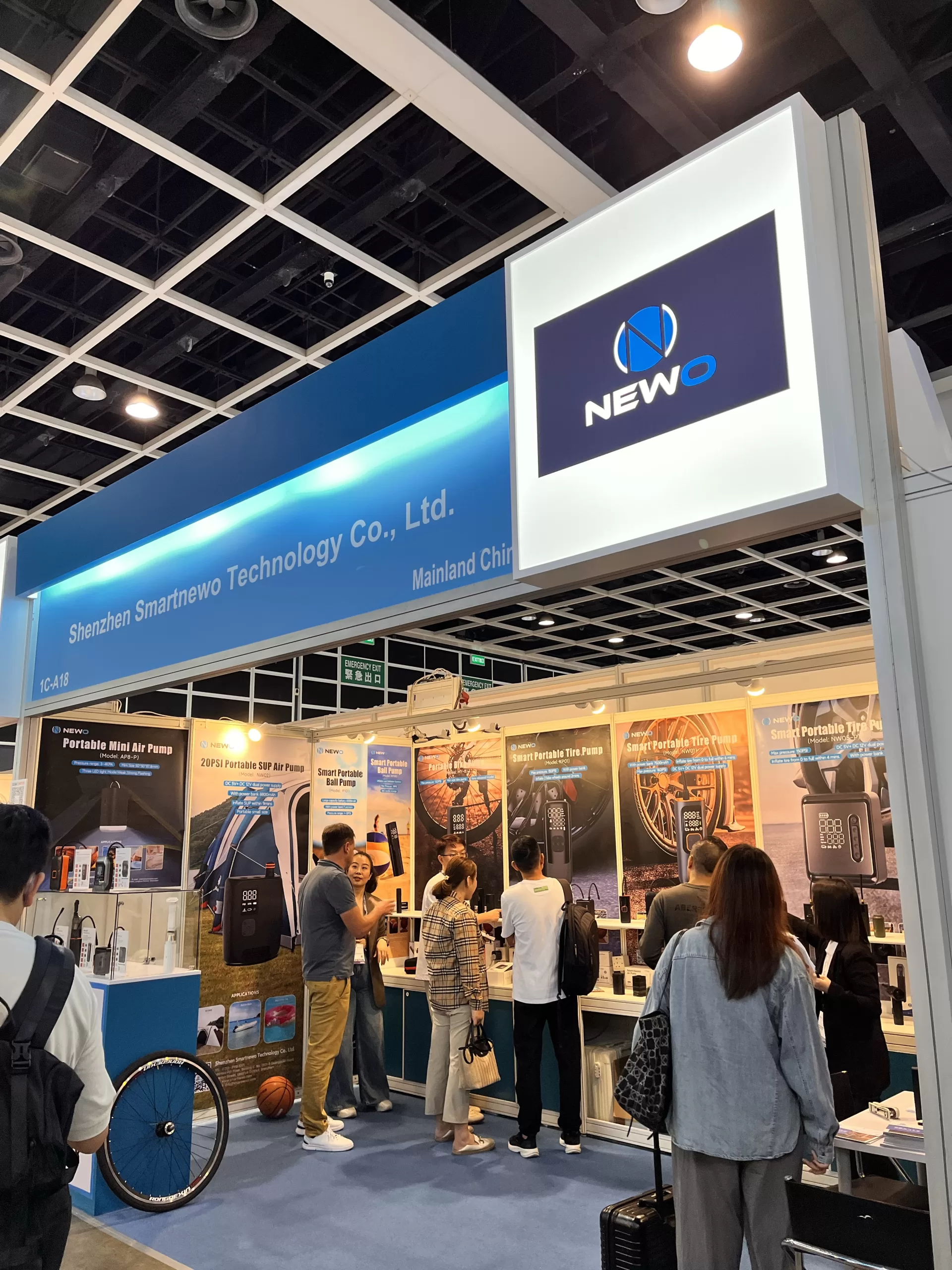
Smartnewo’s Dual-Cylinder Air Pump Rocks the Hong Kong Autumn Electronics Fair!
Smartnewo’s Dual-Cylinder Air Pump Rocks the Hong Kong Autumn Electronics Fair!... -

Meet at the Canton Fair! Smartnewo brings dual-cylinder air pumps, making your inflation experience faster and more stable!
NEWO has went deep communication and negotiation with customers from all over the world on booth.... -
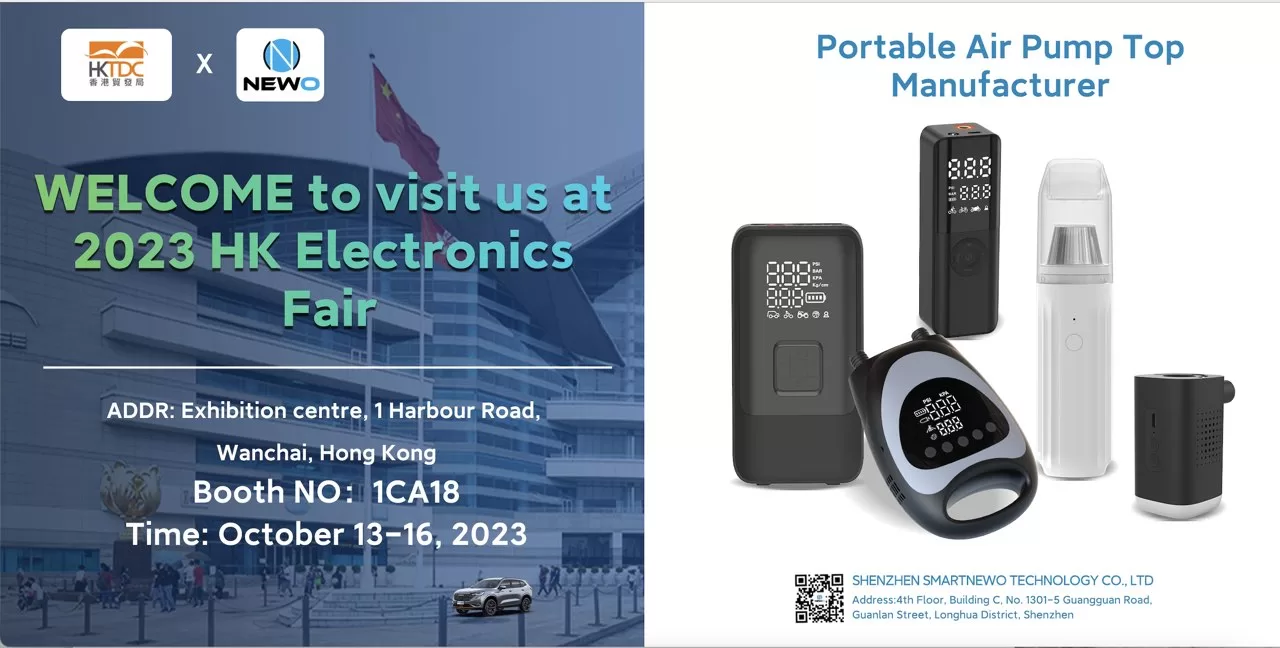
“Hong Kong Autumn Electronics Fair – 1CA18 (October 13th to 16th): Smartnewo invites you to visit our booth!
Hong Kong Autumn Electronics Fair...
-

How to Choose a Reliable Tire Inflator Manufacturer in China
Choose a tire inflator manufacturer in China with a focused RFQ, supplier evidence, configuration checks, and clear sample-to-pilot decisions for your brand.... -
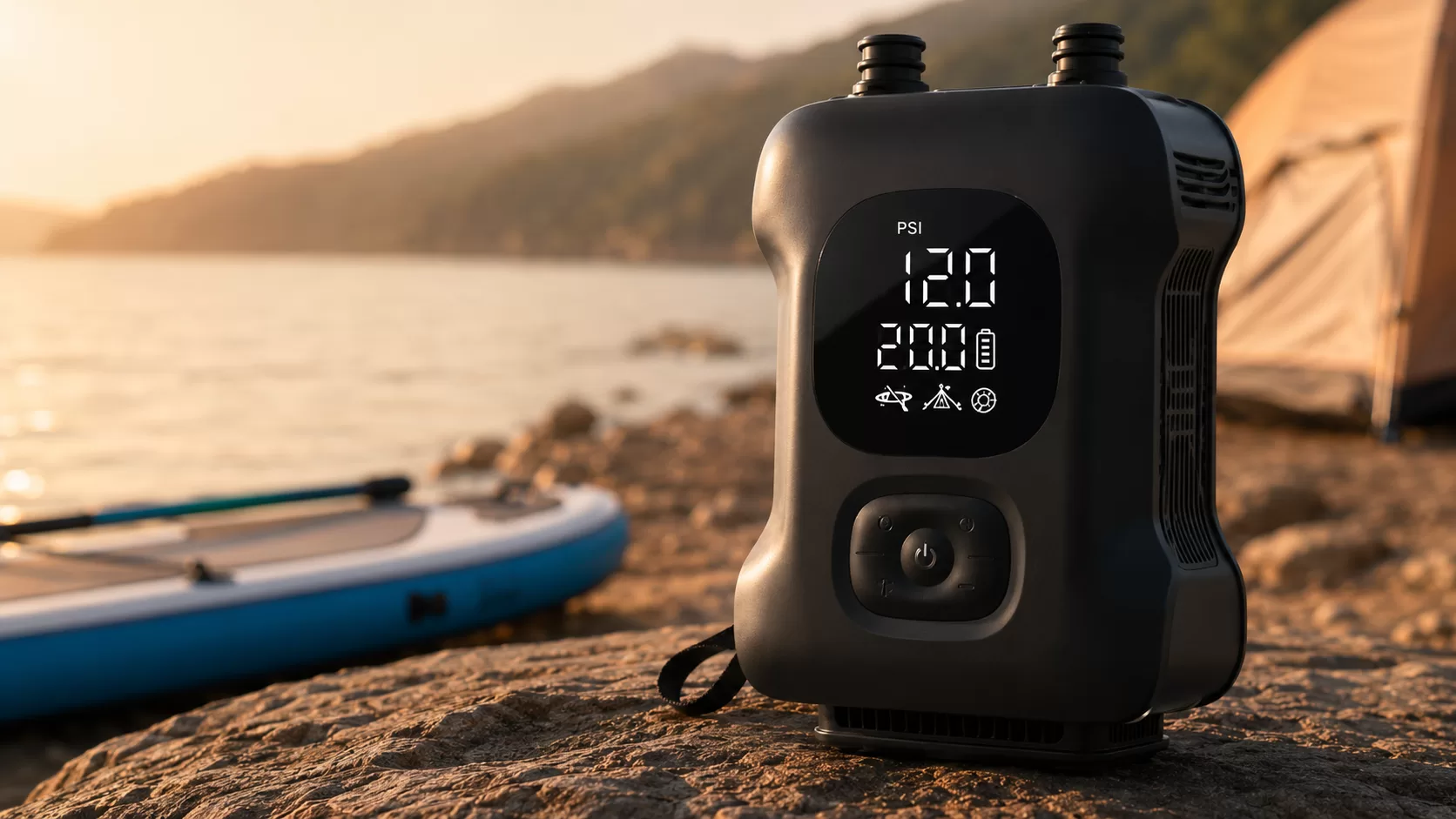
Rechargeable Electric SUP Pump for Paddle Boards: Faster Inflation for SUPs, Kayaks and Inflatable Tents
The BL10-C Portable Electric Bike Tire Inflator is a compact and lightweight mini electric bike pump designed for modern cyclists. With up to 120 PSI pressure, a digital LED display, preset pressure control, automatic shut-off, USB-C charging, and multiple valve adapters, BL10-C offers a convenient inflation solution for road bikes,... -
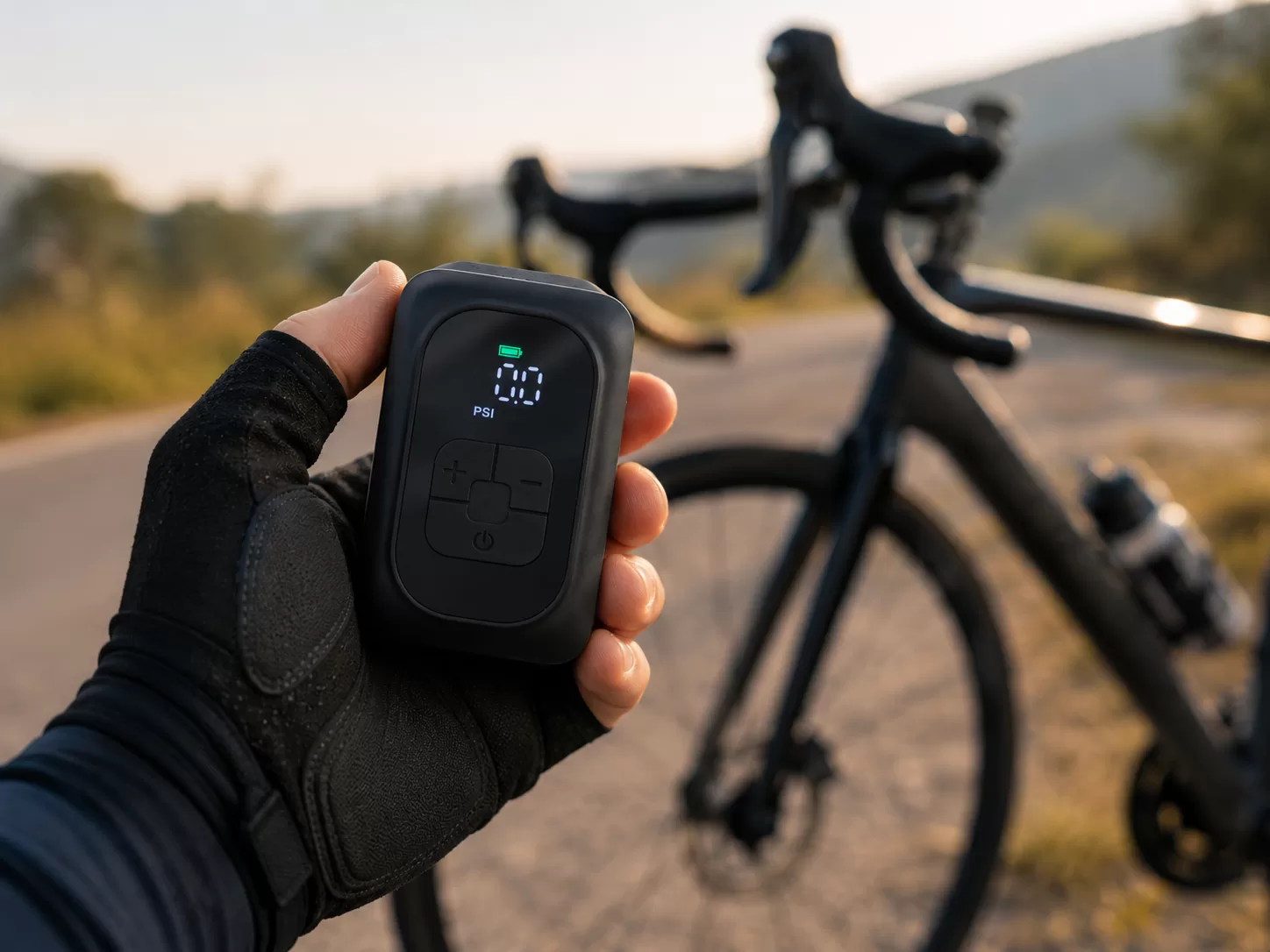
Are Electric Bike Pumps Worth It in 2026? Electric Pump vs CO₂ vs Mini Hand Pump
Discover whether electric bike pumps are worth it in 2026. This guide compares electric bike pumps, CO₂ inflators, and mini hand pumps for road cycling, gravel riding, commuting, and long-distance rides. Learn the pros, limitations, best use cases, and key features to look for before choosing the right portable tire... -
BL10-C Portable Electric Bike Tire Inflator: Small Size, Reliable Power for Every Ride
The BL10-C Portable Electric Bike Tire Inflator is a compact and lightweight mini electric bike pump designed for modern cyclists. With up to 120 PSI pressure, a digital LED display, preset pressure control, automatic shut-off, USB-C charging, and multiple valve adapters, BL10-C offers a convenient inflation solution for road bikes,... -
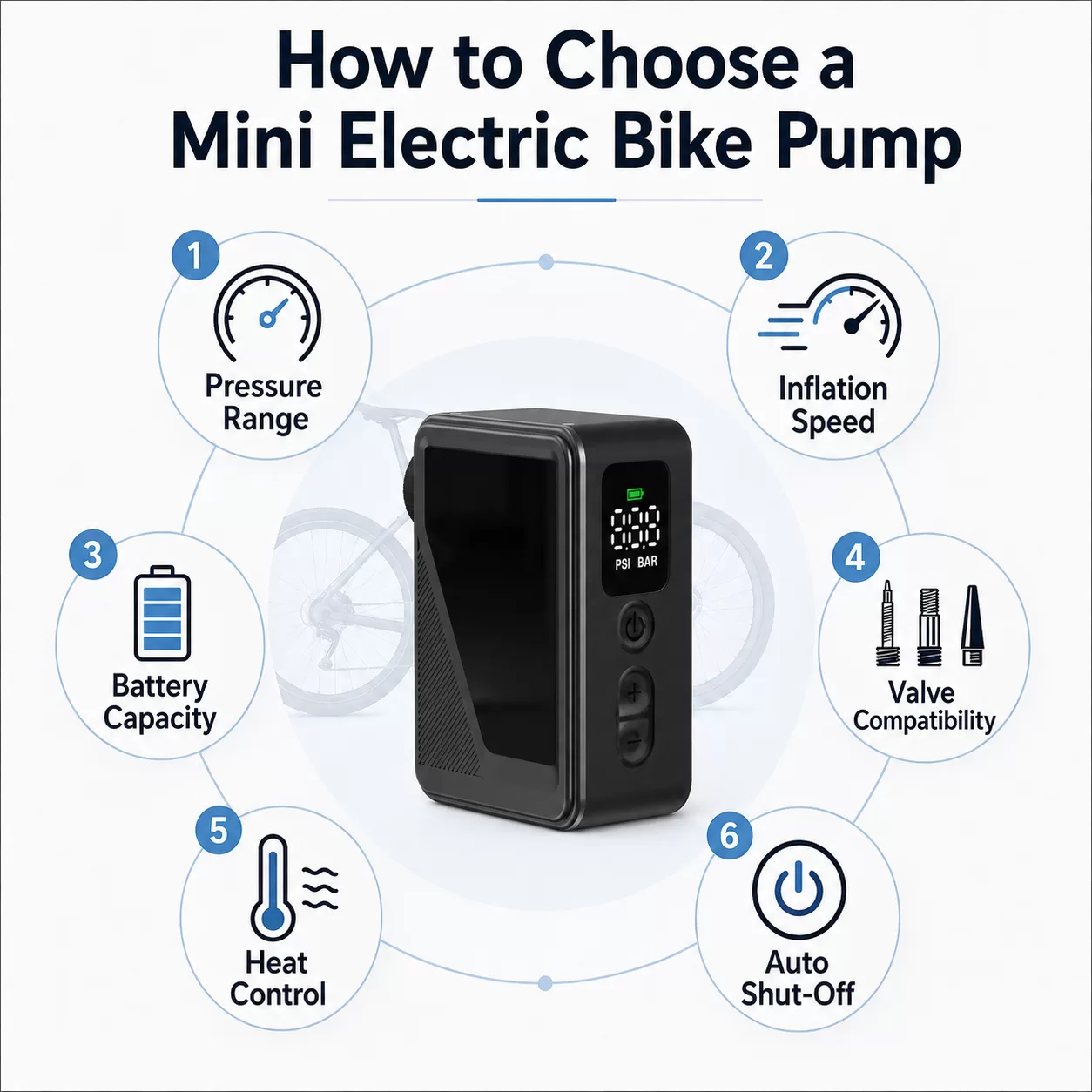
Why Mini Electric Bike Pumps Are Becoming Essential for Modern Cycling
Discover why mini electric bike pumps are becoming essential for modern cyclists. Learn how portable electric bike pumps improve tire pressure management, riding safety, and convenience.... -
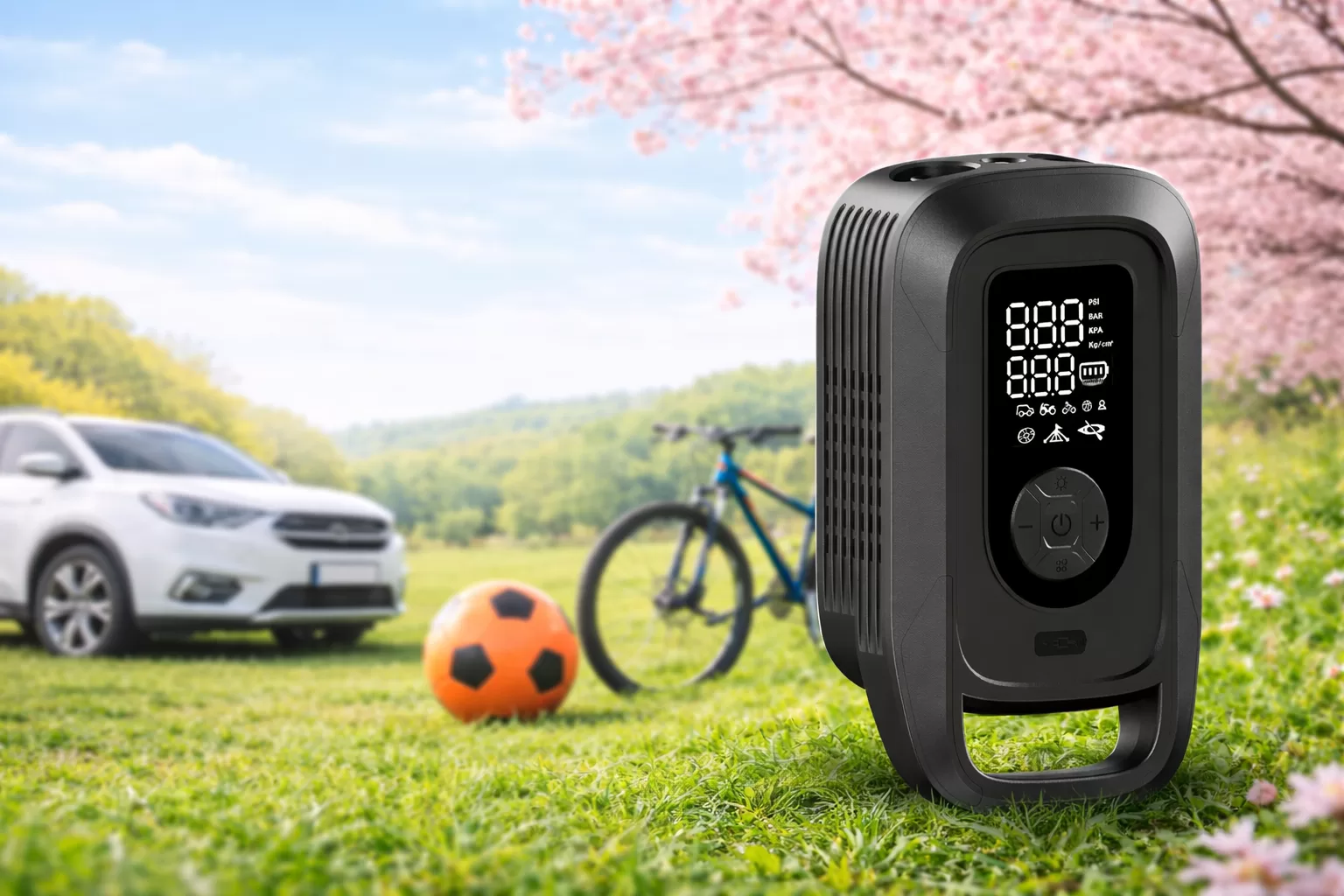
The Ultimate Smart Solution for Easy Outdoor Adventures in 2026
Discover how a spring travel air pump simplifies outdoor trips with fast inflation, smart features, and powerful performance—perfect for every adventure.... -
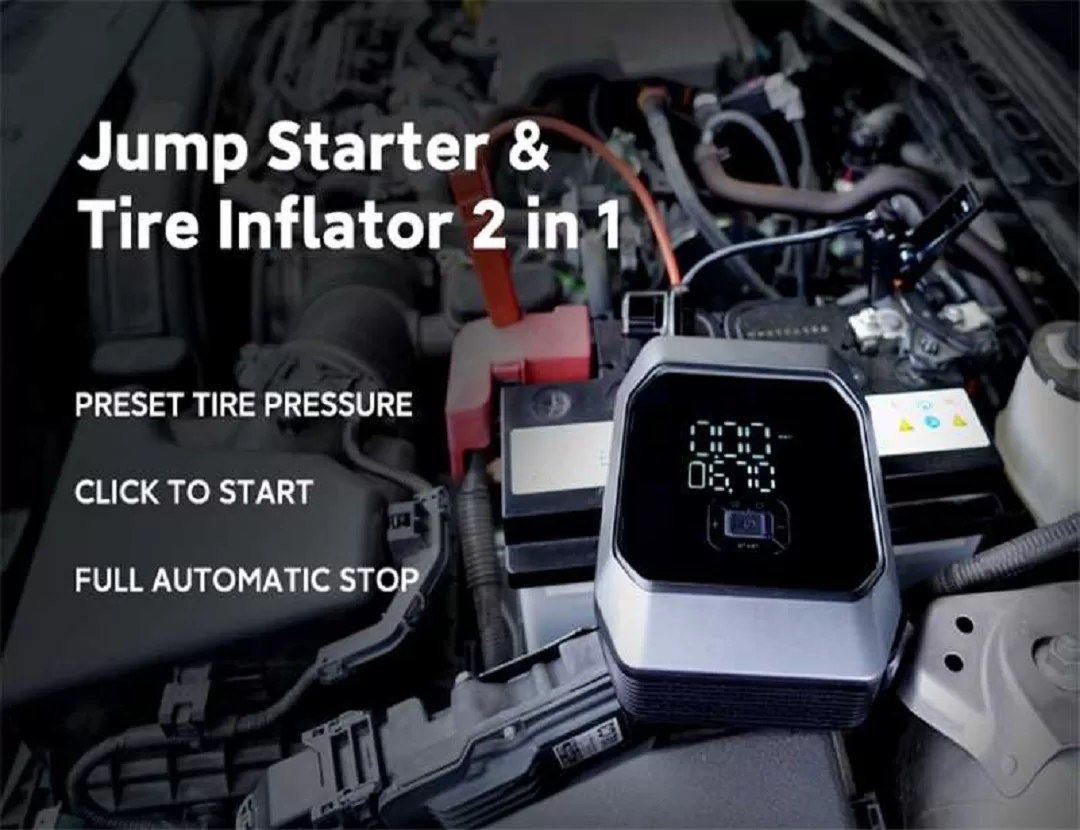
Powerful 5-in-1 Portable Car Tire Inflator and Jump Starter: The Ultimate Emergency Tool for Every Driver
Why Every Driver Needs a Portable Car Tire Inflator and Jump Starter Modern drivers face many unexpected situations on the road. A flat tire, low tire pressure, or a dead car battery can happen at the worst possible time. That’s why having a portable car tire inflator and jump starter is... -
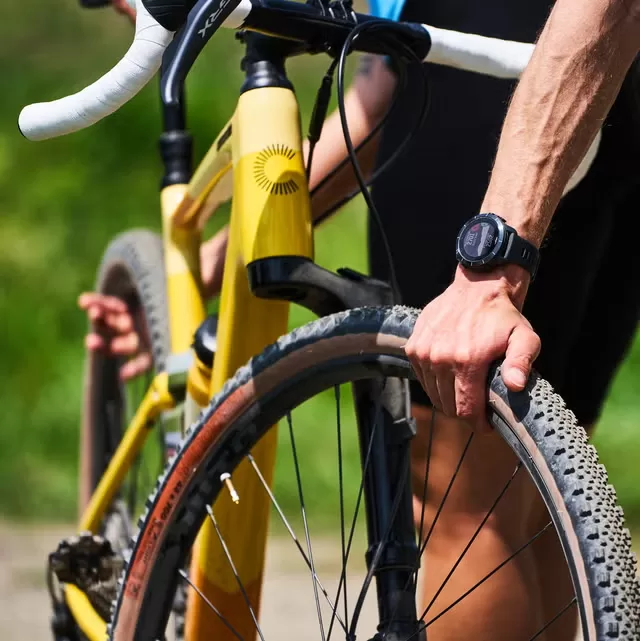
7 Real Cycling Scenarios That Show Why Every Rider Should Carry a Mini Bike Pump
Cycling is one of the most freeing activities you can enjoy. Whether you’re commuting to work, riding through city streets, or exploring quiet countryside roads, a bike ride can instantly improve your day. But there’s one small problem that almost every cyclist eventually faces: Low tire pressure. It might happen... -
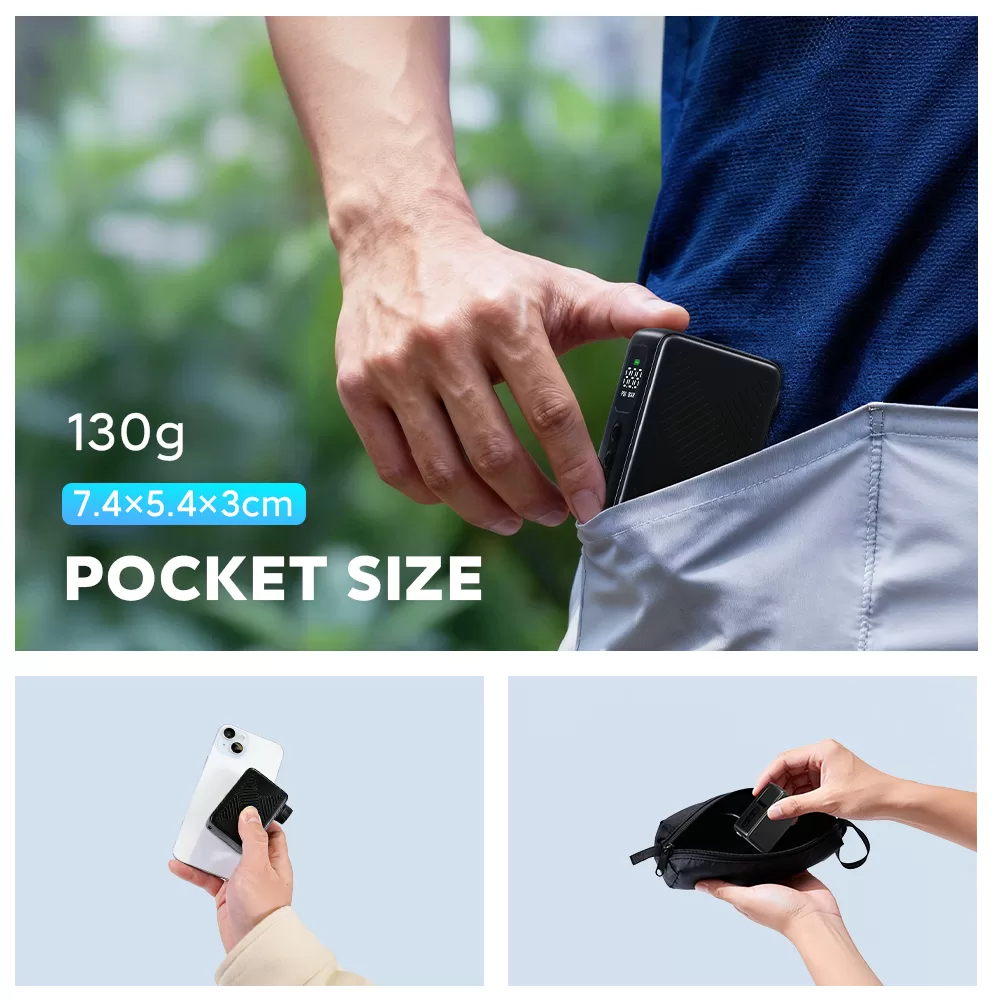
BL08-A Portable Electric Bike Pump: A Global Distribution Opportunity with Smartnewo
Smartnewo, a professional manufacturer of portable electric air pumps, introduces the BL08-A model — a compact and efficient inflator designed for global distributors, e-commerce sellers, and outdoor accessory brands seeking reliable OEM/ODM solutions. Table of Contents Main Heading Subtopics 1. Introduction: Expanding the Global Market for Smart Inflation Tools Portable... -
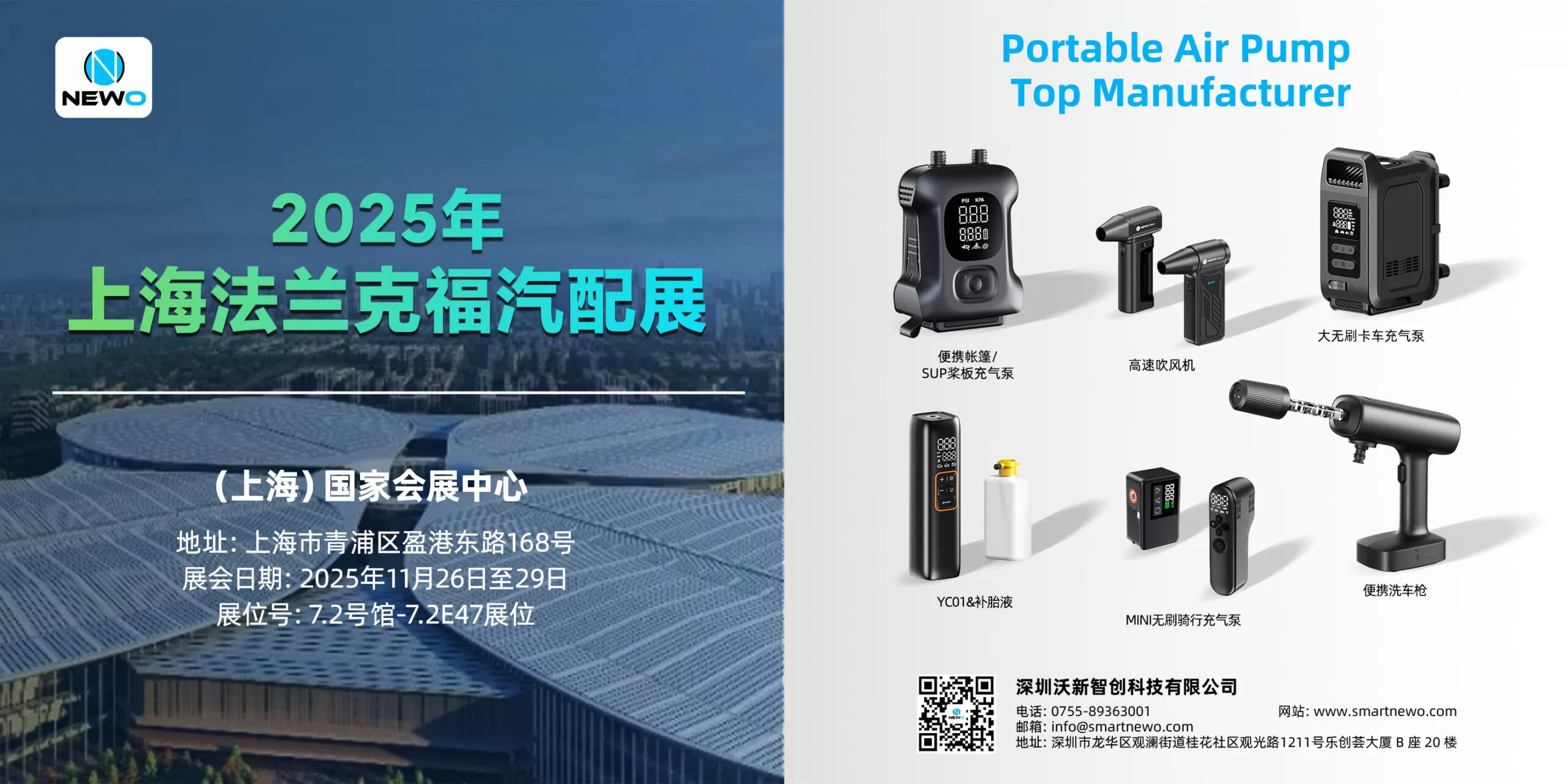
Connecting Opportunities at Automechanika Shanghai 2025 — Smartnewo Exhibition Day 1
Today marks an exciting beginning as Smartnewo officially opens its booth at Automechanika Shanghai 2025. As one of the largest and most influential automotive aftermarket exhibitions in the world, the show provides an exceptional platform for meaningful conversations, partnership building, and global industry exchange. Located at Booth 7.2E47, Smartnewo presents...
-
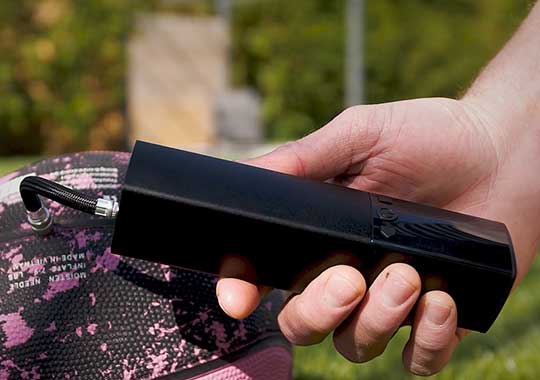
How Is a Football Properly Inflated?
The correct inflation of a football - with not too much and not too little air - is a hotly debated topic among footballers.... -
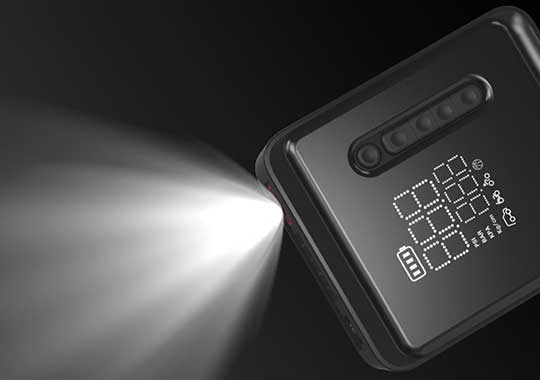
Application Scenarios of Car Inflator Pump
Often long-distance business trips or play car owners because the road may be more remote areas, in this case if you encounter a tire leak....