

 Portable Tire Inflators
 Electric Air Pumps
 Electric Car Tyre Pumps
 Electric Ball Pumps
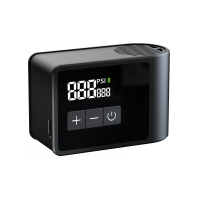 Electric Bike Pump
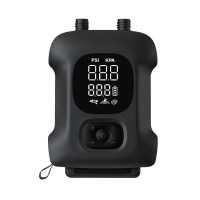 SUP Air Pump
Choosing a Cordless Rechargeable Air Pump for Low-Pressure Inflatables
Anyone who has wrestled with a pool ring at dusk, lungs burning, valve hissing air back at them, knows why a cordless rechargeable air pump earns its spot in a travel bag. These small devices trade manual effort for a battery and a motor, and for large-volume, low-pressure items like mattresses, boats, and cushions, that trade is almost always worth making.
The appeal isn’t about raw power. It’s about matching airflow and pressure to the job, charging quickly between uses, and carrying something light enough to forget it’s even in your pack. That’s the problem a compact unit like the AP8-P is built to solve.
Why Low-Pressure Inflatables Need a Different Pump Than Tires
Tires need high pressure in a small volume. Swim rings, air mattresses, and sleeping pads need the opposite: a large volume filled quickly, but at pressure levels low enough that a seam or valve won’t blow out. Using a tire inflator on a mattress is slow and often frustrating, since that pump is tuned for pressure, not throughput.
This is where airflow, measured in liters per minute, matters more than PSI. A pump moving 200 to 250 L/min fills a queen-size air mattress or a kayak chamber far faster than a high-pressure unit ever could, because volume is the bottleneck, not resistance. The AP8-P operates in the 3 to 4 KPa range with that airflow rate, which lines up with what large inflatables actually require.
What a Cordless, Rechargeable Design Actually Changes
Cordless rechargeable air pumps remove the dependency on wall outlets or a car’s 12V socket, which matters more than it sounds. Camping trips, beach days, and boat launches rarely happen near power. A built-in battery means the pump works wherever the inflatable does.
The AP8-P uses a 1200mAh, 7.4V battery rated at 8.8Wh, charged through a Type-C port at 5V/2A. Charging takes 1 to 2 hours, and a full charge supports roughly 15 to 18 minutes of continuous no-load runtime. That’s enough for several inflation cycles on typical items like cushions or sleeping pads, though a large air mattress or inflatable boat may use a larger share of that runtime in one session.
Type-C charging is worth calling out on its own. It means one cable can charge the pump, a phone, and other travel electronics, cutting down on the tangle of proprietary cords that outdoor gear tends to accumulate.
Inflation and Deflation in One Tool
A detail that’s easy to overlook: many inflatables eventually need to be deflated and packed down, not just filled. Vacuum storage bags for seasonal clothing or bedding are a good example, where trapped air has to be extracted before the bag will compress flat.
The AP8-P handles both directions. The same motor and nozzle system that fills a swim ring can reverse to pull air out of a vacuum bag, which removes the need for a separate hand-pump or vacuum attachment just for storage tasks.
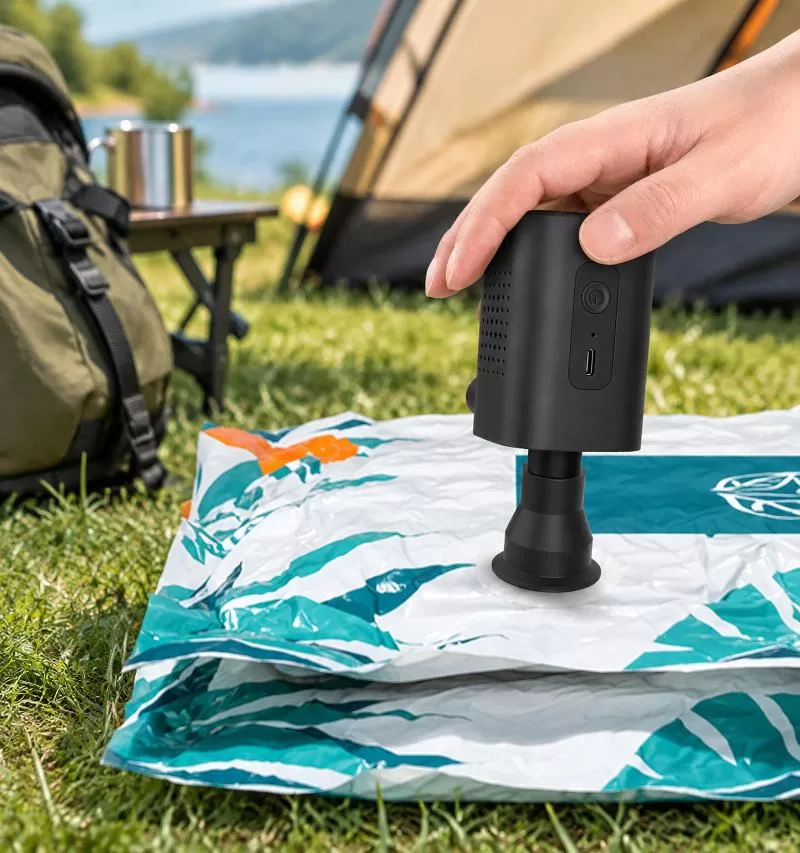
That dual function matters most for home organization. Compressing bedding or off-season clothing into vacuum bags by hand is tedious and inconsistent. A motorized deflate function does it evenly and in a fraction of the time.
Build, Size, and Everyday Handling
Weight and footprint decide whether a pump actually gets packed or gets left behind. At 161g net weight and roughly 50 x 50 x 87.8mm, the AP8-P is closer in size to a large flashlight than to a traditional air compressor. The housing is ABS plastic, which keeps weight down while still handling the vibration a small brushed motor produces during operation.
| Specification | Value |
|---|---|
| Inflation Pressure | 3–4 KPa |
| Airflow | 200–250 L/min |
| Battery | 1200mAh, 7.4V, 8.8Wh |
| Charging Port | Type-C, 5V/2A |
| Charging Time | 1–2 hours |
| Runtime (no load) | 15–18 minutes |
| Net Weight | 161g |
| Dimensions | 50 x 50 x 87.8 mm |
| Noise Level | ≤80dB at 1 meter |
| Working Temperature | -10°C to 45°C |
The brushed motor is rated for 35W and has a stated service life of 200 to 400 hours, with motor overcurrent protection built in to reduce stress during longer or repeated cycles. Noise sits at or below 80dB measured at one meter, which is comparable to a kitchen blender, loud enough to notice but not disruptive outdoors.
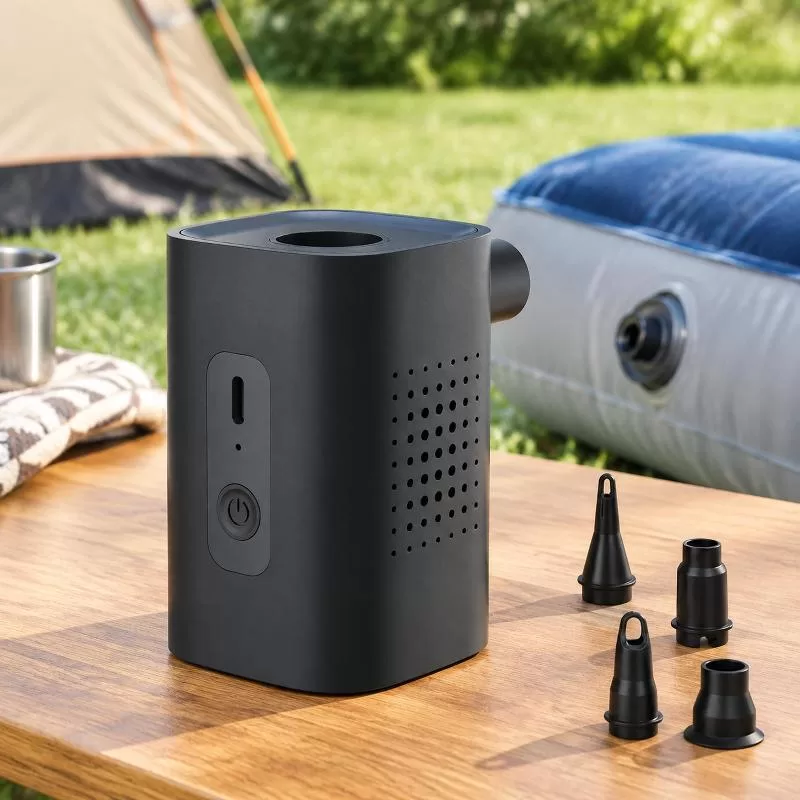
Multiple nozzle attachments ship with the unit, which solves a quieter but common frustration: valve shapes vary wildly between swim rings, boats, and cushions, and a single fixed nozzle rarely fits everything. Having a small set of adapters on hand means less time hunting for the right fit before inflation even starts.
Reading the Battery Specs Correctly
Battery cycle life is one of those specs people skim past, but it directly affects how long a pump stays useful. The AP8-P is rated for around 300 charge cycles before capacity drops to 85% of its original value. For a device used seasonally, camping trips in summer, mattress top-ups a few times a year, that cycle count can realistically last several years.
Where this matters more is for frequent users. Someone inflating cushions or paddleboard accessories weekly will reach that cycle threshold faster, and should expect gradual runtime reduction as the battery ages, which is normal lithium battery behavior rather than a defect.
Does It Fit a Camping or Travel Kit?
Camping gear lives or dies by weight and multi-use value. A pump that only inflates one type of item earns a lower spot in the packing order than one that handles mattresses, pillows, and boats alike.
The ambient light panel on the AP8-P’s housing adds a secondary function worth noting for this scenario. In a dark tent or by a beach fire, a lit panel helps locate the pump without needing a separate flashlight, a small but practical touch for night setup or breakdown.
- Swim rings and pool floats
- Air mattresses and sleeping pads
- Inflatable boats
- Seat cushions
- Vacuum storage bags for packing
That range covers most low-pressure inflation needs across camping, travel, and home storage, without requiring a separate device for each category.
Common Questions About Cordless Rechargeable Air Pumps
Can this type of pump inflate car tires?
No. Units built for 3–4 KPa and high airflow are designed for large-volume, low-pressure items. Tires need significantly higher PSI delivered into a smaller volume, which calls for a dedicated tire inflator instead.
How long does one charge actually last in practice?
Rated no-load runtime is 15 to 18 minutes, but actual inflation time per item is shorter since the pump isn’t running continuously the whole charge. Several smaller items, like cushions or pillows, can typically be filled on one charge.
Does the deflate function fully flatten a vacuum bag?
It extracts air through the attached nozzle, which compresses most vacuum storage bags significantly. Final flatness still depends on the bag’s own valve seal and material.
Is Type-C charging compatible with standard phone chargers?
Yes, as long as the charger supplies the required 5V/2A input. Most modern USB-C phone and tablet chargers meet this spec.
What’s a realistic battery lifespan?
The stated cycle rating is around 300 charges before capacity drops to about 85% of original. Light, seasonal use stretches that over several years; frequent weekly use shortens it accordingly.
Matching the Pump to the Task
Picking the right inflation tool comes down to matching three things: the pressure range of what you’re filling, how much airflow you need to fill it quickly, and how portable the device needs to be for where you’ll use it. For large, low-pressure inflatables, a cordless rechargeable air pump with high L/min airflow, a dual inflate-deflate function, and a genuinely pocketable size, like the AP8-P from us at Newo, addresses that combination directly, without asking the user to carry something built for a different job entirely.
-
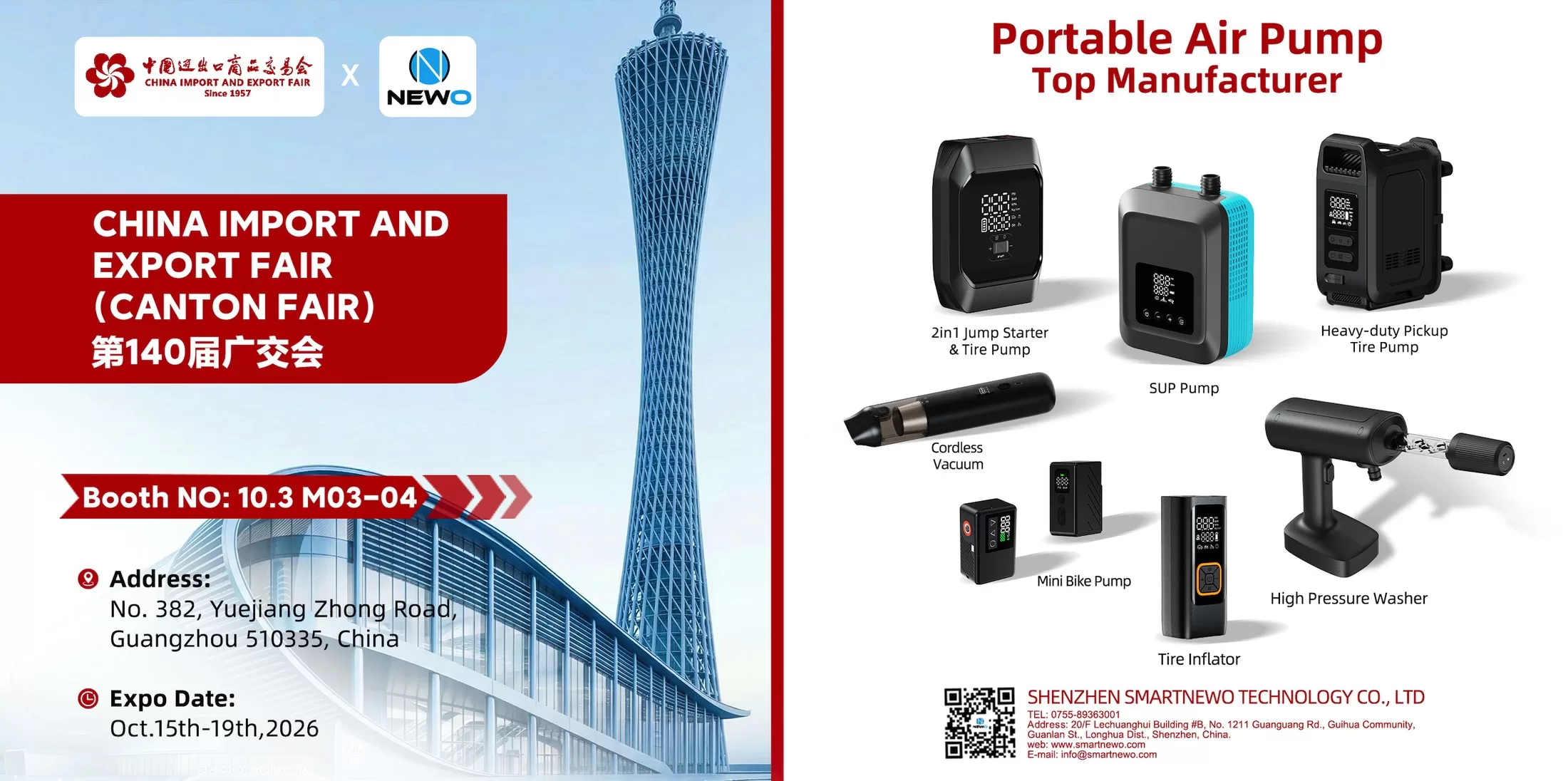
Meet NEWO at the 140th Canton Fair: Visit Booth 10.3 M03–04
Meet NEWO at the 140th Canton Fair in Guangzhou, October 15–19, 2026. Visit Booth 10.3 M03–04 to explore portable air pumps and discuss OEM, ODM and distribution opportunities.... -

As Shenzhen Welcomes the World for APEC 2026, NEWO Welcomes You to Our Factory
As Shenzhen prepares for APEC 2026, NEWO welcomes international buyers and partners to visit our factory, meet our team and explore future cooperation.... -
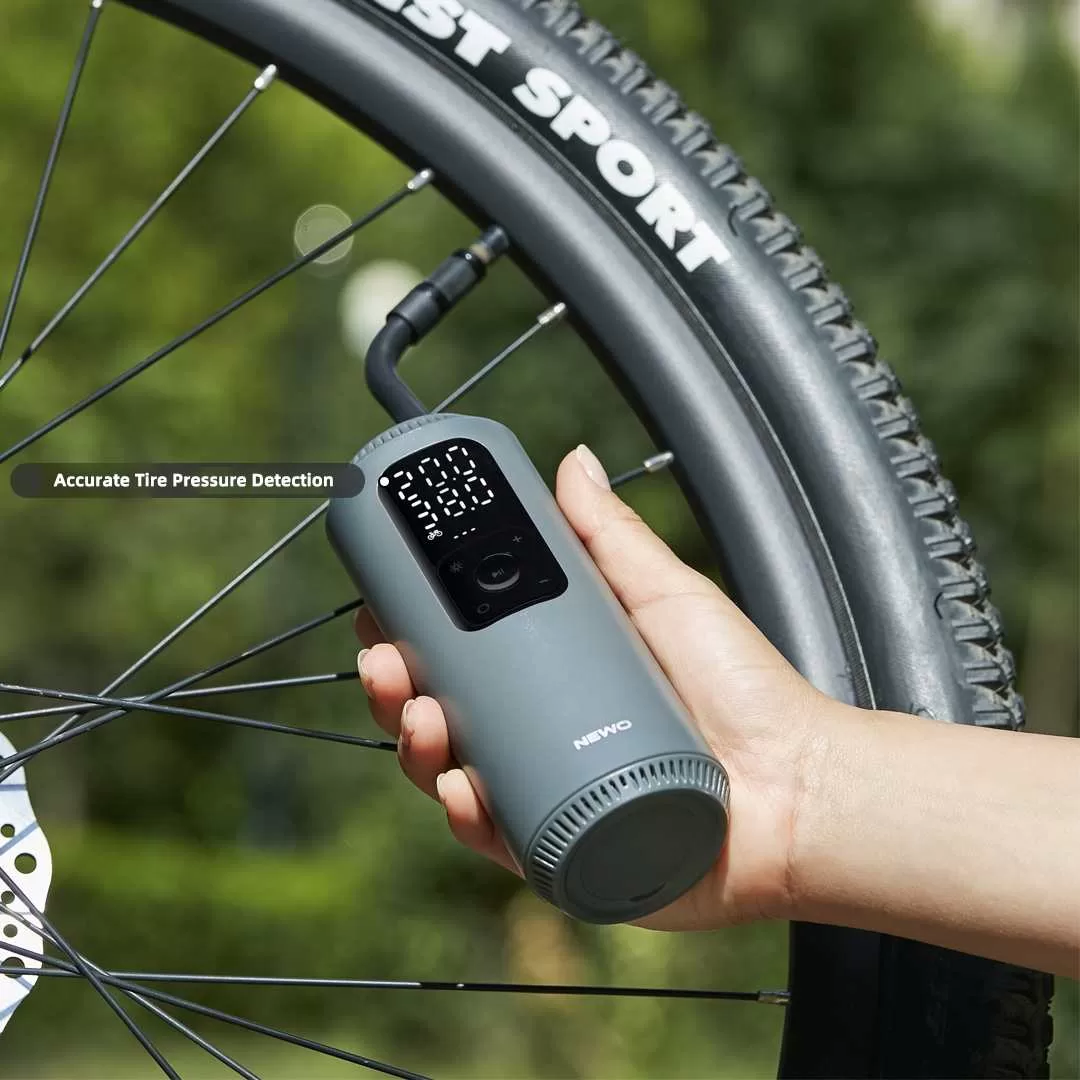
Leading the Way in Product Innovation and Excellence
Smartnewo exemplifies professionalism in product innovation and manufacturing. Their collaboration with Xiaomi Youpin on the G01 crowdfunding project highlights their expertise in creating compact, powerful inflatable pumps. Rigorous engineering, meticulous production processes, and advanced quality assurance underscore their commitment to excellence. The success of the G01 project, with significant market... -
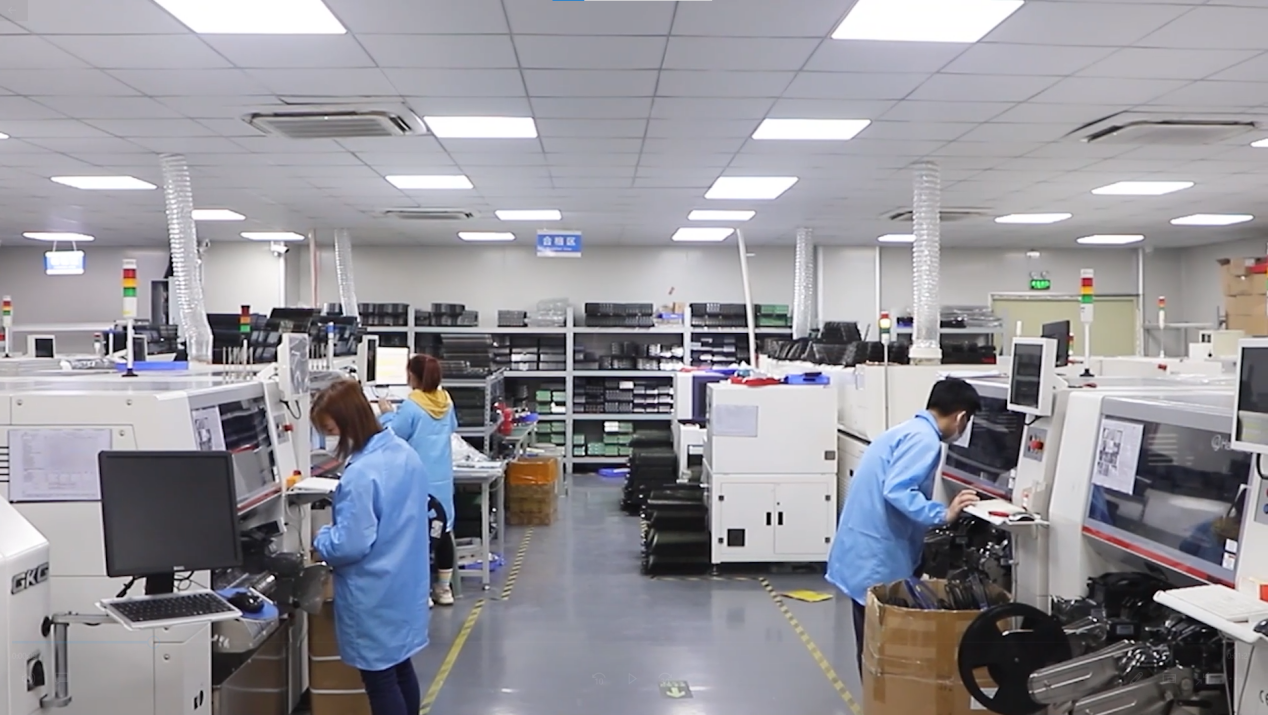
Essential Qualities of an Excellent Supplier
In today's competitive market, finding a reliable supplier is crucial for business success. Based on insights from Smartnewo and broader internet research, here are key qualities an excellent supplier must possess:... -
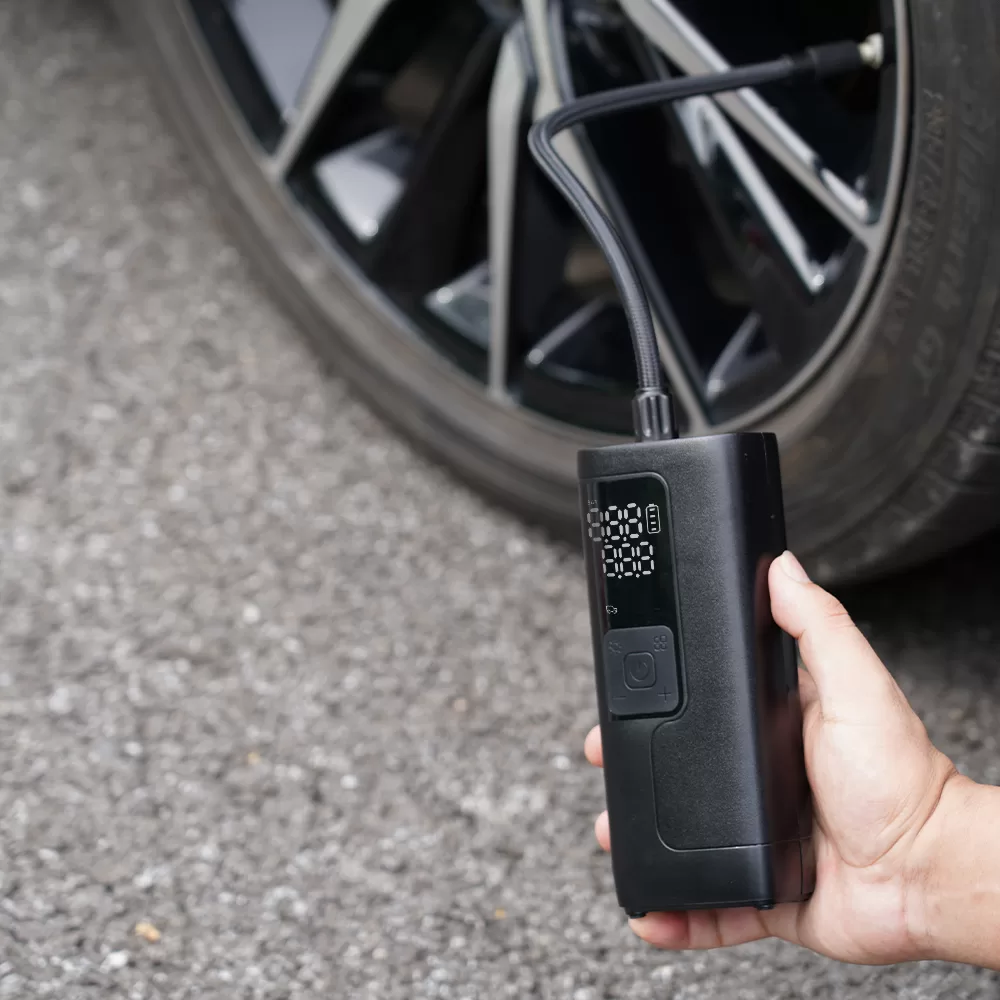
NW06 Tire Inflator: Compact Power for Quick Inflation
Summary The NW06 Tire Inflator delivers quick and efficient tire inflation with a powerful 35L/min airflow. It features a user-friendly LCD screen for real-time pressure monitoring, dual power options with a built-in 6000mAh battery, and multiple nozzle attachments for versatile use. Its compact design and integrated LED light ensure convenience and... -
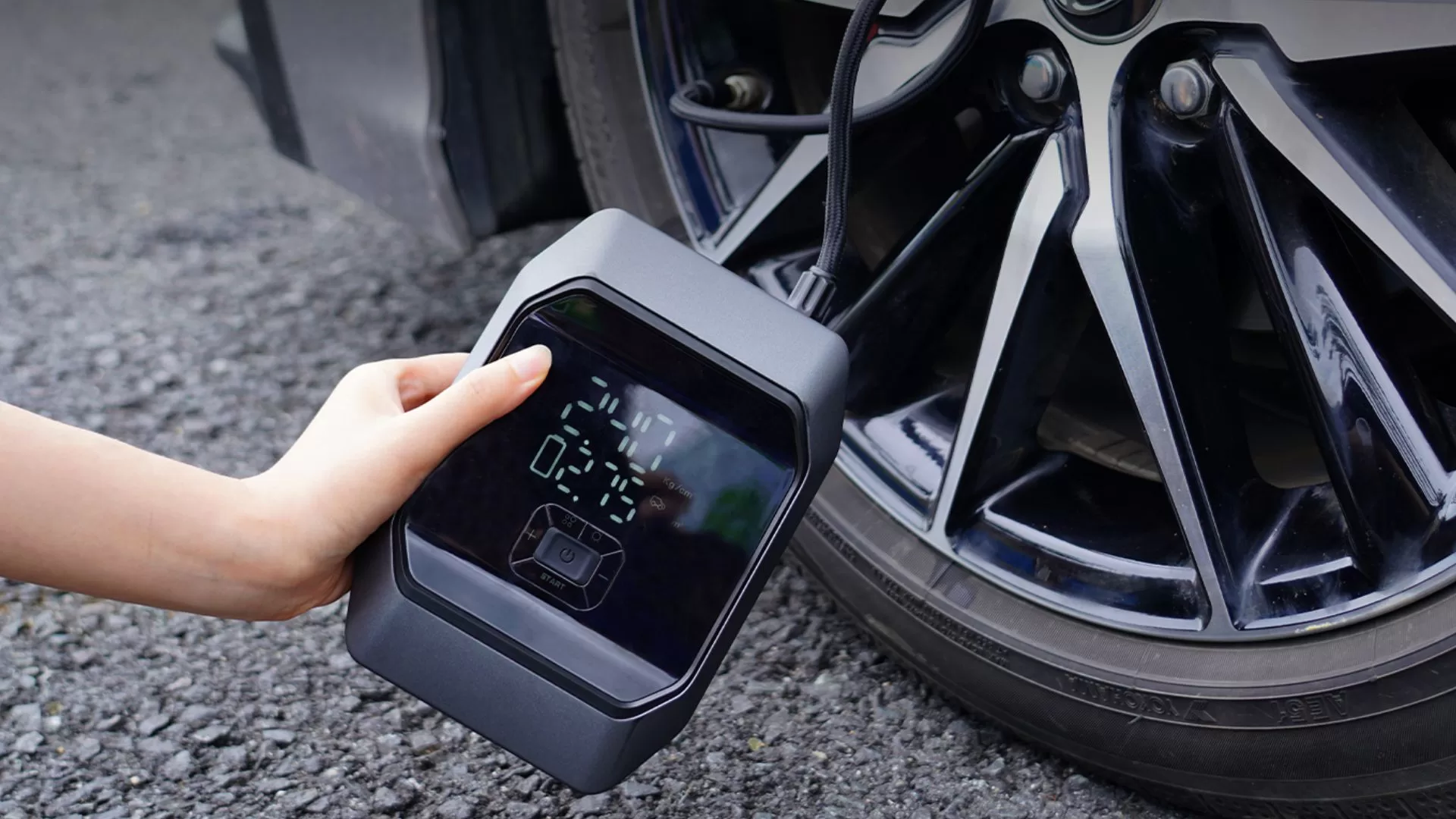
Unleash the Power of Portability: The SmartNewo Jump Starter with Air Compressor KF03
This guide will walk you through the steps to effectively use a portable tire inflator, helping you stay prepared and safe on the road.... -
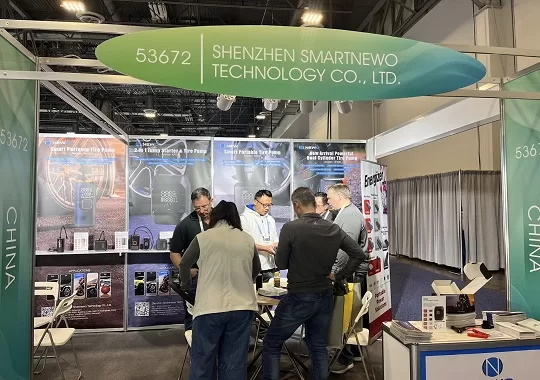
Newo Attends The 2024 Consumer Electronics Show (CES)
Smartnewo booth is located at 53672, Halls A-D, Level 2, Venetian Expo, Las Vegas Convention Center (LVCC). ... -
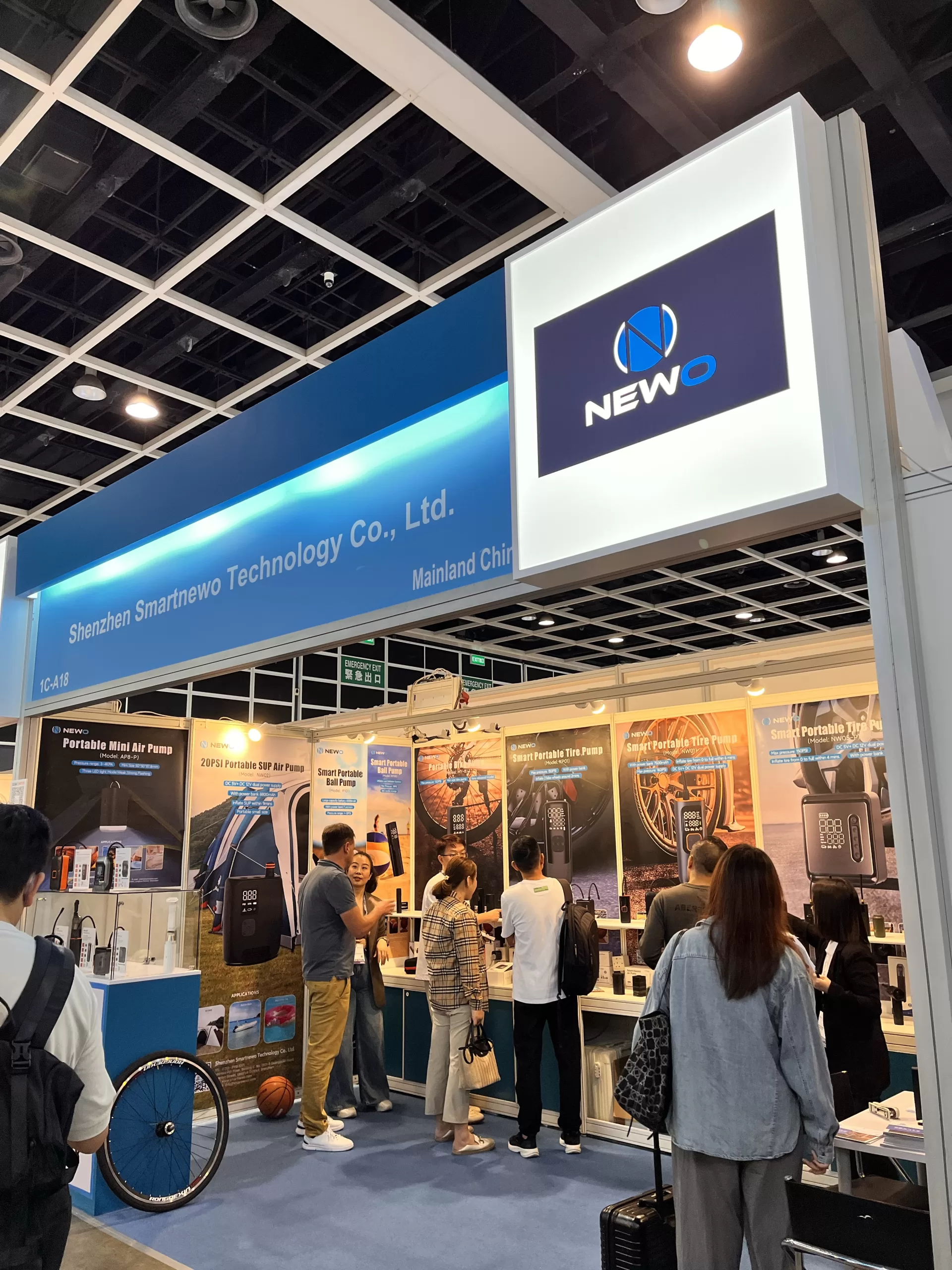
Smartnewo’s Dual-Cylinder Air Pump Rocks the Hong Kong Autumn Electronics Fair!
Smartnewo’s Dual-Cylinder Air Pump Rocks the Hong Kong Autumn Electronics Fair!... -

Meet at the Canton Fair! Smartnewo brings dual-cylinder air pumps, making your inflation experience faster and more stable!
NEWO has went deep communication and negotiation with customers from all over the world on booth.... -
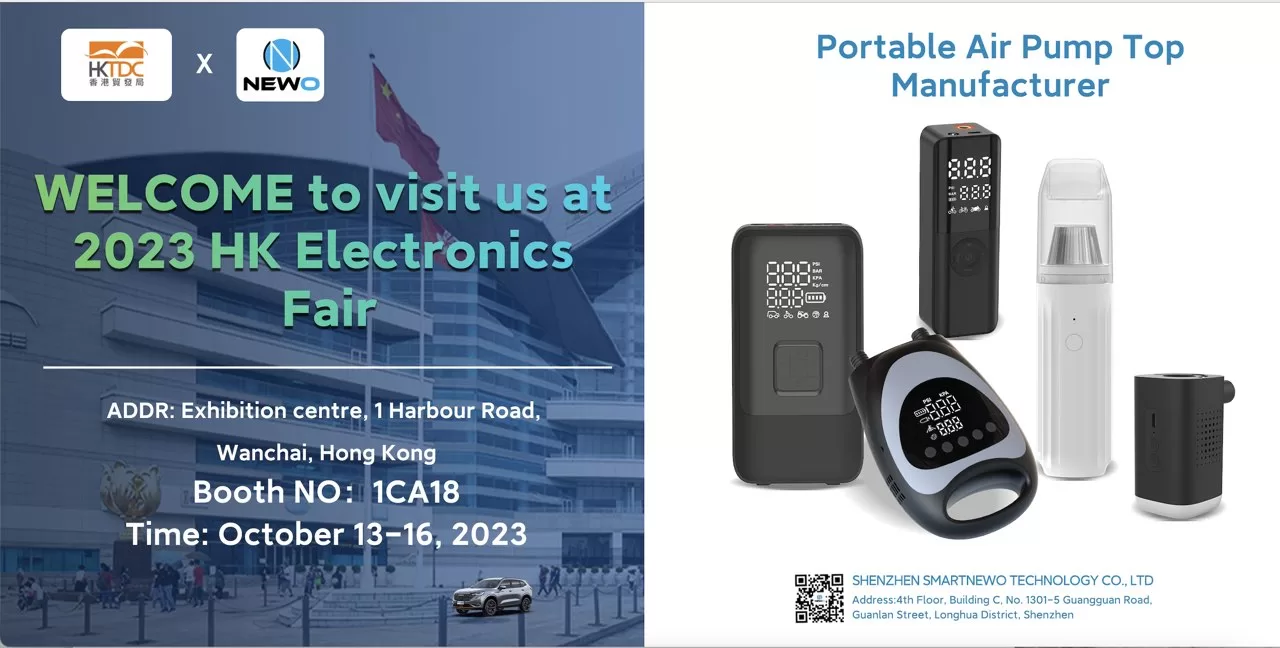
“Hong Kong Autumn Electronics Fair – 1CA18 (October 13th to 16th): Smartnewo invites you to visit our booth!
Hong Kong Autumn Electronics Fair...
-
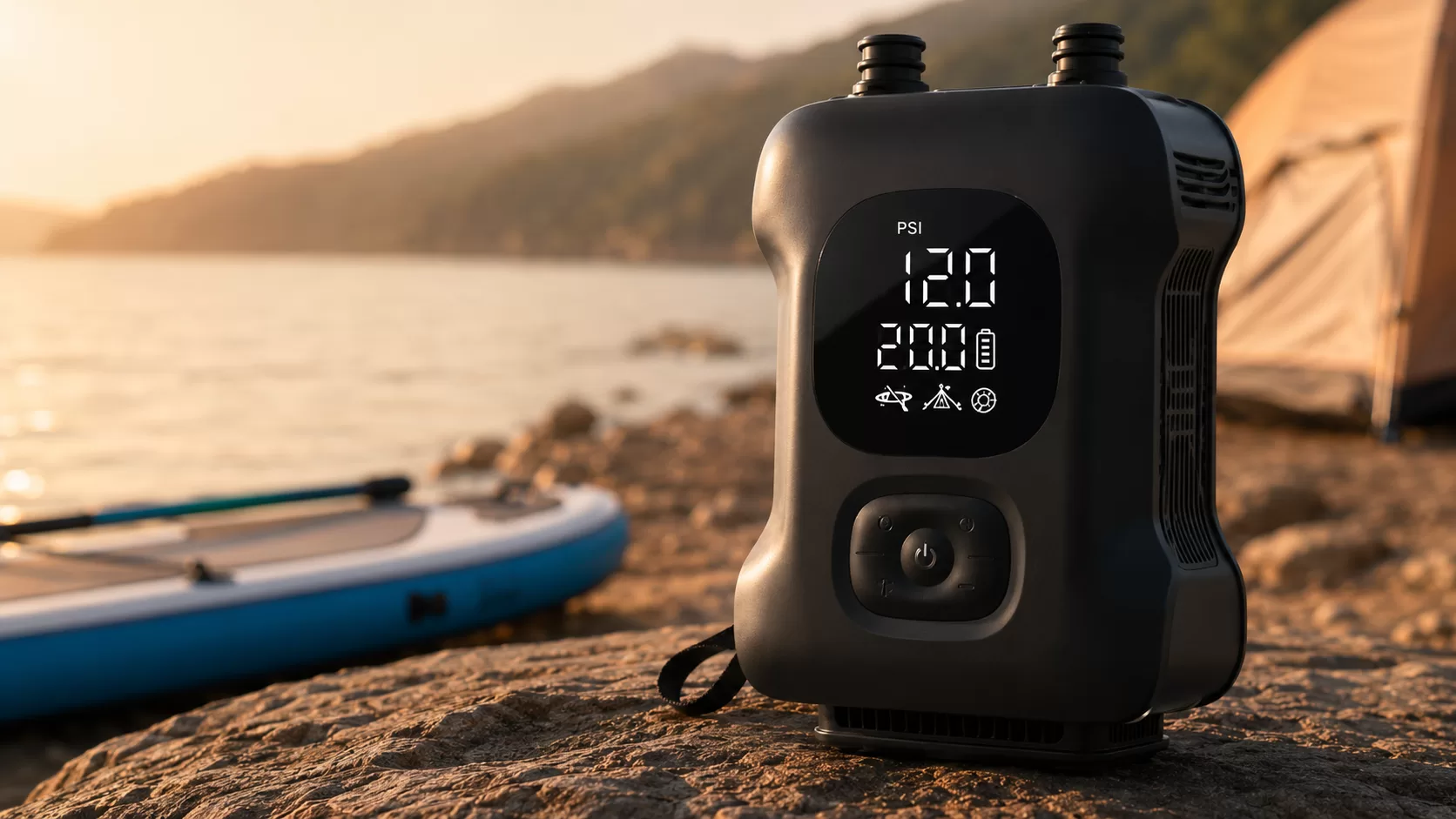
Rechargeable Electric SUP Pump for Paddle Boards: Faster Inflation for SUPs, Kayaks and Inflatable Tents
The BL10-C Portable Electric Bike Tire Inflator is a compact and lightweight mini electric bike pump designed for modern cyclists. With up to 120 PSI pressure, a digital LED display, preset pressure control, automatic shut-off, USB-C charging, and multiple valve adapters, BL10-C offers a convenient inflation solution for road bikes,... -
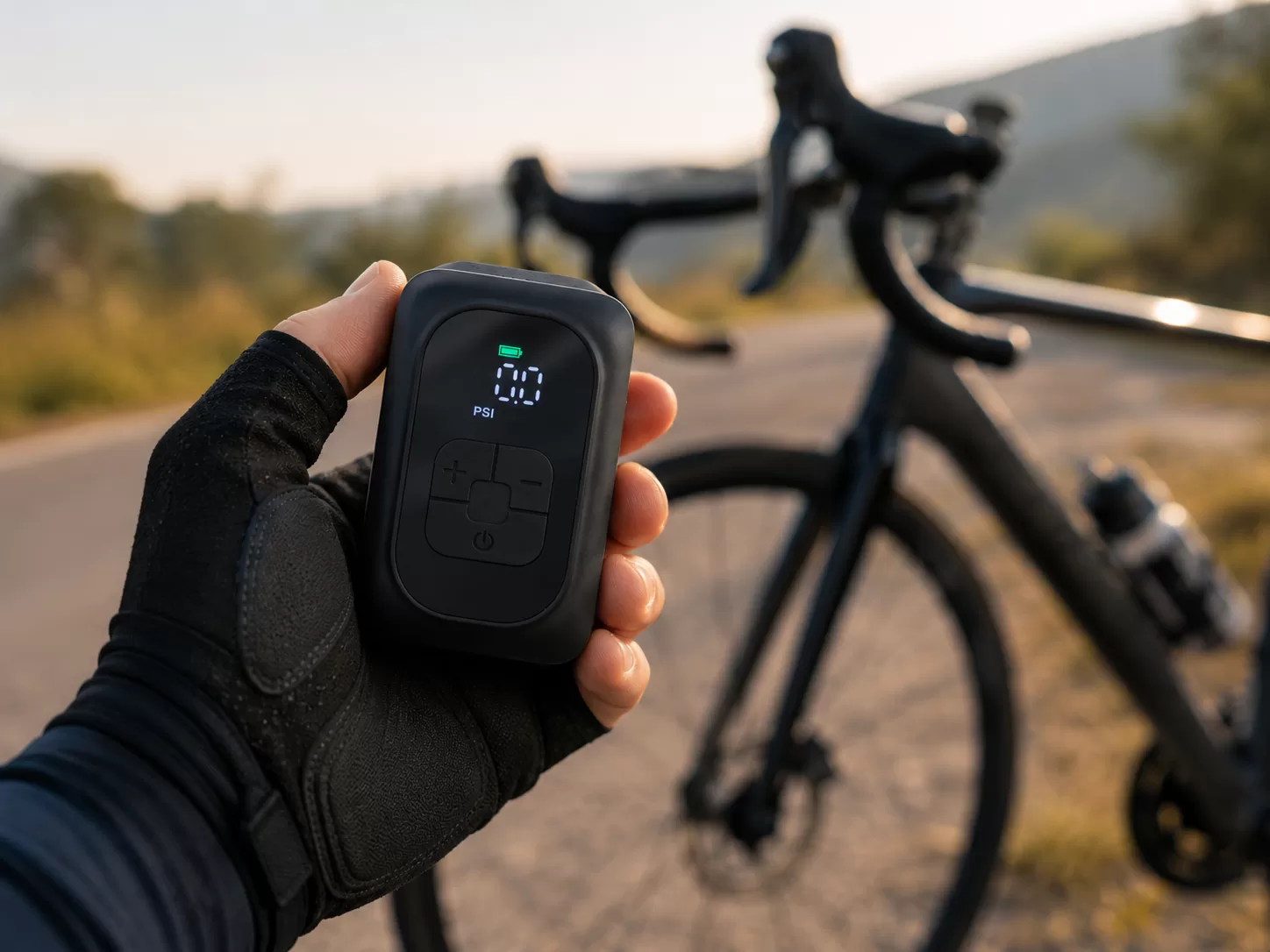
Are Electric Bike Pumps Worth It in 2026? Electric Pump vs CO₂ vs Mini Hand Pump
Discover whether electric bike pumps are worth it in 2026. This guide compares electric bike pumps, CO₂ inflators, and mini hand pumps for road cycling, gravel riding, commuting, and long-distance rides. Learn the pros, limitations, best use cases, and key features to look for before choosing the right portable tire... -
BL10-C Portable Electric Bike Tire Inflator: Small Size, Reliable Power for Every Ride
The BL10-C Portable Electric Bike Tire Inflator is a compact and lightweight mini electric bike pump designed for modern cyclists. With up to 120 PSI pressure, a digital LED display, preset pressure control, automatic shut-off, USB-C charging, and multiple valve adapters, BL10-C offers a convenient inflation solution for road bikes,... -
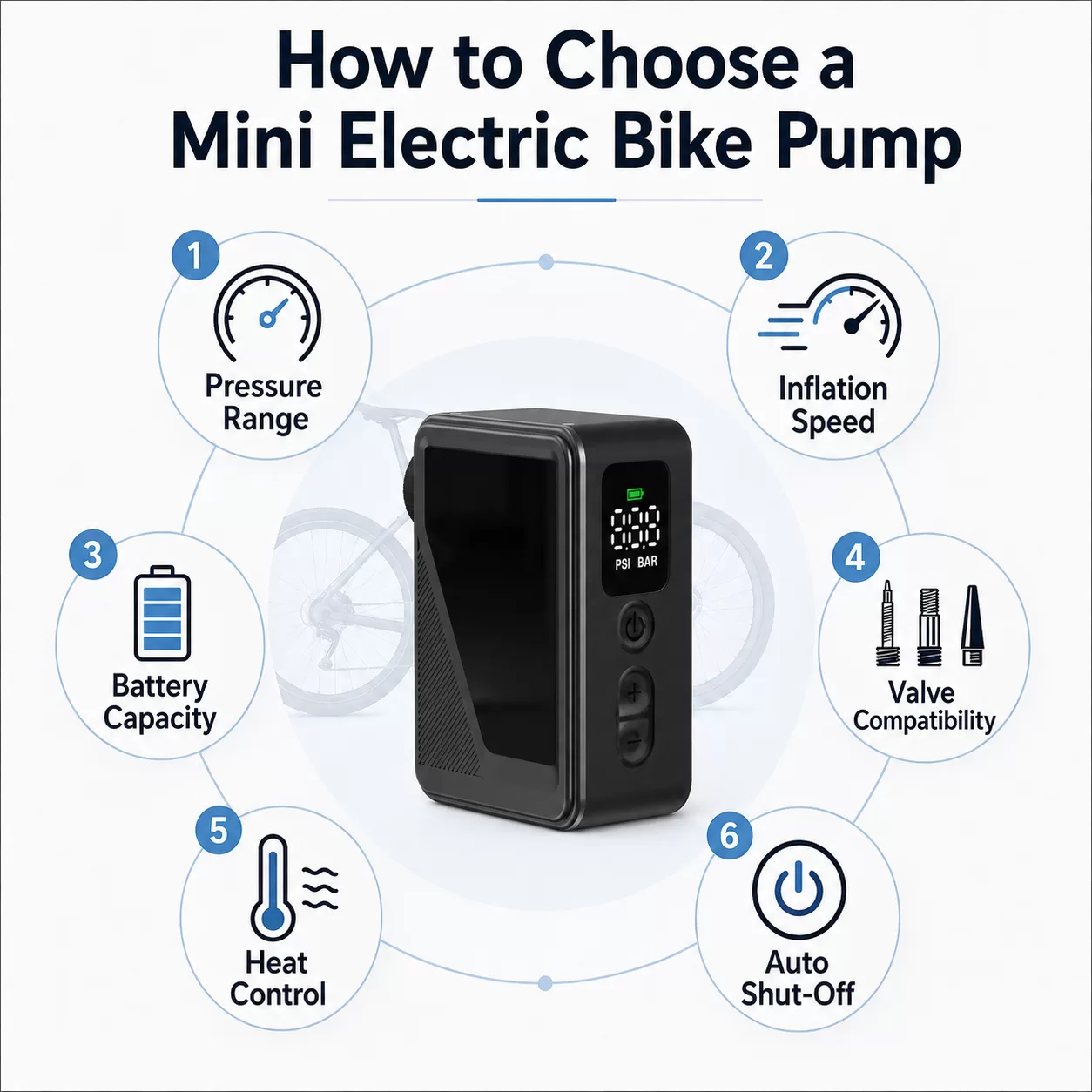
Why Mini Electric Bike Pumps Are Becoming Essential for Modern Cycling
Discover why mini electric bike pumps are becoming essential for modern cyclists. Learn how portable electric bike pumps improve tire pressure management, riding safety, and convenience.... -
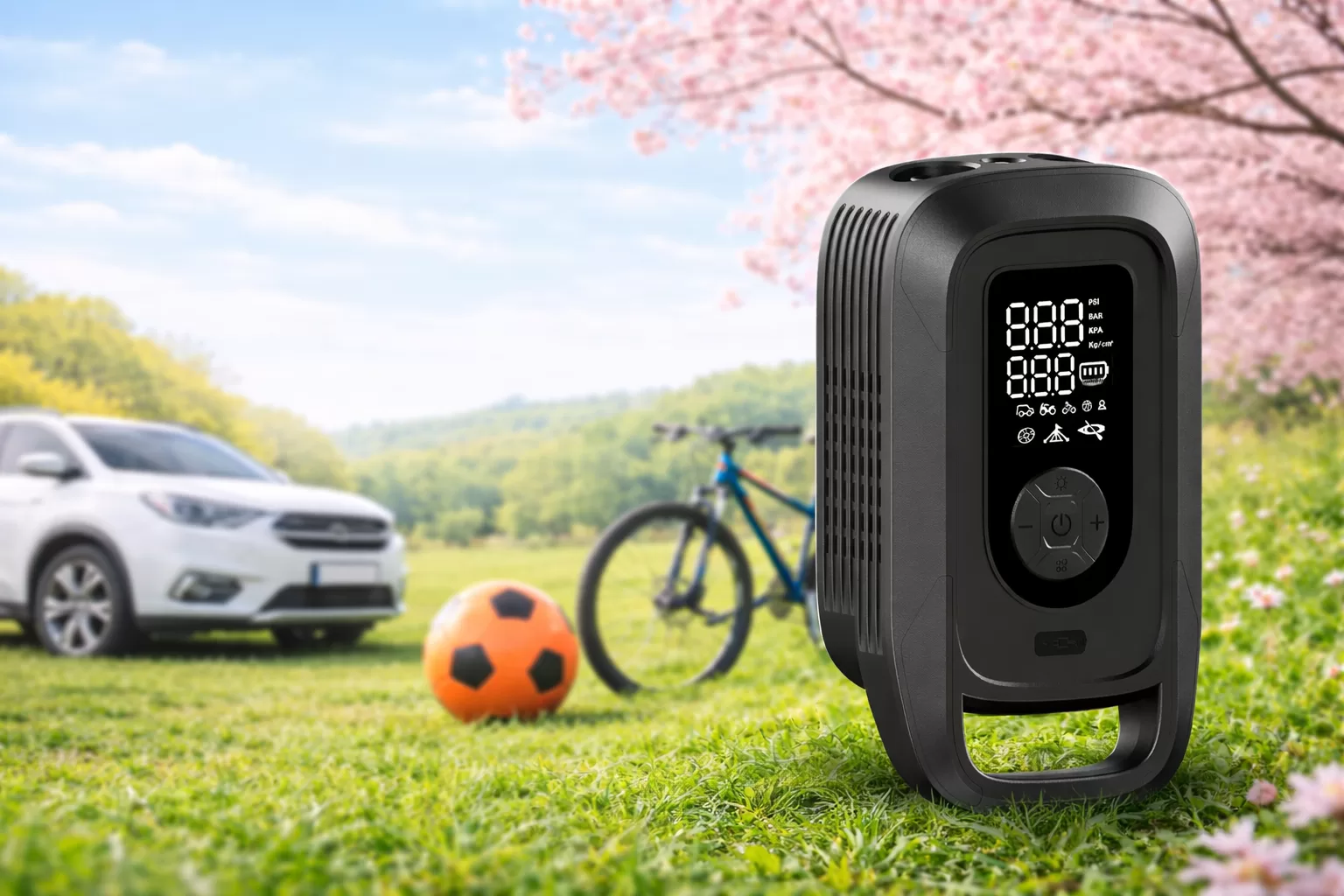
The Ultimate Smart Solution for Easy Outdoor Adventures in 2026
Discover how a spring travel air pump simplifies outdoor trips with fast inflation, smart features, and powerful performance—perfect for every adventure.... -
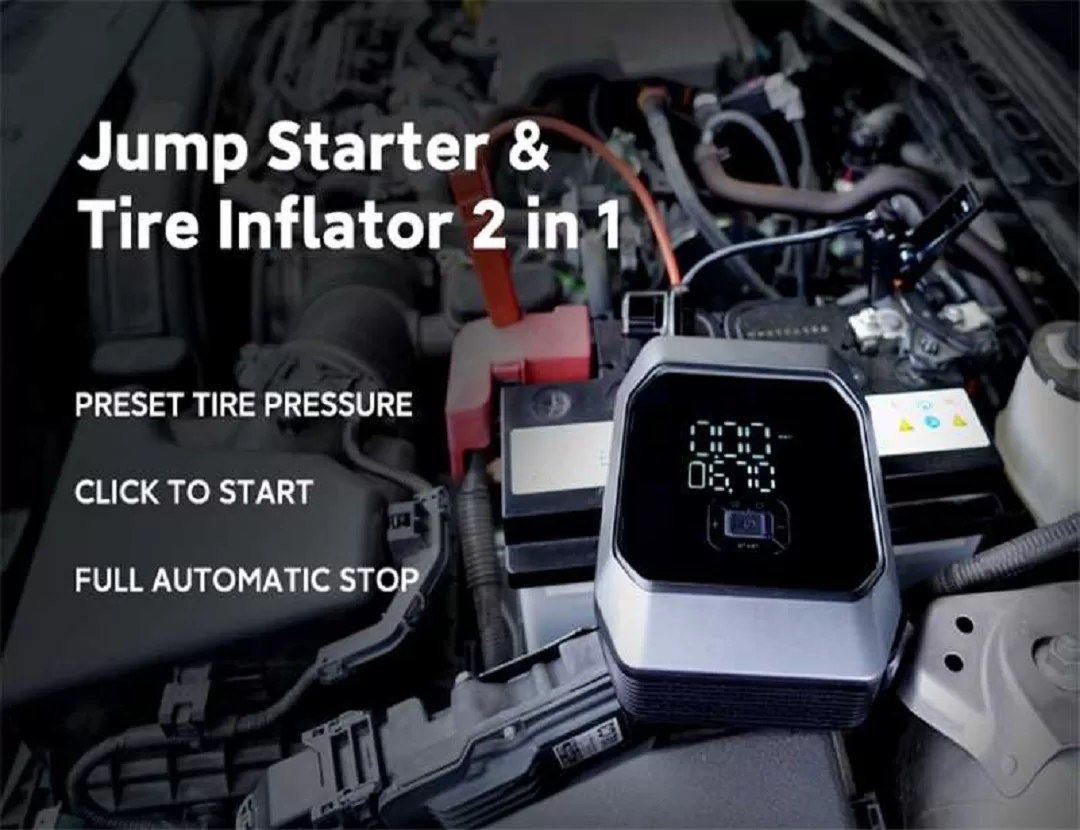
Powerful 5-in-1 Portable Car Tire Inflator and Jump Starter: The Ultimate Emergency Tool for Every Driver
Why Every Driver Needs a Portable Car Tire Inflator and Jump Starter Modern drivers face many unexpected situations on the road. A flat tire, low tire pressure, or a dead car battery can happen at the worst possible time. That’s why having a portable car tire inflator and jump starter is... -
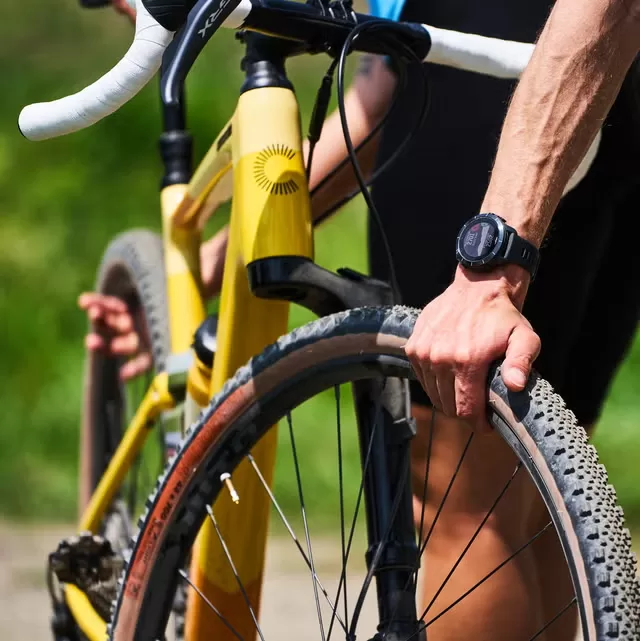
7 Real Cycling Scenarios That Show Why Every Rider Should Carry a Mini Bike Pump
Cycling is one of the most freeing activities you can enjoy. Whether you’re commuting to work, riding through city streets, or exploring quiet countryside roads, a bike ride can instantly improve your day. But there’s one small problem that almost every cyclist eventually faces: Low tire pressure. It might happen... -
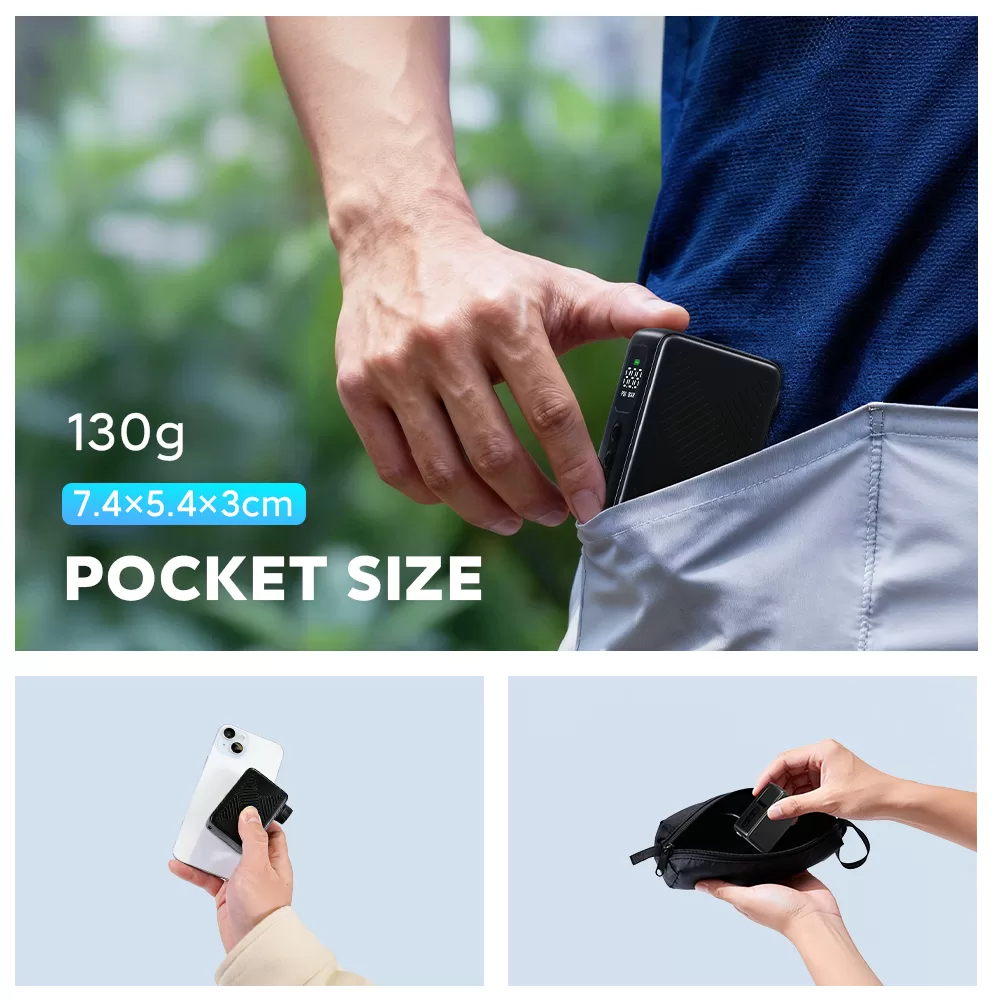
BL08-A Portable Electric Bike Pump: A Global Distribution Opportunity with Smartnewo
Smartnewo, a professional manufacturer of portable electric air pumps, introduces the BL08-A model — a compact and efficient inflator designed for global distributors, e-commerce sellers, and outdoor accessory brands seeking reliable OEM/ODM solutions. Table of Contents Main Heading Subtopics 1. Introduction: Expanding the Global Market for Smart Inflation Tools Portable... -
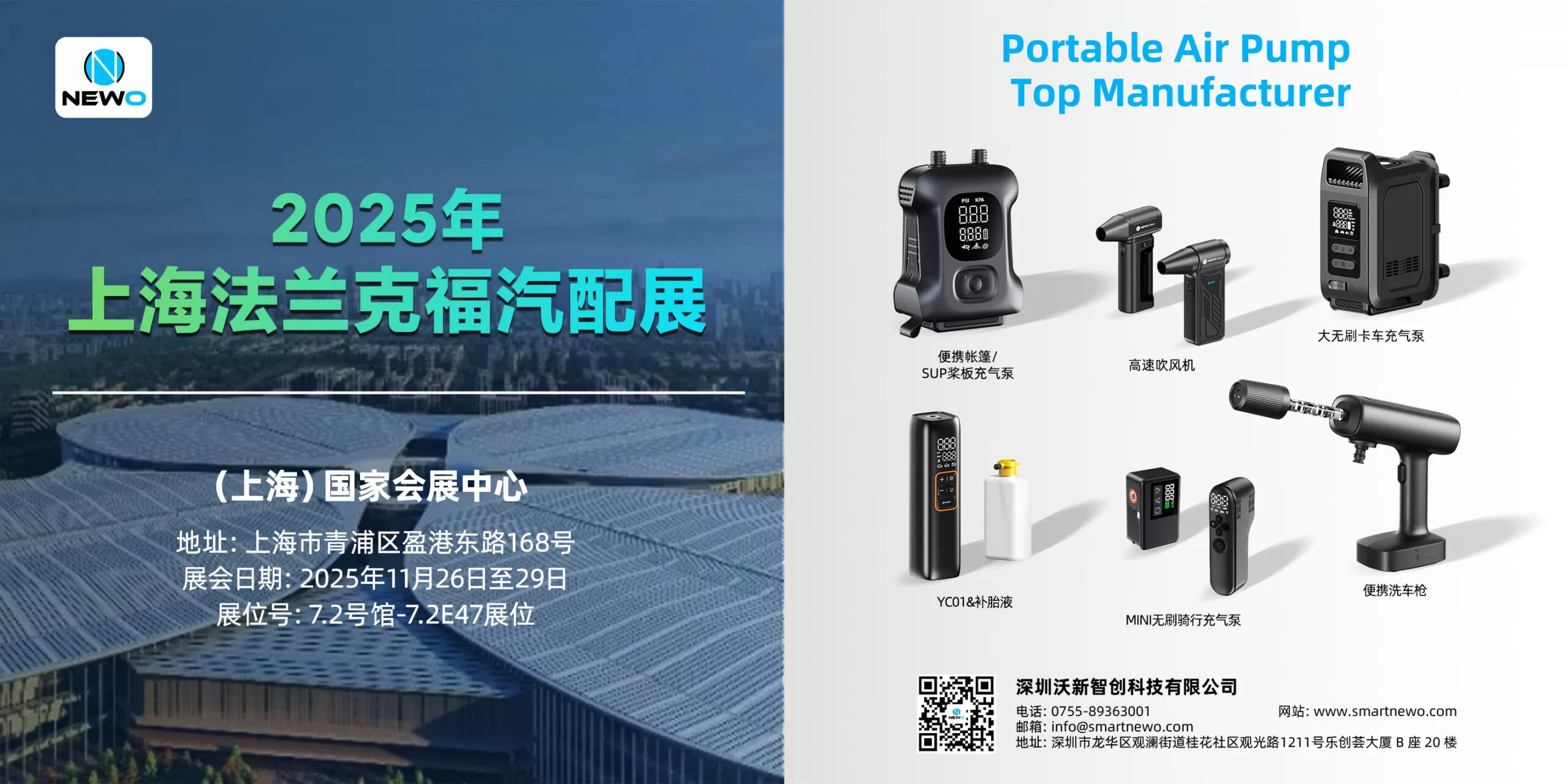
Connecting Opportunities at Automechanika Shanghai 2025 — Smartnewo Exhibition Day 1
Today marks an exciting beginning as Smartnewo officially opens its booth at Automechanika Shanghai 2025. As one of the largest and most influential automotive aftermarket exhibitions in the world, the show provides an exceptional platform for meaningful conversations, partnership building, and global industry exchange. Located at Booth 7.2E47, Smartnewo presents... -

Why Every Outdoor Cyclist Should Carry a Mini Electric Bike Pump
Whether you are an experienced mountain rider or a weekend road-cycling enthusiast, one thing is certain: unexpected tire pressure issues can ruin an entire ride. That’s why more cyclists are turning to mini electric bike pumps—compact, lightweight, and far more reliable than traditional hand pumps. 1. Consistent Pressure, Even in...
-
How Is a Football Properly Inflated?
The correct inflation of a football - with not too much and not too little air - is a hotly debated topic among footballers.... -
Application Scenarios of Car Inflator Pump
Often long-distance business trips or play car owners because the road may be more remote areas, in this case if you encounter a tire leak....