
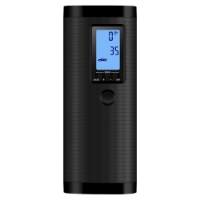
 Portable Tire Inflators
 Electric Air Pumps
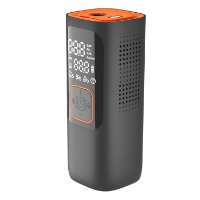 Electric Car Tyre Pumps
 Electric Ball Pumps
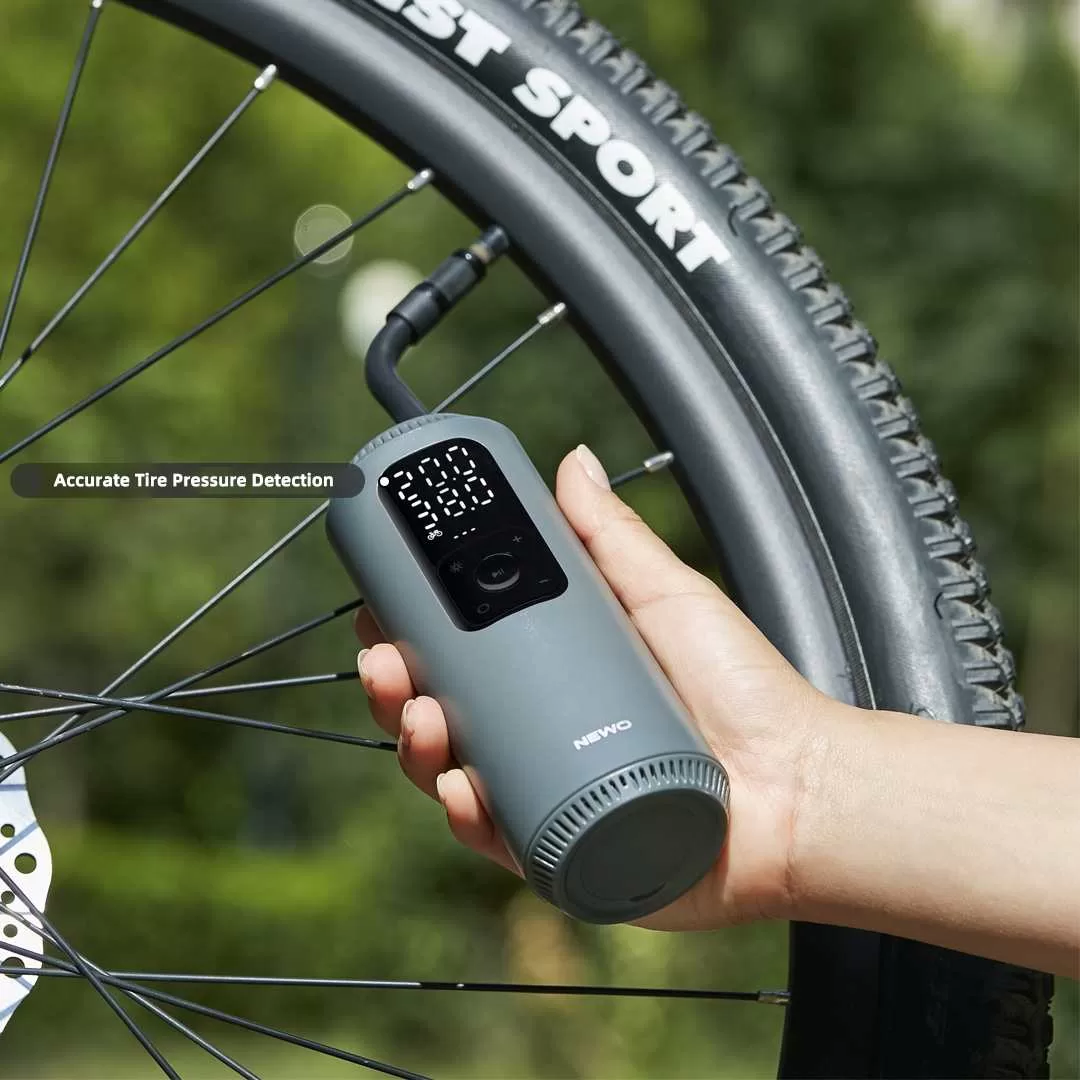
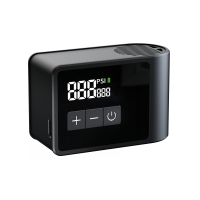 Electric Bike Pump
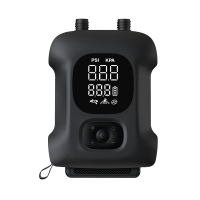 SUP Air Pump

Before ordering custom electric bike pumps, freeze the intended tire tasks, valve and tube combinations, complete carry-kit size, repeat-use requirements, battery configuration, charging inputs, and documentation scope. Confirm these requirements against the selected model and current component-manufacturer instructions, then approve the same configuration that will appear in your packaging and purchase order.
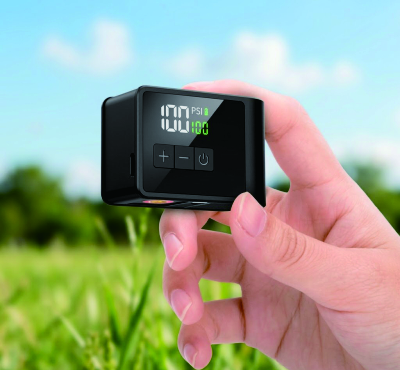
Include the required hose, adapters, and sleeve when comparing carry kits. A head described as Presta-compatible still needs review against the intended valve stem, removable core, and rim arrangement.
Here, electric bike pump means an electrically powered pump. Connection to an e-bike battery requires separate model-specific confirmation. Define the tire, rim, valve, and inflation task for your selected model.
Freeze the cycling use case before choosing the smallest model
Identify the riders and tires your product will serve. Specify essential tasks and exclusions for your road, gravel, or workshop brief, then keep packaging claims within those boundaries.
List representative tire dimensions, starting and target pressures, and the intended sequence of use. Your brand should obtain operating-pressure guidance from the relevant tire and rim manufacturers. A pump’s maximum pressure does not establish a safe pressure for the wheel system.
Separate topping up an already seated tubeless tire from seating a tubeless tire bead. If bead seating is part of your brief, make it a separate requirement for the supplier to assess and demonstrate. Do not infer that capability from the word tubeless or a maximum-pressure rating.
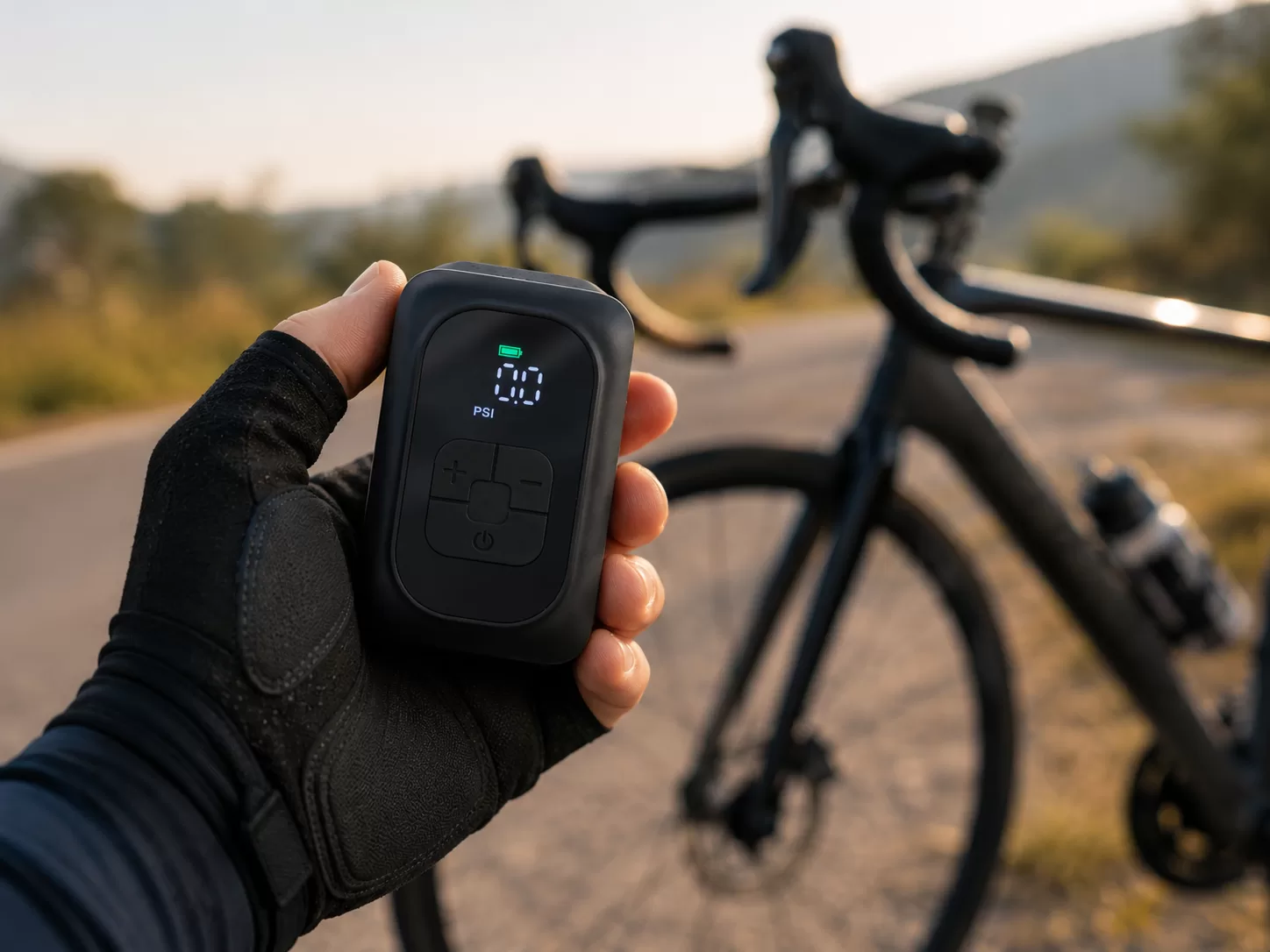
Explore the electric bike pump range against your defined task rather than choosing only by headline weight or maximum PSI.
Build a compatibility list beyond Presta and Schrader
Freeze the exact valve and tube combinations your brand intends to support. Include the pump head, hose, adapters, rim access, and relevant component revisions. Compatibility belongs to the assembled combination; a broad valve label leaves those details unresolved.
| Area | Record in the specification | Question to close |
|---|---|---|
| Presta and Schrader | Head or adapter used for each valve | Can the rider attach and remove it as instructed? |
| Removable valve cores | Supported valve designs and attachment method | Does removal leave the core correctly seated? |
| Deep rims and restricted access | Valve length, extension, and clearance conditions | Does the complete connection fit the intended wheel? |
| TPU tubes | Named tube/valve versions and required hose arrangement | Do current pump and tube instructions permit this combination? |
| Tubeless setup | Valve design and top-up or bead-seating task | What specific task has been agreed and assessed? |
| Other valve systems | Named system and approved adapter, if in scope | Is compatibility documented for the exact arrangement? |
Check handling as well as connection. Ask how the rider supports the pump during use and how the hose is detached. Review the procedure on representative wheels, including short exposed valve stems and the extensions you intend to support. Keep unsupported combinations out of the launch claims.
Treat heat and TPU compatibility as configuration-specific
Ask the supplier to identify required hose extensions, operating limits, and cooling instructions for each proposed tube and valve combination. Confirm them with the component manufacturer. TPU tubes and valve designs vary, so a general claim that a pump is TPU-safe needs a defined scope.
For example, SKS’s guidance for its EMP pump instructs users to use the supplied extension with TPU tubes that have plastic valves because of heat. That is model-specific guidance, not evidence that the same extension or operating rule applies to another manufacturer’s pump.
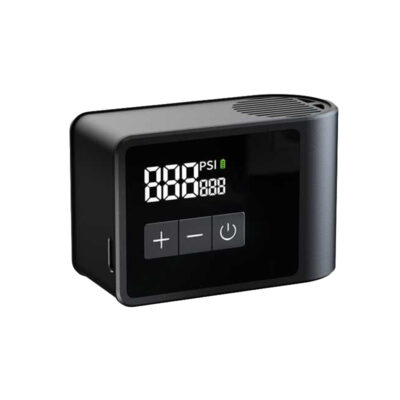
Specify portability for the kit riders will actually carry
Request dimensions and weight for both the pump alone and the complete required kit. List the hose, valve adapters, protective sleeve, storage pouch, and charging cable separately. Decide which items must travel with the rider and which can stay at home.
If the product must fit a jersey pocket, saddle bag, or tool container, provide the usable space and closure constraints. Review whether buttons can be pressed accidentally in that storage arrangement and whether hot surfaces need cooling before storage. Any mounting accessory should be part of the agreed configuration and assessment.
Label pump-only weight clearly. A hose-free product photograph should agree with the instructions for the valve and tube combination shown.
Define repeated top-ups as a riding requirement
Replace a general request for long battery life with a use sequence. Specify the representative tires, starting and target pressures, number of top-ups your product must support, rest intervals, ambient conditions, and initial battery state. Ask the supplier to assess feasibility before you commit to the feature claim.
Keep routine top-ups separate from inflation after a puncture repair. They use different amounts of air and may lead to different operating intervals. Decide which scenario your launch messaging will describe, and require any published result to identify its conditions.
Also define what the rider sees at low charge or when the pump reaches an operating limit. Your manual should explain the controls and any required waiting period for the selected configuration. The brand’s engineering reviewer should approve those instructions alongside the product requirements.
Match battery, charging, and documents to one configuration
Ask for the battery pack’s model reference, nominal voltage, rated capacity, and watt-hour rating. Clarify whether capacity figures describe an individual cell or the assembled pack. Resolve inconsistent units with the supplier rather than reconstructing a specification from incomplete figures.
Freeze the charging input, supported charger and cable arrangements, supplied accessories, charging indication, and stated conditions for any charging-time claim. A photograph of the charging port leaves those requirements open. Confirm whether a mains charger is included or must be sourced separately.
For lithium-battery products, request transport documentation that corresponds to the selected battery design. PHMSA’s lithium-battery guidance explains UN 38.3 design testing and test summaries. This evidence concerns transportation; your quality team or qualified laboratory should separately determine the product requirements for your destination market.
Build a document list linked to the final model and configuration. It may include the approved specification, battery information, relevant reports and declarations, manual, label artwork, packing list, and accessory references. Agree who supplies and reviews each item. Confirm that document references match the product you will sell.
Use a requirements freeze before releasing the custom order
Smartnewo lists OEM, ODM, and wholesale cooperation. Discuss branding and other changes against a specific model, then confirm which options are feasible. A color or enclosure change should go through the agreed technical review when it affects materials, markings, fit, or operation.
Before release, have purchasing, product, and quality owners approve one controlled file set:
- Intended tasks, supported wheel/valve/tube combinations, and stated exclusions.
- Model, components, firmware, complete accessory kit, and approved sample references.
- Agreed performance requirements and the conditions supporting public claims.
- Manual, warnings, labels, packaging artwork, and market-document list.
- Written approval rules for later substitutions or specification changes.
Keep commercial terms, quantities, sample arrangements, and delivery requirements in the written project agreement.
Frequently asked questions
Can one electric pump support both Presta and Schrader valves?
Confirm it for the selected model, head, and included adapters. Review attachment, removal, access on your representative wheels, and the instructions for each supported setup. Avoid extending that confirmation to other valve systems.
Can we advertise a pump as compatible with TPU tubes?
Define the supported tube and valve versions first. Obtain current instructions from the pump and component manufacturers, including any extension and heat precautions. Publish only the compatibility scope that your project review supports.
Does tubeless compatibility include bead seating?
State the task explicitly. Topping up an already seated tubeless tire and seating its bead should be separate requirements. Ask for model-specific evidence before making a bead-seating claim.
What should a cycling brand send for model recommendations?
Send your rider segment, representative tires, valve and tube combinations, portability limits, repeat-use needs, destination market, and branding scope. Request model recommendations for your custom cycling pump project.