

 Portable Tire Inflators
 Electric Air Pumps
 Electric Car Tyre Pumps
 Electric Ball Pumps
 Electric Bike Pump
 SUP Air Pump

Choosing a Rechargeable Sports Ball Inflator for Everyday Training
A flat basketball or a soft volleyball rarely fails at a convenient moment. It usually happens right before practice, when the gym pump is missing or the foot pump feels too slow for a whole bag of balls. This is exactly the gap a rechargeable sports ball inflator is built to close, trading bulky equipment and manual effort for a device that fits in a hand and lives in a sports bag.
Coaches, parents, and recreational players share the same underlying frustration: ball pressure drifts over weeks of use, and traditional pumps are either too weak, too noisy, or too tied to a wall outlet. Understanding how a battery-powered ball pump actually works helps explain why it solves this problem more reliably than older tools.
Why Low-Pressure Balls Need a Different Pump Than Tires
Sports balls and vehicle tires are not inflated the same way, even though both involve air and pressure. Tires need high pressure and a narrow nozzle built for valve stems, while basketballs, footballs, volleyballs, and rugby balls need gentle, low-pressure airflow through a thin needle.
A tool built for one job rarely excels at the other. Pushing high-pressure air into a ball risks overinflation, while a weak hand pump can leave a tire task half finished. This is why dedicated ball inflators, such as the P101, are engineered around a narrower 2 to 12 PSI range instead of the much higher pressure range common in tire inflators.
That narrower range is not a limitation. It is a design choice that matches the physical reality of inflatable sports equipment, where even a few extra PSI can change how a ball bounces or feels during a match.
How Preset Ball Modes Reduce Guesswork
Judging the right pressure by hand is harder than it looks. Squeezing a ball only tells you roughly how firm it feels, not whether it sits within an official or comfortable range. This guesswork is where many balls end up over or under-inflated over time.
Preset ball modes address this directly. The P101 includes five preset inflation settings tuned for common ball types, so the pump stops automatically once the target pressure is reached. Instead of estimating by feel, the user selects a mode and lets the sensor and shut-off logic do the rest.
This matters most for people who inflate many balls in a short window, such as before a training session or a weekend tournament. Automatic shut-off also reduces the risk of overinflating a ball, which can shorten its usable life or affect how it performs on the court or field.
Reading Pressure Instead of Guessing It
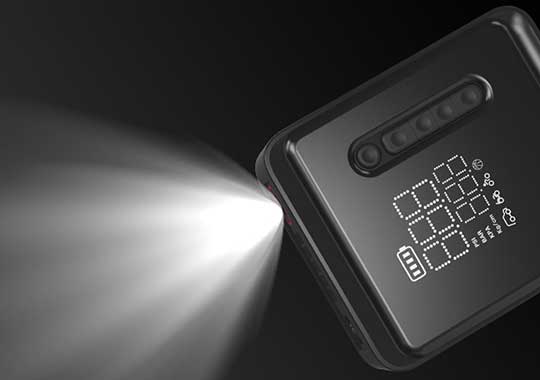
Beyond preset modes, visibility into actual pressure changes how confidently someone can inflate a ball. A front-facing LED screen on the P101 displays the measured pressure value along with battery status while the pump is running.
This small detail solves a quieter but still common problem: not knowing whether a ball has reached the pressure a coach, league, or personal preference requires. Rather than removing the pump, squeezing the ball, and reconnecting it to check again, the display shows live feedback during inflation.
For school programs or team equipment managers responsible for dozens of balls, this reduces both wasted time and inconsistent inflation across a set of equipment.
Noise Matters More Than Most Buyers Expect
Indoor gyms, apartments, and family living rooms all share one constraint that outdoor pumping rarely has to consider: noise. A pump that roars like a shop compressor is disruptive during practice, early morning routines, or quiet household settings.
According to the product specifications, the P101 is rated at 30 dB or below when measured at a distance of one meter, a notably low noise level for a motorized pump. This lower noise profile is less about marketing and more about practical compatibility with indoor training spaces, school hallways, and homes with young children or sleeping family members.
Portability and Battery Life for Repeated Use
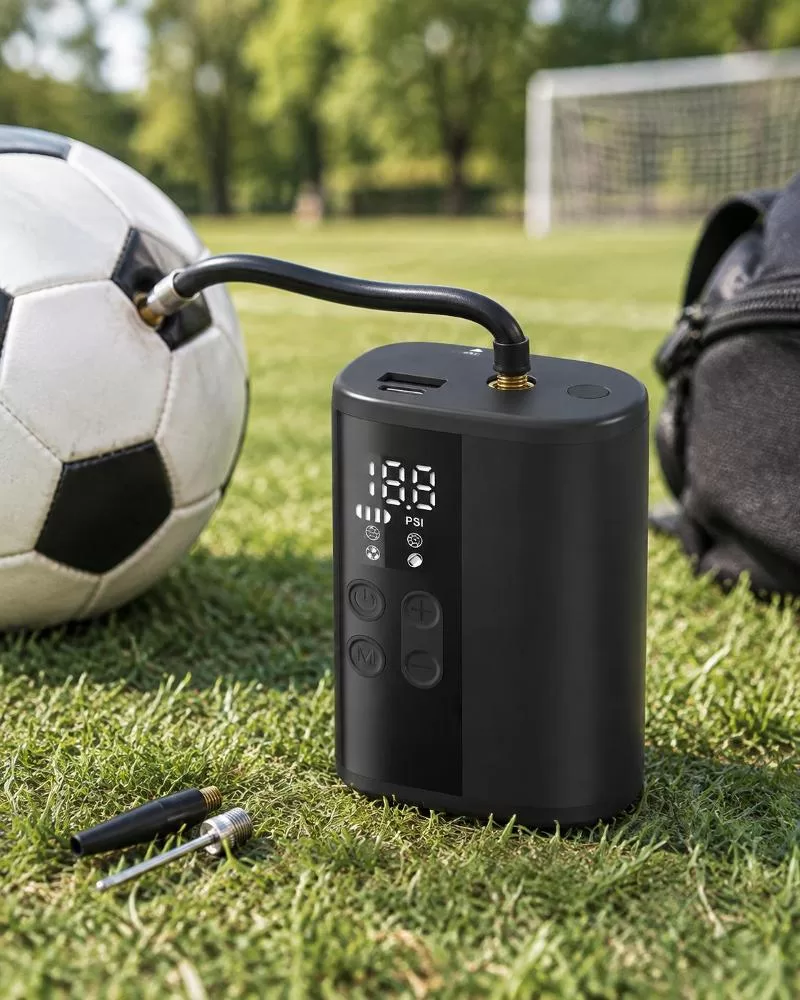
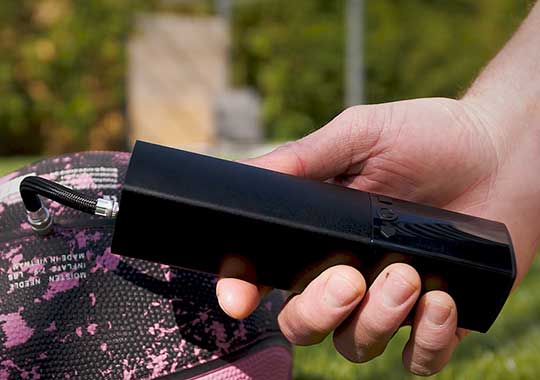
A ball pump that stays in a drawer because it is awkward to carry defeats its own purpose. The P101 measures 90 × 63 × 40 mm and weighs 224.4 g, close to the footprint of a small flashlight, which allows it to sit in a side pocket of a sports bag without adding noticeable bulk.
Battery performance is just as relevant as size for anyone inflating multiple balls across a season. According to the product specifications, the built-in 4000mAh battery supports:
- A single charge runtime of about 3 hours and 52 minutes of continuous operation
- Inflation capacity of roughly 150 basketballs per full charge, based on the manufacturer’s figures
- Charging time of 2 to 3 hours using a standard Type-C cable
- Battery cycle life rated for 300 charge cycles while retaining 80% or more of original capacity
For a youth league running weekly practices, this translates into weeks of use between charges rather than a device that needs daily recharging.
One Device, Two Jobs: Pump and Power Bank
Many portable electronics now share batteries across functions, and the ball pump category is following that same pattern. The P101 doubles as a basic power source, offering 5V/1.5A power-bank output for compatible small devices through its Type-C port.
This does not replace a dedicated power bank for heavy phone charging, but it offers a backup option during long practice days or tournaments where outlets are scarce. Charging input is rated at 5V/2A, so the device itself recharges in a similarly practical timeframe.
Matching Specifications to Real Use Cases
Specifications only matter when they map to how the device is actually used. The table below summarizes core figures from the P101 alongside the use cases they support.
| Specification | Value | Practical Relevance |
|---|---|---|
| Pressure range | 2–12 PSI | Matches low-pressure sports balls, not vehicle tires |
| Air flow | 3.5 L/min | Supports steady inflation without excessive noise |
| Battery capacity | 4000mAh (3.7V, 11Wh) | Enables extended runtime between charges |
| Runtime per charge | 3 hr 52 min | Covers multiple balls or a full team’s equipment |
| Noise level | ≤30 dB at 1 meter | Suitable for indoor gyms and quiet households |
| Weight | 224.4 g | Comfortable for one-handed use and bag storage |
| Working temperature | -10°C to 45°C | Usable across most indoor and moderate outdoor conditions |
This kind of comparison is useful during selection, since buyers can weigh portability against runtime, or noise level against airflow speed, depending on which factor matters most for their setting.
Where This Type of Pump Fits in Daily Use
A rechargeable sports ball inflator earns its place through repeated, unglamorous use rather than a single standout feature. Based on the application scenarios associated with the P101, common settings include:
- School sports programs that need to inflate team equipment quickly between classes
- Indoor training facilities where noise and portability both matter
- Family use for children’s balloons, swim rings, and recreational balls
- Retail or e-commerce product lines bundling ball pumps with sporting goods
- Backup inflation during games or outdoor practices when a wall outlet is unavailable
Across these scenarios, the common thread is unpredictability. Nobody schedules a flat ball, so the value of the device lies in being ready whenever that moment happens.
Frequently Asked Questions
Can a ball pump like this inflate vehicle tires?
No. The P101 is designed for a 2–12 PSI range suited to sports balls and similar low-pressure inflatables, not the higher pressure requirements of vehicle tires.
How many balls can be inflated on one charge?
According to the manufacturer’s figures, a full charge supports roughly 150 basketballs, though actual results vary with ball size and condition.
Is the pump quiet enough for indoor use?
Yes. It is rated at 30 dB or below at a distance of one meter, which is suitable for gyms, classrooms, and household settings.
Does it need to be plugged into a wall outlet to work?
No. It runs on a rechargeable 4000mAh battery and charges via a Type-C cable, so it operates independently of a nearby outlet.
Can it charge a phone in an emergency?
It can provide limited 5V/1.5A power-bank output for compatible devices, useful as a backup rather than a primary charging source.
Making a Practical Choice
Selecting the right inflator comes down to matching a few core needs: how many balls need inflating, how much noise is acceptable, and how often recharging is realistic. For teams, schools, and households managing multiple balls, a dedicated low-pressure design avoids the mismatch of using tire-oriented tools for sports equipment.
For us, the goal with devices like the P101 is straightforward: give people a rechargeable sports ball inflator that is quiet enough for indoors, light enough to carry daily, and precise enough to replace the guesswork of manual pumping, without requiring a trip to find an outlet or a bulky compressor every time a ball goes soft.
-
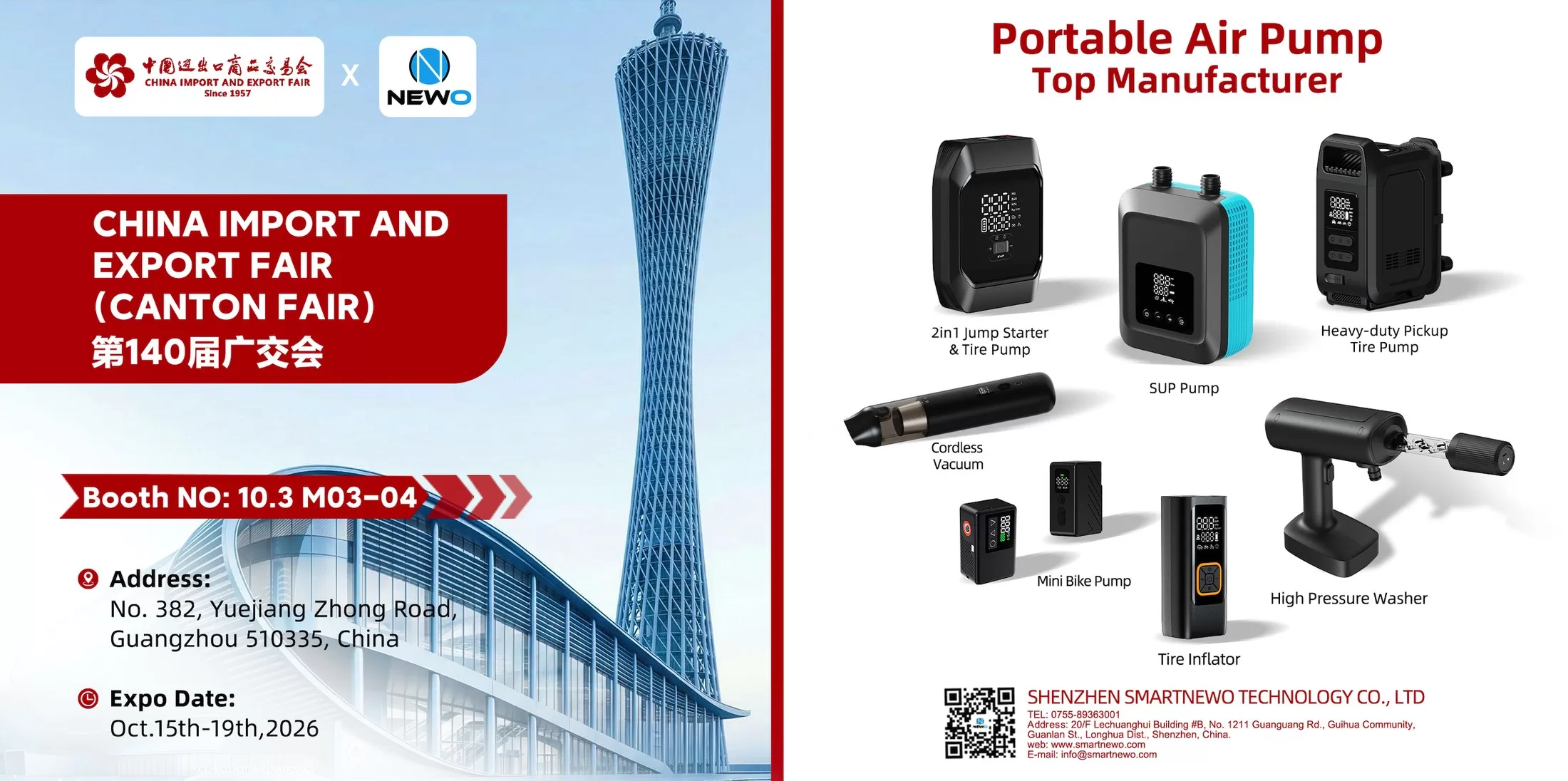
Meet NEWO at the 140th Canton Fair: Visit Booth 10.3 M03–04
Meet NEWO at the 140th Canton Fair in Guangzhou, October 15–19, 2026. Visit Booth 10.3 M03–04 to explore portable air pumps and discuss OEM, ODM and distribution opportunities.... -

As Shenzhen Welcomes the World for APEC 2026, NEWO Welcomes You to Our Factory
As Shenzhen prepares for APEC 2026, NEWO welcomes international buyers and partners to visit our factory, meet our team and explore future cooperation.... -
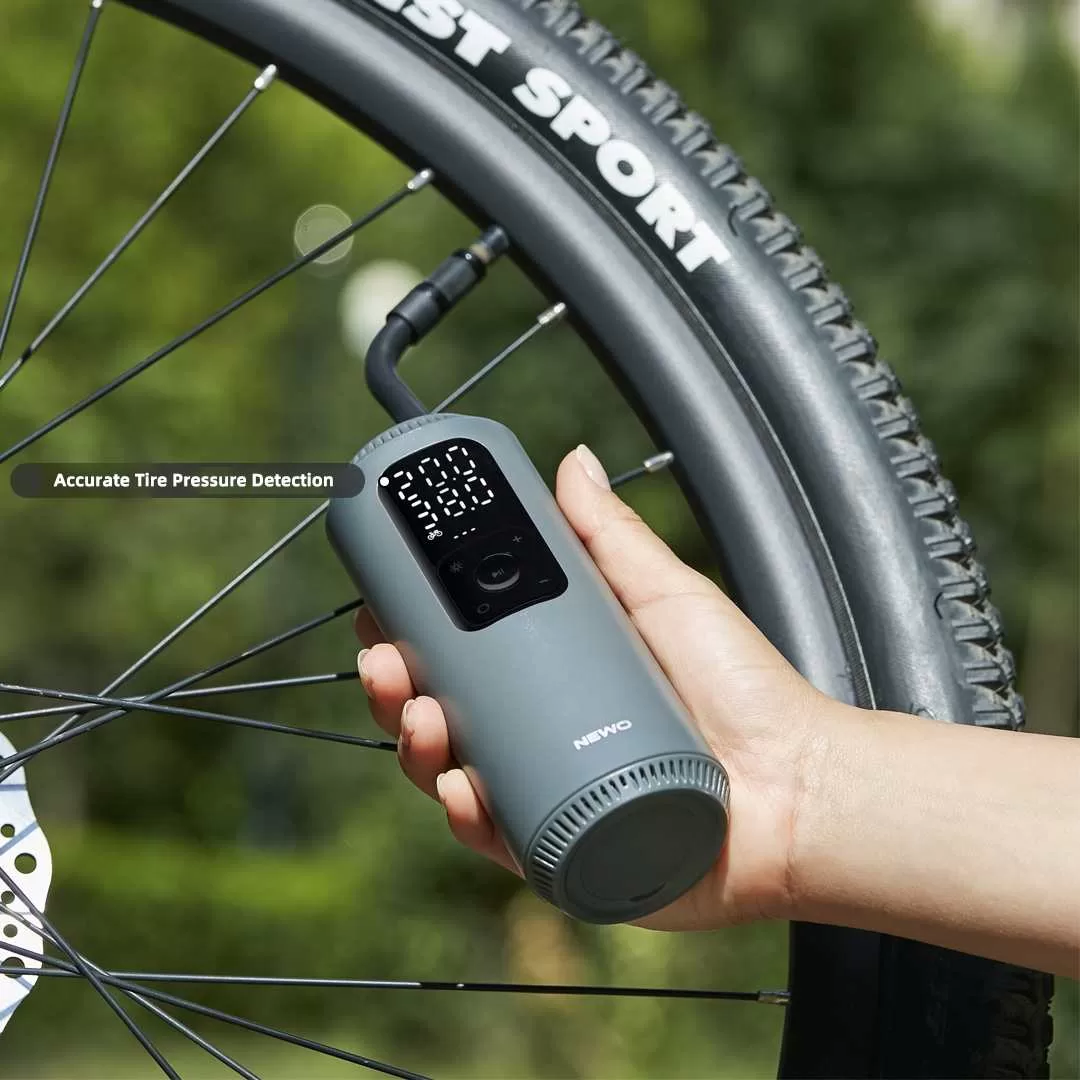
Leading the Way in Product Innovation and Excellence
Smartnewo exemplifies professionalism in product innovation and manufacturing. Their collaboration with Xiaomi Youpin on the G01 crowdfunding project highlights their expertise in creating compact, powerful inflatable pumps. Rigorous engineering, meticulous production processes, and advanced quality assurance underscore their commitment to excellence. The success of the G01 project, with significant market... -
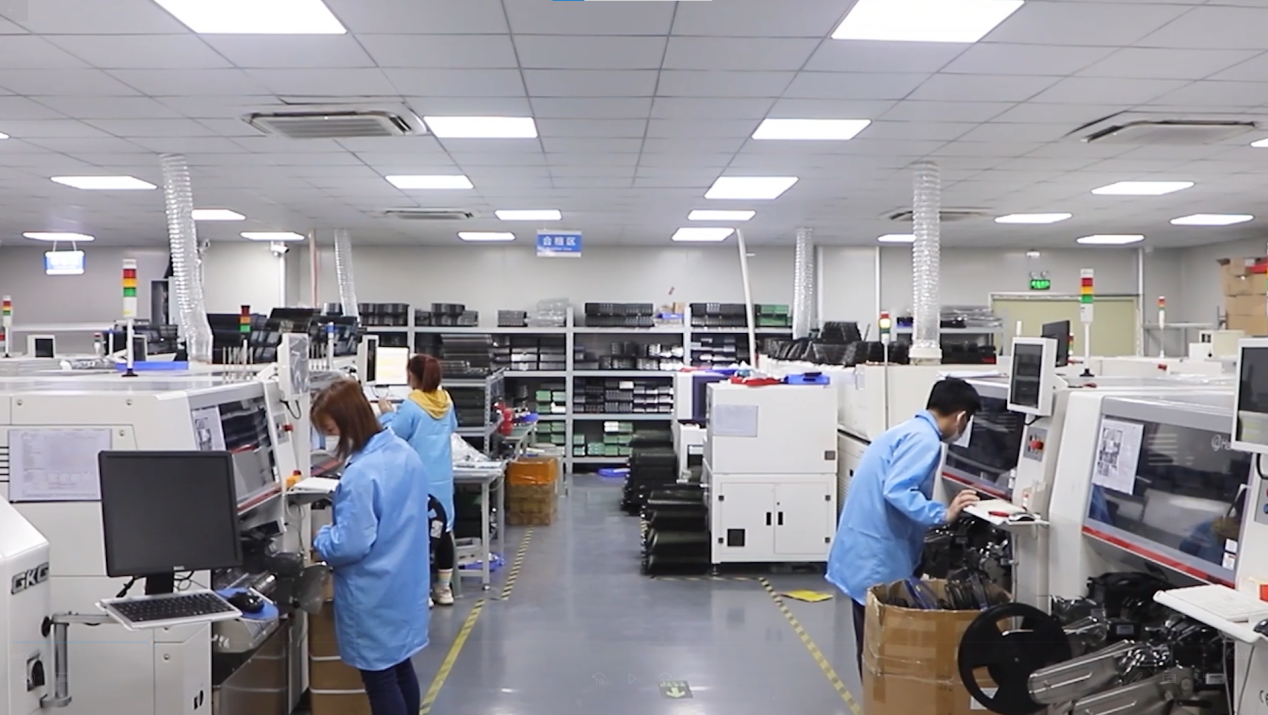
Essential Qualities of an Excellent Supplier
In today's competitive market, finding a reliable supplier is crucial for business success. Based on insights from Smartnewo and broader internet research, here are key qualities an excellent supplier must possess:... -
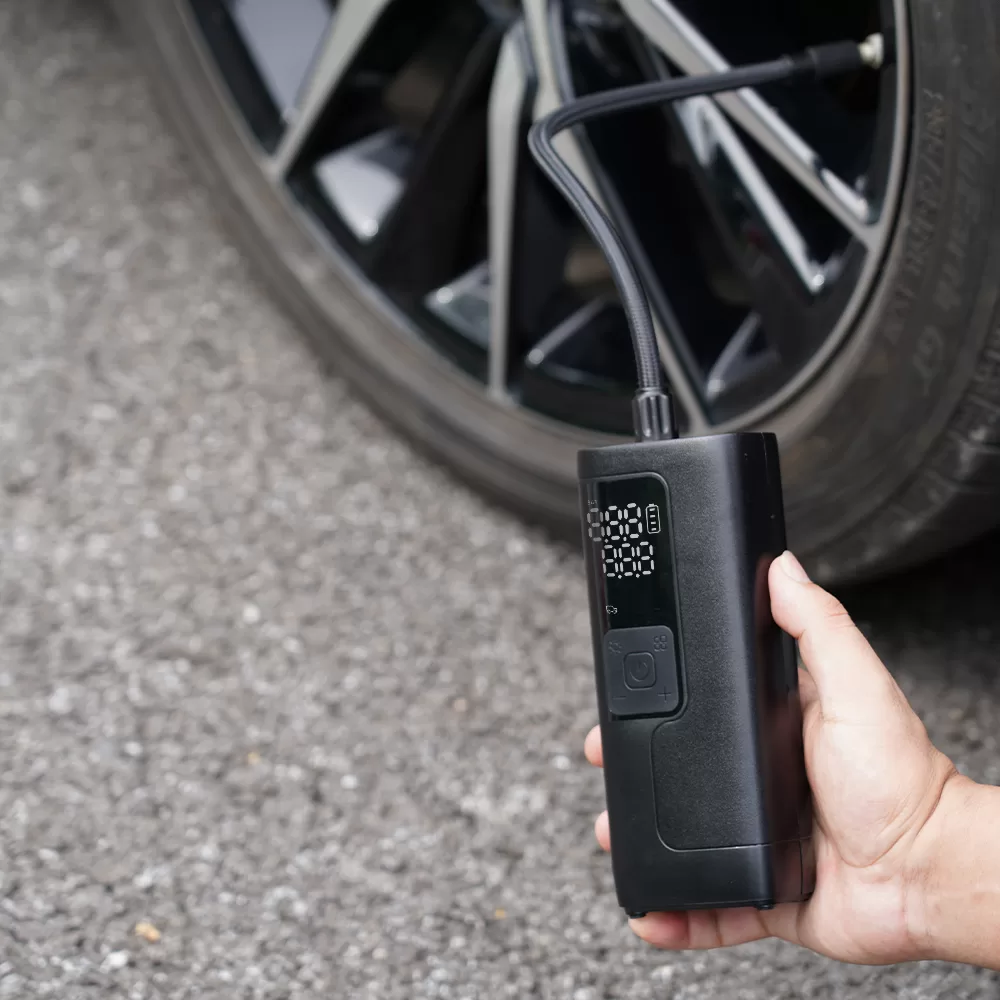
NW06 Tire Inflator: Compact Power for Quick Inflation
Summary The NW06 Tire Inflator delivers quick and efficient tire inflation with a powerful 35L/min airflow. It features a user-friendly LCD screen for real-time pressure monitoring, dual power options with a built-in 6000mAh battery, and multiple nozzle attachments for versatile use. Its compact design and integrated LED light ensure convenience and... -
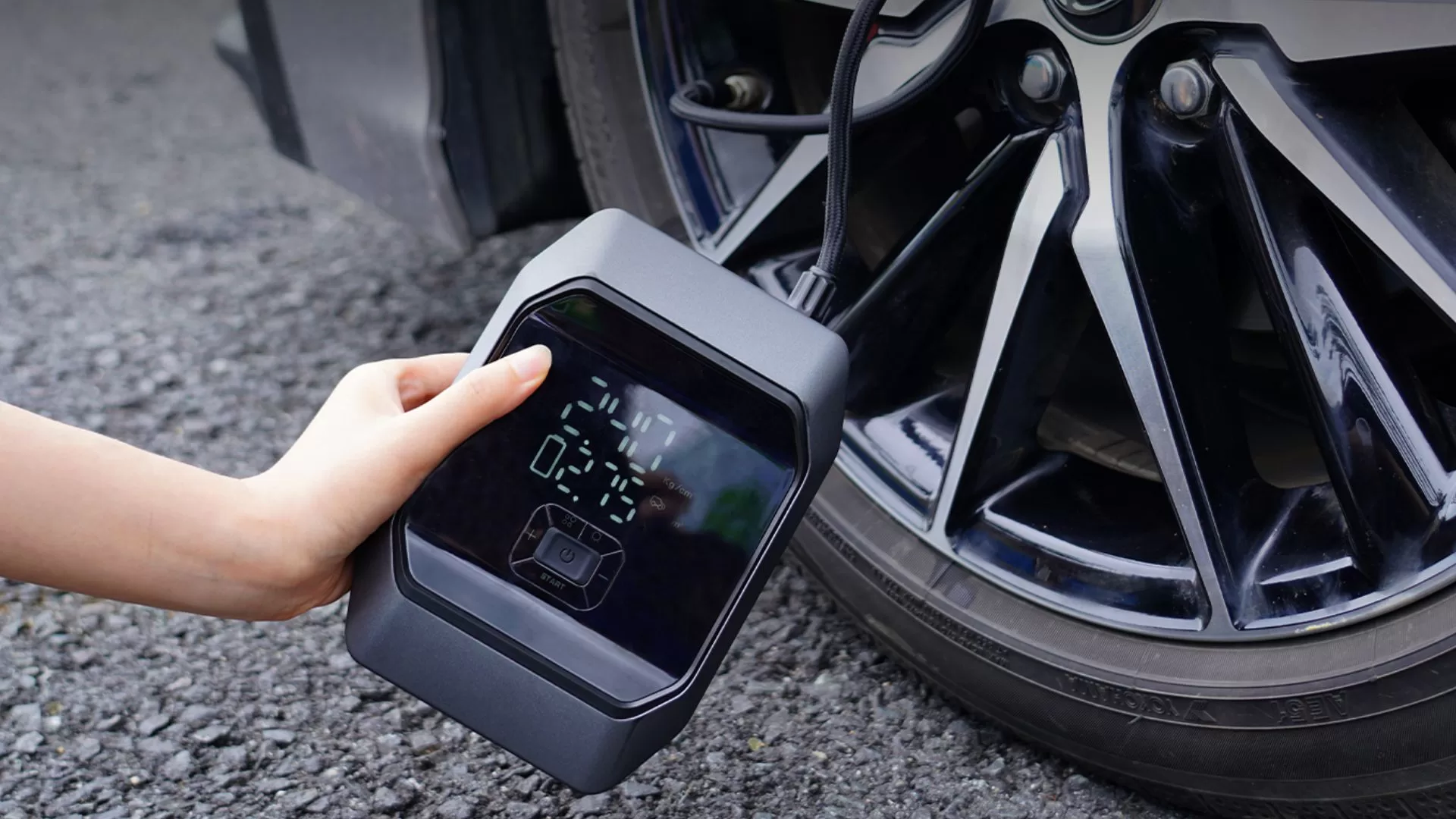
Unleash the Power of Portability: The SmartNewo Jump Starter with Air Compressor KF03
This guide will walk you through the steps to effectively use a portable tire inflator, helping you stay prepared and safe on the road.... -
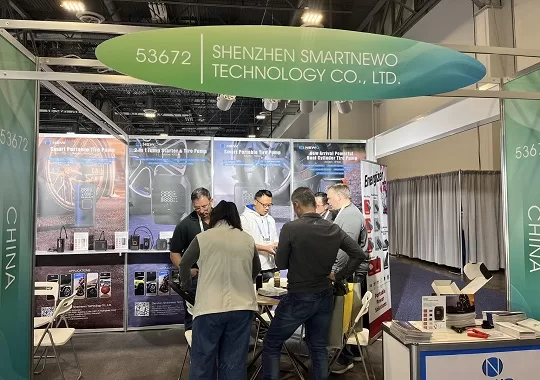
Newo Attends The 2024 Consumer Electronics Show (CES)
Smartnewo booth is located at 53672, Halls A-D, Level 2, Venetian Expo, Las Vegas Convention Center (LVCC). ... -
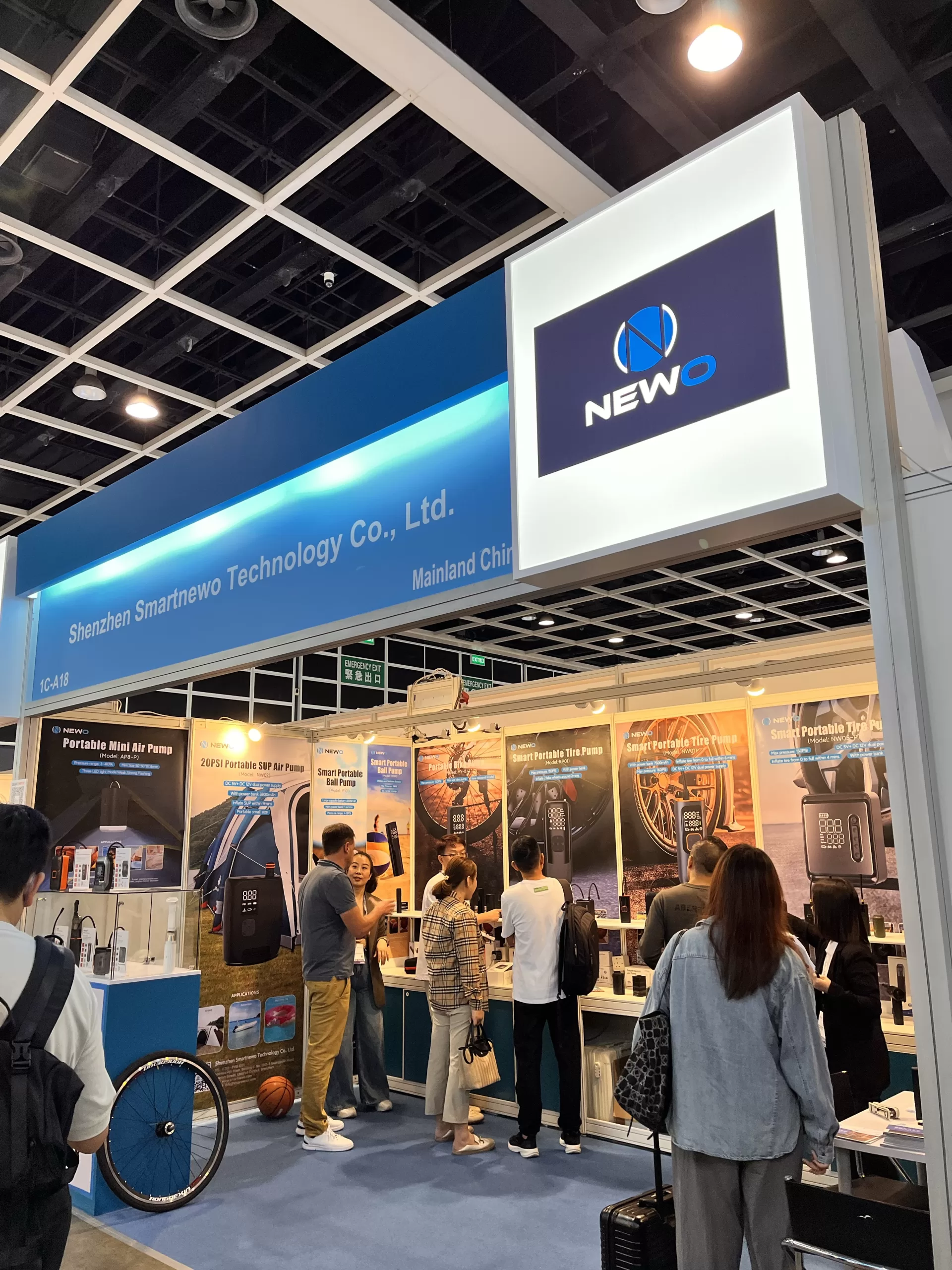
Smartnewo’s Dual-Cylinder Air Pump Rocks the Hong Kong Autumn Electronics Fair!
Smartnewo’s Dual-Cylinder Air Pump Rocks the Hong Kong Autumn Electronics Fair!... -
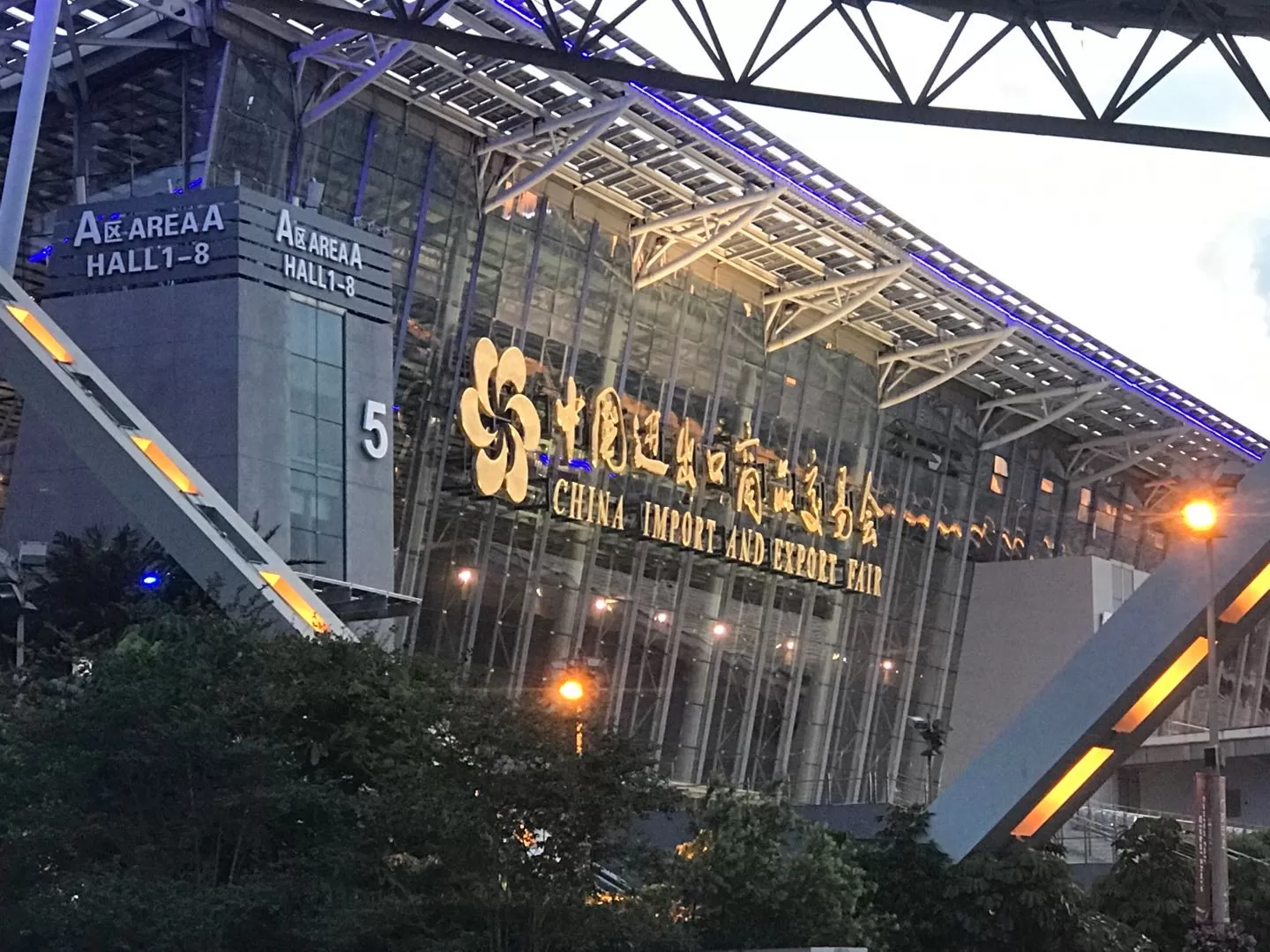
Meet at the Canton Fair! Smartnewo brings dual-cylinder air pumps, making your inflation experience faster and more stable!
NEWO has went deep communication and negotiation with customers from all over the world on booth.... -
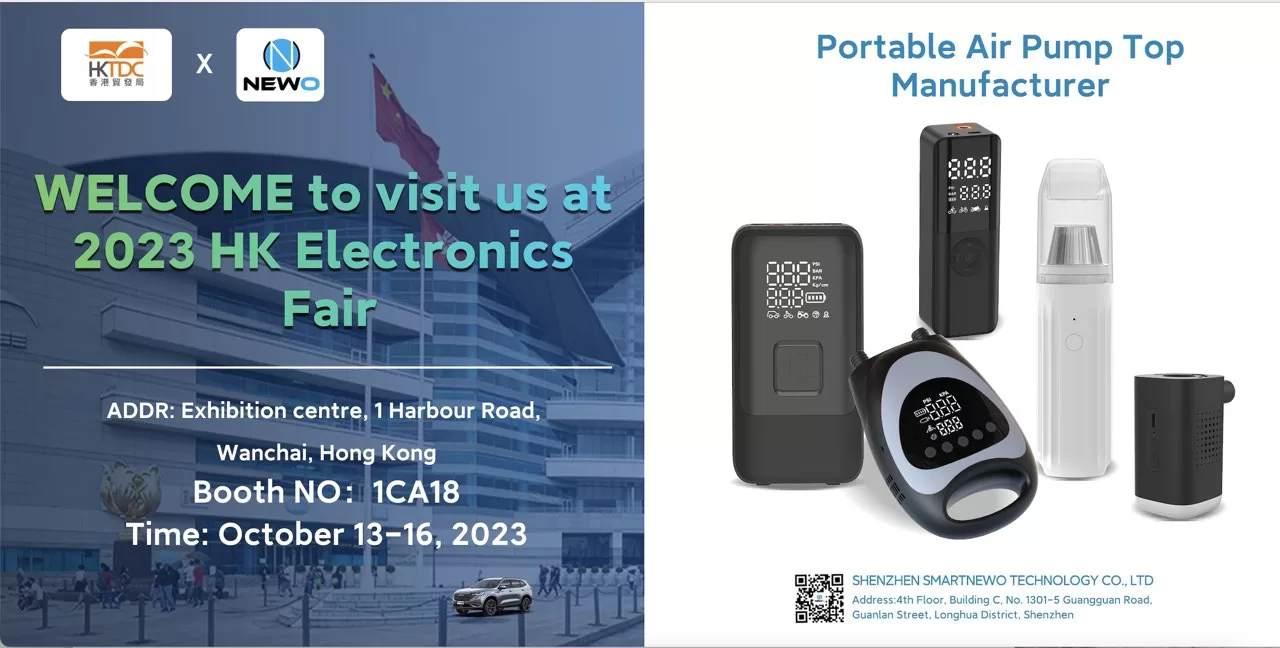
“Hong Kong Autumn Electronics Fair – 1CA18 (October 13th to 16th): Smartnewo invites you to visit our booth!
Hong Kong Autumn Electronics Fair...
-
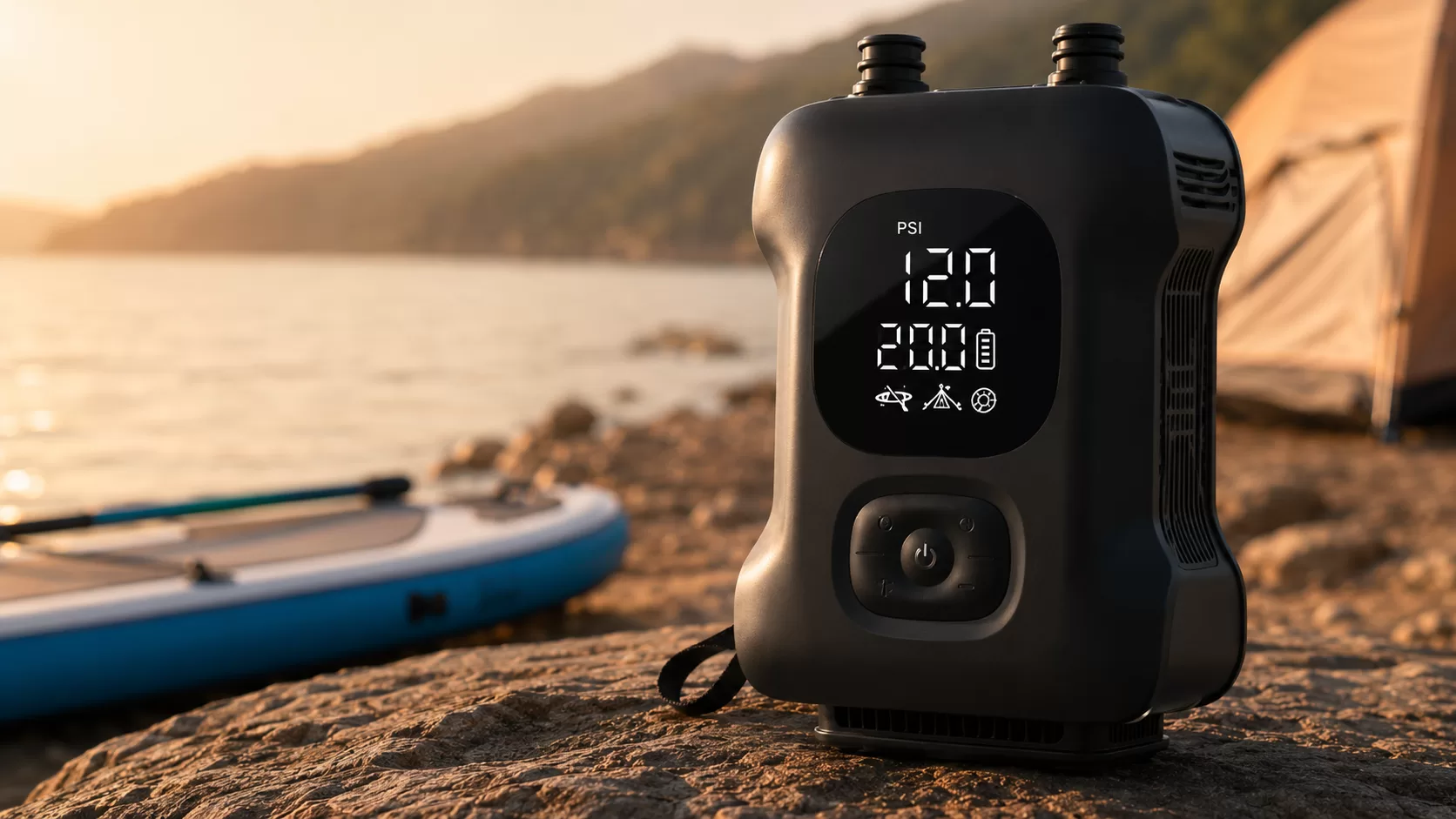
Rechargeable Electric SUP Pump for Paddle Boards: Faster Inflation for SUPs, Kayaks and Inflatable Tents
The BL10-C Portable Electric Bike Tire Inflator is a compact and lightweight mini electric bike pump designed for modern cyclists. With up to 120 PSI pressure, a digital LED display, preset pressure control, automatic shut-off, USB-C charging, and multiple valve adapters, BL10-C offers a convenient inflation solution for road bikes,... -
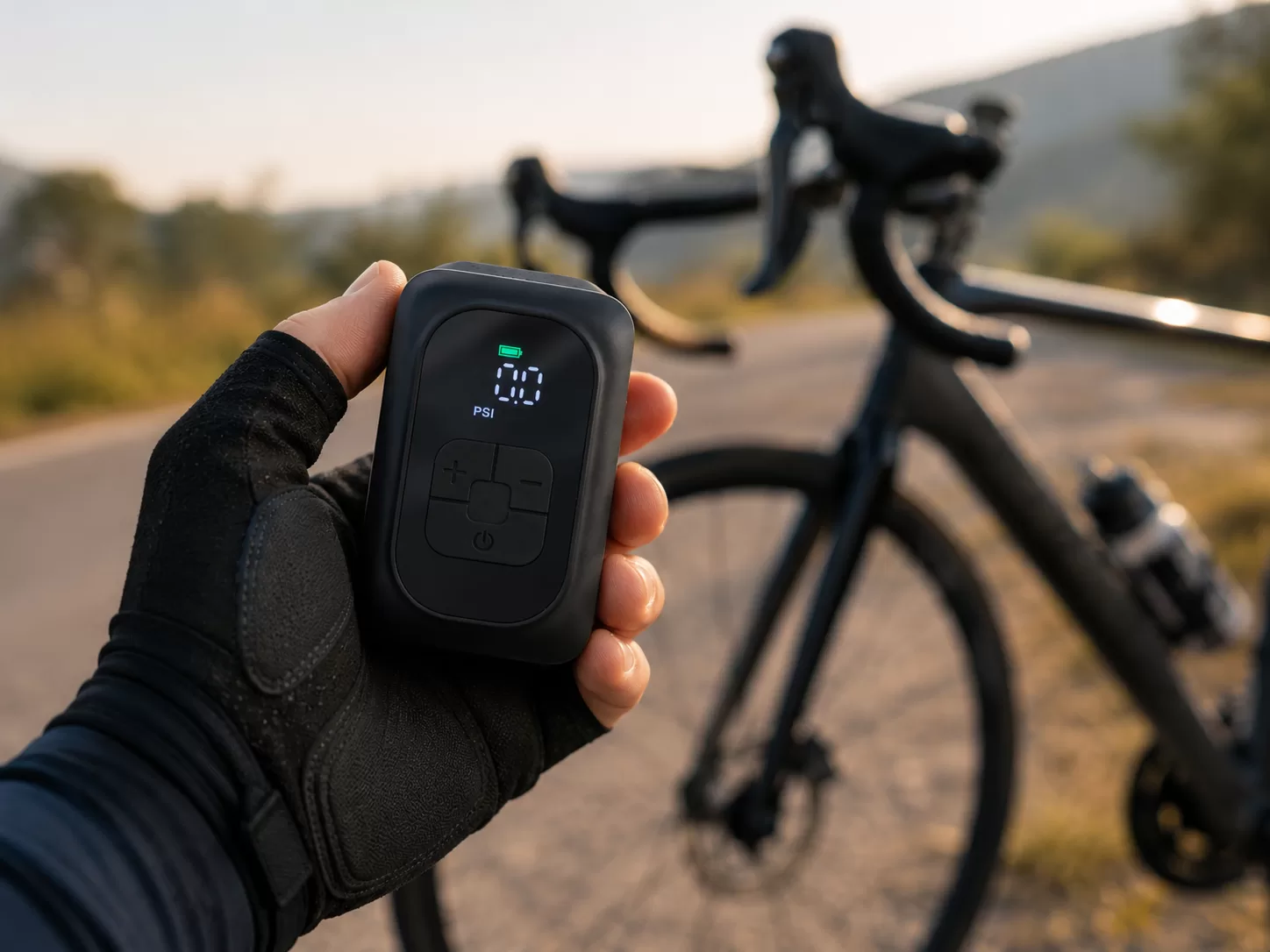
Are Electric Bike Pumps Worth It in 2026? Electric Pump vs CO₂ vs Mini Hand Pump
Discover whether electric bike pumps are worth it in 2026. This guide compares electric bike pumps, CO₂ inflators, and mini hand pumps for road cycling, gravel riding, commuting, and long-distance rides. Learn the pros, limitations, best use cases, and key features to look for before choosing the right portable tire... -
BL10-C Portable Electric Bike Tire Inflator: Small Size, Reliable Power for Every Ride
The BL10-C Portable Electric Bike Tire Inflator is a compact and lightweight mini electric bike pump designed for modern cyclists. With up to 120 PSI pressure, a digital LED display, preset pressure control, automatic shut-off, USB-C charging, and multiple valve adapters, BL10-C offers a convenient inflation solution for road bikes,... -
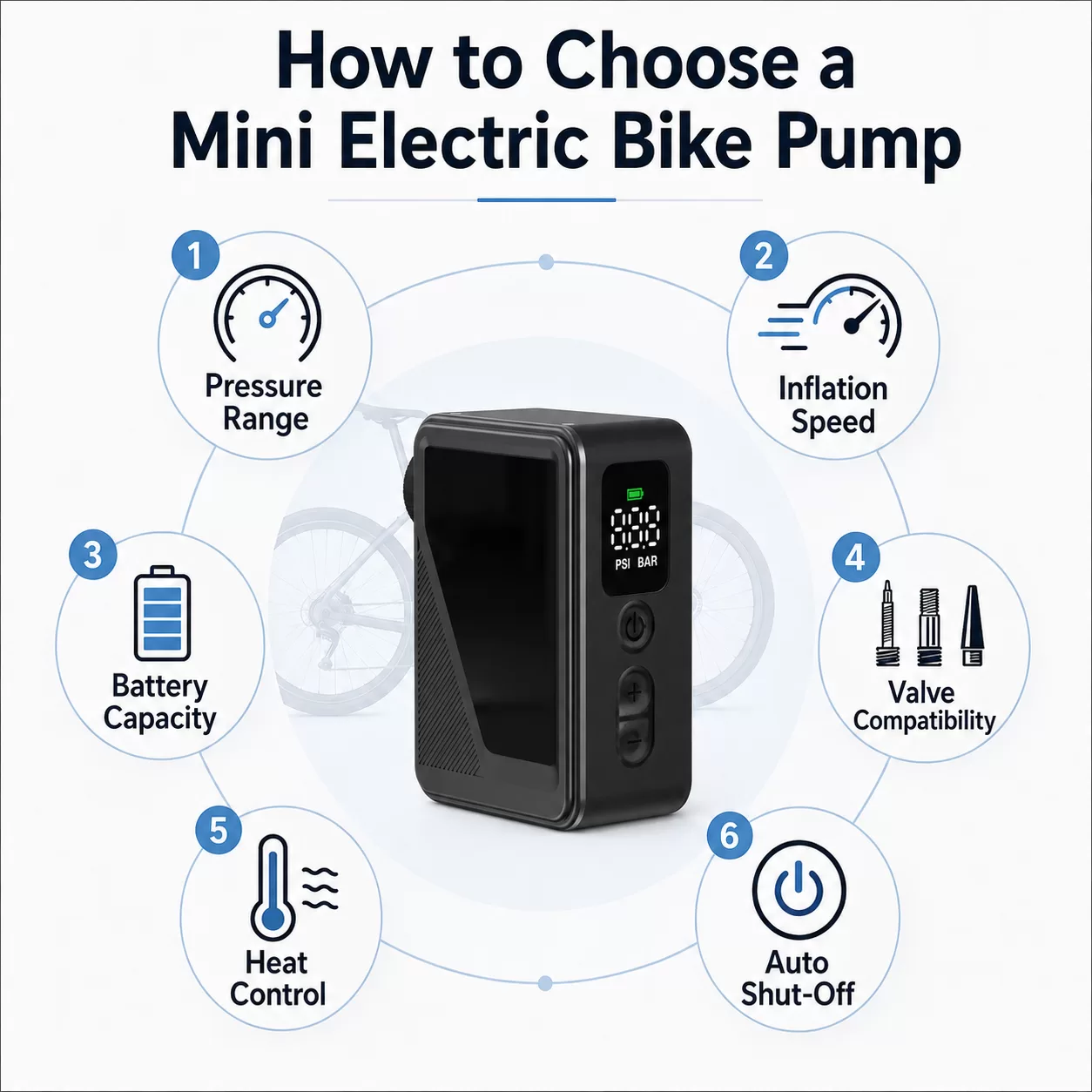
Why Mini Electric Bike Pumps Are Becoming Essential for Modern Cycling
Discover why mini electric bike pumps are becoming essential for modern cyclists. Learn how portable electric bike pumps improve tire pressure management, riding safety, and convenience.... -
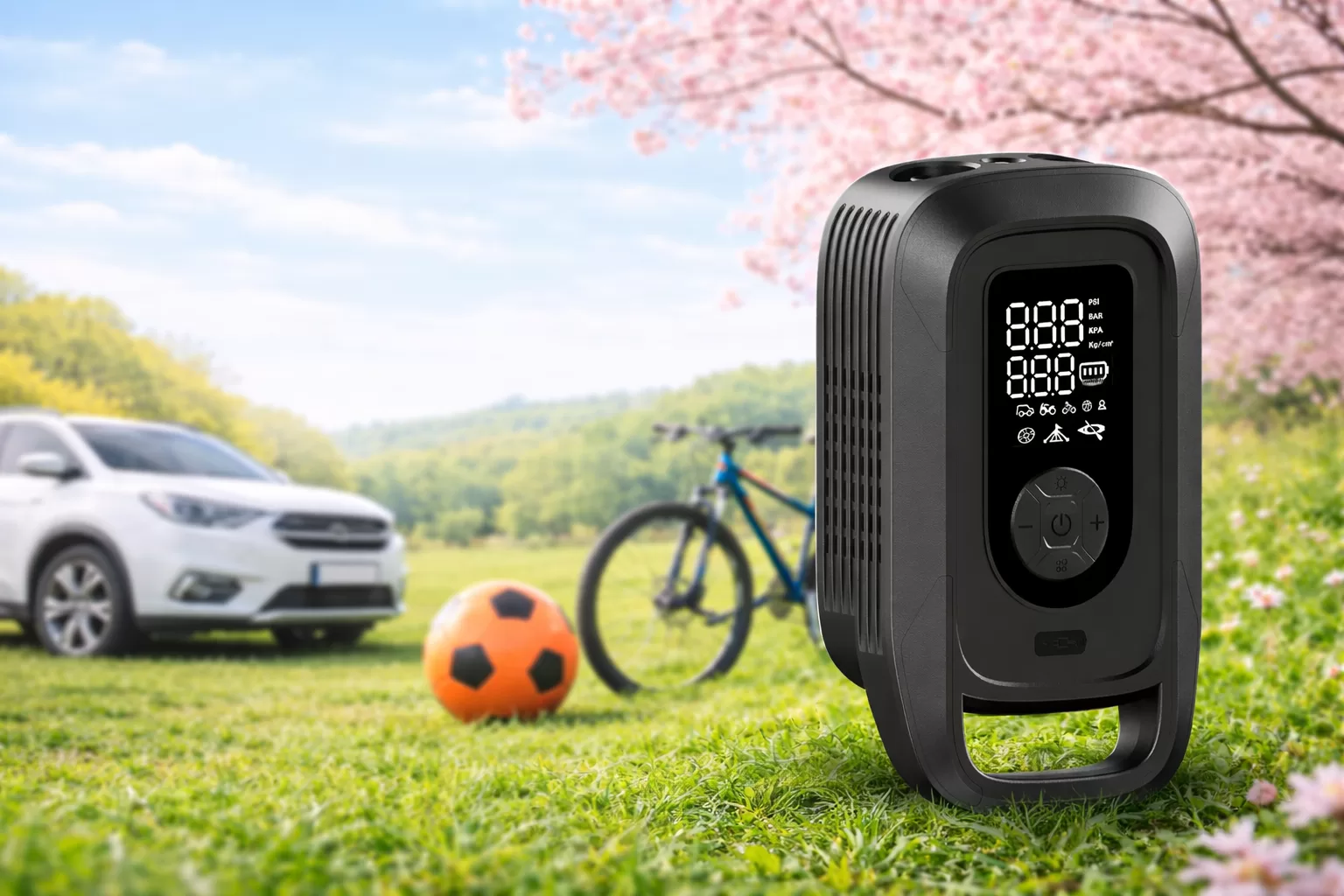
The Ultimate Smart Solution for Easy Outdoor Adventures in 2026
Discover how a spring travel air pump simplifies outdoor trips with fast inflation, smart features, and powerful performance—perfect for every adventure.... -
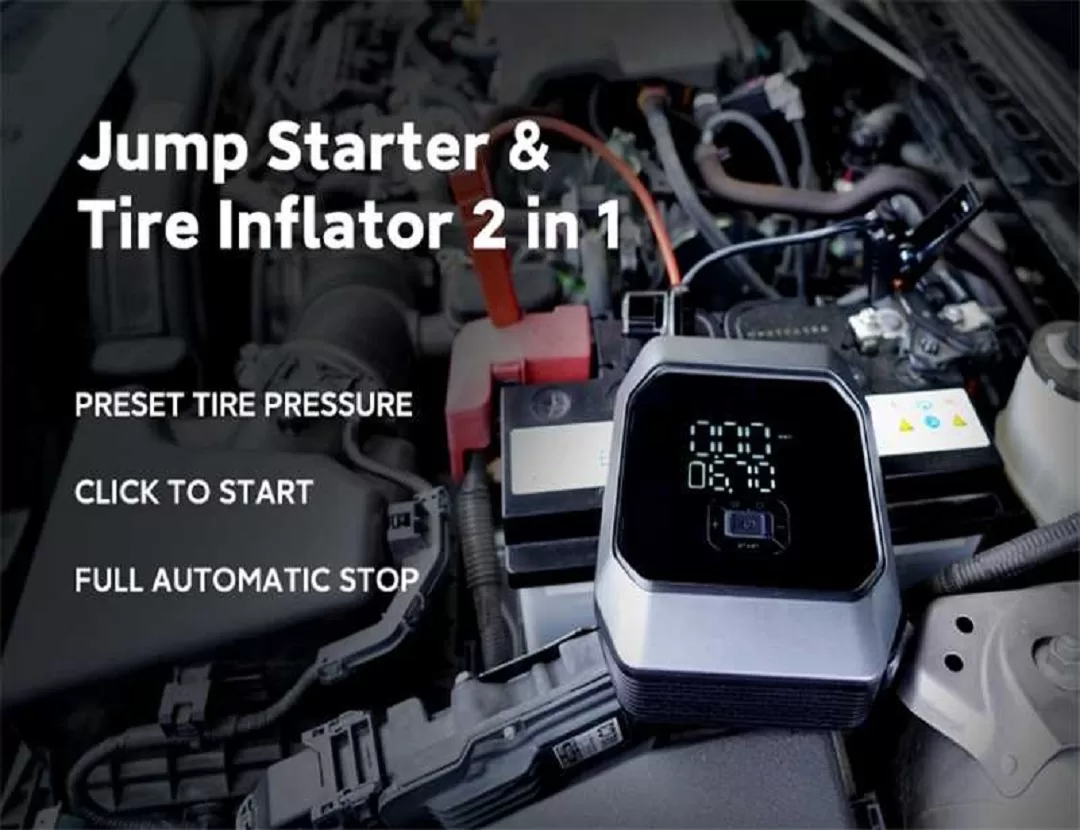
Powerful 5-in-1 Portable Car Tire Inflator and Jump Starter: The Ultimate Emergency Tool for Every Driver
Why Every Driver Needs a Portable Car Tire Inflator and Jump Starter Modern drivers face many unexpected situations on the road. A flat tire, low tire pressure, or a dead car battery can happen at the worst possible time. That’s why having a portable car tire inflator and jump starter is... -
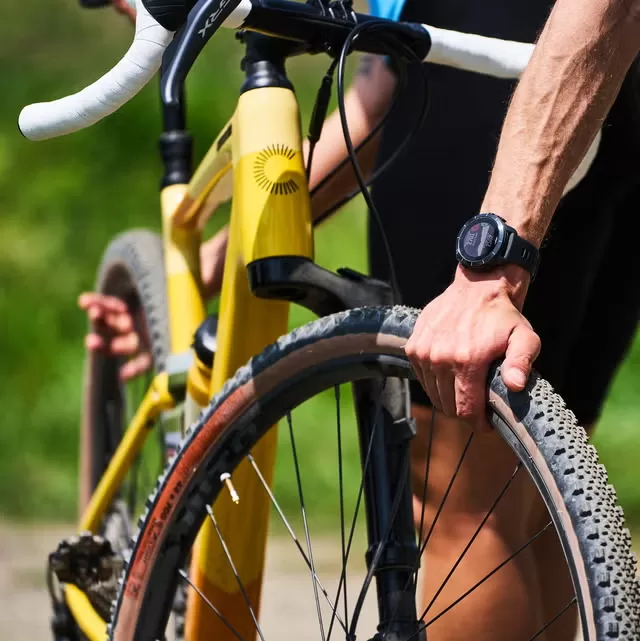
7 Real Cycling Scenarios That Show Why Every Rider Should Carry a Mini Bike Pump
Cycling is one of the most freeing activities you can enjoy. Whether you’re commuting to work, riding through city streets, or exploring quiet countryside roads, a bike ride can instantly improve your day. But there’s one small problem that almost every cyclist eventually faces: Low tire pressure. It might happen... -
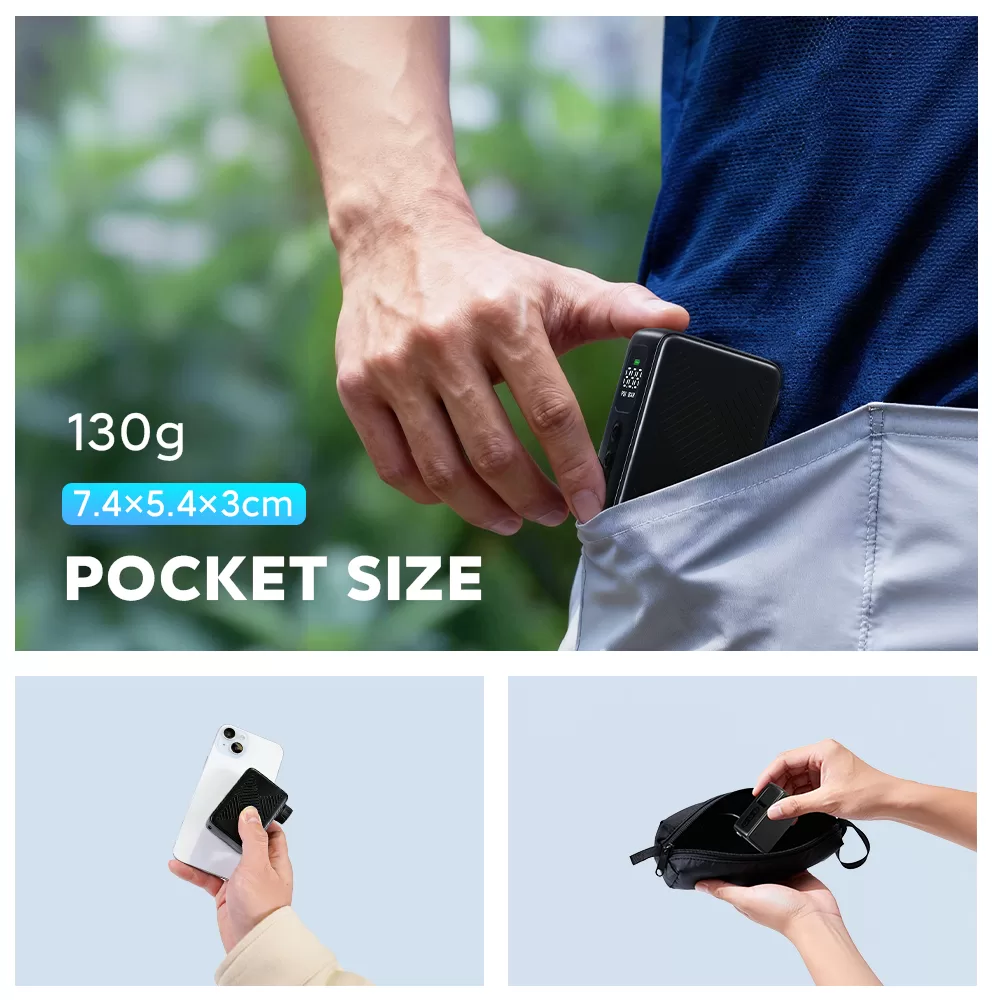
BL08-A Portable Electric Bike Pump: A Global Distribution Opportunity with Smartnewo
Smartnewo, a professional manufacturer of portable electric air pumps, introduces the BL08-A model — a compact and efficient inflator designed for global distributors, e-commerce sellers, and outdoor accessory brands seeking reliable OEM/ODM solutions. Table of Contents Main Heading Subtopics 1. Introduction: Expanding the Global Market for Smart Inflation Tools Portable... -
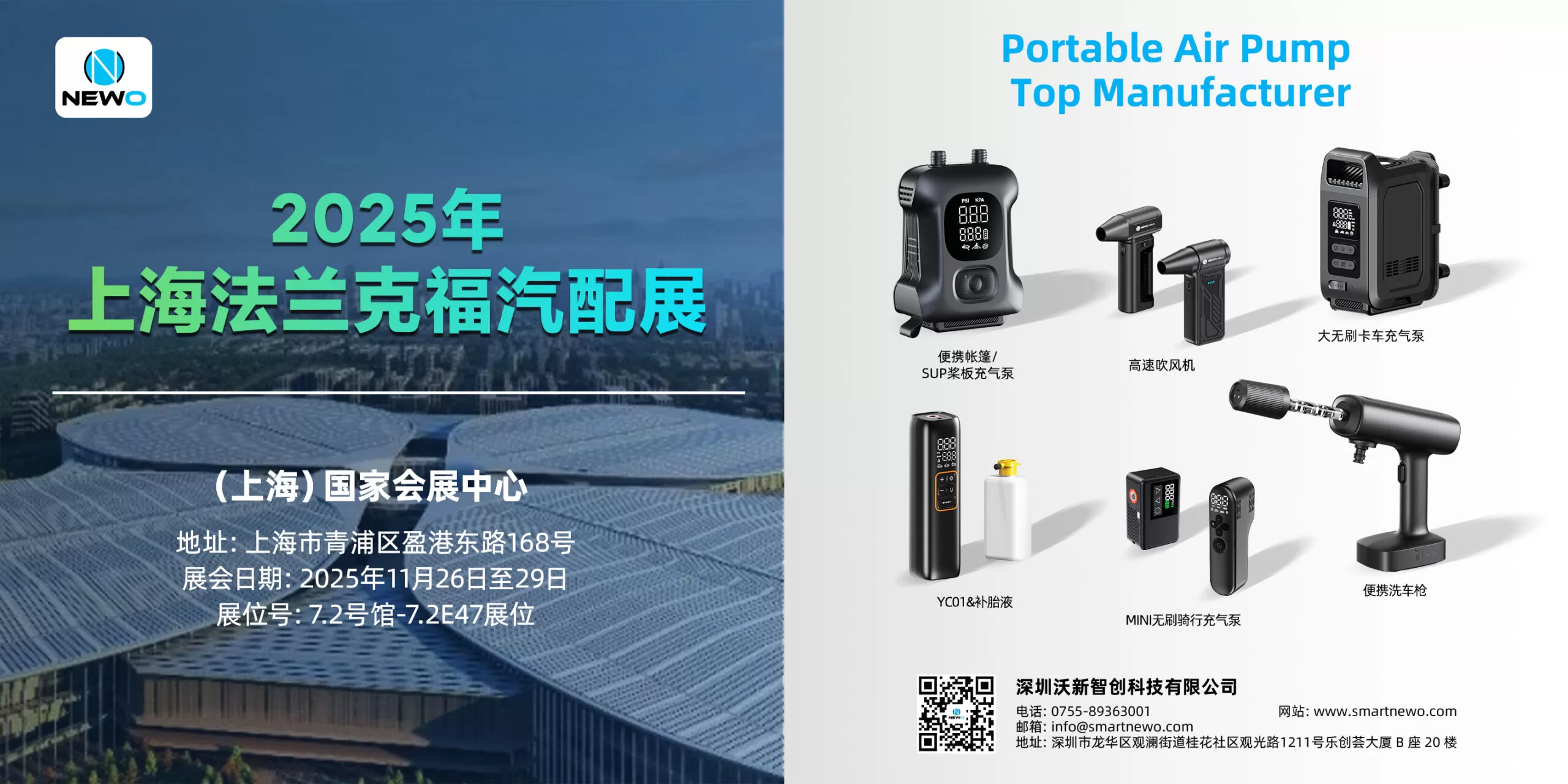
Connecting Opportunities at Automechanika Shanghai 2025 — Smartnewo Exhibition Day 1
Today marks an exciting beginning as Smartnewo officially opens its booth at Automechanika Shanghai 2025. As one of the largest and most influential automotive aftermarket exhibitions in the world, the show provides an exceptional platform for meaningful conversations, partnership building, and global industry exchange. Located at Booth 7.2E47, Smartnewo presents... -

Why Every Outdoor Cyclist Should Carry a Mini Electric Bike Pump
Whether you are an experienced mountain rider or a weekend road-cycling enthusiast, one thing is certain: unexpected tire pressure issues can ruin an entire ride. That’s why more cyclists are turning to mini electric bike pumps—compact, lightweight, and far more reliable than traditional hand pumps. 1. Consistent Pressure, Even in...
-
How Is a Football Properly Inflated?
The correct inflation of a football - with not too much and not too little air - is a hotly debated topic among footballers.... -
Application Scenarios of Car Inflator Pump
Often long-distance business trips or play car owners because the road may be more remote areas, in this case if you encounter a tire leak....