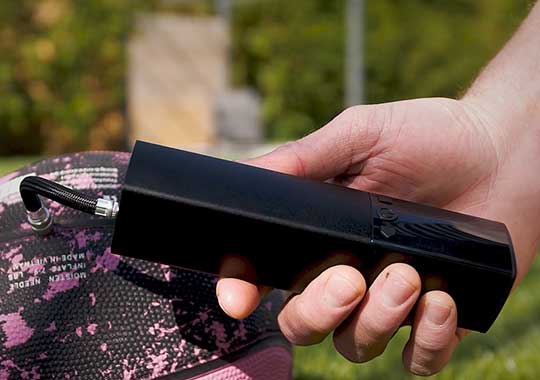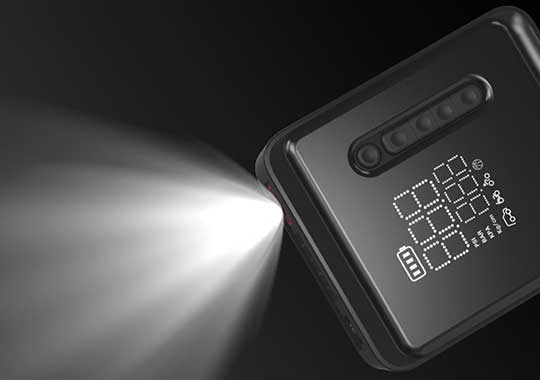

 Portable Tire Inflators
 Electric Air Pumps
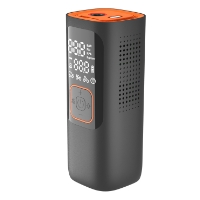 Electric Car Tyre Pumps
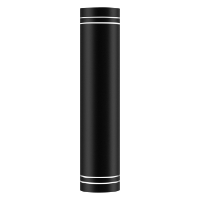 Electric Ball Pumps
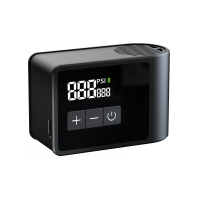 Electric Bike Pump
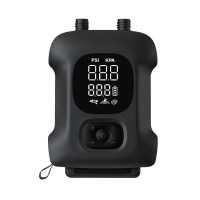 SUP Air Pump
Choosing an Electric Sports Ball Pump for Home and Team Use
Uneven ball pressure ruins practice before it starts. Coaches notice soft basketballs. Parents hear kids complain about volleyballs that will not bounce. An electric sports ball pump removes the guesswork that manual needles leave behind. It also saves time when several balls need attention at once.
Most sports bags still hide a plastic hand pump. That tool works until arms tire. Then pressure drifts. One ball feels tight. The next feels hollow. Players adjust their touch mid-drill, and skill work suffers for reasons nobody planned.
Pressure problems rarely come from poor effort. They come from limited feedback. Hand pumps give resistance, not numbers. People stop when the ball "feels right." That feeling changes with fatigue, temperature, and mood.
Sports balls need narrow pressure windows. A basketball often sits near 7 to 9 PSI. A football can sit lower. A volleyball sits somewhere between. Without a clear target, overinflation becomes common. Soft walls and stretched seams follow later.
An electric sports ball pump addresses this gap with measured control. Users set a value, start inflation, and wait for the unit to stop. The process is simple. The result is repeatable. Teams gain consistency without adding extra staff.
Home users face a different version of the same issue. Weekend games, school practice, and backyard play create a rotating set of soft balls. Digging for a hand pump becomes a chore. A compact electric option turns that chore into a short pause.
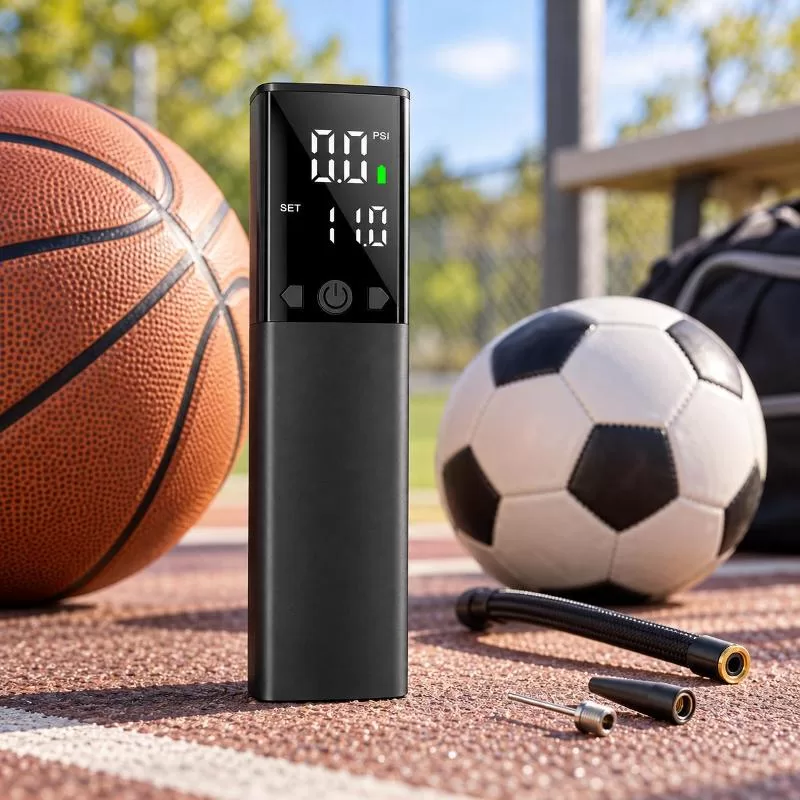
Pressure Ranges That Match Real Balls
Not every pump suits sports balls. Tire inflators often target much higher pressure. That excess capacity can feel powerful, yet it raises risk for soft goods. Balls and small inflatables need a gentler ceiling.
A useful sports-focused range sits around 0 to 12 PSI. That window covers footballs, basketballs, volleyballs, and rugby balls. It also covers balloons, small swim rings, and some fitness protectors. The same tool then serves more than one storage closet.
Airflow matters as much as peak pressure. Around 10 L/min is enough for ball work without turning the pump into a bulky compressor. Faster flow shortens waits between drills. Slower flow still works, but multi-ball sessions stretch longer.
Pressure accuracy is the quiet advantage. A clear LED readout lets a coach dial a target instead of guessing by palm feel. That number becomes a shared standard for the whole set of balls.
Different sports tolerate different tolerances. Basketball bounce reacts quickly to small PSI shifts. Football grip and shape also change with air. Volleyballs can feel dead when underfilled. A shared pump with a shared setting reduces those surprises.
Temperature complicates the picture. Cold air contracts. Warm air expands. A ball inflated indoors can feel different outdoors. Setting a known PSI at least gives a stable starting point for later checks.
Automatic Shut-Off and the End of Overfill
Overinflation is easy with a needle and a busy hand. Soft chambers do not warn loudly. They stretch. Then they leak sooner. Automatic shut-off interrupts that pattern.
The logic is straightforward. Select the target pressure. Connect the needle. Start the pump. When the sensor reaches the set value, the motor stops. Nobody needs to hover with a finger on the switch.
This feature helps beginners most. Children and casual players often push air until the ball feels rock hard. That habit shortens ball life. Controlled shut-off teaches better habits without long lectures.
Team environments benefit too. One person can prep several balls while watching warm-ups. Attention splits. Automatic stopping reduces the chance of a forgotten pump running past the safe zone.
Dual display logic also supports clearer operation. Users see the live reading and the target. That pairing lowers confusion during fast setups. It also helps when switching between ball types with different preferred values.
Quiet Operation in Shared Spaces
Noise shapes where a pump can be used. Loud compressors belong in garages. Sports halls, living rooms, and sidelines demand quieter tools. A stated noise level near 30 dB at one meter keeps inflation from interrupting conversation.
Multi-cylinder designs help here. They spread the workload across smaller chambers. Vibration drops. The tone becomes softer. Practice continues while air fills the next ball.
Parents notice this first. Evening inflation after homework should not sound like a workshop. Quiet gear stays welcome indoors. Loud gear gets banished to the porch.
Coaches notice it next. Sideline prep happens near players, parents, and officials. A calm pump avoids drawing attention for the wrong reason. It also reduces complaints in shared facilities.
Quiet does not mean weak. Soft sound and useful airflow can coexist when the mechanical layout is careful. The goal is controlled delivery, not theatrical force.
Battery Runtime Against Real Demand
Portable power decides whether a pump stays useful away from outlets. An integrated 2000 mAh battery with roughly 40 minutes of runtime covers many sessions. For ball work, that often means dozens of top-ups rather than one long continuous run.
Product data for the AP1P-P notes about 38 basketballs per full charge under its stated conditions. Exact counts vary with starting pressure and ball size. Still, the figure shows why rechargeable designs fit team bags better than corded units.
Type-C charging simplifies logistics. One cable type already lives in most sports bags because phones use it. A 5 V / 1 A input and a two-to-three-hour charge window keep the routine familiar. Overnight charging before match day is enough for most groups.
Battery cycle life around 300 cycles at 85 percent or above capacity supports seasons of use when treated reasonably. Extreme heat and deep drain still shorten life. Basic care keeps performance steadier.
Runtime planning should match the schedule. A family that tops up two balls weekly needs less capacity than a club that preps a full kit before every session. Matching use to battery size prevents disappointment.
Cold weather also affects batteries. Working temperatures listed from -10°C to 45°C give a practical outdoor window. Near the cold end, expect shorter runtime. Warm the unit in a bag before use when mornings are sharp.
Housing, Size, and Daily Carry
Plastic housings dominate low-cost pumps. They are light. They also scuff quickly. Anodized aluminum offers a cleaner feel and better resistance to knocks inside a crowded bag.
Size still matters more than material for actual use. A body near 40 x 40 x 170 mm slips into side pockets. A net weight around 275 g keeps the load modest. Coaches already carry cones, bibs, and first-aid kits. Extra bulk gets left behind.
Controls should stay readable outdoors. A glossy LED panel with clear numerals helps in bright light. Directional buttons and a distinct power key reduce mis-taps with gloves or wet fingers.
Hose interfaces and needles deserve attention too. Ball valves are small. A secure connection prevents air loss during measurement. Loose fittings create false readings and wasted time.
Portability also shapes gift and retail appeal. Compact electric pumps feel more finished than bulky garage tools. That matters for lifestyle buyers who want something they will actually keep in the hallway drawer.
Specs That Support Clear Decisions
When comparing options, separate marketing adjectives from measurable traits. The table below summarizes core figures associated with the AP1P-P portable electric ball pump.
| Spec | Value |
|---|---|
| Maximum pressure | 12 PSI |
| Pressure range | 0–12 PSI |
| Air flow | 10 L/min |
| Body material | Anodized aluminum |
| Display | LED |
| Battery | 2000 mAh / 3.7 V |
| Charging | Type-C, 5 V / 1 A |
| Charge time | 2–3 hours |
| Runtime | About 40 minutes |
| Noise | ≤30 dB at 1 m |
| Size | 40 × 40 × 170 mm |
| Weight | 275 g |
These numbers do not guarantee perfect results alone. They do show whether a pump fits ball work instead of car tires. They also reveal whether the unit can travel lightly.
Buyers should still check needle fit, spare needle availability, and shut-off behavior in person when possible. Spec sheets set expectations. Hands-on use confirms comfort.
Where Electric Ball Pumps Earn Their Keep
Home maintenance is the most common scene. Soft basketballs after a week of play get restored before the next pickup game. Families avoid the scramble for a shared hand pump.
Team preparation is next. Clubs often arrive with mixed ball pressures from different storage rooms. A portable electric sports ball pump brings the set to one standard before drills begin.
Outdoor fields and parks add another layer. Power outlets may be distant. Rechargeable pumps solve that gap. Short runtime windows still cover pre-game inflation when batteries start full.
Children’s balloons and small swim rings expand the tool’s usefulness beyond sports. One device then serves parties and pool days. That reduces drawer clutter.
Fitness protectors and pet inflatable accessories appear less often, yet they share similar low-pressure needs. A 12 PSI ceiling remains appropriate for those lighter tasks.
Retail and gift channels favor products that look intentional. Slim aluminum bodies and clear displays photograph well and feel premium in hand. That helps when buyers compare several similar pumps online.
For us at Newo, this category sits inside a broader focus on portable inflation tools for daily life, from ball pumps to other compact air solutions designed for convenience and reliability.
Choosing the Right Setup Step by Step
Start with the balls you inflate most. List their recommended PSI ranges. Confirm the pump covers those values with room to spare. A 0–12 PSI window fits most sports balls without inviting tire-level force.
Next, decide where inflation happens. Indoor living spaces reward quiet operation. Fields reward battery capacity. Mixed use needs both.
Then check shut-off behavior. Manual-only units still help, but automatic stopping protects soft chambers when attention wanders. Families with children should treat this as a priority.
After that, weigh size against durability. Ultra-light plastic may win on weight. Aluminum housing often wins on longevity in bags that also carry shoes and bottles.
Finally, review charging habits. If Type-C cables already travel with the team, adoption is easy. If the group forgets chargers often, keep a spare cable in the kit bag.
A short decision path looks like this:
- Confirm ball types and target PSI.
- Prefer auto shut-off for shared use.
- Check noise claims for indoor settings.
- Match battery runtime to session length.
- Choose a body size that will actually be carried.
- Verify needle compatibility and spare parts access.
Mistakes That Waste Good Equipment
People often inflate balls to the maximum number on the display. That habit ignores sport-specific recommendations. Always follow the ball maker’s printed range first.
Another mistake is measuring pressure after heavy play without resting the ball. Heat and impact change feel temporarily. Give the ball a short pause, then check again for a fair reading.
Needle insertion angle also causes leaks. Forceful angled entry can damage the valve. Align straight, insert gently, and support the valve area with the free hand.
Some users store pumps fully drained for months. Batteries prefer partial charge during long storage. A mid-level charge before a break protects readiness for the next season.
Ignoring temperature swings creates false alarms. A ball that feels soft on a cold morning may only need a small top-up. Check the number before pumping large volumes of air.
FAQ
Can one electric sports ball pump handle footballs and basketballs?
Yes, if the pressure range covers both recommended settings. A 0–12 PSI pump typically does. Always set the value for the specific ball in hand.
Is automatic shut-off necessary?
It is not mandatory, yet it reduces overinflation risk. Shared kits and family use benefit most because attention often splits across tasks.
How loud should a ball pump be indoors?
Lower is better near living spaces. Levels near 30 dB at one meter keep inflation from dominating conversation or evening routines.
Will a 2000 mAh battery cover a full team kit?
It often covers many balls when starting from mild underinflation. Exact counts depend on target PSI and ball size. Charge before heavy match days.
Are aluminum housings worth choosing over plastic?
For frequent bag carry, yes. Aluminum tends to resist scuffs better and feels more solid in hand, while staying compact enough for side pockets.
Can these pumps inflate swim rings and balloons?
Small swim rings and balloons often fall inside the same low-pressure range. Confirm fittings and avoid exceeding the item’s safe limit.
Soft balls slow learning and frustrate play. Measured inflation restores bounce, shape, and confidence without long warm-up delays. An electric sports ball pump gives homes and teams a practical way to keep pressure consistent, quiet, and portable across practices, parks, and everyday sports storage.
-

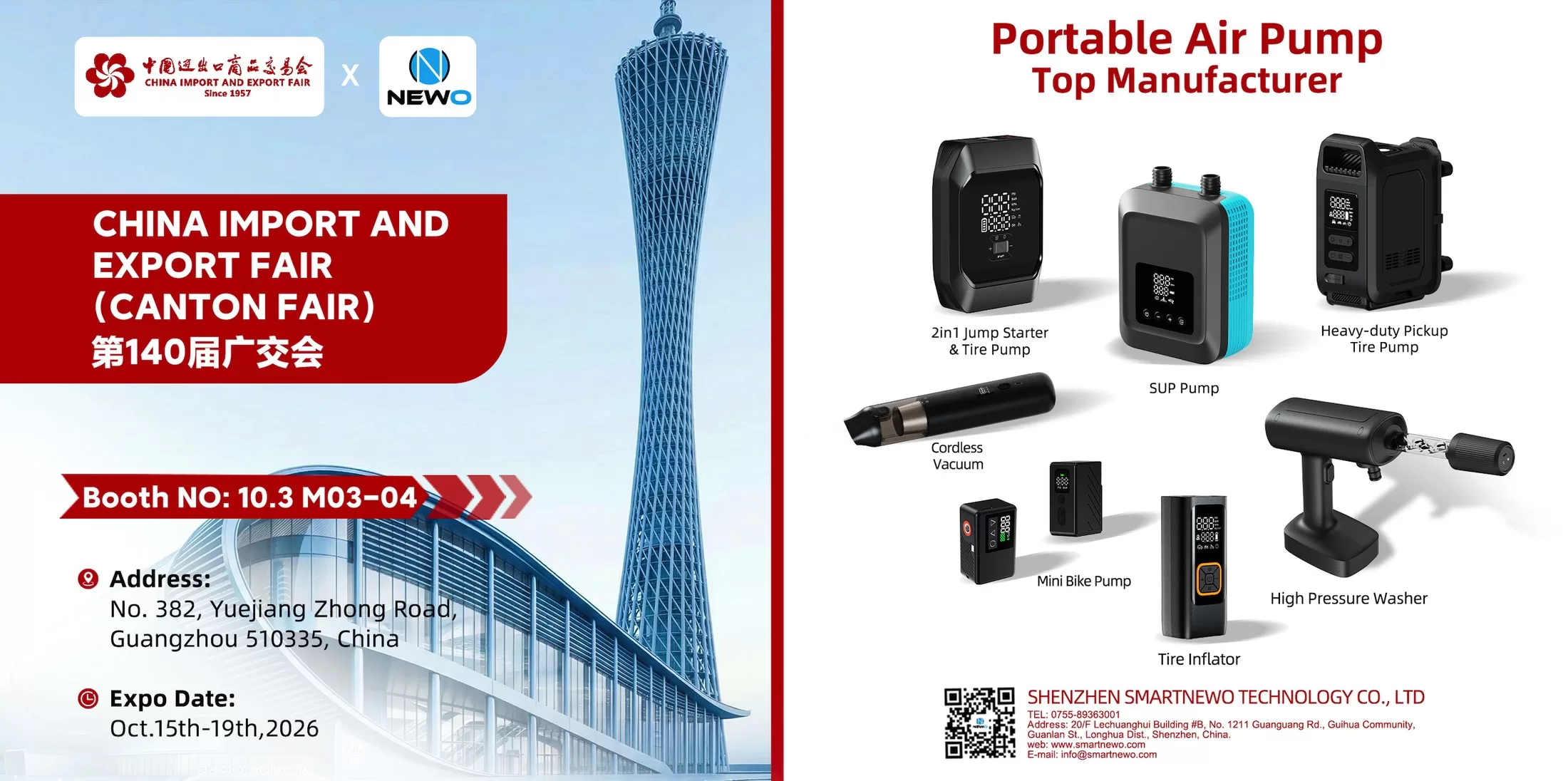
Meet NEWO at the 140th Canton Fair: Visit Booth 10.3 M03–04
Meet NEWO at the 140th Canton Fair in Guangzhou, October 15–19, 2026. Visit Booth 10.3 M03–04 to explore portable air pumps and discuss OEM, ODM and distribution opportunities.... -

As Shenzhen Welcomes the World for APEC 2026, NEWO Welcomes You to Our Factory
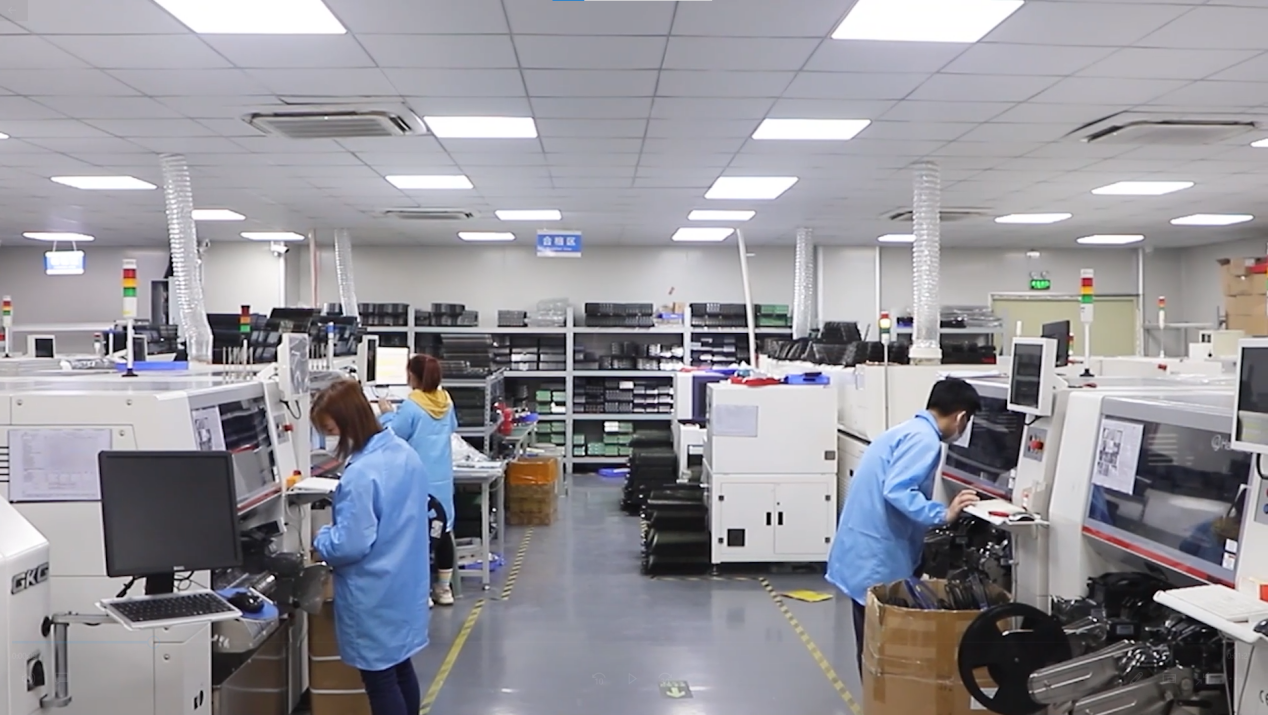
As Shenzhen prepares for APEC 2026, NEWO welcomes international buyers and partners to visit our factory, meet our team and explore future cooperation.... -

Leading the Way in Product Innovation and Excellence
Smartnewo exemplifies professionalism in product innovation and manufacturing. Their collaboration with Xiaomi Youpin on the G01 crowdfunding project highlights their expertise in creating compact, powerful inflatable pumps. Rigorous engineering, meticulous production processes, and advanced quality assurance underscore their commitment to excellence. The success of the G01 project, with significant market... -

Essential Qualities of an Excellent Supplier
In today's competitive market, finding a reliable supplier is crucial for business success. Based on insights from Smartnewo and broader internet research, here are key qualities an excellent supplier must possess:... -

NW06 Tire Inflator: Compact Power for Quick Inflation
Summary The NW06 Tire Inflator delivers quick and efficient tire inflation with a powerful 35L/min airflow. It features a user-friendly LCD screen for real-time pressure monitoring, dual power options with a built-in 6000mAh battery, and multiple nozzle attachments for versatile use. Its compact design and integrated LED light ensure convenience and... -

Unleash the Power of Portability: The SmartNewo Jump Starter with Air Compressor KF03
This guide will walk you through the steps to effectively use a portable tire inflator, helping you stay prepared and safe on the road.... -

Newo Attends The 2024 Consumer Electronics Show (CES)
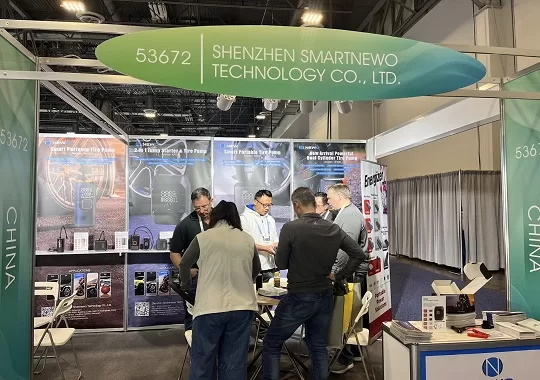
Smartnewo booth is located at 53672, Halls A-D, Level 2, Venetian Expo, Las Vegas Convention Center (LVCC). ... -

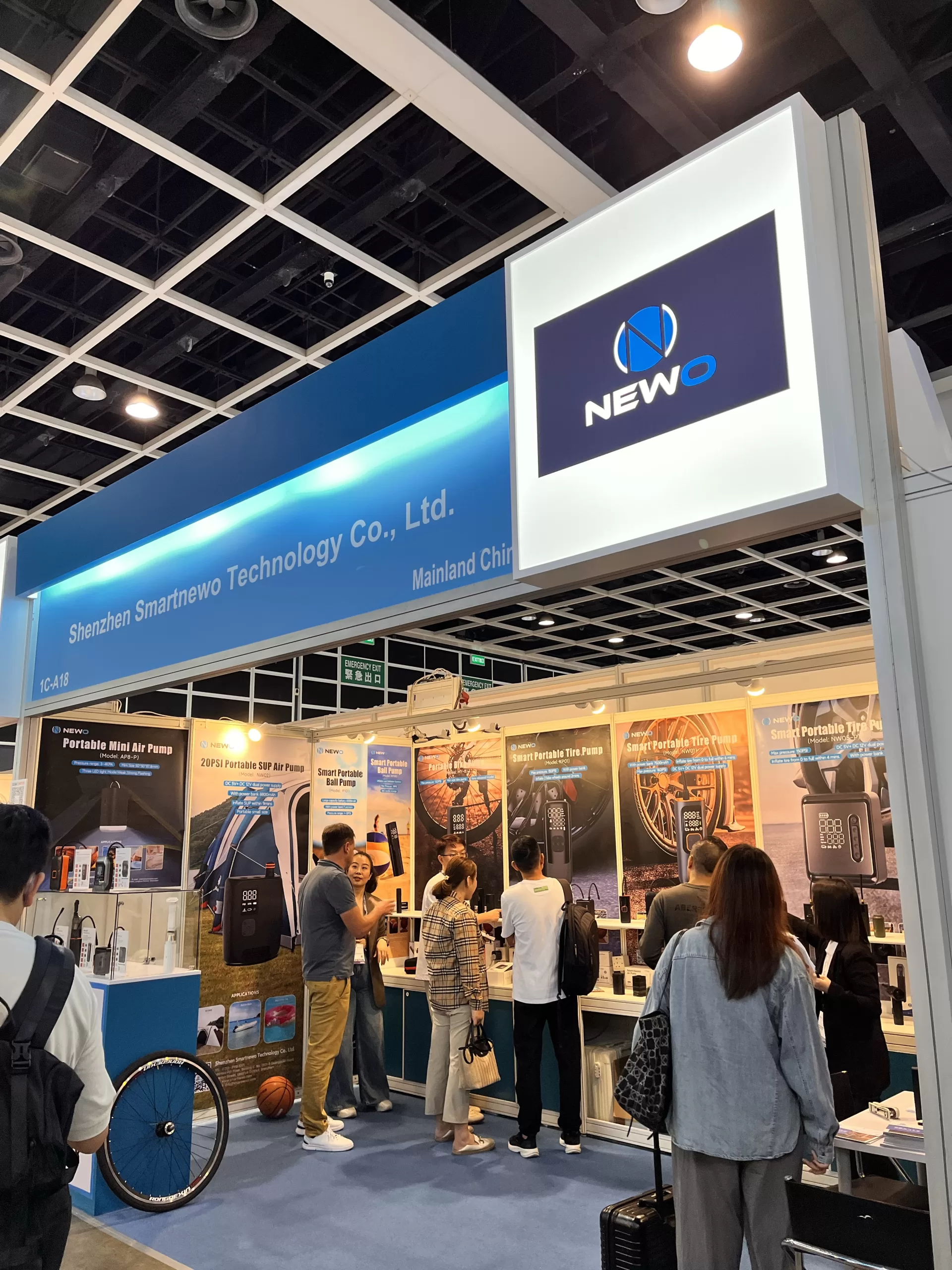
Smartnewo’s Dual-Cylinder Air Pump Rocks the Hong Kong Autumn Electronics Fair!
Smartnewo’s Dual-Cylinder Air Pump Rocks the Hong Kong Autumn Electronics Fair!... -

Meet at the Canton Fair! Smartnewo brings dual-cylinder air pumps, making your inflation experience faster and more stable!
NEWO has went deep communication and negotiation with customers from all over the world on booth.... -

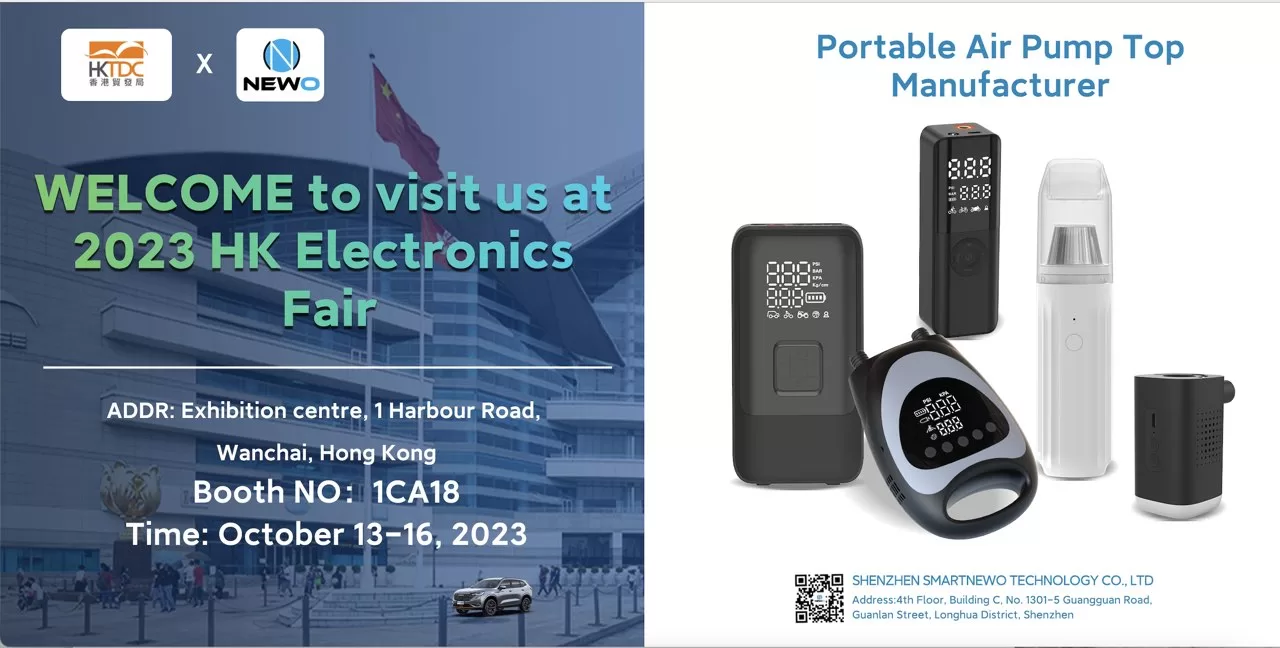
“Hong Kong Autumn Electronics Fair – 1CA18 (October 13th to 16th): Smartnewo invites you to visit our booth!
Hong Kong Autumn Electronics Fair...

-

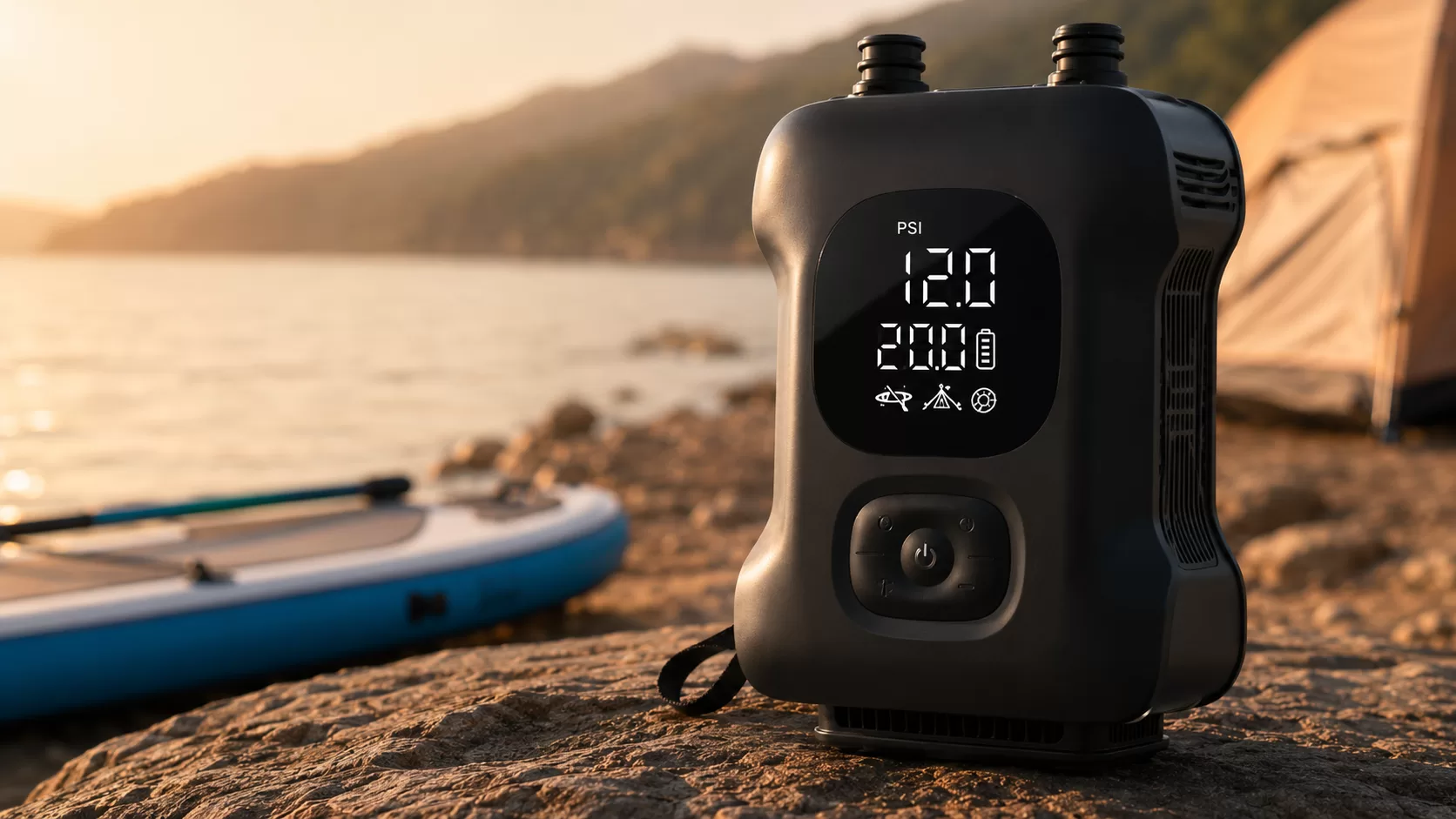
Rechargeable Electric SUP Pump for Paddle Boards: Faster Inflation for SUPs, Kayaks and Inflatable Tents
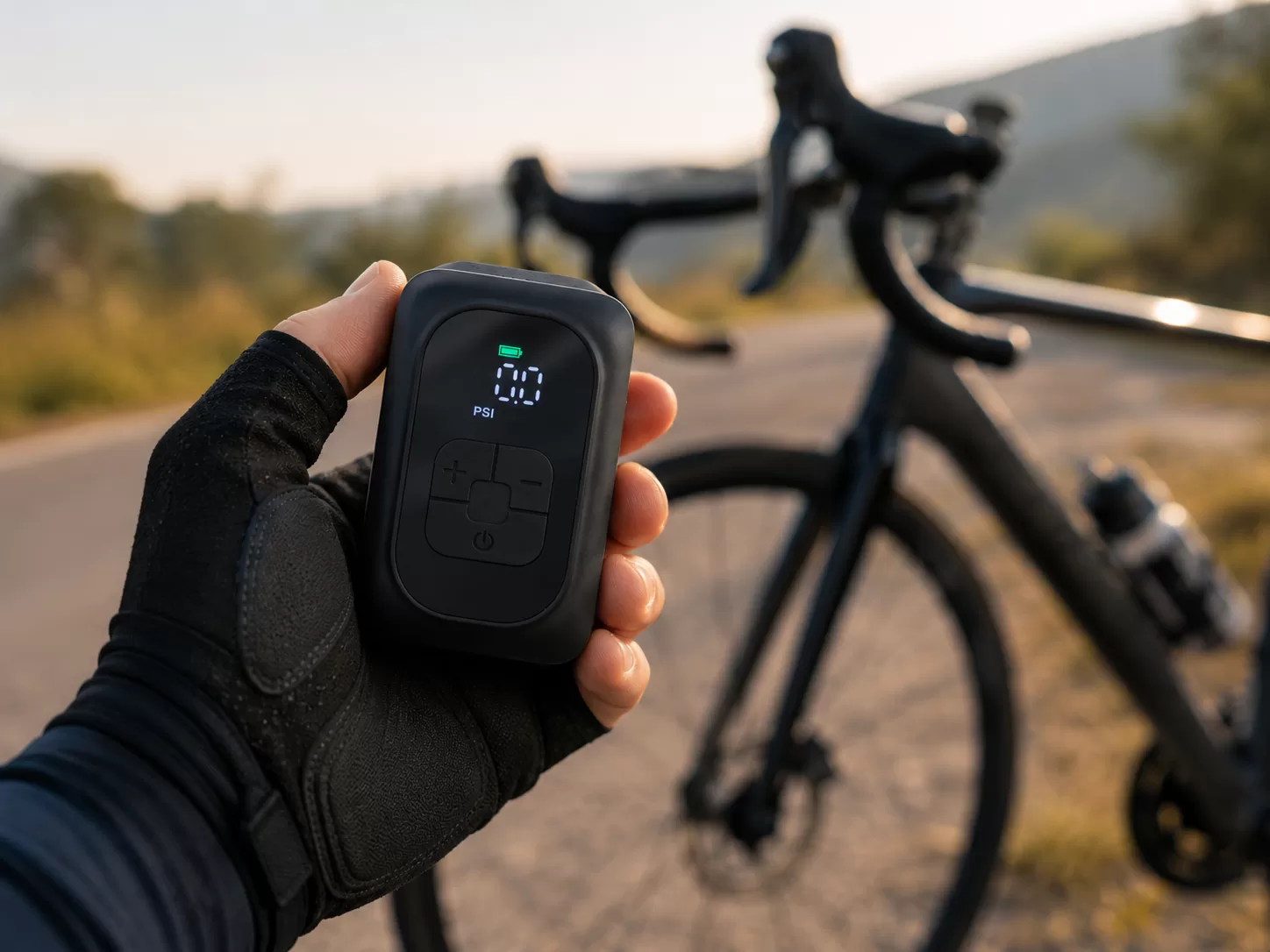
The BL10-C Portable Electric Bike Tire Inflator is a compact and lightweight mini electric bike pump designed for modern cyclists. With up to 120 PSI pressure, a digital LED display, preset pressure control, automatic shut-off, USB-C charging, and multiple valve adapters, BL10-C offers a convenient inflation solution for road bikes,... -

Are Electric Bike Pumps Worth It in 2026? Electric Pump vs CO₂ vs Mini Hand Pump
Discover whether electric bike pumps are worth it in 2026. This guide compares electric bike pumps, CO₂ inflators, and mini hand pumps for road cycling, gravel riding, commuting, and long-distance rides. Learn the pros, limitations, best use cases, and key features to look for before choosing the right portable tire... -
BL10-C Portable Electric Bike Tire Inflator: Small Size, Reliable Power for Every Ride
The BL10-C Portable Electric Bike Tire Inflator is a compact and lightweight mini electric bike pump designed for modern cyclists. With up to 120 PSI pressure, a digital LED display, preset pressure control, automatic shut-off, USB-C charging, and multiple valve adapters, BL10-C offers a convenient inflation solution for road bikes,... -

Why Mini Electric Bike Pumps Are Becoming Essential for Modern Cycling
Discover why mini electric bike pumps are becoming essential for modern cyclists. Learn how portable electric bike pumps improve tire pressure management, riding safety, and convenience.... -

The Ultimate Smart Solution for Easy Outdoor Adventures in 2026
Discover how a spring travel air pump simplifies outdoor trips with fast inflation, smart features, and powerful performance—perfect for every adventure.... -

Powerful 5-in-1 Portable Car Tire Inflator and Jump Starter: The Ultimate Emergency Tool for Every Driver
Why Every Driver Needs a Portable Car Tire Inflator and Jump Starter Modern drivers face many unexpected situations on the road. A flat tire, low tire pressure, or a dead car battery can happen at the worst possible time. That’s why having a portable car tire inflator and jump starter is... -

7 Real Cycling Scenarios That Show Why Every Rider Should Carry a Mini Bike Pump
Cycling is one of the most freeing activities you can enjoy. Whether you’re commuting to work, riding through city streets, or exploring quiet countryside roads, a bike ride can instantly improve your day. But there’s one small problem that almost every cyclist eventually faces: Low tire pressure. It might happen... -
BL08-A Portable Electric Bike Pump: A Global Distribution Opportunity with Smartnewo
Smartnewo, a professional manufacturer of portable electric air pumps, introduces the BL08-A model — a compact and efficient inflator designed for global distributors, e-commerce sellers, and outdoor accessory brands seeking reliable OEM/ODM solutions. Table of Contents Main Heading Subtopics 1. Introduction: Expanding the Global Market for Smart Inflation Tools Portable... -

Connecting Opportunities at Automechanika Shanghai 2025 — Smartnewo Exhibition Day 1
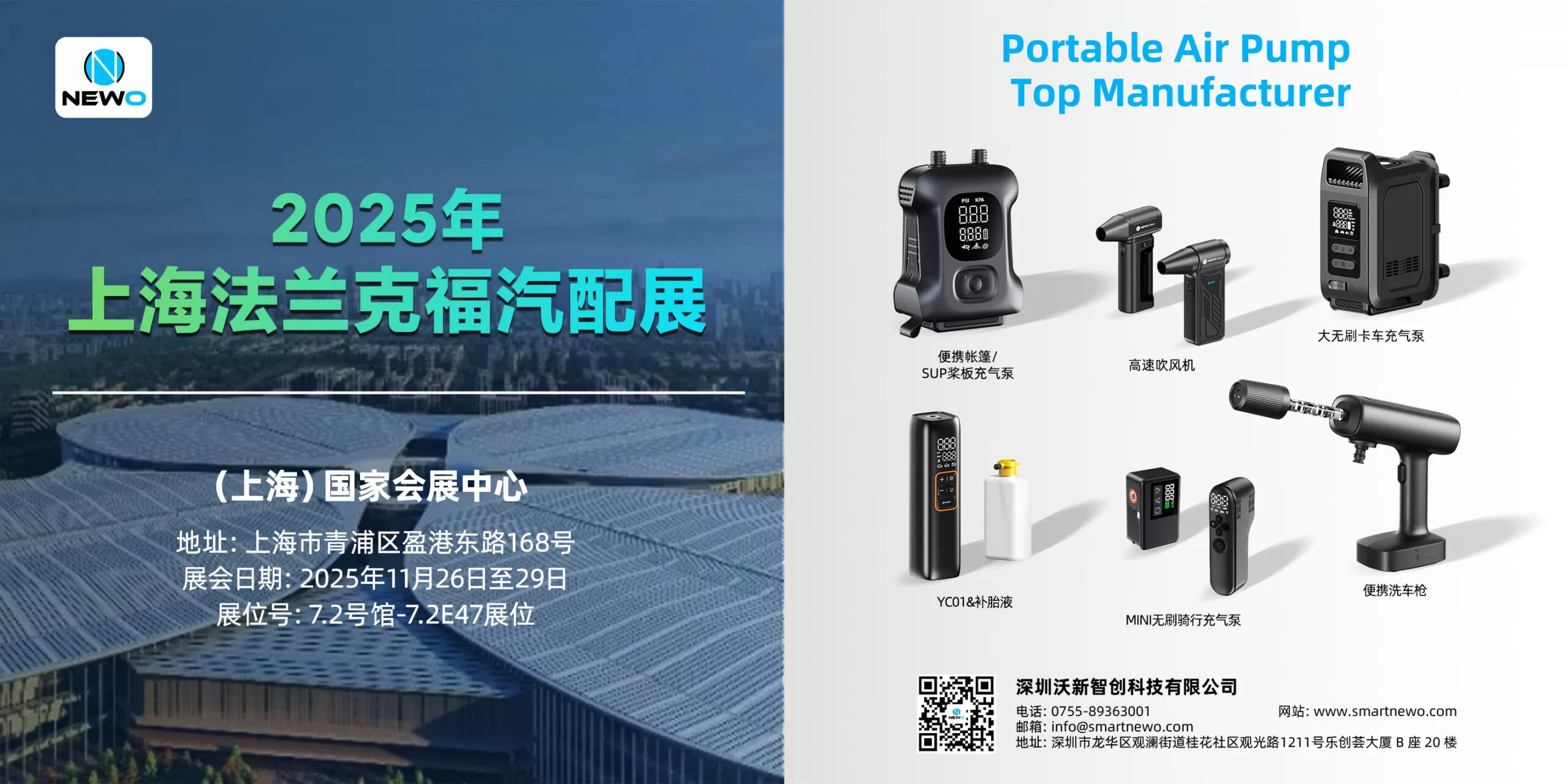
Today marks an exciting beginning as Smartnewo officially opens its booth at Automechanika Shanghai 2025. As one of the largest and most influential automotive aftermarket exhibitions in the world, the show provides an exceptional platform for meaningful conversations, partnership building, and global industry exchange. Located at Booth 7.2E47, Smartnewo presents... -

Why Every Outdoor Cyclist Should Carry a Mini Electric Bike Pump
Whether you are an experienced mountain rider or a weekend road-cycling enthusiast, one thing is certain: unexpected tire pressure issues can ruin an entire ride. That’s why more cyclists are turning to mini electric bike pumps—compact, lightweight, and far more reliable than traditional hand pumps. 1. Consistent Pressure, Even in...

-
How Is a Football Properly Inflated?
The correct inflation of a football - with not too much and not too little air - is a hotly debated topic among footballers.... -
Application Scenarios of Car Inflator Pump
Often long-distance business trips or play car owners because the road may be more remote areas, in this case if you encounter a tire leak....