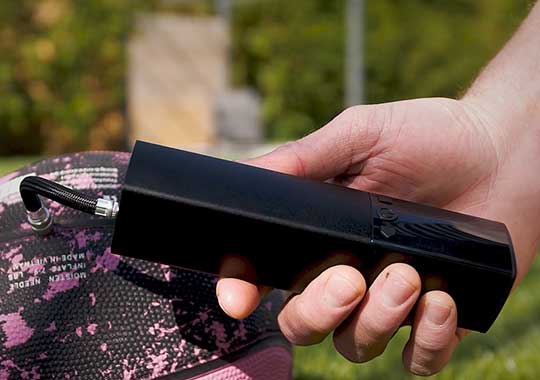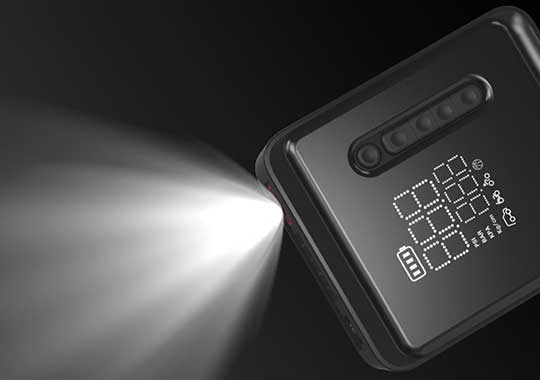

 Portable Tire Inflators
 Electric Air Pumps
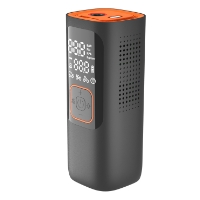 Electric Car Tyre Pumps
 Electric Ball Pumps
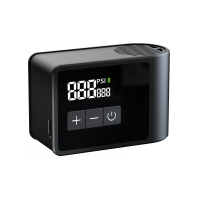 Electric Bike Pump
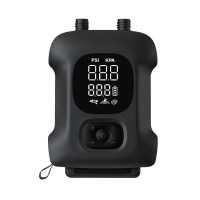 SUP Air Pump
Choosing the Right Battery Powered Tire Inflator for Your Needs
A flat tire doesn’t announce itself conveniently. It strikes when you’re rushing to an appointment, or worse, on a remote road far from help. For decades, drivers relied on manual pumps—awkward, exhausting devices that left you sweating before you’d even finished inflating one tire. A battery powered tire inflator changes that equation entirely. Instead of wrestling with mechanical resistance, you press a button and let the machine handle the work.
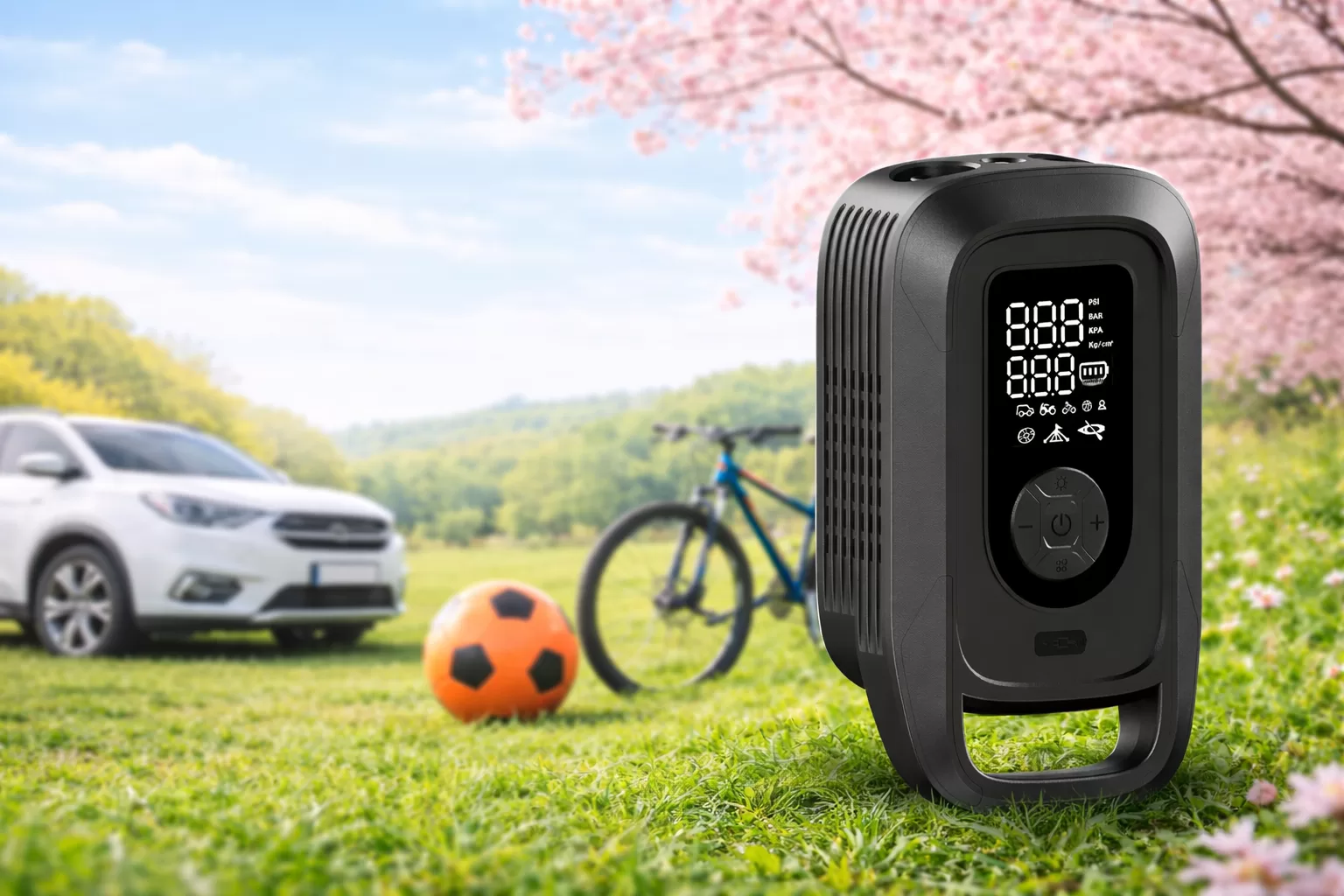
The shift toward portable, battery-powered solutions reflects a broader pattern in how we approach everyday problems. Rather than accepting inconvenience as inevitable, we’re choosing tools that compress time and effort. A battery powered tire inflator embodies this philosophy. It sits quietly in your glove compartment or garage, ready to deliver consistent pressure whenever needed—whether you’re maintaining a car, bicycle, motorcycle, or sports equipment.
But not every inflator performs equally. Pressure capacity, charging speed, weight, and ease of use separate practical investments from drawer clutter. Understanding what matters in a battery powered tire inflator helps you avoid both overspending on unnecessary features and underinvesting in capability you’ll genuinely need.
Understanding Tire Pressure Basics
Before selecting a battery powered tire inflator, you need to know what pressure your equipment actually requires. This number varies significantly. A car tire typically sits between 28 and 35 PSI. A bicycle tire might demand 60 to 100 PSI depending on the model and riding style. A motorcycle tire often needs 30 to 40 PSI. Sports balls range from 7 to 15 PSI. These aren’t arbitrary numbers—they represent the balance point where the equipment performs safely and efficiently.
Pressure measurement itself uses simple physics. PSI stands for pounds per square inch, the standard unit in most English-speaking countries. When you see a battery powered tire inflator rated at 150 PSI, that specification tells you its maximum pressure ceiling. Most portable models max out between 100 and 150 PSI, which covers the vast majority of consumer applications.
The practical implication: if you mainly inflate car and bicycle tires, you don’t need a 150 PSI capability. A lower-pressure model would work fine and typically costs less. Conversely, if you occasionally work with motorcycle tires or need to reinflate a significantly underinflated vehicle tire quickly, that ceiling matters. Matching pressure capacity to your actual needs prevents wasting money on surplus performance.
Key Performance Metrics That Matter
Three specifications deserve your close attention when evaluating any battery powered tire inflator: air flow rate, battery capacity, and operating runtime.
Air flow rate measures how quickly the pump delivers air, typically expressed in liters per minute. A higher flow rate means faster inflation times. For a car tire, the difference between 15 L/min and 25 L/min might seem trivial—perhaps two minutes versus five minutes. But if you’re inflating multiple tires or frequent sports balls, that gap accumulates. Real-world models often deliver 20 to 22 L/min, balancing speed against energy efficiency.
Battery capacity directly determines how many tires you can inflate on a single charge. A 2000mAh battery with 7.4V output—the configuration in many compact models—can typically inflate about 2.5 car tires before needing recharge. That’s sufficient for routine maintenance and emergency situations, but insufficient if you operate a small bike rental or frequently assist others. Battery cycle life also matters; quality cells maintain 80 percent of capacity after 100 charge cycles, meaning years of reliable use rather than months.
Charging time affects convenience more than you might expect. A model requiring 2 to 3 hours sits in your charger overnight, ready for morning use. One requiring 6 to 8 hours demands planning. Some models include a power-bank function—a 5V/2A output that charges compatible devices—which adds value if you’re already carrying the battery powered tire inflator in your car or backpack.
Pressure Preset Modes Versus Custom Settings
Most battery powered tire inflator models offer preset modes programmed for common applications: cars, bicycles, motorcycles, sports balls. These presets work by storing target pressures and automatically shutting off when the inflator reaches that pressure. The convenience is genuine—you select "car tire," attach the inflator, and walk away knowing it will stop at the correct pressure.
But presets have limits. Your specific car might need 32 PSI while a friend’s needs 30 PSI. Premium bicycle tires sometimes run higher pressures than standard models. Motorcycles vary between manufacturers. A quality battery powered tire inflator includes custom pressure setting, letting you dial in exactly what you need. This flexibility transforms the device from a one-size-fits-most tool into a genuinely versatile solution.
The digital display showing current pressure and selected target pressure becomes essential during custom inflation. You can watch the pressure climb, verify you’re approaching your target, and stop manually if needed. Some models include an LED screen displaying battery level alongside pressure information, preventing the frustration of starting an inflation only to discover a depleted battery mid-process.
Portability and Real-World Usability
A battery powered tire inflator lives in the margin between capability and practicality. A 500-gram unit (roughly one pound) disappears into a commute bag or vehicle storage. A 1200-gram unit starts feeling cumbersome for frequent carrying. Most portable models weigh between 400 and 600 grams, light enough for everyday transport yet substantial enough to house proper pumping mechanisms.
Size matters equally. A compact rectangular design—roughly 15 centimeters tall and 5 centimeters wide—tucks into tight spaces. Some models adopt rounded, ergonomic profiles that feel natural when held in one hand during inflation. The choice between rectangular and rounded typically comes down to storage preference; both work equally well functionally.
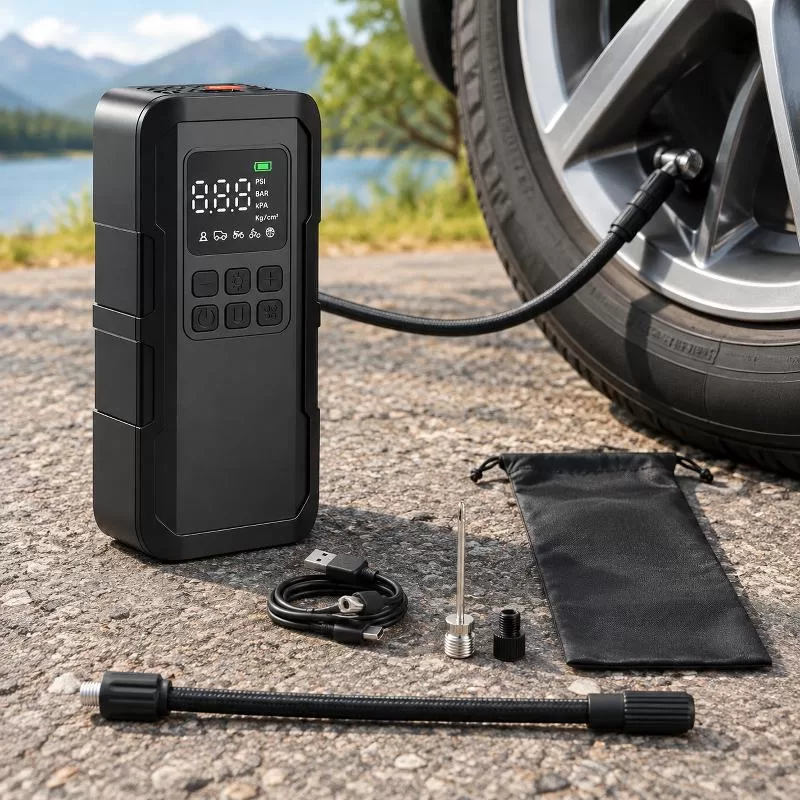
Accessories significantly affect real-world usability. A quality battery powered tire inflator includes valve adapters for different equipment types—one for car tire valves (typically Schrader), another for bicycle valves (Presta), potentially a third for sports ball needles. A braided hose adds 2 to 3 meters of reach, letting you position the inflator outside direct exhaust or away from engine heat while inflating. A storage pouch protects the device and keeps accessories organized.
Where Battery Powered Tire Inflators Prove Most Valuable
The situations where a battery powered tire inflator justifies its cost cluster around three scenarios: routine maintenance, emergency preparedness, and active lifestyle support.
Routine maintenance represents the foundation case. Rather than visiting a gas station to use free-but-slow air pumps, you maintain tire pressure at home on your schedule. This proves especially valuable during seasonal transitions when temperature changes naturally shift tire pressure by 5 to 10 PSI. Catching and correcting these changes before they cause driving problems extends tire life and improves fuel efficiency.
Emergency scenarios—a slow leak or puncture on an unfamiliar road—expose the limits of roadside assistance. A battery powered tire inflator lets you restore just enough pressure to reach a repair facility, avoiding the wait for a tow truck. Many drivers keep one in their vehicle for exactly this reason, treating it like a fire extinguisher: hopefully unnecessary, but invaluable if needed.
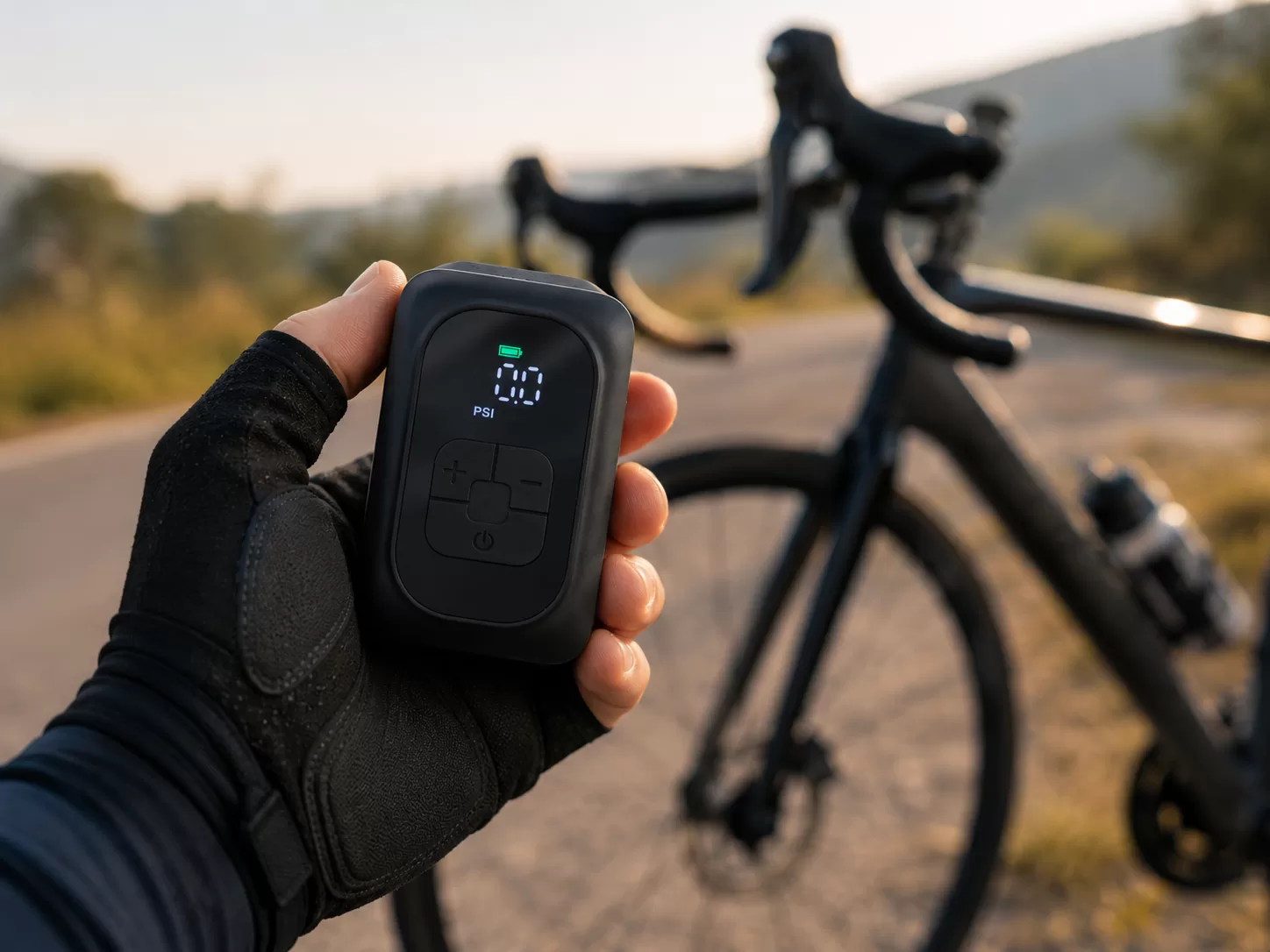
For cycling enthusiasts, the equation differs. Bicycle tires lose pressure naturally over time, and dedicated cyclists check pressure before every ride. A portable, battery powered tire inflator eliminates the commute to a bike shop or the need to maintain a manual floor pump at work. Similarly, owners of electric bikes, wheelchairs, balance vehicles, or any mobility device benefit from convenient, on-demand inflation without physical exertion.
Technical Considerations for Extended Use
The operating temperature range of a battery powered tire inflator affects reliability in extreme conditions. Most quality models function between -10°C and 45°C (14°F to 113°F). This covers normal seasonal weather in most climates but breaks down during harsh winters or in direct summer sun. If you live in an arctic environment or frequently inflate tires in extreme heat, verify the specification before purchasing.
Noise level, typically rated at 85 decibels or below at one meter, doesn’t sound dramatic until you use the device in a quiet garage or late at night. That’s roughly the volume of a vacuum cleaner—noticeable but not shocking. If you live in an apartment or frequently inflate tires early morning, this specification deserves consideration.
Pressure accuracy matters more than casual users typically recognize. A battery powered tire inflator displaying 32 PSI should actually deliver 32 PSI, not 30 or 34. Quality devices maintain accuracy within ±1 to 2 PSI across their operating range. This precision prevents the frustration of adding pressure, rechecking with a separate gauge, and discovering you’ve either overinflated or underinflated.
Comparing Battery Powered Tire Inflators Across Price Points
| Feature | Budget Models | Mid-Range Models | Premium Models |
|---|---|---|---|
| Maximum Pressure | 100-120 PSI | 130-150 PSI | 150+ PSI |
| Air Flow Rate | 12-16 L/min | 18-22 L/min | 22-30 L/min |
| Battery Capacity | 1200-1500mAh | 2000-2500mAh | 2500-4000mAh |
| Preset Modes | 3-4 | 5-6 | 6-8 |
| Custom Settings | Limited | Full | Full |
| Power Bank Function | No | Optional | Standard |
| Price Range | $20-40 | $40-80 | $80-150 |
| Best For | Occasional use, compact storage | Regular home and vehicle use | Professional or frequent use |
Budget models serve occasional users perfectly. If you inflate tires three or four times yearly, the simplicity and cost savings outweigh the performance ceiling. Mid-range models balance capability and investment, covering routine maintenance and most emergency scenarios. Premium models justify their cost only if you inflate tires frequently, operate commercially, or need maximum pressure capacity for specialized equipment.
Common Questions About Battery Powered Tire Inflators
How long does a full charge actually last? Runtime depends heavily on inflation pressure and battery capacity. Reaching 32 PSI consumes far less energy than reaching 100 PSI. Most models achieve 20 to 22 minutes of continuous operation at full capacity. Realistically, you’ll charge after every 2 to 4 tire inflations for a standard vehicle application.
Can I leave it on after reaching target pressure? Modern battery powered tire inflators include automatic shut-off to prevent overcharging the tire and wasting battery. Once you reach the selected pressure, the device stops delivering air. This safety feature protects both your equipment and the battery, making operation genuinely hands-off.
Does the power-bank output actually work well for phones? It functions adequately as an emergency charge for compatible devices, delivering 5V at 2A. You won’t fully charge a modern smartphone, but you might restore 15 to 25 percent capacity—enough to make a call or send a message. Treat it as a bonus feature rather than a primary phone charger.
What’s the difference between 17-cylinder and other configurations? More cylinders generally mean smoother pressure delivery and slightly less vibration, but the practical difference in portable devices feels minimal. Focus instead on air flow rate and pressure capacity rather than cylinder count.
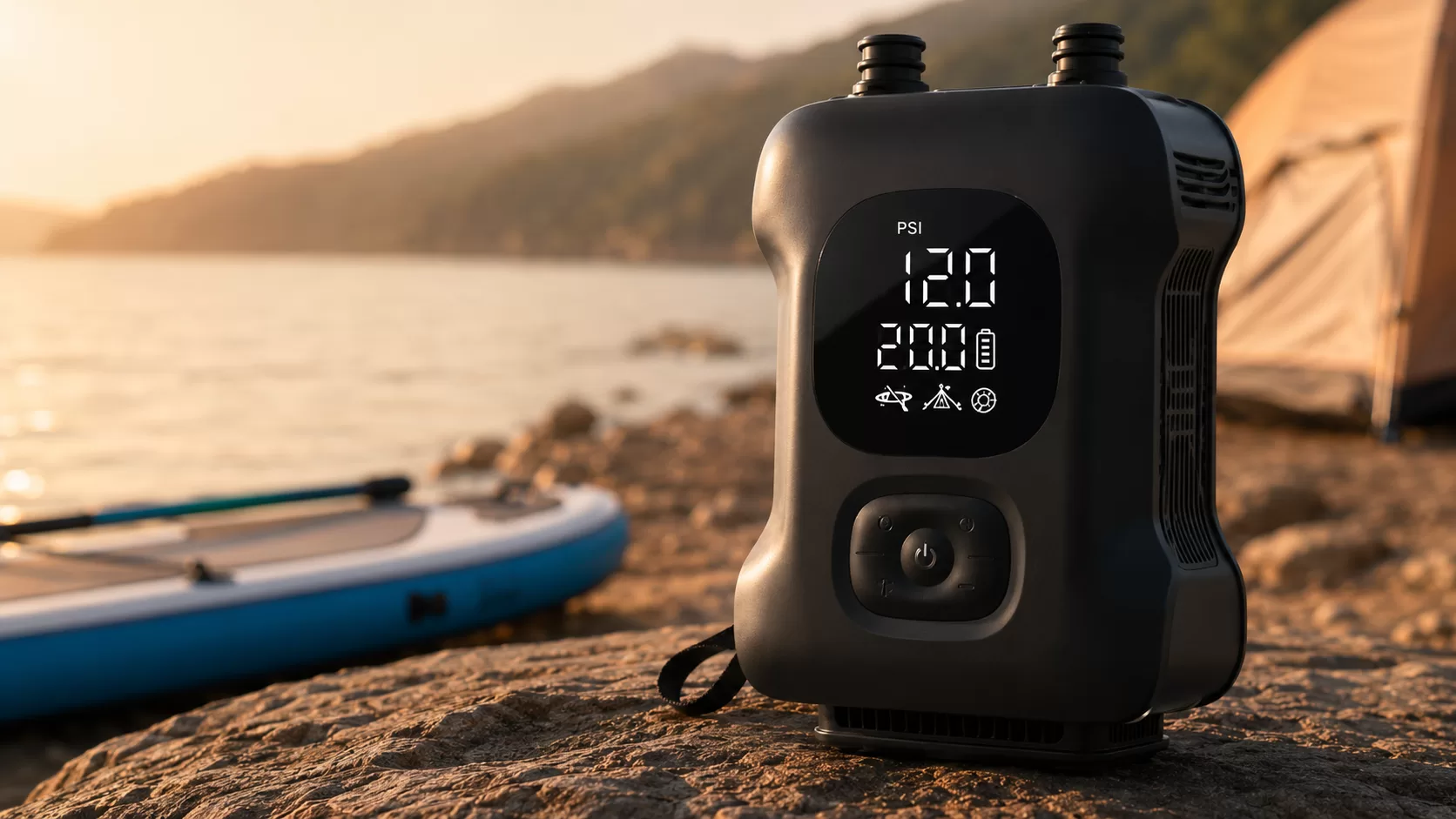
Can I use it for other equipment like camping beds or pool toys? Absolutely. Most battery powered tire inflators include adapters for multiple valve types, making them versatile across inflatable equipment. The 150 PSI maximum easily handles the 5 to 15 PSI that recreational inflatables require.
Making Your Selection
Start by honest assessment of your actual needs. Do you inflate tires weekly or twice yearly? Does your commute involve a bicycle or primarily a car? Do you need convenient home inflation or emergency roadside capability? These questions narrow the field considerably.
Next, evaluate the accessories included. A quality battery powered tire inflator comes with multiple valve adapters, a braided hose, and a storage pouch. These don’t add much cost but dramatically improve real-world usability. A device arriving without practical accessories forces you to purchase them separately, quickly eroding the value proposition.
Finally, consider charging accessibility. Can you realistically charge the battery regularly, or will it sit dormant for months between uses? A battery powered tire inflator sitting fully charged in your vehicle remains useful; one sitting uncharged in a closet becomes dead weight. If you’re the type to forget charging obligations, that matters.
The decision ultimately reflects how you value convenience against cost. Manual pumps still work, and they’ll always work without batteries or charging cables. But if you’ve ever stood gasping after manually pumping a significantly underinflated tire, or missed checking pressure before a ride because the nearest pump seemed inconvenient, you understand what a battery powered tire inflator actually solves: it removes friction from maintenance, making tire care something you actually do rather than something you plan to do.
-

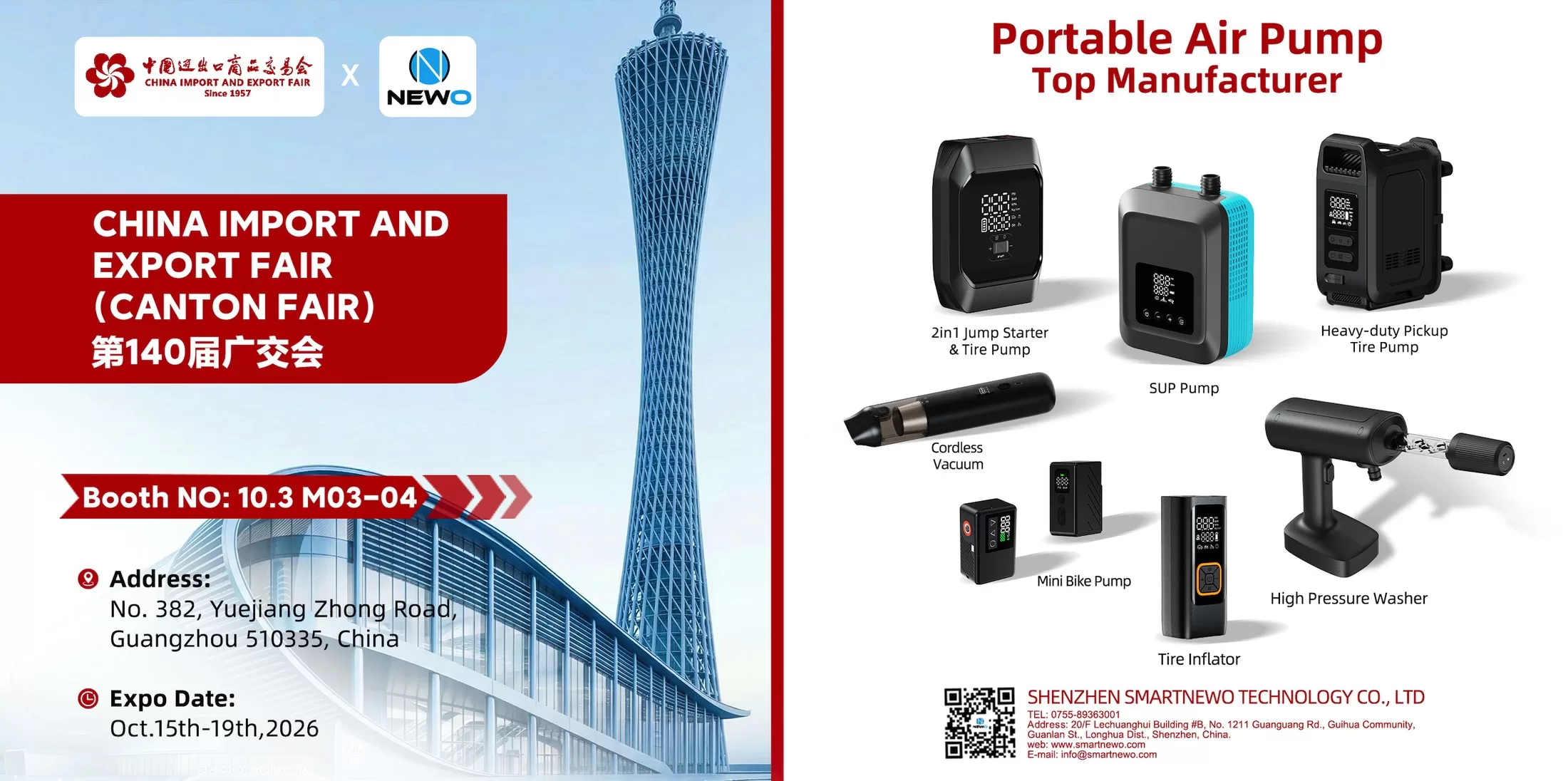
Meet NEWO at the 140th Canton Fair: Visit Booth 10.3 M03–04
Meet NEWO at the 140th Canton Fair in Guangzhou, October 15–19, 2026. Visit Booth 10.3 M03–04 to explore portable air pumps and discuss OEM, ODM and distribution opportunities.... -

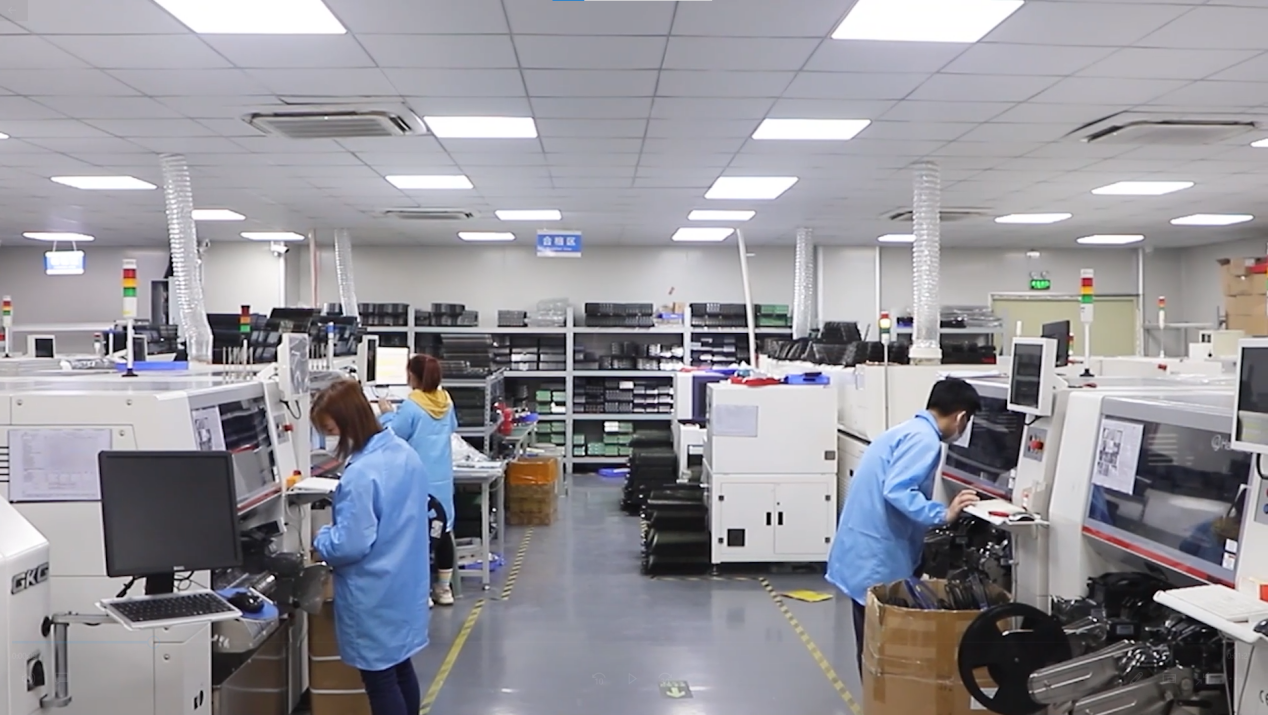
As Shenzhen Welcomes the World for APEC 2026, NEWO Welcomes You to Our Factory
As Shenzhen prepares for APEC 2026, NEWO welcomes international buyers and partners to visit our factory, meet our team and explore future cooperation.... -

Leading the Way in Product Innovation and Excellence
Smartnewo exemplifies professionalism in product innovation and manufacturing. Their collaboration with Xiaomi Youpin on the G01 crowdfunding project highlights their expertise in creating compact, powerful inflatable pumps. Rigorous engineering, meticulous production processes, and advanced quality assurance underscore their commitment to excellence. The success of the G01 project, with significant market... -

Essential Qualities of an Excellent Supplier
In today's competitive market, finding a reliable supplier is crucial for business success. Based on insights from Smartnewo and broader internet research, here are key qualities an excellent supplier must possess:... -

NW06 Tire Inflator: Compact Power for Quick Inflation
Summary The NW06 Tire Inflator delivers quick and efficient tire inflation with a powerful 35L/min airflow. It features a user-friendly LCD screen for real-time pressure monitoring, dual power options with a built-in 6000mAh battery, and multiple nozzle attachments for versatile use. Its compact design and integrated LED light ensure convenience and... -

Unleash the Power of Portability: The SmartNewo Jump Starter with Air Compressor KF03
This guide will walk you through the steps to effectively use a portable tire inflator, helping you stay prepared and safe on the road.... -

Newo Attends The 2024 Consumer Electronics Show (CES)
Smartnewo booth is located at 53672, Halls A-D, Level 2, Venetian Expo, Las Vegas Convention Center (LVCC). ... -

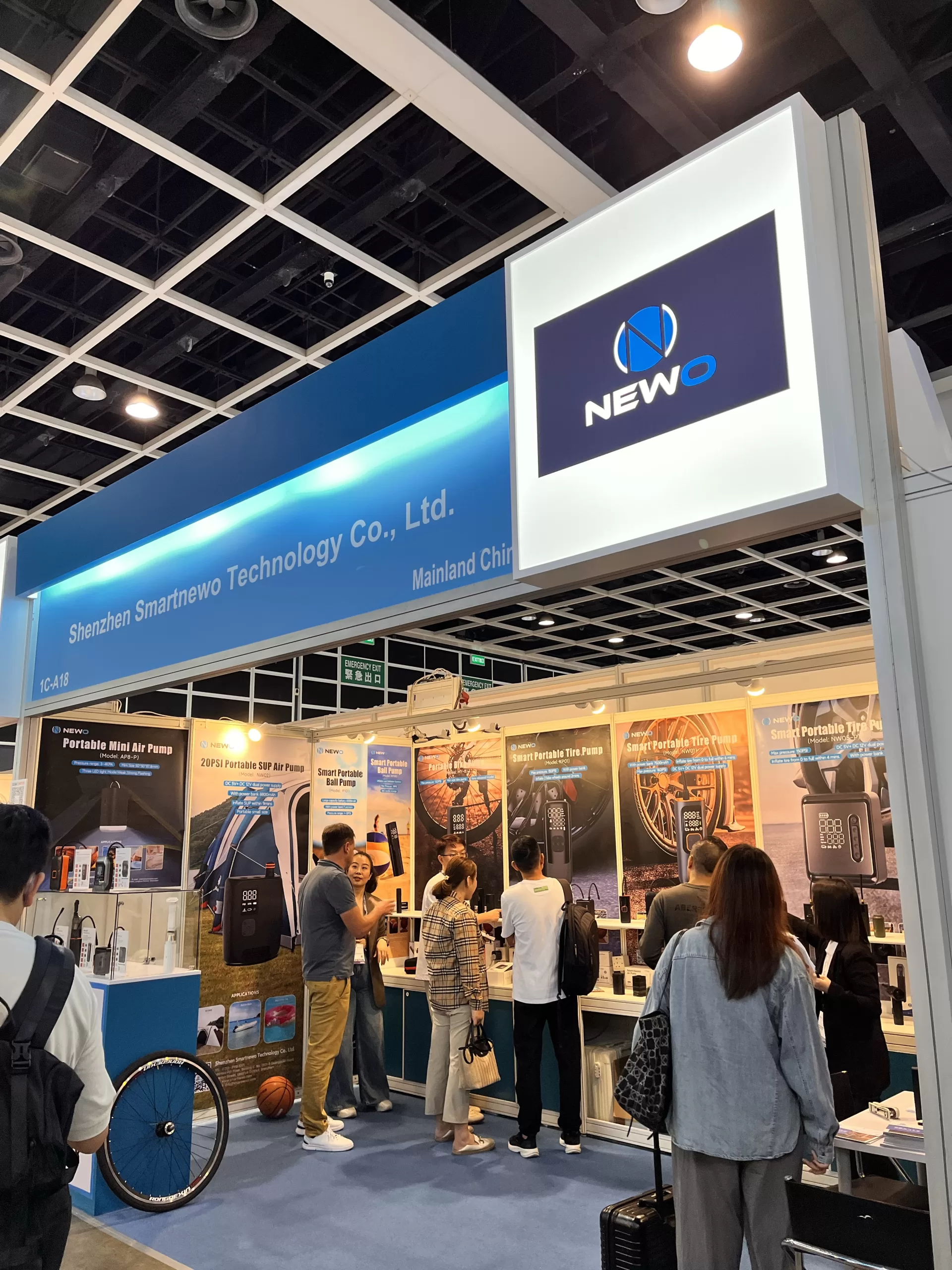
Smartnewo’s Dual-Cylinder Air Pump Rocks the Hong Kong Autumn Electronics Fair!
Smartnewo’s Dual-Cylinder Air Pump Rocks the Hong Kong Autumn Electronics Fair!... -

Meet at the Canton Fair! Smartnewo brings dual-cylinder air pumps, making your inflation experience faster and more stable!
NEWO has went deep communication and negotiation with customers from all over the world on booth.... -

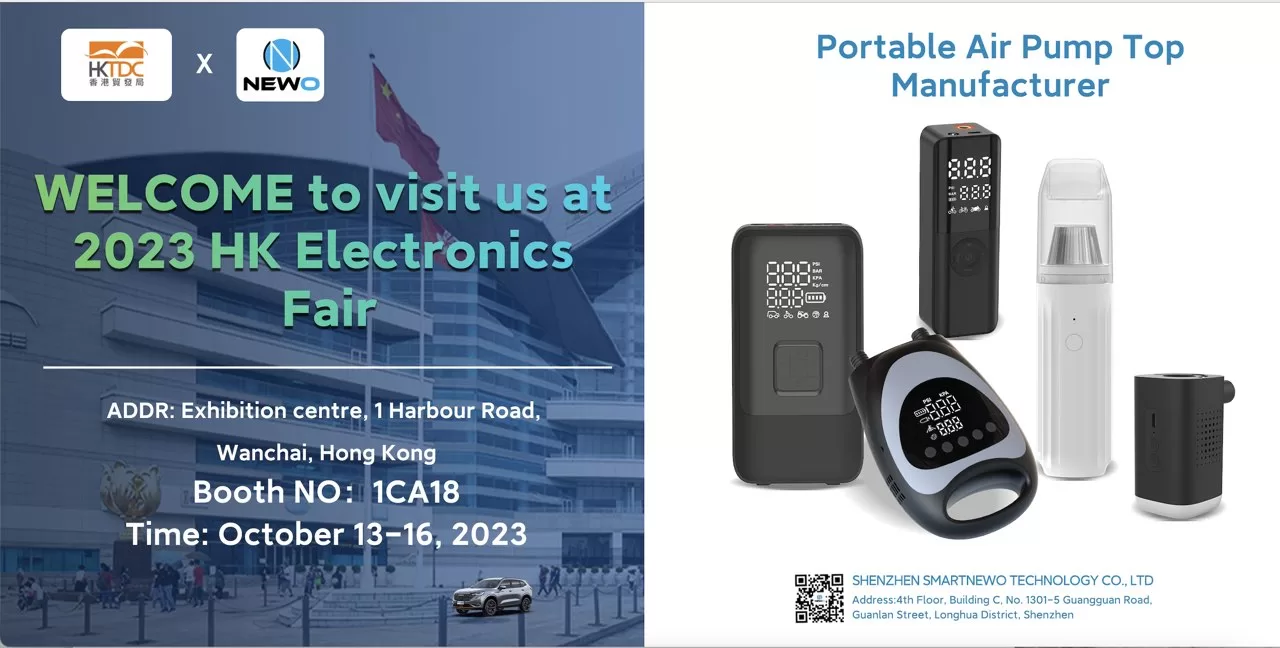
“Hong Kong Autumn Electronics Fair – 1CA18 (October 13th to 16th): Smartnewo invites you to visit our booth!
Hong Kong Autumn Electronics Fair...



-

Rechargeable Electric SUP Pump for Paddle Boards: Faster Inflation for SUPs, Kayaks and Inflatable Tents
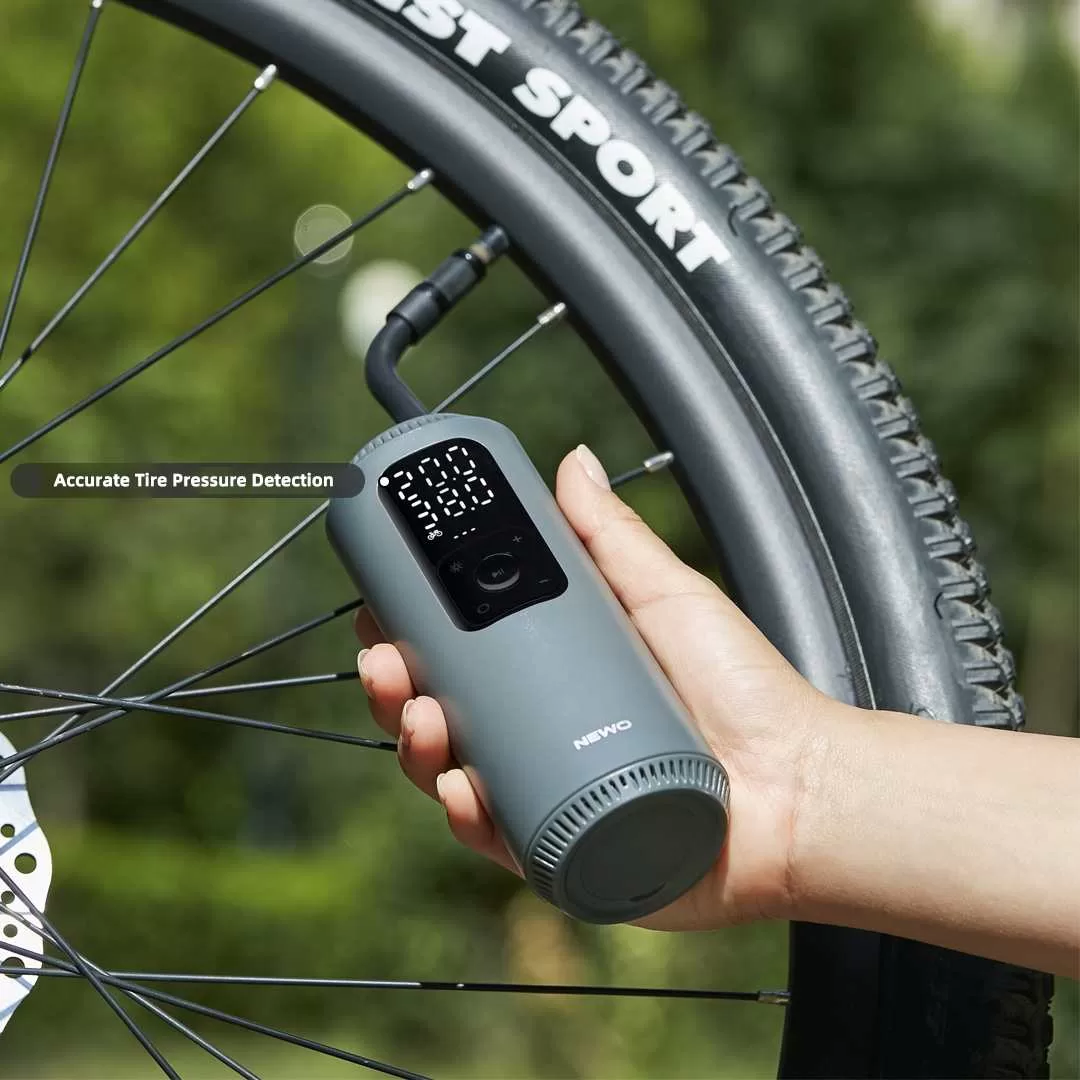
The BL10-C Portable Electric Bike Tire Inflator is a compact and lightweight mini electric bike pump designed for modern cyclists. With up to 120 PSI pressure, a digital LED display, preset pressure control, automatic shut-off, USB-C charging, and multiple valve adapters, BL10-C offers a convenient inflation solution for road bikes,... -

Are Electric Bike Pumps Worth It in 2026? Electric Pump vs CO₂ vs Mini Hand Pump
Discover whether electric bike pumps are worth it in 2026. This guide compares electric bike pumps, CO₂ inflators, and mini hand pumps for road cycling, gravel riding, commuting, and long-distance rides. Learn the pros, limitations, best use cases, and key features to look for before choosing the right portable tire... -
BL10-C Portable Electric Bike Tire Inflator: Small Size, Reliable Power for Every Ride
The BL10-C Portable Electric Bike Tire Inflator is a compact and lightweight mini electric bike pump designed for modern cyclists. With up to 120 PSI pressure, a digital LED display, preset pressure control, automatic shut-off, USB-C charging, and multiple valve adapters, BL10-C offers a convenient inflation solution for road bikes,... -

Why Mini Electric Bike Pumps Are Becoming Essential for Modern Cycling
Discover why mini electric bike pumps are becoming essential for modern cyclists. Learn how portable electric bike pumps improve tire pressure management, riding safety, and convenience.... -

The Ultimate Smart Solution for Easy Outdoor Adventures in 2026
Discover how a spring travel air pump simplifies outdoor trips with fast inflation, smart features, and powerful performance—perfect for every adventure.... -

Powerful 5-in-1 Portable Car Tire Inflator and Jump Starter: The Ultimate Emergency Tool for Every Driver
Why Every Driver Needs a Portable Car Tire Inflator and Jump Starter Modern drivers face many unexpected situations on the road. A flat tire, low tire pressure, or a dead car battery can happen at the worst possible time. That’s why having a portable car tire inflator and jump starter is... -

7 Real Cycling Scenarios That Show Why Every Rider Should Carry a Mini Bike Pump
Cycling is one of the most freeing activities you can enjoy. Whether you’re commuting to work, riding through city streets, or exploring quiet countryside roads, a bike ride can instantly improve your day. But there’s one small problem that almost every cyclist eventually faces: Low tire pressure. It might happen... -
BL08-A Portable Electric Bike Pump: A Global Distribution Opportunity with Smartnewo
Smartnewo, a professional manufacturer of portable electric air pumps, introduces the BL08-A model — a compact and efficient inflator designed for global distributors, e-commerce sellers, and outdoor accessory brands seeking reliable OEM/ODM solutions. Table of Contents Main Heading Subtopics 1. Introduction: Expanding the Global Market for Smart Inflation Tools Portable... -

Connecting Opportunities at Automechanika Shanghai 2025 — Smartnewo Exhibition Day 1
Today marks an exciting beginning as Smartnewo officially opens its booth at Automechanika Shanghai 2025. As one of the largest and most influential automotive aftermarket exhibitions in the world, the show provides an exceptional platform for meaningful conversations, partnership building, and global industry exchange. Located at Booth 7.2E47, Smartnewo presents... -

Why Every Outdoor Cyclist Should Carry a Mini Electric Bike Pump
Whether you are an experienced mountain rider or a weekend road-cycling enthusiast, one thing is certain: unexpected tire pressure issues can ruin an entire ride. That’s why more cyclists are turning to mini electric bike pumps—compact, lightweight, and far more reliable than traditional hand pumps. 1. Consistent Pressure, Even in...


-
How Is a Football Properly Inflated?
The correct inflation of a football - with not too much and not too little air - is a hotly debated topic among footballers.... -
Application Scenarios of Car Inflator Pump
Often long-distance business trips or play car owners because the road may be more remote areas, in this case if you encounter a tire leak....