

 Portable Tire Inflators
 Electric Air Pumps
 Electric Car Tyre Pumps
 Electric Ball Pumps
 Electric Bike Pump
 SUP Air Pump

Cordless Auto Stop Tire Inflator Engineering Guide: Smart Pressure Control and Multi-Vehicle Utility
Pneumatic stability defines road safety, yet millions of drivers navigate daily commutes on underinflated tires. The modern cordless auto stop tire inflator changes this dynamic entirely, moving tire maintenance from dirty gas-station compressors to the palm of your hand. When air pressure drops, rolling resistance increases, fuel economy suffers, and internal heat degrades rubber belts. Having an independent battery-operated inflator eliminates guesswork and physical exhaustion. Compact lithium-powered devices now combine digital pressure sensing with automatic shut-off to deliver controlled inflation anywhere.
Driving on correct air pressure preserves tire tread geometry and ensures vehicle handling meets factory performance metrics. Service-station gauge accuracy can vary from pump to pump, and running long, tangled cables to a 12V dashboard socket brings its own hassle. This technical guide explains how automated pressure regulation functions, examines the hardware behind portable compressors, and outlines reliable operating procedures across cars, bicycles, and commercial gear.
The Mechanical Realities and Vulnerabilities of Tire Inflation
Tire air pressure never remains static. Environmental temperatures, valve stem fatigue, and structural rubber permeability constantly bleed air over time. Understanding these thermal and mechanical losses helps operators prevent premature tire failure.
The High Cost of Improper Cold Tire Pressure
Tire pressure commonly shifts by roughly 1 to 2 PSI for every 10-degree Fahrenheit change in ambient temperature, though the exact figure varies with tire volume and conditions. As air cools inside the sealed rubber carcass, molecular velocity decreases, reducing internal wall force. Driving on underinflated tires shifts vehicle weight toward the outer tread shoulders, generating intense internal friction that breaks down casing plies.
Excessive heat degrades synthetic tread compounds long before a driver notices sluggish steering or longer braking distances. Overinflation can also affect handling and accelerate uneven tread wear, though the exact pattern depends on the specific tire and vehicle. Maintaining the cold tire pressure specified by the vehicle manufacturer protects costly tires while supporting consistent braking traction on wet roads.
Limitations of Gas-Station Air Pumps and Corded 12V Compressors
The built-in gauges on commercial service station pumps can vary in accuracy from unit to unit, and a drifting or poorly maintained gauge may not match the true pressure in a tire. Motorists queue in winter weather only to find frozen chucks, damaged rubber hoses, or coin meters that shut off halfway through filling. Because station pump accuracy can be inconsistent, it is worth rechecking the result with a separate, reliable tire pressure gauge.
Corded 12V portable pumps resolve station access but come with their own operating considerations. Some pump manufacturers recommend running the vehicle engine while the pump draws power through the cigarette lighter socket, so drivers should follow the instructions specific to their vehicle and pump rather than assuming one rule applies universally. Long power cords can also snag on vehicle chassis panels, frequently falling short when attempting to reach the rear wheels of extended SUVs or utility trailers.
The Ergonomic Hazard of Manual High-Pressure Pumping
Manual floor pumps remain standard gear for home bicycle mechanics, and filling a tire by hand takes more physical effort than running an electric pump. Reaching higher pressures inside a narrow road bicycle tire demands more upper-body force against rising backpressure as the tire fills. The amount of effort involved varies with the specific pump’s design and the tire being filled.
Topping up a larger passenger car tire by hand is especially tiring, since the effort needed depends on the pump’s displacement and the tire’s internal volume. Mechanical compressors replace manual muscle with compact electric powerplants, delivering controlled volume through steady automated cycles without the physical exhaustion of hand pumping.
How Auto-Stop Technology Controls Tire Pressure
Automated shut-off systems eliminate the need to stare constantly at oscillating needles during inflation. By pairing a pressure sensor with preset target values, modern portable inflators manage gas transfer with a level of consistency manual pumping cannot match.
Pressure Sensing and Preset Inflation Modes
According to the BP188 product specifications, the unit includes built-in pressure sensing that reads the current tire pressure once the hose is connected to the valve stem. The device compares this reading against the pressure value selected by the user, whether that value comes from a preset mode or a manual custom entry. A backlit LED/LCD display shows the live reading throughout the process.
This arrangement lets the operator set a target once and then step away from constant needle-watching. The display updates continuously as air enters the tire, giving a clearer readout than a swinging analog gauge. Preset modes for motorcycle, bicycle, ball, and custom pressures, as described in the product data, let users pick an appropriate range without calculating it manually each time.
Automatic Motor Shut-Off
When the measured pressure reaches the selected target, the product specifications indicate that the pump stops automatically rather than continuing to run until the operator intervenes. This automatic shut-off is described as stopping the inflation process itself; it is the motor and pumping action that halts, not a separate valve closing on the tire.
This automatic stop reduces the risk of overshooting a target pressure during unattended operation. Users can connect the air chuck, select a value, and attend to other vehicle checks without having to watch the display the entire time. The product data does not specify an exact tolerance figure, so operators should still confirm the final reading once the unit stops.
Pressure Unit Harmonization Across Global Standards
Vehicle manufacturers document tire specifications using diverse engineering scales depending on regional market standards. A versatile inflator must translate these parameters without forcing operators to perform mental mathematics on the roadside. The BP188 display, per the product specifications, switches between several common scales.
Internal Anatomy and Engineering of Portable Compressors
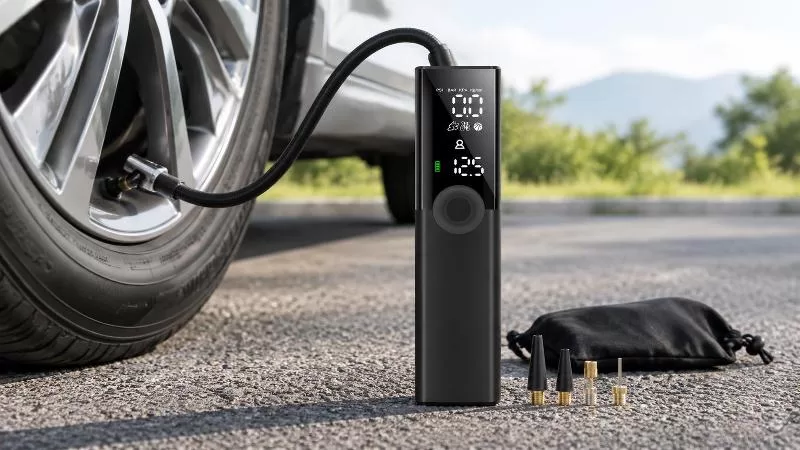
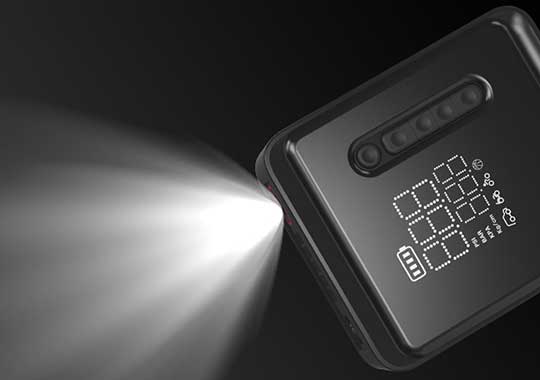
Generating sustained airflow inside a handheld aluminum chassis requires components that hold up under repeated electrical and thermal load. The following sections describe what the BP188 product specifications confirm about its build. The image below shows a different portable inflator design and is included to illustrate general compressor construction, not the appearance of the BP188 itself.
Motor, Air Flow, and Pump Mechanism
The BP188 specifications list a brushed electric motor rated at 35W as the power source for the compressor mechanism. The listed cylinder size of 14 relates to the pump’s internal sizing as stated in the product data, though the specifications do not detail the arrangement of pistons or gearing inside the housing, so this guide does not speculate on that internal architecture.
What the specifications do confirm is airflow output: the unit delivers between 15 and 18 liters per minute. That flow rate determines how quickly a given tire reaches its target pressure, and it is the figure most useful for comparing this inflator against other portable units on real-world performance rather than internal design assumptions.
Battery Configuration and Charging
The supplied product data describes the battery in two ways that do not fully agree with each other: one section lists a single 1200mAh, 7.4V, 8.88Wh lithium battery, while another section describes a 2 x 1200mAh configuration. Because these figures conflict, this guide treats the exact battery capacity and cell configuration as unconfirmed pending clarification from the manufacturer, rather than presenting either figure as the final specification.
What is consistent across the product data is the charging method. The BP188 charges through a Type-C port rated at 5V/2A, with a charging time of approximately 2 to 3 hours. The specifications also state a cycle life of around 300 charge cycles while retaining 85 percent or more of original capacity, and they describe overcurrent and under-voltage protection circuitry that cuts power if voltage falls outside safe thresholds.
Regarding runtime, the product data likewise contains two figures: a 10 to 15 minute runtime in the specification table, and a separate reference to up to 20 minutes of continuous working time elsewhere in the source material. Rather than presenting a single number as confirmed, this guide notes both figures come from the same product data set and recommends confirming actual runtime with the manufacturer or product listing before planning extended inflation sessions.
Integrated control circuits also route stored pack energy back outward through a USB power-bank output, which the product data describes as suitable for recharging handheld electronic devices during emergencies.
Thermal Dissipation and Aluminum Casing Benefits
Compressing atmospheric gas creates thermal energy according to fundamental thermodynamic laws. As air molecules are forced into smaller volumes, kinetic collisions generate heat that transfers into the cylinder walls. Managing this thermal buildup matters inside ultra-compact handheld enclosures.
The product specifications list a built-in cooling fan alongside the aluminum housing. For us at Newo, pairing a conductive aluminum shell with fan-assisted ventilation is the described approach to keeping internal temperatures within the unit’s stated working range of -10°C to 45°C. The aluminum housing also protects internal components from everyday knocks during travel or trunk storage.
Matching Technical Specifications to Real-World Applications
Different inflatable equipment requires different balances of working pressure and overall volume displacement. A quality cordless auto stop tire inflator adapts to these varied demands through dedicated preset modes.
Passenger Car Tire Pressure Maintenance
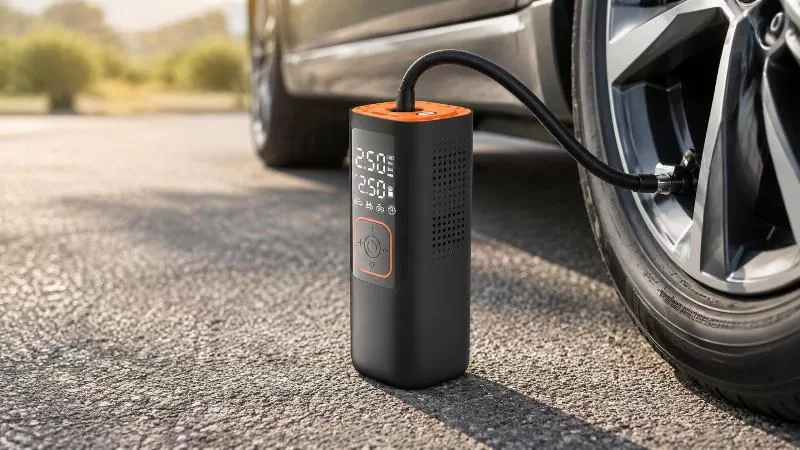
Passenger sedans, crossovers, and light trucks typically run at moderate operating pressures, with the exact figure specified on the vehicle’s door placard rather than any general rule. Portable handheld inflators like the BP188 are described in the product data as suited to topping up pressure rather than filling a completely flat, bead-unseated tire from zero. Correcting a seasonal pressure drop across a vehicle’s tires is a routine task this type of unit is designed for.
Because automotive tires contain substantial air volume, the pump runs for a sustained period during top-up procedures. Operators should keep inflation sessions within the manufacturer’s stated operating window and allow the unit to cool between uses if filling multiple tires. The unit is intended for car-tire top-ups, though how many tires it can service on a single charge depends on starting pressure, tire size, and ambient conditions rather than a fixed number.
Road, Mountain, and Electric Bicycles
Bicycle tires span a wide range, from high-volume, lower-pressure tubeless mountain setups to narrower road tubes that run at higher pressure. The correct pressure for any given bicycle tire depends on the tire and rim specifications printed on the sidewall, along with the rider’s weight and the manufacturer’s recommendation, so this guide does not suggest a single universal figure. Hand pumps struggle as internal resistance increases toward a tire’s upper pressure range, while a motor-driven pump maintains steady output.
The BP188 includes a bicycle preset mode, according to the product specifications, which provides a practical starting point for pressure selection. The product data describes three included adapters covering sports balls, bicycles, motorcycles, scooters, and similar inflatables, and operators should match the correct adapter to each valve type following the included instructions. The specifications state that a fully charged unit can inflate approximately 4 to 6 bicycle tires per charge.
Motorcycles, Scooters, and Personal Mobility Equipment
Motorcycles, commuter mopeds, and electric scooters feature smaller air volumes that respond quickly to incoming pressure. A brief overfill on a compact scooter wheel can push pressure beyond the tire’s rated limit faster than on a larger car tire. An automatic shut-off feature is useful in this context because it reduces the chance of the operator overshooting the target while distracted.
Personal mobility hardware, including wheelchairs and electric balance vehicles, is listed among the BP188’s application scenarios in the product data. Users of this equipment often have limited access to conventional floor pumps or fixed station inflators. A compact, lightweight cordless pump that stores easily in a bag or under a seat offers a practical alternative for this group.
Sports Equipment and Custom Pressure Configuration
Sports balls require pressure monitoring within a narrow working range, and the product data includes a dedicated ball preset mode along with a needle adapter for this purpose. Over-inflating a ball stresses its stitching and bladder, which can affect bounce and shape over time. Using the correct adapter and preset mode supports more controlled inflation than guessing with a hand pump.
For other tasks, the BP188 includes a custom setting that lets users select a specific pressure target. The product specifications list the device’s maximum pressure and pressure range as 120 PSI, while a separate section of the source data describes the custom mode range as extending to 150 PSI. Because these two figures conflict, this guide treats 120 PSI as the confirmed maximum output and recommends that buyers confirm the custom mode ceiling directly with the manufacturer before relying on it for higher-pressure tasks. An integrated manual deflation valve, which the specifications do confirm, allows operators to bleed off excess air without disconnecting the hose, which is useful when adjusting pressure down for off-road conditions before airing back up later.
Step-by-Step Operation and Roadside Safety Protocols
Operating a compressor roadside calls for a methodical approach. Following a disciplined procedure protects tire valve threads and supports personal safety in busy traffic areas.
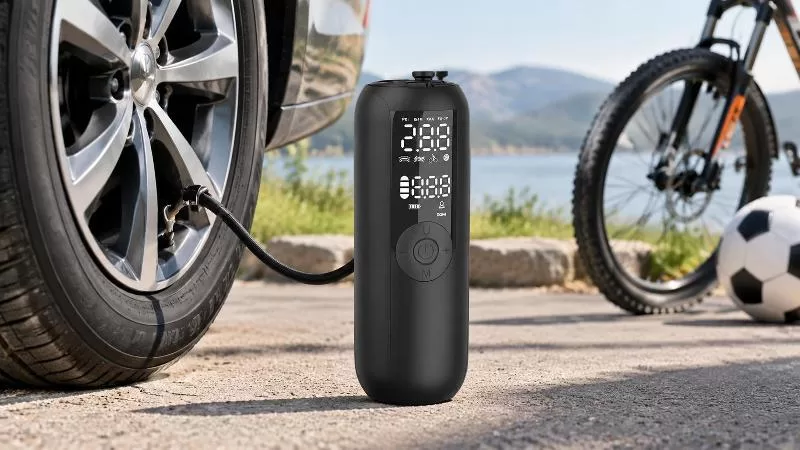
Step 1: Pre-Inflation Inspection and Doorjamb Verification
Locate the vehicle manufacturer’s tire pressure label, typically affixed to the driver-side door pillar, before connecting the pump. This placard states the recommended cold inflation pressure for your specific vehicle and load configuration. The number molded into the tire sidewall represents the tire’s maximum permissible inflation pressure rather than the day-to-day pressure a vehicle should run, so the doorjamb figure should guide routine inflation instead.
Inspect tire treads for embedded nails, sharp debris, or sidewall bulges that may signal internal damage. If you find deep cuts or casing punctures, skip inflation and arrange for a tire inspection or replacement instead. Attempting to inflate a visibly damaged tire on a busy roadside creates unnecessary risk.
Step 2: Connecting the Hose and Selecting a Mode
Remove the protective valve cap and attach the compressor hose to the valve stem, following the connection method shown in the product’s included instructions. Ensure the connection sits securely on the stem before starting the pump. The display should begin showing the current tire pressure once the hose is properly connected.
Because the product data does not detail the exact button layout or confirm a sensor-zeroing step, operators should follow the instructions printed in the BP188’s user manual for precise button sequences and adapter selection.
Step 3: Inflation and Post-Service Disconnection
Start the pump once the mode and target pressure are set. The device will begin pumping, with the product specifications listing a noise level of around 85dB during operation. Place the inflator on a stable surface while it runs, following the positioning guidance in the product manual rather than letting the hose bear the unit’s weight.
The unit is designed to stop automatically once the target pressure is reached, per the product specifications. Once the cycle finishes, disconnect the hose from the valve stem carefully to minimize air loss, and reinstall the valve’s dust cap to keep out moisture and road grit.
Choosing Between Portable and Stationary Inflation Options
Choosing the right compressor involves weighing portability against raw air delivery capacity. The comparison below reflects the BP188’s confirmed specifications alongside general, widely understood characteristics of corded and stationary compressors, without assigning precise unverified figures to competing product categories.
| Consideration | Ultra-Compact Handheld (BP188) | Traditional 12V Corded Compressor | Garage Tank Air Compressor |
|---|---|---|---|
| Power Source | Rechargeable lithium battery (capacity and cell configuration pending confirmation), Type-C charging | 12V DC vehicle cigarette lighter | AC mains wall outlet |
| Maximum Output Pressure | 120 PSI per product specifications | Varies by model | Varies by model, generally higher capacity |
| Air Flow Delivery | 15 to 18 L/min per product specifications | Generally higher than compact cordless units | Generally the highest of the three categories |
| Operation Style | Cordless, handheld, battery-powered | Corded, requires vehicle power | Stationary, continuous AC power |
| Typical Use Cases | Commuter top-ups, bicycles, balls, roadside adjustments | Full tire inflation using vehicle power | Air tools, high-volume inflation tasks |
Handheld units like the BP188 offer mobility that stationary equipment cannot match, since they do not depend on a running engine or a wall outlet. Garage workshop compressors deliver far greater air volume, which suits shop tasks like air tools, but their size and power requirements make them impractical for a glovebox or a bike bag. The right choice depends on whether the priority is portability for routine top-ups or raw capacity for heavier jobs.
Structural details matter alongside flow rate. The BP188 uses an aluminum housing, per the product specifications, which is part of how the unit is built to handle travel and storage. A built-in LED light, which the product data confirms, helps illuminate valve stems during nighttime roadside stops, while the USB power-bank output offers a secondary use for phone charging in a pinch.
Frequently Asked Questions
Can a cordless auto stop tire inflator inflate a completely flat car tire?
The product data describes the BP188 as intended for topping up tire pressure across cars, bicycles, motorcycles, and similar equipment, rather than specifically for refilling a completely flat tire from zero. If a tire has lost all pressure but the bead remains seated on the rim, the unit may be able to refill it, though the manufacturer’s data does not include tested figures for how long that process takes or how much air volume it requires.
If road debris has knocked the tire bead off its rim seat, a compact handheld inflator is unlikely to generate enough air volume to reseat it. In that scenario, professional recovery assistance or a spare tire is the more reliable option. For routine maintenance and seasonal pressure corrections, the inflator is well suited to the task described in its own specifications.
How does the inflator know when to stop pumping automatically?
According to the product specifications, the BP188 includes built-in pressure sensing that monitors the tire pressure while the pump runs. When the reading matches the pressure value selected by the user, whether through a preset mode or a custom setting, the unit stops pumping automatically.
The product data does not detail the specific sensor technology or the exact stopping tolerance, so operators should treat the automatic stop as a convenience feature that reduces the need for constant monitoring rather than a guarantee of exact precision. Checking the final displayed reading after the unit stops is still good practice.
What is the difference between setting cold tire pressure and hot tire pressure?
Cold tire pressure refers to the internal air reading taken before a vehicle has been driven, or after it has sat parked for at least a few hours. Driving generates friction between the tire and road surface, which heats the trapped air and causes it to expand, raising the pressure reading measurably above the cold baseline.
Vehicle manufacturers calculate recommended pressures, which appear on the door placard, based on cold tire readings. You should avoid bleeding air from a hot tire down to the doorjamb figure, since the tire will end up underinflated once it cools. Checking and adjusting pressure when the tire is cold gives the most accurate result.
How often does a cordless electric pump need to be recharged when stored in a vehicle?
Lithium-ion battery packs lose some charge gradually over time, and extreme heat or cold can accelerate this self-discharge. The product data does not specify a fixed recharge interval or an ideal storage charge level for the BP188 specifically, so this guide does not assign a precise number to that recommendation.
As a general practice, periodically checking the unit’s charge level and topping it up through its Type-C port helps ensure it is ready when needed for roadside use. For storage and battery maintenance specifics, consult the BP188 user manual, since battery handling guidance can vary by device and cell type.
Why does the air hose and nozzle feel warm after inflating a tire?
Warming during operation is a natural result of compressing air, not a sign of a motor defect. Compressing ambient air into a smaller volume causes gas molecules to collide more rapidly, and that mechanical compression energy converts into heat, which concentrates near the pump and transfers out through the hose and connector.
The aluminum housing described in the product specifications, combined with the built-in cooling fan, is intended to help manage this heat buildup during operation. After a longer inflation session, it is reasonable to let the nozzle and hose cool for a few minutes before packing the unit away.
Can this portable compressor also serve as an emergency mobile power bank?
The product data describes a USB power-bank output that allows the BP188’s internal battery to charge external devices such as phones. This feature draws on the same battery used for pumping, so using it will reduce the charge available for subsequent inflation tasks.
This output is best treated as an emergency backup rather than a primary charging source, given the shared battery capacity. Reserving most of the battery for tire inflation and using the power-bank function sparingly helps ensure the unit is ready when air pressure, not phone charge, is the priority.
Conclusion
Maintaining correct tire pressure should not require messy service station stops or exhausting hand pumps. A cordless auto stop tire inflator like the BP188 brings pressure sensing and automatic shut-off into a handheld, rechargeable tool that fits in a vehicle console or touring backpack. This automatic shut-off function, as described in the product specifications, helps users reach a selected pressure value without having to watch the gauge continuously, though drivers should still rely on tire inspections and manufacturer guidance for overall tire safety rather than treating automatic shut-off alone as a safeguard against wear or failure. Whether topping up daily commuter tires, adjusting bicycle pressure, or keeping sports gear usable, a cordless auto stop tire inflator offers a practical, portable way to manage inflation tasks as they come up.
-
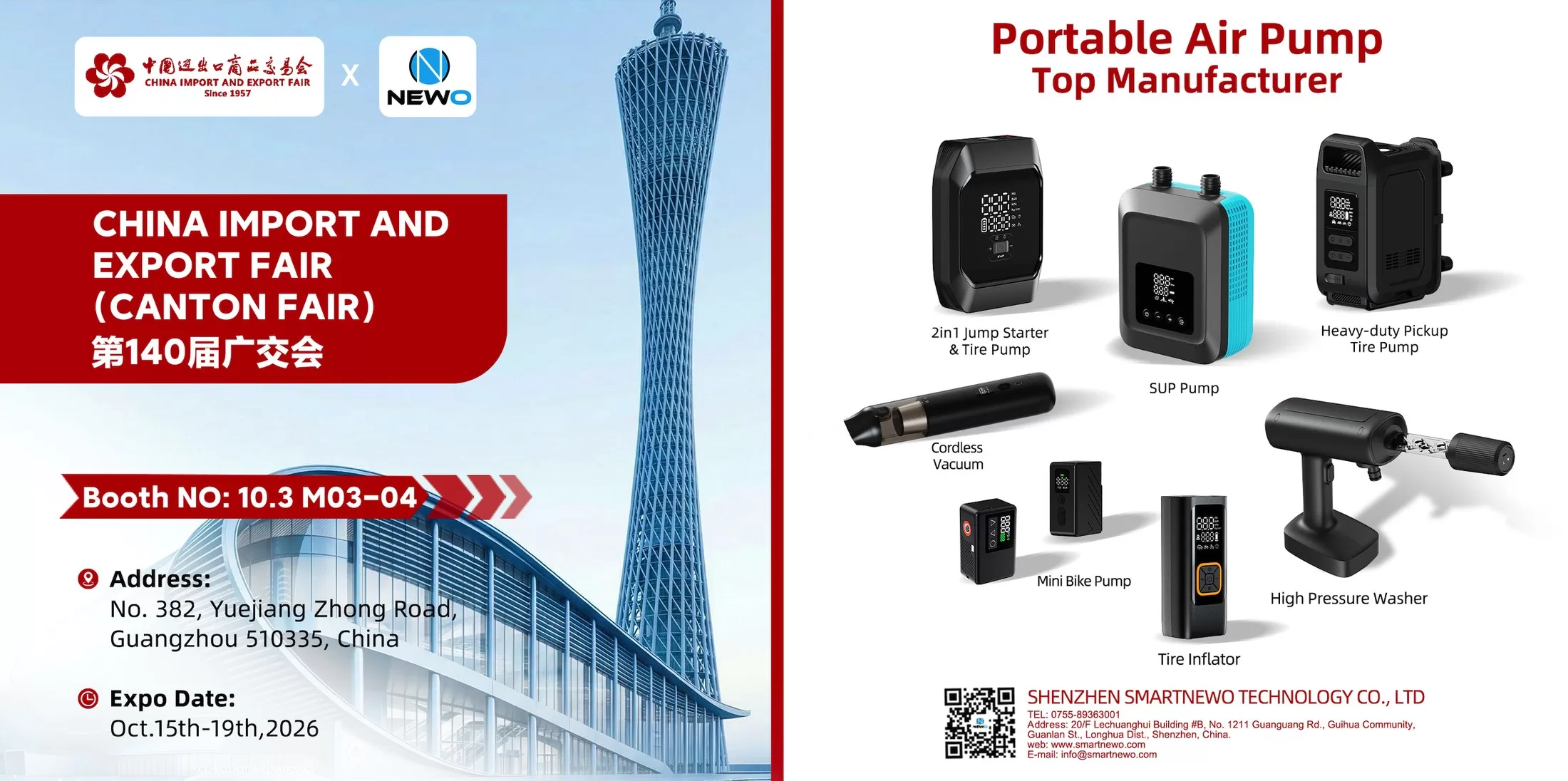
Meet NEWO at the 140th Canton Fair: Visit Booth 10.3 M03–04
Meet NEWO at the 140th Canton Fair in Guangzhou, October 15–19, 2026. Visit Booth 10.3 M03–04 to explore portable air pumps and discuss OEM, ODM and distribution opportunities.... -

As Shenzhen Welcomes the World for APEC 2026, NEWO Welcomes You to Our Factory
As Shenzhen prepares for APEC 2026, NEWO welcomes international buyers and partners to visit our factory, meet our team and explore future cooperation.... -
Leading the Way in Product Innovation and Excellence
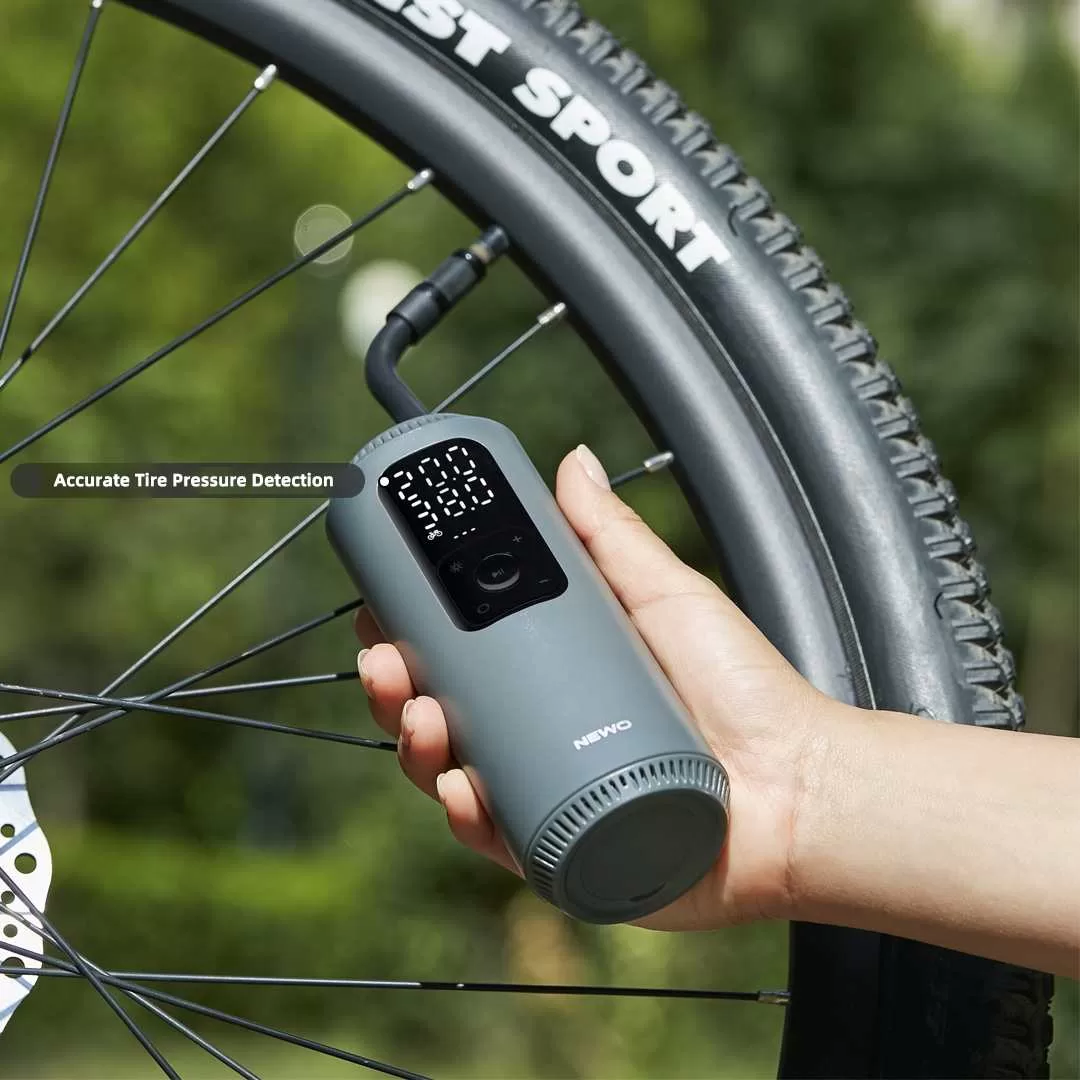
Smartnewo exemplifies professionalism in product innovation and manufacturing. Their collaboration with Xiaomi Youpin on the G01 crowdfunding project highlights their expertise in creating compact, powerful inflatable pumps. Rigorous engineering, meticulous production processes, and advanced quality assurance underscore their commitment to excellence. The success of the G01 project, with significant market... -
Essential Qualities of an Excellent Supplier
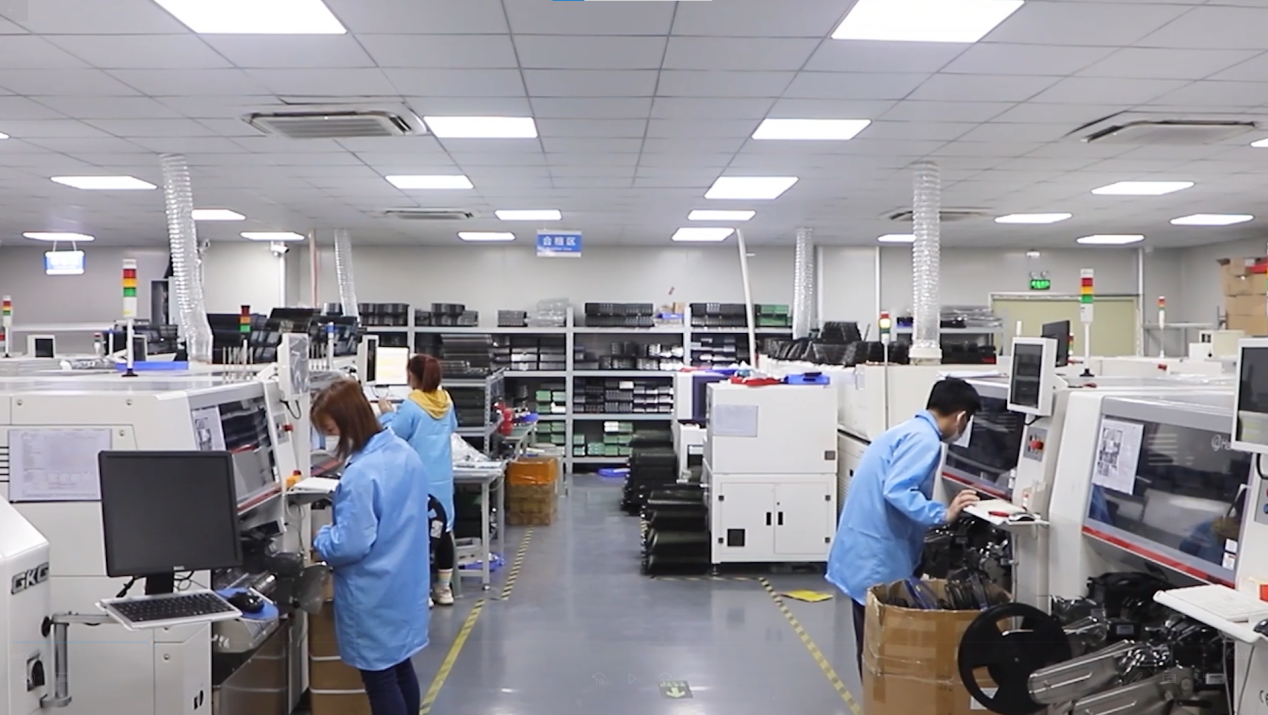
In today's competitive market, finding a reliable supplier is crucial for business success. Based on insights from Smartnewo and broader internet research, here are key qualities an excellent supplier must possess:... -
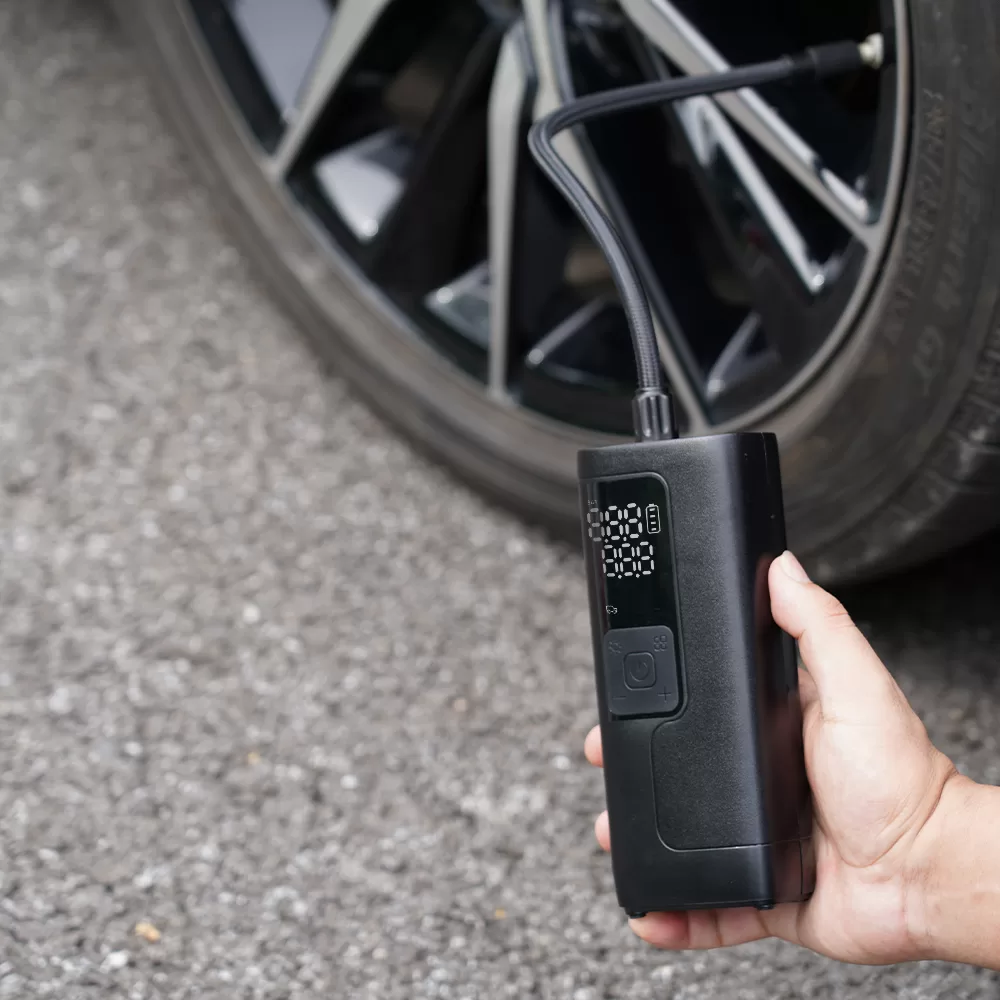
NW06 Tire Inflator: Compact Power for Quick Inflation
Summary The NW06 Tire Inflator delivers quick and efficient tire inflation with a powerful 35L/min airflow. It features a user-friendly LCD screen for real-time pressure monitoring, dual power options with a built-in 6000mAh battery, and multiple nozzle attachments for versatile use. Its compact design and integrated LED light ensure convenience and... -
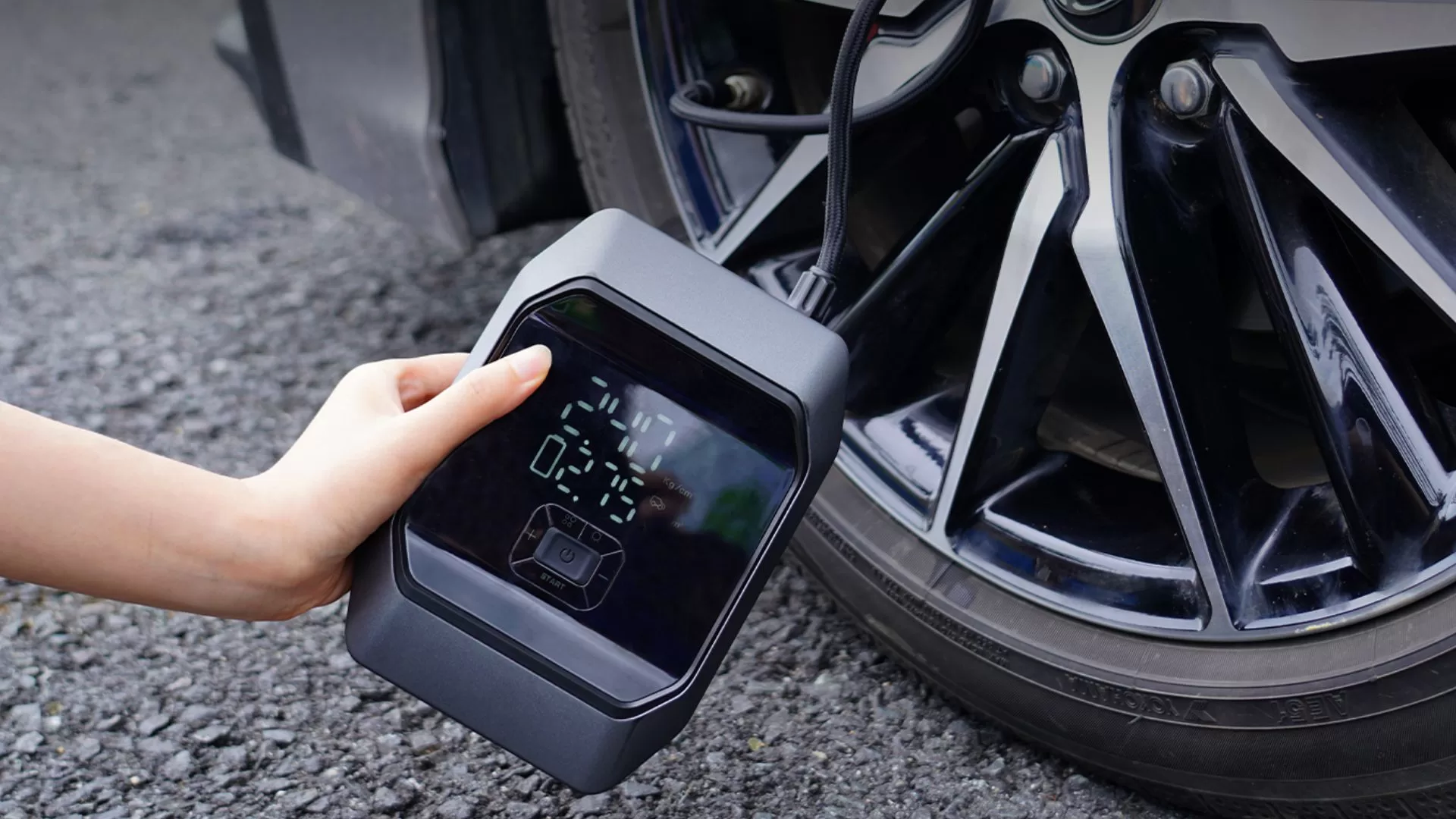
Unleash the Power of Portability: The SmartNewo Jump Starter with Air Compressor KF03
This guide will walk you through the steps to effectively use a portable tire inflator, helping you stay prepared and safe on the road.... -

Newo Attends The 2024 Consumer Electronics Show (CES)
Smartnewo booth is located at 53672, Halls A-D, Level 2, Venetian Expo, Las Vegas Convention Center (LVCC). ... -
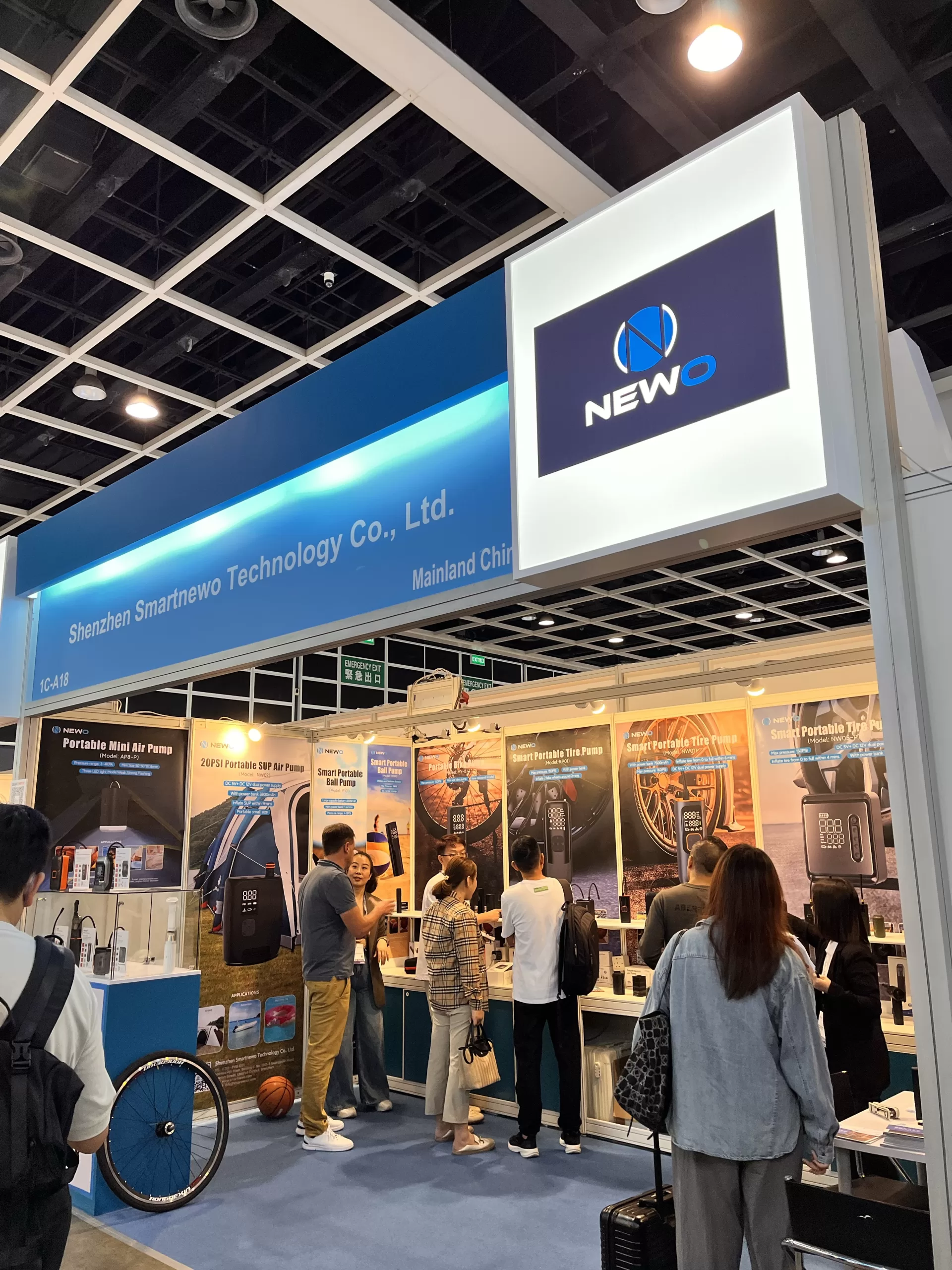
Smartnewo’s Dual-Cylinder Air Pump Rocks the Hong Kong Autumn Electronics Fair!
Smartnewo’s Dual-Cylinder Air Pump Rocks the Hong Kong Autumn Electronics Fair!... -

Meet at the Canton Fair! Smartnewo brings dual-cylinder air pumps, making your inflation experience faster and more stable!
NEWO has went deep communication and negotiation with customers from all over the world on booth.... -
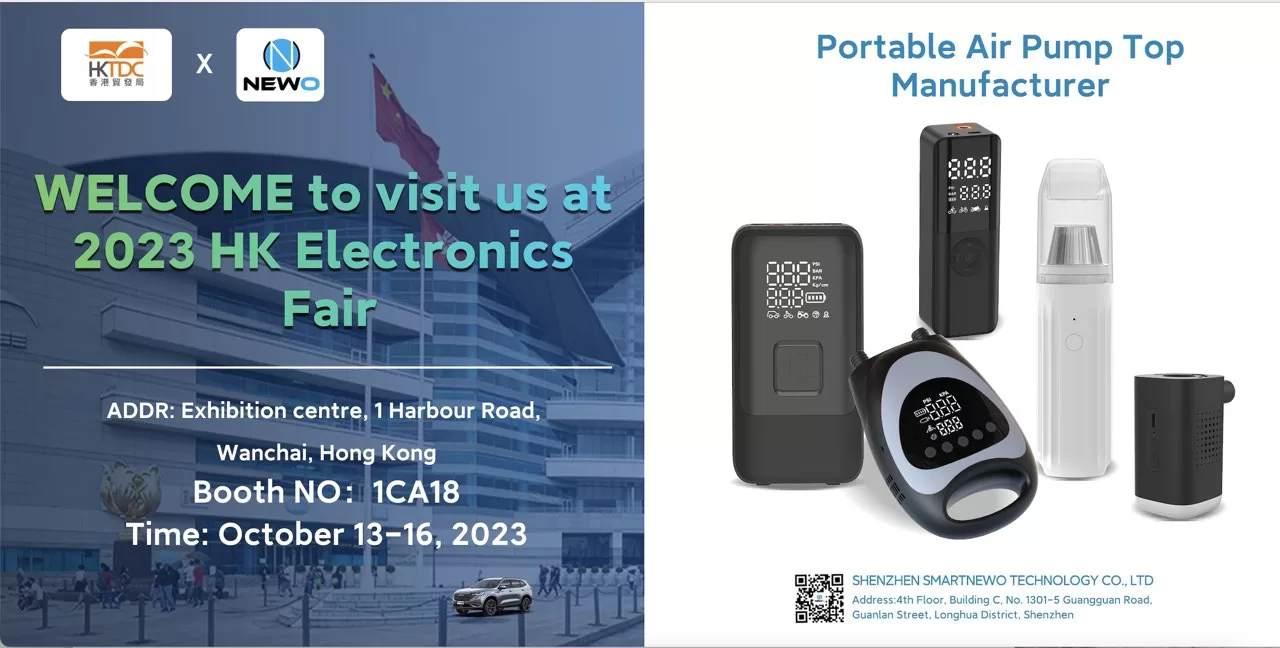
“Hong Kong Autumn Electronics Fair – 1CA18 (October 13th to 16th): Smartnewo invites you to visit our booth!
Hong Kong Autumn Electronics Fair...
-
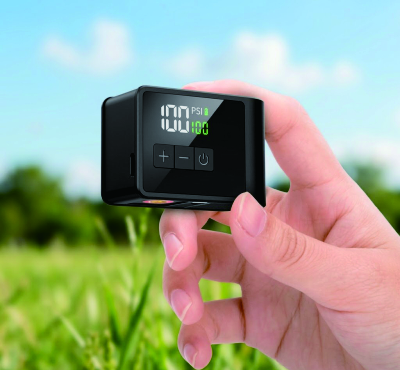
What to Check Before Ordering Custom Electric Bike Pumps
Plan custom electric bike pumps with a clear requirements freeze for valves, TPU tubes, portability, repeated top-ups, charging, and model-specific documents.... -

OEM vs ODM Air Pumps: Which Manufacturing Model Fits Your Brand?
Compare OEM and ODM air pump projects by design responsibility, change approval, development scope, and written ownership terms before choosing your route.... -

How to Choose a Reliable Tire Inflator Manufacturer in China
Choose a tire inflator manufacturer in China with a focused RFQ, supplier evidence, configuration checks, and clear sample-to-pilot decisions for your brand.... -
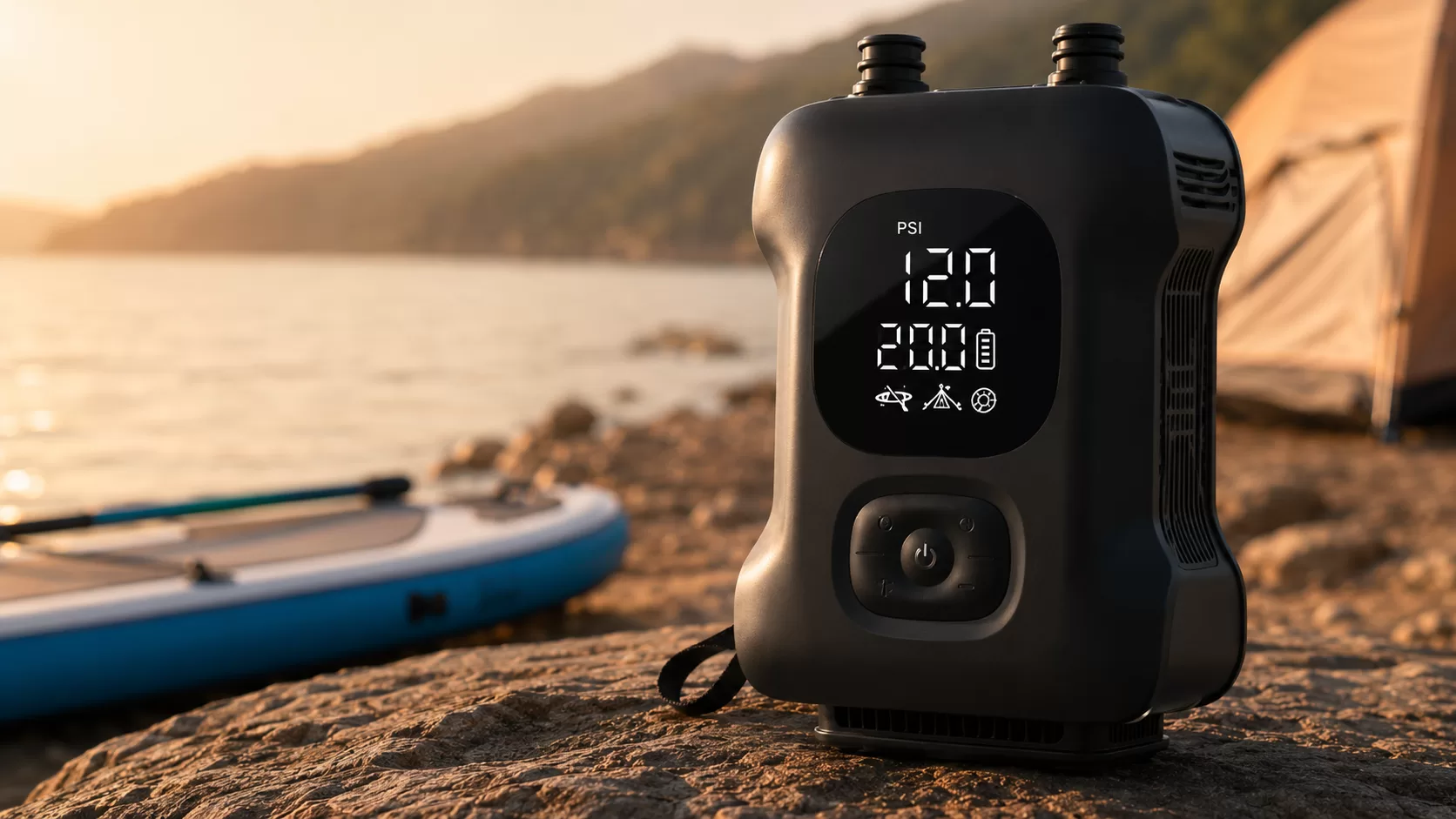
Rechargeable Electric SUP Pump for Paddle Boards: Faster Inflation for SUPs, Kayaks and Inflatable Tents
The BL10-C Portable Electric Bike Tire Inflator is a compact and lightweight mini electric bike pump designed for modern cyclists. With up to 120 PSI pressure, a digital LED display, preset pressure control, automatic shut-off, USB-C charging, and multiple valve adapters, BL10-C offers a convenient inflation solution for road bikes,... -
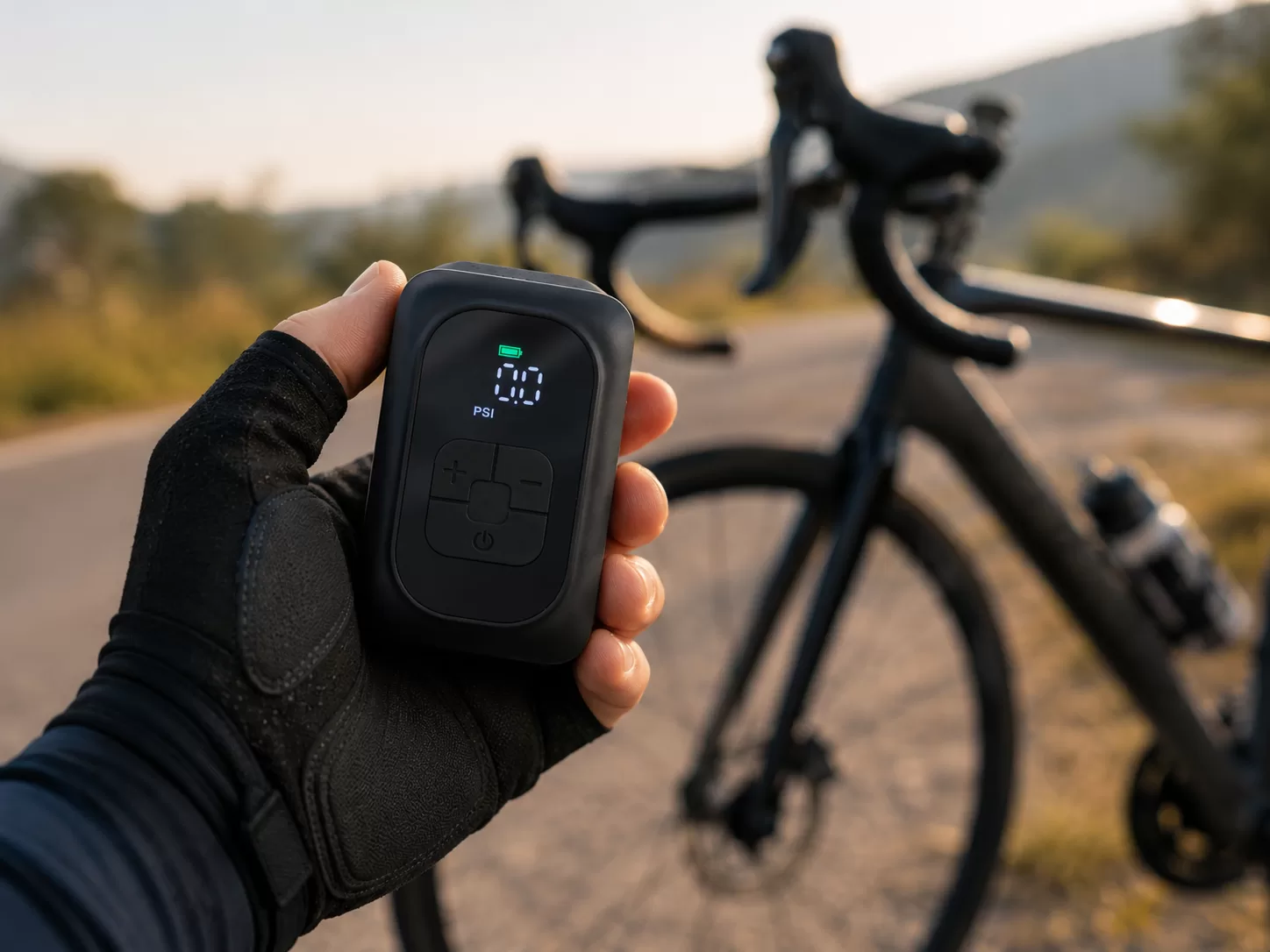
Are Electric Bike Pumps Worth It in 2026? Electric Pump vs CO₂ vs Mini Hand Pump
Discover whether electric bike pumps are worth it in 2026. This guide compares electric bike pumps, CO₂ inflators, and mini hand pumps for road cycling, gravel riding, commuting, and long-distance rides. Learn the pros, limitations, best use cases, and key features to look for before choosing the right portable tire... -
BL10-C Portable Electric Bike Tire Inflator: Small Size, Reliable Power for Every Ride
The BL10-C Portable Electric Bike Tire Inflator is a compact and lightweight mini electric bike pump designed for modern cyclists. With up to 120 PSI pressure, a digital LED display, preset pressure control, automatic shut-off, USB-C charging, and multiple valve adapters, BL10-C offers a convenient inflation solution for road bikes,... -
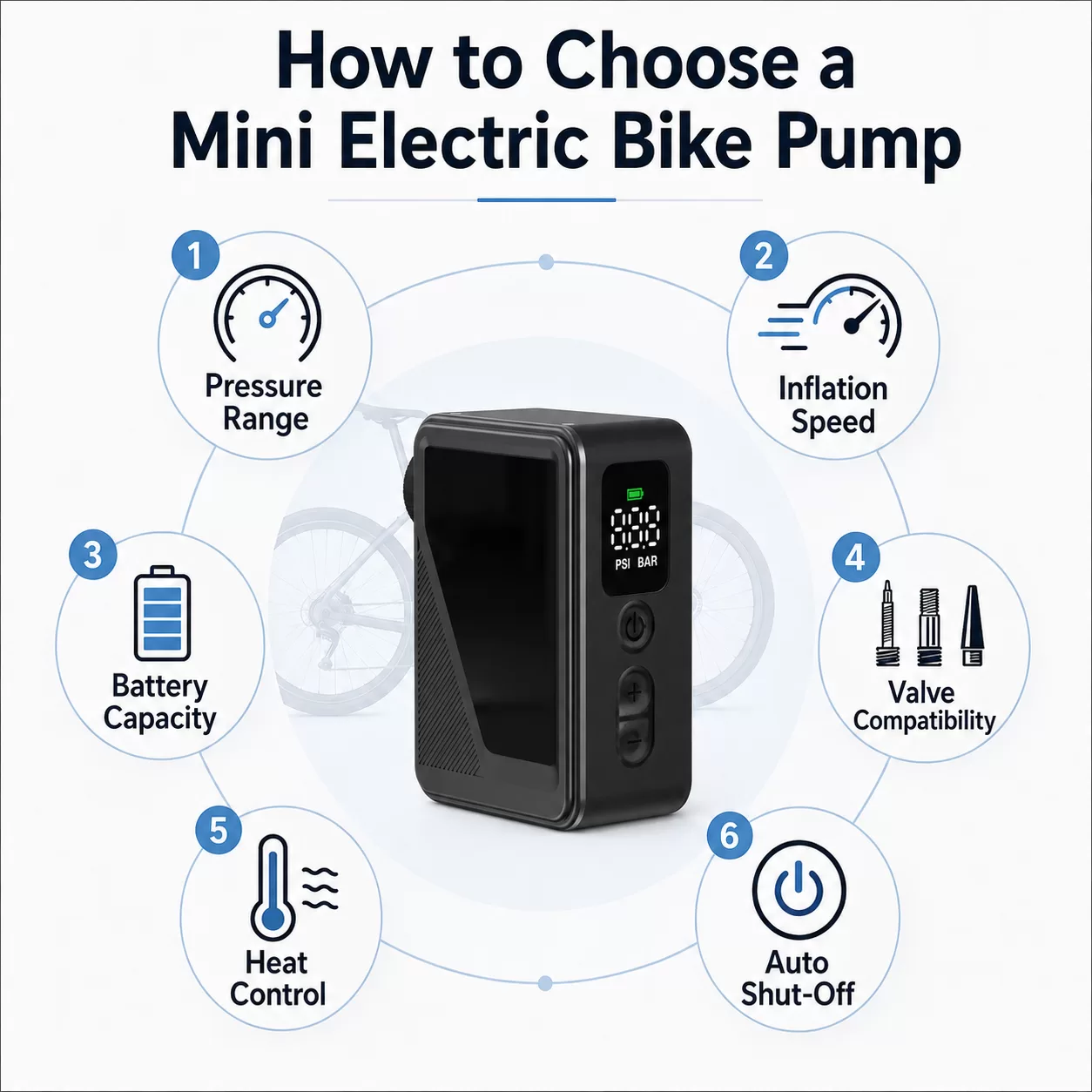
Why Mini Electric Bike Pumps Are Becoming Essential for Modern Cycling
Discover why mini electric bike pumps are becoming essential for modern cyclists. Learn how portable electric bike pumps improve tire pressure management, riding safety, and convenience.... -
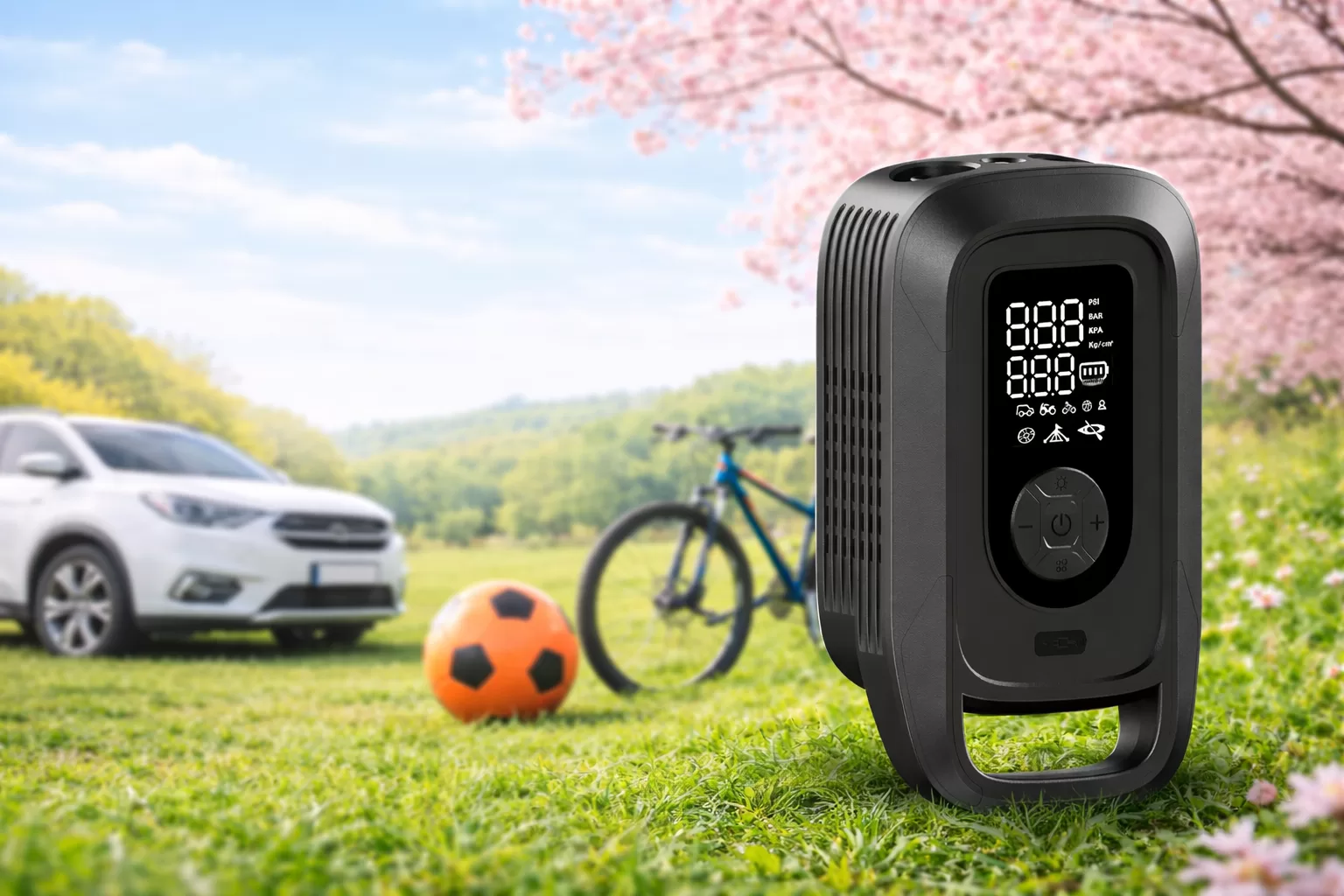
The Ultimate Smart Solution for Easy Outdoor Adventures in 2026
Discover how a spring travel air pump simplifies outdoor trips with fast inflation, smart features, and powerful performance—perfect for every adventure.... -
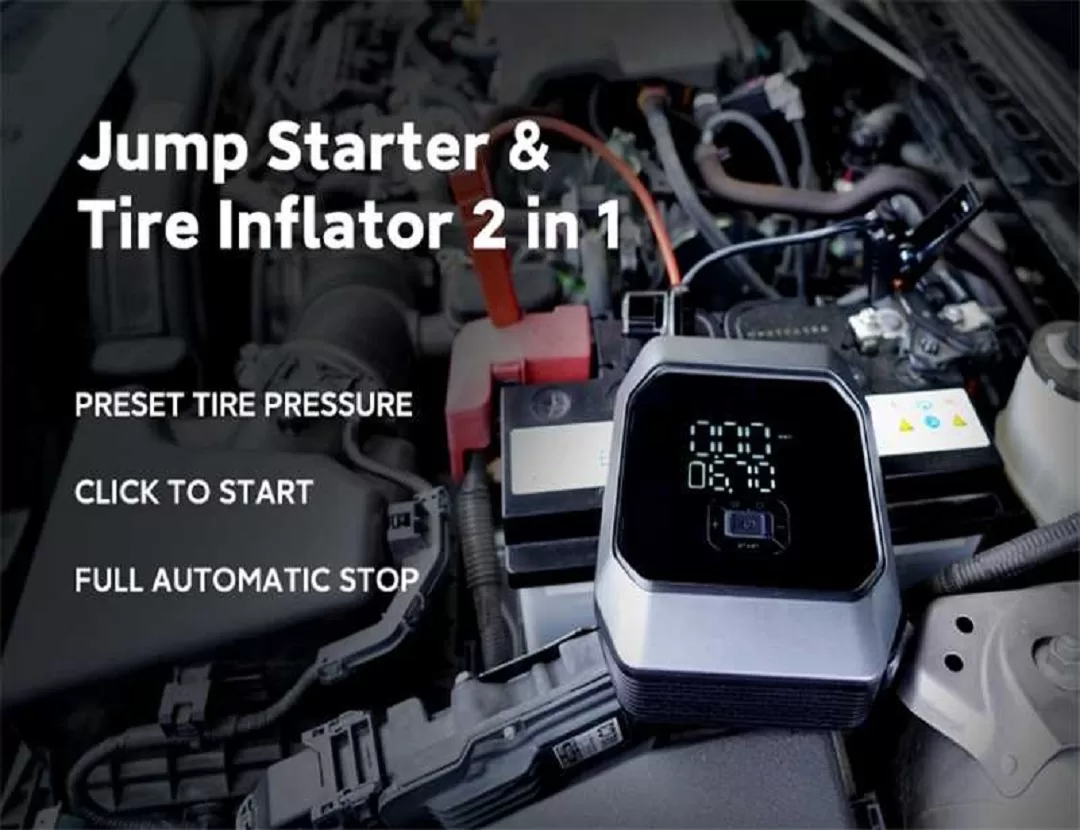
Powerful 5-in-1 Portable Car Tire Inflator and Jump Starter: The Ultimate Emergency Tool for Every Driver
Why Every Driver Needs a Portable Car Tire Inflator and Jump Starter Modern drivers face many unexpected situations on the road. A flat tire, low tire pressure, or a dead car battery can happen at the worst possible time. That’s why having a portable car tire inflator and jump starter is... -
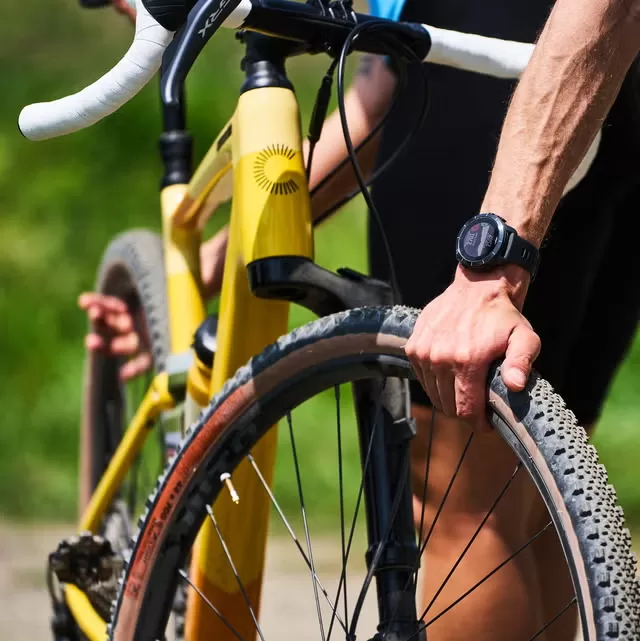
7 Real Cycling Scenarios That Show Why Every Rider Should Carry a Mini Bike Pump
Cycling is one of the most freeing activities you can enjoy. Whether you’re commuting to work, riding through city streets, or exploring quiet countryside roads, a bike ride can instantly improve your day. But there’s one small problem that almost every cyclist eventually faces: Low tire pressure. It might happen...
-
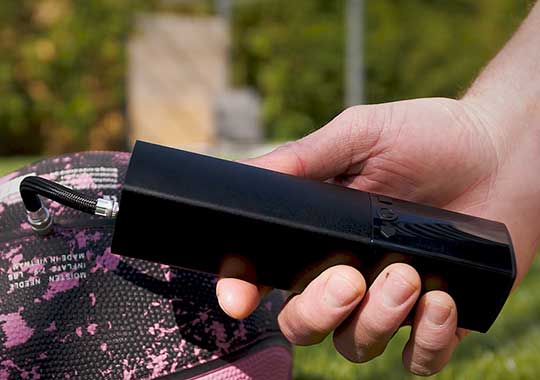
How Is a Football Properly Inflated?
The correct inflation of a football - with not too much and not too little air - is a hotly debated topic among footballers.... -
Application Scenarios of Car Inflator Pump
Often long-distance business trips or play car owners because the road may be more remote areas, in this case if you encounter a tire leak....