
 Portable Tire Inflators
 Electric Air Pumps
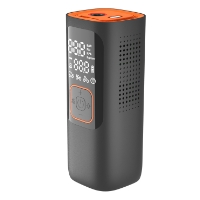 Electric Car Tyre Pumps
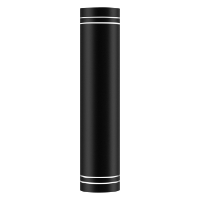 Electric Ball Pumps
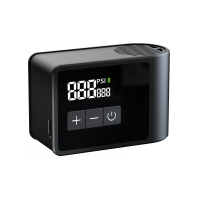 Electric Bike Pump
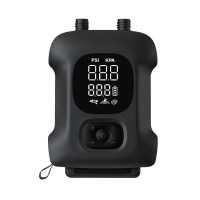 SUP Air Pump
Decoding Automatic Ball Pumps: The Physics of Pressure Control in Sports Equipment
Athletes often ignore the internal pressure of their gear until a basketball bounces sluggishly off the rim. A poorly inflated ball fundamentally alters trajectory, spin rate, and player fatigue. Getting the exact rebound requires more than guesswork. This is exactly where automatic ball pumps enter the sports kit.
Many players still rely on manual dual-action hand pumps. You push, you pull, and you squeeze the ball to guess its readiness. That tactile estimation is notoriously inaccurate. Variations of just a few pounds per square inch drastically change the kinetic energy transfer during a game.
Professional leagues mandate strict pressure tolerances before tip-off. Replicating that consistency at a local gym level used to require bulky compressor units. Today, compact portable pumps handle this micro-calibration on the sidelines. They measure, inflate, and stop on their own.
The Hidden Mechanics of Ball Inflation
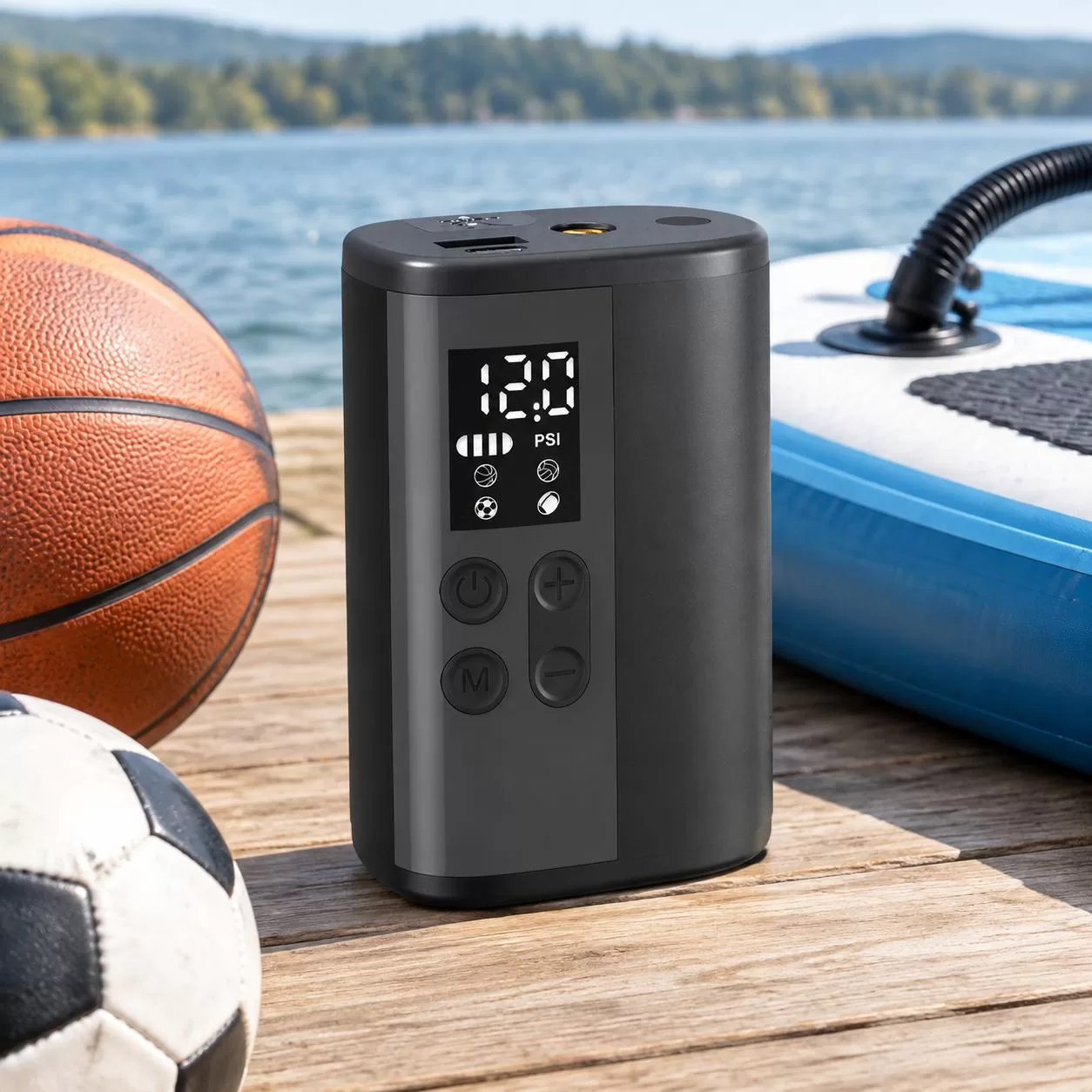
When you force ambient air into a confined spherical bladder, you encounter exponential resistance. The internal volume remains relatively static while air density increases. The motor must push against this rising internal pressure. Small portable devices face immense mechanical strain near the end of the inflation cycle.
Standard vehicle tire inflators push high volume but lack granular sensitivity at the lower end of the pressure spectrum. Sports balls operate in a narrow, highly sensitive window. A regulation basketball demands exactly 7.5 to 8.5 PSI. Footballs require 12.5 to 13.5 PSI.
Using a heavy-duty compressor on a small volleyball risks instantaneous bladder rupture. The internal valve structure of sports equipment simply cannot handle sudden, high-velocity air dumps. The hardware must be specifically tuned for low-pressure precision rather than raw horsepower.
Automatic Shut-Off and the 6–12 PSI Threshold
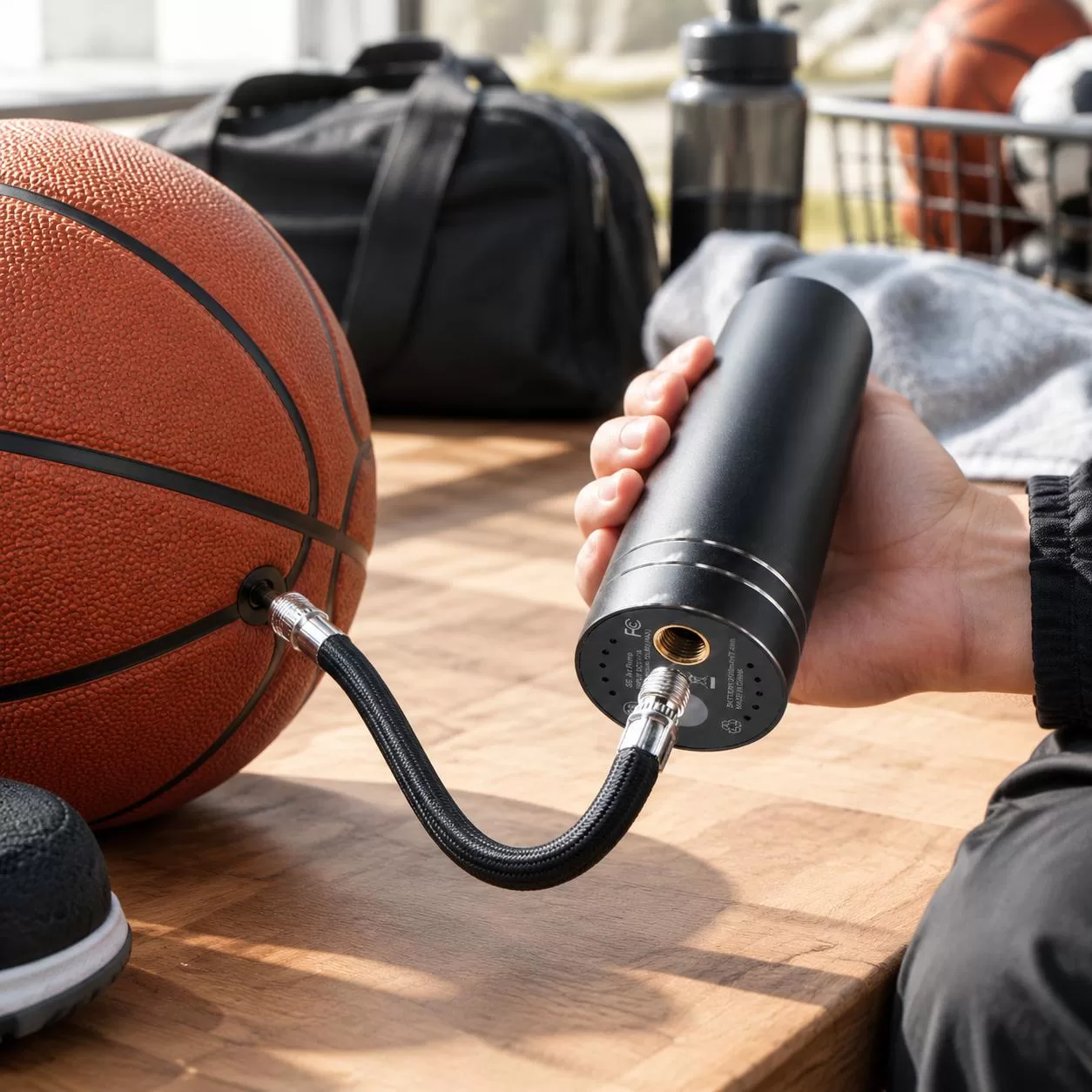
Engineers tackle this precision requirement through guided pressure control systems. The device constantly monitors backpressure from the ball valve. Once the sensor registers the target resistance, an automatic shut-off triggers immediately. This eliminates the human error of over-inflating during a momentary distraction.
Consider the 3.5 L/min airflow rating typical for this hardware tier. It sounds minimal compared to a garage compressor. However, this deliberate, steady flow rate prevents the valve from freezing or deforming under thermal stress. The air enters the bladder evenly, allowing the rubber casing to expand uniformly.
Most everyday sports equipment falls securely within the 6–12 PSI range. Designing automatic ball pumps specifically around this bracket increases sensor accuracy. A narrower detection window reduces the margin of error. You get a perfect bounce every single time.
For us, developing portable inflation solutions means prioritizing this exact sensor calibration over sheer speed. We utilize brushed motors because they provide reliable, consistent torque delivery at these lower RPMs. The focus shifts entirely to control rather than raw output.
Thermal Management in Compact Aluminum Housings
Air compression generates significant latent heat. Forcing 3.5 liters of air per minute through a microscopic needle valve creates a severe bottleneck. That friction heat travels directly back into the pump casing.
Plastic housings act as thermal insulators. They trap the heat around the motor and battery, eventually degrading the internal lithium cells. A single 2000 mAh battery operates best within a strict temperature threshold. Overheating drastically reduces cycle life and runtime efficiency.
Switching to an aluminum body changes the thermodynamic equation. Metal acts as an active heat sink. The cylindrical shell pulls the heat away from the brushed motor and dissipates it into the surrounding air. This keeps the internal temperature stable even after inflating ten basketballs back-to-back.
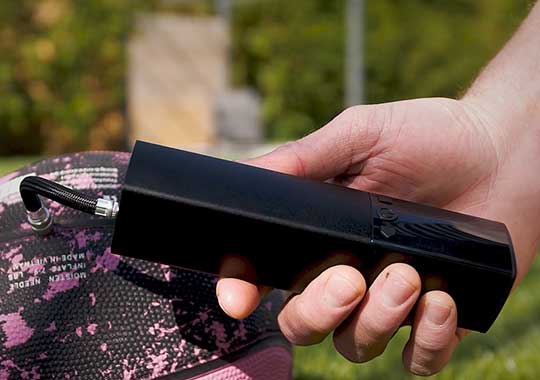
Weighing in at just 185 grams, a slim metal housing slips easily into a duffel bag. The structural rigidity of aluminum also protects the delicate pressure sensors from impact damage. Dropping a plastic pump on a hardwood court often ruins the calibration. Metal withstands the locker room environment.
Matching Technical Specifications to Court Realities
Raw specifications mean nothing if they fail to solve real-world logistical friction. A coach running a youth basketball camp needs to prepare two dozen balls before practice. Tethering to a wall outlet is simply not a viable option on a grassy field or a neighborhood court.
Here is how the core hardware translates to physical tasks:
- Battery Capacity: The 2000 mAh setup yields roughly 40 minutes of continuous runtime.
- Charging Infrastructure: Micro-USB integration allows top-ups via standard car ports or power banks.
- Inflation Yield: Capable of filling approximately 25 standard basketballs from flat to full per charge.
- Acoustic Output: Maintained below 35 decibels at one meter, preventing echoing disruptions in indoor gymnasiums.
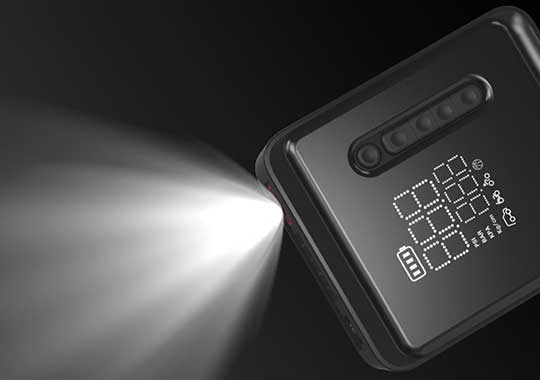
These metrics prove that the tool is engineered for volume tasks despite its compact footprint. The inclusion of an emergency light further extends its utility. Finding a specific valve needle at the bottom of a dark gear bag becomes infinitely easier with a localized light source.
Frequently Misunderstood Aspects of Portable Inflation
Can I use a dedicated ball pump to inflate my car or bicycle tires?
No. The internal mechanics are vastly different. Ball-specific pumps are calibrated for a maximum of 12 PSI. Car tires require upwards of 35 PSI, and road bikes often need 100 PSI. Attempting to fill a tire will stall the motor and trigger the low-voltage protection circuit.
Why does the pump sound like it is struggling right before it stops?
This is a normal acoustic shift. As the internal bladder approaches its maximum PSI, the ambient air density against the pump mechanism peaks. The brushed motor requires more electrical current to maintain the 3.5 L/min flow rate. The tonal shift simply indicates high resistance.
Will the battery degrade if I leave it in my sports bag all winter?
Extreme temperatures affect all lithium-based chemistry. While the pump operates safely down to -10°C, storing it permanently in a freezing vehicle will temporarily reduce the 7.4 Wh capacity. Bring the device indoors during the off-season to preserve the 300-cycle battery life standard.
The Physics of a Perfect Game
Maintaining sports gear should never distract from the actual game. The shift away from manual labor towards automated precision reflects a broader trend in sports mechanics. Players and coaches now expect their peripheral tools to perform with the same consistency they demand from themselves.
Removing tactile guesswork permanently replaces hesitation with digital certainty. You step onto the court knowing exactly how the equipment will behave before the first whistle blows.
Precision pressure control ensures fair play, proper skill development, and extended equipment longevity. When you integrate automatic ball pumps into your daily routine, athletes can focus purely on technique. The true value of a tool lies in how quickly you forget you are even using it.
-

Leading the Way in Product Innovation and Excellence
Smartnewo exemplifies professionalism in product innovation and manufacturing. Their collaboration with Xiaomi Youpin on the G01 crowdfunding project highlights their expertise in creating compact, powerful inflatable pumps. Rigorous engineering, meticulous production processes, and advanced quality assurance underscore their commitment to excellence. The success of the G01 project, with significant market... -

Essential Qualities of an Excellent Supplier
In today's competitive market, finding a reliable supplier is crucial for business success. Based on insights from Smartnewo and broader internet research, here are key qualities an excellent supplier must possess:... -

NW06 Tire Inflator: Compact Power for Quick Inflation
Summary The NW06 Tire Inflator delivers quick and efficient tire inflation with a powerful 35L/min airflow. It features a user-friendly LCD screen for real-time pressure monitoring, dual power options with a built-in 6000mAh battery, and multiple nozzle attachments for versatile use. Its compact design and integrated LED light ensure convenience and... -

Unleash the Power of Portability: The SmartNewo Jump Starter with Air Compressor KF03
This guide will walk you through the steps to effectively use a portable tire inflator, helping you stay prepared and safe on the road.... -

Newo Attends The 2024 Consumer Electronics Show (CES)
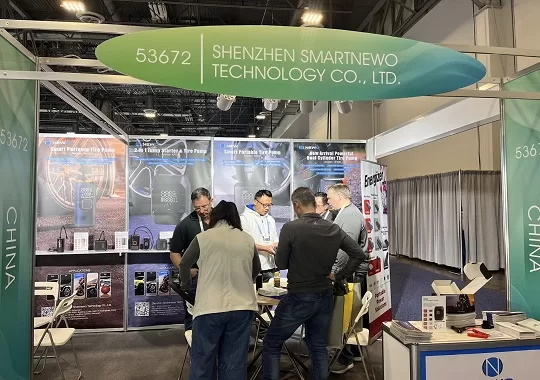
Smartnewo booth is located at 53672, Halls A-D, Level 2, Venetian Expo, Las Vegas Convention Center (LVCC). ... -

Smartnewo’s Dual-Cylinder Air Pump Rocks the Hong Kong Autumn Electronics Fair!
Smartnewo’s Dual-Cylinder Air Pump Rocks the Hong Kong Autumn Electronics Fair!... -

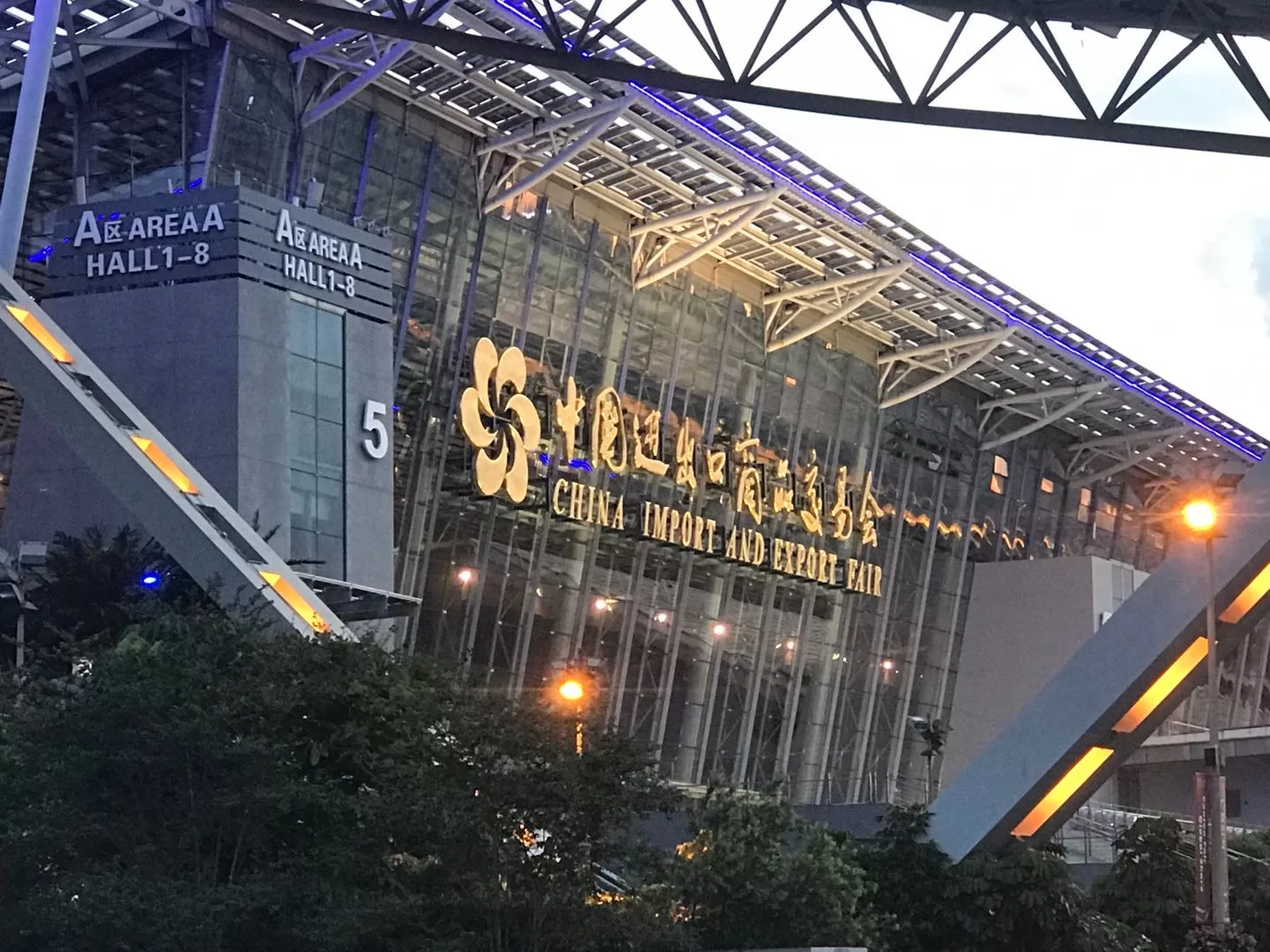
Meet at the Canton Fair! Smartnewo brings dual-cylinder air pumps, making your inflation experience faster and more stable!
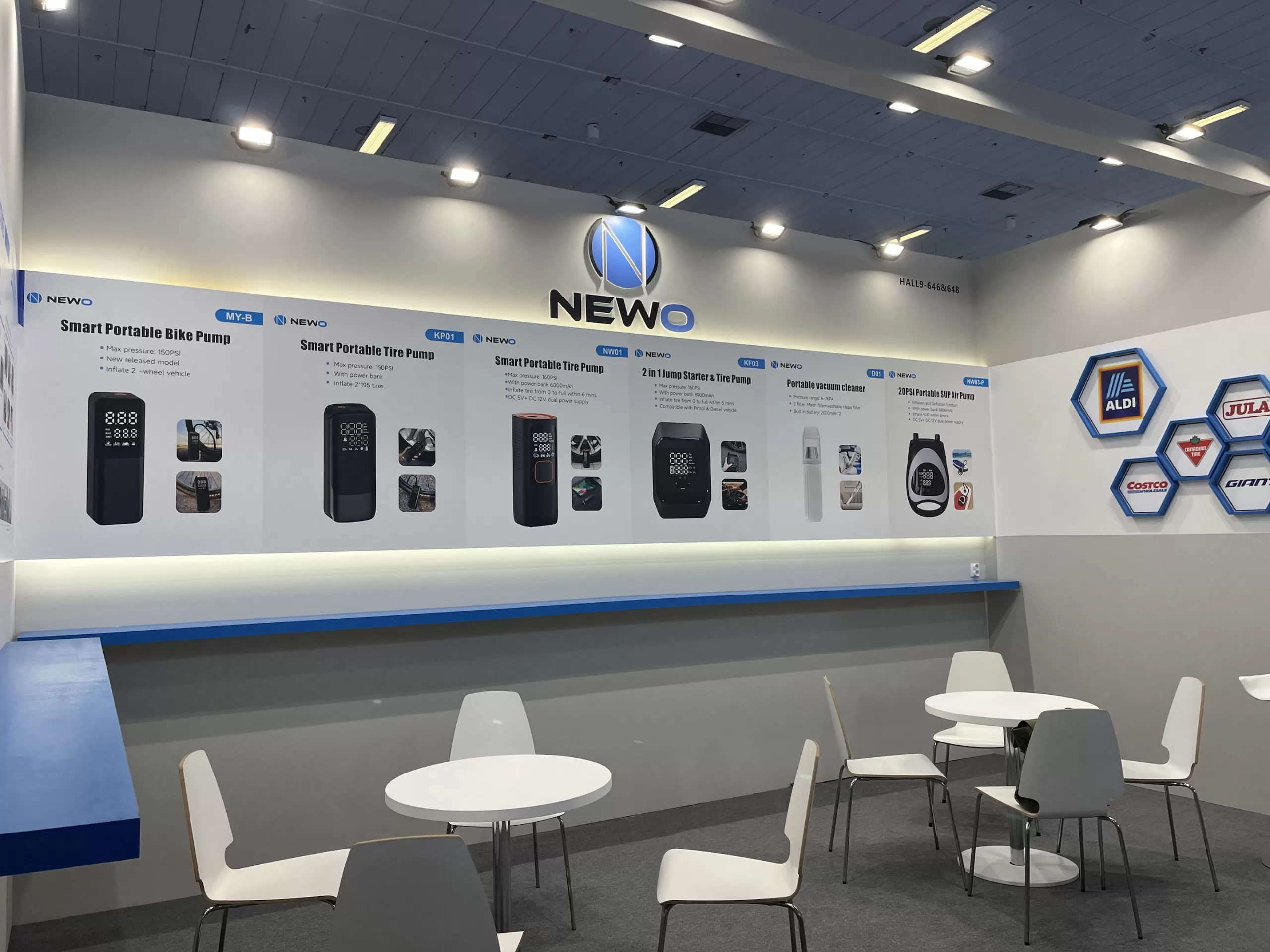
NEWO has went deep communication and negotiation with customers from all over the world on booth.... -

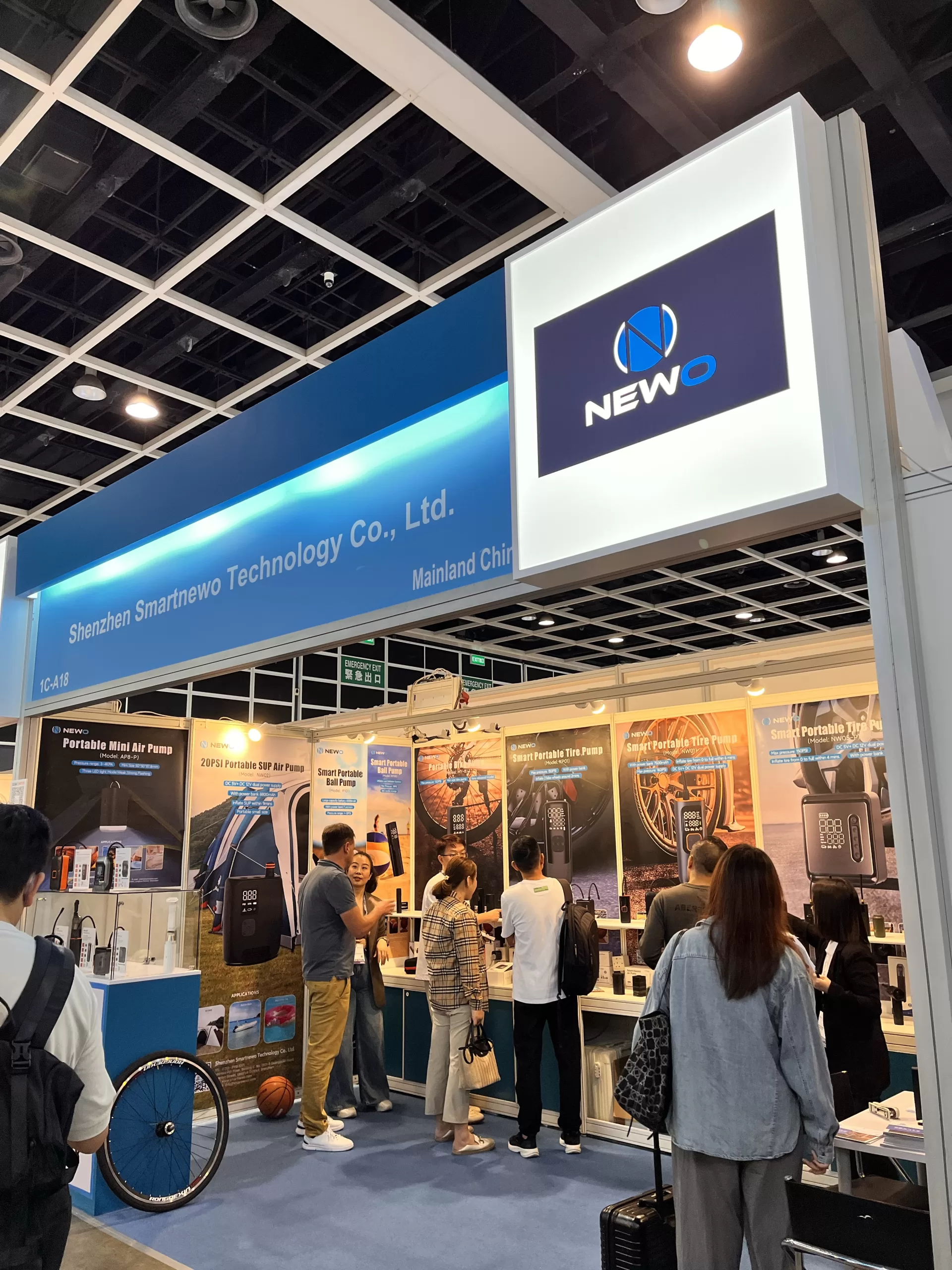
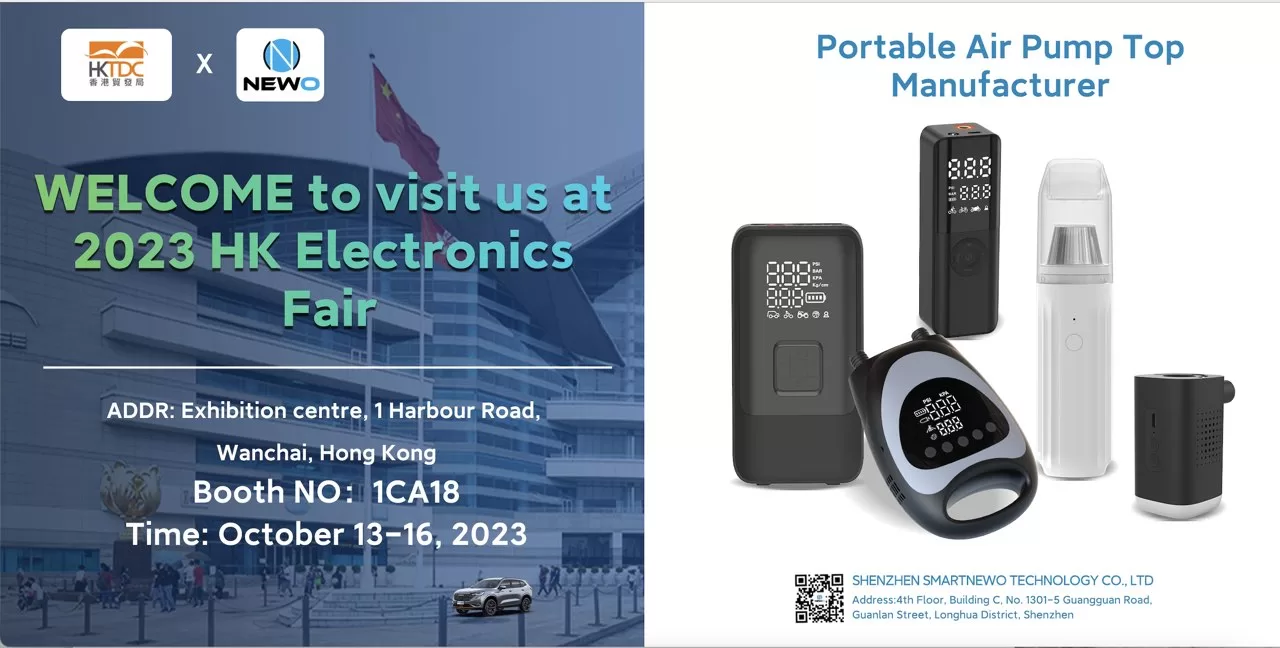
“Hong Kong Autumn Electronics Fair – 1CA18 (October 13th to 16th): Smartnewo invites you to visit our booth!
Hong Kong Autumn Electronics Fair... -

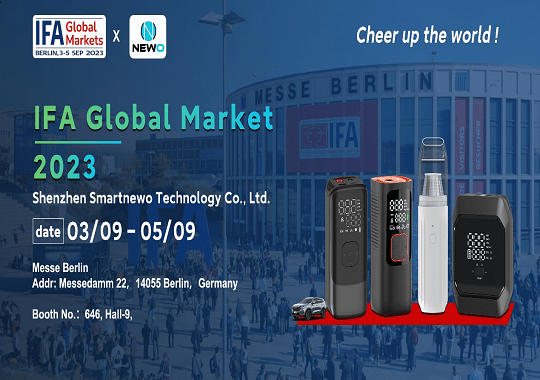
Smartnewo showcases its innovative range of electric air pumps at IFA 2023
Smartnewo will participate in the Consumer Electronics Show (IFA) in Berlin, Germany from September 3rd to September 5th.... -
Consumer Electronics Show (IFA) In Berlin 2023
Smartnewo will participate in the Consumer Electronics Show (IFA) in Berlin, Germany from September 3rd to September 5th....
-

Rechargeable Electric SUP Pump for Paddle Boards: Faster Inflation for SUPs, Kayaks and Inflatable Tents
The BL10-C Portable Electric Bike Tire Inflator is a compact and lightweight mini electric bike pump designed for modern cyclists. With up to 120 PSI pressure, a digital LED display, preset pressure control, automatic shut-off, USB-C charging, and multiple valve adapters, BL10-C offers a convenient inflation solution for road bikes,... -

Are Electric Bike Pumps Worth It in 2026? Electric Pump vs CO₂ vs Mini Hand Pump
Discover whether electric bike pumps are worth it in 2026. This guide compares electric bike pumps, CO₂ inflators, and mini hand pumps for road cycling, gravel riding, commuting, and long-distance rides. Learn the pros, limitations, best use cases, and key features to look for before choosing the right portable tire... -
BL10-C Portable Electric Bike Tire Inflator: Small Size, Reliable Power for Every Ride
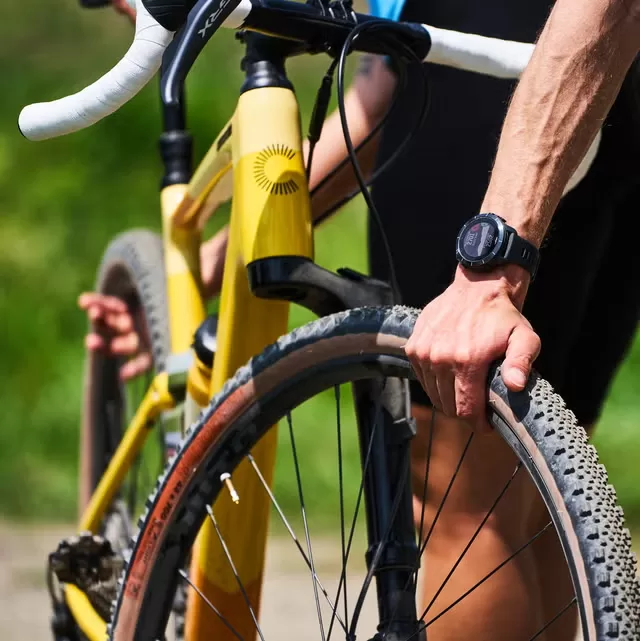
The BL10-C Portable Electric Bike Tire Inflator is a compact and lightweight mini electric bike pump designed for modern cyclists. With up to 120 PSI pressure, a digital LED display, preset pressure control, automatic shut-off, USB-C charging, and multiple valve adapters, BL10-C offers a convenient inflation solution for road bikes,... -

Why Mini Electric Bike Pumps Are Becoming Essential for Modern Cycling
Discover why mini electric bike pumps are becoming essential for modern cyclists. Learn how portable electric bike pumps improve tire pressure management, riding safety, and convenience.... -

The Ultimate Smart Solution for Easy Outdoor Adventures in 2026
Discover how a spring travel air pump simplifies outdoor trips with fast inflation, smart features, and powerful performance—perfect for every adventure.... -

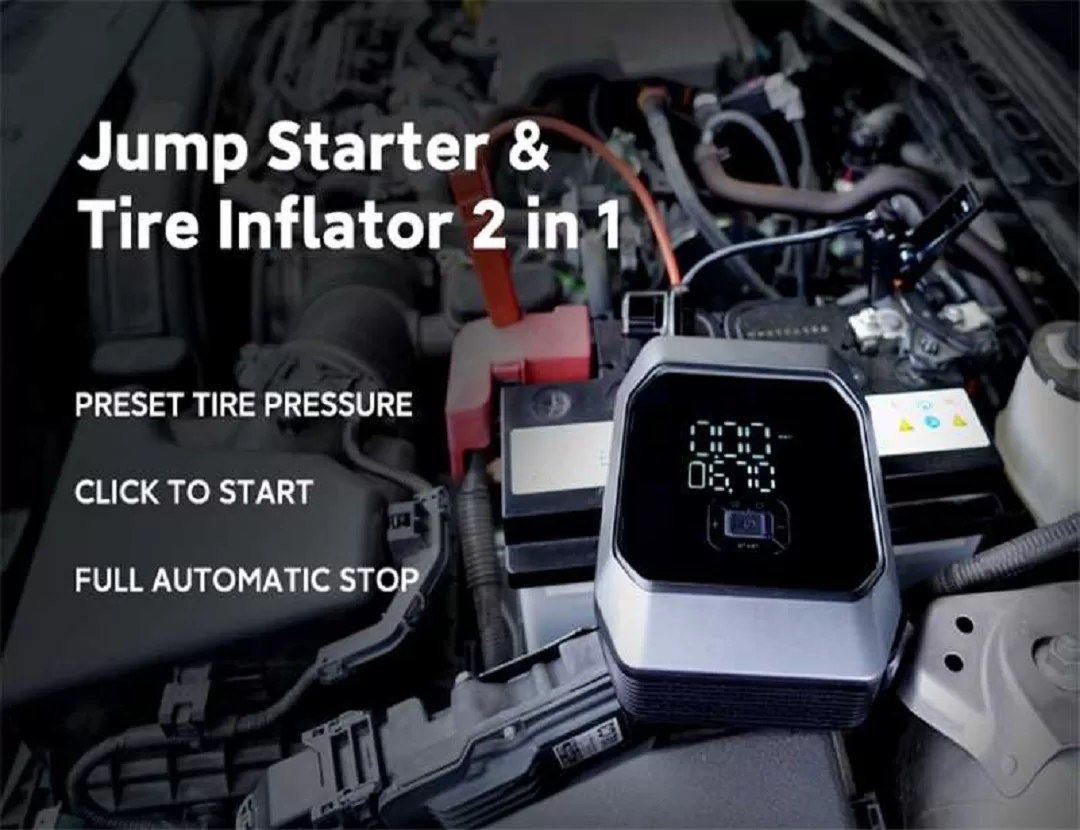
Powerful 5-in-1 Portable Car Tire Inflator and Jump Starter: The Ultimate Emergency Tool for Every Driver
Why Every Driver Needs a Portable Car Tire Inflator and Jump Starter Modern drivers face many unexpected situations on the road. A flat tire, low tire pressure, or a dead car battery can happen at the worst possible time. That’s why having a portable car tire inflator and jump starter is... -

7 Real Cycling Scenarios That Show Why Every Rider Should Carry a Mini Bike Pump
Cycling is one of the most freeing activities you can enjoy. Whether you’re commuting to work, riding through city streets, or exploring quiet countryside roads, a bike ride can instantly improve your day. But there’s one small problem that almost every cyclist eventually faces: Low tire pressure. It might happen... -
BL08-A Portable Electric Bike Pump: A Global Distribution Opportunity with Smartnewo
Smartnewo, a professional manufacturer of portable electric air pumps, introduces the BL08-A model — a compact and efficient inflator designed for global distributors, e-commerce sellers, and outdoor accessory brands seeking reliable OEM/ODM solutions. Table of Contents Main Heading Subtopics 1. Introduction: Expanding the Global Market for Smart Inflation Tools Portable... -

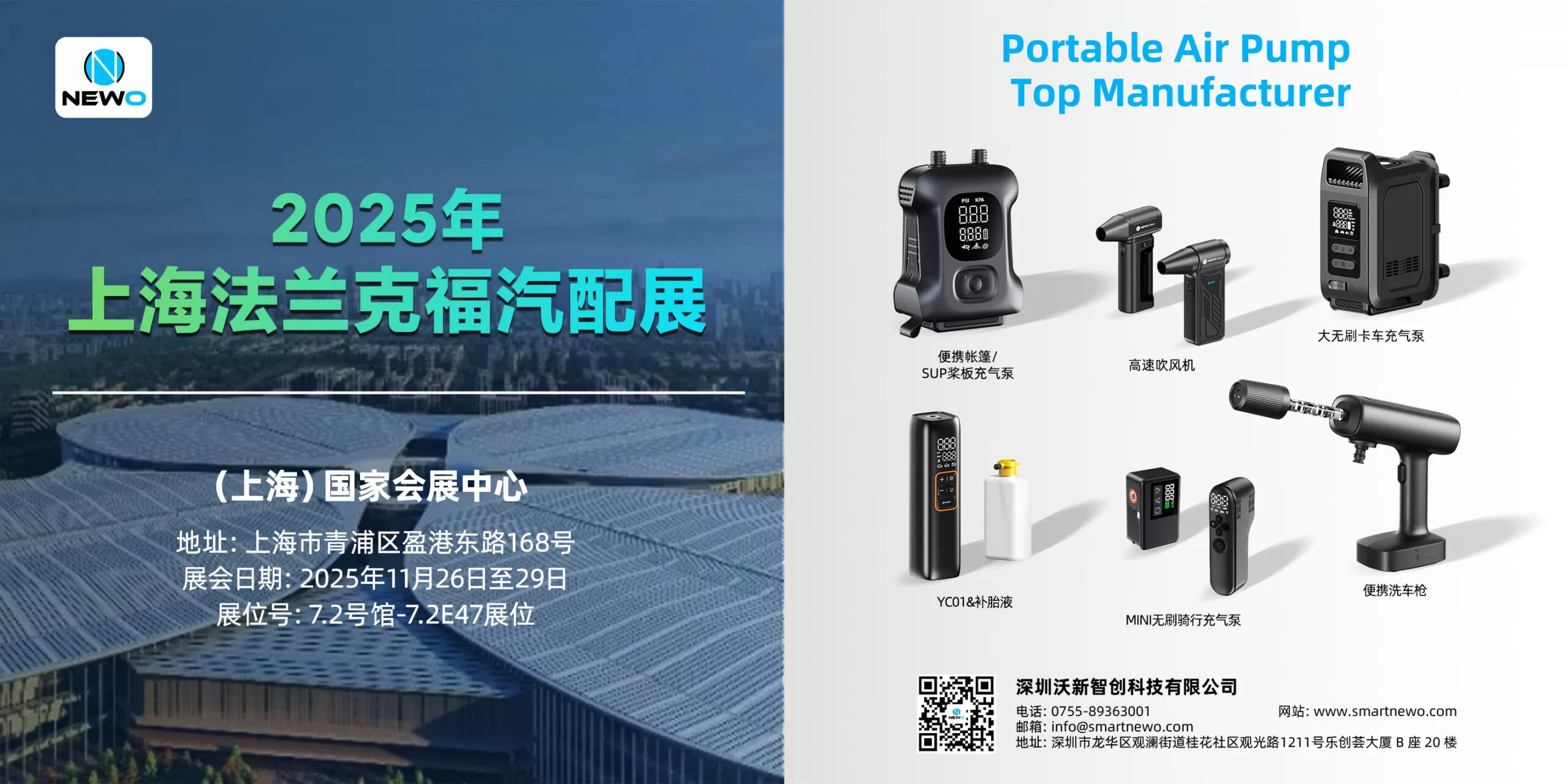
Connecting Opportunities at Automechanika Shanghai 2025 — Smartnewo Exhibition Day 1
Today marks an exciting beginning as Smartnewo officially opens its booth at Automechanika Shanghai 2025. As one of the largest and most influential automotive aftermarket exhibitions in the world, the show provides an exceptional platform for meaningful conversations, partnership building, and global industry exchange. Located at Booth 7.2E47, Smartnewo presents... -

Why Every Outdoor Cyclist Should Carry a Mini Electric Bike Pump
Whether you are an experienced mountain rider or a weekend road-cycling enthusiast, one thing is certain: unexpected tire pressure issues can ruin an entire ride. That’s why more cyclists are turning to mini electric bike pumps—compact, lightweight, and far more reliable than traditional hand pumps. 1. Consistent Pressure, Even in...

-
How Is a Football Properly Inflated?
The correct inflation of a football - with not too much and not too little air - is a hotly debated topic among footballers.... -
Application Scenarios of Car Inflator Pump
Often long-distance business trips or play car owners because the road may be more remote areas, in this case if you encounter a tire leak....