

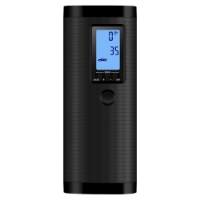
 Portable Tire Inflators
 Electric Air Pumps
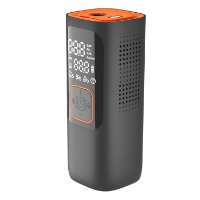 Electric Car Tyre Pumps
 Electric Ball Pumps
 Electric Bike Pump
 SUP Air Pump

Digital Portable Tire Inflator: How to Choose and Use the Right Model
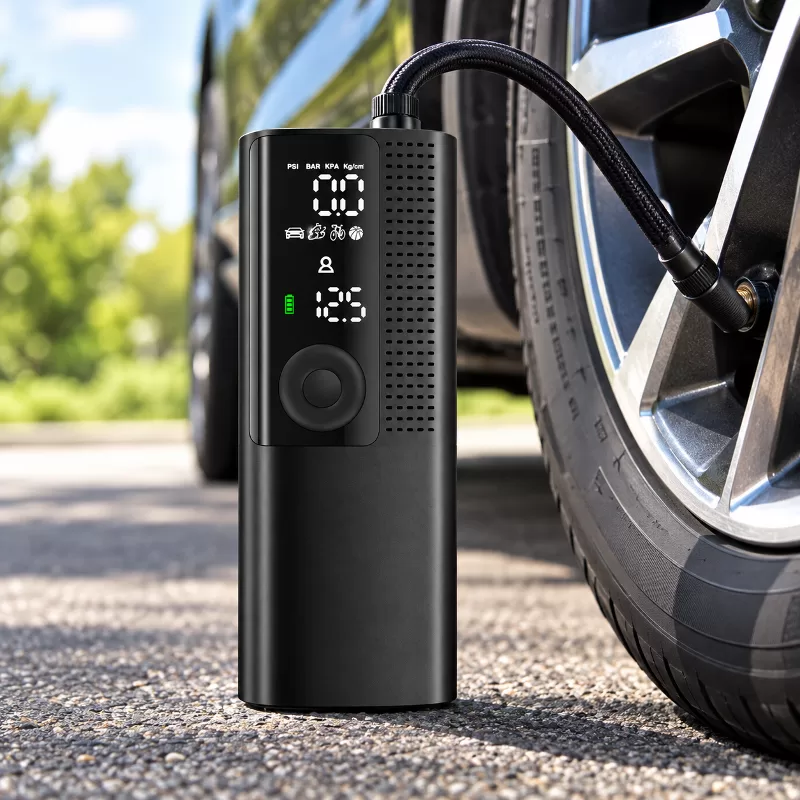
Maintaining correct pneumatic pressure is a fundamental requirement for vehicle stability, tire longevity, and predictable road performance. A digital portable tire inflator addresses this routine maintenance need by allowing drivers, cyclists, and equipment operators to check and adjust tire pressure wherever a vehicle is parked. Unlike traditional service station compressors or heavy shop machinery reliant on permanent air lines, modern portable units utilize compact motorized displacement mechanisms paired with digital interfaces to provide regulated inflation on demand.
Whether preparing an automobile for extended travel, adjusting commuter bicycle tires before a daily ride, or maintaining balance vehicles and utility carts, a dependable digital portable tire inflator eliminates the visual guesswork associated with worn analog dials. Understanding the underlying pneumatic characteristics, interface configurations, and pressure limits of these compact tools helps operators select equipment that fits their routine maintenance schedule cleanly and safely.
Understanding the Digital Portable Tire Inflator
A modern portable inflator integrates an electric drive motor, an internal pumping chamber, electronic control circuitry, and a digital readout into a compact enclosure. This configuration allows an operator to establish a designated pressure setting, connect the delivery hose to a valve stem, and manage air delivery without needing access to stationary garage infrastructure.
What Separates Digital Inflators from Mechanical Air Compressors
Many workshop air compressors use an electric motor paired with a dedicated storage tank to accumulate compressed air in advance. That stored reservoir delivers displacement suitable for pneumatic workshop tools and shop operations. Portable inflators, by contrast, generally pump air directly into the tire rather than relying on a large workshop-style tank, creating a lightweight footprint suitable for vehicle storage.
Mechanical pressure gauges and digital instruments can both lose calibration if subjected to severe physical shocks, drops, or prolonged poor maintenance. Digital inflators rely on electronic pressure measurement systems that present numerical readouts, which can make pressure readings straightforward to interpret under poor lighting, with available units varying by model.
Simple pencil gauges provide passive monitoring, identifying a low-pressure condition while offering no capability to add air on the spot. Some digital inflators let users set a target and, when equipped with automatic shut-off, stop after reaching it, serving an active maintenance role rather than acting solely as a passive sensor.
The Core Pneumatic and Electrical Components
In many portable inflator designs, a small electric motor drives an internal mechanical assembly to compress ambient air inside a cylinder bore. Air enters through intake openings, passes internal valves, and flows under pressure through an exterior delivery line directly into the tire stem.
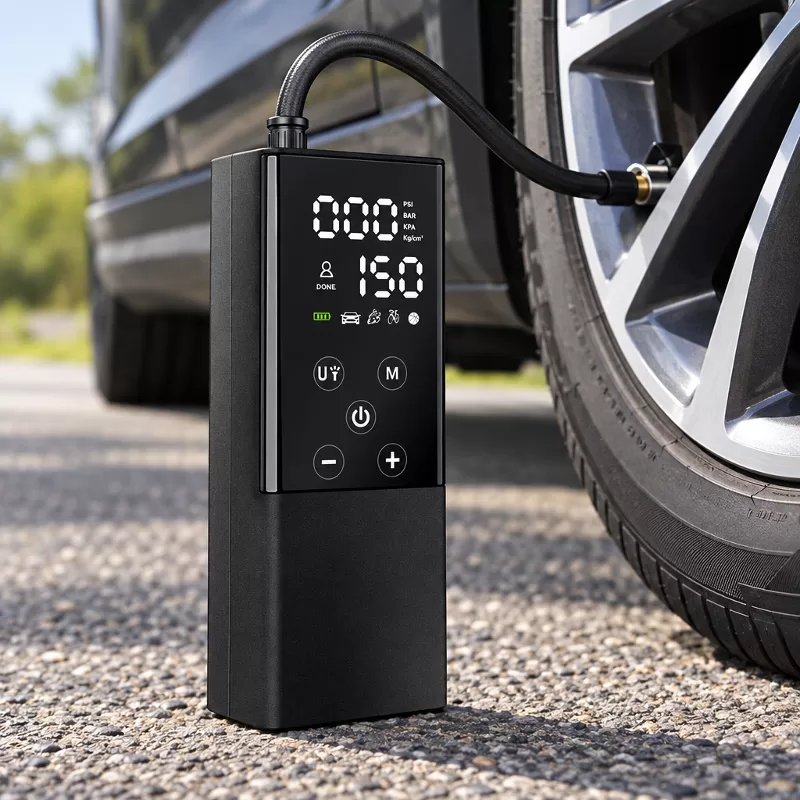
In the Portable Tire Inflator 150PSI WG01, the manufacturer specifies a 17-cylinder air-pump structure, 35W motor power, and an airflow rating of 20 to 22 L/min for its stated everyday applications across car tires, bicycles, motorcycles, e-bikes, wheelchairs, balance vehicles, and sports balls. These figures represent the manufacturer’s stated technical specifications for everyday inflation tasks.
Pneumatic air hoses are susceptible to external contamination, thread wear, and crimping when stored loosely alongside roadside equipment or inside utility drawers. The WG01 incorporates built-in hose storage within its primary body shell, keeping the line secured and protecting internal fittings from debris accumulation during transport.
Key Engineering Specifications Explained
Evaluating technical data sheets requires understanding what specific operational figures represent in practical field environments. Manufacturer specifications define nominal operating boundaries and mechanical sizing rather than universal guidelines for everyday inflation tasks.
Maximum Pressure vs. Working Pressure Range
The manufacturer lists a maximum pressure of 150 PSI for the WG01. In routine consumer automotive maintenance, passenger car tires typically operate at pressures far below this ceiling, meaning the stated maximum pressure rating should never be treated as an everyday inflation target.
A broad operating range provides functional versatility across distinct categories of pneumatic equipment. The manufacturer lists sports balls, bicycles, motorcycles, e-bikes, wheelchairs, balance vehicles, and car tires among its applications, specifying a 2 to 150 PSI working range. Users should always follow the specific pressure requirements of the individual item being inflated rather than assuming suitability based solely on nominal pressure limits.
A high maximum pressure specification does not indicate rapid airflow delivery, as pressure resistance and volumetric displacement involve distinct mechanical trade-offs. Moving air against substantial backpressure requires tight internal mechanical clearances and steady motor torque, whereas moving large volumes of air quickly requires larger cylinder diameters and higher displacement volumes.
Airflow Delivery: Interpreting 20–22 L/min
Airflow ratings describe the volume of atmospheric air an inflator compresses and discharges over a standard duration, measured in liters per minute. The manufacturer lists an airflow output of 20 to 22 L/min for the WG01, which may be useful for routine top-ups, seasonal pressure corrections, and standard volume maintenance.
The elapsed time required to inflate a tire depends primarily on the physical volume of the internal air cavity rather than the final pressure number alone. Adjusting pressure on a narrow bicycle tire takes minimal runtime due to its small internal cavity, whereas adding pressure to an automotive tire requires pumping a larger volume of atmospheric air to alter cavity pressure.
Compressing atmospheric air naturally generates heat within the pump assembly and delivery fittings during operation. Operators should always consult the product manual for recommended run times, operating instructions, and cooldown intervals to avoid thermal stress during extensive inflation tasks.
Guided LED Interface and Wheel-Position Operation
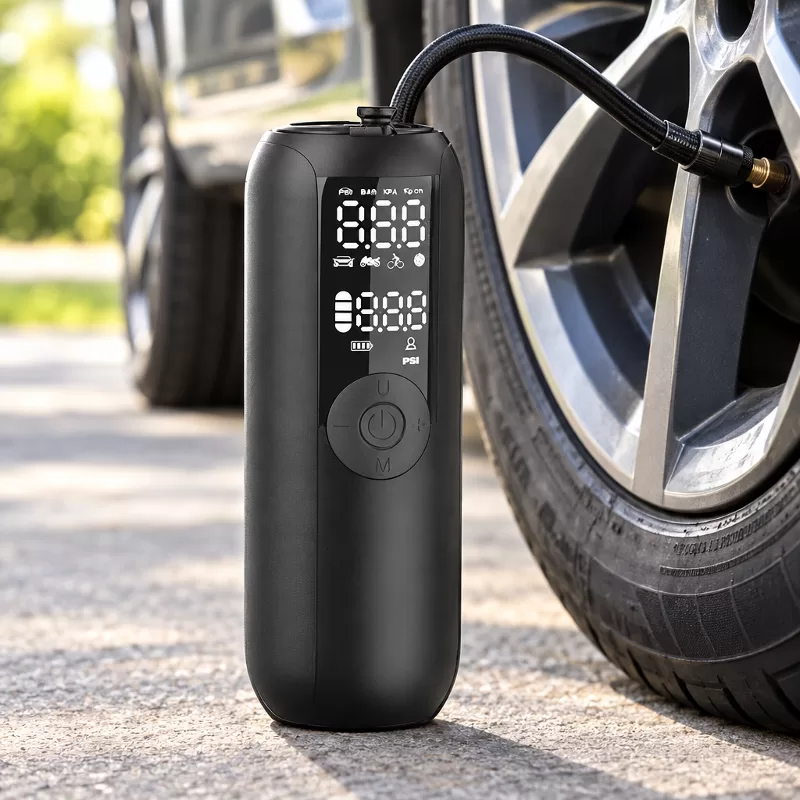
Clear visual feedback is essential when adjusting equipment in dim garages, during evening commutes, or alongside unlit roadways. The WG01 includes a specialized LED interface configured for guided mode and wheel-position operation according to manufacturer documentation, presenting readable digits and dedicated operational symbols.
The guided interface allows users to adjust target settings through dedicated controls before starting the pump mechanism. Clear visual demarcations reduce operational hesitation, allowing users to select appropriate working parameters before engaging the pump mechanism.
The manufacturer documents that the interface supports wheel-position operation alongside guided mode selection. Operators can use these dedicated screen controls to maintain an orderly inflation routine across their equipment, referencing the product instructions for specific display indicators and button sequences.
Safe Tire Pressure Fundamentals: Where Drivers Make Mistakes
Even an accurate digital portable tire inflator cannot deliver safe driving performance if the user inputs incorrect operational targets. Safe pneumatic maintenance relies on adhering to vehicle engineering parameters rather than general assumptions or sidewall markings.
The Vehicle Door Placard vs. The Tire Sidewall Trap
A frequent error among motorists involves reading the maximum inflation pressure molded onto the tire sidewall and adopting that figure as their target. That sidewall marking indicates the tire’s maximum allowed cold inflation pressure, not the vehicle manufacturer’s recommended operating setting.
To find the correct cold pressure target, check the vehicle’s tire-information placard, certification label, or owner’s manual. The placard is commonly located on the driver-side door edge or door pillar, though it may also be placed on the fuel door or inside the glove compartment depending on the vehicle.
Over-inflating a tire beyond the vehicle manufacturer’s recommendation may affect vehicle handling and increase vulnerability to road-hazard damage. Adhering strictly to the pressure specified on the vehicle placard ensures the tire flexes as engineered, supporting even tread wear and predictable road contact.
Cold Tire Measurement Principles and Thermal Expansion
Tire pressures must be evaluated and adjusted when tires are cold, which industry guidelines define as having been parked for at least three hours or driven less than one mile at moderate speed. Rolling contact creates internal friction that warms the air inside the tire carcass, yielding elevated pressure readings that do not reflect true baseline conditions.
Ambient seasonal shifts also influence pneumatic pressure according to fundamental thermodynamic relationships. As a general rule of thumb, tire pressure changes by roughly 1 to 2 PSI for every 10°F (about 5.6°C) change in ambient temperature, depending on initial pressure and environmental conditions. When a severe seasonal weather shift occurs, a noticeable drop in cold pressure can occur simply from lower air temperatures.
Drivers should refrain from releasing air from warm tires during highway journeys or fuel stops, even if a digital gauge shows a pressure reading higher than the door placard. That pressure elevation is an expected result of operating temperatures; bleeding air from a hot tire causes it to become under-inflated once the casing cools back down.
Navigating Tire Pressure Monitoring System (TPMS) Warnings
Many vehicles, including passenger cars, light trucks, and vans sold in the United States from model year 2008 onward, are equipped with Tire Pressure Monitoring Systems that alert the driver via a dashboard icon when a tire becomes significantly under-inflated. Many U.S. TPMS systems warn at approximately 25% below the recommended cold pressure, subject to the applicable minimum-pressure threshold and vehicle design.
Drivers should distinguish between natural permeation loss and acute mechanical leaks caused by road debris or stem failure. Tires naturally lose a small amount of air each month through the microscopic structure of rubber, whereas a single tire showing a persistent or disproportionate pressure drop signals an issue requiring physical inspection.
A digital portable tire inflator is an essential tool for maintaining correct pressure baselines, but it cannot repair physical structural damage, torn inner liners, or puncturing objects. If an automotive tire loses pressure repeatedly over short driving cycles, it must be removed and inspected by a qualified technician rather than continually refilled.
Comparing Inflation Equipment
Selecting inflation equipment requires weighing speed, convenience, electrical independence, and physical portability. Comparing common inflation formats across key operational factors highlights the specific advantages of keeping a compact digital unit readily accessible.
| Equipment Type | Power Independence | Readout Accuracy | Typical Flow / Speed | Storage & Mobility | Primary Use Case |
|---|---|---|---|---|---|
| Digital Portable Inflator | Model-Dependent (Battery or 12V DC) | Model-Dependent (Check Stated Sensor Specs) | 20–22 L/min (WG01 Stated Rating) | Compact Handheld Storage | Routine maintenance, roadside top-offs, cycling |
| Gas-Station Air Dispensers | Fixed Commercial Power | Variable (Subject to Field Wear and Maintenance) | Varies by Station and Equipment | Stationary Commercial Site | Quick top-offs during transit routes |
| Workshop Air Compressor | Fixed Electrical Outlet (120V/240V) | Depends on Attached Gauge and Maintenance | Varies by Compressor and Operating Pressure | Large Stationary Footprint | Workshop fabrication, tire mounting, air tools |
| Manual Floor Pump | Complete Independence (Manual) | Moderate (Standard Mechanical Gauges) | Low (Dependent on Physical Cadence) | Rigid Vertical Stand | Home bicycle service, manual sports equipment |
Portable Electric Inflators vs. Gas-Station Air Dispensers
Commercial service station air pumps provide useful displacement when filling tires, yet their maintenance condition is often inconsistent. Public equipment varies in maintenance and gauge condition, so users should verify pressure with a reliable gauge when accuracy matters.
Using service station air typically requires checking tires after they have been driven across town, meaning the tire carcass is already warm from road friction. A portable inflator allows users to check tires at home in a true cold resting state, ensuring that the pressure set matches the vehicle placard without requiring thermal compensation guesswork.
Public air stations are occasionally out of order or locked behind pay terminals, creating inconvenience during off-hours or travel. When the unit is properly charged or connected to its required power source, carrying it in the vehicle can reduce reliance on public air stations, making pressurized air accessible whenever maintenance is needed.
Hand and Foot Pumps vs. Battery and Motorized Systems
Manual floor pumps and foot-actuated pumps provide complete independence from electrical cords or battery charges, functioning entirely on physical effort. However, bringing a large-volume car tire up to proper pressure with a manual pump requires continuous physical exertion, making it impractical for routine passenger vehicle service.
Motorized inflators, such as the WG01 with its 35W motor and 17-cylinder pump structure, handle this mechanical compression work automatically. The manufacturer states that the unit includes an automatic shut-off function that stops the pump once the selected pressure is reached, reducing the physical burden of manual pumping.
While manual pumps remain dependable emergency backups for bicycles, they lack the multi-application adaptability and automated control of an electric unit. For households operating a mix of passenger vehicles, e-bikes, wheelchairs, and recreational gear, a motorized digital inflator provides far broader practical utility.
Step-by-Step Selection Guide for Everyday Users
Choosing a suitable digital portable tire inflator involves matching pneumatic capabilities, interface clarity, and physical construction to your specific maintenance routine. Reviewing core criteria ensures the selected device performs reliably across all intended applications.
- Check Working Pressure Boundaries: Ensure that the inflator’s operating range spans all your equipment. The WG01 provides a manufacturer-stated 2 to 150 PSI range, but users should always confirm that the device matches the specific pressure ratings required for their cars, motorcycles, or bicycles.
- Verify Supported Valve Types: Most automotive, motorcycle, and mountain bike tires use standard threaded Schrader valves, whereas performance road bikes frequently feature narrow Presta valves. Determine whether the inflator directly supports your valve type or requires separate adapters for sporting goods and non-standard stems.
- Confirm Automatic Shut-Off Capability: Basic inflators run continuously until manually switched off, requiring constant operator attention. Selecting an inflator equipped with automatic shut-off functionality ensures the motor stops running once the unit detects that the selected target pressure has been reached.
- Review Manufacturer Duty Cycles and Operating Limits: Mechanical compression creates heat inside the pump housing during sustained operation. Consult the manufacturer’s user manual regarding recommended run times, thermal protection, and cooldown intervals to ensure safe operation.
- Assess Integrated Storage Solutions: Detached inflation hoses and small adapter nozzles are frequently misplaced inside vehicle compartments. Devices designed with integrated hose storage, such as the WG01, keep critical pneumatic lines protected and ready for deployment without extra storage bags.
As a professional manufacturer of electric air pumps and portable inflation products, Newo produces solutions designed for automotive, cycling, and recreational applications.
Step-by-Step Operating Instructions
Operating a digital portable tire inflator properly ensures consistent pressure adjustments and protects valve stems from mechanical wear. Following an orderly procedure prevents connection air leaks and supports reliable performance.
- Secure the Vehicle and Identify Placard Pressures: Park the car on a flat, stable surface clear of traffic lanes and set the parking brake firmly. Check the vehicle tire-information placard or owner’s manual to confirm the required cold tire pressure for both the front and rear axles.
- Inspect the Tire and Remove the Dust Cap: Visually inspect the tire tread and sidewall for visible damage or embedded foreign objects. If an object such as a nail is embedded in the rubber, leave it in place to avoid rapid air loss and seek qualified repair assistance; otherwise, remove the valve stem dust cap and keep it in a secure spot.
- Attach the Air Hose According to Manufacturer Guidelines: Connect the inflator hose chuck to the tire valve stem according to the product manual instructions. Ensure the fitting is properly seated and sealed to prevent continuous air leakage, taking care not to cross-thread or force the connection.
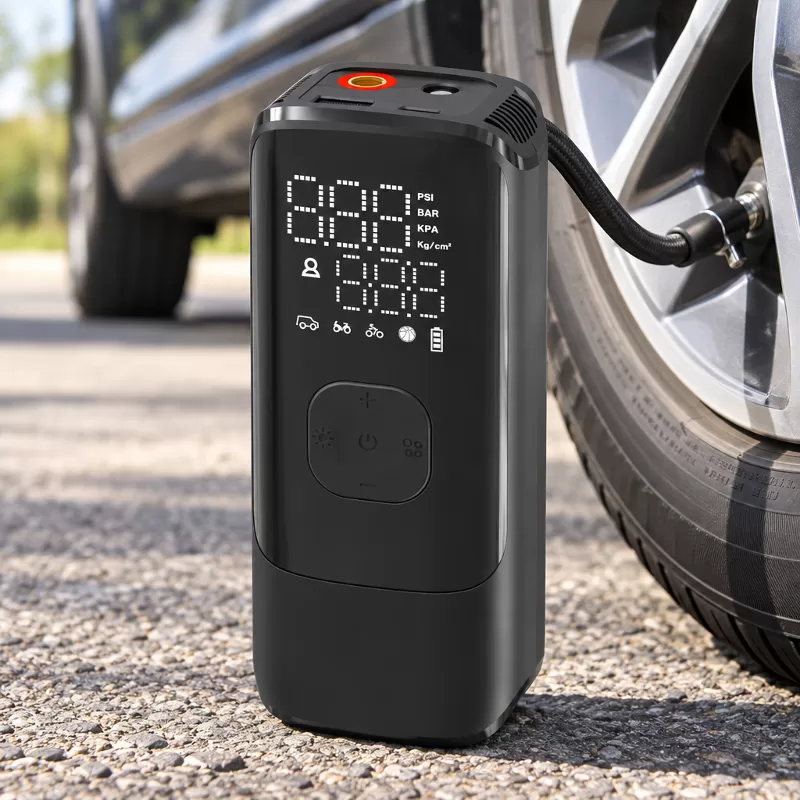
- Set the Target Pressure on the Guided Interface: Turn on the inflator display and select the intended operational mode or adjust the target pressure using the interface buttons to match the vehicle placard specification. If checking resting tire pressure, use a reliable tire pressure gauge or follow the inflator manual for reading instructions.
- Start Inflation and Allow Automatic Shut-Off to Engage: Activate the pump using the main power control, following the manufacturer’s placement and operating instructions. According to the manufacturer, the WG01 includes an automatic shut-off function that stops inflation when the selected pressure is reached; monitor the cycle and verify final pressure according to the manual.
- Disconnect the Fitting and Reinstall the Stem Cap: Remove the air chuck cleanly according to the device’s release mechanism to minimize residual air loss. Thread the protective dust cap firmly back onto the valve stem to prevent water, dirt, and road salt from contacting the inner valve core.
Frequently Asked Questions (FAQ)
What is a digital portable tire inflator?
A digital portable tire inflator is a compact motorized tool that draws ambient air and compresses it through an internal cylinder to inflate pneumatic tires. Equipped with electronic pressure measurement and a digital display, it provides numeric pressure readings and allows users to set target pressures, with specific models like the WG01 incorporating automatic shut-off control according to manufacturer specifications.
Why does my tire require different pressure than what is printed on the sidewall?
The pressure listed on the tire sidewall represents the tire’s maximum allowed cold inflation pressure, not the vehicle’s recommended operating setting. The vehicle manufacturer determines the proper operational pressure based on chassis dynamics, suspension tuning, and weight distribution, printing that specific figure on the vehicle placard.
Can the WG01 handle high-pressure road bike tires as well as car tires?
The manufacturer lists bicycles among the WG01’s applications and specifies an operating pressure range of 2 to 150 PSI alongside a 17-cylinder pump structure. Before inflating, users should confirm the bicycle tire’s required pressure specification, verify connector compatibility, and follow the operating instructions in the manual.
How does ambient winter temperature affect my digital inflator readings?
Ambient temperature directly impacts the internal pressure of a sealed tire. Pressure typically changes by approximately 1 to 2 PSI for every 10°F (about 5.6°C) shift in ambient air temperature. A digital inflator reflects this physical decrease during cold weather, making seasonal checks essential for maintaining proper inflation.
Does automatic shut-off prevent all risks of over-inflation?
Automatic shut-off stops the motor when the unit detects that the selected target pressure has been reached, helping prevent over-inflation caused by leaving the pump running unattended. However, it remains the user’s responsibility to set the target to the correct vehicle placard specification rather than an unsafe pressure level.
Can a portable digital inflator fix a slow puncture?
A portable inflator can add air to a tire with low pressure, but it does not repair leaks, seal punctures, or restore damaged valve stems. If a tire is significantly damaged, visibly punctured, or rapidly losing pressure, motorists should avoid driving on it and arrange for professional inspection or roadside assistance.
Conclusion
Consistent tire maintenance plays a direct role in vehicle safety, tire tread life, and overall operating economy. Equipping your vehicle with a modern digital portable tire inflator reduces reliance on public air stations, allowing you to establish accurate cold tire pressures right at home.
With practical design elements such as the 17-cylinder pump layout, 35W motor, 2–150 PSI operating range, 20–22 L/min airflow, and integrated hose storage found on the WG01, managing routine inflation becomes an orderly process. Keeping a reliable digital portable tire inflator on hand ensures your equipment remains properly pressurized, dependable, and ready for the road ahead.
-
Meet NEWO at the 140th Canton Fair: Visit Booth 10.3 M03–04
Meet NEWO at the 140th Canton Fair in Guangzhou, October 15–19, 2026. Visit Booth 10.3 M03–04 to explore portable air pumps and discuss OEM, ODM and distribution opportunities.... -

As Shenzhen Welcomes the World for APEC 2026, NEWO Welcomes You to Our Factory
As Shenzhen prepares for APEC 2026, NEWO welcomes international buyers and partners to visit our factory, meet our team and explore future cooperation.... -
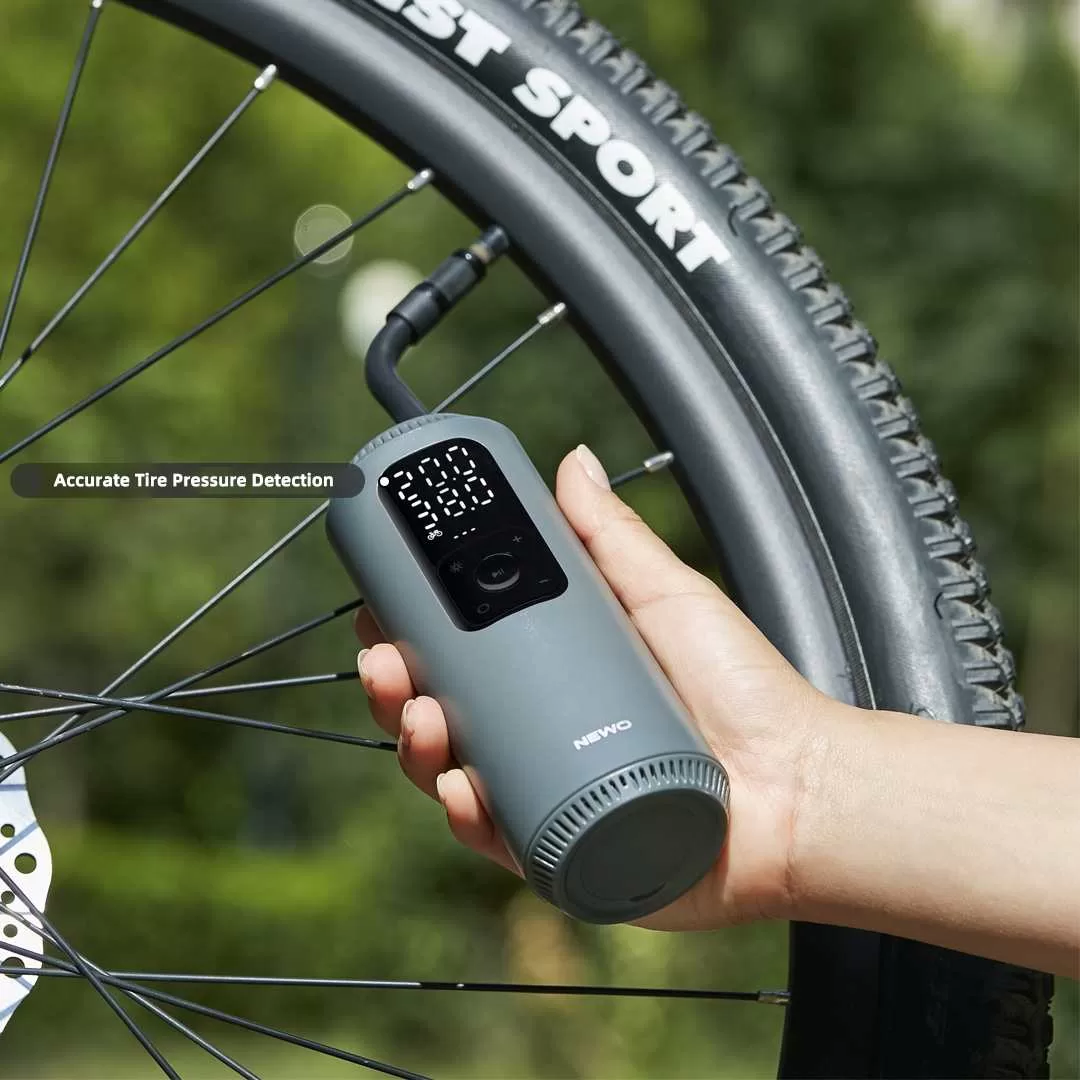
Leading the Way in Product Innovation and Excellence
Smartnewo exemplifies professionalism in product innovation and manufacturing. Their collaboration with Xiaomi Youpin on the G01 crowdfunding project highlights their expertise in creating compact, powerful inflatable pumps. Rigorous engineering, meticulous production processes, and advanced quality assurance underscore their commitment to excellence. The success of the G01 project, with significant market... -
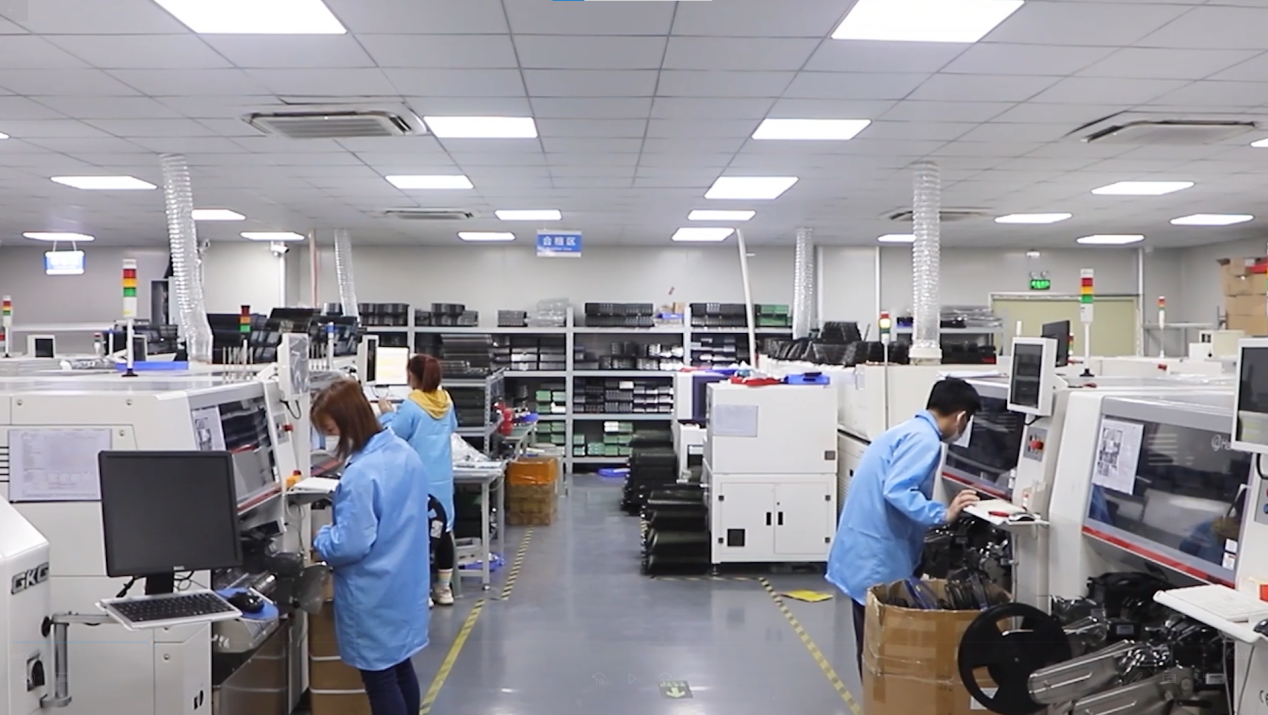
Essential Qualities of an Excellent Supplier
In today's competitive market, finding a reliable supplier is crucial for business success. Based on insights from Smartnewo and broader internet research, here are key qualities an excellent supplier must possess:... -
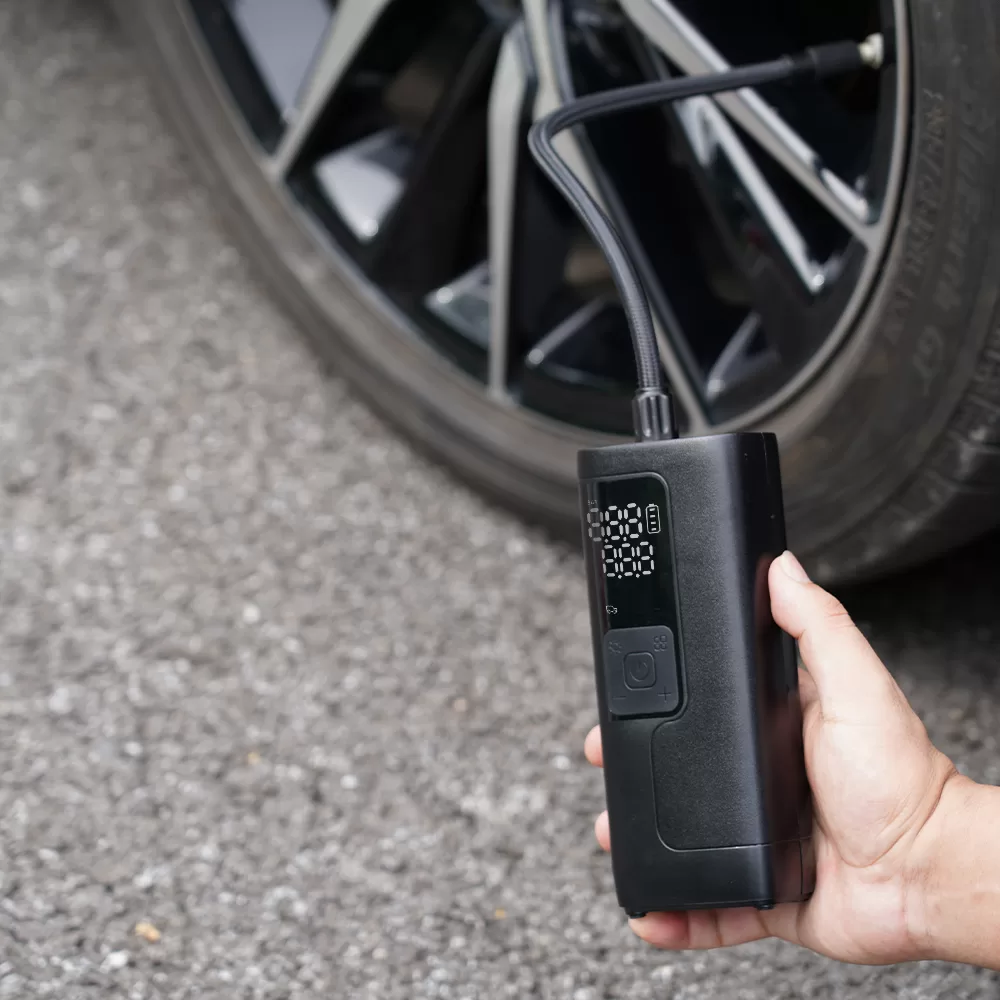
NW06 Tire Inflator: Compact Power for Quick Inflation
Summary The NW06 Tire Inflator delivers quick and efficient tire inflation with a powerful 35L/min airflow. It features a user-friendly LCD screen for real-time pressure monitoring, dual power options with a built-in 6000mAh battery, and multiple nozzle attachments for versatile use. Its compact design and integrated LED light ensure convenience and... -
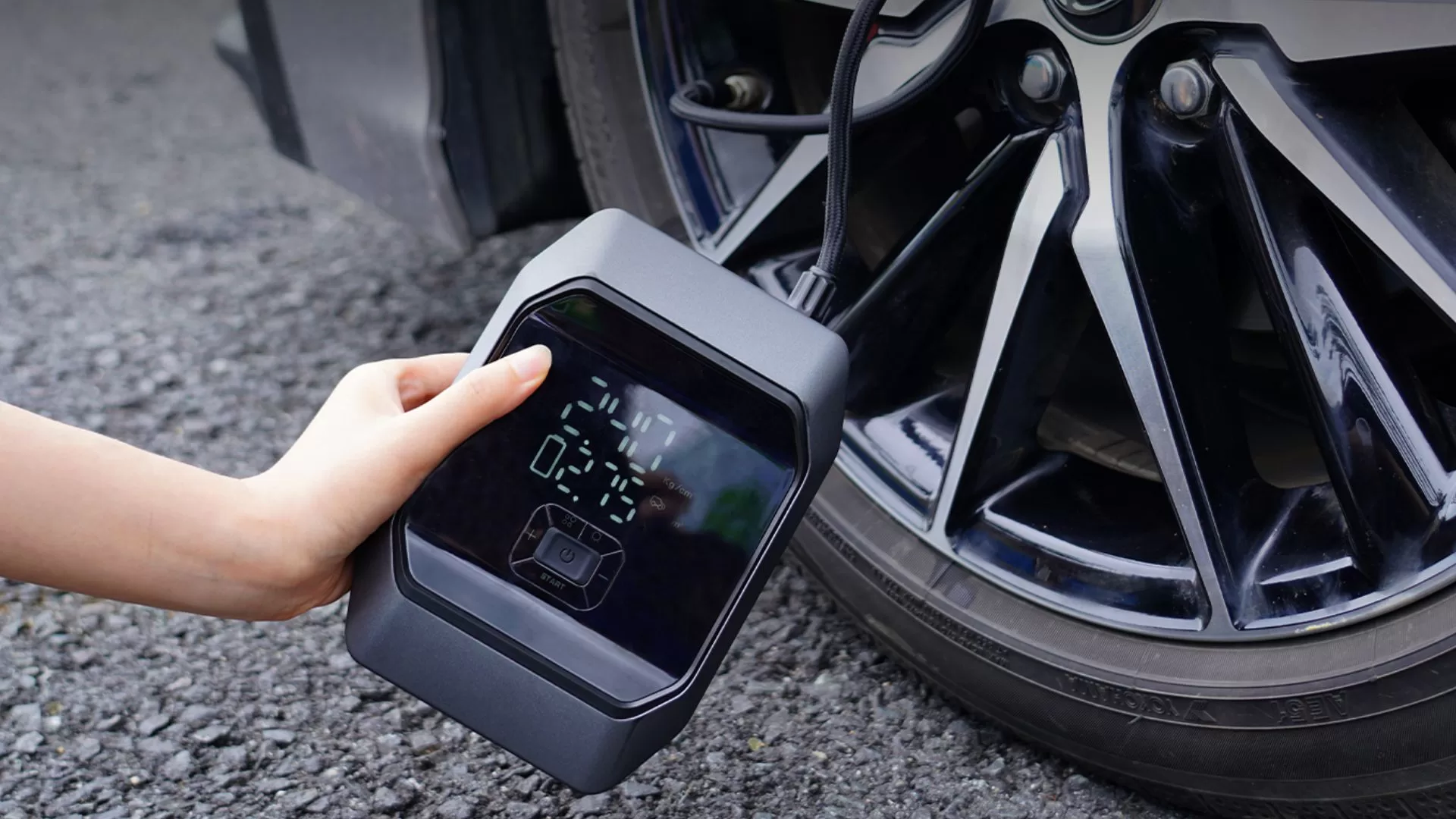
Unleash the Power of Portability: The SmartNewo Jump Starter with Air Compressor KF03
This guide will walk you through the steps to effectively use a portable tire inflator, helping you stay prepared and safe on the road.... -

Newo Attends The 2024 Consumer Electronics Show (CES)
Smartnewo booth is located at 53672, Halls A-D, Level 2, Venetian Expo, Las Vegas Convention Center (LVCC). ... -

Smartnewo’s Dual-Cylinder Air Pump Rocks the Hong Kong Autumn Electronics Fair!
Smartnewo’s Dual-Cylinder Air Pump Rocks the Hong Kong Autumn Electronics Fair!... -

Meet at the Canton Fair! Smartnewo brings dual-cylinder air pumps, making your inflation experience faster and more stable!
NEWO has went deep communication and negotiation with customers from all over the world on booth.... -
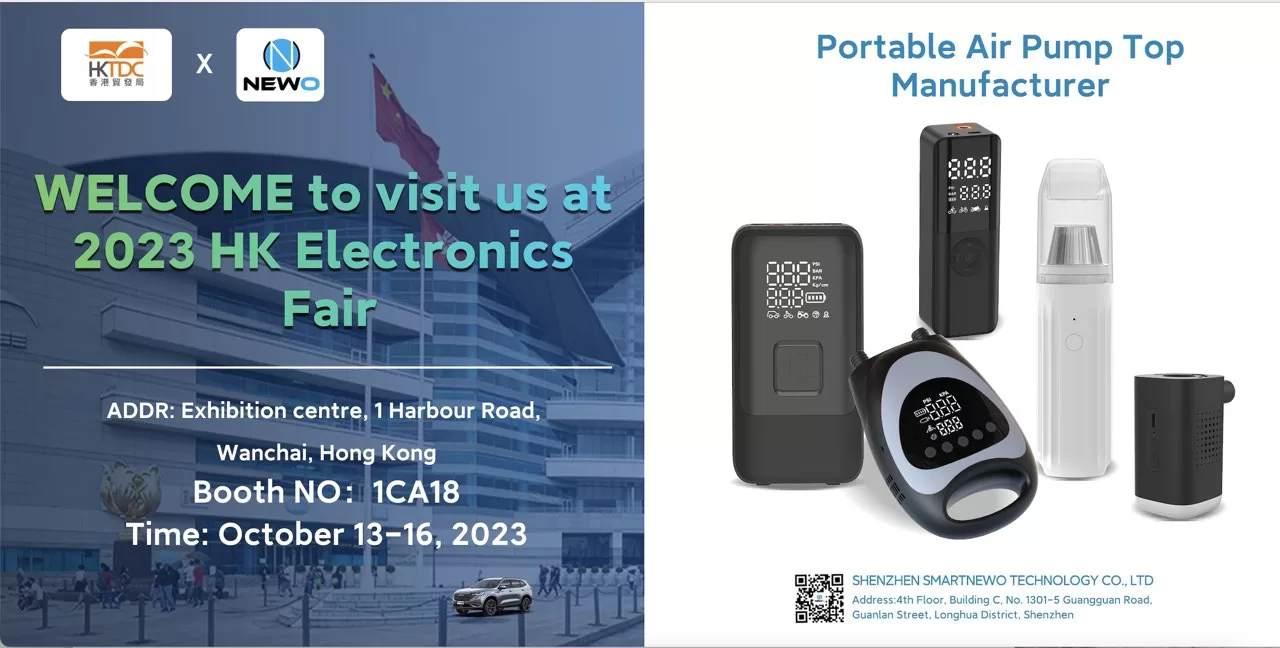
“Hong Kong Autumn Electronics Fair – 1CA18 (October 13th to 16th): Smartnewo invites you to visit our booth!
Hong Kong Autumn Electronics Fair...
-
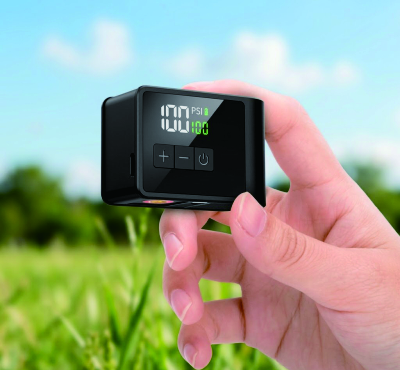
What to Check Before Ordering Custom Electric Bike Pumps
Plan custom electric bike pumps with a clear requirements freeze for valves, TPU tubes, portability, repeated top-ups, charging, and model-specific documents.... -

OEM vs ODM Air Pumps: Which Manufacturing Model Fits Your Brand?
Compare OEM and ODM air pump projects by design responsibility, change approval, development scope, and written ownership terms before choosing your route.... -

How to Choose a Reliable Tire Inflator Manufacturer in China
Choose a tire inflator manufacturer in China with a focused RFQ, supplier evidence, configuration checks, and clear sample-to-pilot decisions for your brand.... -
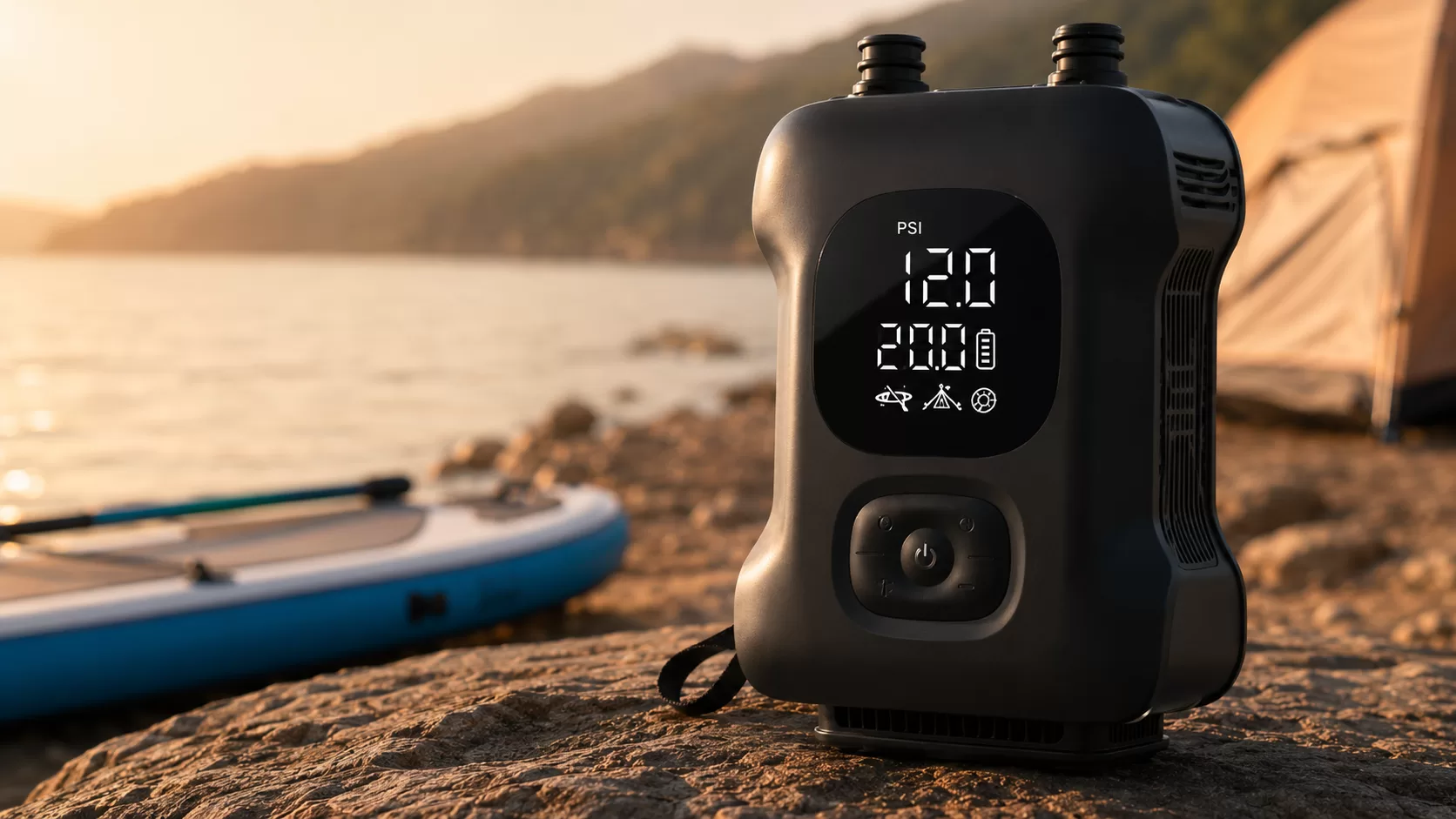
Rechargeable Electric SUP Pump for Paddle Boards: Faster Inflation for SUPs, Kayaks and Inflatable Tents
The BL10-C Portable Electric Bike Tire Inflator is a compact and lightweight mini electric bike pump designed for modern cyclists. With up to 120 PSI pressure, a digital LED display, preset pressure control, automatic shut-off, USB-C charging, and multiple valve adapters, BL10-C offers a convenient inflation solution for road bikes,... -
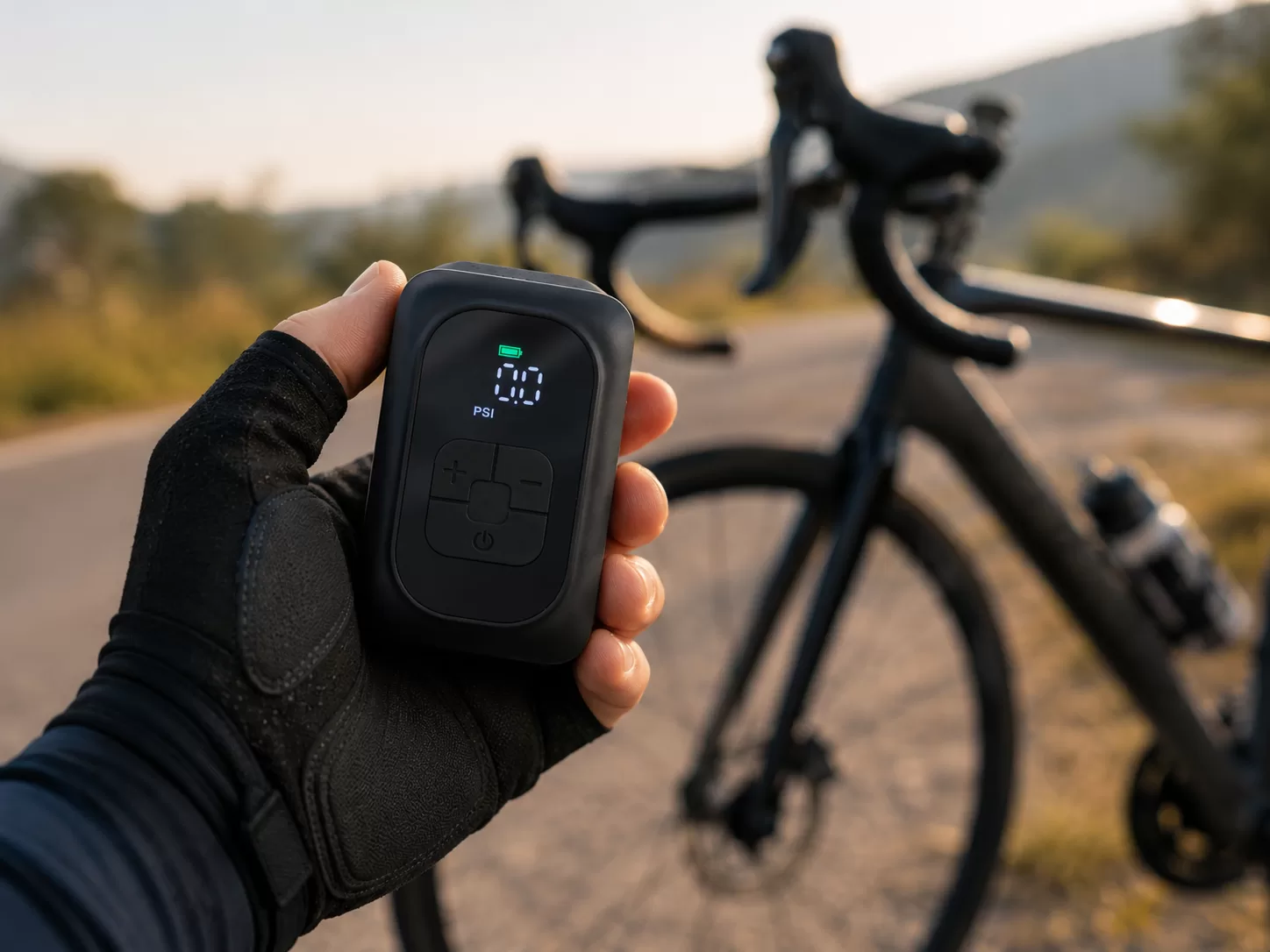
Are Electric Bike Pumps Worth It in 2026? Electric Pump vs CO₂ vs Mini Hand Pump
Discover whether electric bike pumps are worth it in 2026. This guide compares electric bike pumps, CO₂ inflators, and mini hand pumps for road cycling, gravel riding, commuting, and long-distance rides. Learn the pros, limitations, best use cases, and key features to look for before choosing the right portable tire... -
BL10-C Portable Electric Bike Tire Inflator: Small Size, Reliable Power for Every Ride
The BL10-C Portable Electric Bike Tire Inflator is a compact and lightweight mini electric bike pump designed for modern cyclists. With up to 120 PSI pressure, a digital LED display, preset pressure control, automatic shut-off, USB-C charging, and multiple valve adapters, BL10-C offers a convenient inflation solution for road bikes,... -
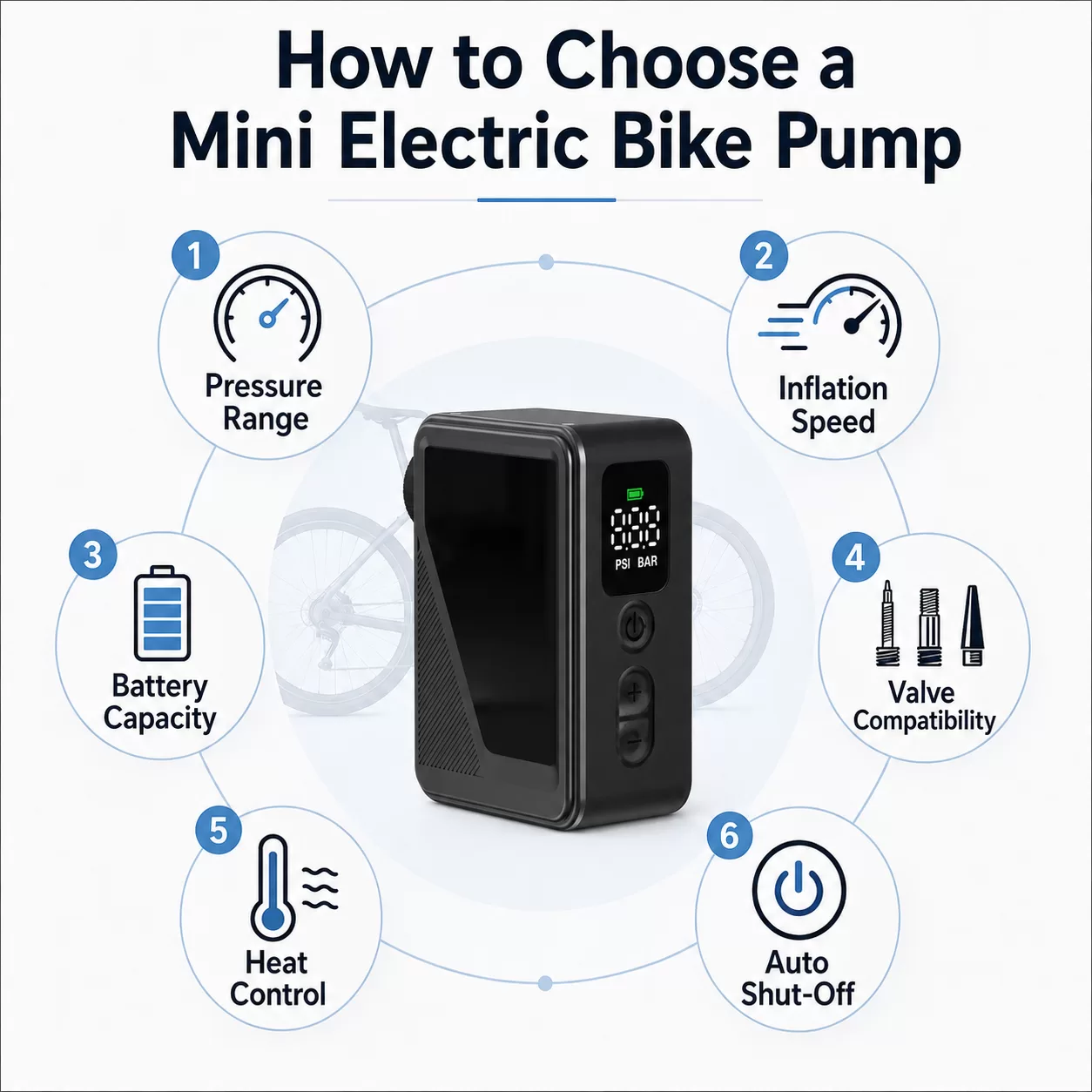
Why Mini Electric Bike Pumps Are Becoming Essential for Modern Cycling
Discover why mini electric bike pumps are becoming essential for modern cyclists. Learn how portable electric bike pumps improve tire pressure management, riding safety, and convenience.... -
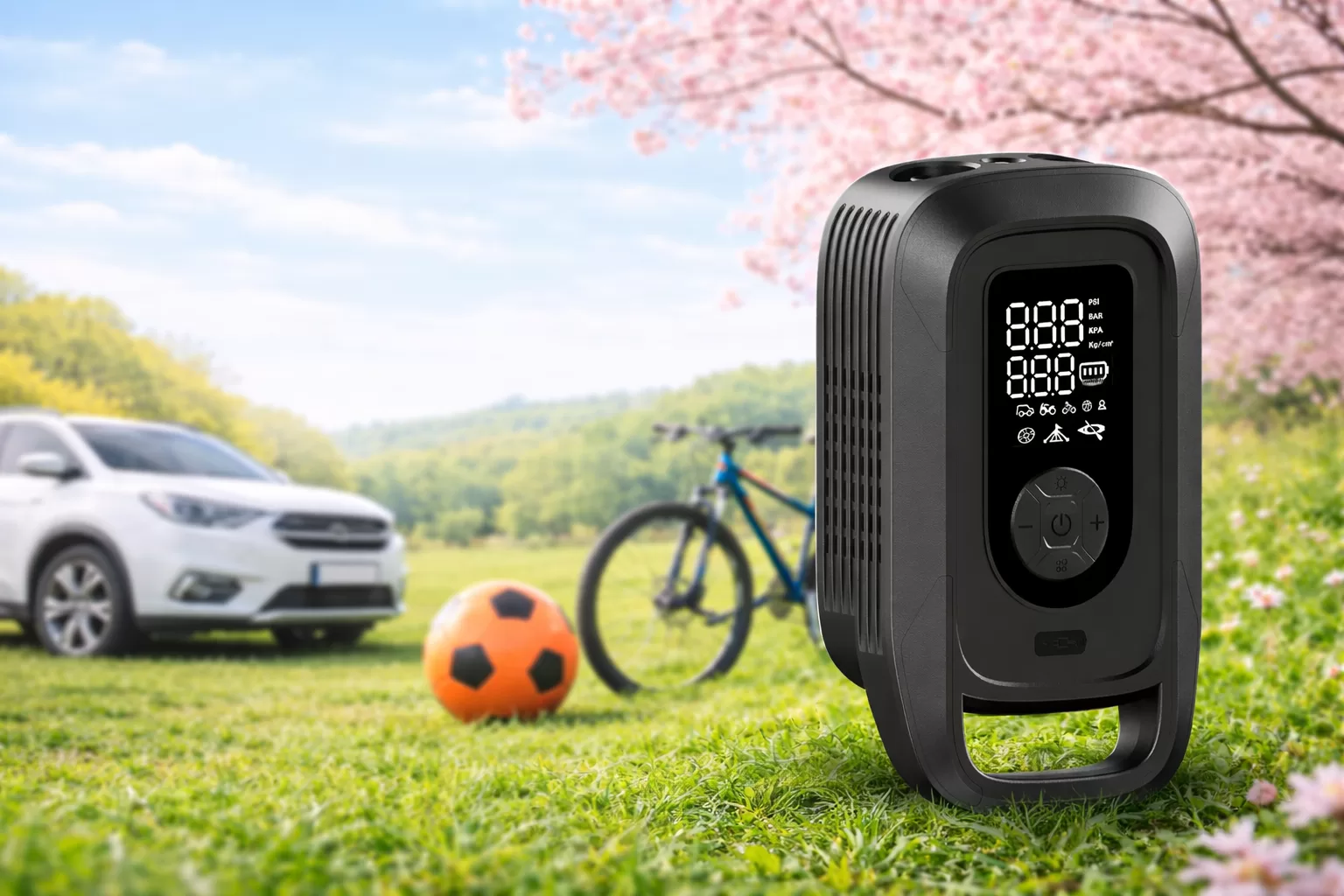
The Ultimate Smart Solution for Easy Outdoor Adventures in 2026
Discover how a spring travel air pump simplifies outdoor trips with fast inflation, smart features, and powerful performance—perfect for every adventure.... -
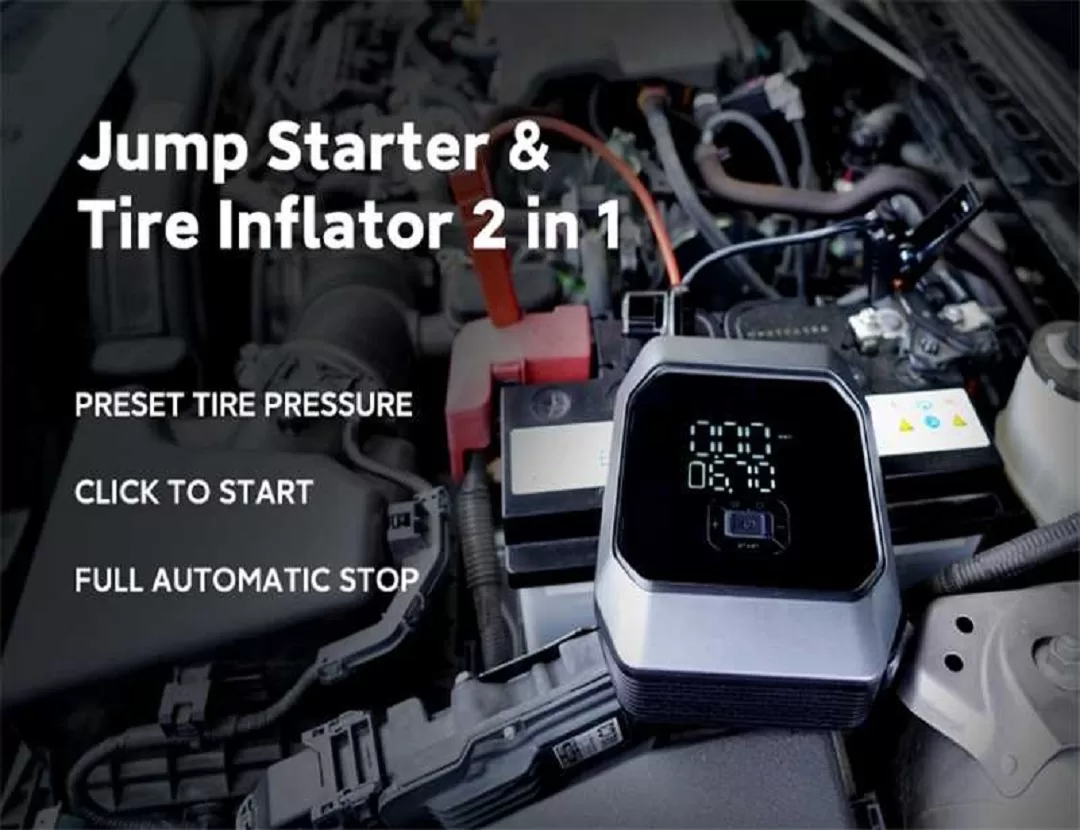
Powerful 5-in-1 Portable Car Tire Inflator and Jump Starter: The Ultimate Emergency Tool for Every Driver
Why Every Driver Needs a Portable Car Tire Inflator and Jump Starter Modern drivers face many unexpected situations on the road. A flat tire, low tire pressure, or a dead car battery can happen at the worst possible time. That’s why having a portable car tire inflator and jump starter is... -

7 Real Cycling Scenarios That Show Why Every Rider Should Carry a Mini Bike Pump
Cycling is one of the most freeing activities you can enjoy. Whether you’re commuting to work, riding through city streets, or exploring quiet countryside roads, a bike ride can instantly improve your day. But there’s one small problem that almost every cyclist eventually faces: Low tire pressure. It might happen...
-
How Is a Football Properly Inflated?
The correct inflation of a football - with not too much and not too little air - is a hotly debated topic among footballers.... -

Application Scenarios of Car Inflator Pump
Often long-distance business trips or play car owners because the road may be more remote areas, in this case if you encounter a tire leak....