

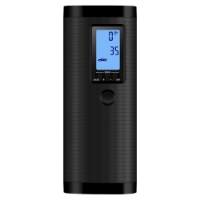
 Portable Tire Inflators
 Electric Air Pumps
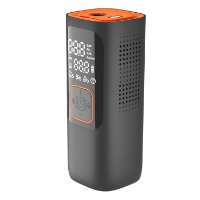 Electric Car Tyre Pumps
 Electric Ball Pumps
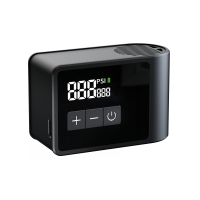 Electric Bike Pump
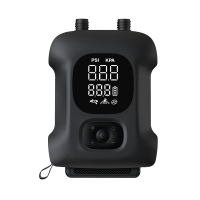 SUP Air Pump

Electric Inflatable Pump Guide: How to Select and Safely Use Portable Air Pumps
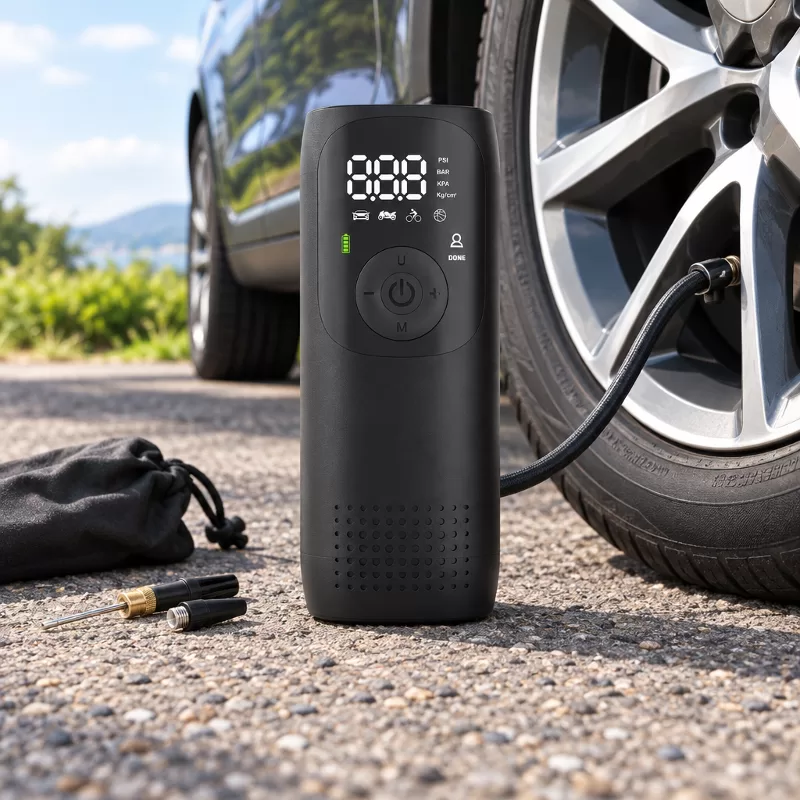
A dependable electric inflatable pump transforms what used to be an exhausting roadside chore or campsite frustration into a clean, controlled mechanical process. Modern drivers, cyclists, and outdoor enthusiasts no longer need to rely on clumsy hand pumps or coin-operated service station compressors. Choosing an effective portable electric inflatable pump requires understanding real mechanical capabilities, duty cycles, and pressure delivery characteristics rather than simply trusting printed peak numbers.
Not all inflation tasks demand the same pneumatic behavior. Bicycle tires can require different pressures depending on tire type and bicycle design, while a multi-chamber river raft needs large volumes of low-pressure air. Confusing these two needs leads to ruined motors, blown gaskets, or wasted hours beside a flat tire. Navigating the market demands a firm grasp of underlying mechanics, sensible battery platforms, and rigorous operating discipline.
Understanding the Electric Inflatable Pump Category
Many consumers treat every air device as interchangeable hardware. In reality, internal mechanical design fundamentally dictates whether a machine can overcome the backpressure of an automotive valve or merely blow dust away from a workshop table.
Differentiating High-Pressure Inflators and High-Volume Blowers
Pneumatic devices include several mechanical families, among them positive displacement compressors and centrifugal impeller blowers. A compact electric inflatable pump built for automotive tires commonly uses internal mechanisms designed to build pressure against resistance. Each compression cycle forces air into the tire carcass.
Impeller blowers operate on an entirely opposite principle. Spinning plastic blades sweep high volumes of atmospheric air into wide-mouth bladders, generating massive air volume but negligible static pressure. Many high-volume, low-pressure blowers are not designed to inflate vehicle tires; check the pump’s rated pressure and intended applications before use. Conversely, using a tire inflator to fill an entire airbed requires extended motor runtime and can strain the pump beyond its intended duty cycle, making dedicated high-volume blowers far superior for that task.
Matching Pump Architectures to Inflatable Valve Types
Proper air transfer depends entirely on airtight coupling with the correct valve design. Threaded brass Schrader valves dominate automotive tires, motorcycle rims, and many mountain bikes. These valves incorporate an internal spring-loaded pin that the pump head must depress physically to allow air entrance.
Road bicycles often feature narrow Presta valves with external captive locknuts, requiring slim brass adapters to avoid stripping delicate valve cores. Inflatable balls utilize thin metal needles with side-exit orifices, whereas pool floats and beach mattresses employ flexible rubber pinch valves. Using the wrong nozzle adapter ruins the seal, leaks compressed air, and distorts digital sensor readings.
Why Pump Design Matters for Different Inflation Tasks
Matching pump design to inflation demand prevents mechanical failure and wasted time. Tire inflators excel at building pressure against significant resistance, making them suitable for vehicle tires, bicycle tires, and sports equipment. High-volume blowers move large quantities of air rapidly but typically operate at low pressure.
Attempting to inflate large airbeds with a tire inflator subjects the pump to extended continuous operation. Users should employ a pump intended for airbeds and follow the inflator’s duty-cycle instructions. Similarly, connecting a low-pressure blower to a car tire valve typically yields insufficient pressure gain. Understanding these mechanical constraints guides proper tool selection and preserves equipment longevity.
Key Technical Specifications to Evaluate Before Buying
Evaluating equipment performance requires looking past surface marketing claims. Dissecting engineering trade-offs between pressure limits, motor draw, battery chemistry, and heat dissipation reveals how a tool behaves under actual emergency conditions.
Maximum Pressure vs. Air Delivery Rate
Consumer inflators frequently advertise peak pressures reaching 120 or 150 PSI. While high peak pressure demonstrates the mechanical clearance and seal strength of the internal cylinder, it reveals nothing about inflation velocity. The speed of inflation depends entirely on volumetric displacement, measured in liters per minute.
Actual inflation time varies significantly with tire size, starting pressure, target pressure, and operating conditions. A compact inflator with a 15 to 18 liter per minute rating handles replenishment tasks differently depending on the specific tire volume. Buyers should balance storage size against realistic wait times, recognizing that high maximum pressure ratings never guarantee rapid air transfer.
Power Systems: Cordless Lithium Packs vs. Vehicle Power
Cordless battery inflators eliminate messy cords, allowing complete freedom of movement across driveways, remote singletracks, or cramped parking spaces. Internal lithium-ion battery packs provide portable power without vehicle dependency. However, chemical battery packs face ambient storage limits and lose charge gradually in cold vehicle trunks during winter months.
Traditional 12V DC inflators run directly from an automobile auxiliary cigarette lighter socket, eliminating battery degradation concerns. The trade-off lies in physical cord management and restricted working radius around large vehicles. For inflators that explicitly support 12V input and the relevant connection, users can carry a compatible power source or 12V adapter for extended emergency use. Always consult the model’s manual for supported power options.
Digital Sensing, Pressure Units, and Auto Shut-Off Accuracy
Mechanical dial gauges with needle indicators remain vulnerable to vibration damage, parallax visual reading error, and internal spring fatigue. Modern digital units display measurements clearly on backlit LCD displays. Display type makes readings easier to interpret, though actual measurement accuracy depends on the instrument’s specifications and calibration rather than display technology alone.
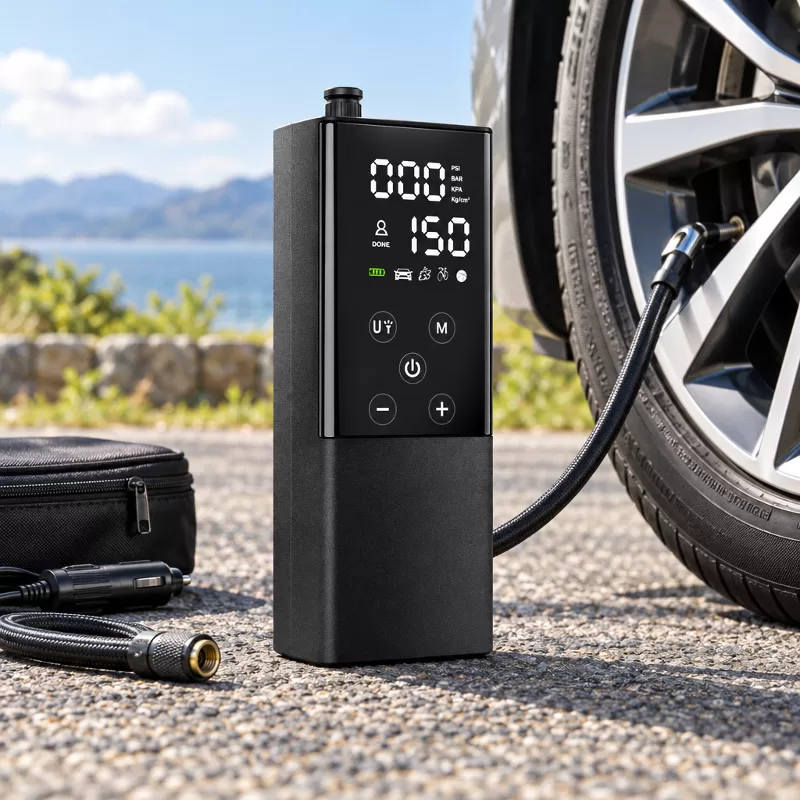
The AP2-P documentation lists PSI, BAR, kPa, and kg/cm² as available units. An integrated automatic shut-off mechanism represents a pivotal safety barrier. Once the internal sensor registers the preset target threshold, the inflator stops inflation at the selected pressure, preventing over-pressurization.
Portability, Acoustic Signatures, and Heat Dissipation
Pneumatic compression obeys basic thermodynamics: compressing ambient air generates substantial thermal energy. Miniaturized inflator bodies require well-placed cooling grilles, internal fan blades, and heat-resistant air hoses to survive the heat generated during operation. Compressors can heat during continuous operation, and users should follow the manufacturer’s manual for proper use and duty cycles.
Acoustics also demand attention during operation. Rapid piston reciprocating strokes inside plastic housings produce pronounced acoustic vibration, typically measuring up to 85 decibels at a one-meter distance. Proper engineering addresses noise control through design choices that balance performance with acceptable sound levels during operation.
Battery Capacity and Runtime Expectations
Battery capacity directly affects how many inflation cycles a cordless pump can complete before requiring recharge. Manufacturers typically express capacity in milliamp-hours (mAh) alongside nominal voltage. A battery rated 2000mAh at 7.4V delivers 14.8 watt-hours of total energy storage.
Real-world runtime depends on inflation pressure, tire volume, ambient temperature, and battery age. Cold weather reduces lithium-ion performance, while high-pressure inflation tasks drain batteries faster than low-pressure applications. Understanding these variables helps users plan charging schedules and pack backup power sources for extended trips away from electrical outlets.
How to Correctly Use a Portable Electric Tire Inflator
Even the finest electric inflatable pump delivers inconsistent or unsafe results if operated incorrectly. Pneumatic systems require systematic operation to ensure tire longevity, sensor fidelity, and personal safety.
Determining Target Cold Pressure vs. Maximum Sidewall Pressure
A common consumer error involves reading the pressure embossed directly on the rubber tire sidewall. For vehicle tires, use the pressure on the vehicle placard or in the owner’s manual, not the pressure marked on the tire sidewall, as the vehicle’s recommended pressure. Inflating to the sidewall maximum ruins vehicle handling, extends braking distances, and triggers irregular tread wear.
Correct inflation parameters reside exclusively on the vehicle tire information placard, located on the driver side door jamb or in the owner manual. This recommended pressure accounts for gross vehicle weight, suspension calibration, and tire footprint geometry. Check when the vehicle has been parked for at least three hours, or after it has been driven less than one mile following that rest.
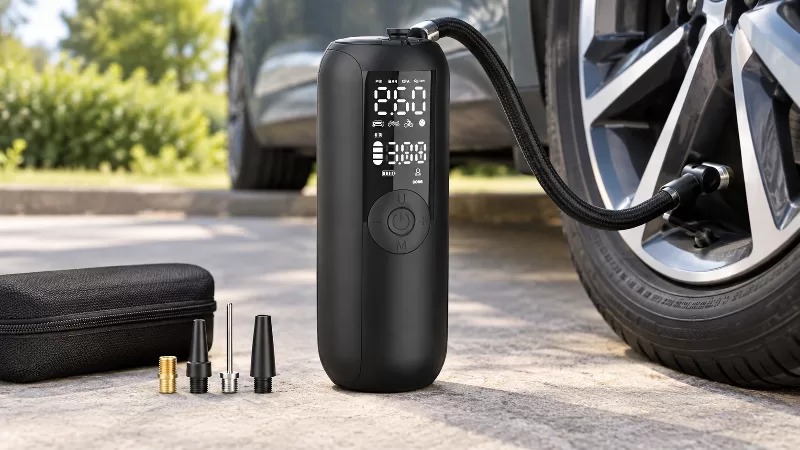
Step-by-Step Setup, Pre-Set Selection, and Connection
Executing smooth, precise inflation protects valve threads and ensures that pressure sensors read resting pressures without pneumatic leakage.
- Inspect the tire valve stem, wiping away external grit, mud, and road grime before unscrewing the protective plastic dust cap.
- Power on the inflator device and confirm adequate battery reserves via the onboard display indicator.
- Select the required measurement unit, toggling between available options to mirror the manufacturer placard.
- Input your target cold pressure using the digital plus and minus control keys on the interface pad.
- Thread or clamp the air hose nozzle squarely onto the valve stem until the display reflects resting cold pressure.
- Press the primary power button to engage the compression mechanism, keeping hands clear of moving components.
- Allow the automatic shut-off to stop motor cycling once the target pressure threshold registers on the display.
- Disengage the nozzle rapidly with a crisp turn or lever release, minimizing air loss, and replace the valve cap.
Managing Duty Cycles and Handling Hot Connectors
Compressors generate heat during continuous operation. The thermal energy generated by gas compression can heat external surfaces. Touching the metal screw connection immediately after extended use can cause contact burns.
Always follow the specific pump’s operating manual and respect its stated duty cycle. If the manufacturer lists a maximum continuous working time, stop before reaching that limit or if the device shows signs of overheating. Introduce brief rest intervals when inflating multiple tires consecutively. Inspect the flexible hose periodically for soft spots or blistering, which signify internal reinforcement fatigue caused by excessive operational heat.
Recognizing Warning Signs During Operation
Proper operation includes monitoring the pump for abnormal behavior. Unusual vibration, declining airflow, burning odors, or excessive heat buildup all signal mechanical distress. Immediately discontinue use if the motor stalls repeatedly, the hose connection begins leaking audibly, or the display shows erratic pressure readings.
Regular visual inspection before each use catches problems early. Check the air hose for cracks or abrasion, verify that nozzle threads remain clean and undamaged, and confirm that battery contacts show no corrosion. Preventive attention extends tool lifespan and prevents roadside failures when the pump is needed most urgently.
Cross-Application Feasibility: What Can One Compact Inflator Actually Fill?
Versatility remains a defining sales proposition for portable compressors. Still, users must recognize the operational envelope dividing practical everyday convenience from mechanical overreach.
High-Pressure, Low-Volume Items: Automotive, Bikes, and Sports Balls
Compact tire inflators excel when tasked with building pressure against resistance in relatively small volumes. For automotive and motorcycle tires, always follow the vehicle manufacturer’s recommended pressure found on the tire information placard or in the owner’s manual rather than using a generic pressure range. Inflation time varies with tire size, starting pressure, target pressure, and operating conditions.
Bicycle tires represent another ideal application, though required pressure varies significantly by tire type, width, and bicycle design. Road bicycle tires may require higher pressures, while mountain bike tires operate at lower pressures. Always follow the tire manufacturer’s specified pressure range printed on the tire sidewall. A tire inflator must be rated for the required pressure. Sports balls such as basketballs, footballs, and soccer balls require very little air volume, though inflation time depends on the specific ball, starting pressure, and adapter fit.
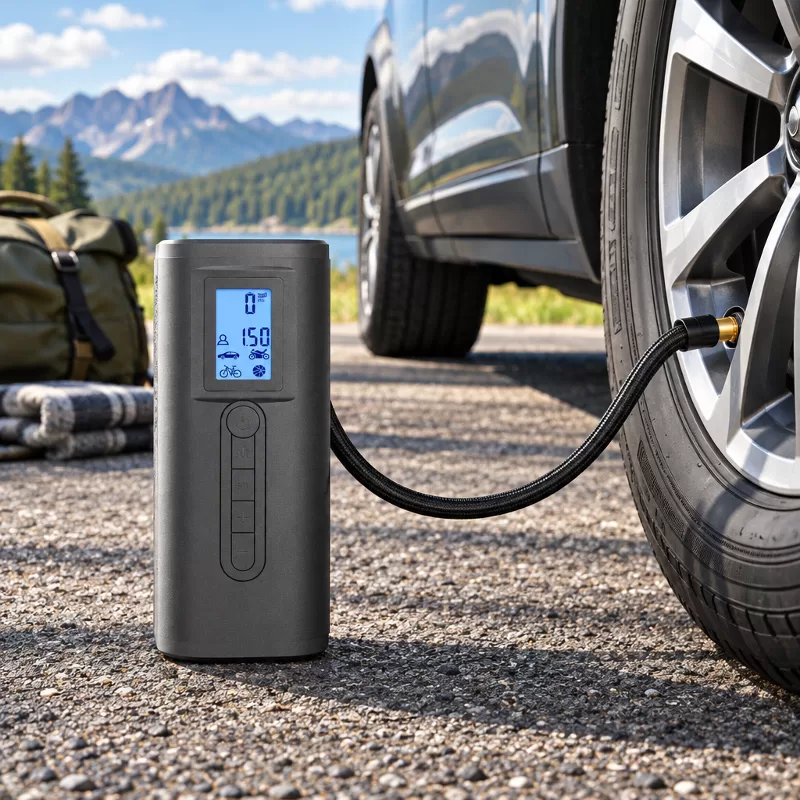
Low-Pressure, High-Volume Limitations: Airbeds and Watercraft
Severe mismatches occur when users attempt to fill high-capacity outdoor gear using high-pressure automotive inflators. Air mattresses typically contain large interior airspace but require low internal pressure. A tire inflator would require extended non-stop operation to fill such large volumes, pushing small compressors toward thermal limits and causing unnecessary motor wear. Use a pump intended for airbeds and follow the inflator’s duty-cycle instructions.
Stand-up paddleboards present an even more demanding challenge, combining high volume with high working pressure. A compact tire inflator is not automatically suitable for a paddleboard. Use only a pump and adapter approved by the board manufacturer and follow the board’s specified pressure limits. Some board makers explicitly prohibit ordinary air compressors and require pumps designed specifically for that application.
Adapter Selection and Secure Connection Techniques
Proper adapter selection ensures leak-free operation and prevents valve damage. Most portable inflators include multiple nozzles: threaded brass fittings for Schrader valves, narrow adapters for Presta valves, tapered cones for pinch valves, and needle tips for sports balls. Verify adapter compatibility before attempting connection.
Secure attachment requires firm threading or complete seating until the pump registers stable baseline pressure. Loose connections leak air, produce inaccurate readings, and waste battery power. When disconnecting after inflation, execute the release motion quickly and decisively to minimize pressure loss through the open valve.
Practical Example: Evaluating the Newo AP2-P Portable Inflator
Examining specific product engineering illustrates how these mechanical parameters unite inside a real-world tool. The AP2-P cordless electric inflator serves as an informative example for the modern handheld product category.
Stated Technical Specifications and Architecture
As a professional manufacturer specializing in pneumatic technology and portable inflation solutions, for us engineering balance dictates every dimension of the AP2-P. The device packs its motor assembly into a compact rectangular chassis measuring 42 by 62 by 154 millimeters, keeping the overall net weight down to a manageable 386 grams. Product documentation states a working pressure ceiling reaching 150 PSI with an air delivery rate of 15 to 18 liters per minute, though actual inflation time varies with tire size, starting pressure, target pressure, and operating conditions.
Manufacturer specifications list a built-in fan. The manufacturer lists a 35W brushed motor and a specification reading "Cylinder Size: 14 cylinder," though the precise technical meaning of that cylinder designation is not detailed in the supplied documentation. Charging input is handled through a contemporary 5V/2A Type-C port. Manufacturer documentation states that the internal battery structure recharges within two to three hours. An integrated pressure-memory module retains previously utilized settings across power cycles, saving time during repetitive adjustments.
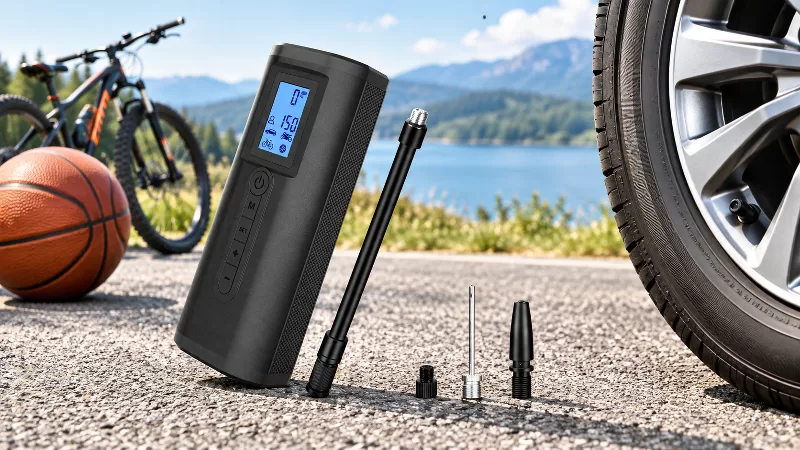
Preset Operational Modes and Multifunctional Features
To prevent confusion among non-technical users, the manufacturer lists five modes: Car, Motorcycle, Bicycle, Ball, and Custom. The interface permits manual adjustments to accommodate different target pressures. The backlit LCD presents measured current pressure, selected preset limit, battery capacity, and active measurement units.
Beyond basic air delivery, the hardware incorporates valuable secondary utility features for unexpected roadside emergencies. A built-in LED light illuminates dark valve stems beside busy night-time highways. Furthermore, an onboard 5V/2A USB output port functions as an emergency power bank, channeling stored battery energy to keep essential communication devices alive when stranded far from mains power.
Technical Notes and Specification Interpretation
Careful examination of manufacturer documentation highlights the importance of precise technical attribution. Official product listings record the power core as a 2000mAh, 7.4V, 14.8Wh battery pack, while cross-referenced feature bullet points cite a built-in 2*2000mAh lithium battery configuration. These two source entries appear inconsistent; the article reports them as supplied without asserting the internal cell wiring configuration.
Manufacturer documentation lists continuous working runtime up to 30 minutes, though actual runtime depends on inflation pressure, tire volume, ambient temperature, and battery condition. The listed operational acoustic ceiling stands at 85 decibels measured at one meter. Manufacturer documentation lists rated inflation capacity as approximately 10 to 15 bicycle tires per full charge, depending on tire volume and target pressure.
Maintenance and Storage Best Practices
Proper maintenance extends the operational lifespan of any electric inflatable pump and ensures reliable performance during critical roadside emergencies.
Cleaning and Post-Use Inspection
After each use, wipe external surfaces clean of road grime, dust, and moisture. Pay particular attention to the valve connection threads, which accumulate debris that can scratch valve cores during subsequent connections. Store nozzle adapters in their designated compartments to prevent loss and contamination.
Inspect the flexible air hose for signs of wear, cracking, or internal separation after heavy-duty inflation sessions. Replace damaged hoses immediately rather than risking sudden failure during operation. Check battery charge levels monthly during storage periods and recharge as needed to prevent deep discharge damage to lithium-ion cells.
Optimal Storage Conditions
Store cordless inflators in climate-controlled environments when possible. Extreme cold degrades lithium-ion battery performance, while extreme heat accelerates internal chemical degradation. If vehicle trunk storage is unavoidable, move the inflator indoors during prolonged temperature extremes.
Keep the device away from moisture, direct sunlight, and sources of physical impact. Secure loose components and verify that all caps and covers remain properly seated to prevent internal contamination during transport. Review the manufacturer operating manual periodically to ensure compliance with all specified maintenance intervals and storage recommendations.
Frequently Asked Questions
What is the primary difference between an electric inflatable pump and a tire inflator?
The primary difference centers on mechanical configuration and intended application. A general inflatable pump often refers to high-volume, low-pressure devices engineered for inflatable mattresses and pool floats, typically using mechanisms that move large volumes of air rapidly at low pressure. A tire inflator is designed to build higher pressure against resistance, making it suitable for vehicle and bicycle tires, though it delivers lower volume per minute.
Does an automatic shut-off feature eliminate all risk of tire damage?
Automatic shut-off drastically reduces over-pressurization risks, but it cannot prevent damage if the user programs an incorrect baseline pressure. If an operator mistakenly inputs 60 PSI instead of the vehicle recommended 32 PSI, the compressor will faithfully drive air until it satisfies that dangerous target. Users must verify target parameters against vehicle door placards or owner manuals prior to engaging the motor.
Can a compact tire inflator be used to blow up a camping air mattress?
While technically possible using plastic tapered adapters, it remains mechanically impractical and ill-advised. Filling a large camping mattress with a compact tire inflator can easily consume extended motor runtime. This prolonged strain pushes small compressors toward severe thermal limits and unnecessary wear, making dedicated high-volume blowers far superior for the task.
How long can a portable cordless pump run before needing to cool down?
Operating limits vary by model and manufacturer. Follow the specific pump’s operating manual and respect its stated maximum continuous working time. The AP2-P manufacturer documentation records up to 30 minutes continuous working time, though sustained operation generates heat inside the cylinder head and hose connections. Stop if the device reaches its duty limit or shows signs of overheating to protect internal seals and preserve battery longevity.
How do temperature fluctuations affect tire pressure readings on an electric pump?
Ambient thermal shifts directly impact gas density according to basic gas laws. Cold temperatures lower tire pressure, while driving raises tire pressure due to internal friction and heat generation. The amount varies with driving conditions. To obtain accurate readings, check tire pressure after the vehicle has been parked for at least three hours, or after it has been driven less than one mile following that rest.
What accessories should I keep with my portable inflator?
Maintain a complete set of valve adapters for all anticipated applications: Schrader fittings for automotive and motorcycle tires, Presta adapters for road bicycles, needle tips for sports balls, and tapered cones for inflatable recreational gear. Keep a backup charging cable compatible with your inflator’s input port. For inflators that support additional power inputs, consider carrying the appropriate adapter or compatible power source for extended emergency use.
Conclusion
Investing in a quality electric inflatable pump provides crucial peace of mind across daily commutes, cycling trips, and wilderness excursions. Choosing the right hardware requires aligning pump designs with your primary workload, whether that demands high-pressure tire maintenance or high-volume leisure inflation. By prioritizing verified pressure accuracy, dependable thermal management, and disciplined cold-pressure operational steps, users can count on their portable electric inflatable pump to deliver consistent safety and long-term mechanical reliability on every journey. Understanding technical specifications, respecting duty cycles, and following manufacturer guidelines transforms a simple inflation tool into an indispensable component of vehicle emergency preparedness.
-
Meet NEWO at the 140th Canton Fair: Visit Booth 10.3 M03–04
Meet NEWO at the 140th Canton Fair in Guangzhou, October 15–19, 2026. Visit Booth 10.3 M03–04 to explore portable air pumps and discuss OEM, ODM and distribution opportunities.... -

As Shenzhen Welcomes the World for APEC 2026, NEWO Welcomes You to Our Factory
As Shenzhen prepares for APEC 2026, NEWO welcomes international buyers and partners to visit our factory, meet our team and explore future cooperation.... -
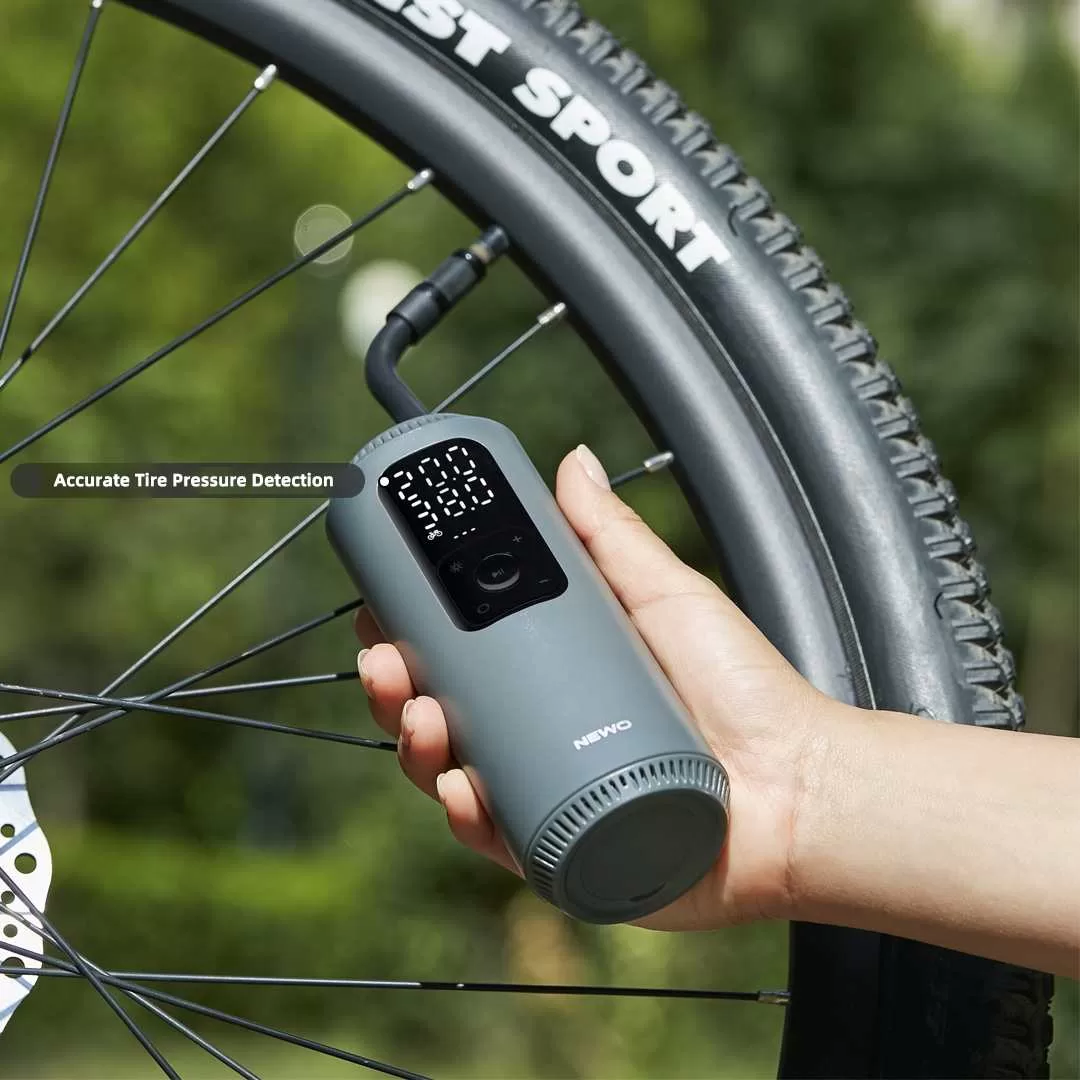
Leading the Way in Product Innovation and Excellence
Smartnewo exemplifies professionalism in product innovation and manufacturing. Their collaboration with Xiaomi Youpin on the G01 crowdfunding project highlights their expertise in creating compact, powerful inflatable pumps. Rigorous engineering, meticulous production processes, and advanced quality assurance underscore their commitment to excellence. The success of the G01 project, with significant market... -
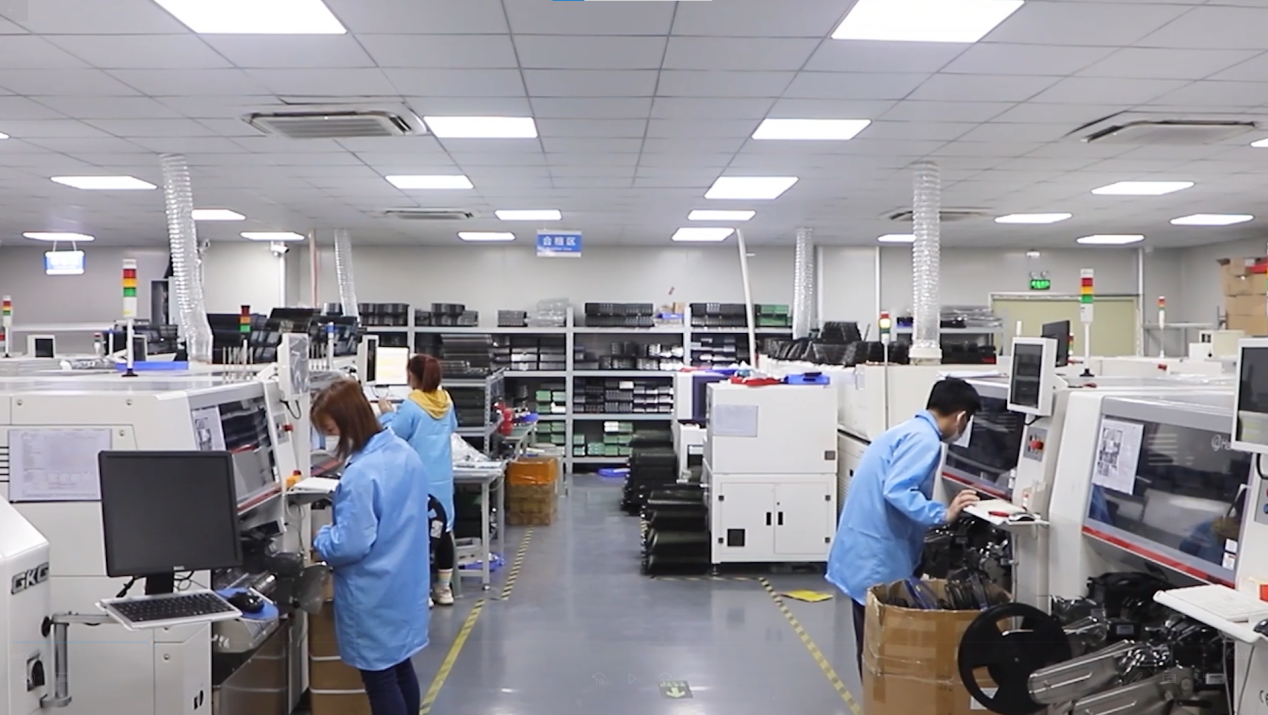
Essential Qualities of an Excellent Supplier
In today's competitive market, finding a reliable supplier is crucial for business success. Based on insights from Smartnewo and broader internet research, here are key qualities an excellent supplier must possess:... -
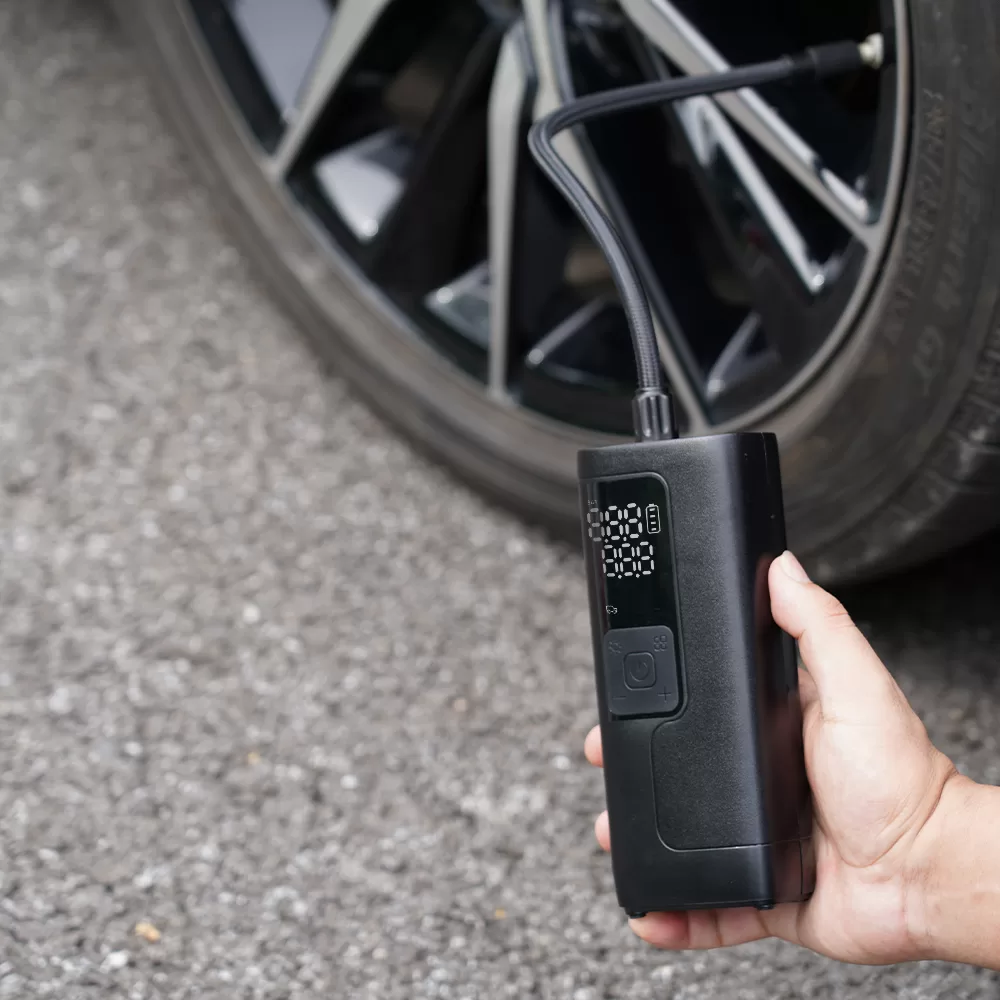
NW06 Tire Inflator: Compact Power for Quick Inflation
Summary The NW06 Tire Inflator delivers quick and efficient tire inflation with a powerful 35L/min airflow. It features a user-friendly LCD screen for real-time pressure monitoring, dual power options with a built-in 6000mAh battery, and multiple nozzle attachments for versatile use. Its compact design and integrated LED light ensure convenience and... -
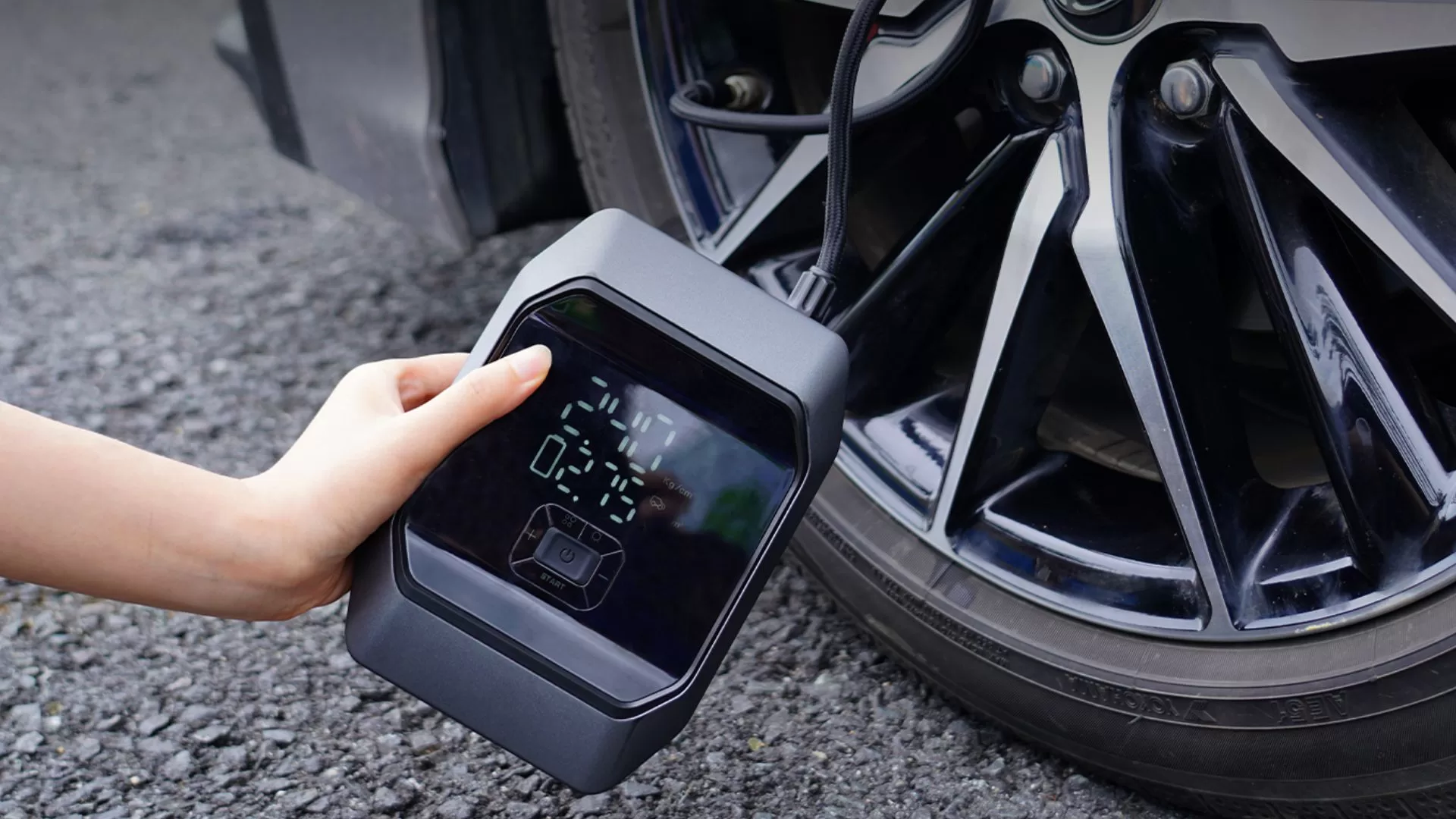
Unleash the Power of Portability: The SmartNewo Jump Starter with Air Compressor KF03
This guide will walk you through the steps to effectively use a portable tire inflator, helping you stay prepared and safe on the road.... -

Newo Attends The 2024 Consumer Electronics Show (CES)
Smartnewo booth is located at 53672, Halls A-D, Level 2, Venetian Expo, Las Vegas Convention Center (LVCC). ... -
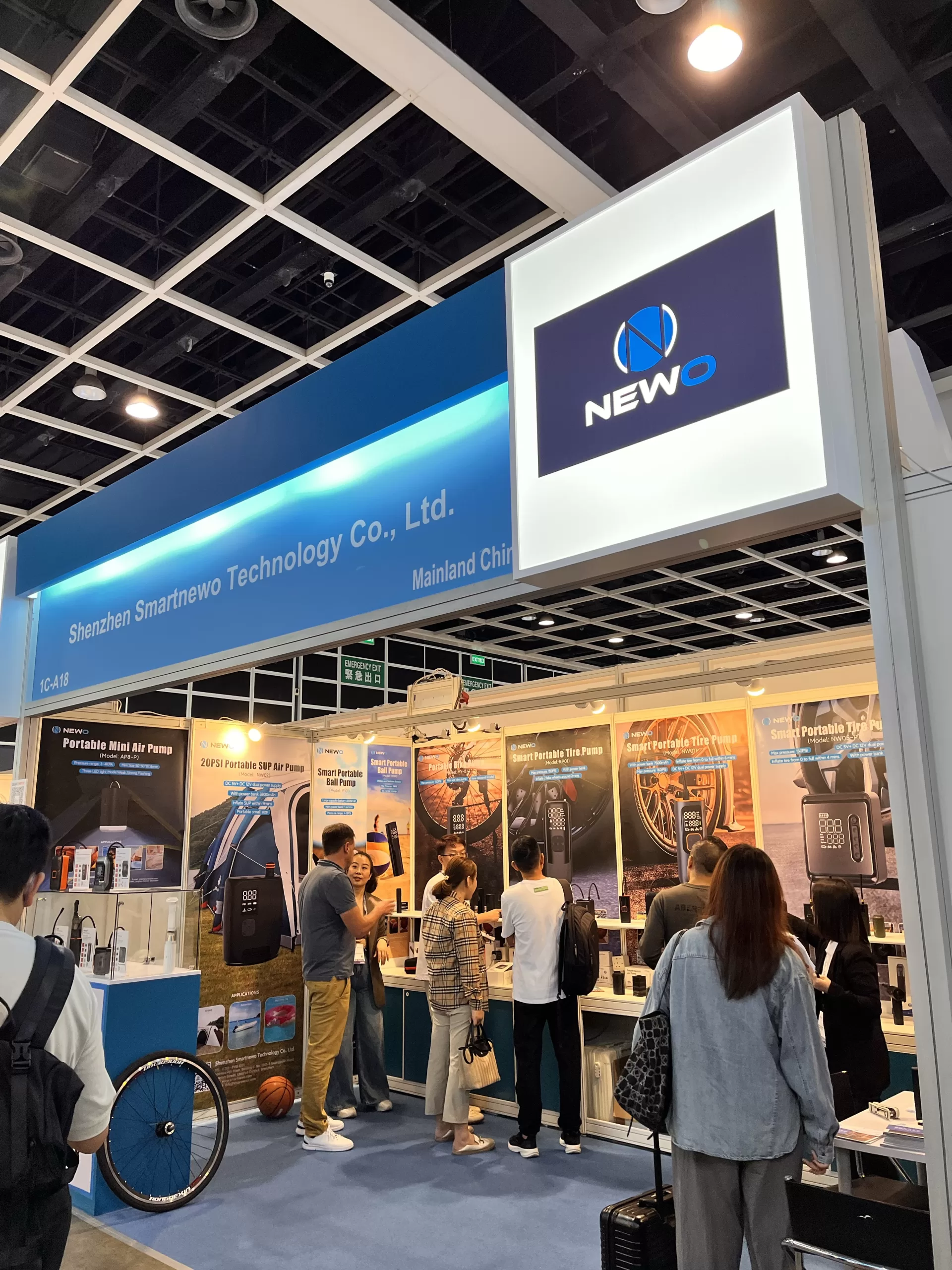
Smartnewo’s Dual-Cylinder Air Pump Rocks the Hong Kong Autumn Electronics Fair!
Smartnewo’s Dual-Cylinder Air Pump Rocks the Hong Kong Autumn Electronics Fair!... -

Meet at the Canton Fair! Smartnewo brings dual-cylinder air pumps, making your inflation experience faster and more stable!
NEWO has went deep communication and negotiation with customers from all over the world on booth.... -
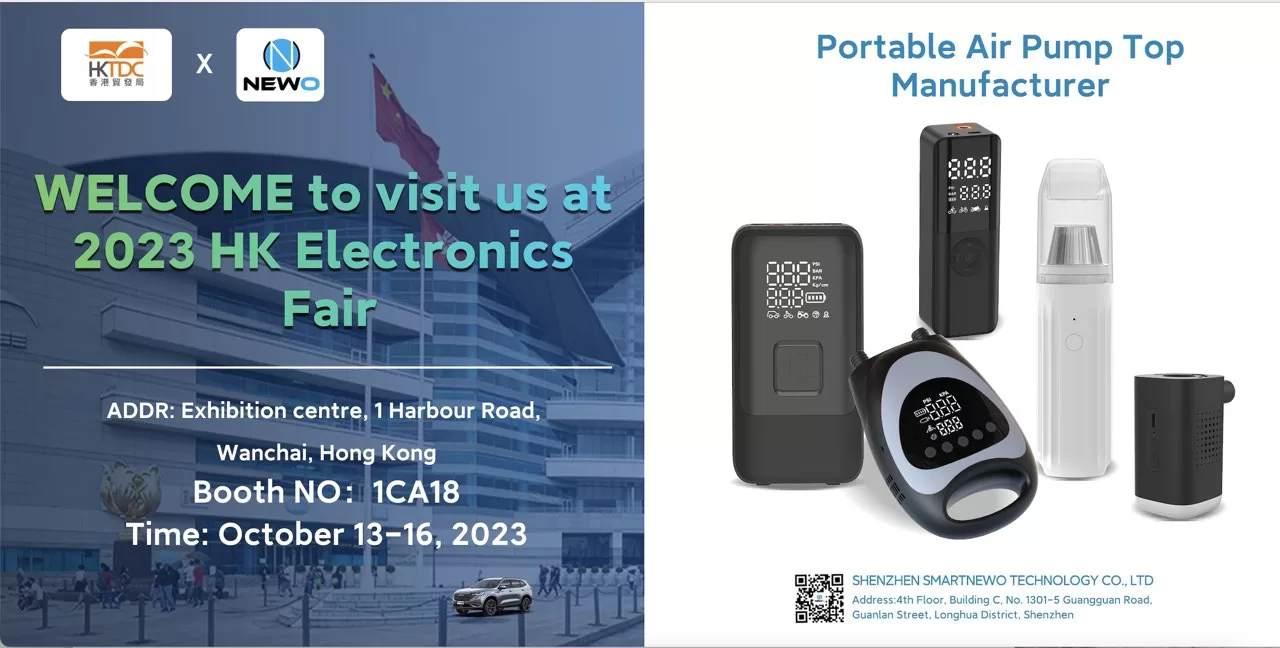
“Hong Kong Autumn Electronics Fair – 1CA18 (October 13th to 16th): Smartnewo invites you to visit our booth!
Hong Kong Autumn Electronics Fair...
-
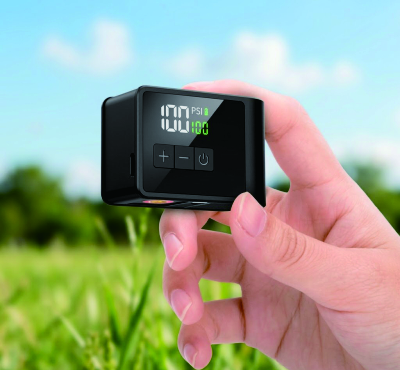
What to Check Before Ordering Custom Electric Bike Pumps
Plan custom electric bike pumps with a clear requirements freeze for valves, TPU tubes, portability, repeated top-ups, charging, and model-specific documents.... -
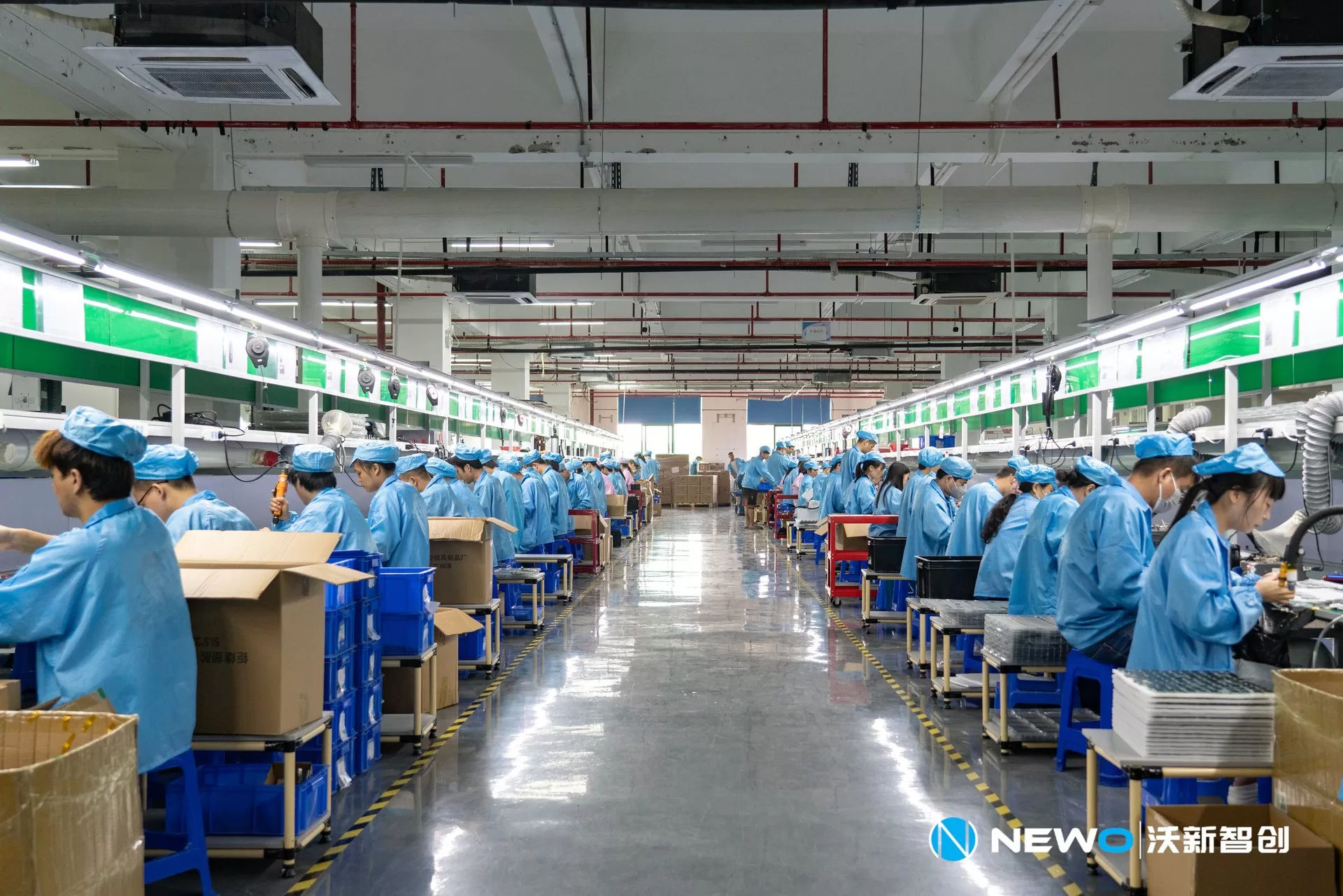
OEM vs ODM Air Pumps: Which Manufacturing Model Fits Your Brand?
Compare OEM and ODM air pump projects by design responsibility, change approval, development scope, and written ownership terms before choosing your route.... -

How to Choose a Reliable Tire Inflator Manufacturer in China
Choose a tire inflator manufacturer in China with a focused RFQ, supplier evidence, configuration checks, and clear sample-to-pilot decisions for your brand.... -
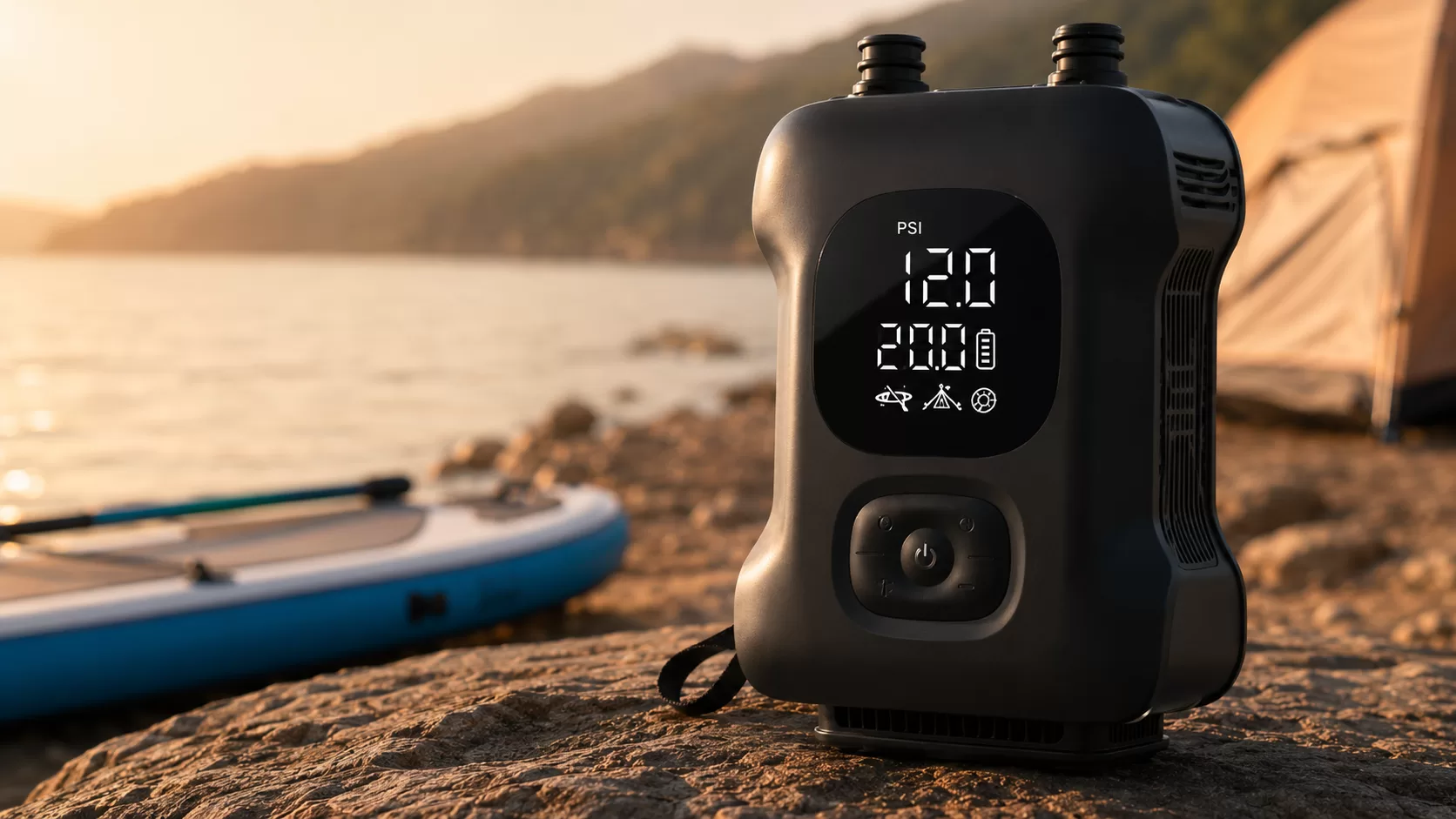
Rechargeable Electric SUP Pump for Paddle Boards: Faster Inflation for SUPs, Kayaks and Inflatable Tents
The BL10-C Portable Electric Bike Tire Inflator is a compact and lightweight mini electric bike pump designed for modern cyclists. With up to 120 PSI pressure, a digital LED display, preset pressure control, automatic shut-off, USB-C charging, and multiple valve adapters, BL10-C offers a convenient inflation solution for road bikes,... -
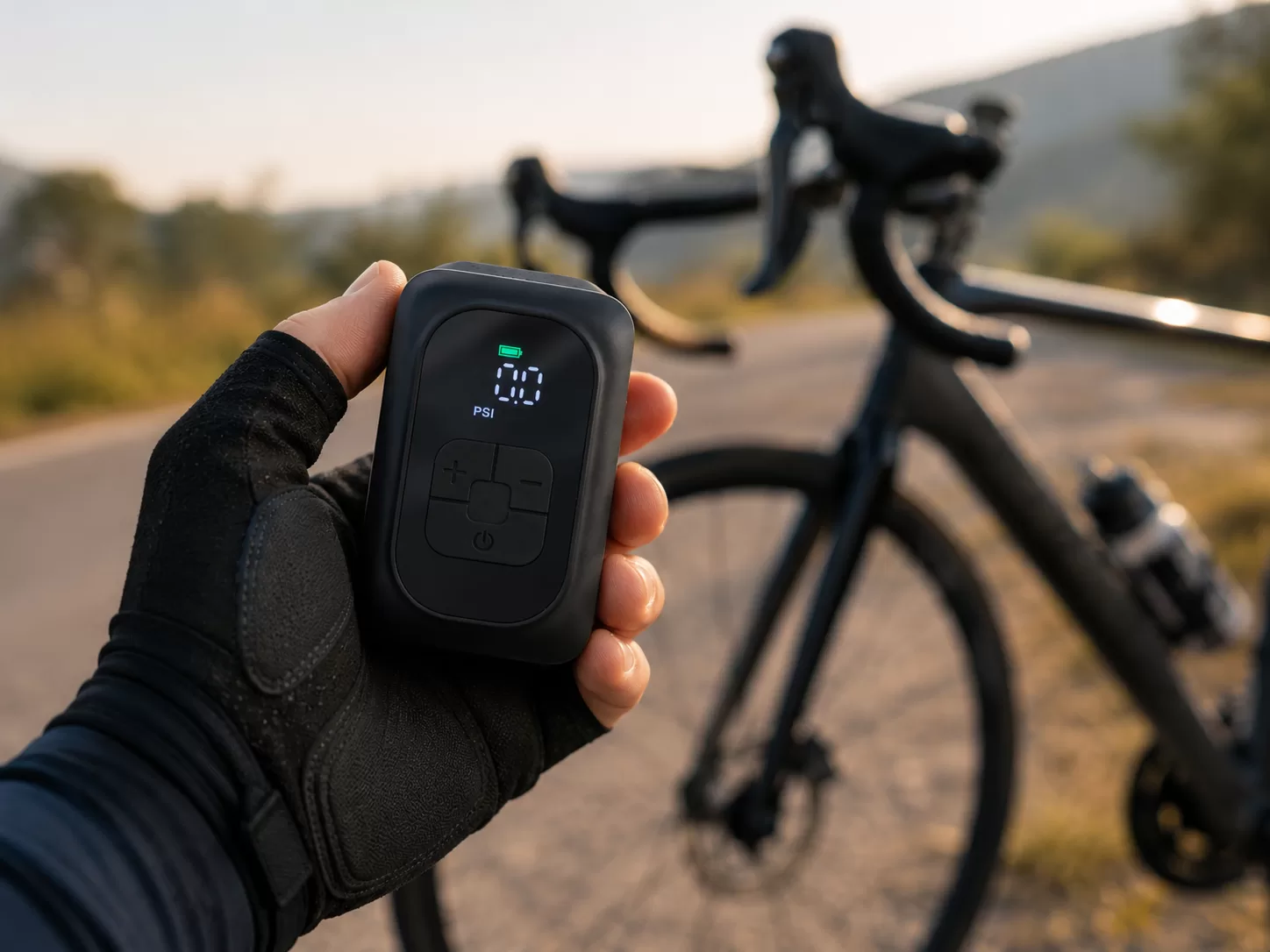
Are Electric Bike Pumps Worth It in 2026? Electric Pump vs CO₂ vs Mini Hand Pump
Discover whether electric bike pumps are worth it in 2026. This guide compares electric bike pumps, CO₂ inflators, and mini hand pumps for road cycling, gravel riding, commuting, and long-distance rides. Learn the pros, limitations, best use cases, and key features to look for before choosing the right portable tire... -
BL10-C Portable Electric Bike Tire Inflator: Small Size, Reliable Power for Every Ride
The BL10-C Portable Electric Bike Tire Inflator is a compact and lightweight mini electric bike pump designed for modern cyclists. With up to 120 PSI pressure, a digital LED display, preset pressure control, automatic shut-off, USB-C charging, and multiple valve adapters, BL10-C offers a convenient inflation solution for road bikes,... -
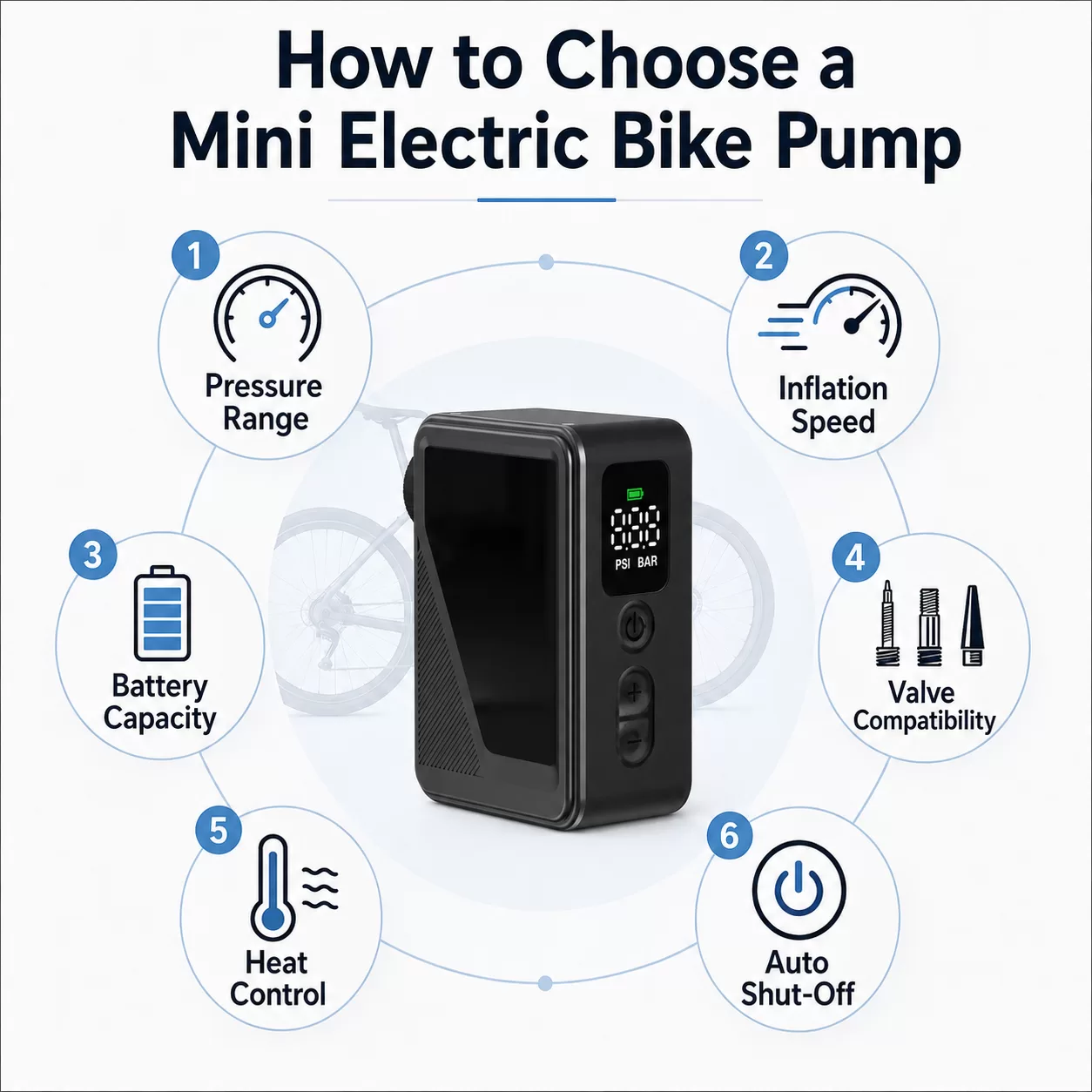
Why Mini Electric Bike Pumps Are Becoming Essential for Modern Cycling
Discover why mini electric bike pumps are becoming essential for modern cyclists. Learn how portable electric bike pumps improve tire pressure management, riding safety, and convenience.... -
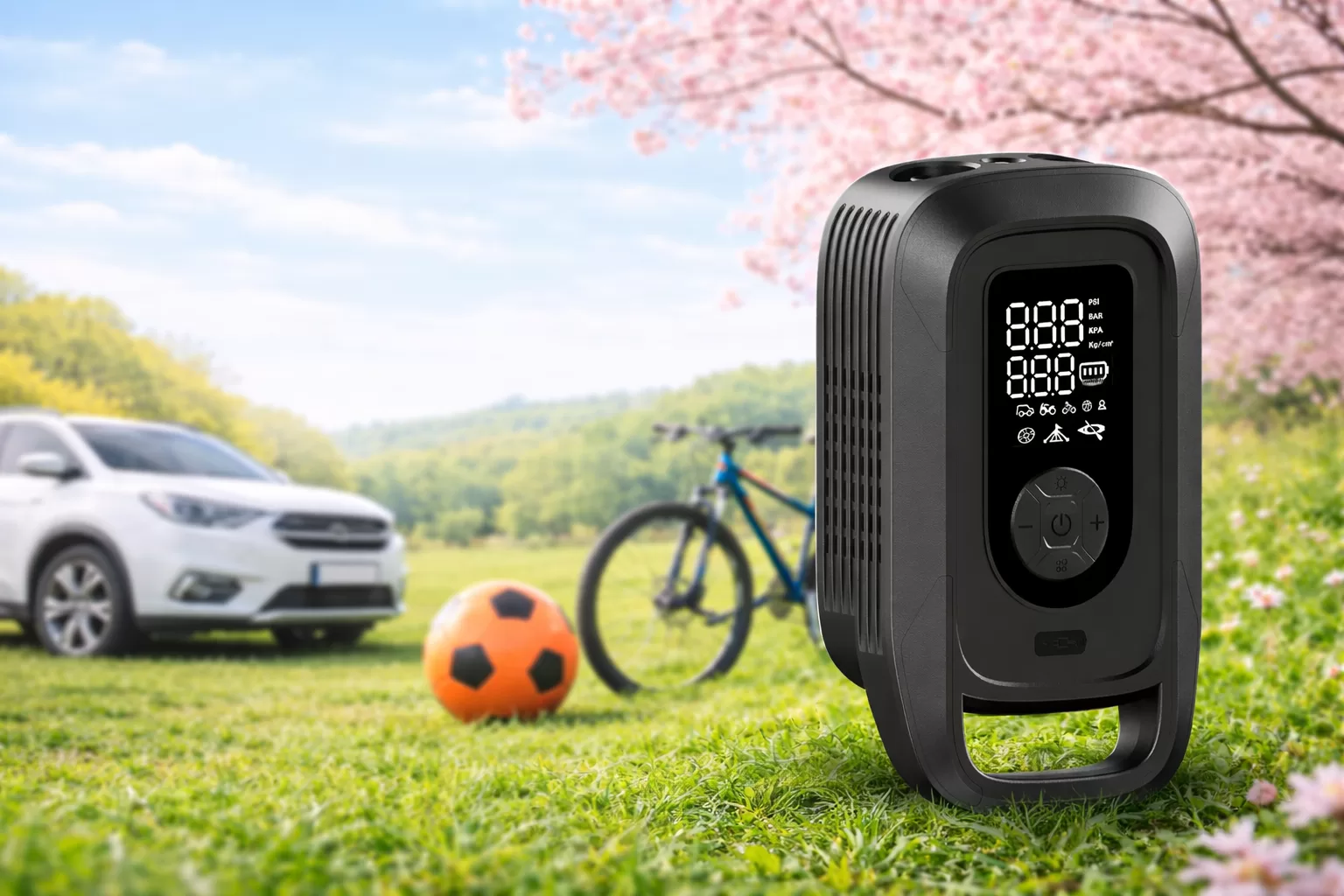
The Ultimate Smart Solution for Easy Outdoor Adventures in 2026
Discover how a spring travel air pump simplifies outdoor trips with fast inflation, smart features, and powerful performance—perfect for every adventure.... -
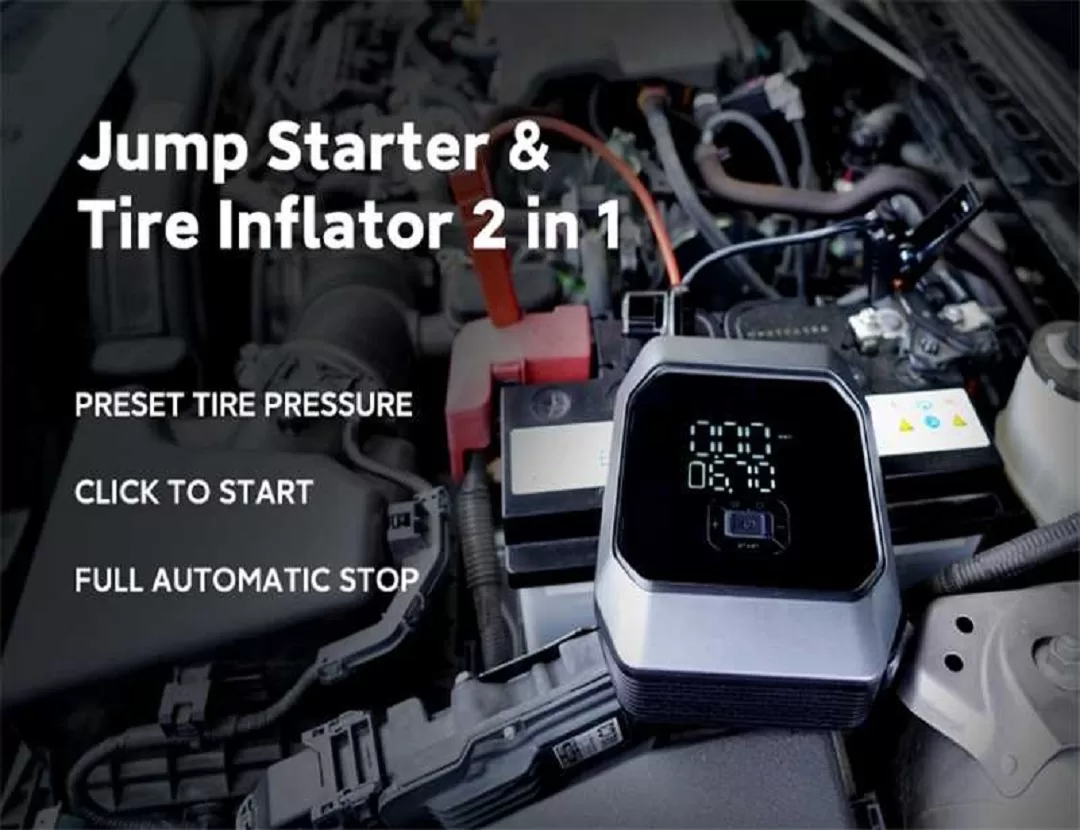
Powerful 5-in-1 Portable Car Tire Inflator and Jump Starter: The Ultimate Emergency Tool for Every Driver
Why Every Driver Needs a Portable Car Tire Inflator and Jump Starter Modern drivers face many unexpected situations on the road. A flat tire, low tire pressure, or a dead car battery can happen at the worst possible time. That’s why having a portable car tire inflator and jump starter is... -
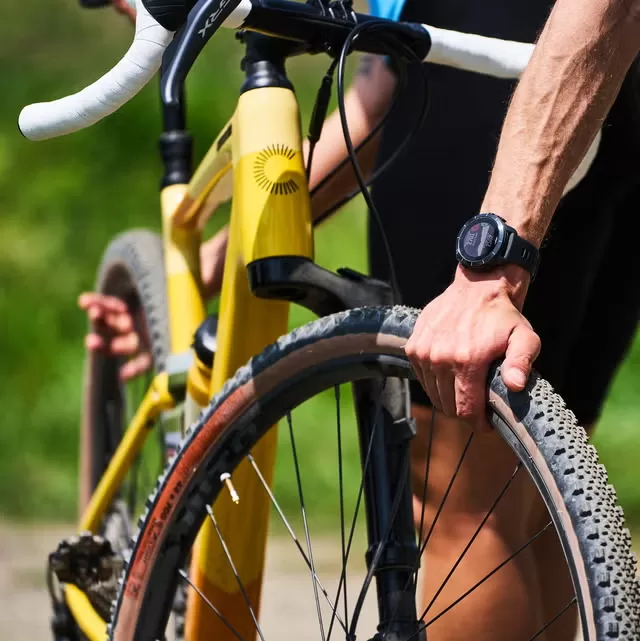
7 Real Cycling Scenarios That Show Why Every Rider Should Carry a Mini Bike Pump
Cycling is one of the most freeing activities you can enjoy. Whether you’re commuting to work, riding through city streets, or exploring quiet countryside roads, a bike ride can instantly improve your day. But there’s one small problem that almost every cyclist eventually faces: Low tire pressure. It might happen...
-
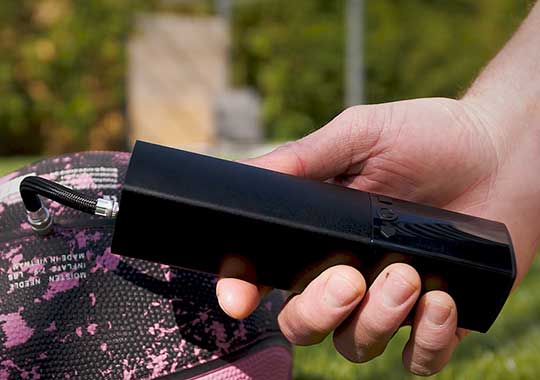
How Is a Football Properly Inflated?
The correct inflation of a football - with not too much and not too little air - is a hotly debated topic among footballers.... -
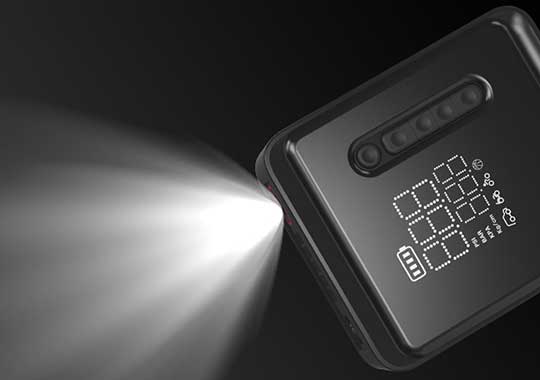
Application Scenarios of Car Inflator Pump
Often long-distance business trips or play car owners because the road may be more remote areas, in this case if you encounter a tire leak....