
 Portable Tire Inflators
 Electric Air Pumps
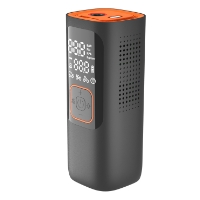 Electric Car Tyre Pumps
 Electric Ball Pumps
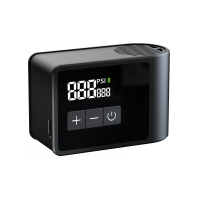 Electric Bike Pump
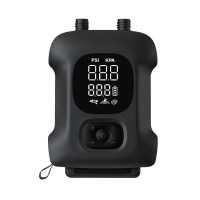 SUP Air Pump
How a Mini Electric Bike Pump Solves Trailside Flats: Pressure, Battery, and Cost
Getting stranded with a flat tire miles from home ruins the rhythm of any ride. Cyclists historically carried manual hand pumps or single-use CO2 cartridges. The physical effort is exhausting, and CO2 remains a one-time gamble. A mini electric bike pump changes this dynamic completely.
It delivers compressed air immediately at the push of a button. You no longer have to sweat over a tiny plastic barrel just to reach riding pressure. This shift in portable inflation solutions relies on compact lithium-ion batteries and miniaturized motor cylinders to do the heavy lifting.
Understanding how these small devices function requires looking past the outer shell. We must examine the actual pneumatic mechanics, battery limitations, and thermal realities that dictate how well they perform on the road.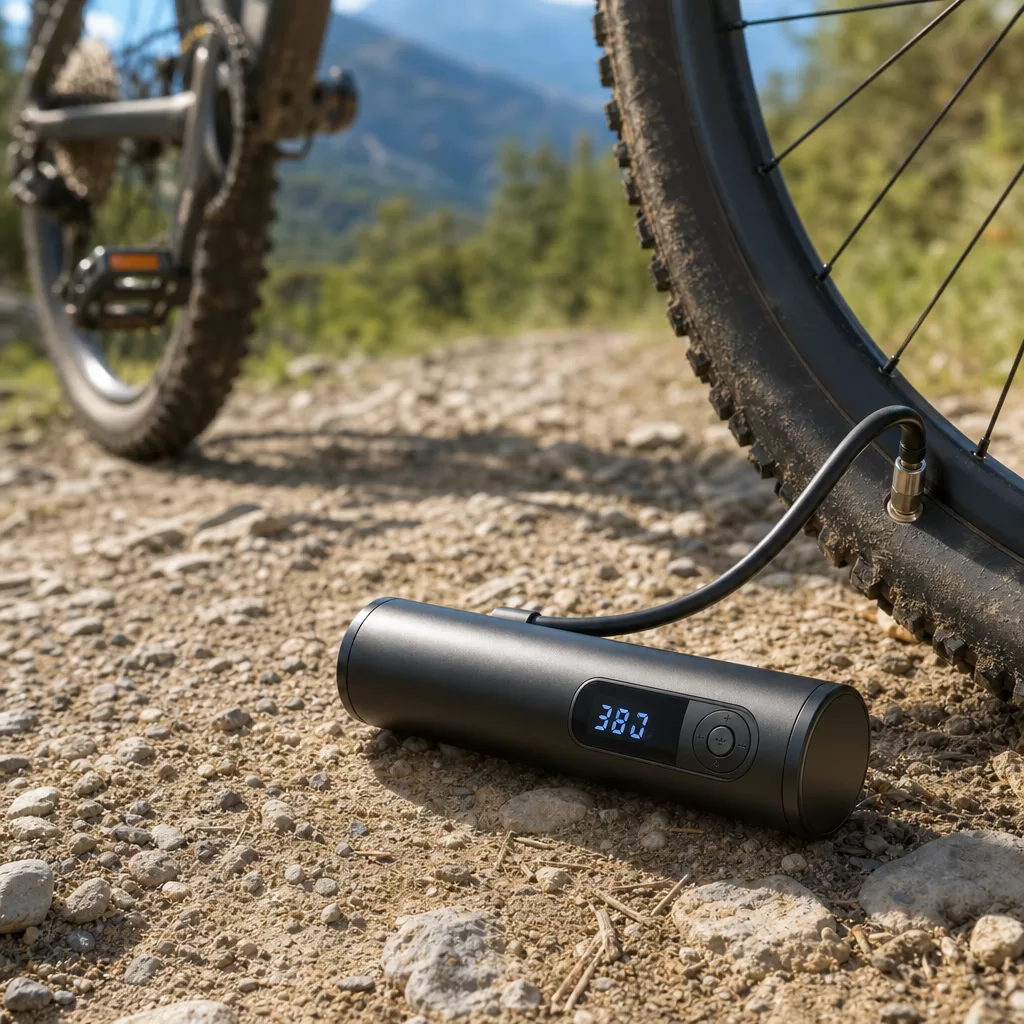
How does a motorized pump replace traditional CO2 canisters?
CO2 cartridges offer instant inflation, but they freeze valve cores and only provide a single attempt. If you seat the tire bead incorrectly, you waste the entire gas canister. A motorized compressor provides continuous, controlled airflow that you can stop at any moment.
You can pause the inflation process to massage the tire bead into place. You can adjust the pressure incrementally without losing your entire air supply. Hand pumps require hundreds of aggressive strokes to reach high pressures, often snapping delicate Presta valves in the dirt.
The electric alternative isolates the mechanical effort inside an aluminum cylinder. A motorized piston compresses the air automatically. This saves your arms and protects your fragile valve stems from the lateral stress caused by aggressive manual pumping.
What PSI range is actually necessary for different bicycles?
Pressure requirements dictate the internal engineering of the pump. Mountain bike tires require massive air volume but only need 20 to 30 PSI. Road bikes demand very low air volume but require a staggering 80 to 100 PSI to roll efficiently.
Gravel setups sit right in the middle of this spectrum. They generally operate between 35 and 50 PSI. A standard portable inflator must bridge these vastly different pneumatic demands without failing under the backpressure of a tight road tire.
Look for a unit explicitly capable of reaching 120 PSI if you ride a modern road bike. Inferior motors will stall and struggle to overcome the internal resistance of the inner tube when pushing past 70 PSI.
How many tires can a standard battery inflate on a single charge?
Battery capacity in portable air compressors is typically measured in milliampere-hours. A common internal configuration utilizes a 300mAh to 450mAh lithium-ion cell. This specific capacity defines exactly how much mechanical work the motor can perform before dying.
This baseline capacity can typically inflate two 700x25c road bike tires from completely flat to 100 PSI. For a 29×2.2 mountain bike tire, the same battery yields about two full inflations to 30 PSI. The raw volume of the mountain bike tire drains the battery rapidly.
These numbers represent baseline industry estimates under ideal conditions. Cold weather significantly reduces lithium-ion discharge efficiency. A pump left in a freezing garage or a winter saddlebag may lose 20 to 30 percent of its effective output due to basic battery chemistry.
| Tire Type | Size | Target PSI | Estimated Inflations (450mAh) | Average Time per Tire |
|---|---|---|---|---|
| Road | 700x25c | 100 | 2 to 3 | 2.5 minutes |
| Gravel | 700x40c | 45 | 3 to 4 | 2.0 minutes |
| MTB | 29×2.2 | 30 | 2 | 3.5 minutes |
Note: Inflation times and capacities are estimates based on standard 300mAh to 450mAh architectures. Battery performance varies by ambient temperature.
What happens when the cylinder overheats during high-pressure inflation?
Compressing atmospheric gas generates significant thermal energy. The internal piston oscillates thousands of times per minute, violently pushing air through a tiny valve opening. This intense mechanical friction and gas compression creates a severe bottleneck of heat at the nozzle.
The temperature at the brass connector can push past 60°C within three minutes of continuous operation. High temperatures actively degrade the internal rubber O-rings and strain the adjacent lithium-ion cells. Managing this heat is the greatest engineering challenge in designing compact pneumatic devices.
For us, manufacturing smart electric air pumps means prioritizing temperature control chips and heat-dissipating alloy internal structures. We design these portable inflation solutions to shut off automatically if the internal temperature exceeds safe operating thresholds. Preventing thermal runaway protects both the circuit board and the user.
Always let the device rest and cool down for five minutes after a continuous inflation cycle. Grabbing the bare metal hose connector immediately after pumping a tire to 100 PSI will result in a painful skin burn. Treat the hardware with respect.
How does valve compatibility work without swapping internal gaskets?
Most performance bicycles use narrow Presta valves, while cars and standard mountain bikes use wider Schrader valves. Older manual pump designs forced you to unscrew the pump head, extract a tiny rubber gasket, flip it upside down, and reassemble the entire plastic cap.
Modern electronic inflators utilize intelligent thread-on hoses to bypass this frustration. You simply attach a small threaded brass Presta adapter to the primary Schrader hose before attaching it to your tire. This creates an airtight seal that easily handles backpressure without leaking.
A secure threaded connection is vital for motorized devices. It prevents the high-pressure air from escaping around the base of the valve stem, ensuring that every ounce of battery energy goes directly into inflating the tire.
Why do small motorized air compressors generate so much noise?
A common surprise for first-time buyers is the aggressive acoustic output. A device small enough to fit in the palm of your hand can easily produce 70 to 80 decibels of sound. It shatters the silence of a quiet country road.
This noise stems from the harsh mechanical reality of compressing air rapidly. A tiny piston must actuate at extreme speeds to force ambient air into a highly pressurized chamber. There is simply no physical space inside the casing for acoustic dampening materials.
The sound waves project outward, resembling the pitch of a loud power drill operating at maximum speed. While the noise might turn heads on a trail, it only lasts for two minutes. The temporary acoustic discomfort easily beats physical exhaustion.
How much should a reliable portable tire inflator cost?
The retail market is heavily saturated with varying price points and vague performance claims. You can find unbranded plastic units for $20, while premium cycling hardware brands charge upwards of $120 for essentially the same core internal components.
A budget of $45 to $70 generally secures a highly reliable device with accurate digital pressure gauges. Prices vary based on the battery cell quality, the motor architecture, and the thermal properties of the outer casing materials.
- Brushless motor integration: These motors cost more to manufacture but offer higher electrical efficiency and significantly longer mechanical lifespans.
- Aluminum alloy casing: This material increases the baseline price compared to injection-molded plastic, but it heavily aids in vital heat dissipation.
- Precision digital sensors: High-quality pressure sensors ensure the pump stops exactly at your preset PSI, preventing dangerous over-inflation and tube blowouts.
Hardware prices fluctuate based on global supply chains and raw lithium costs. Always verify current market rates and check for updated consumer reviews when making a final purchasing decision.
How do you maintain the lithium-ion battery during the off-season?
Neglect destroys more portable batteries than heavy daily usage. Leaving a lithium-ion device completely discharged in a cold garage for six months will cause irreversible cell degradation. The battery chemistry will permanently crash.
You should recharge your device every three months, even if it just sits unused in your saddlebag. Store it indoors away from extreme temperature fluctuations to preserve the chemical integrity of the internal power cells.
Avoid charging the device immediately after an intense, high-pressure inflation session. The residual heat from the hard-working motor combined with incoming charging heat can permanently reduce the battery’s total holding capacity. Let the unit reach room temperature before plugging it in.
How does a mini electric bike pump fit into a daily cycling setup?
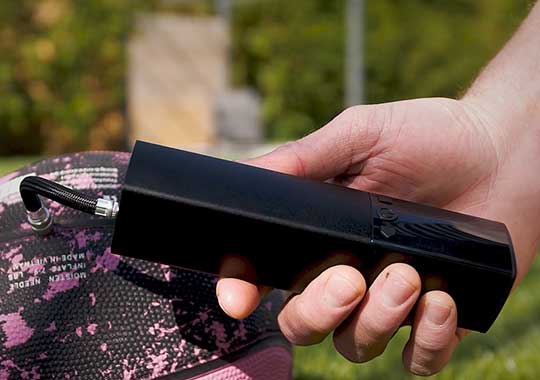
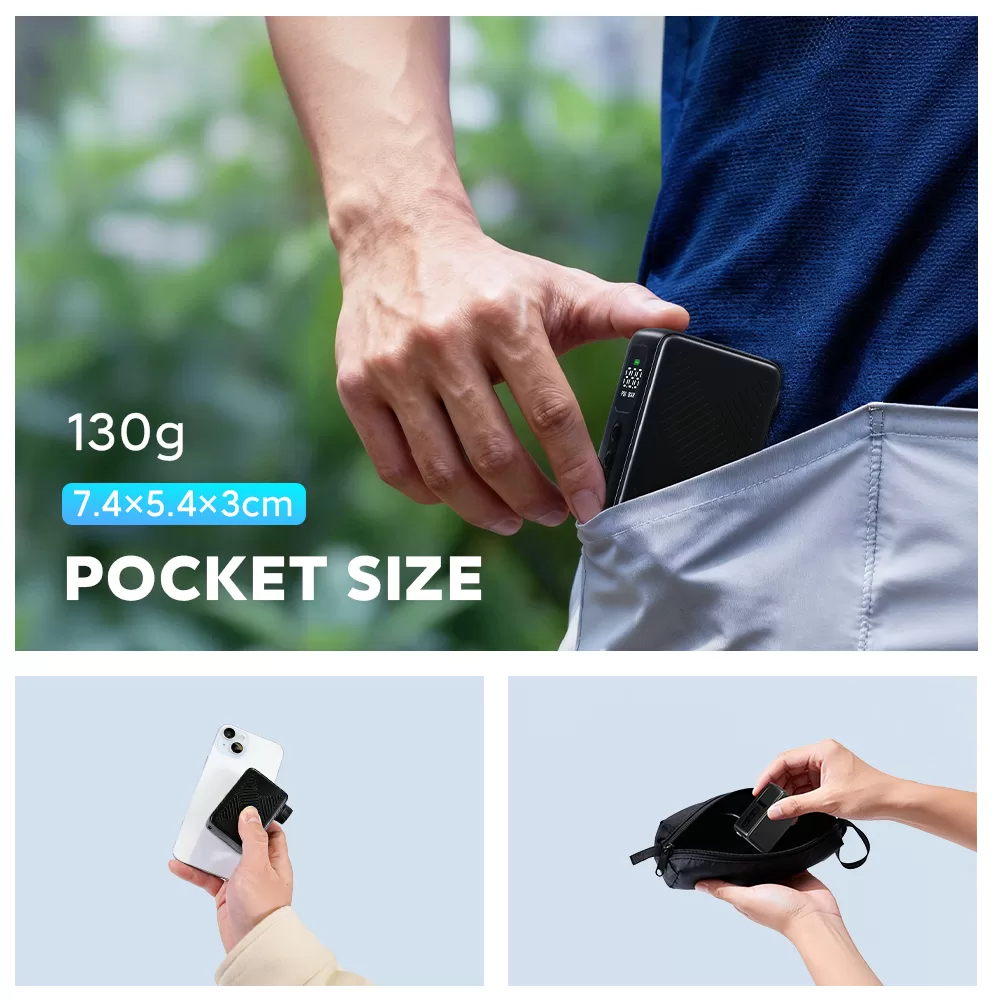
Size and weight dictate what gear a cyclist is willing to carry. The current generation of motorized pumps weighs between 93 and 120 grams. This is lighter than carrying a standard smartphone in your rear jersey pocket.
They typically measure about 70 millimeters in length, easily sliding into a compact under-seat saddlebag. This dense form factor entirely eliminates the need for bulky frame mounts or carrying an oversized backpack on a casual ride.
A reliable mini electric bike pump acts as an insurance policy against the unpredictable nature of road debris and sharp gravel. It removes the panic and physical labor from flat tire repairs. You spend less time wrestling with manual tools on the shoulder and more time enjoying the actual ride.
-

Leading the Way in Product Innovation and Excellence
Smartnewo exemplifies professionalism in product innovation and manufacturing. Their collaboration with Xiaomi Youpin on the G01 crowdfunding project highlights their expertise in creating compact, powerful inflatable pumps. Rigorous engineering, meticulous production processes, and advanced quality assurance underscore their commitment to excellence. The success of the G01 project, with significant market... -

Essential Qualities of an Excellent Supplier
In today's competitive market, finding a reliable supplier is crucial for business success. Based on insights from Smartnewo and broader internet research, here are key qualities an excellent supplier must possess:... -

NW06 Tire Inflator: Compact Power for Quick Inflation
Summary The NW06 Tire Inflator delivers quick and efficient tire inflation with a powerful 35L/min airflow. It features a user-friendly LCD screen for real-time pressure monitoring, dual power options with a built-in 6000mAh battery, and multiple nozzle attachments for versatile use. Its compact design and integrated LED light ensure convenience and... -

Unleash the Power of Portability: The SmartNewo Jump Starter with Air Compressor KF03
This guide will walk you through the steps to effectively use a portable tire inflator, helping you stay prepared and safe on the road.... -

Newo Attends The 2024 Consumer Electronics Show (CES)
Smartnewo booth is located at 53672, Halls A-D, Level 2, Venetian Expo, Las Vegas Convention Center (LVCC). ... -

Smartnewo’s Dual-Cylinder Air Pump Rocks the Hong Kong Autumn Electronics Fair!
Smartnewo’s Dual-Cylinder Air Pump Rocks the Hong Kong Autumn Electronics Fair!... -

Meet at the Canton Fair! Smartnewo brings dual-cylinder air pumps, making your inflation experience faster and more stable!
NEWO has went deep communication and negotiation with customers from all over the world on booth.... -

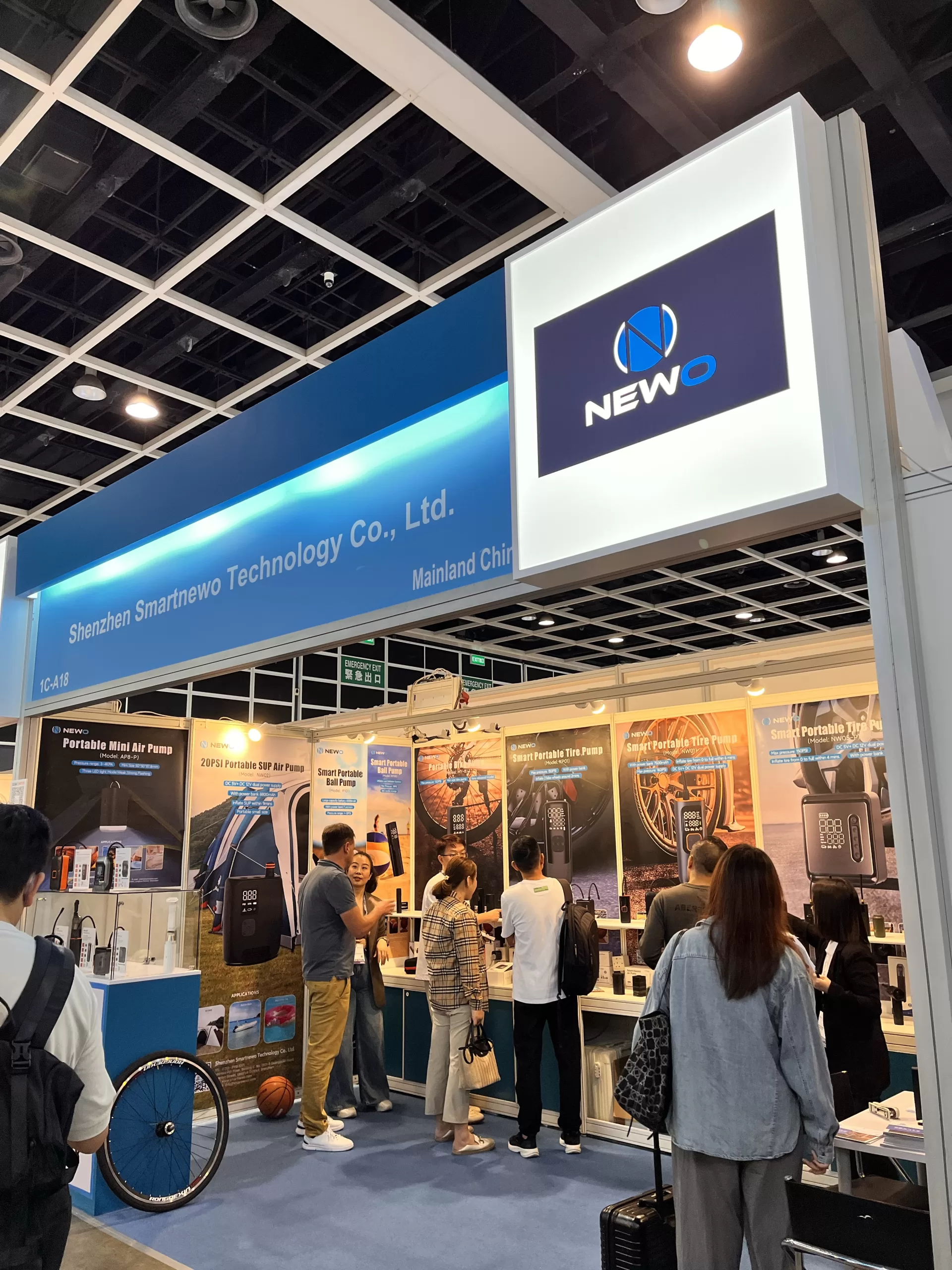
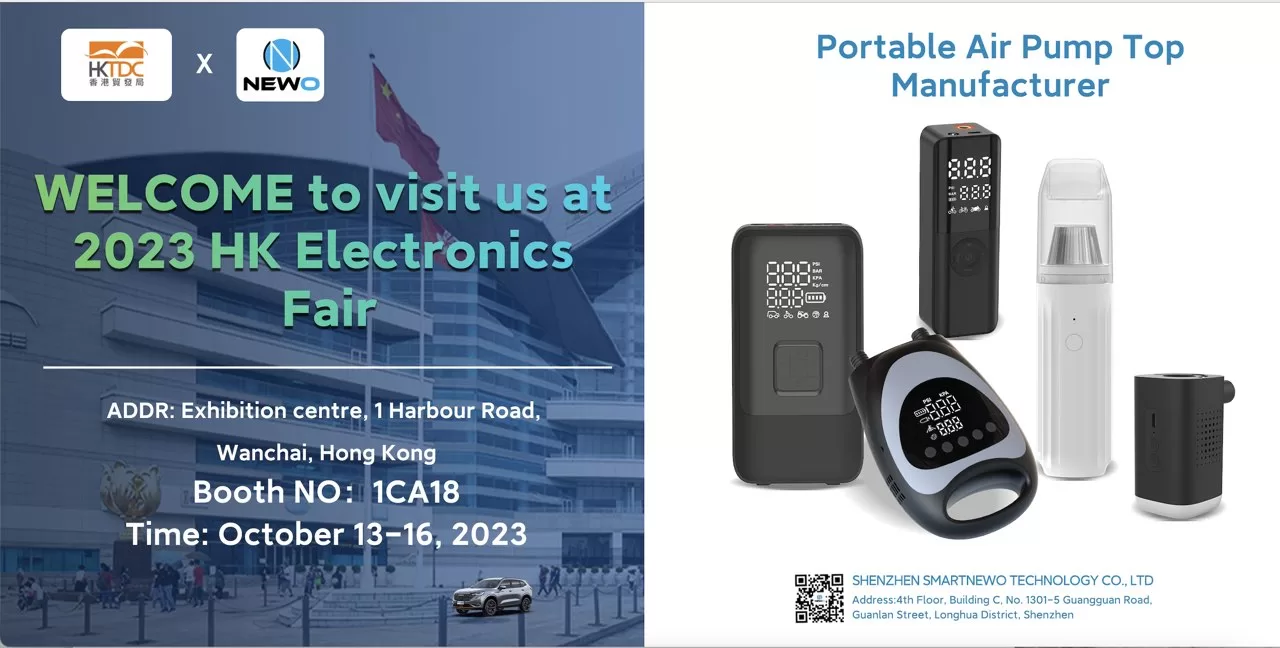
“Hong Kong Autumn Electronics Fair – 1CA18 (October 13th to 16th): Smartnewo invites you to visit our booth!
Hong Kong Autumn Electronics Fair... -

Smartnewo showcases its innovative range of electric air pumps at IFA 2023
Smartnewo will participate in the Consumer Electronics Show (IFA) in Berlin, Germany from September 3rd to September 5th.... -
Consumer Electronics Show (IFA) In Berlin 2023
Smartnewo will participate in the Consumer Electronics Show (IFA) in Berlin, Germany from September 3rd to September 5th....



-

Rechargeable Electric SUP Pump for Paddle Boards: Faster Inflation for SUPs, Kayaks and Inflatable Tents
The BL10-C Portable Electric Bike Tire Inflator is a compact and lightweight mini electric bike pump designed for modern cyclists. With up to 120 PSI pressure, a digital LED display, preset pressure control, automatic shut-off, USB-C charging, and multiple valve adapters, BL10-C offers a convenient inflation solution for road bikes,... -

Are Electric Bike Pumps Worth It in 2026? Electric Pump vs CO₂ vs Mini Hand Pump
Discover whether electric bike pumps are worth it in 2026. This guide compares electric bike pumps, CO₂ inflators, and mini hand pumps for road cycling, gravel riding, commuting, and long-distance rides. Learn the pros, limitations, best use cases, and key features to look for before choosing the right portable tire... -
BL10-C Portable Electric Bike Tire Inflator: Small Size, Reliable Power for Every Ride
The BL10-C Portable Electric Bike Tire Inflator is a compact and lightweight mini electric bike pump designed for modern cyclists. With up to 120 PSI pressure, a digital LED display, preset pressure control, automatic shut-off, USB-C charging, and multiple valve adapters, BL10-C offers a convenient inflation solution for road bikes,... -

Why Mini Electric Bike Pumps Are Becoming Essential for Modern Cycling
Discover why mini electric bike pumps are becoming essential for modern cyclists. Learn how portable electric bike pumps improve tire pressure management, riding safety, and convenience.... -

The Ultimate Smart Solution for Easy Outdoor Adventures in 2026
Discover how a spring travel air pump simplifies outdoor trips with fast inflation, smart features, and powerful performance—perfect for every adventure.... -

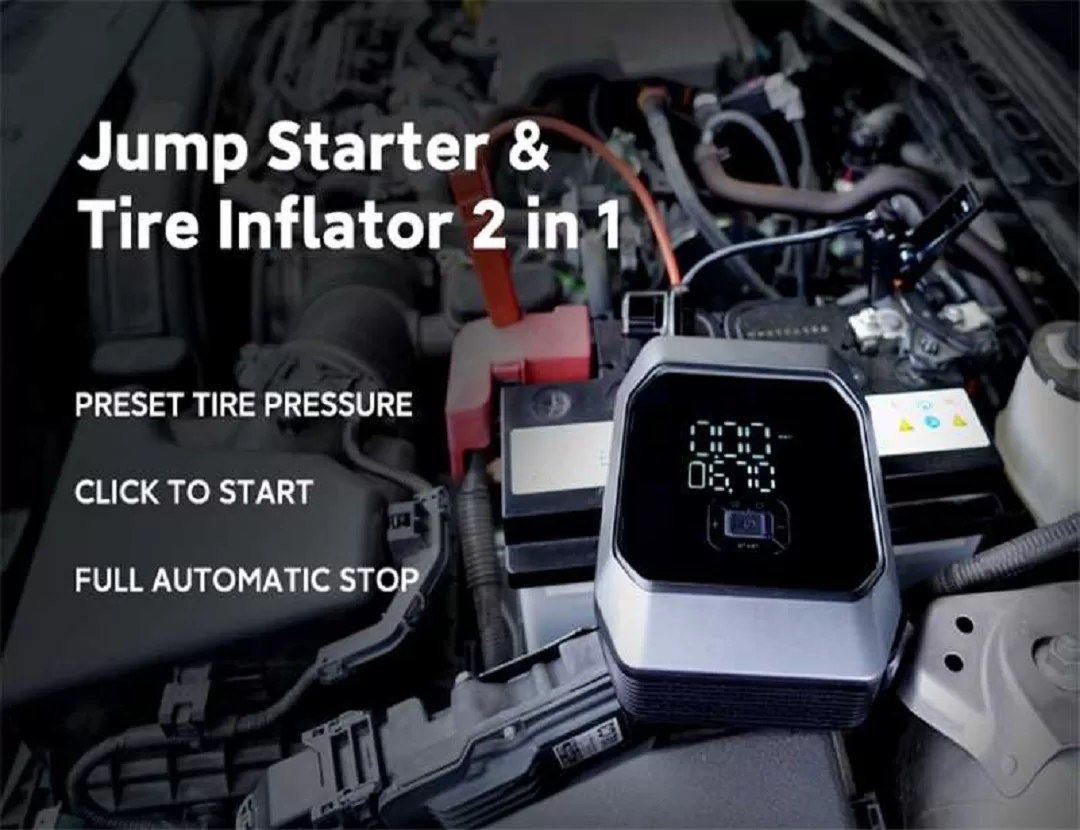
Powerful 5-in-1 Portable Car Tire Inflator and Jump Starter: The Ultimate Emergency Tool for Every Driver
Why Every Driver Needs a Portable Car Tire Inflator and Jump Starter Modern drivers face many unexpected situations on the road. A flat tire, low tire pressure, or a dead car battery can happen at the worst possible time. That’s why having a portable car tire inflator and jump starter is... -

7 Real Cycling Scenarios That Show Why Every Rider Should Carry a Mini Bike Pump
Cycling is one of the most freeing activities you can enjoy. Whether you’re commuting to work, riding through city streets, or exploring quiet countryside roads, a bike ride can instantly improve your day. But there’s one small problem that almost every cyclist eventually faces: Low tire pressure. It might happen... -
BL08-A Portable Electric Bike Pump: A Global Distribution Opportunity with Smartnewo
Smartnewo, a professional manufacturer of portable electric air pumps, introduces the BL08-A model — a compact and efficient inflator designed for global distributors, e-commerce sellers, and outdoor accessory brands seeking reliable OEM/ODM solutions. Table of Contents Main Heading Subtopics 1. Introduction: Expanding the Global Market for Smart Inflation Tools Portable... -

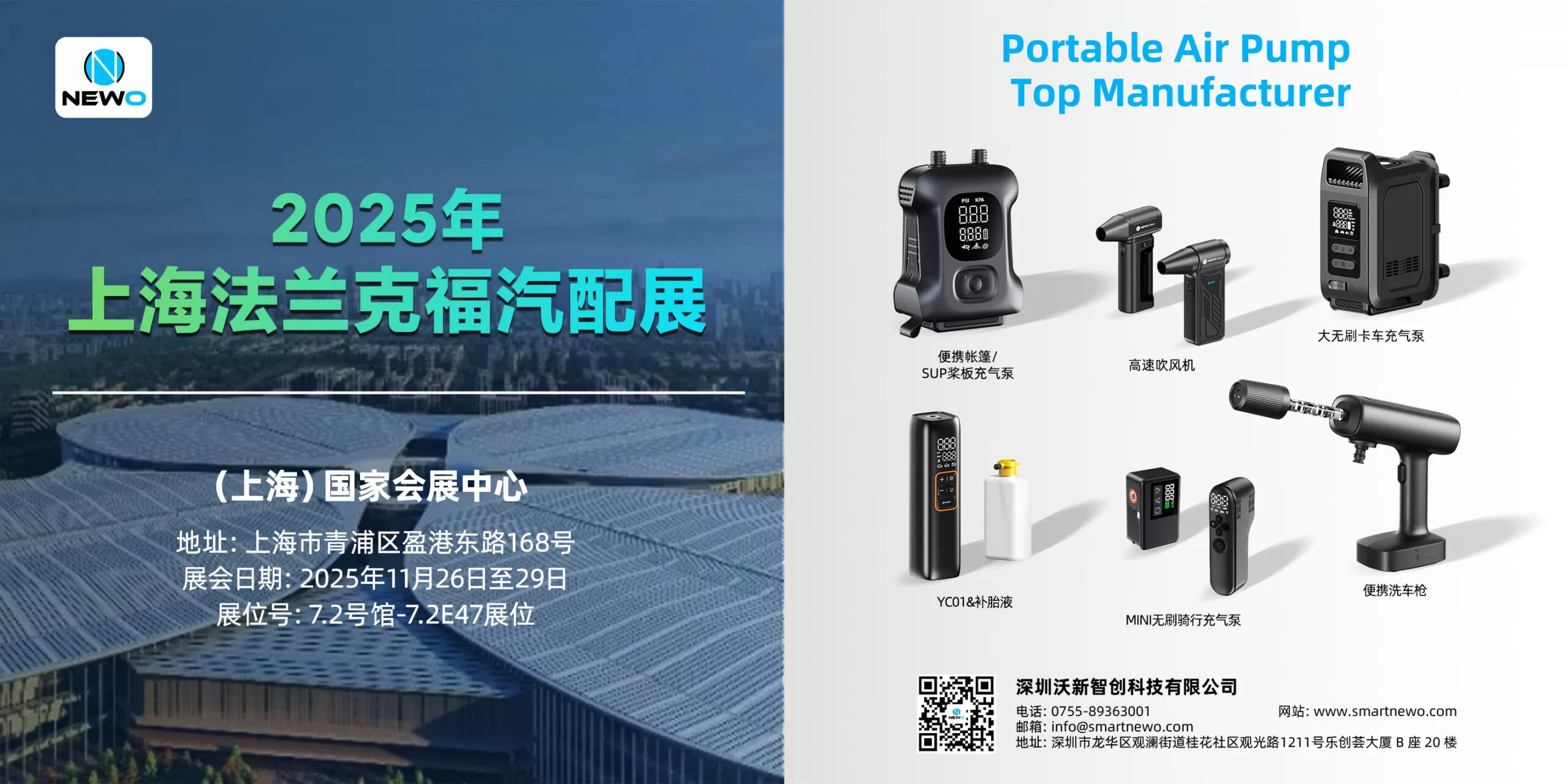
Connecting Opportunities at Automechanika Shanghai 2025 — Smartnewo Exhibition Day 1
Today marks an exciting beginning as Smartnewo officially opens its booth at Automechanika Shanghai 2025. As one of the largest and most influential automotive aftermarket exhibitions in the world, the show provides an exceptional platform for meaningful conversations, partnership building, and global industry exchange. Located at Booth 7.2E47, Smartnewo presents... -

Why Every Outdoor Cyclist Should Carry a Mini Electric Bike Pump
Whether you are an experienced mountain rider or a weekend road-cycling enthusiast, one thing is certain: unexpected tire pressure issues can ruin an entire ride. That’s why more cyclists are turning to mini electric bike pumps—compact, lightweight, and far more reliable than traditional hand pumps. 1. Consistent Pressure, Even in...

-
How Is a Football Properly Inflated?
The correct inflation of a football - with not too much and not too little air - is a hotly debated topic among footballers.... -
Application Scenarios of Car Inflator Pump
Often long-distance business trips or play car owners because the road may be more remote areas, in this case if you encounter a tire leak....