
 Portable Tire Inflators
 Electric Air Pumps
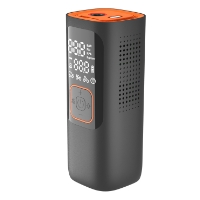 Electric Car Tyre Pumps
 Electric Ball Pumps
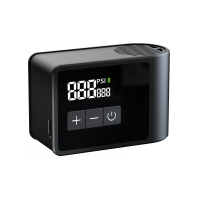 Electric Bike Pump
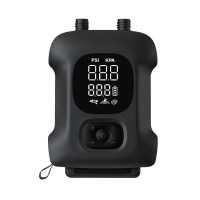 SUP Air Pump
How a Wireless Air Pump Works and Practical Selection Guidelines
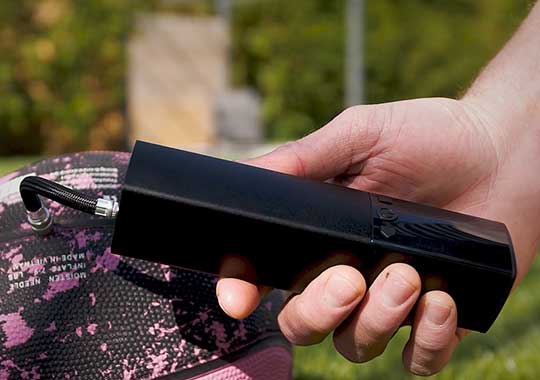
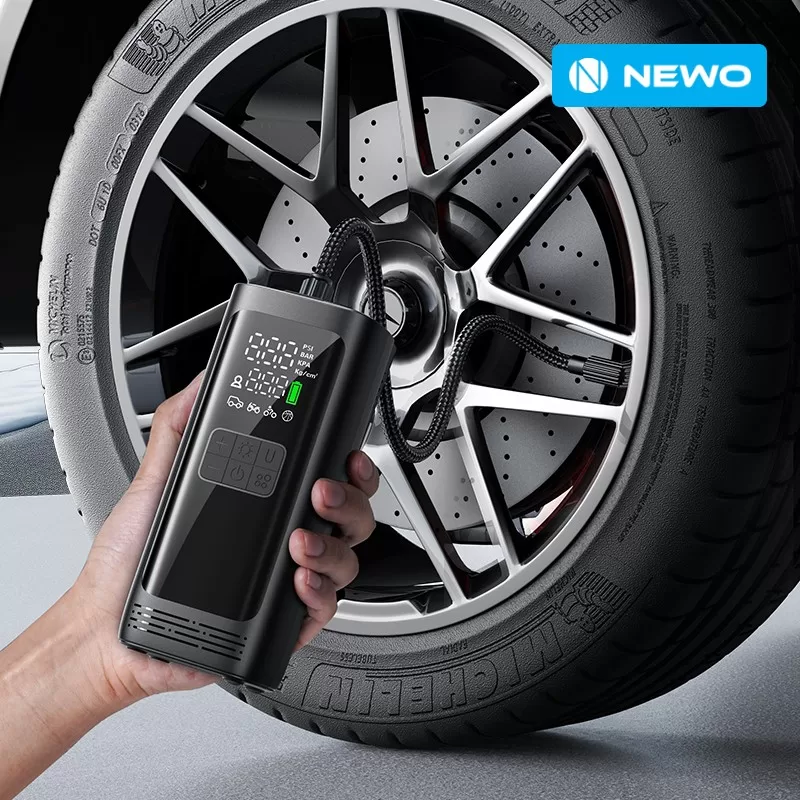
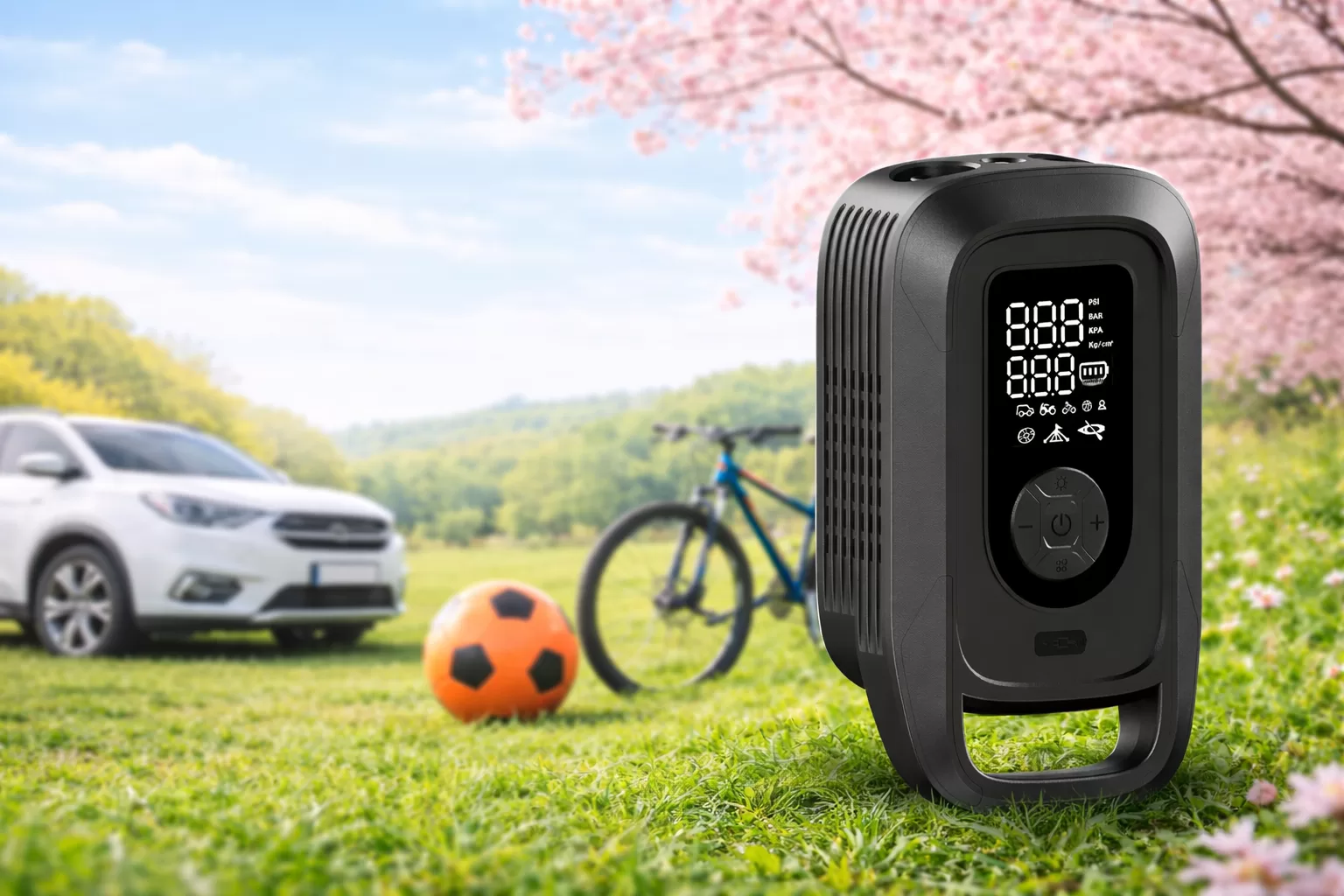
Getting a flat tire on a remote road presents an immediate logistical problem. Traditional inflators require a 12V vehicle port, severely limiting your operational reach. A wireless air pump solves this spatial limitation, integrating lithium-ion batteries and mechanical compression into one handheld unit.
Many users wonder how such compact devices generate enough pressure for heavy-duty applications. The secret lies in high-torque DC motors driving a miniaturized piston. As the motor spins, it forces the piston up and down rapidly within a metal cylinder.
This mechanical action draws ambient air in through an intake valve, compresses it, and pushes it through the hose. The internal pressure builds up steadily, allowing you to inflate car tires, bicycles, or sports equipment without tethering to a power grid.
What are the standard battery capacities and runtimes?
Battery life is the most critical constraint for any cordless inflation device. Most standard units utilize built-in lithium-ion battery packs, typically ranging from 2000mAh to 6000mAh. A larger battery directly translates to longer continuous runtime and higher inflation capacity per charge.
A typical 4000mAh model can inflate two standard 195/55 R15 car tires from completely flat to 35 PSI. If you are merely topping up tires from 28 PSI to 35 PSI, that same battery capacity can handle eight to ten tires before requiring a recharge.
You should never run these compact devices until the battery completely drains. Deep discharging damages lithium-ion cells, permanently reducing their capacity. Recharging the unit when it drops to twenty percent ensures maximum battery longevity.
Why do portable inflators get hot during operation?
Users often notice the hose connection and cylinder area becoming uncomfortably hot after several minutes of use. This is a normal physical reaction rather than a manufacturing defect. The heat originates from two distinct physical processes occurring simultaneously inside the casing.
First, the principles of adiabatic compression dictate that rapidly compressing a gas increases its temperature. Second, the internal piston creates severe mechanical friction as it slides against the cylinder walls thousands of times per minute. Small casings leave very little room for passive heat dissipation.
To prevent permanent motor damage, you must respect duty cycles. A standard duty cycle for a compact wireless air pump is ten minutes of continuous operation followed by a ten-minute rest period. Letting the device cool down prevents internal seals from melting.
How to evaluate technical specifications accurately?
When comparing different models, marketing materials often highlight the maximum PSI limit, sometimes advertising up to 150 PSI. However, maximum pressure is rarely the most important metric for everyday users. Volumetric flow rate dictates how fast your tire will actually inflate.
Flow rate is measured in liters per minute (LPM). A pump with a high PSI but a low LPM will take an agonizingly long time to fill a standard vehicle tire. You need to balance pressure capabilities with sufficient air volume delivery.
| Application Type | Recommended Max PSI | Ideal Flow Rate (LPM) | Suggested Battery |
|---|---|---|---|
| Passenger Cars | 50 PSI | 25 – 35 LPM | 4000mAh+ |
| Road Bicycles | 120 PSI | 10 – 15 LPM | 2000mAh+ |
| Sports Balls | 15 PSI | 10 LPM | 2000mAh |
| Large SUVs/Trucks | 65-80 PSI | 40 LPM+ | 6000mAh+ |
What types of valve connections are necessary?
A versatile inflation tool must adapt to various valve standards used across different industries. Buying an inflator with a fixed, unchangeable nozzle limits its utility. You should look for models that include multiple interchangeable adapters in the retail package.
The three primary valve types you will encounter include:
- Schrader valves, universally used on car tires and standard mountain bikes.
- Presta valves, requiring a specific adapter, commonly found on high-end road bicycles.
- Needle valves, designed exclusively for penetrating the rubber seals of sports balls.
For us, manufacturing smart electric air pumps means constantly balancing internal battery density with effective heat dissipation. The engineering challenge is packing sufficient copper wiring and lithium cells into a shell that still fits inside a standard glove compartment.
How does cold weather affect cordless inflators?
Temperature extremes severely impact both battery discharge rates and mechanical lubrication. Leaving your inflator in a freezing car trunk overnight alters its performance characteristics. Lithium-ion batteries experience increased internal resistance in cold weather, temporarily dropping their available voltage and total runtime.
Furthermore, the grease lubricating the internal piston becomes highly viscous at low temperatures. This forces the motor to draw more electrical current simply to overcome initial friction. The increased amp draw drains the battery faster than it would on a warm summer day.
If you must store the device in your vehicle during winter, try warming it up inside the cabin before attaching it to your tire. Keeping the unit at a moderate temperature ensures the internal sensors read pressure accurately and the motor operates efficiently.
Choosing the right equipment means understanding your specific volumetric needs. If you primarily ride road bikes, prioritize high pressure limits over flow rate. If you drive a large SUV, battery capacity and a high liter-per-minute rating are your absolute priorities.
Maintaining proper tire pressure improves vehicle handling and maximizes fuel efficiency. Investing in a reliable wireless air pump ensures you always have access to compressed air, eliminating the need to rely on broken or expensive gas station air compressors during your daily commute.
-

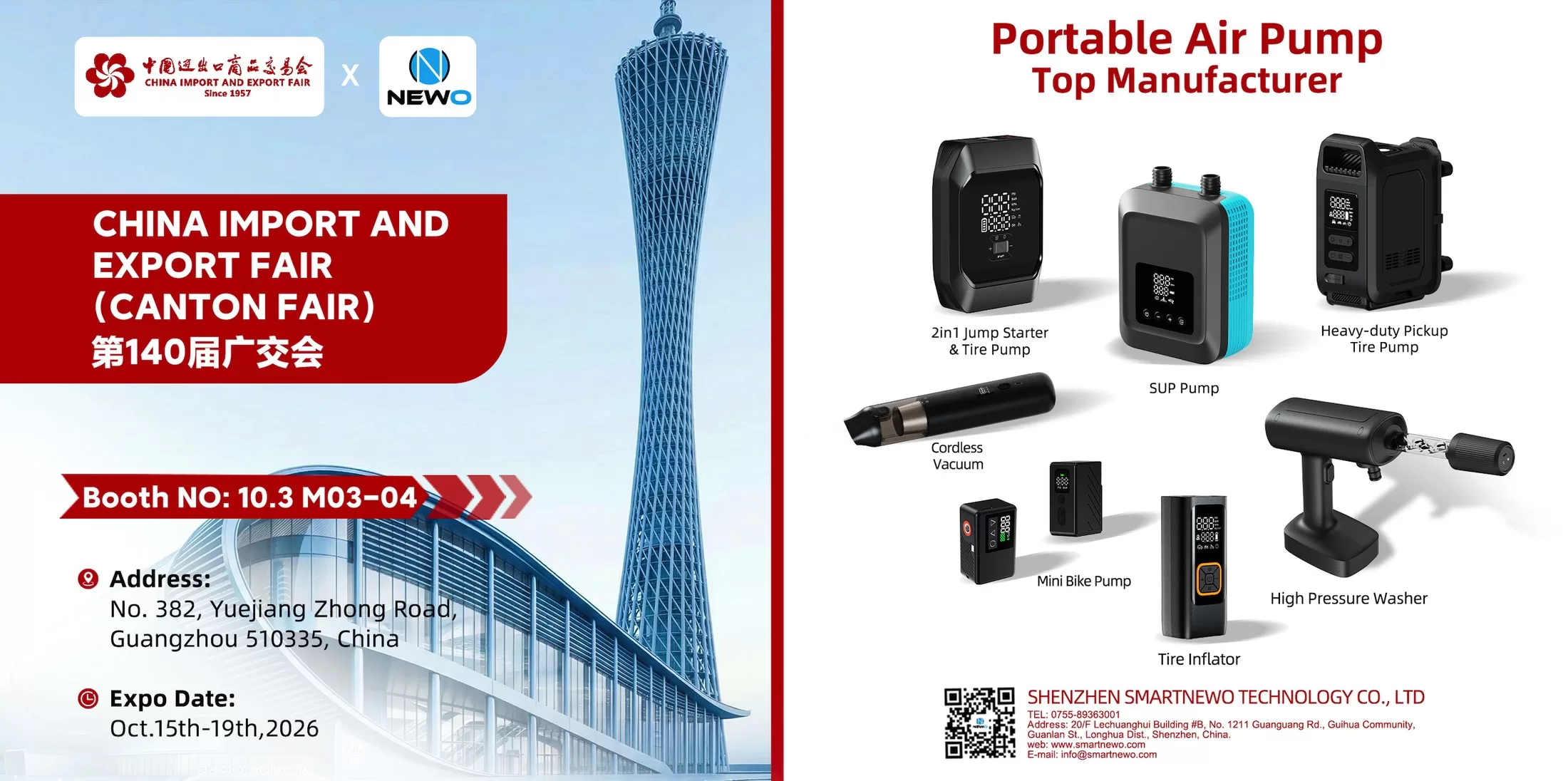
Meet NEWO at the 140th Canton Fair: Visit Booth 10.3 M03–04
Meet NEWO at the 140th Canton Fair in Guangzhou, October 15–19, 2026. Visit Booth 10.3 M03–04 to explore portable air pumps and discuss OEM, ODM and distribution opportunities.... -

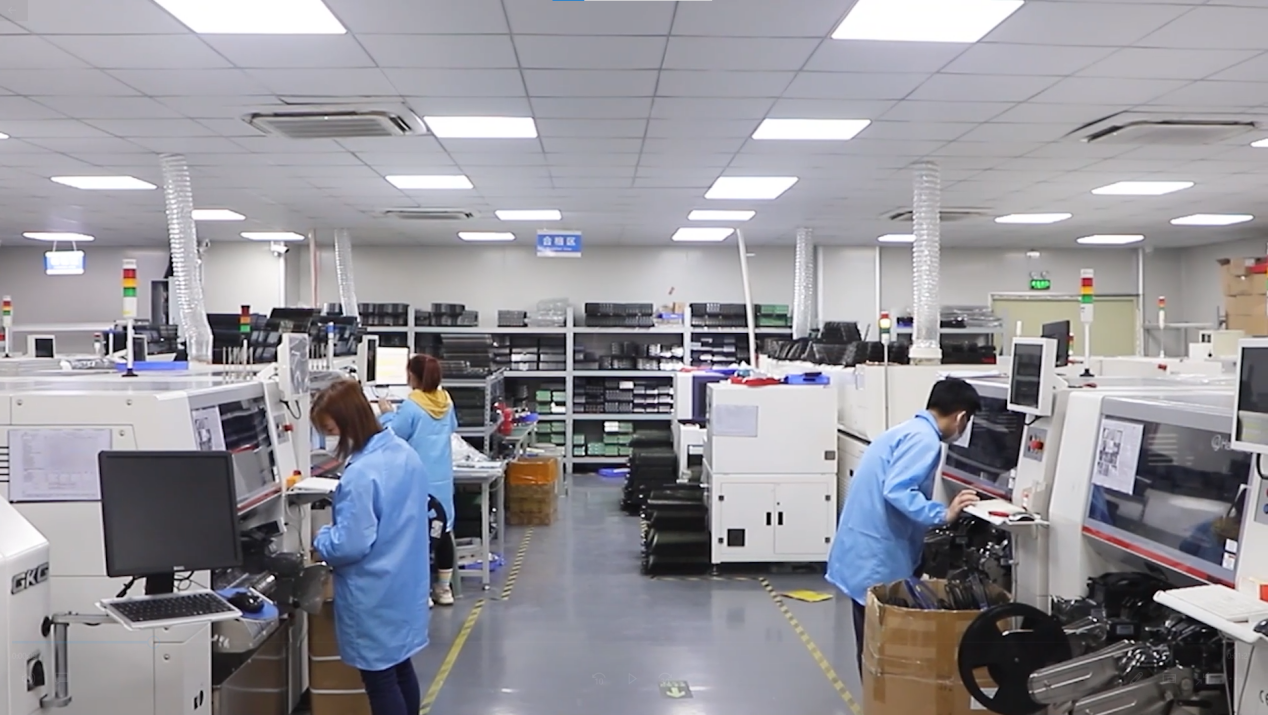
As Shenzhen Welcomes the World for APEC 2026, NEWO Welcomes You to Our Factory
As Shenzhen prepares for APEC 2026, NEWO welcomes international buyers and partners to visit our factory, meet our team and explore future cooperation.... -

Leading the Way in Product Innovation and Excellence
Smartnewo exemplifies professionalism in product innovation and manufacturing. Their collaboration with Xiaomi Youpin on the G01 crowdfunding project highlights their expertise in creating compact, powerful inflatable pumps. Rigorous engineering, meticulous production processes, and advanced quality assurance underscore their commitment to excellence. The success of the G01 project, with significant market... -

Essential Qualities of an Excellent Supplier
In today's competitive market, finding a reliable supplier is crucial for business success. Based on insights from Smartnewo and broader internet research, here are key qualities an excellent supplier must possess:... -

NW06 Tire Inflator: Compact Power for Quick Inflation
Summary The NW06 Tire Inflator delivers quick and efficient tire inflation with a powerful 35L/min airflow. It features a user-friendly LCD screen for real-time pressure monitoring, dual power options with a built-in 6000mAh battery, and multiple nozzle attachments for versatile use. Its compact design and integrated LED light ensure convenience and... -

Unleash the Power of Portability: The SmartNewo Jump Starter with Air Compressor KF03
This guide will walk you through the steps to effectively use a portable tire inflator, helping you stay prepared and safe on the road.... -

Newo Attends The 2024 Consumer Electronics Show (CES)
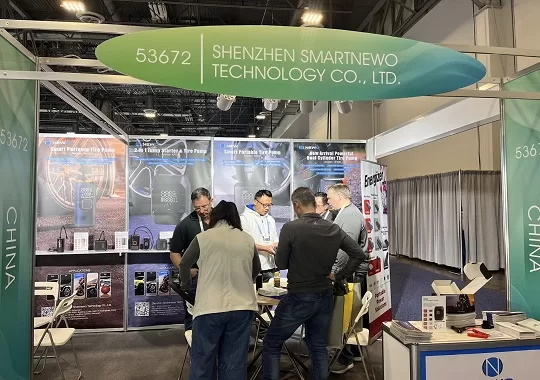
Smartnewo booth is located at 53672, Halls A-D, Level 2, Venetian Expo, Las Vegas Convention Center (LVCC). ... -

Smartnewo’s Dual-Cylinder Air Pump Rocks the Hong Kong Autumn Electronics Fair!
Smartnewo’s Dual-Cylinder Air Pump Rocks the Hong Kong Autumn Electronics Fair!... -

Meet at the Canton Fair! Smartnewo brings dual-cylinder air pumps, making your inflation experience faster and more stable!
NEWO has went deep communication and negotiation with customers from all over the world on booth.... -

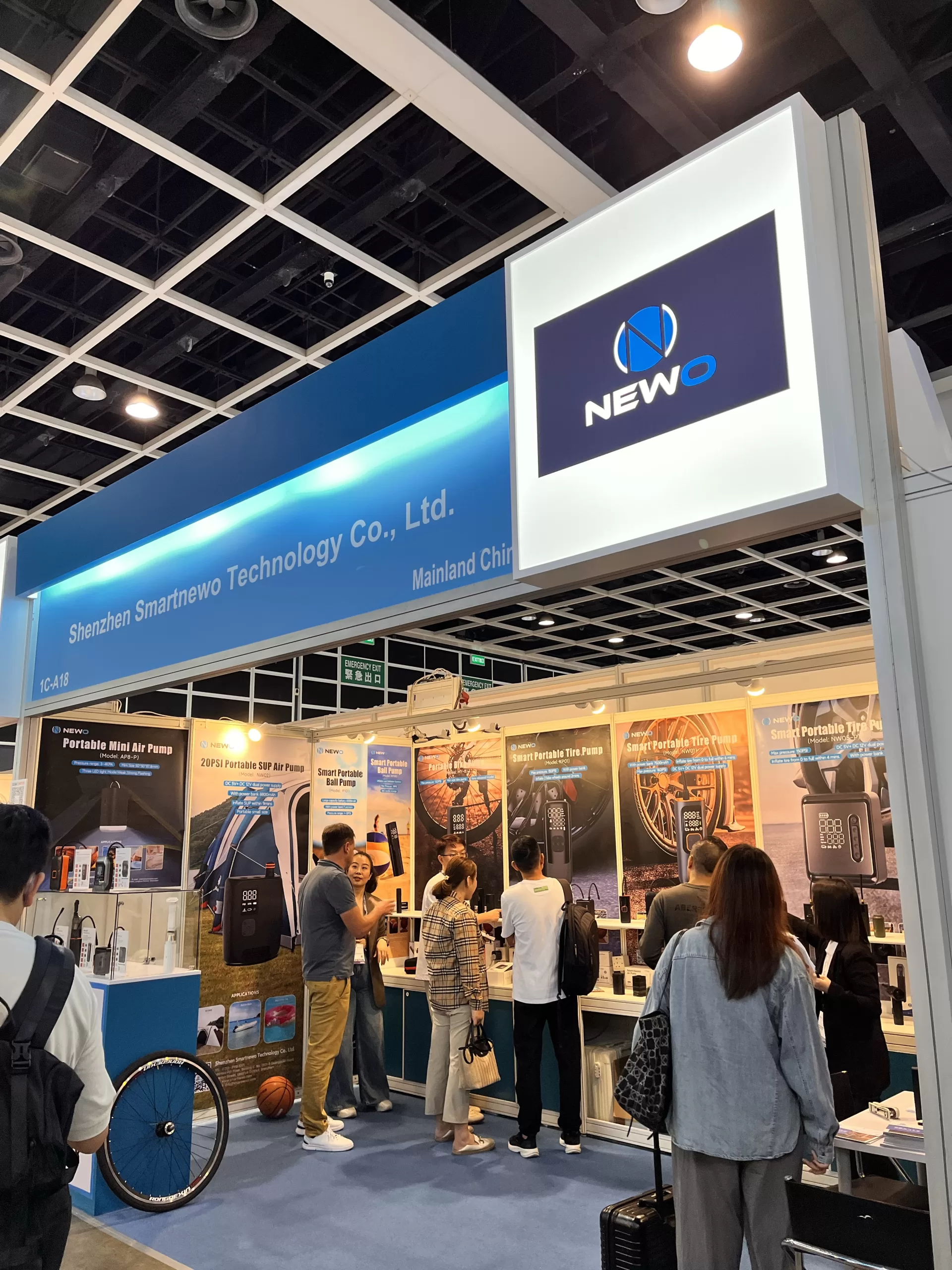
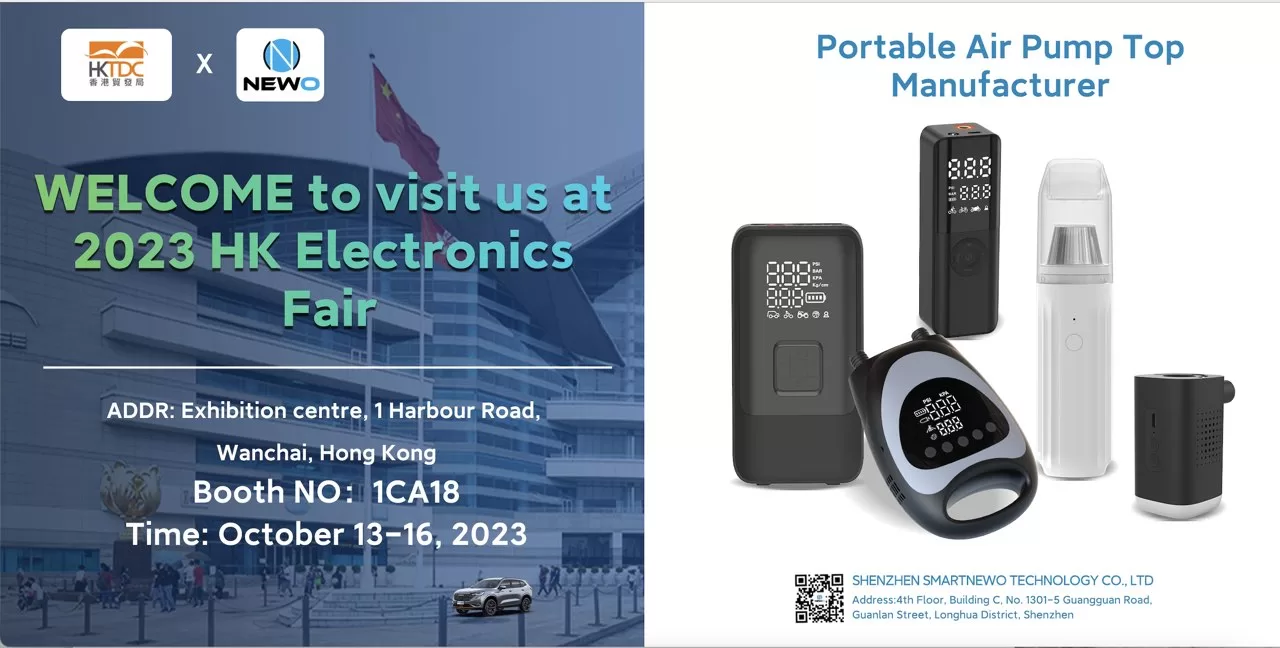
“Hong Kong Autumn Electronics Fair – 1CA18 (October 13th to 16th): Smartnewo invites you to visit our booth!
Hong Kong Autumn Electronics Fair...


-

How to Choose a Reliable Tire Inflator Manufacturer in China
Choose a tire inflator manufacturer in China with a focused RFQ, supplier evidence, configuration checks, and clear sample-to-pilot decisions for your brand.... -

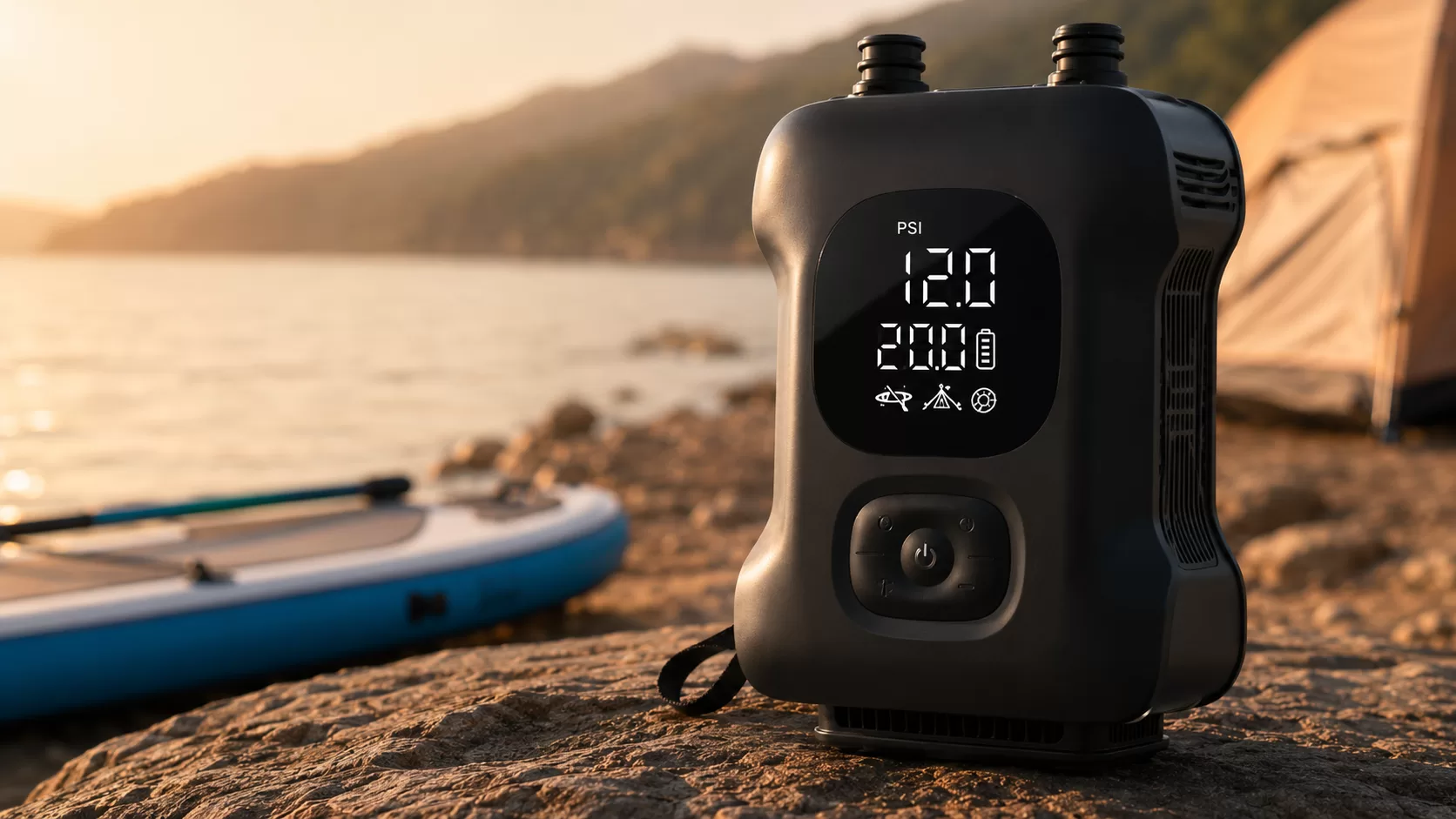
Rechargeable Electric SUP Pump for Paddle Boards: Faster Inflation for SUPs, Kayaks and Inflatable Tents
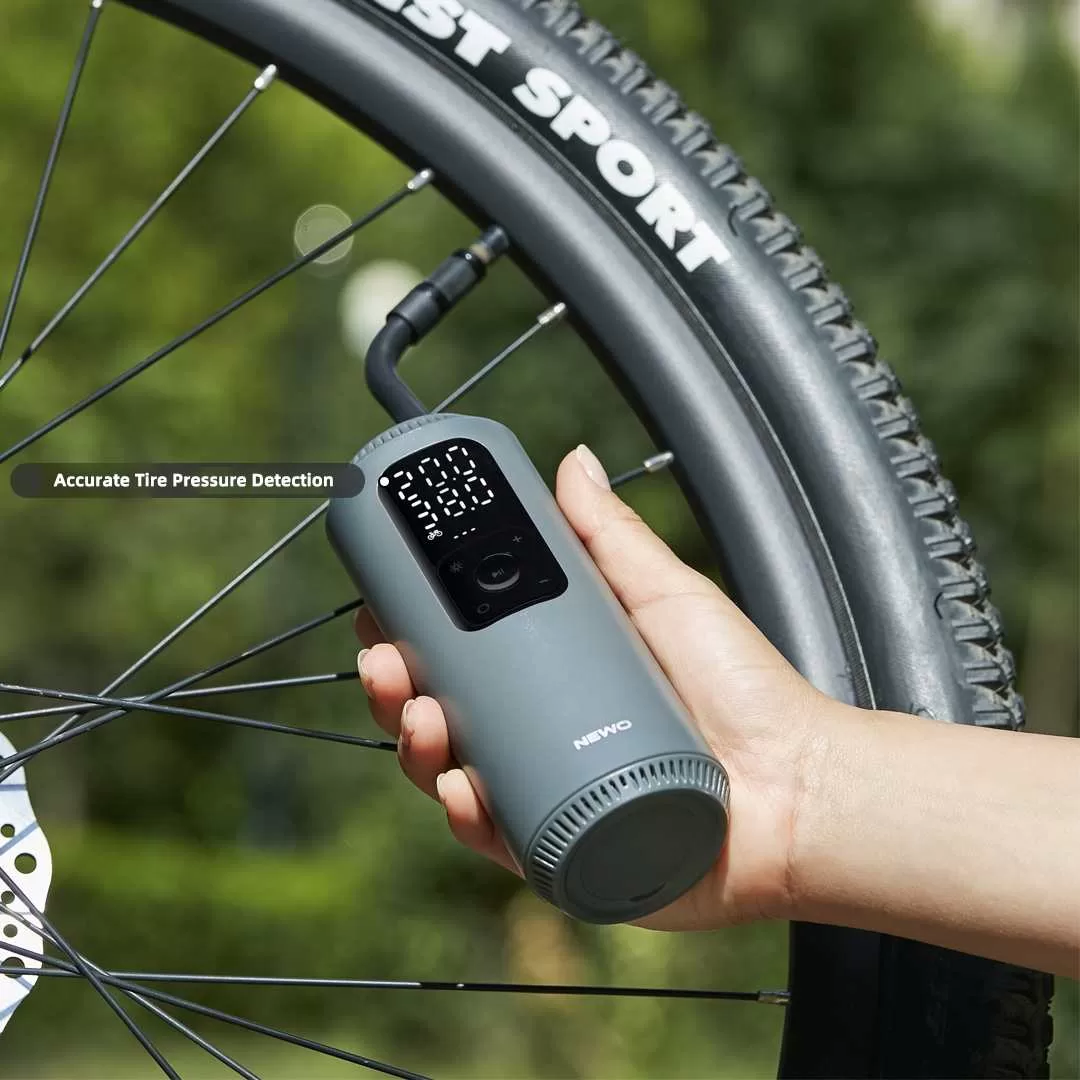
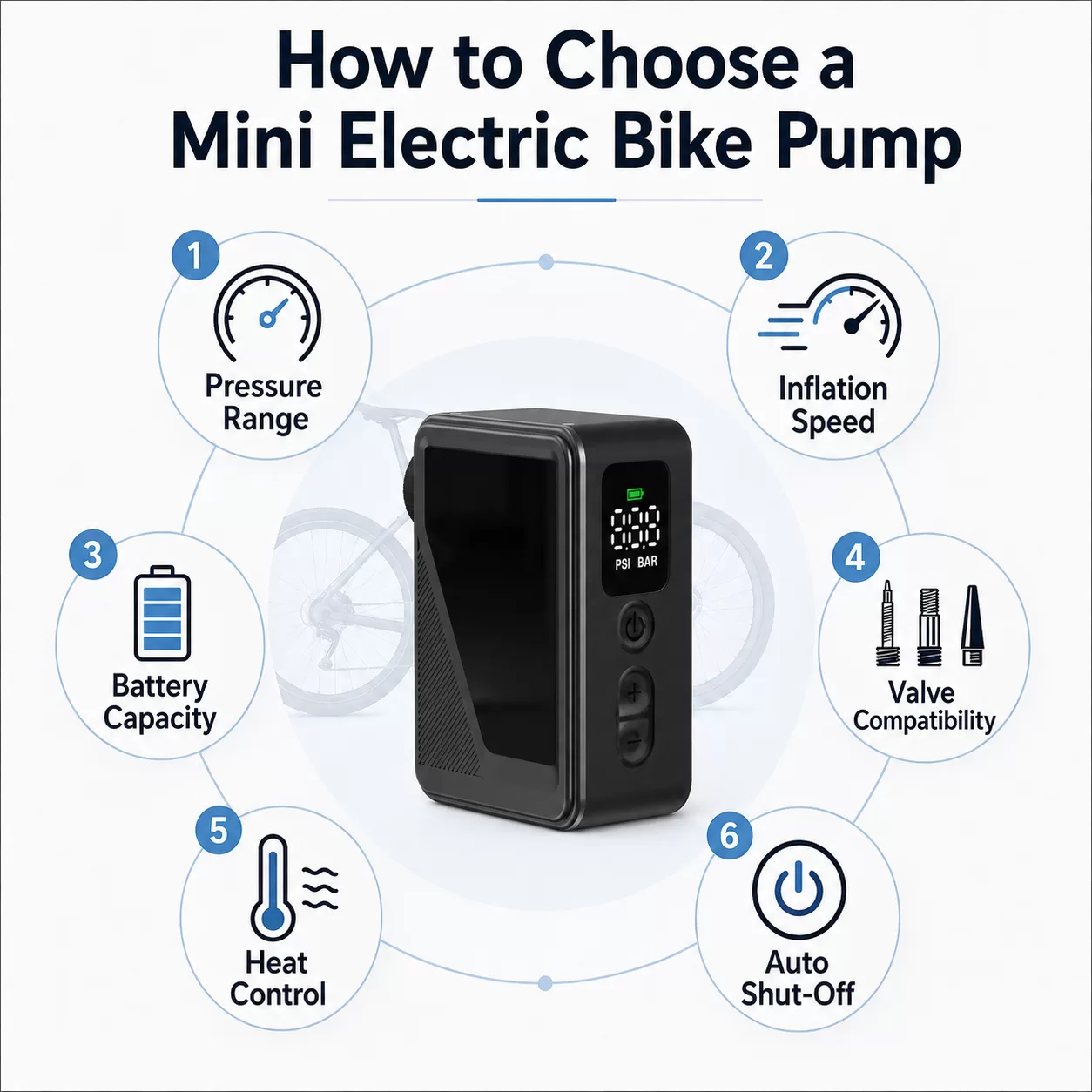
The BL10-C Portable Electric Bike Tire Inflator is a compact and lightweight mini electric bike pump designed for modern cyclists. With up to 120 PSI pressure, a digital LED display, preset pressure control, automatic shut-off, USB-C charging, and multiple valve adapters, BL10-C offers a convenient inflation solution for road bikes,... -

Are Electric Bike Pumps Worth It in 2026? Electric Pump vs CO₂ vs Mini Hand Pump
Discover whether electric bike pumps are worth it in 2026. This guide compares electric bike pumps, CO₂ inflators, and mini hand pumps for road cycling, gravel riding, commuting, and long-distance rides. Learn the pros, limitations, best use cases, and key features to look for before choosing the right portable tire... -
BL10-C Portable Electric Bike Tire Inflator: Small Size, Reliable Power for Every Ride
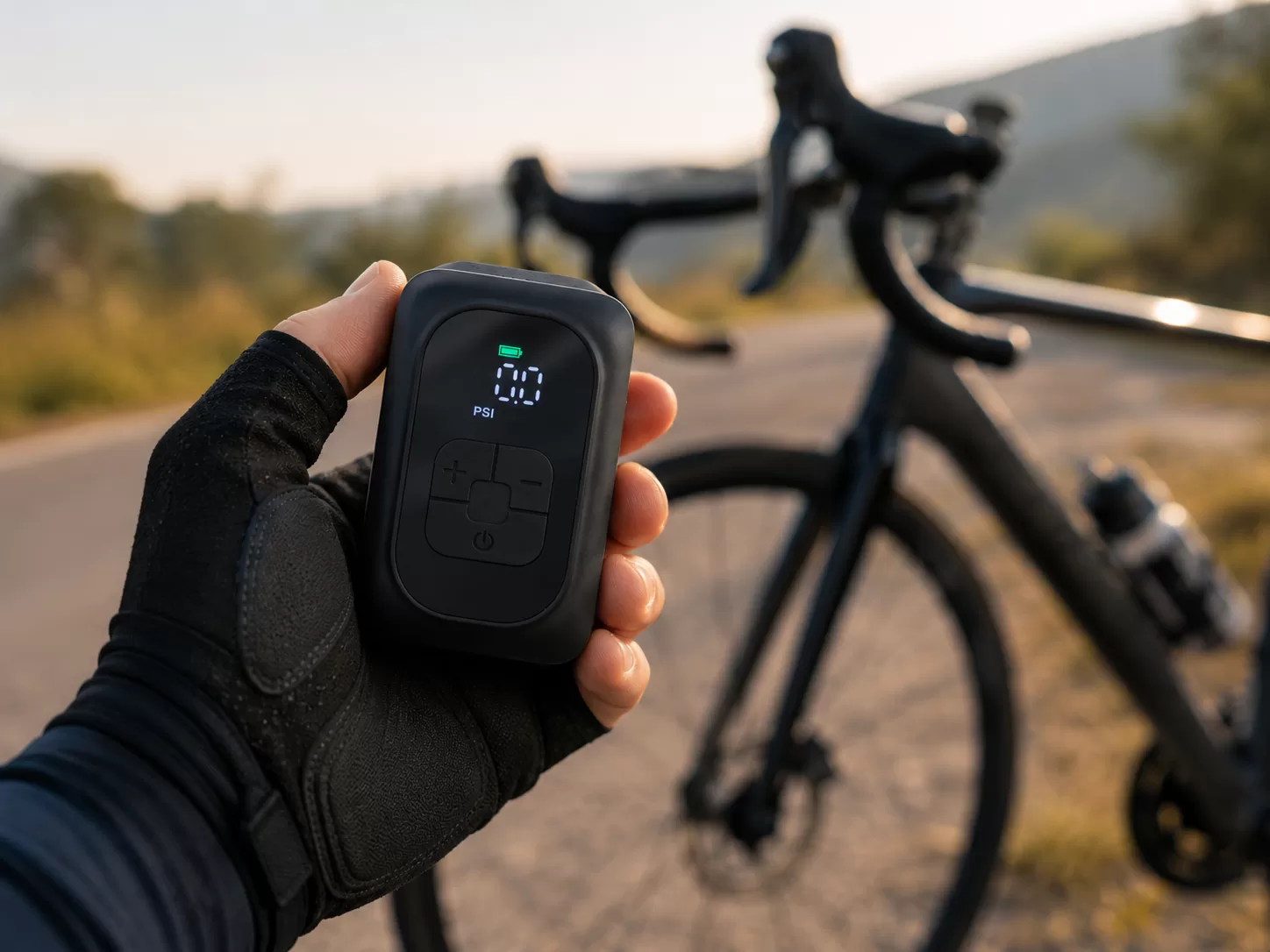
The BL10-C Portable Electric Bike Tire Inflator is a compact and lightweight mini electric bike pump designed for modern cyclists. With up to 120 PSI pressure, a digital LED display, preset pressure control, automatic shut-off, USB-C charging, and multiple valve adapters, BL10-C offers a convenient inflation solution for road bikes,... -

Why Mini Electric Bike Pumps Are Becoming Essential for Modern Cycling
Discover why mini electric bike pumps are becoming essential for modern cyclists. Learn how portable electric bike pumps improve tire pressure management, riding safety, and convenience.... -

The Ultimate Smart Solution for Easy Outdoor Adventures in 2026
Discover how a spring travel air pump simplifies outdoor trips with fast inflation, smart features, and powerful performance—perfect for every adventure.... -

Powerful 5-in-1 Portable Car Tire Inflator and Jump Starter: The Ultimate Emergency Tool for Every Driver
Why Every Driver Needs a Portable Car Tire Inflator and Jump Starter Modern drivers face many unexpected situations on the road. A flat tire, low tire pressure, or a dead car battery can happen at the worst possible time. That’s why having a portable car tire inflator and jump starter is... -

7 Real Cycling Scenarios That Show Why Every Rider Should Carry a Mini Bike Pump
Cycling is one of the most freeing activities you can enjoy. Whether you’re commuting to work, riding through city streets, or exploring quiet countryside roads, a bike ride can instantly improve your day. But there’s one small problem that almost every cyclist eventually faces: Low tire pressure. It might happen... -
BL08-A Portable Electric Bike Pump: A Global Distribution Opportunity with Smartnewo
Smartnewo, a professional manufacturer of portable electric air pumps, introduces the BL08-A model — a compact and efficient inflator designed for global distributors, e-commerce sellers, and outdoor accessory brands seeking reliable OEM/ODM solutions. Table of Contents Main Heading Subtopics 1. Introduction: Expanding the Global Market for Smart Inflation Tools Portable... -

Connecting Opportunities at Automechanika Shanghai 2025 — Smartnewo Exhibition Day 1
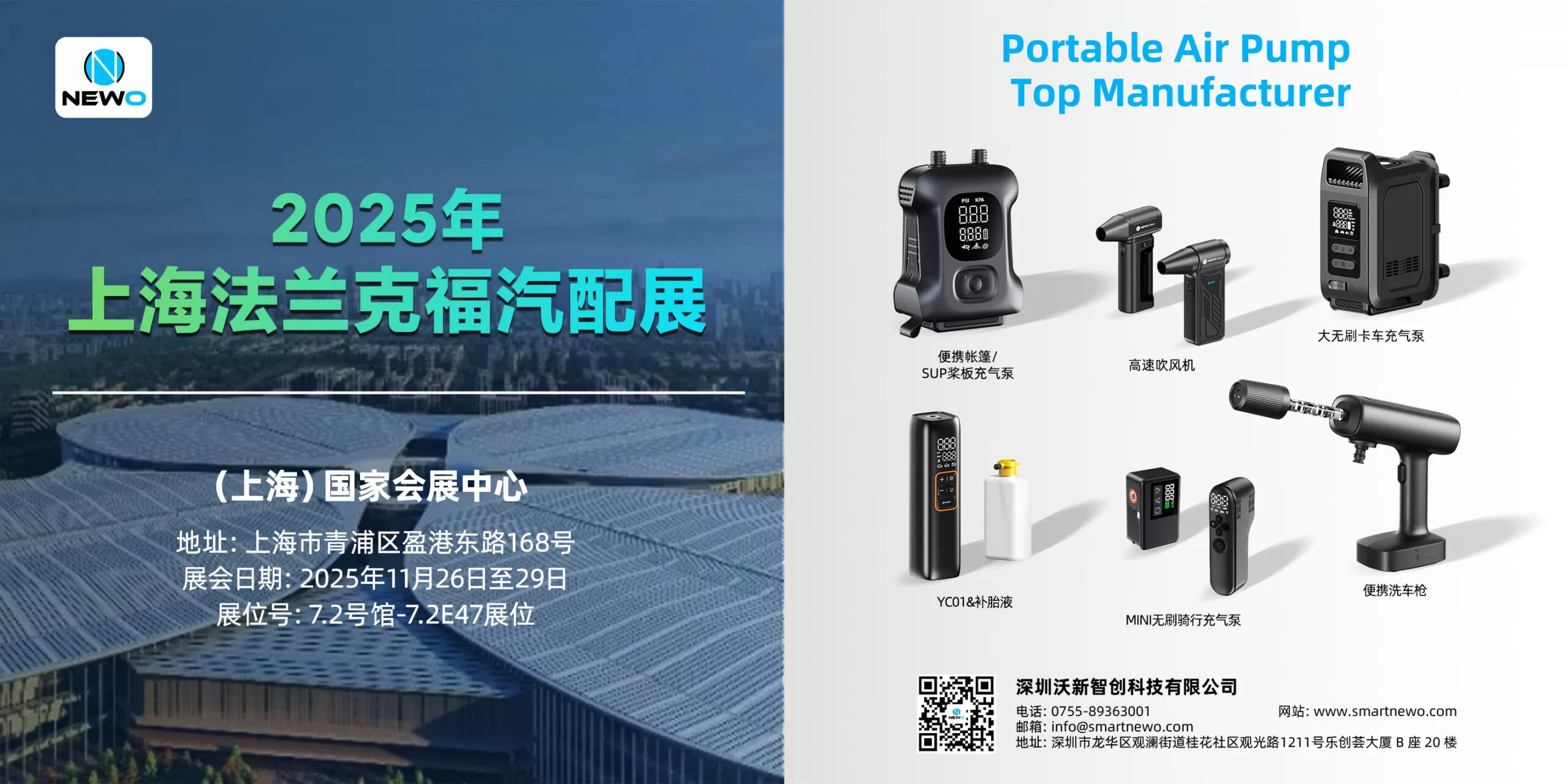
Today marks an exciting beginning as Smartnewo officially opens its booth at Automechanika Shanghai 2025. As one of the largest and most influential automotive aftermarket exhibitions in the world, the show provides an exceptional platform for meaningful conversations, partnership building, and global industry exchange. Located at Booth 7.2E47, Smartnewo presents...

-
How Is a Football Properly Inflated?
The correct inflation of a football - with not too much and not too little air - is a hotly debated topic among footballers.... -
Application Scenarios of Car Inflator Pump
Often long-distance business trips or play car owners because the road may be more remote areas, in this case if you encounter a tire leak....