
 Portable Tire Inflators
 Electric Air Pumps
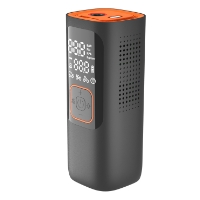 Electric Car Tyre Pumps
 Electric Ball Pumps
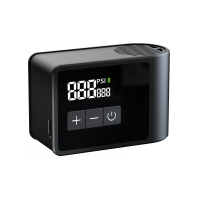 Electric Bike Pump
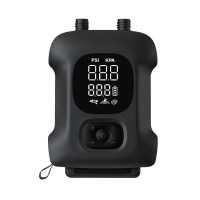 SUP Air Pump
How an Automatic Ball Pump Takes the Guesswork Out of Game-Day Prep
Anyone who has dug through a gym bag looking for a hand pump knows the frustration. An automatic ball pump removes that scramble by inflating basketballs, footballs, and volleyballs to a set pressure in seconds, without a gauge or a count of pumps. The appeal isn’t speed alone. It’s consistency, and that matters more than most people realize.
Why Ball Pressure Keeps Getting Overlooked
Coaches and parents tend to treat inflation as an afterthought, something handled right before practice with whatever pump is lying around. The problem is that manual pumps give no real feedback. You squeeze until the ball feels right, which is a judgment call that varies from person to person and day to day.
A soft ball changes how it bounces, how it’s dribbled, and how it responds off a foot or a palm. Over-inflate it, and the surface gets harder, which affects grip and can shorten the life of the material. Neither mistake is dramatic on its own, but repeated over a season, inconsistent pressure wears out equipment faster and throws off training conditions kids are supposed to get used to.
What Changes With an Automatic Pump
An automatic ball pump solves this by taking the subjective part out of the process. Instead of guessing, the device reads pressure electronically and stops once the target is reached. That’s the core function behind a product like the Battery-Powered Ball Pump 12PSI P101, which is built specifically around low-pressure inflatables rather than general tires.
The P101 covers a 2 to 12 PSI range, which lines up with the pressure needs of basketballs, footballs, volleyballs, and rugby balls, along with lower-pressure items like swim rings and balloons. According to the product’s specifications, it includes five preset ball modes, so the pump applies inflation logic suited to the selected ball type and shuts off automatically once that pressure is reached. For a team manager inflating a dozen balls before practice, that automatic cutoff is the difference between a two-minute job and a ten-minute one spent checking each ball by hand.
The Noise Problem Nobody Talks About
Indoor sports facilities have a quieter issue: pump noise. Anyone who has used a shop-style inflator in a gym hallway knows how disruptive that whine can be, especially during warmups or when a class is in session nearby.
This is where the dB rating on a pump’s spec sheet actually matters, not just as a number but as a practical constraint. The P101 is rated at 30 dB or below at a distance of one meter, according to its listed specifications, which puts it closer to a quiet room than a mechanical tool. That’s a meaningful detail for school equipment rooms, indoor training facilities, or anyone inflating a ball while someone else is sleeping in the next room.
Battery Life and the Reality of Team Use
Battery capacity sounds like a dry spec until you’re the person responsible for twenty balls before a tournament. The P101 runs on a 4000mAh rechargeable battery, charged through Type-C, with a listed runtime of about 3 hours and 52 minutes per full charge. The manufacturer’s data estimates that translates to roughly 150 basketballs on a single charge, which is enough for most team programs to go several sessions without plugging in.
Charging itself takes 2 to 3 hours according to the spec sheet, so a quick overnight charge comfortably covers it. The battery is also rated for 300 cycles before capacity drops to 80% of its original level, a fairly standard benchmark for small rechargeable lithium cells in portable electronics.
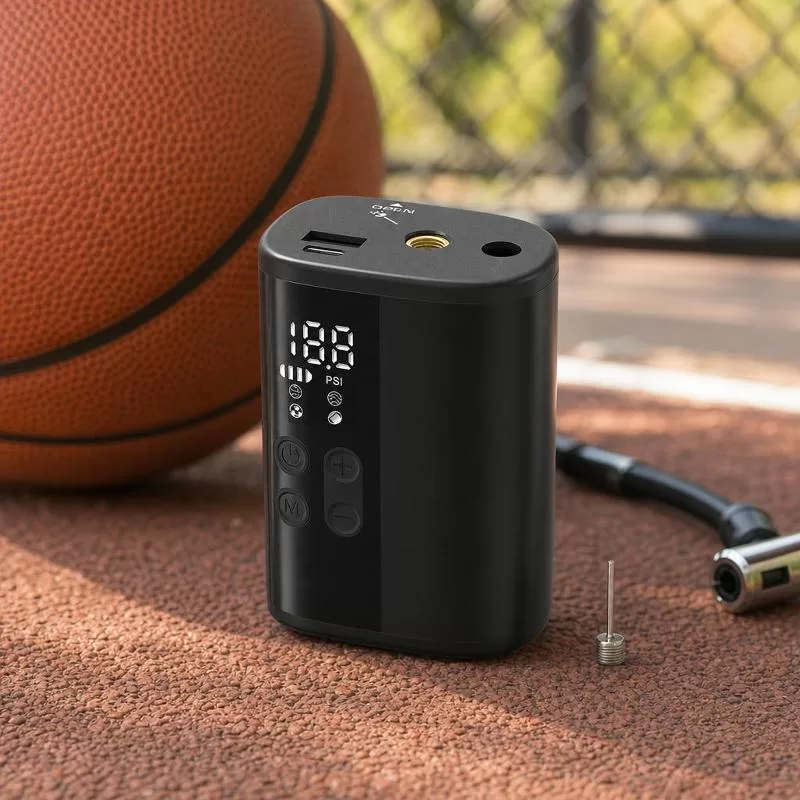
One detail worth highlighting separately: the pump doubles as a small power bank, outputting 5V/1.5A, which means it can top off a phone in a pinch. It won’t replace a dedicated charger, but for a coach already carrying one less thing in a sports bag, it’s a reasonable bonus function rather than a core selling point.
Comparing Core Specs at a Glance
| Specification | Value |
|---|---|
| Pressure range | 2–12 PSI |
| Air flow | 3.5 L/min |
| Battery capacity | 4000mAh (3.7V, 11Wh) |
| Charging time | 2–3 hours |
| Runtime per charge | ~3 hours 52 minutes |
| Noise level | ≤30 dB at 1 meter |
| Weight | 224.4 g |
| Dimensions | 90 × 63 × 40 mm |
| Working temperature | -10°C to 45°C |
This kind of table is more useful than scattered bullet points because pressure, flow, and runtime are interdependent. A pump with high air flow but short battery life isn’t actually more convenient, it just moves the inconvenience to the charging cable.
Portability Changes Who Actually Uses It
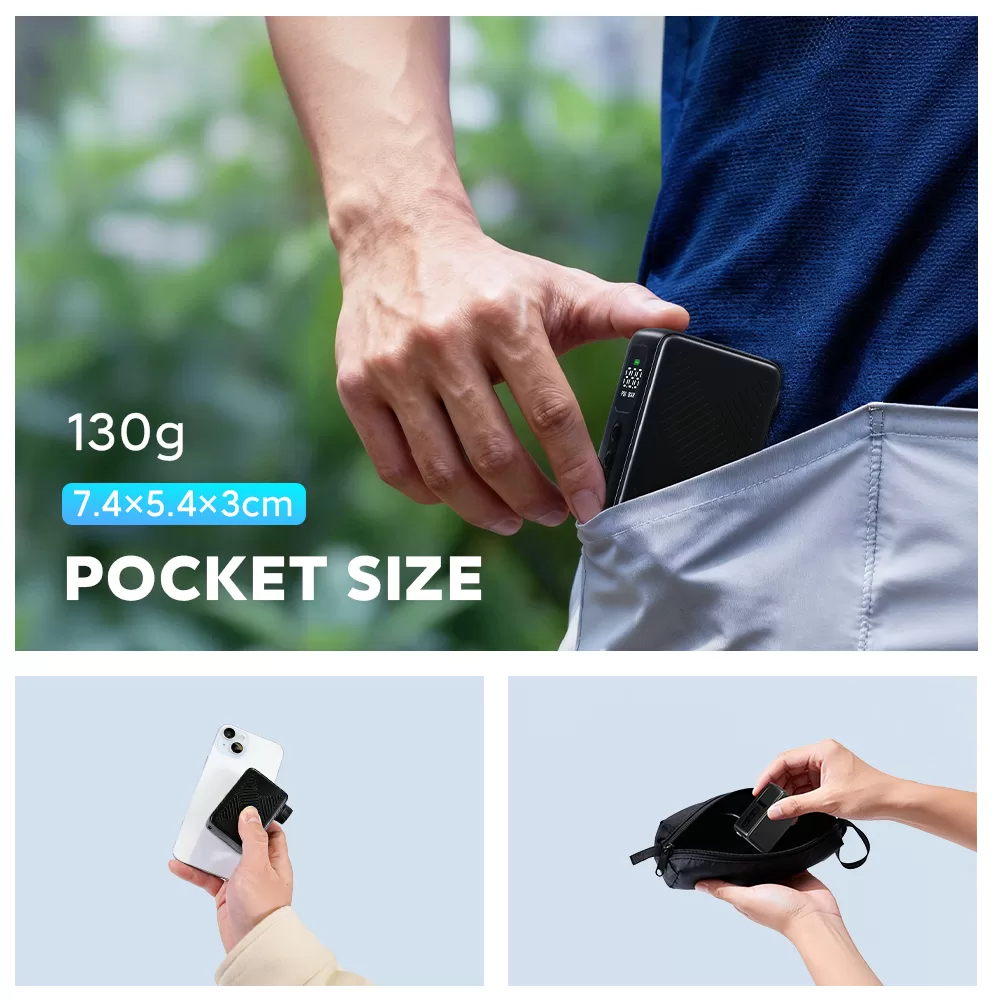
Weight and size seem like minor details until you’re the one carrying equipment. At 224.4 grams and roughly the size of a soda can, the P101 fits into a side pocket of a duffel bag without adding noticeable bulk. That’s a meaningful shift from older plug-in inflators, which usually required a wall outlet and a dedicated storage spot in an equipment closet.
Portability also expands where the pump gets used. A sideline coach can carry one in a backpack. A parent can toss it in with pool toys for weekend swim ring touch-ups. A school athletic department can hand them out to multiple classrooms instead of sharing one bulky inflator between everyone. The use case shifts from "the equipment room has one" to "everyone on the team has access to one."
Choosing the Right Pump for Your Situation
Not every automatic ball pump is built the same way, and matching the device to the actual use case saves money and frustration. A few questions help narrow it down:
- What’s being inflated? Low-pressure sports balls and inflatables need a pump rated for the 2–12 PSI range, not a high-pressure tire inflator meant for vehicles.
- Where will it be used? Indoor gyms and shared spaces benefit from a lower noise rating, while outdoor fields are more forgiving.
- How many items need inflating per session? Battery capacity and runtime matter more for teams inflating a full set of balls than for a single household ball.
- Does charging flexibility matter? A Type-C port is widely compatible with phone chargers and power banks already in most bags, cutting down on extra cables to pack.
- Is portability a priority? Weight under 250 grams and a compact housing make a real difference for anyone carrying gear by hand.
Common Questions About Automatic Ball Pumps
Does an automatic ball pump work on all types of balls?
Models like the P101 are designed around common low-pressure balls such as basketballs, footballs, volleyballs, and rugby balls, along with items like swim rings and balloons. It’s not intended for high-pressure applications like vehicle tires, which require a different type of inflator entirely.
How do preset ball modes actually work?
According to the product’s listed features, preset modes apply inflation logic suited to a specific ball type and stop automatically once the appropriate pressure is reached. This reduces the risk of over- or under-inflating by removing manual judgment from the process.
Is a 30 dB noise rating actually quiet?
For reference, that level sits closer to a quiet room than a vacuum cleaner, making it suitable for use in gyms, classrooms, or homes without causing a disruption.
How long does the battery actually last?
Based on the manufacturer’s listed runtime, a full charge lasts about 3 hours and 52 minutes of operation, which the spec sheet estimates covers around 150 basketballs before a recharge is needed.
Finding the Right Fit for Daily Use
An automatic ball pump isn’t a dramatic upgrade in the way a new pair of cleats might be, but it quietly removes a recurring hassle from team sports, school programs, and family routines. The value isn’t in a single feature. It’s in the combination of consistent pressure, low noise, and a battery that lasts through a full season of use without constant recharging.
For us at Newo, products like the P101 reflect a straightforward design goal: match the pump’s capability to how people actually use sports balls day to day, rather than overbuilding for pressures they’ll never need. Whether it’s a coach prepping for practice or a parent keeping pool toys ready for summer, an automatic ball pump with a dedicated low-pressure range and auto shut-off turns a repetitive chore into something that takes less thought than tying a shoe.
-

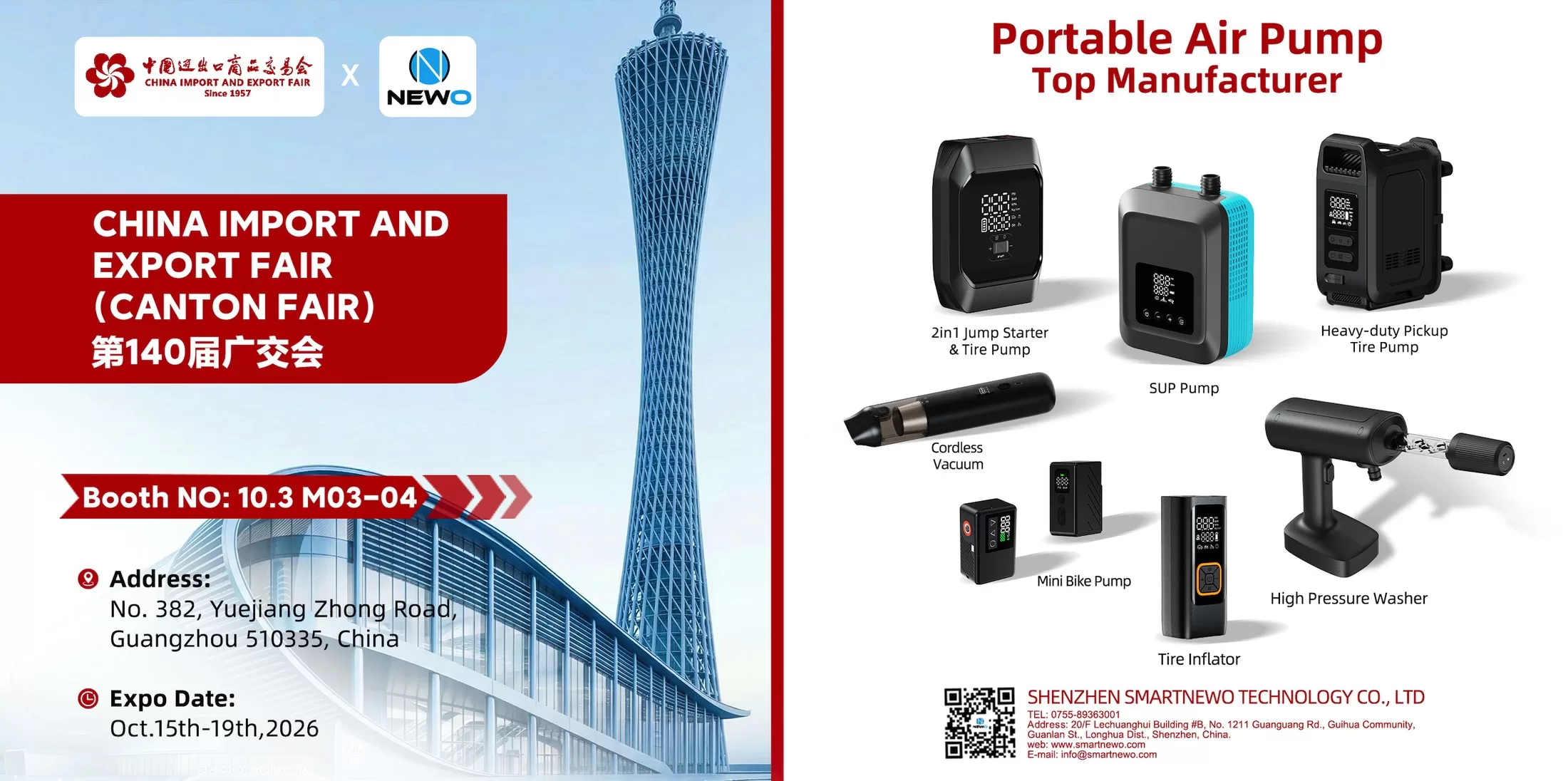
Meet NEWO at the 140th Canton Fair: Visit Booth 10.3 M03–04
Meet NEWO at the 140th Canton Fair in Guangzhou, October 15–19, 2026. Visit Booth 10.3 M03–04 to explore portable air pumps and discuss OEM, ODM and distribution opportunities.... -

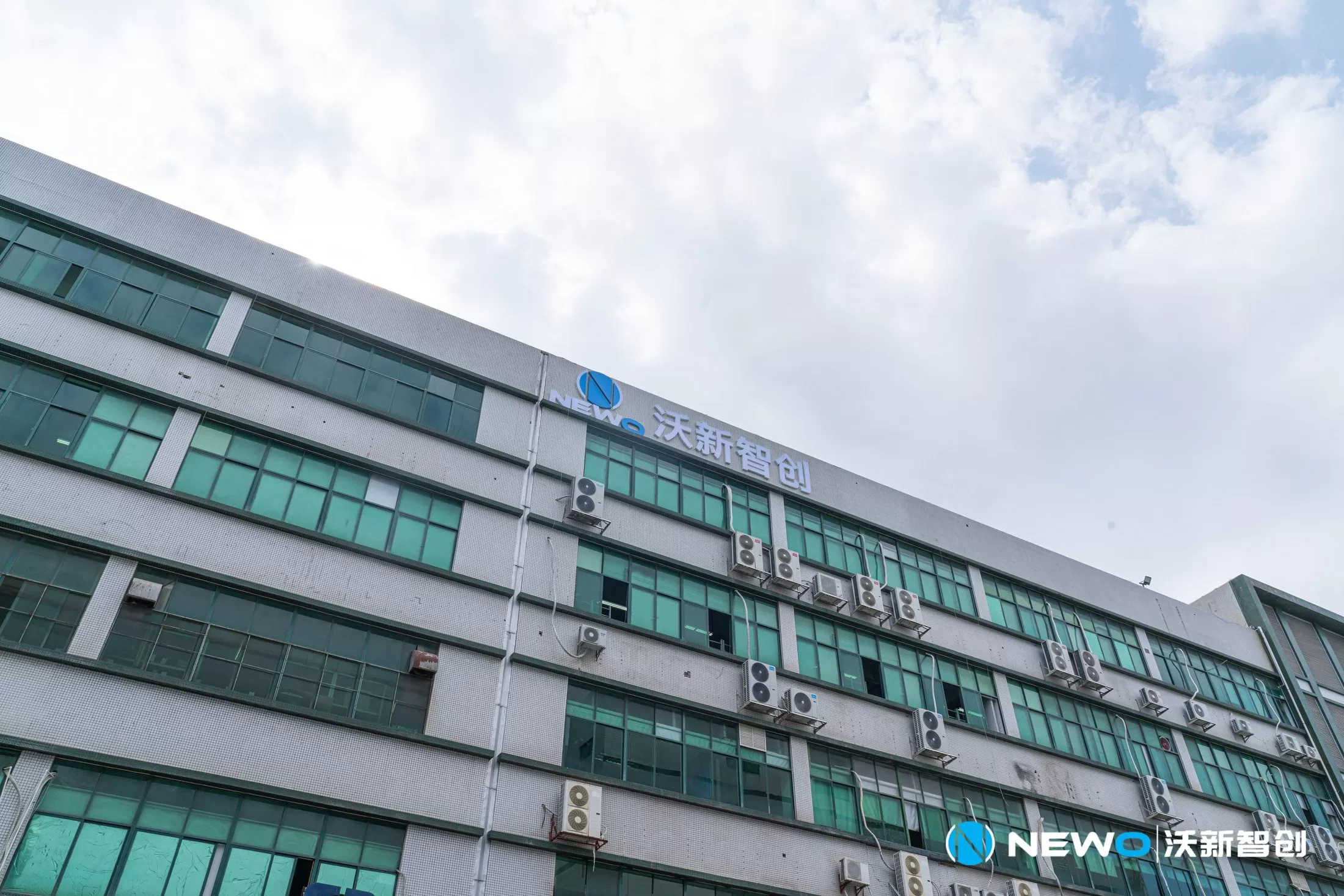
As Shenzhen Welcomes the World for APEC 2026, NEWO Welcomes You to Our Factory
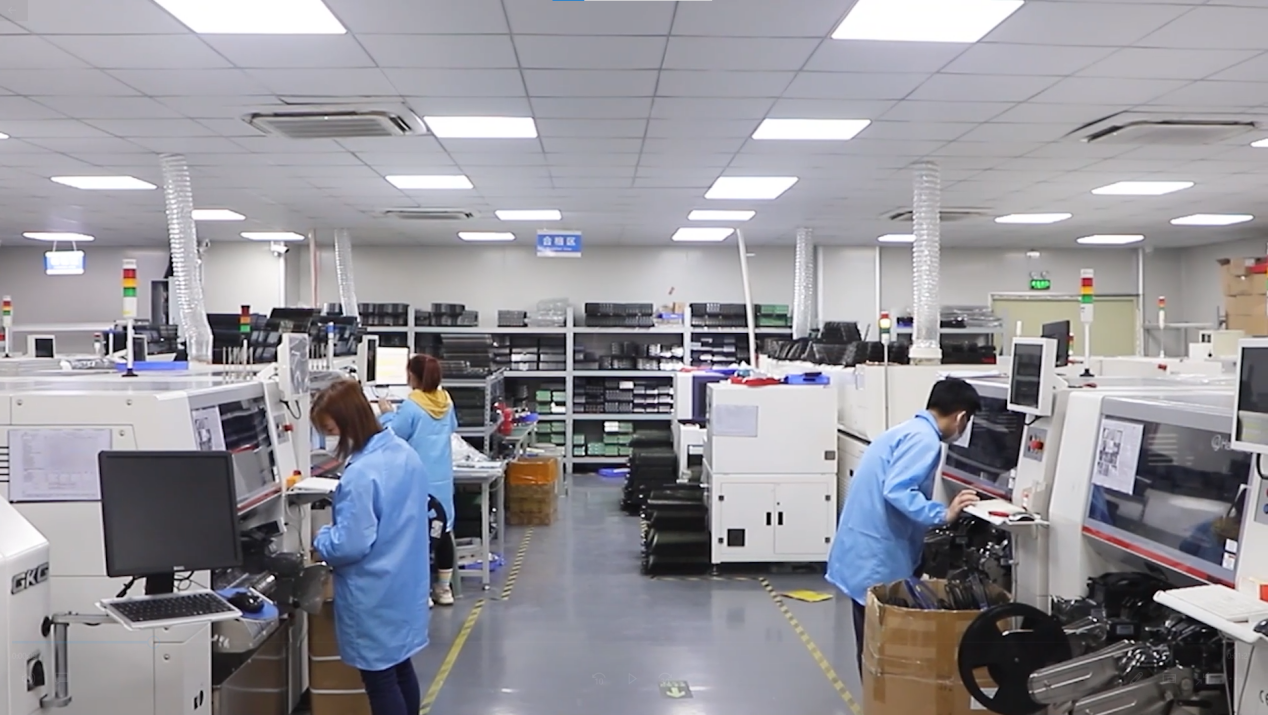
As Shenzhen prepares for APEC 2026, NEWO welcomes international buyers and partners to visit our factory, meet our team and explore future cooperation.... -

Leading the Way in Product Innovation and Excellence
Smartnewo exemplifies professionalism in product innovation and manufacturing. Their collaboration with Xiaomi Youpin on the G01 crowdfunding project highlights their expertise in creating compact, powerful inflatable pumps. Rigorous engineering, meticulous production processes, and advanced quality assurance underscore their commitment to excellence. The success of the G01 project, with significant market... -

Essential Qualities of an Excellent Supplier
In today's competitive market, finding a reliable supplier is crucial for business success. Based on insights from Smartnewo and broader internet research, here are key qualities an excellent supplier must possess:... -

NW06 Tire Inflator: Compact Power for Quick Inflation
Summary The NW06 Tire Inflator delivers quick and efficient tire inflation with a powerful 35L/min airflow. It features a user-friendly LCD screen for real-time pressure monitoring, dual power options with a built-in 6000mAh battery, and multiple nozzle attachments for versatile use. Its compact design and integrated LED light ensure convenience and... -

Unleash the Power of Portability: The SmartNewo Jump Starter with Air Compressor KF03
This guide will walk you through the steps to effectively use a portable tire inflator, helping you stay prepared and safe on the road.... -

Newo Attends The 2024 Consumer Electronics Show (CES)
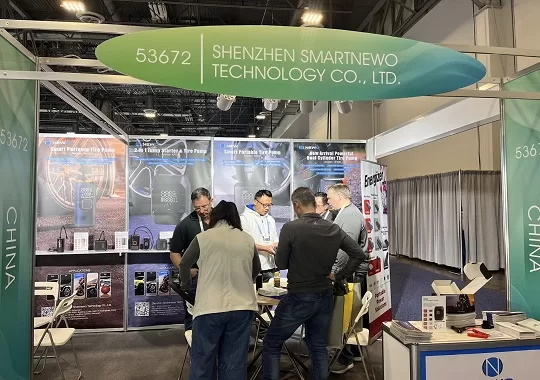
Smartnewo booth is located at 53672, Halls A-D, Level 2, Venetian Expo, Las Vegas Convention Center (LVCC). ... -

Smartnewo’s Dual-Cylinder Air Pump Rocks the Hong Kong Autumn Electronics Fair!
Smartnewo’s Dual-Cylinder Air Pump Rocks the Hong Kong Autumn Electronics Fair!... -

Meet at the Canton Fair! Smartnewo brings dual-cylinder air pumps, making your inflation experience faster and more stable!
NEWO has went deep communication and negotiation with customers from all over the world on booth.... -

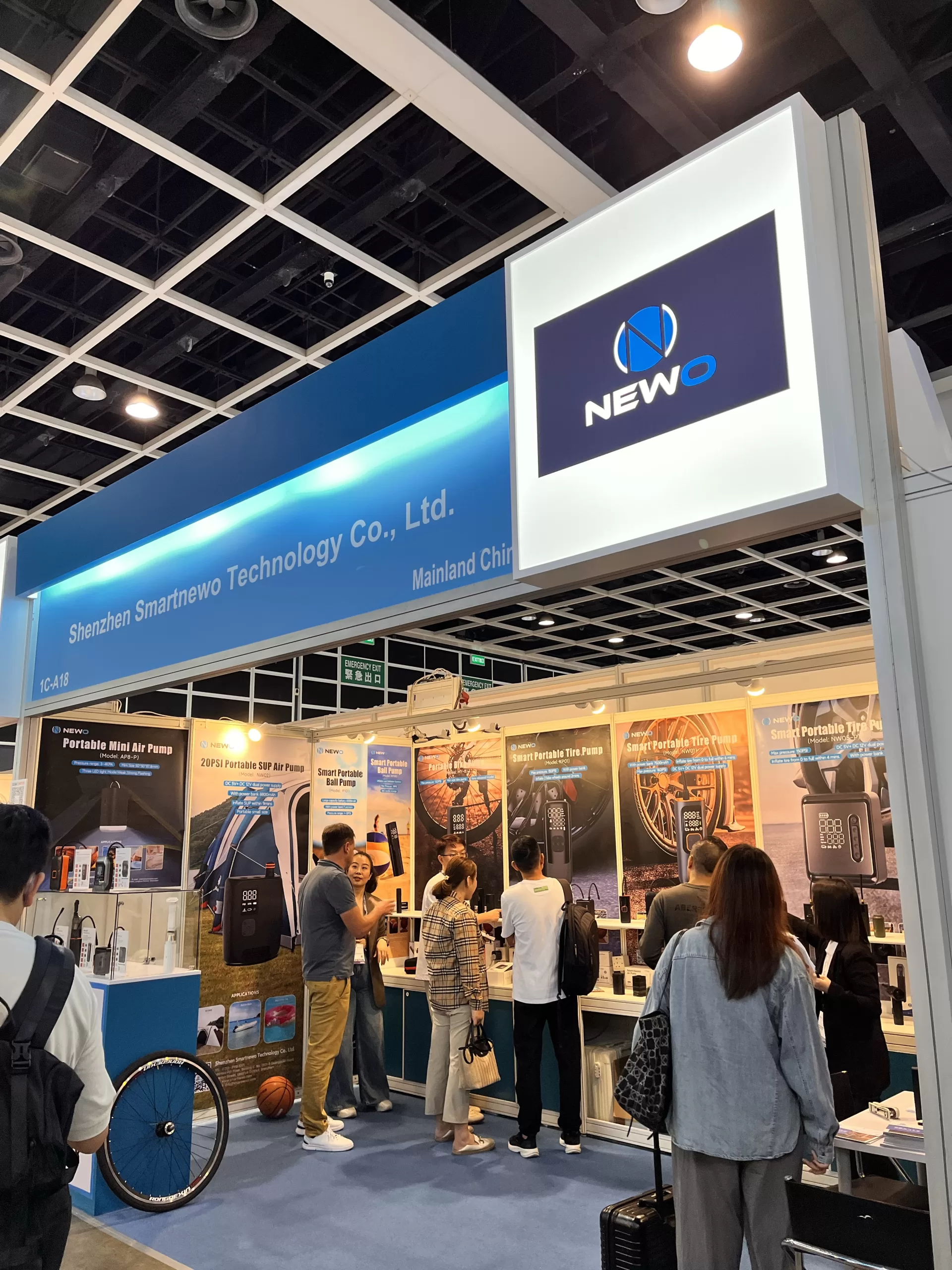
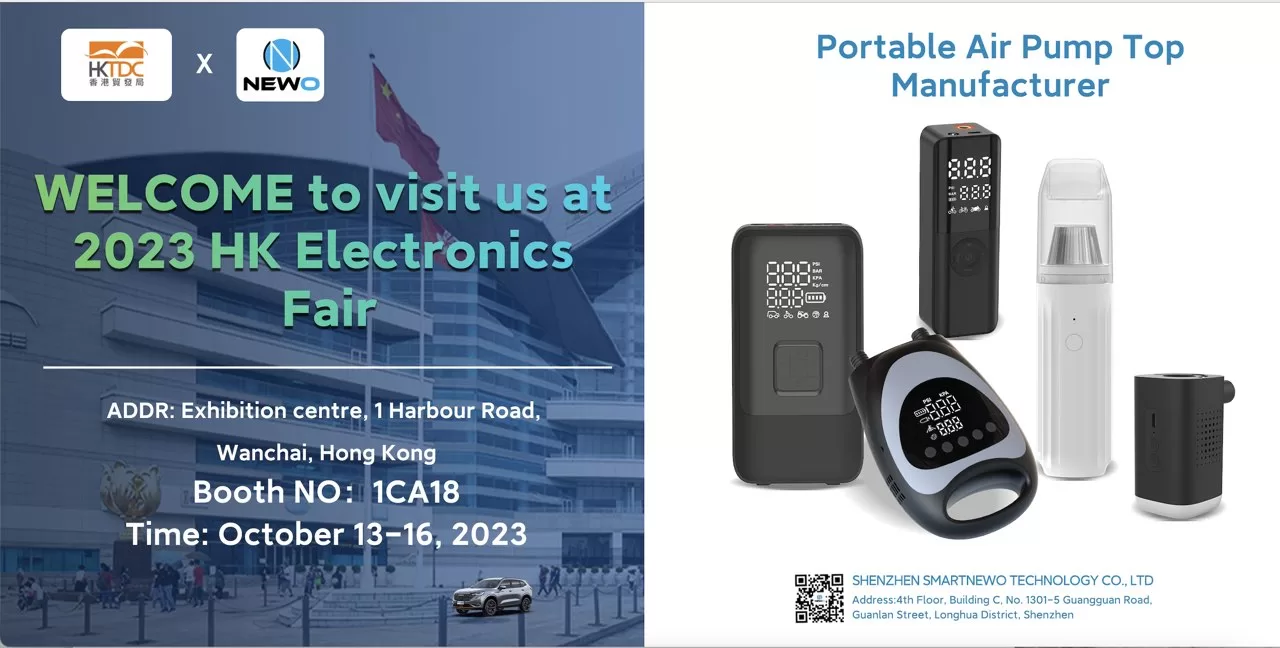
“Hong Kong Autumn Electronics Fair – 1CA18 (October 13th to 16th): Smartnewo invites you to visit our booth!
Hong Kong Autumn Electronics Fair...
-

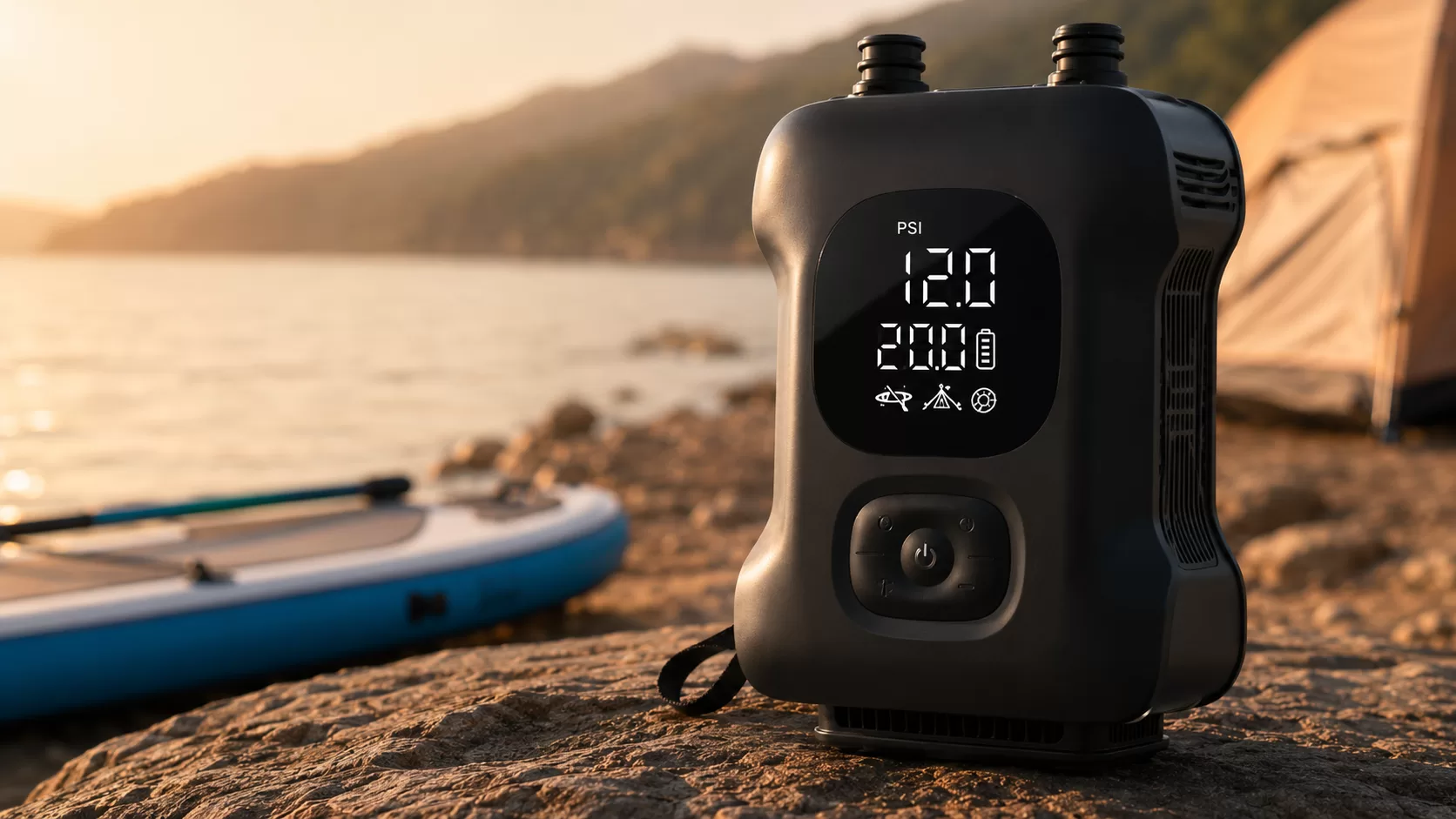
Rechargeable Electric SUP Pump for Paddle Boards: Faster Inflation for SUPs, Kayaks and Inflatable Tents
The BL10-C Portable Electric Bike Tire Inflator is a compact and lightweight mini electric bike pump designed for modern cyclists. With up to 120 PSI pressure, a digital LED display, preset pressure control, automatic shut-off, USB-C charging, and multiple valve adapters, BL10-C offers a convenient inflation solution for road bikes,... -

Are Electric Bike Pumps Worth It in 2026? Electric Pump vs CO₂ vs Mini Hand Pump
Discover whether electric bike pumps are worth it in 2026. This guide compares electric bike pumps, CO₂ inflators, and mini hand pumps for road cycling, gravel riding, commuting, and long-distance rides. Learn the pros, limitations, best use cases, and key features to look for before choosing the right portable tire... -
BL10-C Portable Electric Bike Tire Inflator: Small Size, Reliable Power for Every Ride
The BL10-C Portable Electric Bike Tire Inflator is a compact and lightweight mini electric bike pump designed for modern cyclists. With up to 120 PSI pressure, a digital LED display, preset pressure control, automatic shut-off, USB-C charging, and multiple valve adapters, BL10-C offers a convenient inflation solution for road bikes,... -

Why Mini Electric Bike Pumps Are Becoming Essential for Modern Cycling
Discover why mini electric bike pumps are becoming essential for modern cyclists. Learn how portable electric bike pumps improve tire pressure management, riding safety, and convenience.... -

The Ultimate Smart Solution for Easy Outdoor Adventures in 2026
Discover how a spring travel air pump simplifies outdoor trips with fast inflation, smart features, and powerful performance—perfect for every adventure.... -

Powerful 5-in-1 Portable Car Tire Inflator and Jump Starter: The Ultimate Emergency Tool for Every Driver
Why Every Driver Needs a Portable Car Tire Inflator and Jump Starter Modern drivers face many unexpected situations on the road. A flat tire, low tire pressure, or a dead car battery can happen at the worst possible time. That’s why having a portable car tire inflator and jump starter is... -

7 Real Cycling Scenarios That Show Why Every Rider Should Carry a Mini Bike Pump
Cycling is one of the most freeing activities you can enjoy. Whether you’re commuting to work, riding through city streets, or exploring quiet countryside roads, a bike ride can instantly improve your day. But there’s one small problem that almost every cyclist eventually faces: Low tire pressure. It might happen... -
BL08-A Portable Electric Bike Pump: A Global Distribution Opportunity with Smartnewo
Smartnewo, a professional manufacturer of portable electric air pumps, introduces the BL08-A model — a compact and efficient inflator designed for global distributors, e-commerce sellers, and outdoor accessory brands seeking reliable OEM/ODM solutions. Table of Contents Main Heading Subtopics 1. Introduction: Expanding the Global Market for Smart Inflation Tools Portable... -

Connecting Opportunities at Automechanika Shanghai 2025 — Smartnewo Exhibition Day 1
Today marks an exciting beginning as Smartnewo officially opens its booth at Automechanika Shanghai 2025. As one of the largest and most influential automotive aftermarket exhibitions in the world, the show provides an exceptional platform for meaningful conversations, partnership building, and global industry exchange. Located at Booth 7.2E47, Smartnewo presents... -

Why Every Outdoor Cyclist Should Carry a Mini Electric Bike Pump
Whether you are an experienced mountain rider or a weekend road-cycling enthusiast, one thing is certain: unexpected tire pressure issues can ruin an entire ride. That’s why more cyclists are turning to mini electric bike pumps—compact, lightweight, and far more reliable than traditional hand pumps. 1. Consistent Pressure, Even in...

-
How Is a Football Properly Inflated?
The correct inflation of a football - with not too much and not too little air - is a hotly debated topic among footballers.... -
Application Scenarios of Car Inflator Pump
Often long-distance business trips or play car owners because the road may be more remote areas, in this case if you encounter a tire leak....