
 Portable Tire Inflators
 Electric Air Pumps
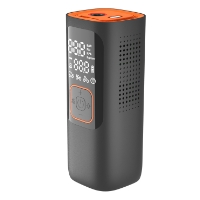 Electric Car Tyre Pumps
 Electric Ball Pumps
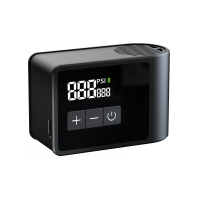 Electric Bike Pump
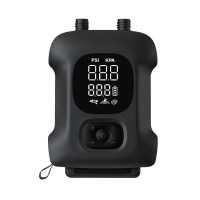 SUP Air Pump
How an Electric Sports Ball Pump Maintains Precise Pressure
A deflated basketball deadens the game. The bounce feels sluggish, and shooting accuracy drops. Players often guess the correct inflation level by squeezing the synthetic leather. An electric sports ball pump eliminates this manual guesswork by delivering exact PSI readings.
This device translates digital inputs into mechanical air compression. Whether you play on a local court or manage a collegiate team, maintaining proper ball pressure directly impacts trajectory. It ensures optimal kinetic energy transfer with every pass.
Why Pressure Accuracy Matters in Sports
Professional governing bodies enforce strict equipment regulations. A soccer ball must maintain between 8.5 and 15.6 psi. A basketball requires a narrower window of 7.5 to 8.5 psi.
If a ball exceeds these limits, the internal bladder expands too far. The stitched seams stretch, and the structural integrity degrades faster. Over-inflation also creates a rigid surface that can injure players upon impact.
Under-inflation increases the surface area in contact with the ground. This alters the friction coefficient, making the ball drag during a roll. Manual hand pumps leave players blind to these critical micro-variations.
The Physics of Bounce and Air Pressure
When a ball hits the floor, the internal air compresses. This sudden compression stores elastic potential energy. The trapped air rapidly expands, pushing against the rubber casing to propel the ball upward.
If the internal PSI is too low, the outer casing deforms heavily upon impact. Energy dissipates as heat rather than kinetic rebound. Players then exert unnatural shoulder force to pass the ball, throwing off their biomechanics.
How Does an Electric Sports Ball Pump Stop at the Right Pressure?
The core of a smart inflation device lies in its integrated pressure sensor. As air enters the sports ball, backpressure builds within the internal chamber of the pump.
A micro-controller monitors this pneumatic resistance in real-time. Once the detected backpressure matches your preset PSI limit, the circuit cuts power to the motor instantly.
This automated cutoff prevents structural damage to the ball casing. For us, as a manufacturer specializing in smart electric air pumps, calibrating this sensor response is the most critical phase of pneumatic product design.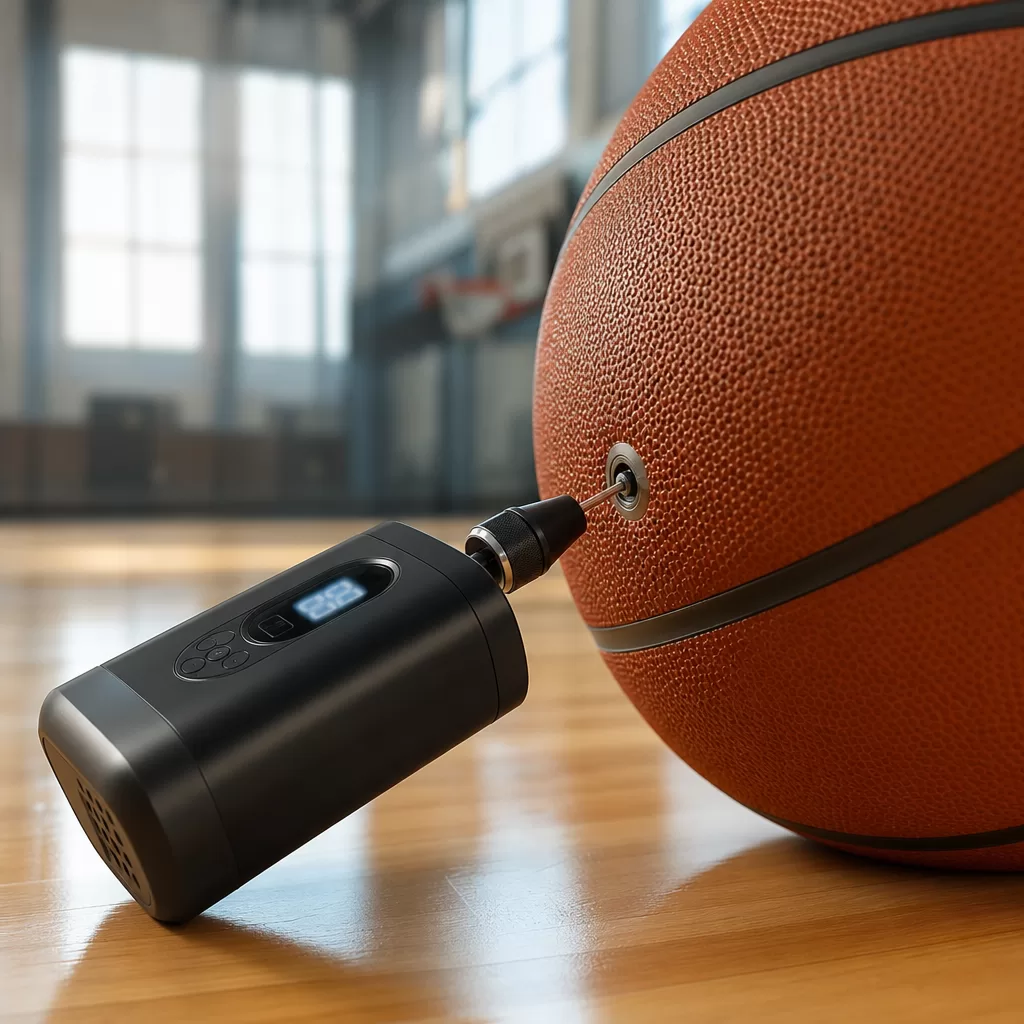
Manual vs. Electric: The Mechanics of Airflow
A traditional hand pump forces air through a cylinder using brute human force. The compression rate varies wildly with each stroke. This inconsistent, jerky airflow stresses the delicate valve stem of the ball.
Electric models use a miniaturized rotary motor driving a small piston. This piston strokes at a constant, high-frequency rate. The steady, measured airflow protects the rubber valve from tearing under sudden pressure spikes.
Common Technical Specifications
Comparing standard hardware metrics helps clarify what to expect from battery-operated inflation tools. The data below reflects typical industry standards.
| Feature | Typical Specification |
|---|---|
| Inflation Speed | 4 to 5 liters per minute |
| Maximum Pressure | 15 to 20 PSI |
| Battery Capacity | 2000 mAh lithium-ion |
| Output Yield | 30 to 40 balls per charge |
| Noise Level | 60 to 75 decibels |
Why Do Sports Balls Lose Air Over Time?
Rubber and synthetic leathers are not completely impermeable materials. At a microscopic level, air molecules are small enough to slowly pass through the porous membrane of a butyl bladder.
This physical process is known as permeation. A standard basketball naturally loses about 1 to 2 PSI per month just sitting untouched in a storage closet.
Environmental temperature drops also shrink the internal air volume. Checking the pressure before every game is a necessary habit, rather than an optional precaution.
What is the Cost and Lifespan of These Devices?
Most standard battery-operated models range from $25 to $50. The final cost heavily depends on the battery cell quality and the accuracy of the digital pressure sensor.
A standard 2000 mAh lithium-ion battery handles about 300 to 500 full charge cycles. If a coach inflates 10 balls weekly, a well-built pump easily lasts three to five years before battery degradation occurs.
How to Choose the Right Nozzle and Needle?
Sports balls require a standard, hollow steel inflation needle. Using a tapered plastic nozzle designed for air mattresses will permanently ruin a sports ball valve.
When inserting the metal needle, always moisten it with water or glycerin. A dry needle generates severe friction against the internal rubber valve walls.
This dry friction causes microscopic tears. Over several months, these invisible tears lead to irreversible slow air leaks.
Can Cold Weather Affect Pumping Efficiency?
Temperature swings drastically alter air density and battery chemistry. In freezing conditions, a ball naturally loses internal pressure. The battery inside a portable pump also discharges noticeably faster.
Lithium-ion cells lose up to 20% of their efficiency when operating below 32°F (0°C). You might notice the motor sounding sluggish during outdoor winter training sessions.
To counter this chemical slowdown, store your electric sports ball pump in a warm jacket pocket before use. Warming the device ensures the motor spins at optimal RPM, delivering the exact pressure required for the game.
-

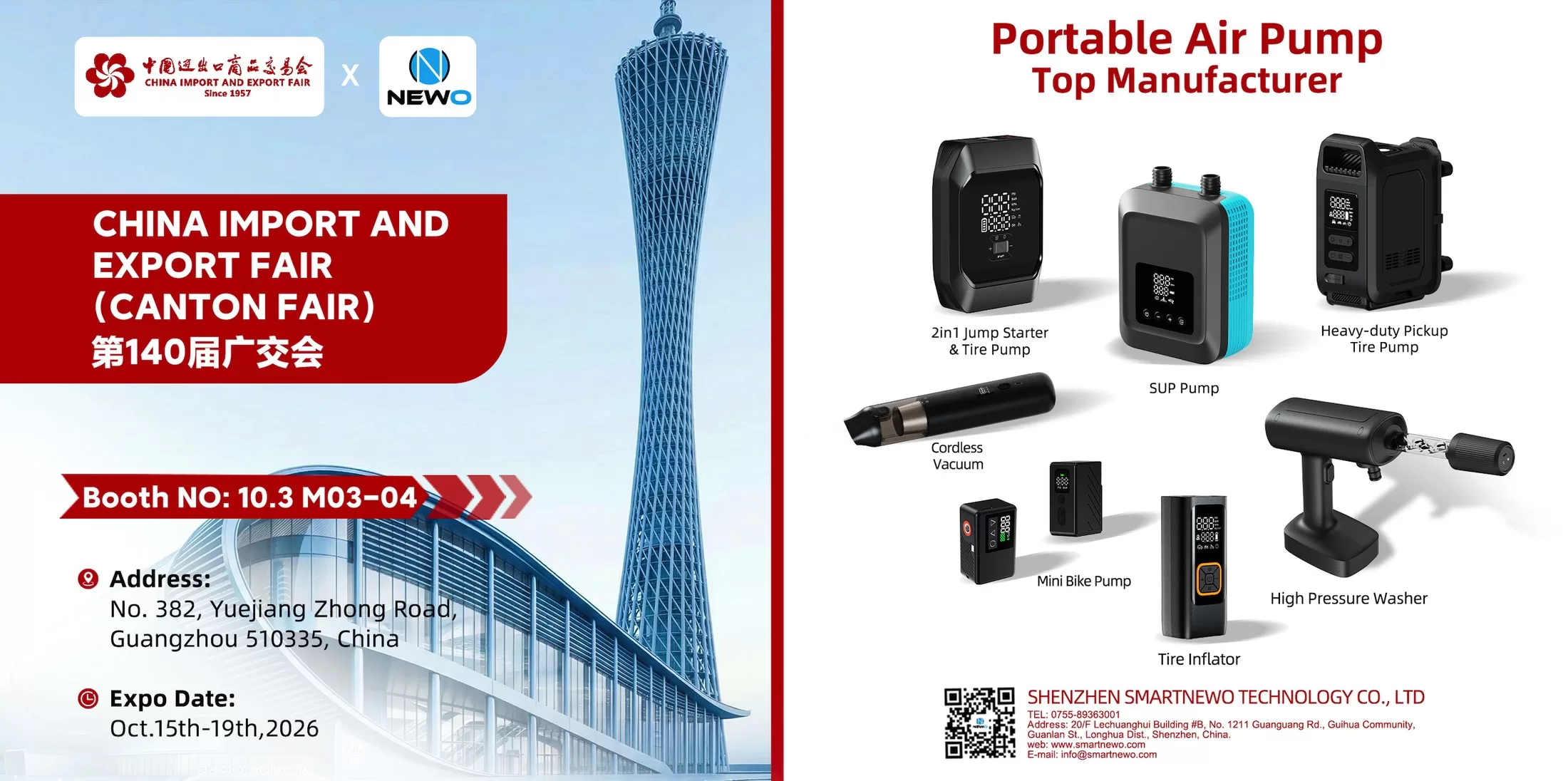
Meet NEWO at the 140th Canton Fair: Visit Booth 10.3 M03–04
Meet NEWO at the 140th Canton Fair in Guangzhou, October 15–19, 2026. Visit Booth 10.3 M03–04 to explore portable air pumps and discuss OEM, ODM and distribution opportunities.... -

As Shenzhen Welcomes the World for APEC 2026, NEWO Welcomes You to Our Factory
As Shenzhen prepares for APEC 2026, NEWO welcomes international buyers and partners to visit our factory, meet our team and explore future cooperation.... -

Leading the Way in Product Innovation and Excellence
Smartnewo exemplifies professionalism in product innovation and manufacturing. Their collaboration with Xiaomi Youpin on the G01 crowdfunding project highlights their expertise in creating compact, powerful inflatable pumps. Rigorous engineering, meticulous production processes, and advanced quality assurance underscore their commitment to excellence. The success of the G01 project, with significant market... -

Essential Qualities of an Excellent Supplier
In today's competitive market, finding a reliable supplier is crucial for business success. Based on insights from Smartnewo and broader internet research, here are key qualities an excellent supplier must possess:... -

NW06 Tire Inflator: Compact Power for Quick Inflation
Summary The NW06 Tire Inflator delivers quick and efficient tire inflation with a powerful 35L/min airflow. It features a user-friendly LCD screen for real-time pressure monitoring, dual power options with a built-in 6000mAh battery, and multiple nozzle attachments for versatile use. Its compact design and integrated LED light ensure convenience and... -

Unleash the Power of Portability: The SmartNewo Jump Starter with Air Compressor KF03
This guide will walk you through the steps to effectively use a portable tire inflator, helping you stay prepared and safe on the road.... -

Newo Attends The 2024 Consumer Electronics Show (CES)
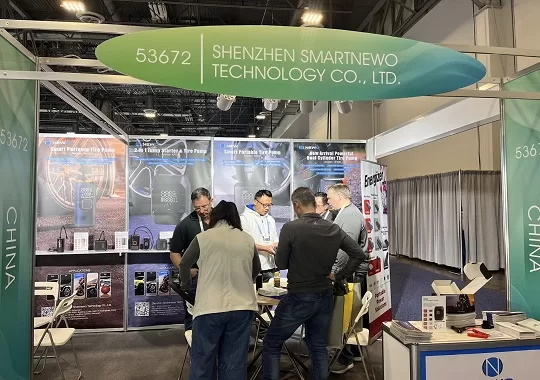
Smartnewo booth is located at 53672, Halls A-D, Level 2, Venetian Expo, Las Vegas Convention Center (LVCC). ... -

Smartnewo’s Dual-Cylinder Air Pump Rocks the Hong Kong Autumn Electronics Fair!
Smartnewo’s Dual-Cylinder Air Pump Rocks the Hong Kong Autumn Electronics Fair!... -

Meet at the Canton Fair! Smartnewo brings dual-cylinder air pumps, making your inflation experience faster and more stable!
NEWO has went deep communication and negotiation with customers from all over the world on booth.... -

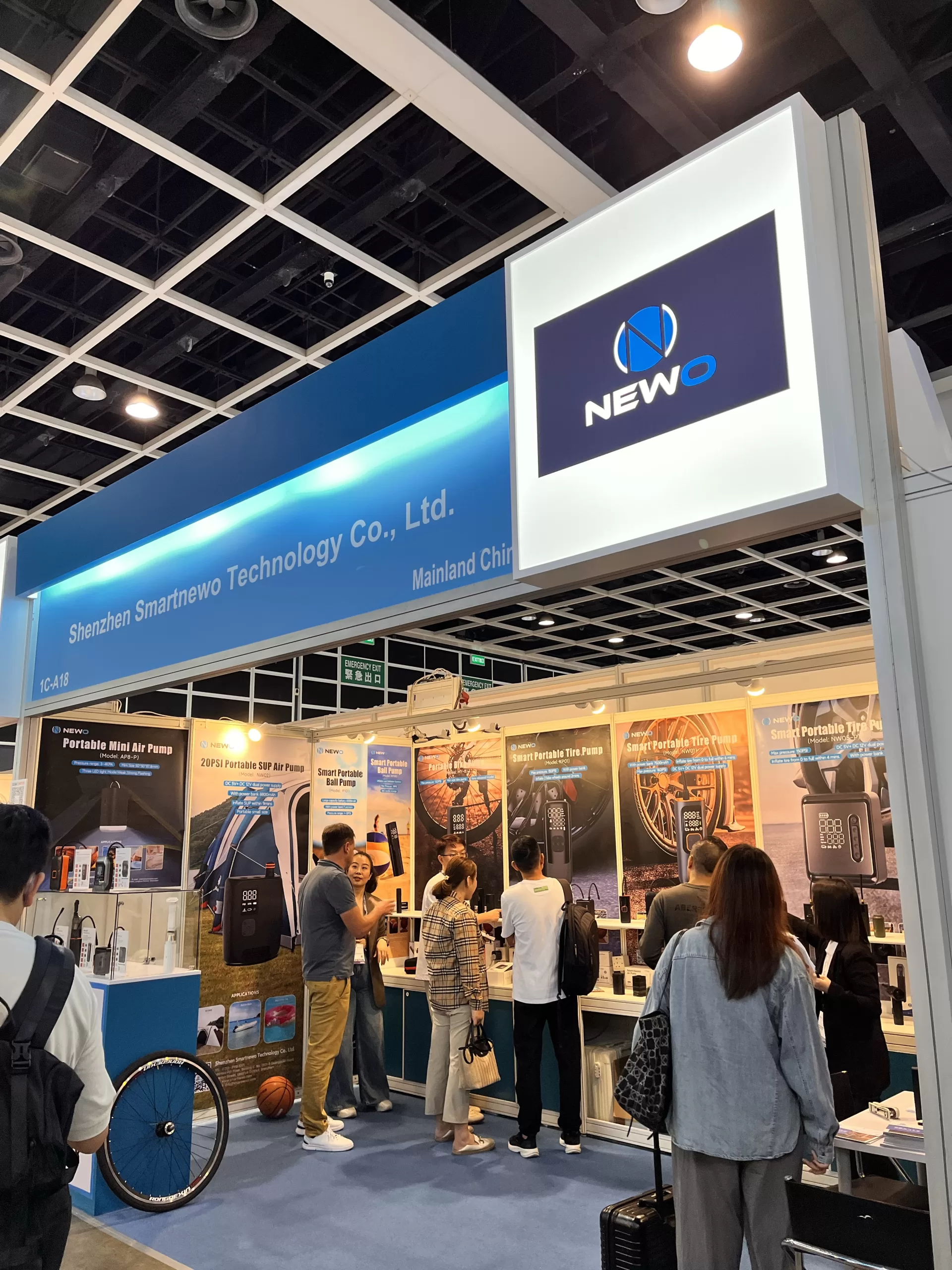
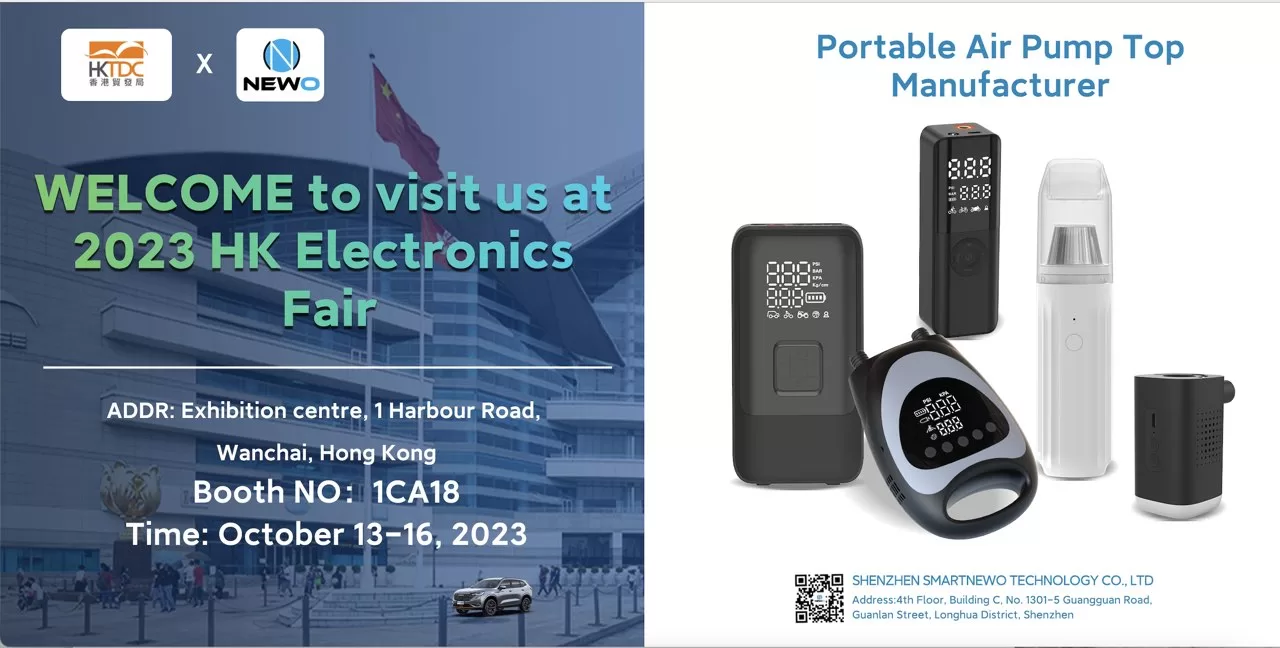
“Hong Kong Autumn Electronics Fair – 1CA18 (October 13th to 16th): Smartnewo invites you to visit our booth!
Hong Kong Autumn Electronics Fair...


-

How to Choose a Reliable Tire Inflator Manufacturer in China
Choose a tire inflator manufacturer in China with a focused RFQ, supplier evidence, configuration checks, and clear sample-to-pilot decisions for your brand.... -

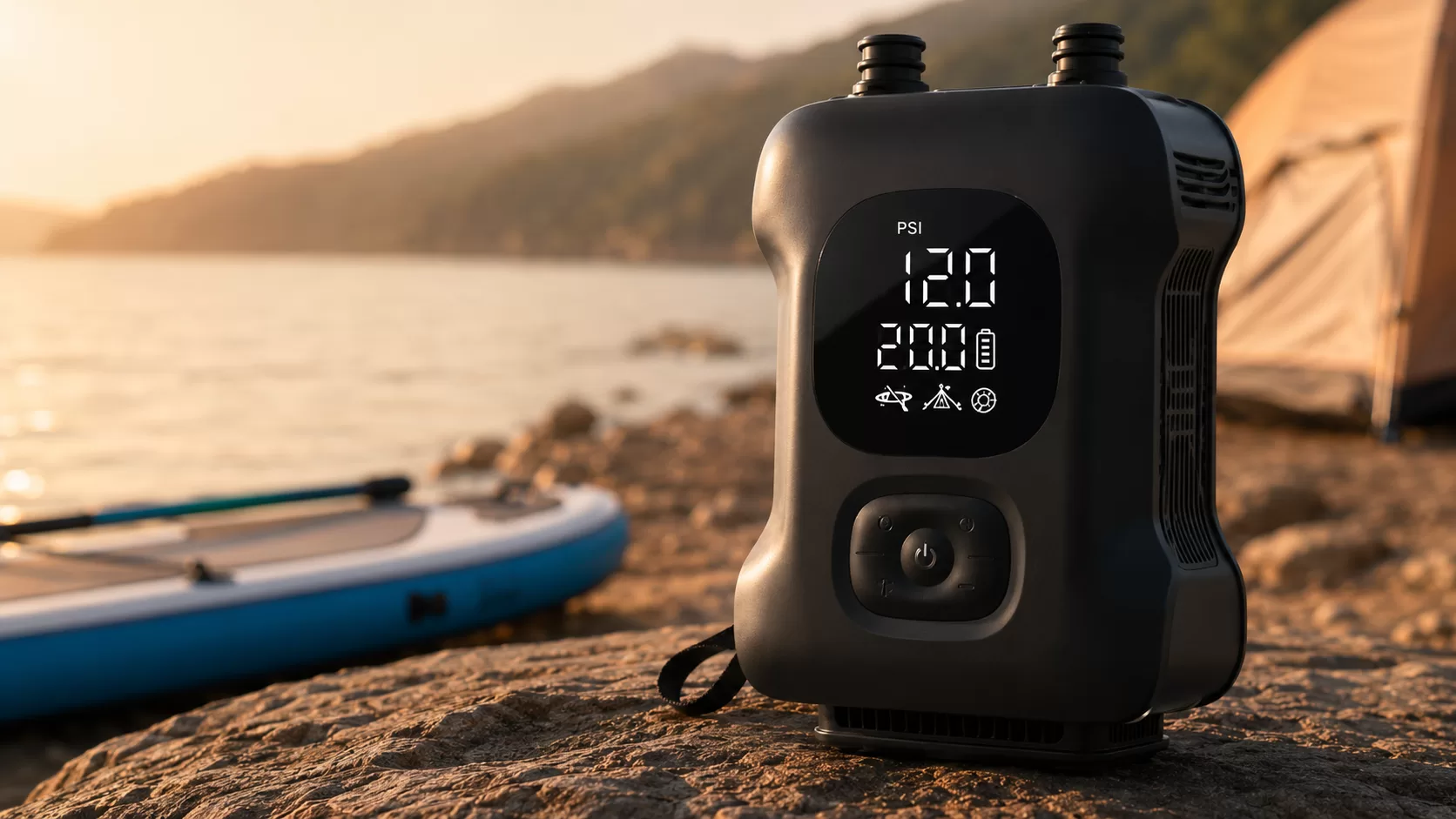
Rechargeable Electric SUP Pump for Paddle Boards: Faster Inflation for SUPs, Kayaks and Inflatable Tents
The BL10-C Portable Electric Bike Tire Inflator is a compact and lightweight mini electric bike pump designed for modern cyclists. With up to 120 PSI pressure, a digital LED display, preset pressure control, automatic shut-off, USB-C charging, and multiple valve adapters, BL10-C offers a convenient inflation solution for road bikes,... -

Are Electric Bike Pumps Worth It in 2026? Electric Pump vs CO₂ vs Mini Hand Pump
Discover whether electric bike pumps are worth it in 2026. This guide compares electric bike pumps, CO₂ inflators, and mini hand pumps for road cycling, gravel riding, commuting, and long-distance rides. Learn the pros, limitations, best use cases, and key features to look for before choosing the right portable tire... -
BL10-C Portable Electric Bike Tire Inflator: Small Size, Reliable Power for Every Ride
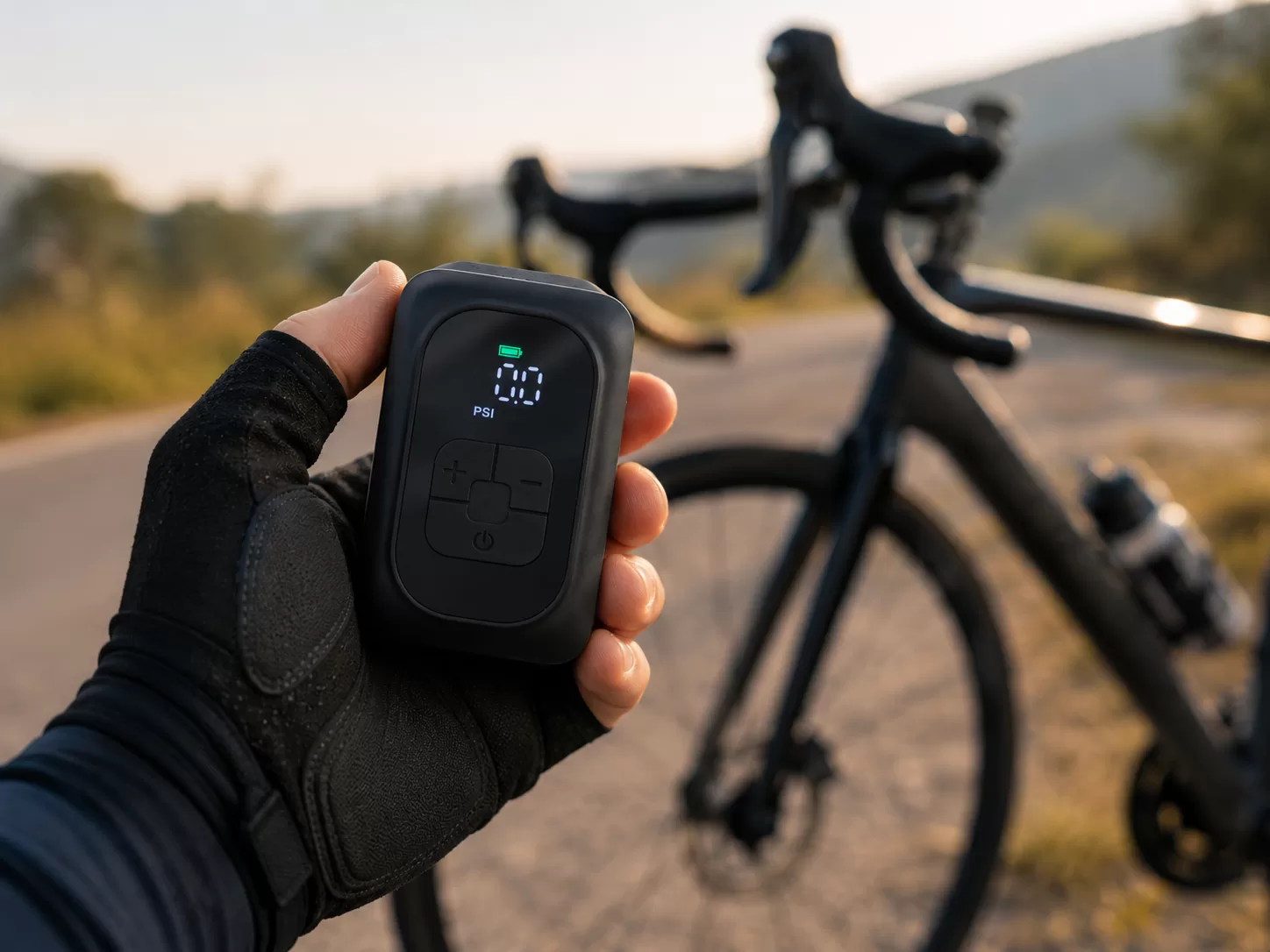
The BL10-C Portable Electric Bike Tire Inflator is a compact and lightweight mini electric bike pump designed for modern cyclists. With up to 120 PSI pressure, a digital LED display, preset pressure control, automatic shut-off, USB-C charging, and multiple valve adapters, BL10-C offers a convenient inflation solution for road bikes,... -

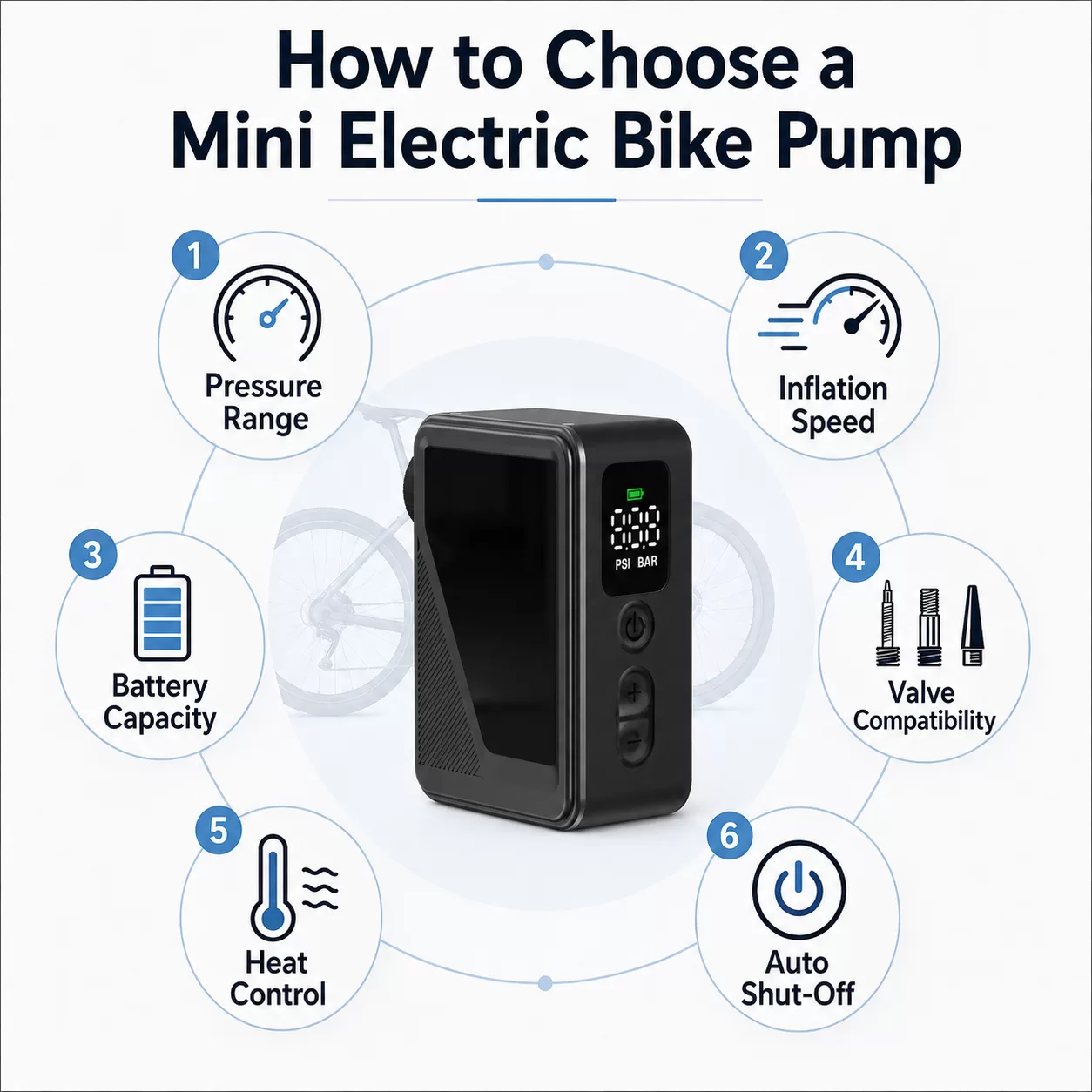
Why Mini Electric Bike Pumps Are Becoming Essential for Modern Cycling
Discover why mini electric bike pumps are becoming essential for modern cyclists. Learn how portable electric bike pumps improve tire pressure management, riding safety, and convenience.... -

The Ultimate Smart Solution for Easy Outdoor Adventures in 2026
Discover how a spring travel air pump simplifies outdoor trips with fast inflation, smart features, and powerful performance—perfect for every adventure.... -

Powerful 5-in-1 Portable Car Tire Inflator and Jump Starter: The Ultimate Emergency Tool for Every Driver
Why Every Driver Needs a Portable Car Tire Inflator and Jump Starter Modern drivers face many unexpected situations on the road. A flat tire, low tire pressure, or a dead car battery can happen at the worst possible time. That’s why having a portable car tire inflator and jump starter is... -

7 Real Cycling Scenarios That Show Why Every Rider Should Carry a Mini Bike Pump
Cycling is one of the most freeing activities you can enjoy. Whether you’re commuting to work, riding through city streets, or exploring quiet countryside roads, a bike ride can instantly improve your day. But there’s one small problem that almost every cyclist eventually faces: Low tire pressure. It might happen... -
BL08-A Portable Electric Bike Pump: A Global Distribution Opportunity with Smartnewo
Smartnewo, a professional manufacturer of portable electric air pumps, introduces the BL08-A model — a compact and efficient inflator designed for global distributors, e-commerce sellers, and outdoor accessory brands seeking reliable OEM/ODM solutions. Table of Contents Main Heading Subtopics 1. Introduction: Expanding the Global Market for Smart Inflation Tools Portable... -

Connecting Opportunities at Automechanika Shanghai 2025 — Smartnewo Exhibition Day 1
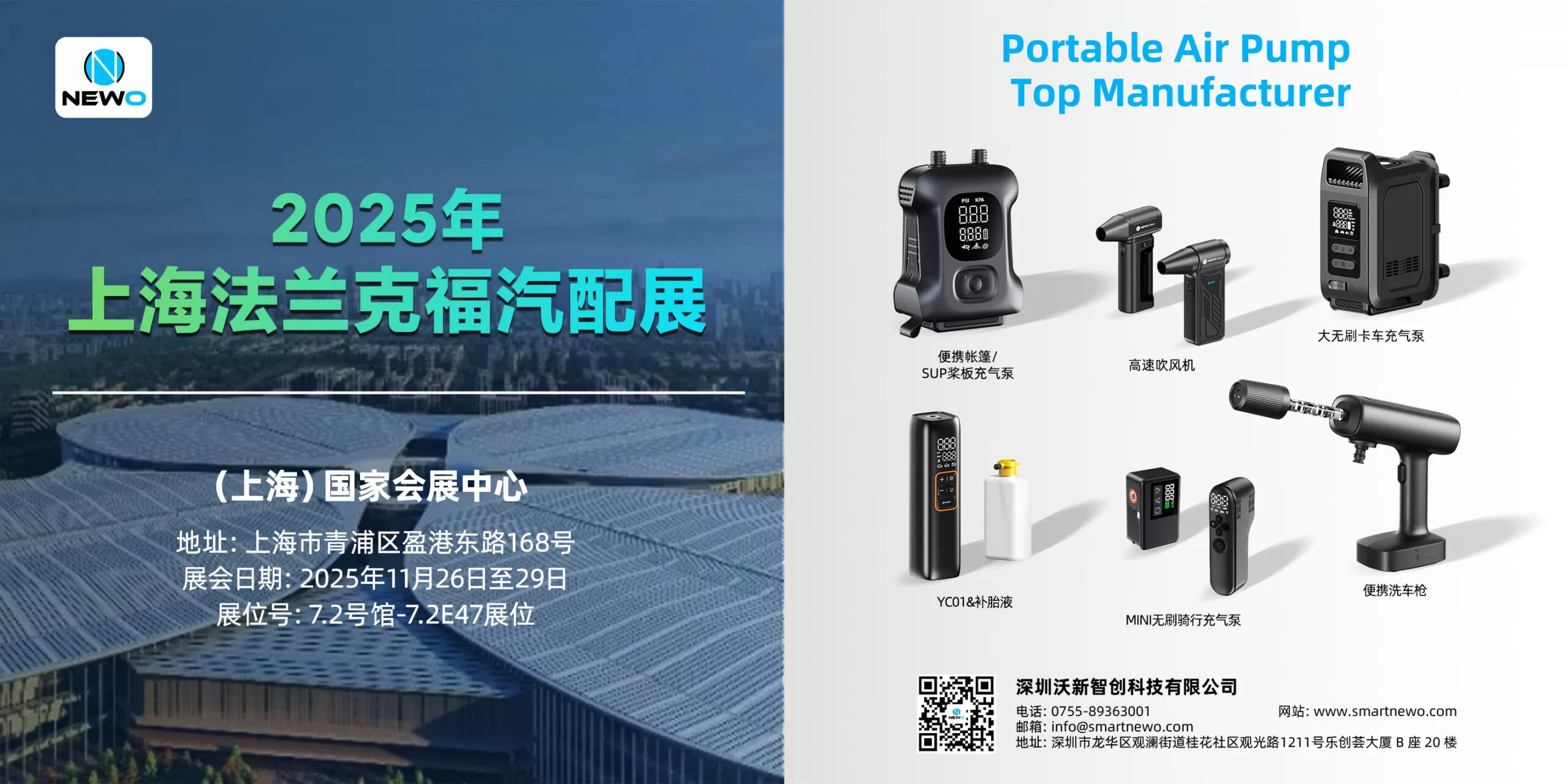
Today marks an exciting beginning as Smartnewo officially opens its booth at Automechanika Shanghai 2025. As one of the largest and most influential automotive aftermarket exhibitions in the world, the show provides an exceptional platform for meaningful conversations, partnership building, and global industry exchange. Located at Booth 7.2E47, Smartnewo presents...

-
How Is a Football Properly Inflated?
The correct inflation of a football - with not too much and not too little air - is a hotly debated topic among footballers.... -
Application Scenarios of Car Inflator Pump
Often long-distance business trips or play car owners because the road may be more remote areas, in this case if you encounter a tire leak....