

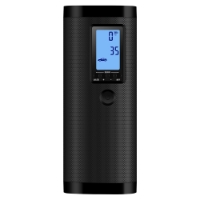
 Portable Tire Inflators
 Electric Air Pumps
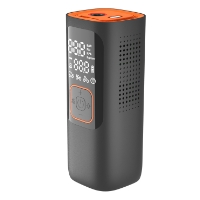 Electric Car Tyre Pumps
 Electric Ball Pumps
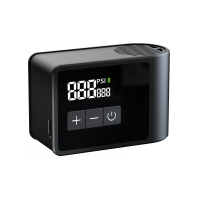 Electric Bike Pump
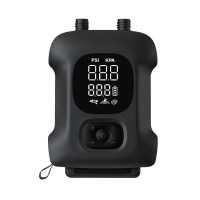 SUP Air Pump
How Smart Tire Inflators Prevent Uneven Tread Wear and Blowouts
Tire maintenance routinely relies on periodic checks at gas stations, leaving drivers vulnerable to slow leaks. Relying on visual inspections or basic analog gauges introduces significant error margins. Drivers need immediate access to accurate pressure management.
Modern smart tire inflators have fundamentally changed how daily vehicle maintenance is handled. These portable devices eliminate the guesswork from routine pressure adjustments. Accurate pressure extends the structural integrity of the rubber.
Why do analog pressure gauges fail to maintain optimal PSI?
Analog dials rely on mechanical Bourdon tubes, which lose calibration after minor physical shocks. A drop in ambient temperature reduces tire pressure by roughly 1 PSI for every 10 degrees Fahrenheit drop. Manual gauges cannot compensate for these thermal shifts.
Users sometimes overinflate tires to avoid returning to the pump. This habit shrinks the tire footprint, accelerating center tread wear. Uneven wear patterns directly reduce traction during wet conditions, increasing braking distances significantly.
What mechanisms allow smart tire inflators to deliver precise air delivery?
The core advantage lies in digital pressure sensors paired with automated shut-off relays. When a user inputs a target of 35 PSI, the internal microprocessor monitors backpressure in real time.
Once the target threshold is met, the solenoid valve instantly cuts power to the compressor motor. This prevents the typical 2-3 PSI overinflation caused by human reaction time. Digital monitoring ensures absolute consistency.
For us as a manufacturer of portable inflation solutions, integrating high-precision pressure transducers is a baseline requirement. We engineer our pneumatic systems to deliver consistent accuracy across varying environmental conditions, ensuring reliable daily performance.
How do standard performance specifications compare across vehicle types?
Understanding airflow volume is critical for selecting the right tool. Compressors are rated by Liters Per Minute (LPM). A higher LPM rating reduces the time spent waiting on the side of the road.
| Vehicle Type | Recommended PSI | Required Minimum LPM | Estimated Fill Time (0-35 PSI) |
|---|---|---|---|
| Road Bicycles | 90 – 120 PSI | 10 LPM | 1 – 2 minutes |
| Sedans (Standard) | 32 – 35 PSI | 25 LPM | 4 – 6 minutes |
| Mid-size SUVs | 35 – 40 PSI | 35 LPM | 6 – 8 minutes |
| Light Trucks | 45 – 80 PSI | 50 LPM | 10+ minutes |
Matching the motor output to the tire volume prevents thermal overload. Small motors pushing against high backpressure will overheat quickly. Matching specifications ensures the longevity of the internal motor.
Why do valve stem connections dictate the efficiency of airflow?
Air leaks at the connection point defeat the purpose of accurate measurement. Most passenger vehicles utilize standard Schrader valves, featuring a small spring-loaded core.
Connecting a pump requires depressing this core to allow air passage. If the chuck does not seat perfectly, pressurized air escapes laterally. This creates false readings on the digital display.
Lever-action quick connects provide speed, but screw-on brass chucks ensure a hermetic seal. Professional mechanics prefer screw-on mechanisms to eliminate pressure loss during the inflation cycle, guaranteeing the exact inputted PSI.
How does lithium-ion battery capacity impact inflation limits?
Cordless operation relies on internal lithium-ion cells, typically arranged in series. A standard battery pack usually contains three 2000mAh cells, yielding an 11.1V output.
This configuration provides enough energy to top off four passenger car tires from 28 PSI to 35 PSI on a single charge. Fully inflating a completely flat 195/65 R15 tire will consume approximately 40 percent of this total capacity.
Extreme cold weather temporarily reduces lithium-ion chemical efficiency. Storing the device inside the cabin, rather than a freezing trunk, ensures maximum discharge rates when needed during winter emergencies.
What features separate basic models from high-tier pneumatic systems?
Internal heat dissipation dictates a device’s duty cycle. The duty cycle indicates how long the pump can run continuously before requiring a cooling period.
Basic units typically offer a 10-minute continuous run time. Premium units utilize active cooling fans and die-cast alloy cylinders to achieve 20-minute duty cycles, handling larger air volumes safely.
Key components to look for in advanced models include:
- Brass air chucks to prevent thread stripping over time.
- PTFE piston rings to reduce cylinder friction.
- Digital displays with integrated ambient temperature sensors.
- Type-C charging ports capable of handling 5V/2A input.
What causes the high decibel output during compressor operation?
Pneumatic compression is inherently a loud mechanical process. A small metal piston rapidly cycles inside a cylinder, often exceeding 3000 revolutions per minute under heavy load.
This rapid displacement of air generates significant acoustic energy. Most compact units operate between 75 and 85 decibels, which is acoustically similar to standing near heavy city traffic.
Rubber isolation mounts inside the plastic casing help dampen motor vibrations. Placing a folded towel under the device during operation on hard concrete can further reduce resonant noise transmission.
How does tire pressure directly alter fuel consumption rates?
Underinflated tires flex excessively at the sidewall during rotation. This continuous flexing generates excessive heat, breaking down the internal polyester cords prematurely.
The physical deformation increases the contact patch area, forcing the engine to work harder. The Department of Energy dictates that under-inflation reduces fuel economy by about 0.2 percent for every 1 PSI drop in the average pressure of all tires.
Correcting this deficit requires regular top-offs. Relying on portable compressors allows drivers to maintain exact manufacturer specifications, saving up to 3 percent in annual vehicle operating fuel expenses.
How frequently should drivers verify their tire pressure limits?
Tire manufacturers recommend cold pressure checks every two weeks. Tires naturally lose about 1 to 2 PSI per month due to permeation through the synthetic rubber matrix.
Frequent monitoring catches slow leaks caused by embedded nails before they lead to structural sidewall failure. Keeping tires at the placard-specified pressure reduces rolling resistance on the highway.
Lower rolling resistance directly translates to improved fuel efficiency. Integrating reliable smart tire inflators into a monthly routine ensures optimal handling, extends tread life, and guarantees safer driving dynamics across all road conditions.
-
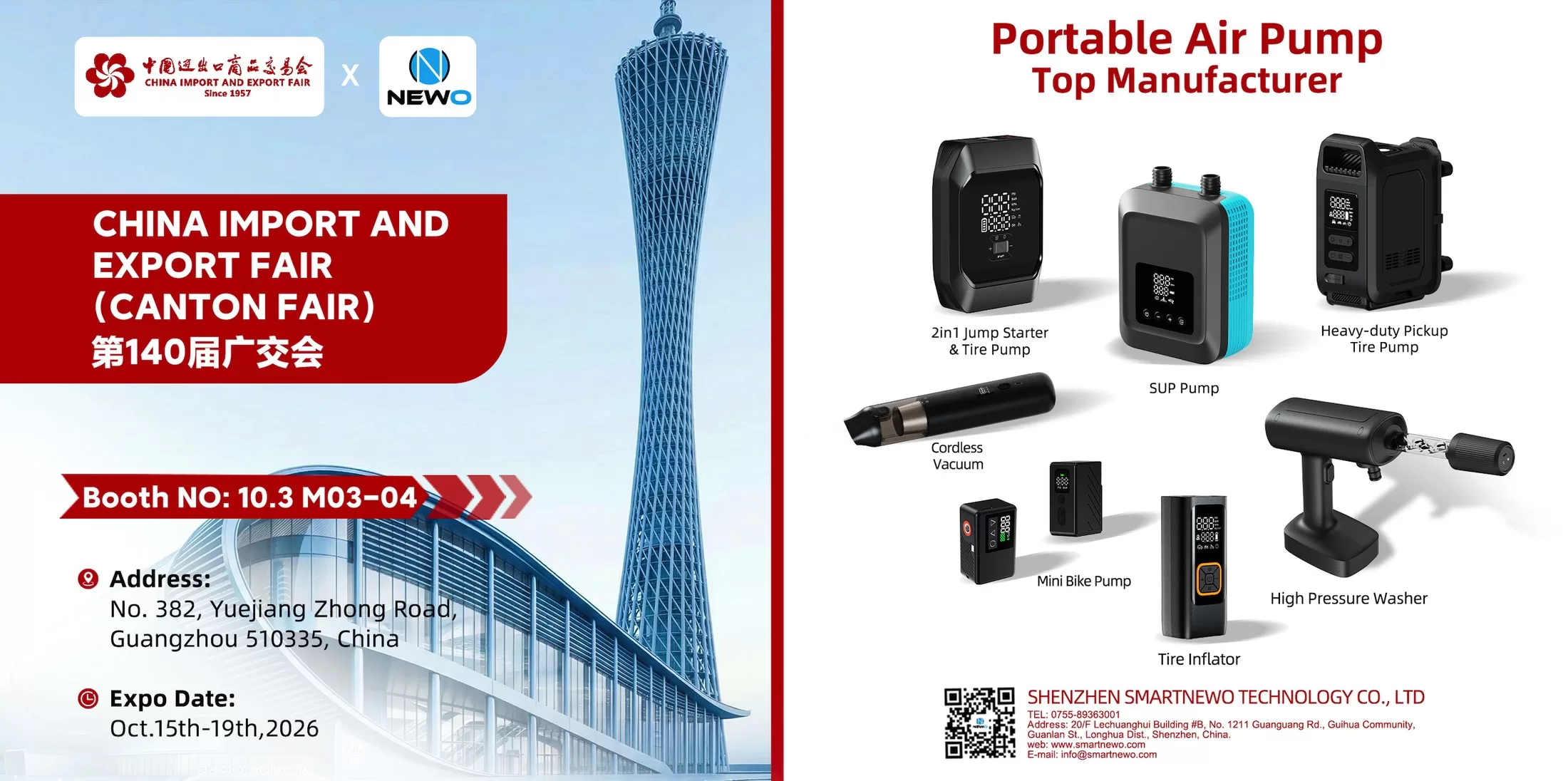
Meet NEWO at the 140th Canton Fair: Visit Booth 10.3 M03–04
Meet NEWO at the 140th Canton Fair in Guangzhou, October 15–19, 2026. Visit Booth 10.3 M03–04 to explore portable air pumps and discuss OEM, ODM and distribution opportunities.... -

As Shenzhen Welcomes the World for APEC 2026, NEWO Welcomes You to Our Factory
As Shenzhen prepares for APEC 2026, NEWO welcomes international buyers and partners to visit our factory, meet our team and explore future cooperation.... -
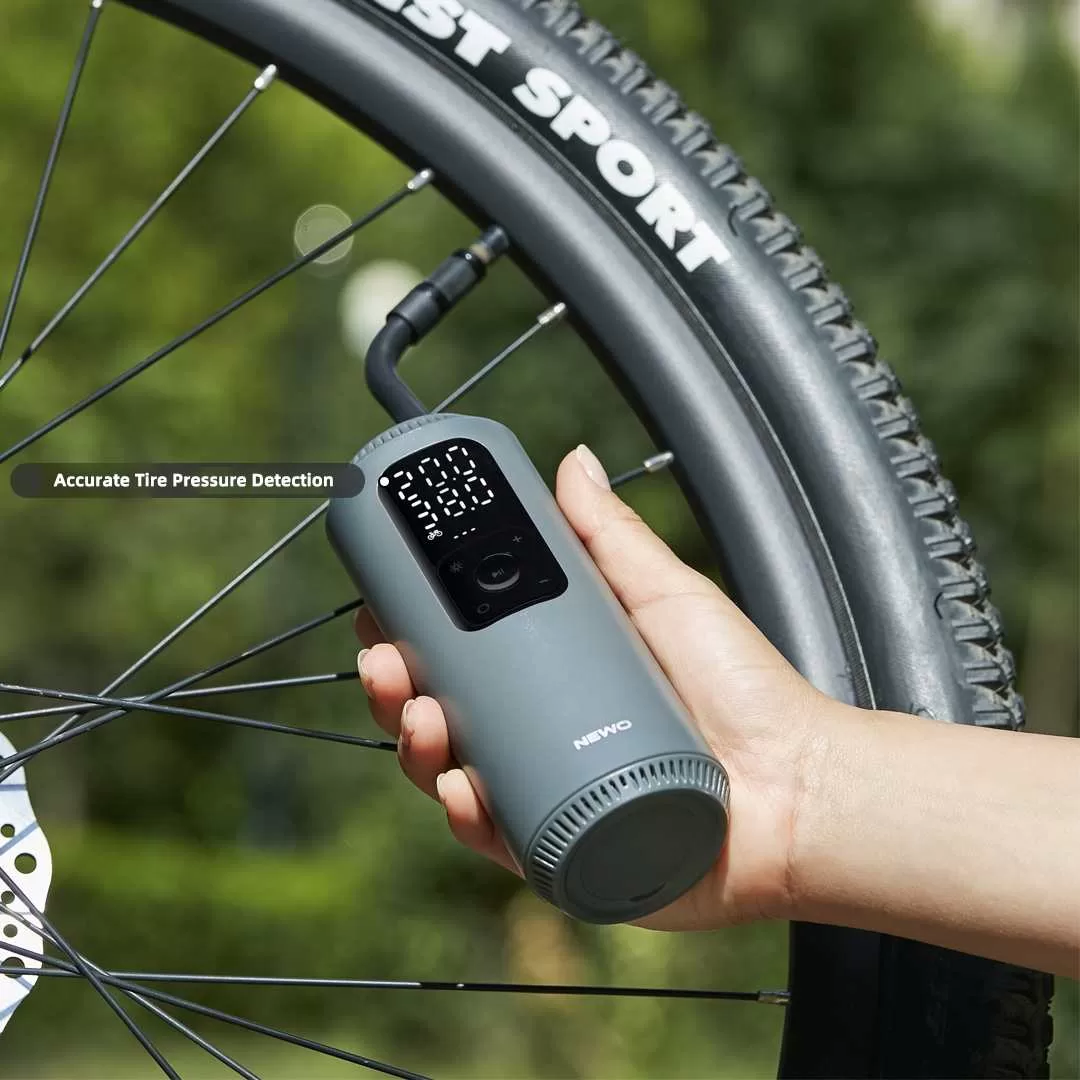
Leading the Way in Product Innovation and Excellence
Smartnewo exemplifies professionalism in product innovation and manufacturing. Their collaboration with Xiaomi Youpin on the G01 crowdfunding project highlights their expertise in creating compact, powerful inflatable pumps. Rigorous engineering, meticulous production processes, and advanced quality assurance underscore their commitment to excellence. The success of the G01 project, with significant market... -
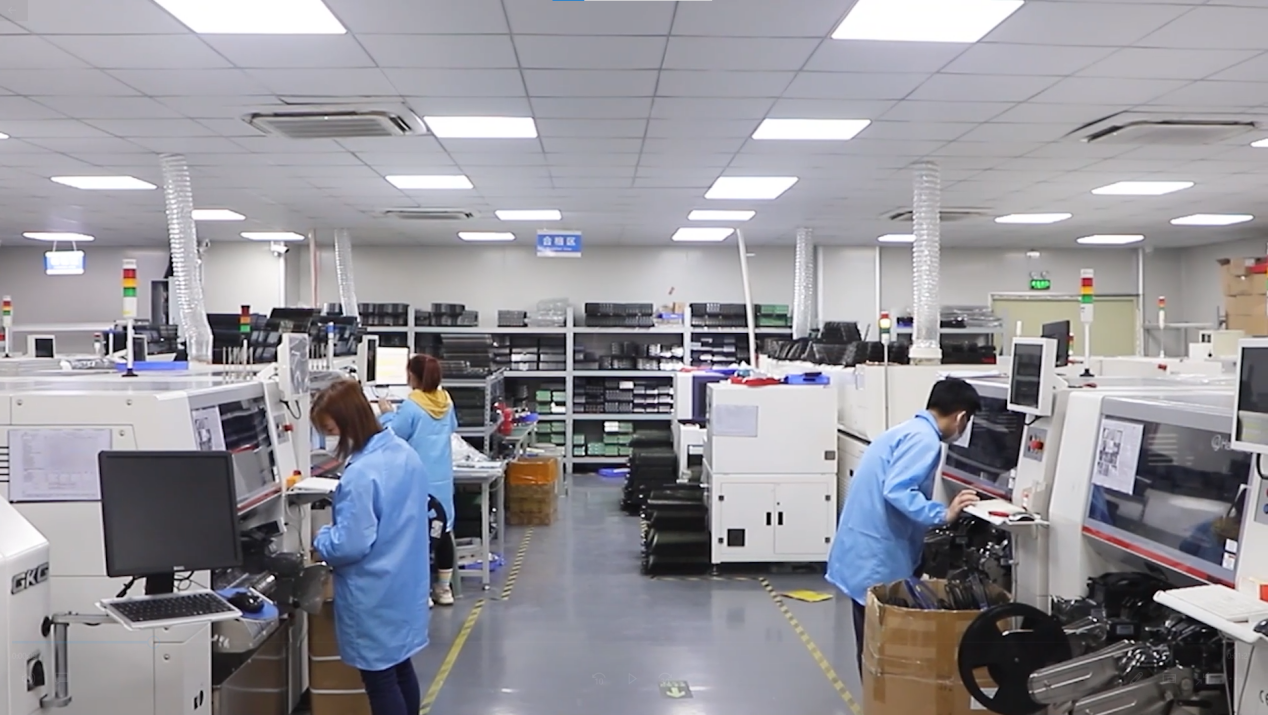
Essential Qualities of an Excellent Supplier
In today's competitive market, finding a reliable supplier is crucial for business success. Based on insights from Smartnewo and broader internet research, here are key qualities an excellent supplier must possess:... -
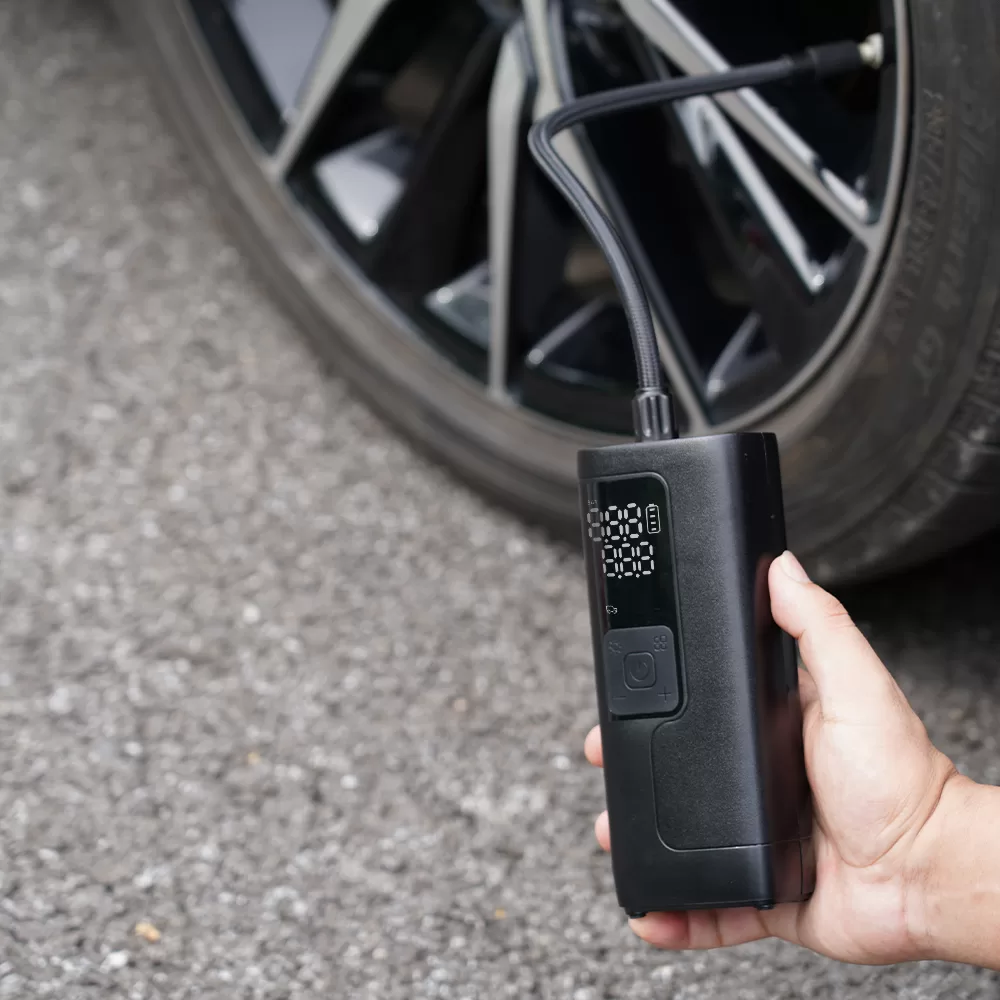
NW06 Tire Inflator: Compact Power for Quick Inflation
Summary The NW06 Tire Inflator delivers quick and efficient tire inflation with a powerful 35L/min airflow. It features a user-friendly LCD screen for real-time pressure monitoring, dual power options with a built-in 6000mAh battery, and multiple nozzle attachments for versatile use. Its compact design and integrated LED light ensure convenience and... -
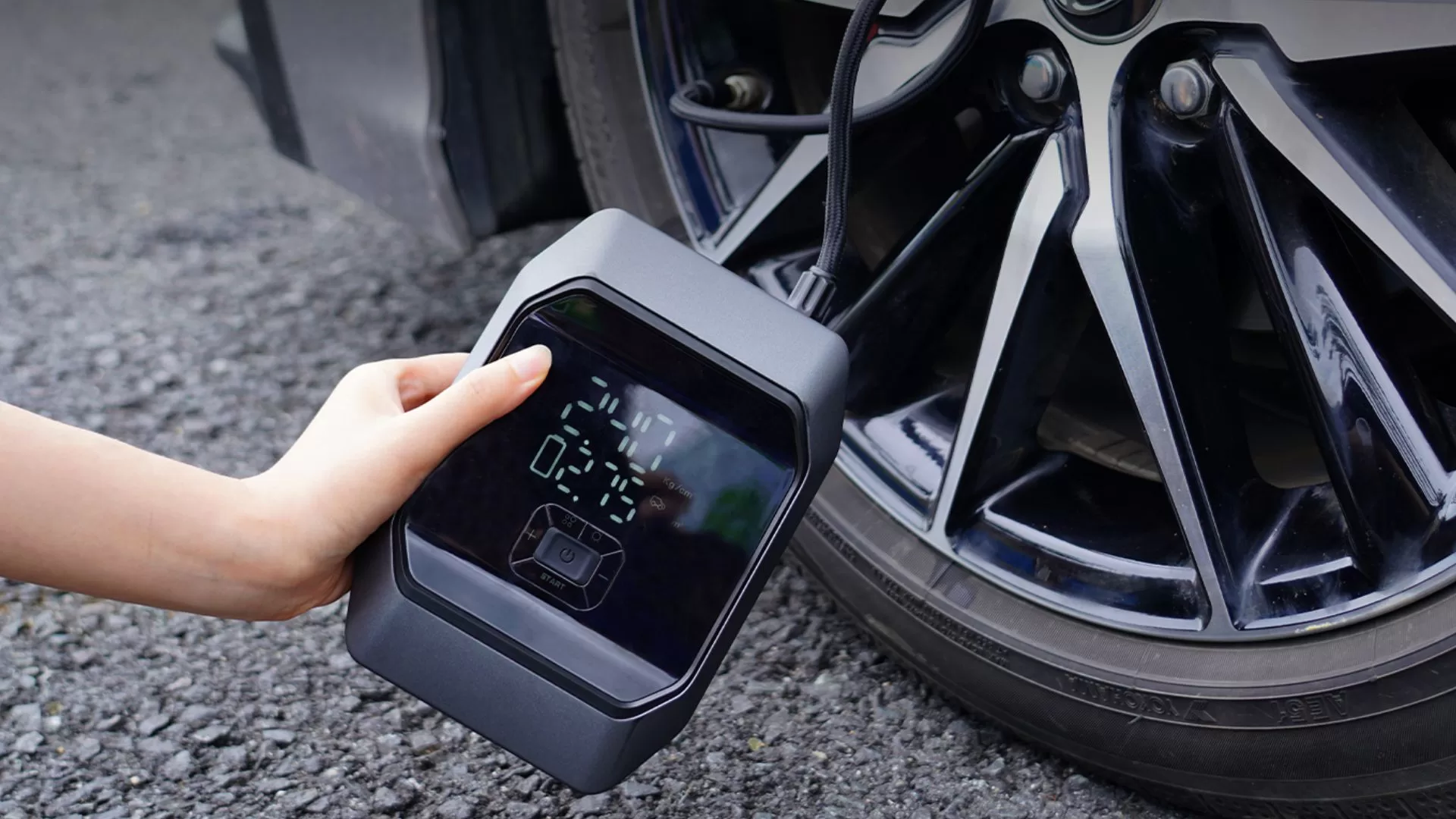
Unleash the Power of Portability: The SmartNewo Jump Starter with Air Compressor KF03
This guide will walk you through the steps to effectively use a portable tire inflator, helping you stay prepared and safe on the road.... -

Newo Attends The 2024 Consumer Electronics Show (CES)
Smartnewo booth is located at 53672, Halls A-D, Level 2, Venetian Expo, Las Vegas Convention Center (LVCC). ... -
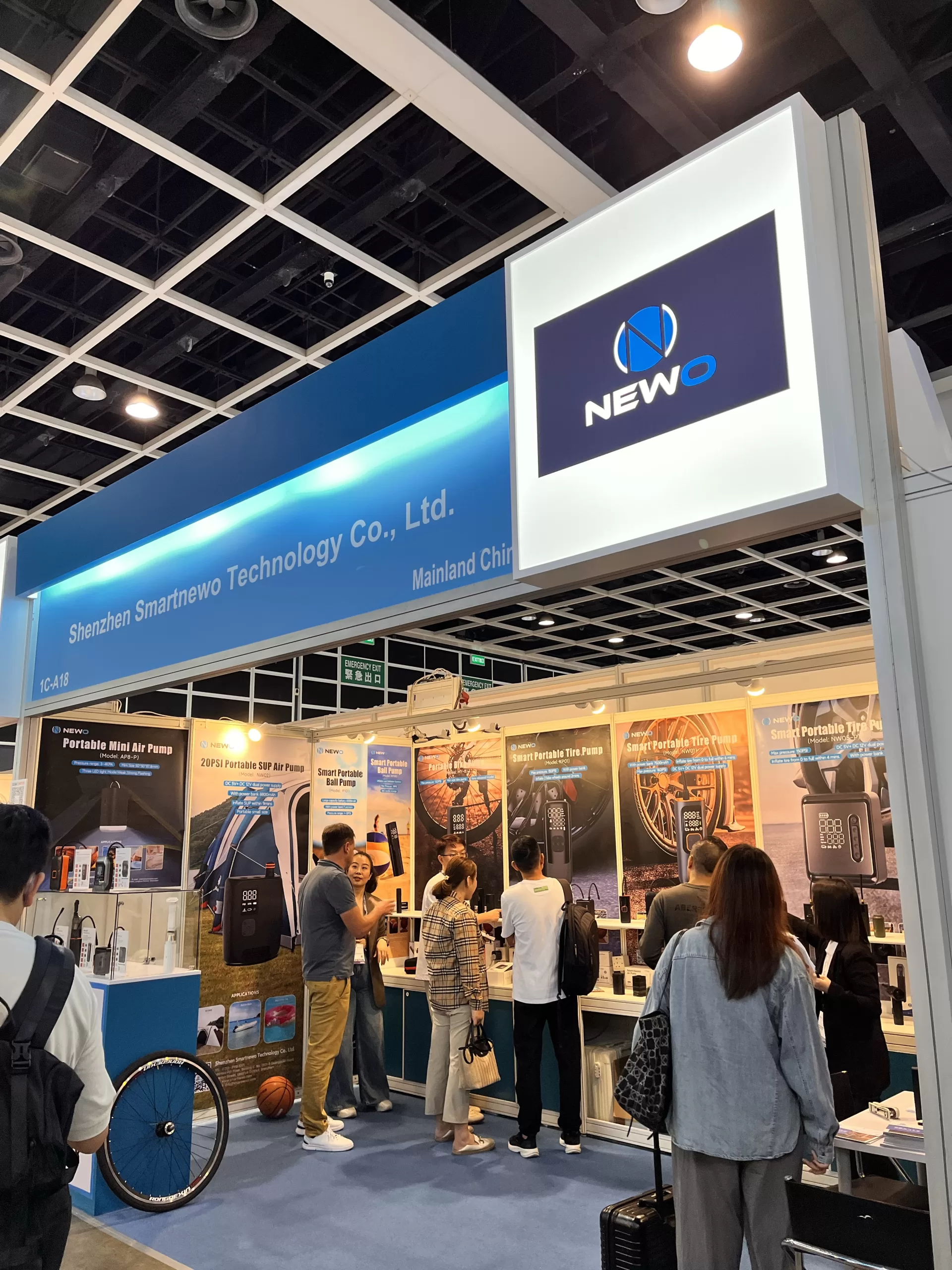
Smartnewo’s Dual-Cylinder Air Pump Rocks the Hong Kong Autumn Electronics Fair!
Smartnewo’s Dual-Cylinder Air Pump Rocks the Hong Kong Autumn Electronics Fair!... -

Meet at the Canton Fair! Smartnewo brings dual-cylinder air pumps, making your inflation experience faster and more stable!
NEWO has went deep communication and negotiation with customers from all over the world on booth.... -
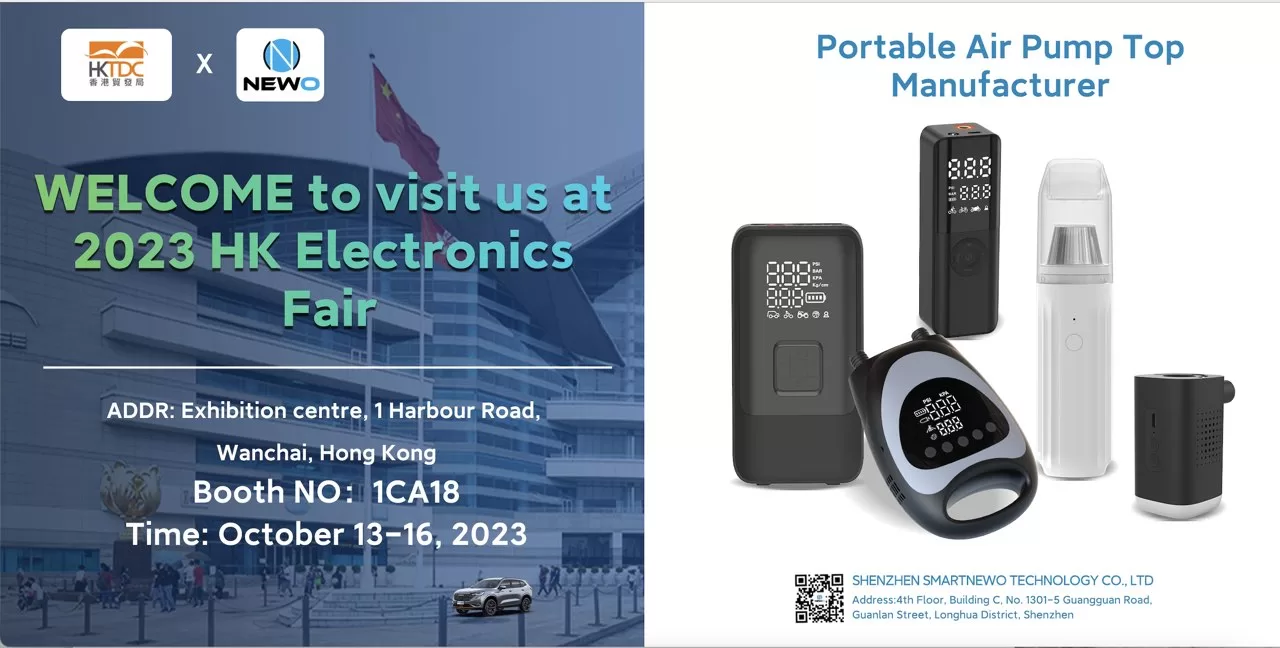
“Hong Kong Autumn Electronics Fair – 1CA18 (October 13th to 16th): Smartnewo invites you to visit our booth!
Hong Kong Autumn Electronics Fair...
-

How to Choose a Reliable Tire Inflator Manufacturer in China
Choose a tire inflator manufacturer in China with a focused RFQ, supplier evidence, configuration checks, and clear sample-to-pilot decisions for your brand.... -
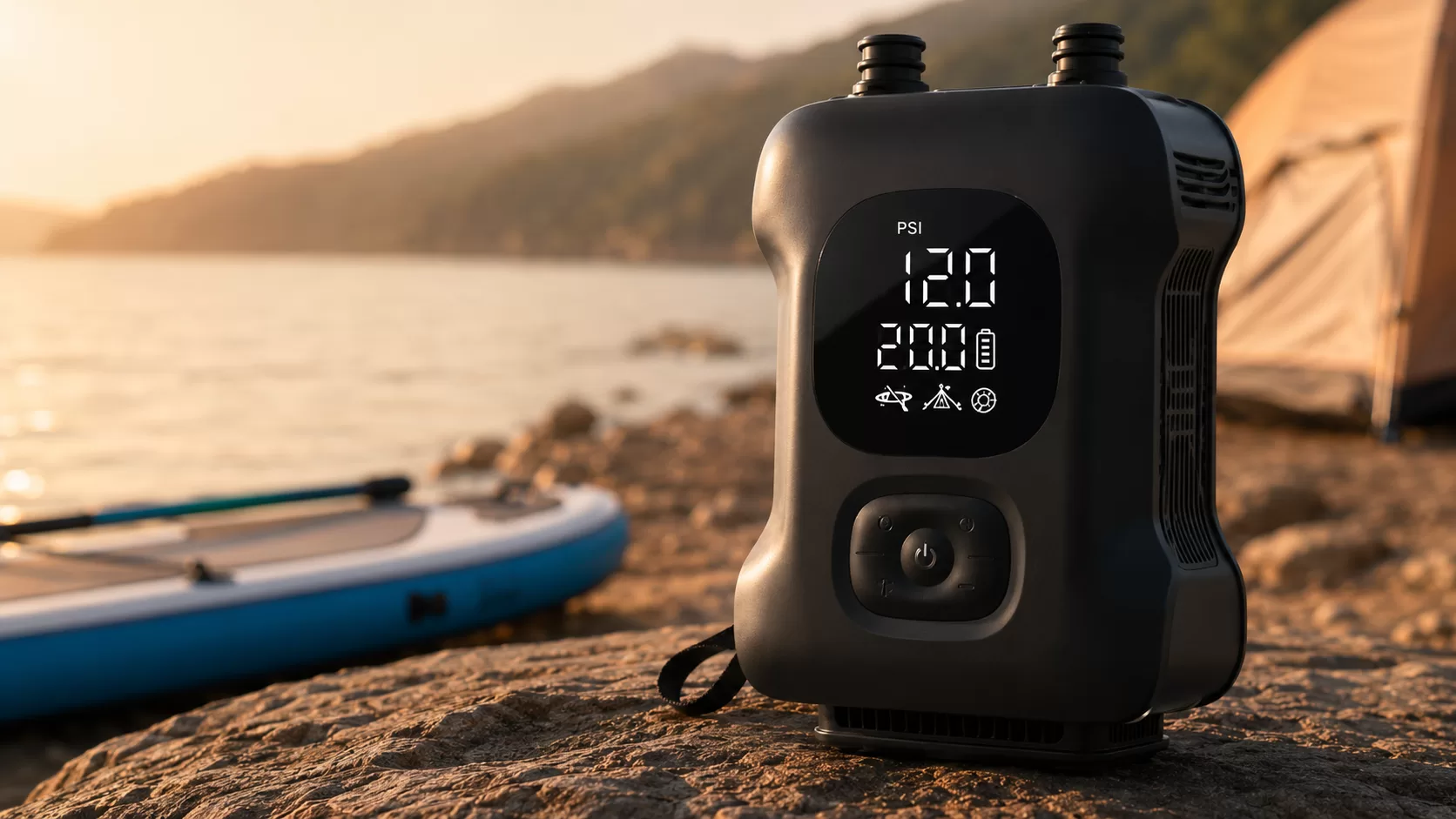
Rechargeable Electric SUP Pump for Paddle Boards: Faster Inflation for SUPs, Kayaks and Inflatable Tents
The BL10-C Portable Electric Bike Tire Inflator is a compact and lightweight mini electric bike pump designed for modern cyclists. With up to 120 PSI pressure, a digital LED display, preset pressure control, automatic shut-off, USB-C charging, and multiple valve adapters, BL10-C offers a convenient inflation solution for road bikes,... -
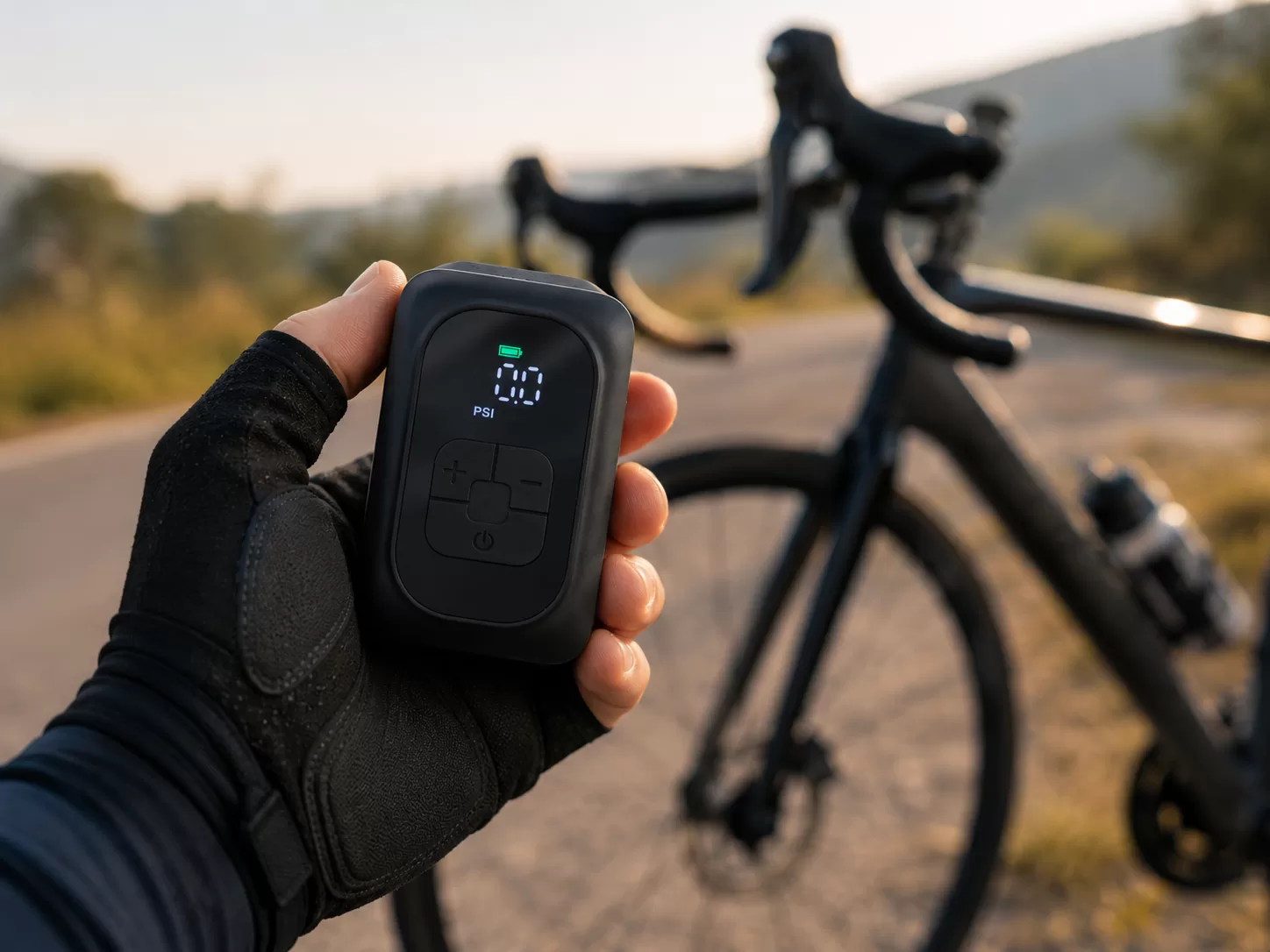
Are Electric Bike Pumps Worth It in 2026? Electric Pump vs CO₂ vs Mini Hand Pump
Discover whether electric bike pumps are worth it in 2026. This guide compares electric bike pumps, CO₂ inflators, and mini hand pumps for road cycling, gravel riding, commuting, and long-distance rides. Learn the pros, limitations, best use cases, and key features to look for before choosing the right portable tire... -
BL10-C Portable Electric Bike Tire Inflator: Small Size, Reliable Power for Every Ride
The BL10-C Portable Electric Bike Tire Inflator is a compact and lightweight mini electric bike pump designed for modern cyclists. With up to 120 PSI pressure, a digital LED display, preset pressure control, automatic shut-off, USB-C charging, and multiple valve adapters, BL10-C offers a convenient inflation solution for road bikes,... -
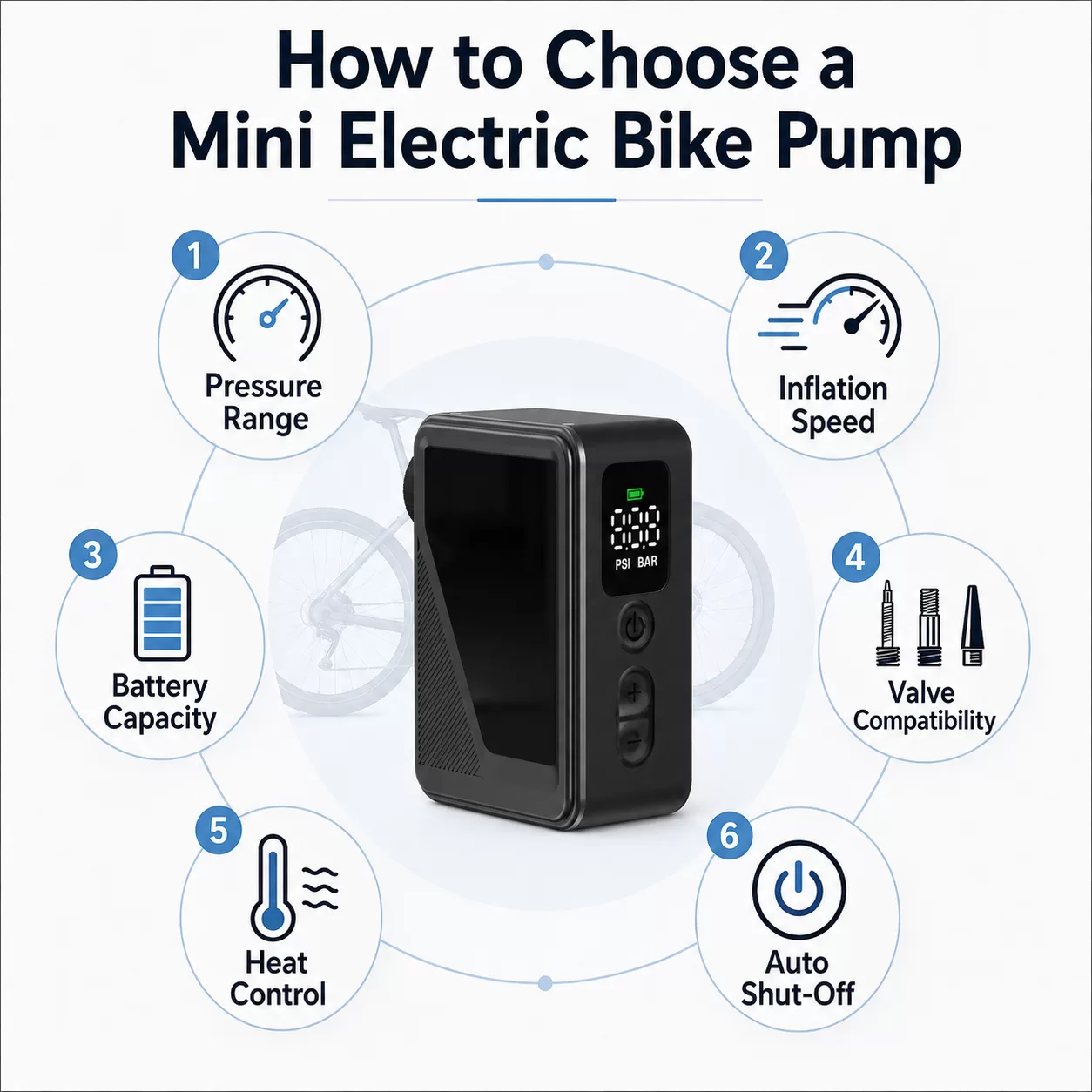
Why Mini Electric Bike Pumps Are Becoming Essential for Modern Cycling
Discover why mini electric bike pumps are becoming essential for modern cyclists. Learn how portable electric bike pumps improve tire pressure management, riding safety, and convenience.... -
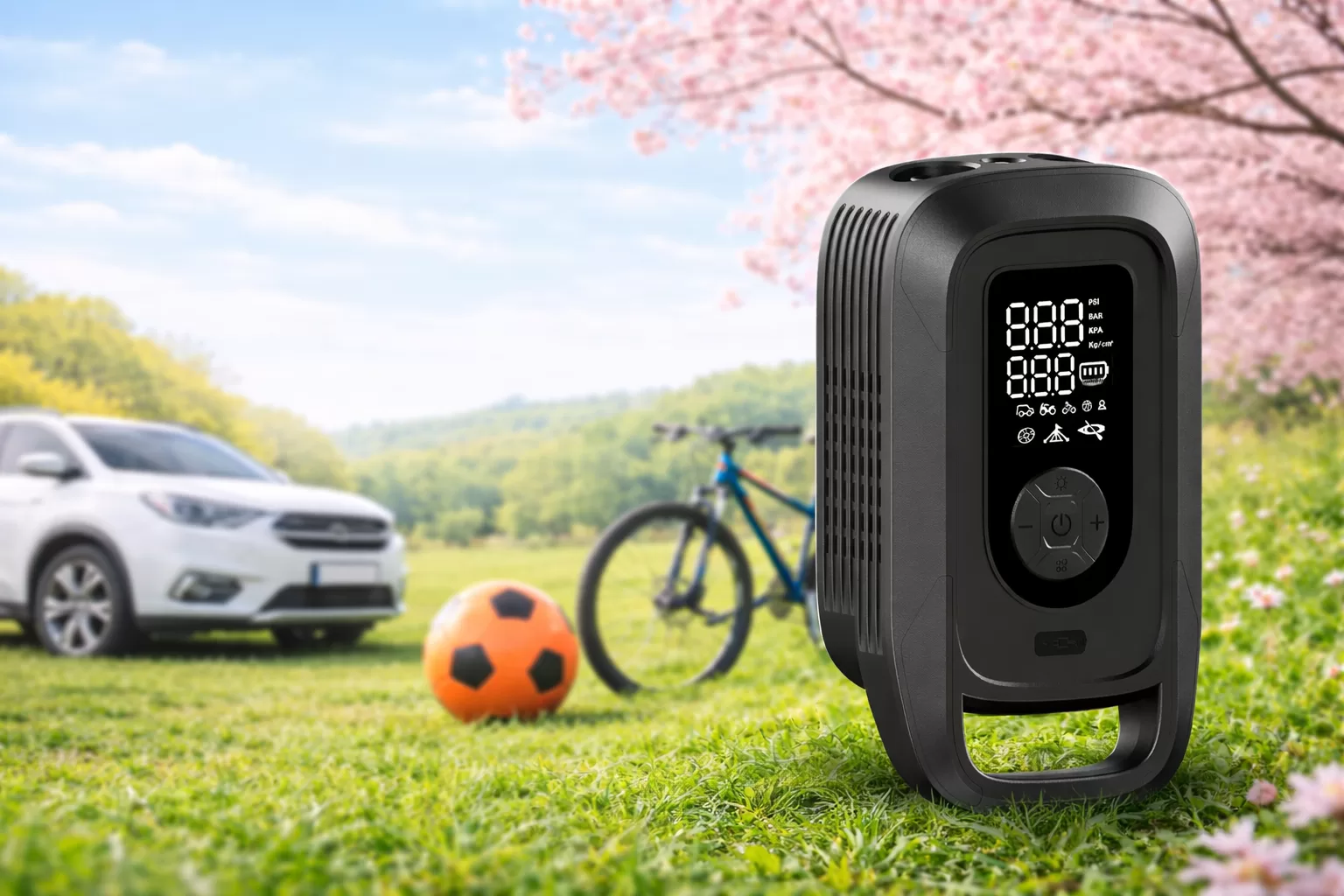
The Ultimate Smart Solution for Easy Outdoor Adventures in 2026
Discover how a spring travel air pump simplifies outdoor trips with fast inflation, smart features, and powerful performance—perfect for every adventure.... -
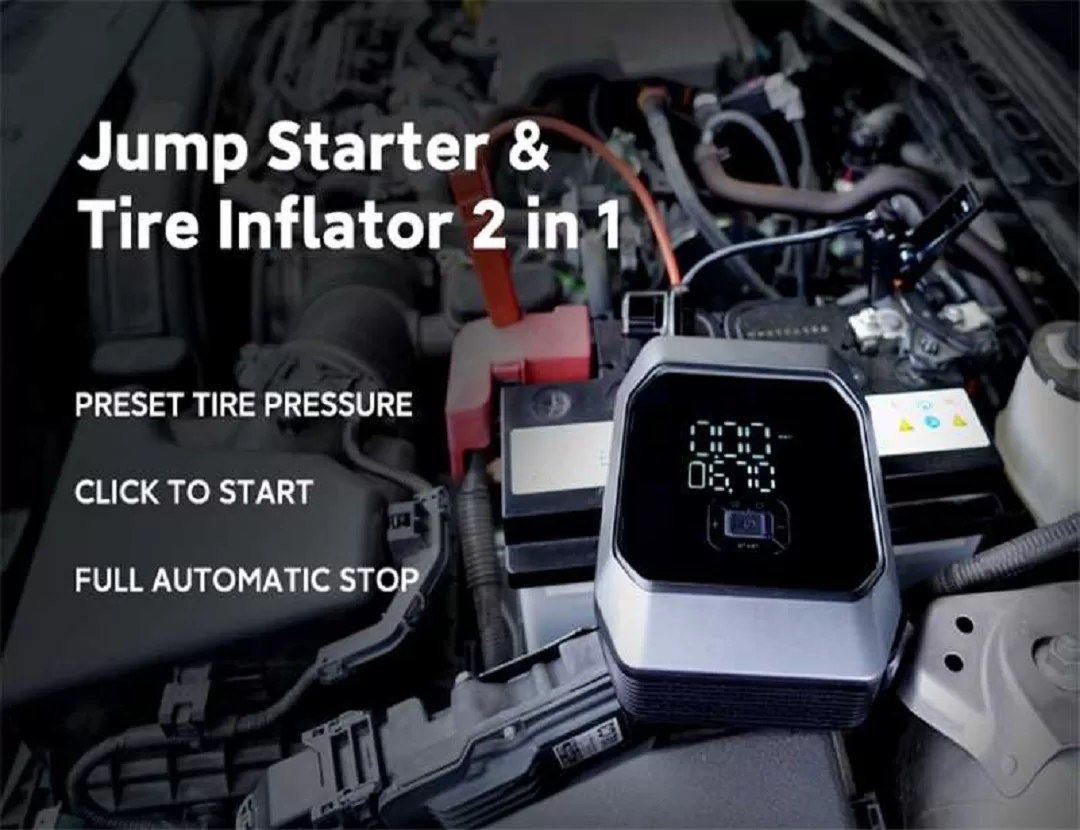
Powerful 5-in-1 Portable Car Tire Inflator and Jump Starter: The Ultimate Emergency Tool for Every Driver
Why Every Driver Needs a Portable Car Tire Inflator and Jump Starter Modern drivers face many unexpected situations on the road. A flat tire, low tire pressure, or a dead car battery can happen at the worst possible time. That’s why having a portable car tire inflator and jump starter is... -
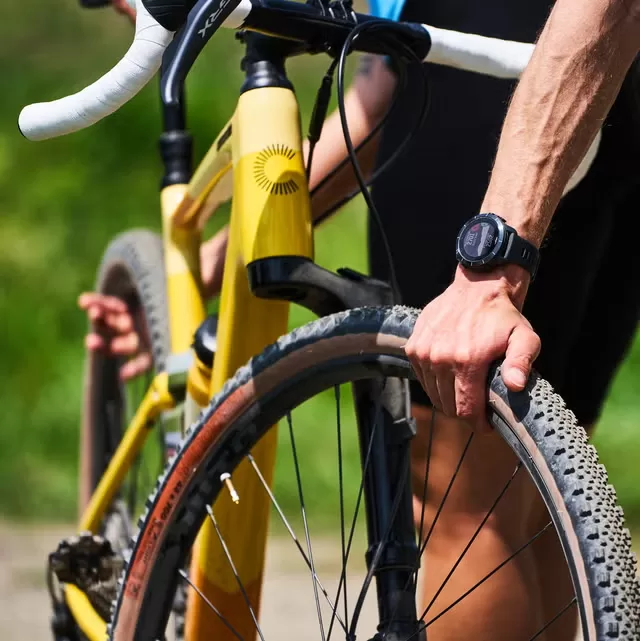
7 Real Cycling Scenarios That Show Why Every Rider Should Carry a Mini Bike Pump
Cycling is one of the most freeing activities you can enjoy. Whether you’re commuting to work, riding through city streets, or exploring quiet countryside roads, a bike ride can instantly improve your day. But there’s one small problem that almost every cyclist eventually faces: Low tire pressure. It might happen... -
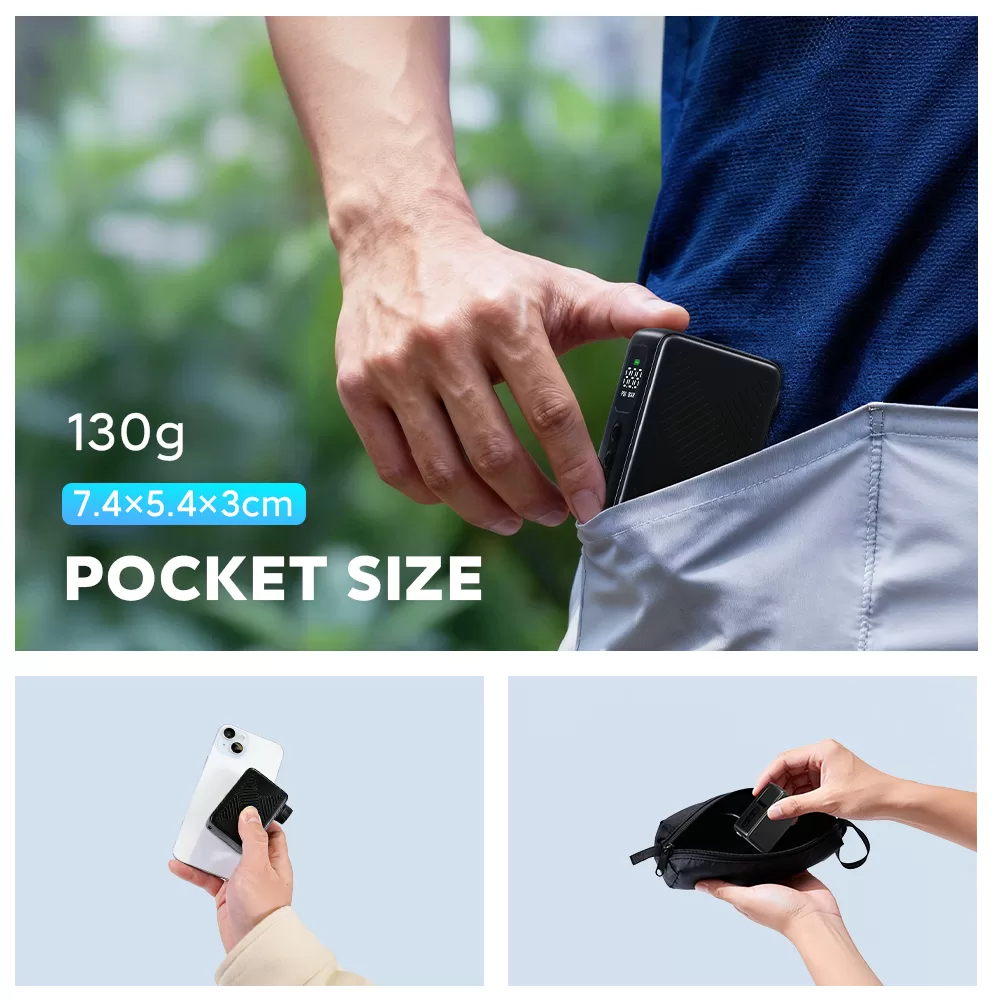
BL08-A Portable Electric Bike Pump: A Global Distribution Opportunity with Smartnewo
Smartnewo, a professional manufacturer of portable electric air pumps, introduces the BL08-A model — a compact and efficient inflator designed for global distributors, e-commerce sellers, and outdoor accessory brands seeking reliable OEM/ODM solutions. Table of Contents Main Heading Subtopics 1. Introduction: Expanding the Global Market for Smart Inflation Tools Portable... -
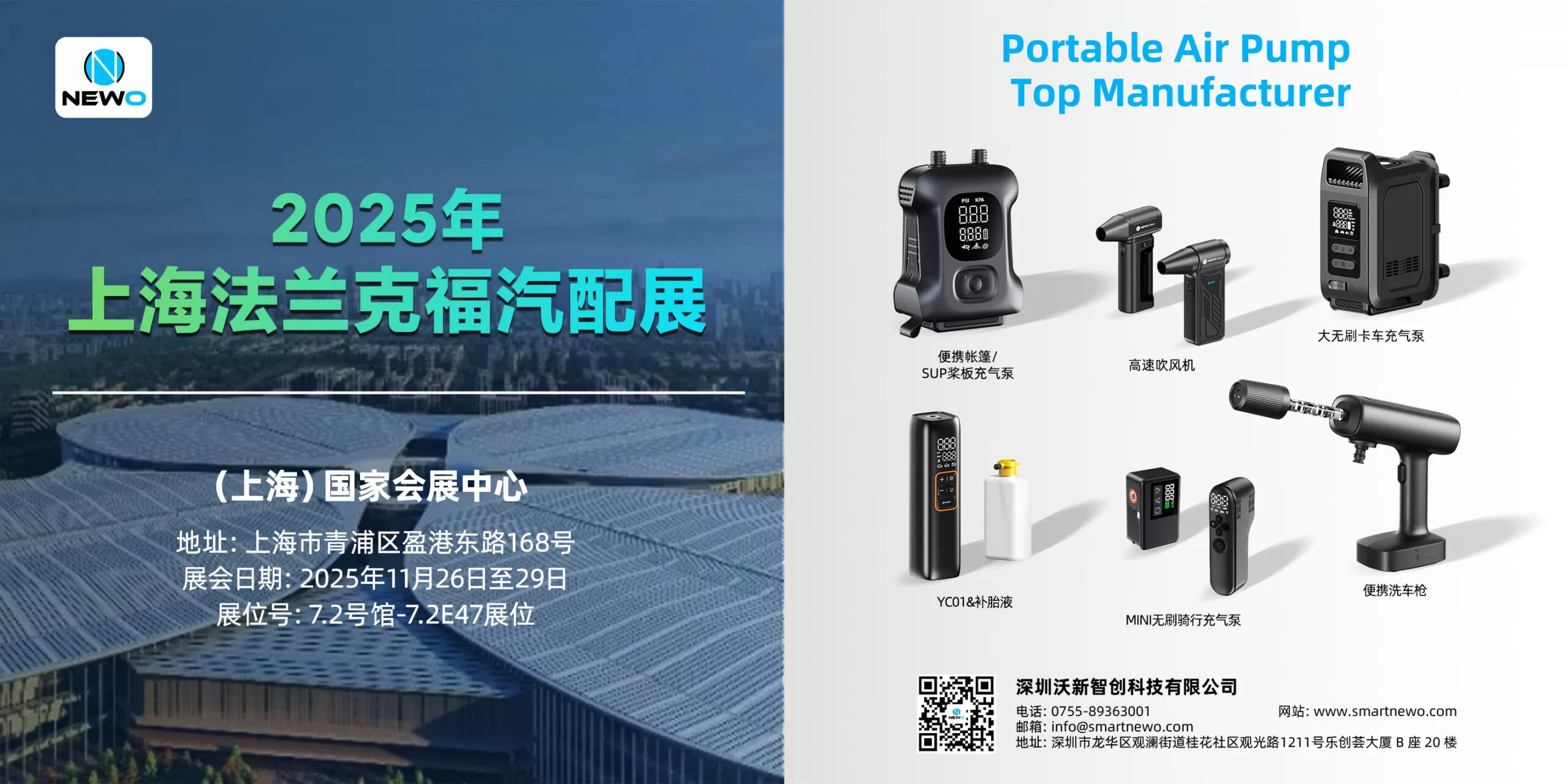
Connecting Opportunities at Automechanika Shanghai 2025 — Smartnewo Exhibition Day 1
Today marks an exciting beginning as Smartnewo officially opens its booth at Automechanika Shanghai 2025. As one of the largest and most influential automotive aftermarket exhibitions in the world, the show provides an exceptional platform for meaningful conversations, partnership building, and global industry exchange. Located at Booth 7.2E47, Smartnewo presents...
-
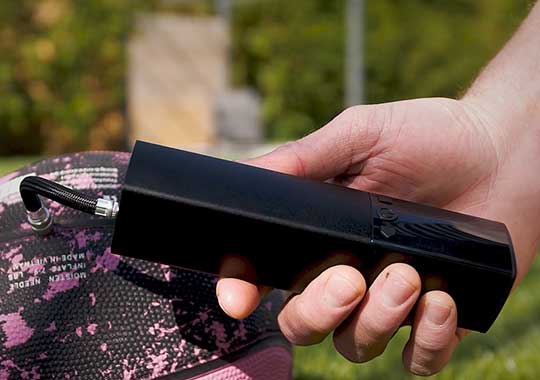
How Is a Football Properly Inflated?
The correct inflation of a football - with not too much and not too little air - is a hotly debated topic among footballers.... -

Application Scenarios of Car Inflator Pump
Often long-distance business trips or play car owners because the road may be more remote areas, in this case if you encounter a tire leak....