

 Portable Tire Inflators
 Electric Air Pumps
 Electric Car Tyre Pumps
 Electric Ball Pumps
 Electric Bike Pump
 SUP Air Pump

Portable Flat Tire Inflator: Engineering, Selection, and Roadside Operation Guide
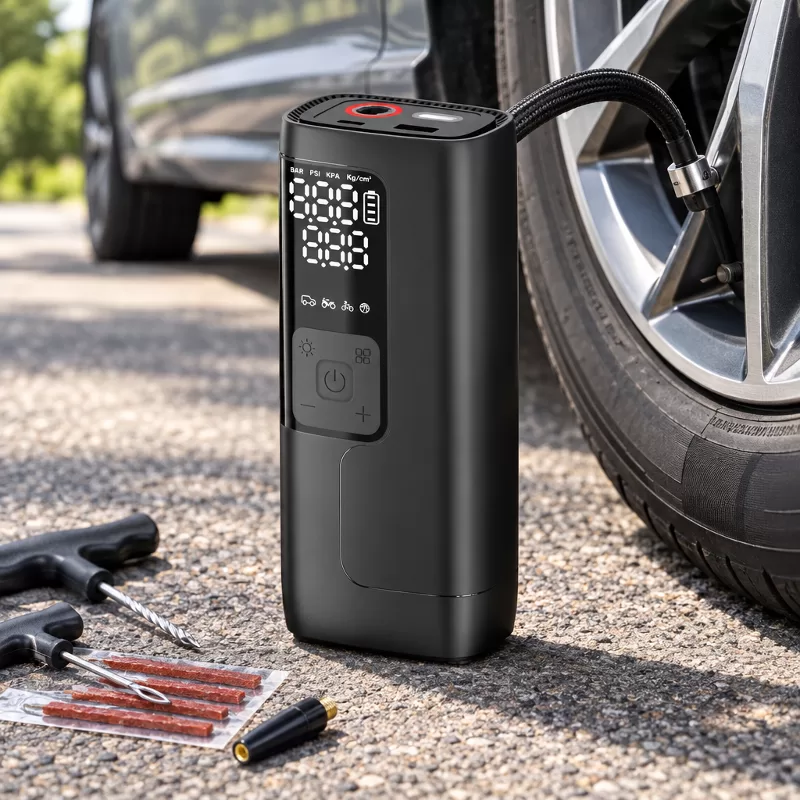
Experiencing a sudden loss of tire pressure on an unlit shoulder tests any driver’s patience, especially when traffic rushes past just feet away. A portable flat tire inflator serves as a practical mechanical safeguard, allowing motorists to restore operating pressure without relying immediately on heavy hydraulic jacks or waiting hours for roadside recovery. Modern vehicles frequently omit full-size spare wheels to save curb weight and maximize battery or cargo space, making a dedicated portable flat tire inflator a valuable piece of onboard safety equipment for daily commutes and extended road trips alike.
Understanding how these compact pneumatic compressors function, what separates reliable hardware from fragile novelties, and how to operate them correctly under challenging roadside conditions can transform a dangerous breakdown into a manageable twenty-minute maintenance stop.
Understanding the Mechanics of a Portable Flat Tire Inflator
Pneumatic Principles of Compact Electric Compressors
A miniature compressor operates on the fundamental thermodynamic principles found in mechanical air pumps, scaled down into a handheld enclosure. In typical reciprocating designs, atmospheric air enters through external intake vents, passing into a compact cylinder bore where an electric motor drives a piston to compress the ingested air volume before directing it through the outlet hose.
Because compressing gas naturally generates thermal energy, internal temperatures within the pump assembly rise steadily during active operation. Effective inflators manage this heat through ventilation slots and heat-conductive metallic cylinder components rather than unreinforced housings. This mechanical stability influences how reliably a compressor delivers air when confronted with a flat tire on a loaded vehicle.
Motor Torque, Cylinder Displacement, and Heat Generation
The internal displacement volume directly affects how much air volume passes into the tire casing with every cycle of the mechanism. Small consumer inflators often employ cylinder diameters around 15 mm to 19 mm, designed to balance electrical power draw against volumetric airflow delivery rates. An alloy cylinder construction provides robust heat tolerance and friction resistance during regular inflation tasks.
A larger cylinder displaces more air volume per cycle, but it simultaneously requires sufficient torque from the electric motor to overcome internal resistance. If a motor lacks adequate power output, the progressive backpressure inside a partially inflated tire can slow down cycle speeds, extending the runtime needed to reach normal driving pressure.
Digital Pressure Monitoring and Automatic Shut-Off
Analog dial gauges rely on mechanical components that can lose calibration over time when subjected to vibrations inside a vehicle trunk. The YC01 uses digital pressure monitoring and automatic shut-off to display pressure and stop inflation at the selected target. This configuration removes guesswork during roadside pressure adjustments.
An integrated digital display allows motorists to view live pressure readings alongside target settings clearly in low-light environments. Once the measured pressure reaches the predetermined target value, the internal controller halts the motor automatically, preventing over-inflation and maintaining uniform tire pressures across all four wheels.
Why Every Driver Needs a Portable Flat Tire Inflator
Combatting Ambient Temperature Drops and Micro-Pore Permeation
Tire rubber is naturally semi-permeable, meaning pressurized air molecules gradually migrate through the inner liner and tread structure over months of driving. Environmental temperature shifts compound this natural phenomenon. As a general rule, tire pressure changes by about 1 PSI for every 10–12°F change in temperature, although the exact change depends on conditions. A sudden winter cold front can quickly lower tire pressures across an entire set of wheels.
Driving on under-inflated tires forces the casing shoulders to carry disproportionate weight, elevating rolling resistance and causing localized heat accumulation that degrades the rubber compounds. Regularly connecting a digital portable inflator on your driveway eliminates trips to dirty filling-station air hoses, helping maintain the vehicle manufacturer’s specified pressure, which supports tire durability, handling, and fuel efficiency.
Managing Nail Punctures and Slow Air Leaks
Most roadside tire failures do not begin with dramatic, deafening explosions; they begin with an ordinary steel fastener embedding itself silently into the tread crown. When a screw creates a tortuous channel through the tire belts, air loss can be slow or rapid, depending on the puncture and tire condition. The tire pressure monitoring system warning lamp illuminates on the dashboard, signaling an escalating danger while the vehicle is miles from any repair garage.
A dependable inflator gives the driver immediate operational agency. By restoring lost air pressure at the first sign of trouble, you stabilize the tire casing, prevent rim damage, and preserve the option of safely driving to a professional repair facility rather than getting stranded on a hazardous highway shoulder.
Vehicles Without Full-Size Spare Wheels
Automotive manufacturing has systematically shifted away from including traditional heavy spare wheels across many model lines. Some vehicles are supplied without a full-size spare and instead use a tire mobility kit or roadside assistance.
Some hybrid and battery-electric vehicles omit full-size spares for packaging, weight, cost, or other design reasons. Equipping your vehicle with a reliable portable flat tire inflator helps bridge this equipment gap, providing the necessary air delivery to handle minor leaks or routine pressure adjustments independently.
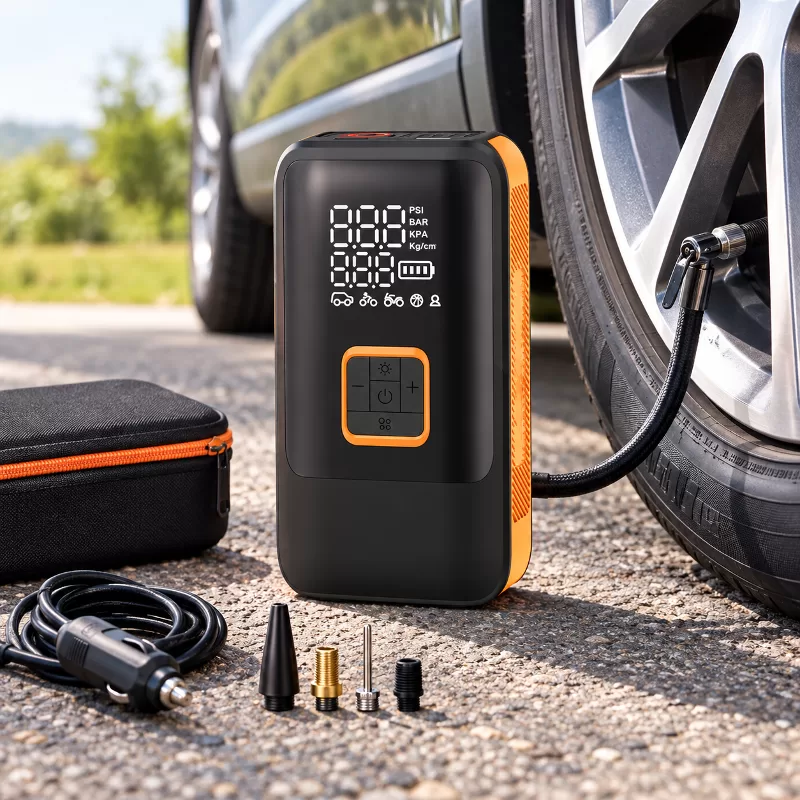
Essential Features When Choosing a Roadside Tire Inflator
Wired 12V DC Connection Versus Battery Systems
Cordless battery-powered inflators offer convenient portability for sports balls or bicycle tires, yet they introduce specific considerations during automotive emergencies. Rechargeable models require periodic charge checks because battery charge can decline during storage, and temperature exposure can affect battery performance. If a battery is left uncharged, an emergency tool may not operate when called upon.
A wired pump avoids dependence on an internal rechargeable battery, but it still requires a functioning vehicle power source and must be used within its stated duty cycle. Drawing power directly from a 12V to 14V vehicle socket provides steady electrical input as long as the vehicle’s electrical system is active, making wired designs a straightforward option for long-term trunk storage.
Airflow Rates, Power Draw, and Vehicle Socket Compatibility
Airflow, typically measured in liters per minute (L/min), determines the practical inflation speed of a portable compressor. Relying solely on maximum pressure numbers can be misleading, as high pressure ratings do not necessarily equate to fast air delivery. Buyers should evaluate power draw and airflow side by side to ensure safe operation with their vehicle’s interior sockets.
- Independently Stated Airflow: Compare the liters-per-minute rating under automotive tire loads to ensure the unit can fill passenger tires within a reasonable timeframe.
- Power Requirements: Check that the inflator’s working wattage aligns with the vehicle’s auxiliary 12V power outlet rating to prevent blown interior fuses.
- Thermal Management: Look for adequate heat venting and metallic cylinder designs that help conduct heat away from moving parts during continuous inflation.
- Cable Reach: Ensure the power cord length provides ample slack to reach all four vehicle tires comfortably without straining the connector.
Digital Readouts and Preset Pressure Modes
Reading a small analog gauge while kneeling beside a busy road at night can be awkward and imprecise. Modern electric inflators feature illuminated digital screens that clearly indicate real-time pressure measurements and programmed shut-off values. This setup prevents accidental over-inflation and allows users to match manufacturer specifications accurately.
Microcontrollers programmed with standard measurement units—such as PSI and BAR—let drivers set target values directly matching their vehicle’s doorframe information. Once the unit reaches the desired pressure, the automatic shut-off feature stops the motor, eliminating constant manual monitoring during the inflation cycle.
Duty Cycles and Operational Resting Periods
Every compact mechanical compressor has a designated duty cycle, representing the recommended ratio between continuous running time and subsequent cooling time. Portable units disperse heat primarily through exterior casing vents rather than complex active cooling systems. Running a small motor beyond its designed limit can cause excessive wear on internal seals.
The YC01’s supplied specifications recommend up to 20 minutes of continuous operation. Other inflators have different limits; follow each manufacturer’s instructions. Adhering to these guidelines preserves seal integrity and ensures the internal mechanism remains operational across years of occasional emergency use.
Deep Dive: The Compact 12V YC01 Tire Inflator and Repair Kit
Motor and Cylinder Architecture
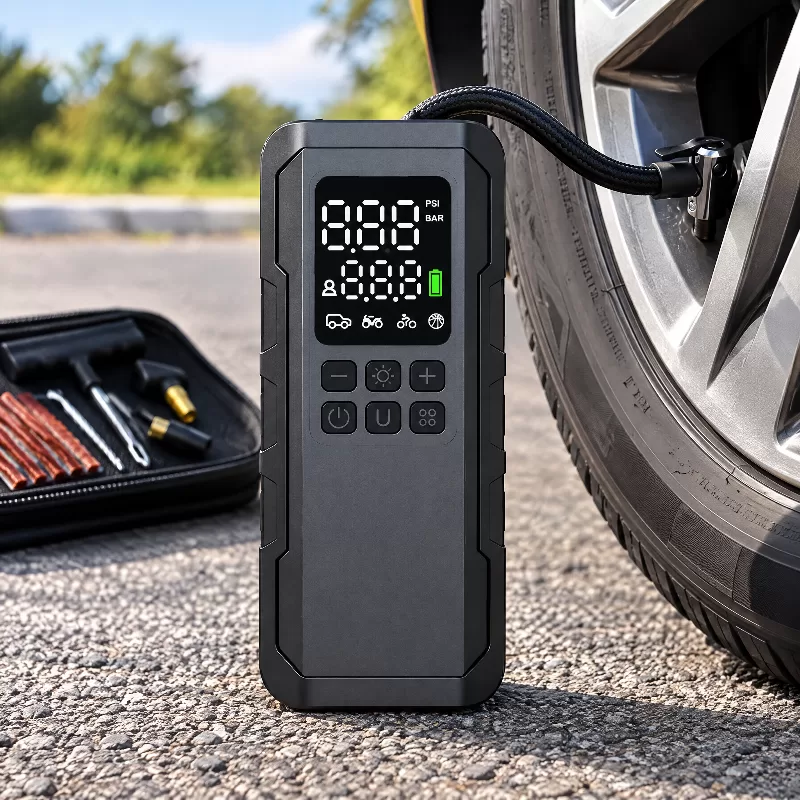
The YC01 provides a dedicated wired 12V solution designed for routine passenger tire maintenance and roadside assistance across passenger cars, SUVs, and new energy vehicles. Built with a 19 mm alloy cylinder, the pump operates on a 12–14V auxiliary vehicle socket with up to 160W of working power. The supplied specifications list 26–28 L/min airflow for use with passenger cars, SUVs, and new energy vehicles.
According to the YC01 technical specifications, the unit features an operating pressure range of 2–150 PSI (with 160 PSI advertised in product narrative descriptions; users should note the 150 PSI maximum specified in the engineering data). It is rated to operate within an ambient temperature range of -10°C to 45°C with an acoustic noise profile of ≤85 dB at 1 meter, offering practical mechanical utility in a compact 175 × 48 × 48 mm footprint.
Dual-Line Digital Interface and Presets
The YC01 features a dual-line LED screen that simultaneously displays active tire pressure alongside preset target values, minimizing confusion during use. The device provides dedicated preset modes for cars, SUVs, new energy vehicles, and user-defined custom targets. Operators can switch between PSI and BAR units to match their specific vehicle requirements directly.
For nighttime visibility, an integrated multi-mode LED light is built directly into the housing. This illumination system provides a steady white beam for illuminating the wheel area, a warning-flash setting to caution approaching drivers, and an SOS mode for signaling during roadside emergencies.
Integrated Chemical Sealant and Valve Adapters
The included repair fluid is described as a temporary aid for small punctures. Follow the kit’s instructions for connection and use, and do not infer a maximum puncture size or chemical composition unless Newo provides it. The kit is intended to introduce the supplied repair fluid through the valve system when used according to its instructions, temporarily holding air to assist drivers in reaching a service location.
Check the repair-fluid label and vehicle/tire-maker instructions before use; sealants may affect TPMS sensors or tire serviceability. Tell the tire technician that sealant was used. In addition to its automotive capabilities, the YC01 includes a 3.5-meter cigarette lighter cable. The 3.5-meter cable is intended to provide extended reach to the vehicle’s tires; confirm reach for the specific vehicle and socket location. The package also provides a Presta valve adapter for bicycles, a ball needle for recreational equipment, an air hose, and a storage bag that keeps all components organized in the trunk.
Technical Specifications and Operating Tolerances
| Specification Parameter | Technical Detail (Model YC01) | Functional Significance |
|---|---|---|
| Product Type | Wired Portable Electric Air Pump | Direct 12V vehicle connection avoids reliance on battery charge |
| Cylinder Bore | 19 mm Alloy Cylinder | Identifies the supplied cylinder construction and size |
| Power Supply | 12–14V Cigarette Lighter Socket | Connects to standard passenger vehicle auxiliary power ports |
| Working Power | Up to 160W | Provides mechanical drive power for automotive tire pressures |
| Air Flow Rate | 26–28 L/min | Listed airflow rate for passenger cars, SUVs, and EVs |
| Operating Pressure Range | 2–150 PSI (160 PSI narrative reference) | States listed pressure range; check actual tire requirement and confirmed pump rating |
| Pressure Display | Dual-Line LED Display | Shows live pressure and preset cutoff targets simultaneously |
| Selectable Units | PSI / BAR | Matches common automotive placard specifications directly |
| Continuous Runtime | Up to 20 minutes recommended | Allows sufficient time to inflate standard tires before resting |
| Operating Temperature | -10°C to 45°C | Operates across typical summer and winter roadside conditions |
| Sound Level | ≤85 dB at 1 meter | Supplier-listed sound level of no more than 85 dB at 1 meter |
| LED Light Modes | Steady / Flash / SOS | Provides workspace lighting and emergency hazard signaling |
| Cable Length | 3.5 meters | Intended to reach tires; check vehicle layout and socket position |
| Product Dimensions | 175 × 48 × 48 mm | Compact dimensions support storage in an appropriate vehicle compartment; measure the intended storage space before relying on glovebox or door-pocket storage |
| Net Weight | 310 g | Highly portable design for easy handling during roadside use |
For us at Newo, as a specialized manufacturer focusing on smart electric air pumps and portable inflation solutions, developing practical devices like the YC01 reflects our broader commitment to providing drivers with reliable, high-efficiency roadside solutions worldwide.
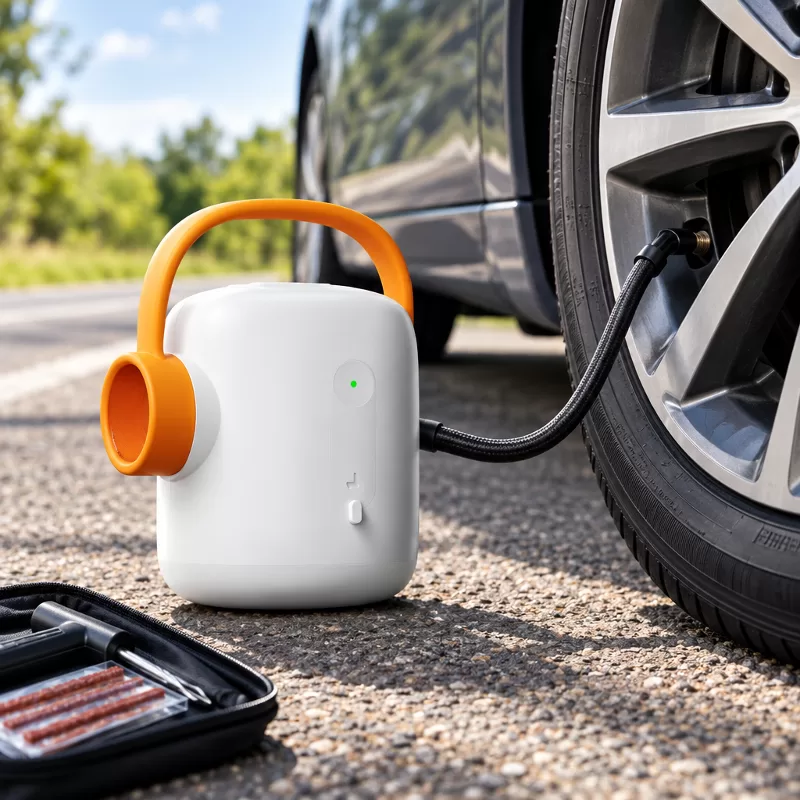
Step-by-Step Field Operation in Emergency Scenarios
Step 1: Roadside Safety and Vehicle Stabilization
Personal safety is paramount during any roadside maintenance event. If you notice a sudden drop in tire pressure while driving, avoid harsh braking or sharp steering maneuvers. Signal clearly and guide your vehicle smoothly onto a wide, level shoulder or adjacent parking area well clear of moving traffic lanes.
Once stopped, select Park, or the manufacturer-recommended parked gear for a manual transmission, and apply the parking brake firmly. Turn on your vehicle’s hazard warning lights immediately to alert other motorists. If you have reflective triangles or safety flares, position them a safe distance behind your vehicle to improve advance visibility.
Step 2: Determining True Target Cold Inflation Pressure
Never use the maximum pressure figure stamped onto the tire sidewall as your target inflation level. That number represents the highest pressure the tire casing can safely hold under maximum load, rather than the vehicle’s intended operating pressure.
Locate the official vehicle tire placard affixed to the driver’s door jamb, B-pillar, or inside the fuel filler door, or consult the owner’s manual. This label lists the manufacturer-specified cold inflation pressures for front and rear tires, calculated to provide optimal handling, braking grip, and tire wear characteristics.
Step 3: Proper Hose Attachment and Mechanical Sealing
Before connecting the equipment, carefully inspect the wheel assembly. Do not inflate or drive on a tire with visible structural damage, a displaced bead, or signs it was driven while flat; seek roadside assistance instead. If the tire appears structurally intact, remove the valve cap from the deflated tire’s valve stem and store it in a secure spot. Check the valve threads briefly for dirt, grit, or debris that might prevent an airtight connection.
- Secure the inflator’s air chuck onto the tire valve stem, ensuring a tight, straight fit so that air does not escape.
- Insert the 3.5-meter power plug into the vehicle’s 12V auxiliary power socket, making sure the connection is fully seated.
- Turn the vehicle ignition to the Accessory setting or idle the engine if recommended by the vehicle manufacturer to maintain steady electrical voltage.
- Check the digital screen on the inflator to confirm the current baseline pressure reading inside the tire.
Step 4: Activating Inflation and Chemical Sealant Usage
If the tire has a small tread puncture and repair sealant is necessary, follow the kit’s instructions for connection and use, and do not infer a maximum puncture size or chemical composition unless Newo provides it. The kit is intended to introduce the supplied repair fluid through the valve system when used according to its instructions. Remember that sealant is only a temporary mobility measure, not a permanent tire repair.
Select the appropriate vehicle mode or enter your desired target PSI using the interface buttons. Start the compressor motor by pressing the power switch. Monitor the digital display as pressure rises; the automatic shut-off feature will stop the motor once the preset pressure threshold is reached.
Step 5: Post-Inflation Inspection and Safe Driving Protocols
After the compressor stops, disconnect the air chuck from the tire valve stem, keeping in mind that the metal fitting may have absorbed heat during inflation. Reinstall the valve stem cap firmly to protect the valve core from moisture and road contaminants.
Disconnect the power plug, gather your accessories, and store the unit back in its carrying pouch. Follow the sealant and vehicle manufacturer’s speed and distance limits, drive only far enough to reach a qualified tire service facility, and stop immediately if pressure falls or handling changes. A qualified technician must inspect the tire internally to determine if a permanent repair or replacement is required.
Physical Limitations: When a Flat Tire Inflator Cannot Save the Tire
Sidewall Tears and Radial Shoulder Failures
A portable flat tire inflator cannot overcome major structural tire failure. The sidewall of a radial tire flexes continuously under dynamic driving loads. When a cut, exposed cord, or other structural sidewall damage occurs, the tire should not be reinflated or driven on.
Pressurizing a tire with damaged structural cords can cause the casing to rupture completely. If you spot cuts, gouges, or visible cords along the sidewall or shoulder zone, do not attempt inflation. In these situations, the tire is fundamentally compromised and must be replaced.
High-Velocity Blowouts and Bead Unseating
When a tire deflates rapidly at highway speeds, the wheel rim can drop onto the deflated rubber carcass, often breaking the mechanical seal between the tire bead and the wheel flange. Once the bead is unseated, air pumped into the valve stem will simply vent through the wide gap around the rim.
A small portable inflator may be unable to reseat a bead; the tire should be handled by a qualified tire professional. Attempting to run a compact pump against an open bead gap will only heat up the compressor motor without restoring pressure to the tire.
Severe Cracking and Internal Belt Separation
Tires that have experienced extensive environmental exposure or advanced age can develop deep surface cracking, indicating that the rubber compounds have oxidized and lost elasticity. In addition, internal belt separations can occur after heavy curb impacts or prolonged under-inflation.
Inflating a tire with structural internal damage may lead to localized bulges or irregular tread distortion, signaling that air has migrated between the internal casing plies. A tire displaying visible bulges or separation must not be driven on, as it poses a significant risk of sudden failure.
Wired 12V vs. Cordless Inflators: Practical Considerations
Power Supply Consistency and Operational Readiness
Wired and cordless inflators serve distinct user preferences based on how they draw operational power. Understanding the trade-offs between continuous vehicle electrical supply and battery-operated freedom helps drivers select the most appropriate tool for their typical travel patterns.
A wired 12V model relies directly on the vehicle’s electrical system, avoiding the need to recharge an internal battery pack before every trip. As long as the vehicle’s auxiliary socket provides power, the compressor operates with steady electrical current, ensuring consistent motor output through the duration of the pumping cycle.
Environmental Resilience and Packaging Differences
Storage conditions inside a car trunk can vary widely across seasons, ranging from freezing winter nights to extreme summer heat inside closed compartments. These temperature swings influence how different inflator designs hold up over extended storage periods.
| Characteristic | Wired 12V DC Inflator (e.g., YC01) | Cordless Battery-Powered Inflator |
|---|---|---|
| Power Source | Vehicle 12V socket; no internal battery to recharge | Internal rechargeable battery pack |
| Operational Readiness | Operates whenever vehicle 12V power is active | Requires monitoring battery charge level over time |
| Extreme Temperature Storage | No internal lithium cells subject to cabin heat aging | Battery health requires attention in severe heat or cold |
| Continuous Runtime | Model YC01 recommends up to 20 minutes continuous run | Run duration depends on battery capacity and charge state |
| Unit Weight | Varies by model and whether a battery, cable, and accessories are included | Varies by model and whether a battery, cable, and accessories are included |
| Long-Term Maintenance | Mechanical care; relies on vehicle electrical outlet | Requires periodic charge cycling to maintain cell life |
FAQs
Can a portable flat tire inflator seal a punctured sidewall?
No, an inflator cannot seal or repair damage to a tire sidewall. The supplied repair fluid is described only for small punctures. It should not be used for sidewall or shoulder damage, and the tire must be inspected by a qualified technician before repair or continued use. Because the sidewall flexes continuously under load, attempting to seal a sidewall cut is ineffective and creates a serious safety hazard.
What cold tire pressure should I set on my portable flat tire inflator?
Always set the target pressure specified on the vehicle safety placard located on your driver-side door jamb or in the owner’s manual. Do not set the pump to the maximum pressure stamped on the tire sidewall, as that number reflects the maximum structural rating of the tire casing under full load rather than the vehicle manufacturer’s engineered driving specification.
Why does my portable inflator get hot after several minutes of use?
Compressing ambient air naturally generates heat as gas molecules are compressed into a smaller space. Combined with mechanical friction between internal moving components, this thermodynamic process causes the pump head and metal hose fittings to warm up during operation. This temperature rise is normal, which is why manufacturers include recommended continuous runtime limits.
How does tire repair sealant interact with vehicle TPMS sensors?
Sealant may interfere with or damage some TPMS sensors. Check the sealant, tire, and vehicle-maker instructions, and tell the technician that sealant was used when taking the wheel in for inspection or repair. This allows the service technician to clean the sensor and rim thoroughly before completing a permanent repair.
Is a 150 PSI maximum rating actually necessary for standard passenger vehicles?
Most passenger vehicles use much lower placard pressures, typically between 30 and 36 PSI. Buyers should prioritize usable airflow, duty cycle, accurate pressure control, power compatibility, and manufacturer instructions rather than maximum PSI alone. A higher maximum rating simply reflects that the mechanical design can support higher-pressure applications, such as certain compact spare tires that may require higher pressure; always follow the spare tire’s specified pressure.
How long can the YC01 run before requiring a cooling interval?
The YC01 technical guidelines recommend a continuous operating runtime of up to 20 minutes under normal vehicle use. If inflating multiple tires from completely flat or topping off larger vehicle tires, it is sensible to pause and let the unit cool down for 10 to 15 minutes to protect internal seals and maintain long-term reliability.
Strategic Preparedness for Modern Roadways
Having an emergency inflator in your trunk is most effective when paired with regular visual inspections and basic tire care habits. Checking your tire pressures once a month prevents subtle pressure drops, improves overall vehicle stability, and helps avoid irregular tread wear over the lifespan of your vehicle.
A dependable portable flat tire inflator bridges the divide between vulnerable roadside breakdowns and self-reliant motoring safety. Models like the YC01 combine a 160W working power draw, 19 mm alloy cylinder, dual-line digital pressure monitoring, and included emergency repair fluid into a compact form factor. The compact unit can be stored in a suitable vehicle compartment; check the available space against its dimensions. Keeping a dedicated 12V portable flat tire inflator on board ensures that whenever you face minor tread punctures or seasonal pressure drops, you have the practical tools needed to restore correct pressure and reach your destination safely.
-

Meet NEWO at the 140th Canton Fair: Visit Booth 10.3 M03–04
Meet NEWO at the 140th Canton Fair in Guangzhou, October 15–19, 2026. Visit Booth 10.3 M03–04 to explore portable air pumps and discuss OEM, ODM and distribution opportunities.... -

As Shenzhen Welcomes the World for APEC 2026, NEWO Welcomes You to Our Factory
As Shenzhen prepares for APEC 2026, NEWO welcomes international buyers and partners to visit our factory, meet our team and explore future cooperation.... -
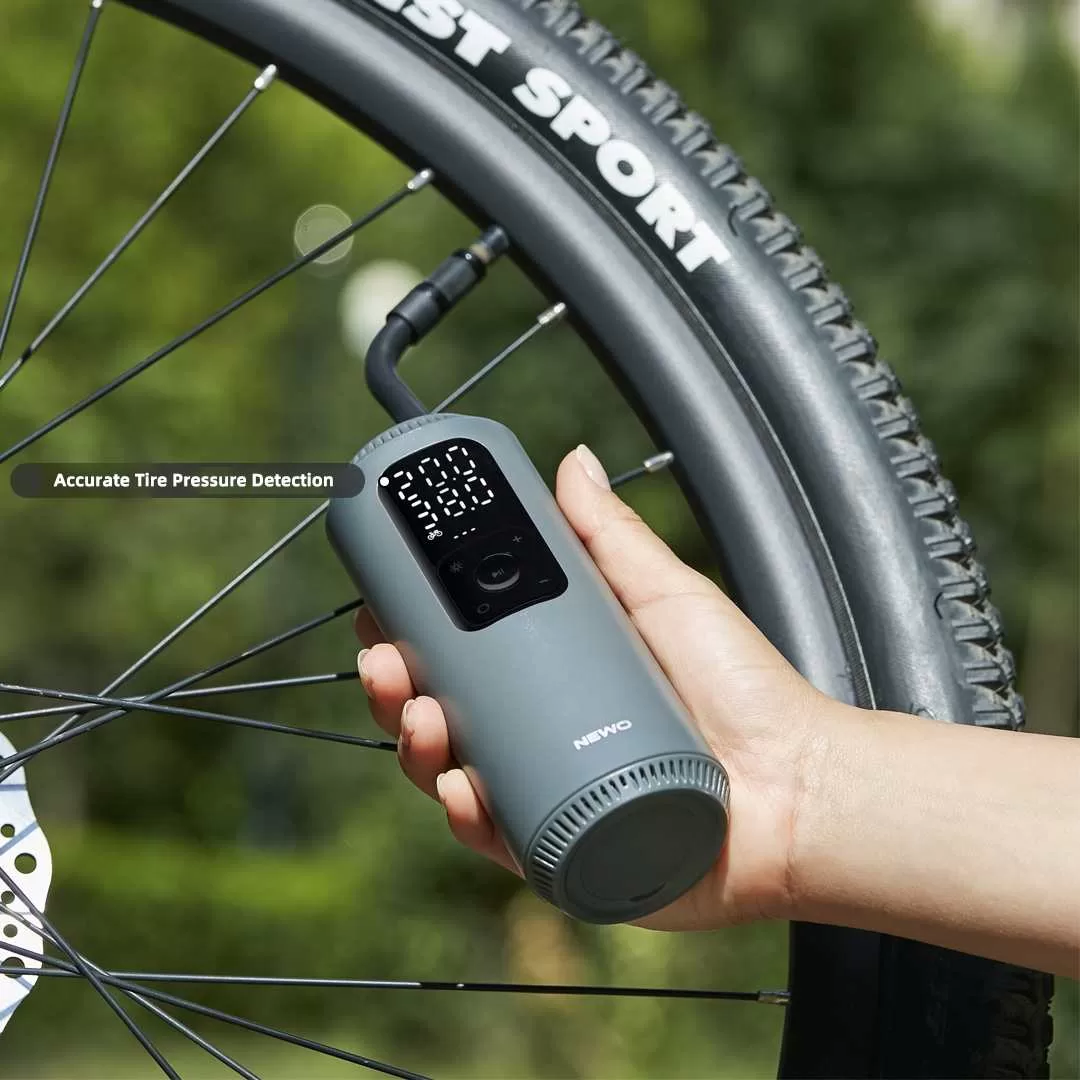
Leading the Way in Product Innovation and Excellence
Smartnewo exemplifies professionalism in product innovation and manufacturing. Their collaboration with Xiaomi Youpin on the G01 crowdfunding project highlights their expertise in creating compact, powerful inflatable pumps. Rigorous engineering, meticulous production processes, and advanced quality assurance underscore their commitment to excellence. The success of the G01 project, with significant market... -
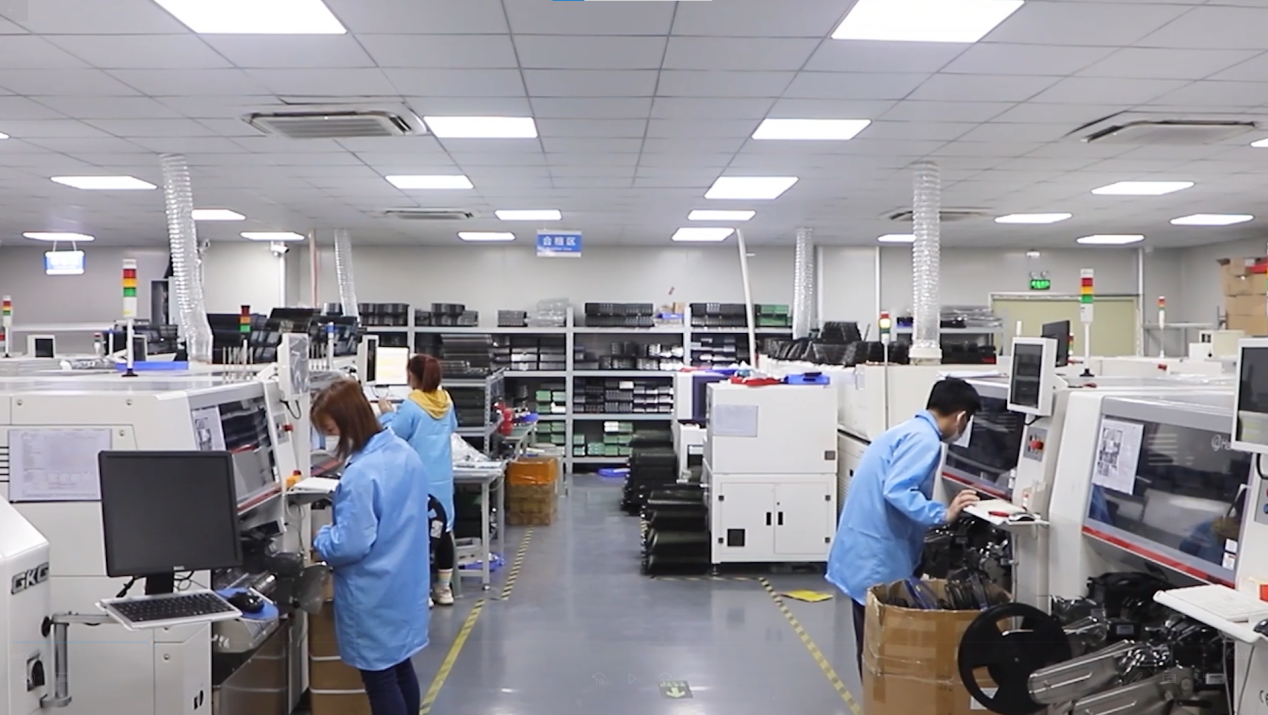
Essential Qualities of an Excellent Supplier
In today's competitive market, finding a reliable supplier is crucial for business success. Based on insights from Smartnewo and broader internet research, here are key qualities an excellent supplier must possess:... -
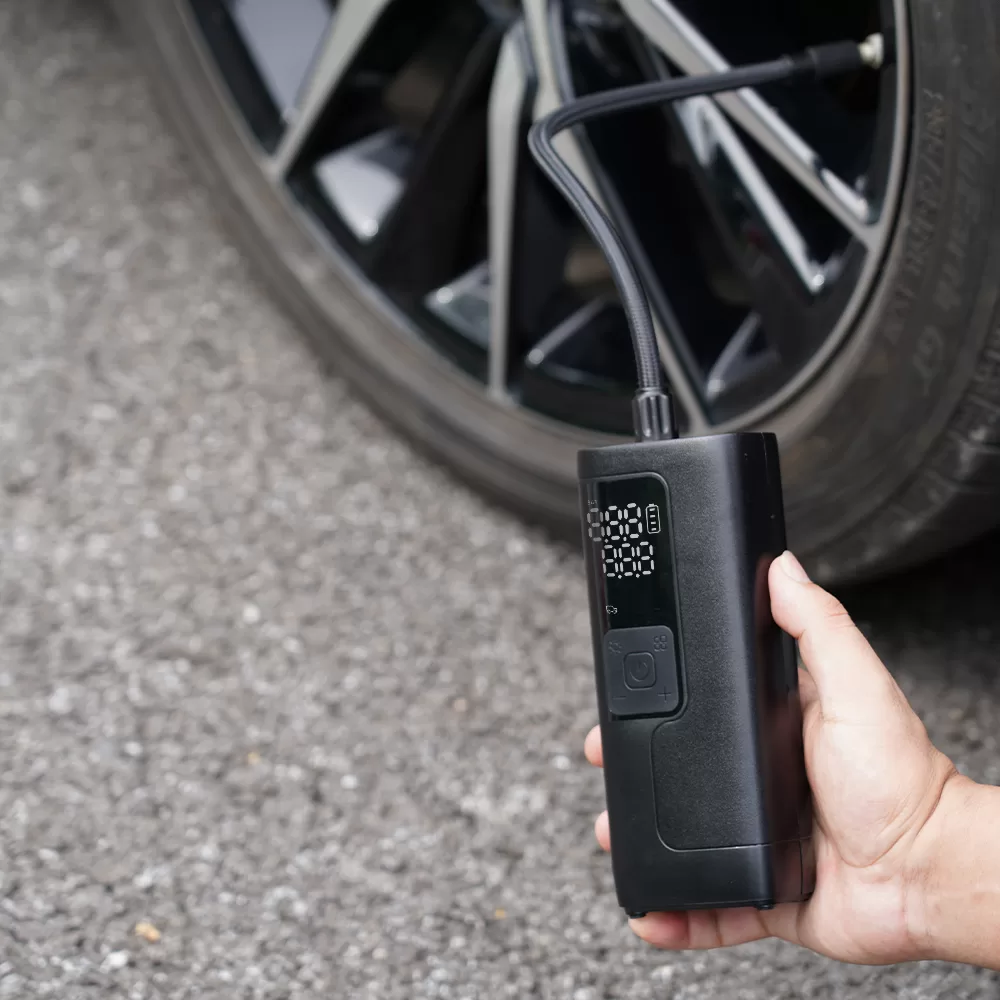
NW06 Tire Inflator: Compact Power for Quick Inflation
Summary The NW06 Tire Inflator delivers quick and efficient tire inflation with a powerful 35L/min airflow. It features a user-friendly LCD screen for real-time pressure monitoring, dual power options with a built-in 6000mAh battery, and multiple nozzle attachments for versatile use. Its compact design and integrated LED light ensure convenience and... -
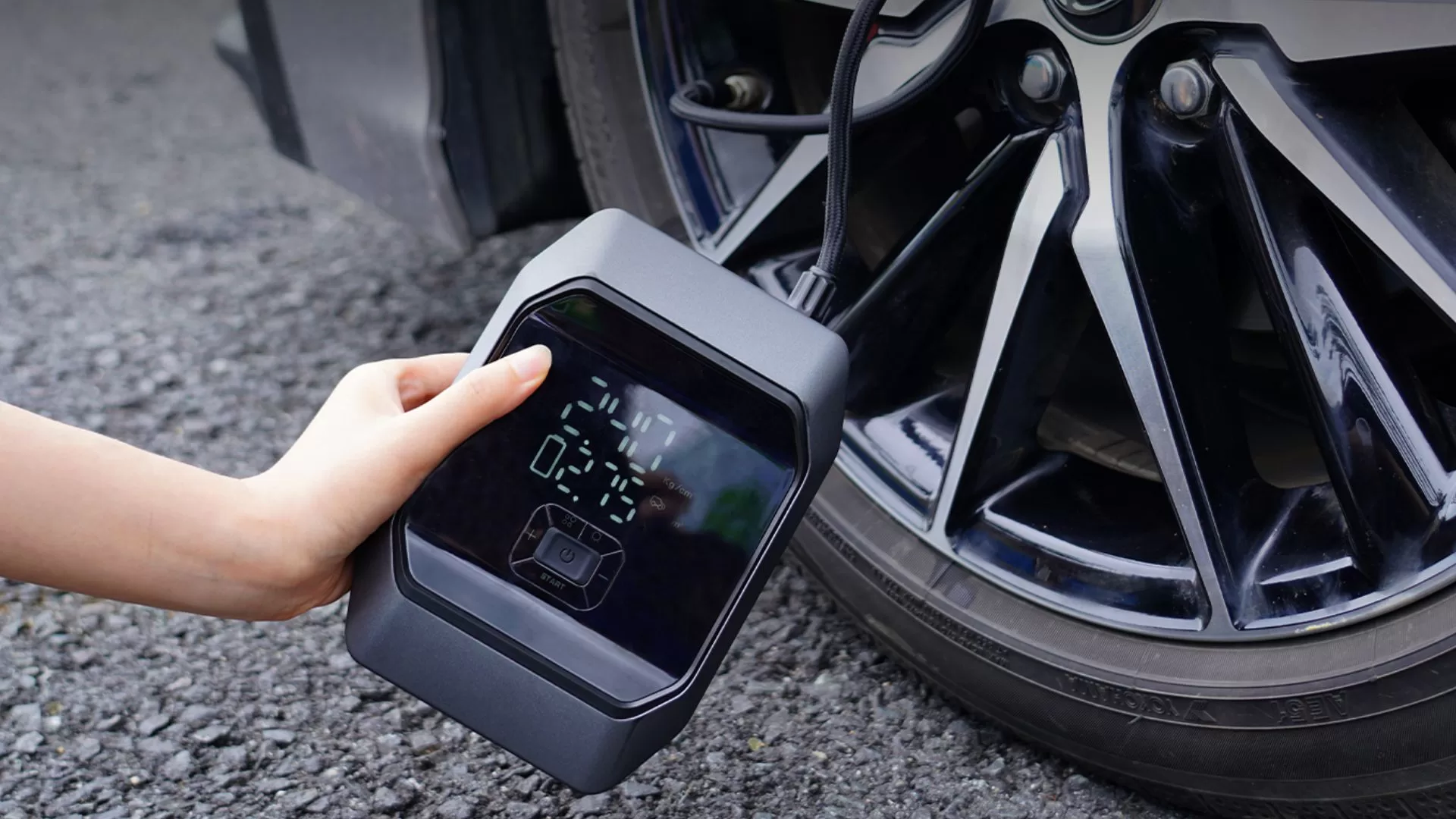
Unleash the Power of Portability: The SmartNewo Jump Starter with Air Compressor KF03
This guide will walk you through the steps to effectively use a portable tire inflator, helping you stay prepared and safe on the road.... -

Newo Attends The 2024 Consumer Electronics Show (CES)
Smartnewo booth is located at 53672, Halls A-D, Level 2, Venetian Expo, Las Vegas Convention Center (LVCC). ... -
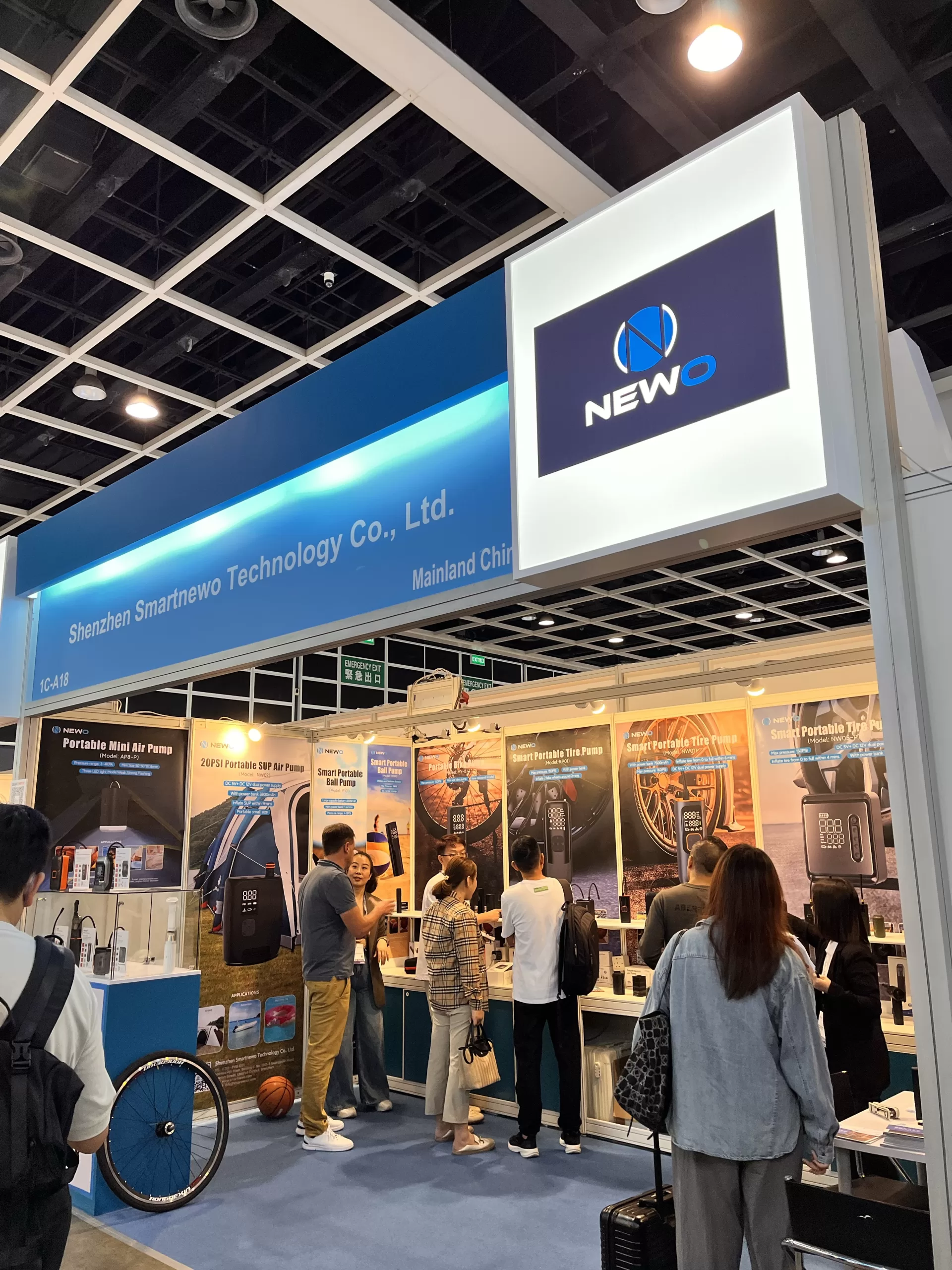
Smartnewo’s Dual-Cylinder Air Pump Rocks the Hong Kong Autumn Electronics Fair!
Smartnewo’s Dual-Cylinder Air Pump Rocks the Hong Kong Autumn Electronics Fair!... -

Meet at the Canton Fair! Smartnewo brings dual-cylinder air pumps, making your inflation experience faster and more stable!
NEWO has went deep communication and negotiation with customers from all over the world on booth.... -
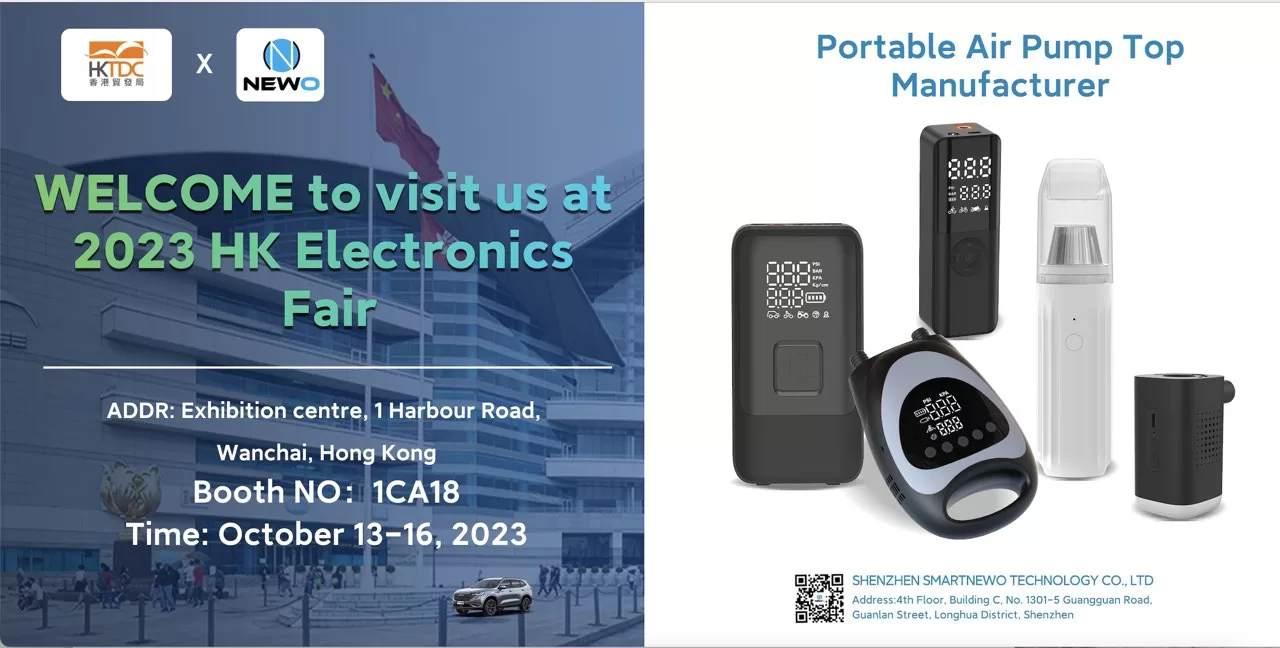
“Hong Kong Autumn Electronics Fair – 1CA18 (October 13th to 16th): Smartnewo invites you to visit our booth!
Hong Kong Autumn Electronics Fair...
-
What to Check Before Ordering Custom Electric Bike Pumps
Plan custom electric bike pumps with a clear requirements freeze for valves, TPU tubes, portability, repeated top-ups, charging, and model-specific documents.... -

OEM vs ODM Air Pumps: Which Manufacturing Model Fits Your Brand?
Compare OEM and ODM air pump projects by design responsibility, change approval, development scope, and written ownership terms before choosing your route.... -

How to Choose a Reliable Tire Inflator Manufacturer in China
Choose a tire inflator manufacturer in China with a focused RFQ, supplier evidence, configuration checks, and clear sample-to-pilot decisions for your brand.... -

Rechargeable Electric SUP Pump for Paddle Boards: Faster Inflation for SUPs, Kayaks and Inflatable Tents
The BL10-C Portable Electric Bike Tire Inflator is a compact and lightweight mini electric bike pump designed for modern cyclists. With up to 120 PSI pressure, a digital LED display, preset pressure control, automatic shut-off, USB-C charging, and multiple valve adapters, BL10-C offers a convenient inflation solution for road bikes,... -

Are Electric Bike Pumps Worth It in 2026? Electric Pump vs CO₂ vs Mini Hand Pump
Discover whether electric bike pumps are worth it in 2026. This guide compares electric bike pumps, CO₂ inflators, and mini hand pumps for road cycling, gravel riding, commuting, and long-distance rides. Learn the pros, limitations, best use cases, and key features to look for before choosing the right portable tire... -
BL10-C Portable Electric Bike Tire Inflator: Small Size, Reliable Power for Every Ride
The BL10-C Portable Electric Bike Tire Inflator is a compact and lightweight mini electric bike pump designed for modern cyclists. With up to 120 PSI pressure, a digital LED display, preset pressure control, automatic shut-off, USB-C charging, and multiple valve adapters, BL10-C offers a convenient inflation solution for road bikes,... -
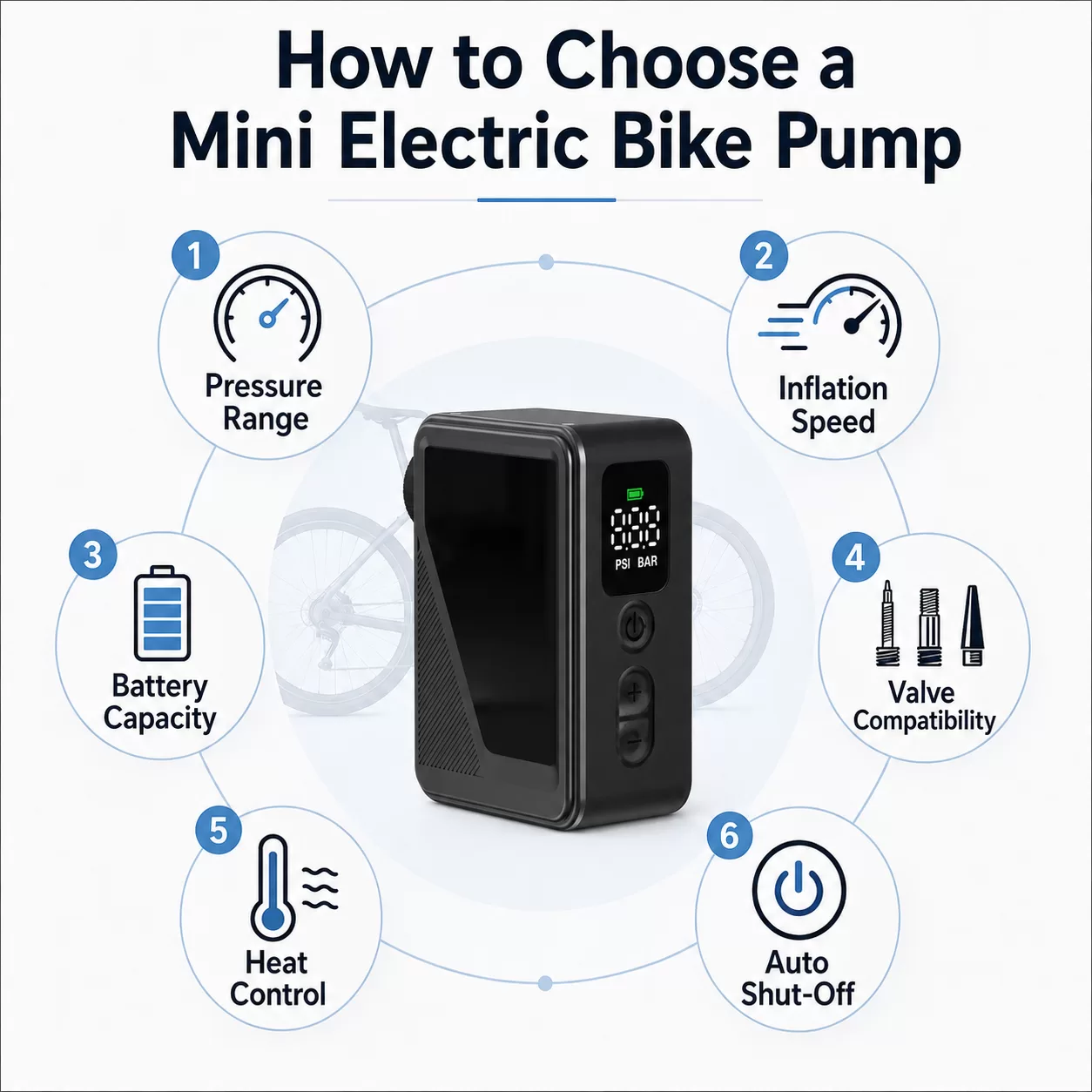
Why Mini Electric Bike Pumps Are Becoming Essential for Modern Cycling
Discover why mini electric bike pumps are becoming essential for modern cyclists. Learn how portable electric bike pumps improve tire pressure management, riding safety, and convenience.... -
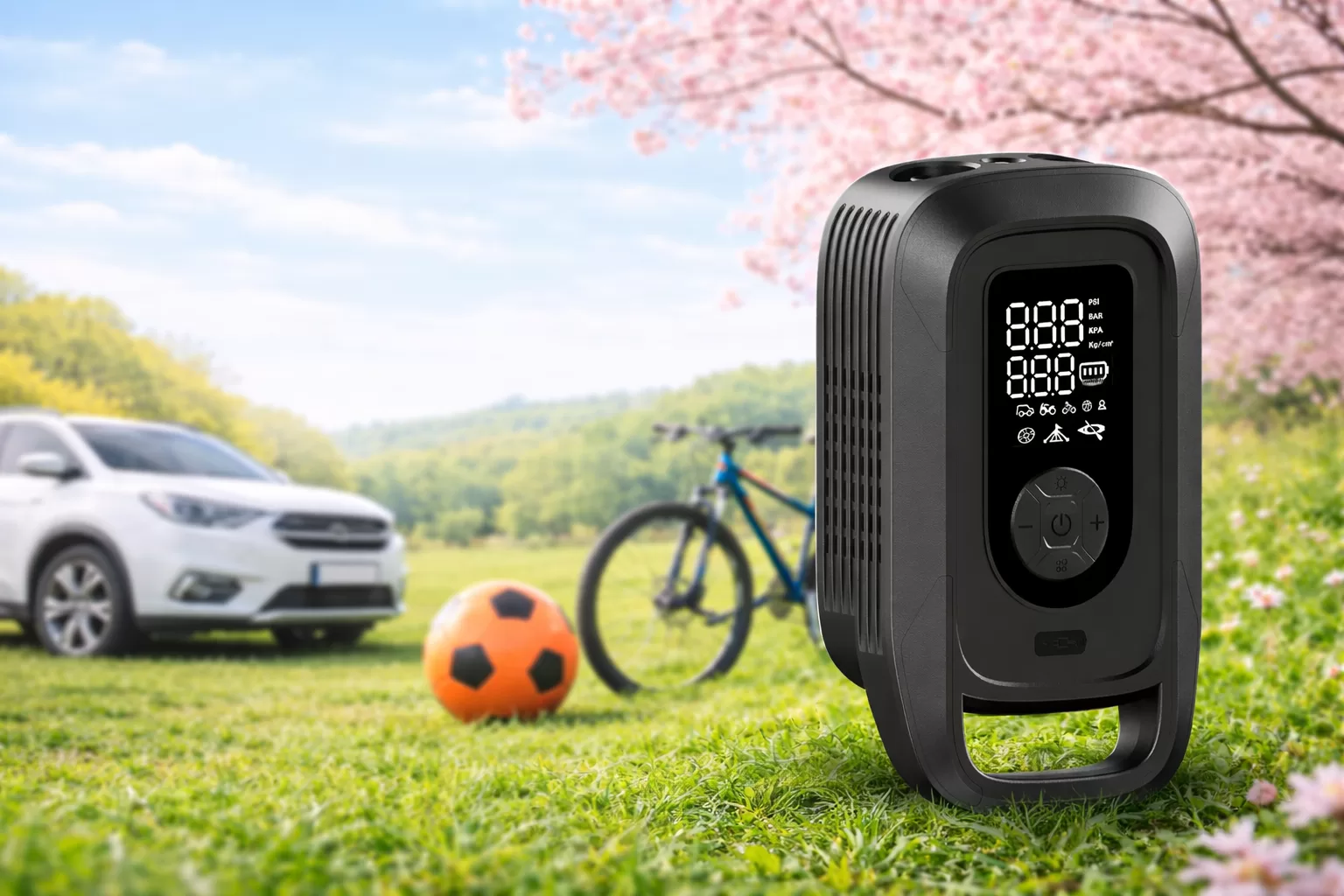
The Ultimate Smart Solution for Easy Outdoor Adventures in 2026
Discover how a spring travel air pump simplifies outdoor trips with fast inflation, smart features, and powerful performance—perfect for every adventure.... -
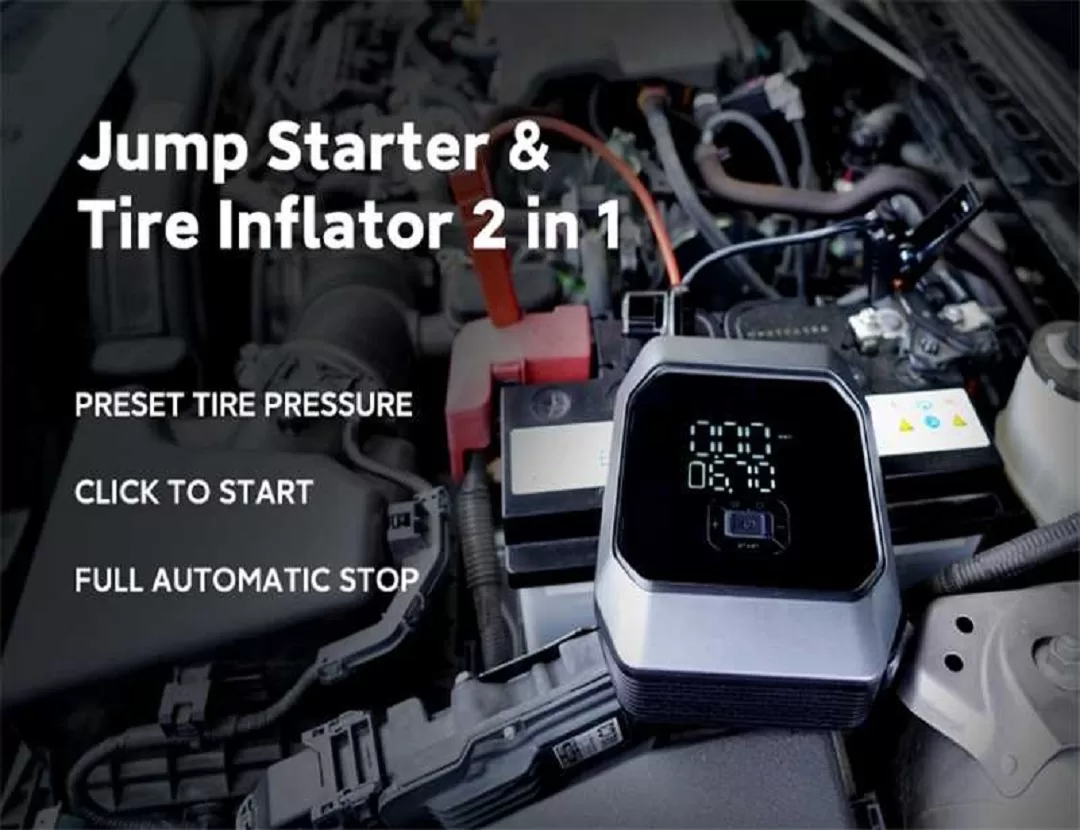
Powerful 5-in-1 Portable Car Tire Inflator and Jump Starter: The Ultimate Emergency Tool for Every Driver
Why Every Driver Needs a Portable Car Tire Inflator and Jump Starter Modern drivers face many unexpected situations on the road. A flat tire, low tire pressure, or a dead car battery can happen at the worst possible time. That’s why having a portable car tire inflator and jump starter is... -

7 Real Cycling Scenarios That Show Why Every Rider Should Carry a Mini Bike Pump
Cycling is one of the most freeing activities you can enjoy. Whether you’re commuting to work, riding through city streets, or exploring quiet countryside roads, a bike ride can instantly improve your day. But there’s one small problem that almost every cyclist eventually faces: Low tire pressure. It might happen...
-
How Is a Football Properly Inflated?
The correct inflation of a football - with not too much and not too little air - is a hotly debated topic among footballers.... -
Application Scenarios of Car Inflator Pump
Often long-distance business trips or play car owners because the road may be more remote areas, in this case if you encounter a tire leak....