

 Portable Tire Inflators
 Electric Air Pumps
 Electric Car Tyre Pumps
 Electric Ball Pumps
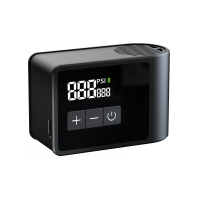 Electric Bike Pump
 SUP Air Pump
Portable Rechargeable Bike Pump vs. Traditional Hand Pump
For cyclists, keeping tires at the correct pressure is essential for safety, comfort, handling, and riding efficiency. When a tire loses pressure during a ride, having a reliable pump can make the difference between getting back on the road quickly and dealing with a long roadside repair.
Today, cyclists generally have two practical options: a portable rechargeable bike pump or a traditional hand pump. Both can inflate bicycle tires, but they provide very different user experiences.
A traditional hand pump is simple, lightweight, and independent of batteries. A portable rechargeable bike pump, on the other hand, uses a built-in battery and electric motor to automate inflation, reducing the physical effort required from the rider.
So, which option is better? The answer depends on how, where, and how often you ride. Understanding the differences in inflation speed, portability, battery requirements, pressure control, reliability, and everyday convenience can help you choose the right solution.
What Is a Portable Rechargeable Bike Pump?
A portable rechargeable bike pump is a compact electric inflator designed specifically for bicycle tires. Instead of manually operating a piston, the rider connects the pump to the tire valve, selects or monitors the desired pressure, and activates the electric motor.
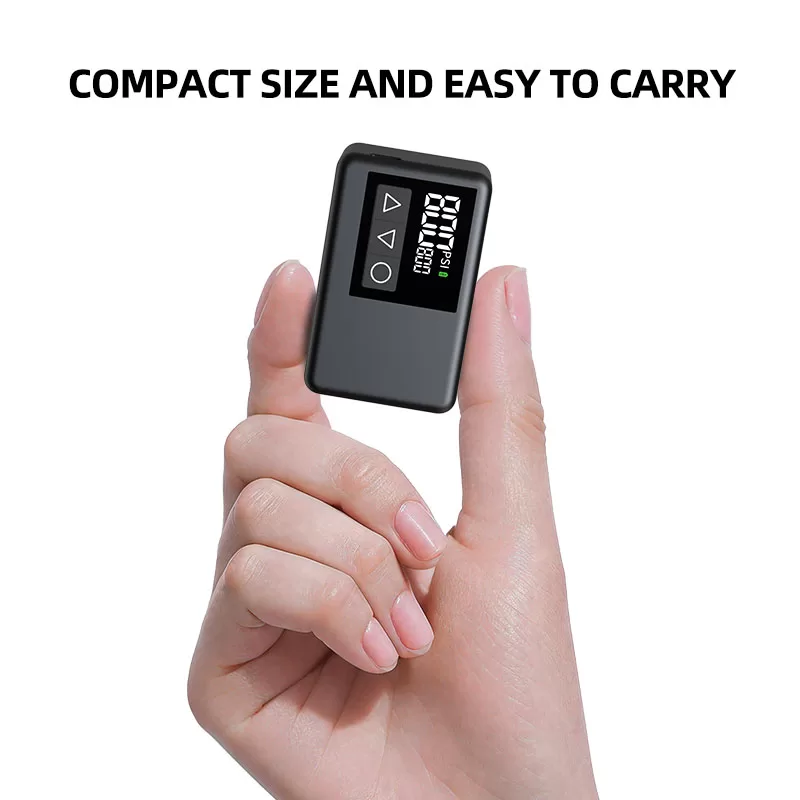
Most modern portable electric bike pumps are designed to be small enough to carry in a backpack, saddle bag, or other cycling gear. Rechargeable batteries eliminate the need for disposable batteries or a continuous external power supply.
For example, the Newo BL01 is a compact mini bike tire inflator designed for cycling applications. It provides a maximum pressure of 120 PSI, a 14 L/min airflow rate, dual LCD displays, automatic shut-off, and Type-C charging. Its stated inflation capacity is approximately seven mountain bike tires at 38 PSI or two road bike tires at 100 PSI. This type of design focuses on portability and convenience rather than replacing every type of large workshop air compressor.
What Is a Traditional Hand Pump?
A traditional hand pump uses mechanical force from the rider to move air into the tire. Mini pumps commonly use a piston and cylinder mechanism, with the user repeatedly pushing and pulling the handle.
The main advantage is simplicity. A hand pump does not require a battery, charging cable, electronic display, or motor. As long as the mechanical components are functioning, it can be used whenever necessary. This makes a hand pump particularly attractive as an emergency backup. It can remain attached to a bicycle for long periods without worrying about battery charge.
However, manual inflation requires physical effort. The higher the required tire pressure, the more strokes may be necessary, particularly with compact mini pumps.
Portable Rechargeable Bike Pump vs. Traditional Hand Pump: Key Differences
The biggest difference between these two pump types is how they deliver air. A traditional hand pump relies entirely on human power. A portable rechargeable bike pump uses stored electrical energy to drive a motor and compression mechanism.
This difference affects several important factors:
| Feature | Portable Rechargeable Bike Pump | Traditional Hand Pump |
|---|---|---|
| Inflation method | Electric motor | Manual pumping |
| Physical effort | Very low | Moderate to high |
| Battery required | Yes | No |
| Charging required | Yes | No |
| Pressure display | Often available | Usually not built in |
| Automatic shut-off | Available on many models | No |
| Portability | Compact, depending on model | Generally very lightweight |
| Emergency reliability | Depends on battery level | Highly reliable if mechanically sound |
| Inflation convenience | High | Moderate |
| Long-term readiness | Requires battery management | No charging required |
Neither technology is universally better. Each addresses a different set of priorities.
Inflation Speed and Physical Effort
One of the strongest advantages of a portable rechargeable bike pump is reduced physical effort.
With a hand pump, the rider must perform repeated strokes until the tire reaches the desired pressure. This can become tiring when repairing a completely flat tire or inflating a high-pressure road bike tire.
An electric pump performs the repetitive work automatically. The rider mainly needs to connect the hose or nozzle, start the pump, and monitor the pressure.
Recent testing of compact electric bike pumps has shown that some small models can inflate a 30 mm road tire to 50 PSI in roughly one minute, although actual performance varies considerably according to pump design, tire volume, starting pressure, and target pressure.
This makes electric inflation particularly attractive for commuters, recreational cyclists, and riders who want to minimize effort during roadside repairs.
Portability: Which Pump Is Easier to Carry?
Portability is more complicated than simply comparing product dimensions. A traditional mini hand pump can be extremely lightweight because it contains no battery or motor. Some models can remain permanently attached to a bicycle frame.
A portable rechargeable bike pump may be slightly heavier because it contains a battery, motor, electronics, and charging components. However, modern electric pumps have become increasingly compact. For example, the Newo BL01 measures approximately 71.5 × 45 × 32 mm and is designed specifically around compact bicycle inflation.
For cyclists who carry the pump in a jersey pocket, saddle bag, or small cycling bag, the physical dimensions of the pump can therefore be just as important as its weight.
Pressure Control and Automatic Shut-Off
Pressure control is another major difference between modern electric pumps and traditional hand pumps.
Many portable rechargeable bike pumps incorporate a digital pressure display. Some models allow riders to set a target pressure and automatically stop when that pressure is reached. This reduces the need to repeatedly remove the pump and check the tire with a separate pressure gauge. The Newo BL01, for instance, combines a dual LCD display with an automatic shut-off function and supports a pressure range from 2 to 120 PSI.
A traditional hand pump generally provides much less automated pressure control. Some premium models include an integrated gauge, but the rider still needs to operate the pump manually. For cyclists who regularly maintain precise tire pressure, digital control can be a meaningful convenience.
Battery Life: The Main Trade-Off of Electric Pumps
The biggest disadvantage of a rechargeable pump is also obvious: it needs electrical energy. A hand pump can sit in a bicycle bag for months and remain ready to use. A rechargeable pump must be charged before a ride if the rider wants to depend on it. This means battery management is an important part of using an electric bike pump.
For example, the BL01 uses a 500 mAh, 7.4 V polymer battery and has a stated charging time of less than two hours. Its listed runtime is approximately five to seven minutes, depending on operating conditions.
Cyclists should therefore consider both battery capacity and the pump’s actual inflation capability rather than looking only at the advertised maximum pressure. A good habit is to recharge the pump after use or check its battery level before a long ride.
Reliability in Emergency Situations
For emergency cycling equipment, reliability matters more than convenience alone. A traditional hand pump has an important advantage: it does not depend on a charged battery. If you have a mechanical hand pump in working condition, you can use it whenever necessary.
A rechargeable pump introduces another potential failure point. If the battery is empty, the pump cannot provide electric inflation. However, this does not necessarily make electric pumps unreliable. It simply means that battery status becomes part of normal preparation.
For longer cycling trips, touring, or remote rides, some cyclists may choose to carry both. The rechargeable pump can provide convenient primary inflation, while the hand pump serves as a backup.
Which Pump Is Better for Road Bikes?
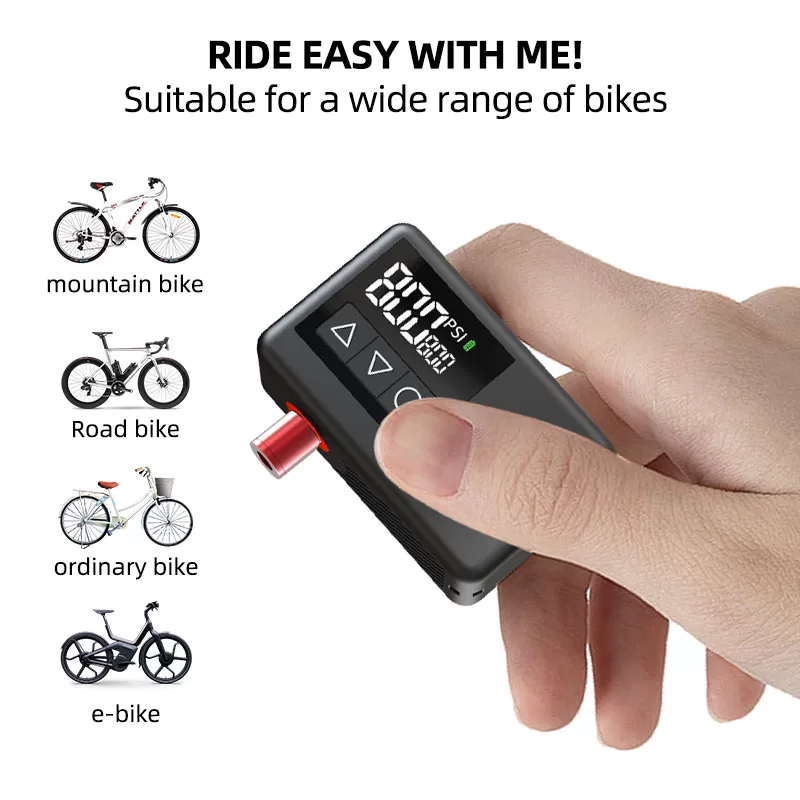
Road bikes typically use relatively high tire pressures and narrower tires. This makes efficient inflation especially important.
A portable rechargeable bike pump can be useful for riders who want to restore pressure quickly without performing dozens or hundreds of manual strokes.
However, riders should always check the pump’s specifications before purchasing. Maximum pressure alone does not tell the whole story. Airflow, battery capacity, operating temperature, inflation time, and the number of tires that can be inflated per charge are also important.
For example, a pump capable of reaching 120 PSI on paper may perform differently when inflating a road tire from completely flat to 100 PSI than when topping up a tire from 70 to 80 PSI.
Which Pump Is Better for Mountain Bikes?
Mountain bike tires generally use lower pressures but have larger air volumes than road tires.
This creates a different performance requirement. Instead of focusing only on maximum PSI, mountain bike riders should pay attention to airflow and total inflation capacity.
The Newo BL01, for example, specifies an airflow rate of 14 L/min and indicates an approximate capacity of seven mountain bike tires at 38 PSI under its stated test conditions.
For mountain biking, trail riding, and recreational cycling, this combination of compact size and electric operation can make a rechargeable pump particularly convenient.
Portable Rechargeable Bike Pump vs. Hand Pump for Daily Commuting
For daily commuters, convenience can be more important than absolute minimum weight. A portable rechargeable bike pump can be useful when a tire needs a quick pressure adjustment before work or when a puncture occurs during the commute.
Instead of stopping and manually pumping for several minutes, the rider can connect the electric pump and allow the motor to perform the inflation. A hand pump remains an excellent choice for commuters who prioritize simplicity and want a tool that requires virtually no preparation.
The better choice depends on personal preference: maximum simplicity favors the hand pump, while maximum convenience favors the rechargeable electric pump.
Which One Is Better for Long-Distance Cycling?
Long-distance cyclists need to think differently about emergency equipment. A rechargeable pump can save physical effort during a roadside repair, which is especially valuable after several hours of riding. However, battery capacity becomes increasingly important as the distance from home increases.
For touring and remote cycling, carrying a backup inflation method can provide additional peace of mind. The ideal setup may therefore be a compact rechargeable pump combined with a lightweight mechanical backup, particularly when riding far from service stations or bike shops.
Conclusion
There is no single pump that is perfect for every cyclist. A traditional hand pump remains an excellent choice for riders who value simplicity, low weight, and independence from batteries. It is especially useful as a dependable emergency backup.
A portable rechargeable bike pump is the better choice for riders who prioritize convenience, reduced physical effort, fast inflation, and precise pressure management.
For everyday cycling, commuting, road riding, and mountain biking, a compact rechargeable pump can make tire maintenance significantly easier. For long-distance and remote rides, however, having a mechanical backup remains a sensible precaution.
Ultimately, the best solution is the one that matches your riding conditions and priorities. If portability, electric operation, digital pressure control, and effortless inflation are important to you, a well-designed portable rechargeable bike pump is a practical upgrade from the traditional hand pump.
-
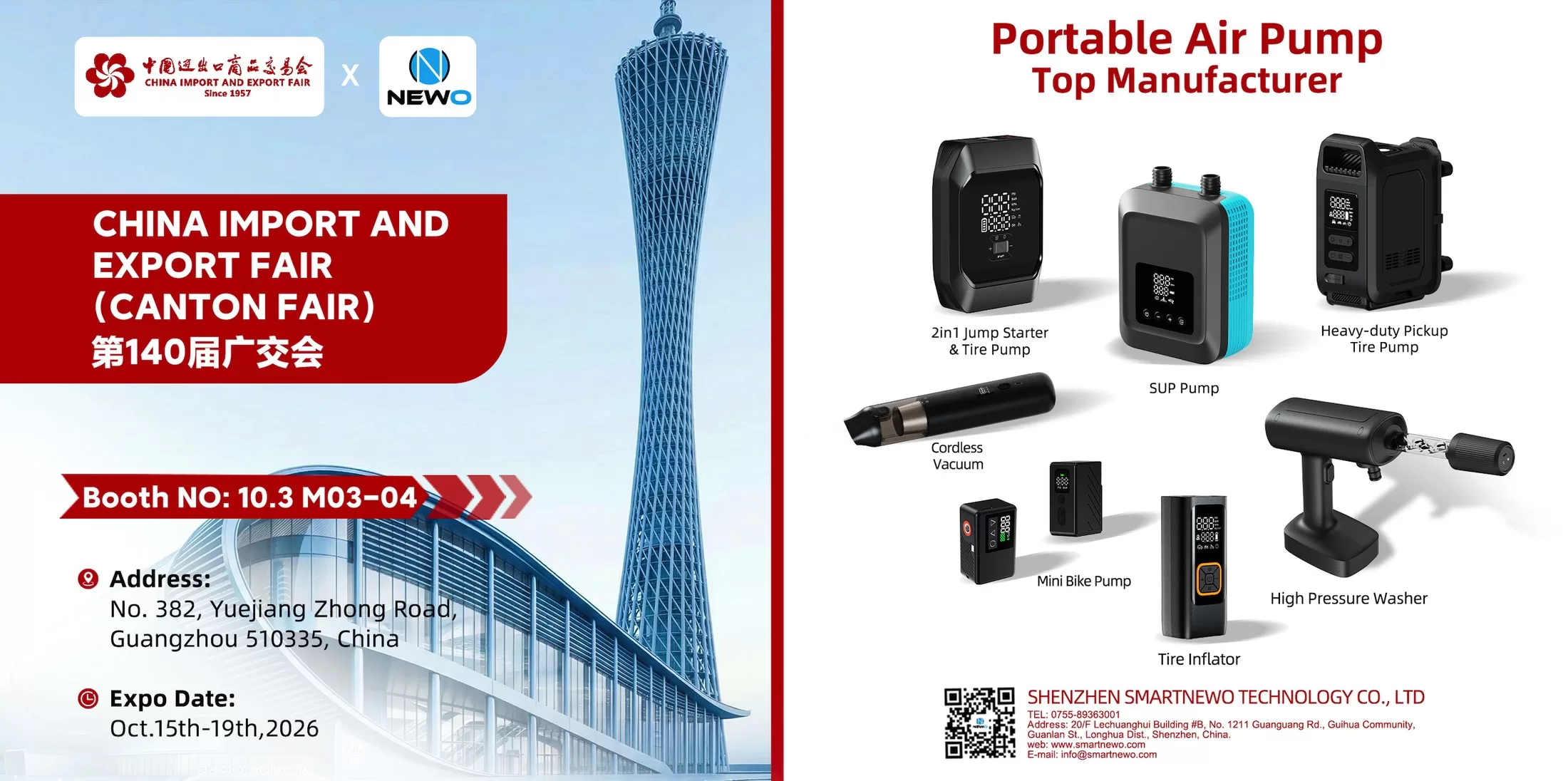
Meet NEWO at the 140th Canton Fair: Visit Booth 10.3 M03–04
Meet NEWO at the 140th Canton Fair in Guangzhou, October 15–19, 2026. Visit Booth 10.3 M03–04 to explore portable air pumps and discuss OEM, ODM and distribution opportunities.... -

As Shenzhen Welcomes the World for APEC 2026, NEWO Welcomes You to Our Factory
As Shenzhen prepares for APEC 2026, NEWO welcomes international buyers and partners to visit our factory, meet our team and explore future cooperation.... -
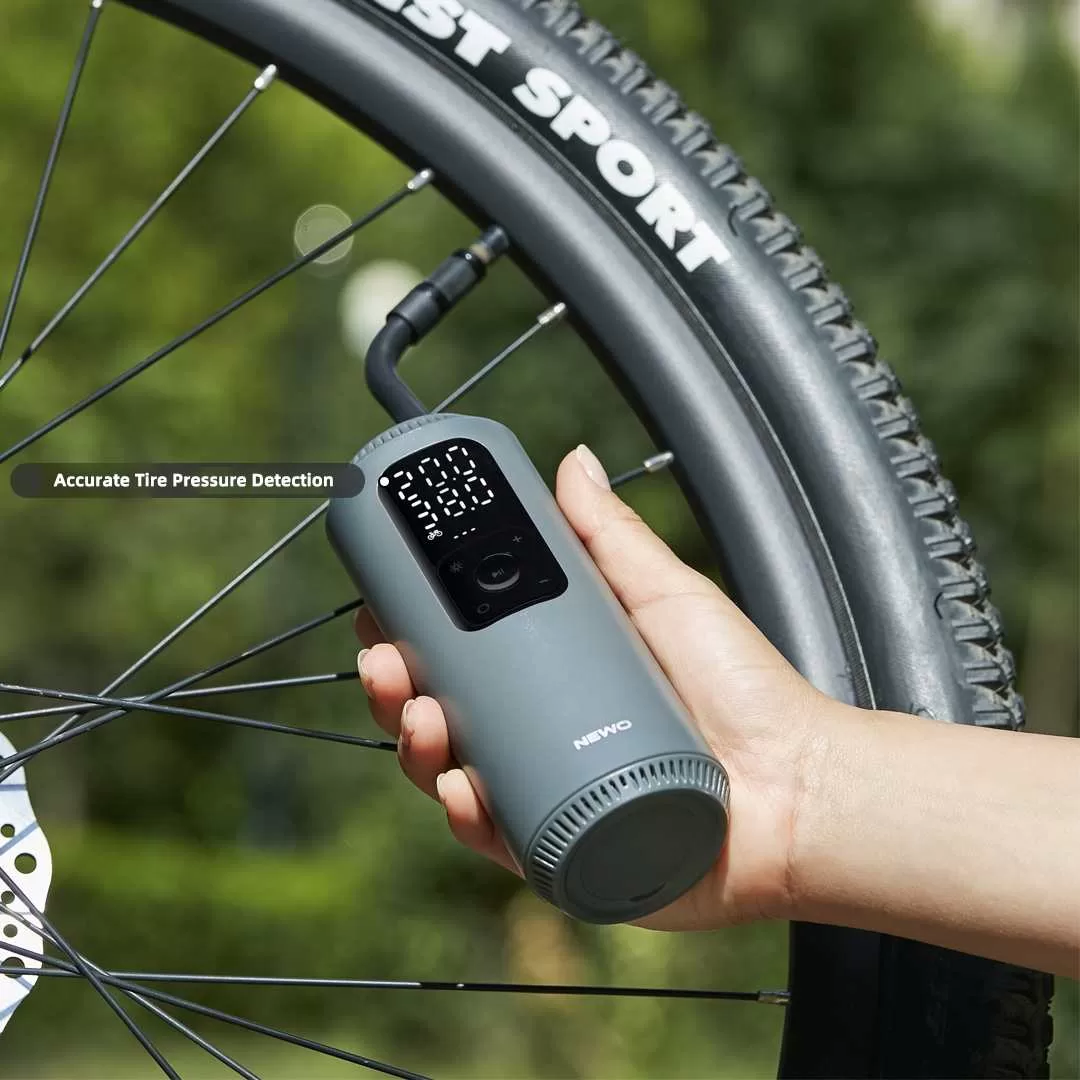
Leading the Way in Product Innovation and Excellence
Smartnewo exemplifies professionalism in product innovation and manufacturing. Their collaboration with Xiaomi Youpin on the G01 crowdfunding project highlights their expertise in creating compact, powerful inflatable pumps. Rigorous engineering, meticulous production processes, and advanced quality assurance underscore their commitment to excellence. The success of the G01 project, with significant market... -
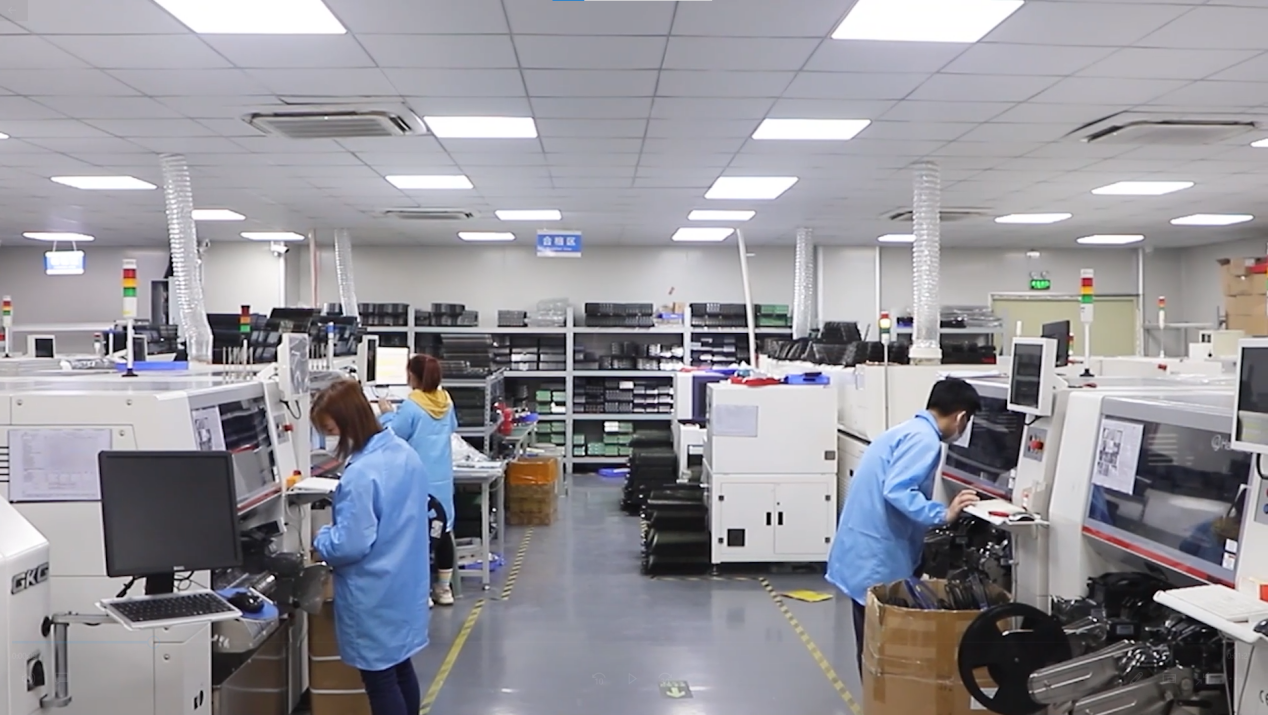
Essential Qualities of an Excellent Supplier
In today's competitive market, finding a reliable supplier is crucial for business success. Based on insights from Smartnewo and broader internet research, here are key qualities an excellent supplier must possess:... -
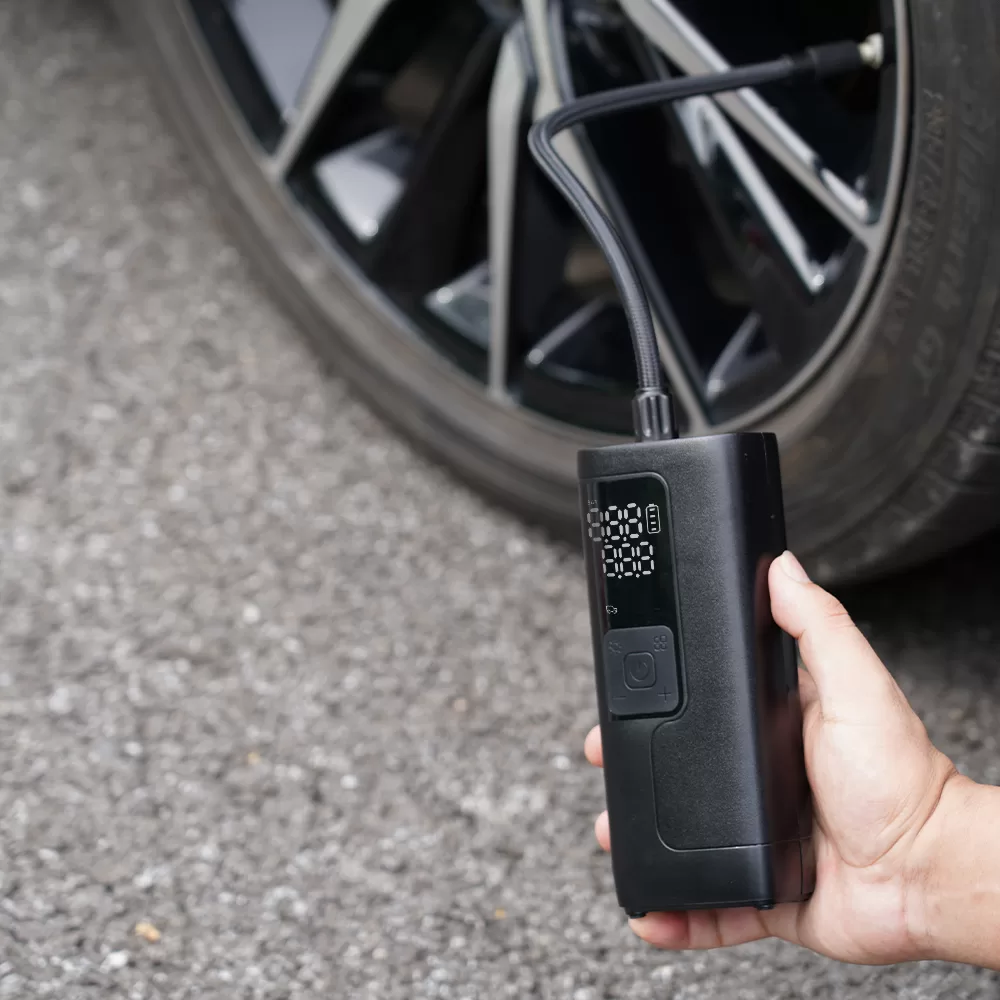
NW06 Tire Inflator: Compact Power for Quick Inflation
Summary The NW06 Tire Inflator delivers quick and efficient tire inflation with a powerful 35L/min airflow. It features a user-friendly LCD screen for real-time pressure monitoring, dual power options with a built-in 6000mAh battery, and multiple nozzle attachments for versatile use. Its compact design and integrated LED light ensure convenience and... -
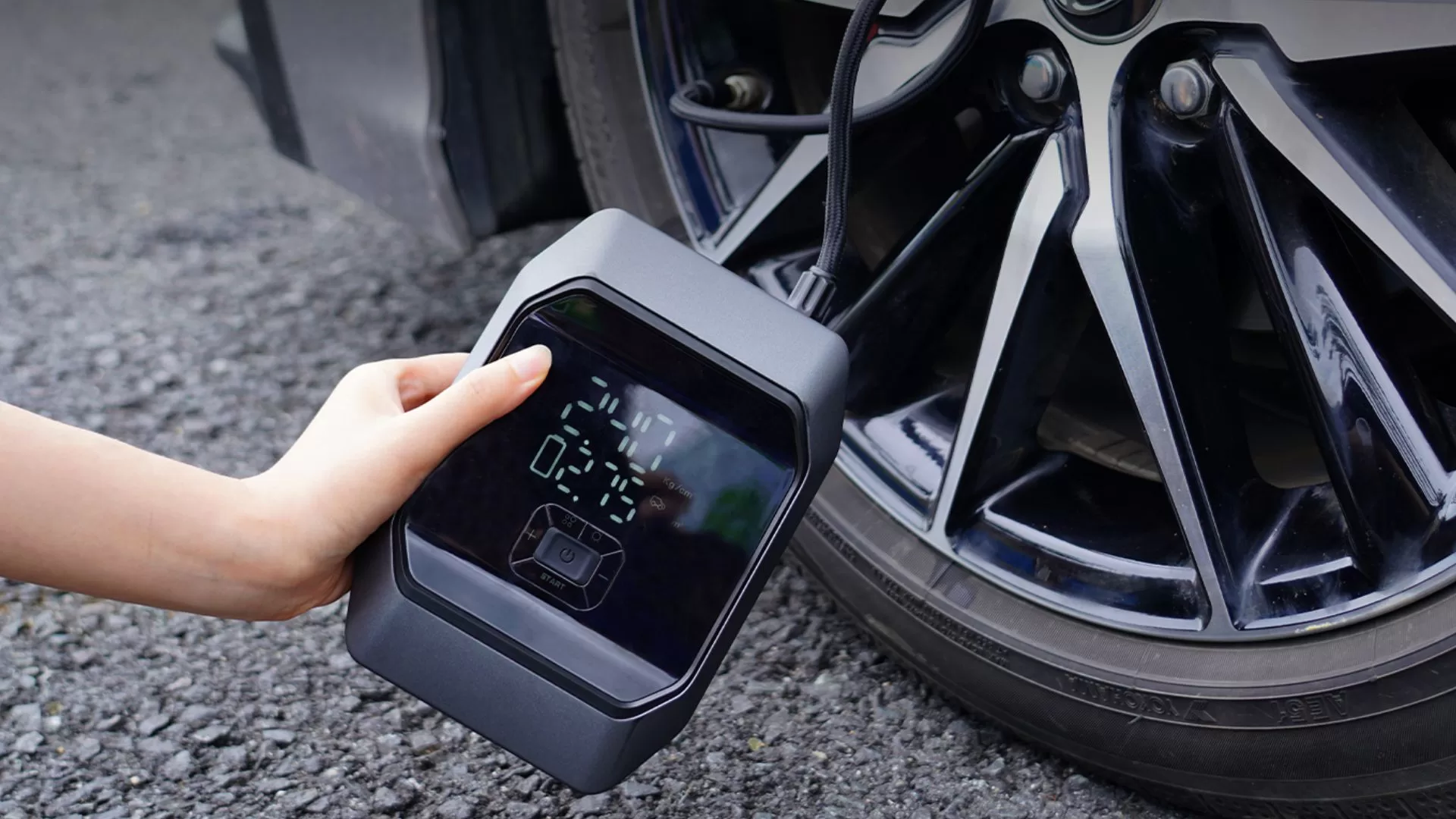
Unleash the Power of Portability: The SmartNewo Jump Starter with Air Compressor KF03
This guide will walk you through the steps to effectively use a portable tire inflator, helping you stay prepared and safe on the road.... -

Newo Attends The 2024 Consumer Electronics Show (CES)
Smartnewo booth is located at 53672, Halls A-D, Level 2, Venetian Expo, Las Vegas Convention Center (LVCC). ... -
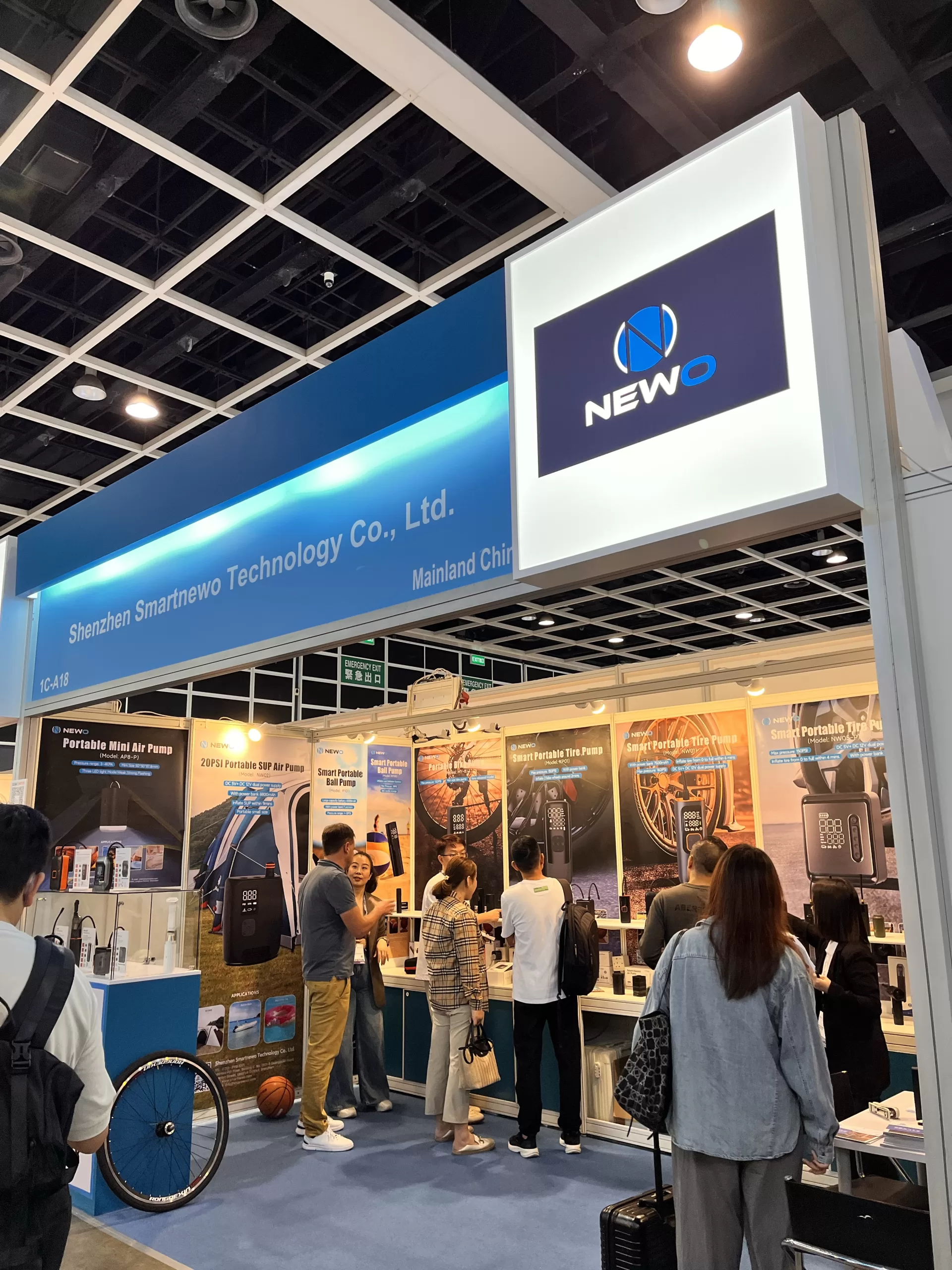
Smartnewo’s Dual-Cylinder Air Pump Rocks the Hong Kong Autumn Electronics Fair!
Smartnewo’s Dual-Cylinder Air Pump Rocks the Hong Kong Autumn Electronics Fair!... -

Meet at the Canton Fair! Smartnewo brings dual-cylinder air pumps, making your inflation experience faster and more stable!
NEWO has went deep communication and negotiation with customers from all over the world on booth.... -
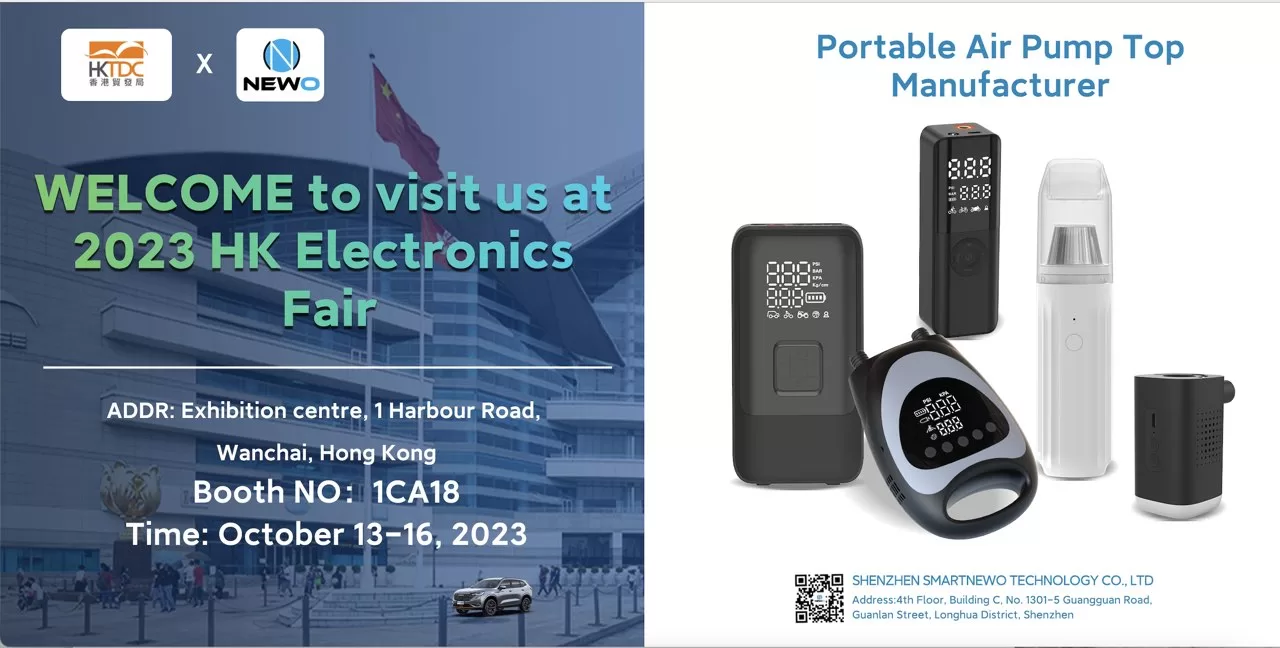
“Hong Kong Autumn Electronics Fair – 1CA18 (October 13th to 16th): Smartnewo invites you to visit our booth!
Hong Kong Autumn Electronics Fair...
-

How to Choose a Reliable Tire Inflator Manufacturer in China
Choose a tire inflator manufacturer in China with a focused RFQ, supplier evidence, configuration checks, and clear sample-to-pilot decisions for your brand.... -
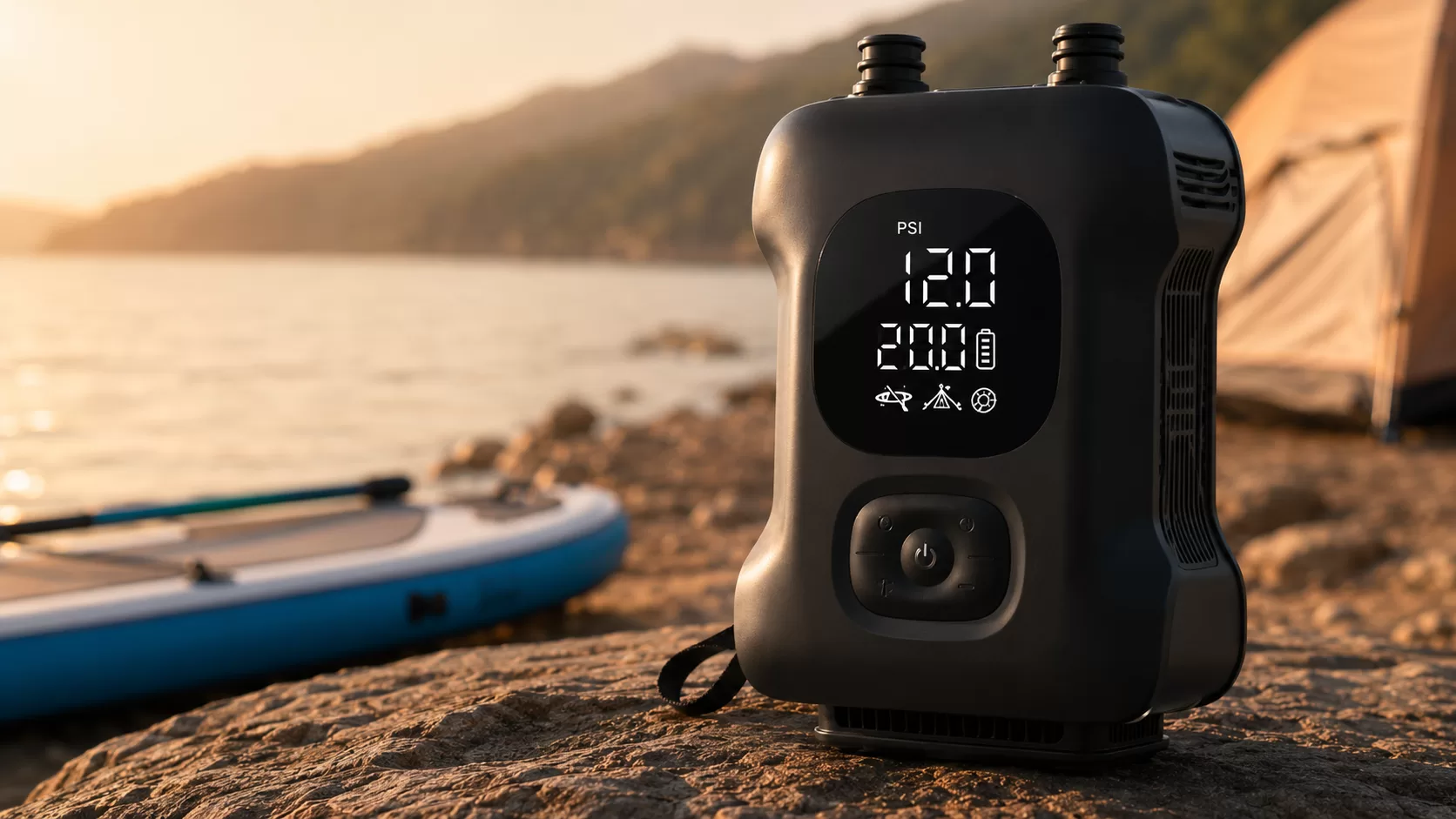
Rechargeable Electric SUP Pump for Paddle Boards: Faster Inflation for SUPs, Kayaks and Inflatable Tents
The BL10-C Portable Electric Bike Tire Inflator is a compact and lightweight mini electric bike pump designed for modern cyclists. With up to 120 PSI pressure, a digital LED display, preset pressure control, automatic shut-off, USB-C charging, and multiple valve adapters, BL10-C offers a convenient inflation solution for road bikes,... -
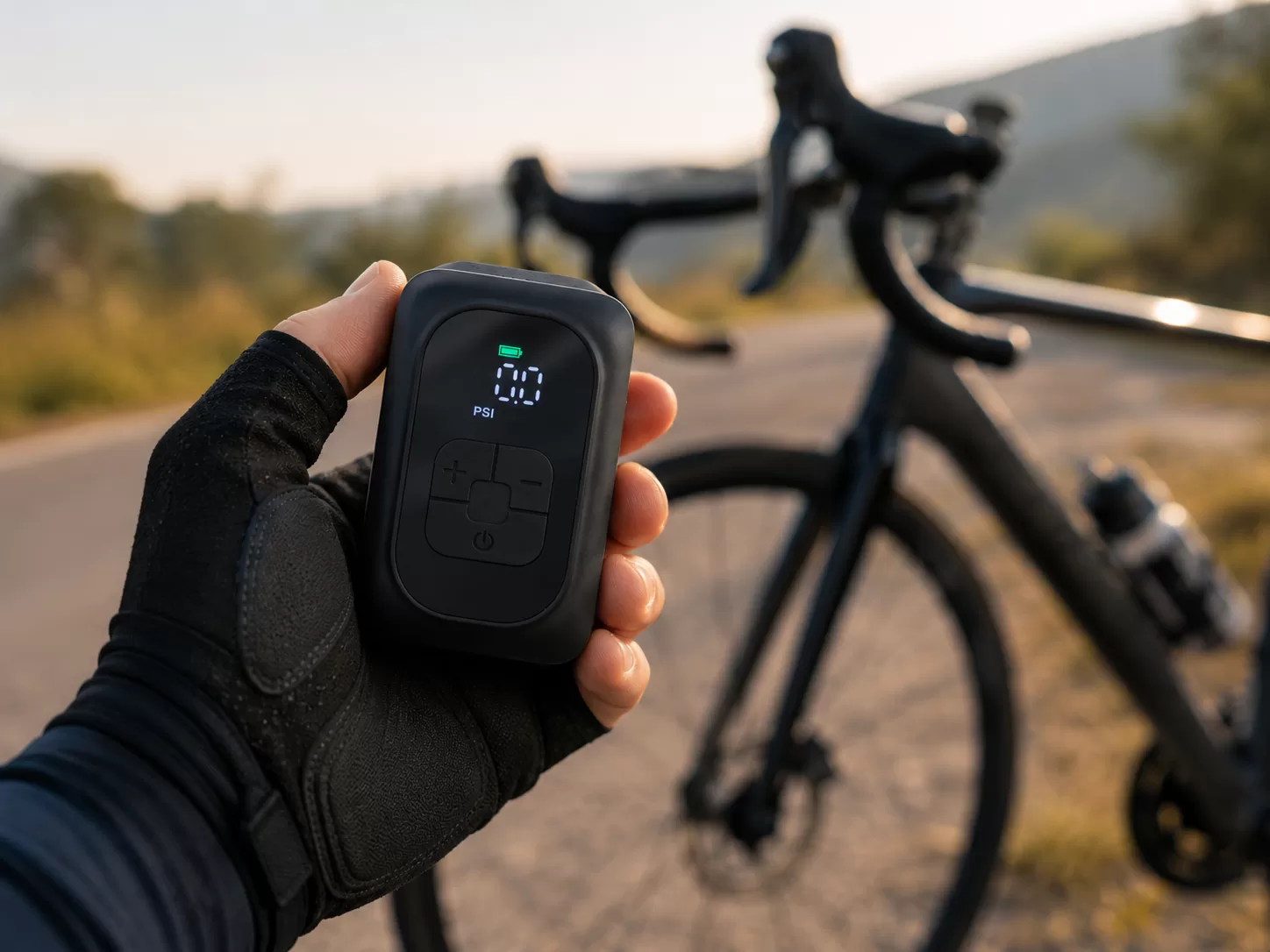
Are Electric Bike Pumps Worth It in 2026? Electric Pump vs CO₂ vs Mini Hand Pump
Discover whether electric bike pumps are worth it in 2026. This guide compares electric bike pumps, CO₂ inflators, and mini hand pumps for road cycling, gravel riding, commuting, and long-distance rides. Learn the pros, limitations, best use cases, and key features to look for before choosing the right portable tire... -
BL10-C Portable Electric Bike Tire Inflator: Small Size, Reliable Power for Every Ride
The BL10-C Portable Electric Bike Tire Inflator is a compact and lightweight mini electric bike pump designed for modern cyclists. With up to 120 PSI pressure, a digital LED display, preset pressure control, automatic shut-off, USB-C charging, and multiple valve adapters, BL10-C offers a convenient inflation solution for road bikes,... -
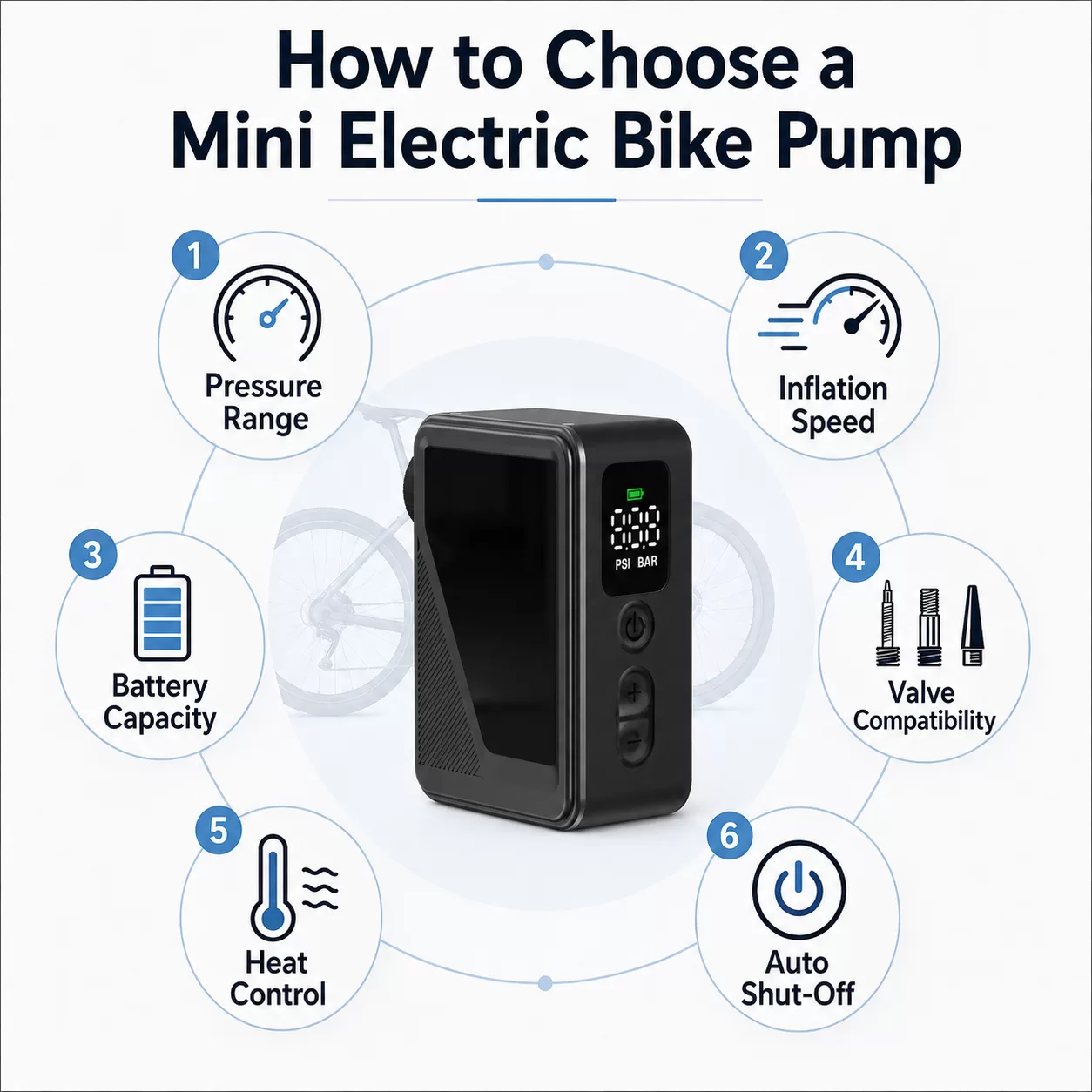
Why Mini Electric Bike Pumps Are Becoming Essential for Modern Cycling
Discover why mini electric bike pumps are becoming essential for modern cyclists. Learn how portable electric bike pumps improve tire pressure management, riding safety, and convenience.... -
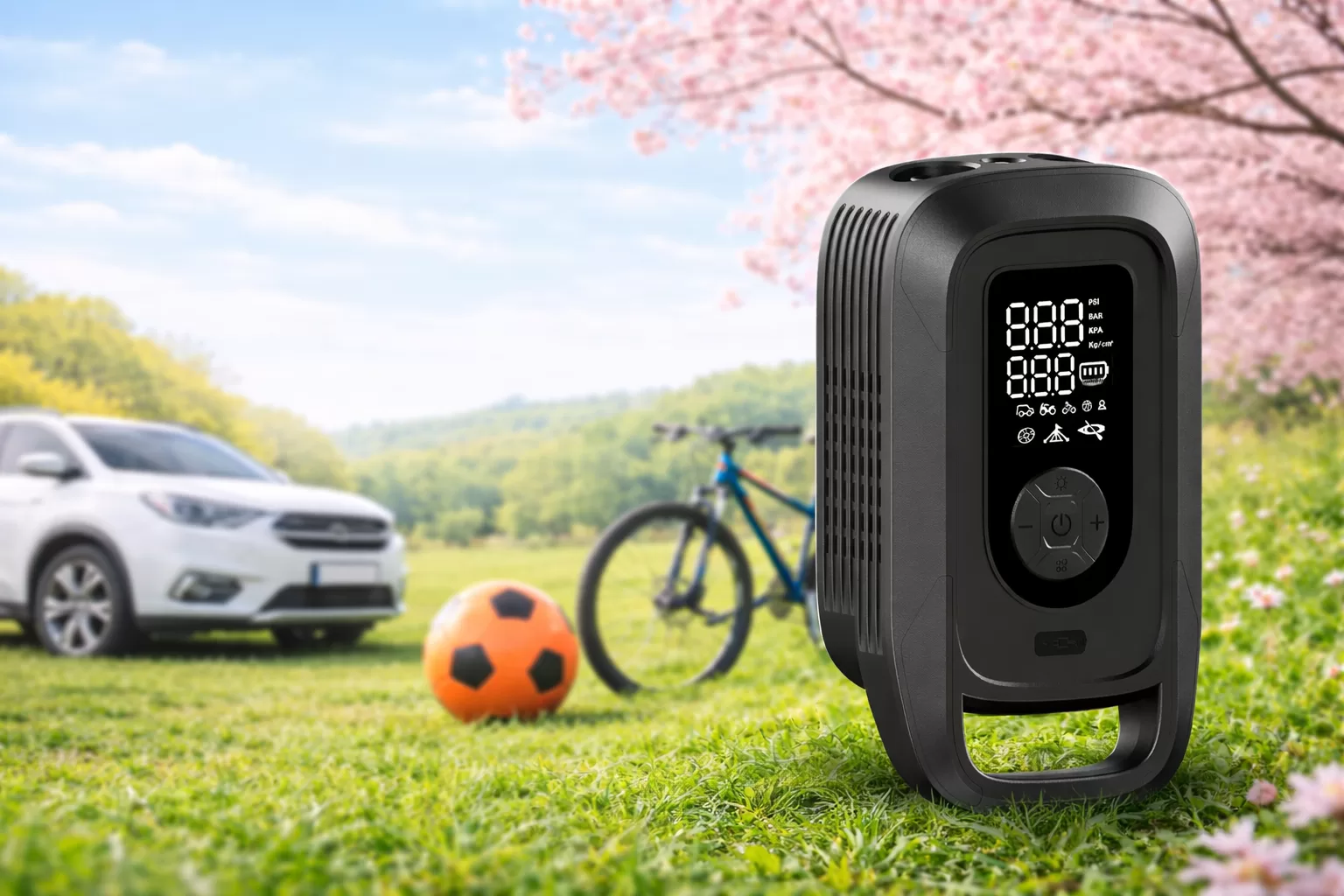
The Ultimate Smart Solution for Easy Outdoor Adventures in 2026
Discover how a spring travel air pump simplifies outdoor trips with fast inflation, smart features, and powerful performance—perfect for every adventure.... -
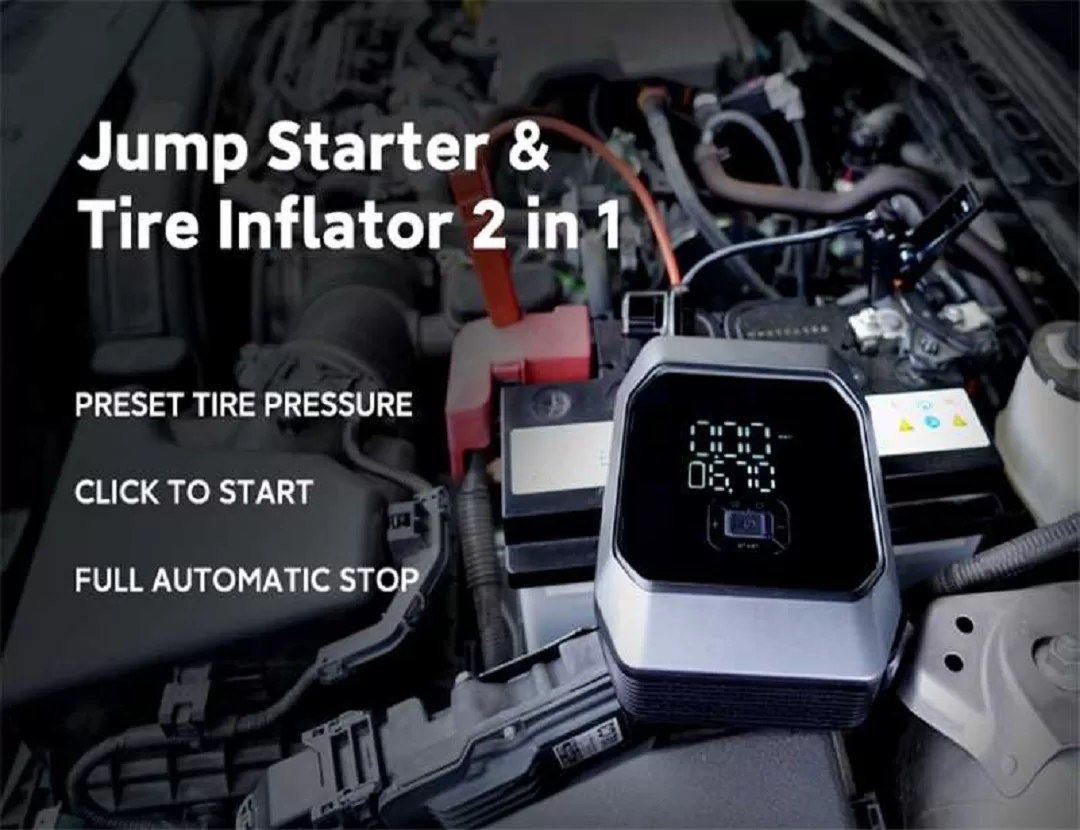
Powerful 5-in-1 Portable Car Tire Inflator and Jump Starter: The Ultimate Emergency Tool for Every Driver
Why Every Driver Needs a Portable Car Tire Inflator and Jump Starter Modern drivers face many unexpected situations on the road. A flat tire, low tire pressure, or a dead car battery can happen at the worst possible time. That’s why having a portable car tire inflator and jump starter is... -
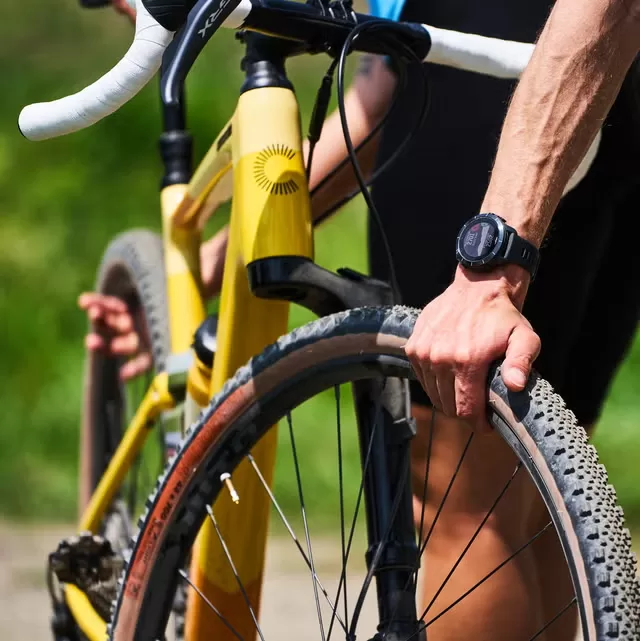
7 Real Cycling Scenarios That Show Why Every Rider Should Carry a Mini Bike Pump
Cycling is one of the most freeing activities you can enjoy. Whether you’re commuting to work, riding through city streets, or exploring quiet countryside roads, a bike ride can instantly improve your day. But there’s one small problem that almost every cyclist eventually faces: Low tire pressure. It might happen... -
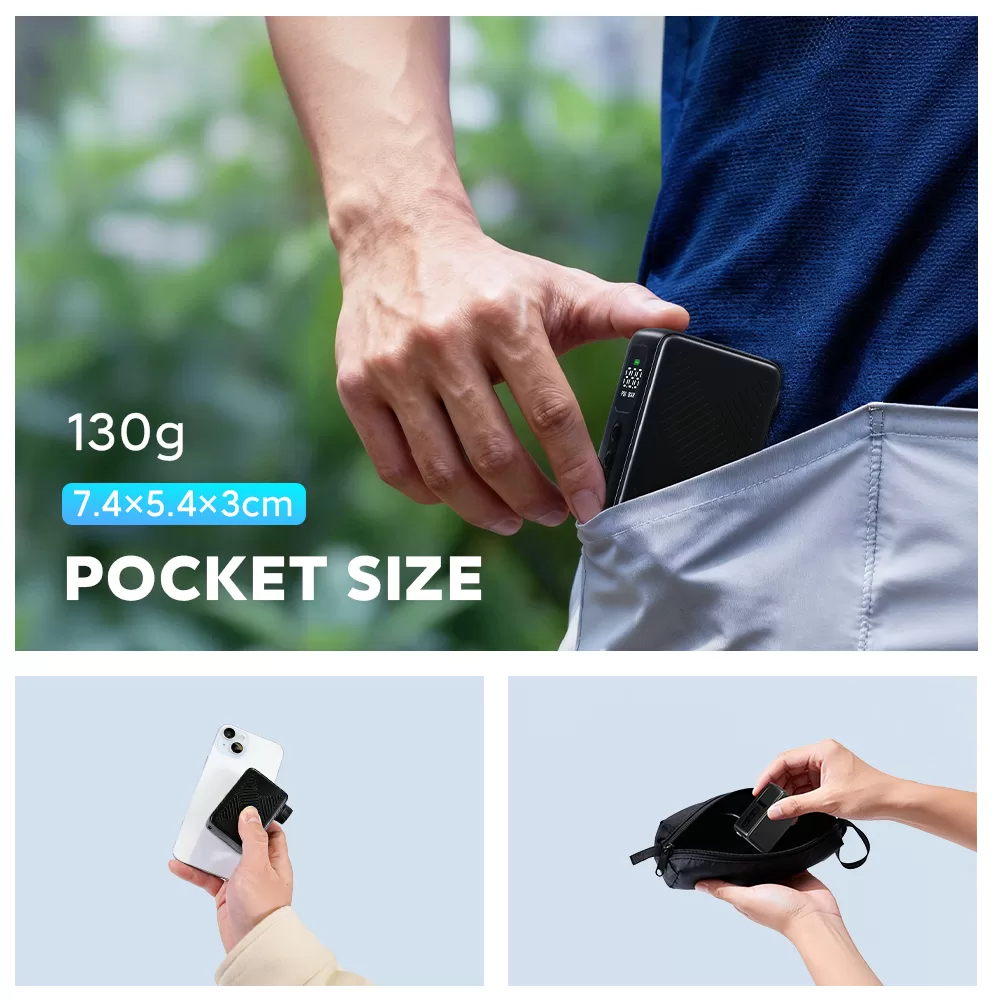
BL08-A Portable Electric Bike Pump: A Global Distribution Opportunity with Smartnewo
Smartnewo, a professional manufacturer of portable electric air pumps, introduces the BL08-A model — a compact and efficient inflator designed for global distributors, e-commerce sellers, and outdoor accessory brands seeking reliable OEM/ODM solutions. Table of Contents Main Heading Subtopics 1. Introduction: Expanding the Global Market for Smart Inflation Tools Portable... -
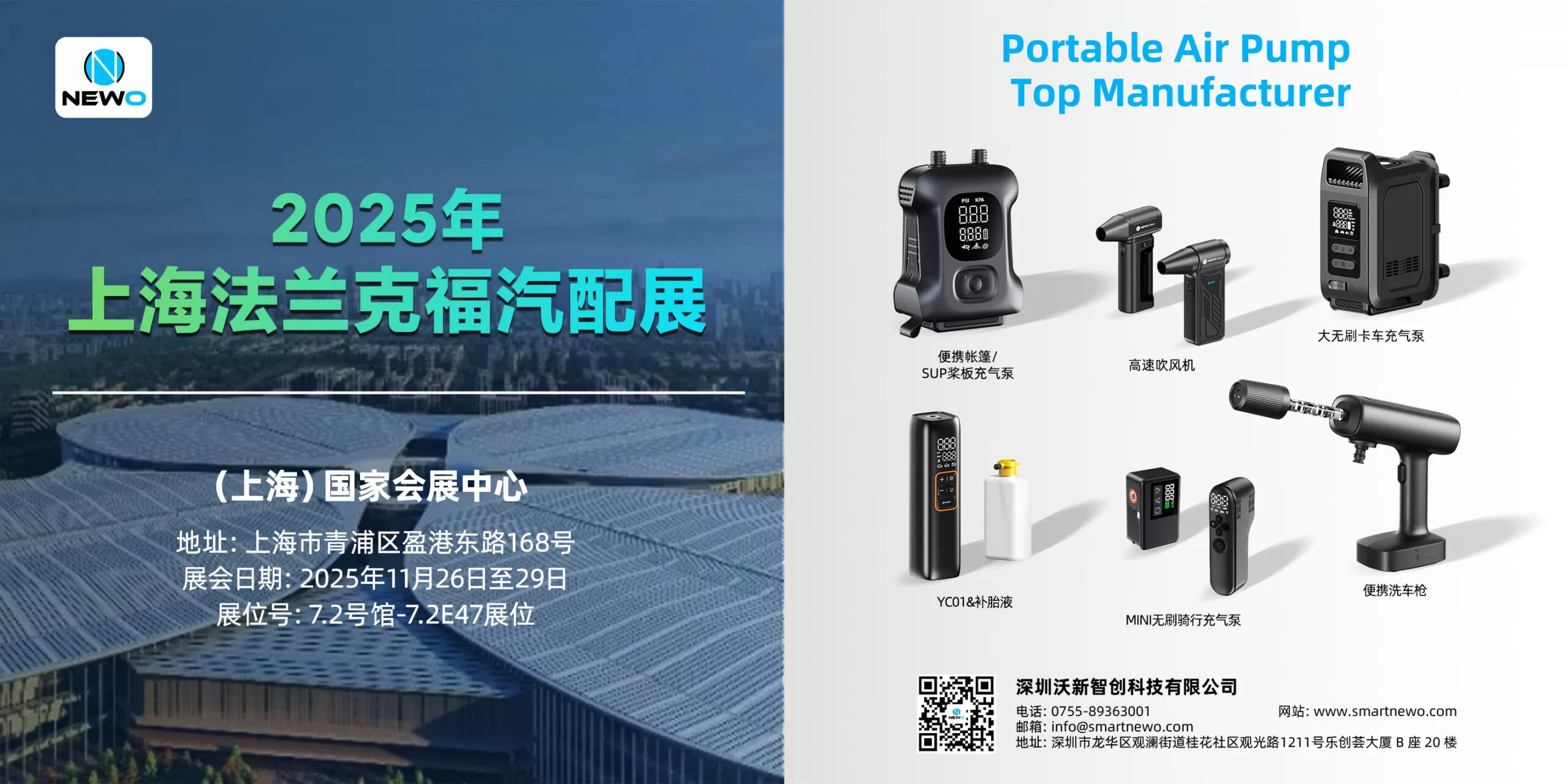
Connecting Opportunities at Automechanika Shanghai 2025 — Smartnewo Exhibition Day 1
Today marks an exciting beginning as Smartnewo officially opens its booth at Automechanika Shanghai 2025. As one of the largest and most influential automotive aftermarket exhibitions in the world, the show provides an exceptional platform for meaningful conversations, partnership building, and global industry exchange. Located at Booth 7.2E47, Smartnewo presents...
-
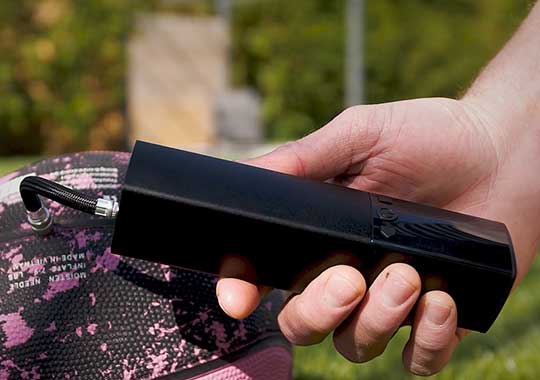
How Is a Football Properly Inflated?
The correct inflation of a football - with not too much and not too little air - is a hotly debated topic among footballers.... -
Application Scenarios of Car Inflator Pump
Often long-distance business trips or play car owners because the road may be more remote areas, in this case if you encounter a tire leak....