
 Portable Tire Inflators
 Electric Air Pumps
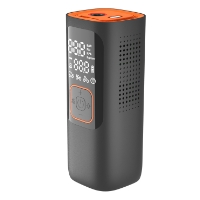 Electric Car Tyre Pumps
 Electric Ball Pumps
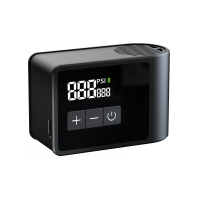 Electric Bike Pump
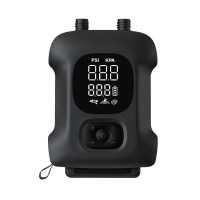 SUP Air Pump
Smart Tire Inflator: Why Pressure Control Matters More Than Maximum PSI
A flat tire at the roadside or a slow leak discovered minutes before departure exposes a gap many drivers overlook: the ability to restore correct pressure quickly, accurately, and without external help. A smart tire inflator addresses this gap by combining measurement, automation, and portability in a single tool. Unlike manual pumps or fixed garage compressors, these devices read current pressure, accept a target value, and stop inflation automatically when that target is reached. The result is not just convenience but also safety and efficiency.
Tire pressure affects fuel economy, tread wear, braking distance, and handling stability. Under-inflation increases rolling resistance and generates excessive sidewall flex, which raises operating temperature and accelerates rubber fatigue. Over-inflation reduces the contact patch, compromises grip, and makes the tire more vulnerable to impact damage. Many drivers rely on visual inspection or occasional service-station checks, but neither method provides the precision required to maintain optimal pressure across varying loads, seasons, and driving conditions. A smart tire inflator brings measurement and correction into the same workflow, reducing the time and guesswork involved.
Dual-Display Architecture and Preset Logic
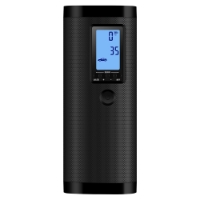
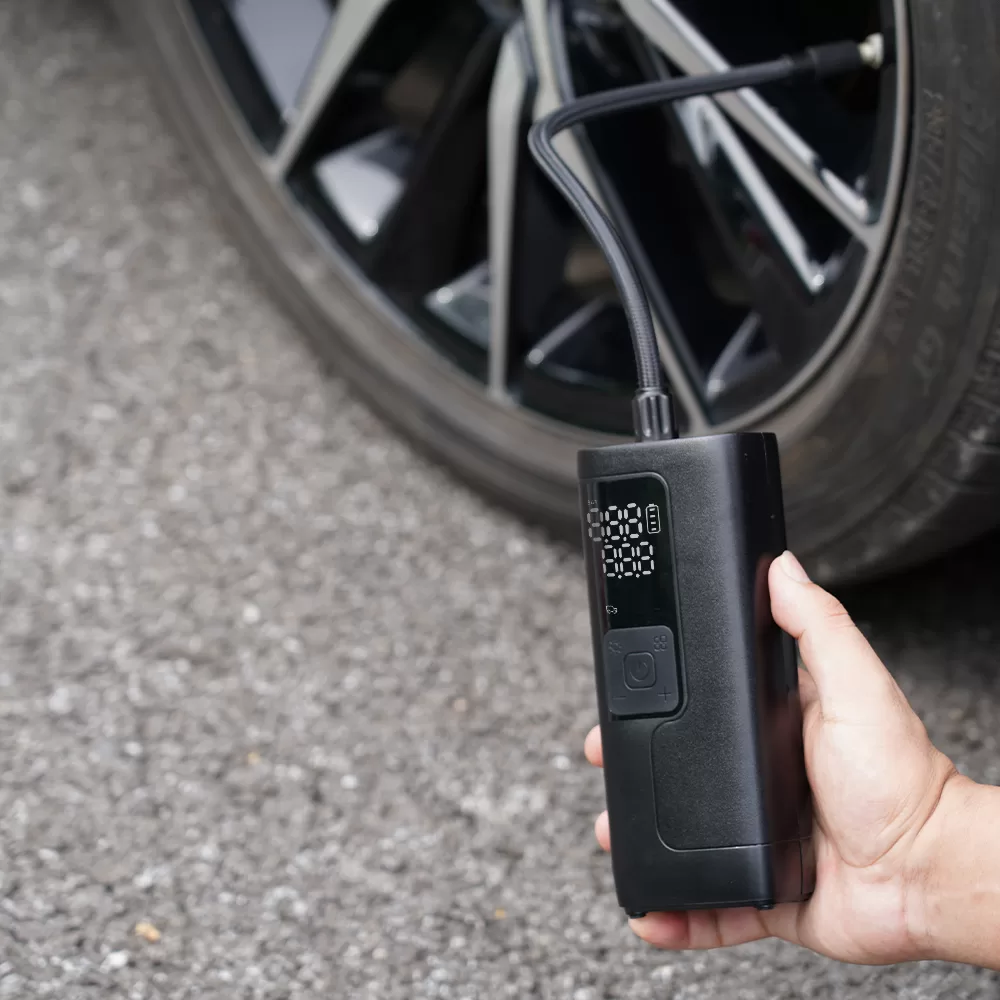
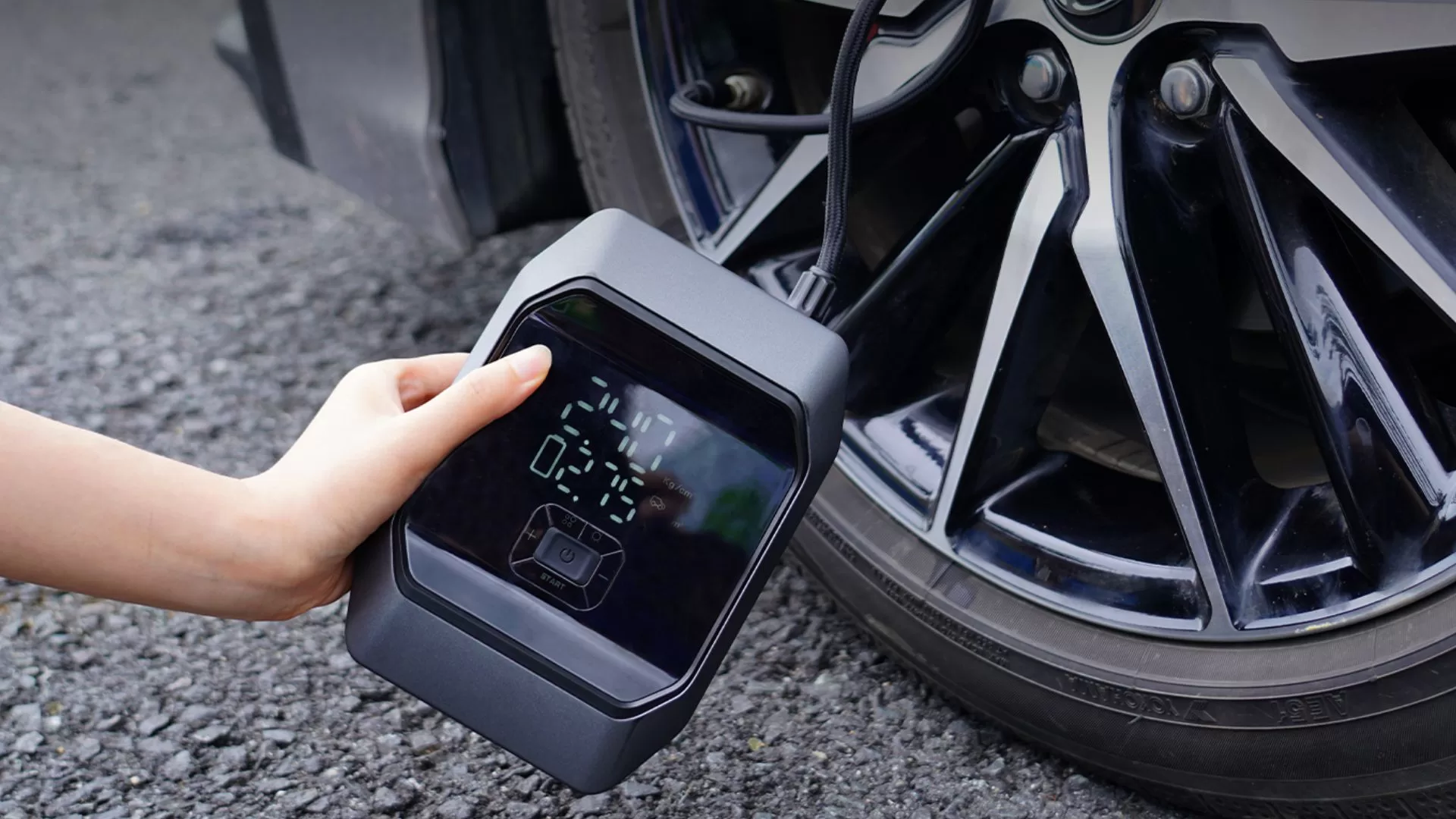
Traditional analog gauges require interpretation and manual valve control. Digital inflators improved readability but still demanded that the user monitor the display and stop inflation manually. Smart tire inflator models introduce a dual-display architecture: one readout shows the tire’s current measured pressure, while a second shows the preset target. This separation clarifies the inflation task—users see where they are and where they need to be without mentally tracking the difference.
Preset logic extends this simplification. Instead of memorizing recommended pressures for cars, motorcycles, bicycles, and sports balls, the user selects an application mode—car, road bike, mountain bike, motorcycle, or ball—and the device loads a typical target pressure drawn from common manufacturer specifications. The user can adjust this preset up or down using touch controls, then initiate inflation. The motor runs until measured pressure equals preset pressure, at which point the device shuts off automatically. This closed-loop operation eliminates both under-inflation and the risk of exceeding safe limits.
For our GP2 model, five preset modes cover the most frequent inflation scenarios: car tires at 32 to 36 PSI, mountain bikes around 30 to 40 PSI, road bicycles from 80 to 120 PSI, motorcycles at 28 to 42 PSI, and sports balls near 8 to 10 PSI. Each mode serves as a starting point rather than a fixed value, and the dual display provides real-time feedback throughout the process.
Touch-Screen Interface and Operational Ergonomics
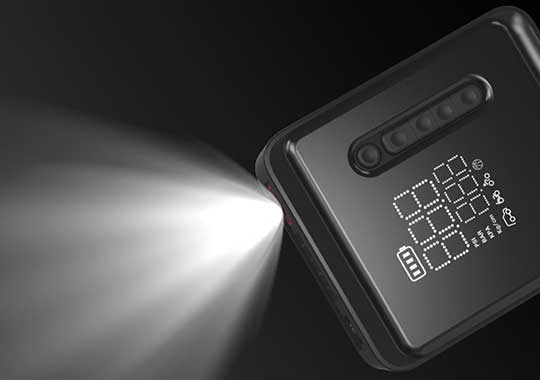
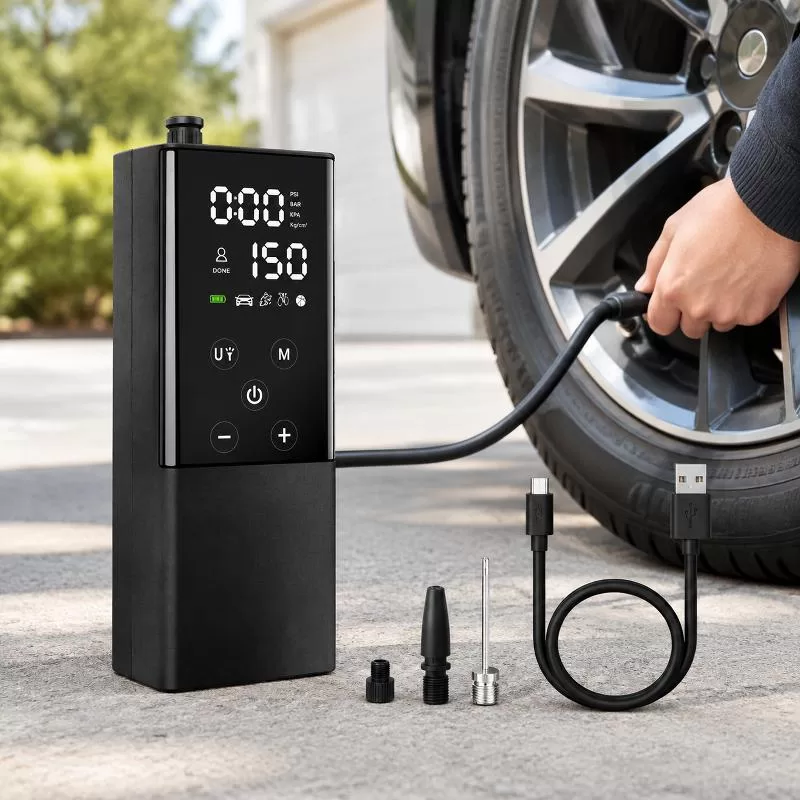
Physical buttons add mechanical complexity, create points of ingress for dust and moisture, and require tactile pressure that can destabilize a handheld device. Touch-screen controls reduce these issues by placing all interaction on a single glossy panel protected by a sealed surface. The GP2 employs an LCD touch screen with backlit segmented digits and touch-sensitive controls arranged below the pressure readouts. Users tap circular icons to power on, cycle through modes, increment or decrement the target pressure, and activate the LED torch.
This interface design shifts the device’s form factor toward that of a smartphone or small tablet, making it immediately familiar. The large, clearly visible display remains legible in direct sunlight or low ambient light, and the touch response eliminates the need for physical force. Because the screen occupies the front panel, the remaining surfaces are smooth and uninterrupted, simplifying cleaning and reducing the chance of damage from impacts or vibration.
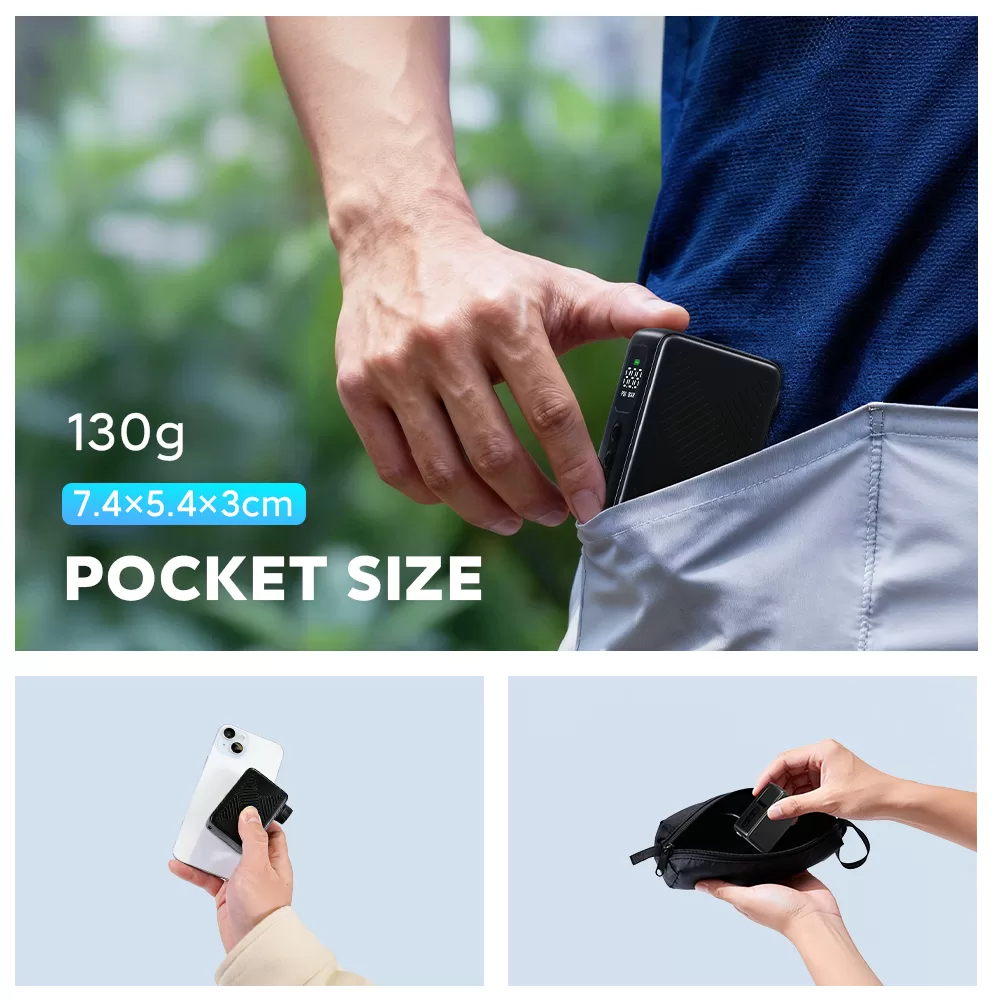
Ergonomics also influence how the device is held during inflation. A vertical, rectangular housing measuring 155 × 62 × 39 mm and weighing 428 grams fits comfortably in one hand, leaving the other hand free to position the hose and valve connector. The center of gravity sits low, and the matte-to-satin plastic body provides grip without requiring aggressive texturing. Ventilation perforations run along one side, allowing motor heat to dissipate without obstructing the user’s palm.
Integrated Hose Storage and Activation Control
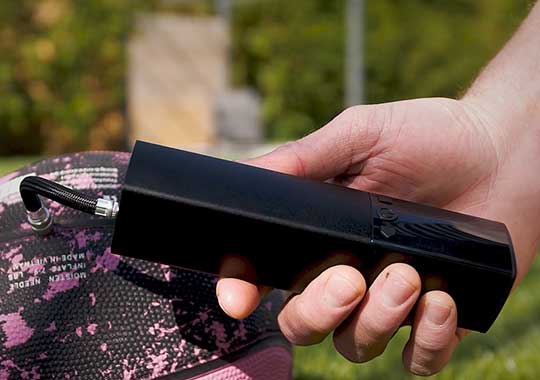
Loose hoses create storage and transport challenges. They tangle, collect debris, and add bulk to the inflator’s footprint. The GP2 addresses this by embedding a flexible hose within a recessed channel on the device body. When not in use, the hose retracts into this storage cavity, leaving only the threaded connector visible. To inflate, the user pulls the hose out; this mechanical action triggers a contact switch that powers on the inflator. When inflation is complete, pushing the hose back into its cavity turns the device off. This pull-to-activate, push-to-deactivate mechanism eliminates the need for a separate power button for inflation tasks and ensures that the motor cannot run while the hose is stowed.
Integrated storage also preserves hose condition. The recessed channel shields the hose from UV exposure, abrasion, and compression, extending its service life and maintaining flexibility. Because the hose remains captive, users cannot misplace or forget it, and the overall package remains compact enough to fit in a glove compartment, saddlebag, or backpack side pocket.
150 PSI Range and 15 to 18 L/min Flow
Maximum pressure and air flow determine which applications an inflator can serve effectively. The GP2 delivers a 0 to 150 PSI range, covering car tires (typically 30 to 35 PSI), motorcycle tires (28 to 42 PSI), mountain bike tires (30 to 50 PSI), road bike tires (80 to 130 PSI), e-bike and wheelchair tires (40 to 65 PSI), and sports balls (8 to 13 PSI). This range accommodates both high-volume, low-pressure tasks and low-volume, high-pressure tasks without requiring separate tools.
Air flow, measured at 15 to 18 liters per minute, governs inflation speed. A road bike tire with an internal volume of roughly two liters and a target pressure of 100 PSI can be inflated from flat in approximately three to four minutes, accounting for pressure-related flow reduction as the motor works against increasing back-pressure. A car tire with a volume near 30 liters and a target of 32 PSI requires eight to twelve minutes from flat, or one to two minutes for a top-up from 28 to 32 PSI. This performance suits emergency roadside use, routine maintenance, and pre-ride checks, though it remains slower than fixed AC-powered compressors with flow rates above 30 L/min.
The 35-watt brushed motor powering the piston pump operates within a 200 to 400-hour service-life envelope, reflecting the thermal and mechanical constraints of a portable design. Users should allow the motor to cool between extended inflation tasks to avoid triggering the built-in thermal protection, which halts operation if internal temperature exceeds safe limits. A cooling fan embedded in the housing accelerates heat dissipation during and after use.
Rechargeable Battery and Power-Bank Function
Cordless operation requires onboard energy storage. The GP2 carries a 2000mAh, 7.4V lithium-ion battery with a total capacity of 14.8 watt-hours. At the motor’s 35-watt draw, this provides approximately 25 to 30 minutes of continuous runtime under no load, though practical inflation tasks—interrupted by pressure measurement, cooling pauses, and valve changes—extend usable session time. A full charge supports roughly eight to twelve bicycle tire inflations from flat, or six car tire top-ups from 28 to 35 PSI.
Charging occurs through a Type-C port at a 5V/2A input, delivering 10 watts and completing a full charge in two to three hours. The battery protection circuit cuts charging at 8.4 volts and discharges down to 6 volts, preventing overcharge and deep discharge that would degrade cell chemistry. Cycle life is rated at 300 charge-discharge cycles while retaining 85 percent or more of original capacity, translating to approximately two to three years of regular use at one charge per week.
The power-bank function reverses the energy flow: a USB output port allows the inflator to charge smartphones, headlamps, or other small devices. This dual-role capability adds utility during camping trips, power outages, or long road journeys where both inflation and emergency charging may be needed. However, the 14.8 Wh capacity limits the number of device charges; a typical smartphone with a 3000mAh, 3.7V battery (11.1 Wh) can receive roughly one full charge, accounting for conversion losses.
LED Emergency Light and Roadside Visibility
Roadside tire inflation often occurs in low-light conditions: early mornings, evenings, poorly lit parking areas, or rural highways without streetlamps. The GP2 incorporates a bright LED torch on the rear or top surface, activated by a dedicated touch control on the front panel. The light output is sufficient to illuminate the valve area, read sidewall markings, and signal presence to passing traffic.
This feature consolidates two tools into one. Instead of holding a flashlight in one hand while operating the inflator with the other, the user positions the device near the valve and relies on its integrated light. The LED draws minimal current compared to the motor, allowing extended use without significantly depleting the battery. In emergency scenarios—vehicle breakdowns, flat tires at night, or off-road incidents—the torch provides both functional work light and a passive safety beacon.
Thermal Protection and Motor Overcurrent Control
Portable inflators operate in a demanding thermal environment. The motor generates heat proportional to load; compressing air against rising pressure increases mechanical resistance and heat output. Ambient temperature, direct sunlight, and repeated inflation cycles compound this thermal stress. Without protection, excessive heat degrades motor windings, damages plastic housings, and shortens battery life.
The GP2 employs three layers of thermal management. First, a cooling fan draws ambient air across the motor and cylinder assembly, exhausting heated air through ventilation perforations. Second, the housing material resists deformation at elevated temperatures, maintaining structural integrity and protecting internal components. Third, a thermal cutoff monitors motor temperature and halts operation if a critical threshold is exceeded, preventing permanent damage. Users receive a visual or audible alert and must allow the device to cool before resuming inflation.
Motor overcurrent protection complements thermal safeguards by detecting abnormal current spikes—caused by jammed valves, blocked hoses, or internal faults—and disconnecting power before damage occurs. Short-circuit control isolates the battery in the event of a wiring fault, preventing fire or cell rupture. These protections align with consumer-product safety standards and reduce the risk of field failures.
Application Scenarios and Capacity Estimates
Smart tire inflator utility spans multiple vehicle and equipment categories. Car and motorcycle owners use the device for seasonal pressure adjustments, pre-trip checks, and emergency roadside repairs. Cyclists—especially those riding road bikes with narrow, high-pressure tires—carry compact inflators to address punctures or pressure loss during long rides. E-bike and wheelchair users benefit from the combination of portability and sufficient pressure range to handle larger tires. Sports coaches and recreational athletes inflate basketballs, soccer balls, and volleyballs without manual pumping.
Based on the GP2’s 2000mAh battery and 35-watt motor draw, approximate per-charge capacity is:
- Car tire top-ups (28 to 35 PSI): 6 tires
- Mountain bike tires (0 to 40 PSI): 8 tires
- Road bike tires (0 to 100 PSI): 10 tires
- Basketballs (0 to 10 PSI): 50 balls
These figures assume starting conditions, valve efficiency, ambient temperature, and motor cooling between tasks. Actual capacity varies with tire volume, leakage rate, and user behavior. Frequent short top-ups consume less energy per inflation than extended runs from flat.
Noise Level and Operating Environment
Noise output affects user comfort and suitability for residential or shared environments. The GP2 generates 85 decibels or less at one meter, comparable to urban traffic or a kitchen blender. While not silent, this level remains below thresholds that require hearing protection for short-duration exposure and permits use in apartment parking garages, campgrounds, and suburban driveways without significant disturbance.
Operating temperature range extends from minus 10°C to 45°C, covering most outdoor conditions in temperate and subtropical climates. Below minus 10°C, battery performance degrades due to reduced lithium-ion conductivity, and plastic components may become brittle. Above 45°C, thermal protection is more likely to engage, and prolonged exposure can accelerate battery aging. Users in extreme climates should store the device in a temperature-controlled vehicle cabin or insulated case when not in use.
Accessory Kit and Valve Compatibility
The GP2 ships with a threaded Presta-to-Schrader adapter, a tapered cone nozzle for sports balls and inflatables, and a metal ball needle. These accessories extend compatibility beyond automotive Schrader valves to include:
- Presta valves common on road and performance bicycles
- Dunlop valves found on some European city bikes
- Sports ball valves with narrow openings
- Inflatable rafts, pool toys, and air mattresses
Each adapter threads onto or inserts into the main hose connector, allowing rapid switching between tasks without tools. The metal ball needle resists bending and corrosion, maintaining a tight seal with ball valve grommets. Users should match the adapter to the valve type before starting inflation to avoid air leakage and wasted battery charge.
Comparison with Manual Pumps and Fixed Compressors
Manual pumps—floor pumps, frame pumps, and hand pumps—require no battery or power source, making them immune to charge depletion. However, they demand continuous physical effort, provide no pressure readout, and deliver inconsistent flow rates. Inflating a car tire from flat with a floor pump can take 20 to 30 minutes of vigorous pumping, an impractical task for roadside emergencies or users with limited physical strength.
Fixed AC-powered compressors offer higher flow rates, unlimited runtime, and greater durability, but they require access to a wall outlet or vehicle 12V socket, limit portability, and occupy more storage space. Smart tire inflators occupy the middle ground: cordless portability, automated pressure control, and sufficient performance for most consumer inflation tasks, at the cost of limited battery capacity and lower flow compared to fixed units.
| Feature | Manual Pump | Smart Tire Inflator | Fixed AC Compressor |
|---|---|---|---|
| Power source | Human effort | Rechargeable battery | AC outlet or 12V |
| Pressure measurement | Separate gauge | Integrated display | Integrated display |
| Auto shut-off | No | Yes | Yes |
| Portability | High | High | Low |
| Flow rate (L/min) | 10–15 (variable) | 15–18 | 30–60 |
| Runtime per charge/use | Unlimited | 15–30 min | Unlimited |
| Noise level (dB) | <60 | ~85 | 90–100 |
Maintenance and Longevity
Smart tire inflator longevity depends on motor care, battery management, and housing protection. Users should:
- Allow the motor to cool between extended inflation sessions to prevent thermal shutdown and extend brush life.
- Recharge the battery every three months if the device is stored unused, preventing deep discharge that damages lithium-ion cells.
- Clean ventilation perfora
-

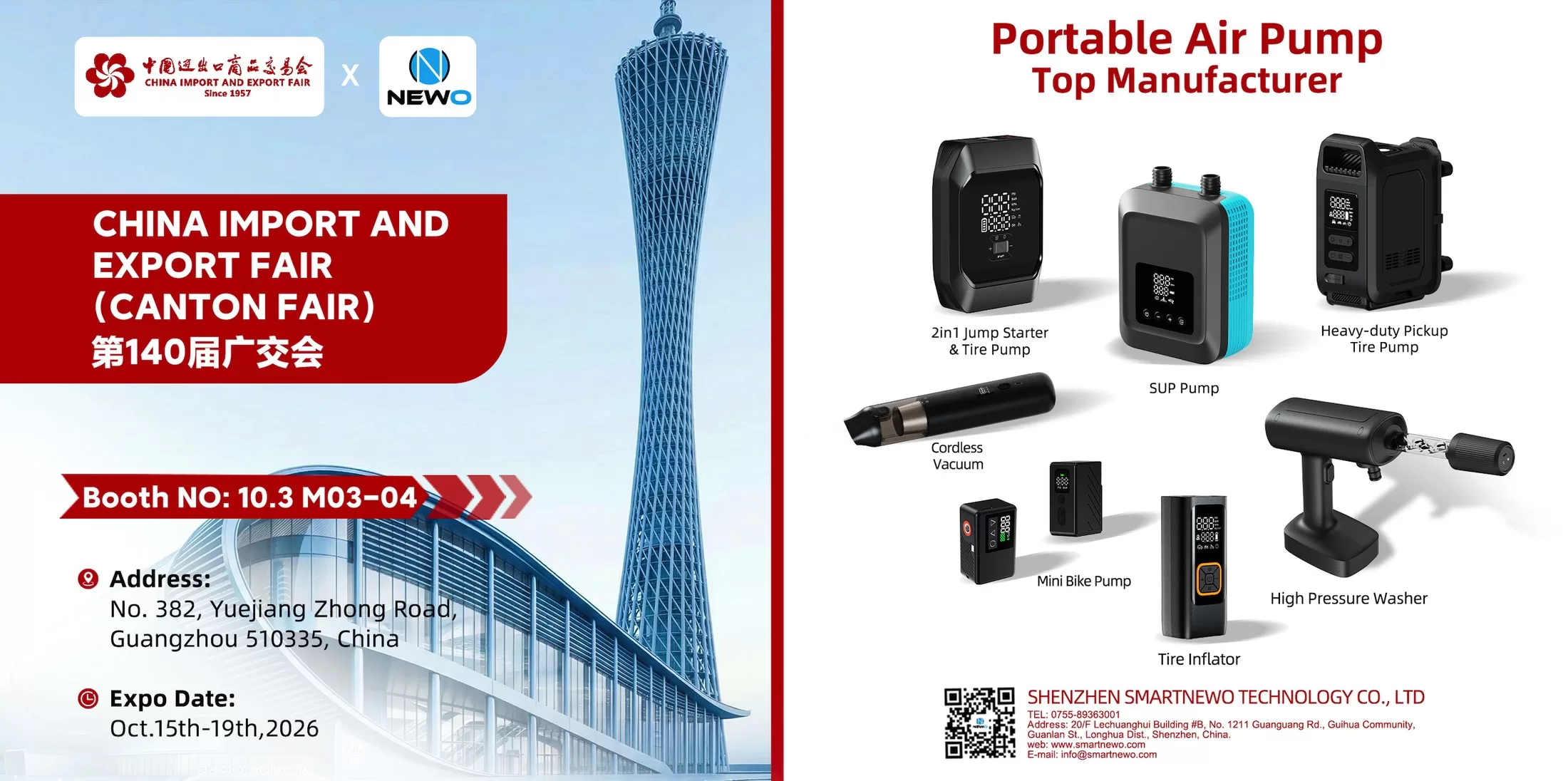
Meet NEWO at the 140th Canton Fair: Visit Booth 10.3 M03–04
Meet NEWO at the 140th Canton Fair in Guangzhou, October 15–19, 2026. Visit Booth 10.3 M03–04 to explore portable air pumps and discuss OEM, ODM and distribution opportunities.... -

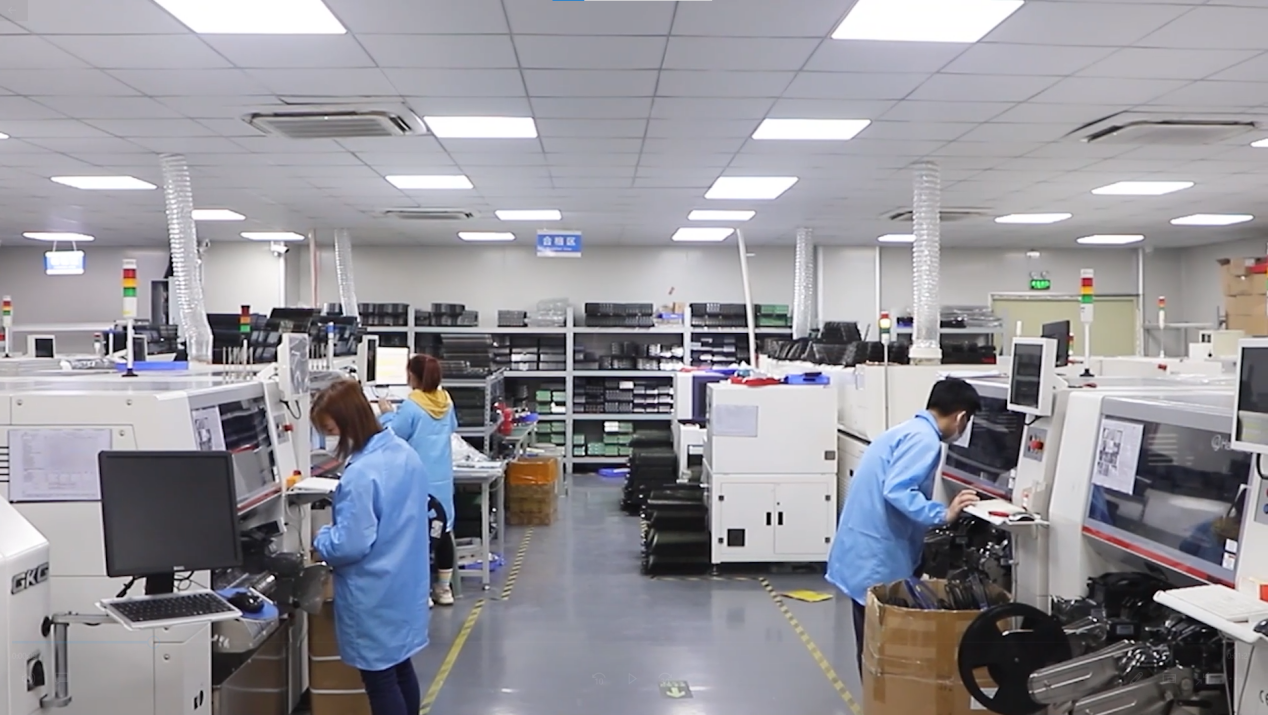
As Shenzhen Welcomes the World for APEC 2026, NEWO Welcomes You to Our Factory
As Shenzhen prepares for APEC 2026, NEWO welcomes international buyers and partners to visit our factory, meet our team and explore future cooperation.... -

Leading the Way in Product Innovation and Excellence
Smartnewo exemplifies professionalism in product innovation and manufacturing. Their collaboration with Xiaomi Youpin on the G01 crowdfunding project highlights their expertise in creating compact, powerful inflatable pumps. Rigorous engineering, meticulous production processes, and advanced quality assurance underscore their commitment to excellence. The success of the G01 project, with significant market... -

Essential Qualities of an Excellent Supplier
In today's competitive market, finding a reliable supplier is crucial for business success. Based on insights from Smartnewo and broader internet research, here are key qualities an excellent supplier must possess:... -

NW06 Tire Inflator: Compact Power for Quick Inflation
Summary The NW06 Tire Inflator delivers quick and efficient tire inflation with a powerful 35L/min airflow. It features a user-friendly LCD screen for real-time pressure monitoring, dual power options with a built-in 6000mAh battery, and multiple nozzle attachments for versatile use. Its compact design and integrated LED light ensure convenience and... -

Unleash the Power of Portability: The SmartNewo Jump Starter with Air Compressor KF03
This guide will walk you through the steps to effectively use a portable tire inflator, helping you stay prepared and safe on the road.... -

Newo Attends The 2024 Consumer Electronics Show (CES)
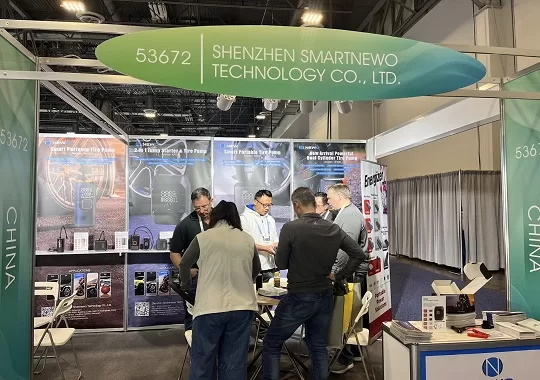
Smartnewo booth is located at 53672, Halls A-D, Level 2, Venetian Expo, Las Vegas Convention Center (LVCC). ... -

Smartnewo’s Dual-Cylinder Air Pump Rocks the Hong Kong Autumn Electronics Fair!
Smartnewo’s Dual-Cylinder Air Pump Rocks the Hong Kong Autumn Electronics Fair!... -

Meet at the Canton Fair! Smartnewo brings dual-cylinder air pumps, making your inflation experience faster and more stable!
NEWO has went deep communication and negotiation with customers from all over the world on booth.... -

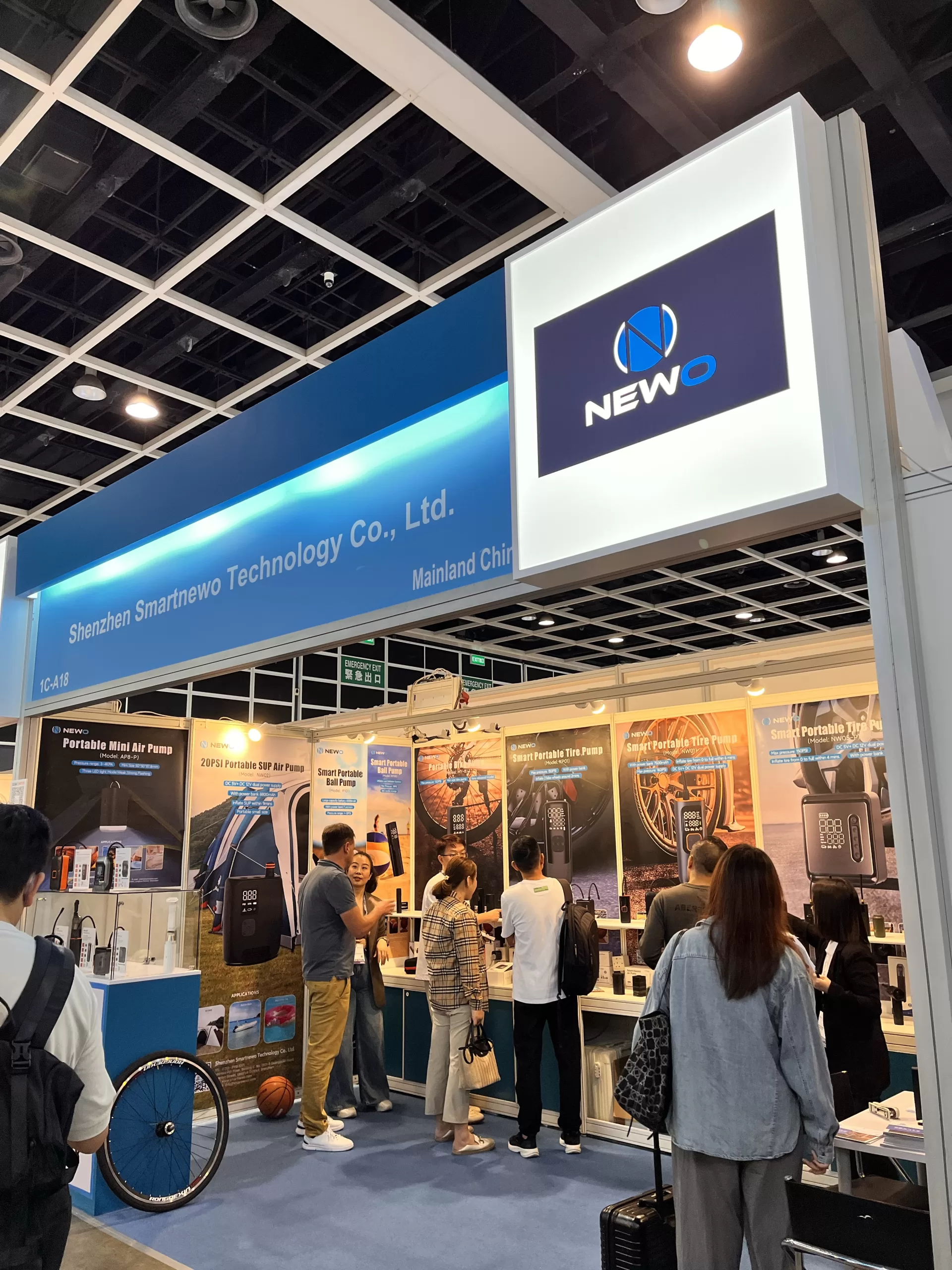
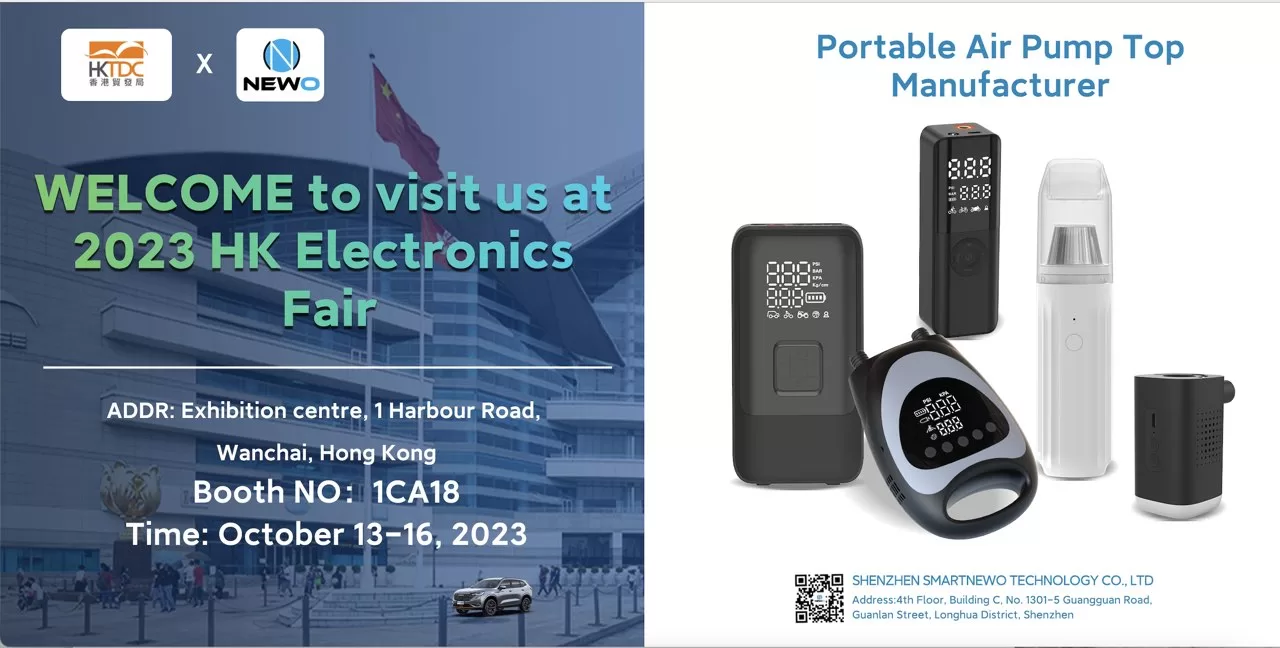
“Hong Kong Autumn Electronics Fair – 1CA18 (October 13th to 16th): Smartnewo invites you to visit our booth!
Hong Kong Autumn Electronics Fair...

-

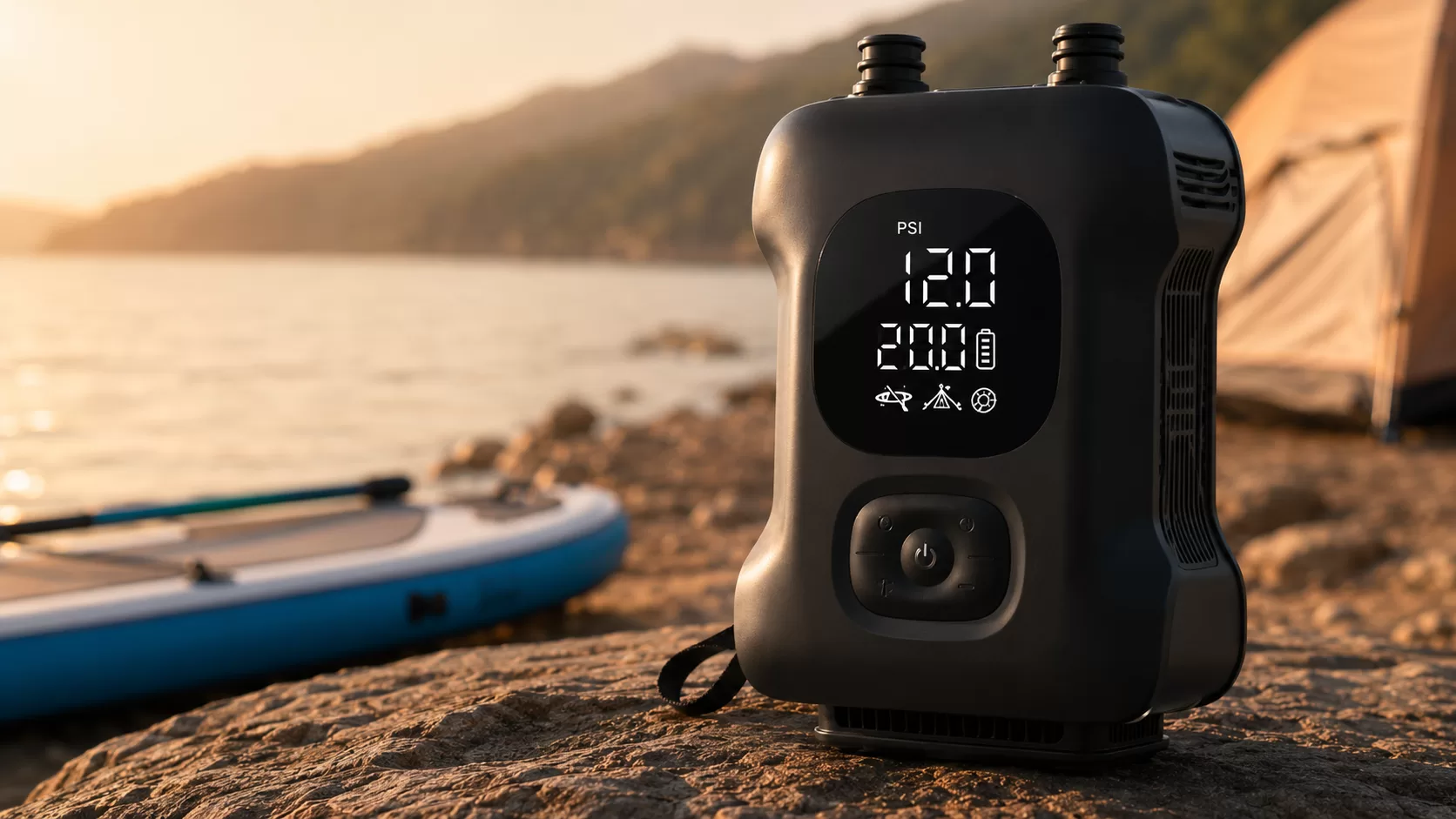
Rechargeable Electric SUP Pump for Paddle Boards: Faster Inflation for SUPs, Kayaks and Inflatable Tents
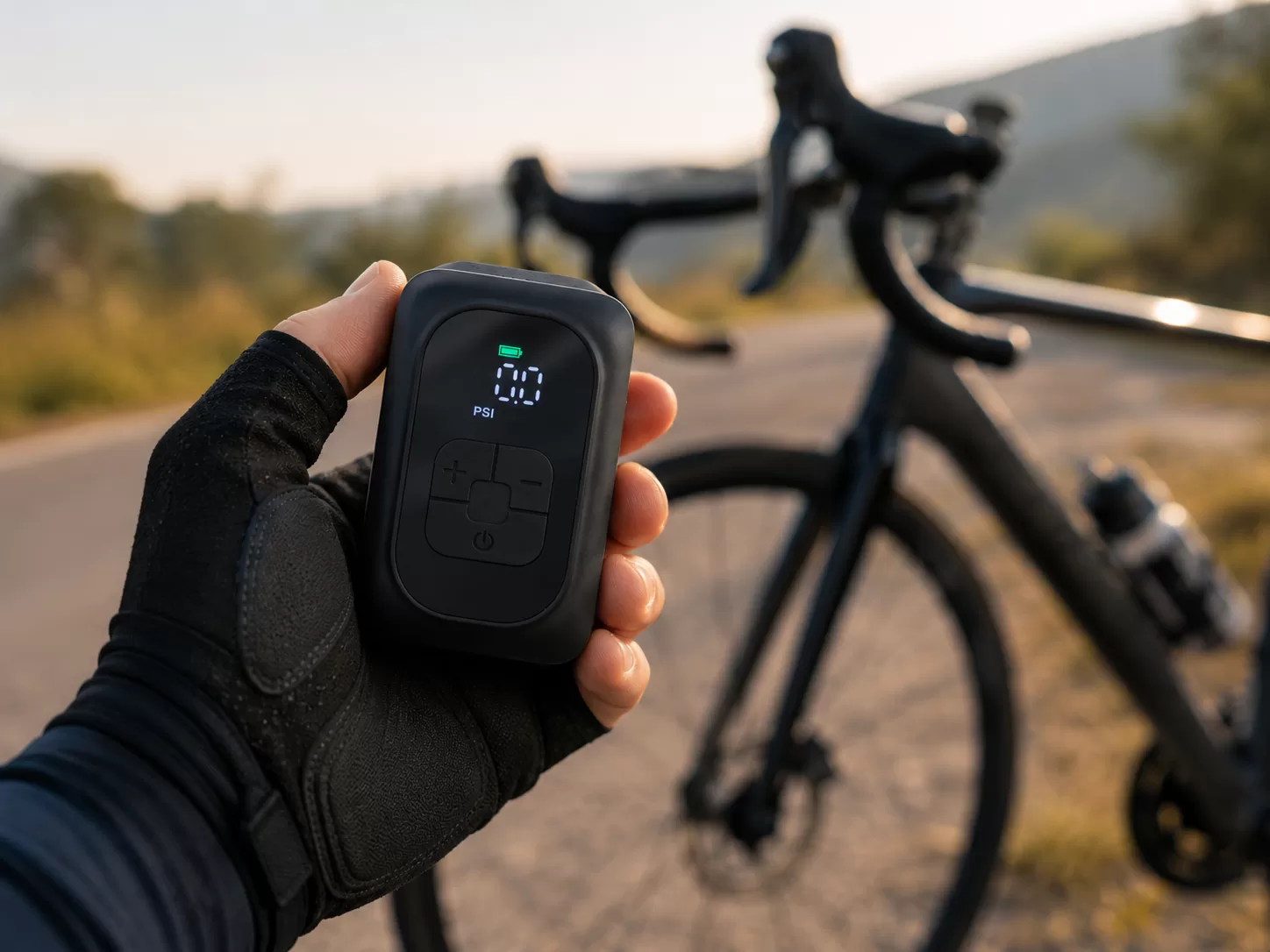
The BL10-C Portable Electric Bike Tire Inflator is a compact and lightweight mini electric bike pump designed for modern cyclists. With up to 120 PSI pressure, a digital LED display, preset pressure control, automatic shut-off, USB-C charging, and multiple valve adapters, BL10-C offers a convenient inflation solution for road bikes,... -

Are Electric Bike Pumps Worth It in 2026? Electric Pump vs CO₂ vs Mini Hand Pump
Discover whether electric bike pumps are worth it in 2026. This guide compares electric bike pumps, CO₂ inflators, and mini hand pumps for road cycling, gravel riding, commuting, and long-distance rides. Learn the pros, limitations, best use cases, and key features to look for before choosing the right portable tire... -
BL10-C Portable Electric Bike Tire Inflator: Small Size, Reliable Power for Every Ride
The BL10-C Portable Electric Bike Tire Inflator is a compact and lightweight mini electric bike pump designed for modern cyclists. With up to 120 PSI pressure, a digital LED display, preset pressure control, automatic shut-off, USB-C charging, and multiple valve adapters, BL10-C offers a convenient inflation solution for road bikes,... -

Why Mini Electric Bike Pumps Are Becoming Essential for Modern Cycling
Discover why mini electric bike pumps are becoming essential for modern cyclists. Learn how portable electric bike pumps improve tire pressure management, riding safety, and convenience.... -

The Ultimate Smart Solution for Easy Outdoor Adventures in 2026
Discover how a spring travel air pump simplifies outdoor trips with fast inflation, smart features, and powerful performance—perfect for every adventure.... -

Powerful 5-in-1 Portable Car Tire Inflator and Jump Starter: The Ultimate Emergency Tool for Every Driver
Why Every Driver Needs a Portable Car Tire Inflator and Jump Starter Modern drivers face many unexpected situations on the road. A flat tire, low tire pressure, or a dead car battery can happen at the worst possible time. That’s why having a portable car tire inflator and jump starter is... -

7 Real Cycling Scenarios That Show Why Every Rider Should Carry a Mini Bike Pump
Cycling is one of the most freeing activities you can enjoy. Whether you’re commuting to work, riding through city streets, or exploring quiet countryside roads, a bike ride can instantly improve your day. But there’s one small problem that almost every cyclist eventually faces: Low tire pressure. It might happen... -
BL08-A Portable Electric Bike Pump: A Global Distribution Opportunity with Smartnewo
Smartnewo, a professional manufacturer of portable electric air pumps, introduces the BL08-A model — a compact and efficient inflator designed for global distributors, e-commerce sellers, and outdoor accessory brands seeking reliable OEM/ODM solutions. Table of Contents Main Heading Subtopics 1. Introduction: Expanding the Global Market for Smart Inflation Tools Portable... -

Connecting Opportunities at Automechanika Shanghai 2025 — Smartnewo Exhibition Day 1
Today marks an exciting beginning as Smartnewo officially opens its booth at Automechanika Shanghai 2025. As one of the largest and most influential automotive aftermarket exhibitions in the world, the show provides an exceptional platform for meaningful conversations, partnership building, and global industry exchange. Located at Booth 7.2E47, Smartnewo presents... -

Why Every Outdoor Cyclist Should Carry a Mini Electric Bike Pump
Whether you are an experienced mountain rider or a weekend road-cycling enthusiast, one thing is certain: unexpected tire pressure issues can ruin an entire ride. That’s why more cyclists are turning to mini electric bike pumps—compact, lightweight, and far more reliable than traditional hand pumps. 1. Consistent Pressure, Even in...

-
How Is a Football Properly Inflated?
The correct inflation of a football - with not too much and not too little air - is a hotly debated topic among footballers.... -
Application Scenarios of Car Inflator Pump
Often long-distance business trips or play car owners because the road may be more remote areas, in this case if you encounter a tire leak....