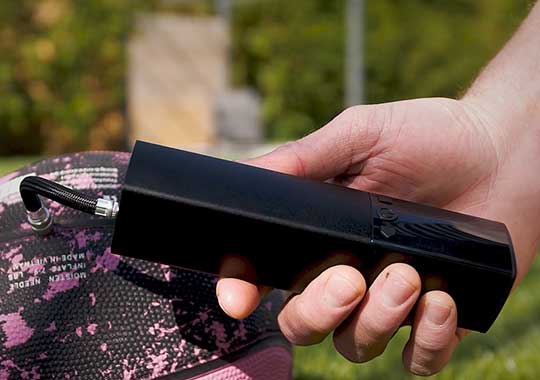

 Portable Tire Inflators
 Electric Air Pumps
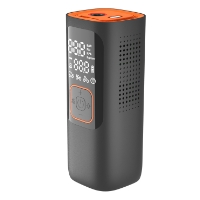 Electric Car Tyre Pumps
 Electric Ball Pumps
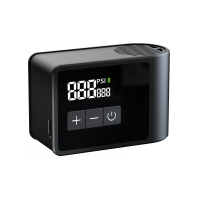 Electric Bike Pump
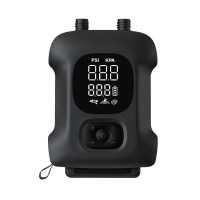 SUP Air Pump
Stuck on the Roadside? What a 2-in-1 Jump Starter Air Compressor Actually Fixes
A dead battery and a soft tire rarely happen on the same day, but when they do, most drivers realize they own two separate gadgets for two separate problems. A 2-in-1 jump starter air compressor exists for exactly that overlap, folding both emergency functions into one case that fits in a glovebox. Before buying one, it helps to understand what these devices can realistically do, where their limits sit, and how a specific model like the S03 translates its specs into real roadside use.
Why Drivers End Up Carrying Two Devices Instead of One
Jump starters and tire inflators solve different physics problems. One pushes a short, massive current into a battery; the other moves air through a small pump at modest pressure. For years, manufacturers kept them apart because the electronics and mechanics didn’t share much in common.
That separation created a practical headache. A driver might stash a jump starter under the seat and leave the inflator in the trunk, only to find both buried under luggage during an actual breakdown. Carrying redundant chargers, cables, and manuals for two devices adds clutter without adding reliability.
Combining the two into a single housing isn’t just a space-saving trick. It means one battery pack, one charging port, and one set of safety protections cover both failure modes a car is most likely to hit on a trip: a battery that won’t crank, and a tire that’s lost pressure.
How the 2-in-1 Jump Starter Air Compressor Design Works
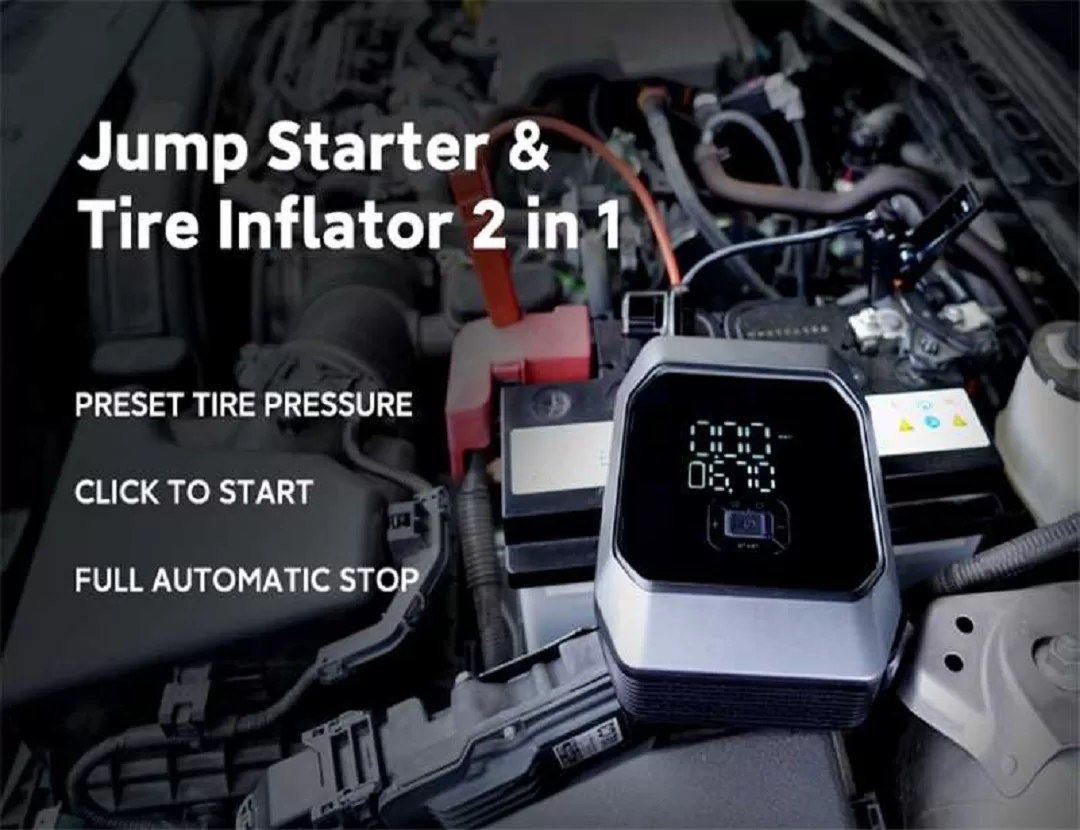
The S03 pairs a 12V jump starter with a tire inflator rated up to 160 PSI inside one compact unit measuring 178.4 × 117.6 × 53.0 mm. A 19-cylinder pump structure handles the inflation side, moving 26 to 28 liters of air per minute.
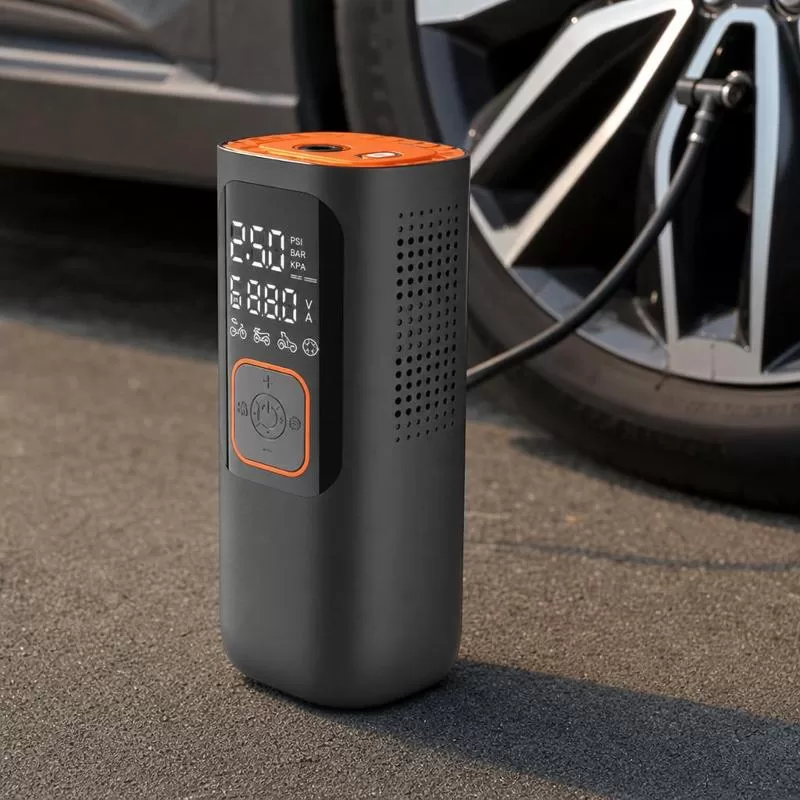
On the jump-starting side, it delivers 400A to 600A of starting current, with peak output rated between 1000A and 1400A depending on the mode selected. That range matters because starting current, not peak current, is what actually turns over a cold engine — peak figures mainly describe the short burst a battery clamp connection can handle without damage.
Power for both functions comes from a 2000mAh × 4 lithium pack wired at 14.8V, totaling 29.6Wh. It charges fully in 3 to 4 hours over Type-C, and the manufacturer rates the cell for roughly 300 charge cycles before capacity drops to 80% of original.
Reading the Spec Sheet: What Each Number Means for You
Spec sheets for jump starters tend to overwhelm buyers with numbers that sound impressive but don’t translate into a clear buying decision. Breaking down the S03’s figures against what they mean in practice removes some of that guesswork.
| Specification | Value | What It Tells You |
|---|---|---|
| Starting Current | 400A–600A | How much current reaches the battery to crank the engine |
| Peak Current | 1000A–1400A | Short burst capacity during clamp connection |
| Max Pressure | 160 PSI | Suitable for car, truck, and even high-pressure sports equipment |
| Air Flow | 26–28 L/min | Determines how fast a tire fills |
| Runtime | 25–40 minutes | Pump operation time on a single charge |
| Inflation Capacity | ~2.5 tires (285/70R17) per charge | Realistic expectation for a full charge cycle |
| Noise Level | ≤85dB at 1 meter | Comparable to a kitchen blender, noticeable but not alarming |
Notice that inflation capacity is expressed per full charge rather than as an unlimited figure. That’s a detail worth sitting with for a second, because it means the pump isn’t meant for daily shop-level tire servicing. It’s built for occasional, situational use: topping off pressure before a long drive, or getting a flat back to safe PSI after a slow leak.
Jump-Starting Explained: Why Current Range Isn’t a Marketing Gimmick
A common misconception is that higher peak-current numbers automatically mean a "stronger" jump starter. In reality, peak current describes the instantaneous surge a unit can supply the moment clamps touch battery terminals, often for engine sizes and cold-start conditions that need that extra headroom.
Starting current, the 400A to 600A figure here, is closer to what sustains the crank long enough for the engine to catch. Most four-cylinder and six-cylinder vehicles fall comfortably within this range. Larger diesel engines or trucks with bigger displacement typically call for a jump starter rated well beyond what a compact 2-in-1 unit targets.
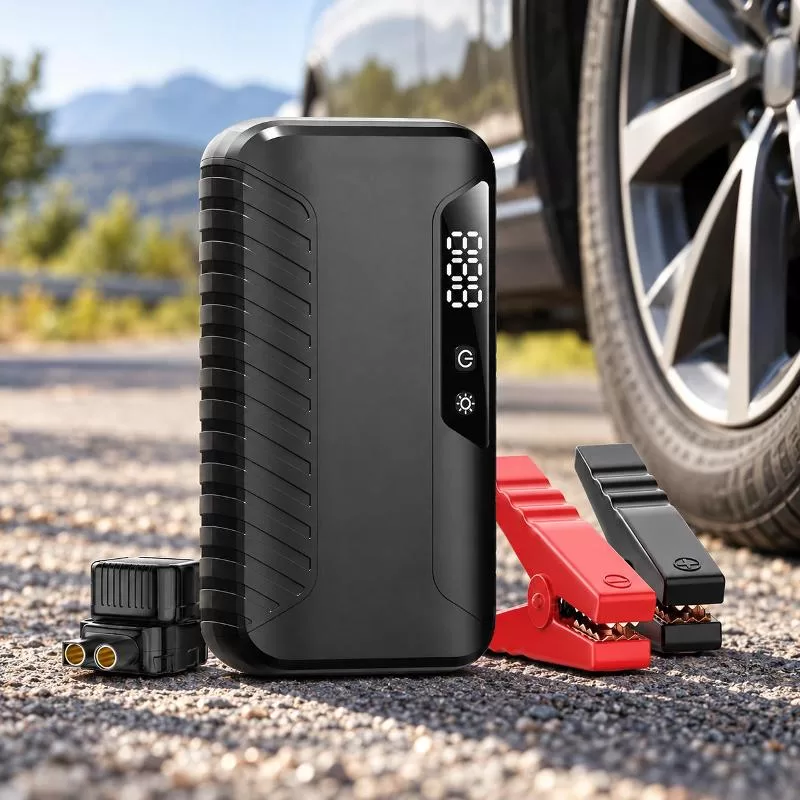
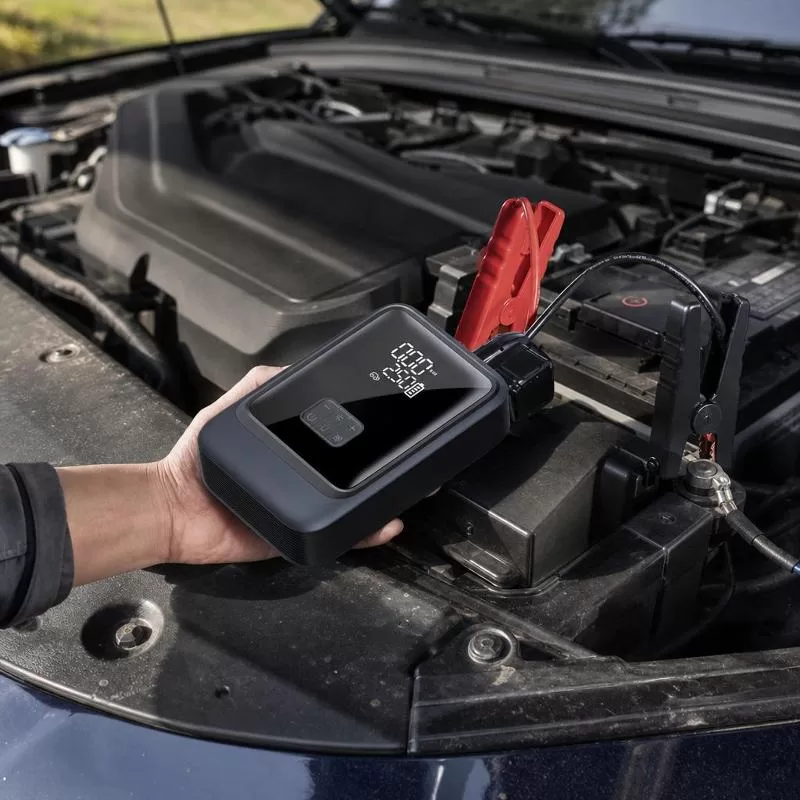
Safety protection is where a lot of cheaper jump starters cut corners, and it’s worth checking before anything else. The S03 includes protection against high voltage, low voltage, high temperature, reverse polarity, and short circuits — the five conditions most responsible for damaged batteries or injured users during a rushed roadside connection.
Tire Inflation: Matching Preset Modes to Real-World Tires
Not every tire needs the same pressure, and guessing leads to either underinflated handling or overinflated wear patterns. The inflation side of this device addresses that with five preset modes, custom pressure settings, and support for four pressure units: PSI, KPA, BAR, and Kg/cm².
Dual LED displays show live pressure readings while inflating, and automatic shut-off stops the pump once the target PSI is reached. That shutoff function matters more than it sounds, since manual inflation without a cutoff is one of the easier ways to accidentally overinflate a tire during a distracted roadside moment.
Typical scenarios where this inflation range becomes useful include:
- Topping off a car or SUV tire that’s lost pressure overnight
- Inflating bicycle, motorcycle, or e-bike tires to their lower PSI range
- Filling sports balls using the appropriate low-pressure preset
- Bringing a slow-leaking tire back to safe driving pressure before reaching a repair shop
Emergency Lighting and Backup Power: The Features Drivers Forget to Check
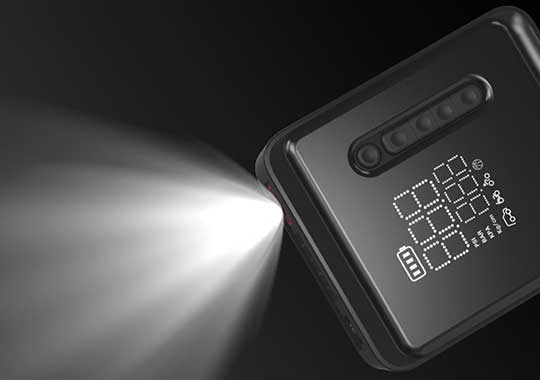
Breakdowns rarely happen in good lighting, and that’s where the secondary features of a 2-in-1 unit start to matter as much as the primary ones. The S03 includes constant-on, flashing, and SOS light modes, giving a driver a way to signal visibility on a dark shoulder without relying on a phone flashlight that drains battery needed for a call.
The same battery pack also outputs 5V/2A through a power-bank function, letting a driver top up a phone while waiting for help. Input charging supports a wide voltage range — 5V/3A up to 20V/1.5A — which means it can recharge from most USB-C chargers already in a car or home, without needing a proprietary cable.
Choosing Between a Standalone Inflator and a Combined Unit
Deciding whether a combined device fits your situation comes down to a few practical questions rather than brand preference:
- How often do you drive alone or in remote areas? If breakdowns would leave you waiting a long time for help, a jump-start function has more value than if you’re always near assistance.
- Do you already own a separate inflator you’re happy with? If so, a 2-in-1 unit mainly earns its place by replacing the jump starter, not both tools.
- How much glovebox or trunk space do you have? A single compact housing at roughly the size of a thick paperback book is easier to justify keeping in the car permanently than two separate boxes.
- What’s your typical tire size? The 160 PSI ceiling and 26–28 L/min airflow comfortably cover passenger cars, SUVs, bikes, and balls, but won’t match a dedicated shop compressor for large commercial tires.
Frequently Asked Questions
Does a 2-in-1 jump starter air compressor work on all vehicle types?
This category of device, including the S03, is designed for 12V vehicle systems such as cars, SUVs, and light trucks. It isn’t built for 24V commercial truck systems or heavy diesel starting loads.
Can the pump run continuously until a tire is fully inflated?
Runtime is rated at 25 to 40 minutes per charge, and the manufacturer estimates about 2.5 tires sized 285/70R17 per full charge. For sequential inflation of multiple tires, letting the unit rest between uses helps manage heat buildup.
Is it safe to leave the clamps connected after the engine starts?
No. Clamps should be disconnected once the engine runs on its own. The device’s reverse-connection and short-circuit protections are safeguards, not a reason to leave clamps attached longer than needed.
Does cold weather affect performance?
The rated working temperature range is 0°C to 45°C. Outside that range, battery chemistry in any lithium-based jump starter becomes less predictable, so storing the unit inside the cabin rather than the trunk during winter is a reasonable precaution.
What’s the difference between the power-bank mode and the jump-start mode?
Power-bank mode taps the 5V/2A output for charging phones or small USB devices. Jump-start mode routes a much larger current burst through the clamps specifically for engine cranking. The two draw on the same battery but serve entirely different current demands.
Making the Case for Keeping One in the Car
A flat tire and a dead battery don’t announce themselves in advance, which is exactly why glovebox space is worth spending on tools that cover more than one failure mode. We’ve built the S03 around that logic: pairing a 12V jump starter with a 160 PSI inflator, dual displays, and backup lighting in a single rechargeable unit. For drivers deciding between a basic inflator and a combined solution, the real question isn’t which device has bigger numbers — it’s which one you’re actually going to have with you the day something goes wrong. A 2-in-1 jump starter air compressor earns its spot in the trunk by answering both of those roadside moments at once, without asking you to carry two separate tools to do it.
-

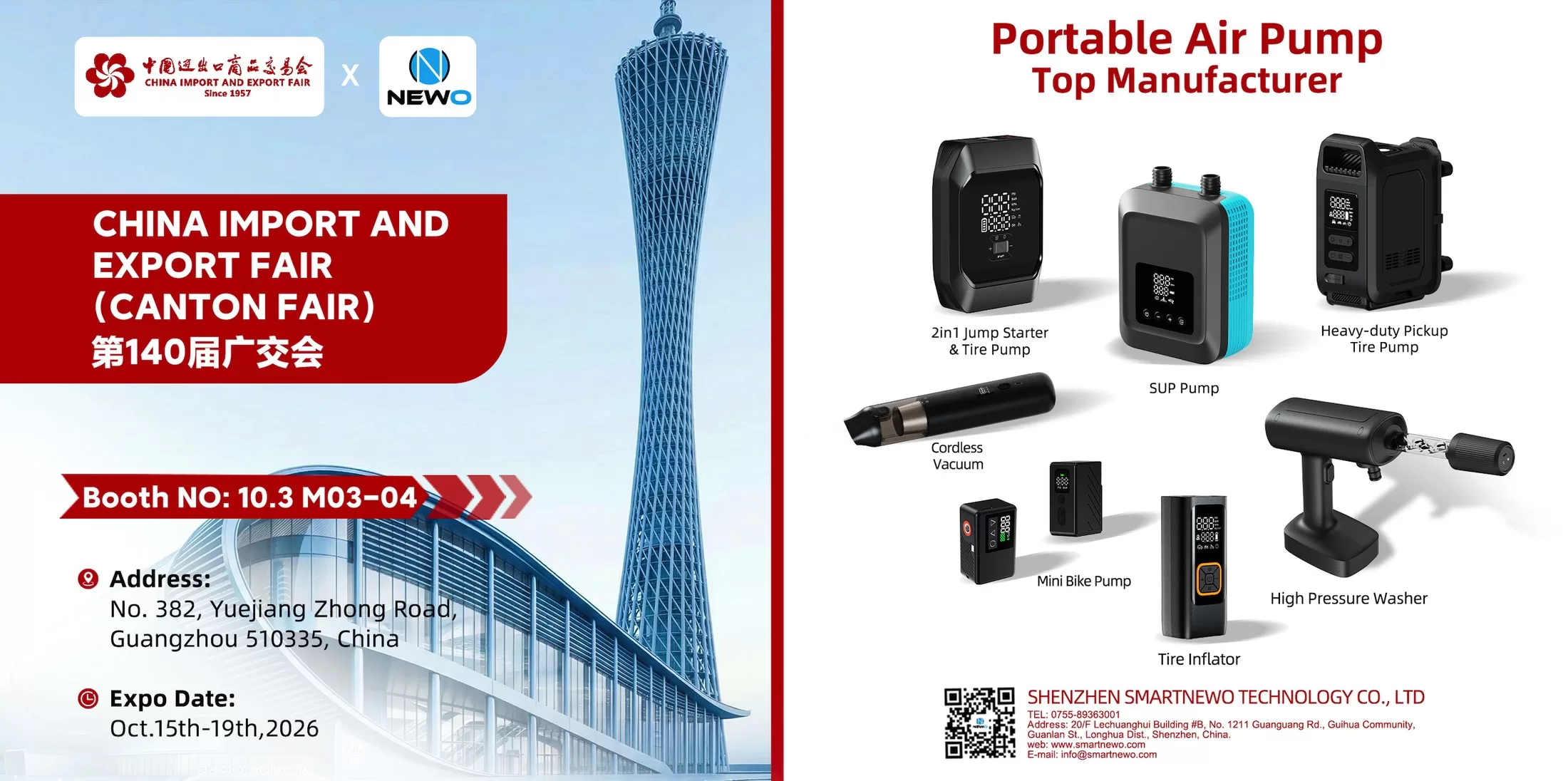
Meet NEWO at the 140th Canton Fair: Visit Booth 10.3 M03–04
Meet NEWO at the 140th Canton Fair in Guangzhou, October 15–19, 2026. Visit Booth 10.3 M03–04 to explore portable air pumps and discuss OEM, ODM and distribution opportunities.... -

As Shenzhen Welcomes the World for APEC 2026, NEWO Welcomes You to Our Factory
As Shenzhen prepares for APEC 2026, NEWO welcomes international buyers and partners to visit our factory, meet our team and explore future cooperation.... -

Leading the Way in Product Innovation and Excellence
Smartnewo exemplifies professionalism in product innovation and manufacturing. Their collaboration with Xiaomi Youpin on the G01 crowdfunding project highlights their expertise in creating compact, powerful inflatable pumps. Rigorous engineering, meticulous production processes, and advanced quality assurance underscore their commitment to excellence. The success of the G01 project, with significant market... -

Essential Qualities of an Excellent Supplier
In today's competitive market, finding a reliable supplier is crucial for business success. Based on insights from Smartnewo and broader internet research, here are key qualities an excellent supplier must possess:... -

NW06 Tire Inflator: Compact Power for Quick Inflation
Summary The NW06 Tire Inflator delivers quick and efficient tire inflation with a powerful 35L/min airflow. It features a user-friendly LCD screen for real-time pressure monitoring, dual power options with a built-in 6000mAh battery, and multiple nozzle attachments for versatile use. Its compact design and integrated LED light ensure convenience and... -

Unleash the Power of Portability: The SmartNewo Jump Starter with Air Compressor KF03
This guide will walk you through the steps to effectively use a portable tire inflator, helping you stay prepared and safe on the road.... -

Newo Attends The 2024 Consumer Electronics Show (CES)
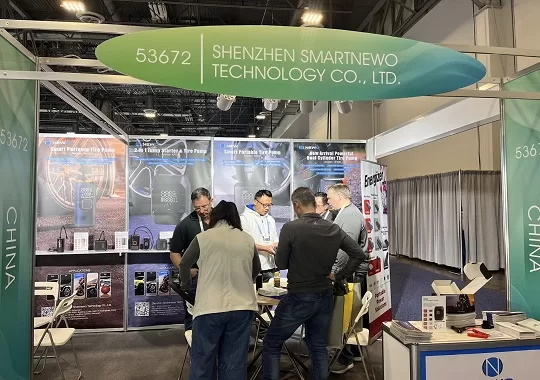
Smartnewo booth is located at 53672, Halls A-D, Level 2, Venetian Expo, Las Vegas Convention Center (LVCC). ... -

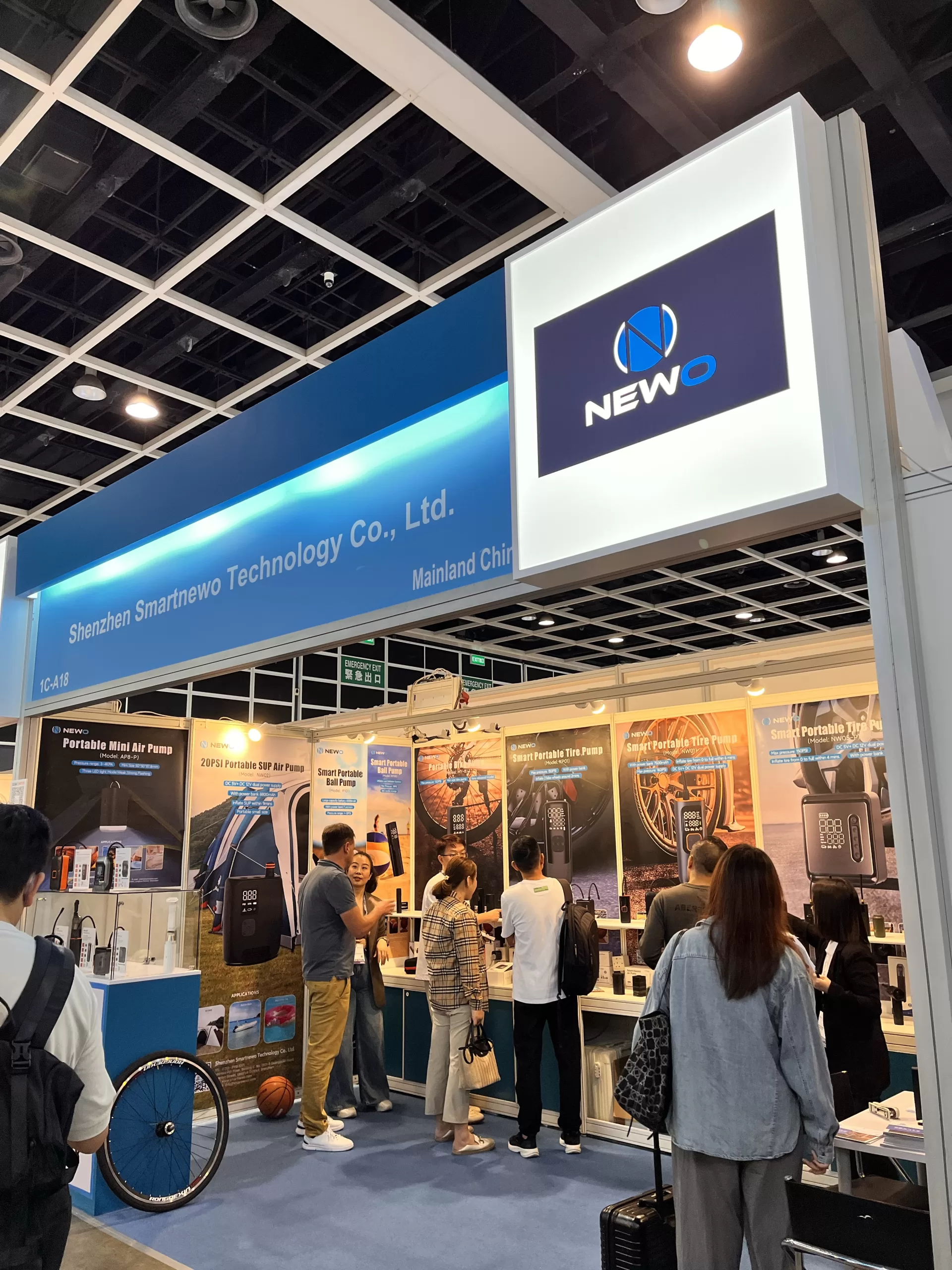
Smartnewo’s Dual-Cylinder Air Pump Rocks the Hong Kong Autumn Electronics Fair!
Smartnewo’s Dual-Cylinder Air Pump Rocks the Hong Kong Autumn Electronics Fair!... -

Meet at the Canton Fair! Smartnewo brings dual-cylinder air pumps, making your inflation experience faster and more stable!
NEWO has went deep communication and negotiation with customers from all over the world on booth.... -

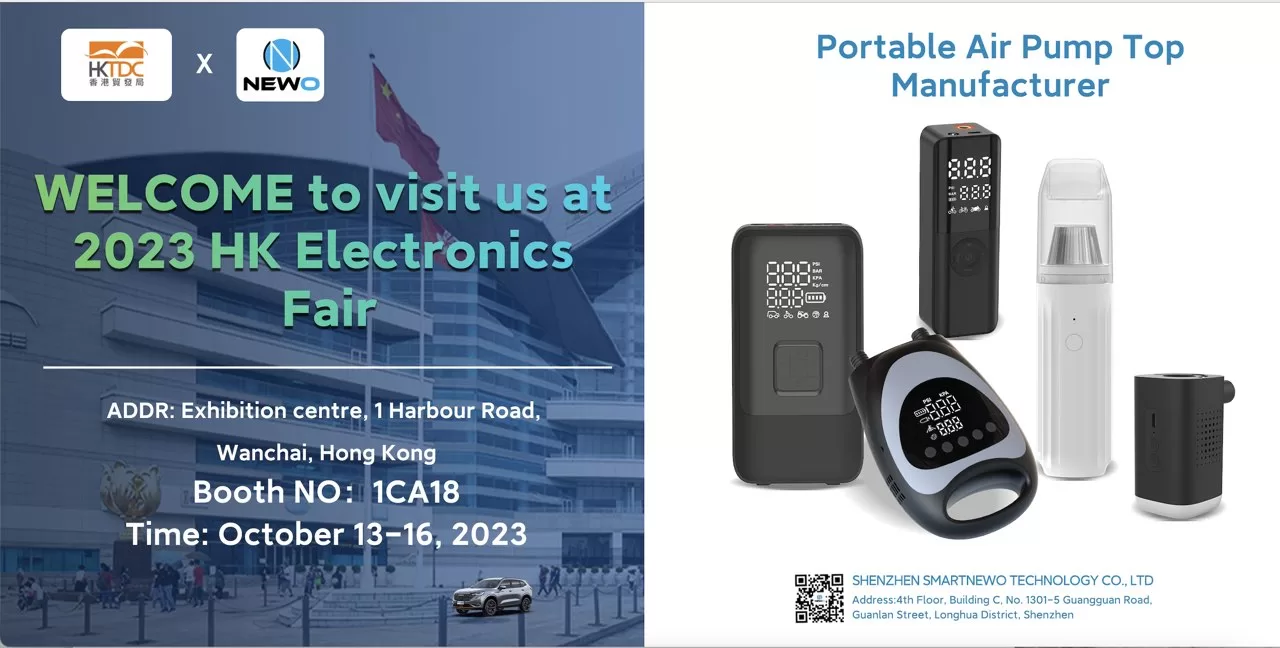
“Hong Kong Autumn Electronics Fair – 1CA18 (October 13th to 16th): Smartnewo invites you to visit our booth!
Hong Kong Autumn Electronics Fair...


-

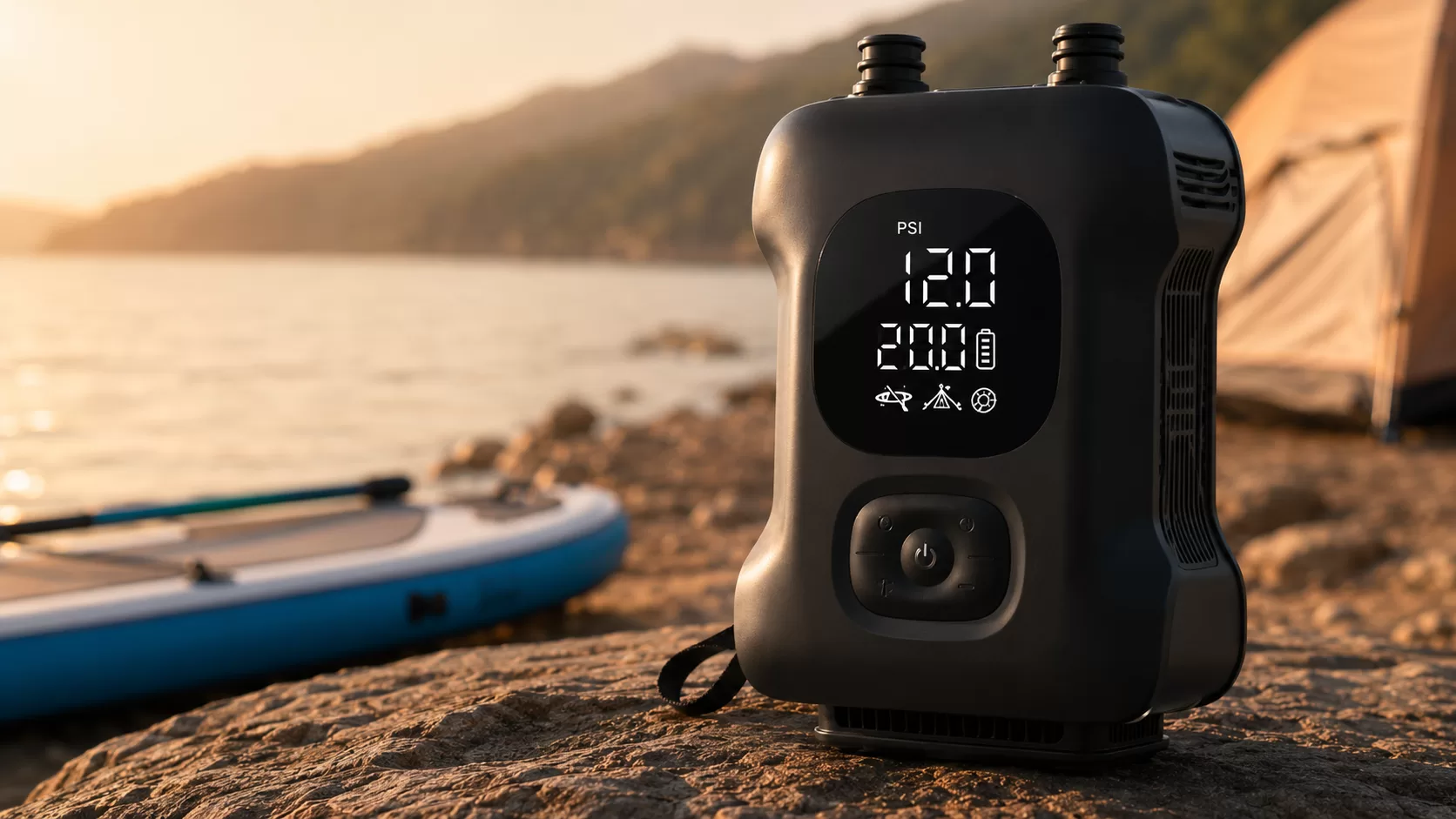
Rechargeable Electric SUP Pump for Paddle Boards: Faster Inflation for SUPs, Kayaks and Inflatable Tents
The BL10-C Portable Electric Bike Tire Inflator is a compact and lightweight mini electric bike pump designed for modern cyclists. With up to 120 PSI pressure, a digital LED display, preset pressure control, automatic shut-off, USB-C charging, and multiple valve adapters, BL10-C offers a convenient inflation solution for road bikes,... -

Are Electric Bike Pumps Worth It in 2026? Electric Pump vs CO₂ vs Mini Hand Pump
Discover whether electric bike pumps are worth it in 2026. This guide compares electric bike pumps, CO₂ inflators, and mini hand pumps for road cycling, gravel riding, commuting, and long-distance rides. Learn the pros, limitations, best use cases, and key features to look for before choosing the right portable tire... -
BL10-C Portable Electric Bike Tire Inflator: Small Size, Reliable Power for Every Ride
The BL10-C Portable Electric Bike Tire Inflator is a compact and lightweight mini electric bike pump designed for modern cyclists. With up to 120 PSI pressure, a digital LED display, preset pressure control, automatic shut-off, USB-C charging, and multiple valve adapters, BL10-C offers a convenient inflation solution for road bikes,... -

Why Mini Electric Bike Pumps Are Becoming Essential for Modern Cycling
Discover why mini electric bike pumps are becoming essential for modern cyclists. Learn how portable electric bike pumps improve tire pressure management, riding safety, and convenience.... -

The Ultimate Smart Solution for Easy Outdoor Adventures in 2026
Discover how a spring travel air pump simplifies outdoor trips with fast inflation, smart features, and powerful performance—perfect for every adventure.... -

Powerful 5-in-1 Portable Car Tire Inflator and Jump Starter: The Ultimate Emergency Tool for Every Driver
Why Every Driver Needs a Portable Car Tire Inflator and Jump Starter Modern drivers face many unexpected situations on the road. A flat tire, low tire pressure, or a dead car battery can happen at the worst possible time. That’s why having a portable car tire inflator and jump starter is... -

7 Real Cycling Scenarios That Show Why Every Rider Should Carry a Mini Bike Pump
Cycling is one of the most freeing activities you can enjoy. Whether you’re commuting to work, riding through city streets, or exploring quiet countryside roads, a bike ride can instantly improve your day. But there’s one small problem that almost every cyclist eventually faces: Low tire pressure. It might happen... -
BL08-A Portable Electric Bike Pump: A Global Distribution Opportunity with Smartnewo
Smartnewo, a professional manufacturer of portable electric air pumps, introduces the BL08-A model — a compact and efficient inflator designed for global distributors, e-commerce sellers, and outdoor accessory brands seeking reliable OEM/ODM solutions. Table of Contents Main Heading Subtopics 1. Introduction: Expanding the Global Market for Smart Inflation Tools Portable... -

Connecting Opportunities at Automechanika Shanghai 2025 — Smartnewo Exhibition Day 1
Today marks an exciting beginning as Smartnewo officially opens its booth at Automechanika Shanghai 2025. As one of the largest and most influential automotive aftermarket exhibitions in the world, the show provides an exceptional platform for meaningful conversations, partnership building, and global industry exchange. Located at Booth 7.2E47, Smartnewo presents... -

Why Every Outdoor Cyclist Should Carry a Mini Electric Bike Pump
Whether you are an experienced mountain rider or a weekend road-cycling enthusiast, one thing is certain: unexpected tire pressure issues can ruin an entire ride. That’s why more cyclists are turning to mini electric bike pumps—compact, lightweight, and far more reliable than traditional hand pumps. 1. Consistent Pressure, Even in...


-
How Is a Football Properly Inflated?
The correct inflation of a football - with not too much and not too little air - is a hotly debated topic among footballers.... -
Application Scenarios of Car Inflator Pump
Often long-distance business trips or play car owners because the road may be more remote areas, in this case if you encounter a tire leak....