
 Portable Tire Inflators
 Electric Air Pumps
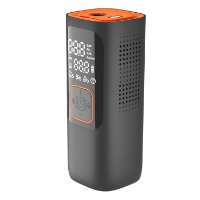 Electric Car Tyre Pumps
 Electric Ball Pumps
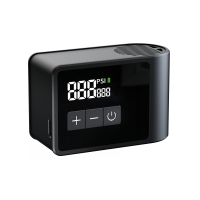 Electric Bike Pump
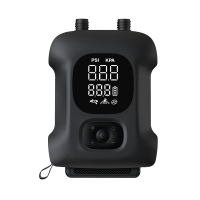 SUP Air Pump

The Engineering Behind the Smart Tire Inflator: Precision Pressure Control and Portable Pneumatics
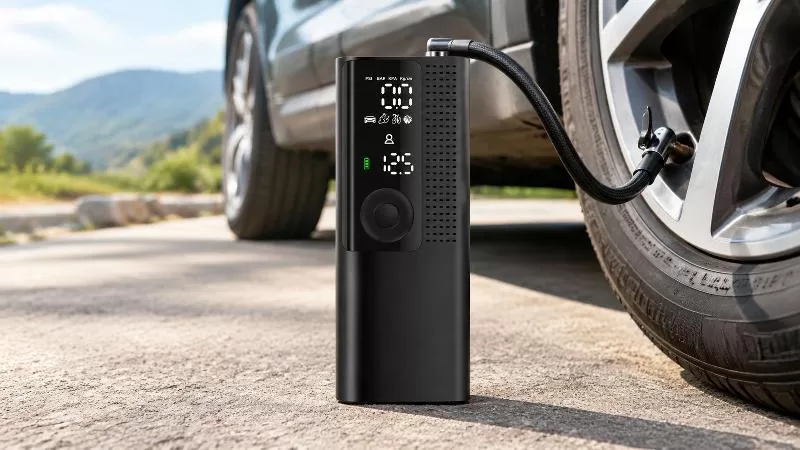
Maintaining proper tire pressure once meant wrestling with coin-operated air stations, tangled gas station hoses, or manual floor pumps that offered little digital precision. A modern smart tire inflator changes this dynamic entirely by combining a compact electric pump mechanism, a digital pressure display, and lithium-ion power into a single handheld chassis. Drivers and outdoor enthusiasts no longer need to accept guesswork when seasonal temperature swings trigger unexpected tire alerts. With an intelligent portable tire inflator in your glove compartment, keeping rolling resistance low and tire tread safe becomes a more manageable, repeatable routine.
The Evolution of Tire Pressure Maintenance: Why Analog Tools Fall Short
The Limitations of Mechanical Gauges and Manual Pumps
Analog tire gauges rely on mechanical components that can lose calibration over time. Visual inspection alone cannot detect subtle pressure differences that affect tire wear patterns and vehicle handling. Digital instruments eliminate the ambiguity of needle positions and offer clearer numerical readouts at a glance.
Under-inflation increases rolling friction and builds internal heat inside the tire structure. Driving on significantly under-inflated tires is generally understood to compromise wet-weather braking distance and raise the risk of tire failure on long highway trips. A smart tire inflator with a digital display presents a clear baseline reading before any air begins flowing, making it easier to verify tire condition.
Transitioning from Bulky Compressors to Automated Cordless Pneumatics
Traditional garage air compressors are capable of moving vast volumes of air, but their bulk restricts them to the workshop bench. Meanwhile, earlier generations of twelve-volt plug-in pumps required dragging long, dirty power cords across vehicle door sills, which many drivers found inconvenient for quick roadside use. They were often loud and cumbersome, and that friction discouraged proactive monthly maintenance.
Cordless pneumatic engineering removes that physical resistance. By placing a rechargeable lithium battery pack and an automated shut-off controller inside a pocketable enclosure, inflating a tire becomes a more self-contained task than relying on a corded tool. Users can service passenger cars, bicycle tires, or recreational gear wherever the vehicle happens to rest.
Inside a Smart Tire Inflator: Mechanics, Sensors, and Thermal Limits
Digital Pressure Display and Automated Cutoff Systems
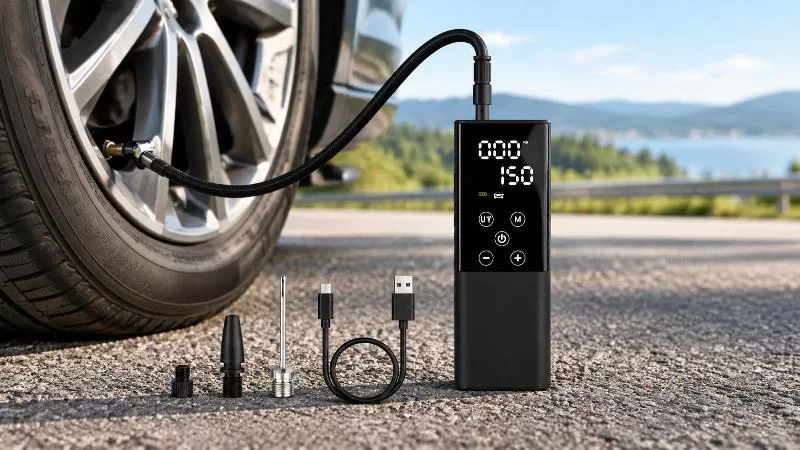
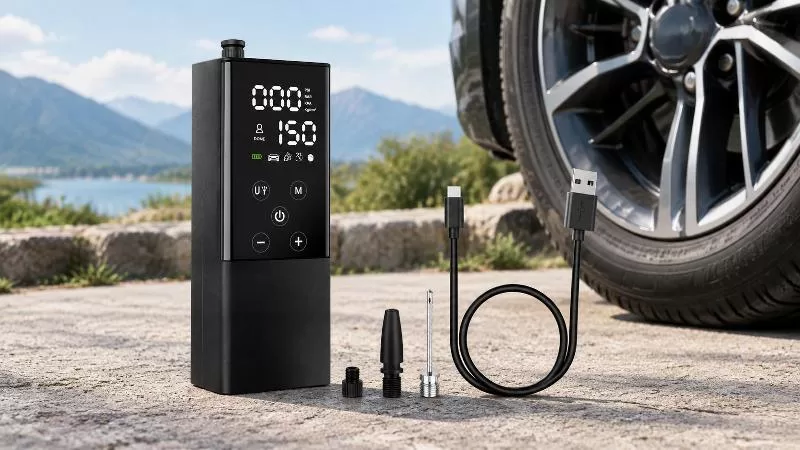
At the center of automated inflation lies a digital pressure display that tracks the inflation process. According to the manufacturer’s specifications, the GP2 provides a dual pressure display that shows both measured tire pressure and preset target pressure simultaneously, along with automatic shut-off. This real-time feedback allows users to track inflation progress without needing to guess when to stop.
Once measured pressure reaches the user-selected target, the manufacturer states that the system is designed to cut power to the motor automatically. The five preset application modes, as listed in the product specifications, accommodate different inflation tasks across the device’s supported applications, from vehicle tires to sports balls.
Compact Motor and Pneumatic Assembly
Delivering air pressure from a pocket-sized shell requires careful mechanical compromises. The GP2 product specification lists a cylinder size designation of "14 cylinder" and a thirty-five-watt brushed motor. The compact layout is built to generate airflow within the device’s physical constraints.
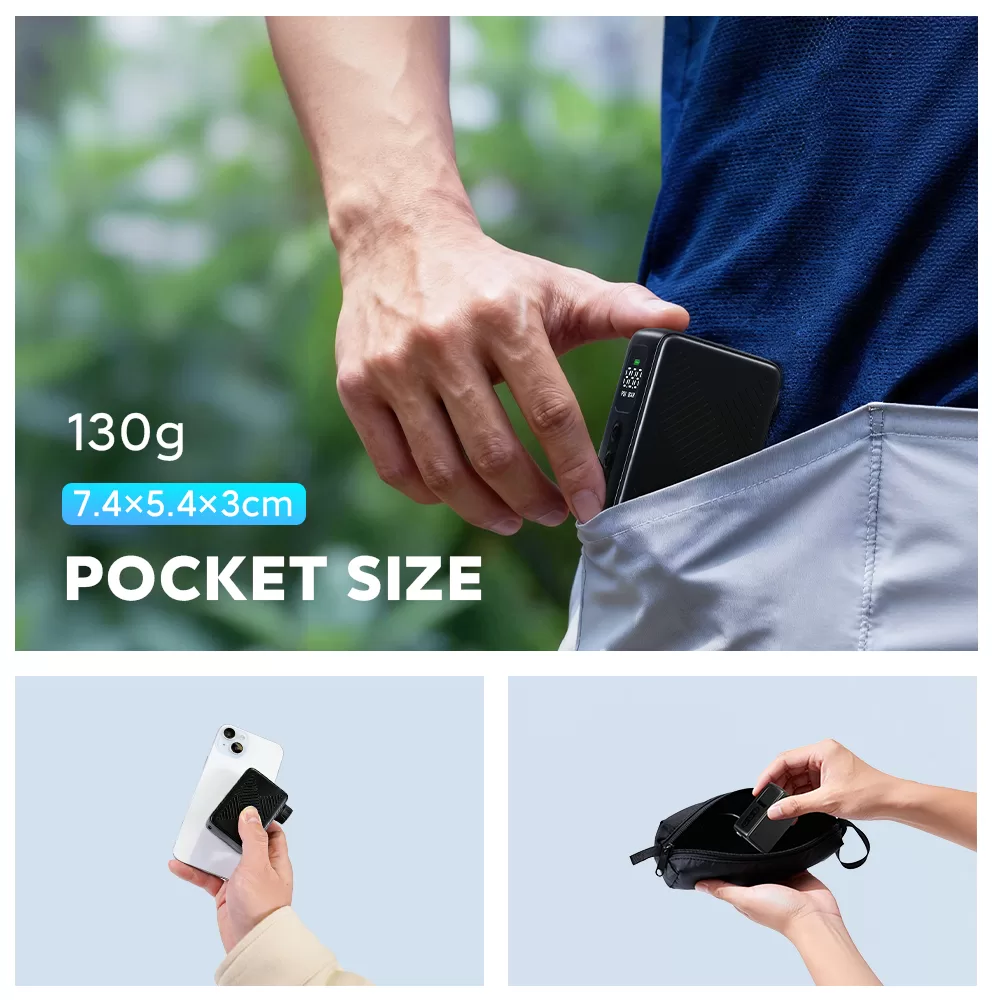
Despite weighing just 428 grams in a 155 by 62 by 39 millimeter footprint, this powertrain is rated by the manufacturer to deliver an airflow volume of 15 to 18 liters per minute, with a maximum pressure rating of 150 PSI across a zero to 150 PSI operating range. These are presented as separate manufacturer-listed specifications rather than a guarantee of inflation speed or performance under every load condition.
Thermal Dissipation and Circuit Overcurrent Protection Under High Loads
Compressing atmospheric gas into a pressurized vessel inherently generates thermal energy. Rapidly forcing air molecules into a smaller volume converts a portion of the mechanical work into heat. In compact inflators, this heat naturally accumulates during continuous operation.
+-------------------------------------------------------------------------+
|                       HEAT GENERATION & MITIGATION                      |
|                                                                         |
| [Compression Stroke] ---> [Compression Heat] ---> [Component Temp Rise] |
|                                                        |                |
| [Internal Cooling Fan] + [Vented Ribbing]  <-----------+                |
|                                                                         |
+-------------------------------------------------------------------------+
According to the manufacturer’s documentation, the GP2 includes motor overcurrent protection, a cooling fan, and heat-resistant construction to manage the heat generated during operation. The product specifications also list a battery protection voltage of 8.4V / 6V, reproduced here as a manufacturer-listed figure without further interpretation of its internal function. The manufacturer specifies a runtime of 15 to 20 minutes; users should follow the product manual’s guidance on duty cycles and cooldown intervals.
Key Functional Features That Define a Superior Smart Inflator
Dual-Line Digital Display: Real-Time Gauge vs. Preset Target
Older digital inflators forced users to cycle through confusing screen menus to check target values versus real-time levels. A modern interface simplifies user control by providing a dual LCD readout that shows both data points simultaneously. The upper section displays current tire pressure while the lower line retains your programmed target.
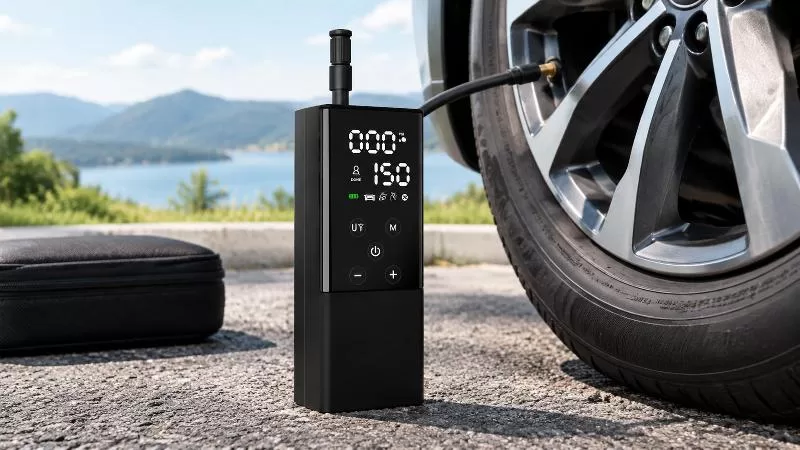
This continuous visual feedback reduces user uncertainty during roadside inflation. You can observe the initial resting pressure the instant the hose couples to the valve stem, confirm that airflow is proceeding normally, and watch the live measurement approach target shutdown without touching any secondary buttons.
Multi-Scenario Application Presets
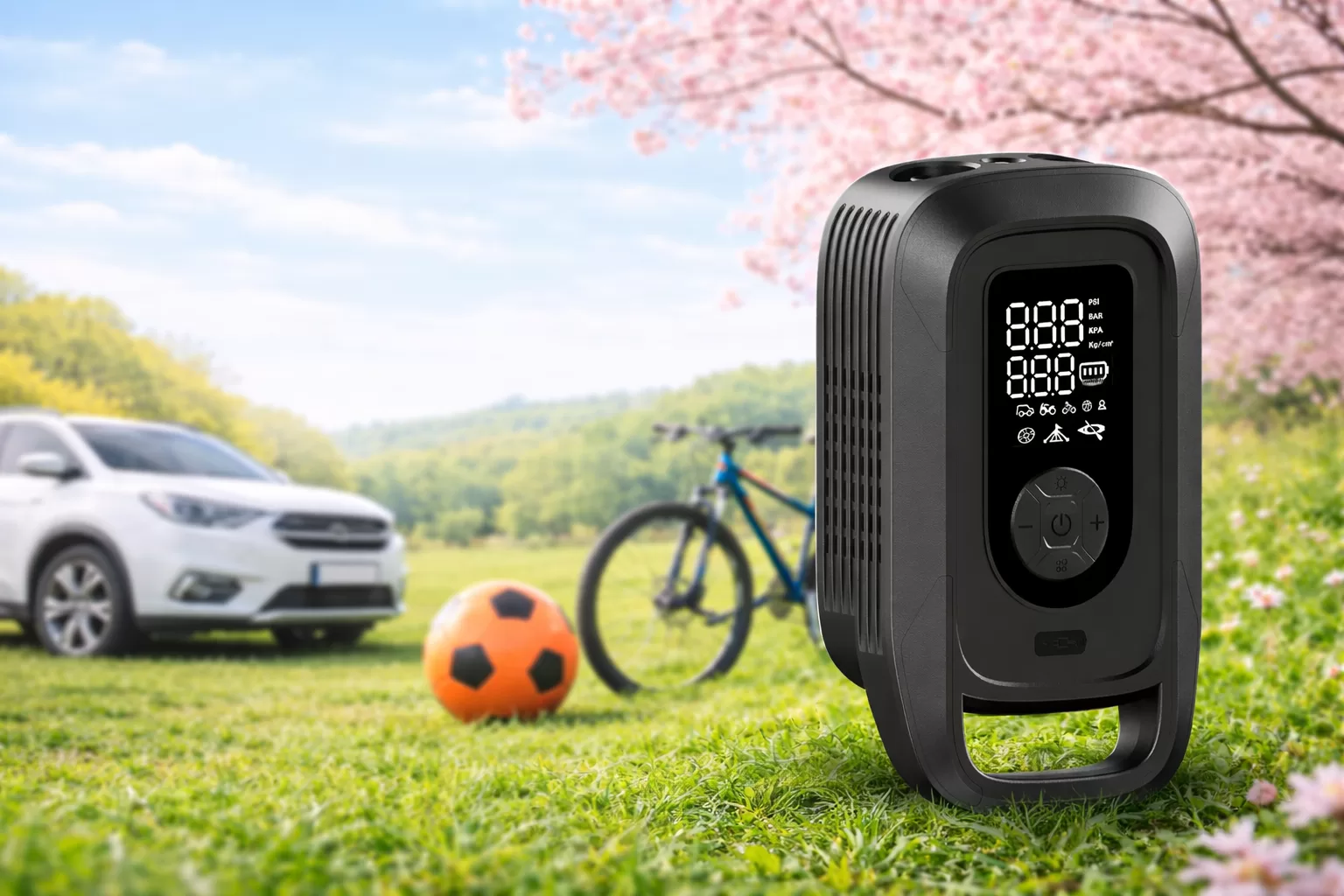
Navigating between different pneumatic applications requires distinctly different pressure thresholds and cutoff sensitivities. High-pressure road bike tires may require pressures near 100 PSI, while sports balls operate at much lower pressures. According to the manufacturer, the GP2 has five preset modes to accommodate these differences, supporting applications that include balls, bicycles, motorcycles, e-bikes, wheelchairs, balance vehicles, and car tires.
These presets serve as convenient starting points, but users should always refer to their vehicle manufacturer’s door-jamb placard or equipment maker’s recommendations for the correct target pressure. Tire pressure requirements vary by vehicle weight, load, and tire specification, so the presets should not be treated as universal defaults.
Integrated Convenience, Hidden Hose Storage, and Auxiliary Utility
Roadside emergencies rarely happen on warm, sunlit afternoons. When an unexpected tire warning appears on a rainy shoulder, hunting through an automotive trunk for loose adaptors or tangled air hoses wastes valuable time. Thoughtfully designed inflators consolidate essential hardware into the core housing.
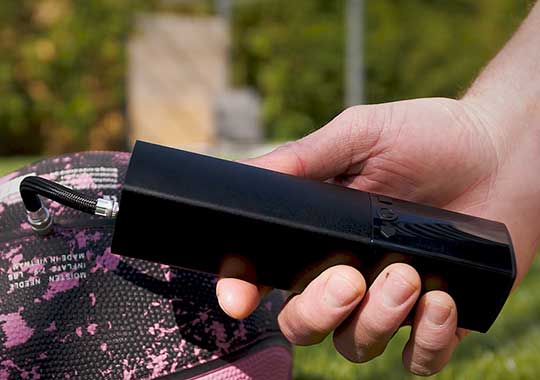
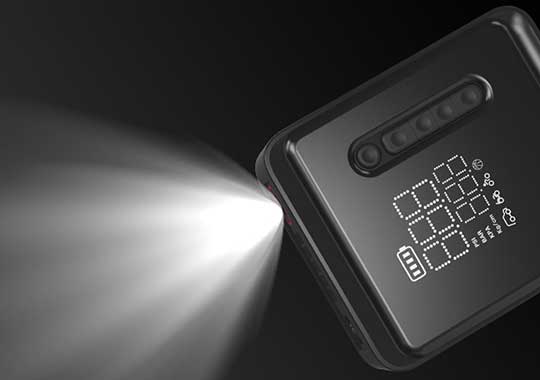
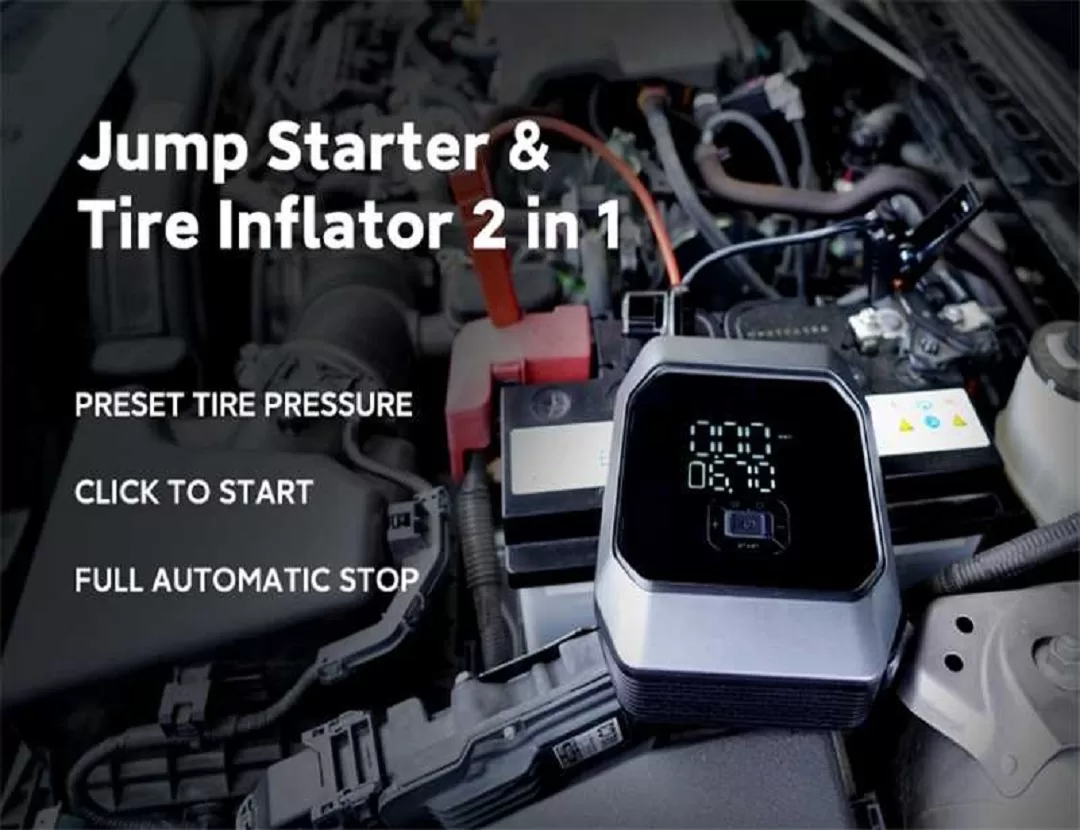
Recessed internal cavities hold the flexible inflation hose safely inside the body when not in use. The GP2 design incorporates a hose-activated power switch that wakes the LCD panel as soon as the stem is extracted. Combined with an integrated LED emergency flashlight and power-bank functionality listed in the manufacturer’s specifications, the smart tire inflator functions as a self-sufficient safety companion during evening transit.
Practical Application Scenarios: Matching Machine to Mission
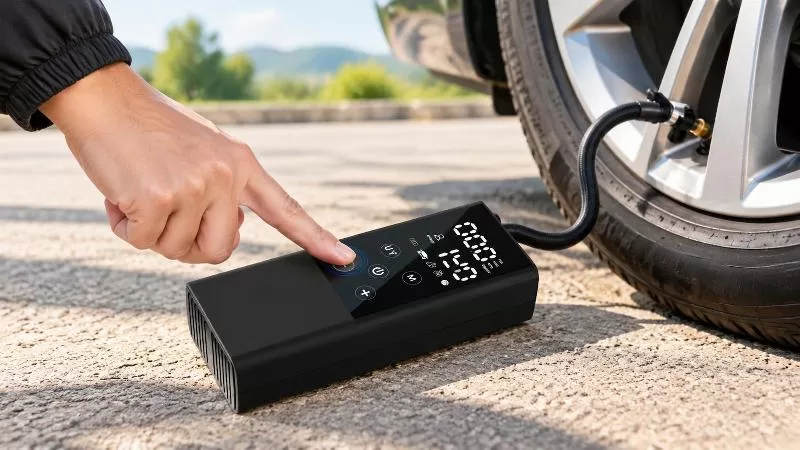
Passenger Cars and EVs: Managing Seasonal Cold-Tire Depressurization
For standard family sedans, crossovers, and electric vehicles, seasonal temperature drops represent one of the most frequent tire challenges. Tire pressure generally decreases as ambient temperature falls, and a sharp cold snap can easily trigger a low-pressure warning across all four vehicle tires at once.
The GP2 is built around a 14.8Wh battery pack, and the manufacturer’s stated per-charge capacity covers about 8 to 12 bicycle tires; a specific car-tire-per-charge figure is not provided in the product specifications. Keeping tires inflated to the manufacturer’s recommended pressure, found on the vehicle’s door-jamb placard, supports proper tire wear and vehicle handling across all vehicle types, including heavier electric models.
High-Pressure Cycling: Tackling Road Bikes and E-Bikes
Bicycle floor pumps are reliable tools in a home garage, but carry substantial bulk. Handheld frame pumps frequently require sustained physical effort during roadside pumping. A smart electric inflator addresses both challenges by supplying motorized compression without requiring manual leverage.
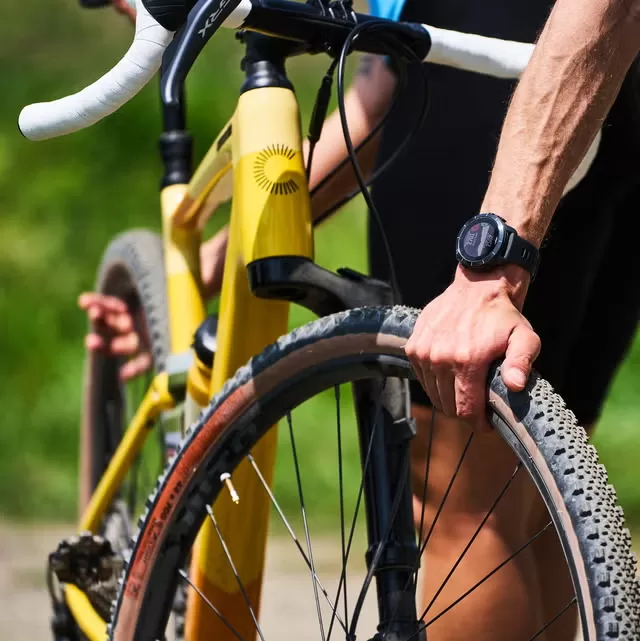
The GP2 inflator is rated for up to 150 PSI and, according to the manufacturer, can inflate roughly eight to twelve standard bicycle tires from a single full battery charge. The supplied adapters accommodate different valve configurations; verify that the included adapter matches your valve type before use. Cyclists can set their tire pressure to match local terrain conditions without relying on a manual pump shaft.
Micro-Mobility, Balance Vehicles, Wheelchairs, and Sports Gear
Small pneumatic tires found on mobility wheelchairs, electric scooters, and self-balancing boards feature tiny internal air volumes. When attached to standard gas station air chucks, these small chambers can fill very quickly, raising the risk of over-inflation if airflow is not carefully managed.
The GP2 carries a manufacturer-listed airflow rating of 15 to 18 liters per minute and includes automatic shut-off as part of its documented feature set. The included inflation accessories extend the device’s use to sports gear such as basketballs, which are among the supported applications listed by the manufacturer.
Engineering Benchmark: Portable Smart Pumps vs. Alternative Tools
Selecting the right inflation solution requires evaluating equipment capabilities against personal travel requirements. While manual hand pumps and workshop air compressors each serve distinct roles, compact battery-powered inflators bridge the gap between heavy workshop performance and pocket-sized portability.
Based on the GP2 product specifications, here are the documented features compared qualitatively to other tool categories:
| Technical Metric | Hand / Floor Pump | 12V DC Plug-In Compressor | Cordless Smart Inflator (GP2) | Workshop Pneumatic Tank |
|---|---|---|---|---|
| Power Source | Manual Human Labor | 12V Vehicle Auxiliary Outlet | Built-in 7.4V 2000mAh Lithium Pack | AC Mains |
| Pressure Ceiling | Varies by model | Varies by model | 150 PSI | Varies by model |
| Air Delivery Rate | Varies by user effort | Varies by model | 15-18 L/min | Typically higher volume |
| Pressure Display | Often analog dial | Often analog or basic digital | Dual digital LCD display | Often analog gauge |
| Auto Shut-Off | No | Varies by model | Yes, per manufacturer specifications | Often mechanical regulator |
| Unit Portability | Requires manual effort | Requires vehicle power connection | Handheld (155 x 62 x 39 mm, 428g) | Heavy stationary unit |
| Working Noise | Essentially Silent | Varies by model | 85 dB or below at 1 meter | Varies by model |
| Emergency Lighting | None | Varies by model | Integrated LED Worklight | None |
While workshop tanks remain necessary for high-volume professional work, a portable smart inflator offers cordless convenience and digital pressure monitoring for everyday maintenance tasks.
Step-by-Step Practical Operating and Safety Protocol
To support consistent results and protect your pneumatic equipment over years of vehicle travel, follow this standardized operating workflow.
-
Locate Factory Cold Pressure Values: Check the vehicle manufacturer certification placard fixed to the driver-side door jamb. Avoid using the maximum cold inflation pressure stamped onto the tire sidewall, since that number reflects structural casing limits rather than vehicle-specific recommendations.
-
Inspect and Clean Valve Stems: Remove the protective dust cap and wipe road grit from the valve threads to help keep debris away from the inflator’s check valve.
-
Couple the Air Chuck: Withdraw the stored hose from the inflator body to power on the system. Attach the coupling securely onto the valve stem until the LCD panel shows a stable baseline pressure.
-
Select Mode and Target Number: Choose the appropriate preset mode using the touch controls, or use the plus and minus buttons to adjust your desired target PSI or BAR setting based on your vehicle or equipment manufacturer’s recommendation.
-
Begin Automated Inflation: Press the central power button to engage the motor. Step back slightly and observe the dual display as real-time pressure rises toward the target.
-
Observe Automatic Cutoff: The internal controller is designed to cut motor power once the target threshold is reached. Disconnect the chuck promptly to minimize air escape, reinstall the stem dust cap, and return the inflator hose to its storage pocket.
Advanced Maintenance and Operational Longevity
Thermal Recovery and Duty Cycle Discipline
Portable electric air pumps draw sustained mechanical performance out of compact enclosures. The brushed motor and internal pneumatic assembly in the GP2 are rated to reach up to 18 liters per minute of airflow. As a result, internal temperatures naturally climb during operation.
The manufacturer specifies a runtime of 15 to 20 minutes. Users should consult the product manual for specific guidance on continuous operation limits and recommended rest intervals to help manage heat buildup and preserve component longevity.
Lithium Battery Cell Care Across Extreme Seasons
Automotive interiors endure harsh environmental shifts. A vehicle cabin can drop below freezing during northern winters and climb well above typical room temperature on sunny summer pavements. The GP2 is rated to operate across an environmental range from minus ten to forty-five degrees Celsius, according to the manufacturer’s specifications.
For optimal battery longevity, follow the manufacturer’s battery-storage and charging instructions provided in the product manual. In sub-zero winter conditions, warming the inflator inside the heated passenger cabin for a few minutes before use may help support consistent performance.
Newo is a professional manufacturer specializing in the research, development, and production of smart electric air pumps and portable inflation solutions. With expertise in pneumatic technology, product design, and manufacturing, we provide a range of products including portable tire inflators, electric bike pumps, car air pumps, ball pumps, and outdoor inflation solutions. Our products are designed to deliver convenience, efficiency, and reliability for customers worldwide. Supported by production capabilities, experienced engineers, and quality management processes, we aim to build long-term partnerships with customers around the world.
Frequently Asked Questions (FAQs)
How accurate is the digital display in a smart tire inflator?
The GP2 features a dual digital LCD display that shows both measured tire pressure and preset target pressure simultaneously, according to the manufacturer’s specifications. Digital displays generally provide clearer numerical readouts than analog dials, since there is no needle position to interpret and no mechanical spring to drift out of calibration over years of use. This makes day-to-day pressure checks more straightforward for most drivers. For precise accuracy specifications, consult the product documentation or manufacturer directly.
Can a compact cordless inflator seat a completely flat tubeless car tire?
If a tubeless tire has detached from its wheel rim bead, reseating it usually requires an instantaneous rush of high-volume air typically supplied by a large workshop air receiver tank. A portable inflator outputs a steady 15 to 18 liters per minute, which suits inflating sealed tire cavities, topping off seasonal pressure deficits, or filling flat inner tubes, rather than reseating an unseated bead lock. Drivers facing a fully unseated bead should plan on a tire shop or a larger air source instead.
Why does the inflator become warm after continuous use?
Compressing air generates heat as part of the normal physical process. That heat naturally accumulates in the motor, pneumatic components, and metal fittings during continuous operation. This temperature rise reflects standard thermodynamic behavior rather than a sign of a defect or malfunction. Allow the device to cool according to the manufacturer’s duty-cycle recommendations before resuming operation, particularly when inflating several tires back to back.
Can the inflator’s battery charge mobile devices in an emergency?
According to the manufacturer’s specifications, the GP2 includes power-bank functionality. The device features a 7.4V 2000mAh battery pack providing 14.8 watt-hours of reserve capacity, which the manufacturer lists as sufficient for auxiliary charging use. This feature is intended as a backup rather than a primary charging solution. Consult the product manual for details on the output connection and compatible devices before relying on it during a trip.
How long does a full recharge take via Type-C charging?
Recharging through a standard five-volt, two-amp Type-C port takes between two and three hours from a depleted state, per the manufacturer’s specifications. The listed charging input power is 10 W. The battery is specified for 300 cycles at 85 percent of original capacity or above, which gives a general sense of how the cell is expected to hold up over repeated charge-and-discharge sessions.
Conclusion: Elevating Mobility and Safety with Intelligent Pneumatics
The Shift from Emergency Tool to Everyday Maintenance Companion
Tire pressure management has moved well beyond noisy commercial gas stations and strained manual hand pumps. Bringing together a digital pressure display, automated shut-off, and compact rechargeable power into a handheld format offers more consistent pressure monitoring wherever your journey takes you. A quality smart tire inflator supports proper tire maintenance, contributes to steadier vehicle performance, and brings a measure of peace of mind to daily commuting and weekend adventures alike.
Whether you are topping off a sedan’s tires before a winter commute, keeping a road bike at race-ready pressure, or inflating a basketball before a weekend game, a smart tire inflator with a digital display and automatic shut-off takes the guesswork out of the task. Keeping one charged and stored within reach turns an occasional chore into a routine that takes only a few minutes to complete.
-

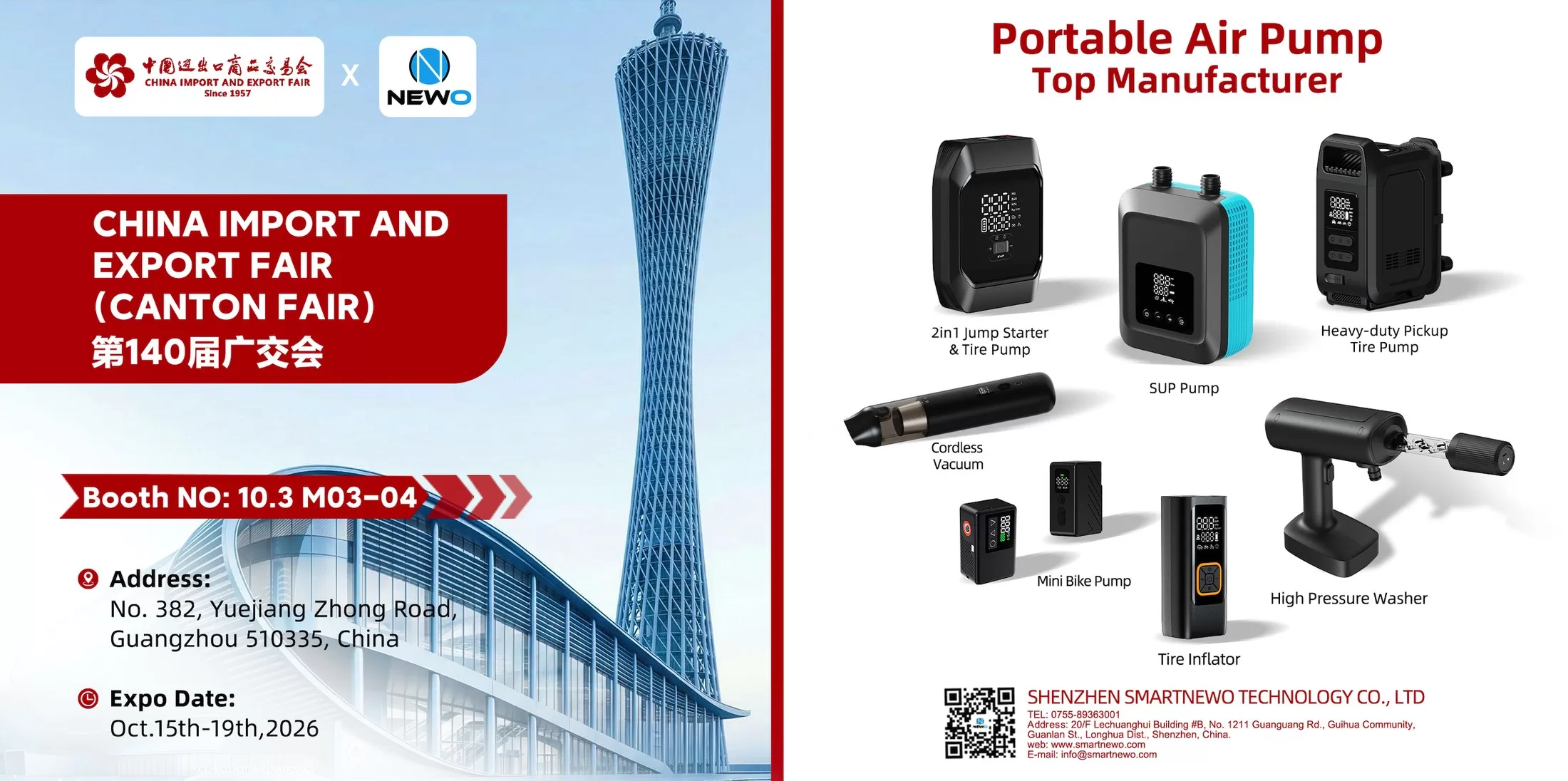
Meet NEWO at the 140th Canton Fair: Visit Booth 10.3 M03–04
Meet NEWO at the 140th Canton Fair in Guangzhou, October 15–19, 2026. Visit Booth 10.3 M03–04 to explore portable air pumps and discuss OEM, ODM and distribution opportunities.... -

As Shenzhen Welcomes the World for APEC 2026, NEWO Welcomes You to Our Factory
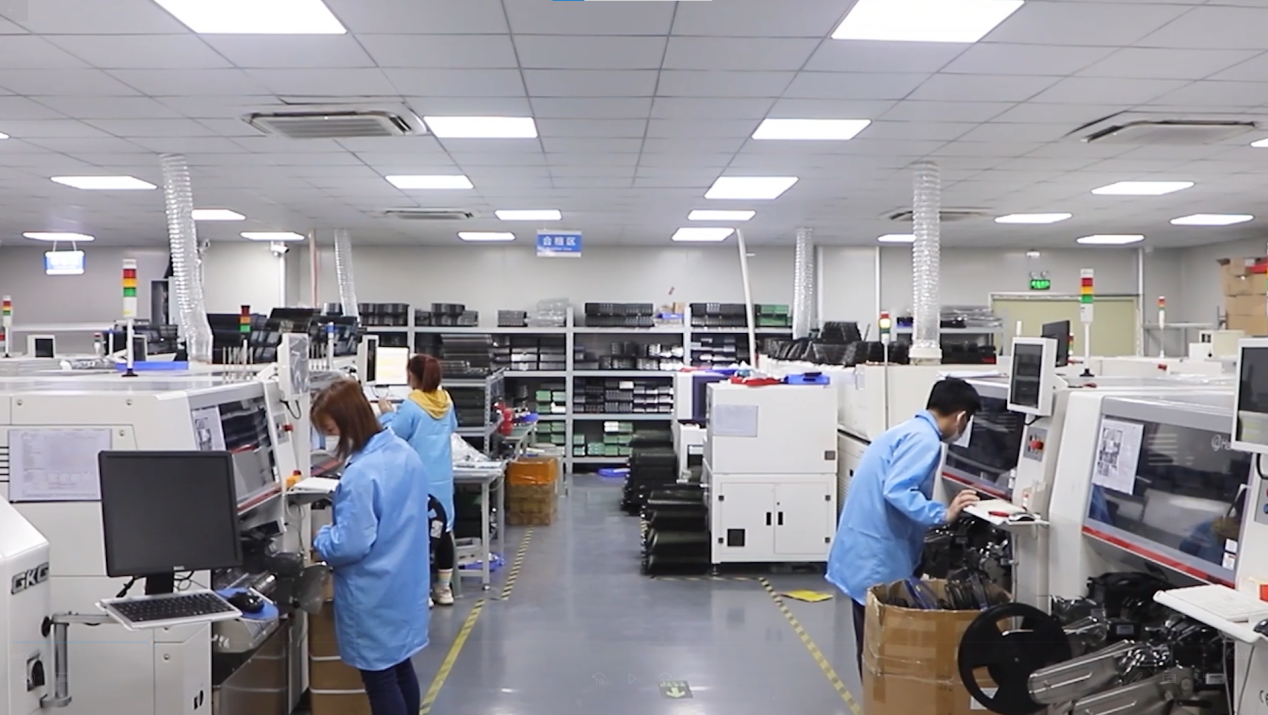
As Shenzhen prepares for APEC 2026, NEWO welcomes international buyers and partners to visit our factory, meet our team and explore future cooperation.... -

Leading the Way in Product Innovation and Excellence
Smartnewo exemplifies professionalism in product innovation and manufacturing. Their collaboration with Xiaomi Youpin on the G01 crowdfunding project highlights their expertise in creating compact, powerful inflatable pumps. Rigorous engineering, meticulous production processes, and advanced quality assurance underscore their commitment to excellence. The success of the G01 project, with significant market... -

Essential Qualities of an Excellent Supplier
In today's competitive market, finding a reliable supplier is crucial for business success. Based on insights from Smartnewo and broader internet research, here are key qualities an excellent supplier must possess:... -

NW06 Tire Inflator: Compact Power for Quick Inflation
Summary The NW06 Tire Inflator delivers quick and efficient tire inflation with a powerful 35L/min airflow. It features a user-friendly LCD screen for real-time pressure monitoring, dual power options with a built-in 6000mAh battery, and multiple nozzle attachments for versatile use. Its compact design and integrated LED light ensure convenience and... -

Unleash the Power of Portability: The SmartNewo Jump Starter with Air Compressor KF03
This guide will walk you through the steps to effectively use a portable tire inflator, helping you stay prepared and safe on the road.... -

Newo Attends The 2024 Consumer Electronics Show (CES)
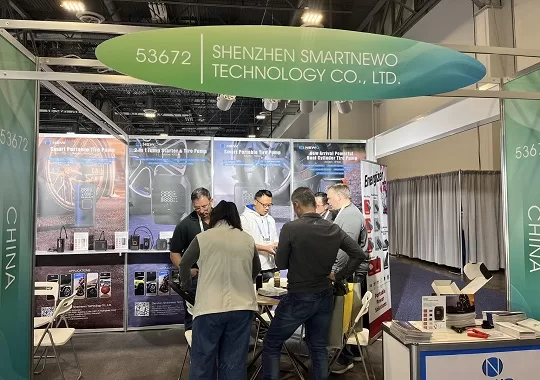
Smartnewo booth is located at 53672, Halls A-D, Level 2, Venetian Expo, Las Vegas Convention Center (LVCC). ... -

Smartnewo’s Dual-Cylinder Air Pump Rocks the Hong Kong Autumn Electronics Fair!
Smartnewo’s Dual-Cylinder Air Pump Rocks the Hong Kong Autumn Electronics Fair!... -

Meet at the Canton Fair! Smartnewo brings dual-cylinder air pumps, making your inflation experience faster and more stable!
NEWO has went deep communication and negotiation with customers from all over the world on booth.... -

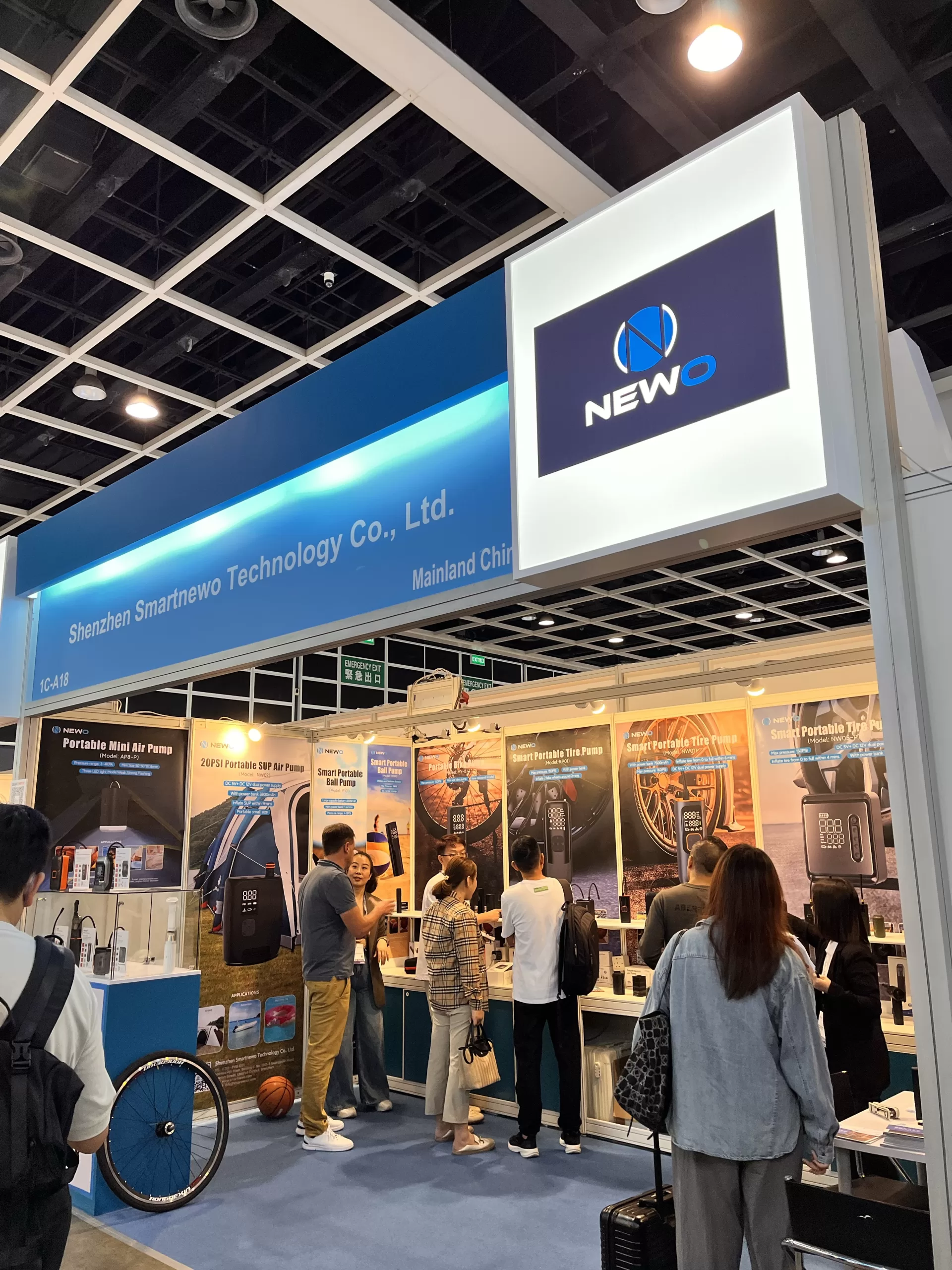
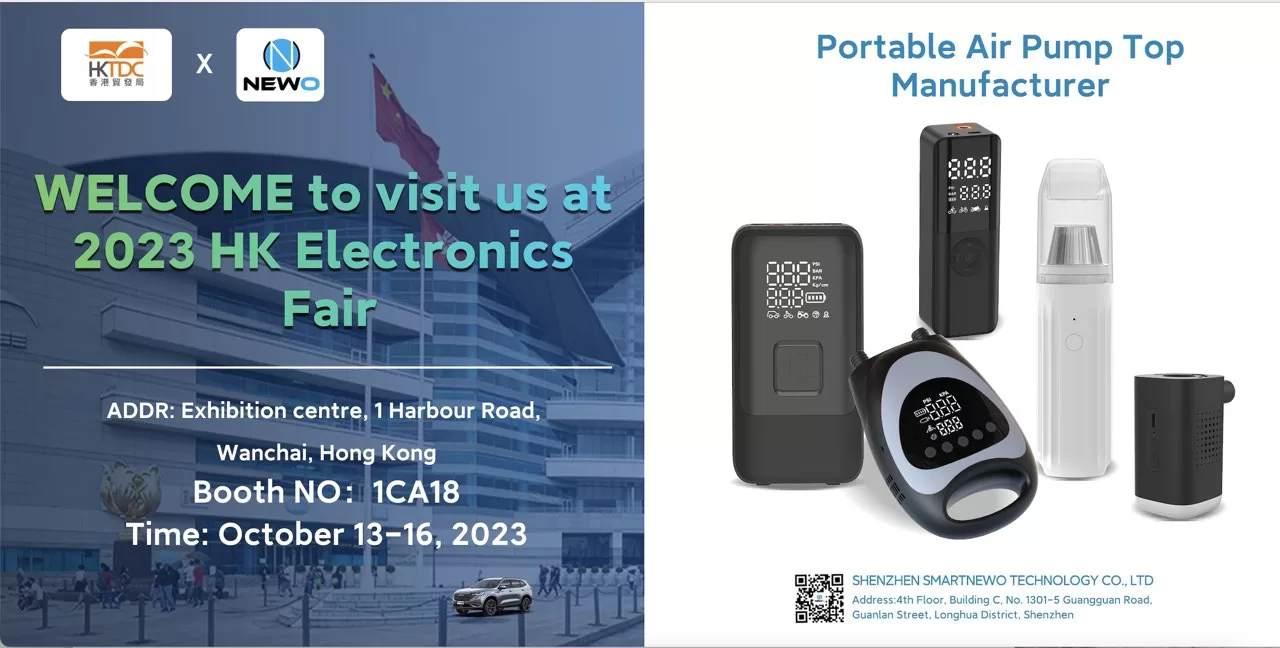
“Hong Kong Autumn Electronics Fair – 1CA18 (October 13th to 16th): Smartnewo invites you to visit our booth!
Hong Kong Autumn Electronics Fair...


-

How to Choose a Reliable Tire Inflator Manufacturer in China
Choose a tire inflator manufacturer in China with a focused RFQ, supplier evidence, configuration checks, and clear sample-to-pilot decisions for your brand.... -

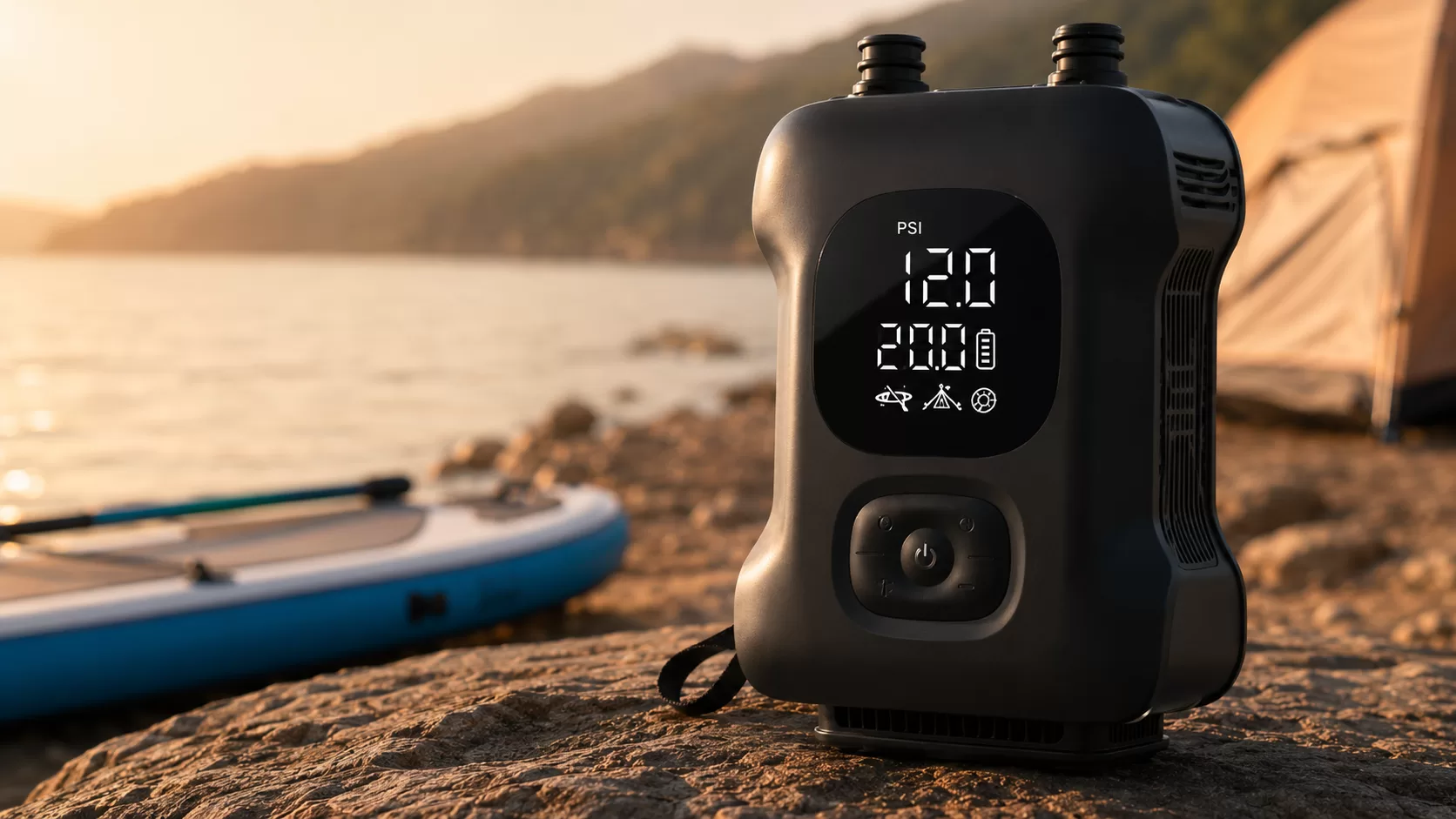
Rechargeable Electric SUP Pump for Paddle Boards: Faster Inflation for SUPs, Kayaks and Inflatable Tents
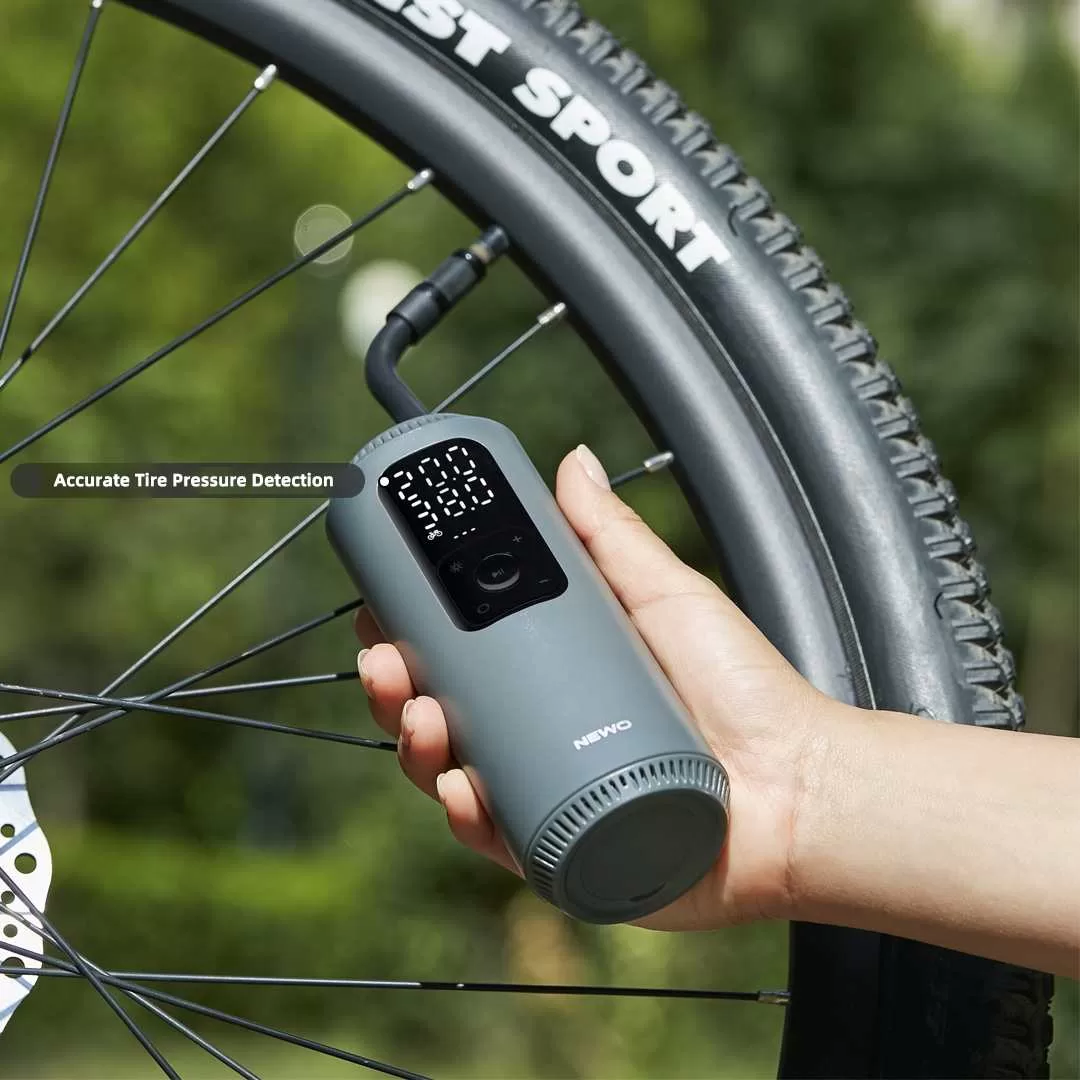
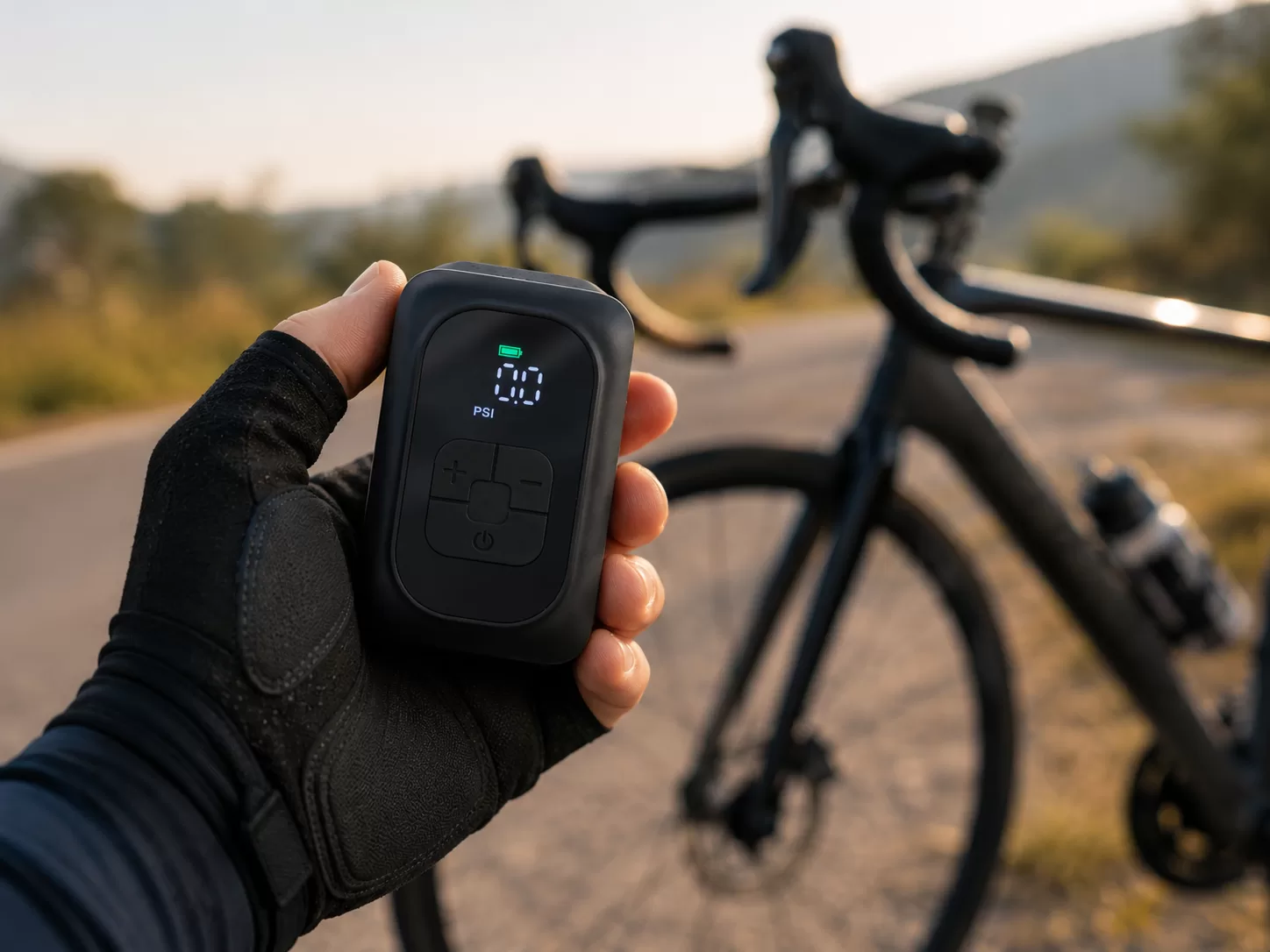
The BL10-C Portable Electric Bike Tire Inflator is a compact and lightweight mini electric bike pump designed for modern cyclists. With up to 120 PSI pressure, a digital LED display, preset pressure control, automatic shut-off, USB-C charging, and multiple valve adapters, BL10-C offers a convenient inflation solution for road bikes,... -

Are Electric Bike Pumps Worth It in 2026? Electric Pump vs CO₂ vs Mini Hand Pump
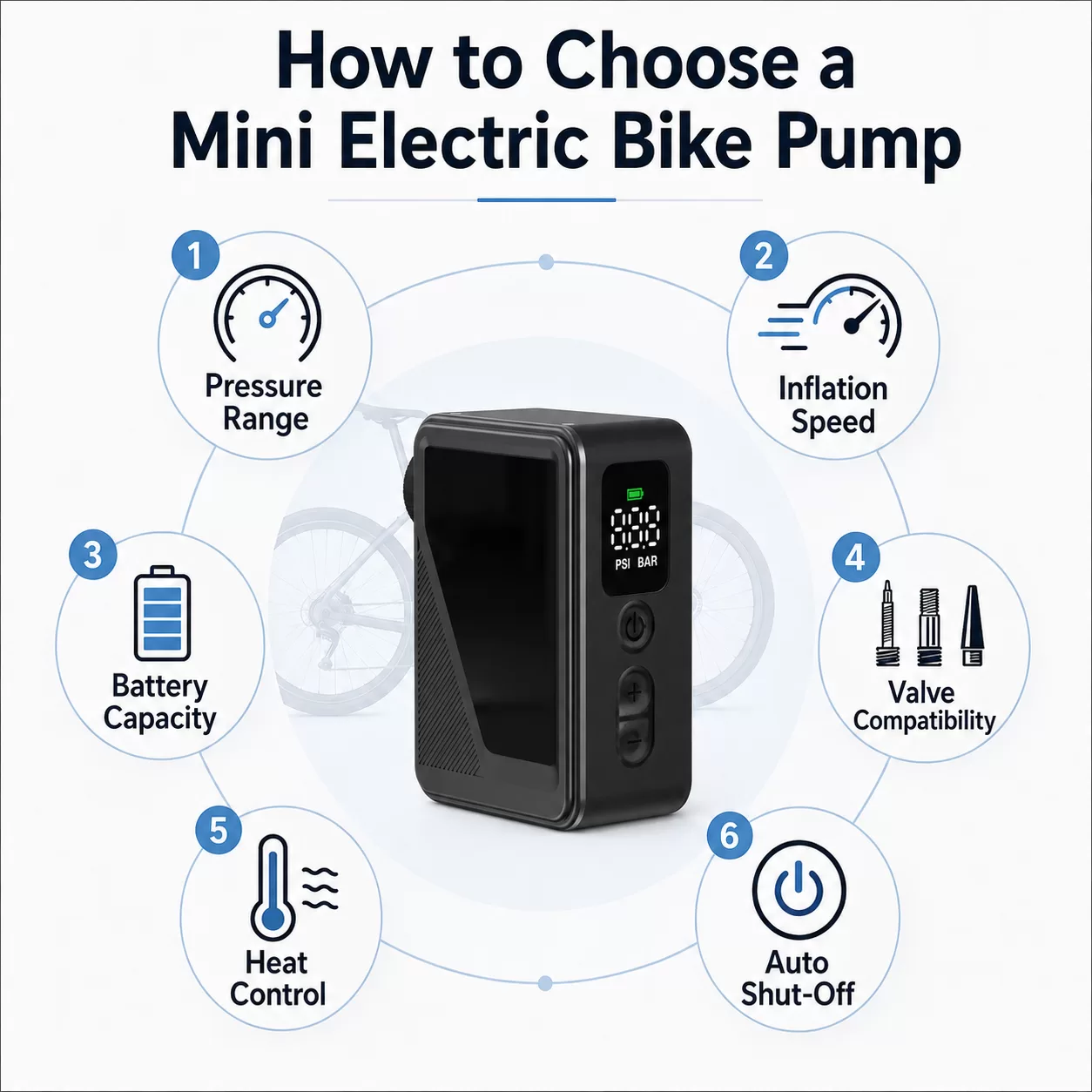
Discover whether electric bike pumps are worth it in 2026. This guide compares electric bike pumps, CO₂ inflators, and mini hand pumps for road cycling, gravel riding, commuting, and long-distance rides. Learn the pros, limitations, best use cases, and key features to look for before choosing the right portable tire... -
BL10-C Portable Electric Bike Tire Inflator: Small Size, Reliable Power for Every Ride
The BL10-C Portable Electric Bike Tire Inflator is a compact and lightweight mini electric bike pump designed for modern cyclists. With up to 120 PSI pressure, a digital LED display, preset pressure control, automatic shut-off, USB-C charging, and multiple valve adapters, BL10-C offers a convenient inflation solution for road bikes,... -

Why Mini Electric Bike Pumps Are Becoming Essential for Modern Cycling
Discover why mini electric bike pumps are becoming essential for modern cyclists. Learn how portable electric bike pumps improve tire pressure management, riding safety, and convenience.... -

The Ultimate Smart Solution for Easy Outdoor Adventures in 2026
Discover how a spring travel air pump simplifies outdoor trips with fast inflation, smart features, and powerful performance—perfect for every adventure.... -

Powerful 5-in-1 Portable Car Tire Inflator and Jump Starter: The Ultimate Emergency Tool for Every Driver
Why Every Driver Needs a Portable Car Tire Inflator and Jump Starter Modern drivers face many unexpected situations on the road. A flat tire, low tire pressure, or a dead car battery can happen at the worst possible time. That’s why having a portable car tire inflator and jump starter is... -

7 Real Cycling Scenarios That Show Why Every Rider Should Carry a Mini Bike Pump
Cycling is one of the most freeing activities you can enjoy. Whether you’re commuting to work, riding through city streets, or exploring quiet countryside roads, a bike ride can instantly improve your day. But there’s one small problem that almost every cyclist eventually faces: Low tire pressure. It might happen... -
BL08-A Portable Electric Bike Pump: A Global Distribution Opportunity with Smartnewo
Smartnewo, a professional manufacturer of portable electric air pumps, introduces the BL08-A model — a compact and efficient inflator designed for global distributors, e-commerce sellers, and outdoor accessory brands seeking reliable OEM/ODM solutions. Table of Contents Main Heading Subtopics 1. Introduction: Expanding the Global Market for Smart Inflation Tools Portable... -

Connecting Opportunities at Automechanika Shanghai 2025 — Smartnewo Exhibition Day 1
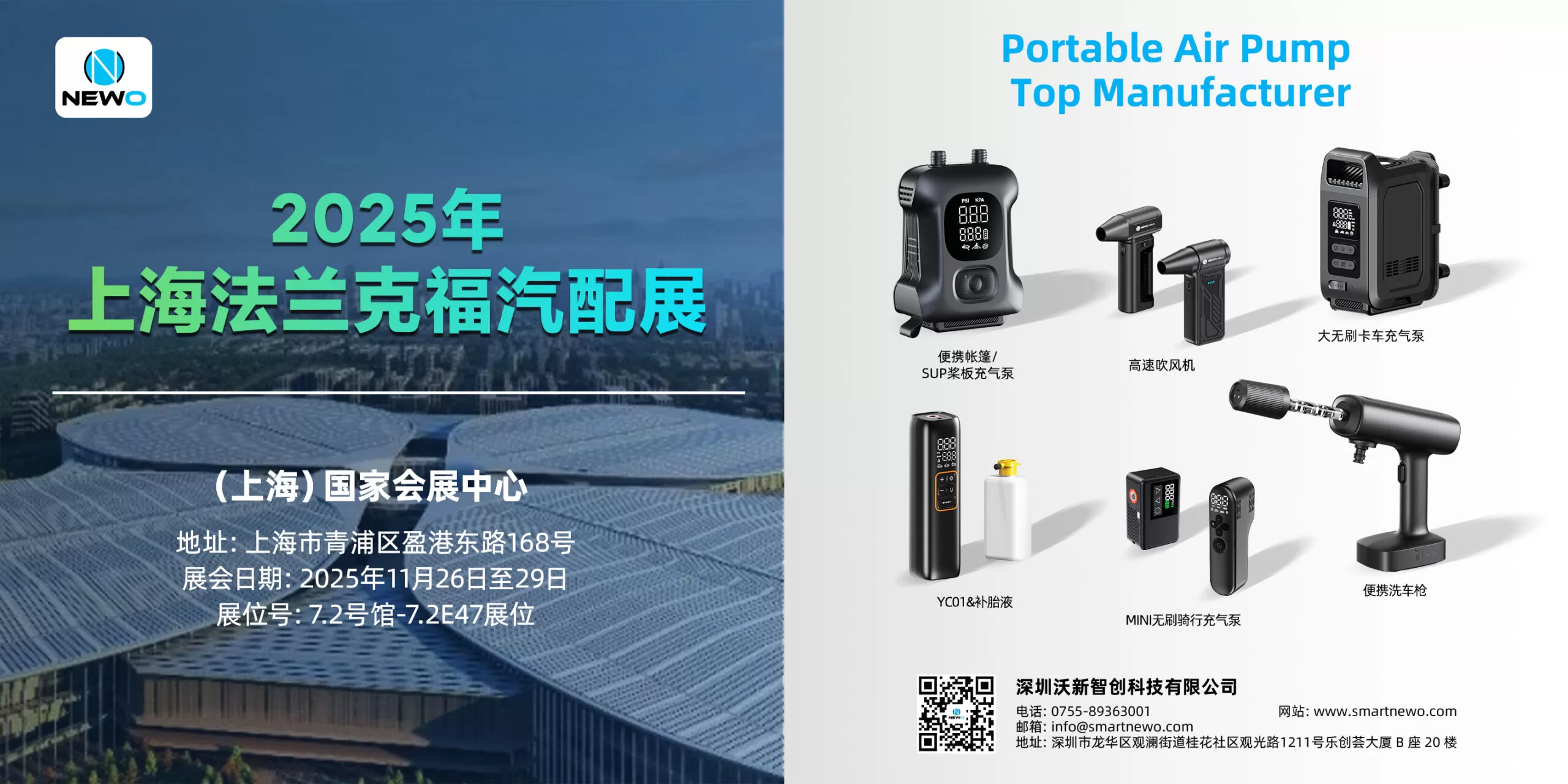
Today marks an exciting beginning as Smartnewo officially opens its booth at Automechanika Shanghai 2025. As one of the largest and most influential automotive aftermarket exhibitions in the world, the show provides an exceptional platform for meaningful conversations, partnership building, and global industry exchange. Located at Booth 7.2E47, Smartnewo presents...

-
How Is a Football Properly Inflated?
The correct inflation of a football - with not too much and not too little air - is a hotly debated topic among footballers.... -
Application Scenarios of Car Inflator Pump
Often long-distance business trips or play car owners because the road may be more remote areas, in this case if you encounter a tire leak....