
 Portable Tire Inflators
 Electric Air Pumps
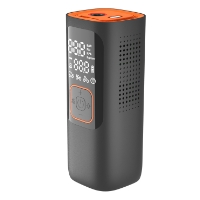 Electric Car Tyre Pumps
 Electric Ball Pumps
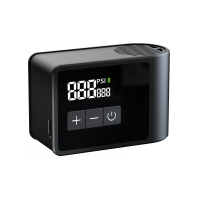 Electric Bike Pump
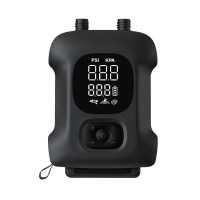 SUP Air Pump
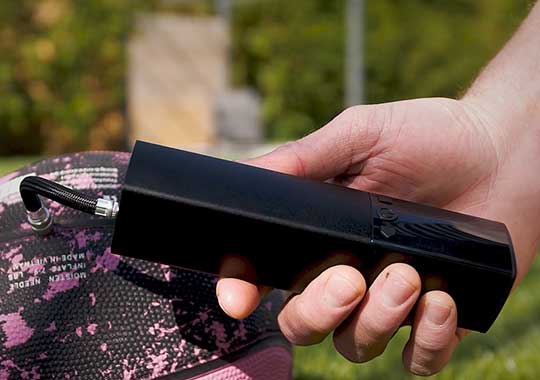
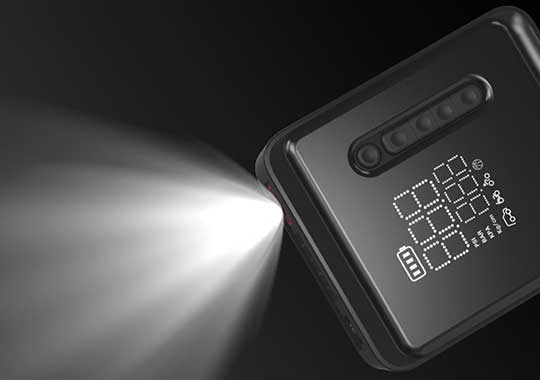
Understanding the Portable Electric Ball Pump: Specifications, Mechanics, and Everyday Application
Maintaining precise air pressure in sports equipment directly determines athletic performance. Air volume fluctuates constantly based on ambient temperature and usage frequency. A portable electric ball pump replaces manual labor with automated calibration, ensuring consistent bounce metrics across multiple balls. You no longer have to rely on tactile guesswork to determine if equipment is game-ready. Instead, internal digital sensors measure pressure instantly. Let us examine how this tool functions on a mechanical level.
Why Do Manual Pumps Fall Short for High-Volume Usage?
Coaches and gym managers face specific logistical hurdles on the court. Manually inflating 30 basketballs before a practice session requires significant physical exertion. The primary issue is not just time consumption, but rather the lack of accurate pressure gauges on standard manual hand pumps.
This limitation leads to uneven inflation across the entire equipment rack. A basketball inflated to 6.5 PSI behaves entirely differently than one sitting at 8.5 PSI. When athletes train with inconsistent equipment, their muscle memory adapts poorly to the ball’s rebound trajectory. An automated compressor eliminates this variance completely.
What Drives the Internal Mechanism of a Smart Inflator?
Inside a portable electric ball pump, a miniature DC motor drives a compact piston mechanism. As the motor spins, it pulls ambient air through an intake valve, rapidly compressing this air into a highly pressurized state. The friction generated here requires durable internal materials to prevent overheating.
This compressed air is forced through a one-way check valve straight into the needle. The primary component here is the digital pressure sensor. This sensor constantly monitors the backpressure returning from the sports ball. Once the exact target pressure is reached, the microchip cuts power to the motor instantly.
How Does Pre-Set Pressure Prevent Valve Damage?
Needle valves in modern soccer balls and volleyballs are highly sensitive to pressure spikes. Forcing too much air too quickly often damages the delicate internal bladder. Smart inflators solve this problem through slow, controlled air delivery.
Users input the exact required specification before starting the device. Standard FIFA soccer balls require between 8.5 and 15.6 PSI. The machine stops exactly within 0.1 PSI of the requested metric, and this precision prevents structural stretching of the synthetic leather. Maintaining exact manufacturer specifications extends the lifespan of expensive sports gear.
How Does Altitude Affect Inflation Metrics?
Atmospheric pressure shifts significantly based on your geographical elevation. A volleyball inflated to 4.5 PSI at sea level will feel noticeably overinflated at 2,000 meters. The decreased outside air pressure allows the internal air to expand outward against the bladder.
Manual gauges often struggle to account for these subtle atmospheric changes. Digital sensors measure the differential pressure between the inside of the ball and the surrounding ambient air. This means the device automatically adjusts its reading based on your current elevation. You receive true pressure metrics regardless of where you play.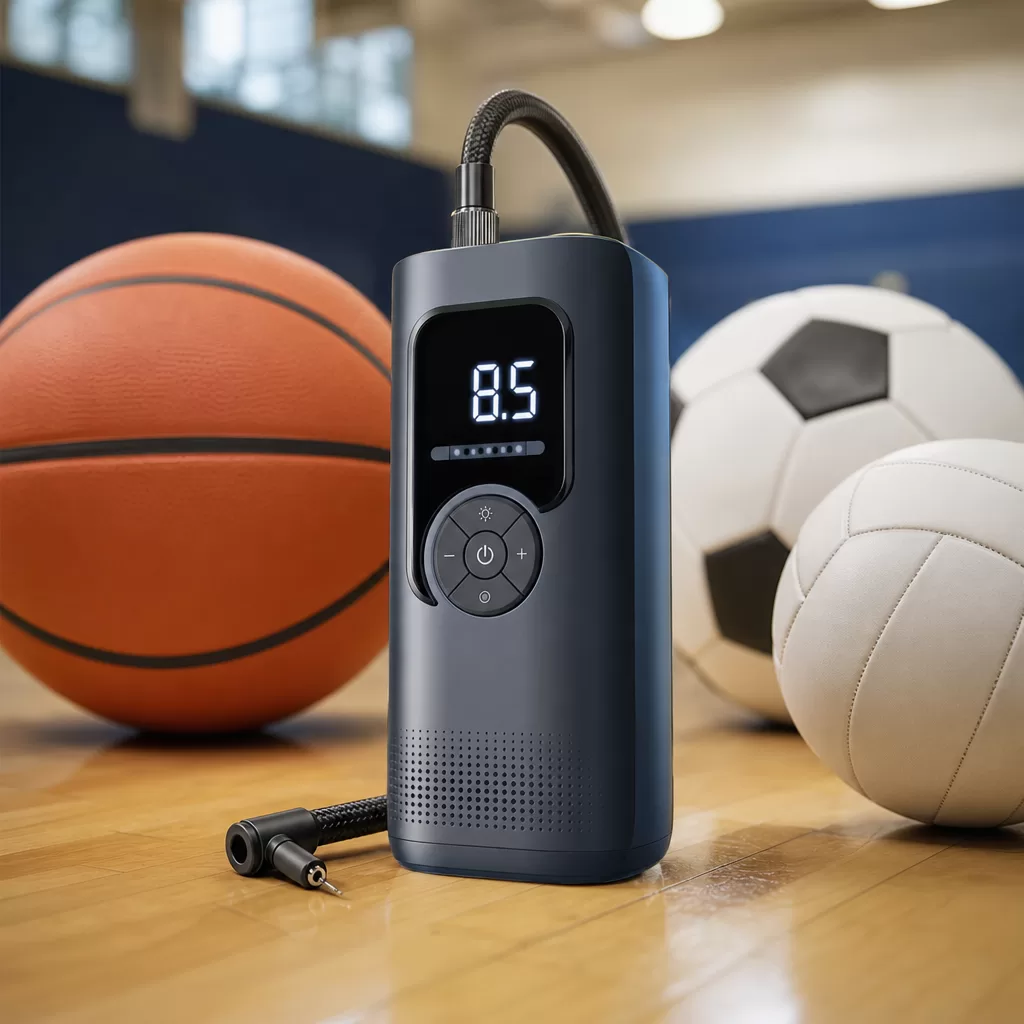
What Are the Standard Specifications to Look For?
Selecting the right tool requires evaluating specific hardware metrics. Not all internal batteries handle continuous compression loads equally. For us, manufacturing precise pneumatic solutions means analyzing exact discharge rates under stress. Here are the baseline specifications you should expect from modern units:
| Component | Standard Industry Specification | Practical Output |
|---|---|---|
| Battery Capacity | 2000mAh to 4000mAh | Inflates 40 to 60 standard basketballs per charge |
| Maximum Pressure | 15 PSI to 20 PSI | Covers all standard sports balls safely |
| Airflow Rate | 3.5 to 4.0 Liters per Minute | Inflates a deflated size-7 basketball in 60 seconds |
| Noise Level | 60 dB to 75 dB | Comparable to normal conversation volume |
How Much Should a Reliable Unit Cost?
Pricing depends heavily on sensor accuracy and battery density. Entry-level units typically range between $20 and $35. These models work well for individual athletes managing personal gear, usually featuring lower capacity batteries and standard ABS plastic casings.
Professional grade models cost between $45 and $80. These devices often incorporate aluminum alloy cylinders, which provide superior heat dissipation during heavy use. Note that retail pricing fluctuates based on battery material costs and global shipping rates, so always verify current prices through official distributors.
How to Extend the Hardware Lifespan?
Lithium-ion cells degrade rapidly if left completely discharged. You should recharge the device after every major tournament or heavy usage day. Store the unit in environments between 10°C and 25°C to maintain internal chemical stability.
Avoid operating the compressor continuously for more than 15 minutes. The internal friction generates heat that can warp small plastic gears. To maintain optimal performance, follow these specific daily habits:
- Keep the charging port free of dust and athletic chalk.
- Lubricate the inflation needle with a drop of glycerin before insertion.
- Allow a five-minute cooling period between large inflation batches to prevent mechanical stress.
Can These Devices Handle Cold Weather Environments?
Winter sports present a unique challenge for pneumatic equipment. Cold temperatures cause internal air molecules to contract, making footballs or rugby balls feel completely flat. Simultaneously, freezing conditions actively reduce lithium-ion battery discharge capacity.
When operating in temperatures below 0°C, keep the inflator inside a warm pocket before use. Cold batteries drain up to 30% faster than they do at standard room temperature. A portable electric ball pump remains highly functional in winter, provided the power source is kept reasonably insulated from freezing winds.
-

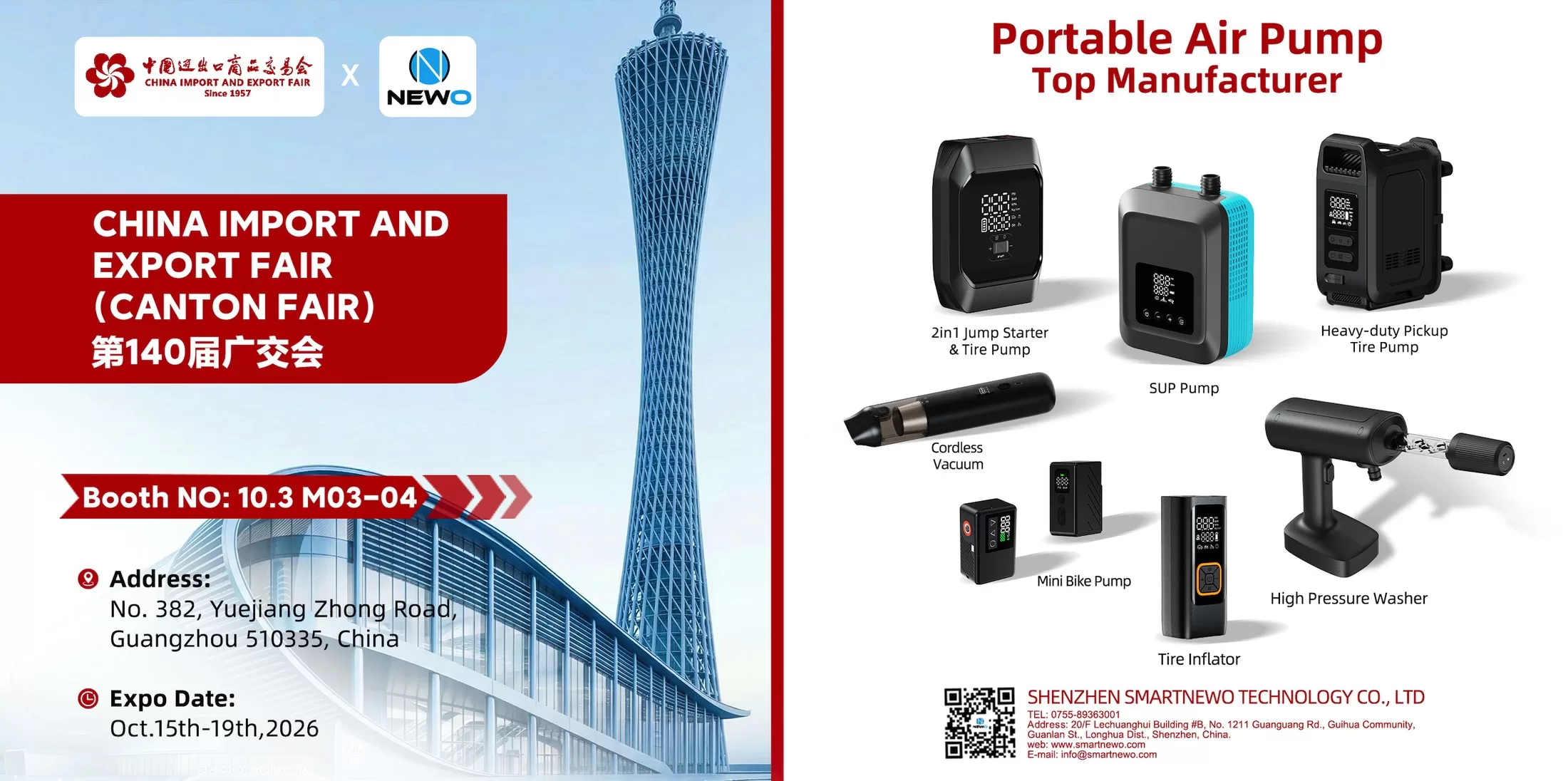
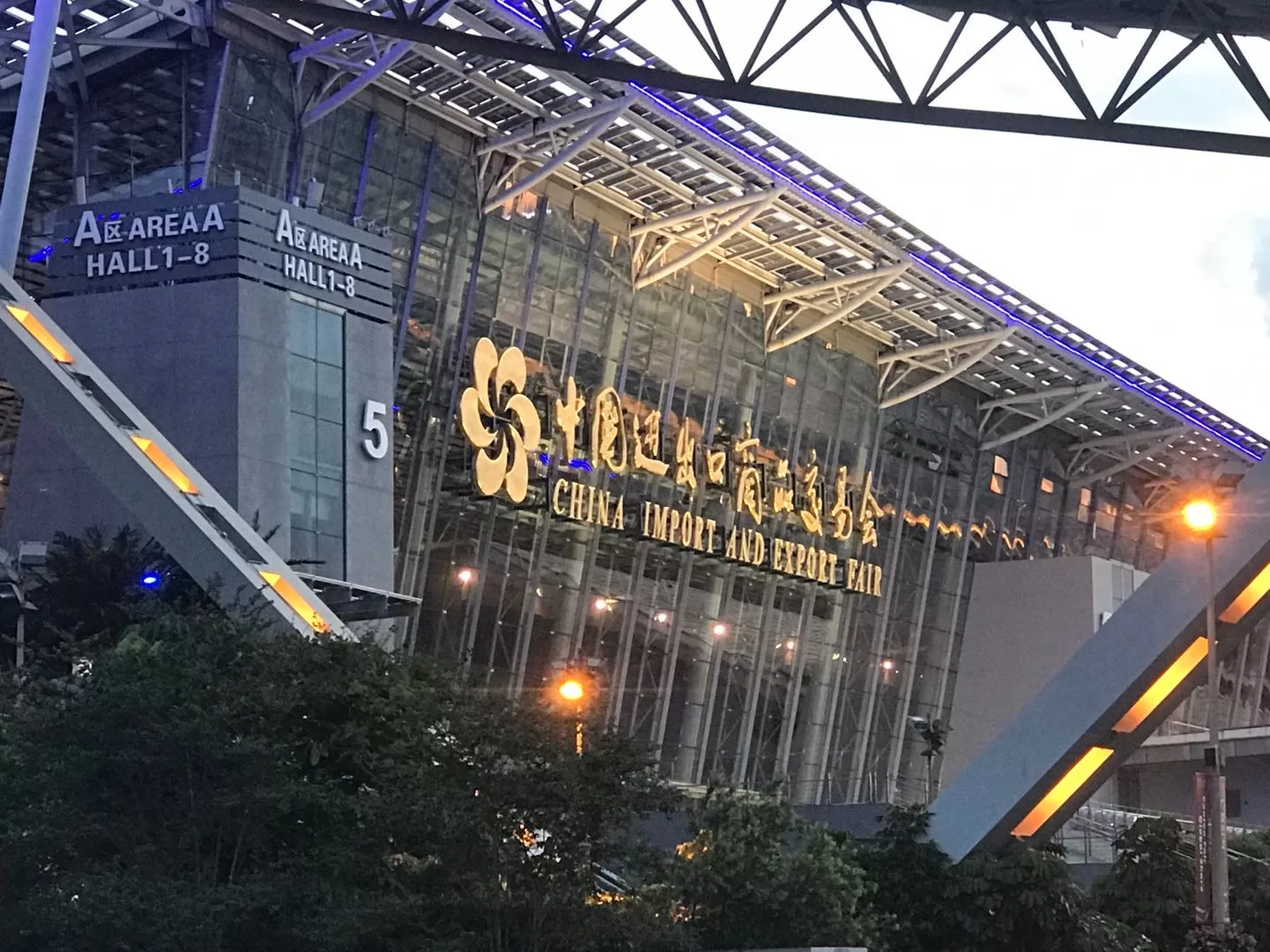
Meet NEWO at the 140th Canton Fair: Visit Booth 10.3 M03–04
Meet NEWO at the 140th Canton Fair in Guangzhou, October 15–19, 2026. Visit Booth 10.3 M03–04 to explore portable air pumps and discuss OEM, ODM and distribution opportunities.... -

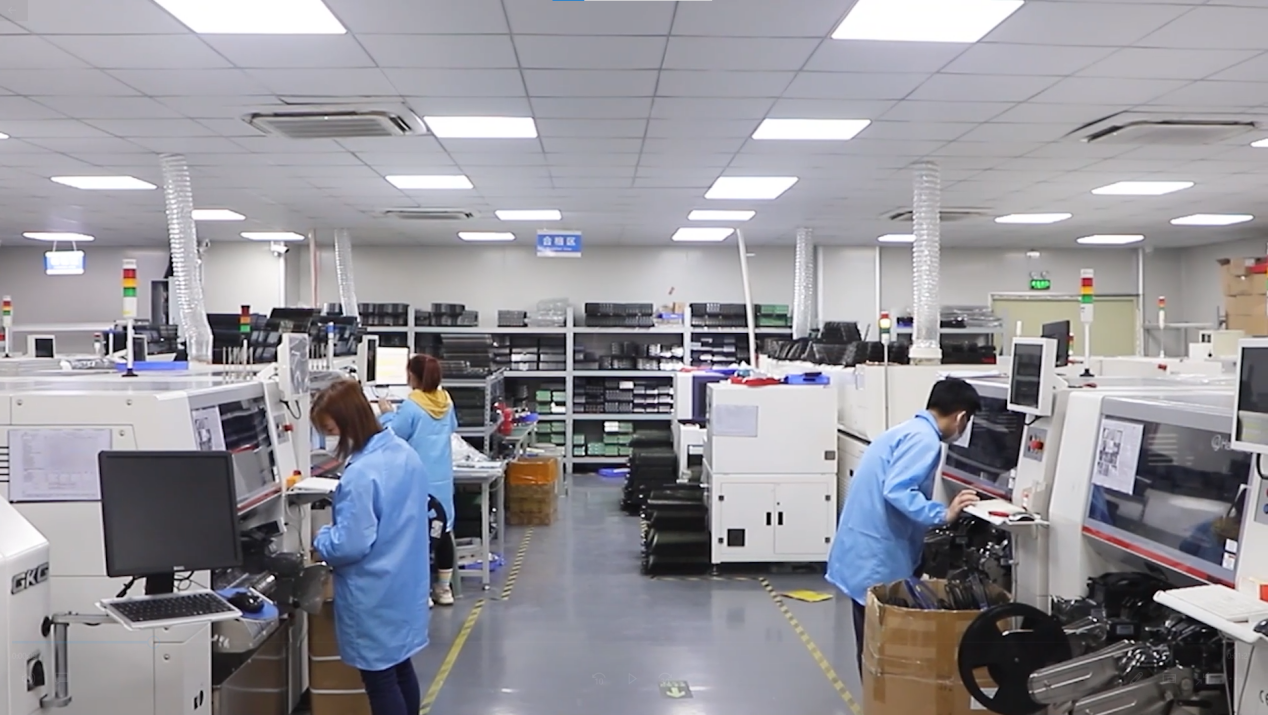
As Shenzhen Welcomes the World for APEC 2026, NEWO Welcomes You to Our Factory
As Shenzhen prepares for APEC 2026, NEWO welcomes international buyers and partners to visit our factory, meet our team and explore future cooperation.... -

Leading the Way in Product Innovation and Excellence
Smartnewo exemplifies professionalism in product innovation and manufacturing. Their collaboration with Xiaomi Youpin on the G01 crowdfunding project highlights their expertise in creating compact, powerful inflatable pumps. Rigorous engineering, meticulous production processes, and advanced quality assurance underscore their commitment to excellence. The success of the G01 project, with significant market... -

Essential Qualities of an Excellent Supplier
In today's competitive market, finding a reliable supplier is crucial for business success. Based on insights from Smartnewo and broader internet research, here are key qualities an excellent supplier must possess:... -

NW06 Tire Inflator: Compact Power for Quick Inflation
Summary The NW06 Tire Inflator delivers quick and efficient tire inflation with a powerful 35L/min airflow. It features a user-friendly LCD screen for real-time pressure monitoring, dual power options with a built-in 6000mAh battery, and multiple nozzle attachments for versatile use. Its compact design and integrated LED light ensure convenience and... -

Unleash the Power of Portability: The SmartNewo Jump Starter with Air Compressor KF03
This guide will walk you through the steps to effectively use a portable tire inflator, helping you stay prepared and safe on the road.... -

Newo Attends The 2024 Consumer Electronics Show (CES)
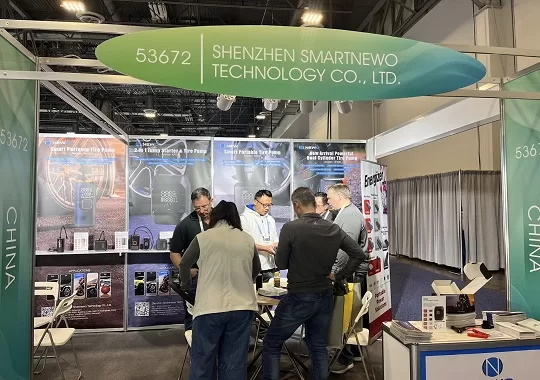
Smartnewo booth is located at 53672, Halls A-D, Level 2, Venetian Expo, Las Vegas Convention Center (LVCC). ... -

Smartnewo’s Dual-Cylinder Air Pump Rocks the Hong Kong Autumn Electronics Fair!
Smartnewo’s Dual-Cylinder Air Pump Rocks the Hong Kong Autumn Electronics Fair!... -

Meet at the Canton Fair! Smartnewo brings dual-cylinder air pumps, making your inflation experience faster and more stable!
NEWO has went deep communication and negotiation with customers from all over the world on booth.... -

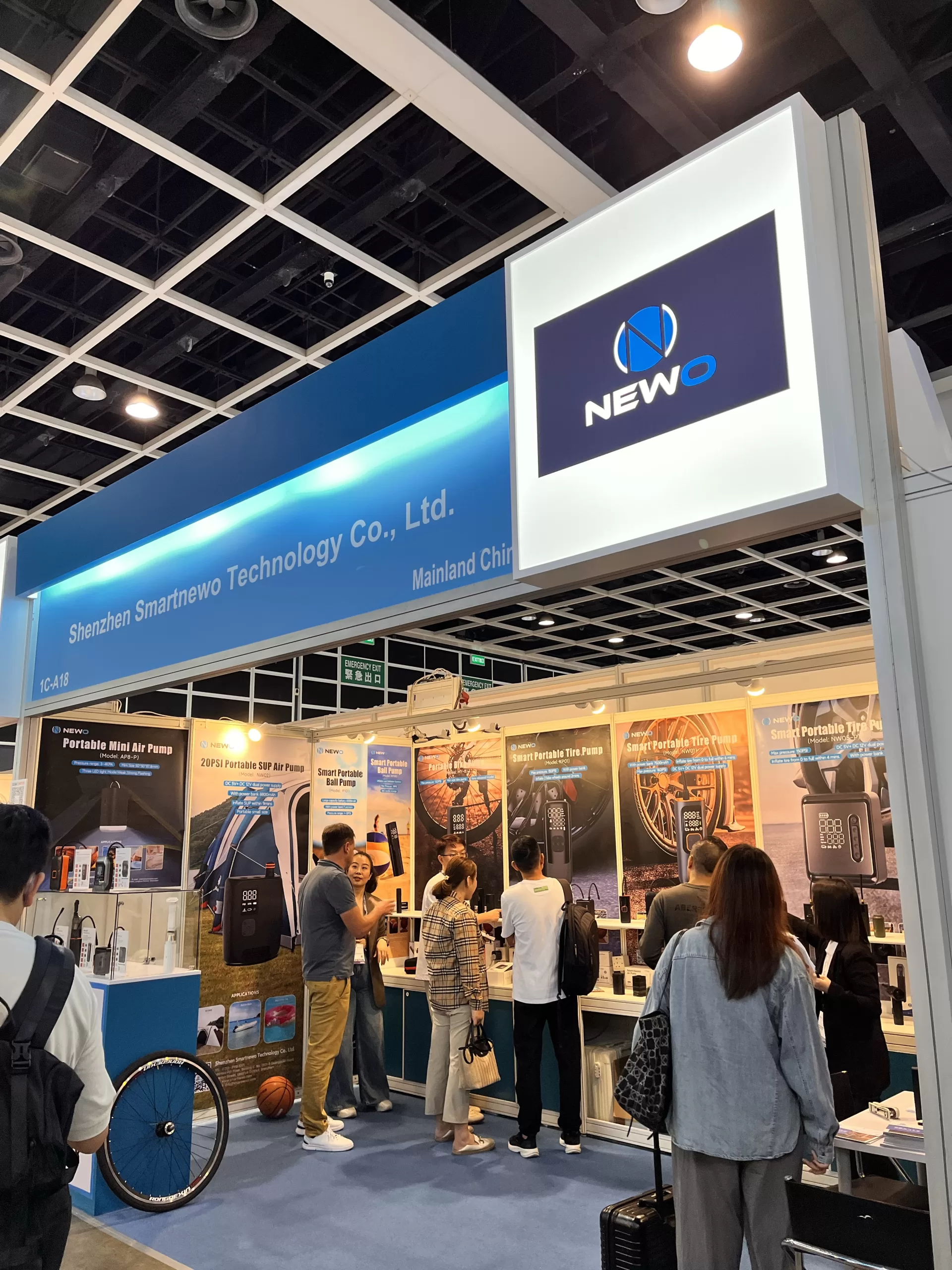
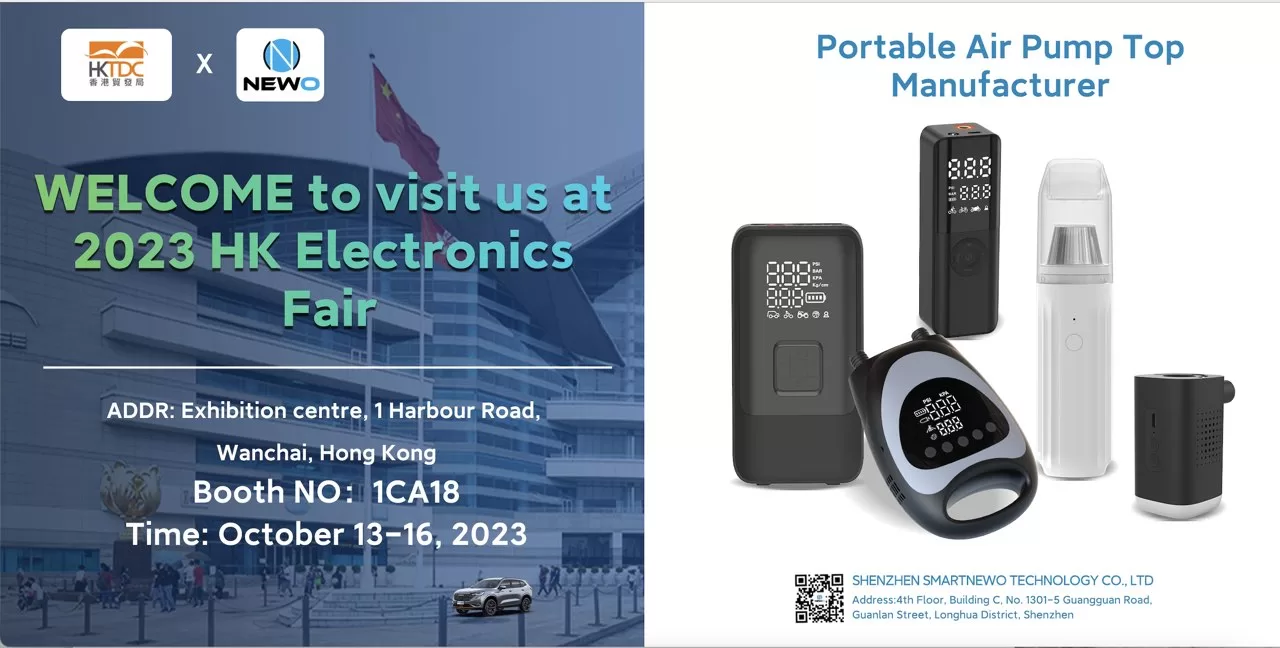
“Hong Kong Autumn Electronics Fair – 1CA18 (October 13th to 16th): Smartnewo invites you to visit our booth!
Hong Kong Autumn Electronics Fair...

-

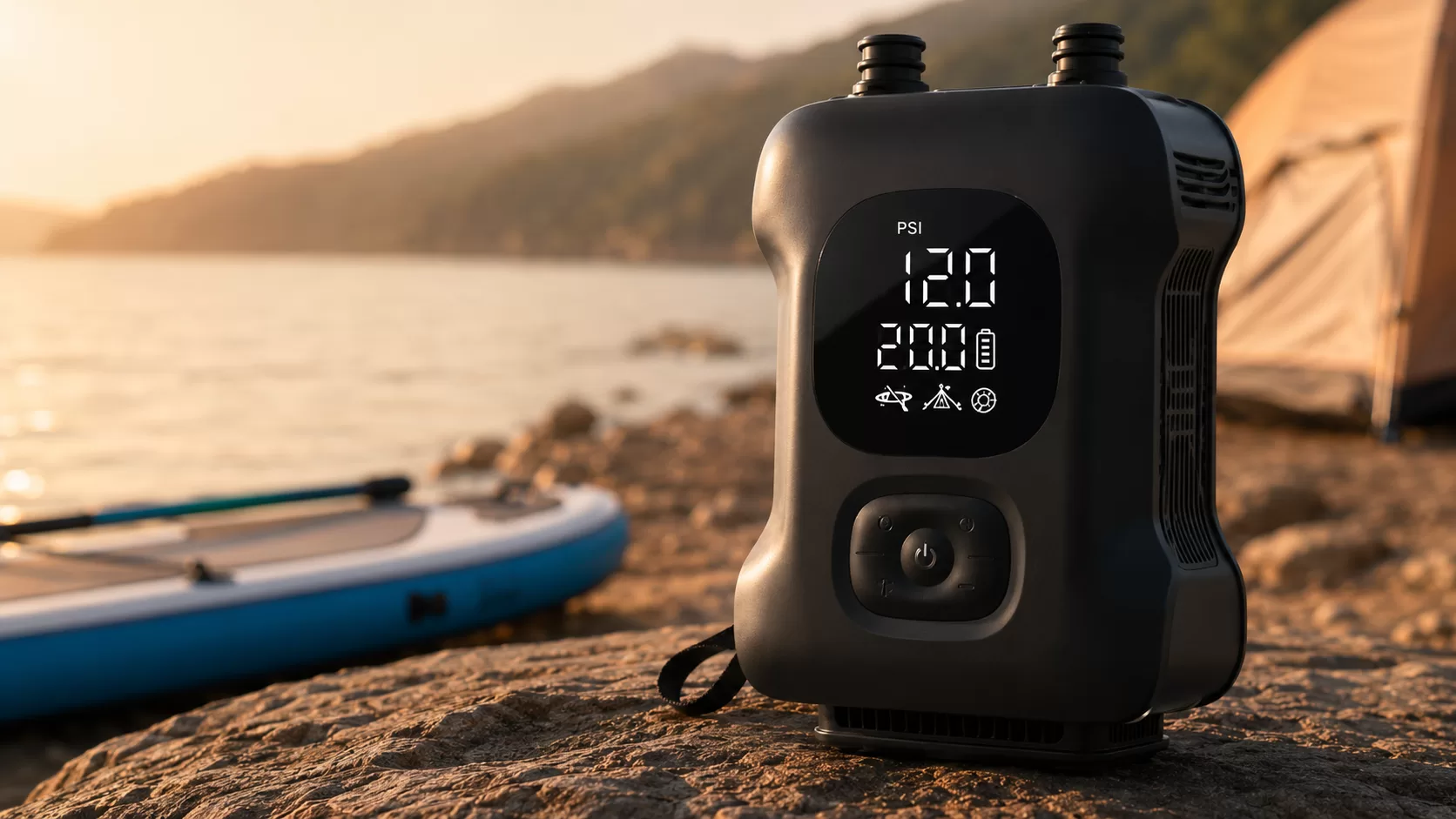
Rechargeable Electric SUP Pump for Paddle Boards: Faster Inflation for SUPs, Kayaks and Inflatable Tents
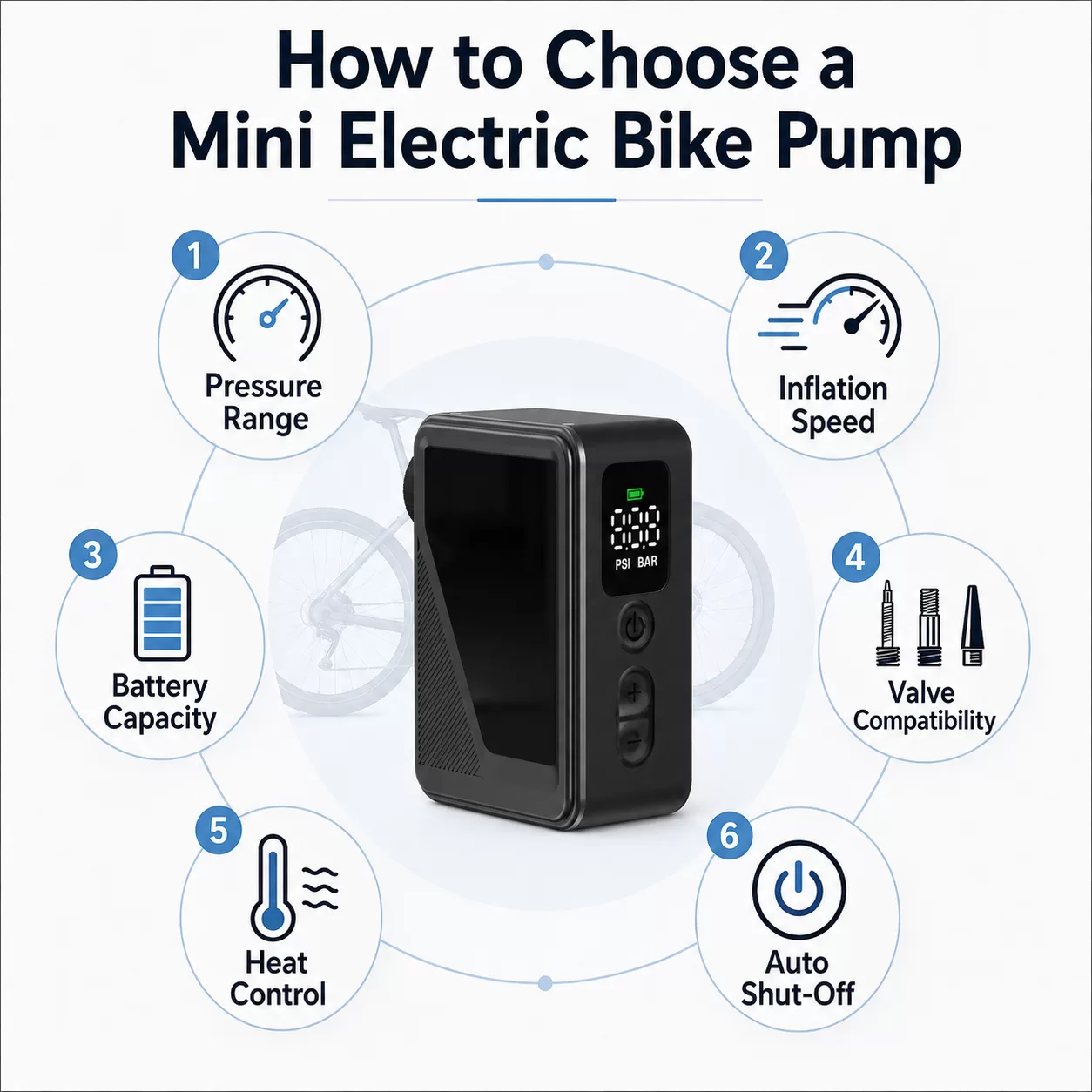
The BL10-C Portable Electric Bike Tire Inflator is a compact and lightweight mini electric bike pump designed for modern cyclists. With up to 120 PSI pressure, a digital LED display, preset pressure control, automatic shut-off, USB-C charging, and multiple valve adapters, BL10-C offers a convenient inflation solution for road bikes,... -

Are Electric Bike Pumps Worth It in 2026? Electric Pump vs CO₂ vs Mini Hand Pump
Discover whether electric bike pumps are worth it in 2026. This guide compares electric bike pumps, CO₂ inflators, and mini hand pumps for road cycling, gravel riding, commuting, and long-distance rides. Learn the pros, limitations, best use cases, and key features to look for before choosing the right portable tire... -
BL10-C Portable Electric Bike Tire Inflator: Small Size, Reliable Power for Every Ride
The BL10-C Portable Electric Bike Tire Inflator is a compact and lightweight mini electric bike pump designed for modern cyclists. With up to 120 PSI pressure, a digital LED display, preset pressure control, automatic shut-off, USB-C charging, and multiple valve adapters, BL10-C offers a convenient inflation solution for road bikes,... -

Why Mini Electric Bike Pumps Are Becoming Essential for Modern Cycling
Discover why mini electric bike pumps are becoming essential for modern cyclists. Learn how portable electric bike pumps improve tire pressure management, riding safety, and convenience.... -

The Ultimate Smart Solution for Easy Outdoor Adventures in 2026
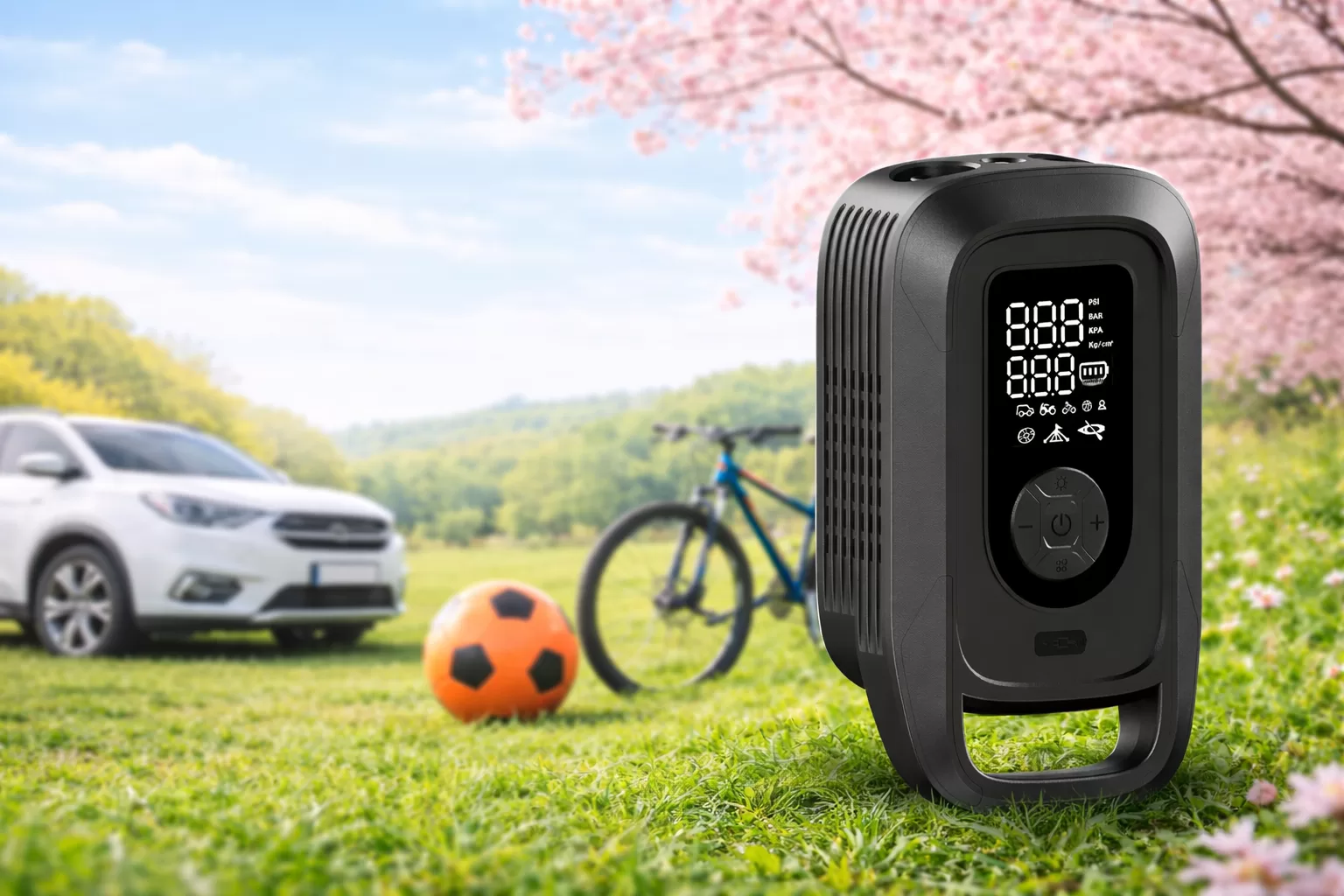
Discover how a spring travel air pump simplifies outdoor trips with fast inflation, smart features, and powerful performance—perfect for every adventure.... -

Powerful 5-in-1 Portable Car Tire Inflator and Jump Starter: The Ultimate Emergency Tool for Every Driver
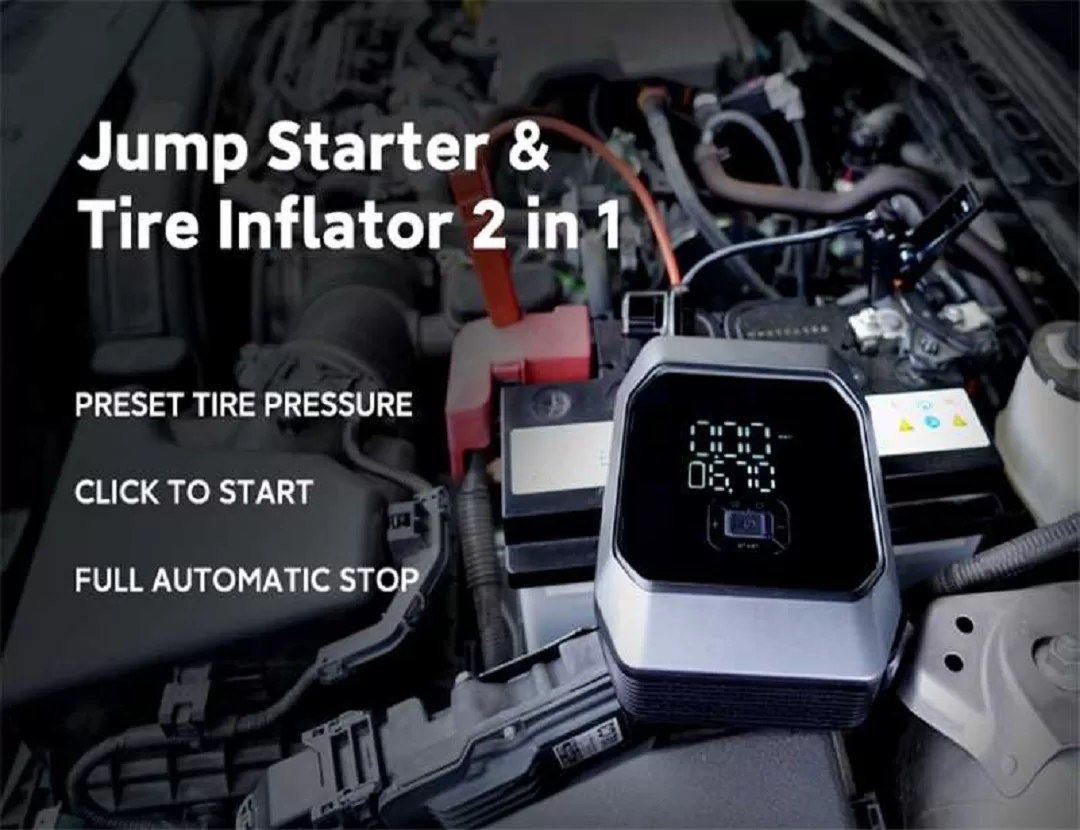
Why Every Driver Needs a Portable Car Tire Inflator and Jump Starter Modern drivers face many unexpected situations on the road. A flat tire, low tire pressure, or a dead car battery can happen at the worst possible time. That’s why having a portable car tire inflator and jump starter is... -

7 Real Cycling Scenarios That Show Why Every Rider Should Carry a Mini Bike Pump
Cycling is one of the most freeing activities you can enjoy. Whether you’re commuting to work, riding through city streets, or exploring quiet countryside roads, a bike ride can instantly improve your day. But there’s one small problem that almost every cyclist eventually faces: Low tire pressure. It might happen... -
BL08-A Portable Electric Bike Pump: A Global Distribution Opportunity with Smartnewo
Smartnewo, a professional manufacturer of portable electric air pumps, introduces the BL08-A model — a compact and efficient inflator designed for global distributors, e-commerce sellers, and outdoor accessory brands seeking reliable OEM/ODM solutions. Table of Contents Main Heading Subtopics 1. Introduction: Expanding the Global Market for Smart Inflation Tools Portable... -

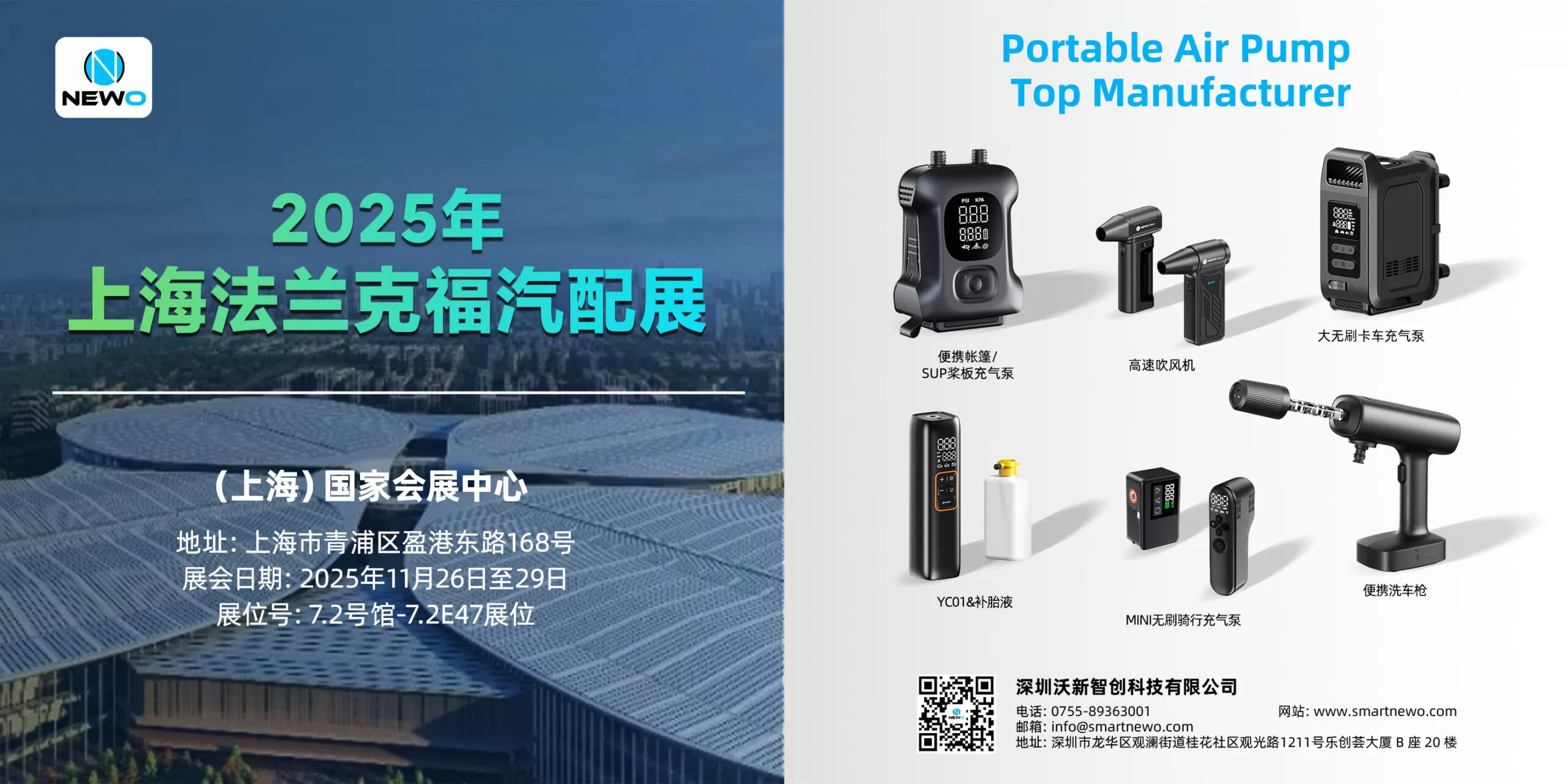
Connecting Opportunities at Automechanika Shanghai 2025 — Smartnewo Exhibition Day 1
Today marks an exciting beginning as Smartnewo officially opens its booth at Automechanika Shanghai 2025. As one of the largest and most influential automotive aftermarket exhibitions in the world, the show provides an exceptional platform for meaningful conversations, partnership building, and global industry exchange. Located at Booth 7.2E47, Smartnewo presents... -

Why Every Outdoor Cyclist Should Carry a Mini Electric Bike Pump
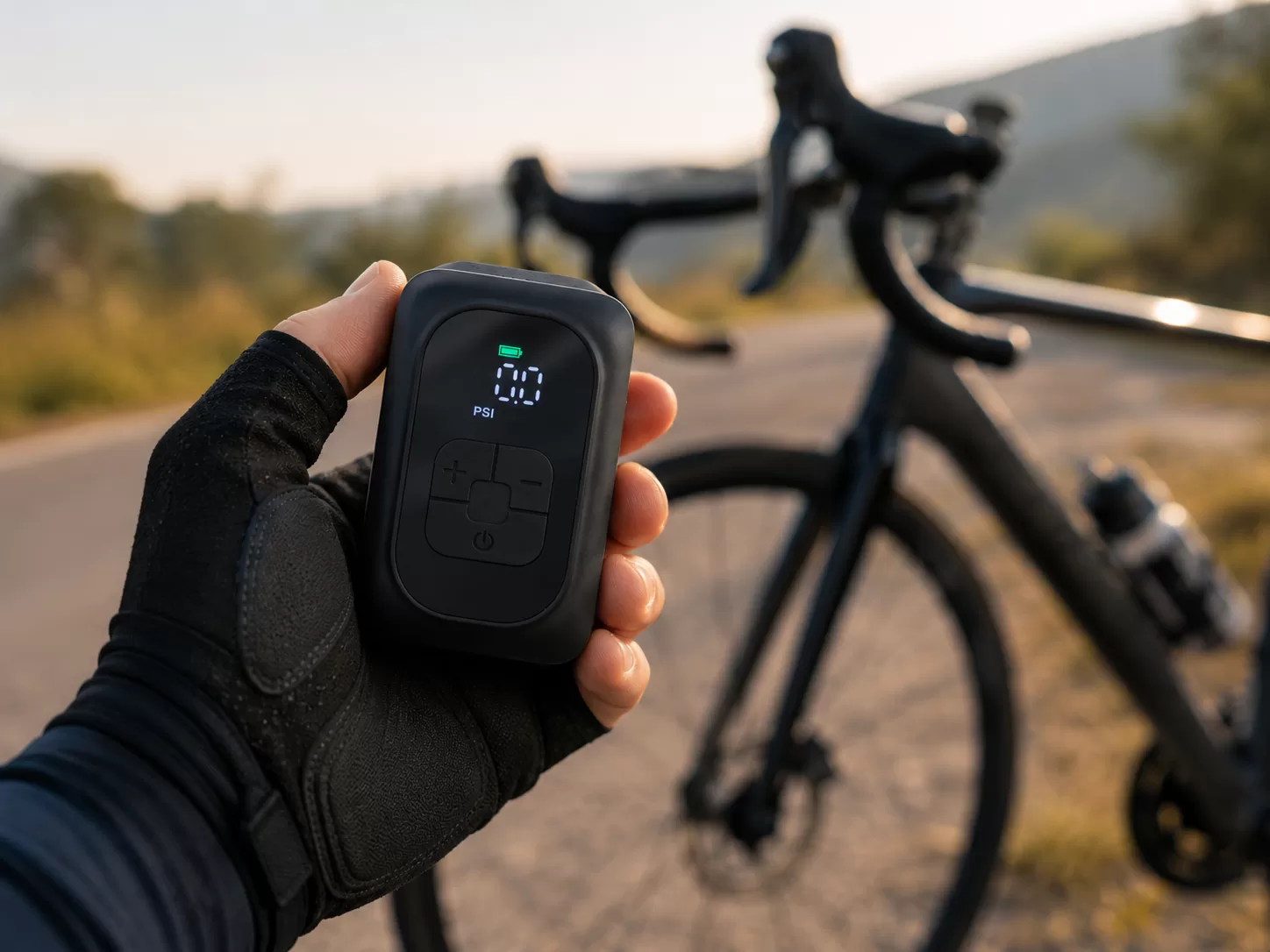
Whether you are an experienced mountain rider or a weekend road-cycling enthusiast, one thing is certain: unexpected tire pressure issues can ruin an entire ride. That’s why more cyclists are turning to mini electric bike pumps—compact, lightweight, and far more reliable than traditional hand pumps. 1. Consistent Pressure, Even in...

-
How Is a Football Properly Inflated?
The correct inflation of a football - with not too much and not too little air - is a hotly debated topic among footballers.... -
Application Scenarios of Car Inflator Pump
Often long-distance business trips or play car owners because the road may be more remote areas, in this case if you encounter a tire leak....