

 Portable Tire Inflators
 Electric Air Pumps
 Electric Car Tyre Pumps
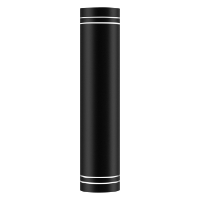 Electric Ball Pumps
 Electric Bike Pump
 SUP Air Pump
Engineering the Ideal Pressure: Why Low-Volume Airflow Defines Reliable Electric Ball Pumps
Getting the exact bounce on a basketball requires strict pressure management, yet players often rely on manual guessing. High-pressure compressors ruin sports equipment, forcing unpredictable air bursts into delicate bladders.
This exact problem drives the engineering behind dedicated electric ball pumps, shifting the focus from raw power to precise calibration. When building inflation devices for us, the core objective relies on controlling small bursts of air.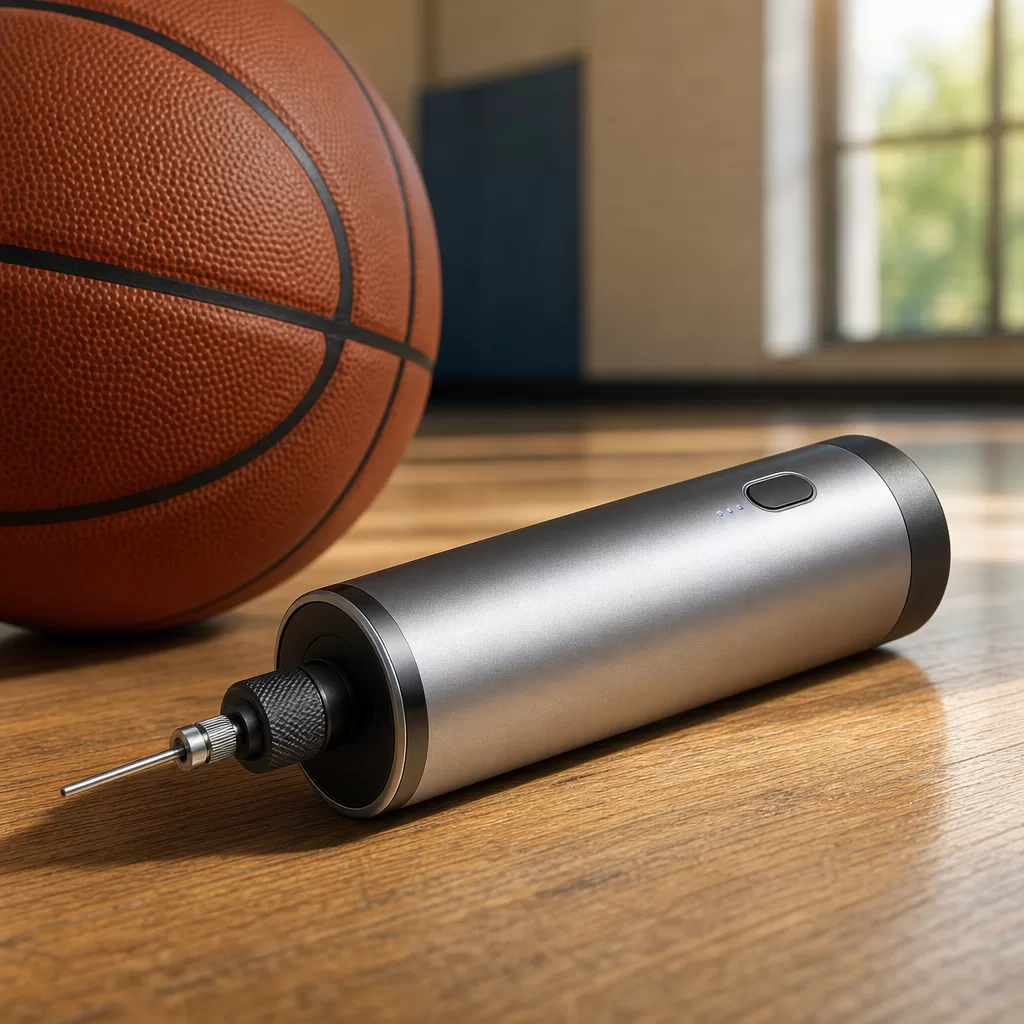
The Physics of Inflation: Volume vs. Precision
Sports balls contain a highly constrained internal volume. Forging ahead with a heavy-duty air compressor forces too much air through a tiny needle valve. This creates an immediate bottleneck, driving up heat and causing sudden pressure spikes that distort internal bladders. Precision matters drastically more than speed when dealing with flexible sporting goods.
When air is forced through a standard inflation needle, the narrow metallic aperture acts as a severe fluid choke point. High-volume compressors struggle here because they push air faster than the needle can pass it. This creates artificial back-pressure inside the hose, tricking sensors into misreading the actual state of the ball.
Dissecting the 3.5 L/min Sweet Spot
Most standard athletic gear requires between 6 and 12 PSI to function properly on the court. To hit this narrow window accurately, engineers deliberately restrict the internal motor output. A targeted airflow rate of 3.5 L/min provides a highly controlled, predictable ascent in internal pressure.
This specific flow rate allows internal sensors enough time to register the exact tension without overshooting the target. A slow, steady fill guarantees that the pressure inside the air hose matches the pressure inside the ball cavity. It prevents the sudden stretching of the leather panels, preserving the structural integrity of the equipment.
Automatic Shut-Off Mechanisms in Small Cavities
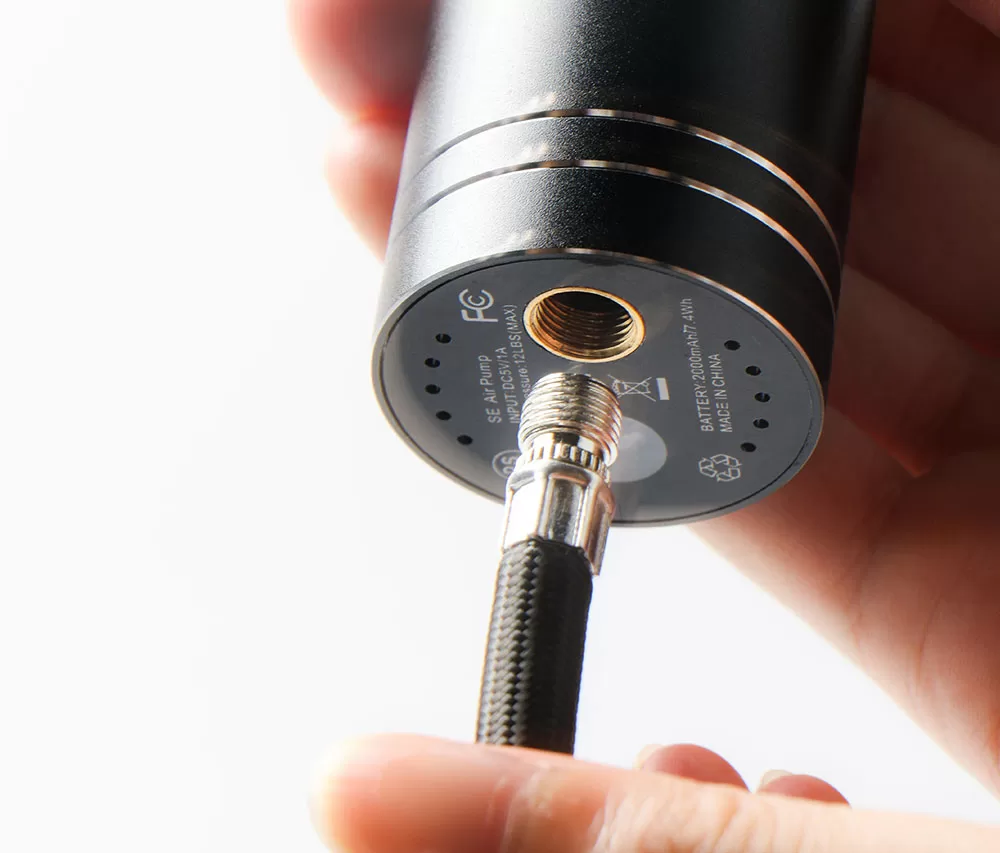
Electronic pressure gauges calculate mechanical resistance against the outgoing air stream. If the air enters too quickly, the gauge reads the valve bottleneck rather than the actual ball cavity. Slowing the flow allows the internal transducer to detect true internal resistance accurately. The processor cuts the 3.7V circuit instantly upon hitting the predefined threshold.
This deliberate pacing entirely prevents the common risk of blown seams or lopsided spheres. Powering this logic system, a standard 2000 mAh battery delivers enough steady current for brushed motor operation. It provides enough endurance to handle approximately 25 standard basketballs before requiring a recharge via a standard Micro-USB connection.
Thermal Dynamics in Aluminum Enclosures
Compressing atmospheric gas generates inevitable thermal waste through friction. Plastic housings trap this ambient heat, degrading sensitive battery chemistry and softening internal pneumatic seals over repeated cycles. Using a slim aluminum cylinder changes the thermal equation entirely, acting as a passive cooling system.
The metal housing acts as an active heat sink, pulling thermal energy away from the motor block into the surrounding air. Keeping the internal temperatures stable directly impacts battery longevity. Maintaining optimal thermal conditions ensures the lithium cell retains at least 85 percent capacity even after 300 charge cycles.
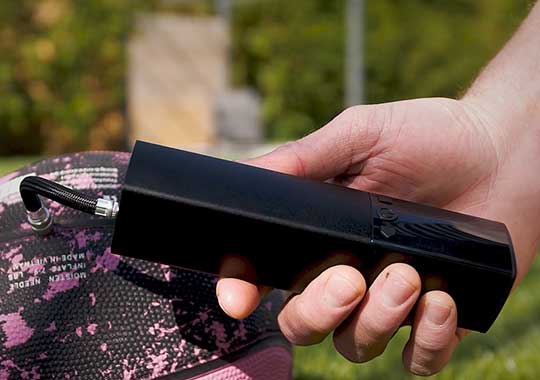
This material choice keeps the device incredibly compact, dropping the net weight down to a mere 185 grams. It slides completely unnoticed into gym bags, providing reliable gear maintenance without adding cumbersome, unnecessary weight to a daily training kit.
Technical Baseline for Precision Inflation
To understand how these components interact, observing the baseline specifications clarifies the engineering intent.
| Technical Parameter | Specification Measurement | Engineering Purpose |
|---|---|---|
| Maximum Pressure | 12 PSI | Prevents accidental blowouts of low-pressure sports equipment. |
| Air Flow Rate | 3.5 L/min | Eliminates valve bottlenecks for highly accurate sensor readings. |
| Housing Material | Aluminum | Dissipates motor heat to protect internal battery chemistry. |
| Device Weight | 185 g | Ensures seamless portability for daily sports bag carry. |
Clarifying Technical Misconceptions
Do I need a pump with a 100 PSI capacity for sports equipment?
Absolutely not. A basketball requires roughly 8 PSI, while rugby balls sit slightly higher. Pushing 100 PSI hardware into a low-pressure application decreases sensor accuracy, leading to a high probability of severe over-inflation and ruined athletic gear.
Will a lower airflow rate take too long to fill a ball?
A 3.5 L/min rate fills a standard ball from entirely flat in just a few minutes. For routine top-offs before a game, the process takes mere seconds. The slight trade-off in raw speed guarantees exact, reliable pressure calibration.
Understanding the deep relationship between airflow volume and internal resistance changes how players maintain their gear. Proper pressure dictates the exact trajectory of a pass, the predictability of a bounce, and the lifespan of the leather. By prioritizing sensory precision over brute force, electric ball pumps secure their place as essential, reliable tools for any serious athlete.
-
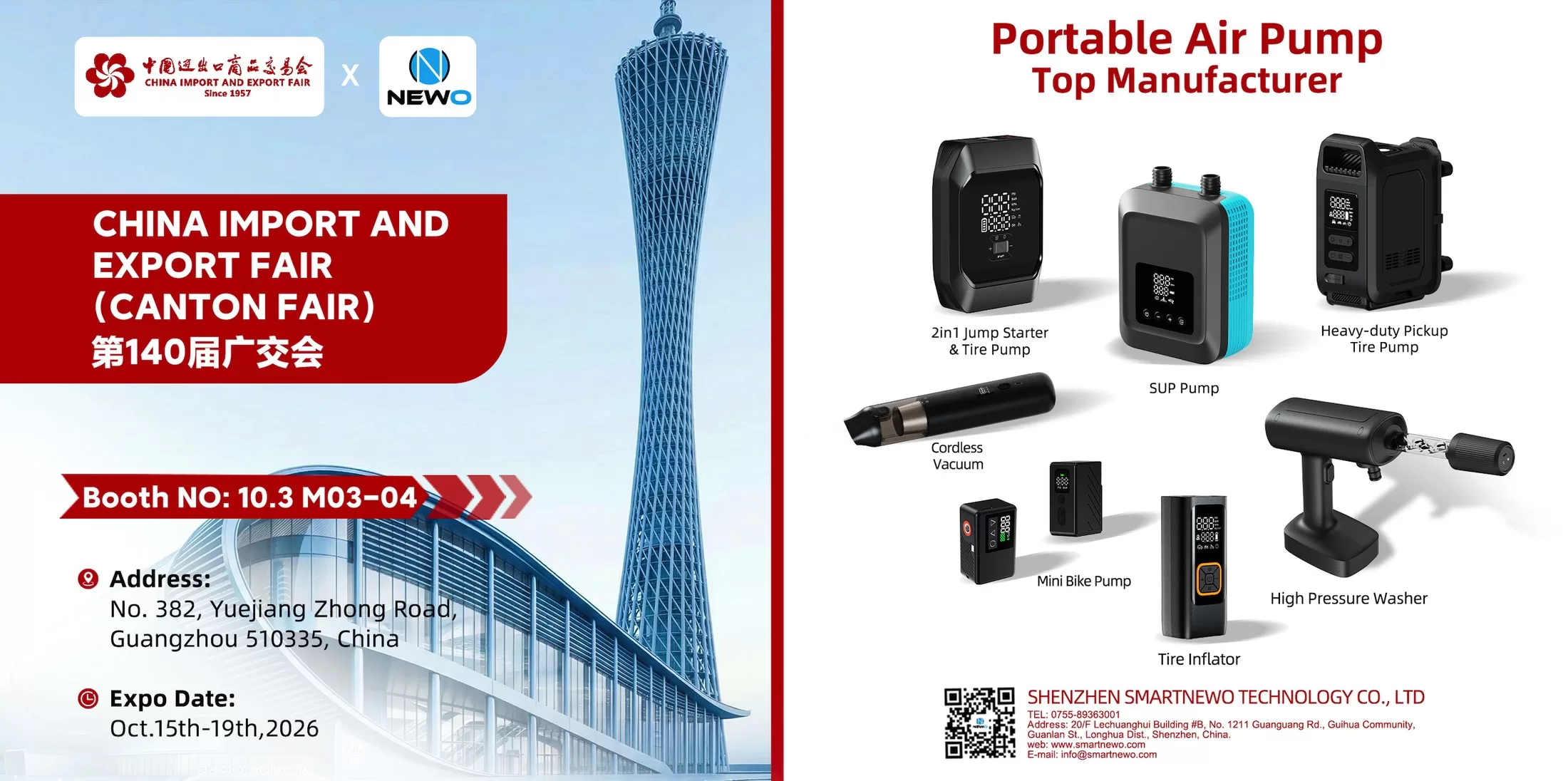
Meet NEWO at the 140th Canton Fair: Visit Booth 10.3 M03–04
Meet NEWO at the 140th Canton Fair in Guangzhou, October 15–19, 2026. Visit Booth 10.3 M03–04 to explore portable air pumps and discuss OEM, ODM and distribution opportunities.... -

As Shenzhen Welcomes the World for APEC 2026, NEWO Welcomes You to Our Factory
As Shenzhen prepares for APEC 2026, NEWO welcomes international buyers and partners to visit our factory, meet our team and explore future cooperation.... -
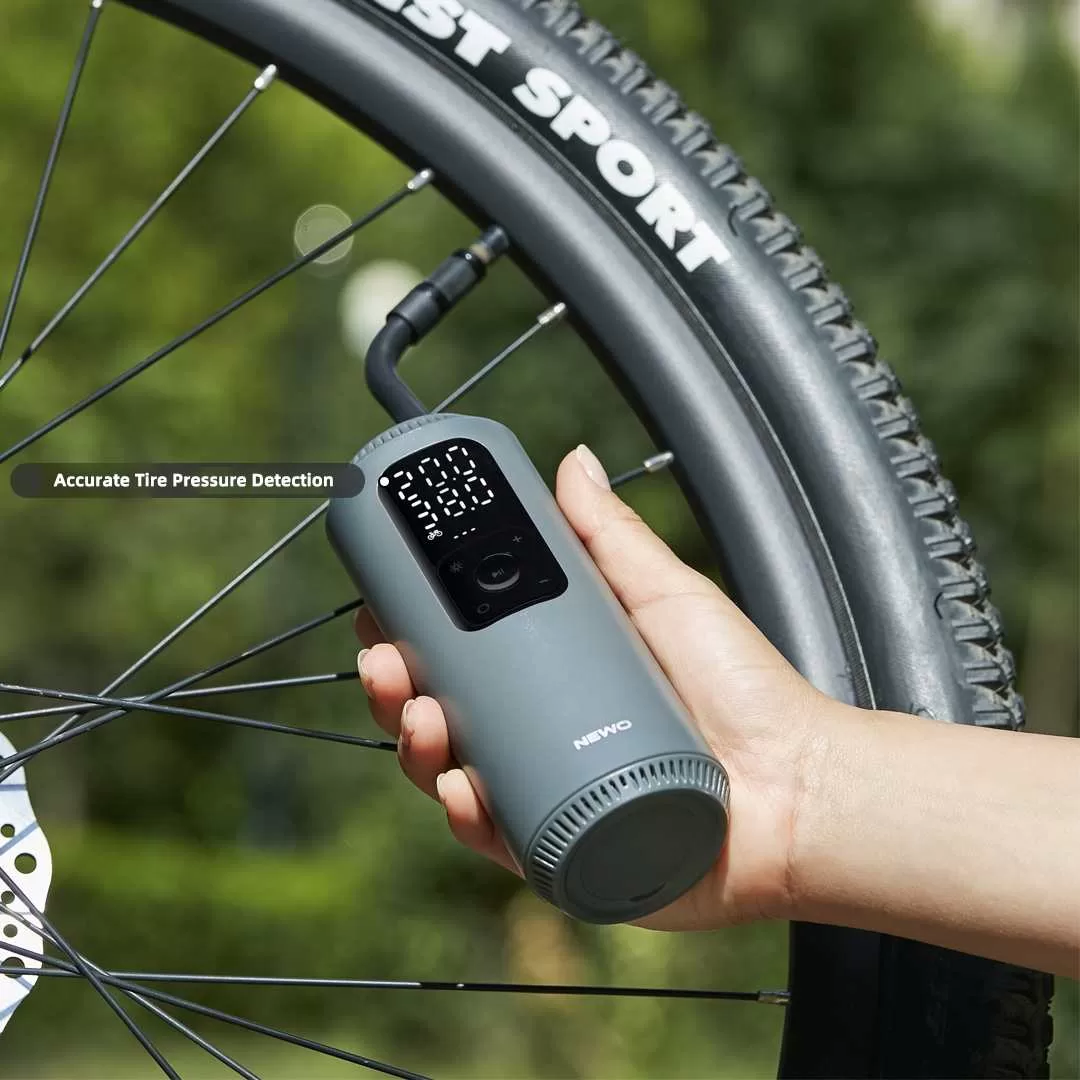
Leading the Way in Product Innovation and Excellence
Smartnewo exemplifies professionalism in product innovation and manufacturing. Their collaboration with Xiaomi Youpin on the G01 crowdfunding project highlights their expertise in creating compact, powerful inflatable pumps. Rigorous engineering, meticulous production processes, and advanced quality assurance underscore their commitment to excellence. The success of the G01 project, with significant market... -
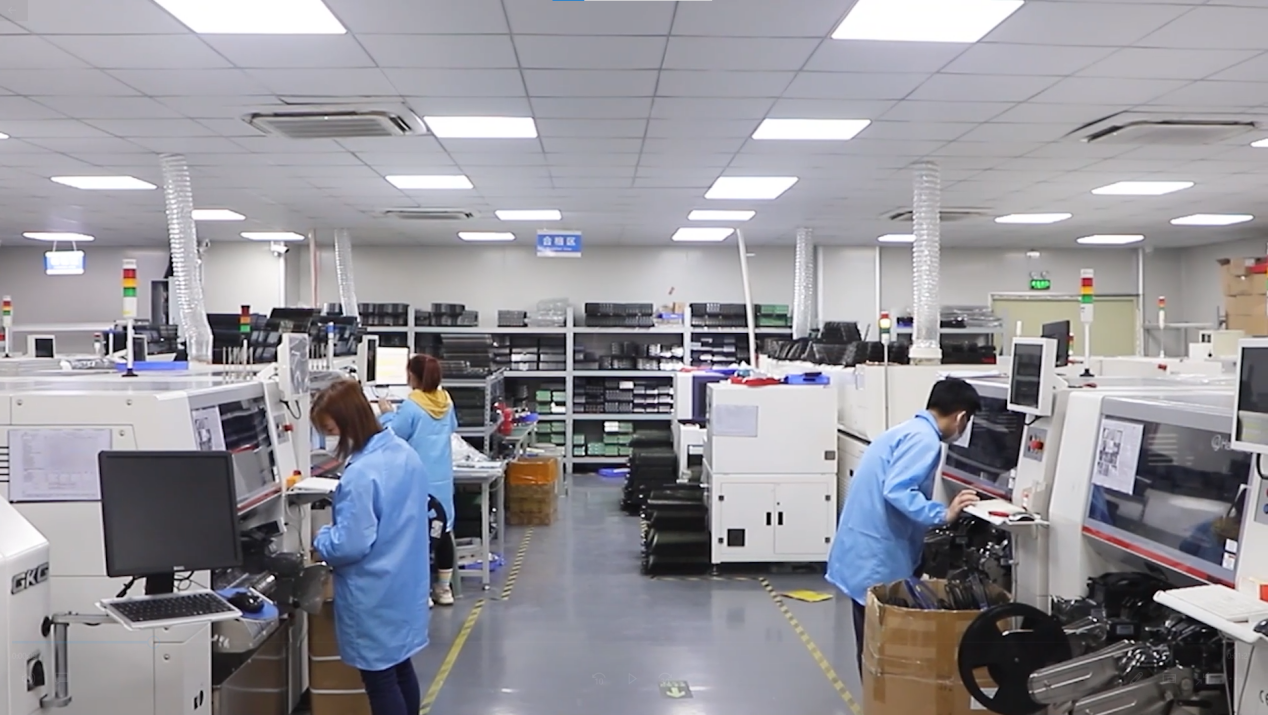
Essential Qualities of an Excellent Supplier
In today's competitive market, finding a reliable supplier is crucial for business success. Based on insights from Smartnewo and broader internet research, here are key qualities an excellent supplier must possess:... -
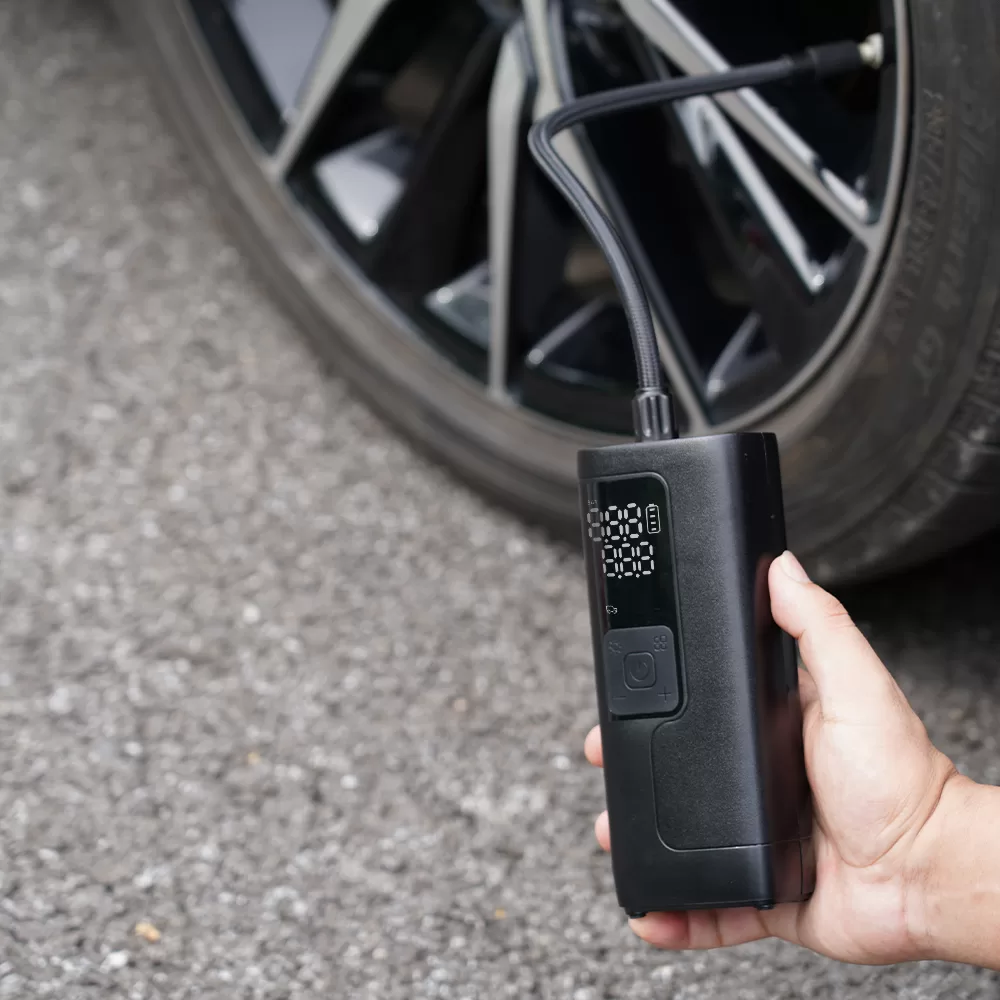
NW06 Tire Inflator: Compact Power for Quick Inflation
Summary The NW06 Tire Inflator delivers quick and efficient tire inflation with a powerful 35L/min airflow. It features a user-friendly LCD screen for real-time pressure monitoring, dual power options with a built-in 6000mAh battery, and multiple nozzle attachments for versatile use. Its compact design and integrated LED light ensure convenience and... -
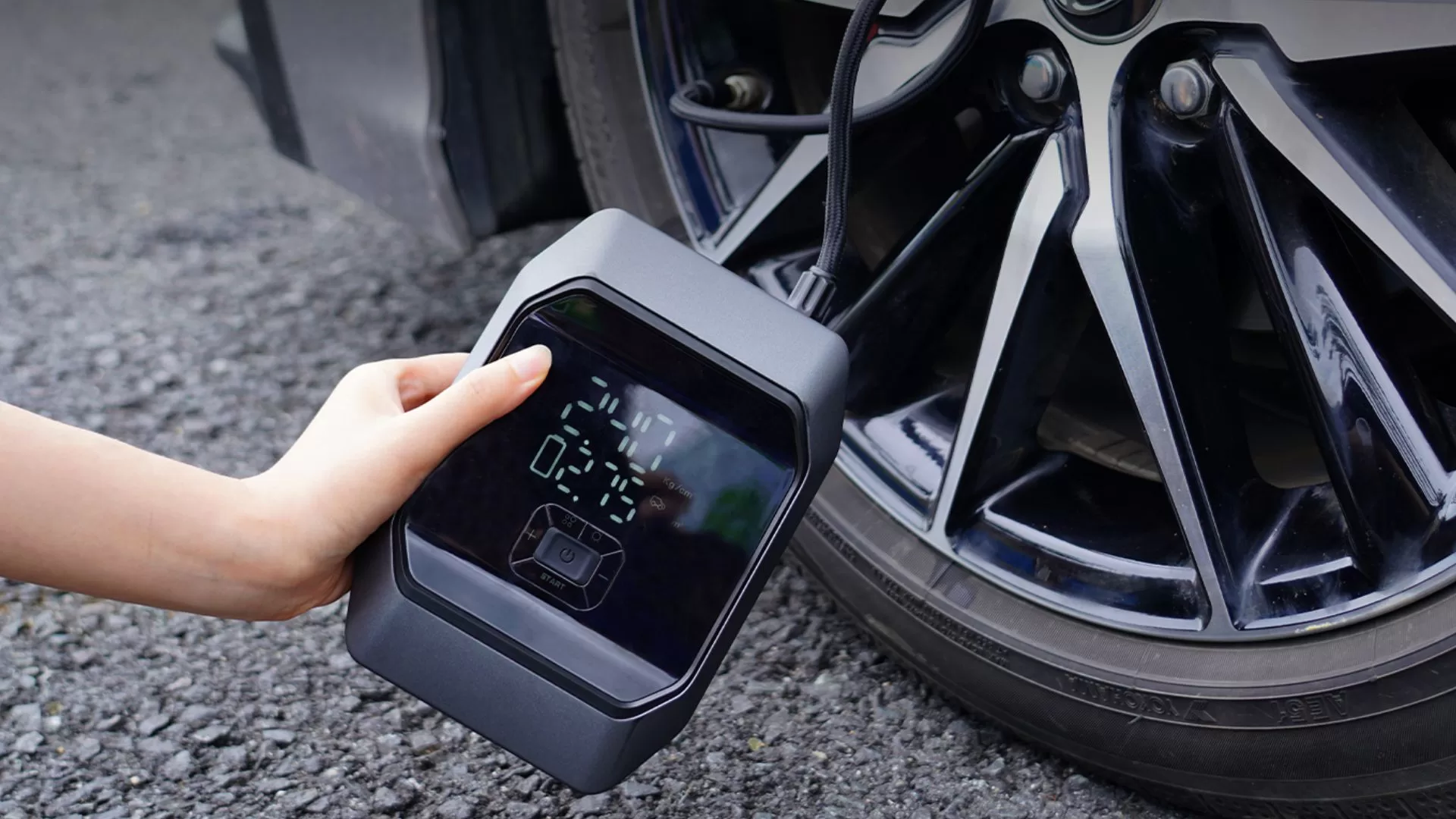
Unleash the Power of Portability: The SmartNewo Jump Starter with Air Compressor KF03
This guide will walk you through the steps to effectively use a portable tire inflator, helping you stay prepared and safe on the road.... -
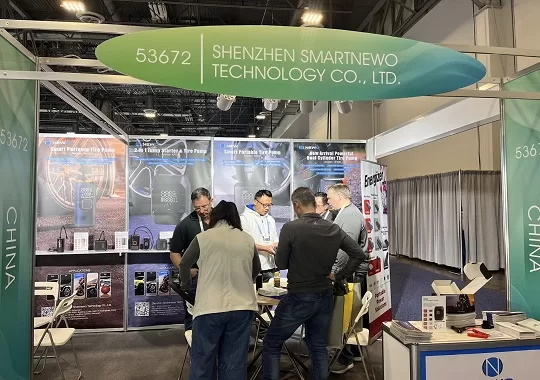
Newo Attends The 2024 Consumer Electronics Show (CES)
Smartnewo booth is located at 53672, Halls A-D, Level 2, Venetian Expo, Las Vegas Convention Center (LVCC). ... -
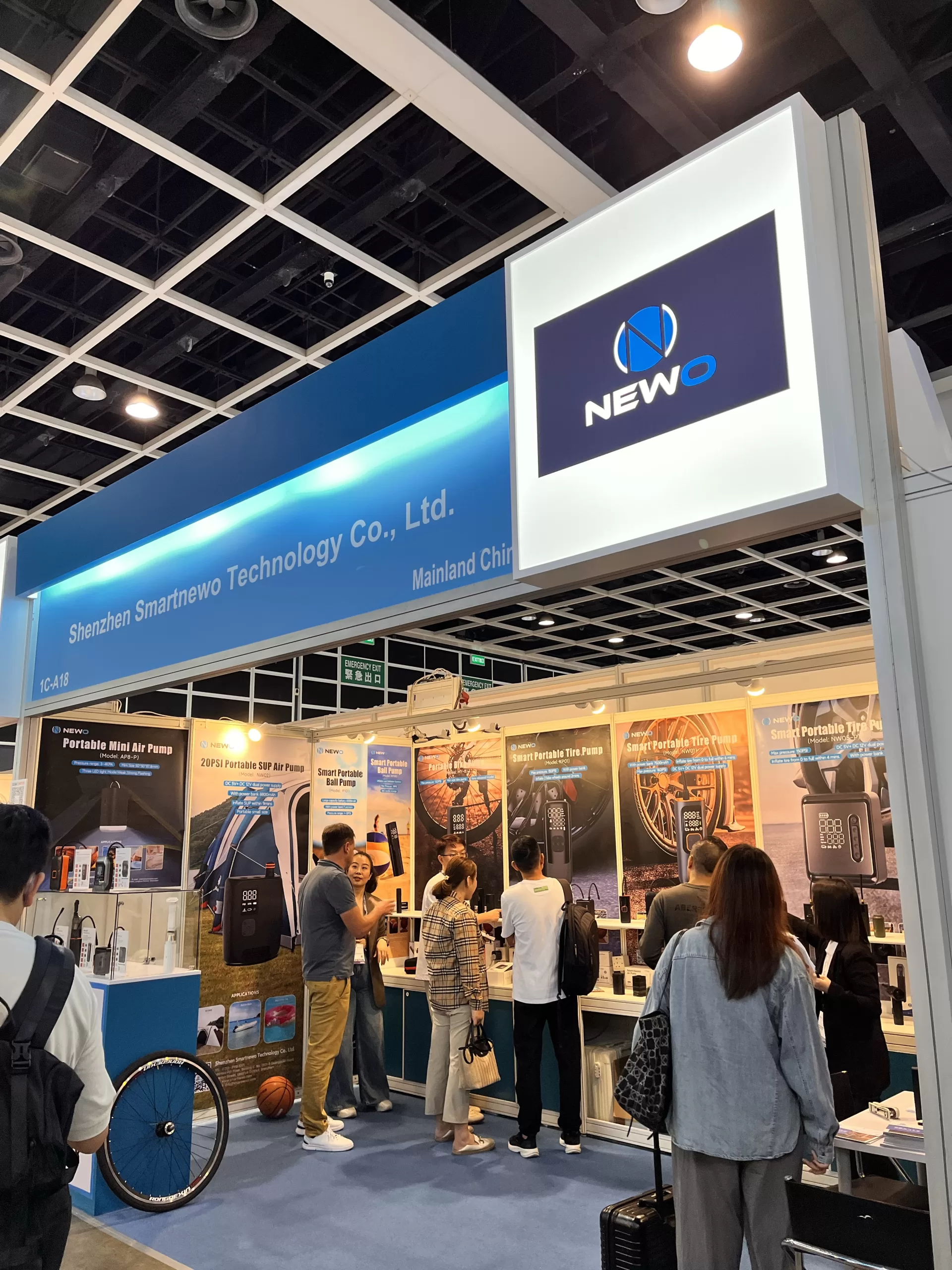
Smartnewo’s Dual-Cylinder Air Pump Rocks the Hong Kong Autumn Electronics Fair!
Smartnewo’s Dual-Cylinder Air Pump Rocks the Hong Kong Autumn Electronics Fair!... -

Meet at the Canton Fair! Smartnewo brings dual-cylinder air pumps, making your inflation experience faster and more stable!
NEWO has went deep communication and negotiation with customers from all over the world on booth.... -
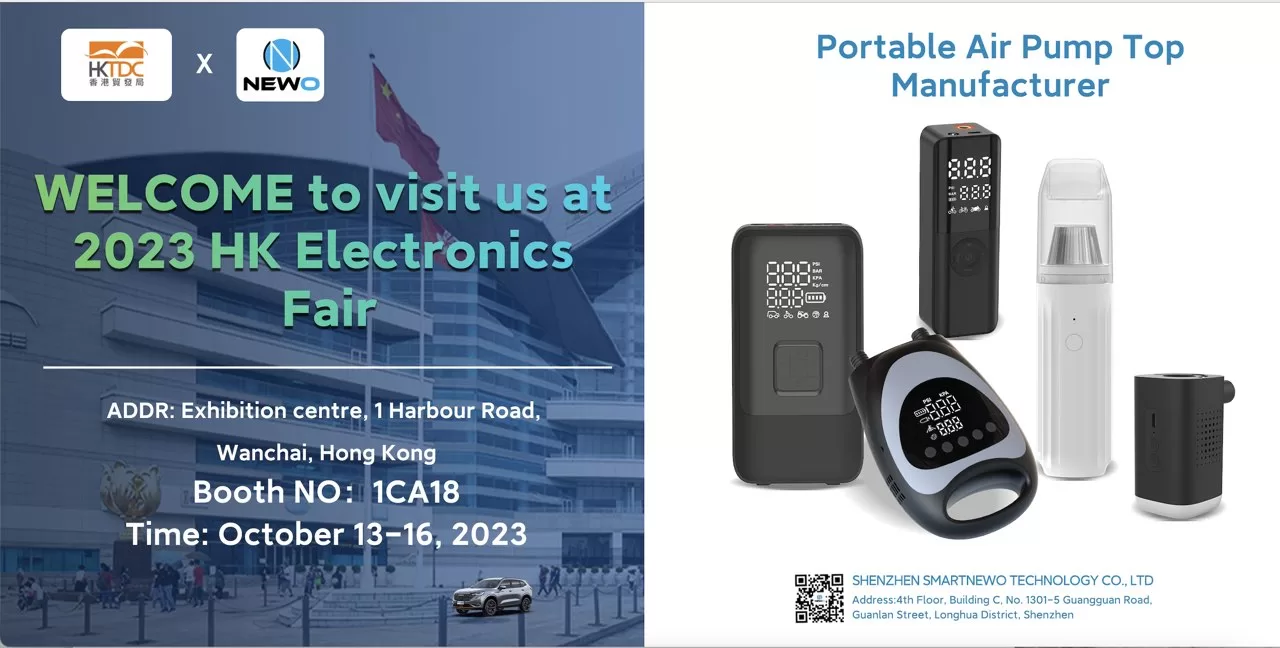
“Hong Kong Autumn Electronics Fair – 1CA18 (October 13th to 16th): Smartnewo invites you to visit our booth!
Hong Kong Autumn Electronics Fair...
-

How to Choose a Reliable Tire Inflator Manufacturer in China
Choose a tire inflator manufacturer in China with a focused RFQ, supplier evidence, configuration checks, and clear sample-to-pilot decisions for your brand.... -
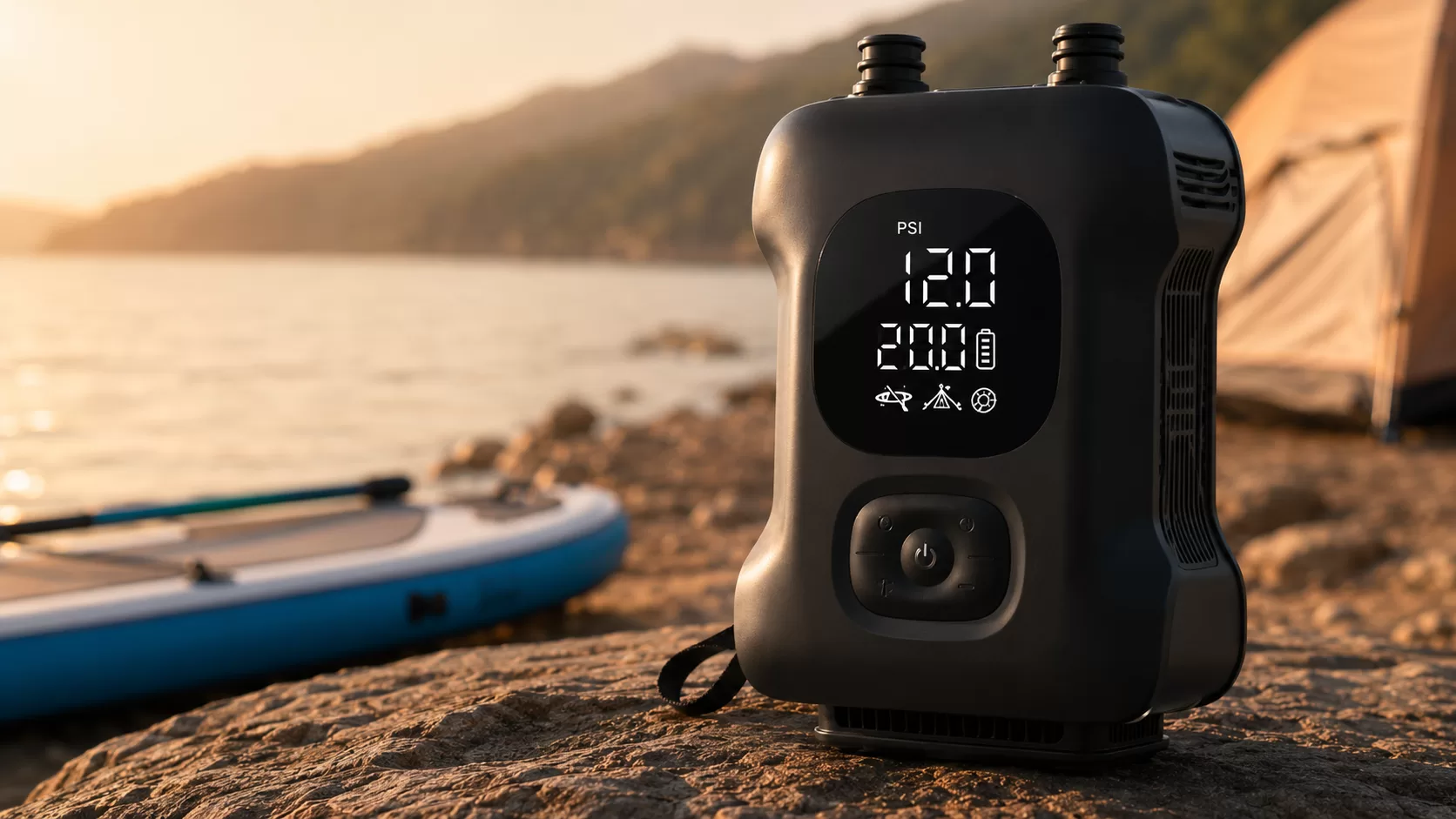
Rechargeable Electric SUP Pump for Paddle Boards: Faster Inflation for SUPs, Kayaks and Inflatable Tents
The BL10-C Portable Electric Bike Tire Inflator is a compact and lightweight mini electric bike pump designed for modern cyclists. With up to 120 PSI pressure, a digital LED display, preset pressure control, automatic shut-off, USB-C charging, and multiple valve adapters, BL10-C offers a convenient inflation solution for road bikes,... -
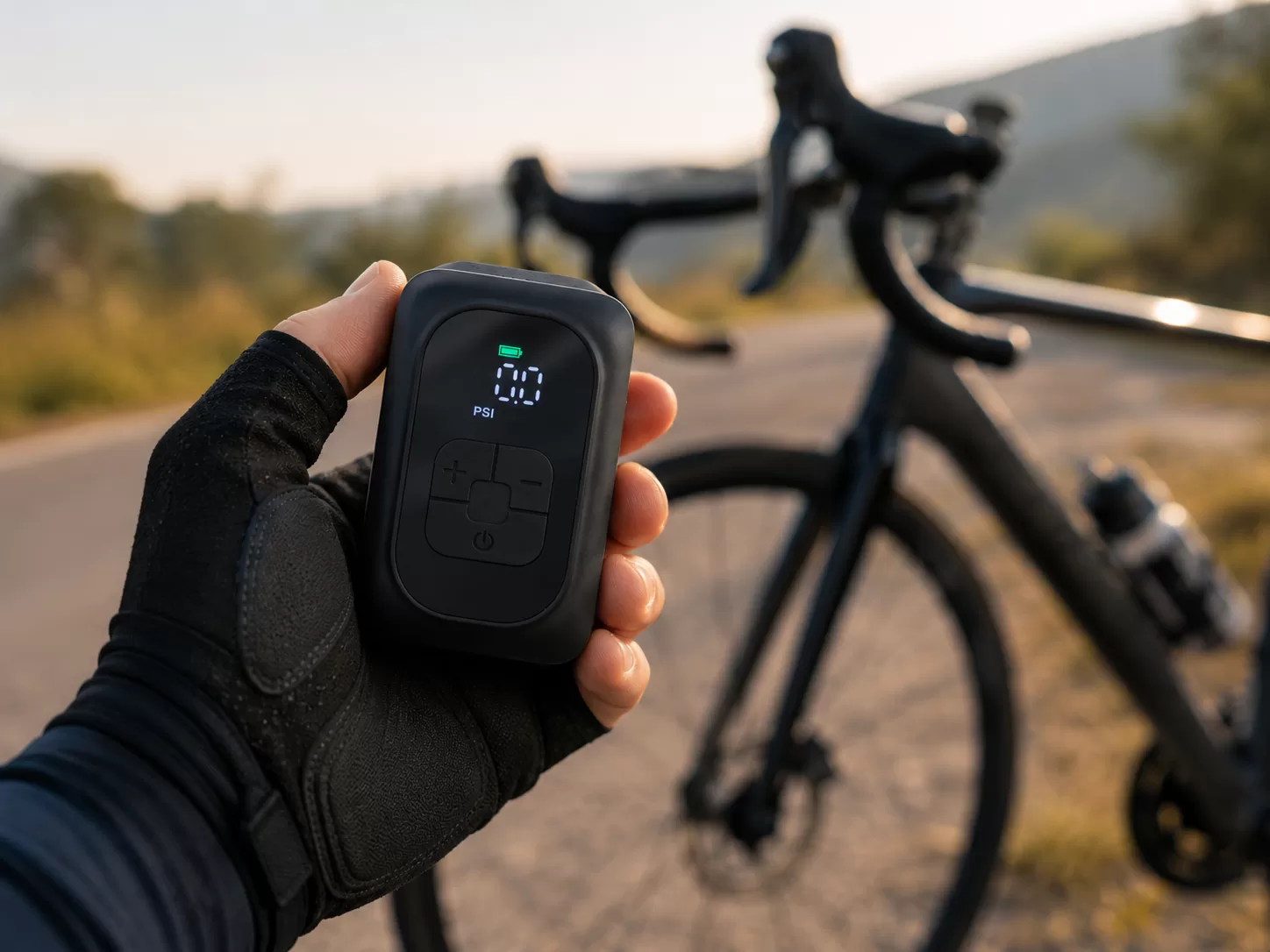
Are Electric Bike Pumps Worth It in 2026? Electric Pump vs CO₂ vs Mini Hand Pump
Discover whether electric bike pumps are worth it in 2026. This guide compares electric bike pumps, CO₂ inflators, and mini hand pumps for road cycling, gravel riding, commuting, and long-distance rides. Learn the pros, limitations, best use cases, and key features to look for before choosing the right portable tire... -
BL10-C Portable Electric Bike Tire Inflator: Small Size, Reliable Power for Every Ride
The BL10-C Portable Electric Bike Tire Inflator is a compact and lightweight mini electric bike pump designed for modern cyclists. With up to 120 PSI pressure, a digital LED display, preset pressure control, automatic shut-off, USB-C charging, and multiple valve adapters, BL10-C offers a convenient inflation solution for road bikes,... -
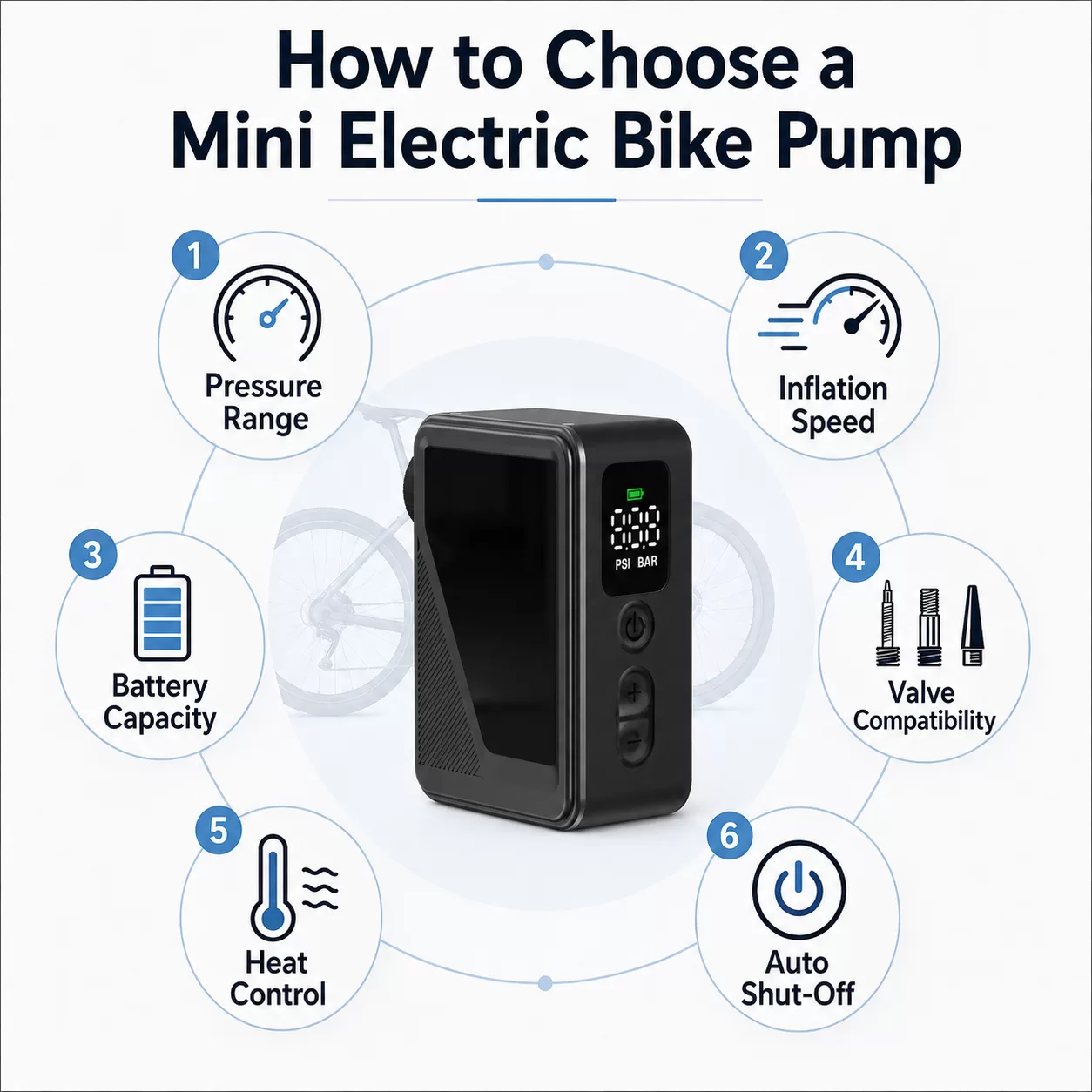
Why Mini Electric Bike Pumps Are Becoming Essential for Modern Cycling
Discover why mini electric bike pumps are becoming essential for modern cyclists. Learn how portable electric bike pumps improve tire pressure management, riding safety, and convenience.... -
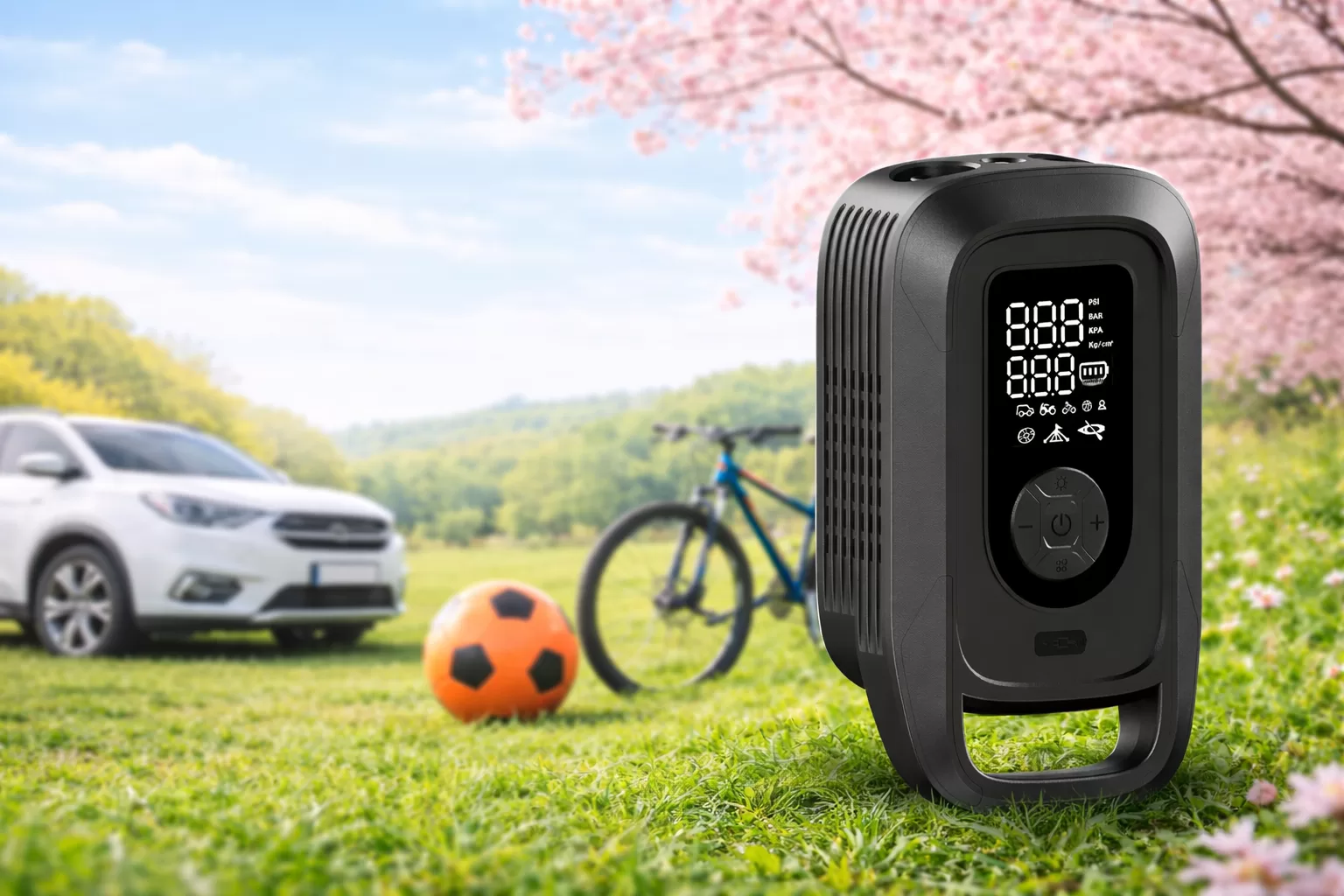
The Ultimate Smart Solution for Easy Outdoor Adventures in 2026
Discover how a spring travel air pump simplifies outdoor trips with fast inflation, smart features, and powerful performance—perfect for every adventure.... -
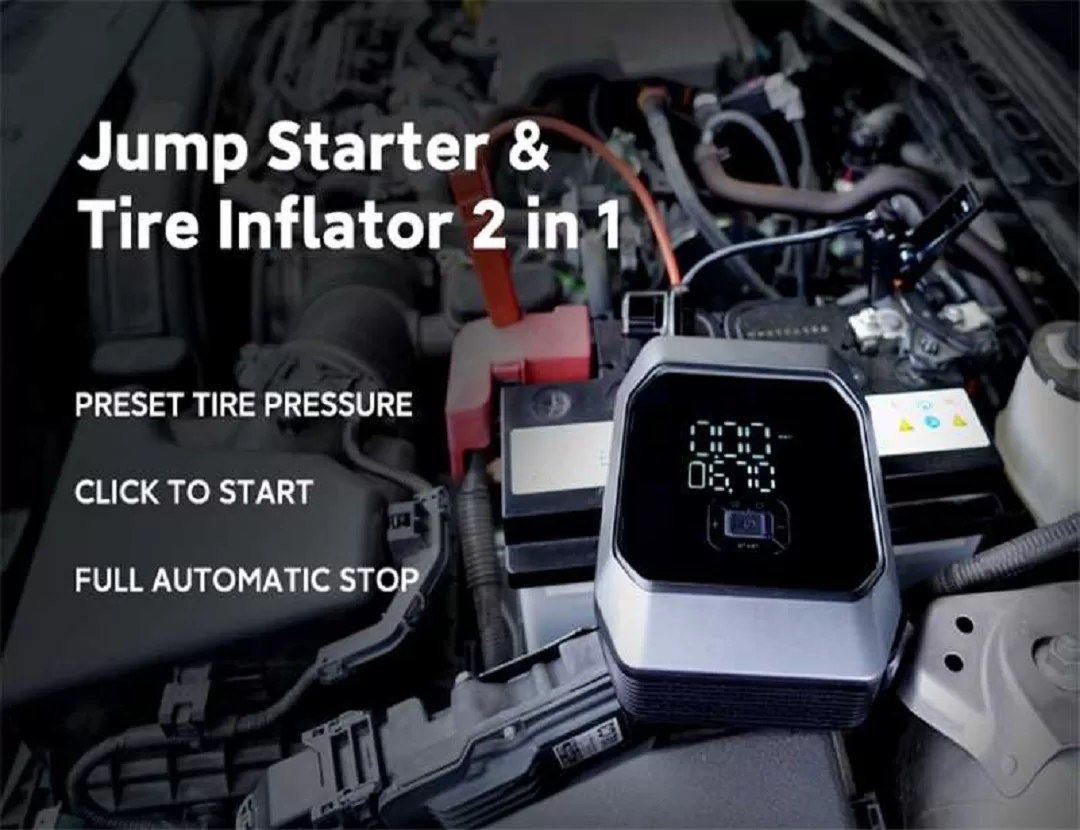
Powerful 5-in-1 Portable Car Tire Inflator and Jump Starter: The Ultimate Emergency Tool for Every Driver
Why Every Driver Needs a Portable Car Tire Inflator and Jump Starter Modern drivers face many unexpected situations on the road. A flat tire, low tire pressure, or a dead car battery can happen at the worst possible time. That’s why having a portable car tire inflator and jump starter is... -
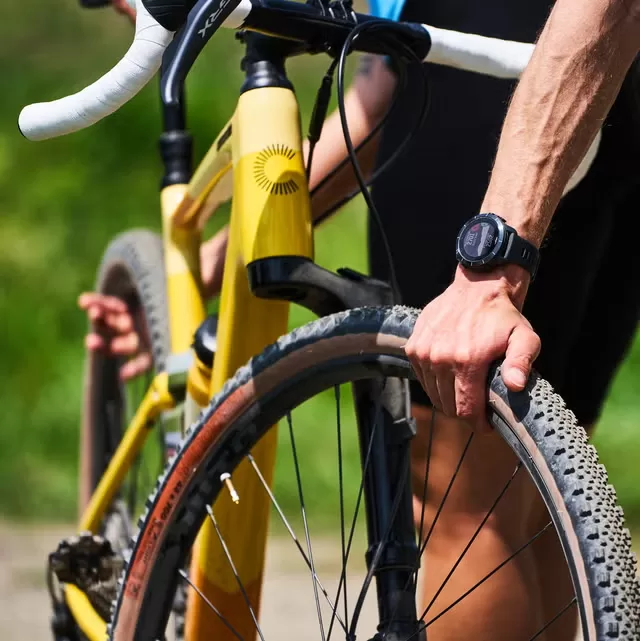
7 Real Cycling Scenarios That Show Why Every Rider Should Carry a Mini Bike Pump
Cycling is one of the most freeing activities you can enjoy. Whether you’re commuting to work, riding through city streets, or exploring quiet countryside roads, a bike ride can instantly improve your day. But there’s one small problem that almost every cyclist eventually faces: Low tire pressure. It might happen... -
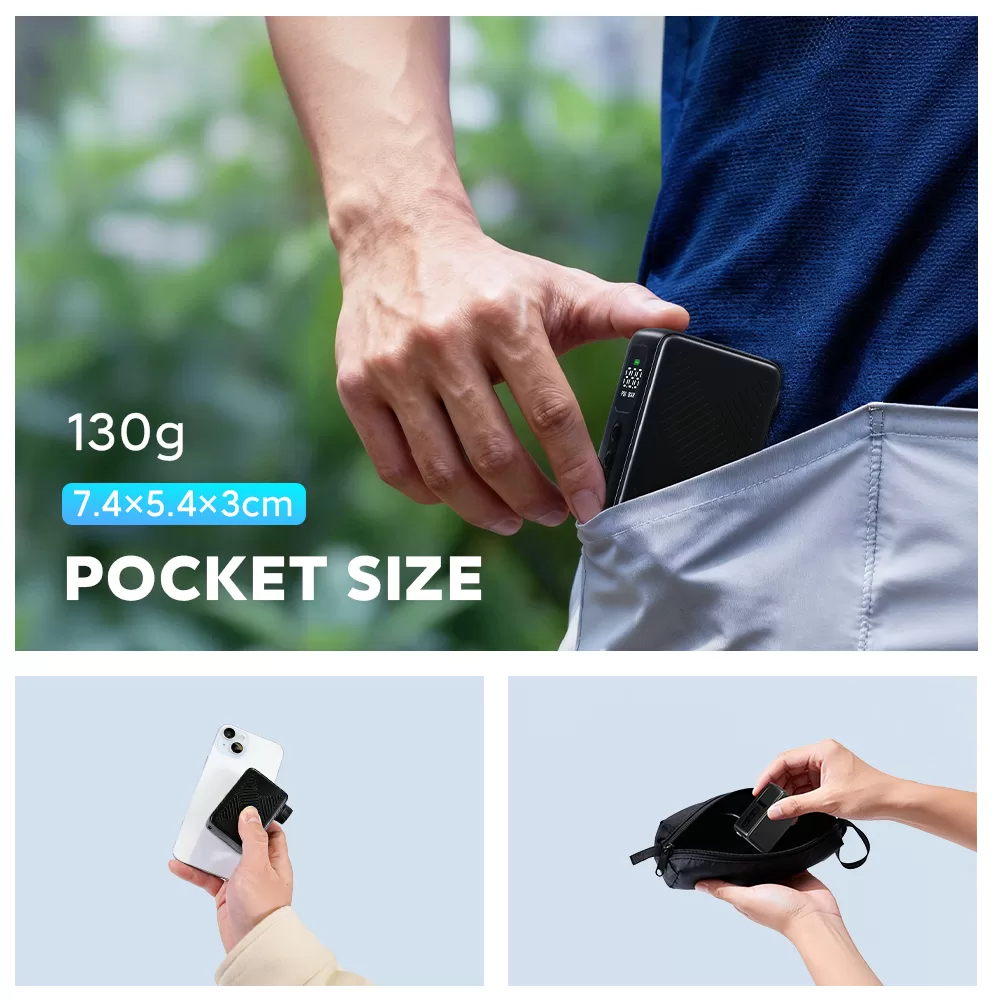
BL08-A Portable Electric Bike Pump: A Global Distribution Opportunity with Smartnewo
Smartnewo, a professional manufacturer of portable electric air pumps, introduces the BL08-A model — a compact and efficient inflator designed for global distributors, e-commerce sellers, and outdoor accessory brands seeking reliable OEM/ODM solutions. Table of Contents Main Heading Subtopics 1. Introduction: Expanding the Global Market for Smart Inflation Tools Portable... -
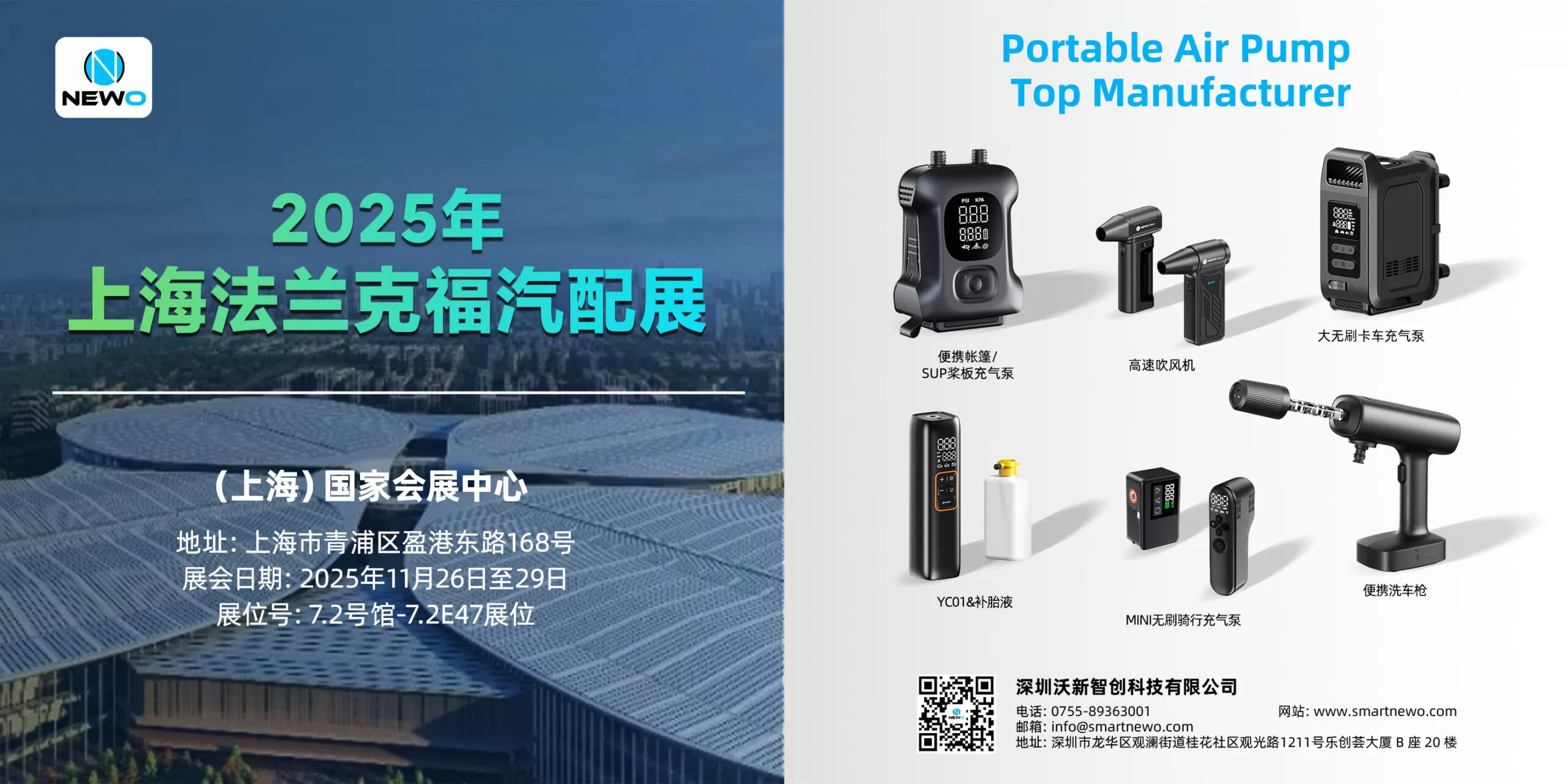
Connecting Opportunities at Automechanika Shanghai 2025 — Smartnewo Exhibition Day 1
Today marks an exciting beginning as Smartnewo officially opens its booth at Automechanika Shanghai 2025. As one of the largest and most influential automotive aftermarket exhibitions in the world, the show provides an exceptional platform for meaningful conversations, partnership building, and global industry exchange. Located at Booth 7.2E47, Smartnewo presents...
-
How Is a Football Properly Inflated?
The correct inflation of a football - with not too much and not too little air - is a hotly debated topic among footballers.... -
Application Scenarios of Car Inflator Pump
Often long-distance business trips or play car owners because the road may be more remote areas, in this case if you encounter a tire leak....