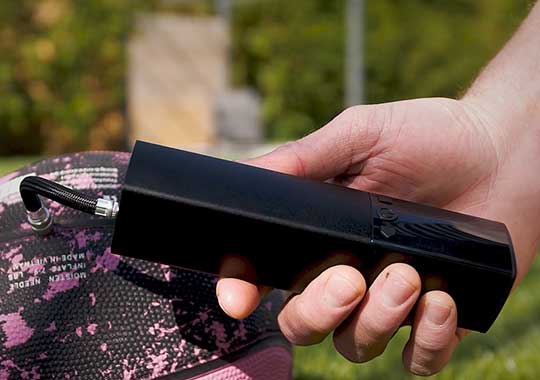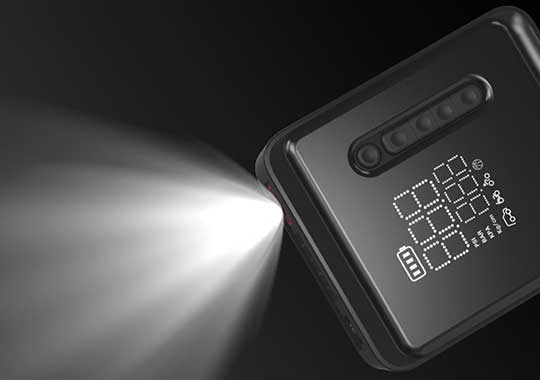

 Portable Tire Inflators
 Electric Air Pumps
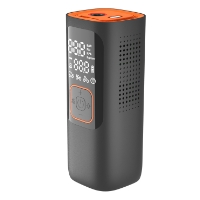 Electric Car Tyre Pumps
 Electric Ball Pumps
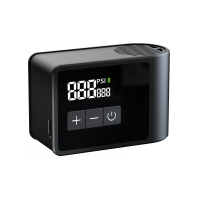 Electric Bike Pump
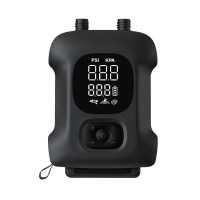 SUP Air Pump
How to Choose a Mini Air Compressor for a Car: Technical Specs and Practical Applications
Drivers often ignore tire maintenance until a dashboard warning light triggers panic on the highway. Maintaining optimal tire pressure prevents uneven tread wear and improves overall fuel efficiency.
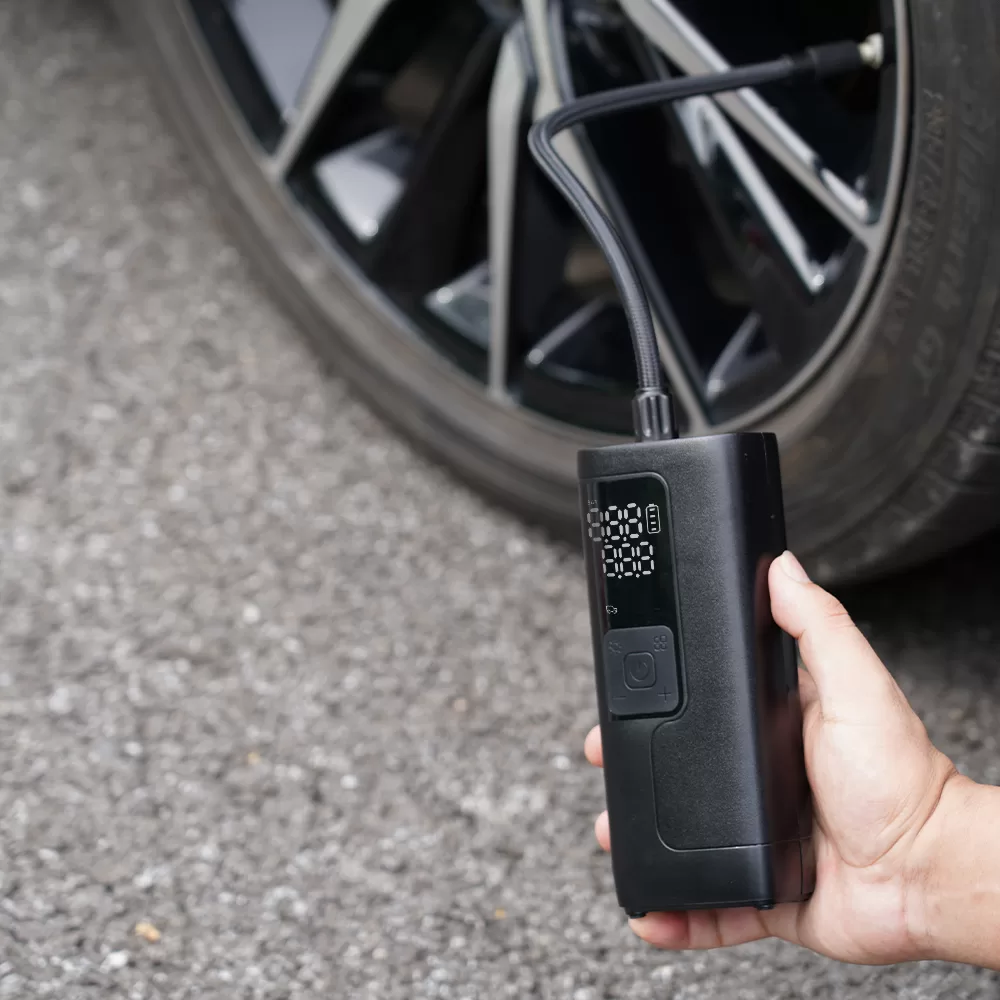
Keeping a mini air compressor for car trunks eliminates the need to rely on unpredictable gas station pumps. This guide breaks down the specific technical requirements for portable tire inflators to help you make practical choices.
Why Do Tire Pressures Drop Unexpectedly?
Tires naturally lose about 1 to 2 PSI (pounds per square inch) every month through normal permeation. The rubber matrix allows microscopic air molecules to escape over time. Temperature fluctuations heavily influence this thermodynamic process.
A sudden ambient temperature drop of 10°F reduces tire pressure by about 1 PSI. Driving on cold winter mornings often triggers low-pressure warnings for this exact reason. Checking cold tire pressure monthly prevents chronic under-inflation and extends tread life.
What CFM and PSI Ratings Does a Standard Sedan Require?
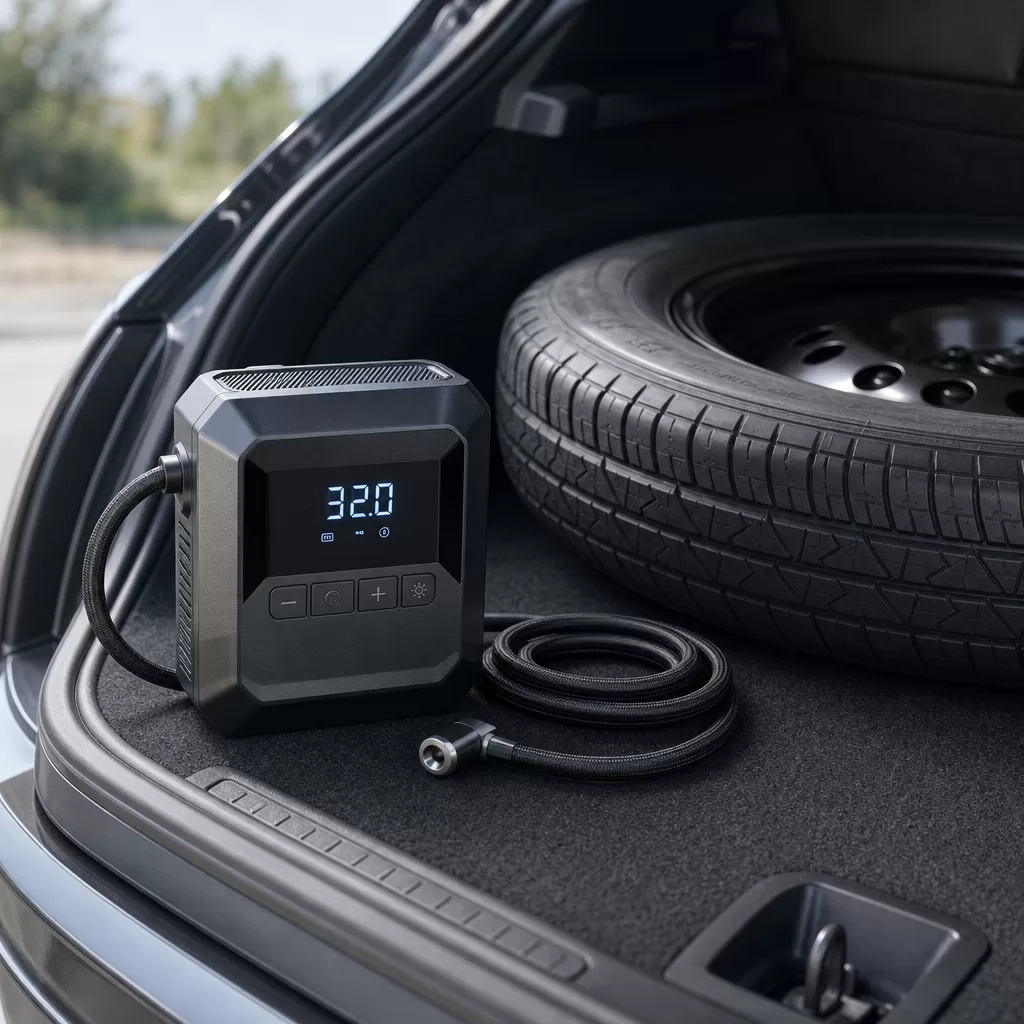
A common misconception assumes higher PSI always guarantees faster performance. Most passenger vehicles require a tire pressure between 32 and 35 PSI. A compressor maxing out at 150 PSI offers no real-world advantage for daily commuting scenarios.
The actual metric dictating inflation speed is CFM (Cubic Feet per Minute). A standard passenger tire needs a specific air volume to reach safe operating pressure. When evaluating a mini air compressor for car emergencies, CFM dictates how long you wait on the roadside.
Consider these basic CFM benchmarks for automotive use:
- 0.5 CFM: Suitable for bicycles, sports balls, and small inflatables.
- 1.0 to 1.5 CFM: Standard for sedans, filling a flat tire in roughly 5 to 7 minutes.
- 2.0 CFM or higher: Necessary for large SUVs or trucks with massive air volume requirements.
How Long Does a Battery-Powered Inflator Hold Its Charge?
Lithium-ion cells power most modern cordless inflators on the market today. A typical 4000mAh internal battery provides approximately 20 to 25 minutes of continuous operation. This capacity easily handles topping off four slightly deflated tires in one session.
Alternatively, this same charge can completely fill one flat sedan tire from 0 to 35 PSI. Cold weather severely degrades lithium-ion battery performance due to slowed internal chemical reactions. Storing the unit in a freezing vehicle overnight can reduce effective runtime by up to 40%.
Corded vs. Cordless Compressors: Which Fits Your Driving Habits?
Choosing the power source dictates the reliability of your emergency roadside kit. Both platforms have strict operational limitations based on their mechanical design architecture. You must align the tool with your specific travel routines.
| Power Source | Primary Advantage | Technical Limitation | Ideal User Scenario |
|---|---|---|---|
| 12V DC Corded | Unlimited runtime directly from the vehicle alternator. | Restricted reach (typically a 10-foot to 15-foot cord limit). | Rural drivers or off-road enthusiasts. |
| Lithium Cordless | Excellent mobility and multi-purpose utility without cables. | Finite battery life and natural charge depletion over time. | Urban commuters needing quick driveway top-offs. |
For us, developing smart inflation solutions means balancing thermal management with battery efficiency. The internal copper motor generates significant heat during continuous operation. Exceeding a 15-minute continuous runtime often requires a mandatory 10-minute cooling period to prevent permanent cylinder seal damage.
How Much Should a Reliable Portable Inflator Cost?
Pricing directly correlates with internal components and the durability of the air cylinder. You can expect to pay between $40 and $80 for a reliable model. Units priced below $30 frequently use plastic internal gears instead of die-cast metal components.
These plastic parts strip easily under the mechanical load of pushing past 30 PSI. The friction melts cheap internal components during extended use on hot summer days. Investing in all-metal cylinder construction ensures the pump survives multiple inflation cycles over years of ownership.
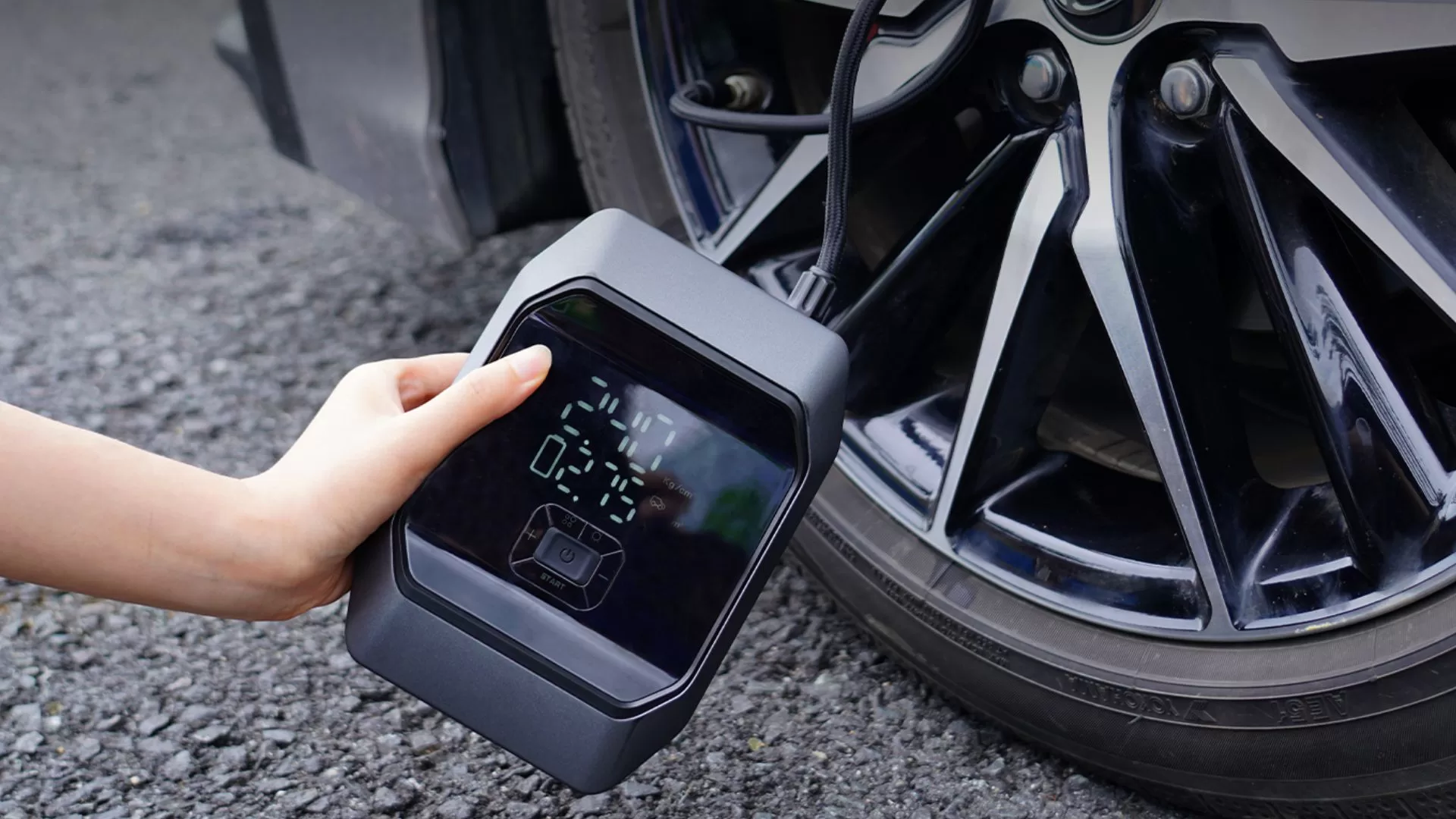
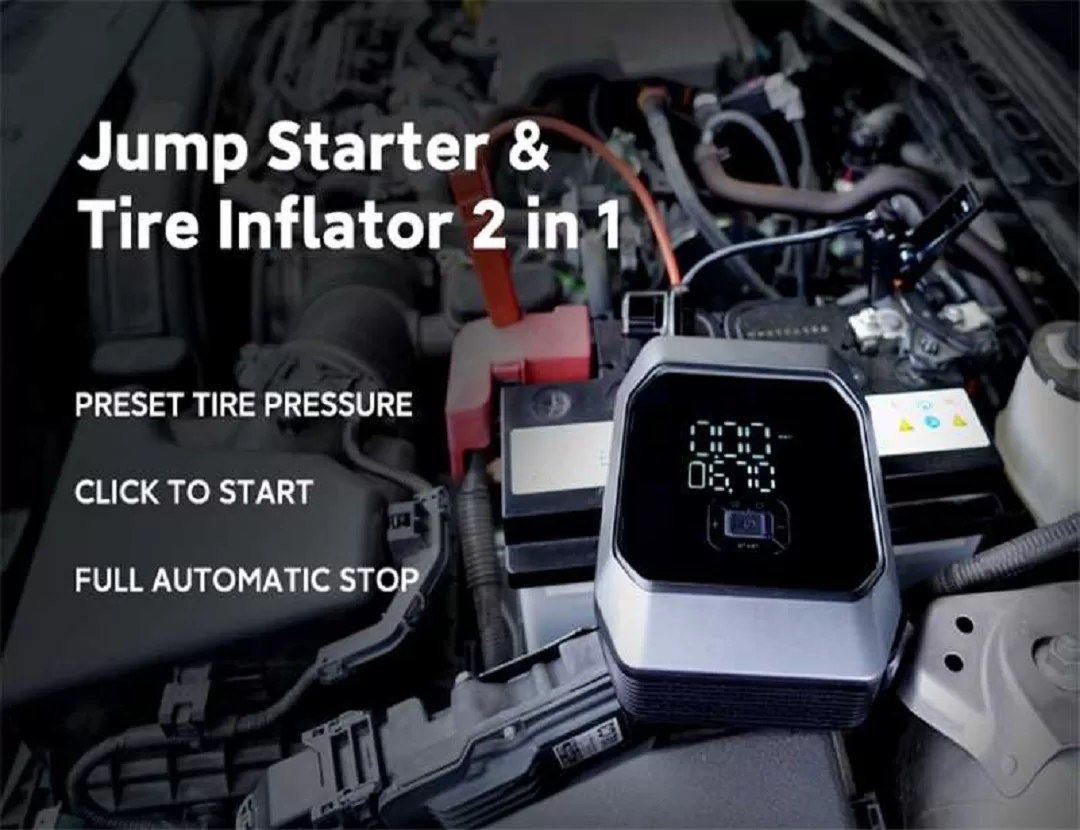
Units priced above $100 usually integrate digital auto-shutoff sensors and larger battery banks. You simply set the desired pressure on an LCD screen before starting the machine. The device stops exactly at that metric, preventing dangerous over-inflation without requiring constant manual monitoring.
Always verify the pressure gauge accuracy when purchasing any pneumatic tool. Cheaper analog dials often deviate by 2 to 3 PSI from the actual internal pressure. A reliable mini air compressor for car maintenance should always feature a calibrated digital sensor for exact readings.
-

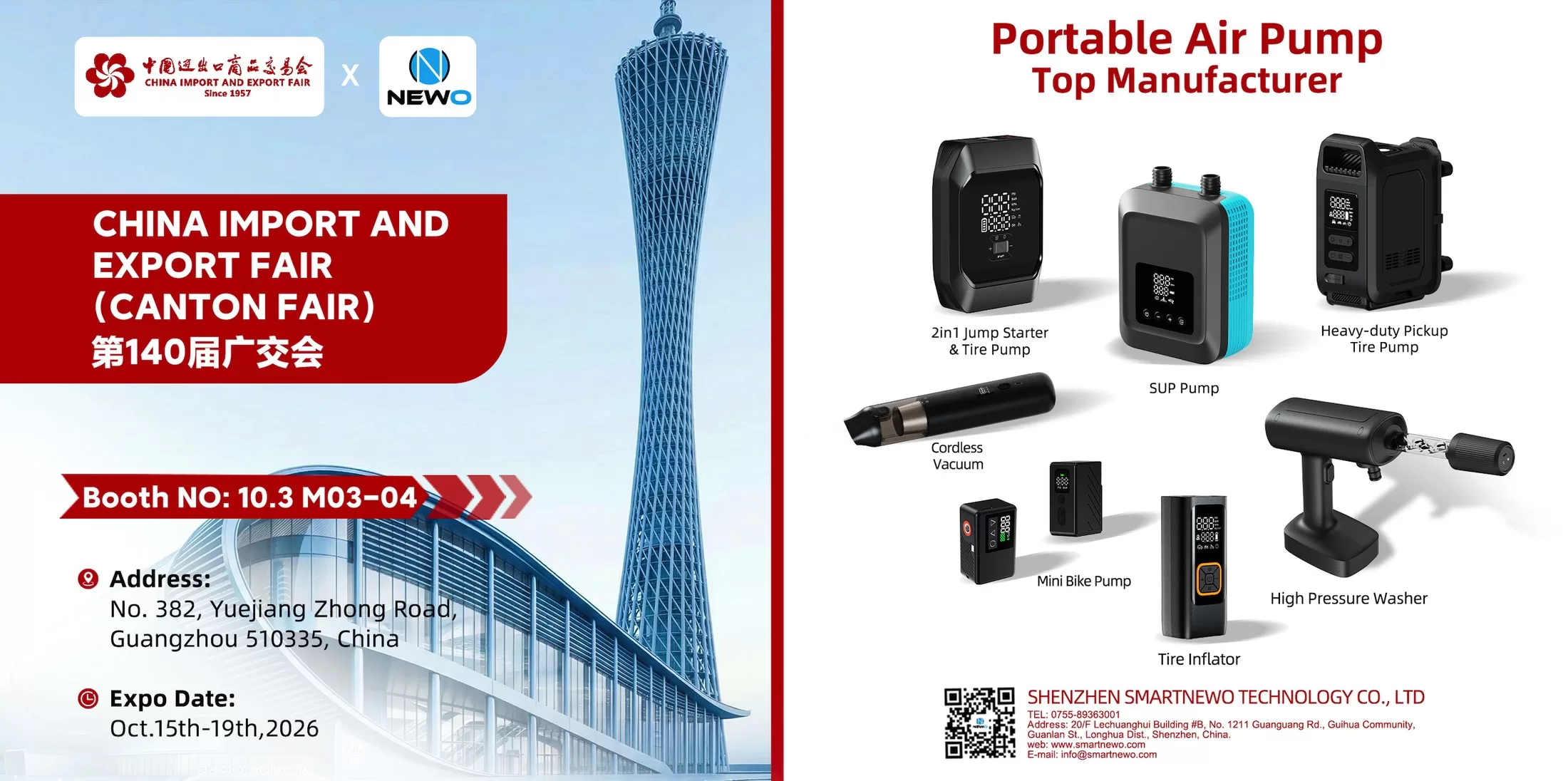
Meet NEWO at the 140th Canton Fair: Visit Booth 10.3 M03–04
Meet NEWO at the 140th Canton Fair in Guangzhou, October 15–19, 2026. Visit Booth 10.3 M03–04 to explore portable air pumps and discuss OEM, ODM and distribution opportunities.... -

As Shenzhen Welcomes the World for APEC 2026, NEWO Welcomes You to Our Factory
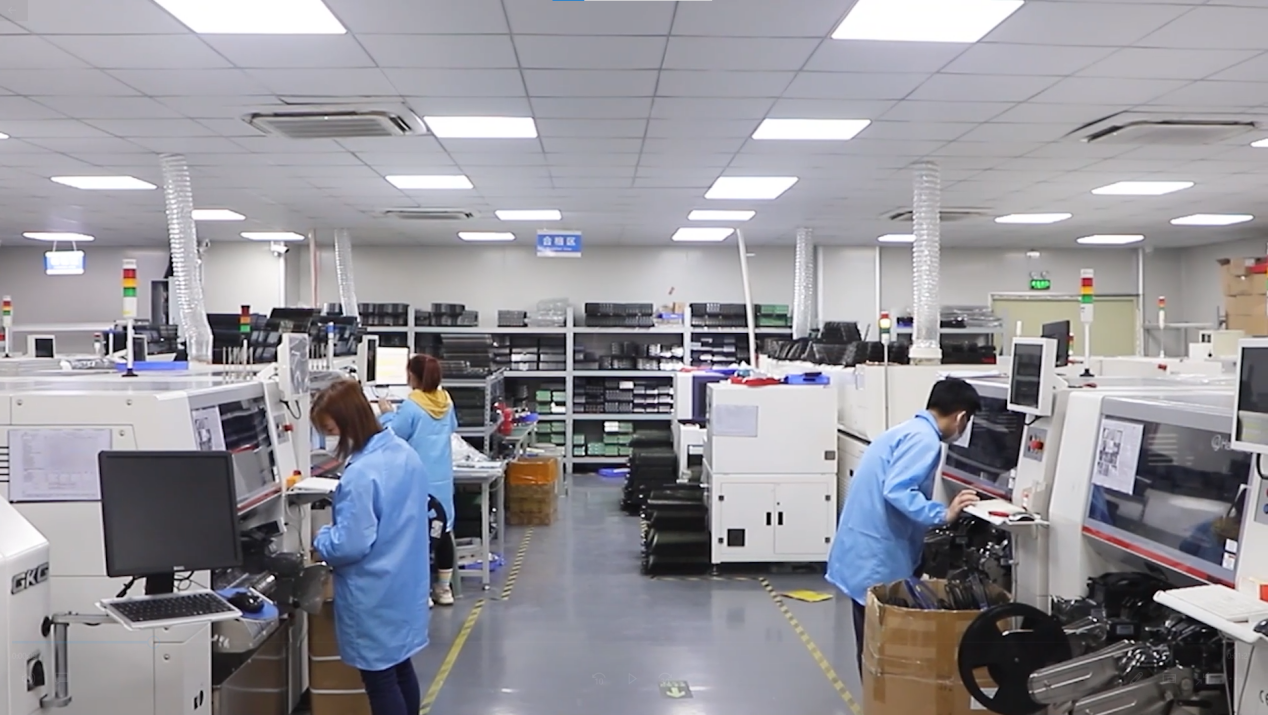
As Shenzhen prepares for APEC 2026, NEWO welcomes international buyers and partners to visit our factory, meet our team and explore future cooperation.... -

Leading the Way in Product Innovation and Excellence
Smartnewo exemplifies professionalism in product innovation and manufacturing. Their collaboration with Xiaomi Youpin on the G01 crowdfunding project highlights their expertise in creating compact, powerful inflatable pumps. Rigorous engineering, meticulous production processes, and advanced quality assurance underscore their commitment to excellence. The success of the G01 project, with significant market... -

Essential Qualities of an Excellent Supplier
In today's competitive market, finding a reliable supplier is crucial for business success. Based on insights from Smartnewo and broader internet research, here are key qualities an excellent supplier must possess:... -

NW06 Tire Inflator: Compact Power for Quick Inflation
Summary The NW06 Tire Inflator delivers quick and efficient tire inflation with a powerful 35L/min airflow. It features a user-friendly LCD screen for real-time pressure monitoring, dual power options with a built-in 6000mAh battery, and multiple nozzle attachments for versatile use. Its compact design and integrated LED light ensure convenience and... -

Unleash the Power of Portability: The SmartNewo Jump Starter with Air Compressor KF03
This guide will walk you through the steps to effectively use a portable tire inflator, helping you stay prepared and safe on the road.... -

Newo Attends The 2024 Consumer Electronics Show (CES)
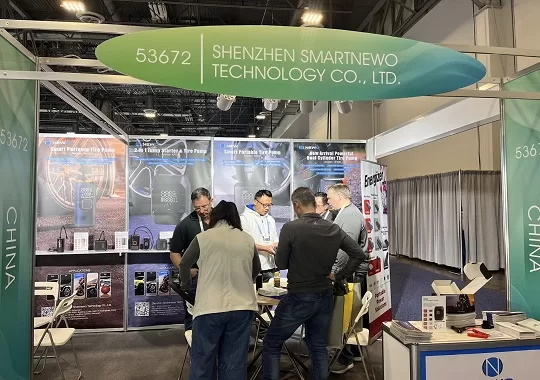
Smartnewo booth is located at 53672, Halls A-D, Level 2, Venetian Expo, Las Vegas Convention Center (LVCC). ... -

Smartnewo’s Dual-Cylinder Air Pump Rocks the Hong Kong Autumn Electronics Fair!
Smartnewo’s Dual-Cylinder Air Pump Rocks the Hong Kong Autumn Electronics Fair!... -

Meet at the Canton Fair! Smartnewo brings dual-cylinder air pumps, making your inflation experience faster and more stable!
NEWO has went deep communication and negotiation with customers from all over the world on booth.... -

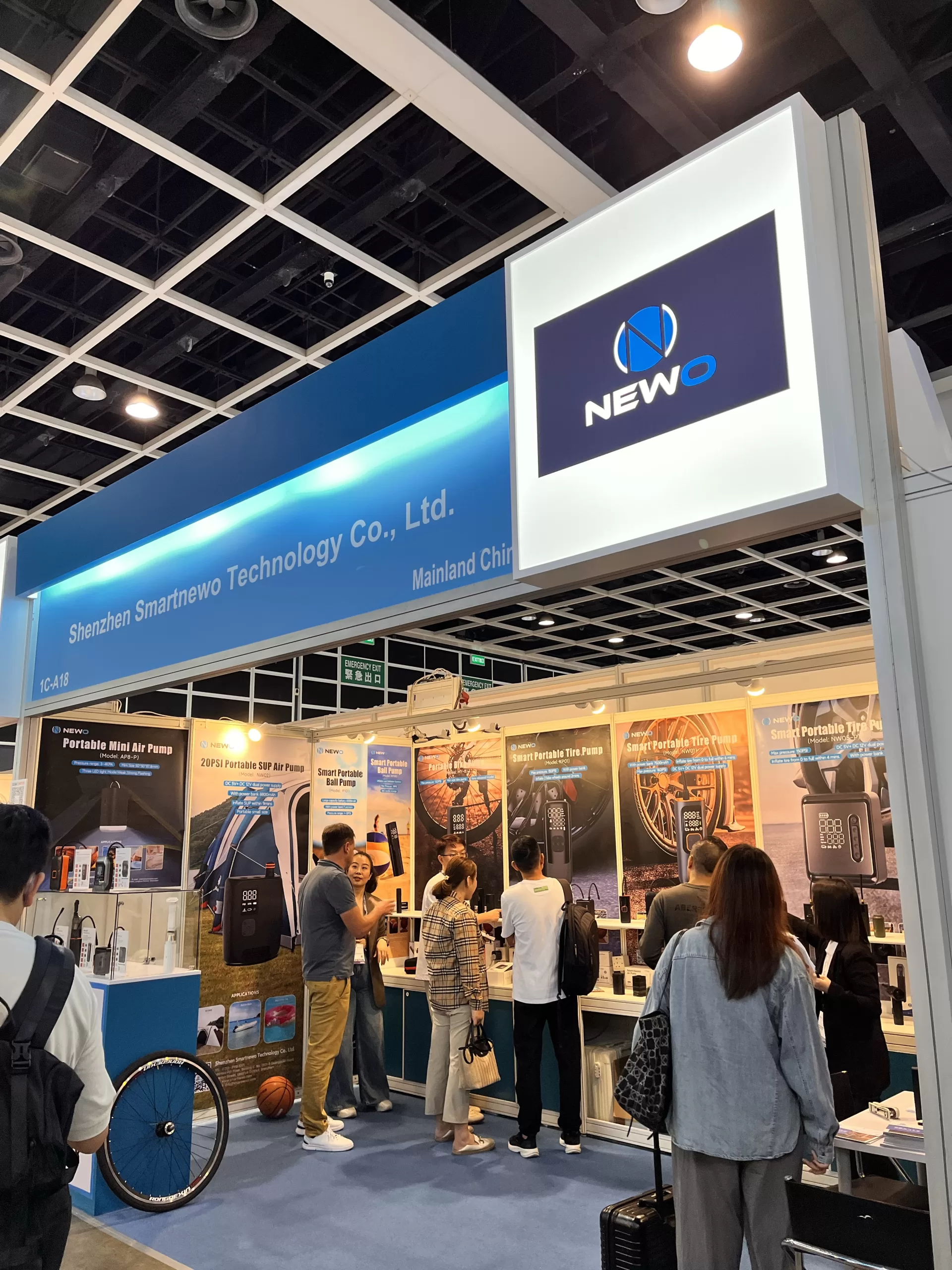
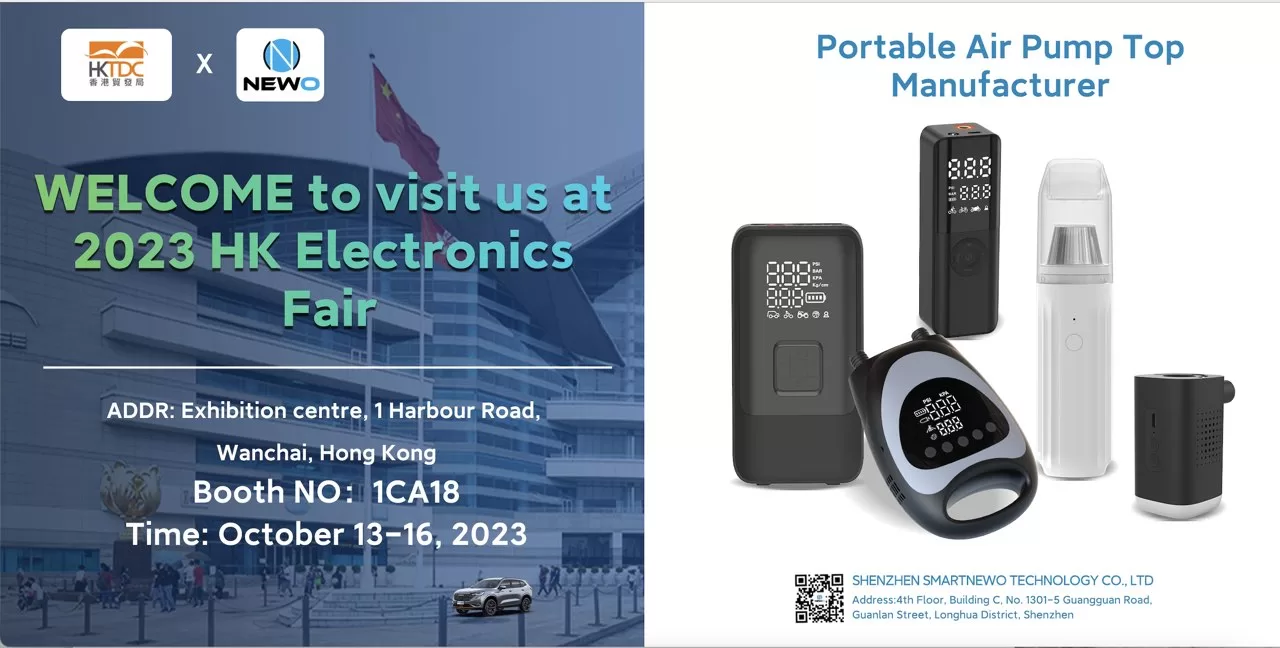
“Hong Kong Autumn Electronics Fair – 1CA18 (October 13th to 16th): Smartnewo invites you to visit our booth!
Hong Kong Autumn Electronics Fair...


-

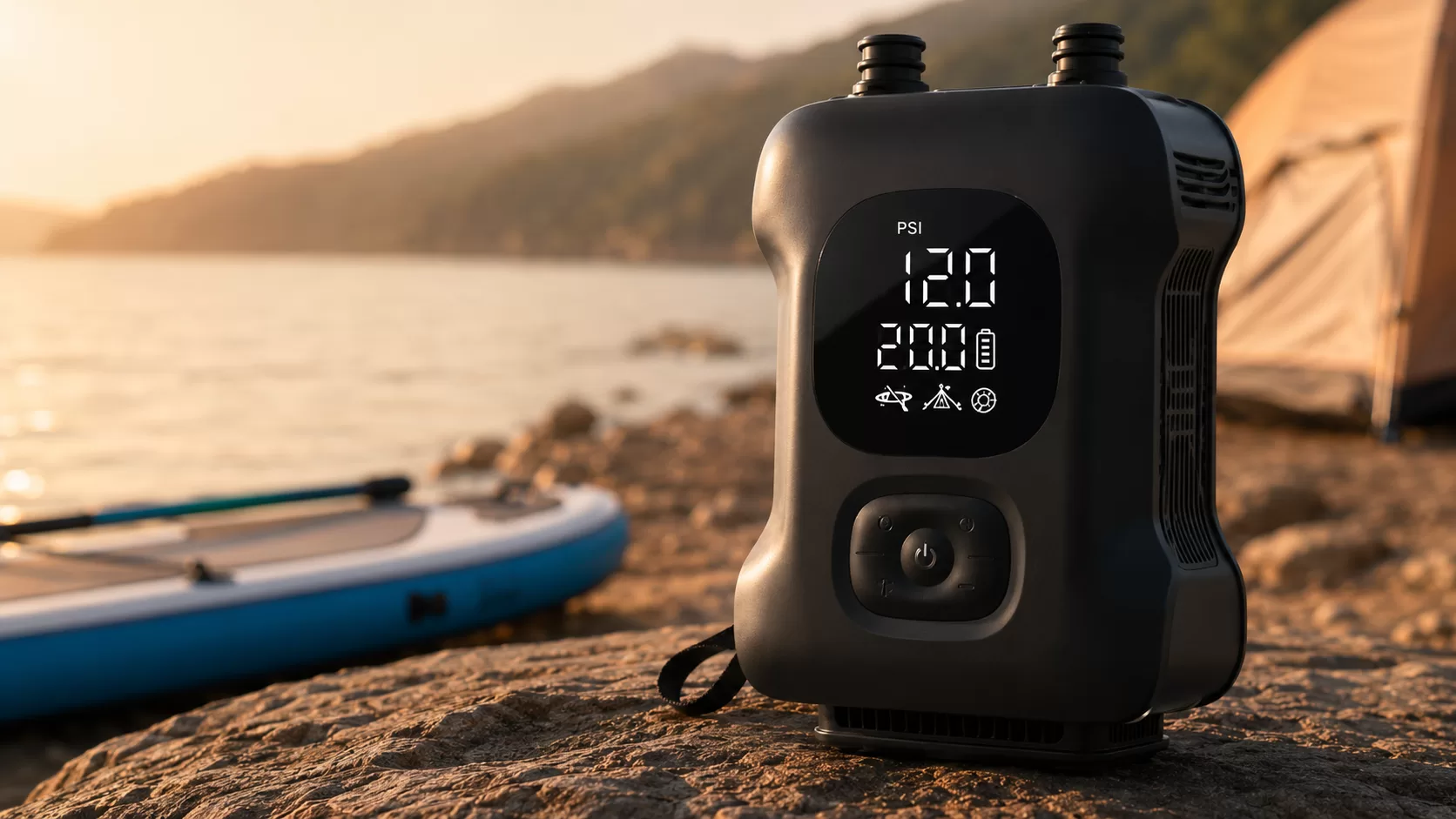
Rechargeable Electric SUP Pump for Paddle Boards: Faster Inflation for SUPs, Kayaks and Inflatable Tents
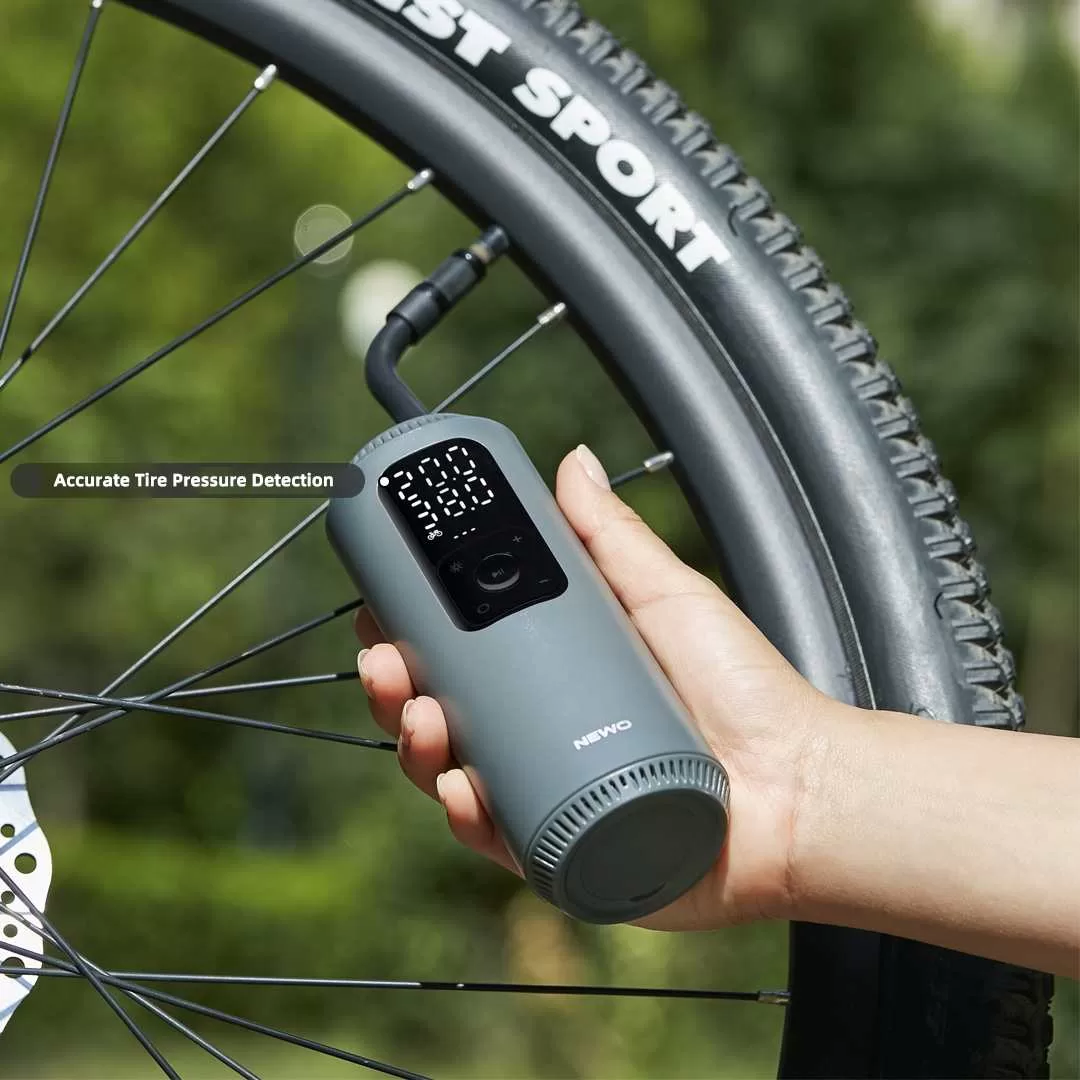
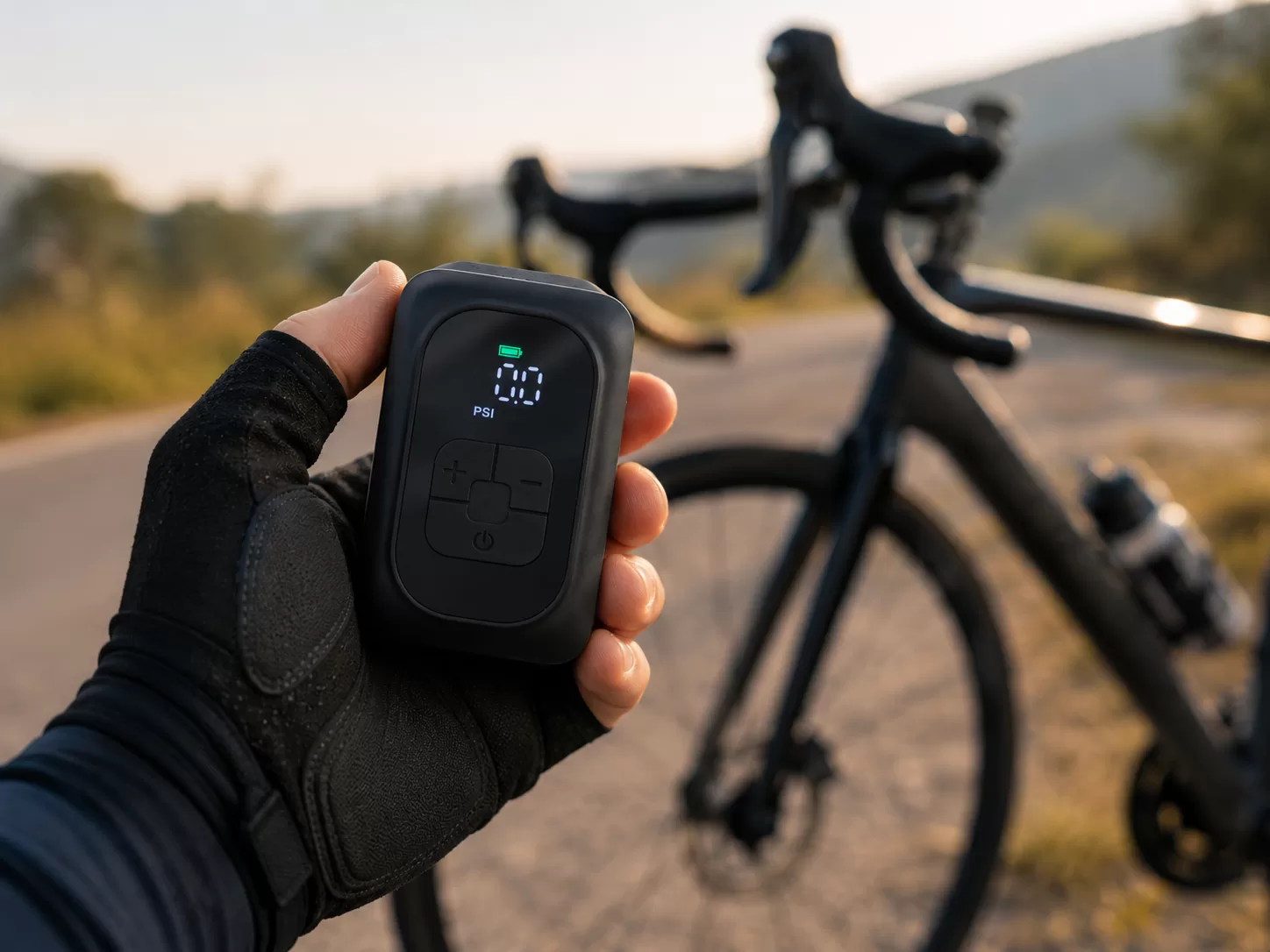
The BL10-C Portable Electric Bike Tire Inflator is a compact and lightweight mini electric bike pump designed for modern cyclists. With up to 120 PSI pressure, a digital LED display, preset pressure control, automatic shut-off, USB-C charging, and multiple valve adapters, BL10-C offers a convenient inflation solution for road bikes,... -

Are Electric Bike Pumps Worth It in 2026? Electric Pump vs CO₂ vs Mini Hand Pump
Discover whether electric bike pumps are worth it in 2026. This guide compares electric bike pumps, CO₂ inflators, and mini hand pumps for road cycling, gravel riding, commuting, and long-distance rides. Learn the pros, limitations, best use cases, and key features to look for before choosing the right portable tire... -
BL10-C Portable Electric Bike Tire Inflator: Small Size, Reliable Power for Every Ride
The BL10-C Portable Electric Bike Tire Inflator is a compact and lightweight mini electric bike pump designed for modern cyclists. With up to 120 PSI pressure, a digital LED display, preset pressure control, automatic shut-off, USB-C charging, and multiple valve adapters, BL10-C offers a convenient inflation solution for road bikes,... -

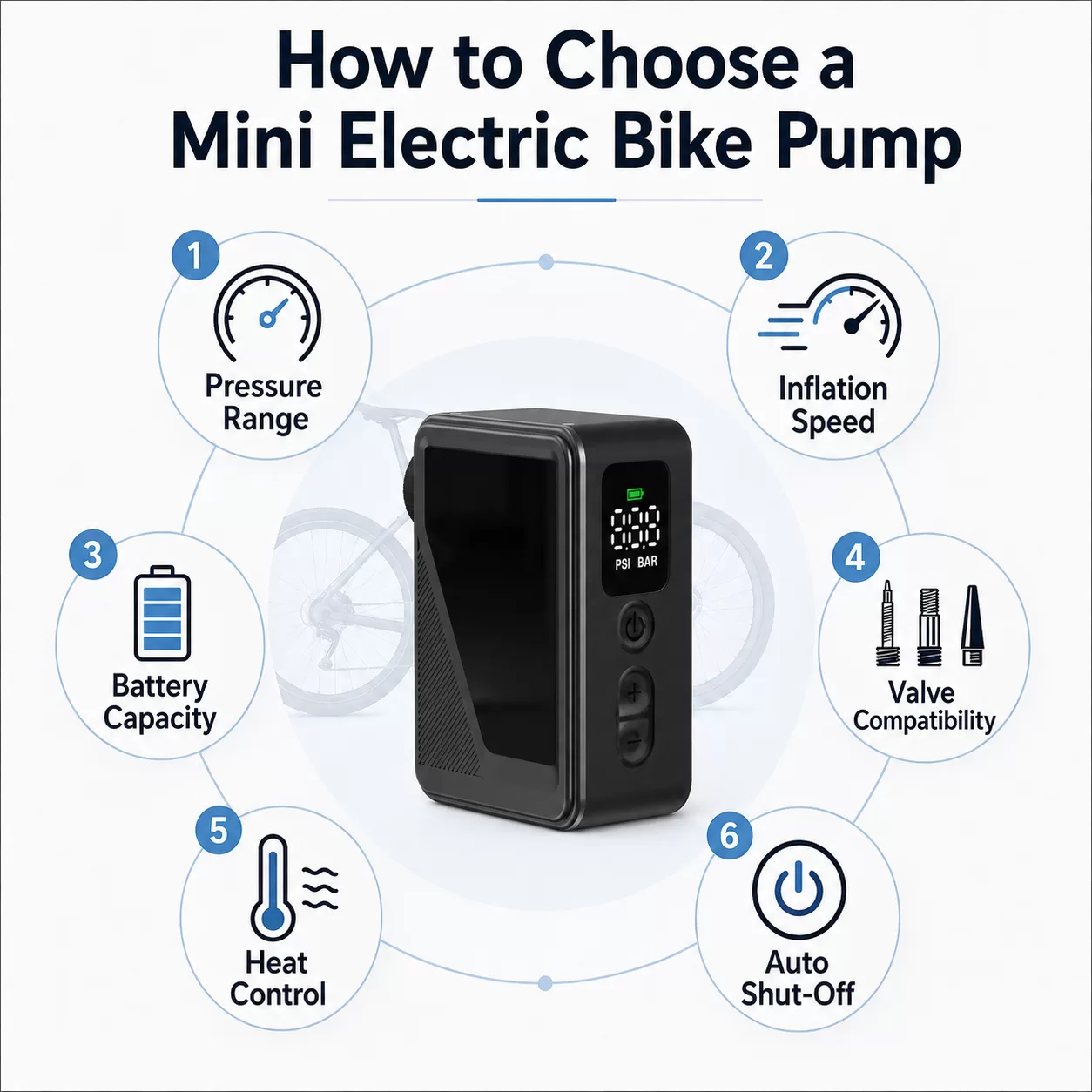
Why Mini Electric Bike Pumps Are Becoming Essential for Modern Cycling
Discover why mini electric bike pumps are becoming essential for modern cyclists. Learn how portable electric bike pumps improve tire pressure management, riding safety, and convenience.... -

The Ultimate Smart Solution for Easy Outdoor Adventures in 2026
Discover how a spring travel air pump simplifies outdoor trips with fast inflation, smart features, and powerful performance—perfect for every adventure.... -

Powerful 5-in-1 Portable Car Tire Inflator and Jump Starter: The Ultimate Emergency Tool for Every Driver
Why Every Driver Needs a Portable Car Tire Inflator and Jump Starter Modern drivers face many unexpected situations on the road. A flat tire, low tire pressure, or a dead car battery can happen at the worst possible time. That’s why having a portable car tire inflator and jump starter is... -

7 Real Cycling Scenarios That Show Why Every Rider Should Carry a Mini Bike Pump
Cycling is one of the most freeing activities you can enjoy. Whether you’re commuting to work, riding through city streets, or exploring quiet countryside roads, a bike ride can instantly improve your day. But there’s one small problem that almost every cyclist eventually faces: Low tire pressure. It might happen... -
BL08-A Portable Electric Bike Pump: A Global Distribution Opportunity with Smartnewo
Smartnewo, a professional manufacturer of portable electric air pumps, introduces the BL08-A model — a compact and efficient inflator designed for global distributors, e-commerce sellers, and outdoor accessory brands seeking reliable OEM/ODM solutions. Table of Contents Main Heading Subtopics 1. Introduction: Expanding the Global Market for Smart Inflation Tools Portable... -

Connecting Opportunities at Automechanika Shanghai 2025 — Smartnewo Exhibition Day 1
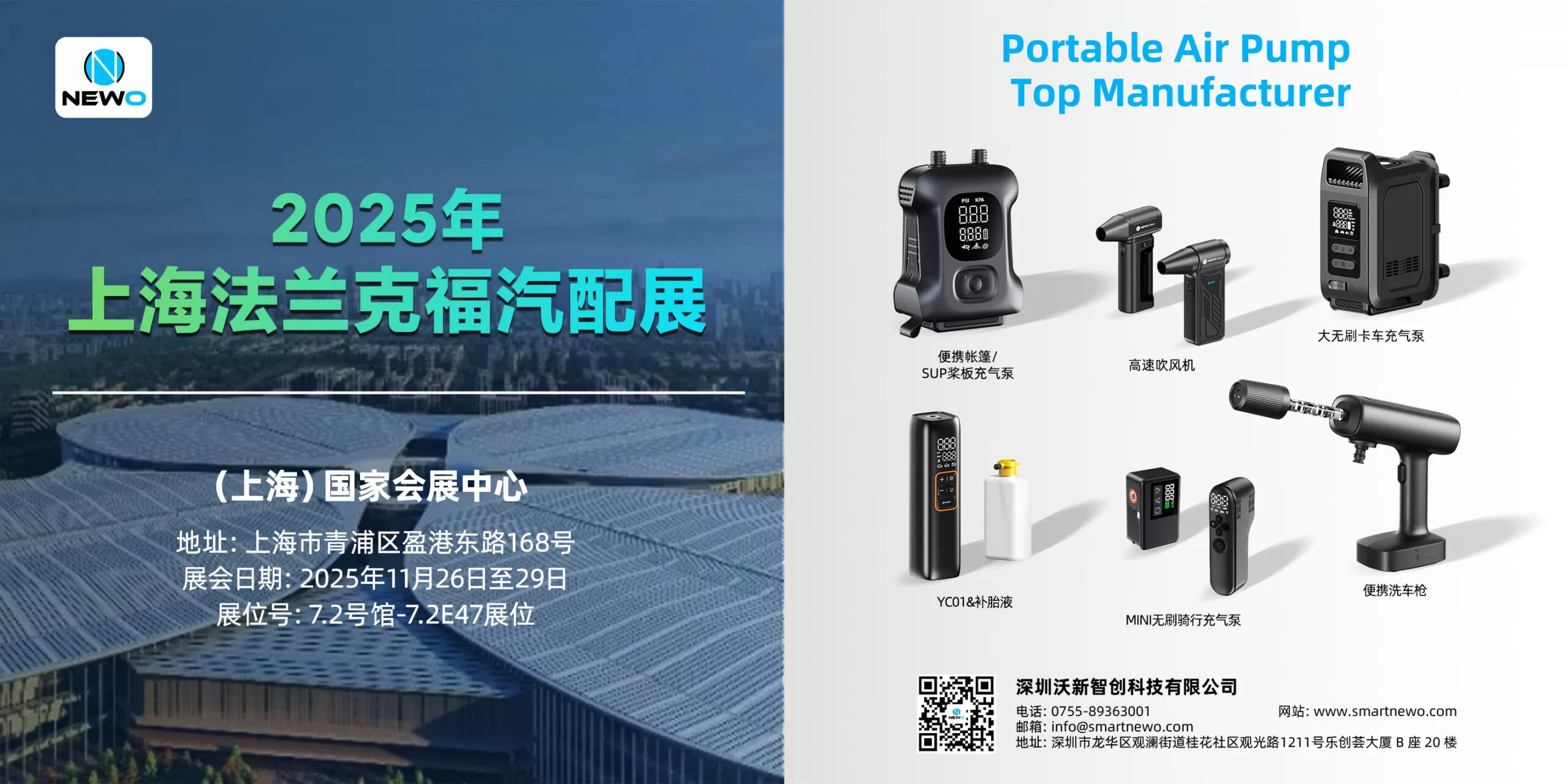
Today marks an exciting beginning as Smartnewo officially opens its booth at Automechanika Shanghai 2025. As one of the largest and most influential automotive aftermarket exhibitions in the world, the show provides an exceptional platform for meaningful conversations, partnership building, and global industry exchange. Located at Booth 7.2E47, Smartnewo presents... -

Why Every Outdoor Cyclist Should Carry a Mini Electric Bike Pump
Whether you are an experienced mountain rider or a weekend road-cycling enthusiast, one thing is certain: unexpected tire pressure issues can ruin an entire ride. That’s why more cyclists are turning to mini electric bike pumps—compact, lightweight, and far more reliable than traditional hand pumps. 1. Consistent Pressure, Even in...

-
How Is a Football Properly Inflated?
The correct inflation of a football - with not too much and not too little air - is a hotly debated topic among footballers.... -
Application Scenarios of Car Inflator Pump
Often long-distance business trips or play car owners because the road may be more remote areas, in this case if you encounter a tire leak....