

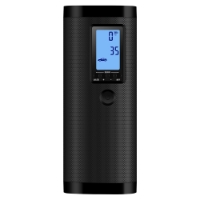
 Portable Tire Inflators
 Electric Air Pumps
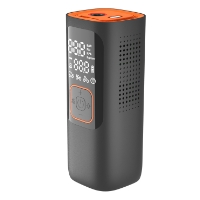 Electric Car Tyre Pumps
 Electric Ball Pumps
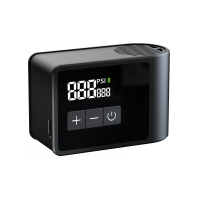 Electric Bike Pump
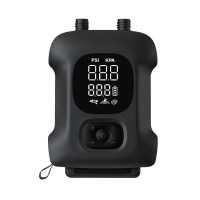 SUP Air Pump
Choosing an Electric Air Pump Manufacturer: Technical Standards and Costs
Finding a reliable electric air pump manufacturer requires understanding specific technical thresholds. Buyers often struggle with inconsistent inflation speeds, rapid battery degradation, or overheating issues. Addressing these mechanical realities upfront saves time and capital.
The shift from manual hand pumps to battery-operated solutions relies entirely on internal mechanical reliability. Drivers expect immediate results when facing a flat tire on a busy highway. Meeting this expectation requires tight engineering tolerances and strict component selection.
The core of this process is distinguishing between consumer-grade assembly and industrial-grade engineering. A capable electric air pump manufacturer evaluates heat dissipation, motor torque, and battery discharge rates.
How Does Motor Quality Affect Inflation Speed?
The primary driver of inflation speed is the internal motor cylinder. When users ask why a pump takes ten minutes to fill a standard sedan tire, the answer lies in the cylinder diameter.
Small 15mm cylinders struggle to generate sufficient airflow, resulting in prolonged operation times. Upgrading to a 22mm or 25mm pure copper cylinder drastically changes the output.
Another factor within the motor is the stator winding material. Pure copper windings maintain lower electrical resistance compared to cheaper aluminum alternatives. This efficiency translates directly to faster operational speeds and less energy wasted as ambient heat.
These larger internal components push more air per stroke. They effectively reduce a standard 195/55/R15 tire inflation time to under four minutes.
Selecting the right motor involves checking three specific metrics:
- Cylinder diameter (measured in millimeters)
- Maximum continuous working time
- Airflow rate (liters per minute)
Why Do Some Air Pumps Overheat During Continuous Use?
Overheating is a common failure point in portable pneumatic devices. This happens because compressing air generates significant thermodynamic friction.
If a device lacks proper thermal management, internal temperatures can exceed 90 degrees Celsius within minutes. This heat melts plastic gears and degrades lithium-ion battery cells.
Battery chemistry reacts poorly to thermal stress inside a compact housing. When standard lithium cells operate repeatedly above 60 degrees Celsius, their charge retention capacity drops permanently. This explains why poorly designed units fail to hold a charge after minimal use.
To resolve this, engineers implement active cooling systems. A metal cylinder block absorbs heat, while an integrated cooling fan disperses it through casing vents.
As an electric air pump manufacturer, ensuring thermal stability dictates the device’s lifespan. Reliable designs can maintain operation for 15 to 20 minutes without critical heat buildup.
What Are the Differences Between Sensor Types?
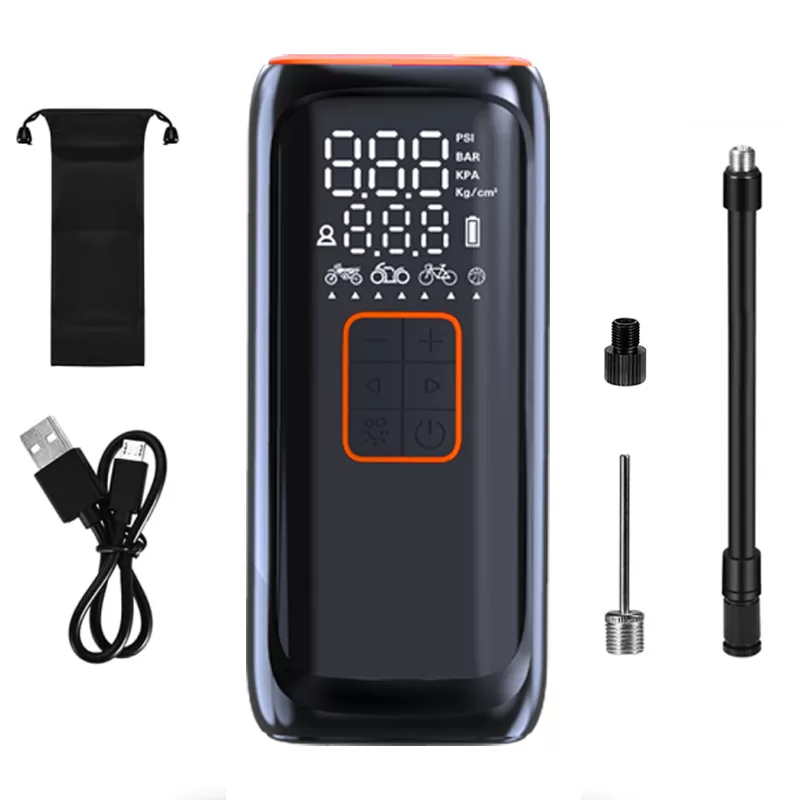
Accurate pressure reading relies heavily on the internal digital sensor chip. Older mechanical gauges use springs that lose tension and accuracy over time.
Modern inflators utilize piezoresistive pressure sensors. These tiny silicon chips measure physical strain and convert it into a digital electrical signal.
The quality of this chip dictates the auto-shutoff precision. A high-end sensor stops inflation exactly at 36 PSI, preventing dangerous tire overinflation.
If a factory cuts costs on the logic board, the sensor may drift. A drifting sensor routinely overfills or underfills tires, defeating the purpose of an automated device.
What Are the Real Costs of Sourcing Portable Inflators?
Unit pricing varies based on internal components and battery capacity. Buyers often miscalculate costs by ignoring the quality of the lithium cells used.
A basic inflator with dual 2000mAh batteries might cost between $10 and $15 to produce. Devices requiring higher output for SUVs require larger packs.
Upgrading to triple 2500mAh high-drain cells pushes the baseline production cost closer to $20. This extra investment prevents premature power failure during emergency roadside situations.
Cost breakdown typically falls into these main hardware categories:
- Lithium battery pack capacity
- Motor and copper cylinder size
- Control board and digital sensor accuracy
- Outer casing material and thermal design
What Specifications Matter When Evaluating Bulk Orders?
Comparing technical specifications ensures the final product meets market demands. Relying on vague descriptions leads to underperforming inventory.
Below is a standard specification reference for evaluating baseline performance:
| Component | Standard Entry Level | High-Performance Standard |
|---|---|---|
| Cylinder Size | 15mm to 17mm | 22mm to 25mm |
| Airflow Rate | 15 to 20 L/min | 30 to 40 L/min |
| Max Pressure | 100 PSI | 150 PSI |
| Continuous Run | 8 to 10 minutes | 15 to 25 minutes |
This data helps standardize the procurement process. It creates a rigid baseline for quality control checks before mass production begins.
How to Verify Production Standards Before Partnering
Evaluating a production facility goes beyond looking at assembly lines. The focus must remain on their testing protocols for pressure accuracy and battery safety.
Digital pressure sensors need rigorous calibration. A variance of more than 1.5 PSI can trigger dashboard warning lights on modern vehicles.
Quality facilities implement rigorous aging tests for all electrical components. Finished units should run continuously in heated chambers to simulate extreme summer environments. This destructive testing identifies weak solder joints and failing pressure seals before shipment.
For us, developing smart inflation solutions means prioritizing these exact technical tolerances. Strict quality management protocols ensure that every unit delivers precise, reliable pressure readings.
Partnering with a dedicated electric air pump manufacturer guarantees access to proper engineering support. This translates directly to fewer returns, better user experiences, and a stronger market presence.
-
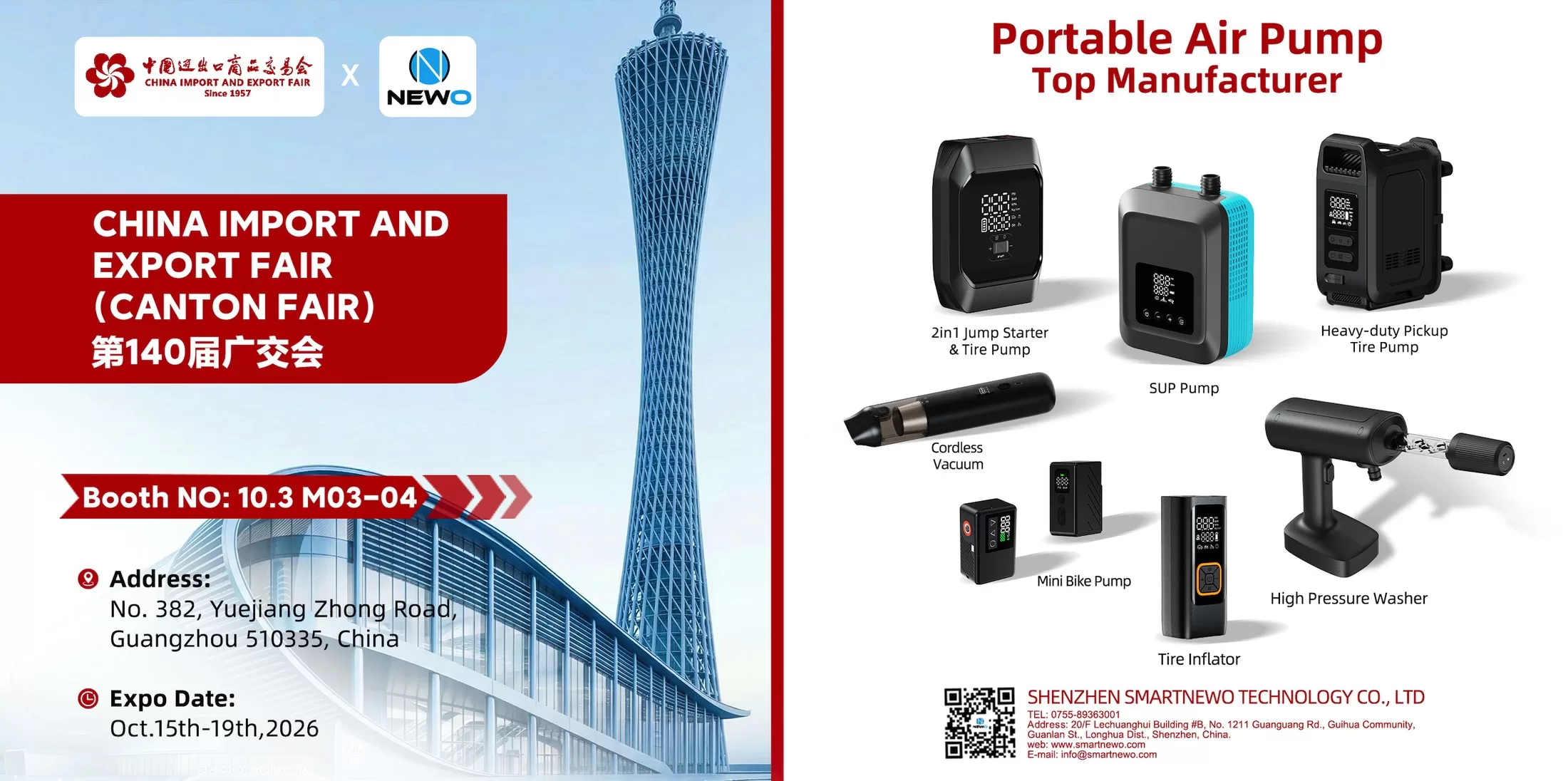
Meet NEWO at the 140th Canton Fair: Visit Booth 10.3 M03–04
Meet NEWO at the 140th Canton Fair in Guangzhou, October 15–19, 2026. Visit Booth 10.3 M03–04 to explore portable air pumps and discuss OEM, ODM and distribution opportunities.... -
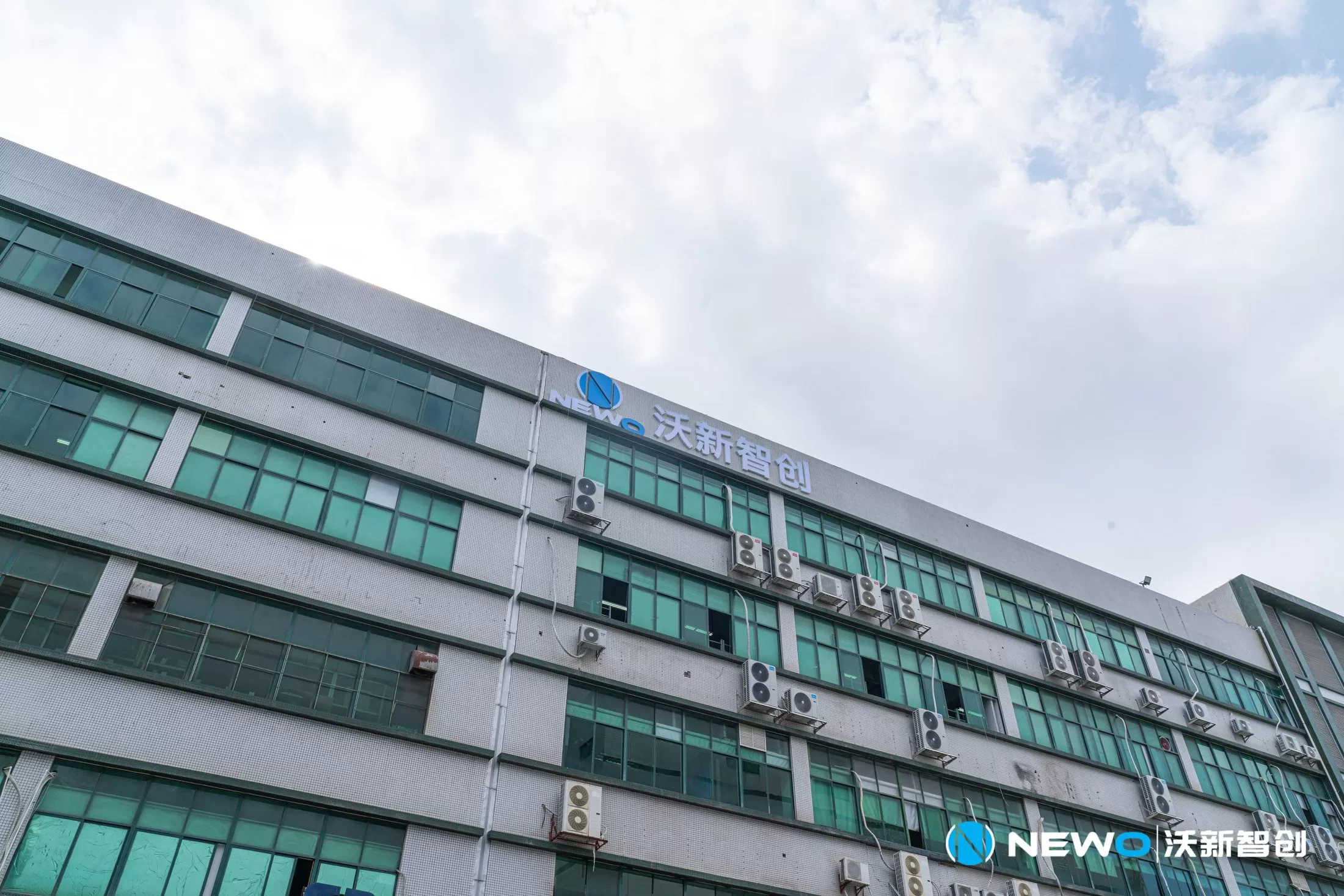
As Shenzhen Welcomes the World for APEC 2026, NEWO Welcomes You to Our Factory
As Shenzhen prepares for APEC 2026, NEWO welcomes international buyers and partners to visit our factory, meet our team and explore future cooperation.... -
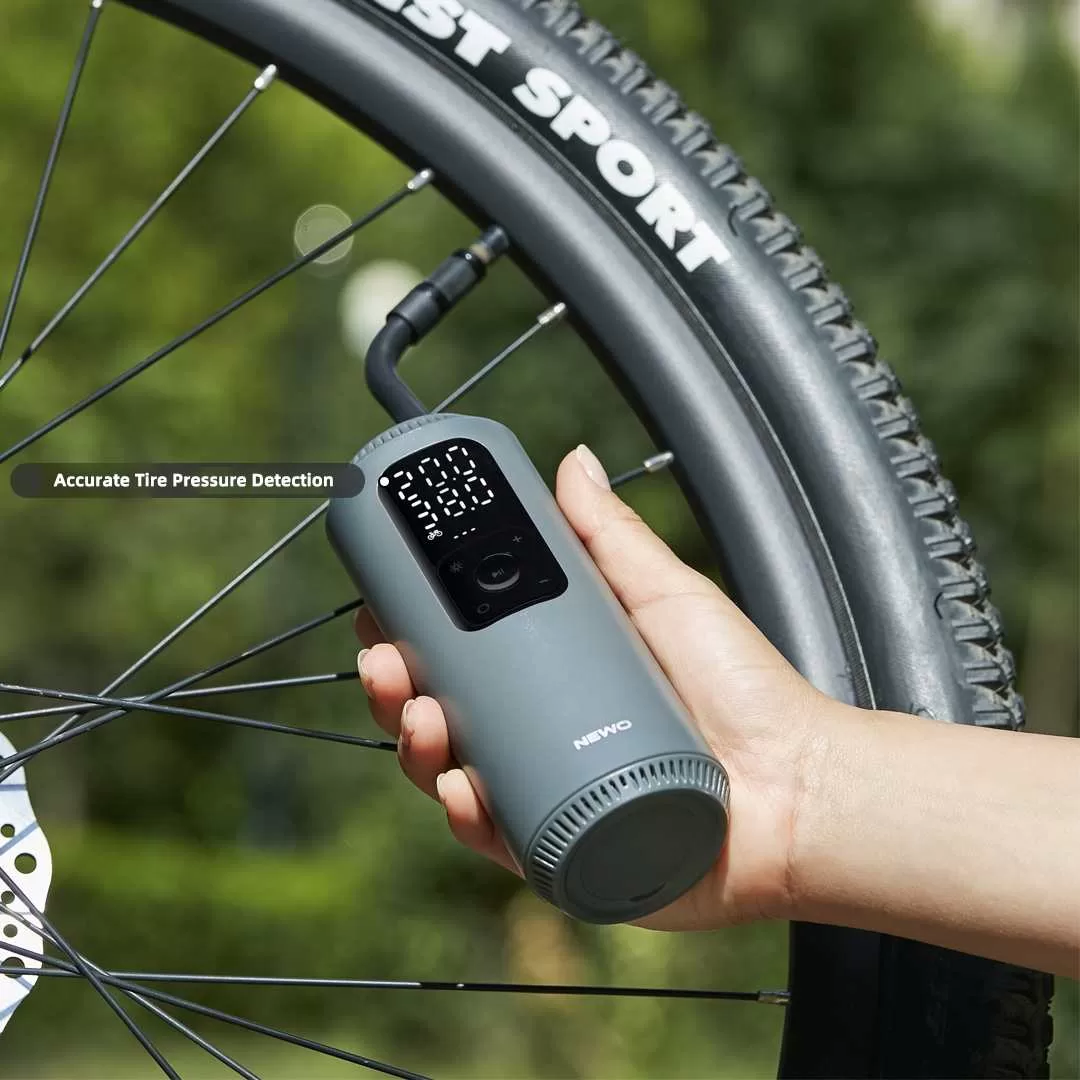
Leading the Way in Product Innovation and Excellence
Smartnewo exemplifies professionalism in product innovation and manufacturing. Their collaboration with Xiaomi Youpin on the G01 crowdfunding project highlights their expertise in creating compact, powerful inflatable pumps. Rigorous engineering, meticulous production processes, and advanced quality assurance underscore their commitment to excellence. The success of the G01 project, with significant market... -
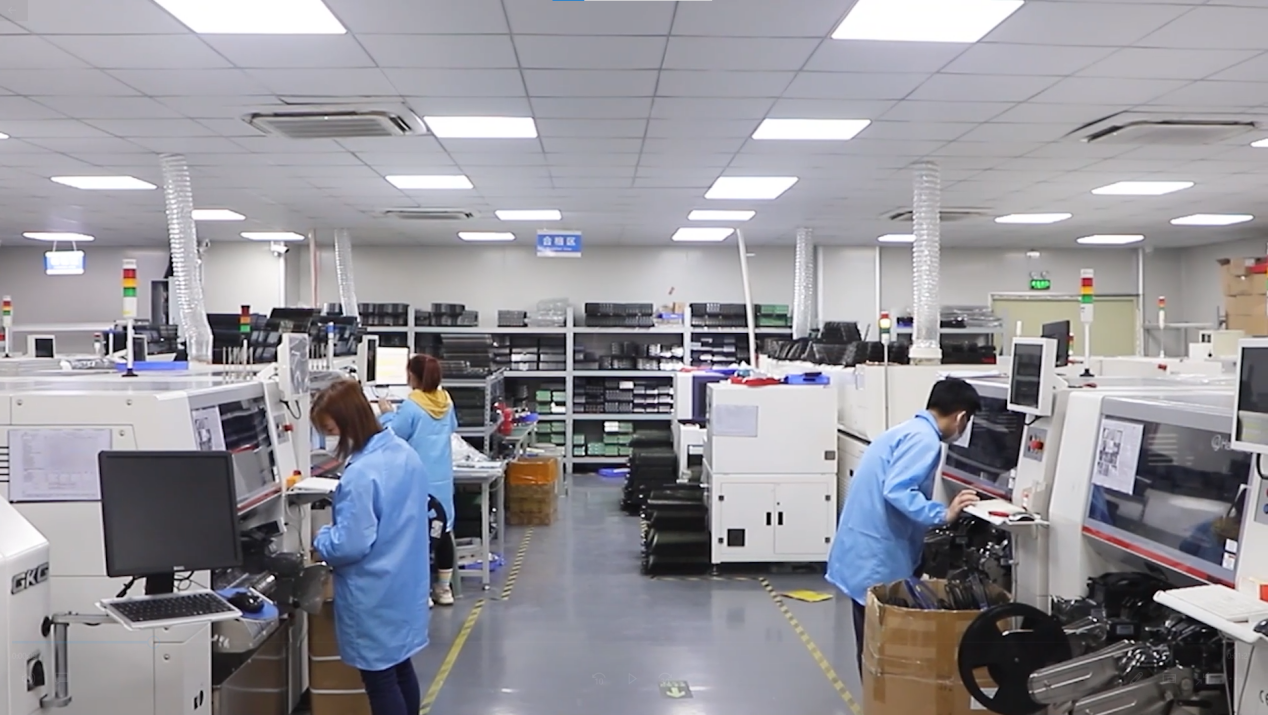
Essential Qualities of an Excellent Supplier
In today's competitive market, finding a reliable supplier is crucial for business success. Based on insights from Smartnewo and broader internet research, here are key qualities an excellent supplier must possess:... -
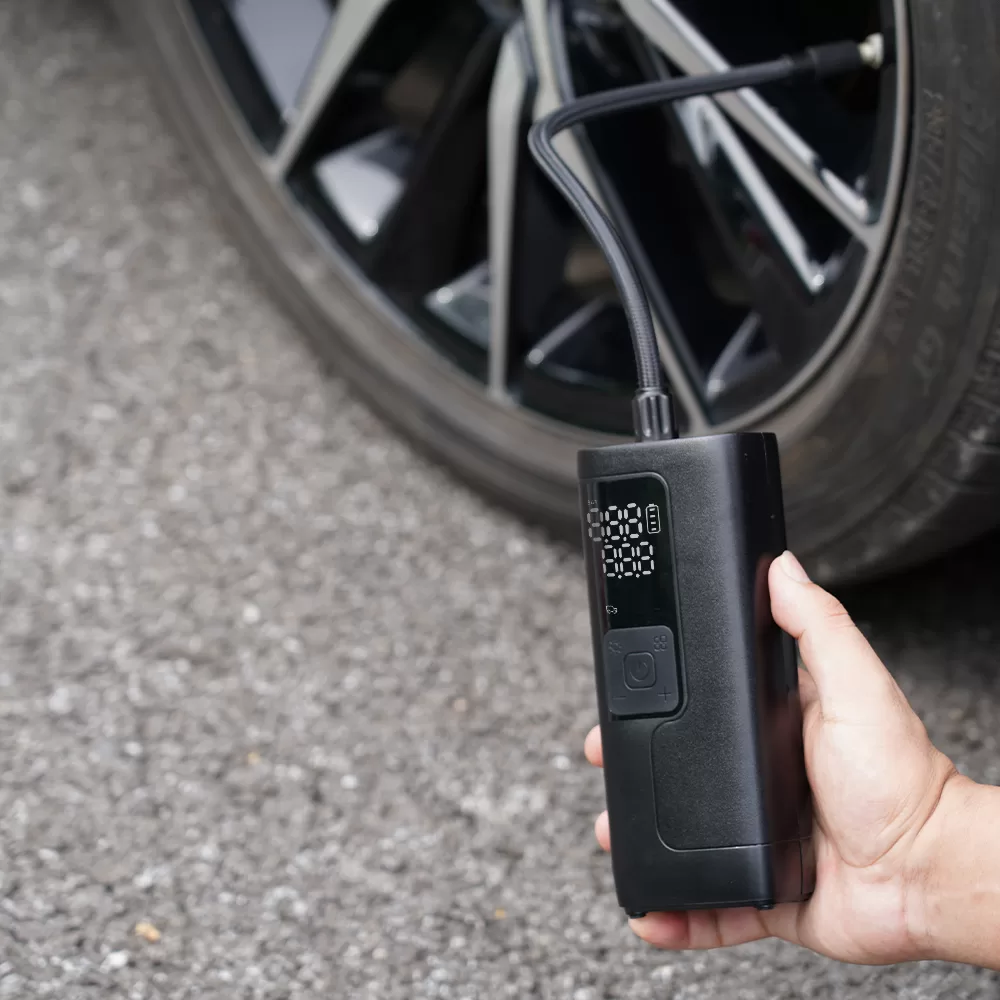
NW06 Tire Inflator: Compact Power for Quick Inflation
Summary The NW06 Tire Inflator delivers quick and efficient tire inflation with a powerful 35L/min airflow. It features a user-friendly LCD screen for real-time pressure monitoring, dual power options with a built-in 6000mAh battery, and multiple nozzle attachments for versatile use. Its compact design and integrated LED light ensure convenience and... -
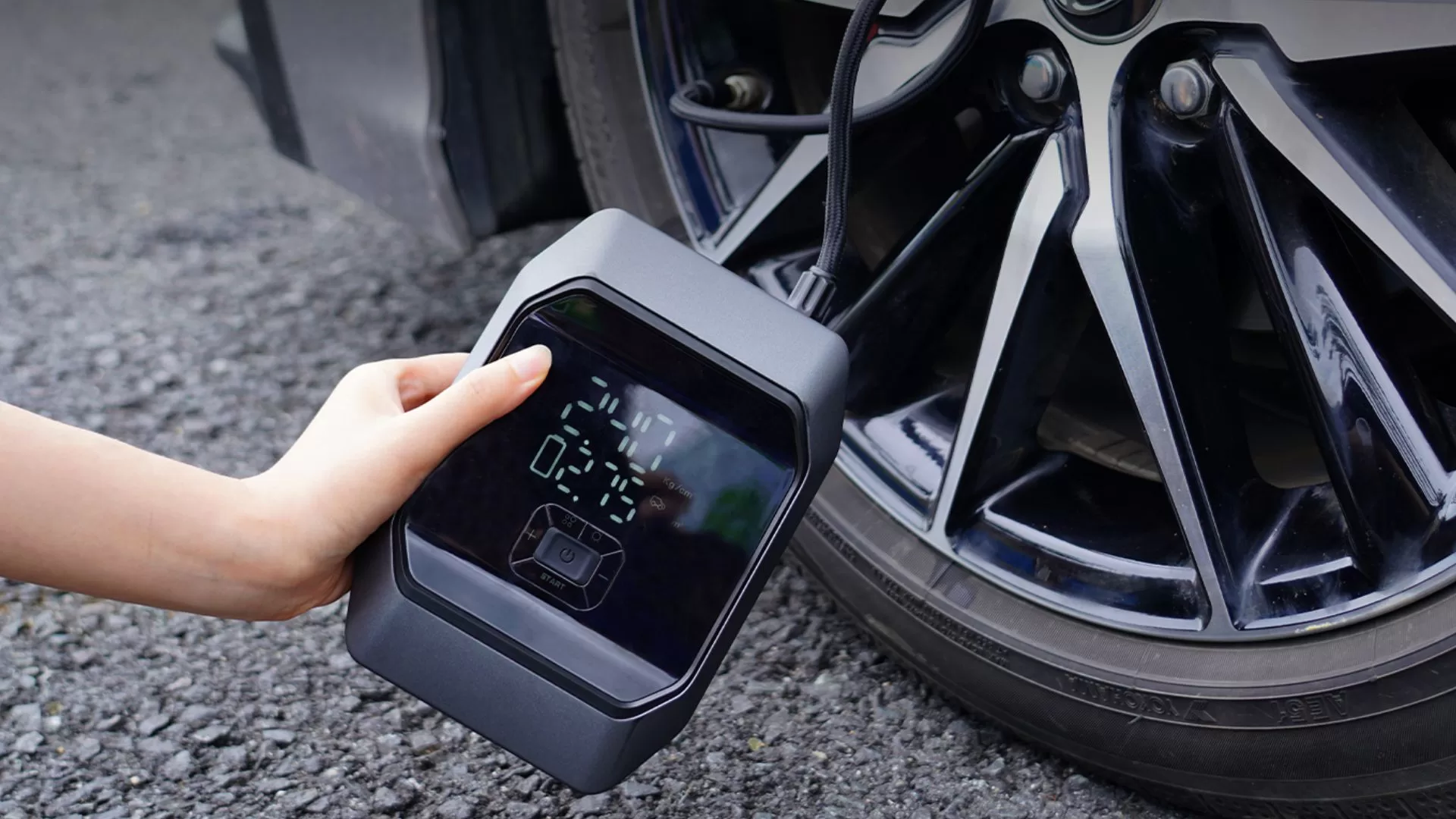
Unleash the Power of Portability: The SmartNewo Jump Starter with Air Compressor KF03
This guide will walk you through the steps to effectively use a portable tire inflator, helping you stay prepared and safe on the road.... -
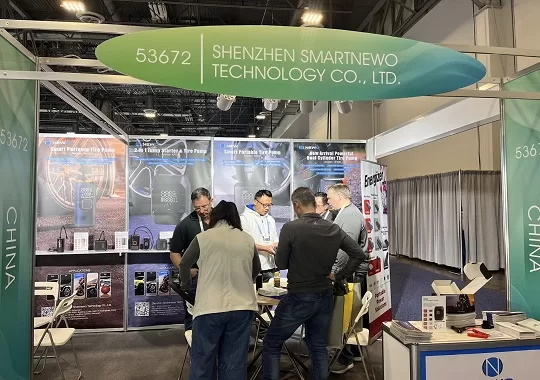
Newo Attends The 2024 Consumer Electronics Show (CES)
Smartnewo booth is located at 53672, Halls A-D, Level 2, Venetian Expo, Las Vegas Convention Center (LVCC). ... -
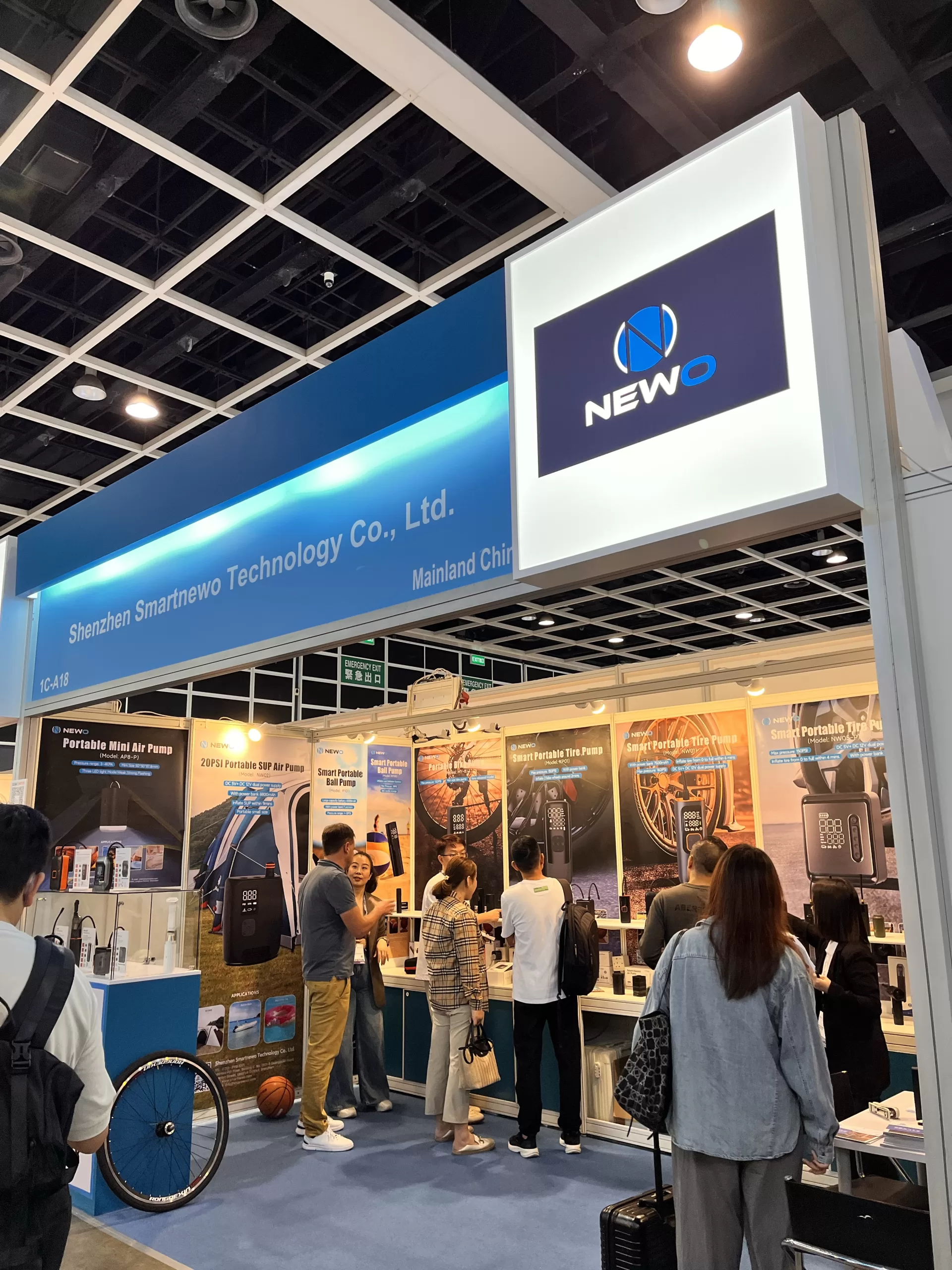
Smartnewo’s Dual-Cylinder Air Pump Rocks the Hong Kong Autumn Electronics Fair!
Smartnewo’s Dual-Cylinder Air Pump Rocks the Hong Kong Autumn Electronics Fair!... -
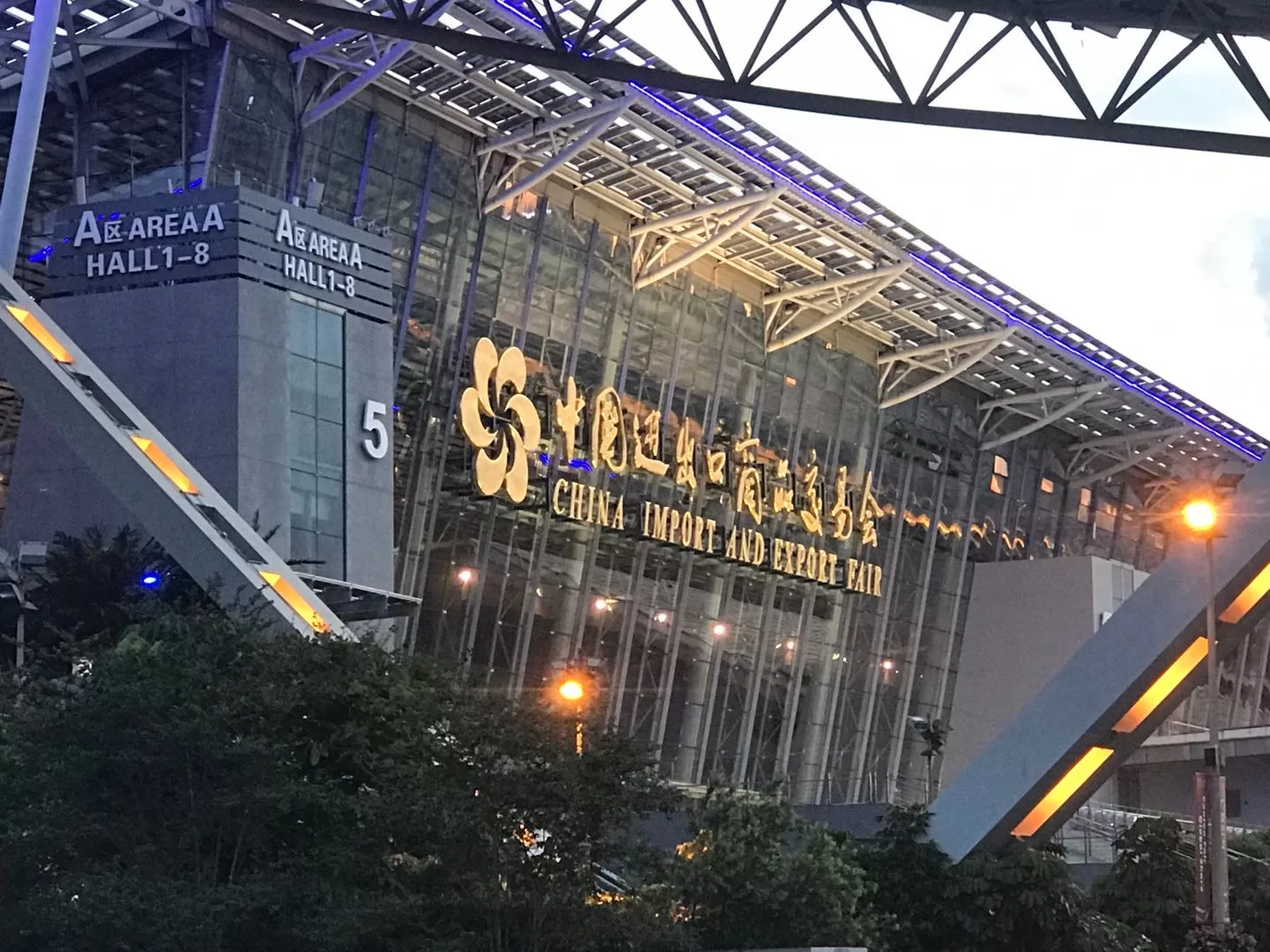
Meet at the Canton Fair! Smartnewo brings dual-cylinder air pumps, making your inflation experience faster and more stable!
NEWO has went deep communication and negotiation with customers from all over the world on booth.... -
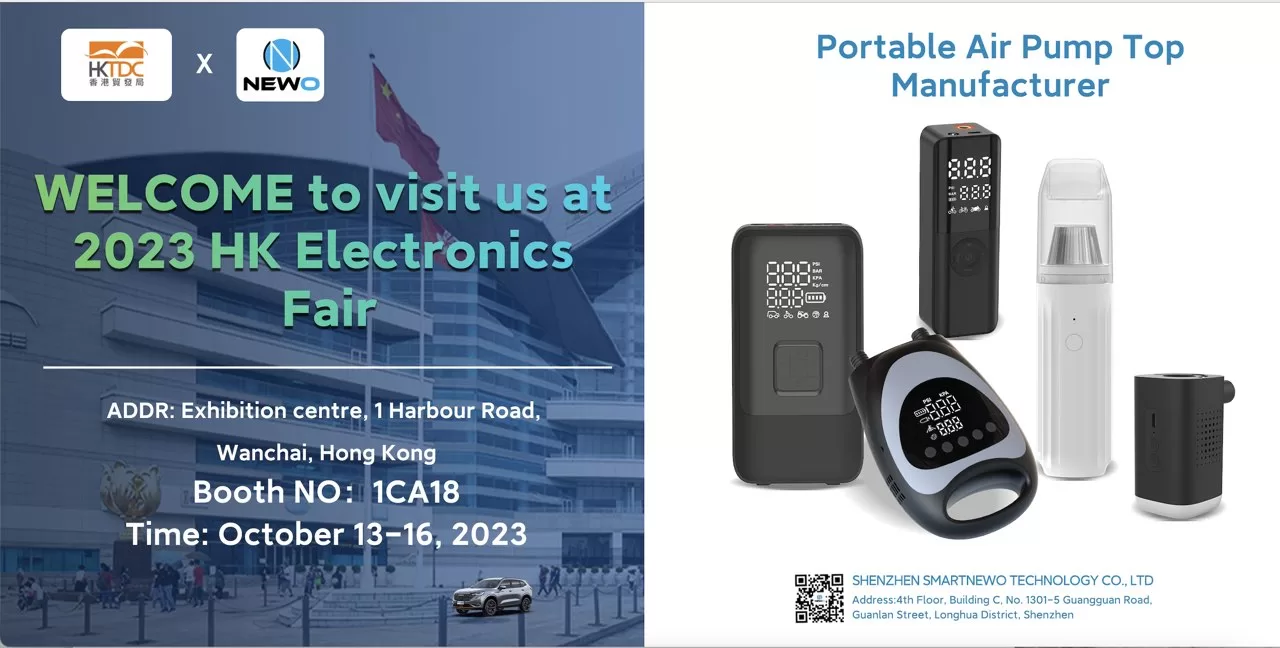
“Hong Kong Autumn Electronics Fair – 1CA18 (October 13th to 16th): Smartnewo invites you to visit our booth!
Hong Kong Autumn Electronics Fair...
-
How to Choose a Reliable Tire Inflator Manufacturer in China
Choose a tire inflator manufacturer in China with a focused RFQ, supplier evidence, configuration checks, and clear sample-to-pilot decisions for your brand.... -
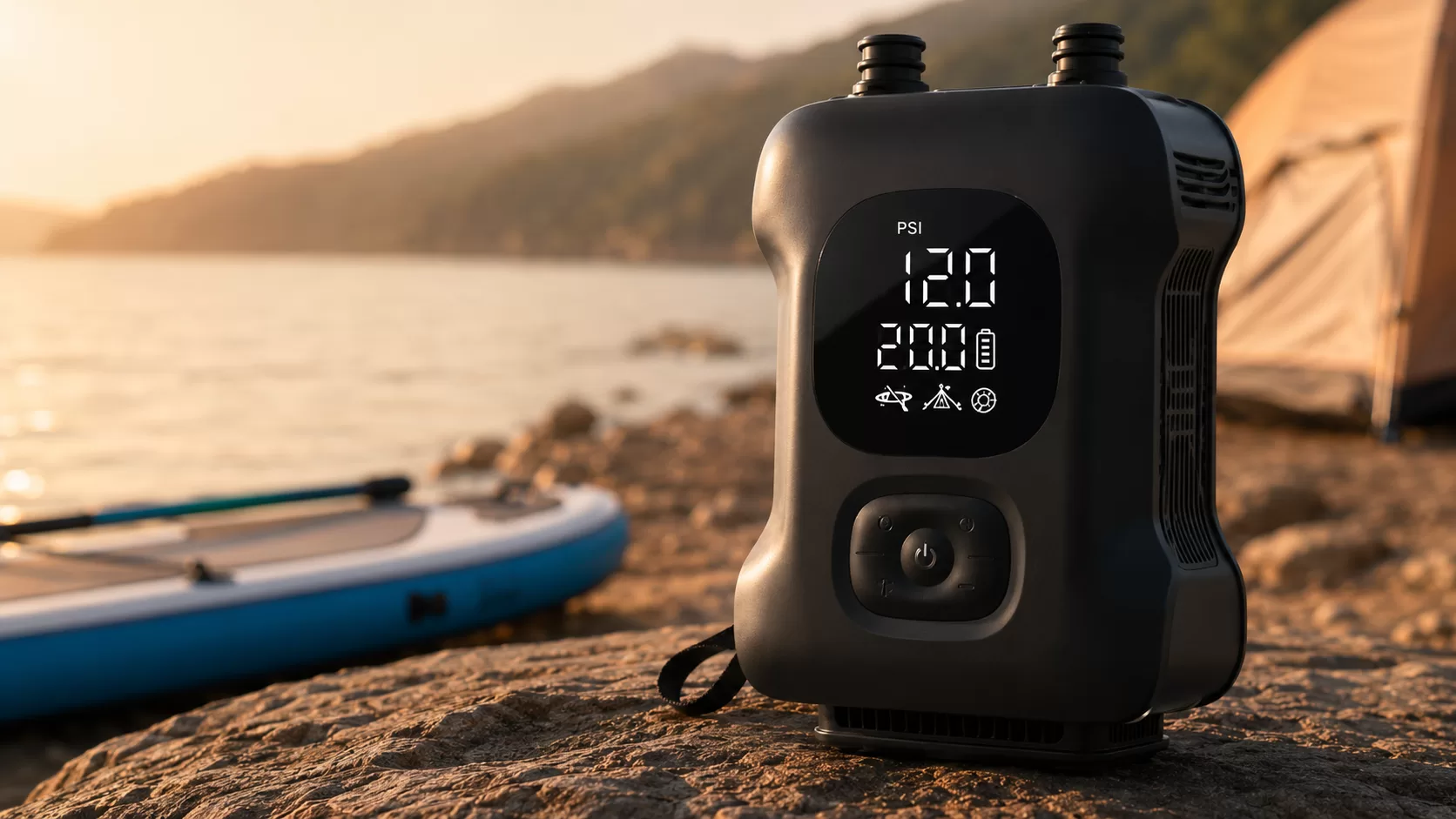
Rechargeable Electric SUP Pump for Paddle Boards: Faster Inflation for SUPs, Kayaks and Inflatable Tents
The BL10-C Portable Electric Bike Tire Inflator is a compact and lightweight mini electric bike pump designed for modern cyclists. With up to 120 PSI pressure, a digital LED display, preset pressure control, automatic shut-off, USB-C charging, and multiple valve adapters, BL10-C offers a convenient inflation solution for road bikes,... -
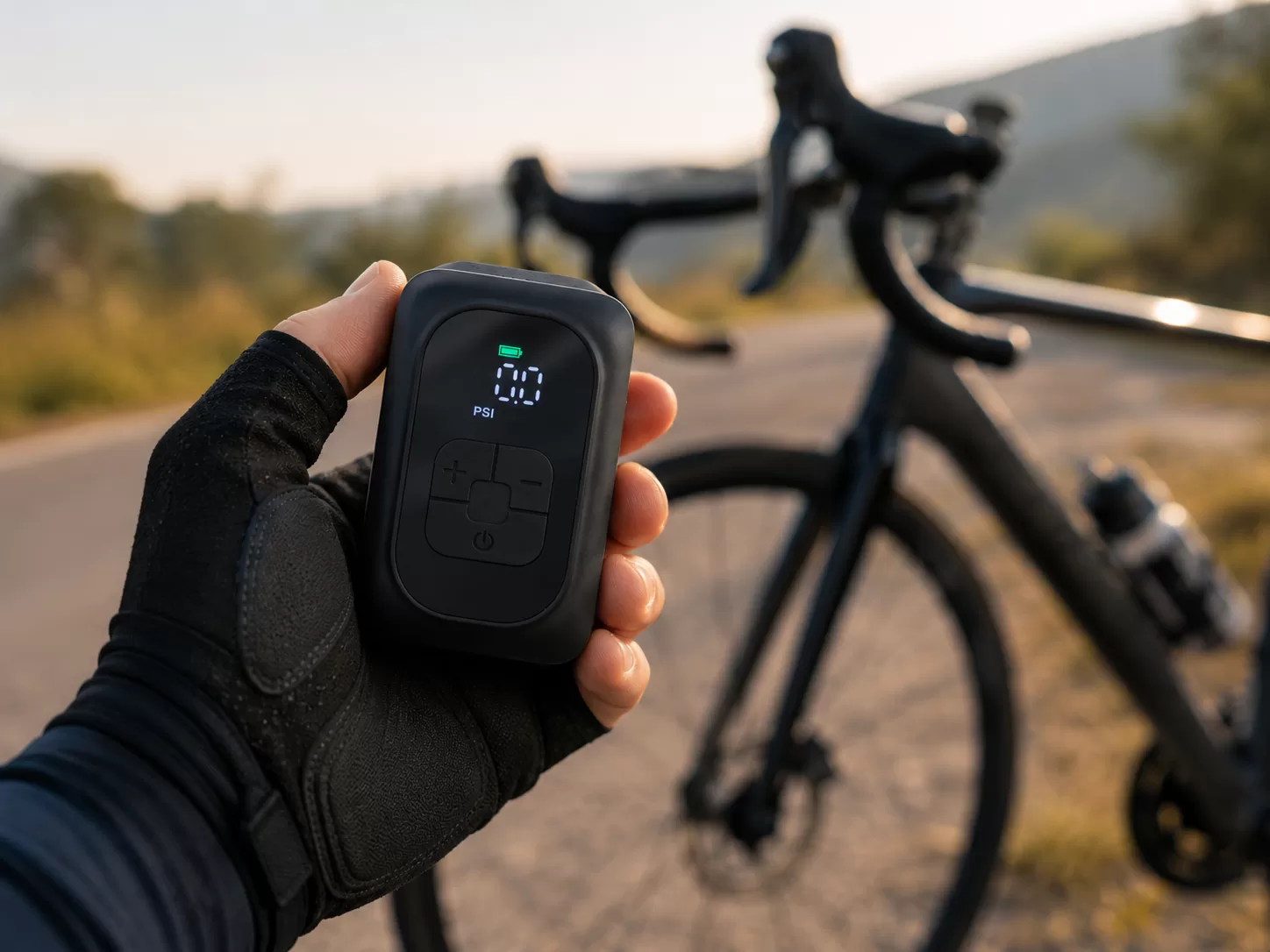
Are Electric Bike Pumps Worth It in 2026? Electric Pump vs CO₂ vs Mini Hand Pump
Discover whether electric bike pumps are worth it in 2026. This guide compares electric bike pumps, CO₂ inflators, and mini hand pumps for road cycling, gravel riding, commuting, and long-distance rides. Learn the pros, limitations, best use cases, and key features to look for before choosing the right portable tire... -
BL10-C Portable Electric Bike Tire Inflator: Small Size, Reliable Power for Every Ride
The BL10-C Portable Electric Bike Tire Inflator is a compact and lightweight mini electric bike pump designed for modern cyclists. With up to 120 PSI pressure, a digital LED display, preset pressure control, automatic shut-off, USB-C charging, and multiple valve adapters, BL10-C offers a convenient inflation solution for road bikes,... -
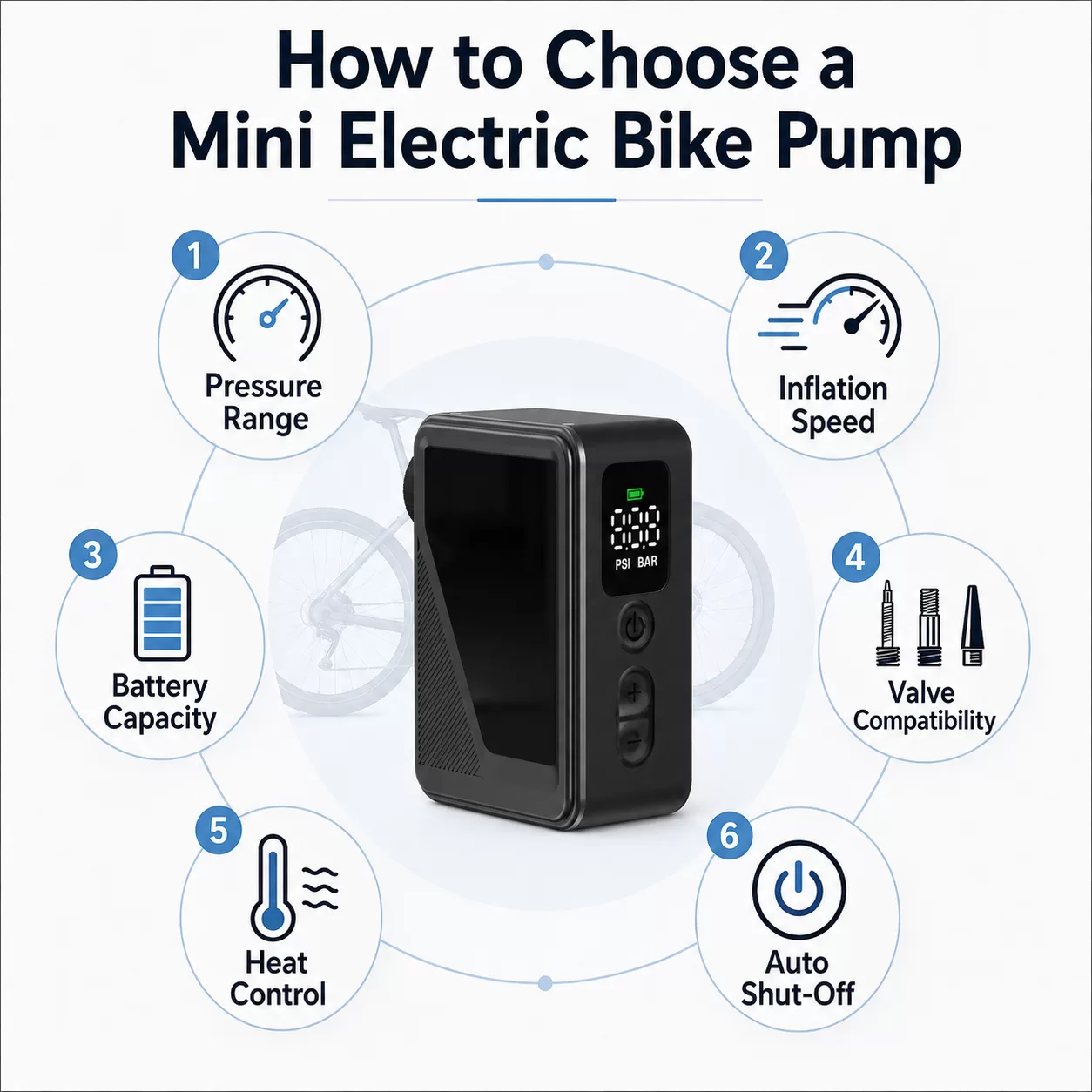
Why Mini Electric Bike Pumps Are Becoming Essential for Modern Cycling
Discover why mini electric bike pumps are becoming essential for modern cyclists. Learn how portable electric bike pumps improve tire pressure management, riding safety, and convenience.... -
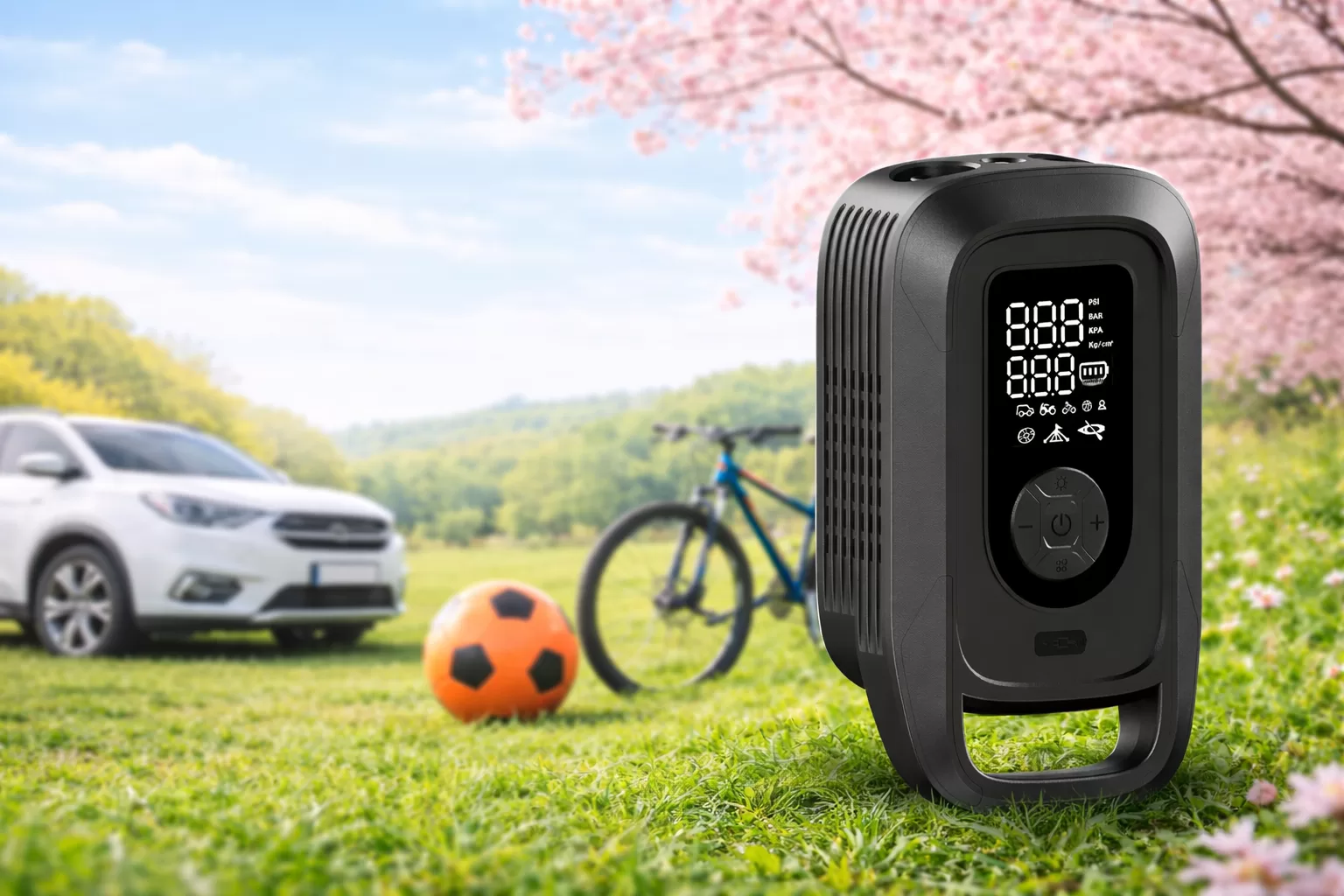
The Ultimate Smart Solution for Easy Outdoor Adventures in 2026
Discover how a spring travel air pump simplifies outdoor trips with fast inflation, smart features, and powerful performance—perfect for every adventure.... -
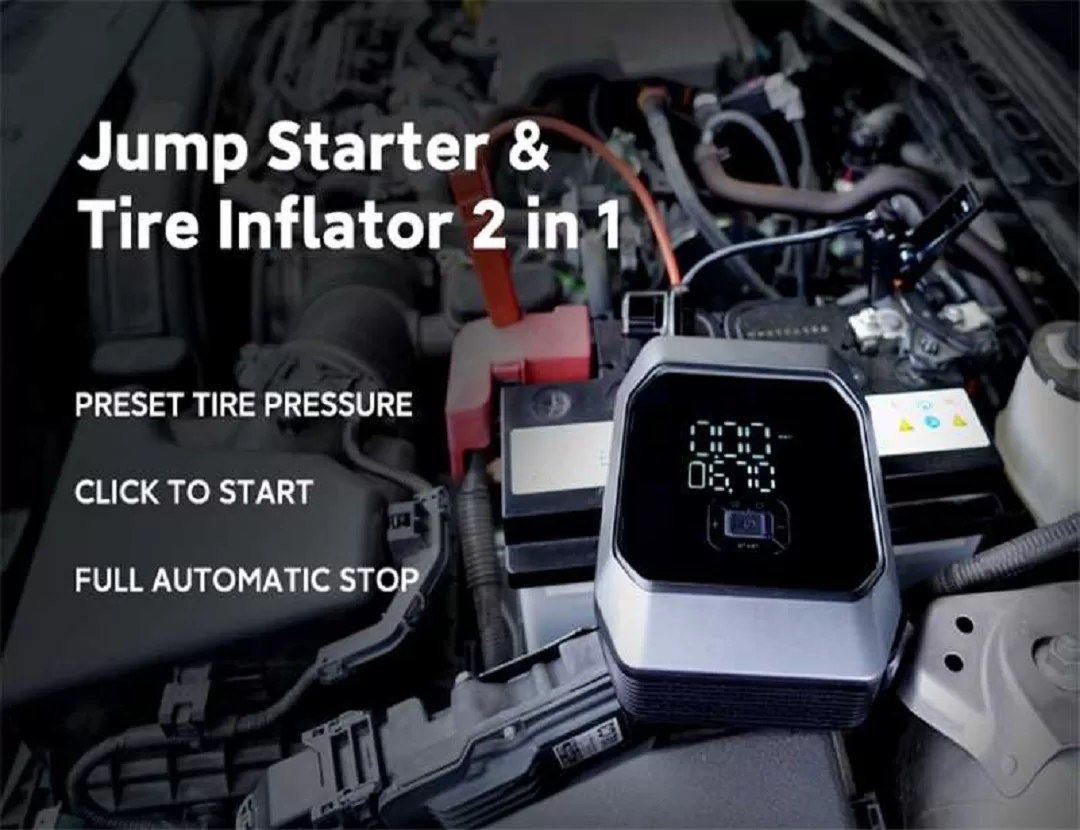
Powerful 5-in-1 Portable Car Tire Inflator and Jump Starter: The Ultimate Emergency Tool for Every Driver
Why Every Driver Needs a Portable Car Tire Inflator and Jump Starter Modern drivers face many unexpected situations on the road. A flat tire, low tire pressure, or a dead car battery can happen at the worst possible time. That’s why having a portable car tire inflator and jump starter is... -
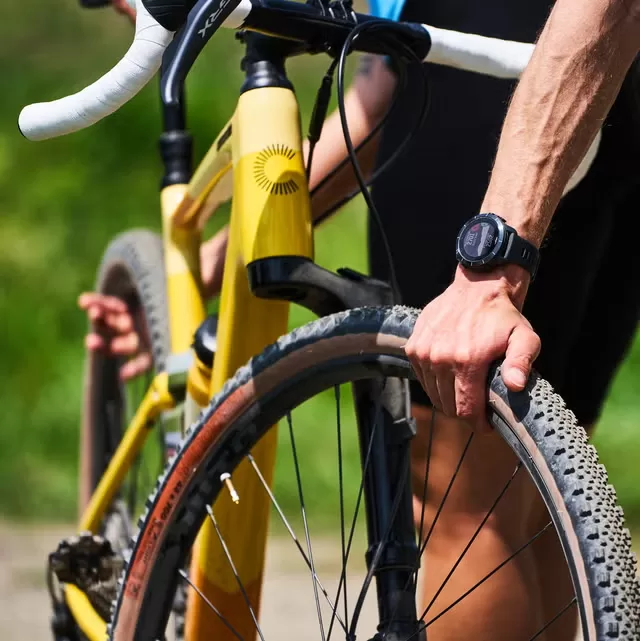
7 Real Cycling Scenarios That Show Why Every Rider Should Carry a Mini Bike Pump
Cycling is one of the most freeing activities you can enjoy. Whether you’re commuting to work, riding through city streets, or exploring quiet countryside roads, a bike ride can instantly improve your day. But there’s one small problem that almost every cyclist eventually faces: Low tire pressure. It might happen... -
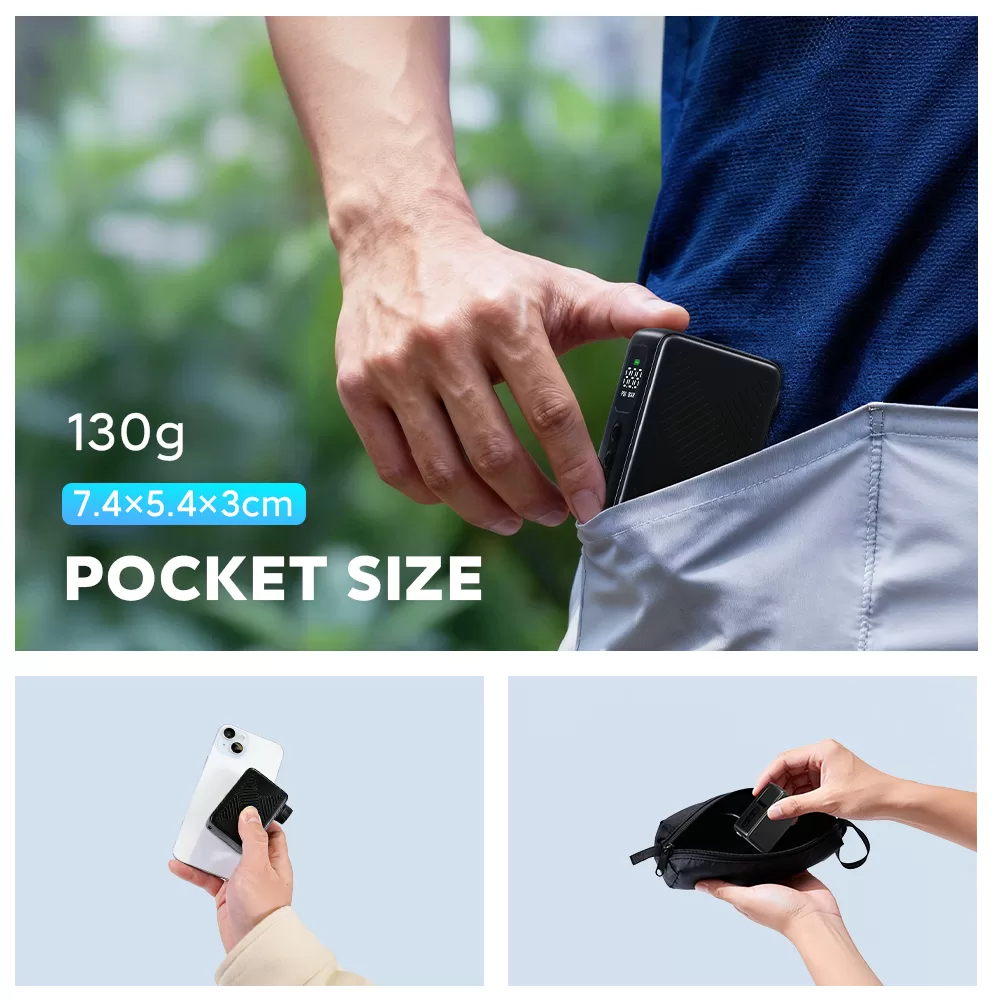
BL08-A Portable Electric Bike Pump: A Global Distribution Opportunity with Smartnewo
Smartnewo, a professional manufacturer of portable electric air pumps, introduces the BL08-A model — a compact and efficient inflator designed for global distributors, e-commerce sellers, and outdoor accessory brands seeking reliable OEM/ODM solutions. Table of Contents Main Heading Subtopics 1. Introduction: Expanding the Global Market for Smart Inflation Tools Portable... -
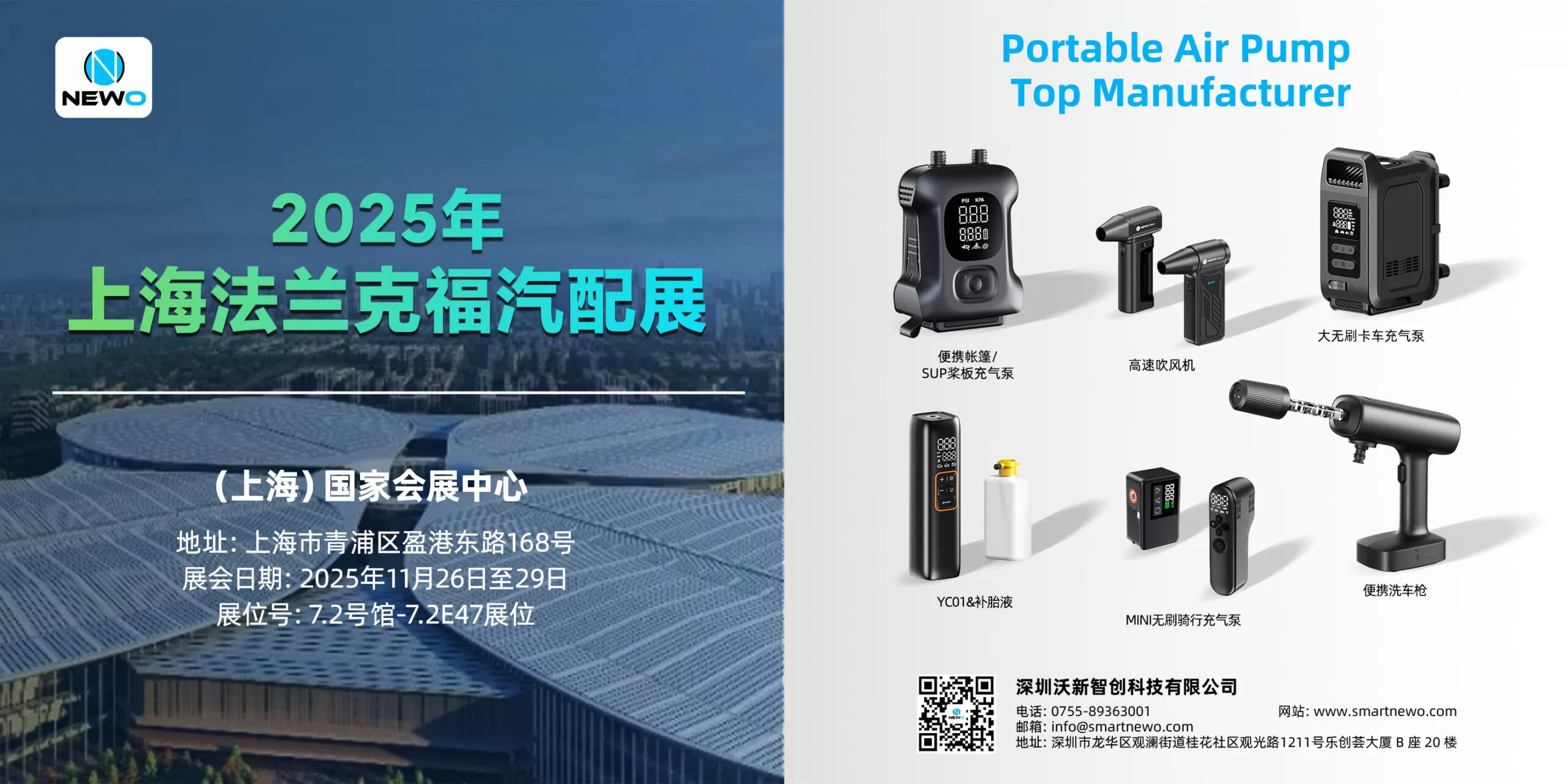
Connecting Opportunities at Automechanika Shanghai 2025 — Smartnewo Exhibition Day 1
Today marks an exciting beginning as Smartnewo officially opens its booth at Automechanika Shanghai 2025. As one of the largest and most influential automotive aftermarket exhibitions in the world, the show provides an exceptional platform for meaningful conversations, partnership building, and global industry exchange. Located at Booth 7.2E47, Smartnewo presents...
-
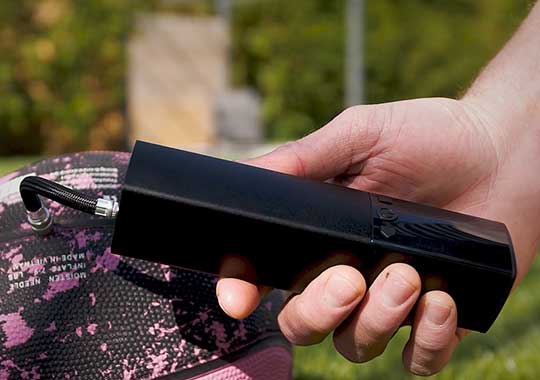
How Is a Football Properly Inflated?
The correct inflation of a football - with not too much and not too little air - is a hotly debated topic among footballers.... -

Application Scenarios of Car Inflator Pump
Often long-distance business trips or play car owners because the road may be more remote areas, in this case if you encounter a tire leak....