

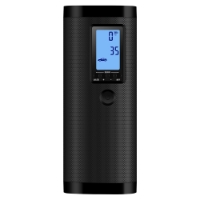
 Portable Tire Inflators
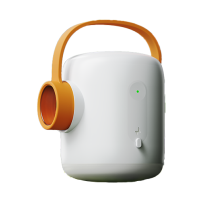 Electric Air Pumps
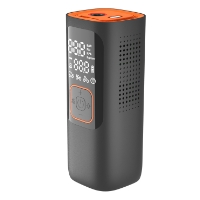 Electric Car Tyre Pumps
 Electric Ball Pumps
 Electric Bike Pump
 SUP Air Pump
Decoding the High Volume Electric Air Pump: The Physics of Low-Pressure Airflow
Many users expect one universal tool to inflate a vehicle tire and a massive backyard air mattress. The physics of fluid dynamics dictates a harsh reality where airflow and pressure operate in an inverse relationship. A true high volume electric air pump prioritizes rapid volumetric displacement over raw compression force. Understanding this mechanical trade-off prevents equipment failure and ensures you select the correct tool for large inflatables. For us, designing portable inflation solutions means respecting these exact physical boundaries.
The Mechanics of High Volume Versus High Pressure
Most people conflate air pressure with air volume. A piston-driven compressor pushes tiny amounts of air into a small chamber until it reaches high pressure. Conversely, a device like the AP5 operates on a turbine principle. It sweeps massive amounts of ambient air into an expansion chamber without compressing it heavily. This specific mechanism allows the motor to maintain continuous speed without stalling against mechanical resistance.
The result is a volumetric output of 190 to 200 liters per minute. This airflow rating is mathematically necessary to fill a queen-sized air mattress before the motor overheats. The maximum pressure naturally caps at 4.5 KPa. Attempting to force a turbine pump beyond this pressure threshold simply causes the air to slip backward past the impeller blades.
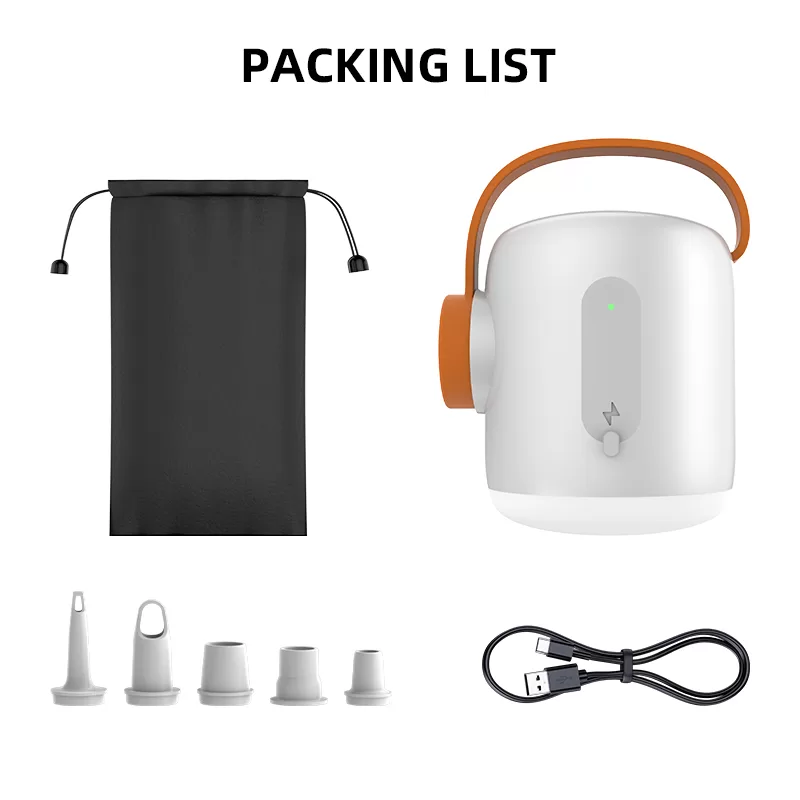
Look closely at the discharge port of a low-pressure device. The wide cylindrical outlet deliberately reduces flow restriction to maximize air volume. A narrow metal nozzle would choke the air delivery and instantly generate counterproductive heat. The physical diameter of the nozzle adapter is just as important as the motor spinning behind it.
Thermal Management in a Miniature Footprint
Moving 200 liters of air every sixty seconds generates significant electrical heat within the motor windings. The engineering challenge intensifies when the entire mechanical assembly fits inside a housing measuring just 68 by 60 by 55 millimeters. Standard cooling fans are too bulky for this footprint. Instead, engineers rely on the intake air itself to scrub heat from the internal components.
The incoming airflow acts as a functional coolant before it exits the pump. This constant thermal exchange requires strict operational parameters. If a user blocks the intake vent against the fabric of a sofa, internal temperatures will rapidly exceed safe thresholds. The ambient working temperature for discharge is conservatively rated from -10°C up to 45°C.
The housing material must also withstand thermal cycling without deforming. Ultrasonic hot pressing processes bind the external shell tightly to prevent vibration and air leaks. A smooth matte plastic body ensures that the acoustic signature remains below 85 decibels at a distance of one meter.
Battery Architecture for Continuous Flow
High-pressure compressors run in short bursts with high torque. High-volume pumps require sustained lower-torque operation to move air continuously. The power system relies on a 1000mAh lithium battery operating at a rated voltage of 3.7V. This equates to 7.4Wh of total stored energy dedicated primarily to maintaining continuous motor rotation.
A continuous discharge cycle drains a small cell quickly. The battery chemistry is optimized to dump its capacity smoothly over several minutes of runtime rather than offering peak burst currents. Once depleted, the integrated Type-C charging port replenishes the cell in roughly 1.5 to 2 hours.
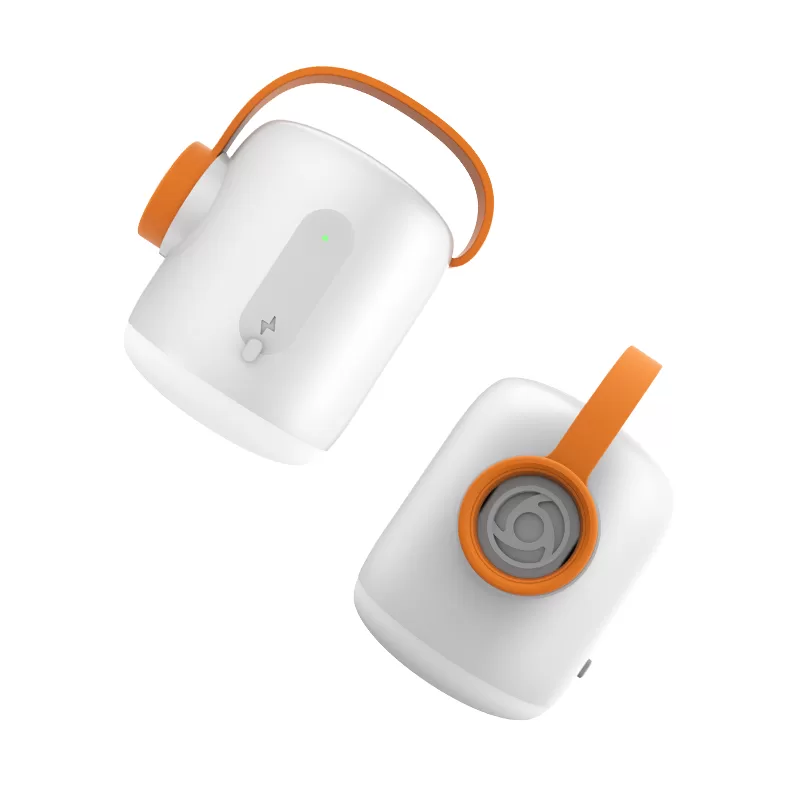
Charging protocols are deliberately kept simple to maintain reliability across different environments. You can easily recharge the device from a standard power bank during a remote camping trip. The power design prioritizes cord-free mobility across various indoor and outdoor scenarios without relying on proprietary charging bricks.
Practical Application: Matching Tool to Task
Selecting an inflation device is purely an exercise in matching technical specifications to the physical volume of the target object. A high volume electric air pump is completely useless for tasks requiring structural rigidity. You must map the pressure requirements precisely to avoid mechanical frustration.
The 4.5 KPa output is engineered specifically for flexible vinyl membranes. These specific products require rapid expansion rather than high internal pressure. We can categorize the ideal applications clearly:
- Swim rings and large pool floats
- Guest air mattresses and sleeping pads
- Inflatable outdoor camping sofas
- Large flexible seat cushions
Using a standard tire inflator for an inflatable sofa takes an agonizing amount of time. The tire pump might deliver 15 liters per minute at 100 PSI. The AP5 delivers nearly thirteen times that volume at a fraction of the pressure.
Technical Specifications Breakdown
Understanding the raw numbers provides a clear picture of the device’s exact mechanical limitations and intended operational envelope.
| Parameter | Technical Specification |
|---|---|
| Maximum Pressure | 4.5 KPa |
| Volumetric Airflow | 190–200 L/min |
| Battery Capacity | 1000mAh (7.4Wh) |
| Operating Noise | < 85dB at 1 meter |
| Physical Dimensions | 68 × 60 × 55 mm |
Technical FAQ: Addressing Common Misconceptions
Q: Can I use this pump to inflate my bicycle or car tires in an emergency?
A: No. A vehicle tire requires approximately 200 to 240 KPa of pressure to support the weight of the vehicle. This device generates a maximum of 4.5 KPa. The motor and impeller design are physically incapable of overcoming the heavy backpressure generated by a tire valve.
Q: Why does the pump feel slightly warm during an extended inflation cycle?
A: The internal motor operates at extremely high rotational speeds to move 200 liters of air per minute. While the air acts as a cooling mechanism, the mechanical friction and constant battery discharge naturally generate thermal energy. This is a normal operational byproduct of compact pneumatic devices.
Every mechanical tool serves a precise function based on its internal architecture. The compact AP5 demonstrates how impeller physics can be harnessed to move large quantities of air quickly without heavy compression. Understanding the difference between air pressure and air volume fundamentally changes how you interact with pneumatic equipment. Choosing a high volume electric air pump guarantees that large inflatables are ready for use in minutes rather than hours.
-
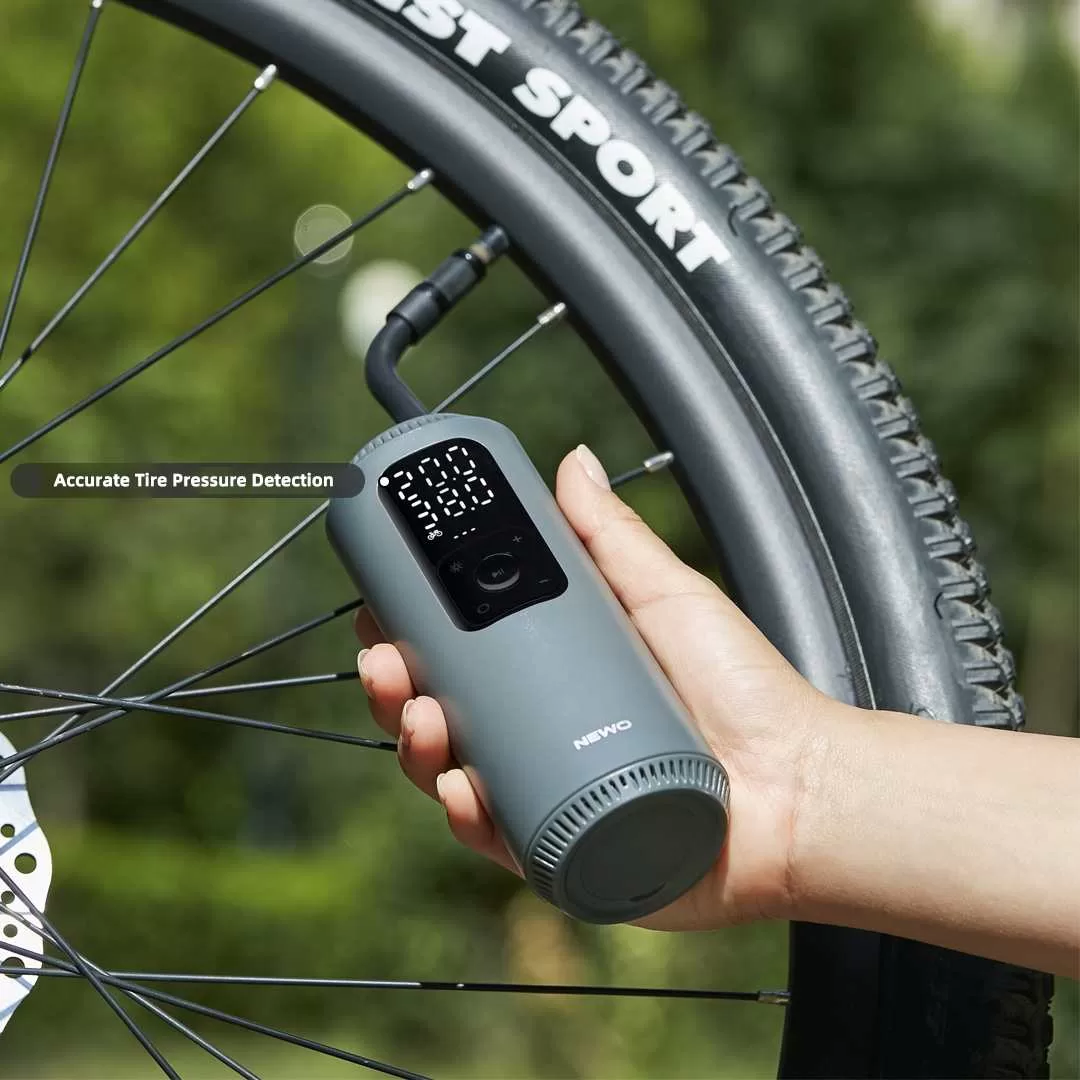
Leading the Way in Product Innovation and Excellence
Smartnewo exemplifies professionalism in product innovation and manufacturing. Their collaboration with Xiaomi Youpin on the G01 crowdfunding project highlights their expertise in creating compact, powerful inflatable pumps. Rigorous engineering, meticulous production processes, and advanced quality assurance underscore their commitment to excellence. The success of the G01 project, with significant market... -
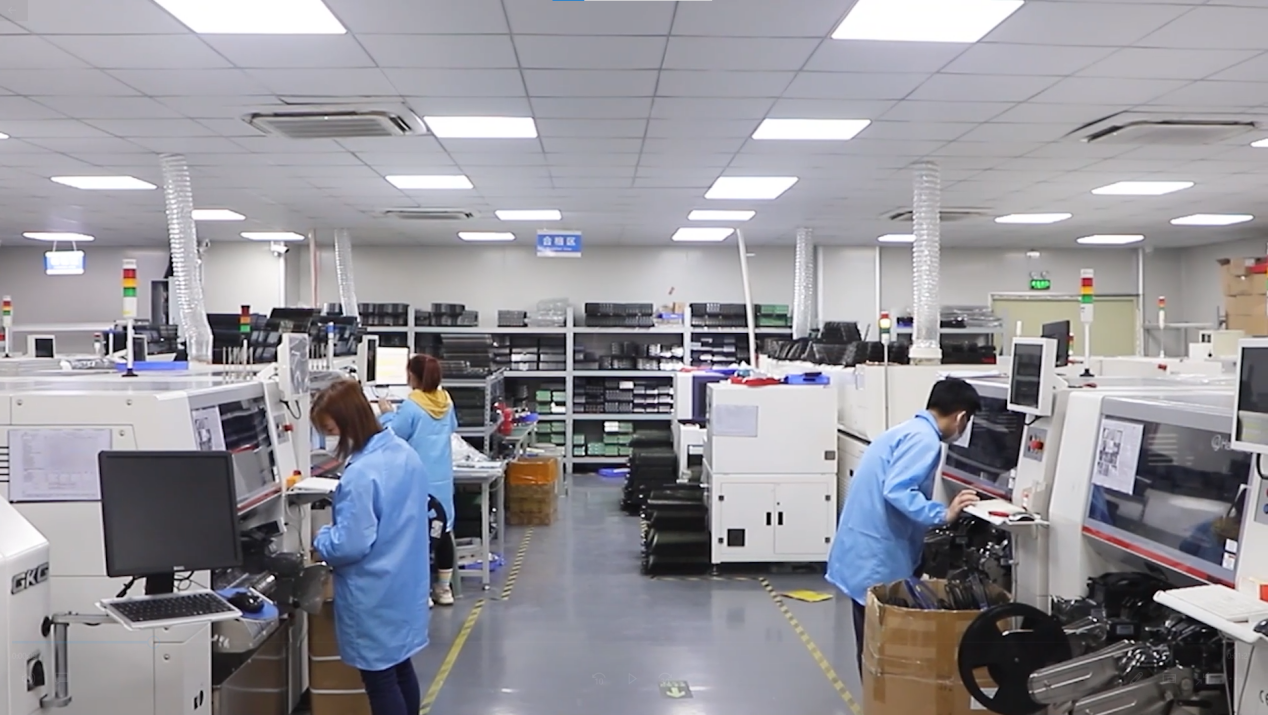
Essential Qualities of an Excellent Supplier
In today's competitive market, finding a reliable supplier is crucial for business success. Based on insights from Smartnewo and broader internet research, here are key qualities an excellent supplier must possess:... -
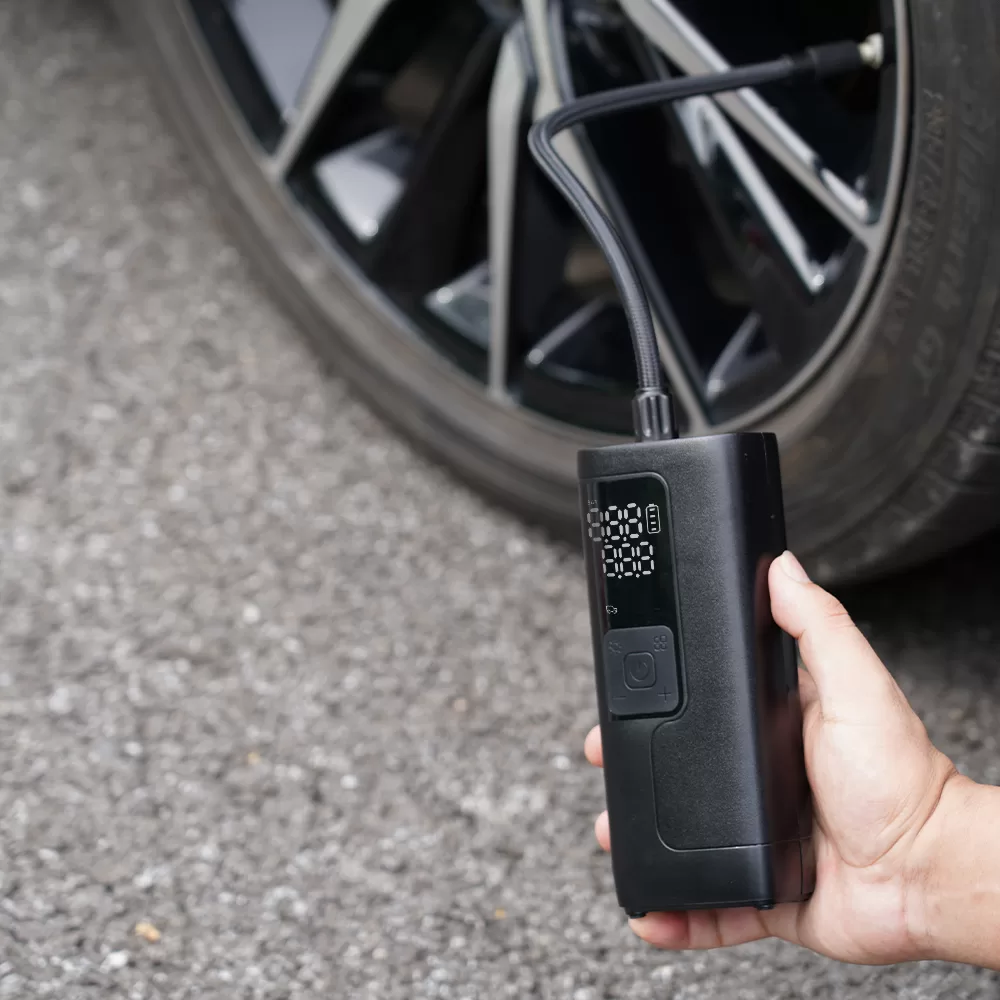
NW06 Tire Inflator: Compact Power for Quick Inflation
Summary The NW06 Tire Inflator delivers quick and efficient tire inflation with a powerful 35L/min airflow. It features a user-friendly LCD screen for real-time pressure monitoring, dual power options with a built-in 6000mAh battery, and multiple nozzle attachments for versatile use. Its compact design and integrated LED light ensure convenience and... -
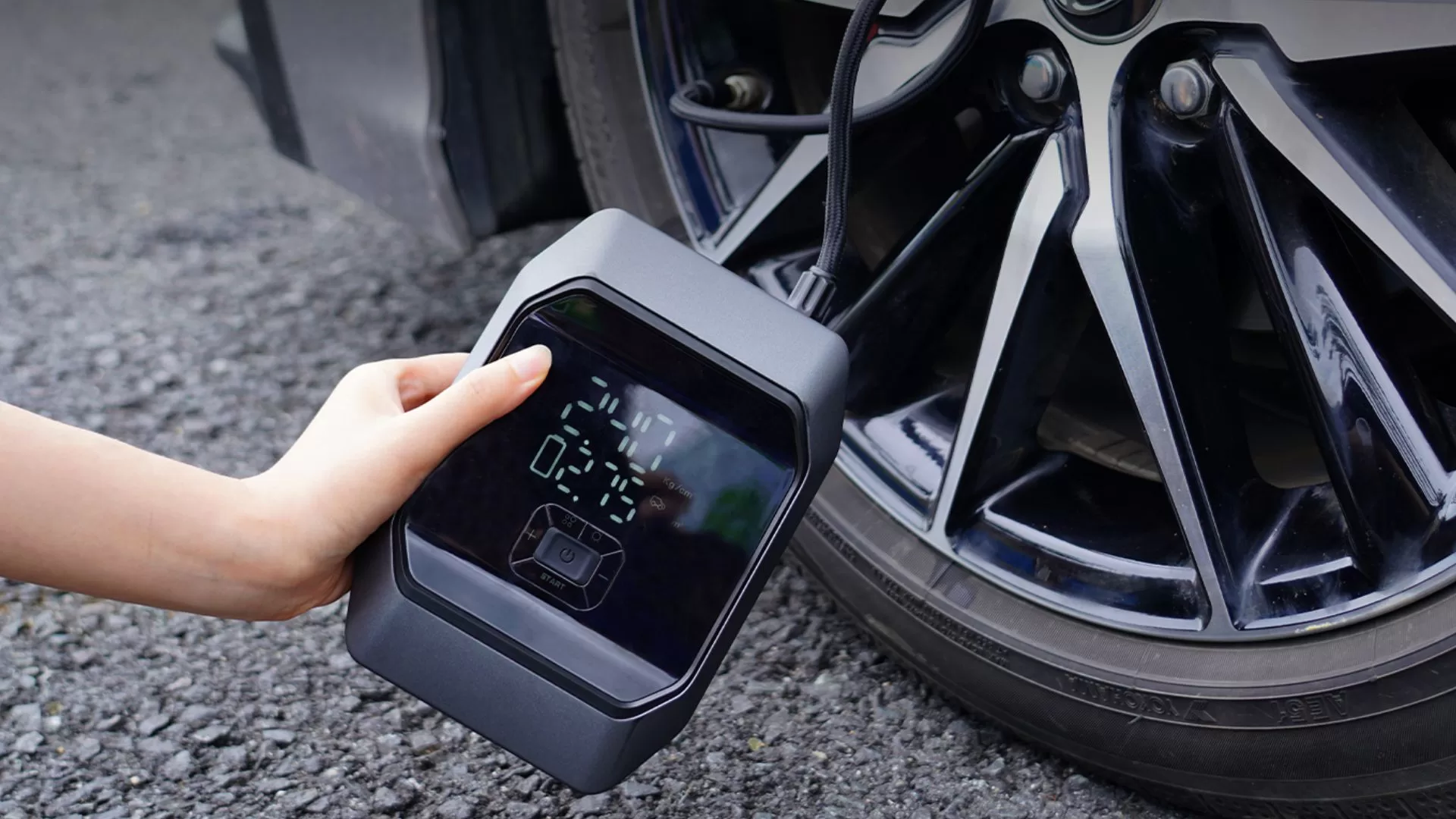
Unleash the Power of Portability: The SmartNewo Jump Starter with Air Compressor KF03
This guide will walk you through the steps to effectively use a portable tire inflator, helping you stay prepared and safe on the road.... -
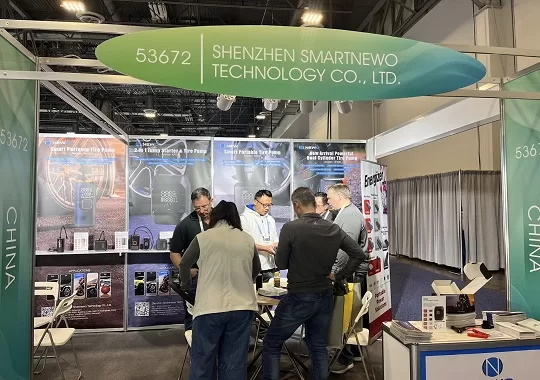
Newo Attends The 2024 Consumer Electronics Show (CES)
Smartnewo booth is located at 53672, Halls A-D, Level 2, Venetian Expo, Las Vegas Convention Center (LVCC). ... -
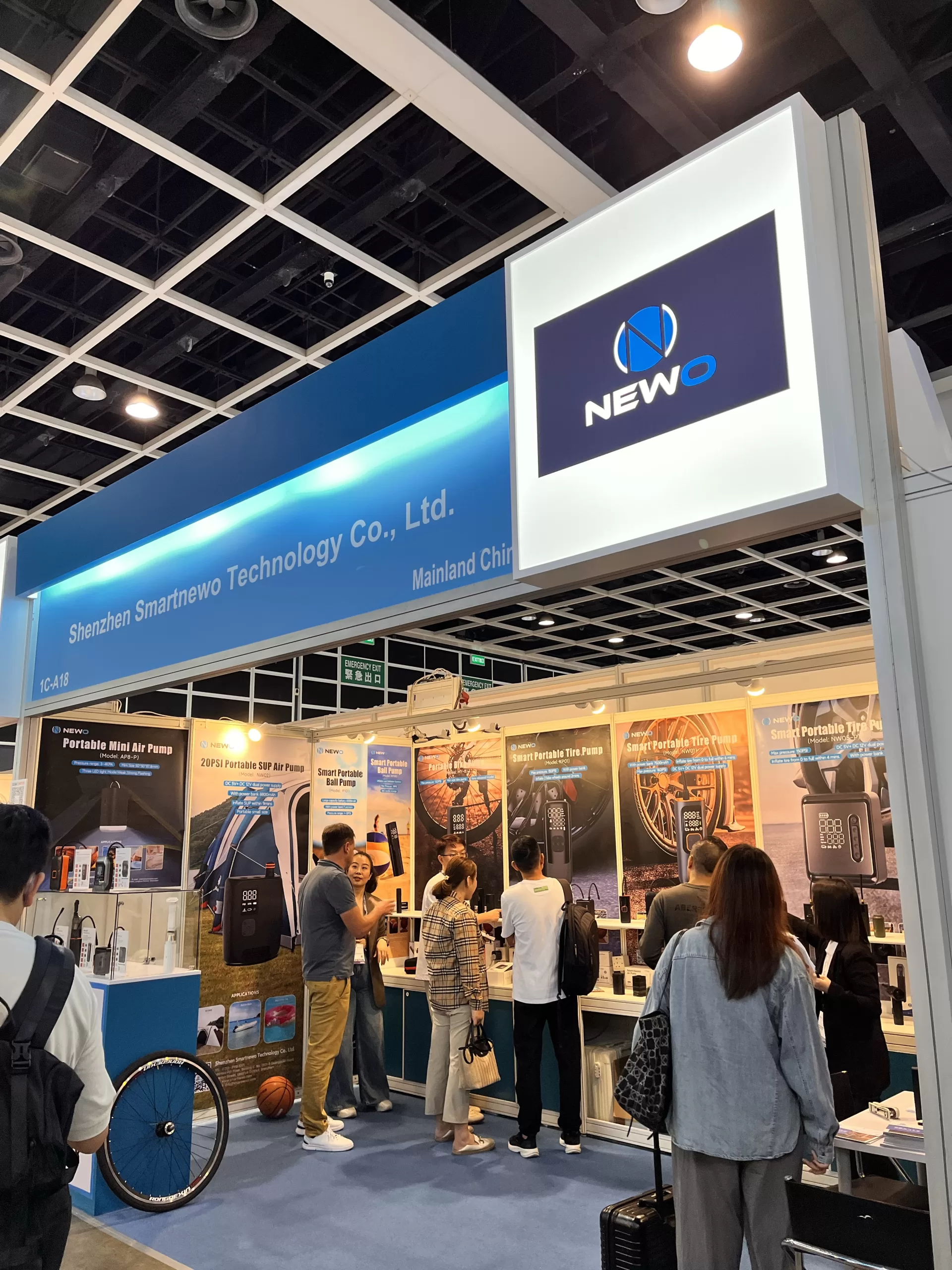
Smartnewo’s Dual-Cylinder Air Pump Rocks the Hong Kong Autumn Electronics Fair!
Smartnewo’s Dual-Cylinder Air Pump Rocks the Hong Kong Autumn Electronics Fair!... -
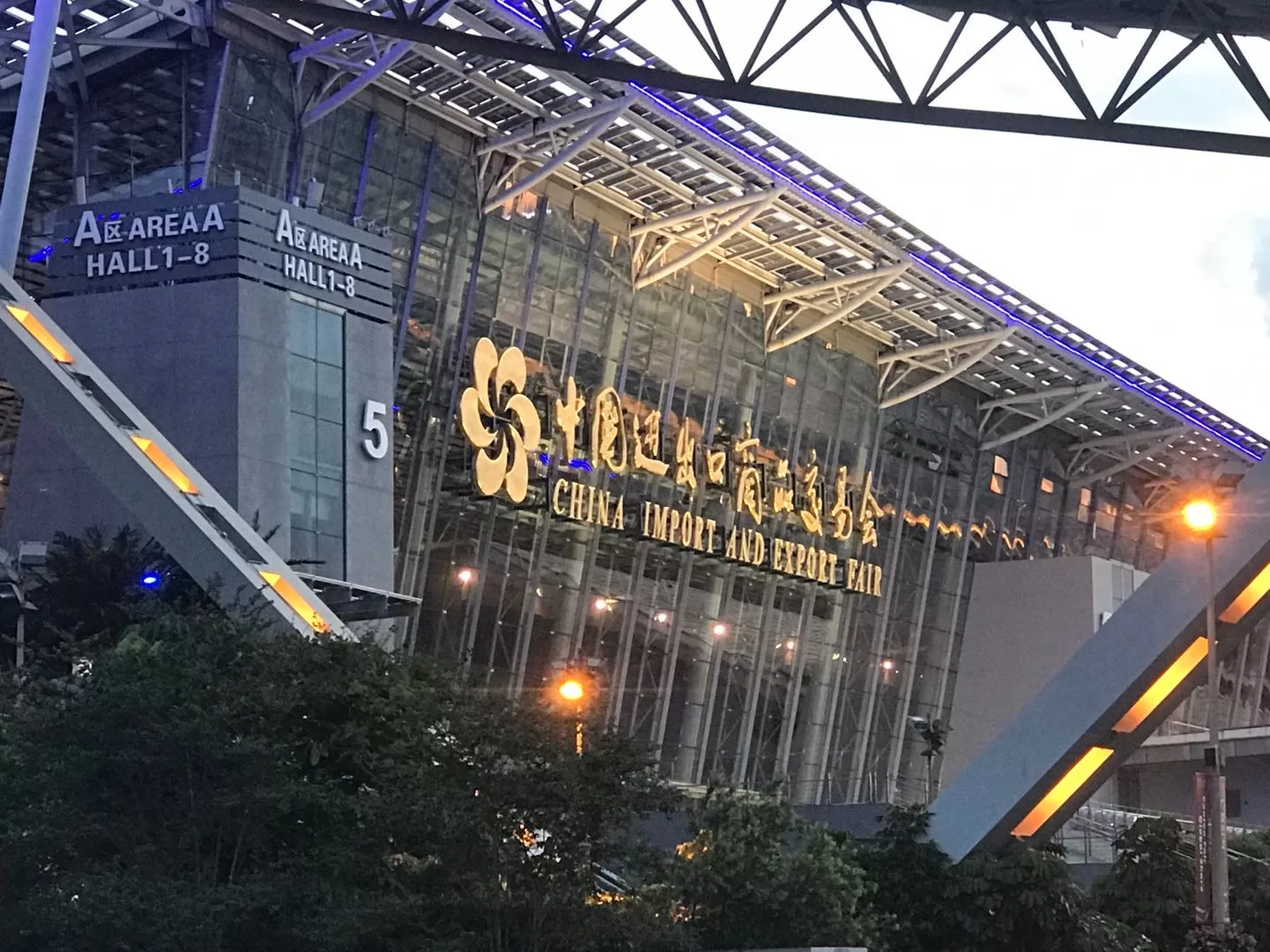
Meet at the Canton Fair! Smartnewo brings dual-cylinder air pumps, making your inflation experience faster and more stable!
NEWO has went deep communication and negotiation with customers from all over the world on booth.... -
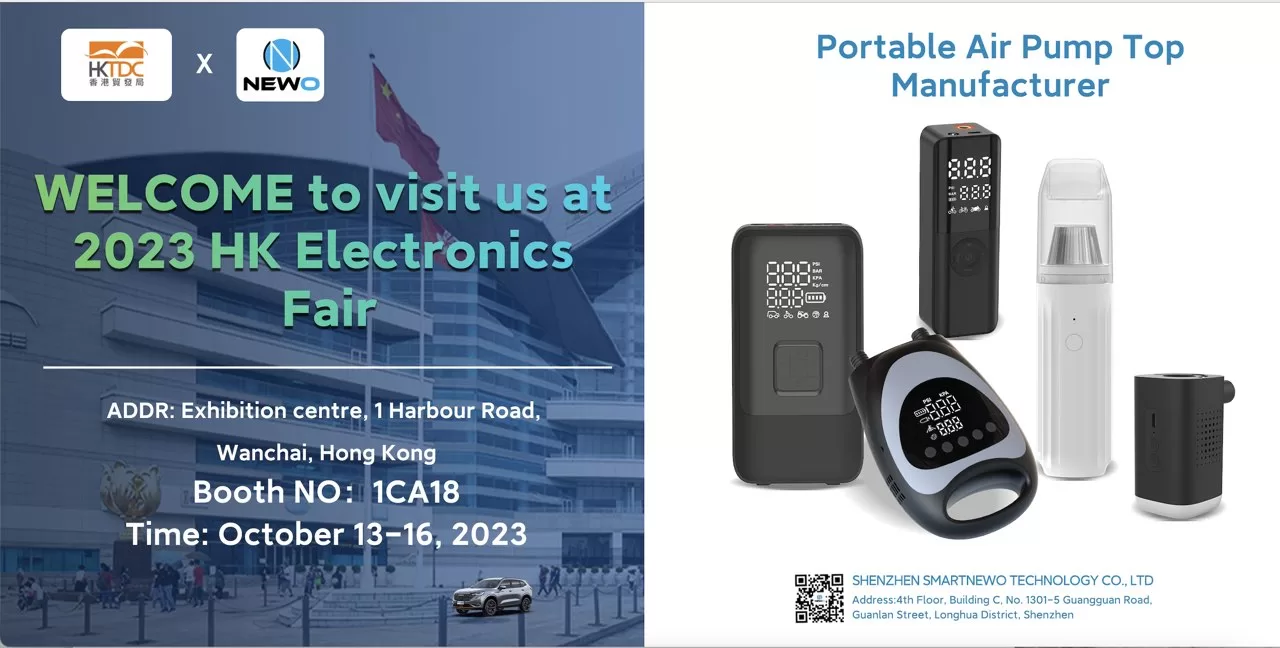
“Hong Kong Autumn Electronics Fair – 1CA18 (October 13th to 16th): Smartnewo invites you to visit our booth!
Hong Kong Autumn Electronics Fair... -
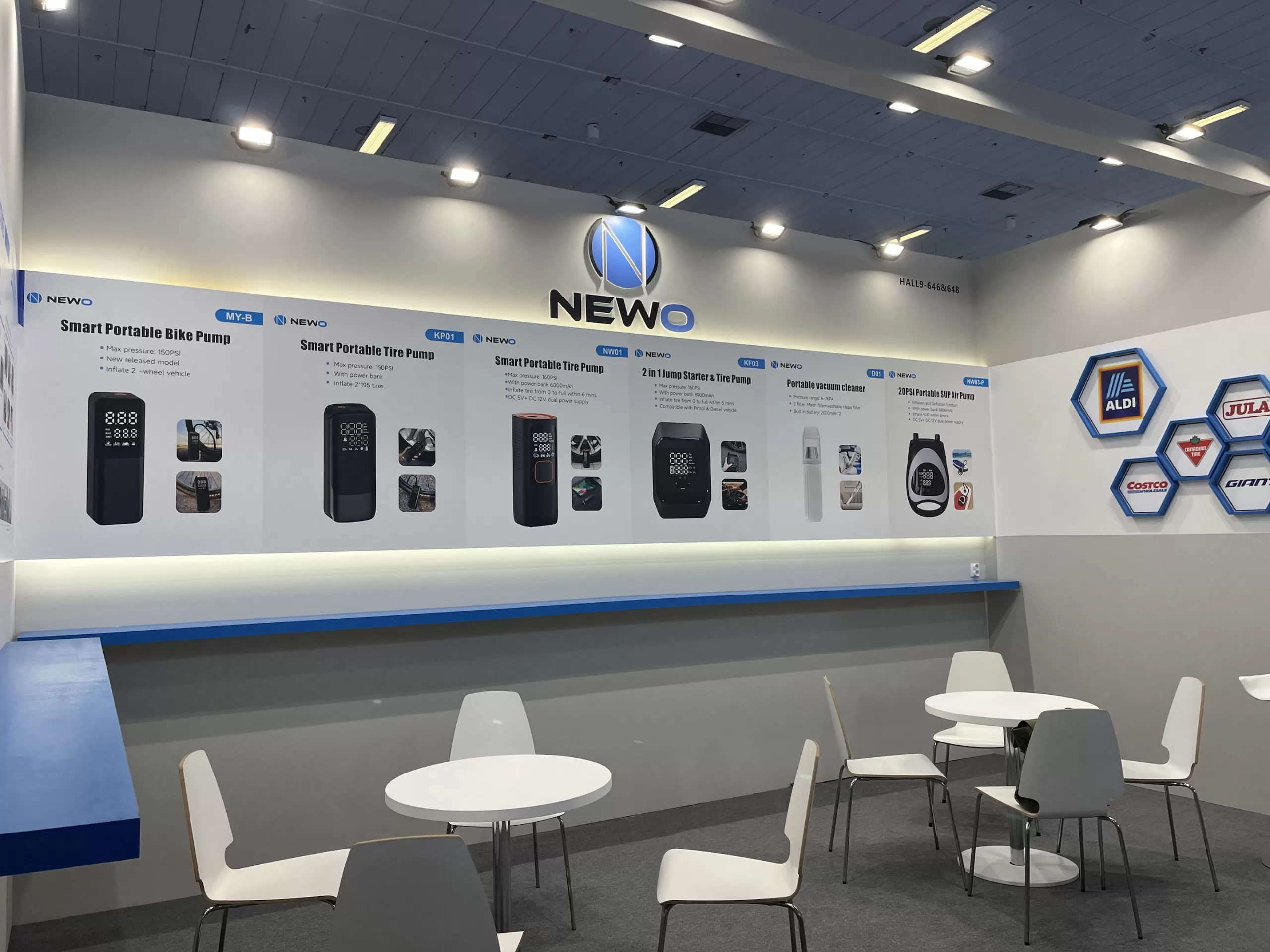
Smartnewo showcases its innovative range of electric air pumps at IFA 2023
Smartnewo will participate in the Consumer Electronics Show (IFA) in Berlin, Germany from September 3rd to September 5th.... -
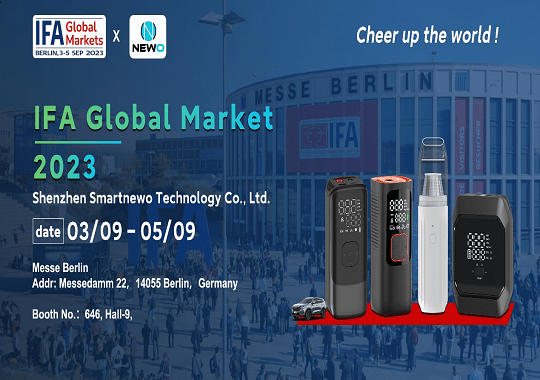
Consumer Electronics Show (IFA) In Berlin 2023
Smartnewo will participate in the Consumer Electronics Show (IFA) in Berlin, Germany from September 3rd to September 5th....
-
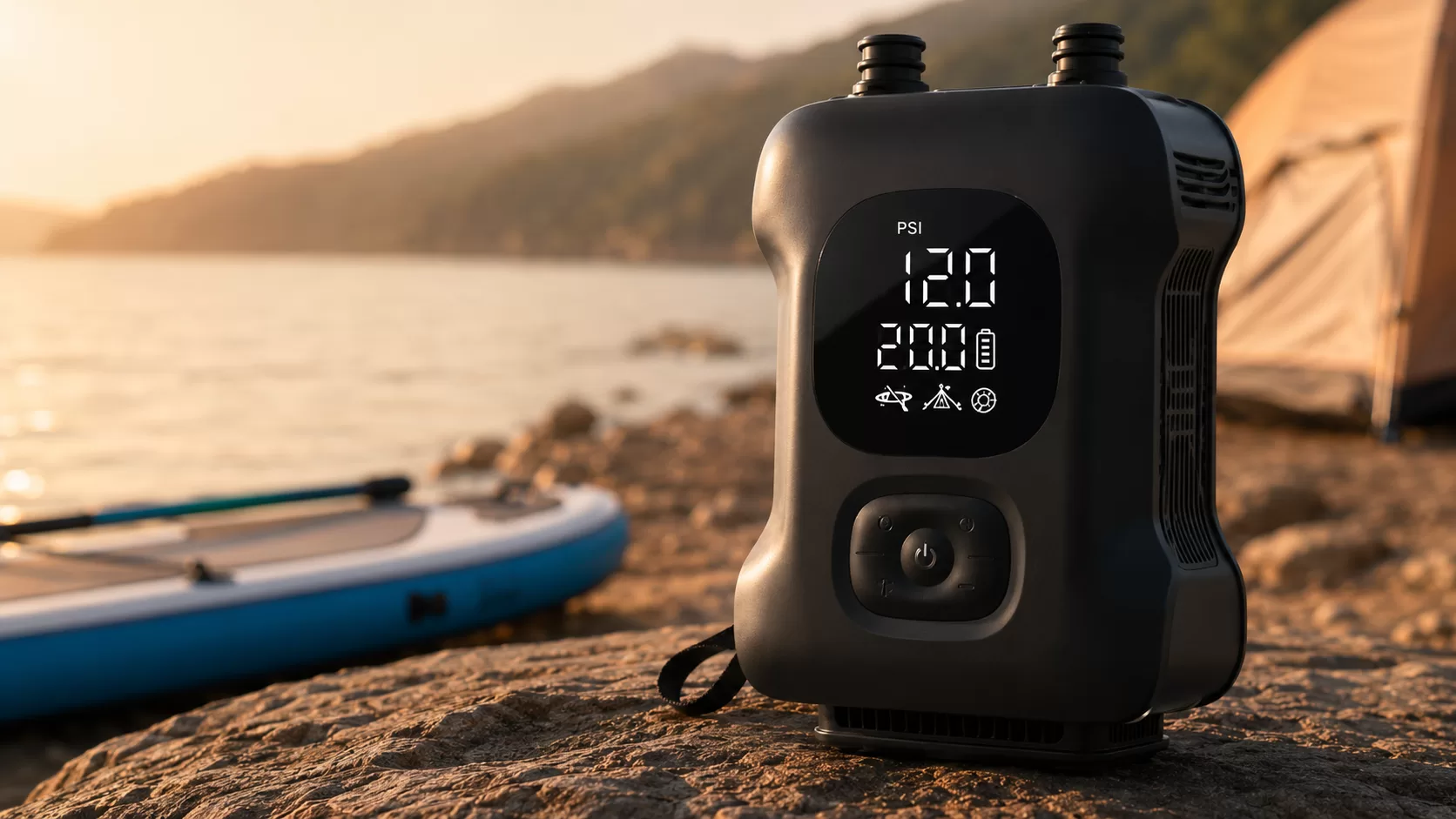
Rechargeable Electric SUP Pump for Paddle Boards: Faster Inflation for SUPs, Kayaks and Inflatable Tents
The BL10-C Portable Electric Bike Tire Inflator is a compact and lightweight mini electric bike pump designed for modern cyclists. With up to 120 PSI pressure, a digital LED display, preset pressure control, automatic shut-off, USB-C charging, and multiple valve adapters, BL10-C offers a convenient inflation solution for road bikes,... -
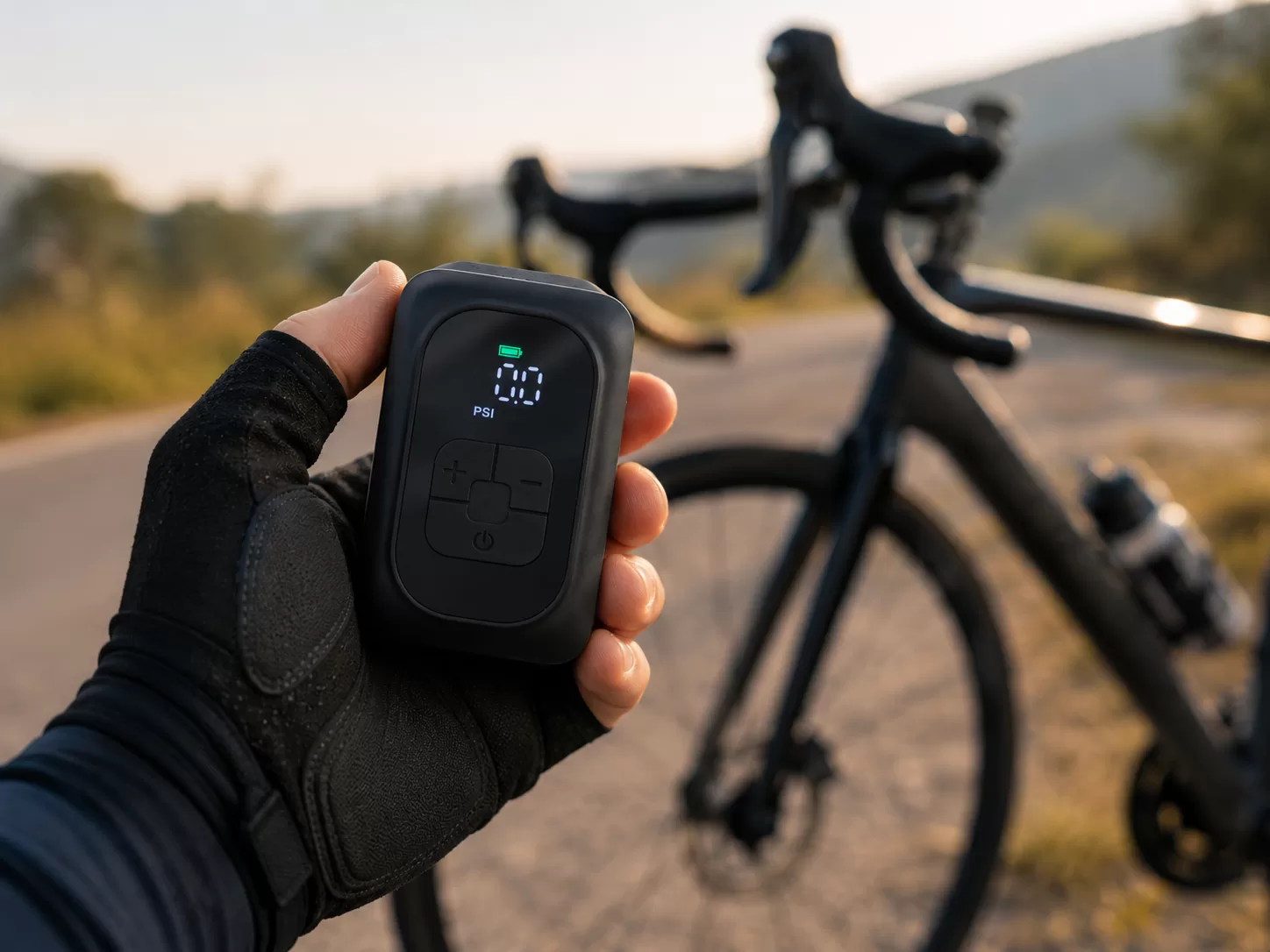
Are Electric Bike Pumps Worth It in 2026? Electric Pump vs CO₂ vs Mini Hand Pump
Discover whether electric bike pumps are worth it in 2026. This guide compares electric bike pumps, CO₂ inflators, and mini hand pumps for road cycling, gravel riding, commuting, and long-distance rides. Learn the pros, limitations, best use cases, and key features to look for before choosing the right portable tire... -
BL10-C Portable Electric Bike Tire Inflator: Small Size, Reliable Power for Every Ride
The BL10-C Portable Electric Bike Tire Inflator is a compact and lightweight mini electric bike pump designed for modern cyclists. With up to 120 PSI pressure, a digital LED display, preset pressure control, automatic shut-off, USB-C charging, and multiple valve adapters, BL10-C offers a convenient inflation solution for road bikes,... -
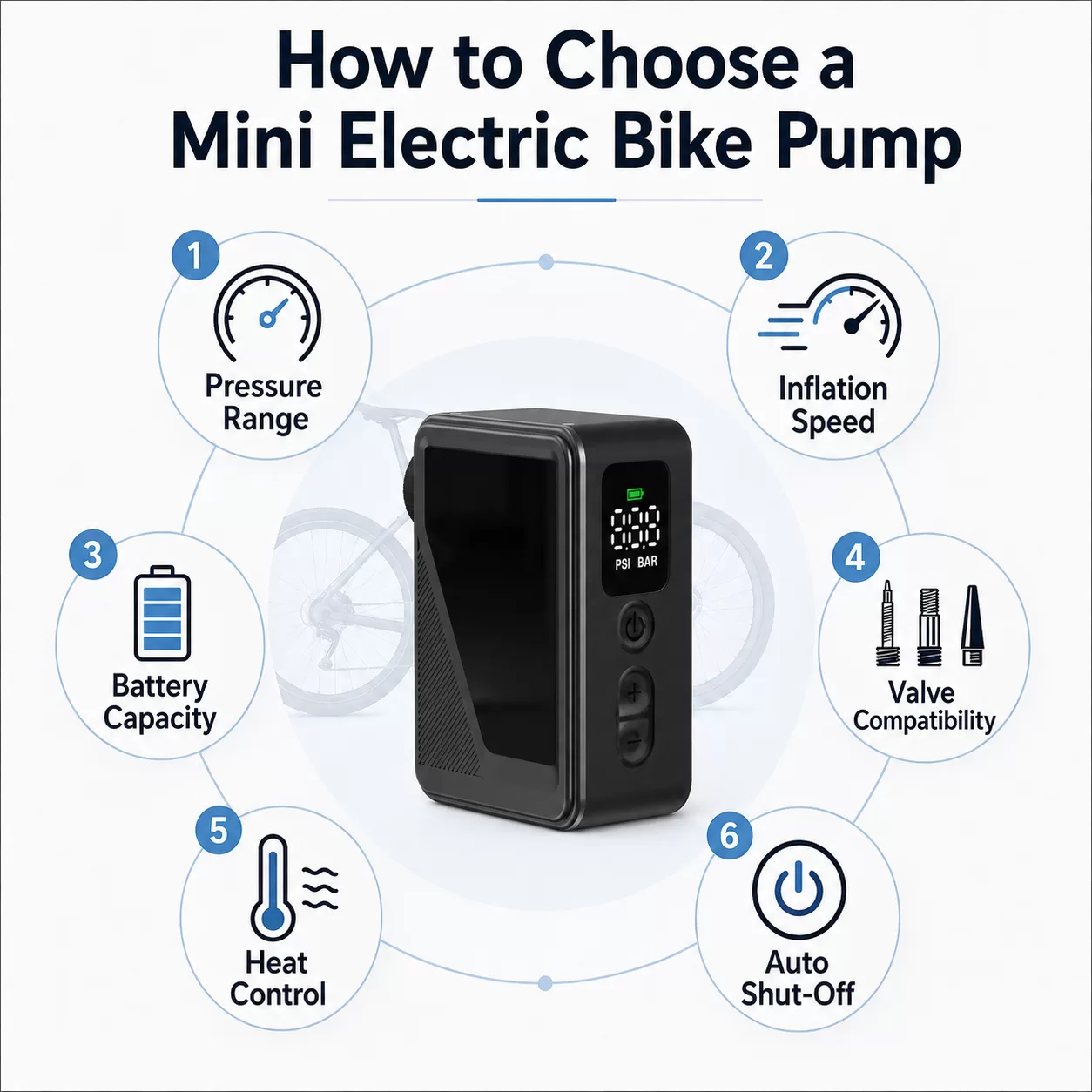
Why Mini Electric Bike Pumps Are Becoming Essential for Modern Cycling
Discover why mini electric bike pumps are becoming essential for modern cyclists. Learn how portable electric bike pumps improve tire pressure management, riding safety, and convenience.... -
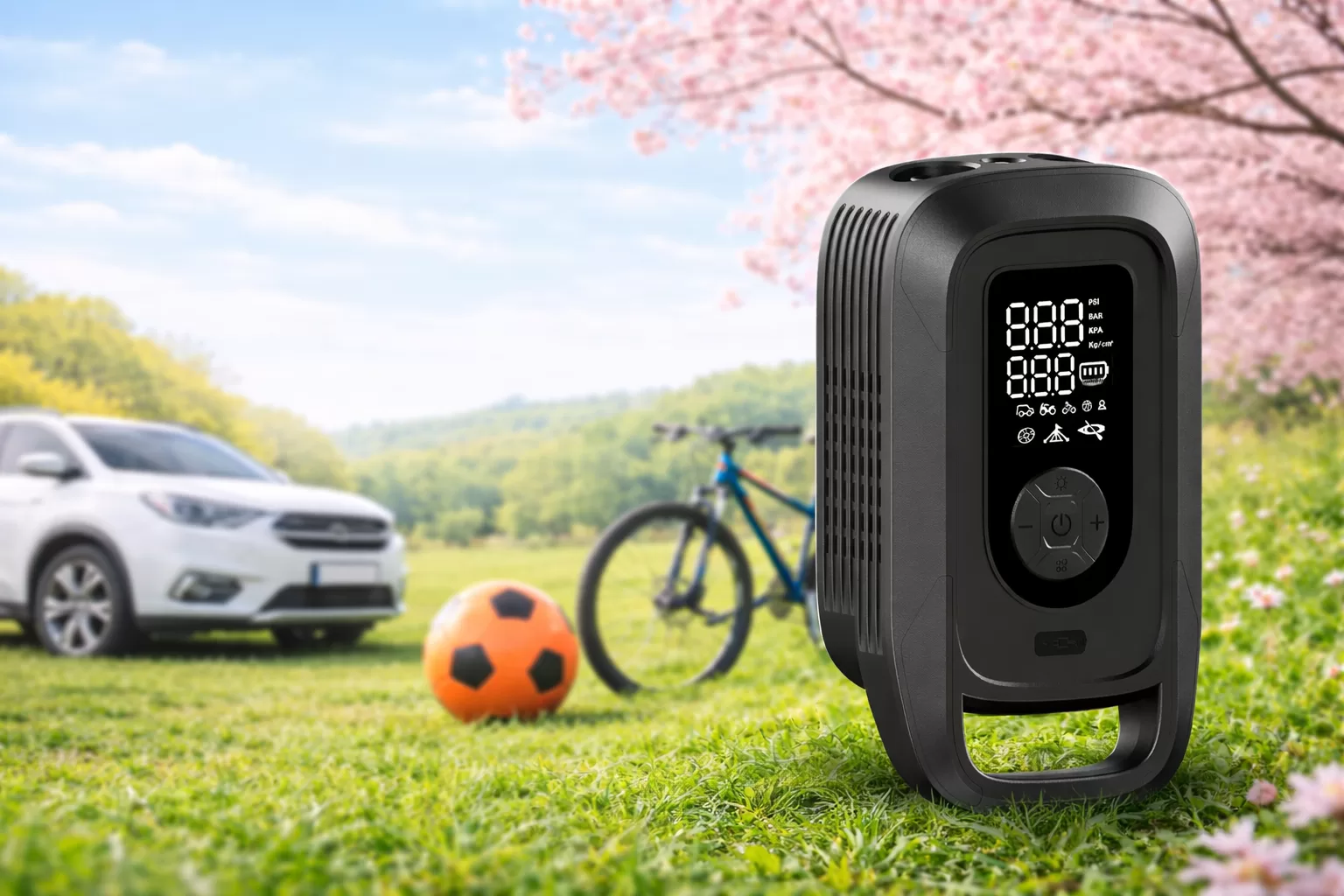
The Ultimate Smart Solution for Easy Outdoor Adventures in 2026
Discover how a spring travel air pump simplifies outdoor trips with fast inflation, smart features, and powerful performance—perfect for every adventure.... -
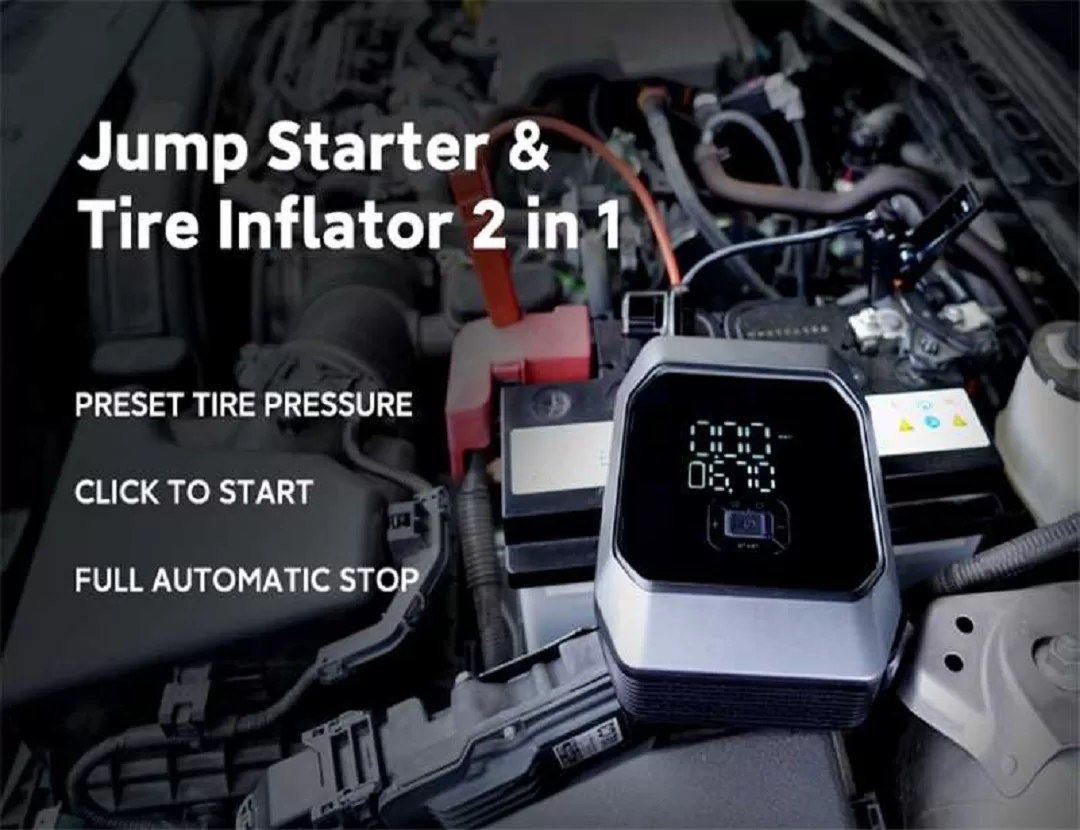
Powerful 5-in-1 Portable Car Tire Inflator and Jump Starter: The Ultimate Emergency Tool for Every Driver
Why Every Driver Needs a Portable Car Tire Inflator and Jump Starter Modern drivers face many unexpected situations on the road. A flat tire, low tire pressure, or a dead car battery can happen at the worst possible time. That’s why having a portable car tire inflator and jump starter is... -
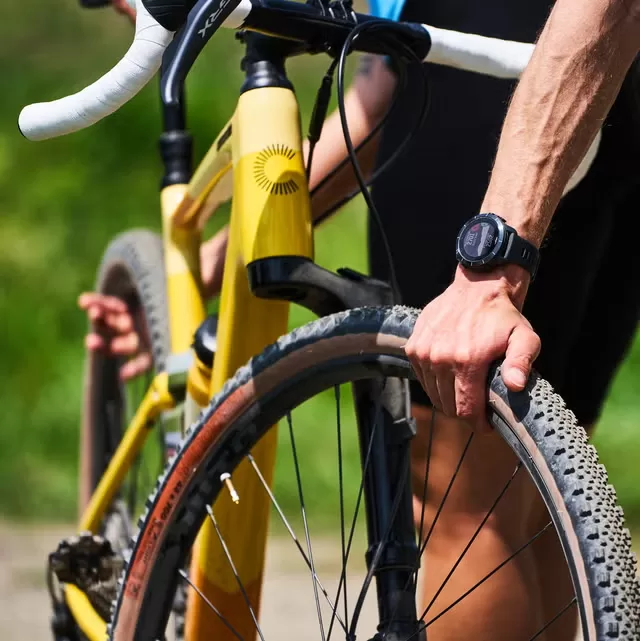
7 Real Cycling Scenarios That Show Why Every Rider Should Carry a Mini Bike Pump
Cycling is one of the most freeing activities you can enjoy. Whether you’re commuting to work, riding through city streets, or exploring quiet countryside roads, a bike ride can instantly improve your day. But there’s one small problem that almost every cyclist eventually faces: Low tire pressure. It might happen... -
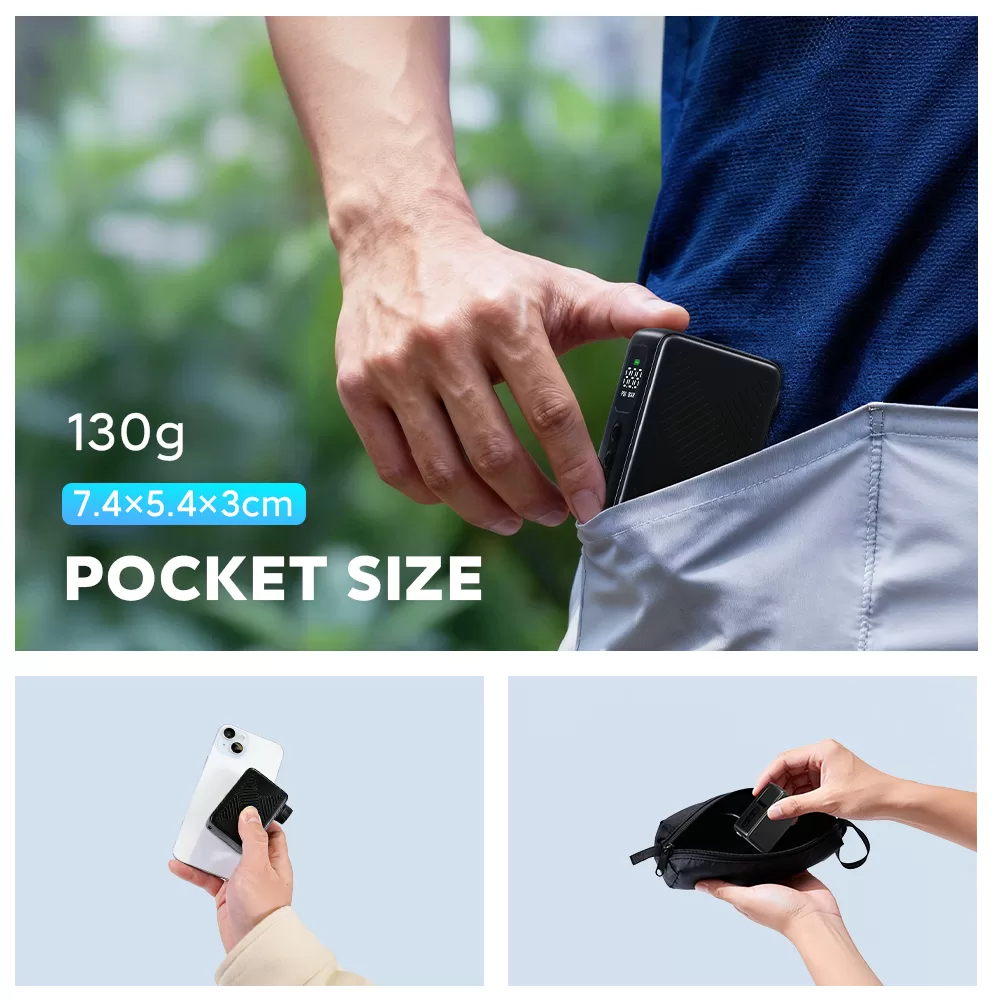
BL08-A Portable Electric Bike Pump: A Global Distribution Opportunity with Smartnewo
Smartnewo, a professional manufacturer of portable electric air pumps, introduces the BL08-A model — a compact and efficient inflator designed for global distributors, e-commerce sellers, and outdoor accessory brands seeking reliable OEM/ODM solutions. Table of Contents Main Heading Subtopics 1. Introduction: Expanding the Global Market for Smart Inflation Tools Portable... -
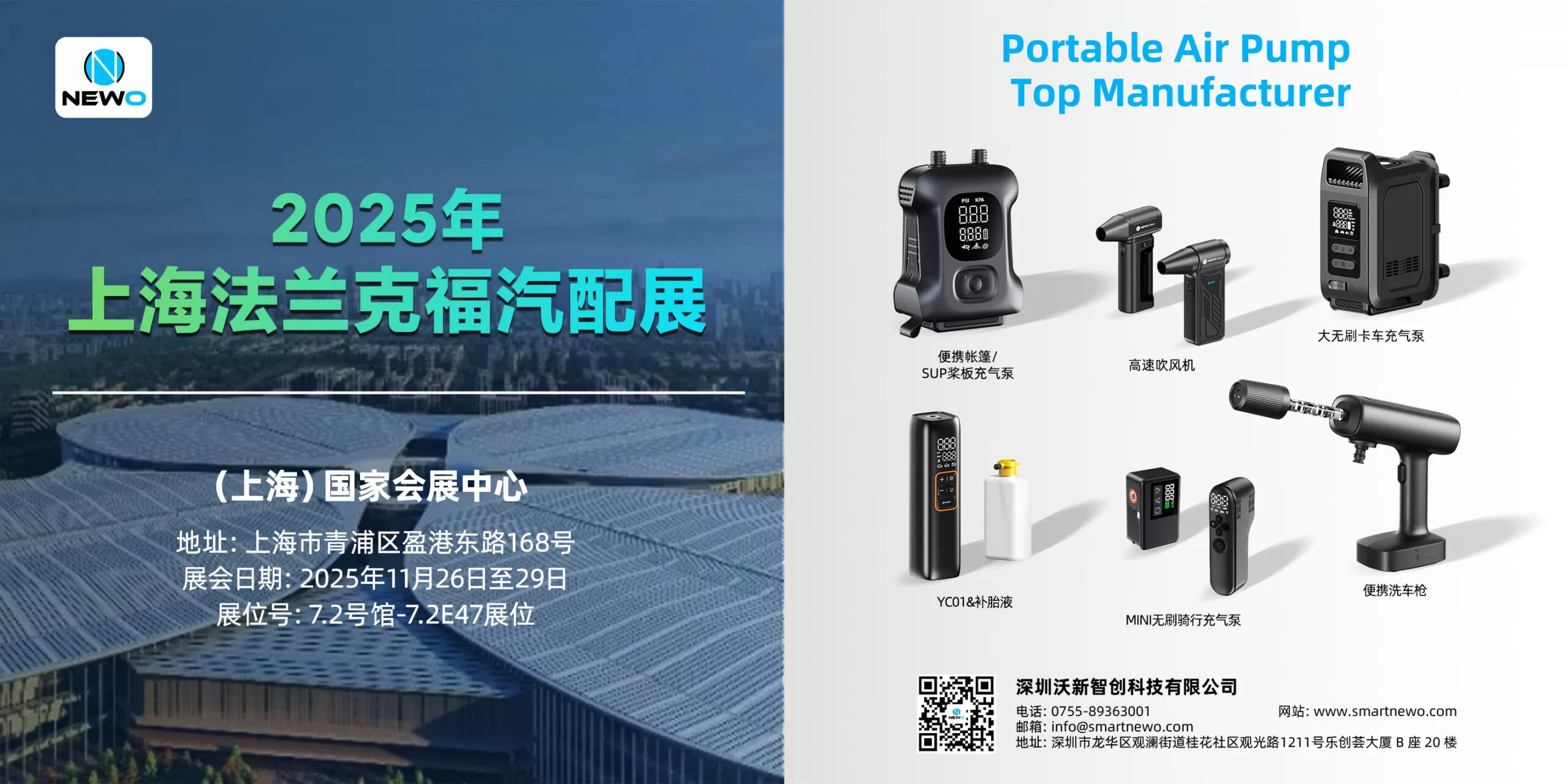
Connecting Opportunities at Automechanika Shanghai 2025 — Smartnewo Exhibition Day 1
Today marks an exciting beginning as Smartnewo officially opens its booth at Automechanika Shanghai 2025. As one of the largest and most influential automotive aftermarket exhibitions in the world, the show provides an exceptional platform for meaningful conversations, partnership building, and global industry exchange. Located at Booth 7.2E47, Smartnewo presents... -

Why Every Outdoor Cyclist Should Carry a Mini Electric Bike Pump
Whether you are an experienced mountain rider or a weekend road-cycling enthusiast, one thing is certain: unexpected tire pressure issues can ruin an entire ride. That’s why more cyclists are turning to mini electric bike pumps—compact, lightweight, and far more reliable than traditional hand pumps. 1. Consistent Pressure, Even in...
-
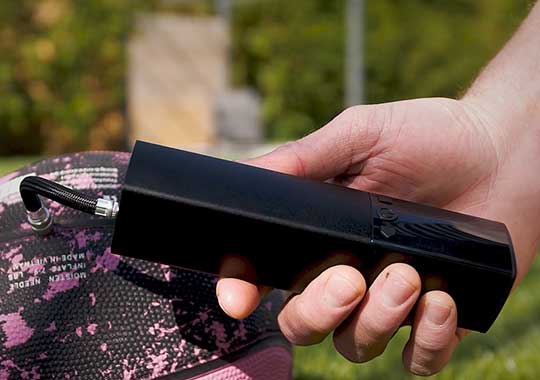
How Is a Football Properly Inflated?
The correct inflation of a football - with not too much and not too little air - is a hotly debated topic among footballers.... -
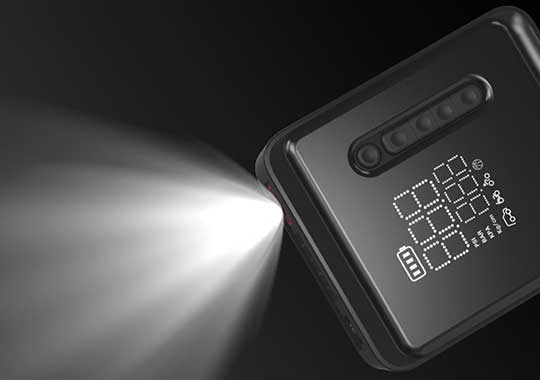
Application Scenarios of Car Inflator Pump
Often long-distance business trips or play car owners because the road may be more remote areas, in this case if you encounter a tire leak....