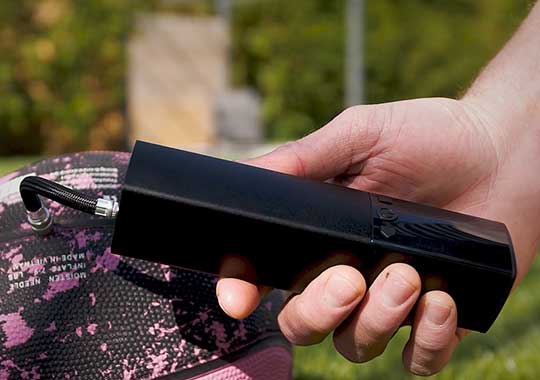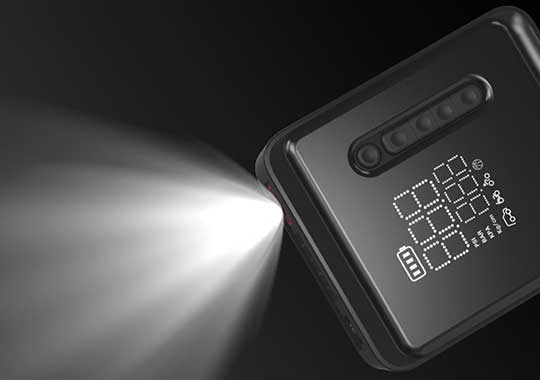

 Portable Tire Inflators
 Electric Air Pumps
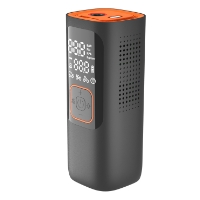 Electric Car Tyre Pumps
 Electric Ball Pumps
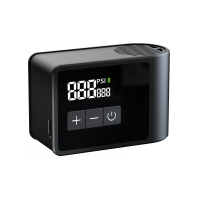 Electric Bike Pump
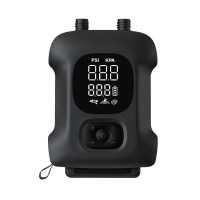 SUP Air Pump
Thermal Dynamics in a Portable Electric Pump for Bike: The Engineering Behind Compact Inflation
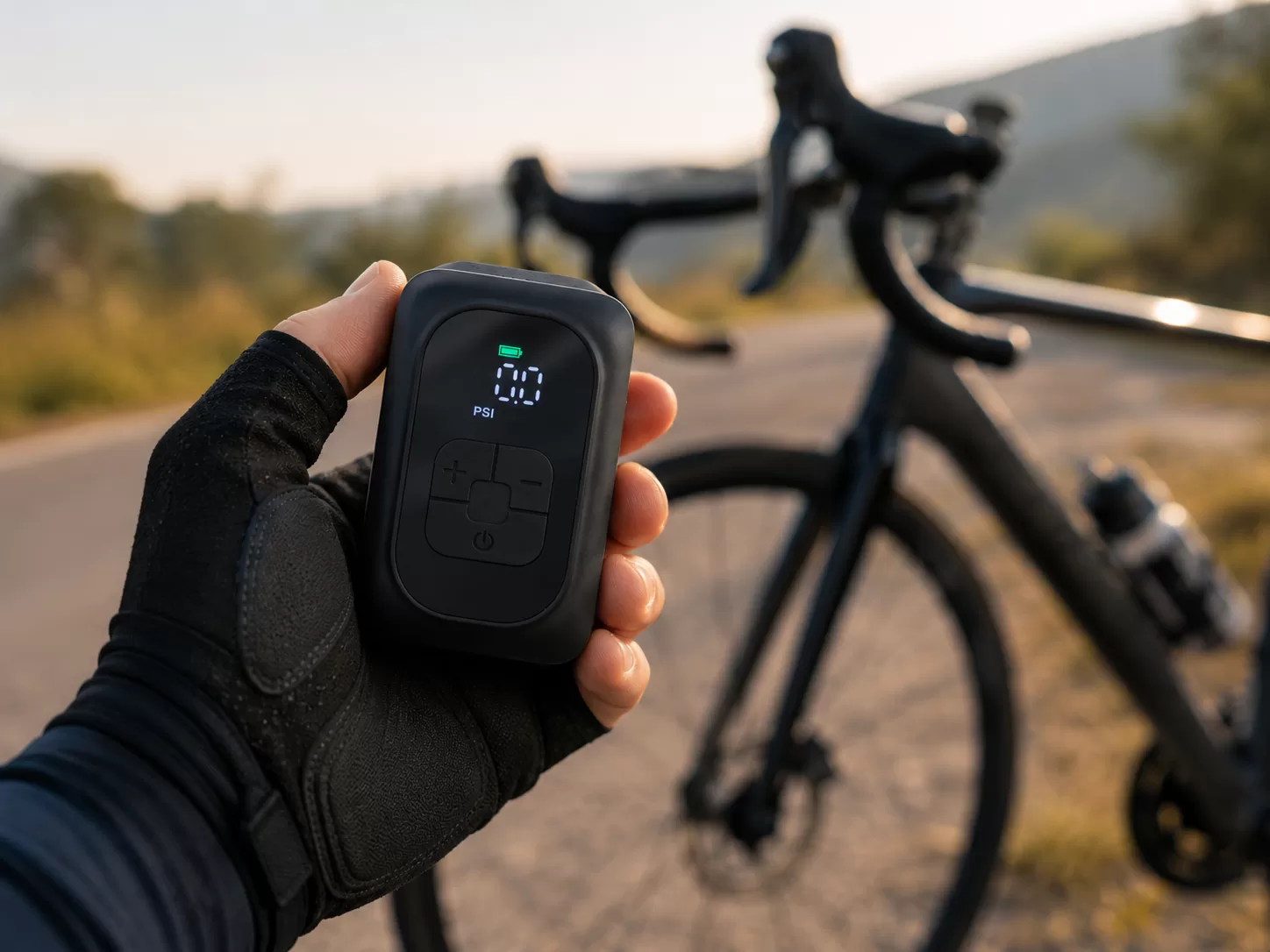
Every cyclist who has faced a flat tire miles from home understands the mechanical frustration of a manual hand pump. Finding a reliable portable electric pump for bike tires often means compromising between weight and actual functional pressure. The engineering challenge is not simply forcing air into a confined space.
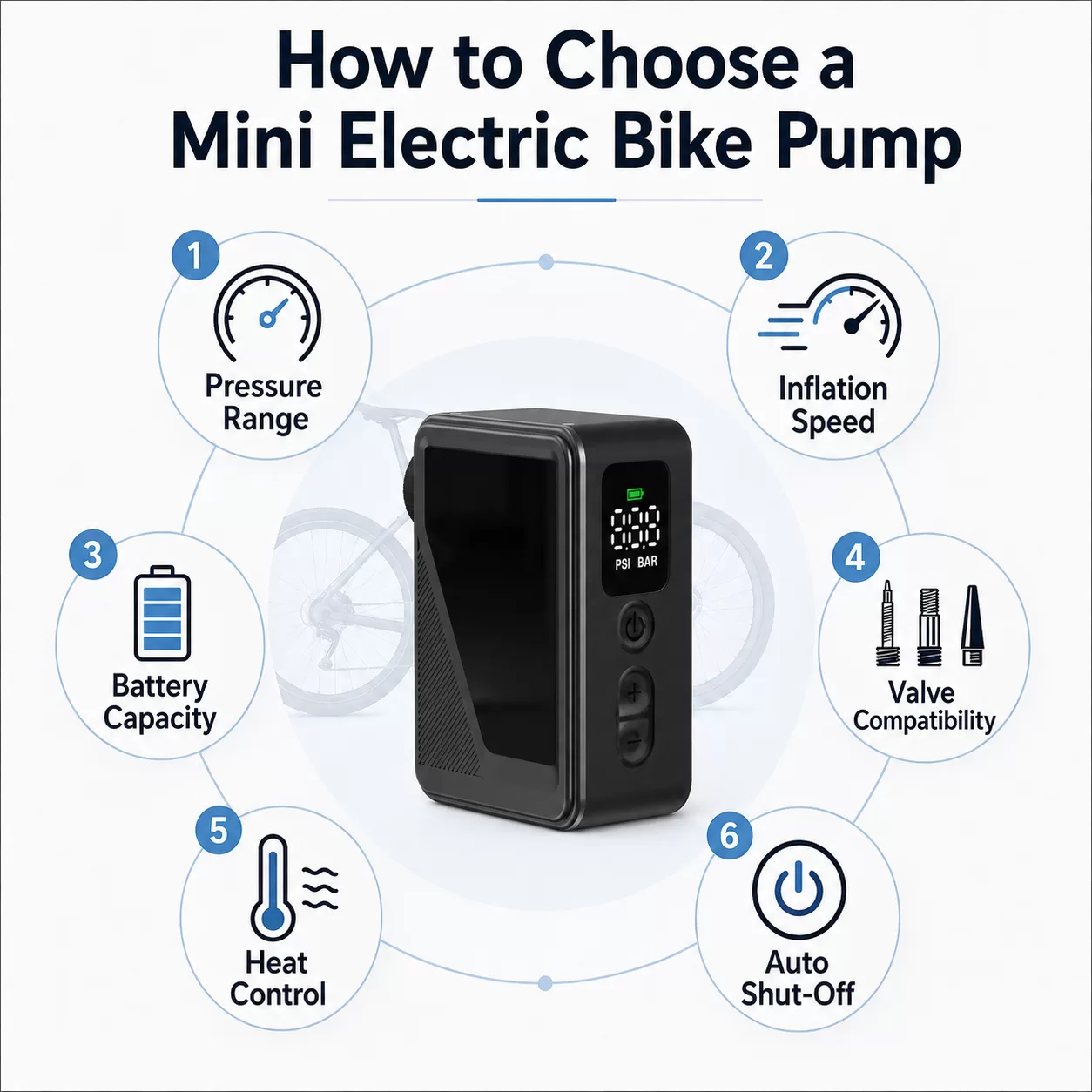
The real barrier is managing the severe thermal output generated during rapid air compression. Compressing air to high pressures in a small volume creates intense heat that can degrade internal seals. We will examine the specific mechanics that allow pocket-sized compressors to function without self-destructing under high thermal loads.
The Thermodynamic Cost of 120 PSI
According to the basic laws of thermodynamics, decreasing the volume of a gas rapidly increases its temperature. When a miniature piston aggressively forces ambient air into a small bicycle inner tube, the surrounding metal components absorb this kinetic energy. If a pump claims to reach 120 PSI, the physical hardware must survive the journey to that threshold.
Most entry-level compressors fail because their internal plastic gears or rubber O-rings warp under sustained heat. The pressure rating on the box means very little if the device experiences thermal throttling after two minutes. To solve this, engineers must rethink the internal layout rather than just upgrading the battery.
Brushless Architecture and Active Heat Dissipation
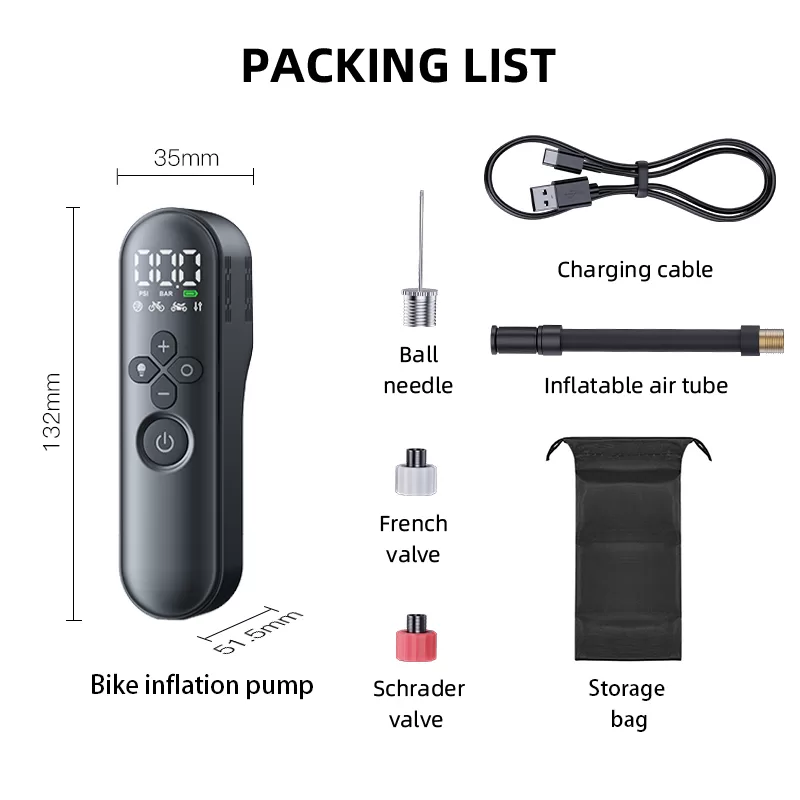
Traditional brushed motors rely on physical contact between carbon brushes and a commutator. This mechanical friction generates parasitic heat long before the air compression even begins. By utilizing a small brushless pump, we eliminate this physical friction entirely. The magnetic fields handle the rotation, keeping the baseline temperature significantly lower.
Passive cooling is insufficient for a chassis measuring just 132 by 35 by 51.5 millimeters. Relying on exterior casing vents alone traps stagnant hot air around the cylinder head. An independent cooling fan forces ambient air across the stator and cylinder. This active thermal management prevents heat from soaking into the vulnerable lithium cells.
Power Delivery from an 8.88Wh Power Source
Electrical capacity in compact devices often causes consumer confusion. A common specification might read 1200mAh at 7.4 volts. This equates to an 8.88-watt-hour energy pool, which is the actual metric determining how much work the portable electric pump for bike can perform.
Operating at roughly 40 watts, a system with this capacity yields a runtime of about five to ten minutes. This operational window is highly specific. It provides exactly enough continuous power to seat a tubeless tire or fill two standard road tires. Any larger, and the device becomes a heavy burden in a cycling jersey.
Here is how the core hardware specifications translate to real-world deployment:
| Component | Technical Specification | Operational Impact |
|---|---|---|
| Motor System | Small brushless pump | Reduces mechanical friction and baseline operating heat |
| Power Delivery | 8.88Wh (7.4V / 1200mAh) | Sustains a 40W draw for up to 10 minutes |
| Thermal Control | Independent cooling fan | Delays thermal throttling during high-pressure runs |
| Form Factor | 192.4 grams net weight | Allows seamless storage in standard cycling pouches |
Practical Deployment and Valve Adaptability
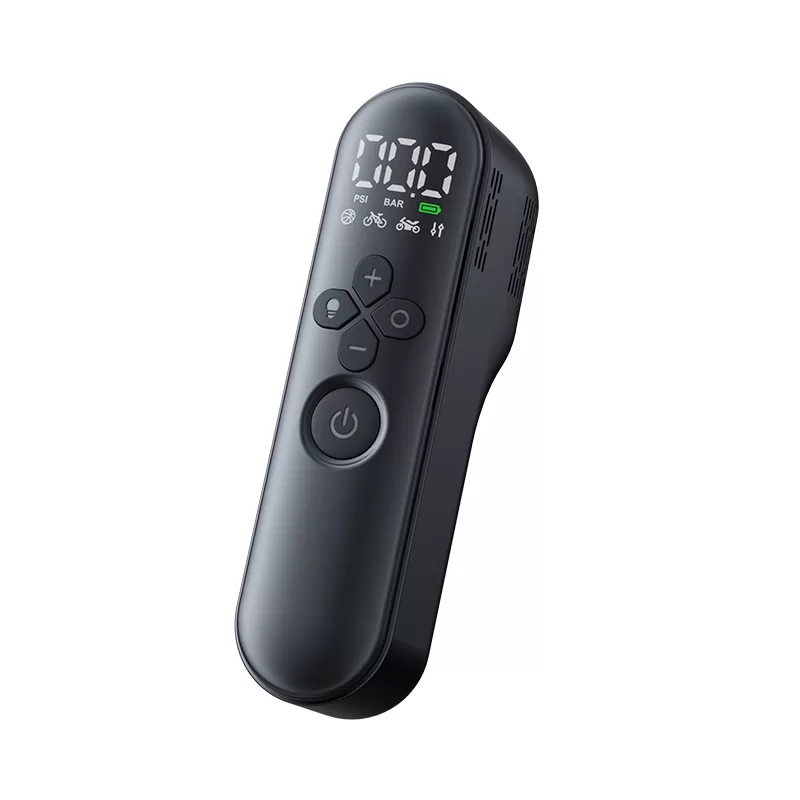
Riders operate in diverse environments with different hardware standards. A high-pressure system is useless if it cannot interface tightly with the tire valve. Precision matters here. Air leaks at the connection point force the compressor to run longer, wasting battery life and generating more heat.
To guarantee efficient air transfer, a comprehensive interface kit is necessary. The hardware must securely connect to both narrow road bike stems and wider mountain bike valves. This versatility prevents mechanical stripping at the connection point.
A reliable field setup requires the following physical connections:
- A reinforced inflatable air tube that withstands high heat.
- A threaded French valve adapter for high-pressure road tires.
- A standard Schrader adapter for mountain bikes and vehicle top-ups.
Clarifying Common Technical Misconceptions
Many riders ask specific questions regarding the realistic capabilities of pocket-sized compressors. We have compiled the most critical inquiries below. This separates physical reality from common assumptions.
Q: Can a 192-gram pump genuinely fill a car tire from flat?
A: No. A device this size provides around 14 liters per minute of airflow. It is engineered for small-volume, high-pressure bicycle tires. It can top up a few missing PSI in a car tire, but filling a completely flat automotive tire exceeds its thermal and battery limits.
Q: Why does the device shut off automatically? Is it overheating?
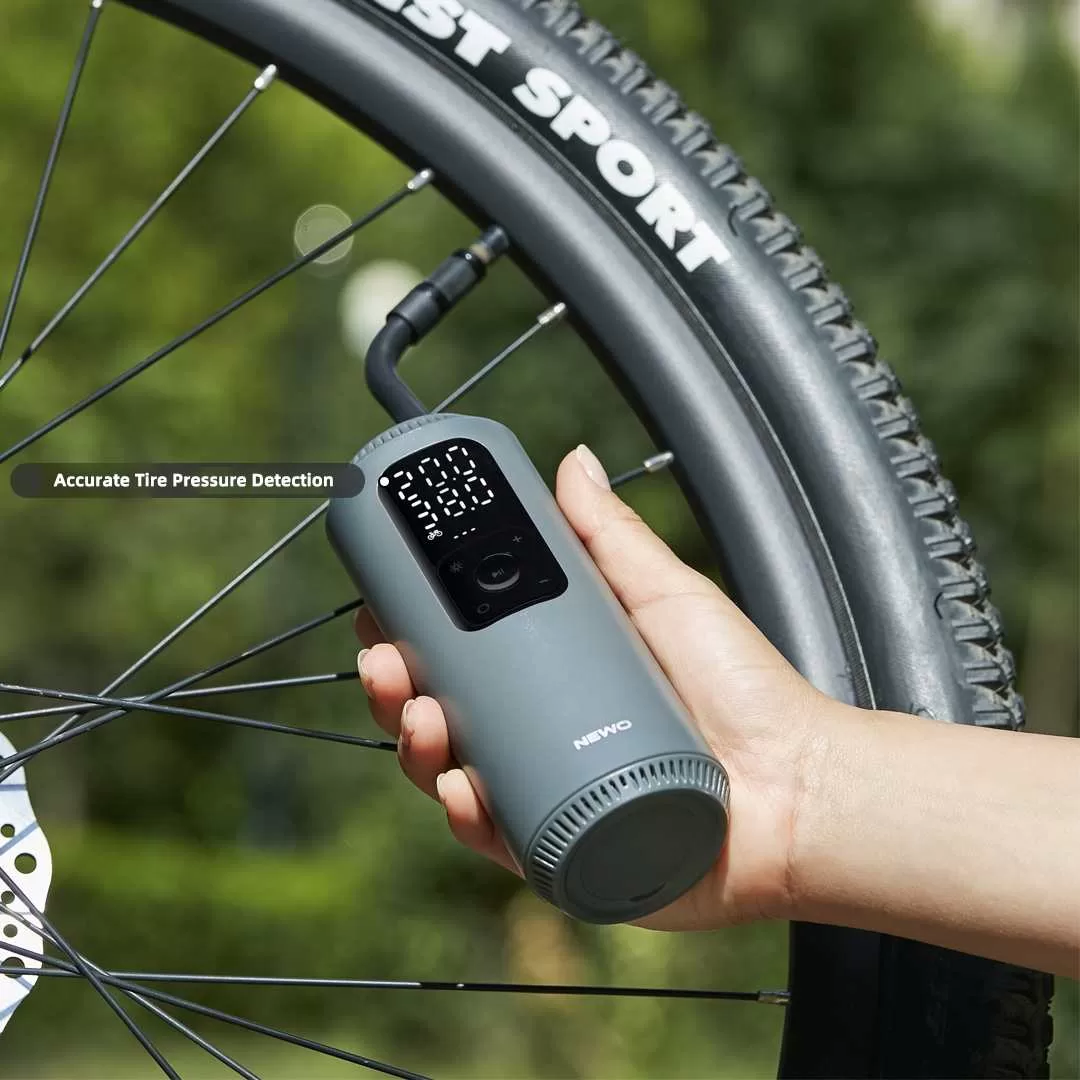
A: The auto shut-off is a deliberate electronic function tied to high-precision pressure sensing. Once the internal sensor detects that the target pressure is met, it immediately cuts the circuit. This prevents catastrophic over-inflation and preserves the structural integrity of your inner tube.
Q: Does a faster charging time degrade the battery chemistry?
A: Sub-one-hour charging via a 5V/2A Type-C port is safe for an 8.88Wh cell pool. For us, maintaining an 80-percent capacity retention after 300 cycles represents the standard engineering baseline. The internal charge controller regulates the voltage curve to prevent chemical degradation.
Choosing equipment for the road requires trusting the physics behind the hardware. A properly engineered portable electric pump for bike tires balances thermal limits with battery density. Understanding how a brushless motor and active cooling fan work together ensures you are not stranded on the shoulder of a highway. You are securing a mechanical safety net designed to handle the exact pressures your ride demands.
-

Leading the Way in Product Innovation and Excellence
Smartnewo exemplifies professionalism in product innovation and manufacturing. Their collaboration with Xiaomi Youpin on the G01 crowdfunding project highlights their expertise in creating compact, powerful inflatable pumps. Rigorous engineering, meticulous production processes, and advanced quality assurance underscore their commitment to excellence. The success of the G01 project, with significant market... -

Essential Qualities of an Excellent Supplier
In today's competitive market, finding a reliable supplier is crucial for business success. Based on insights from Smartnewo and broader internet research, here are key qualities an excellent supplier must possess:... -

NW06 Tire Inflator: Compact Power for Quick Inflation
Summary The NW06 Tire Inflator delivers quick and efficient tire inflation with a powerful 35L/min airflow. It features a user-friendly LCD screen for real-time pressure monitoring, dual power options with a built-in 6000mAh battery, and multiple nozzle attachments for versatile use. Its compact design and integrated LED light ensure convenience and... -

Unleash the Power of Portability: The SmartNewo Jump Starter with Air Compressor KF03
This guide will walk you through the steps to effectively use a portable tire inflator, helping you stay prepared and safe on the road.... -

Newo Attends The 2024 Consumer Electronics Show (CES)
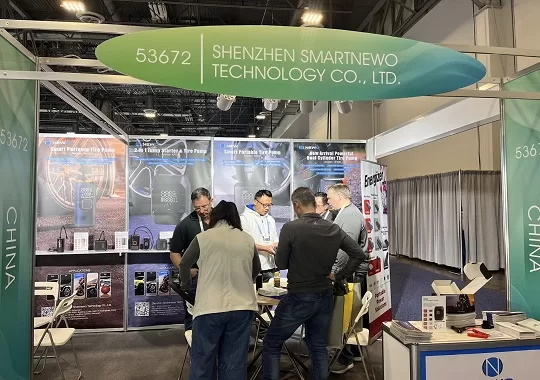
Smartnewo booth is located at 53672, Halls A-D, Level 2, Venetian Expo, Las Vegas Convention Center (LVCC). ... -

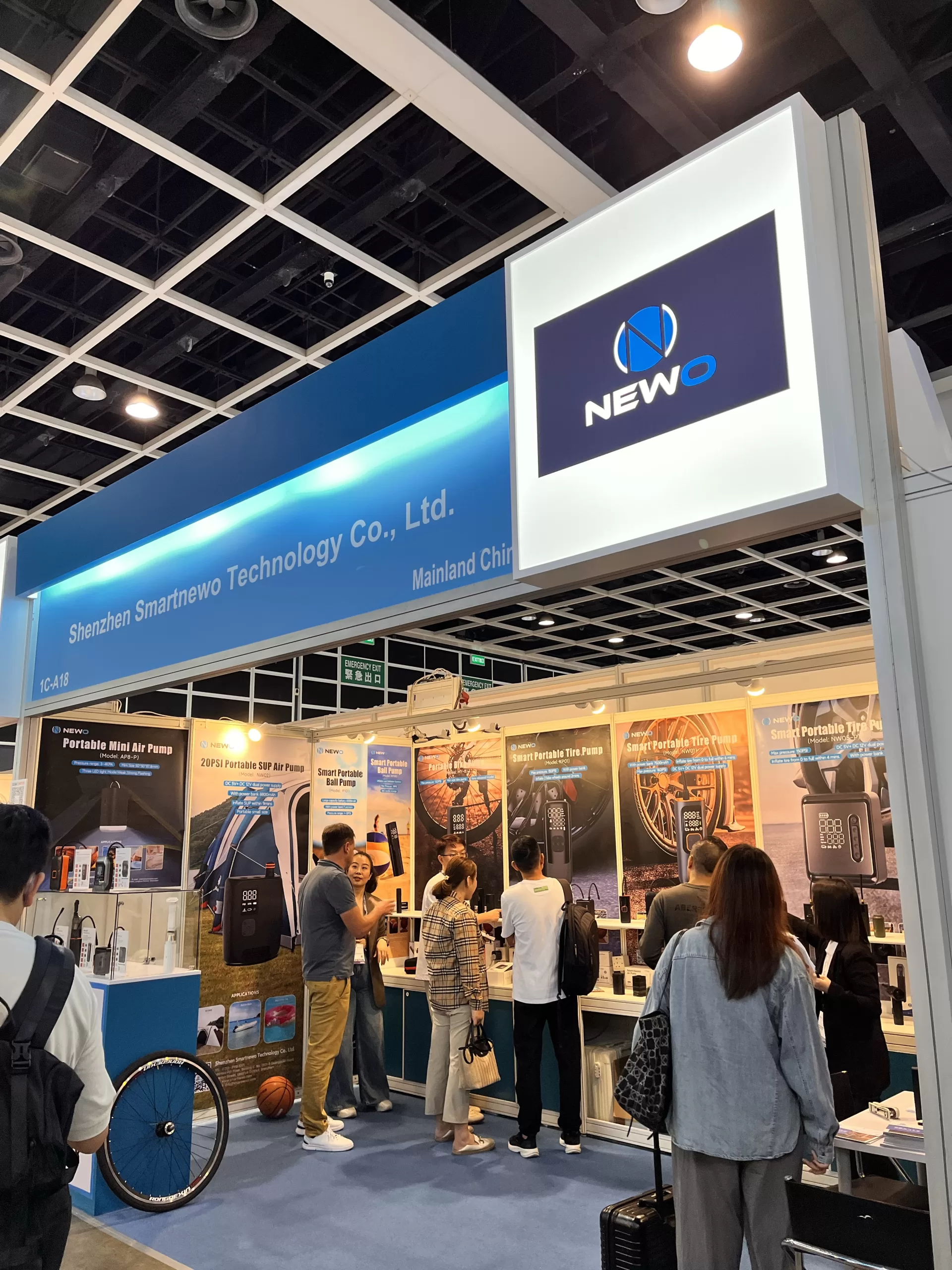
Smartnewo’s Dual-Cylinder Air Pump Rocks the Hong Kong Autumn Electronics Fair!
Smartnewo’s Dual-Cylinder Air Pump Rocks the Hong Kong Autumn Electronics Fair!... -

Meet at the Canton Fair! Smartnewo brings dual-cylinder air pumps, making your inflation experience faster and more stable!
NEWO has went deep communication and negotiation with customers from all over the world on booth.... -

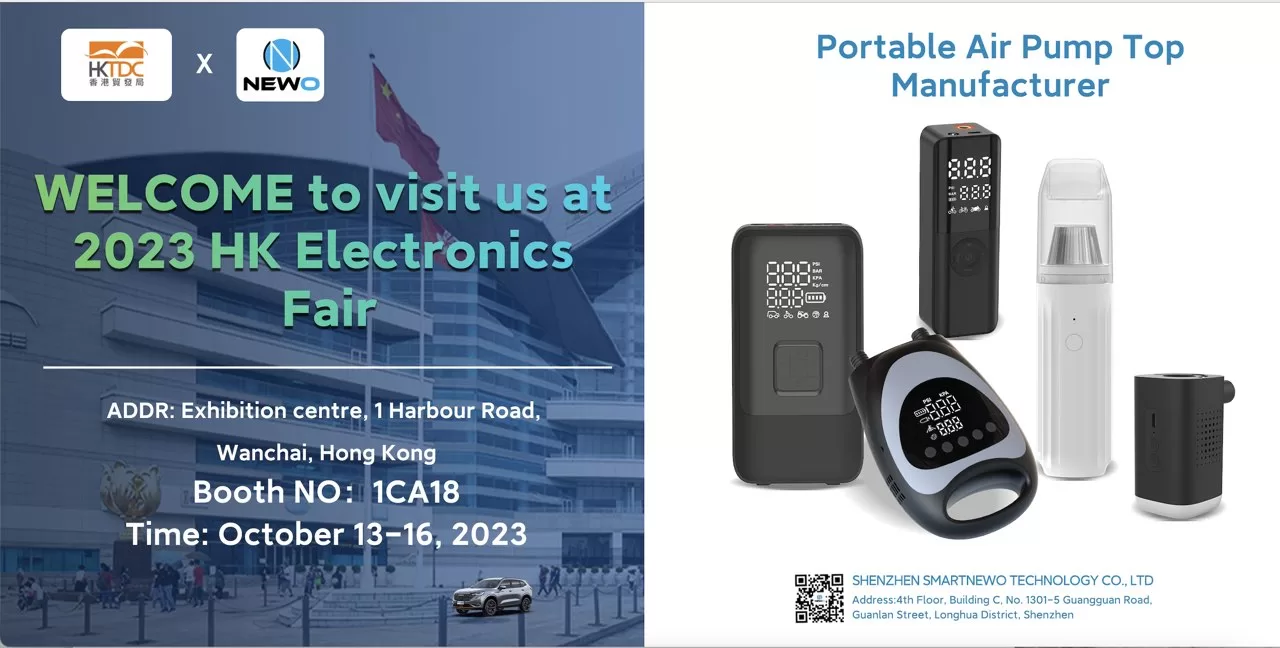
“Hong Kong Autumn Electronics Fair – 1CA18 (October 13th to 16th): Smartnewo invites you to visit our booth!
Hong Kong Autumn Electronics Fair... -

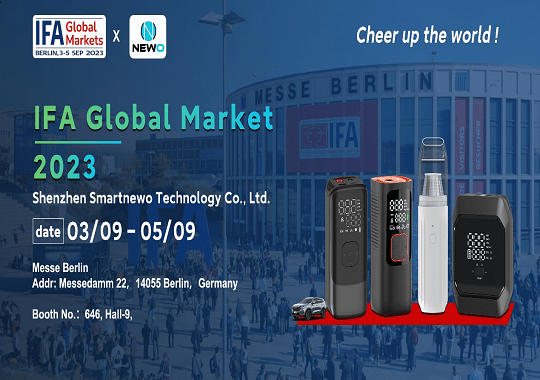
Smartnewo showcases its innovative range of electric air pumps at IFA 2023
Smartnewo will participate in the Consumer Electronics Show (IFA) in Berlin, Germany from September 3rd to September 5th.... -
Consumer Electronics Show (IFA) In Berlin 2023
Smartnewo will participate in the Consumer Electronics Show (IFA) in Berlin, Germany from September 3rd to September 5th....

-

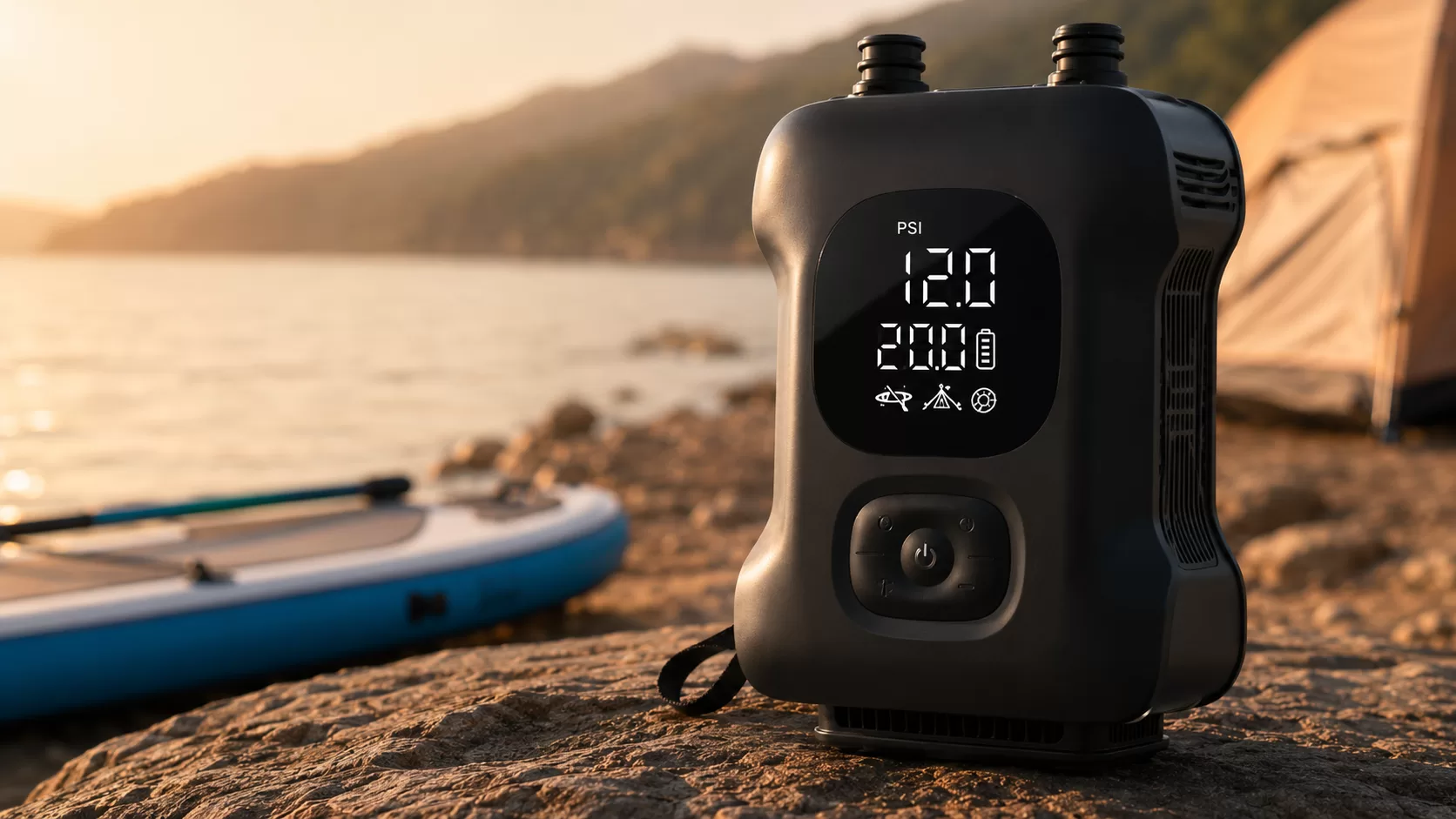
Rechargeable Electric SUP Pump for Paddle Boards: Faster Inflation for SUPs, Kayaks and Inflatable Tents
The BL10-C Portable Electric Bike Tire Inflator is a compact and lightweight mini electric bike pump designed for modern cyclists. With up to 120 PSI pressure, a digital LED display, preset pressure control, automatic shut-off, USB-C charging, and multiple valve adapters, BL10-C offers a convenient inflation solution for road bikes,... -

Are Electric Bike Pumps Worth It in 2026? Electric Pump vs CO₂ vs Mini Hand Pump
Discover whether electric bike pumps are worth it in 2026. This guide compares electric bike pumps, CO₂ inflators, and mini hand pumps for road cycling, gravel riding, commuting, and long-distance rides. Learn the pros, limitations, best use cases, and key features to look for before choosing the right portable tire... -
BL10-C Portable Electric Bike Tire Inflator: Small Size, Reliable Power for Every Ride
The BL10-C Portable Electric Bike Tire Inflator is a compact and lightweight mini electric bike pump designed for modern cyclists. With up to 120 PSI pressure, a digital LED display, preset pressure control, automatic shut-off, USB-C charging, and multiple valve adapters, BL10-C offers a convenient inflation solution for road bikes,... -

Why Mini Electric Bike Pumps Are Becoming Essential for Modern Cycling
Discover why mini electric bike pumps are becoming essential for modern cyclists. Learn how portable electric bike pumps improve tire pressure management, riding safety, and convenience.... -

The Ultimate Smart Solution for Easy Outdoor Adventures in 2026
Discover how a spring travel air pump simplifies outdoor trips with fast inflation, smart features, and powerful performance—perfect for every adventure.... -

Powerful 5-in-1 Portable Car Tire Inflator and Jump Starter: The Ultimate Emergency Tool for Every Driver
Why Every Driver Needs a Portable Car Tire Inflator and Jump Starter Modern drivers face many unexpected situations on the road. A flat tire, low tire pressure, or a dead car battery can happen at the worst possible time. That’s why having a portable car tire inflator and jump starter is... -

7 Real Cycling Scenarios That Show Why Every Rider Should Carry a Mini Bike Pump
Cycling is one of the most freeing activities you can enjoy. Whether you’re commuting to work, riding through city streets, or exploring quiet countryside roads, a bike ride can instantly improve your day. But there’s one small problem that almost every cyclist eventually faces: Low tire pressure. It might happen... -
BL08-A Portable Electric Bike Pump: A Global Distribution Opportunity with Smartnewo
Smartnewo, a professional manufacturer of portable electric air pumps, introduces the BL08-A model — a compact and efficient inflator designed for global distributors, e-commerce sellers, and outdoor accessory brands seeking reliable OEM/ODM solutions. Table of Contents Main Heading Subtopics 1. Introduction: Expanding the Global Market for Smart Inflation Tools Portable... -

Connecting Opportunities at Automechanika Shanghai 2025 — Smartnewo Exhibition Day 1
Today marks an exciting beginning as Smartnewo officially opens its booth at Automechanika Shanghai 2025. As one of the largest and most influential automotive aftermarket exhibitions in the world, the show provides an exceptional platform for meaningful conversations, partnership building, and global industry exchange. Located at Booth 7.2E47, Smartnewo presents... -

Why Every Outdoor Cyclist Should Carry a Mini Electric Bike Pump
Whether you are an experienced mountain rider or a weekend road-cycling enthusiast, one thing is certain: unexpected tire pressure issues can ruin an entire ride. That’s why more cyclists are turning to mini electric bike pumps—compact, lightweight, and far more reliable than traditional hand pumps. 1. Consistent Pressure, Even in...

-
How Is a Football Properly Inflated?
The correct inflation of a football - with not too much and not too little air - is a hotly debated topic among footballers.... -
Application Scenarios of Car Inflator Pump
Often long-distance business trips or play car owners because the road may be more remote areas, in this case if you encounter a tire leak....