

 Portable Tire Inflators
 Electric Air Pumps
 Electric Car Tyre Pumps
 Electric Ball Pumps
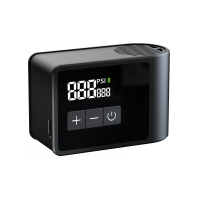 Electric Bike Pump
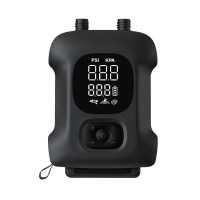 SUP Air Pump
Choosing a Portable Electric Pump for Bike Tires That Actually Keeps Up With You
Flat tires rarely happen at convenient moments. A portable electric pump for bike riders solves the real problem behind roadside inflation: carrying enough pressure capability without carrying extra weight. This matters because manual pumps demand time and arm strength that most commuters and weekend riders would rather spend on the ride itself.
The appeal isn’t just convenience for its own sake. Road bikes often need 80 to 120 PSI, and hitting that range by hand takes a few hundred strokes on a good day. An electric unit removes that labor entirely, which changes how people think about pre-ride checks and mid-ride top-ups.
Why Manual Pumps Fall Short for Modern Riders
Hand pumps work, but they ask a lot of the rider. Getting a road tire from 60 PSI to 100 PSI manually often takes two to three minutes of steady pumping, and that’s assuming the valve seats properly on the first try.
Fatigue is the hidden cost here. Arriving at a trailhead or a group ride already tired from pumping tires isn’t ideal preparation. There’s also the accuracy problem: judging pressure by feel or with a basic gauge invites both underinflation and overinflation, both of which affect rolling resistance and pinch-flat risk.
Electric inflators remove the guesswork by pairing a small motor with a pressure sensor. The rider sets a target number, and the pump stops on its own. That shift from manual effort to automated precision is really what’s driving adoption among commuters, gravel riders, and e-bike owners alike.
What the T05 Brings to the Trail or Commute
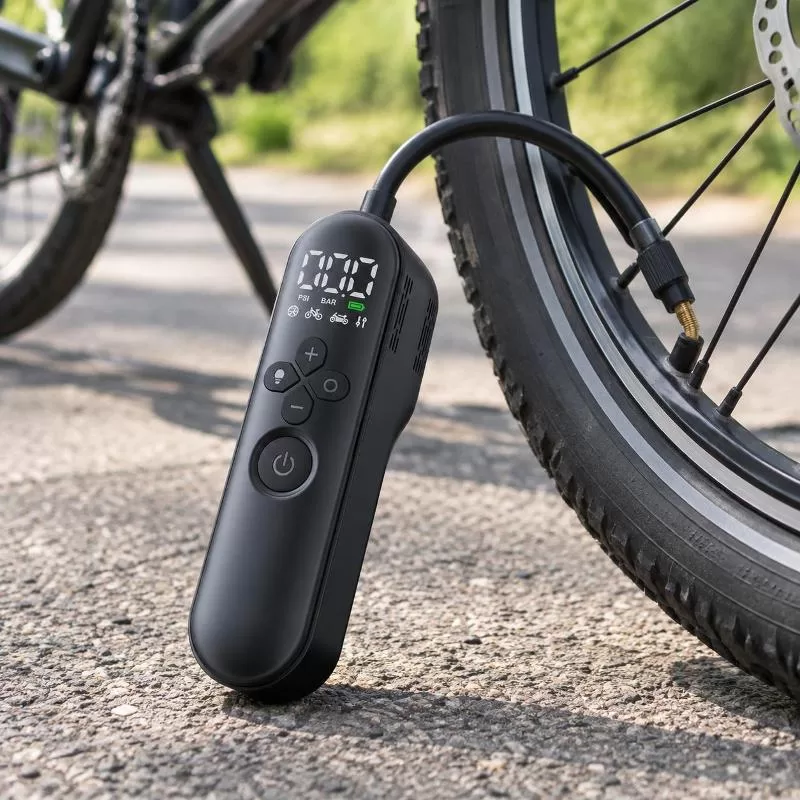
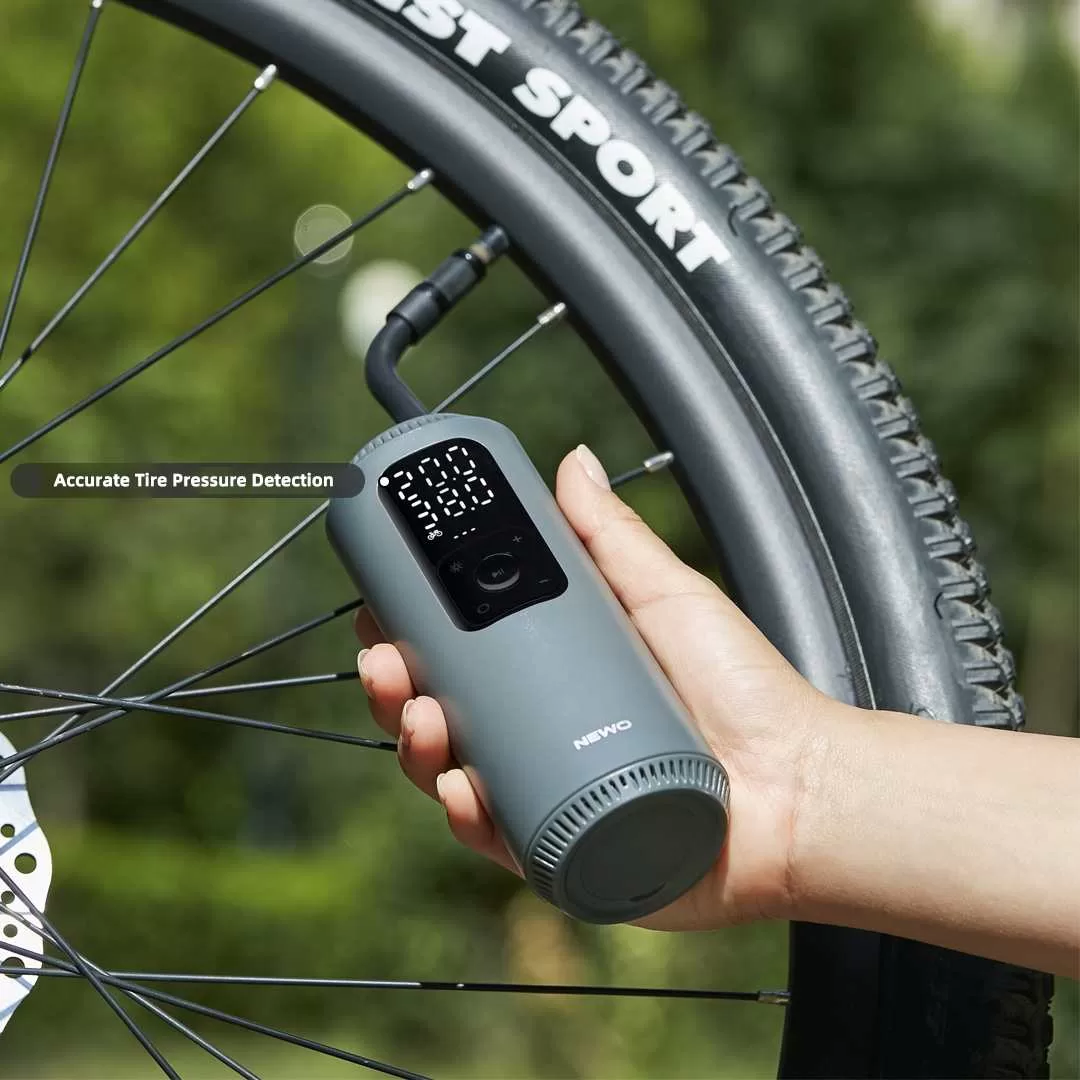
Newo’s T05 is a compact example of this category, built specifically with cyclists in mind. It’s a handheld unit roughly the size of a large multitool, weighing about 192.4 grams, and it uses a small brushless pump to reach up to 120 PSI.
That pressure ceiling covers nearly every bicycle tire type, from wide mountain bike tires running 30 PSI to narrow road tires that want triple digits. According to the product specifications, the pressure range runs from 2 to 120 PSI, with an air flow rate near 14 liters per minute.
A few design choices stand out beyond the raw numbers:
- LED display with pressure sensing: shows real-time PSI so riders aren’t guessing or stopping to check with a separate gauge.
- Automatic shut-off: stops inflation once the target pressure is reached, which helps avoid overinflation on narrower road tubes.
- Independent cooling fan: a separate fan-based cooling design intended to manage heat buildup during use, according to the manufacturer.
- Type-C charging: recharges in under an hour, which fits into a short coffee break or a lunch stop.
Battery Life and Runtime: What to Expect
Battery specs matter more for a pump than most portable electronics, because a dead unit on a trail is worse than a dead phone. The T05 uses a 1200mAh, 7.4V battery rated at 8.88Wh, delivering roughly 40W of working power.
Runtime is listed at 5 to 10 minutes per charge, which sounds short until you consider how fast a single tire actually inflates. Most bike tires reach full pressure in well under a minute with a brushless pump running at this flow rate, so one charge typically covers multiple tires or several top-ups across a week of commuting.
Battery longevity is also worth checking before buying any inflator. The manufacturer rates this unit for about 300 charge cycles while retaining 80% or more of its original capacity, which is a fairly standard lithium-ion degradation curve for small consumer electronics. That means regular users should expect several hundred charges, roughly a year or more of typical use, before capacity noticeably drops.
Matching Pump Capability to Your Tire Type
Not every rider needs the same pressure ceiling, and this is where buyers often overbuy or underbuy. The table below breaks down typical pressure needs against what a 120 PSI unit like the T05 can realistically handle.
| Tire Type | Typical PSI Range | Within T05’s 120 PSI Range |
|---|---|---|
| Road bike (narrow tires) | 80–130 PSI | Covers most, may be tight at the top end |
| Gravel/hybrid bike | 40–70 PSI | Comfortably covered |
| Mountain bike | 25–50 PSI | Comfortably covered |
| E-bike tires | 30–65 PSI | Comfortably covered |
| Motorcycle tires | 28–42 PSI | Comfortably covered |
| Car tire top-up | 30–35 PSI | Covered for minor adjustments only |
Riders on narrow road tires that require 130+ PSI should check their specific tire sidewall rating, since some racing tires exceed what a 120 PSI pump can deliver. For everyone else, including gravel, hybrid, mountain, and e-bike riders, this pressure ceiling leaves comfortable headroom.
Beyond Bike Tires: Secondary Use Cases
A pump that only inflates bicycle tires is useful but limited in value. The T05 ships with an inflatable air tube, a ball needle, a French valve adapter, and a Schrader valve adapter, which extends its practical range noticeably.
This accessory set means the same device that handles a flat tire mid-ride can also top up:
- Motorcycle and e-bike tires, using the standard Schrader valve adapter.
- Sports balls like basketballs or soccer balls, using the included needle attachment.
- Car tires for minor pressure adjustments, though a dedicated car inflator with higher sustained flow is better for larger tire volumes.
For a household that owns bikes, a car, and a kid’s soccer ball, consolidating these needs into one rechargeable device reduces clutter in the garage. It’s a modest convenience, but it adds up over a season of use.
Noise, Heat, and the Realities of Small Motors
Small brushless pumps generate both noise and heat, and ignoring these factors leads to disappointment after purchase. The T05 is rated at 80dB or below at 1.5 meters, which is roughly comparable to a loud conversation or a kitchen blender. That’s noticeable but not disruptive for roadside use, and far quieter than a traditional air compressor.
Heat management is handled through what the manufacturer describes as an independent cooling fan, separate from the pump mechanism itself. This matters because repeated use without adequate cooling can shorten a small motor’s working life. The listed operating temperature range of minus 10°C to 45°C also suggests the unit is built to handle both winter commutes and summer rides, though extreme heat or cold will always affect battery performance to some degree.
Common Questions About Portable Electric Bike Pumps
Does a 120 PSI electric pump work for all bicycle tires?
Most bicycle tires fall within a 25 to 120 PSI range, so a 120 PSI pump covers the vast majority of road, gravel, mountain, and e-bike setups. A small number of high-pressure racing tires may exceed this ceiling.
How long does it take to inflate one tire?
With an air flow rate near 14 L/min, most bicycle tires reach target pressure in under a minute, well within the pump’s 5 to 10 minute total runtime per charge.
Can this type of pump replace a floor pump at home?
It can for most routine use, though floor pumps with larger cylinders remain faster for very low-pressure, high-volume tires like fat bike tires. A portable electric pump for bike riders is better suited to on-the-go top-ups rather than frequent full inflations from empty.
Is Type-C charging actually faster than older charging ports?
Type-C itself doesn’t guarantee speed, but combined with a 5V/2A input, the T05 recharges in under an hour, which is reasonably quick for a battery this size.
Making the Decision for Your Riding Style
Choosing the right inflator comes down to matching the device to how and where you ride. Commuters who face unpredictable flats benefit most from the automatic shut-off and LED display, since quick, accurate top-ups matter more than raw power. Weekend trail riders may prioritize the compact size and multi-use accessories, since a single device handling tires, balls, and minor car adjustments reduces what they need to pack.
For riders who already own a floor pump at home but want something for the road, a portable electric pump for bike tires fills a specific gap rather than replacing existing gear entirely. We build the T05 around that gap: a slim body under 15cm long, a brushless pump capable of reaching 120 PSI, and an accessory kit that extends its use past bicycles alone.
The real value isn’t a single standout feature. It’s the combination of accurate pressure sensing, reasonable runtime, and a size that fits in a saddle bag without weighing down a ride. That combination is what turns an occasional roadside inconvenience into a two-minute fix.
-

As Shenzhen Welcomes the World for APEC 2026, NEWO Welcomes You to Our Factory
As Shenzhen prepares for APEC 2026, NEWO welcomes international buyers and partners to visit our factory, meet our team and explore future cooperation.... -
Leading the Way in Product Innovation and Excellence
Smartnewo exemplifies professionalism in product innovation and manufacturing. Their collaboration with Xiaomi Youpin on the G01 crowdfunding project highlights their expertise in creating compact, powerful inflatable pumps. Rigorous engineering, meticulous production processes, and advanced quality assurance underscore their commitment to excellence. The success of the G01 project, with significant market... -
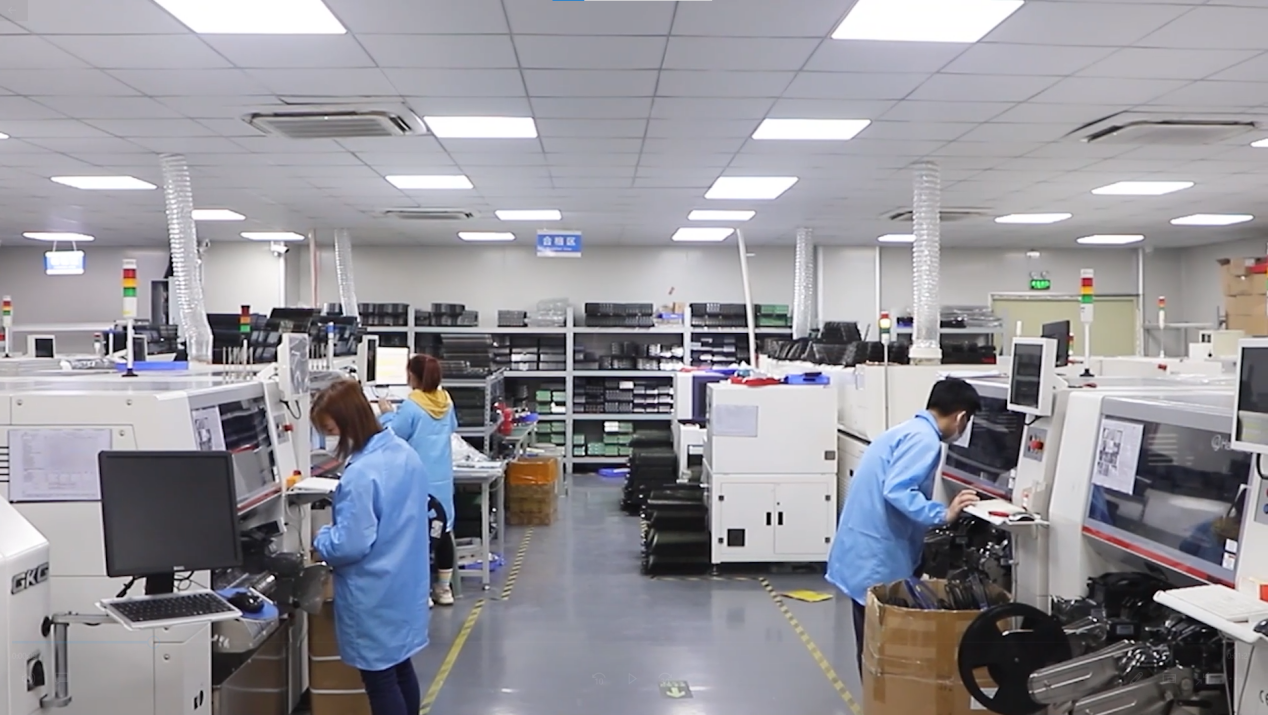
Essential Qualities of an Excellent Supplier
In today's competitive market, finding a reliable supplier is crucial for business success. Based on insights from Smartnewo and broader internet research, here are key qualities an excellent supplier must possess:... -
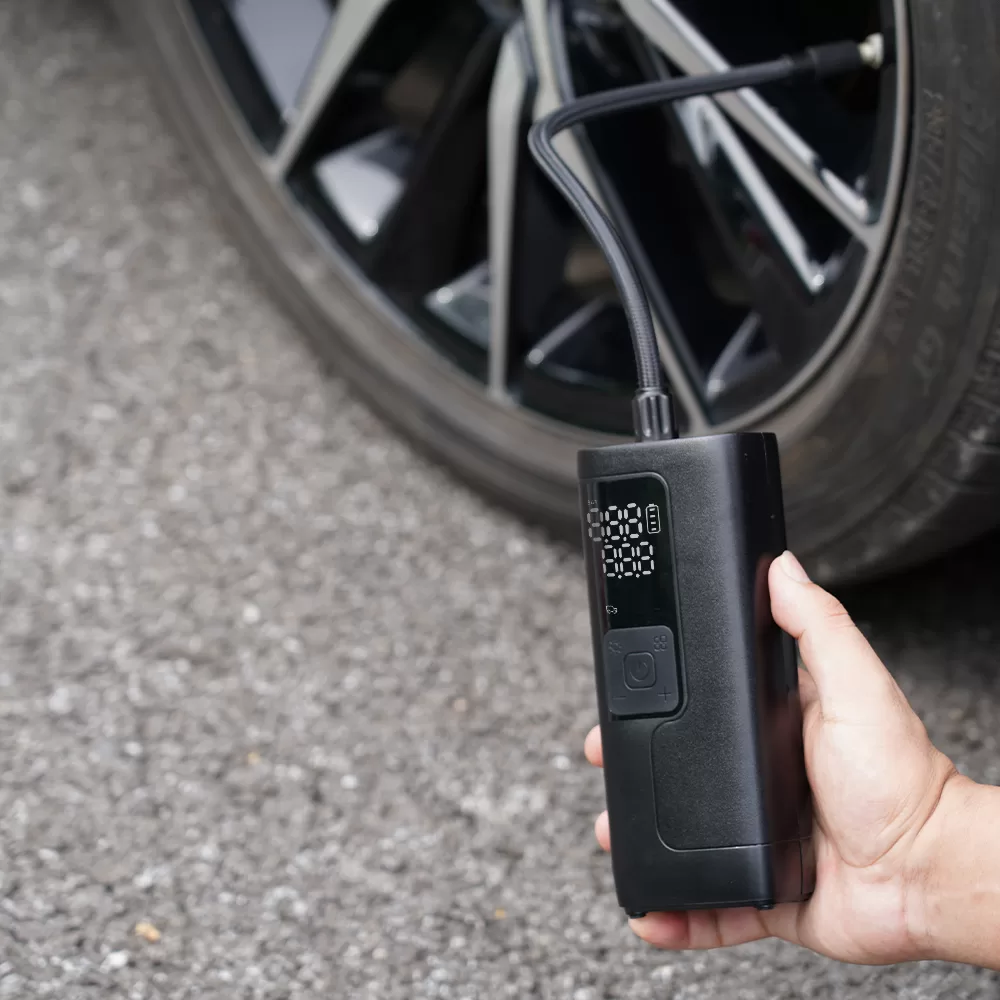
NW06 Tire Inflator: Compact Power for Quick Inflation
Summary The NW06 Tire Inflator delivers quick and efficient tire inflation with a powerful 35L/min airflow. It features a user-friendly LCD screen for real-time pressure monitoring, dual power options with a built-in 6000mAh battery, and multiple nozzle attachments for versatile use. Its compact design and integrated LED light ensure convenience and... -
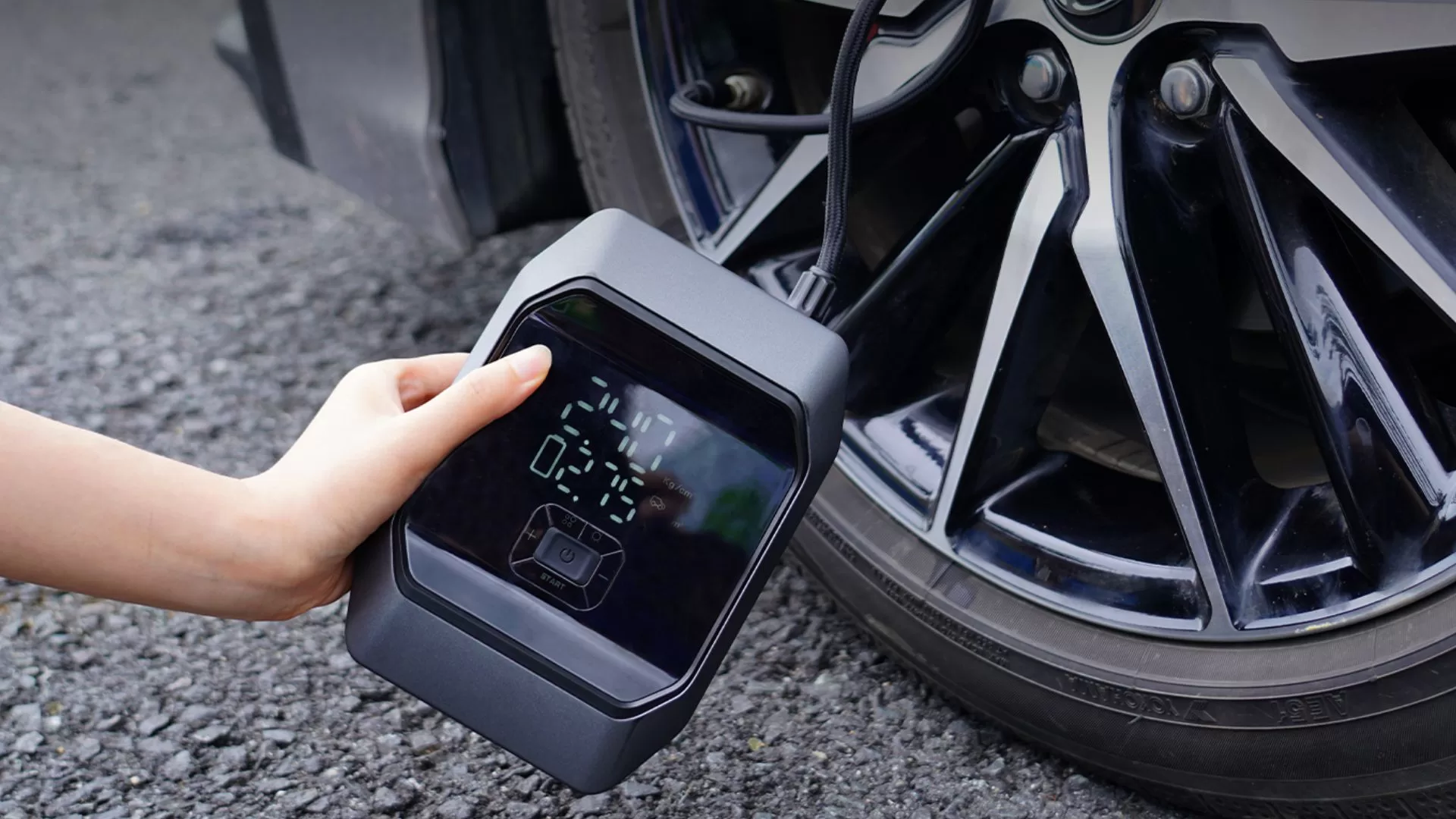
Unleash the Power of Portability: The SmartNewo Jump Starter with Air Compressor KF03
This guide will walk you through the steps to effectively use a portable tire inflator, helping you stay prepared and safe on the road.... -
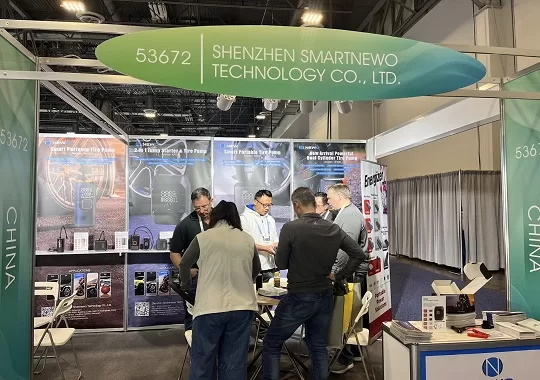
Newo Attends The 2024 Consumer Electronics Show (CES)
Smartnewo booth is located at 53672, Halls A-D, Level 2, Venetian Expo, Las Vegas Convention Center (LVCC). ... -
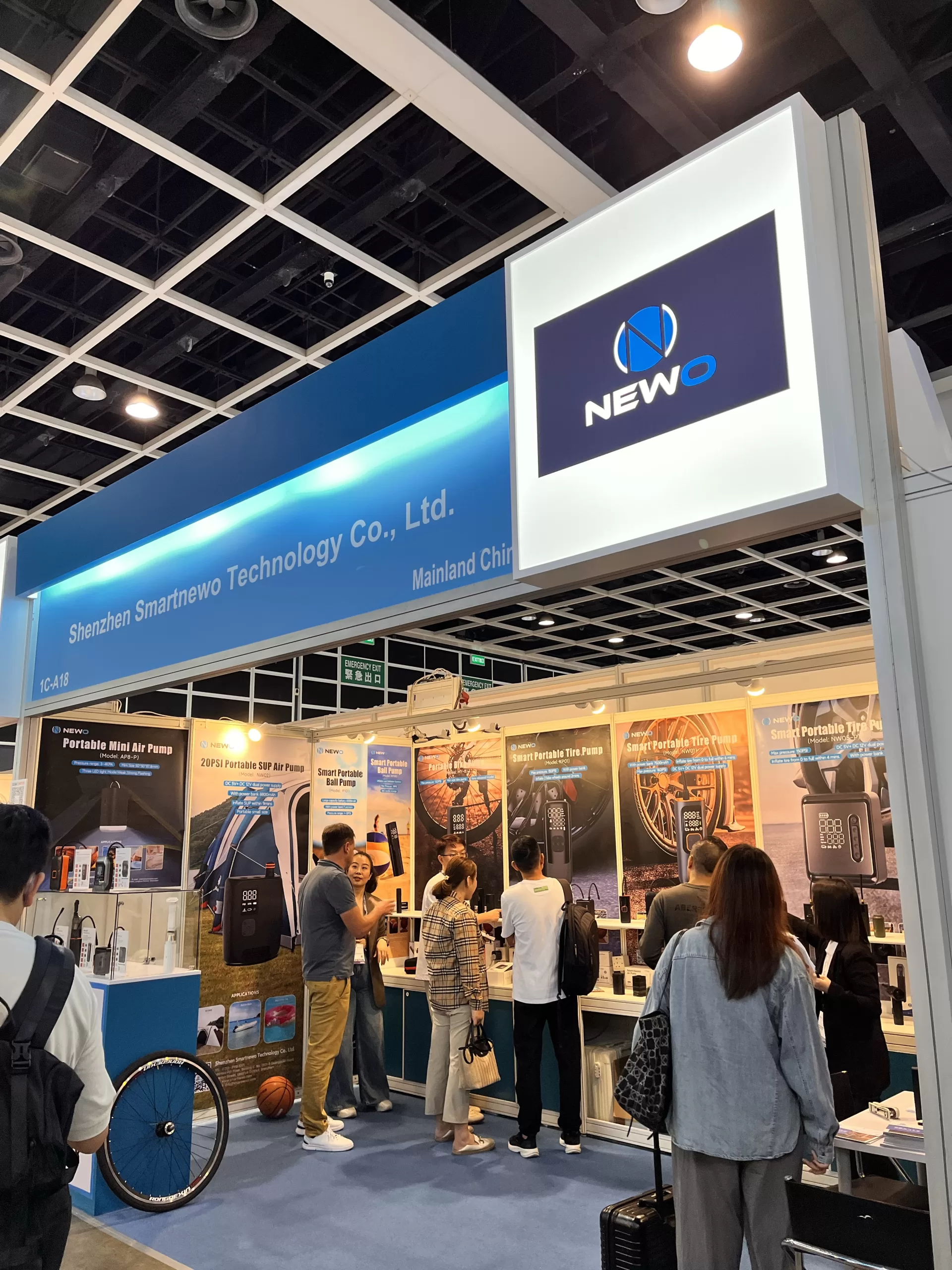
Smartnewo’s Dual-Cylinder Air Pump Rocks the Hong Kong Autumn Electronics Fair!
Smartnewo’s Dual-Cylinder Air Pump Rocks the Hong Kong Autumn Electronics Fair!... -
Meet at the Canton Fair! Smartnewo brings dual-cylinder air pumps, making your inflation experience faster and more stable!
NEWO has went deep communication and negotiation with customers from all over the world on booth.... -
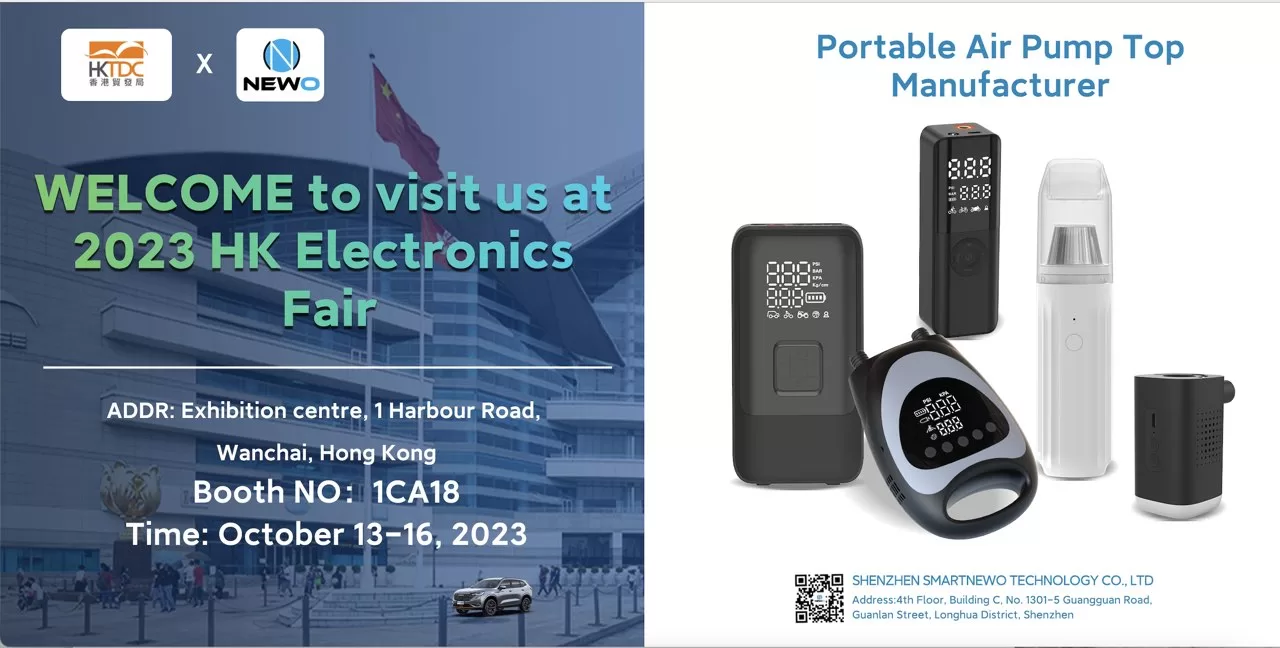
“Hong Kong Autumn Electronics Fair – 1CA18 (October 13th to 16th): Smartnewo invites you to visit our booth!
Hong Kong Autumn Electronics Fair... -
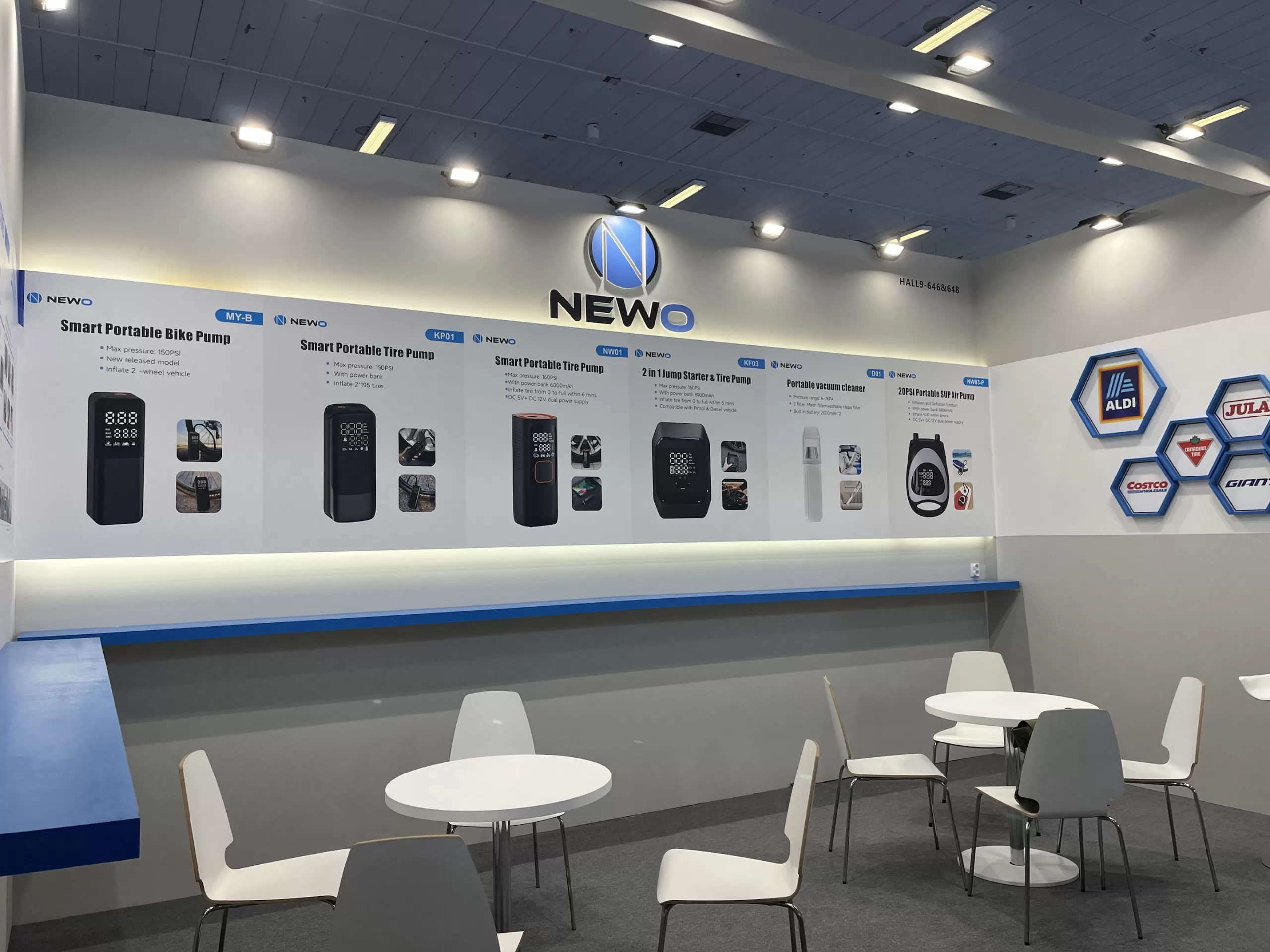
Smartnewo showcases its innovative range of electric air pumps at IFA 2023
Smartnewo will participate in the Consumer Electronics Show (IFA) in Berlin, Germany from September 3rd to September 5th....
-
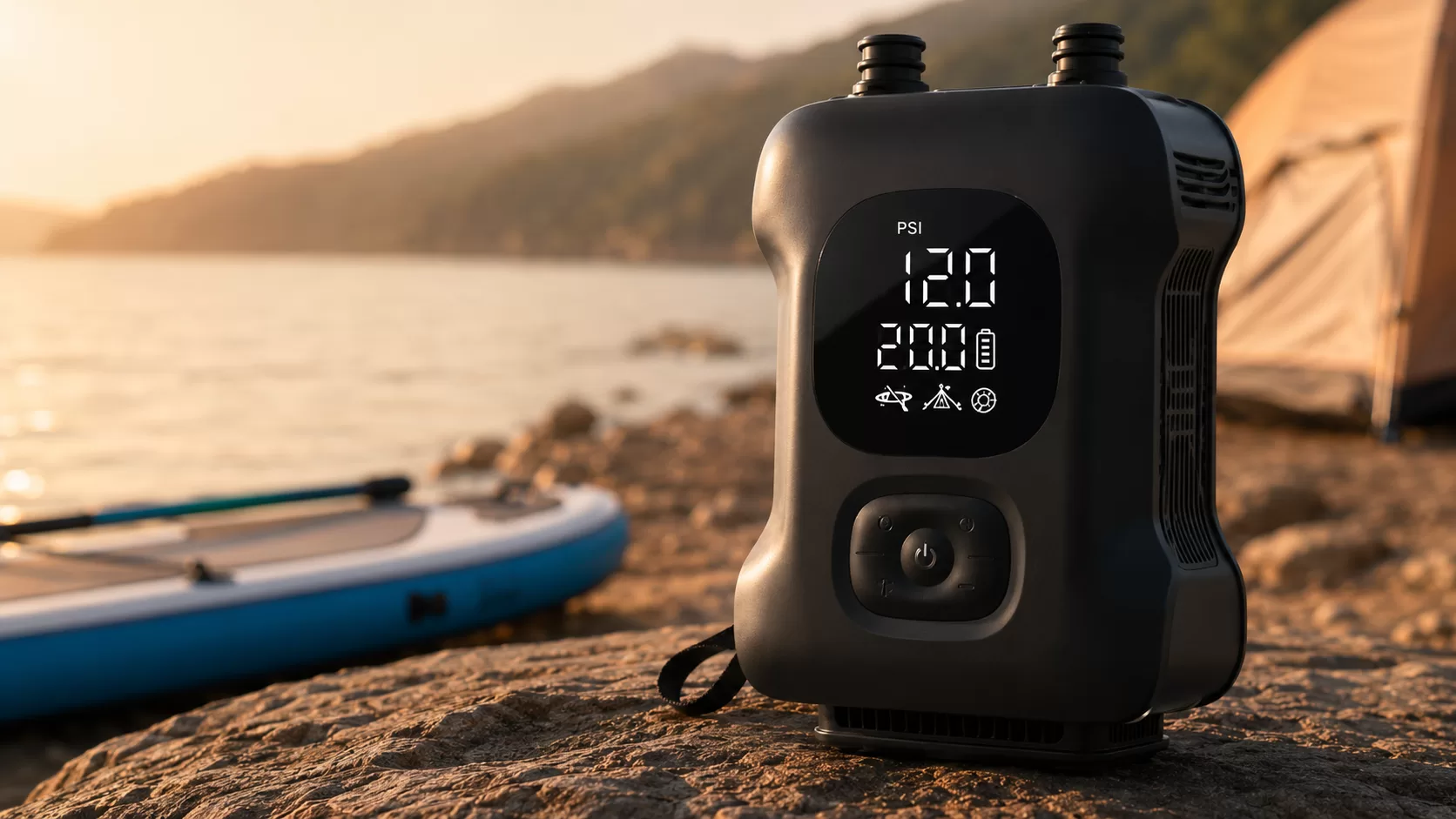
Rechargeable Electric SUP Pump for Paddle Boards: Faster Inflation for SUPs, Kayaks and Inflatable Tents
The BL10-C Portable Electric Bike Tire Inflator is a compact and lightweight mini electric bike pump designed for modern cyclists. With up to 120 PSI pressure, a digital LED display, preset pressure control, automatic shut-off, USB-C charging, and multiple valve adapters, BL10-C offers a convenient inflation solution for road bikes,... -
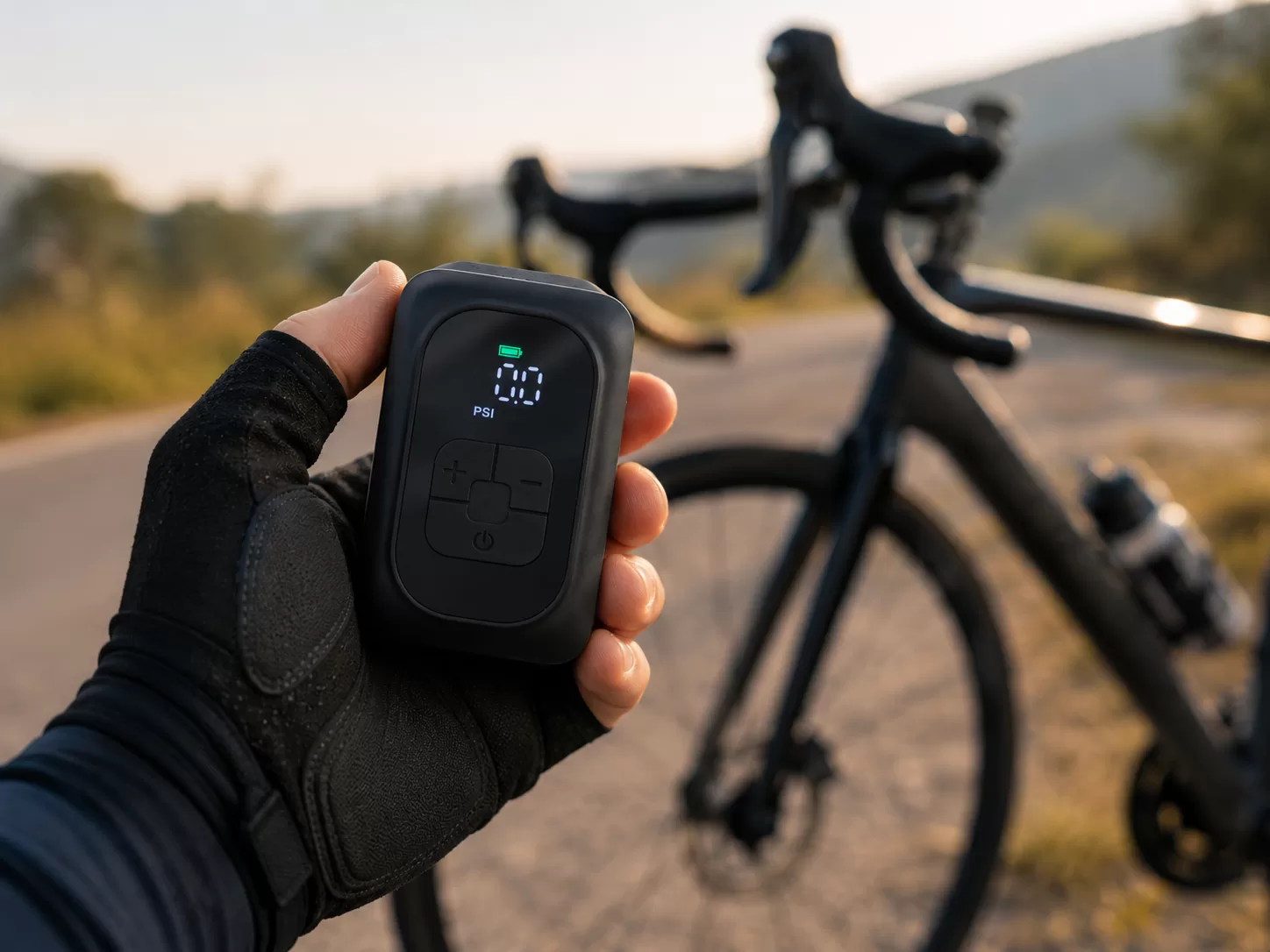
Are Electric Bike Pumps Worth It in 2026? Electric Pump vs CO₂ vs Mini Hand Pump
Discover whether electric bike pumps are worth it in 2026. This guide compares electric bike pumps, CO₂ inflators, and mini hand pumps for road cycling, gravel riding, commuting, and long-distance rides. Learn the pros, limitations, best use cases, and key features to look for before choosing the right portable tire... -
BL10-C Portable Electric Bike Tire Inflator: Small Size, Reliable Power for Every Ride
The BL10-C Portable Electric Bike Tire Inflator is a compact and lightweight mini electric bike pump designed for modern cyclists. With up to 120 PSI pressure, a digital LED display, preset pressure control, automatic shut-off, USB-C charging, and multiple valve adapters, BL10-C offers a convenient inflation solution for road bikes,... -
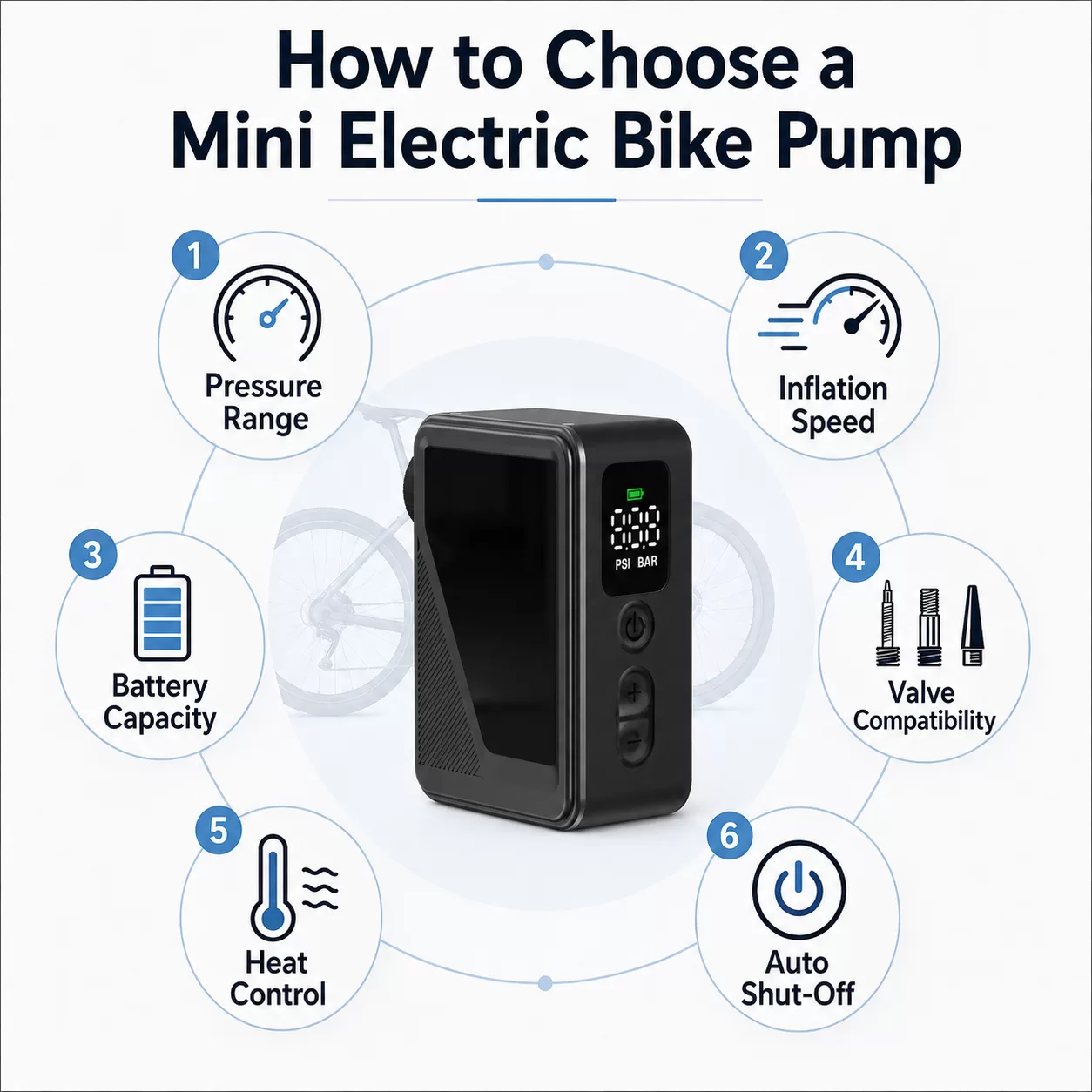
Why Mini Electric Bike Pumps Are Becoming Essential for Modern Cycling
Discover why mini electric bike pumps are becoming essential for modern cyclists. Learn how portable electric bike pumps improve tire pressure management, riding safety, and convenience.... -
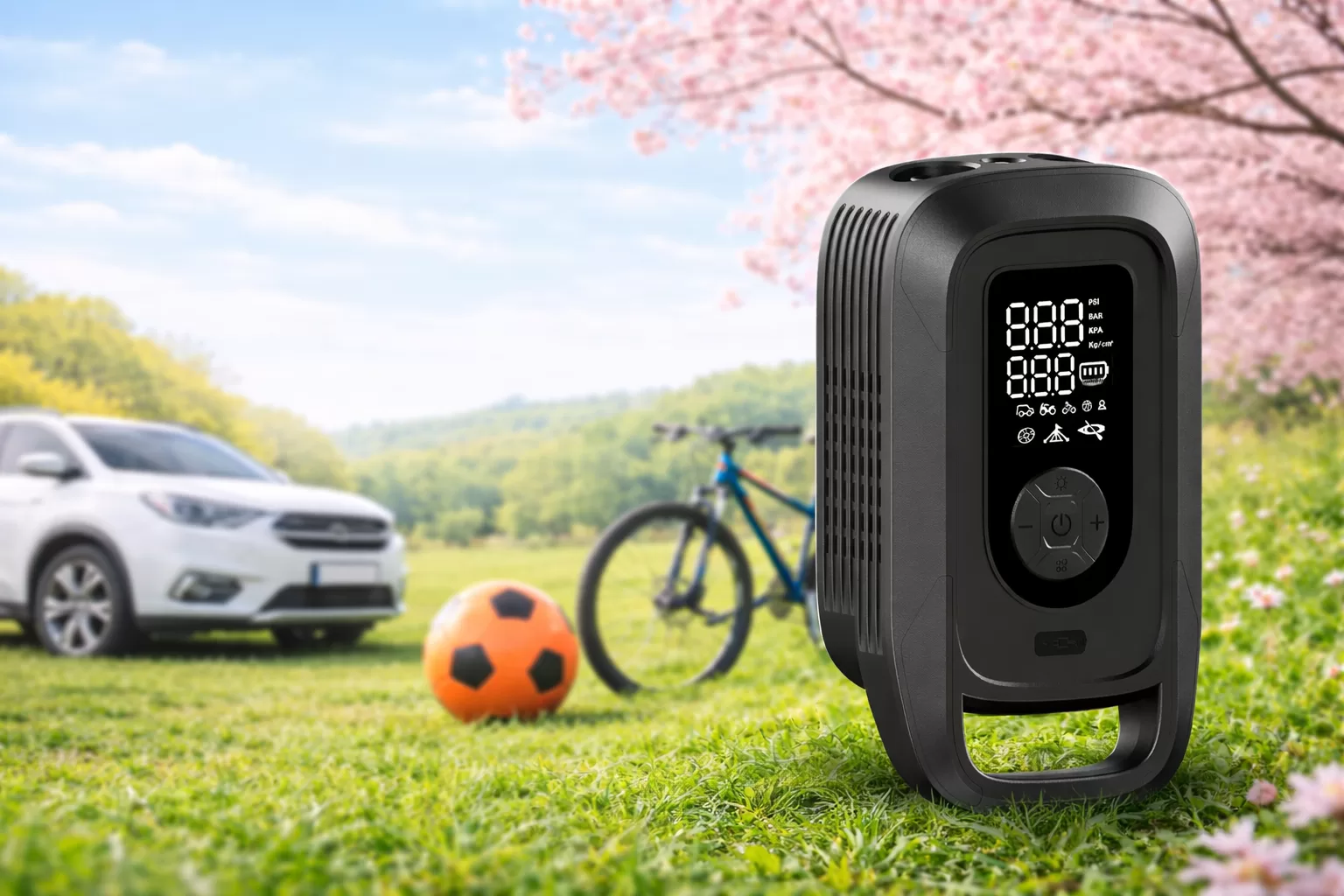
The Ultimate Smart Solution for Easy Outdoor Adventures in 2026
Discover how a spring travel air pump simplifies outdoor trips with fast inflation, smart features, and powerful performance—perfect for every adventure.... -
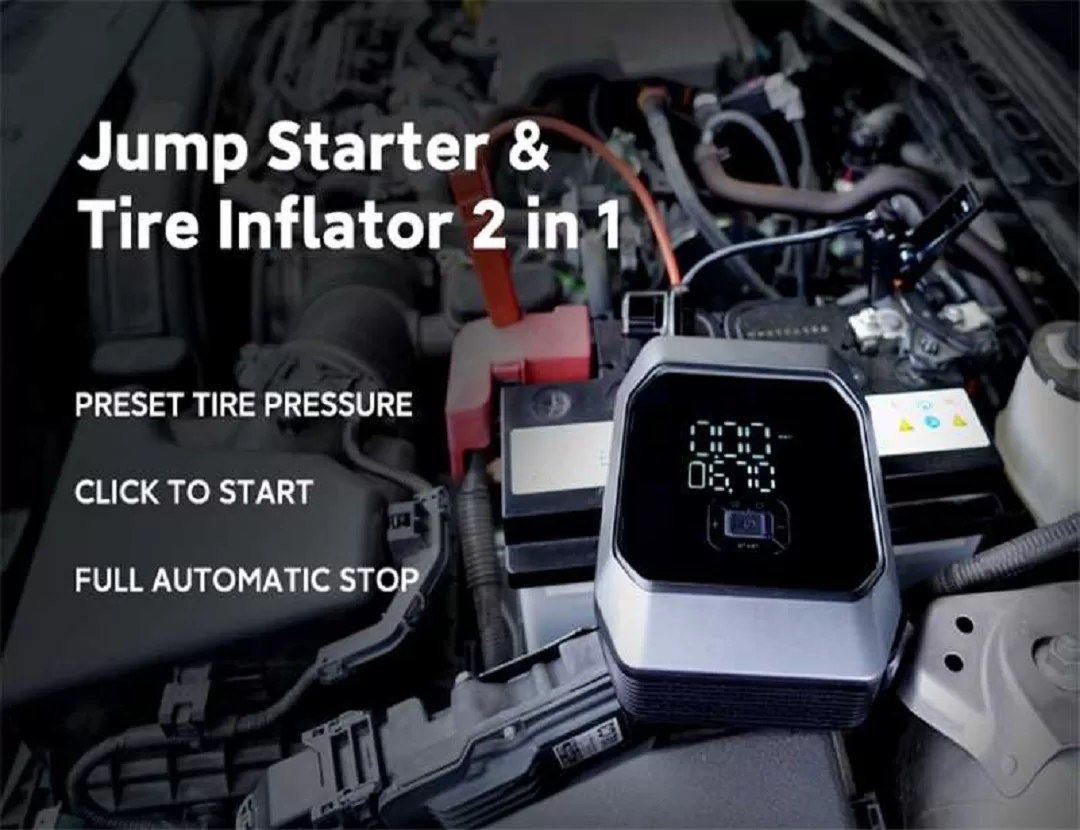
Powerful 5-in-1 Portable Car Tire Inflator and Jump Starter: The Ultimate Emergency Tool for Every Driver
Why Every Driver Needs a Portable Car Tire Inflator and Jump Starter Modern drivers face many unexpected situations on the road. A flat tire, low tire pressure, or a dead car battery can happen at the worst possible time. That’s why having a portable car tire inflator and jump starter is... -
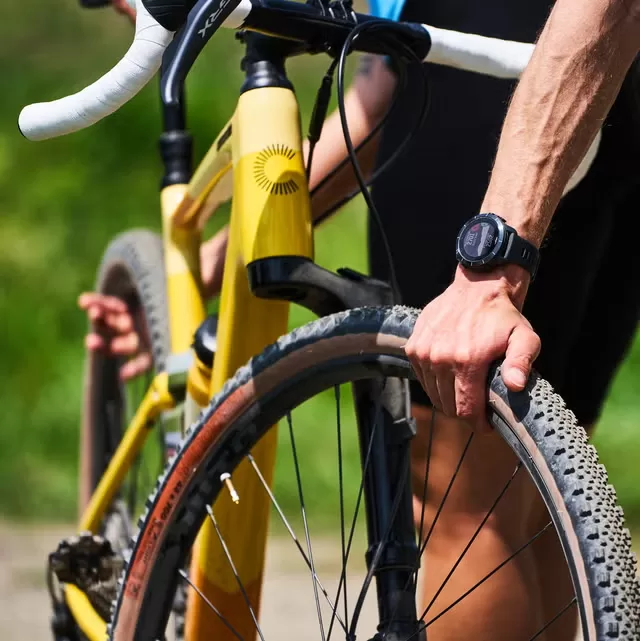
7 Real Cycling Scenarios That Show Why Every Rider Should Carry a Mini Bike Pump
Cycling is one of the most freeing activities you can enjoy. Whether you’re commuting to work, riding through city streets, or exploring quiet countryside roads, a bike ride can instantly improve your day. But there’s one small problem that almost every cyclist eventually faces: Low tire pressure. It might happen... -
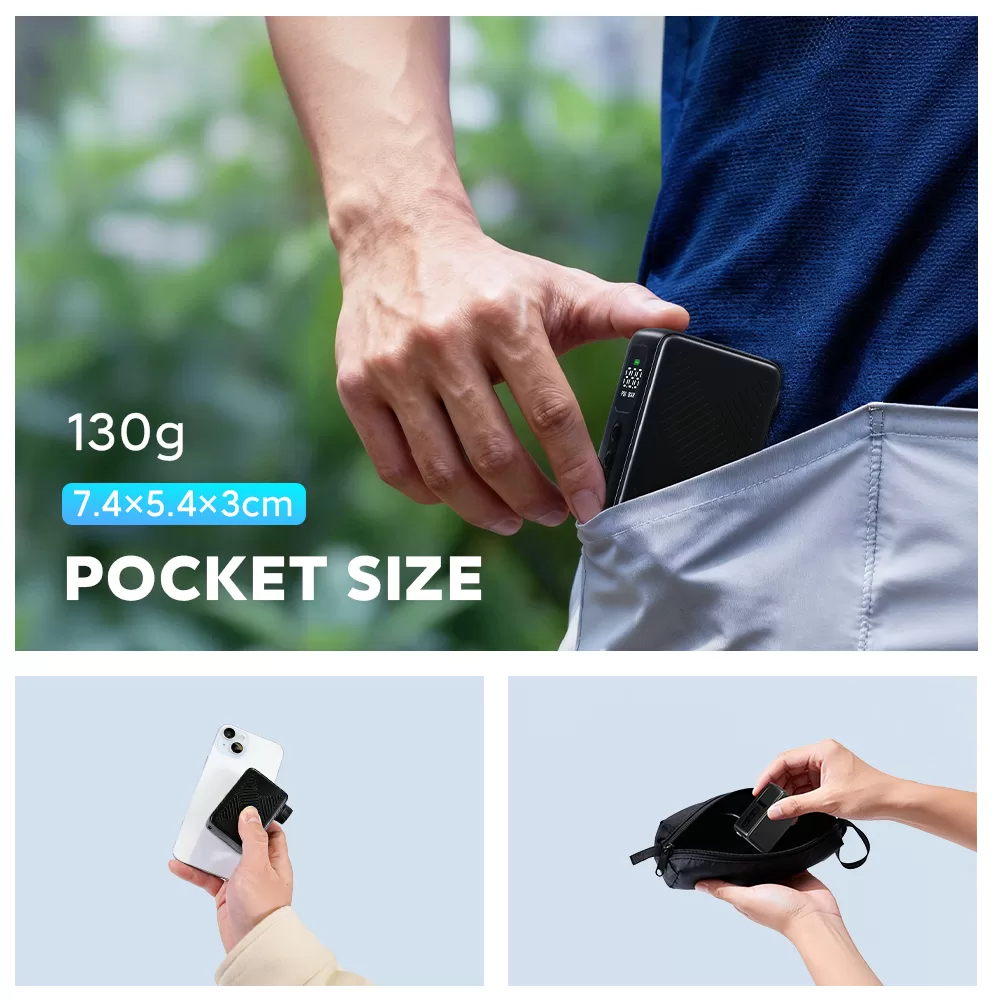
BL08-A Portable Electric Bike Pump: A Global Distribution Opportunity with Smartnewo
Smartnewo, a professional manufacturer of portable electric air pumps, introduces the BL08-A model — a compact and efficient inflator designed for global distributors, e-commerce sellers, and outdoor accessory brands seeking reliable OEM/ODM solutions. Table of Contents Main Heading Subtopics 1. Introduction: Expanding the Global Market for Smart Inflation Tools Portable... -
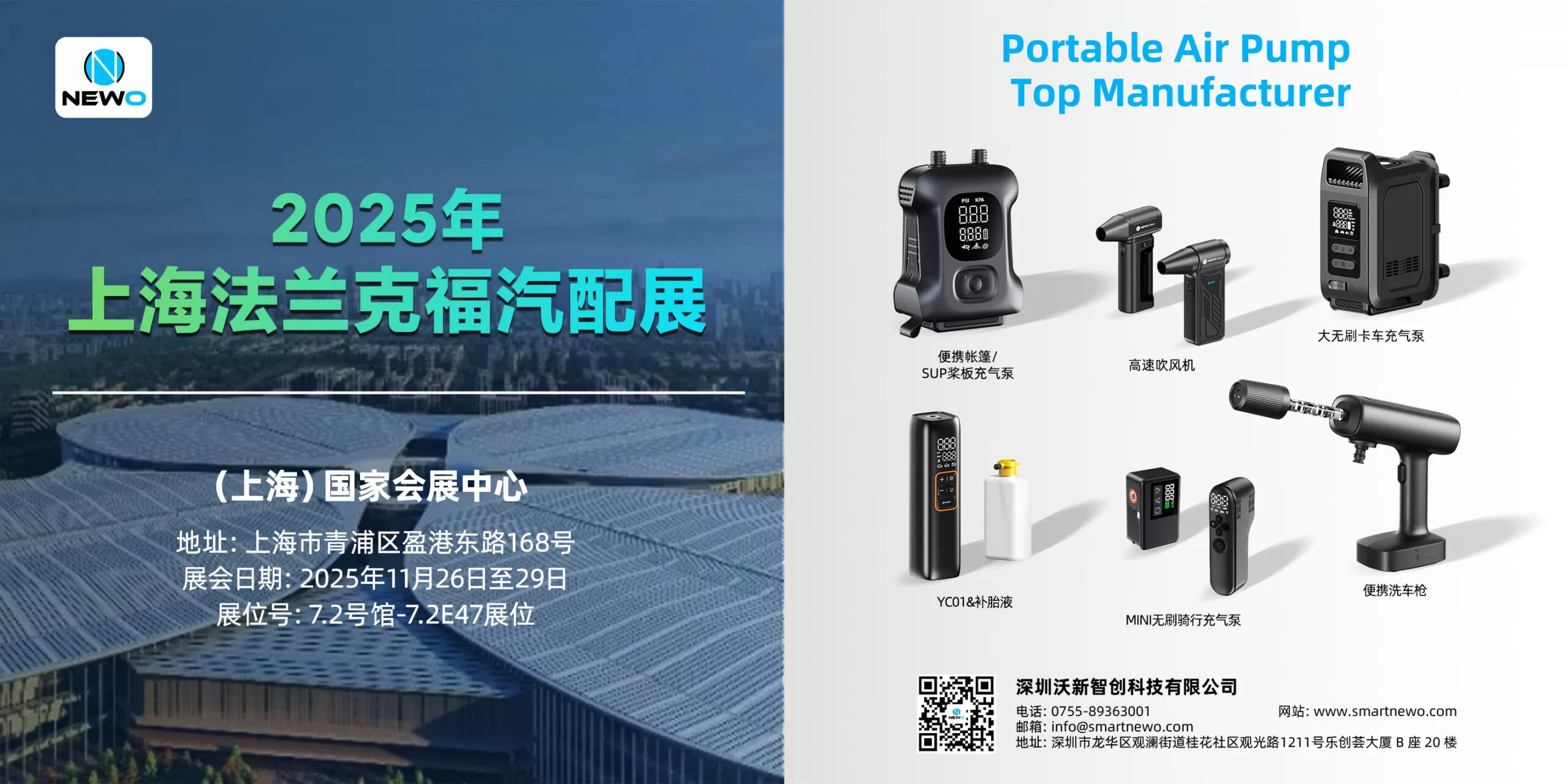
Connecting Opportunities at Automechanika Shanghai 2025 — Smartnewo Exhibition Day 1
Today marks an exciting beginning as Smartnewo officially opens its booth at Automechanika Shanghai 2025. As one of the largest and most influential automotive aftermarket exhibitions in the world, the show provides an exceptional platform for meaningful conversations, partnership building, and global industry exchange. Located at Booth 7.2E47, Smartnewo presents... -
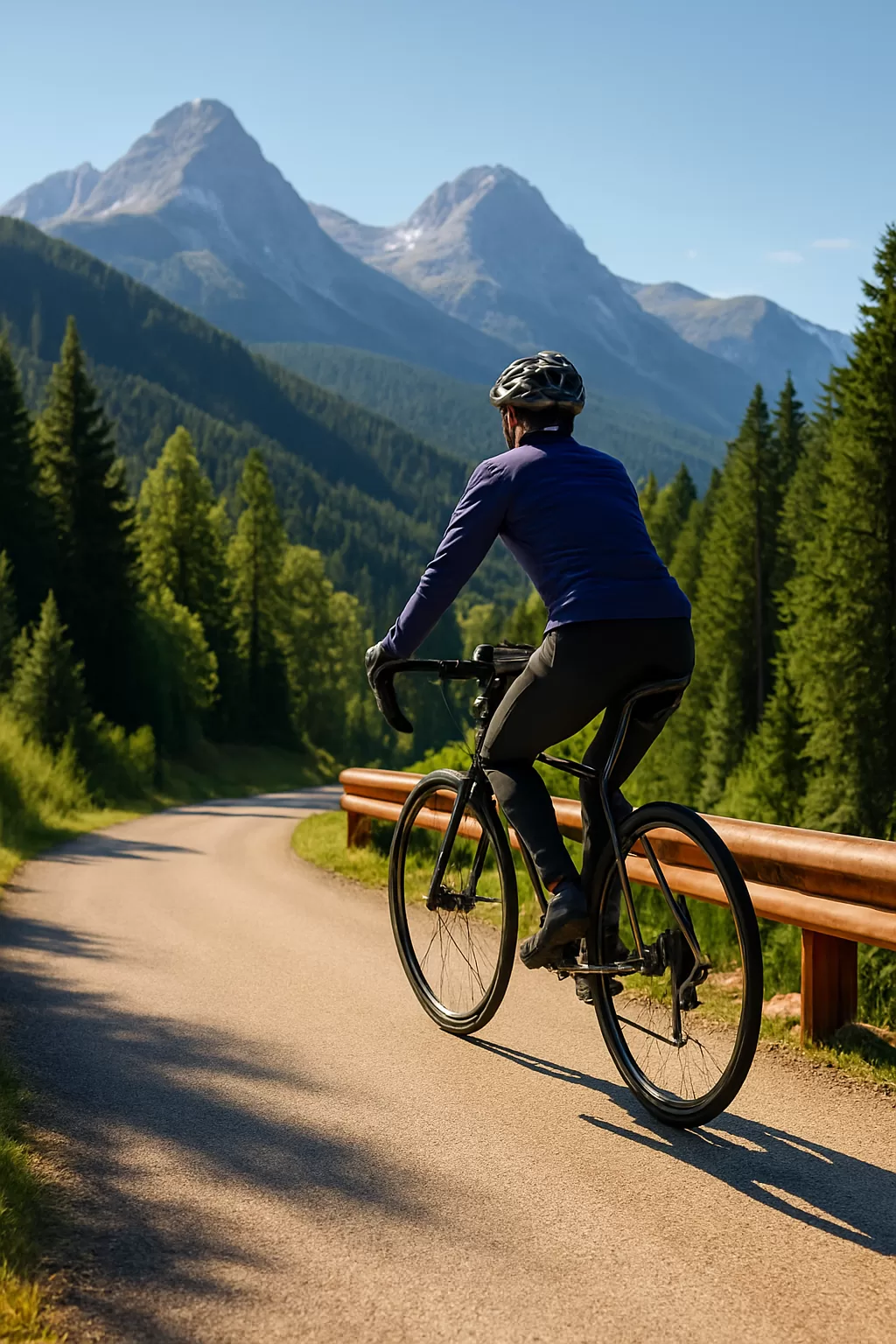
Why Every Outdoor Cyclist Should Carry a Mini Electric Bike Pump
Whether you are an experienced mountain rider or a weekend road-cycling enthusiast, one thing is certain: unexpected tire pressure issues can ruin an entire ride. That’s why more cyclists are turning to mini electric bike pumps—compact, lightweight, and far more reliable than traditional hand pumps. 1. Consistent Pressure, Even in...
-
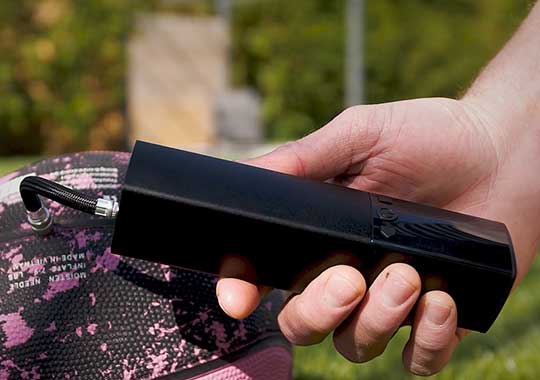
How Is a Football Properly Inflated?
The correct inflation of a football - with not too much and not too little air - is a hotly debated topic among footballers.... -
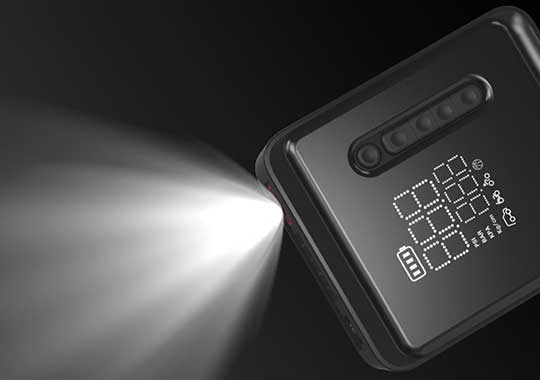
Application Scenarios of Car Inflator Pump
Often long-distance business trips or play car owners because the road may be more remote areas, in this case if you encounter a tire leak....