

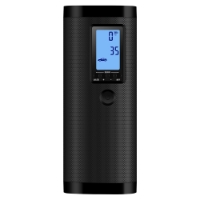
 Portable Tire Inflators
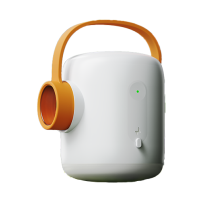 Electric Air Pumps
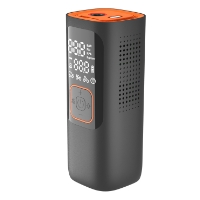 Electric Car Tyre Pumps
 Electric Ball Pumps
 Electric Bike Pump
 SUP Air Pump
How Electric Air Pump Manufacturers Design Portable Inflation Solutions
The modern electric air pump manufacturer faces a specific challenge: delivering portable compression technology that balances power, speed, and practicality. Unlike stationary garage compressors, portable electric air pumps must fit in a car trunk, operate on battery power, and reach pressures high enough for vehicles, bicycles, and sports equipment. This tension between capability and convenience shapes how engineers approach design.
An electric air pump manufacturer typically begins by selecting the compression mechanism. The choice between single-cylinder and multi-cylinder systems determines both performance and efficiency. A 22-cylinder configuration, for instance, distributes the compression load across more chambers, reducing thermal stress and enabling faster recovery cycles. This design philosophy allows manufacturers to achieve higher airflow rates—typically 32 to 36 liters per minute—without requiring massive power draws or generating excessive heat.
Understanding Compression Architecture in Modern Designs
The cylinder count directly influences how quickly an inflator can raise pressure. Each additional cylinder increases the system’s ability to process air volume. When an electric air pump manufacturer implements a 22-cylinder structure, they’re essentially multiplying the pumping action per motor revolution. This parallel processing means the motor doesn’t have to spin faster to achieve the same output; instead, it works more efficiently at moderate speeds.
Pressure delivery is the next constraint. Most portable inflators target 160 PSI (approximately 11 BAR) as a practical ceiling. This pressure suits standard car tires, which typically require 32 to 36 PSI, while also accommodating motorcycle and specialty tires. An electric air pump manufacturer reaching 160 PSI must design valves and seals that withstand sustained pressure without degradation. The engineering involves selecting materials that resist corrosion from moisture in compressed air and mechanical wear from repeated cycling.
Airflow rate—measured in liters per minute—tells a different story than maximum pressure. A manufacturer can design a pump that reaches high pressure slowly, or one that delivers moderate pressure quickly. The market generally prefers speed. Delivering 32 to 36 L/min means a standard car tire inflates from empty to operating pressure in roughly three to five minutes, a critical factor for roadside emergencies or weekend trips.
Power Delivery and Battery Technology
Battery chemistry shapes the entire product architecture. Lithium-ion cells offer high energy density, but they require careful thermal and electrical management. An electric air pump manufacturer using three 18650 cells connected in series achieves 11.1V output—high enough to power motors efficiently without excessive current draw. This voltage level represents a sweet spot: sufficient for compact motor designs while remaining safe for portable applications.
The 2600mAh capacity across three cells yields roughly 28.86Wh of energy. This figure translates to real-world runtime: approximately 20 to 25 minutes of continuous operation. For most users, that means inflating about 1.5 standard car tires per full charge, according to the manufacturer’s specifications. The limitation isn’t arbitrary—it reflects the physics of compression. Pumping air against resistance consumes energy rapidly, and higher pressure demands increase that consumption dramatically.
Charging architecture matters as much as capacity. Type-C ports have become the standard interface across devices, reducing user friction. A 5V/2A charging specification enables both fast desktop charging and emergency top-ups from portable power banks. The ability to recharge in two to three hours keeps the inflator practical for frequent users.
Pressure Sensing and User Control
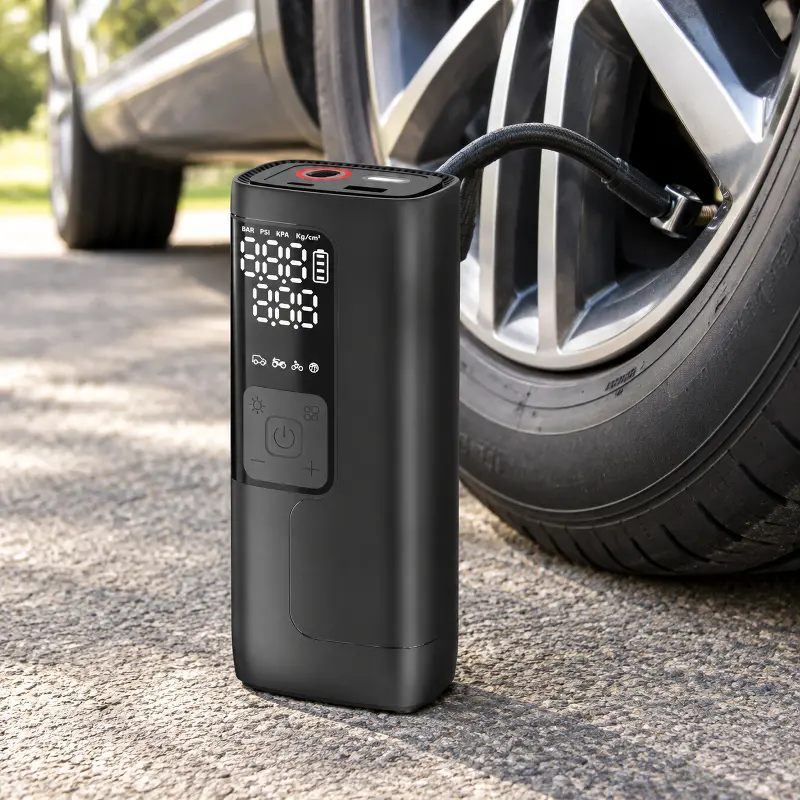
An electric air pump manufacturer investing in precision digital sensors gains the ability to prevent over-inflation—a common problem with manual pressure gauges. A high-precision pressure sensor monitors real-time pressure continuously, enabling automatic shut-off when the target is reached. This protection matters because tires punctured from over-inflation can fail suddenly at highway speeds.
Preset modes represent another layer of automation. Ball, Bicycle, Motorcycle, Car, and Custom modes contain pre-programmed pressure targets. A user simply selects the mode matching their application; the inflator handles the pressure logic. This approach reduces user error. Someone unfamiliar with tire pressure specifications can still achieve safe results because the manufacturer has encoded the correct pressures.
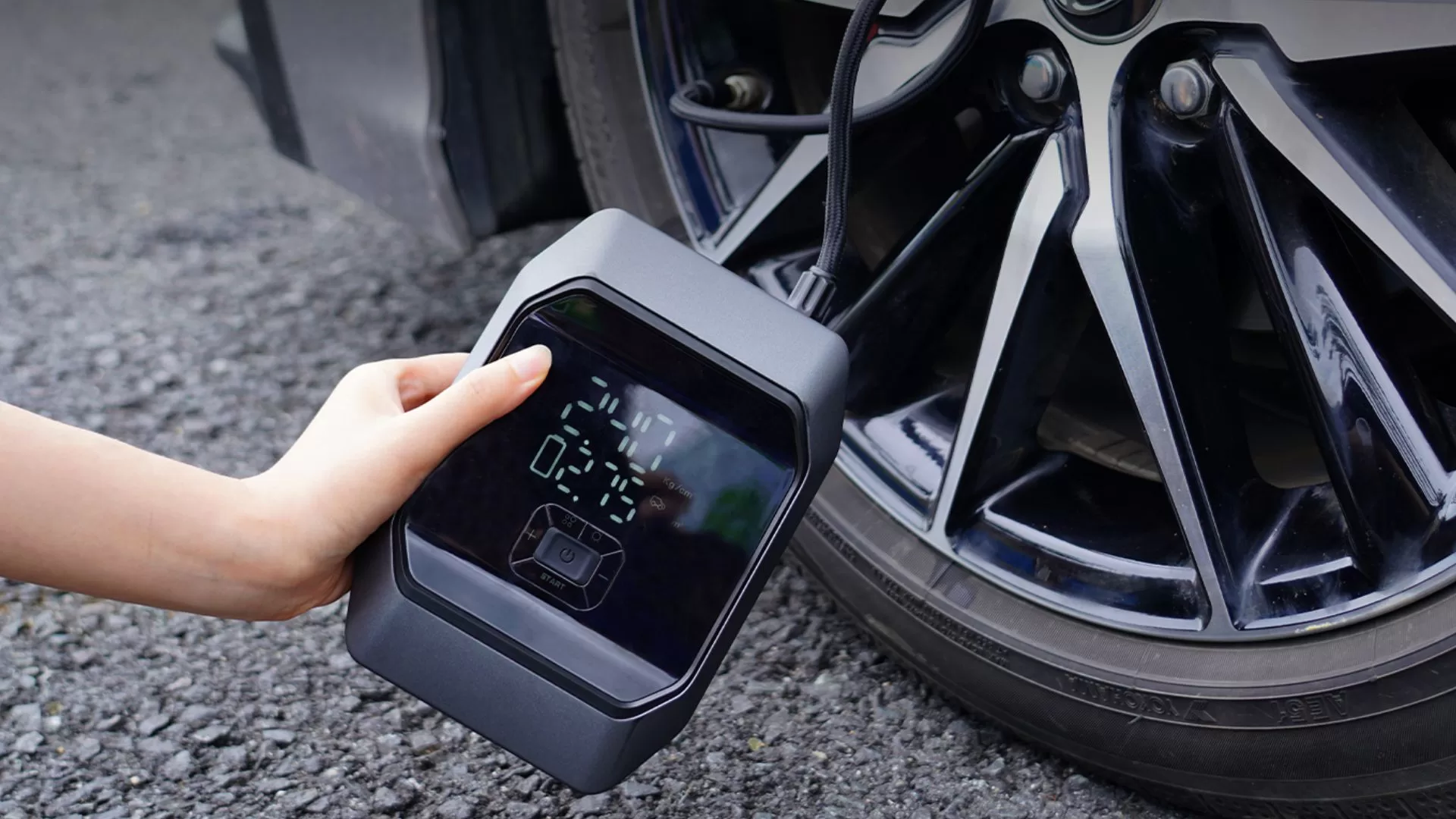
A dual LED numeric display shows multiple data simultaneously: target pressure, real-time pressure, battery level, operating mode, and selected pressure unit. The simultaneous display matters because it lets users verify both what they’re aiming for and what they’ve achieved. The display also accommodates multiple pressure units—PSI, BAR, KPA, Kg/cm²—supporting users regardless of regional convention.
Application Scenarios and Real-World Use
The range of inflation needs varies dramatically. Car tires require sustained moderate pressure and larger volume. Bicycle tires demand high pressure and minimal volume. Sports balls need gentle, low-pressure inflation. An electric air pump manufacturer addressing all these needs designs adapters and preset modes rather than producing separate devices.
Roadside emergencies create the primary use case. A flat tire far from a service station becomes manageable rather than catastrophic if the driver carries a portable inflator. The psychology matters: drivers feel empowered knowing they have a solution. That confidence translates to market demand.
Long-distance travel scenarios highlight another advantage. A motorcycle rider checking tire pressure daily, or a cyclist inspecting bike tires before weekend rides, benefits from having an electric air pump with them. The weight penalty is small—approximately 508 grams—compared to the convenience gain.
Professional applications emerge as well. Delivery drivers, fleet operators, and field service technicians integrate portable inflators into their equipment. The ability to maintain proper tire pressure extends tire life and improves fuel efficiency, offsetting the purchase cost over time.
Emergency Power Functions
An electric air pump manufacturer can extend product utility by incorporating power-bank functionality. A 5V/2A output allows charging compatible mobile devices during emergencies. This dual-purpose design transforms the inflator from single-function tool to emergency kit component. The practical value becomes apparent during extended roadside situations: a dead phone battery coinciding with a flat tire presents a serious problem; a device that addresses both becomes genuinely valuable.
Operational Boundaries and Limitations
Temperature range specifications reveal realistic operating constraints. A working temperature span of -10°C to 45°C covers most real-world scenarios but acknowledges that extreme conditions affect lithium-ion battery performance. Cold temperatures reduce output; heat accelerates degradation. An electric air pump manufacturer publishing these limits demonstrates transparency about when the device functions optimally and when users should wait for better conditions.
Noise output—85dB or below at one meter—positions the inflator as acceptable for residential use. This level permits operation in parking lots and driveways without violating noise ordinances. The noise ceiling reflects motor speed and compression dynamics; achieving silence would require trade-offs in pressure or speed that most users wouldn’t accept.
Battery cycle life claims matter to long-term users. 100 cycles at 80% original capacity provides a reasonable expectation for device lifespan. After 100 full charge-discharge cycles, the battery retains 80% of its original energy storage. This metric helps users estimate when replacement becomes necessary.
Design Trade-offs in Portable Compression
Every design decision represents a trade-off. Faster compression requires higher power consumption and generates more heat. Lighter weight demands compromises in durability or features. Higher maximum pressure increases component stress and cost. An electric air pump manufacturer making these choices balances them against target market expectations and price positioning.
The 100W maximum working power represents a meaningful constraint. Stationary garage compressors often draw 1000W or more, accessing higher line voltage. A portable inflator powered by rechargeable batteries must operate within 100W to avoid rapid battery drain. This power budget limits how quickly pressure can climb, especially at high PSI values.
Automatic shut-off protection addresses a fundamental reliability problem: user forgetfulness. Left unattended, a traditional manual inflator will overcharge a tire indefinitely. An electric air pump with automatic cutoff prevents this damage. The feature adds modest cost but eliminates a common failure mode and associated customer support burden.
Selection Considerations for Users
Choosing the right electric air pump requires matching capability to need. A user who drives primarily on well-maintained roads may need an inflator only for emergency situations, making runtime and pressure matter more than charging speed. An outdoor enthusiast using bikes, motorcycles, and various sports equipment benefits from preset modes and compact size.
The dual display design serves selection decisions. Users can see battery remaining before attempting inflation, preventing scenarios where the device dies mid-operation. This visibility supports better trip planning: someone preparing for a long road trip can identify and charge the device beforehand.
Durability considerations extend beyond battery capacity. The plastic housing, valve design, and hose construction determine how long the device functions. An electric air pump manufacturer targeting years of service invests in material selection and stress-testing that separates quality products from budget alternatives.
Market Evolution and Manufacturer Specialization
The portable inflation market has matured significantly. Early electric pumps were novelties; modern versions are practical necessities for many drivers. An electric air pump manufacturer succeeding in this market combines expertise in pneumatic engineering, battery management, pressure sensing, and user interface design. No single specialization suffices.
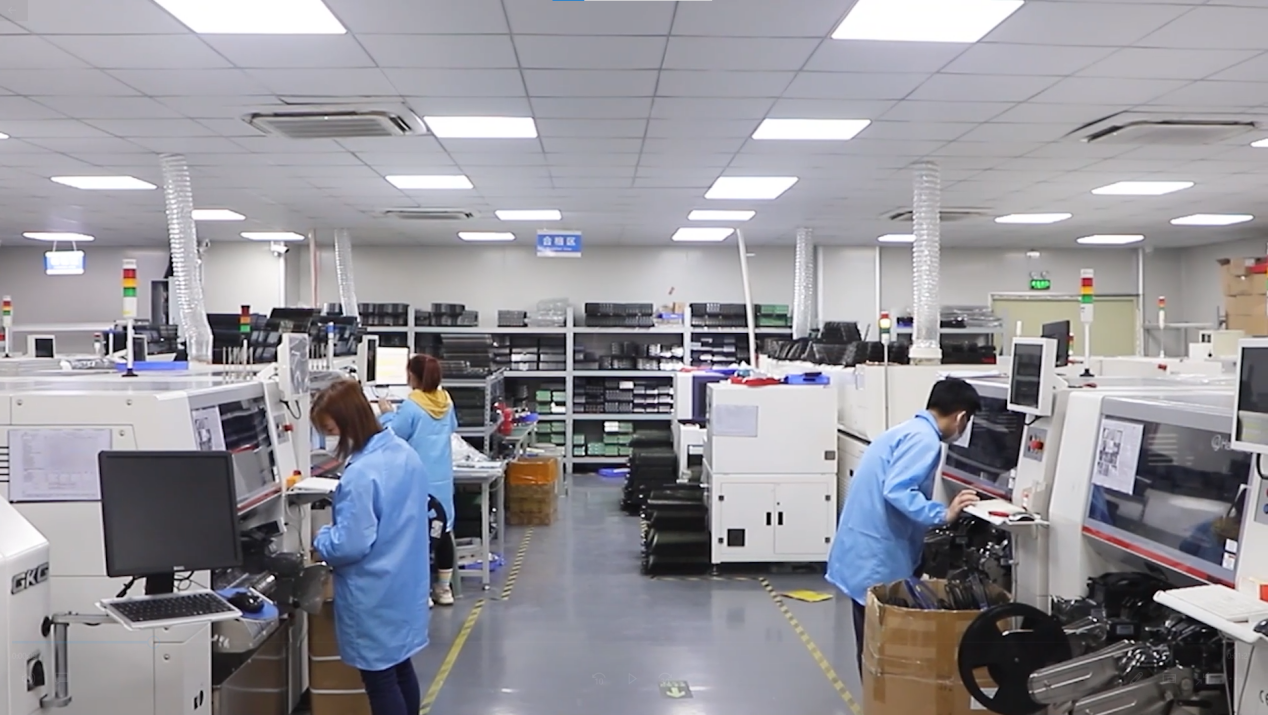
Manufacturers facing increasing demand must scale production while maintaining quality. Advanced production capabilities ensure consistent performance across units. Experienced engineers handle the endless micro-optimization decisions: how much material in valve seats, what steel alloy for springs, which compressor geometry maximizes efficiency. These details separate inflators that last from those that fail.
Strict quality management systems catch defects before products reach customers. Testing pressure relief valves, verifying automatic shutoffs, and validating sensor accuracy require infrastructure. An electric air pump manufacturer committed to building partnerships focuses on reliability because customers remember failures far longer than they remember successful inflations.
The convergence of capabilities—higher pressures, faster operation, better control, multi-function designs—reflects market maturation. Competition drives innovation. Customers increasingly expect features once considered luxury, like preset modes and automatic shutoffs, as standard. Manufacturers must continually improve to retain market position.
For users selecting an electric air pump manufacturer’s products, the specialization reflects commitment. A company focused specifically on pneumatic technology and portable inflation has accumulated knowledge that generalist manufacturers lack. That focus ultimately delivers products that work reliably when they’re needed most.
-

As Shenzhen Welcomes the World for APEC 2026, NEWO Welcomes You to Our Factory
As Shenzhen prepares for APEC 2026, NEWO welcomes international buyers and partners to visit our factory, meet our team and explore future cooperation.... -
Leading the Way in Product Innovation and Excellence
Smartnewo exemplifies professionalism in product innovation and manufacturing. Their collaboration with Xiaomi Youpin on the G01 crowdfunding project highlights their expertise in creating compact, powerful inflatable pumps. Rigorous engineering, meticulous production processes, and advanced quality assurance underscore their commitment to excellence. The success of the G01 project, with significant market... -
Essential Qualities of an Excellent Supplier
In today's competitive market, finding a reliable supplier is crucial for business success. Based on insights from Smartnewo and broader internet research, here are key qualities an excellent supplier must possess:... -
NW06 Tire Inflator: Compact Power for Quick Inflation
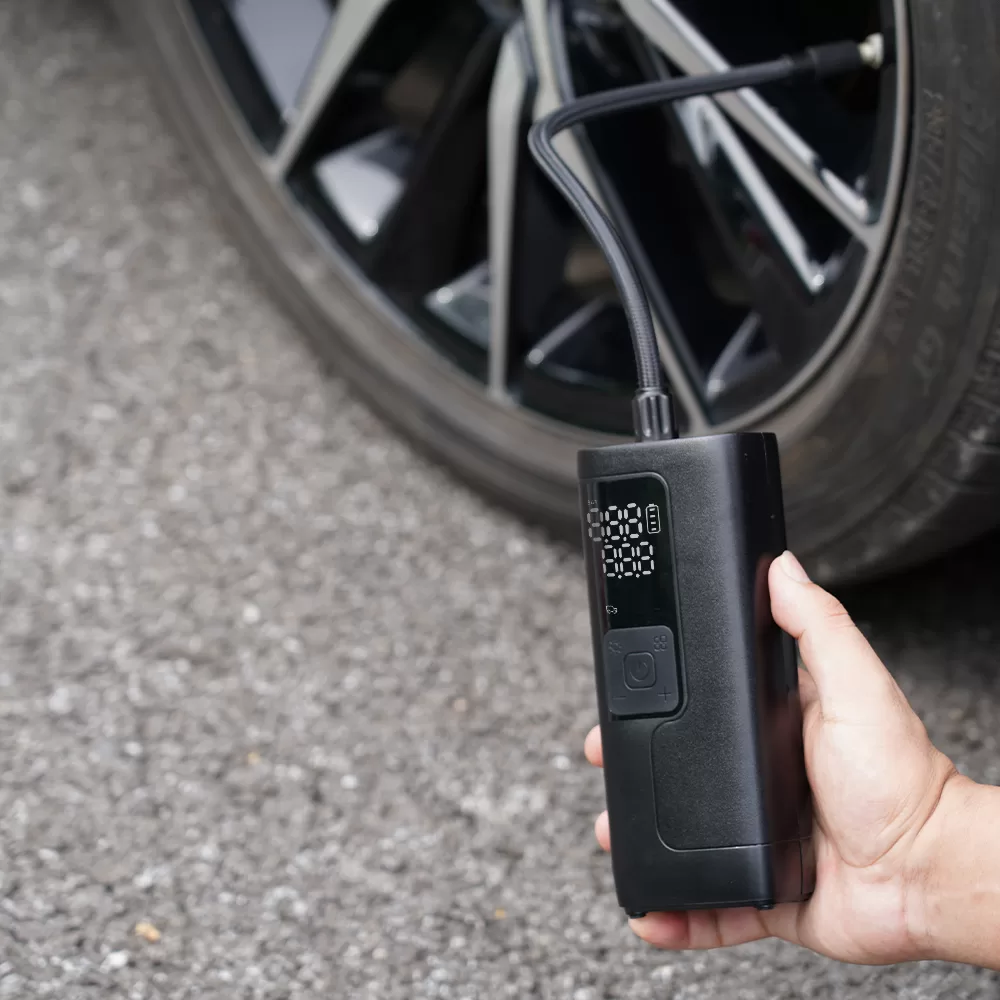
Summary The NW06 Tire Inflator delivers quick and efficient tire inflation with a powerful 35L/min airflow. It features a user-friendly LCD screen for real-time pressure monitoring, dual power options with a built-in 6000mAh battery, and multiple nozzle attachments for versatile use. Its compact design and integrated LED light ensure convenience and... -
Unleash the Power of Portability: The SmartNewo Jump Starter with Air Compressor KF03
This guide will walk you through the steps to effectively use a portable tire inflator, helping you stay prepared and safe on the road.... -
Newo Attends The 2024 Consumer Electronics Show (CES)
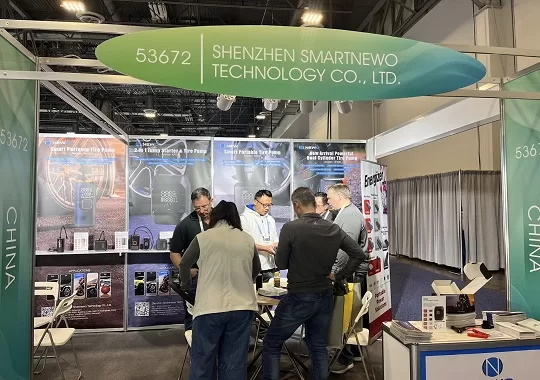
Smartnewo booth is located at 53672, Halls A-D, Level 2, Venetian Expo, Las Vegas Convention Center (LVCC). ... -
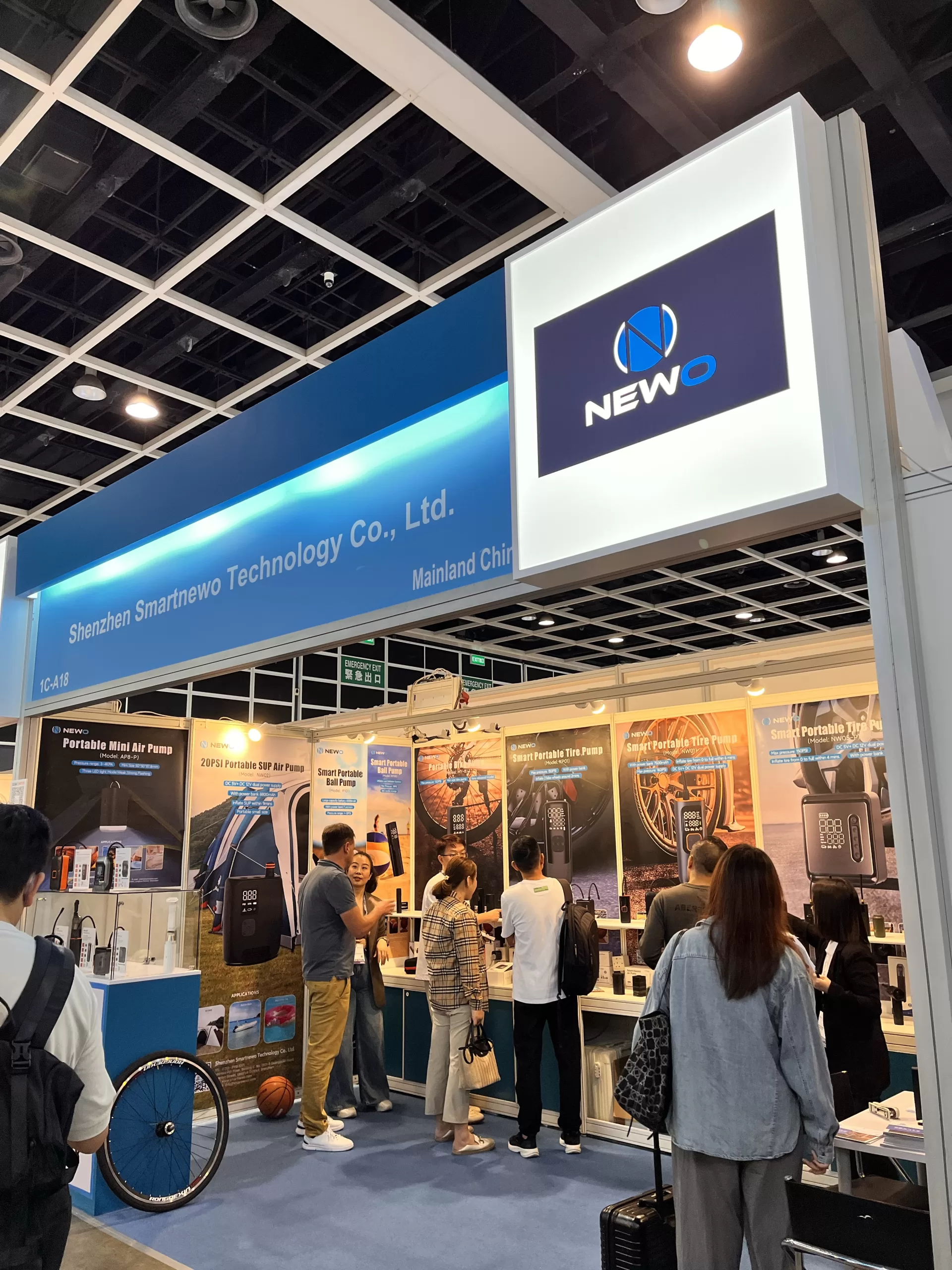
Smartnewo’s Dual-Cylinder Air Pump Rocks the Hong Kong Autumn Electronics Fair!
Smartnewo’s Dual-Cylinder Air Pump Rocks the Hong Kong Autumn Electronics Fair!... -

Meet at the Canton Fair! Smartnewo brings dual-cylinder air pumps, making your inflation experience faster and more stable!
NEWO has went deep communication and negotiation with customers from all over the world on booth.... -
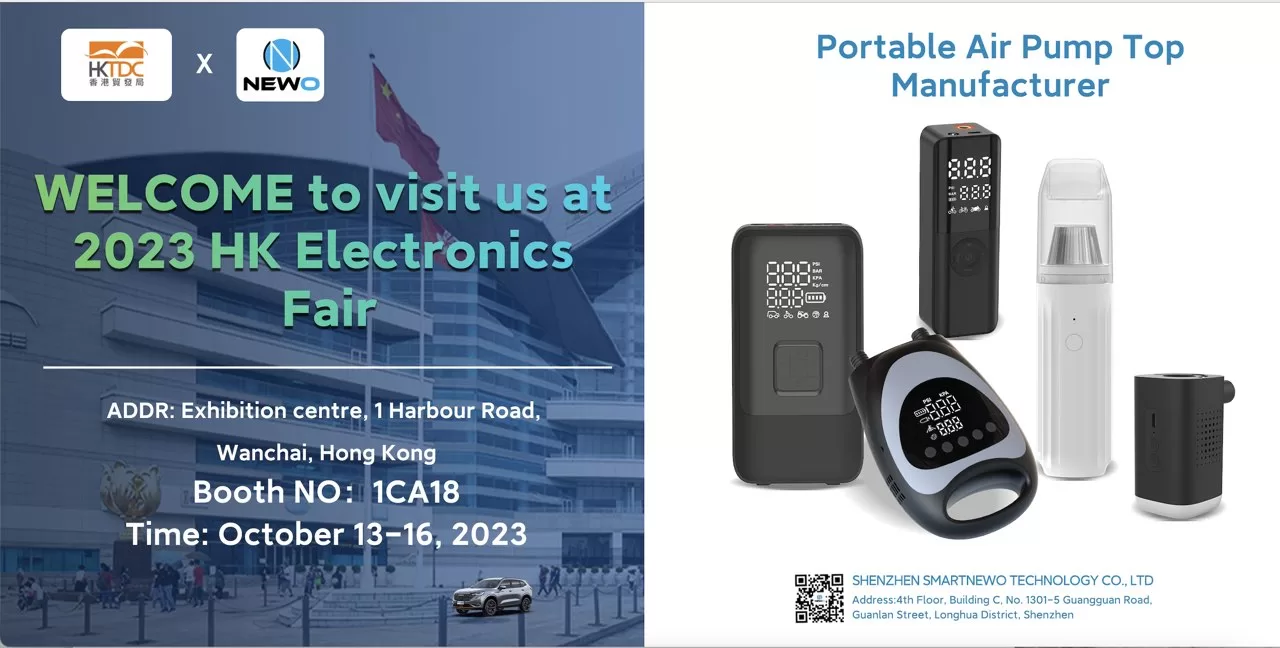
“Hong Kong Autumn Electronics Fair – 1CA18 (October 13th to 16th): Smartnewo invites you to visit our booth!
Hong Kong Autumn Electronics Fair... -
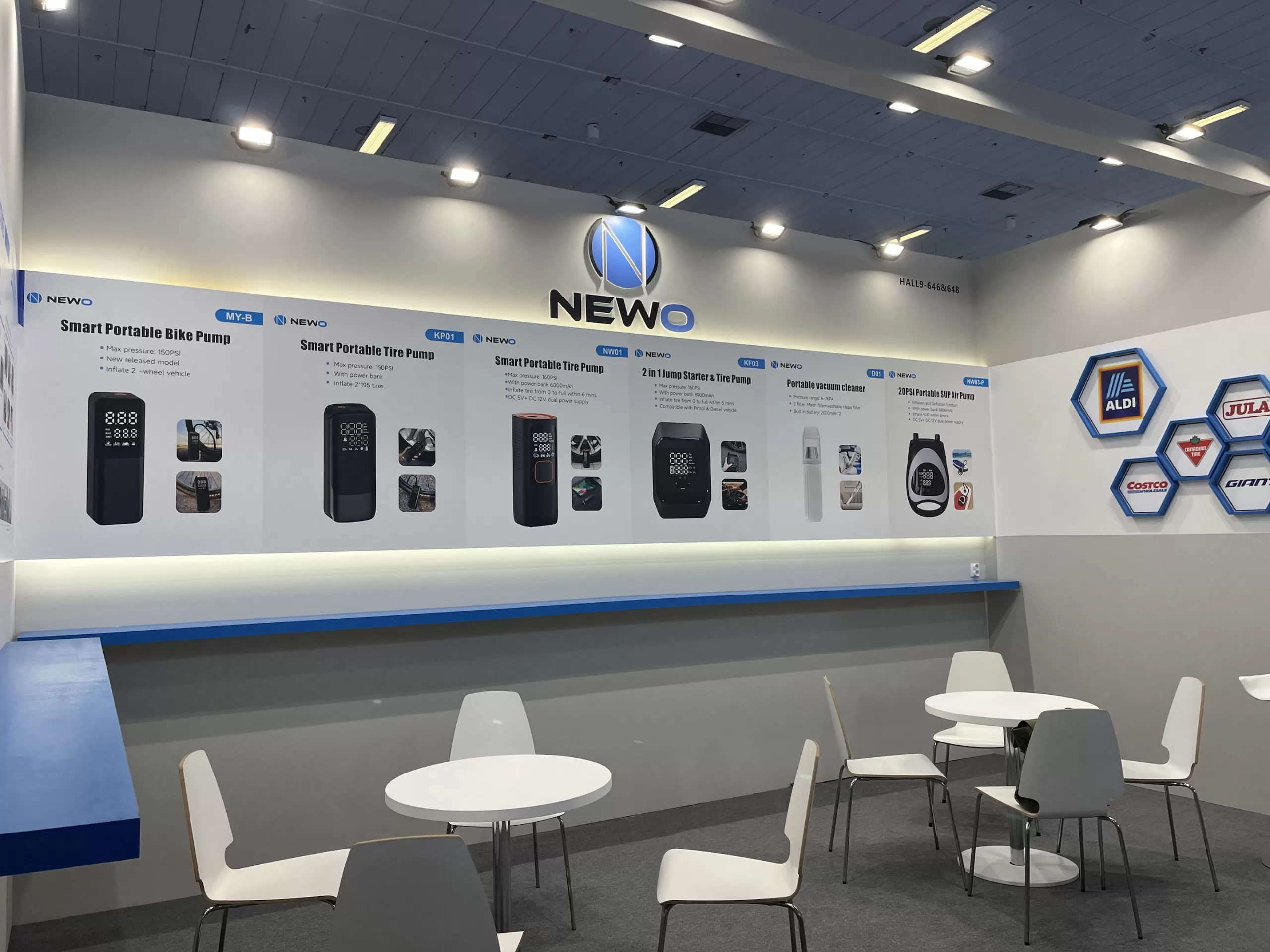
Smartnewo showcases its innovative range of electric air pumps at IFA 2023
Smartnewo will participate in the Consumer Electronics Show (IFA) in Berlin, Germany from September 3rd to September 5th....
-
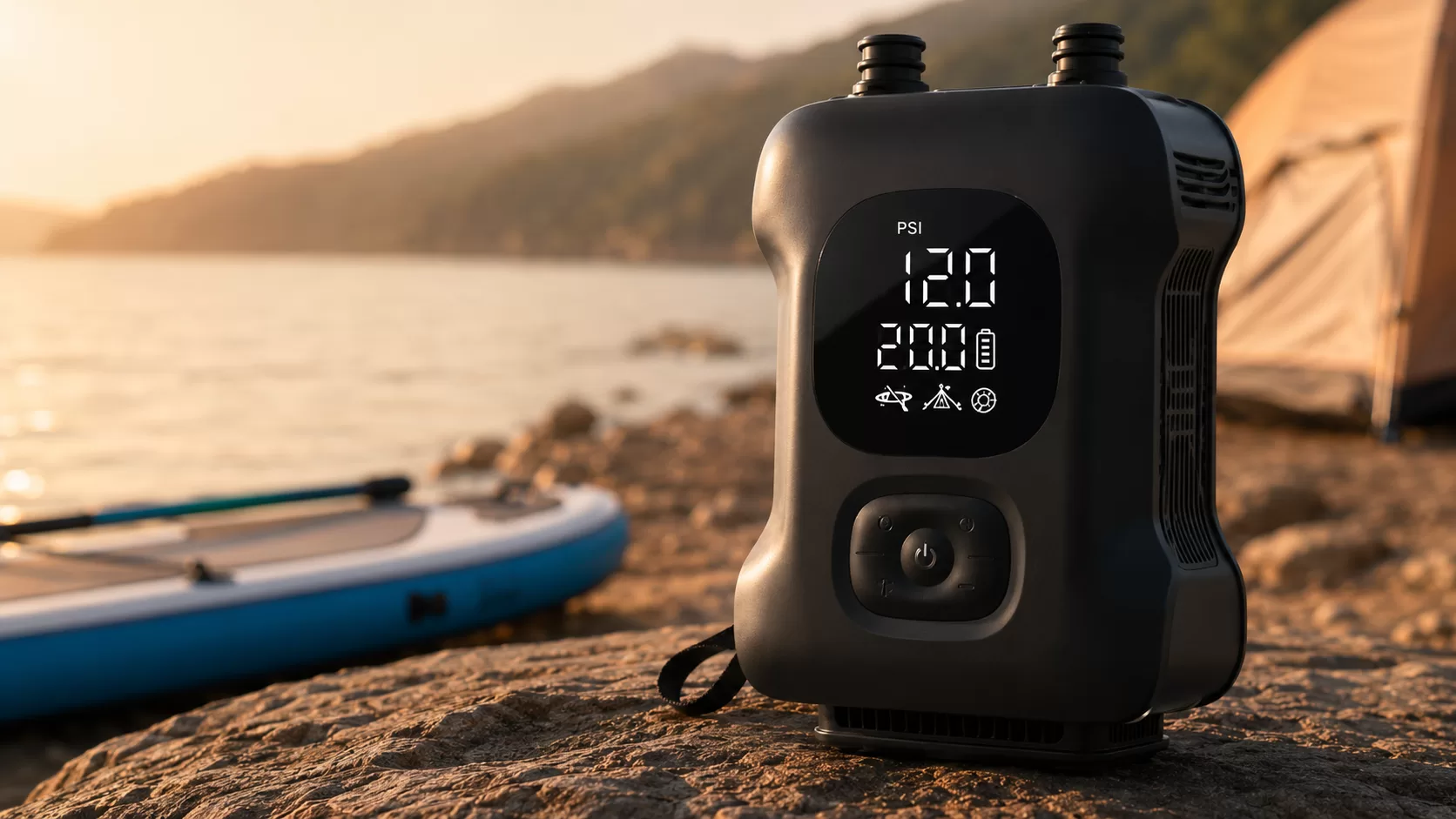
Rechargeable Electric SUP Pump for Paddle Boards: Faster Inflation for SUPs, Kayaks and Inflatable Tents
The BL10-C Portable Electric Bike Tire Inflator is a compact and lightweight mini electric bike pump designed for modern cyclists. With up to 120 PSI pressure, a digital LED display, preset pressure control, automatic shut-off, USB-C charging, and multiple valve adapters, BL10-C offers a convenient inflation solution for road bikes,... -
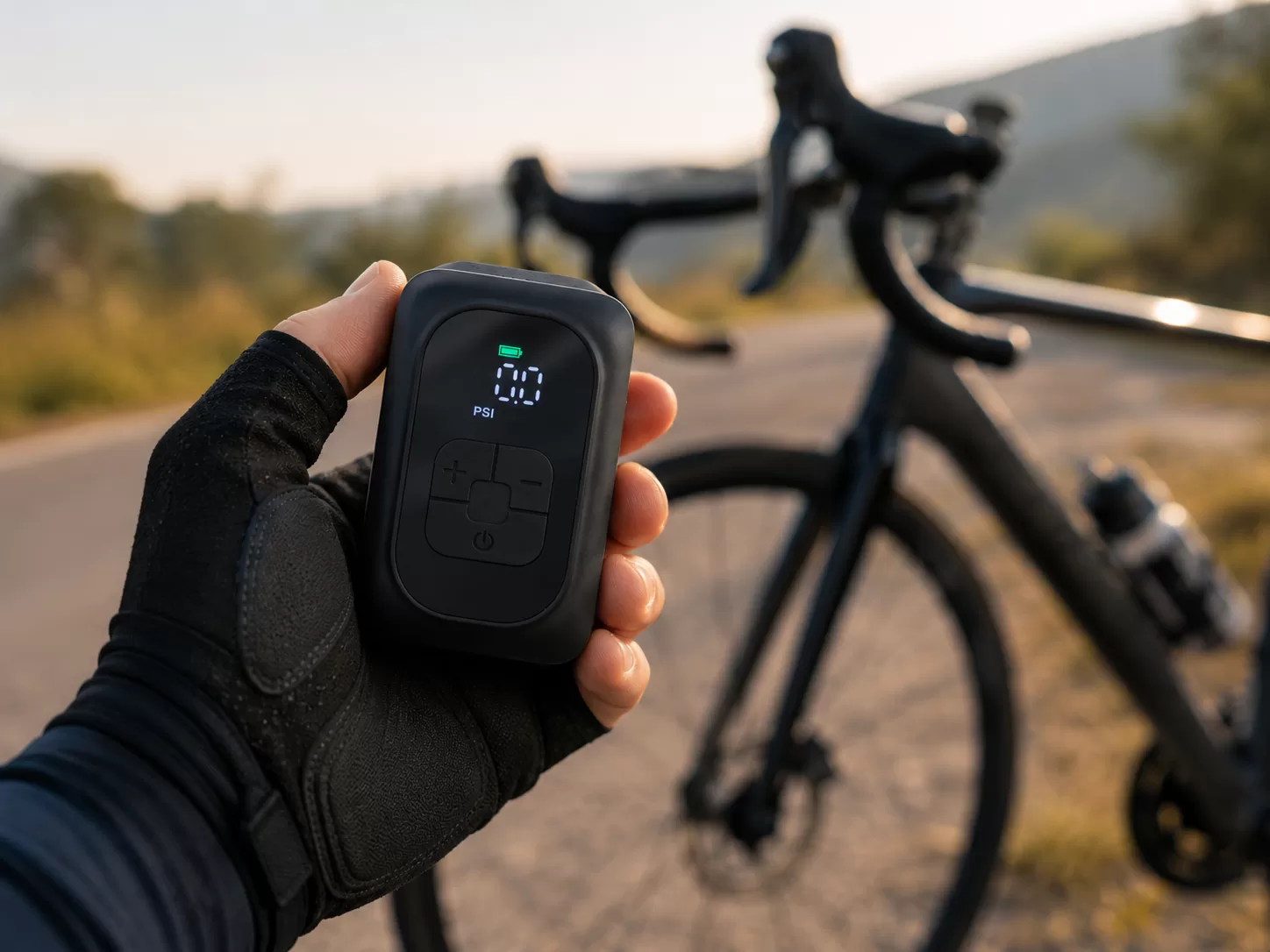
Are Electric Bike Pumps Worth It in 2026? Electric Pump vs CO₂ vs Mini Hand Pump
Discover whether electric bike pumps are worth it in 2026. This guide compares electric bike pumps, CO₂ inflators, and mini hand pumps for road cycling, gravel riding, commuting, and long-distance rides. Learn the pros, limitations, best use cases, and key features to look for before choosing the right portable tire... -
BL10-C Portable Electric Bike Tire Inflator: Small Size, Reliable Power for Every Ride
The BL10-C Portable Electric Bike Tire Inflator is a compact and lightweight mini electric bike pump designed for modern cyclists. With up to 120 PSI pressure, a digital LED display, preset pressure control, automatic shut-off, USB-C charging, and multiple valve adapters, BL10-C offers a convenient inflation solution for road bikes,... -
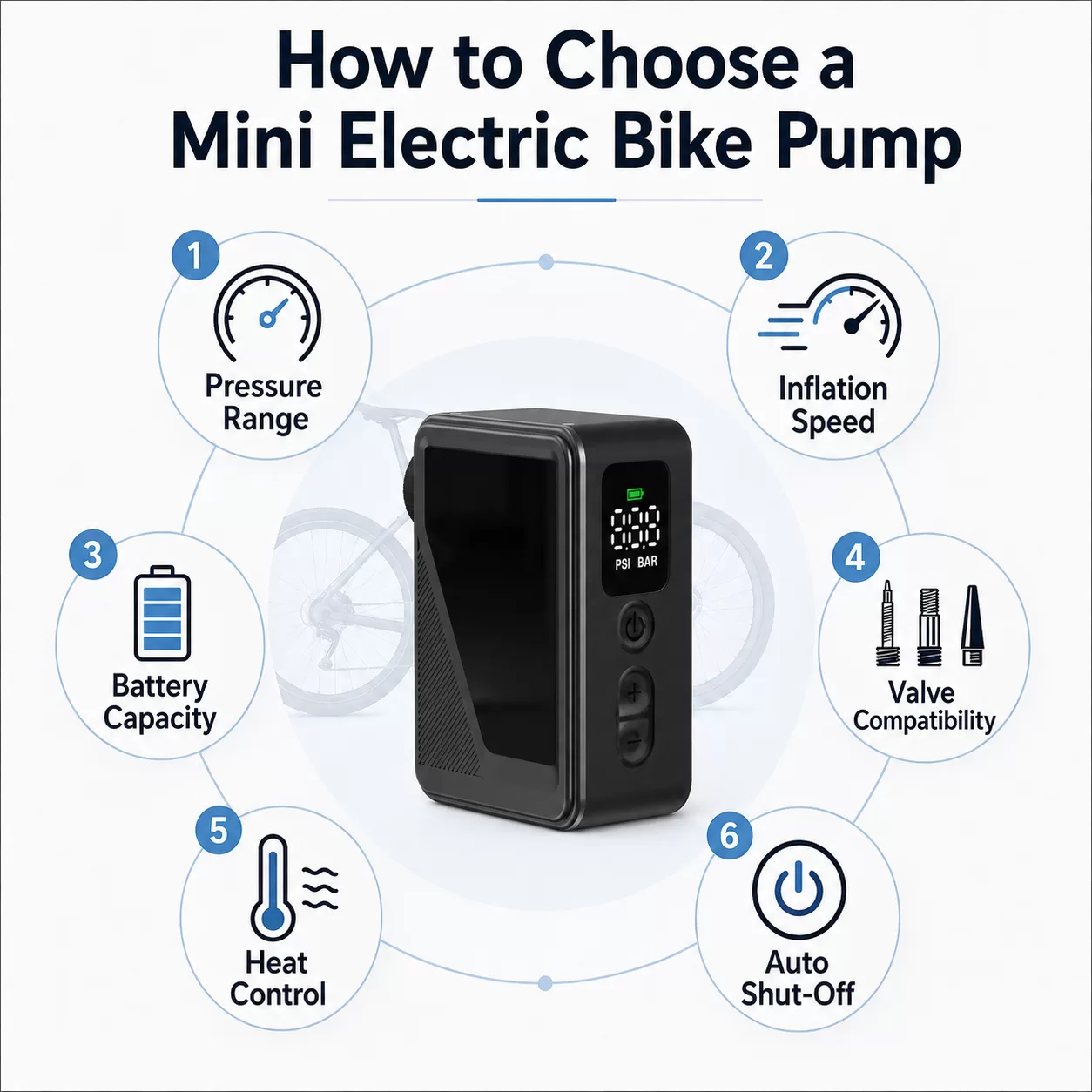
Why Mini Electric Bike Pumps Are Becoming Essential for Modern Cycling
Discover why mini electric bike pumps are becoming essential for modern cyclists. Learn how portable electric bike pumps improve tire pressure management, riding safety, and convenience.... -
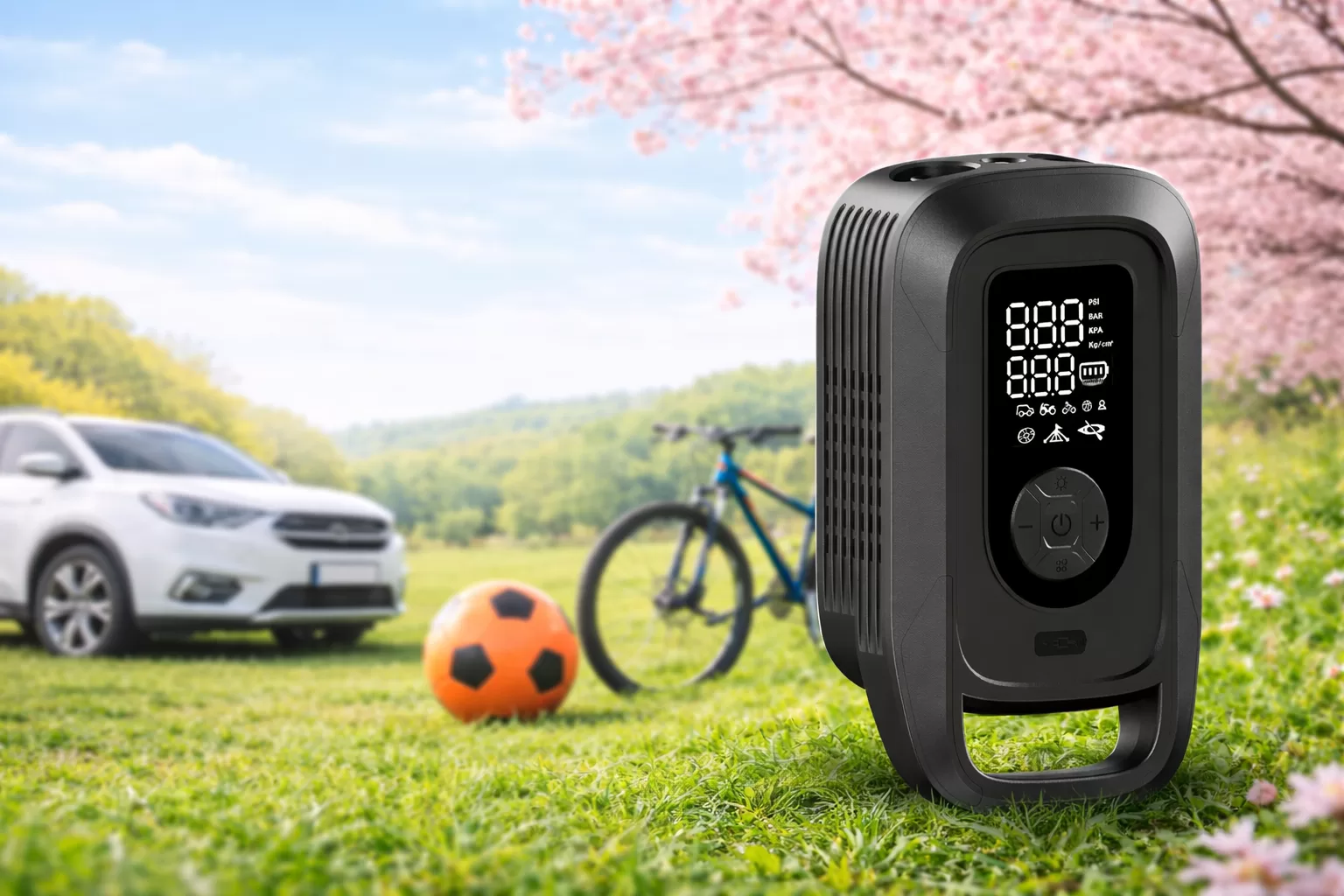
The Ultimate Smart Solution for Easy Outdoor Adventures in 2026
Discover how a spring travel air pump simplifies outdoor trips with fast inflation, smart features, and powerful performance—perfect for every adventure.... -
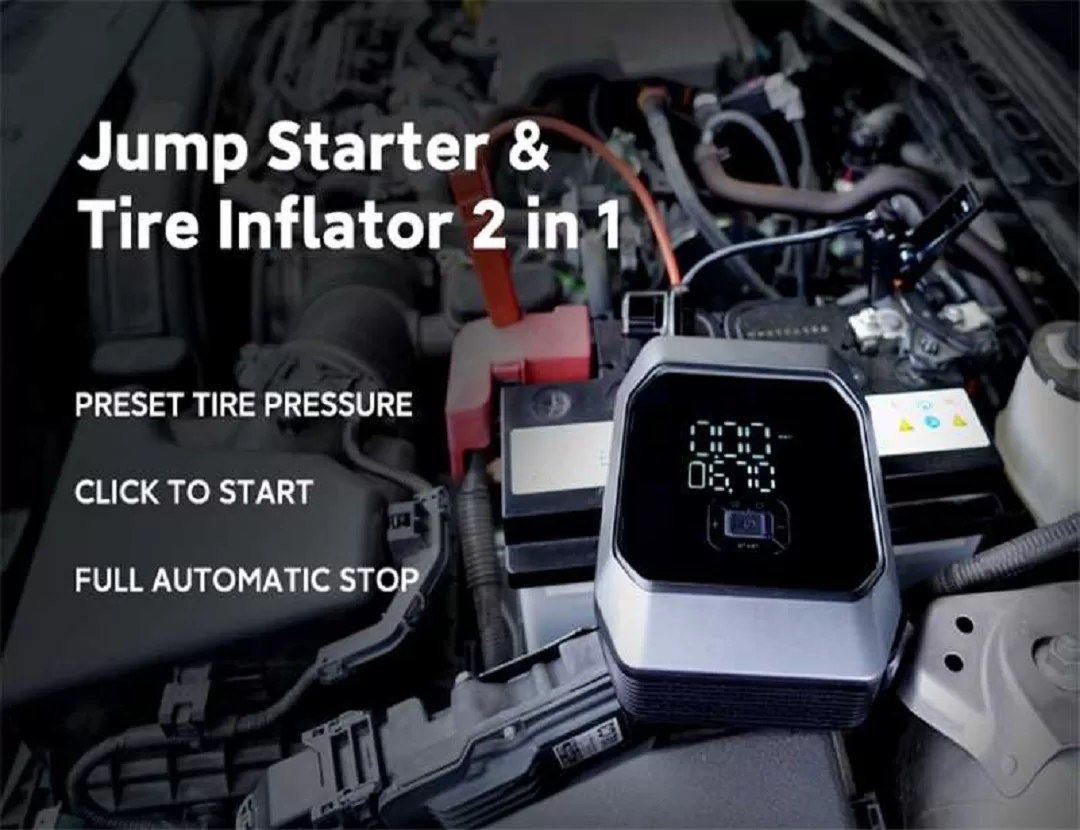
Powerful 5-in-1 Portable Car Tire Inflator and Jump Starter: The Ultimate Emergency Tool for Every Driver
Why Every Driver Needs a Portable Car Tire Inflator and Jump Starter Modern drivers face many unexpected situations on the road. A flat tire, low tire pressure, or a dead car battery can happen at the worst possible time. That’s why having a portable car tire inflator and jump starter is... -
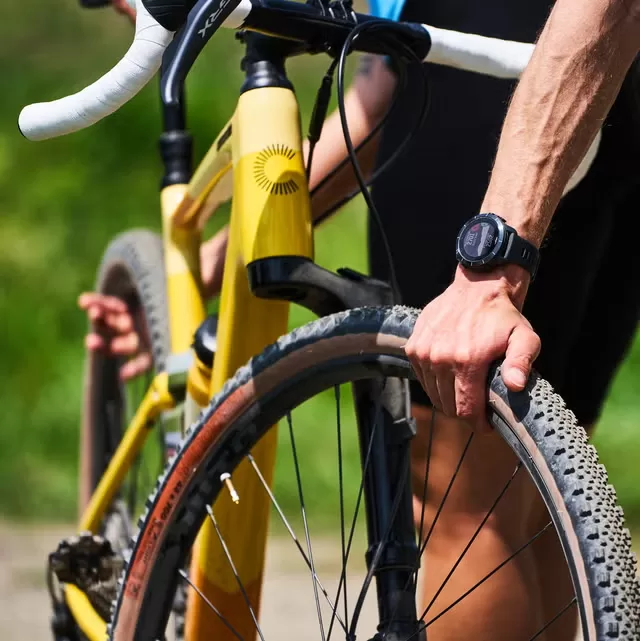
7 Real Cycling Scenarios That Show Why Every Rider Should Carry a Mini Bike Pump
Cycling is one of the most freeing activities you can enjoy. Whether you’re commuting to work, riding through city streets, or exploring quiet countryside roads, a bike ride can instantly improve your day. But there’s one small problem that almost every cyclist eventually faces: Low tire pressure. It might happen... -
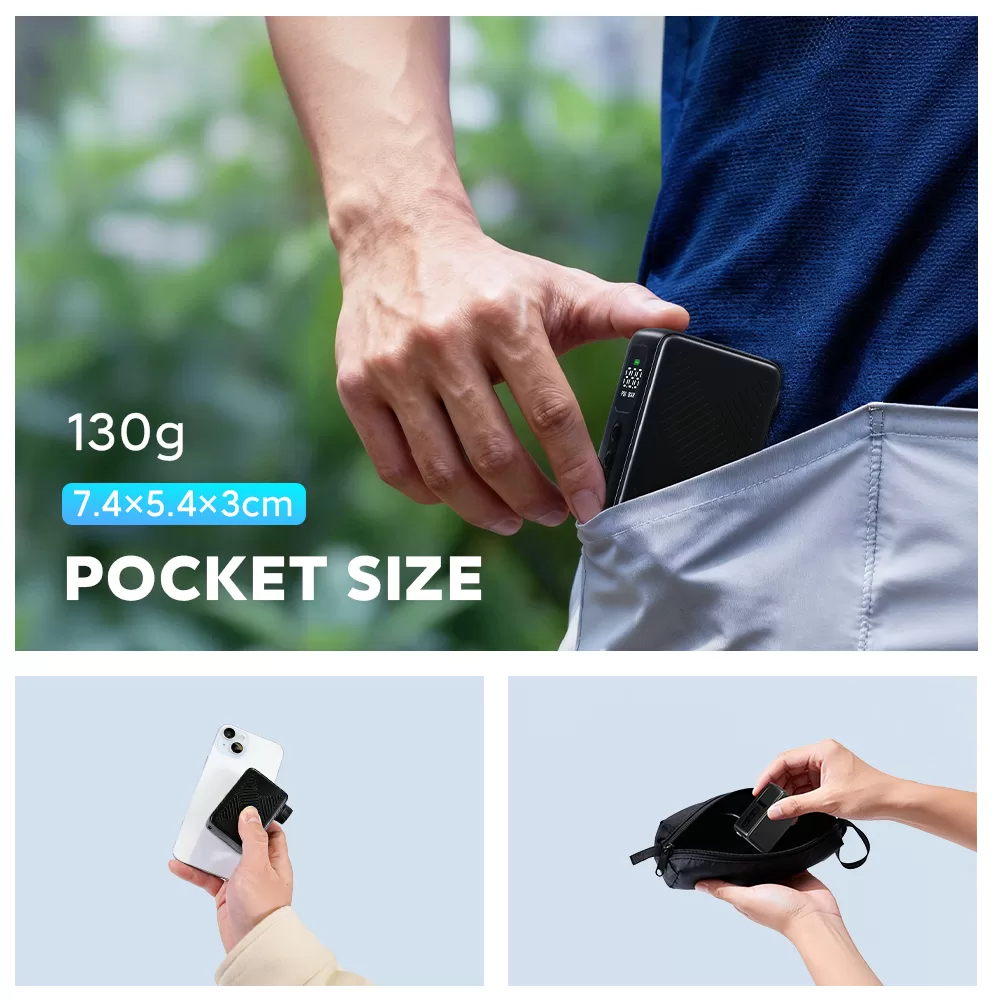
BL08-A Portable Electric Bike Pump: A Global Distribution Opportunity with Smartnewo
Smartnewo, a professional manufacturer of portable electric air pumps, introduces the BL08-A model — a compact and efficient inflator designed for global distributors, e-commerce sellers, and outdoor accessory brands seeking reliable OEM/ODM solutions. Table of Contents Main Heading Subtopics 1. Introduction: Expanding the Global Market for Smart Inflation Tools Portable... -
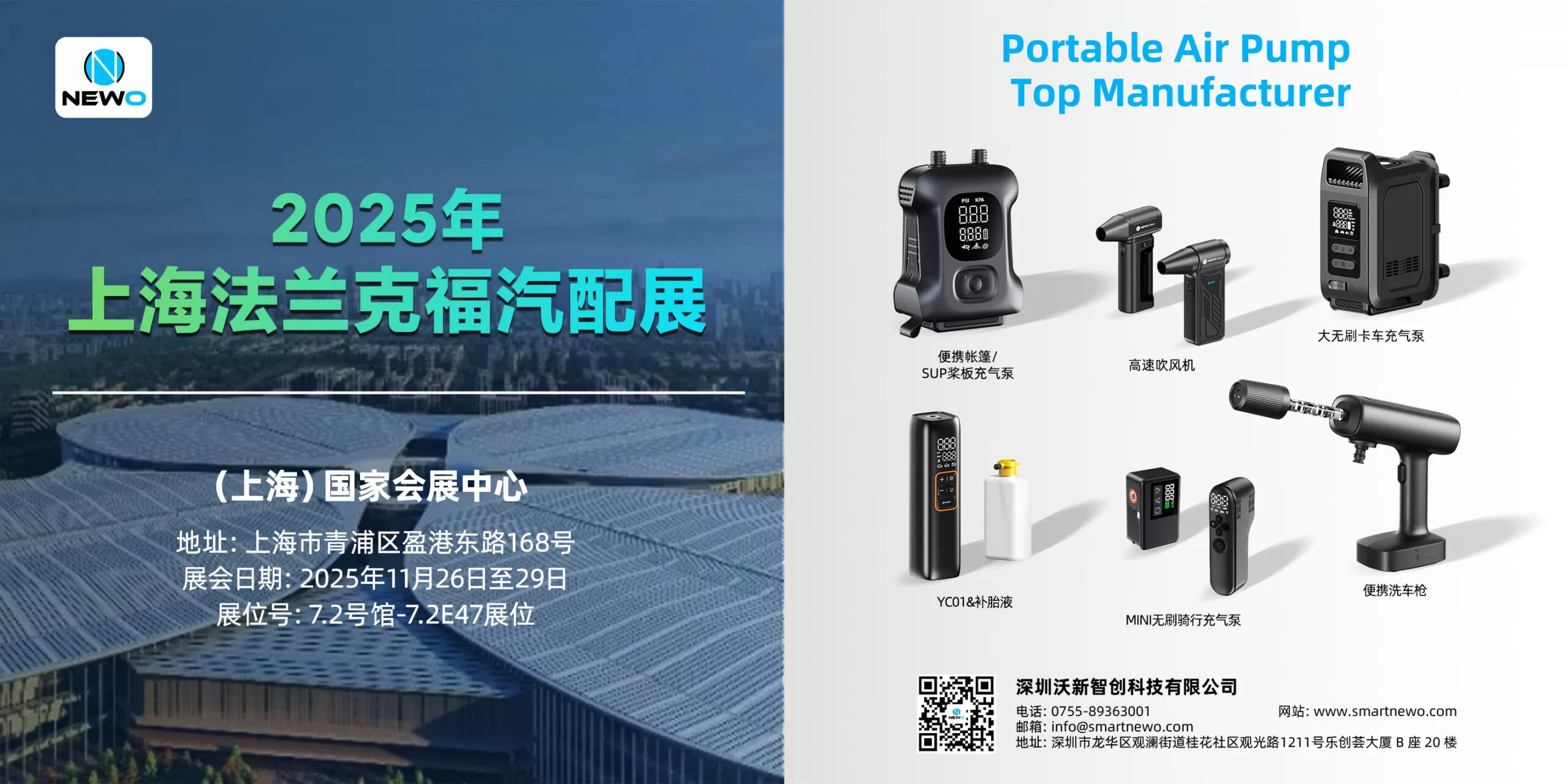
Connecting Opportunities at Automechanika Shanghai 2025 — Smartnewo Exhibition Day 1
Today marks an exciting beginning as Smartnewo officially opens its booth at Automechanika Shanghai 2025. As one of the largest and most influential automotive aftermarket exhibitions in the world, the show provides an exceptional platform for meaningful conversations, partnership building, and global industry exchange. Located at Booth 7.2E47, Smartnewo presents... -

Why Every Outdoor Cyclist Should Carry a Mini Electric Bike Pump
Whether you are an experienced mountain rider or a weekend road-cycling enthusiast, one thing is certain: unexpected tire pressure issues can ruin an entire ride. That’s why more cyclists are turning to mini electric bike pumps—compact, lightweight, and far more reliable than traditional hand pumps. 1. Consistent Pressure, Even in...
-
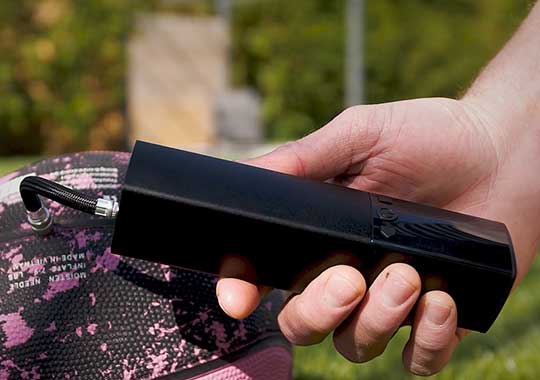
How Is a Football Properly Inflated?
The correct inflation of a football - with not too much and not too little air - is a hotly debated topic among footballers.... -

Application Scenarios of Car Inflator Pump
Often long-distance business trips or play car owners because the road may be more remote areas, in this case if you encounter a tire leak....