

 Portable Tire Inflators
 Electric Air Pumps
 Electric Car Tyre Pumps
 Electric Ball Pumps
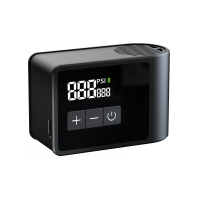 Electric Bike Pump
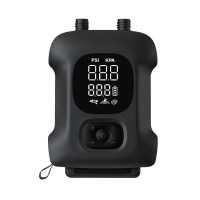 SUP Air Pump
Sourcing Wholesale Electric Air Pumps for High-Volume Inflatables
Buyers searching for wholesale electric air pumps often picture tire inflators first, but a large share of retail demand actually comes from a different category: low-pressure, high-volume inflation. Swim rings, air mattresses, inflatable sofas, and seat cushions don’t need high pressure. They need speed and reliability, delivered in a product small enough to ship cheaply and gift-wrap easily.
That distinction matters more than it seems. A pump built for tires optimizes for pressure, often up to 150 PSI, using a smaller nozzle and a motor tuned for resistance. A pump built for mattresses and inflatable furniture optimizes for airflow volume instead, since the goal is pushing a large amount of air through a wide opening in the shortest time possible. Mixing up these two categories is one of the most common sourcing mistakes buyers make.
What Separates High-Volume Pumps from High-Pressure Pumps
Pressure and volume are not the same specification, even though many retail listings blur them together. Pressure, measured in PSI or KPa, describes how much force the pump can push against resistance. Volume, measured in liters per minute, describes how much air moves regardless of resistance.
For large inflatables with no significant resistance, like a mattress or a swim ring, the limiting factor is airflow, not pressure. This is why a dedicated high-volume design, such as the AP5 model from our lineup, is rated at 190–200 L/min with a maximum pressure of only 4.5 KPa. That pressure figure would be far too low for a tire, but it’s irrelevant here because the inflatable never builds that kind of back-pressure in the first place.
Buyers evaluating wholesale electric air pumps should treat these two specs as a sorting mechanism rather than a ranking. A higher PSI number does not mean a better pump for mattresses; it usually means the wrong tool for the job.
Core Specifications Worth Comparing Before Placing an Order
When comparing supplier quotes, a side-by-side spec sheet avoids a lot of back-and-forth email. Below is a reference table built from a representative high-volume model, useful as a benchmark when auditing other suppliers’ claims.
| Specification | Value |
|---|---|
| Air flow | 190–200 L/min |
| Maximum pressure | 4.5 KPa |
| Battery capacity | 1000mAh |
| Rated voltage | 3.7V |
| Rated energy | 7.4Wh |
| Charging time | ~1.5–2 hours |
| Charging temperature | 0°C to 45°C |
| Discharge temperature | -10°C to 45°C |
| Noise level | Below 85dB at 1 meter |
| Product size | 68 × 60 × 55 mm |
Charging time and battery capacity deserve particular attention from wholesale buyers, since end customers will judge the product on how quickly it’s ready for a weekend trip or a pool day, not on raw airflow numbers alone. A 1.5 to 2 hour charge cycle on a 1000mAh cell is reasonable for a device this size, and it keeps the unit light enough to stay genuinely portable rather than becoming another bulky accessory.
Why Portability and Charging Method Drive Repeat Purchases
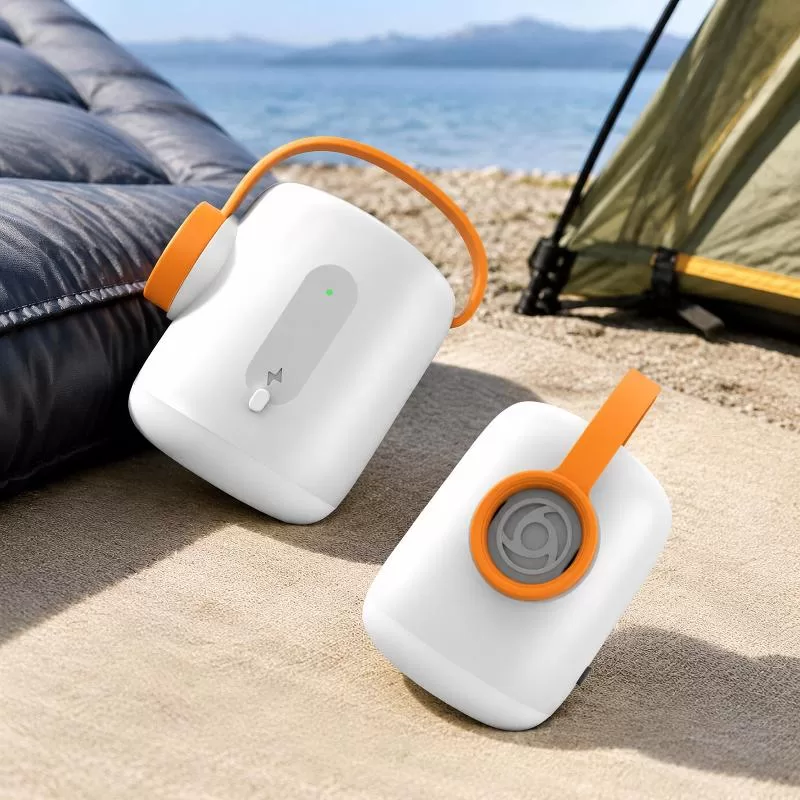
A pump that performs well on paper but frustrates the end user in practice becomes a return, not a repeat sale. This is where Type-C charging matters more than it might first appear. Retail customers increasingly carry a single charging cable for their phone, headphones, and small electronics, and a pump that fits into that ecosystem avoids the friction of hunting for a proprietary cable buried in a drawer.
Compact dimensions also solve a real packing problem. A unit around 68 × 60 × 55 mm fits into a beach bag side pocket or a glove compartment without displacing anything else. For e-commerce sellers, this size also reduces shipping volume, which quietly improves margins on bulky seasonal orders.
Noise is a smaller detail but still relevant for indoor use, such as inflating a guest air mattress at night. A rating below 85dB at one meter keeps the device in a tolerable range for most living spaces, though buyers should always confirm this figure against their own testing if noise sensitivity is a selling point in their market.
Matching the Pump to the Right Application
Not every inflatable product in a catalog needs the same pump, and bundling the wrong one with the wrong item creates avoidable customer complaints. A practical way to sort SKUs is by resistance level rather than by product category alone.
- Large, low-resistance inflatables (swim rings, air mattresses, inflatable sofas, seat cushions) need high airflow and tolerate low pressure. This is the category where a high-volume mini pump performs best.
- Items with internal baffles or multiple chambers may fill unevenly if the nozzle doesn’t seal well, so adapter compatibility matters more than raw airflow.
- Seasonal and gift-oriented products benefit from a pump that’s visually appealing and simple to operate, since many end buyers are first-time users unboxing it as a present.
Suppliers who understand this segmentation tend to offer accessory kits, nozzle adapters, and even integrated lighting modes aimed at casual or outdoor use, since these additions align with how the product is actually marketed at retail, often through seasonal, leisure, or promotional channels rather than hardware stores.
Private Label and Promotional Considerations
Wholesale buyers sourcing for private label lines or promotional giveaways have slightly different priorities than those stocking a general hardware catalog. Packaging weight, unboxing experience, and branding space on the housing often carry as much purchasing weight as the airflow specification itself.
- Lightweight construction reduces freight costs on bulk container orders, which matters more at scale than most buyers initially estimate.
- Simple one-button operation lowers the support burden, since gift recipients and first-time buyers rarely read manuals.
- Lighting modes or color variants help the product double as a novelty or outdoor accessory rather than a purely functional tool, which supports seasonal marketing campaigns.
These factors explain why some suppliers market the same core pump mechanism under different housing designs and accessory bundles depending on whether the buyer is targeting e-commerce, promotional giveaways, or standard retail shelving.
Common Questions from Wholesale Buyers
Does a high-volume pump also work for inflating tires?
No. A pump rated around 4.5 KPa maximum pressure is designed for low-resistance items like mattresses and swim rings. Tire inflation requires a dedicated high-pressure pump, typically rated well above 100 PSI, built with different internal components for that purpose.
How long does a 1000mAh battery typically last per charge?
Battery runtime depends on the item being inflated and how long the motor runs continuously, so it varies by use case. The manufacturer’s charging time of 1.5 to 2 hours is a more consistent reference point than estimating runtime cycles.
Is Type-C charging a meaningful differentiator for retail buyers?
Yes, mainly for convenience. It lets end users rely on cables they already own, which reduces friction at the unboxing stage and can reduce return requests tied to "missing" proprietary cables.
What’s the minimum order consideration for private label packaging?
This varies by supplier, but buyers should confirm whether housing color, strap color, and printed branding can be adjusted without retooling costs, since small customizations are often more cost-effective than buyers expect.
Choosing a Supplier for Long-Term Wholesale Orders
Specification sheets only tell part of the story. Consistency across production batches, responsiveness to customization requests, and the ability to support both small test orders and larger container volumes matter just as much for a sustainable wholesale relationship.
For us, this focus on pneumatic engineering and inflation hardware is the core of the business, not a side category. We design and manufacture a range of portable inflation products, including high-volume pumps like the AP5, alongside tire inflators and bike pumps, which gives buyers a single point of contact when they need to diversify a catalog without juggling multiple unfamiliar factories.
Ultimately, the right choice among wholesale electric air pumps depends on matching airflow and pressure specs to the actual inflatables being sold, not on chasing the highest number on a spec sheet. Buyers who sort their catalog by resistance level first, then negotiate on charging speed, size, and private label flexibility, tend to end up with fewer returns and a smoother restocking cycle season after season.
-
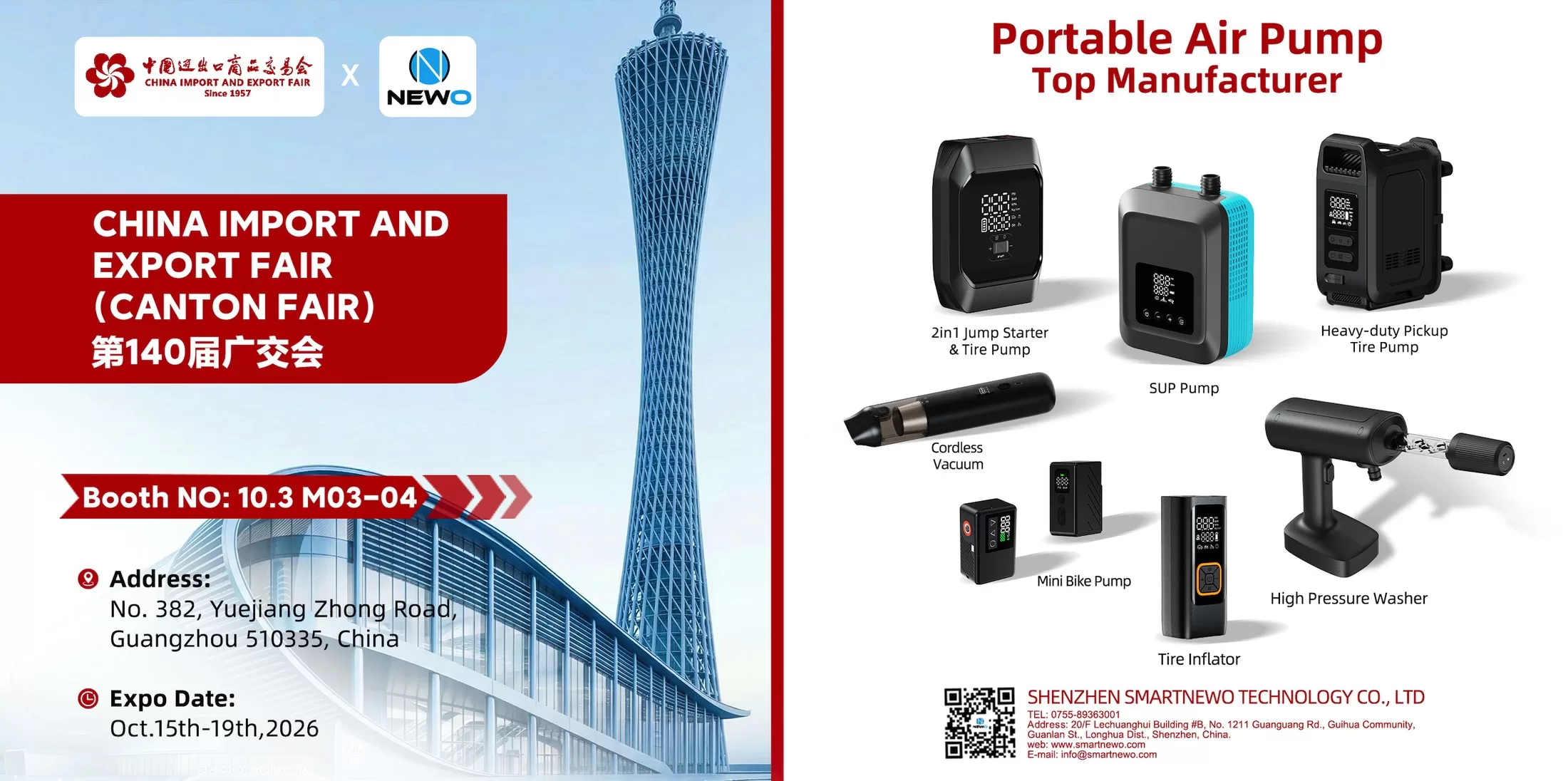
Meet NEWO at the 140th Canton Fair: Visit Booth 10.3 M03–04
Meet NEWO at the 140th Canton Fair in Guangzhou, October 15–19, 2026. Visit Booth 10.3 M03–04 to explore portable air pumps and discuss OEM, ODM and distribution opportunities.... -

As Shenzhen Welcomes the World for APEC 2026, NEWO Welcomes You to Our Factory
As Shenzhen prepares for APEC 2026, NEWO welcomes international buyers and partners to visit our factory, meet our team and explore future cooperation.... -
Leading the Way in Product Innovation and Excellence
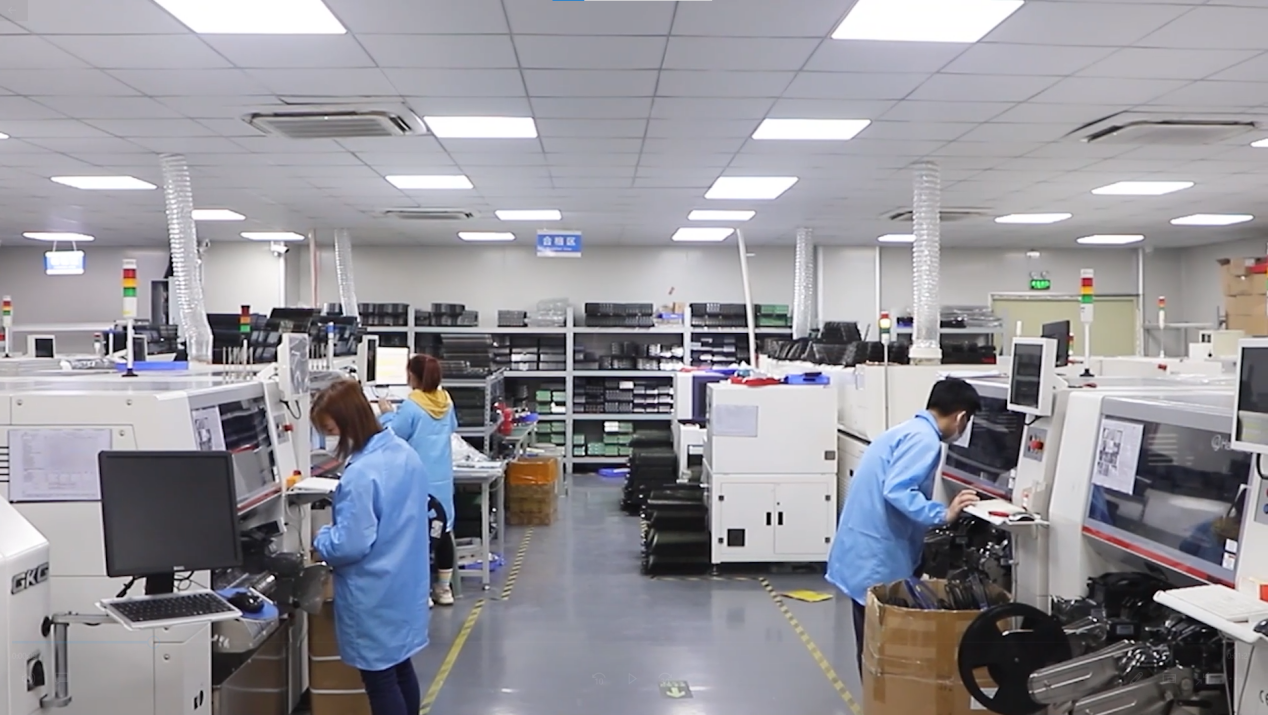
Smartnewo exemplifies professionalism in product innovation and manufacturing. Their collaboration with Xiaomi Youpin on the G01 crowdfunding project highlights their expertise in creating compact, powerful inflatable pumps. Rigorous engineering, meticulous production processes, and advanced quality assurance underscore their commitment to excellence. The success of the G01 project, with significant market... -
Essential Qualities of an Excellent Supplier
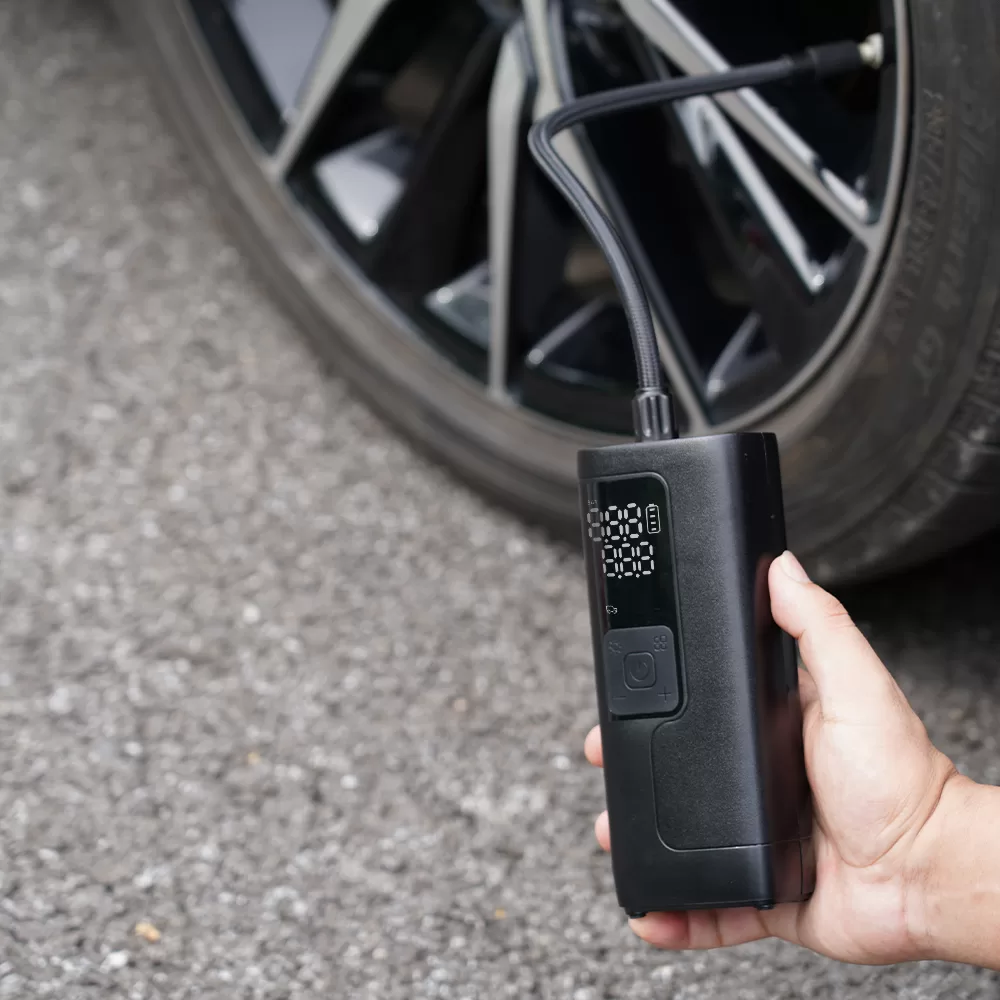
In today's competitive market, finding a reliable supplier is crucial for business success. Based on insights from Smartnewo and broader internet research, here are key qualities an excellent supplier must possess:... -
NW06 Tire Inflator: Compact Power for Quick Inflation
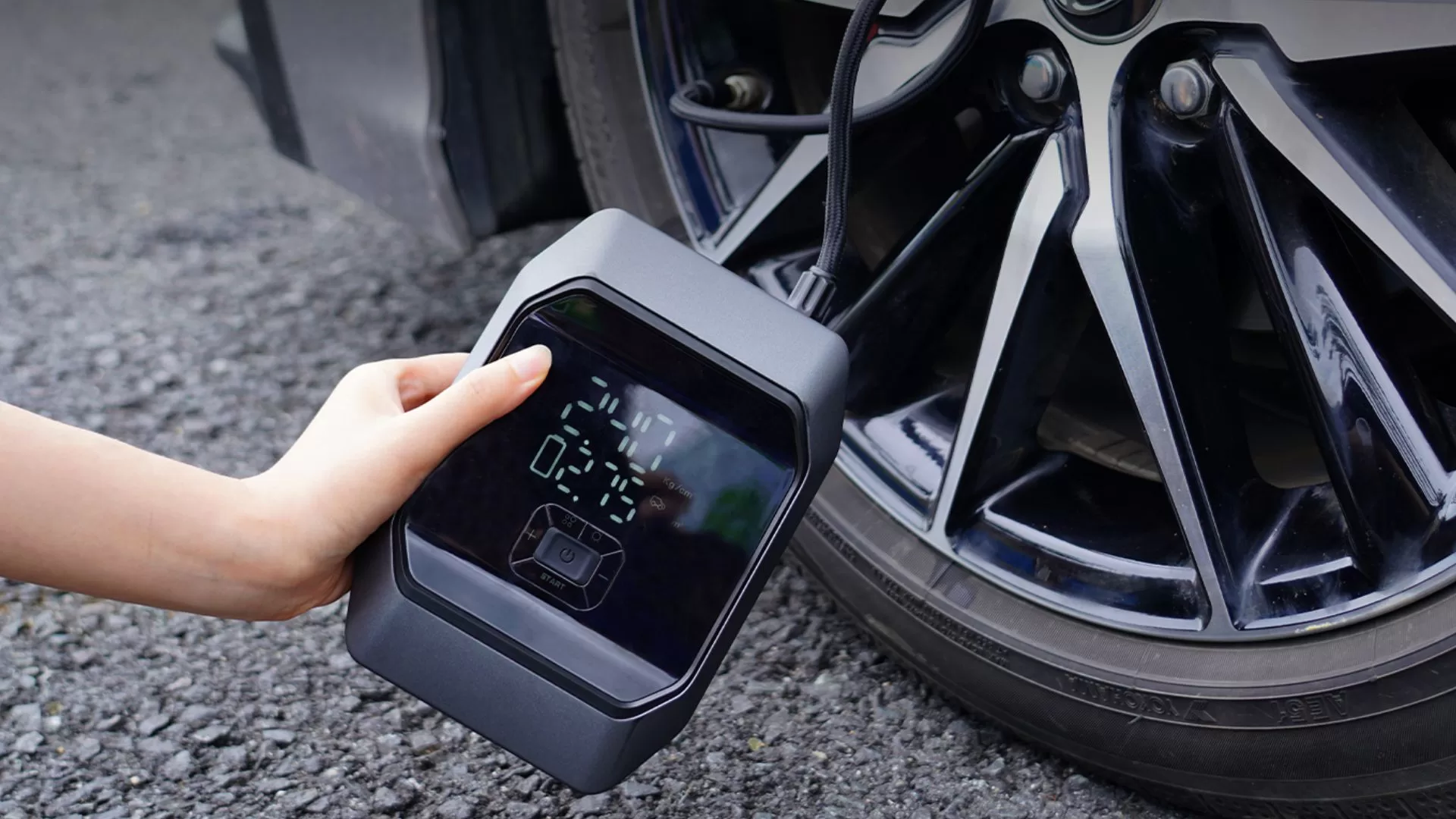
Summary The NW06 Tire Inflator delivers quick and efficient tire inflation with a powerful 35L/min airflow. It features a user-friendly LCD screen for real-time pressure monitoring, dual power options with a built-in 6000mAh battery, and multiple nozzle attachments for versatile use. Its compact design and integrated LED light ensure convenience and... -
Unleash the Power of Portability: The SmartNewo Jump Starter with Air Compressor KF03
This guide will walk you through the steps to effectively use a portable tire inflator, helping you stay prepared and safe on the road.... -
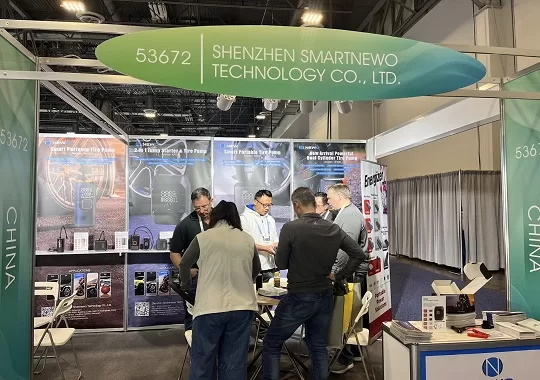
Newo Attends The 2024 Consumer Electronics Show (CES)
Smartnewo booth is located at 53672, Halls A-D, Level 2, Venetian Expo, Las Vegas Convention Center (LVCC). ... -
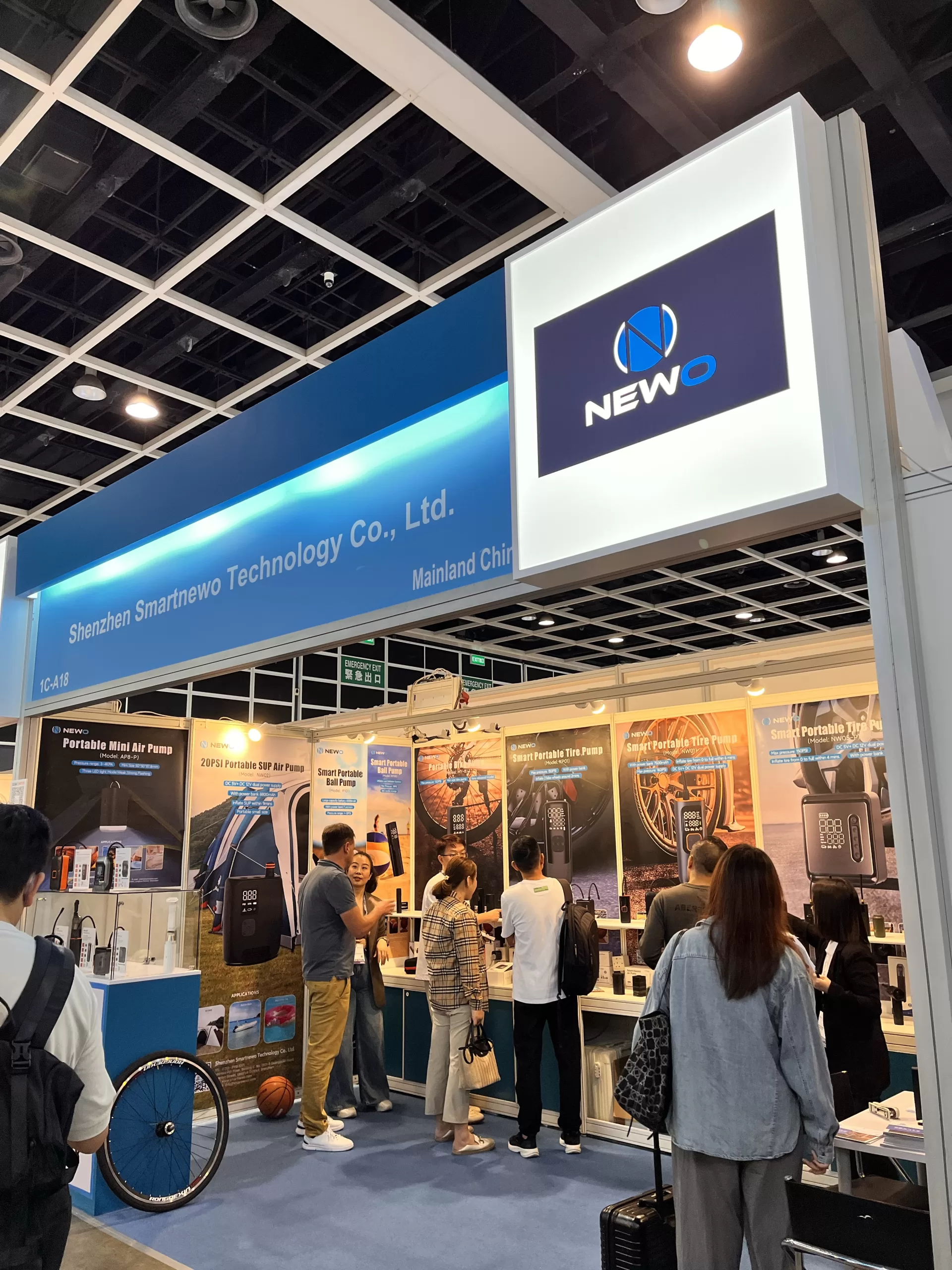
Smartnewo’s Dual-Cylinder Air Pump Rocks the Hong Kong Autumn Electronics Fair!
Smartnewo’s Dual-Cylinder Air Pump Rocks the Hong Kong Autumn Electronics Fair!... -
Meet at the Canton Fair! Smartnewo brings dual-cylinder air pumps, making your inflation experience faster and more stable!
NEWO has went deep communication and negotiation with customers from all over the world on booth.... -
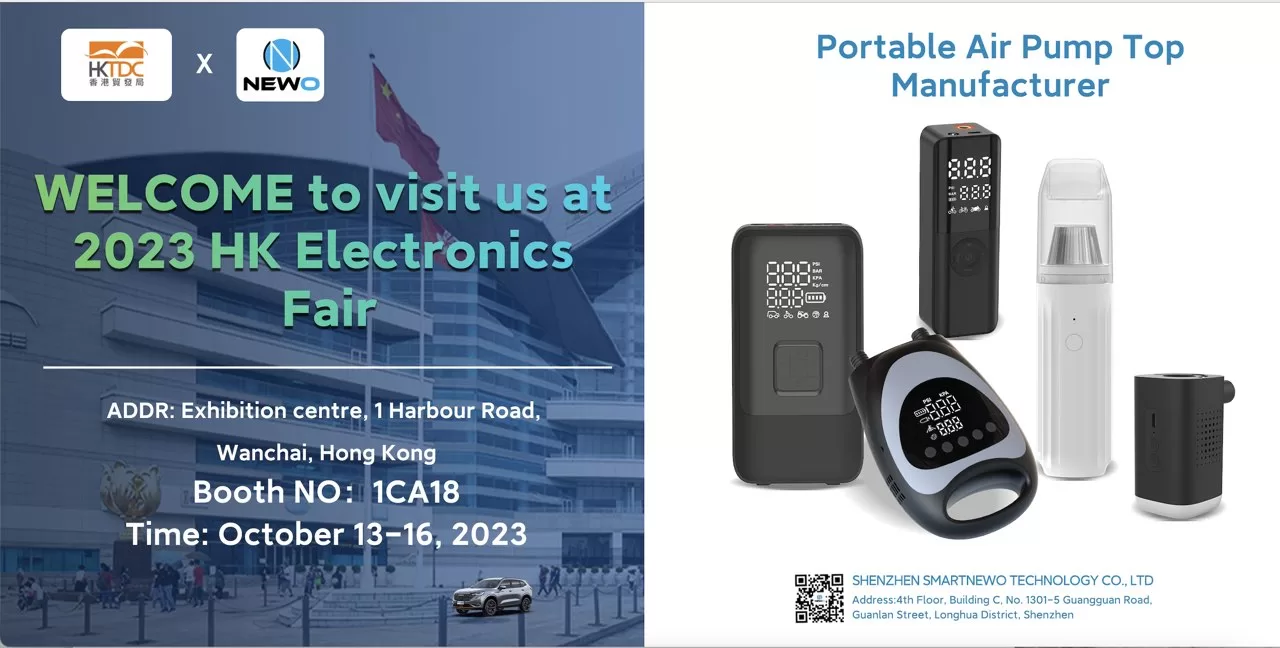
“Hong Kong Autumn Electronics Fair – 1CA18 (October 13th to 16th): Smartnewo invites you to visit our booth!
Hong Kong Autumn Electronics Fair...
-
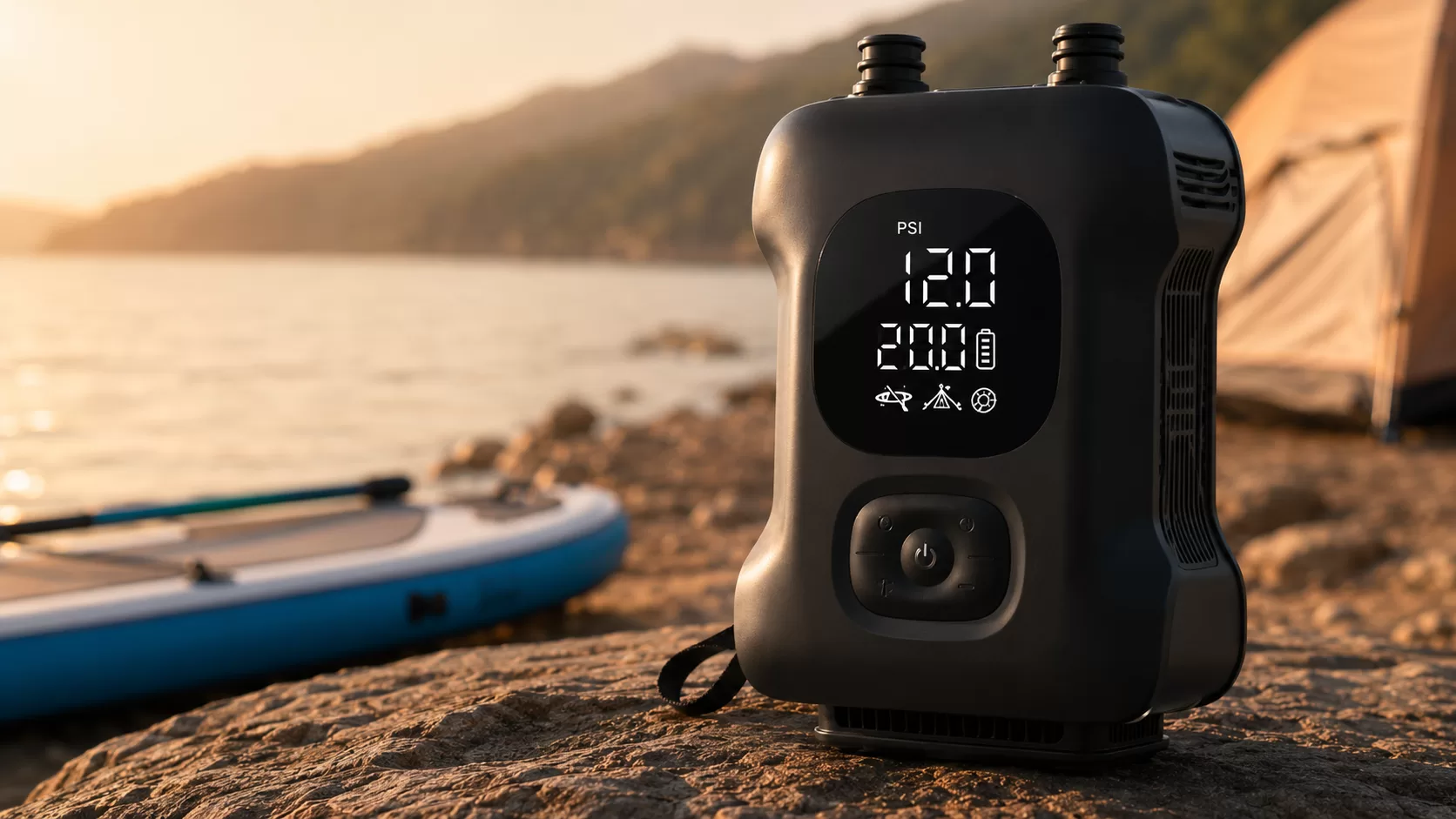
Rechargeable Electric SUP Pump for Paddle Boards: Faster Inflation for SUPs, Kayaks and Inflatable Tents
The BL10-C Portable Electric Bike Tire Inflator is a compact and lightweight mini electric bike pump designed for modern cyclists. With up to 120 PSI pressure, a digital LED display, preset pressure control, automatic shut-off, USB-C charging, and multiple valve adapters, BL10-C offers a convenient inflation solution for road bikes,... -
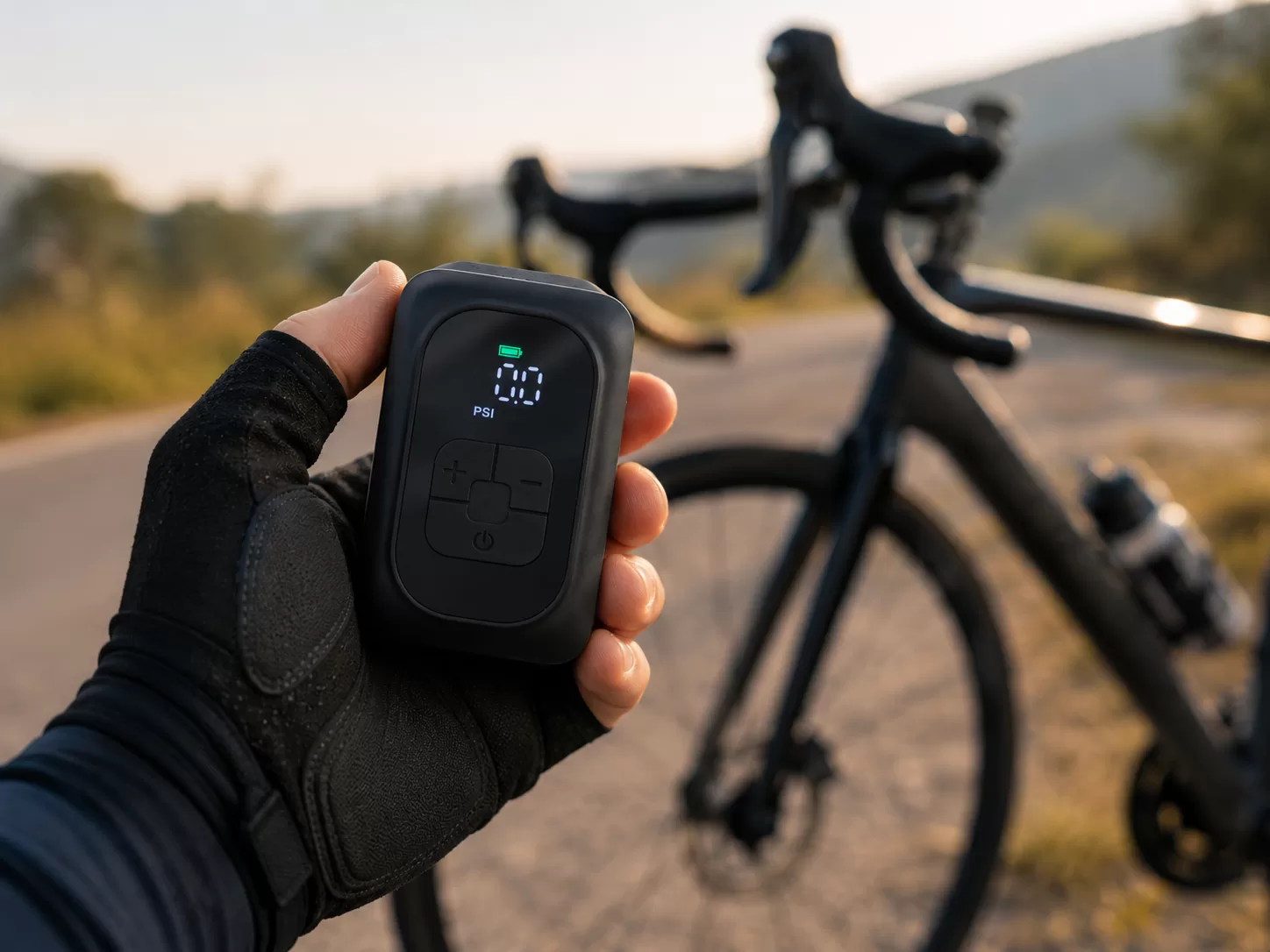
Are Electric Bike Pumps Worth It in 2026? Electric Pump vs CO₂ vs Mini Hand Pump
Discover whether electric bike pumps are worth it in 2026. This guide compares electric bike pumps, CO₂ inflators, and mini hand pumps for road cycling, gravel riding, commuting, and long-distance rides. Learn the pros, limitations, best use cases, and key features to look for before choosing the right portable tire... -
BL10-C Portable Electric Bike Tire Inflator: Small Size, Reliable Power for Every Ride
The BL10-C Portable Electric Bike Tire Inflator is a compact and lightweight mini electric bike pump designed for modern cyclists. With up to 120 PSI pressure, a digital LED display, preset pressure control, automatic shut-off, USB-C charging, and multiple valve adapters, BL10-C offers a convenient inflation solution for road bikes,... -
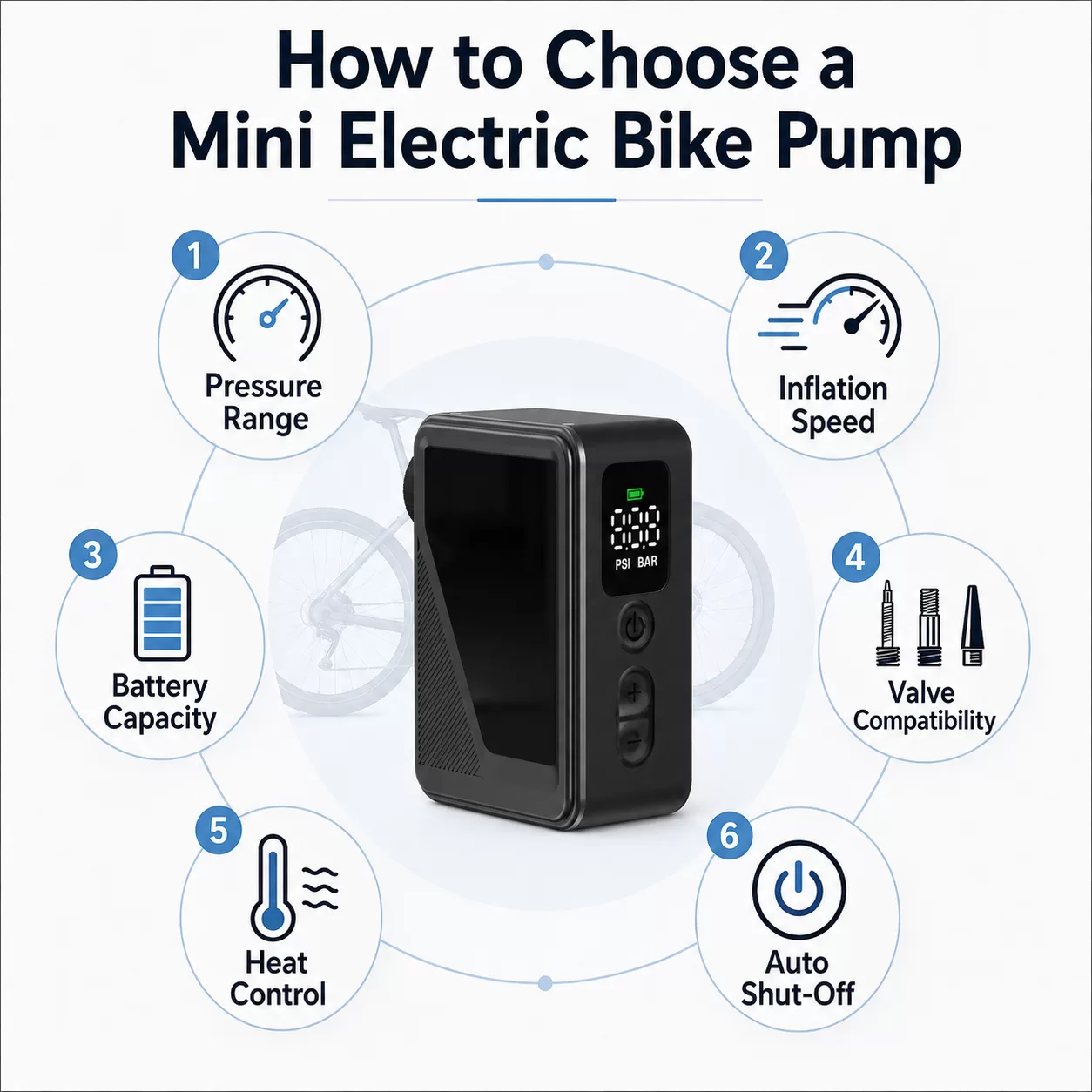
Why Mini Electric Bike Pumps Are Becoming Essential for Modern Cycling
Discover why mini electric bike pumps are becoming essential for modern cyclists. Learn how portable electric bike pumps improve tire pressure management, riding safety, and convenience.... -
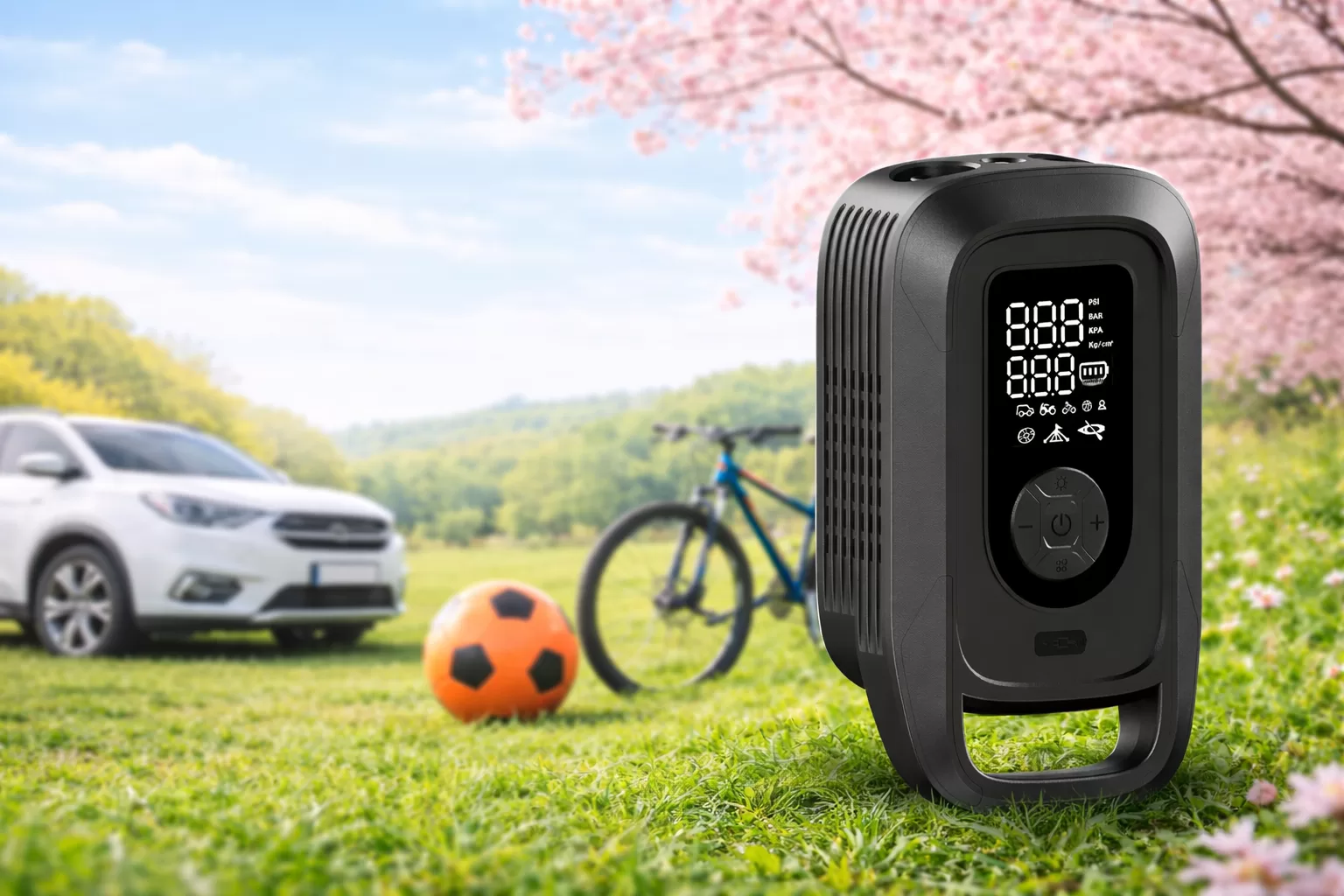
The Ultimate Smart Solution for Easy Outdoor Adventures in 2026
Discover how a spring travel air pump simplifies outdoor trips with fast inflation, smart features, and powerful performance—perfect for every adventure.... -
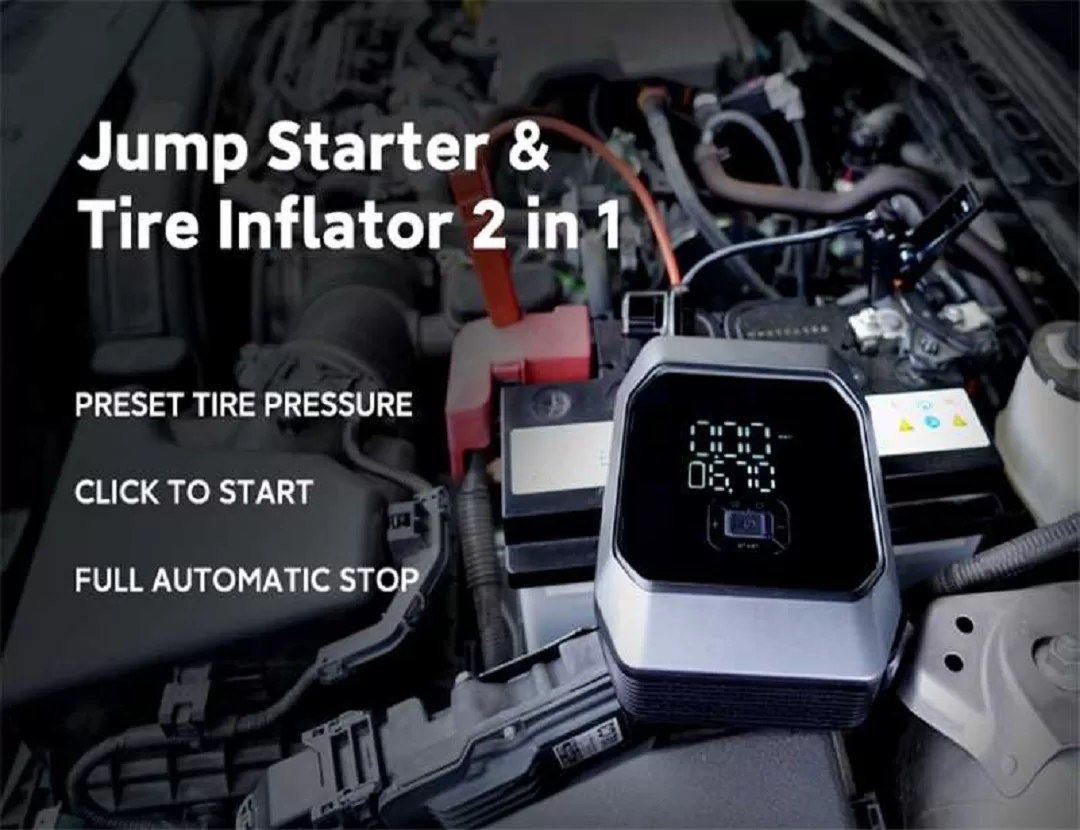
Powerful 5-in-1 Portable Car Tire Inflator and Jump Starter: The Ultimate Emergency Tool for Every Driver
Why Every Driver Needs a Portable Car Tire Inflator and Jump Starter Modern drivers face many unexpected situations on the road. A flat tire, low tire pressure, or a dead car battery can happen at the worst possible time. That’s why having a portable car tire inflator and jump starter is... -
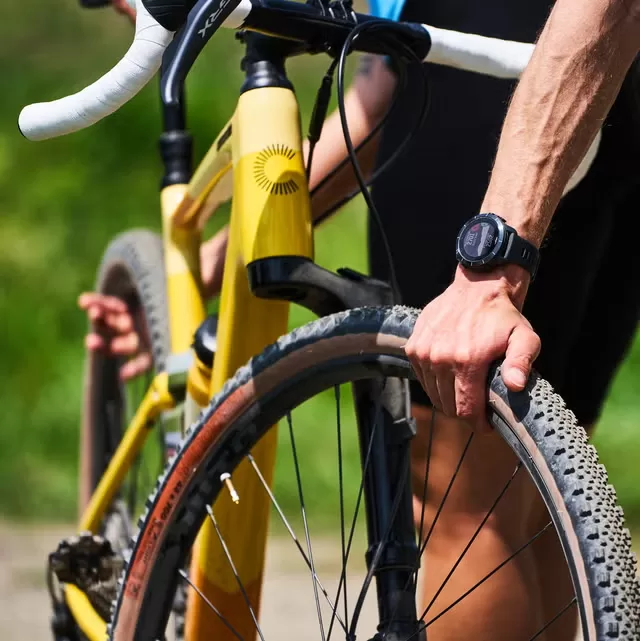
7 Real Cycling Scenarios That Show Why Every Rider Should Carry a Mini Bike Pump
Cycling is one of the most freeing activities you can enjoy. Whether you’re commuting to work, riding through city streets, or exploring quiet countryside roads, a bike ride can instantly improve your day. But there’s one small problem that almost every cyclist eventually faces: Low tire pressure. It might happen... -
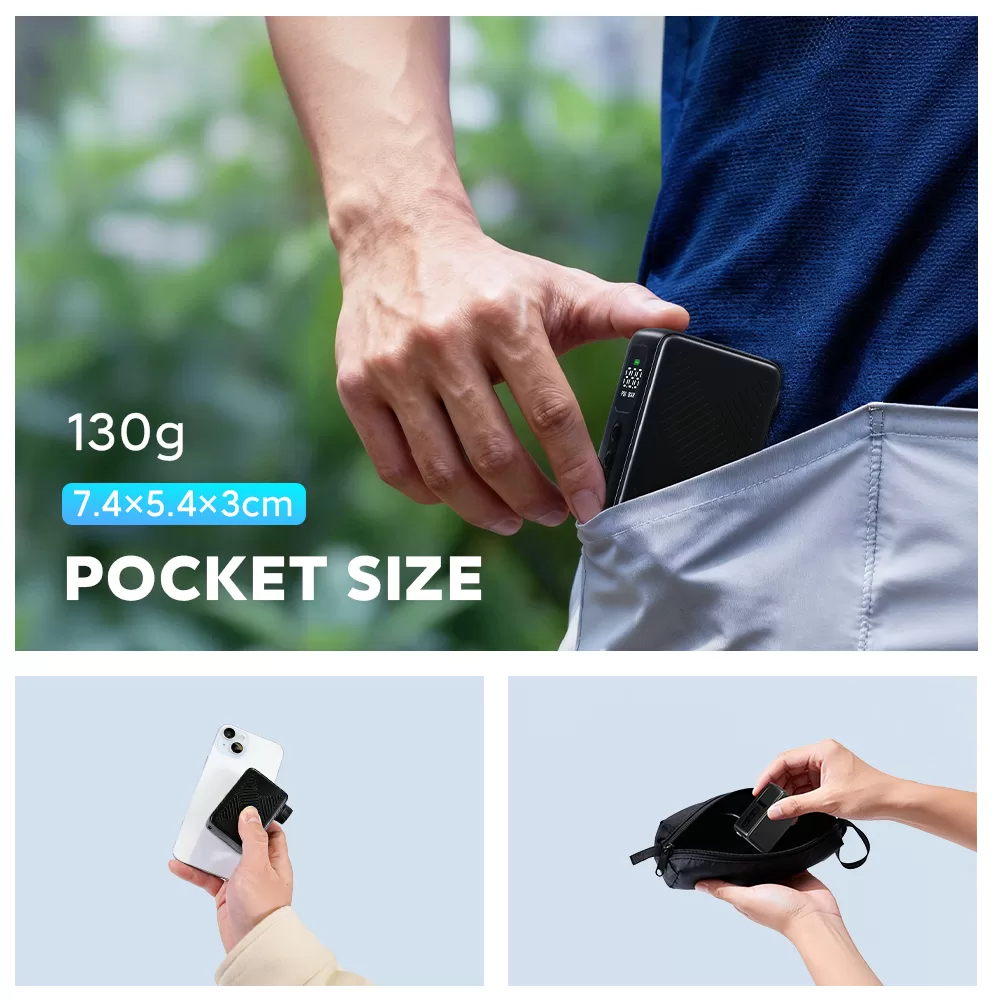
BL08-A Portable Electric Bike Pump: A Global Distribution Opportunity with Smartnewo
Smartnewo, a professional manufacturer of portable electric air pumps, introduces the BL08-A model — a compact and efficient inflator designed for global distributors, e-commerce sellers, and outdoor accessory brands seeking reliable OEM/ODM solutions. Table of Contents Main Heading Subtopics 1. Introduction: Expanding the Global Market for Smart Inflation Tools Portable... -
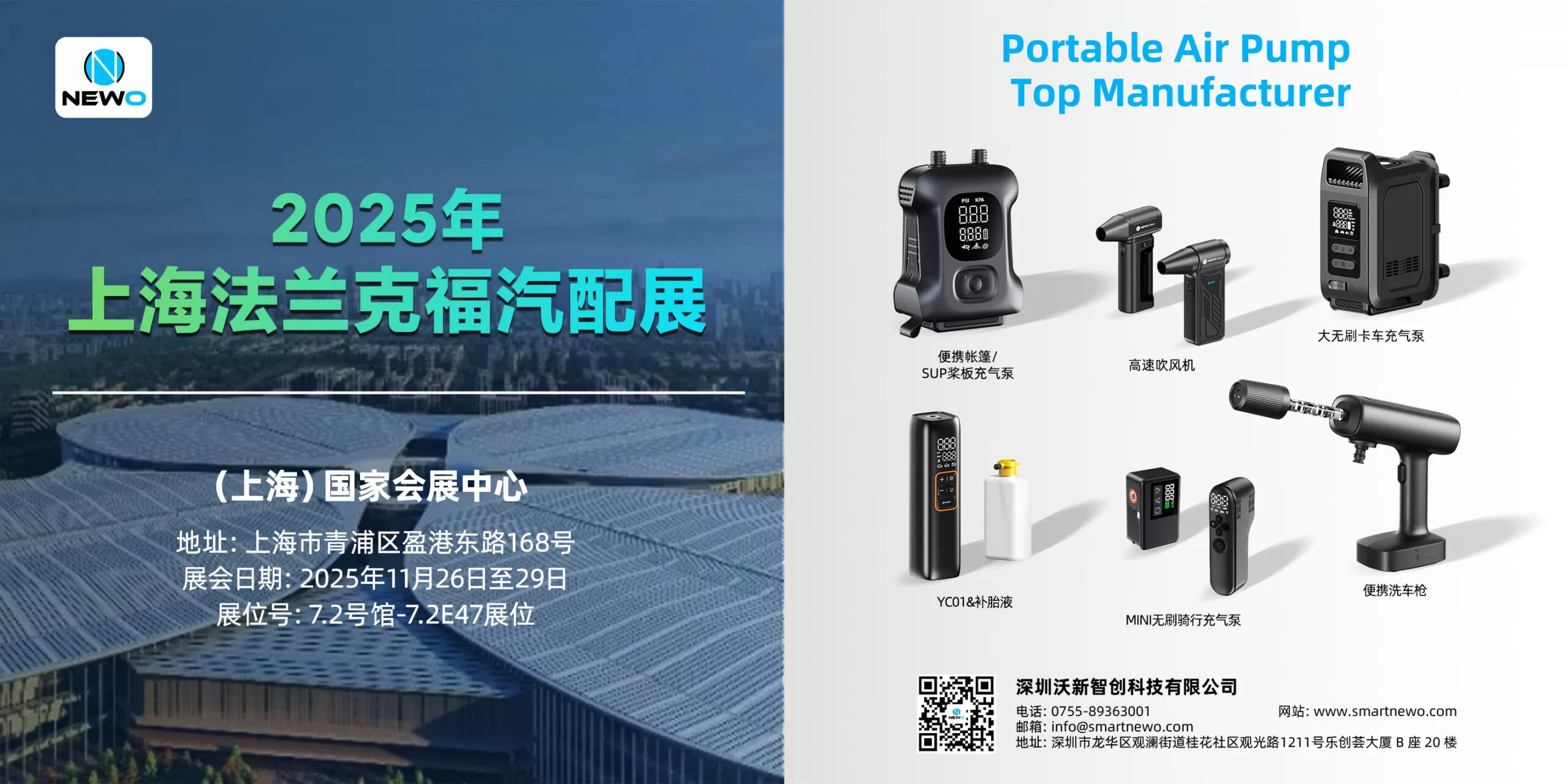
Connecting Opportunities at Automechanika Shanghai 2025 — Smartnewo Exhibition Day 1
Today marks an exciting beginning as Smartnewo officially opens its booth at Automechanika Shanghai 2025. As one of the largest and most influential automotive aftermarket exhibitions in the world, the show provides an exceptional platform for meaningful conversations, partnership building, and global industry exchange. Located at Booth 7.2E47, Smartnewo presents... -

Why Every Outdoor Cyclist Should Carry a Mini Electric Bike Pump
Whether you are an experienced mountain rider or a weekend road-cycling enthusiast, one thing is certain: unexpected tire pressure issues can ruin an entire ride. That’s why more cyclists are turning to mini electric bike pumps—compact, lightweight, and far more reliable than traditional hand pumps. 1. Consistent Pressure, Even in...
-
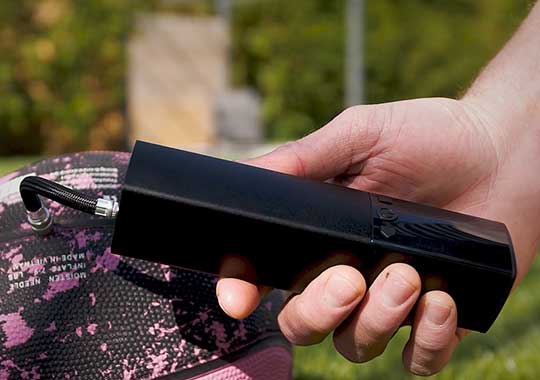
How Is a Football Properly Inflated?
The correct inflation of a football - with not too much and not too little air - is a hotly debated topic among footballers.... -
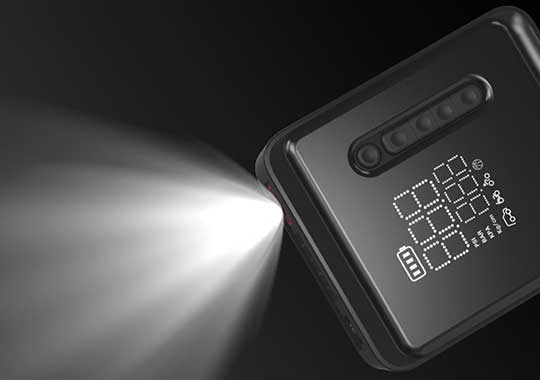
Application Scenarios of Car Inflator Pump
Often long-distance business trips or play car owners because the road may be more remote areas, in this case if you encounter a tire leak....