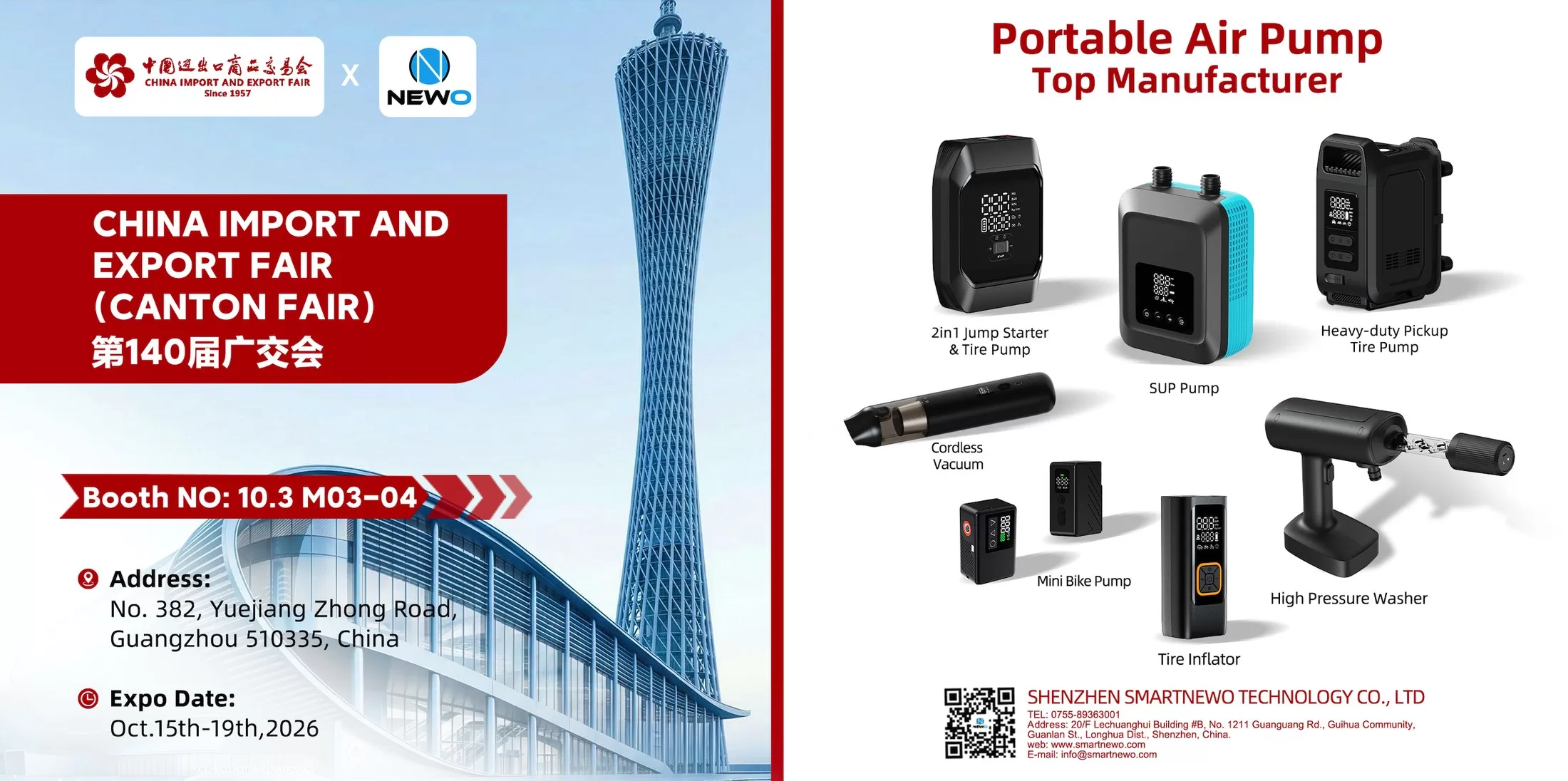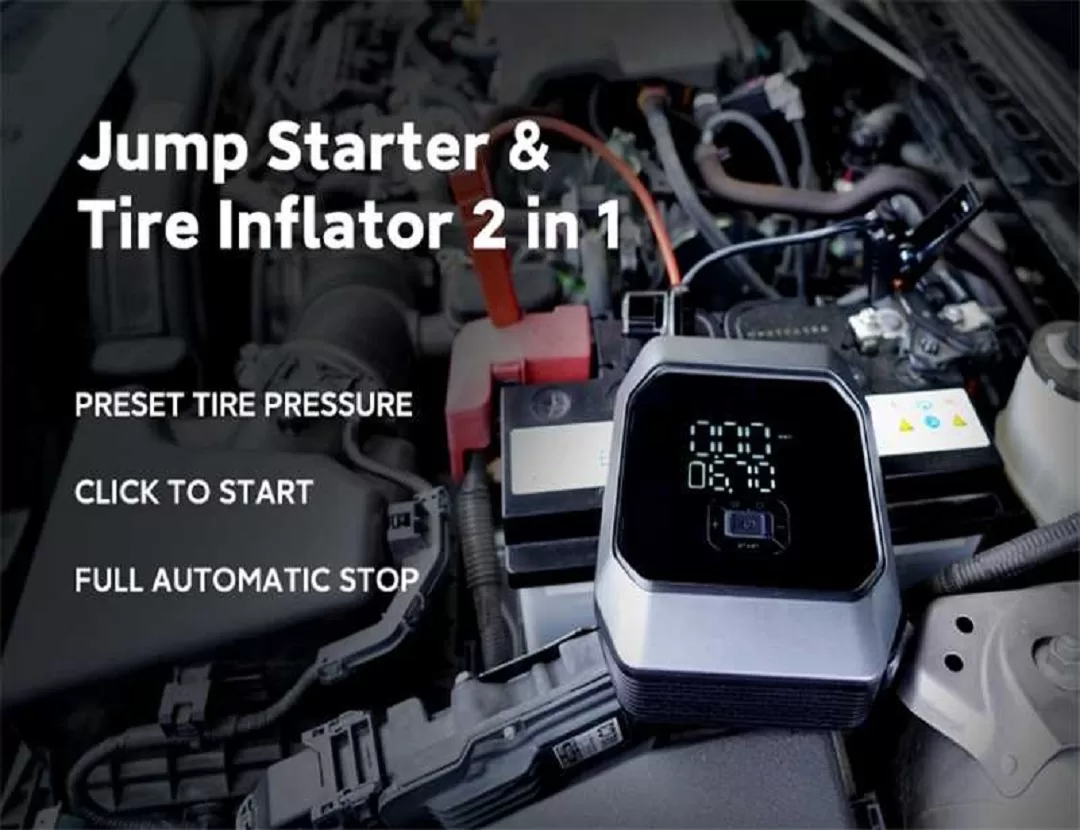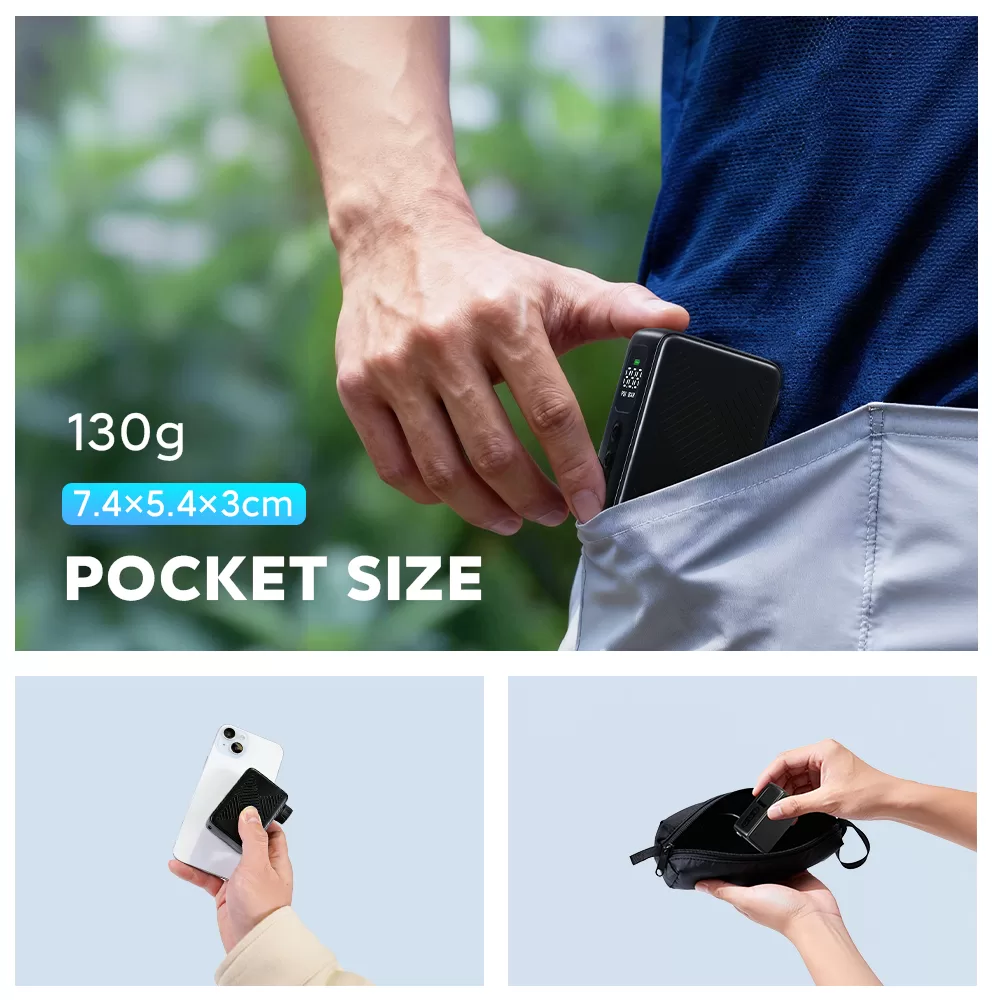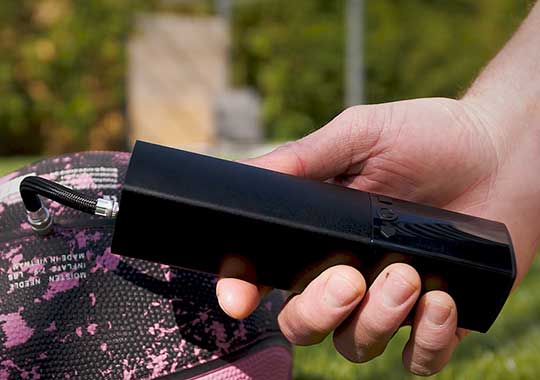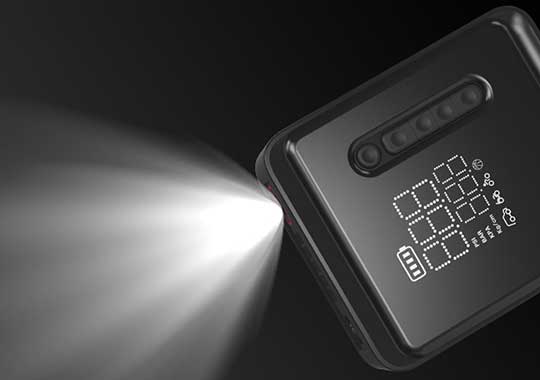

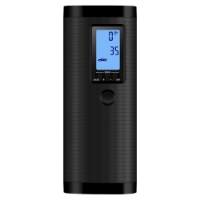
 Portable Tire Inflators
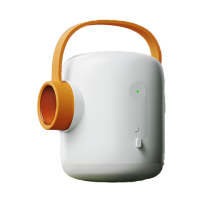 Electric Air Pumps
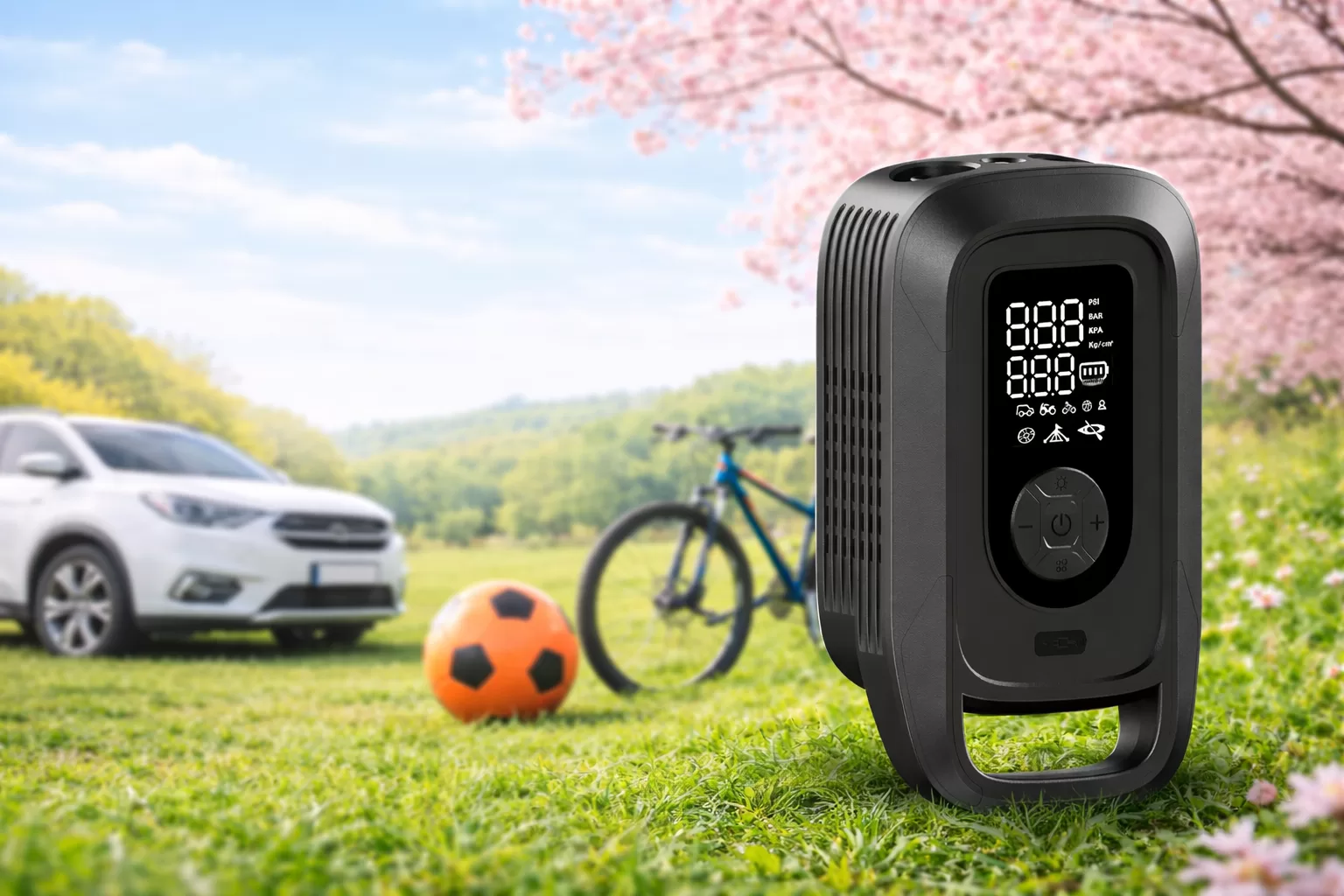
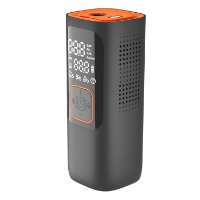 Electric Car Tyre Pumps
 Electric Ball Pumps
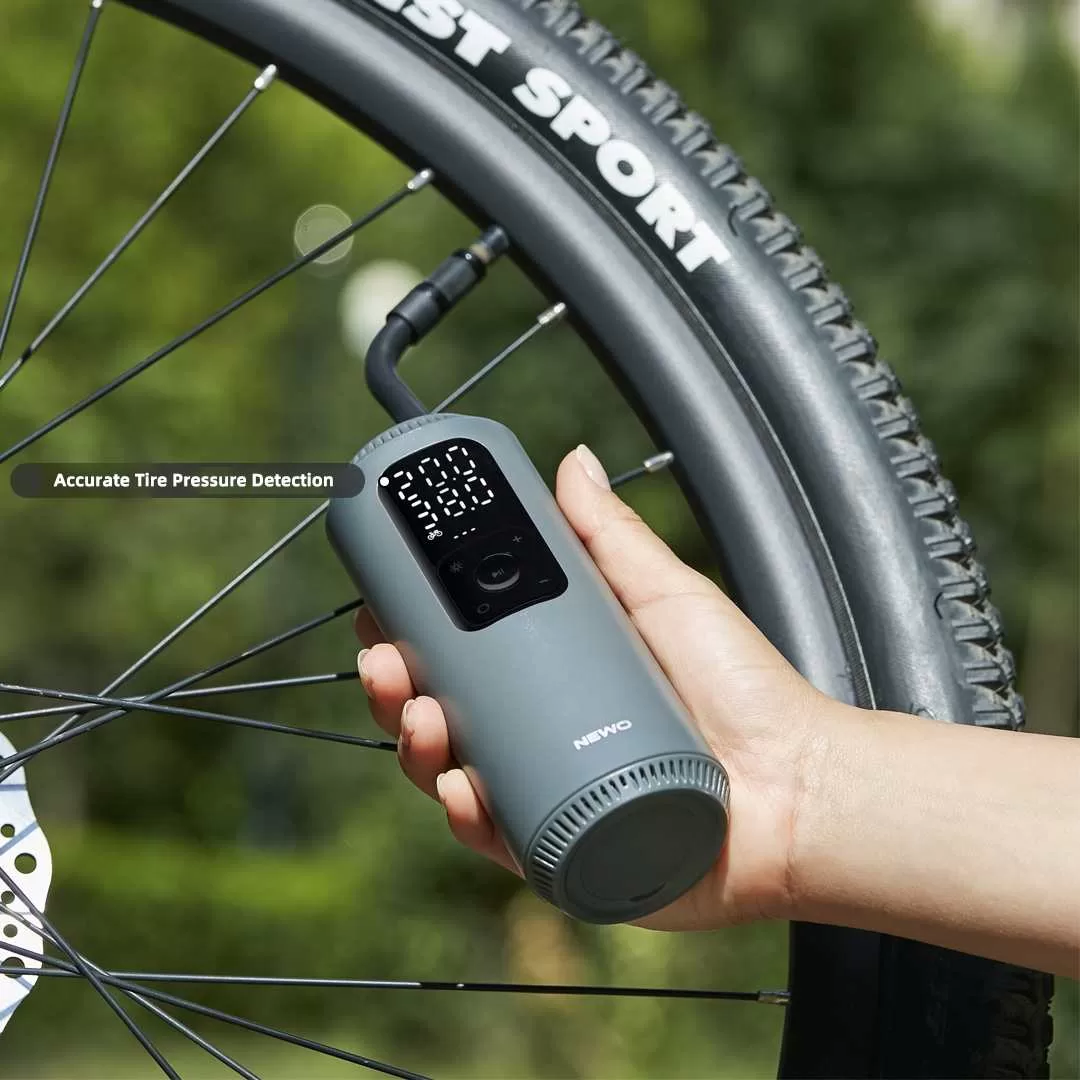
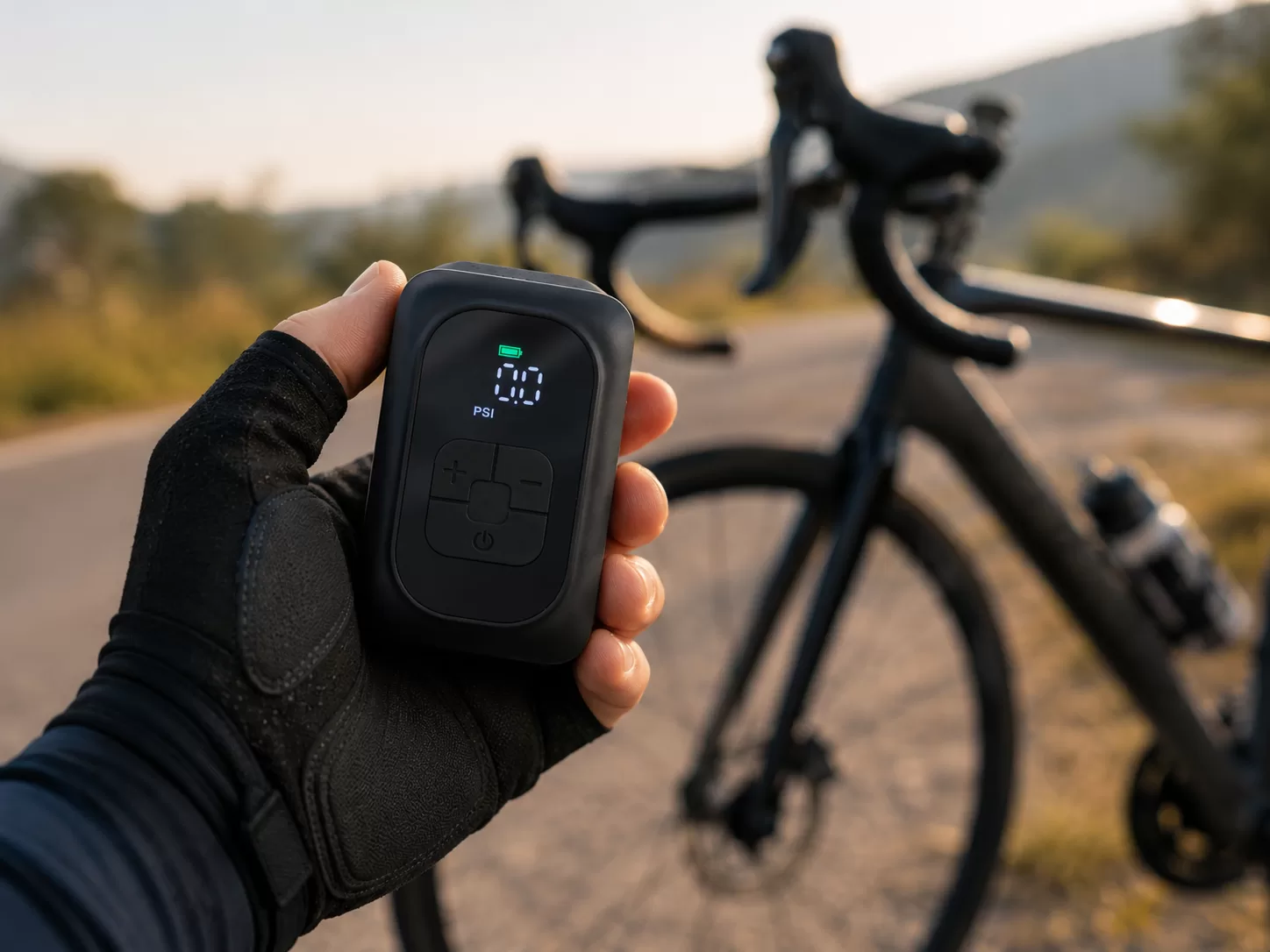
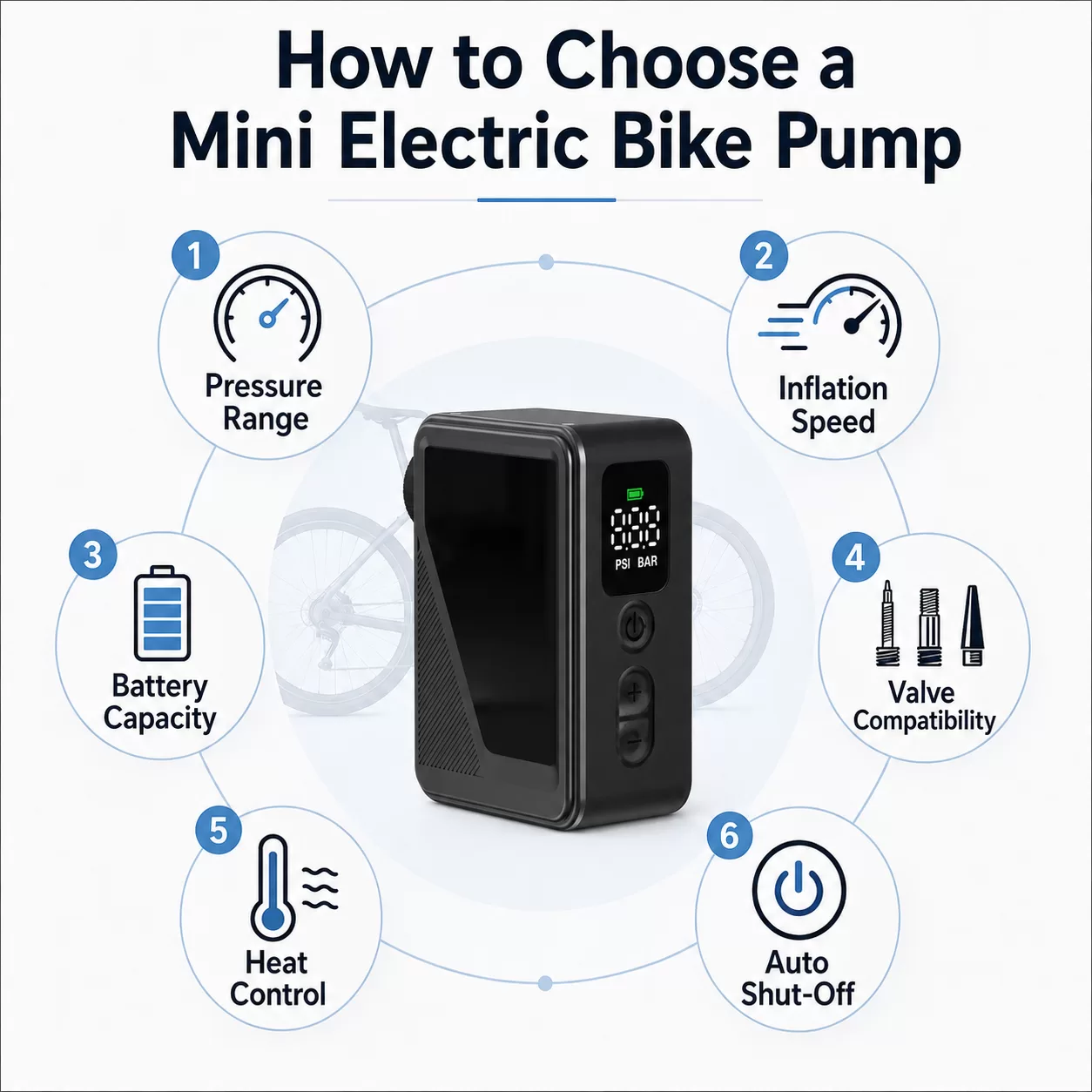
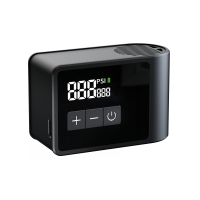 Electric Bike Pump
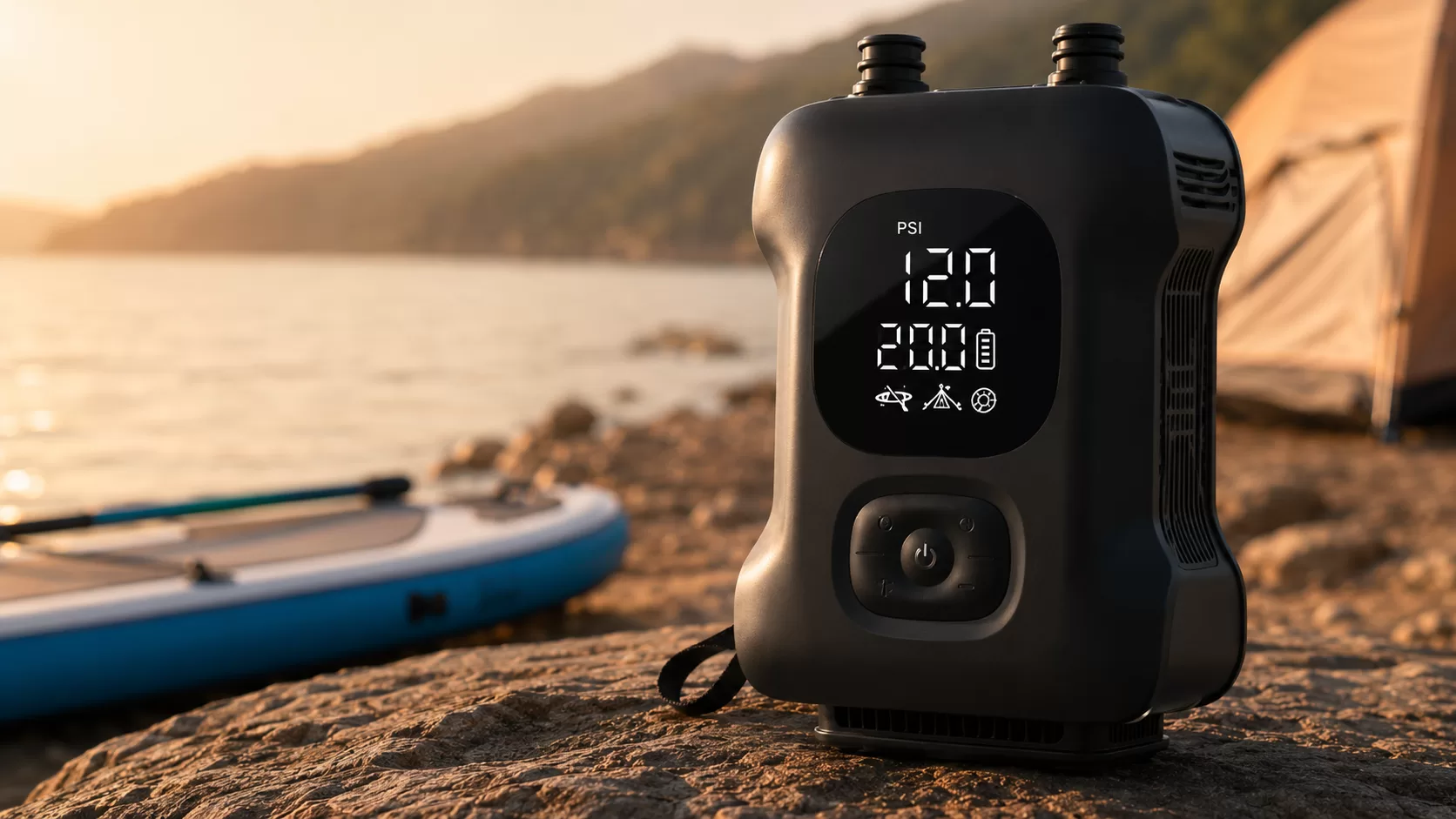
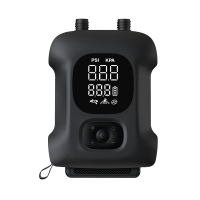 SUP Air Pump

Choose an OEM or ODM air pump arrangement by deciding who will supply the design, develop changes, approve performance, and maintain the product after launch. Suppliers use these labels differently. Compare the written development scope and responsibility matrix, then agree on configuration control, tooling, intellectual property, and documentation before committing.

For a brand comparing OEM vs ODM air pumps, the decision starts with how much of the product is already defined. Identify which work involves branding, enclosure changes, or a new pumping system before asking for a quotation.
What do OEM and ODM mean in this guide?
In this guide, OEM describes production against a buyer-supplied or buyer-controlled design specification. ODM describes an arrangement in which the supplier contributes the underlying design or develops a solution against the brand’s requirements. These are working definitions for comparison; your supplier’s usage may differ.
Private label describes the branding relationship and can overlap with either arrangement. Custom colors, packaging, manuals, and accessories may be possible on an existing platform. They do not, by themselves, establish who owns the design or who must validate a change.
| Decision | Buyer-controlled design route | Supplier-developed design route |
|---|---|---|
| Starting point | Buyer provides an existing design or detailed specification | Supplier proposes a platform or develops against a brief |
| Design gaps | Identify what the buyer has not yet defined | Identify supplier assumptions and development exclusions |
| Engineering review | Buyer needs access to suitable design-review expertise | Buyer still needs to approve requirements and evidence |
| Product differentiation | Depends on the supplied design and agreed manufacturing scope | Depends on the available platform and agreed development scope |
| Ownership and exclusivity | Must be stated in the agreement | Must be stated in the agreement |
| Schedule and cost | Depend on design readiness, changes, and validation needs | Depend on platform fit, changes, and validation needs |
Choose the route that fits your team’s design readiness
A buyer-controlled route deserves consideration when your team has a stable design package and can answer engineering questions during manufacture. Check whether that package includes drawings, critical components, firmware requirements, acceptance criteria, and controlled revisions. A visual concept or competitor reference is insufficient to define a production-ready air pump.
A supplier-developed route deserves consideration when the brand has a clear use case but needs help defining the product. Describe the tire or other inflation task, power format, size constraints, controls, market, and product claims you want to support. Ask the supplier to identify which requirements an existing platform meets and which require development.
Many projects combine both approaches. For example, a supplier may retain its existing pump system while your brand supplies a new enclosure design. Label this as a mixed-responsibility project and document the interfaces. Check whether changes to airflow paths, component mounting, or the hose connection require further evaluation.
Build a design responsibility and approval matrix
Assign an owner, reviewer, and approval record for every deliverable before development begins. Use this suggested matrix in supplier discussions, replacing each role with named organizations and responsible contacts.
| Deliverable | Who prepares it? | Who approves it? | Record to retain |
|---|---|---|---|
| Use case and measurable requirements | Brand, with supplier feasibility input | Brand product owner; supplier accepts scope | Approved requirements revision |
| Mechanical and electrical design | Agreed design owner | Designated engineering reviewers | Drawings and component references |
| Firmware, pressure presets, and controls | Agreed firmware owner | Brand and technical reviewers | Version and functional specification |
| Performance evidence | Agreed testing party | Brand’s designated quality or engineering reviewer | Configuration-linked test record |
| Applicable market documentation | Assigned supplier, brand, and laboratory contributors | Qualified reviewer responsible for market release | Document list and model mapping |
| Artwork, manual, and accessory pack | Agreed content and packaging owners | Brand, with technical content review | Approved files and packing list |
| Post-freeze component or software change | Party proposing the change | Named change-approval owners | Change request and release decision |
Approval should identify what was reviewed and against which revision. Avoid a general email saying the sample looks good. Specify whether approval covers appearance, controls, functional behavior, packaging, or the complete agreed release configuration.

Control changes after the sample is approved
An approved appearance sample leaves important technical choices open unless the project records close them. Freeze the relevant design files, component references, firmware version, accessories, and packaging together. Define which changes need your prior written approval and which supporting records must be updated.
Consider a proposed battery substitution. The change request should identify the old and new component, reason for change, affected product revisions, and evidence needed for review. Ask the responsible technical team to assess performance, charging, safety, and documentation implications before release.
For lithium-battery pumps, transport evidence must also follow the relevant battery design. PHMSA describes UN 38.3 test summaries as a way to trace cell and battery design testing for transportation. A document from a different battery configuration should trigger clarification rather than automatic acceptance.
For other changes, use the same discipline. A new hose connector can affect fit and handling; revised firmware can change pressure presets or shutdown behavior. Your agreement should say who evaluates the impact, who pays for agreed additional work, and who authorizes production release.
Put tooling, design rights, and access into writing
OEM and ODM labels do not determine intellectual-property ownership. Have appropriate advisors review the project agreement, particularly when the brand funds development or expects exclusivity. Distinguish existing supplier technology from project-specific deliverables and buyer-supplied material.
- Identify the tooling covered by the project and the agreed ownership, storage, maintenance, access, and transfer terms.
- Define permitted use of drawings, firmware, artwork, and other design files.
- State the exact scope and duration of any exclusivity arrangement.
- Agree on access to the files and support needed for future revisions or production continuity.
- Record what happens to unfinished work and project assets if the relationship ends.
These issues deserve attention in a simple private-label project too. Your packaging artwork may be buyer-owned while the pump platform remains supplier-controlled. Make that boundary explicit rather than inferring it from who paid for a sample.
Compare quotations against the same development boundary
Request a breakdown of the production configuration, development deliverables, tooling, sample stages, validation work, and packaging scope. Ask each supplier to identify assumptions and exclusions. The most useful comparison shows what your team must still provide after accepting the quotation.
A supplier-developed platform is not automatically faster or less expensive for every brand. Extensive revisions can change the work. A buyer-supplied design may also need further development before it can be manufactured. Confirm project-specific commercial terms and milestones after the responsibilities are clear.
Smartnewo’s OEM, ODM, and wholesale services provide a starting point for discussing an air pump project. Send the design material you already control and describe the decisions for which you need supplier input. Confirm feasibility for the selected model and configuration.
Frequently asked questions
Is private label the same as OEM?
The terms often overlap in supplier conversations, but private label mainly describes branding. Ask which design, production, and validation tasks are included. A branded existing product and a buyer-controlled custom design can have very different responsibilities.
Does paying for ODM development give us the design rights?
Ownership depends on the written agreement and applicable terms. Clarify rights to existing technology, new design work, tooling, and files before paying for development. Obtain qualified advice when ownership or exclusivity is commercially important.
Who should approve technical changes?
Name the required approval owners in the project plan. A purchasing contact may coordinate the request, while engineering, quality, and the brand owner review affected requirements. Keep the approval tied to an identified configuration and evidence.
What should our first air pump development brief include?
Include the use case, destination market, design files already available, required changes, order estimate, and approval responsibilities within your team. Send your air pump project brief for a scope discussion.