

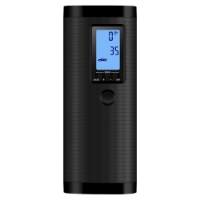
 Portable Tire Inflators
 Electric Air Pumps
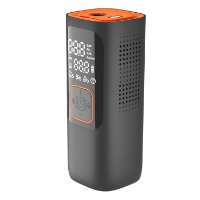 Electric Car Tyre Pumps
 Electric Ball Pumps
 Electric Bike Pump
 SUP Air Pump

Portable Auto Air Pump Guide: Technical Selection, Safe Operation, and Performance Criteria
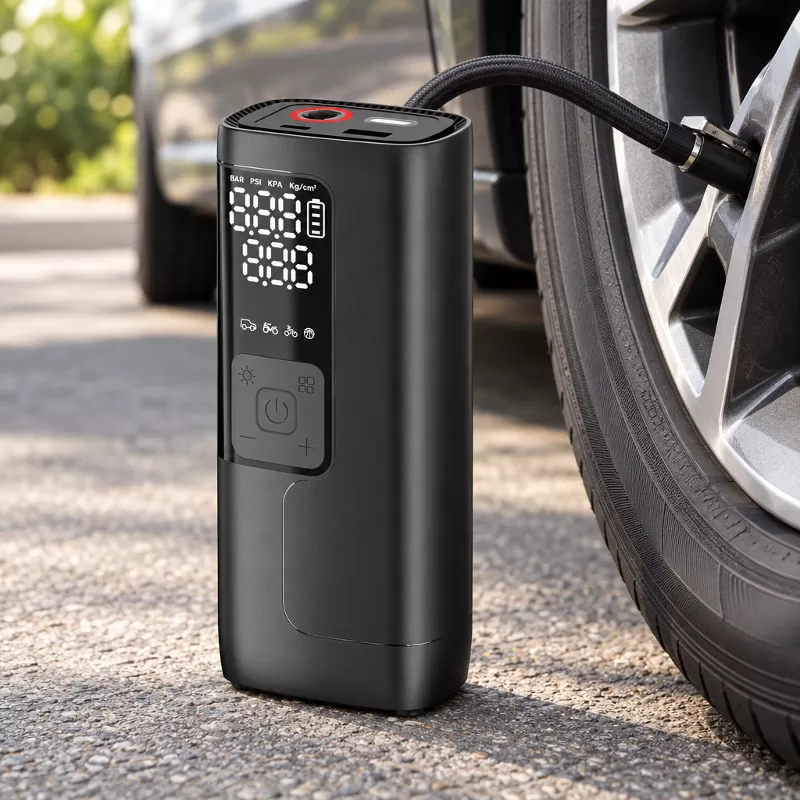
Maintaining correct tire pressure is one of the most neglected safety practices in everyday vehicle operation. A reliable portable auto air pump eliminates the gamble of hunting down operational service-station air pumps during sudden seasonal temperature fluctuations. Small pressure losses quietly degrade fuel economy, accelerate irregular tread wear across tire shoulders, and extend braking distances on wet pavement.
Investing in a modern cordless tire inflator gives drivers practical autonomy over wheel maintenance without wrestling tangled cords or hunting for loose coins. Understanding mechanical capacity, airflow delivery, battery architecture, and proper pressure diagnostics ensures that your onboard tool performs reliably when roadside circumstances demand immediate attention.
Understanding the Portable Auto Air Pump
Core Mechanisms: How Cordless Tire Inflators Work
Many compact electric inflators use a motor-driven compressor mechanism to move ambient air directly into the tire chamber. Unlike heavy commercial garage compressors that store vast quantities of compressed air inside steel pressure vessels, these portable devices generate airflow through continuous displacement. Atmospheric air enters through designated intake passages, passes through internal one-way valves, and travels along an inflation hose into the valve stem.
Because there is no intermediate air reservoir, the electric motor works directly against the existing backpressure of the tire. As pressure climbs inside the tire cavity, the mechanical load on the internal cylinder assembly increases proportionally. This direct displacement reality explains why compact inflator engineering prioritizes effective thermal management, heat dissipation, and steady current regulation rather than raw reservoir capacity.
Practical Use Cases Across Commuting, Travel, and Fleets
Daily passenger commuters face predictable tire deflation whenever autumn weather shifts and ambient temperatures drop sharply overnight. Tire pressure generally falls as temperatures drop; some vehicle guidance estimates an approximate change of about 1 PSI per 12°F, but motorists should always follow the vehicle’s cold-pressure specification. Having a self-contained inflation device stowed inside the vehicle allows the driver to top up pressure at home, subject to the tire and pump’s operating limits, before joining traffic.
Long-distance motorists, remote travelers, and crossover drivers encounter situations where service stations are separated by dozens of miles. In these transit corridors, an onboard inflator ensures that minor pressure variations can be rectified without detour or delay. Commercial fleet operators and parcel delivery services likewise rely on portable units across their utility vehicles to maintain consistent rolling resistance and protect tire longevity across mixed urban delivery routes.
Multi-mobility households frequently utilize pneumatic inflators across two-wheeled transportation, commuter bicycles, and household athletic gear. Some inflators can serve Schrader, Presta, or sports ball valves with suitable adapters; check which adapters are included and compatible with your chosen model before purchase. This broad compatibility allows drivers to consolidate diverse manual hand pumps into a single battery-powered tool suitable for weekend recreation and seasonal gear preparation.
Technical Specifications: What to Evaluate Before Buying
Airflow Delivery vs. Maximum Pressure Ratings
Consumer packaging frequently highlights maximum pressure ratings reaching 120 or 150 PSI. While elevated pressure thresholds are necessary for narrow, high-tension road bike tires, passenger vehicles rarely call for such figures. For everyday passenger car tires, a high maximum pressure rating represents a structural safety ceiling rather than a reflection of typical operating pressure.
Free airflow volume, commonly expressed in liters per minute (L/min), provides a far more practical indicator of real-world inflation performance. Higher airflow can shorten top-up times, but actual inflation speed depends on tire size, starting pressure, hose losses, and the pump’s performance under load. A pump with inadequate flow rates will struggle on large-volume tires, generating excess heat before reaching the target pressure.
Motor Power, Cylinder Bore, and Thermal Dissipation
A direct mechanical relationship exists between electric motor power, cylinder dimensions, and pressure stability. Small-bore, single-cylinder configurations often experience substantial speed drop-off as pneumatic backpressure increases during the final stages of inflation. Multi-cylinder designs or balanced dual-cylinder structures distribute mechanical stress across two displacement chambers, helping sustain more uniform airflow against increasing resistance.
Thermal management remains critical for any compact reciprocating compressor because compressing air naturally concentrates heat inside the cylinder head according to standard thermodynamic principles. Because of this heat generation, thermal dissipation is a central design consideration in compact inflator engineering. Vented enclosures, heat-conductive pathways, and heat-resistant hose couplings help manage high operating temperatures and prevent premature wear during extended pumping sessions.
Battery Capacity, Power Output, and Duty Cycles
Cordless convenience depends heavily on internal lithium-ion battery configurations and integrated power management electronics. An electric inflator draws high discharge currents under heavy pneumatic loads, demanding cells capable of consistent output. Battery packs arranged in series, such as multi-cell arrays delivering nominal voltages around 11.1V, provide the necessary wattage to sustain motor torque when operating near peak vehicle tire pressures.
Compact inflators often have limited duty cycles, which reflect the maximum continuous operating window before a cooling rest is necessary; for the NW08, Newo lists a runtime of 12 to 15 minutes. This window provides sufficient operating duration for standard vehicle tire maintenance top-offs. Some models, including the NW08 according to Newo’s specification, also provide Type-C power-bank output, enabling the internal lithium cells to serve as auxiliary mobile power sources during travel emergencies.
Pressure Monitoring, Digital Controls, and Auto Shut-Off
Traditional analog dial gauges are vulnerable to mechanical needle sticking, spring wear over time, and optical parallax errors while the compressor vibrates. A digital pressure display and automatic shut-off can make target-pressure setting easier, but sensor accuracy and control behavior should be confirmed from the product manual. High-contrast digital screens provide legible pressure readings even in bright sunlight or pitch-black roadside environments. By eliminating mechanical guesswork, digital displays help operators monitor live pressure changes with greater consistency.
Automatic shut-off can reduce the risk of exceeding a selected target, but users should remain present, monitor the process, and verify the final pressure with an accurate gauge when appropriate. Many devices feature preset application modes alongside manual pressure overrides, allowing seamless switching across units such as PSI, BAR, and KPA without manual mathematical conversions. These controls can help users select and stop at a chosen target, but the target must still match the pressure specification of the tire or inflatable.
Ergonomics, Noise Levels, and Storage Footprint
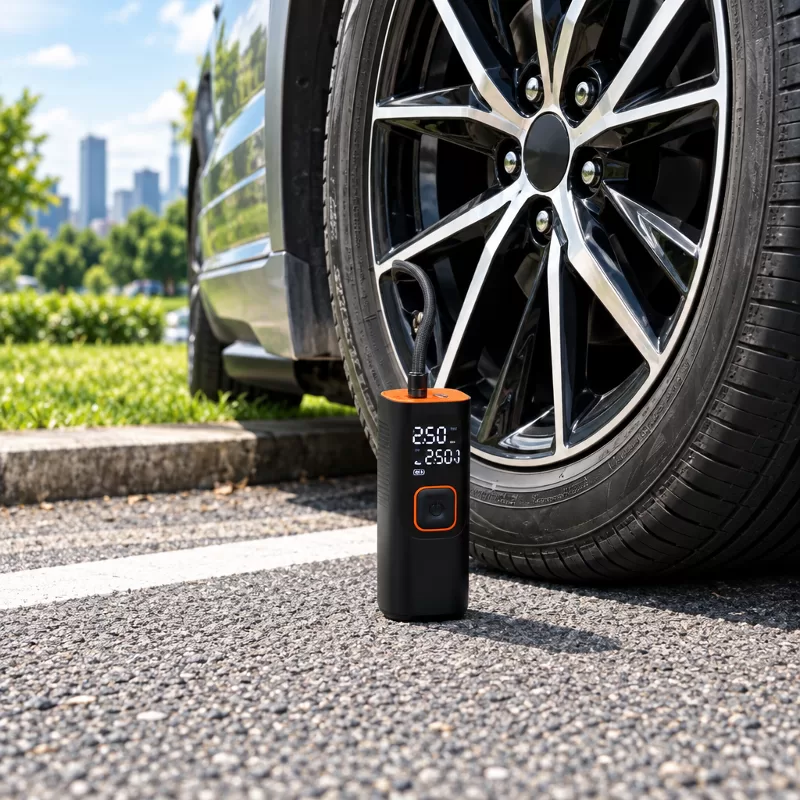
Reciprocating compressor mechanisms generate audible sound and physical vibration during operation. In terms of acoustic performance, Newo lists the NW08 at 85 dB or below at one meter. Balanced internal components, rubberized vibration-dampening feet, and isolated motor mountings help lower harsh acoustic resonance, making the tool less intrusive during early morning driveway use or residential garage maintenance.
Physical dimensions determine whether a device remains readily accessible or gets abandoned at home due to excessive bulk. An ideal inflator balances internal cylinder displacement against a compact, glovebox-friendly form factor weighing approximately one kilogram. Thoughtful ergonomics, including non-slip textured surfaces, integrated air hose storage channels, and bright LED illumination lights, significantly simplify nighttime emergency use along dark highway shoulders.
Compact Air Pump for Car 150PSI NW08: Technical Specification Reference
Manufacturer-Provided Engineering Data
To see how these functional attributes appear in commercial production, consider the Compact Air Pump for Car 150PSI NW08. Manufactured by Newo, a company specializing in pneumatic technology and smart electric air pumps, the NW08 illustrates modern cordless inflator architecture designed for personal travel and vehicle emergency readiness. Evaluating these verified engineering figures helps buyers assess real-world performance against everyday roadside demands, from routine pressure checks to remote trail travel.
The specifications below reflect first-party engineering parameters published by Newo for the NW08 model:
| Technical Parameter | Manufacturer Specification |
|---|---|
| Model Designation | NW08 |
| Product Category | Portable Electric Air Pump |
| Maximum Pressure Rating | 150 PSI |
| Operating Pressure Range | 2 to 150 PSI |
| Air Flow | 32 L/min |
| Cylinder Architecture | Dual 24-cylinder structure |
| Motor Working Power | 100W |
| Battery Pack Configuration | 3 × 4000mAh, 11.1V, 44.4Wh |
| Rated Battery Longevity | 300 cycles (retaining $\ge 80%$ capacity) |
| Charging Input Interface | Type-C, up to 20V / 3A |
| Auxiliary Power Output | Type-C to Type-C, up to 20V / 2A |
| Estimated Charging Duration | 2 to 3 hours |
| Continuous Operating Runtime | 12 to 15 minutes |
| Acoustic Operating Noise | $\le 85\text{ dB}$ at 1 meter distance |
| Ambient Operating Temperature | -10°C to 45°C |
| Enclosure Dimensions | 185 × 96 × 63.6 mm |
| Net Unit Weight | 1035 g |
Application Breadth: From Commuter Sedans to Off-Road Tires
Newo attributes stronger airflow and better inflation efficiency to the dual 24-cylinder structure and 100W power; actual performance depends on tire size, starting pressure, and operating conditions. Newo lists a 32 L/min airflow rate alongside an operating range from 2 to 150 PSI, supporting passenger cars, SUVs, off-road vehicles, and smaller equipment. This pneumatic capacity allows drivers to address routine top-offs across varying vehicle classes.
The product page lists five preset modes and custom pressure control; confirm the exact mode labels in the user manual before selecting preset parameters. In addition to primary tire inflation tasks, the integrated bi-directional Type-C port provides mobile recharging capabilities, allowing the internal 44.4Wh battery to support personal electronics during outdoor excursions or emergency delays. These dual functions make the unit a versatile asset for vehicular storage and remote camping trips alike.
Tire Pressure Fundamentals and Road Safety
Locating the True Recommended Tire Pressure
A persistent and potentially hazardous misconception among drivers involves reading the pressure figure molded directly into the tire sidewall. The sidewall figure is the tire’s maximum permissible inflation pressure, not the vehicle manufacturer’s recommended operating pressure. Inflating a tire to its sidewall limit creates a harsh ride, reduces grip, and causes premature crown wear along the center tread.
Find the vehicle manufacturer’s recommended cold pressure on the Tire and Loading Information label, usually on the driver’s door edge or post, or in the owner’s manual. This placard specifies the exact cold inflation pressure required for your vehicle’s specific weight distribution, handling balance, and suspension tuning. It frequently provides different targets for front and rear axles or for varying vehicle load conditions.
The Physics of Cold Tire Pressure Readings
Pneumatic pressure measurements must always be gathered when the vehicle tires are truly cold. Driving warms the tire and raises its measured pressure, so use the manufacturer’s cold-pressure specification and avoid releasing air solely because a warm tire reads higher. Even short trips generate rolling friction that expands the air enclosed within the tire carcass.
NHTSA defines a cold tire as one that has been stationary for at least three hours, or driven less than one mile after that period. If you must drive several miles to access an inflation point or use your inflator after an extended trip, remember that the internal air is warm and reading higher than baseline. Checking pressures early in the morning before driving guarantees the most consistent and accurate measurements.
Structural Limits: When Inflation Cannot Fix the Problem
A portable auto air pump serves as a preventive maintenance and top-up tool, not an emergency fix for mechanical tire failures. A tire that repeatedly loses noticeable pressure should be inspected promptly for a puncture, valve problem, bead leak, or other damage. Continuously pumping air into a structurally compromised tire without diagnosing the cause invites sudden highway failure.
Sidewall damage demands immediate professional intervention. Bubbles, bulges, deep curb gouges, or visible internal cords indicate that the structural integrity of the tire carcass has been compromised. An inflator may provide temporary pressure for repositioning the vehicle or reaching appropriate roadside assistance only when the tire and damage have been assessed as safe. Do not rely on reinflation for a sidewall injury or a rapidly leaking tire.
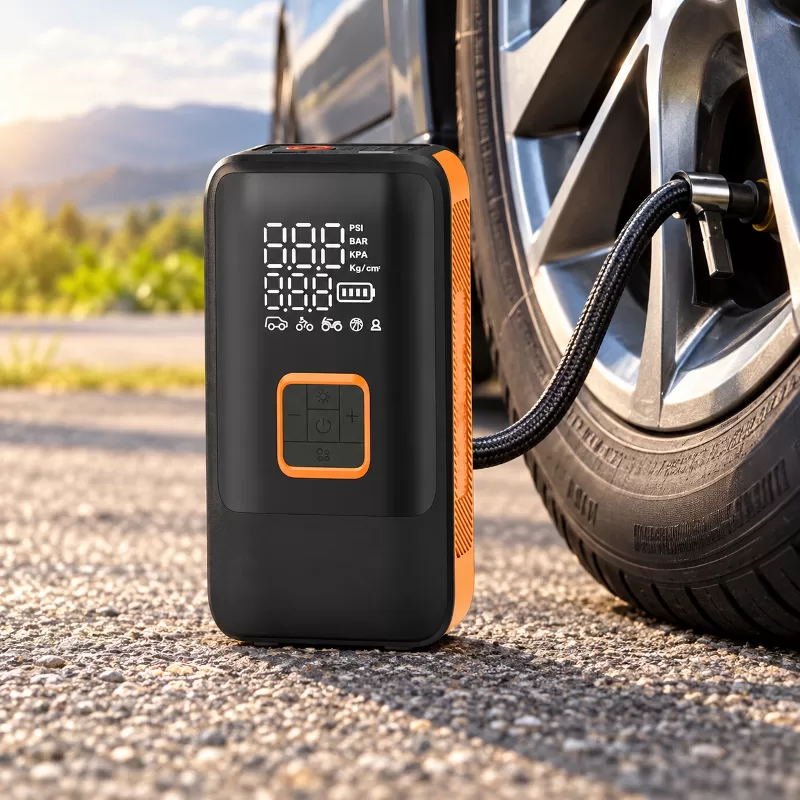
Step-by-Step Safe Operation Guide
Step 1: Pre-Inflation Inspection and Cold Pressure Verification
A structured visual inspection ensures safety before attaching any pneumatic equipment:
- Park the vehicle on a stable, level surface clear of active traffic lanes, and firmly set the parking brake.
- Examine the tire tread and sidewalls for embedded debris, visible cracking, tread separation, or structural distortion.
- Refer to the vehicle placard on the driver-side door post to confirm the recommended cold inflation pressures for both axles.
- Remove the valve stem dust cap, inspecting the brass threads for road grime, grit, or corrosion before attaching the hose.
Step 2: Secure Hose Connection and Static Pressure Reading
Connecting the inflation hose correctly avoids damaged threads and preserves valve integrity:
- Thread the air hose connector smoothly onto the Schrader valve stem in a clockwise direction until snug by hand.
- Avoid over-tightening the connector, which could distort internal valve seals or damage delicate brass stem threads.
- Power on the inflator to read the baseline static pressure detected by the unit’s digital sensor system.
- Compare this reading against the target pressure listed on the vehicle placard to calculate the required pressure top-up.
Step 3: Setting Target Pressure and Managing the Duty Cycle
Careful control during the pumping cycle protects both the tire and the inflator mechanism:
- Choose the relevant preset mode or manually set your target pressure using the adjustment buttons.
- Position the pump upright or flat on dry ground to prevent excessive movement or vibration during operation.
- Start the inflation cycle and observe the digital display as pressure rises steadily toward the programmed target.
- Monitor the device during operation, keeping total continuous run time within the manufacturer’s recommended 12 to 15-minute limit.
Step 4: System Cut-Off, Disconnection, and Valve Cap Replacement
Finishing the inflation process properly prevents post-service air leaks:
- Confirm that the pump shuts off automatically upon reaching the selected target pressure threshold.
- Carefully unscrew the hose connector from the valve stem, minimizing the brief escape of pressurized air.
- Reinstall the valve stem dust cap securely to protect the spring-loaded internal core against dirt and moisture ingress.
- Allow the pump and hose to cool before storage when they are hot, following the manufacturer’s operating instructions.
Matching Air Pump Architectures to User Needs
Cordless Portable Battery Pumps vs. 12V Cigarette-Lighter Compressors vs. Gas-Station Air
Vehicle owners evaluating inflation solutions generally consider three primary architectures: cordless battery-operated units, 12V corded compressors powered by auxiliary sockets, and commercial service-station air lines. Each approach involves distinct trade-offs in portability, operating range, convenience, and emergency independence.
The comparison below highlights key operational differences across these three equipment categories:
| Operational Factor | Cordless Battery Inflator | 12V DC Vehicle-Corded Compressor | Commercial Service-Station Air |
|---|---|---|---|
| Setup Convenience | Immediate; requires no cable routing or untangling | Moderate; involves routing power cords through vehicle doors | Low; requires driving to a site and parking near the machine |
| Power Dependency | Self-contained internal rechargeable battery pack | Relies on vehicle battery via 12V auxiliary DC socket | Relies on commercial electrical grid and facility maintenance |
| Operating Reach | Completely unconstrained around any vehicle wheel | Constrained by cord length and interior vehicle layout | Constrained by fixed overhead booms or rigid ground hoses |
| Continuous Runtime | Limited by battery capacity and thermal duty cycle | Continuous within vehicle battery and thermal duty limits | Availability and continuous delivery depend on station equipment |
| Pressure Control | Digital interface with automatic shut-off feature | Varies by model; features digital or analog displays | Pressure-control interface varies widely across individual machines |
| Roadside Autonomy | Functional during complete vehicle electrical failures | Inoperable if vehicle battery is flat or auxiliary fuse blows | Not accessible during remote highway or rural breakdowns |
| Secondary Utility | Multi-purpose use for bikes, balls, and mobile charging | Primarily restricted to vehicle tires and inflatable gear | Single-purpose public inflation utility, often coin-operated |
Application Suitability Matrix: SUVs, Cars, Motorcycles, and Bicycles
Choosing the right inflator depends largely on the air volume of the tires you routinely maintain. Compact passenger sedans with modest tire volumes require relatively little airflow, allowing typical compact units to handle regular multi-tire maintenance on a single battery charge. Larger sport-utility vehicles and light trucks carry significantly greater air volume per tire, demanding inflators with robust motor power to avoid prolonged inflation times.
For two-wheeled vehicles, pressure precision and valve compatibility take priority over sheer airflow volume. For bicycle use, confirm that the chosen pump includes or supports the required Presta adapter before purchase to protect delicate narrow valves. Motorcycles benefit from compact tools that fit neatly into luggage compartments while delivering the moderate pressures required for highway handling.
Many sports balls and recreational inflatables use lower pressures than vehicle tires, but always follow the pressure printed on the item or specified by its manufacturer. Using an inflator with dedicated low-pressure presets or fine manual adjustments prevents over-pressurizing delicate sports balls or lightweight recreational gear. Matching your primary inflation tasks against pump capacity ensures dependable service across all your equipment.
Frequently Asked Questions (FAQs)
What is a portable auto air pump primarily used for?
A portable auto air pump is designed for routine tire pressure maintenance, seasonal temperature adjustments, and minor pressure top-ups across everyday driving scenarios. It gives drivers the convenience of maintaining proper inflation at home or on the road without visiting commercial service stations. While excellent for regular preventive maintenance, it is not designed to repair structural punctures or severe tire damage.
Is 150 PSI necessary for standard passenger car tires?
Many passenger vehicles use pressures in the low-to-mid 30 PSI range, but the correct value is the vehicle manufacturer’s cold-pressure specification on the placard or in the owner’s manual. Car tires do not require 150 PSI. The 150 PSI maximum rating describes the pump’s stated pressure capability and gives it a broad operating range for vehicle, bicycle, motorcycle, and sports-ball applications.
Can the NW08 handle tire inflation on an SUV?
Yes, the NW08 is designed to service SUV and larger passenger car tires within its specified operating parameters. Newo lists a 32 L/min airflow and a dual 24-cylinder assembly powered by a 100W motor, which supports larger tire maintenance. The listed runtime is more relevant to pressure top-ups; the manufacturer does not provide a guaranteed inflation time for completely flat or unseated large tires.
Why must tire pressure be verified when tires are cold?
Tire pressure must be checked cold because driving generates rolling friction, which heats the air inside the tire and causes measured pressure to rise above resting levels. Checking warm tires can lead drivers to vent air mistakenly from properly inflated tires based on elevated temporary readings. Measuring pressure after the vehicle has been stationary for at least three hours ensures you are calibrating against the vehicle manufacturer’s baseline specification, avoiding the risks associated with accidental underinflation.
Can a portable inflator resolve a roadside puncture emergency?
An inflator can only assist during a puncture emergency if the air loss is slow enough to permit safe repositioning of the vehicle or travel to a nearby service facility. If air escapes rapidly or the tire has suffered sidewall damage, the tire must be replaced with a spare or serviced by professional roadside assistance rather than repeatedly reinflated.
How should a portable air pump battery be maintained during storage?
Store the pump according to the manufacturer’s battery instructions, avoid prolonged exposure to extreme temperatures, and check its charge periodically before carrying it for emergencies. Lithium-ion batteries experience minor gradual self-discharge during storage. Performing regular charge checks ensures the inflator remains ready for unexpected roadside use.
Can the pump run directly from an in-car 12V auxiliary port if the battery is depleted?
The NW08 is specified for Type-C charging. Use a compatible charger or vehicle USB-C source that meets the manufacturer’s input requirements; do not assume every vehicle USB-C port can provide the required power. The device operates from its internal rechargeable battery pack rather than functioning as a direct 12V corded pass-through compressor.
Conclusion
Tire pressure maintenance serves as a critical element of basic vehicle care, influencing fuel economy, tread life, and emergency braking performance. Keeping a reliable portable auto air pump inside your vehicle ensures you can manage cold-weather pressure drops and routine top-offs without depending on commercial air facilities. By selecting equipment with verified airflow delivery, dependable battery capacity, and accurate pressure control, motorists can maintain optimal driving safety across every journey.
-
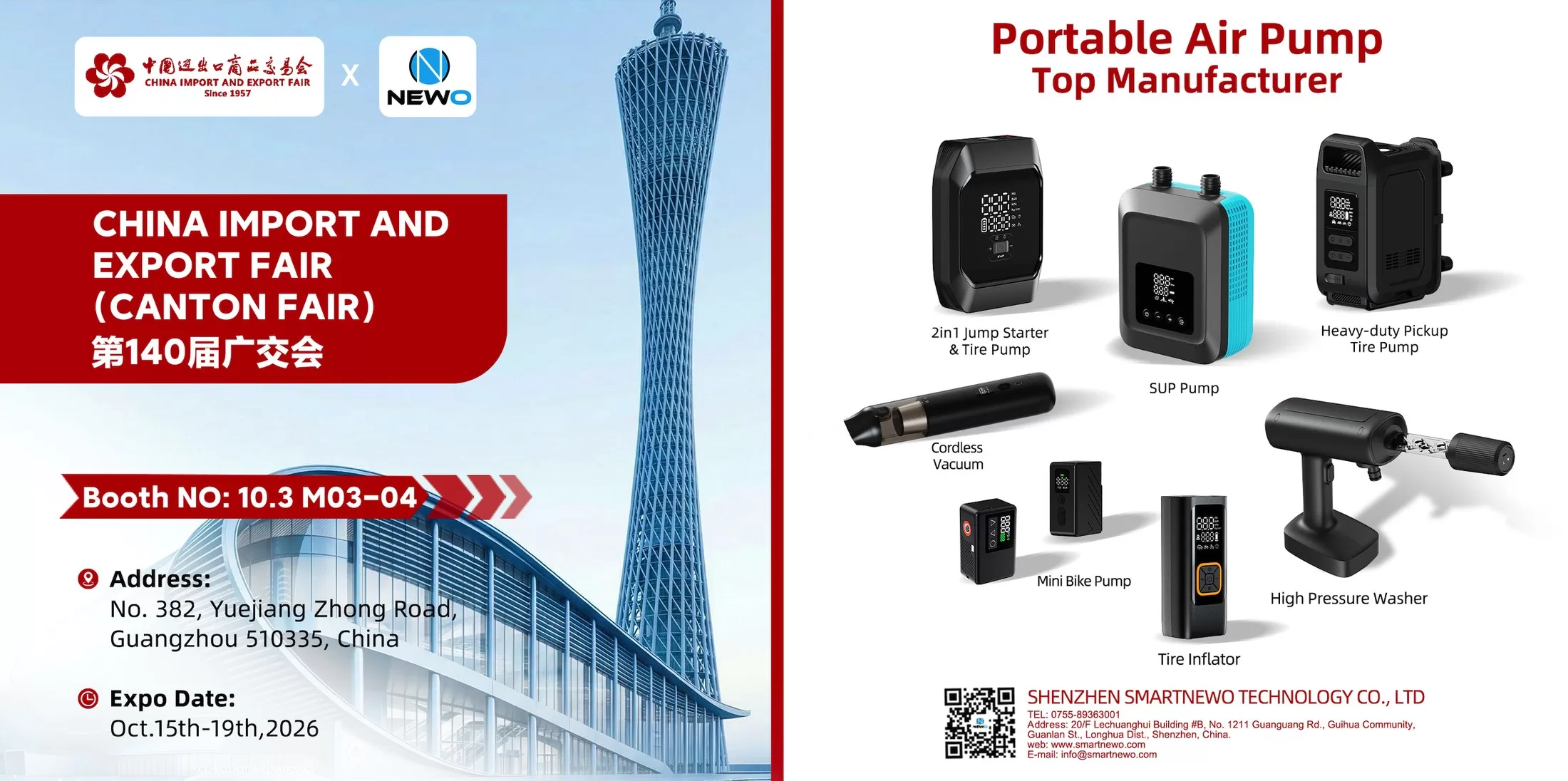
Meet NEWO at the 140th Canton Fair: Visit Booth 10.3 M03–04
Meet NEWO at the 140th Canton Fair in Guangzhou, October 15–19, 2026. Visit Booth 10.3 M03–04 to explore portable air pumps and discuss OEM, ODM and distribution opportunities.... -

As Shenzhen Welcomes the World for APEC 2026, NEWO Welcomes You to Our Factory
As Shenzhen prepares for APEC 2026, NEWO welcomes international buyers and partners to visit our factory, meet our team and explore future cooperation.... -
Leading the Way in Product Innovation and Excellence
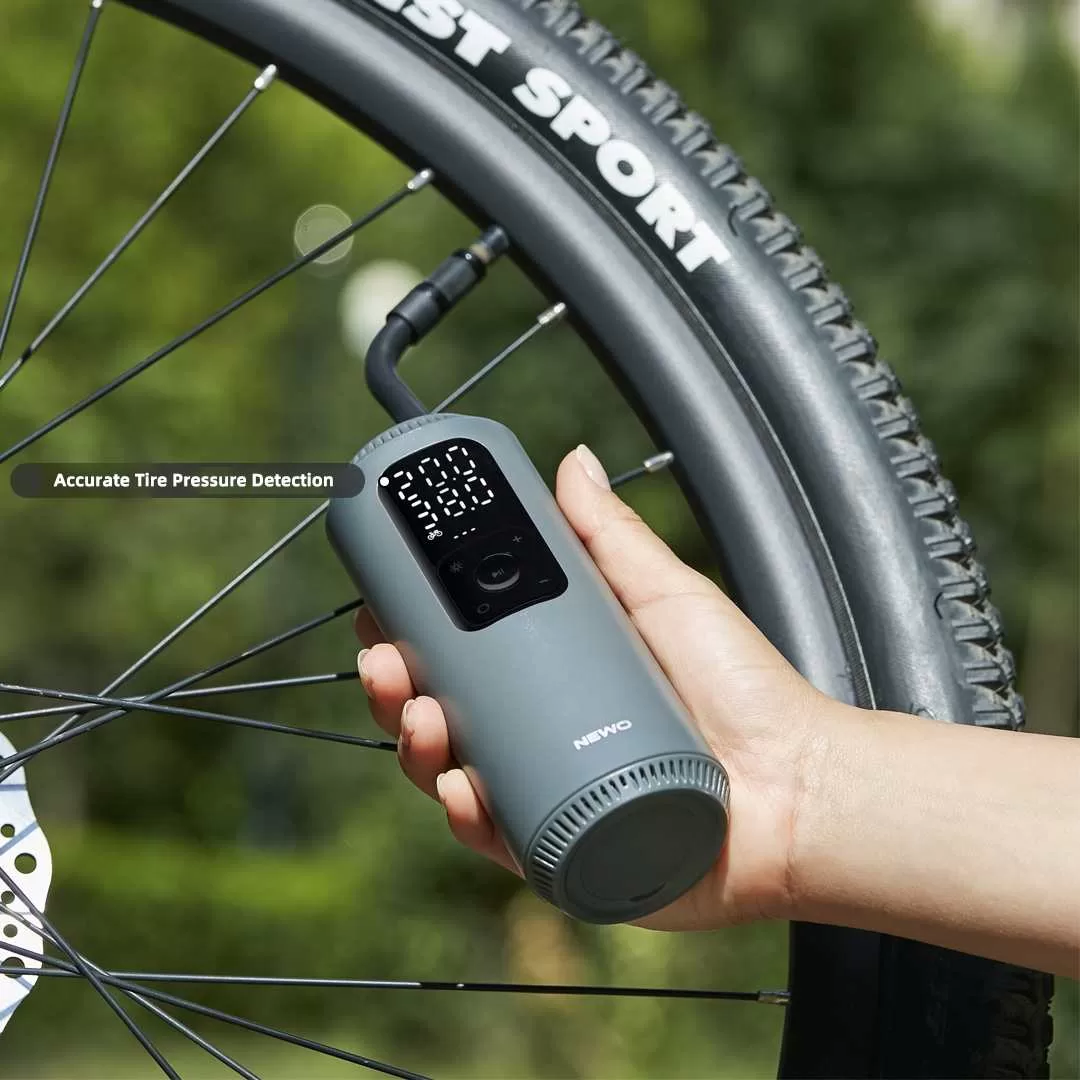
Smartnewo exemplifies professionalism in product innovation and manufacturing. Their collaboration with Xiaomi Youpin on the G01 crowdfunding project highlights their expertise in creating compact, powerful inflatable pumps. Rigorous engineering, meticulous production processes, and advanced quality assurance underscore their commitment to excellence. The success of the G01 project, with significant market... -
Essential Qualities of an Excellent Supplier
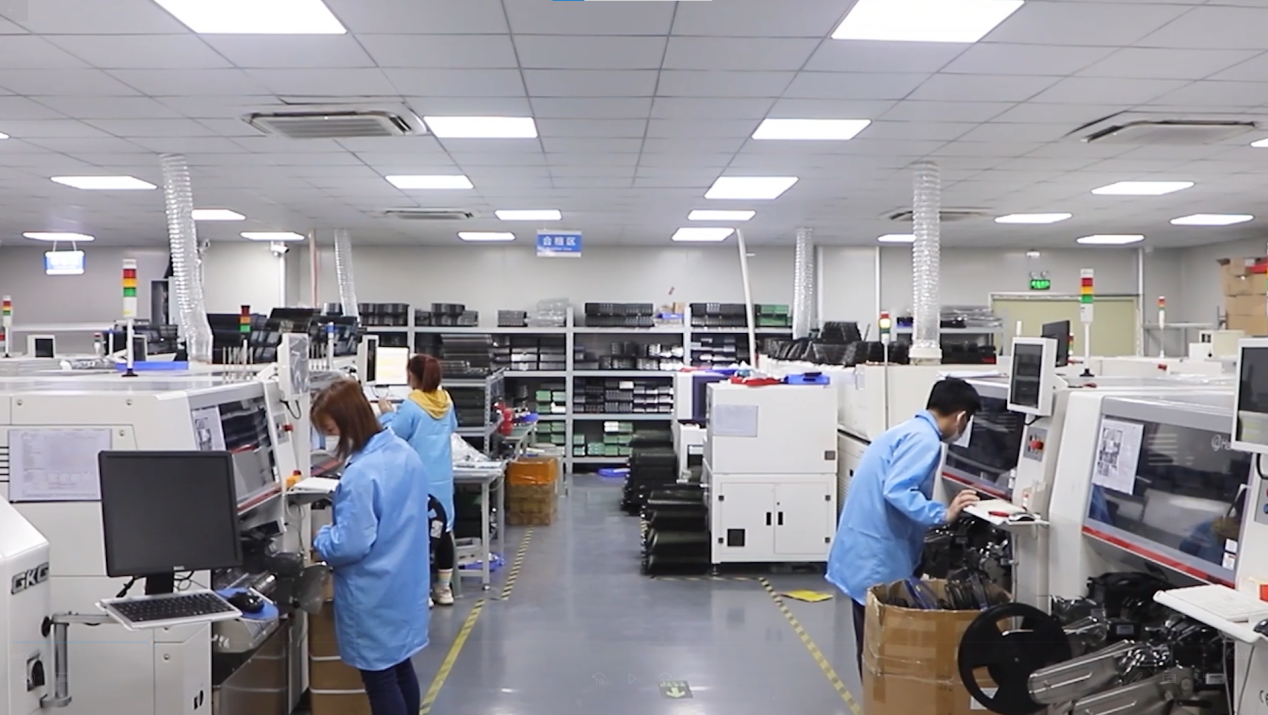
In today's competitive market, finding a reliable supplier is crucial for business success. Based on insights from Smartnewo and broader internet research, here are key qualities an excellent supplier must possess:... -
NW06 Tire Inflator: Compact Power for Quick Inflation
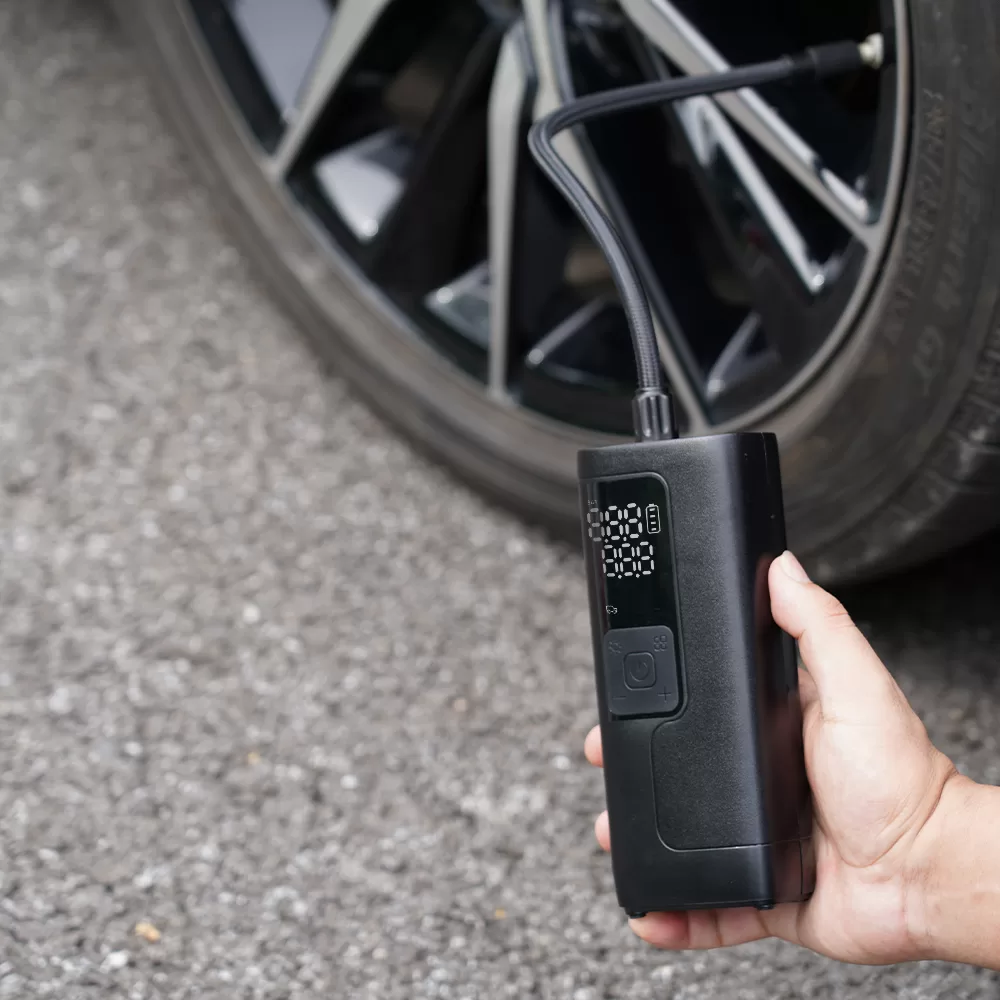
Summary The NW06 Tire Inflator delivers quick and efficient tire inflation with a powerful 35L/min airflow. It features a user-friendly LCD screen for real-time pressure monitoring, dual power options with a built-in 6000mAh battery, and multiple nozzle attachments for versatile use. Its compact design and integrated LED light ensure convenience and... -
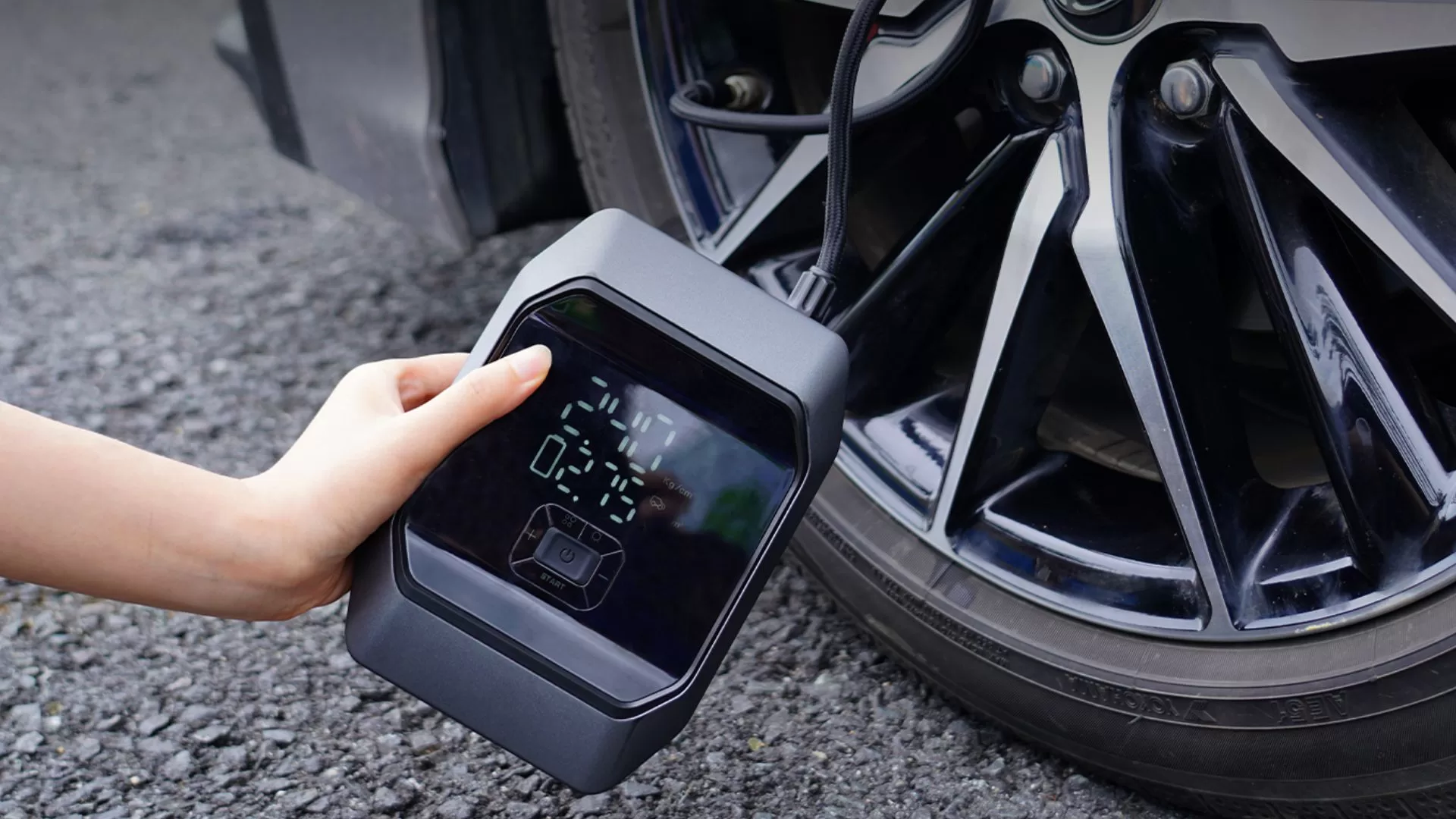
Unleash the Power of Portability: The SmartNewo Jump Starter with Air Compressor KF03
This guide will walk you through the steps to effectively use a portable tire inflator, helping you stay prepared and safe on the road.... -

Newo Attends The 2024 Consumer Electronics Show (CES)
Smartnewo booth is located at 53672, Halls A-D, Level 2, Venetian Expo, Las Vegas Convention Center (LVCC). ... -
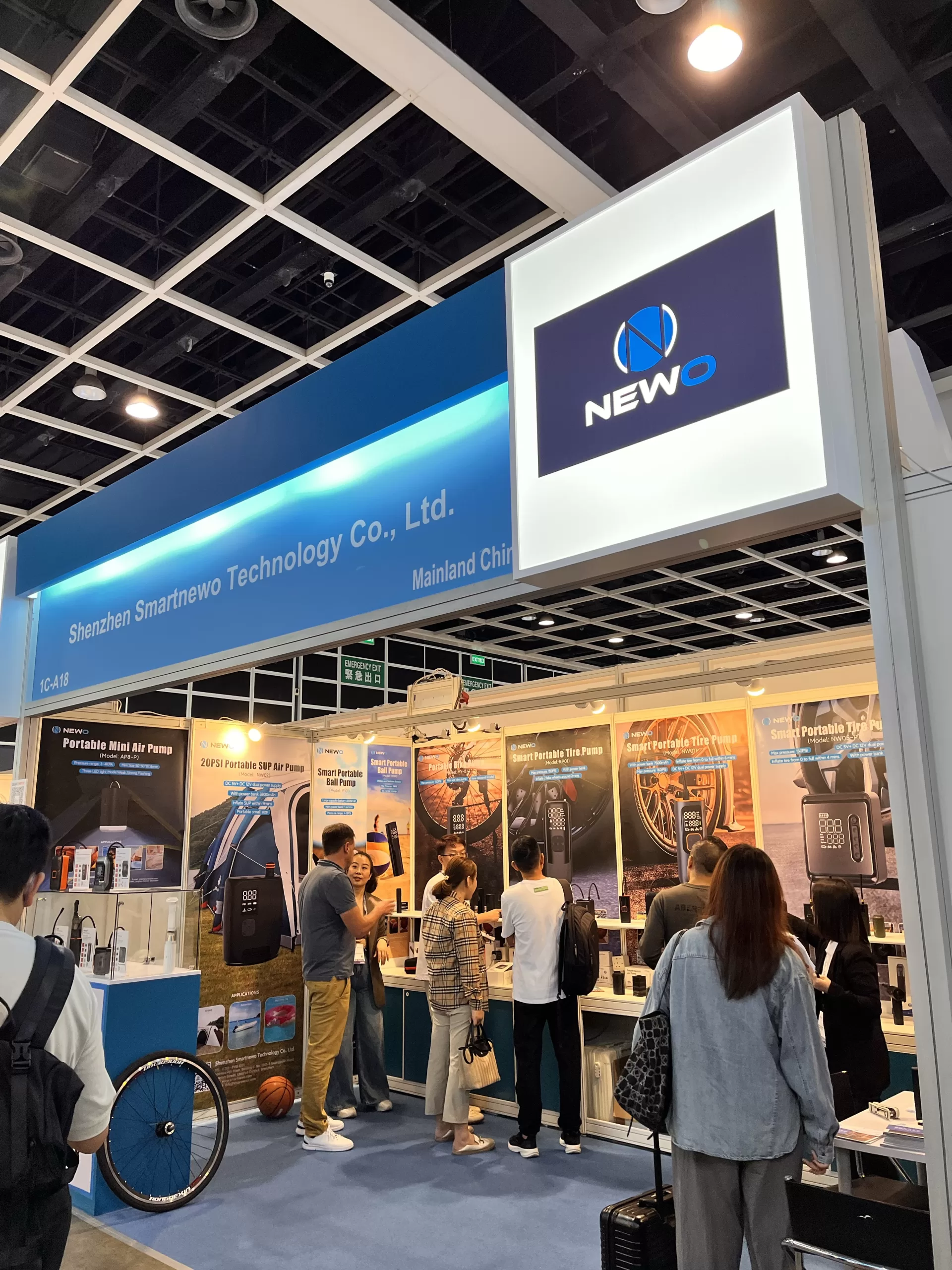
Smartnewo’s Dual-Cylinder Air Pump Rocks the Hong Kong Autumn Electronics Fair!
Smartnewo’s Dual-Cylinder Air Pump Rocks the Hong Kong Autumn Electronics Fair!... -

Meet at the Canton Fair! Smartnewo brings dual-cylinder air pumps, making your inflation experience faster and more stable!
NEWO has went deep communication and negotiation with customers from all over the world on booth.... -
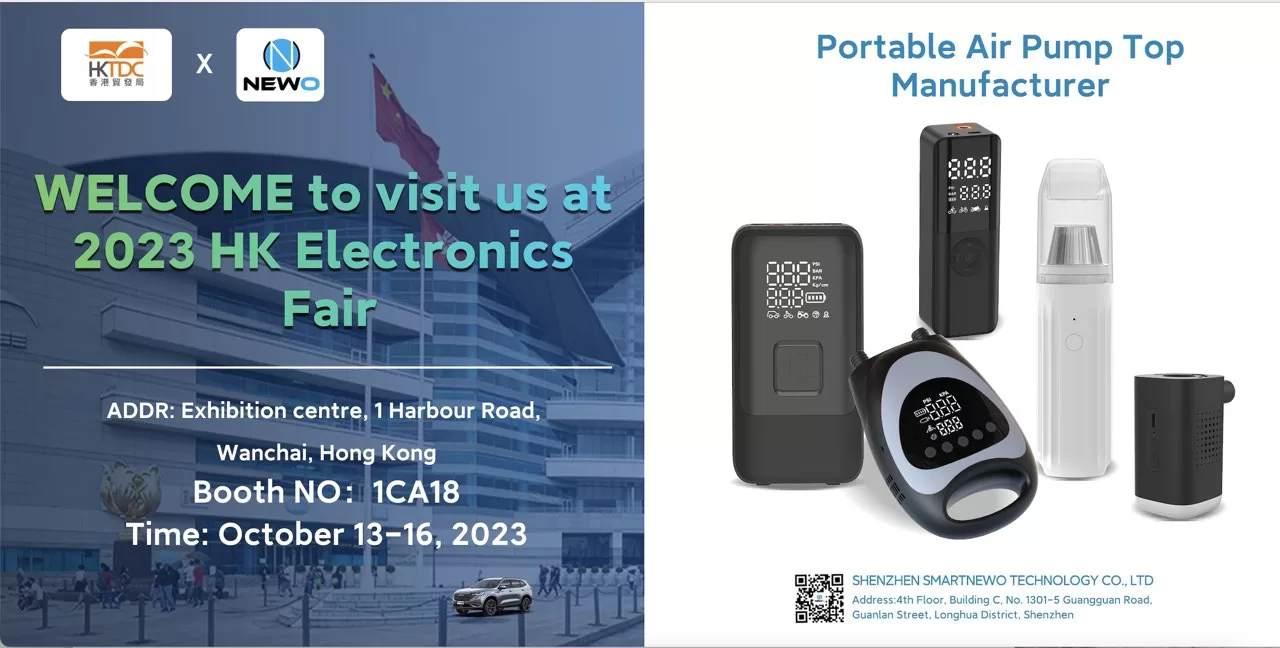
“Hong Kong Autumn Electronics Fair – 1CA18 (October 13th to 16th): Smartnewo invites you to visit our booth!
Hong Kong Autumn Electronics Fair...
-
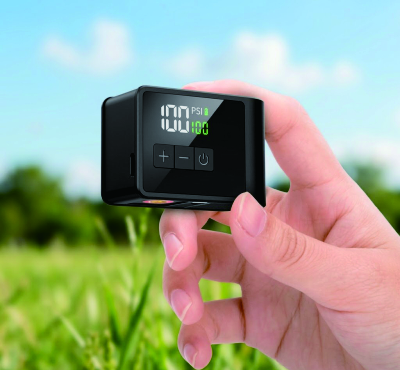
What to Check Before Ordering Custom Electric Bike Pumps
Plan custom electric bike pumps with a clear requirements freeze for valves, TPU tubes, portability, repeated top-ups, charging, and model-specific documents.... -

OEM vs ODM Air Pumps: Which Manufacturing Model Fits Your Brand?
Compare OEM and ODM air pump projects by design responsibility, change approval, development scope, and written ownership terms before choosing your route.... -

How to Choose a Reliable Tire Inflator Manufacturer in China
Choose a tire inflator manufacturer in China with a focused RFQ, supplier evidence, configuration checks, and clear sample-to-pilot decisions for your brand.... -
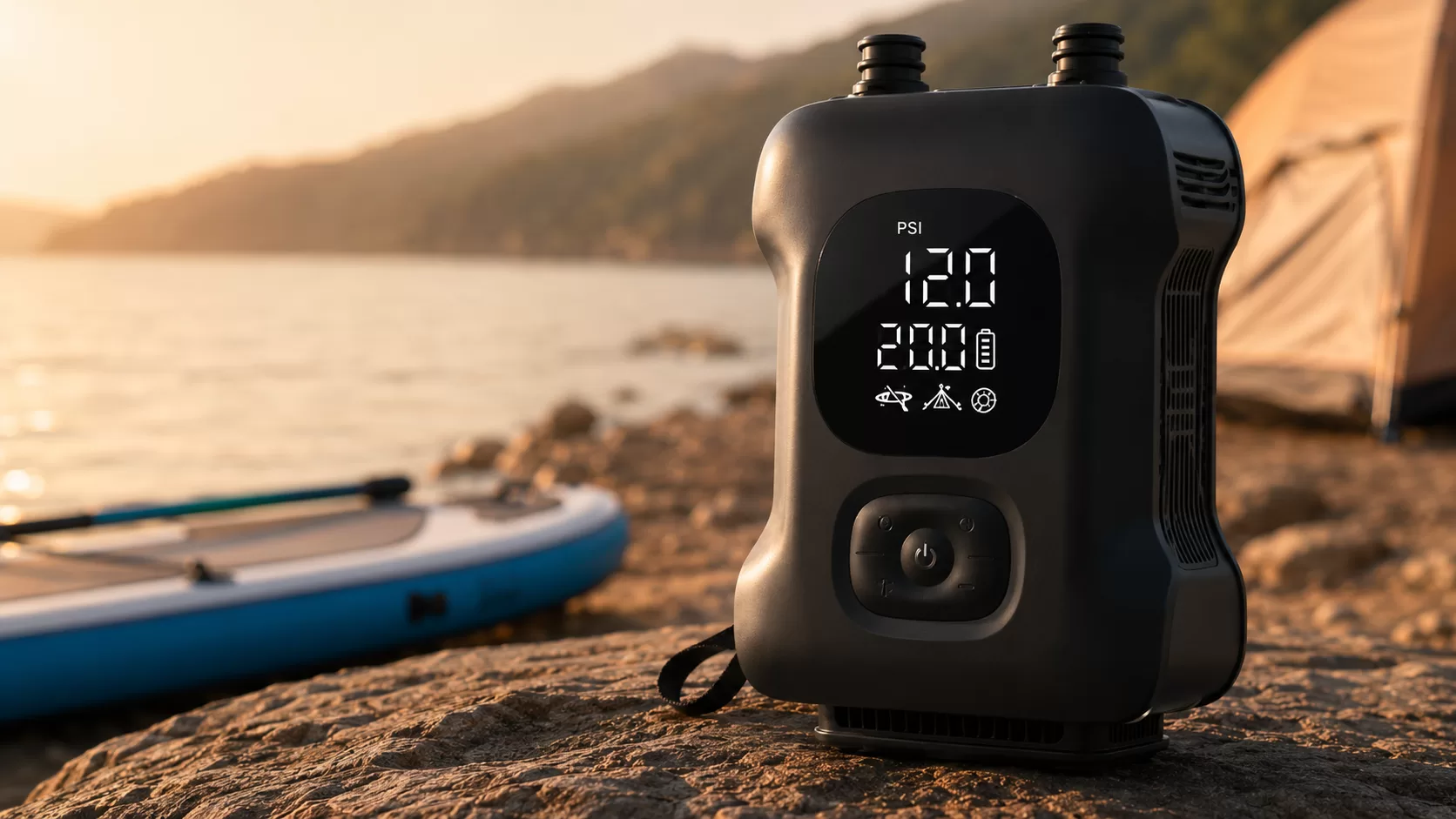
Rechargeable Electric SUP Pump for Paddle Boards: Faster Inflation for SUPs, Kayaks and Inflatable Tents
The BL10-C Portable Electric Bike Tire Inflator is a compact and lightweight mini electric bike pump designed for modern cyclists. With up to 120 PSI pressure, a digital LED display, preset pressure control, automatic shut-off, USB-C charging, and multiple valve adapters, BL10-C offers a convenient inflation solution for road bikes,... -
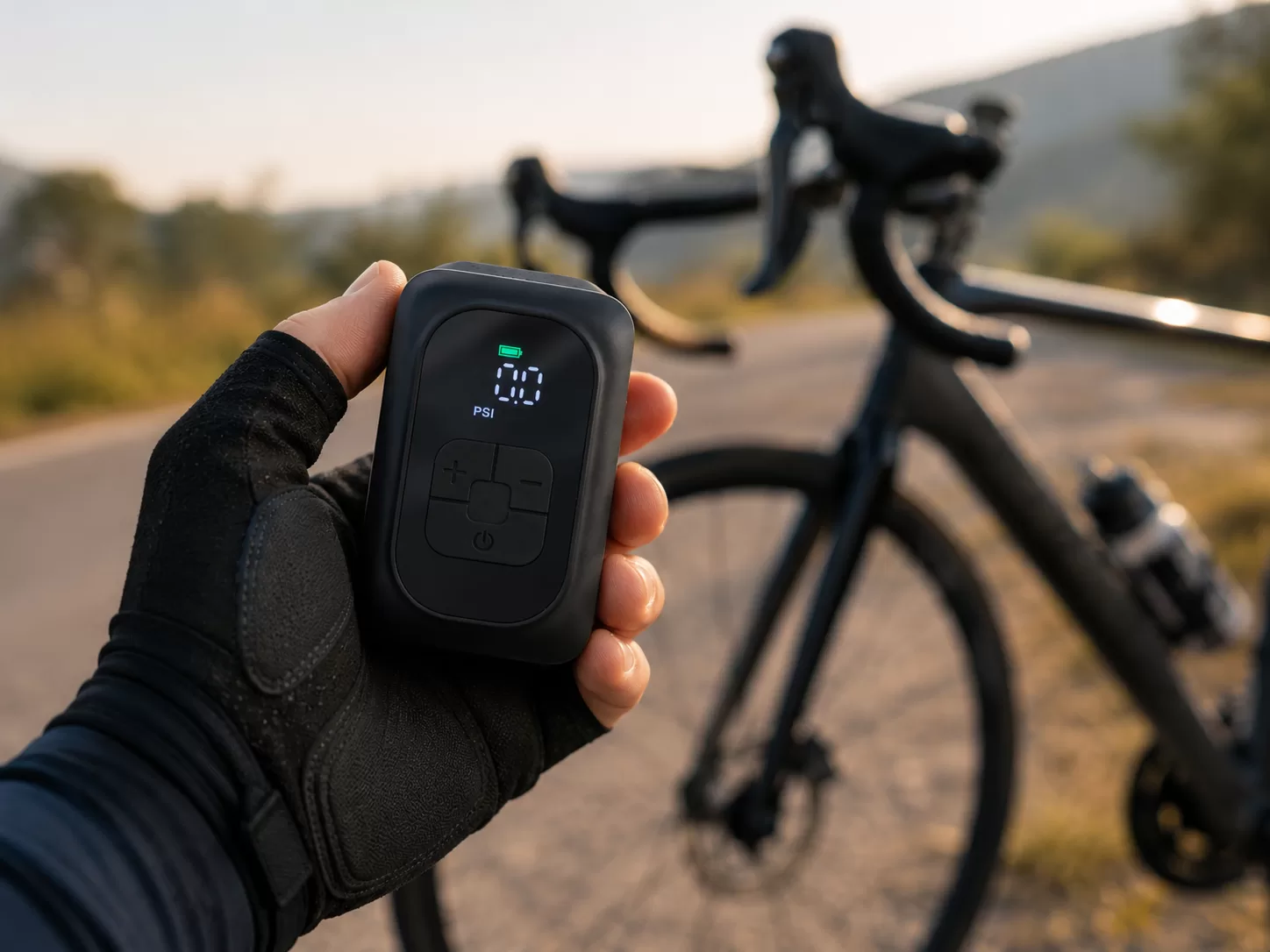
Are Electric Bike Pumps Worth It in 2026? Electric Pump vs CO₂ vs Mini Hand Pump
Discover whether electric bike pumps are worth it in 2026. This guide compares electric bike pumps, CO₂ inflators, and mini hand pumps for road cycling, gravel riding, commuting, and long-distance rides. Learn the pros, limitations, best use cases, and key features to look for before choosing the right portable tire... -
BL10-C Portable Electric Bike Tire Inflator: Small Size, Reliable Power for Every Ride
The BL10-C Portable Electric Bike Tire Inflator is a compact and lightweight mini electric bike pump designed for modern cyclists. With up to 120 PSI pressure, a digital LED display, preset pressure control, automatic shut-off, USB-C charging, and multiple valve adapters, BL10-C offers a convenient inflation solution for road bikes,... -
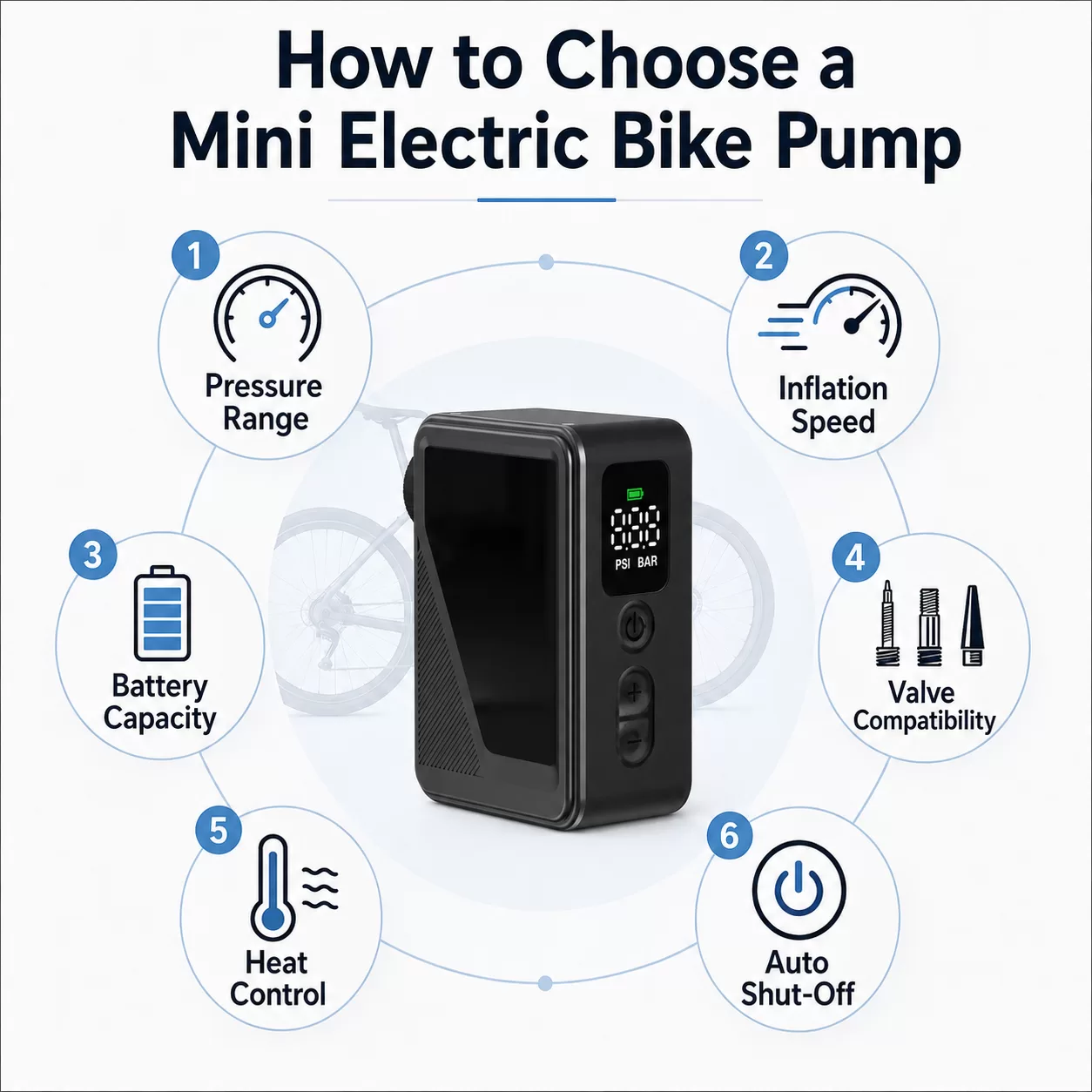
Why Mini Electric Bike Pumps Are Becoming Essential for Modern Cycling
Discover why mini electric bike pumps are becoming essential for modern cyclists. Learn how portable electric bike pumps improve tire pressure management, riding safety, and convenience.... -
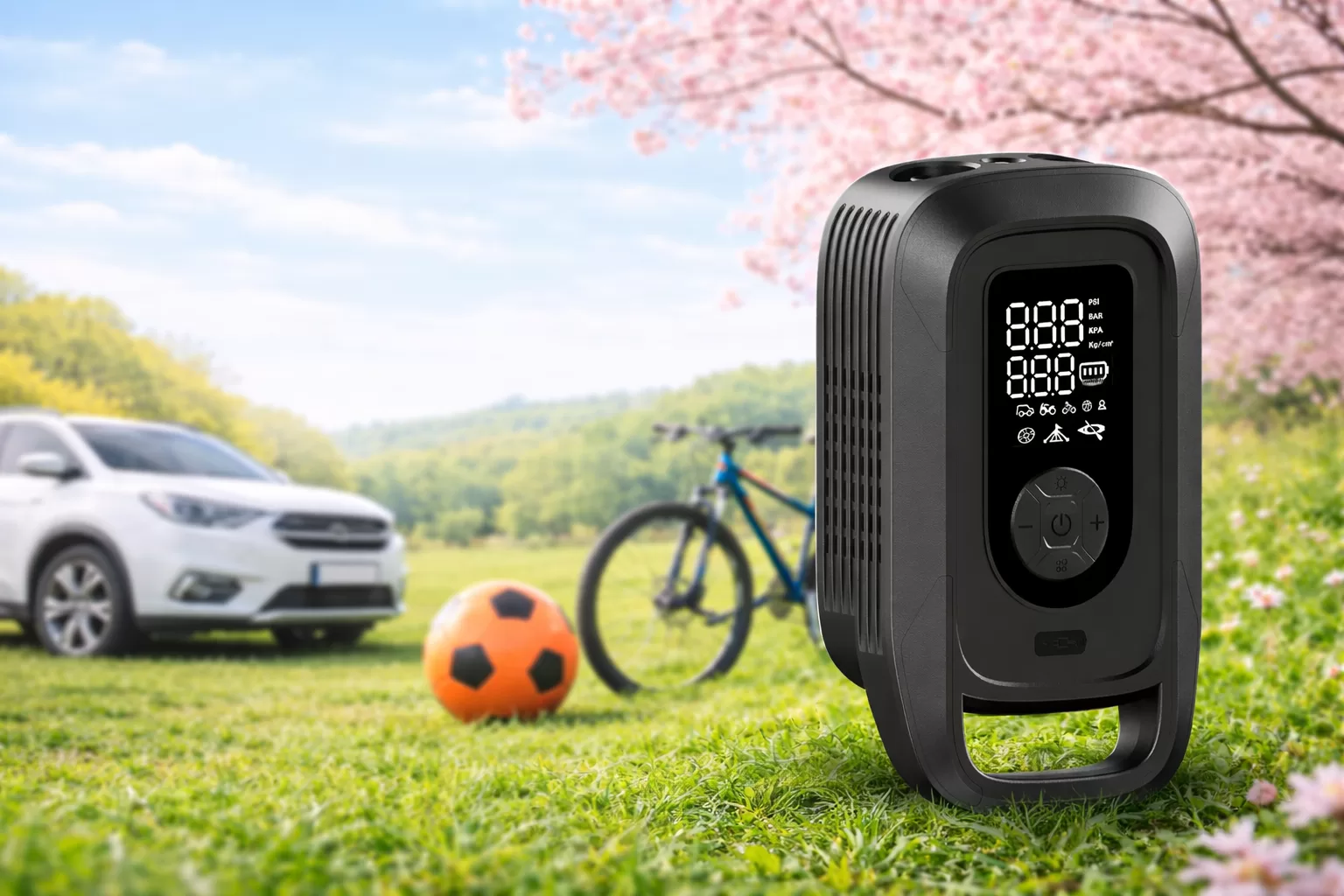
The Ultimate Smart Solution for Easy Outdoor Adventures in 2026
Discover how a spring travel air pump simplifies outdoor trips with fast inflation, smart features, and powerful performance—perfect for every adventure.... -
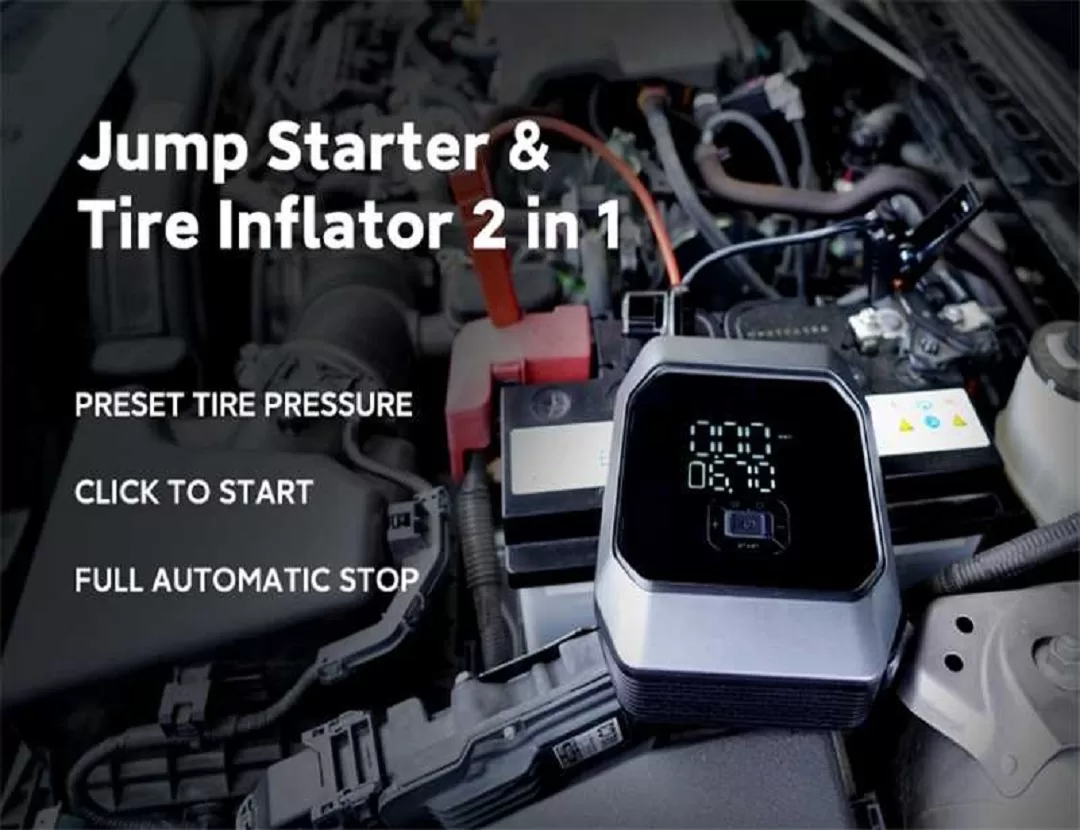
Powerful 5-in-1 Portable Car Tire Inflator and Jump Starter: The Ultimate Emergency Tool for Every Driver
Why Every Driver Needs a Portable Car Tire Inflator and Jump Starter Modern drivers face many unexpected situations on the road. A flat tire, low tire pressure, or a dead car battery can happen at the worst possible time. That’s why having a portable car tire inflator and jump starter is... -

7 Real Cycling Scenarios That Show Why Every Rider Should Carry a Mini Bike Pump
Cycling is one of the most freeing activities you can enjoy. Whether you’re commuting to work, riding through city streets, or exploring quiet countryside roads, a bike ride can instantly improve your day. But there’s one small problem that almost every cyclist eventually faces: Low tire pressure. It might happen...
-
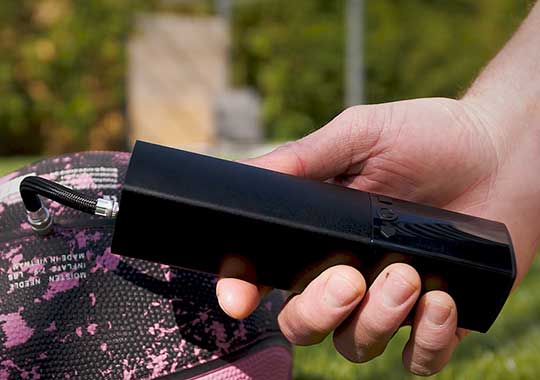
How Is a Football Properly Inflated?
The correct inflation of a football - with not too much and not too little air - is a hotly debated topic among footballers.... -

Application Scenarios of Car Inflator Pump
Often long-distance business trips or play car owners because the road may be more remote areas, in this case if you encounter a tire leak....