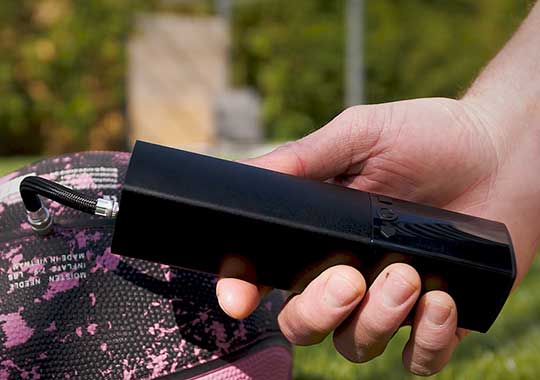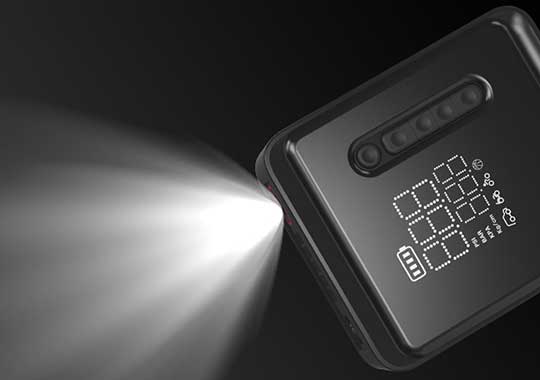

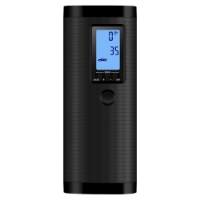
 Portable Tire Inflators
 Electric Air Pumps
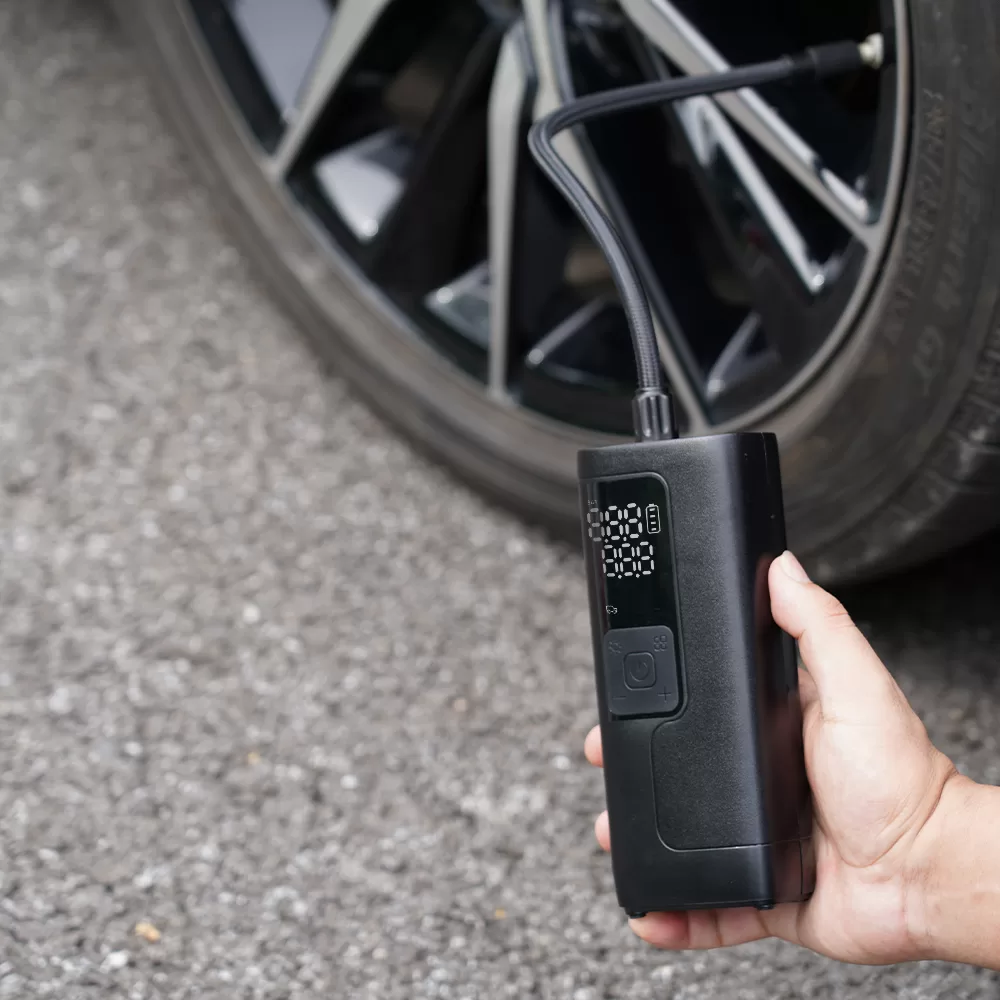
 Electric Car Tyre Pumps
 Electric Ball Pumps
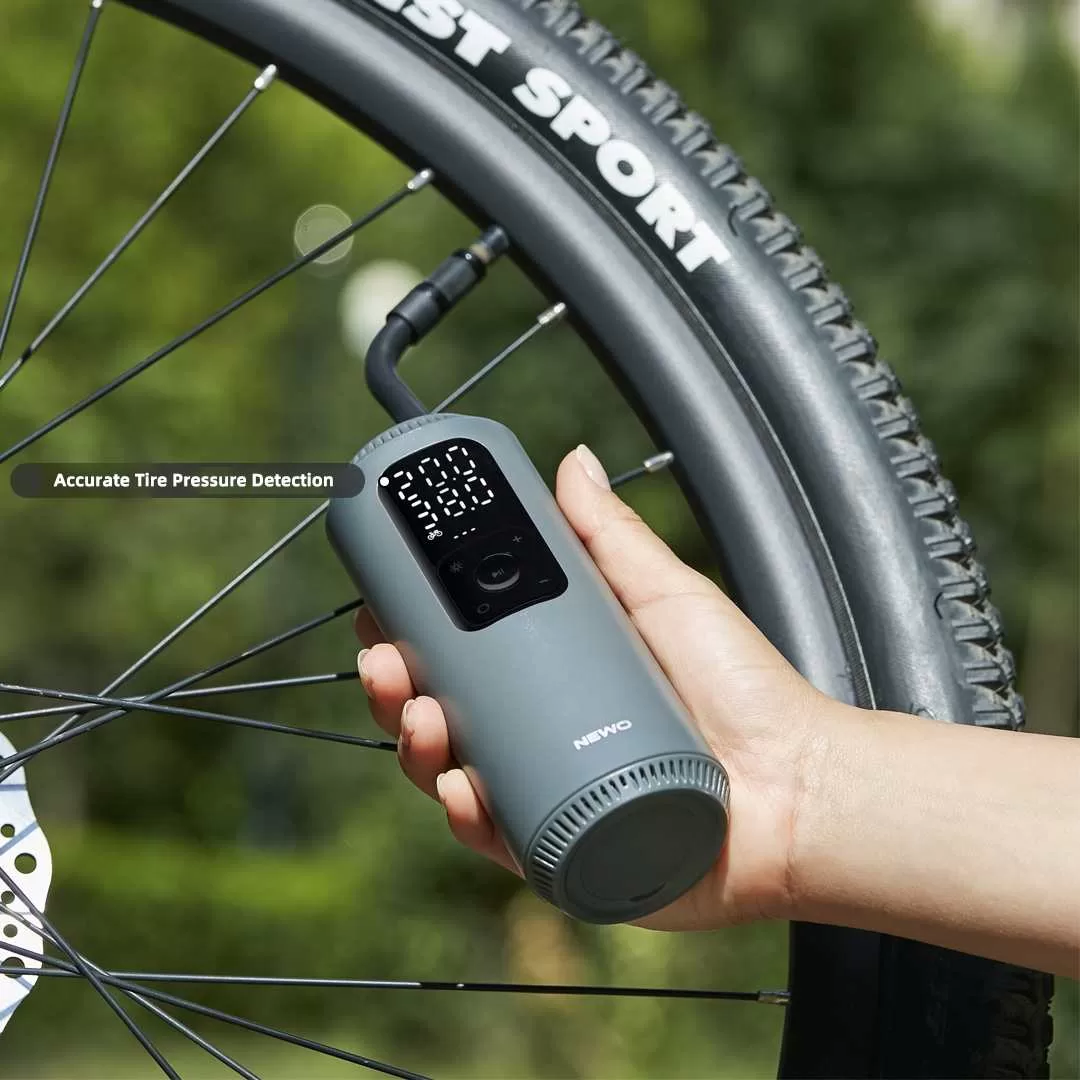
 Electric Bike Pump
 SUP Air Pump

Electric Portable Tire Inflator: How to Choose and Use the Right One
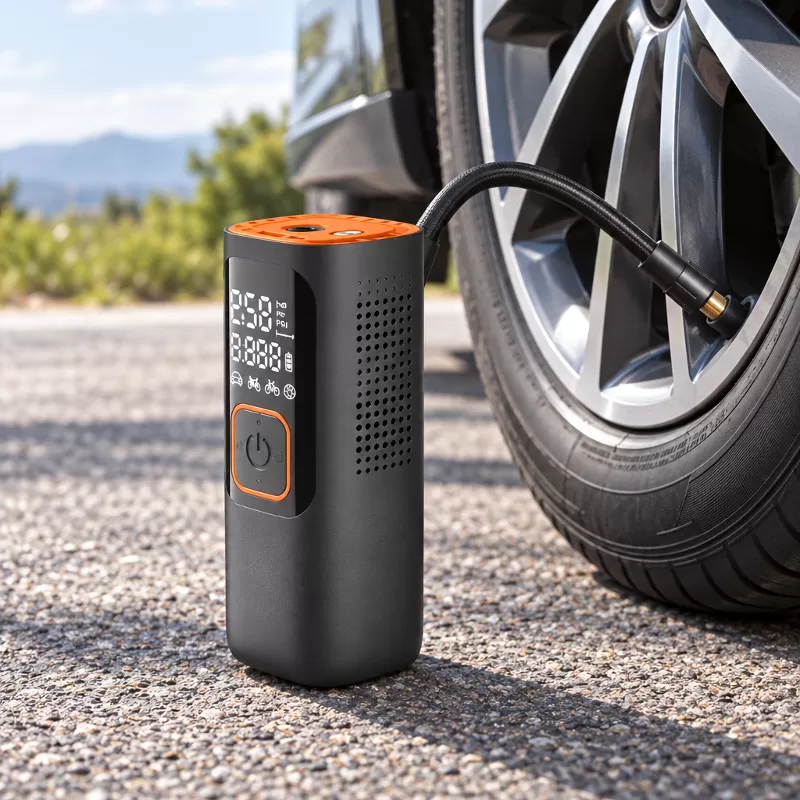
Maintaining correct tire pressure is one of the most critical yet frequently postponed tasks in regular vehicle care. An electric portable tire inflator solves this recurring hassle by replacing erratic garage air chucks and cumbersome foot pumps with precision motor power. When tire pressures drop, tread wear accelerates, braking distances extend, and fuel efficiency steadily deteriorates. Having a dedicated rechargeable electric tire inflator for cars in your vehicle ensures that cold morning warnings or remote highway pressure drops never leave you stranded.
Selecting the right inflation hardware requires understanding core mechanical principles, airflow metrics, power systems, and thermal duty limits. Pneumatic tools must balance internal motor wattage against battery life and heat dissipation. This detailed guide examines how modern portable air pumps operate, breaks down critical technical specifications, reviews safe field inflation procedures, and explores practical performance benchmarks.
Understanding Electric Portable Tire Inflators: Mechanism, Purpose, and Limits
How Compact Electric Inflators Compress and Deliver Air
A modern portable inflator relies on an electric motor coupled to a miniature reciprocating piston assembly housed inside a rigid cylinder barrel. As the motor turns, the piston draws ambient air past an intake check valve and compresses it into a high-pressure discharge port. An internal pressure sensor monitors tire pressure and displays the reading electronically on the screen.
Unlike traditional shop compressors that rely on large cast-iron reservoirs, a handheld unit compresses atmospheric air dynamically on demand. A compact electric inflator compresses air and delivers it through a hose or connector to the tire. Volumetric displacement depends on piston diameter, stroke velocity, and motor torque rather than a pressurized reservoir tank.
Routine Maintenance vs. Emergency Roadside Scenarios
Tire maintenance generally divides into two distinct operational categories: preventive maintenance and urgent roadside recovery. Tires naturally lose some pressure over time, so check them at least monthly and investigate any unusually rapid loss. Correcting minor pressure deficits promptly takes only a short time per wheel and prevents unnecessary shoulder wear across the tire tread.
Roadside emergencies present entirely different operational demands. Driving over road debris or experiencing a sharp temperature drop overnight can trigger immediate tire pressure monitoring system warnings. Under these circumstances, a portable compressor lets you add sufficient air to drive safely to a repair facility without having to mount a spare tire on an unlit highway shoulder.
Mechanical Boundaries: What Portable Pumps Cannot Solve
While a portable electric inflator provides reliable compressed air, it cannot solve structural tire failures. A compressor cannot repair a punctured tread face, mend a cracked valve stem, or seal a damaged tire bead. If air escapes from a puncture faster than the cylinder delivers volume, running a pump continuously only risks thermal overload.
The NW06 is intended for inflating intact tire assemblies; users should not rely on it to seat a completely unseated tubeless bead unless the manufacturer specifically confirms that capability. If a tire has completely unseated from the wheel flange, it requires a high-volume workshop tank or mechanical bead expander. Recognizing these mechanical boundaries prevents tool abuse and avoids dangerous roadside troubleshooting.
Key Technical Specifications: How to Evaluate Inflation Hardware
Maximum Pressure Rating vs. Vehicle Placard Targets
Marketing materials frequently highlight ratings such as 150 PSI, which can create confusion for everyday passenger car drivers. The manufacturer lists 150 PSI as the maximum pressure rating. It is not the recommended pressure for a vehicle tire.
Many passenger vehicles use pressures in the 30–40 PSI range, but the correct value depends on the vehicle placard. Commercial and specialty vehicles may require substantially different pressures. Drivers must always follow the target inflation values listed on the vehicle B-pillar door jamb label or owner’s manual rather than any maximum rating stamped on the tire sidewall.
Airflow Delivery and True Inflation Speed
Air delivery velocity determines how long an operator must stand by a cold wheel during maintenance. Airflow is measured in liters per minute, indicating the uncompressed atmospheric volume drawn and transferred under specific load thresholds. The manufacturer lists approximately 24 L/min airflow. Because airflow figures depend on test conditions, they should not be treated as a guaranteed tire-inflation speed.
Inflation duration depends on total air chamber volume rather than tire diameter alone. A wide 205-width passenger tire requires significantly more compressed air volume to rise by 5 PSI than a narrow bicycle tire requires to rise by 40 PSI. Pumps engineered with balanced cylinder geometries deliver steady airflow without drawing excessive battery current.
Battery Metrics, Working Power, and Thermal Duty Cycles
Cordless inflators rely on multi-cell lithium-ion battery packs to drive their DC motors. A common configuration is a 7.4V pack rated around 2600mAh, delivering roughly 19.24 watt-hours of energy reserve. The manufacturer lists approximately 20 minutes of runtime; actual runtime depends on load, temperature, and operating conditions.
+-----------------------+-----------------------------+-------------------------------------+
| Technical Parameter   | Battery Power (7.4V Pack)   | 12V DC Vehicle Auxiliary Power       |
+-----------------------+-----------------------------+-------------------------------------+
| Primary Advantage     | Cordless convenience        | Alternative power source            |
| Application Focus     | Bicycles, sports, top-ups   | Roadside inflation support          |
| Thermal Limitation    | Cell heat & motor heat      | Motor & cylinder duty cycle limits  |
| Deployment Prep       | Requires periodic recharge  | Requires 12V cigarette lighter plug |
+-----------------------+-----------------------------+-------------------------------------+
Compression and motor operation can heat a compact inflator. Follow the manufacturer’s operating and cooling instructions, and stop if the unit becomes excessively hot. If the unit becomes excessively hot or the product instructions specify a duty cycle, stop operation and allow it to cool before continuing.
Dual Power Infrastructure: Cordless Freedom vs. 12V Vehicle Auxiliary Power
Cordless operation offers practical freedom when topping off bicycle tires, inflating handcarts, or adjusting pressures in a home driveway. You simply attach the hose, press start, and move around without wrestling power cords. However, battery performance can vary in cold conditions, so users should follow the manufacturer’s temperature and storage guidance.
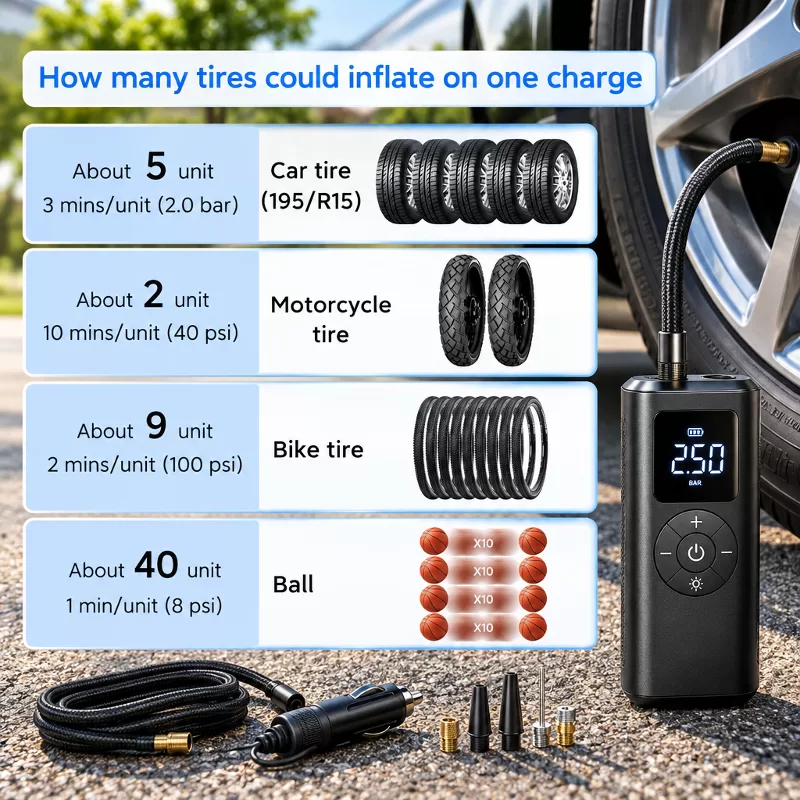
The 12V–14V vehicle connection provides an alternative power source when the internal battery is low, provided the vehicle socket and cable are functioning. If the internal battery charge is low or dormant from months in the glove box, the vehicle electrical system can supply power. This dual setup offers practical backup when cordless power is depleted.
Digital Sensing, LED Displays, and Automatic Shut-Off
Mechanical dial gauges with fluctuating needles are difficult to read in dim light or roadside dust. Modern portable inflators feature an illuminated LED screen that displays electronic pressure readings clearly during operation. This digital readout helps operators track pressure changes without relying on external mechanical gauges.
Automatic shut-off functionality eliminates the constant worry of over-pressurizing a tire. The user programs the desired pressure, activates the motor, and lets the internal controller track real-time chamber pressure. Once the selected target is reached, the automatic shut-off stops the motor, reducing the risk of continued inflation. Users should still verify the final pressure and inspect the tire.
Portability, Acoustic Signatures, and Form Factor
Early portable compressors were heavy, cumbersome units that rattled across the pavement during operation. Modern manufacturing packages functional pneumatic components into a compact form factor measuring around 162.5 × 68 × 46 mm and weighing 470 grams. This profile fits easily into vehicle door pockets, center consoles, or roadside emergency kits.
Acoustic output is another consideration in handheld reciprocating tools. The manufacturer lists noise at 85 dB or below at one meter; users should expect noticeable mechanical sound during operation. Being prepared for audible operation helps users plan tire checks in residential or garage settings appropriately.
Featured Inflation Hardware: Newo NW06 Core Profile
19-Cylinder Architecture and 60W Powertrain
The NW06 inflator illustrates how careful pneumatic engineering can maximize performance in a compact handheld footprint. Developed by Newo, a specialist manufacturer focused on smart pneumatic technology and portable inflation solutions, the unit features a 19-cylinder pumping structure driven by a 60W electric motor. The manufacturer lists approximately 24 L/min airflow, a 2–150 PSI pressure range, and a 150 PSI maximum pressure for the NW06.
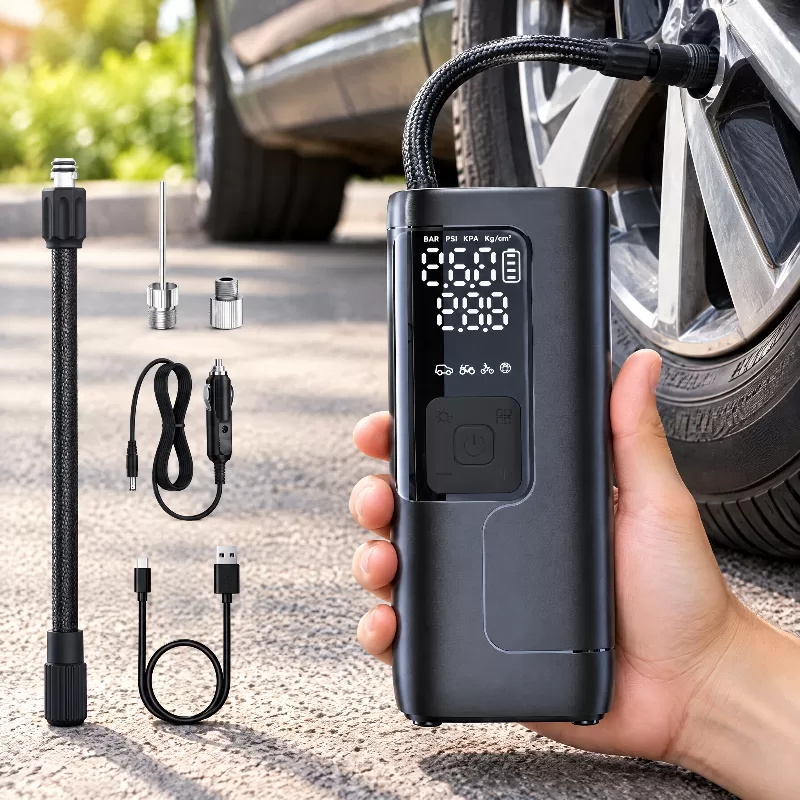
The 60W working-power rating and 19-cylinder structure are the manufacturer’s stated hardware specifications; actual performance depends on tire size, pressure, temperature, and operating conditions. Users should follow the vehicle and product manuals for socket and operating limits. It provides practical pumping capability for passenger vehicles, motorcycles, and daily inflatables.
Five Operational Modes and Custom Pressure Dialing
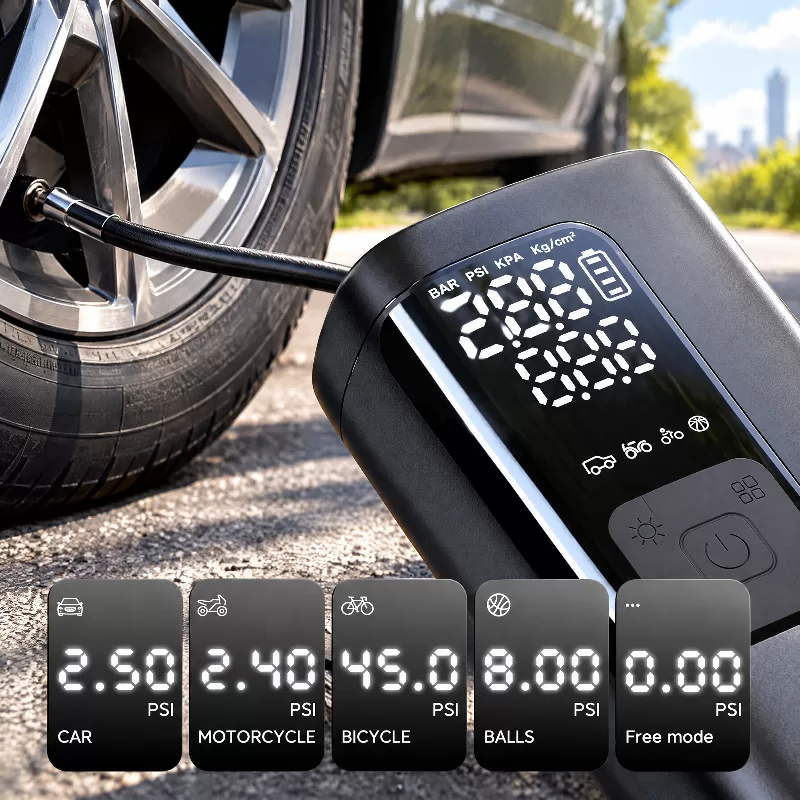
To simplify daily operation, the NW06 provides five modes: car, motorcycle, bicycle, ball, and free/custom. The five modes are labeled for cars, motorcycles, bicycles, balls, and free/custom use. Users should verify the displayed target against the equipment manufacturer’s recommended pressure:
- Car Mode: Labeled for passenger vehicles, allowing rapid pressure adjustments for standard automotive needs.
- Motorcycle Mode: Configured for two-wheeled vehicle tires that require balanced inflation across both wheels.
- Bicycle Mode: Intended to accommodate varying bicycle tire requirements from urban commuters to road setups.
- Ball Mode: The ball preset provides a lower-pressure starting point; users should still follow the ball manufacturer’s pressure guidance.
- Custom Free Mode: Permits manual target selection anywhere across the complete 2 to 150 PSI spectrum for specialized gear.
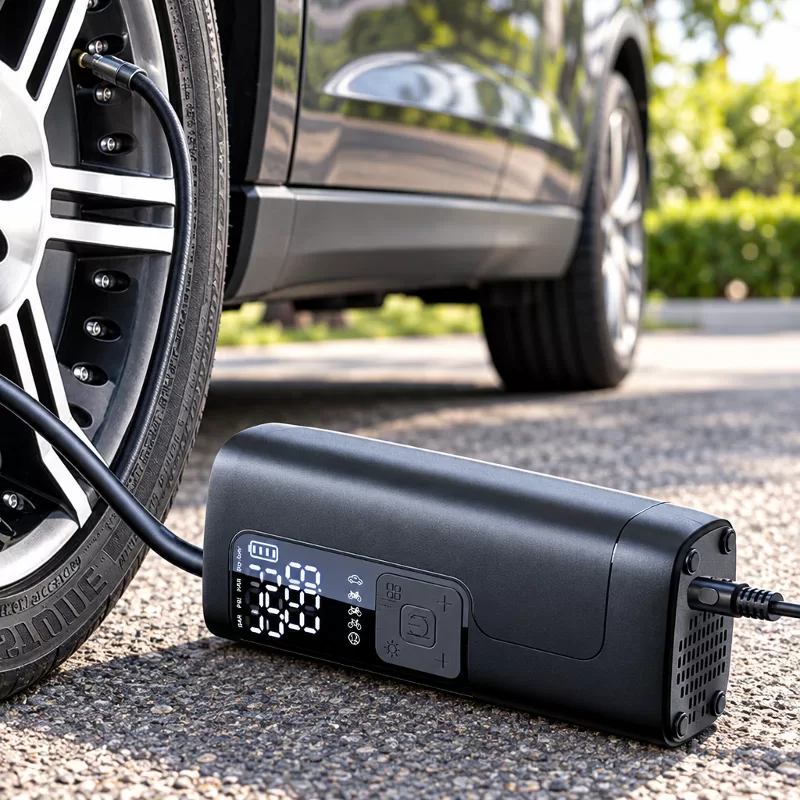
The LED screen displays the selected mode and pressure setting. Users can adjust target numbers using front-mounted control buttons to match their specific door-jamb placard figures. This flexibility allows quick adaptation across different types of household inflatables.
Electrical Interface: Type-C Charging and Power-Bank Capability
The electrical system in the NW06 utilizes a 7.4V, 2600mAh lithium-ion battery pack delivering 19.24 watt-hours of total energy. The manufacturer lists a 2–3 hour charging time when using a suitable 5V/2A power source connected to the Type-C input port. The manufacturer lists a battery cycle life of 300 cycles while retaining 80% or more of the original capacity.
Beyond pneumatic duties, the system incorporates a 5V/2A USB output port that can supply auxiliary power. Its 5V/2A output may provide emergency power for compatible USB devices, subject to the remaining battery level. This utility offers an extra backup option during travel or outdoor activities.
Operating Temperature Boundaries and Storage Hygiene
Vehicles experience extreme temperature swings, from freezing winter nights to blisteringly hot summer afternoons. The manufacturer specifies an operating range of -10°C to 45°C; performance may vary outside normal test conditions. Maintaining awareness of these operational boundaries helps prevent unnecessary stress on internal electronic and mechanical parts.
Long-term reliability depends heavily on proper storage practices inside the car. Store the unit in a dry place away from prolonged direct sunlight, and follow any storage instructions supplied with the product. Check the battery level periodically and recharge the unit according to the manufacturer’s storage guidance to keep it ready for use.
Step-by-Step Guide: Safe and Accurate Tire Inflation Procedures
Step 1: Identifying the Vehicle Placard Target Pressure
Accurate tire inflation begins with identifying the correct target pressure designated by the vehicle manufacturer. Check the driver’s door edge, door jamb, pillar, or owner’s manual for the tire specification label. This placard lists the exact cold inflation pressures specified for both front and rear axles based on vehicle design and load capacities.
[Locate Driver Door Edge or Jamb Placard]
         │
         ▼
[Verify Tire is Cold (Parked > 3h)]
         │
         ▼
[Inspect Tire Face & Valve Stem]
         │
         ▼
[Securely Connect Inflator Air Hose]
         │
         ▼
[Select Preset or Dial Target PSI]
         │
         ▼
[Activate Pump and Wait for Auto-Stop]
         │
         ▼
[Check Stabilized Pressure & Replace Dust Cap]
Never rely on the numbers stamped directly on the tire sidewall rubber. That sidewall figure denotes the maximum cold inflation pressure the tire carcass can safely contain, not the recommended operating pressure for your vehicle. Inflating to that maximum number results in a harsh ride, reduced road contact, and accelerated center tread wear.
Step 2: Measuring Pre-Inflation Tire Temperature
Tire pressures must always be checked and adjusted when the rubber is completely cold. A tire is generally considered cold after the vehicle has been parked for at least three hours, or after it has been driven less than one mile following that period of sitting. Driving generates internal friction that heats the enclosed air, elevating pressure readings above true resting values.
If you must check or inflate tires after extended highway driving, keep in mind that internal air pressure will be elevated due to heat. Avoid releasing air from warm tires to match a cold placard specification. Wait for the tires to cool completely and adjust to the placard value, or follow the vehicle manufacturer’s specific hot-tire guidance.
Step 3: Inspecting Wheel and Tire Integrity
Before connecting the air chuck, perform a thorough visual inspection of the wheel assembly. Examine the tread surface for embedded nails, metal shards, or glass fragments that may cause continuing air loss. Check the inner and outer sidewalls for suspicious bulges, cuts, or impact ripples that indicate broken internal plies.
Inspect the valve stem for cracking, rubber dry-rot, or physical distortion. Ensure the valve core sits straight and the stem is firmly seated in the wheel rim. Do not continue inflating a tire with a bulge, major cut, exposed cords, or severe bead separation. Move to a safe location if possible and contact roadside assistance or follow the vehicle’s emergency-tire procedure.
Step 4: Connecting Hose and Threaded Connectors
Unthread the protective plastic dust cap from the tire valve stem and store it safely during maintenance. Align the connector with the Schrader valve and secure it according to the inflator’s instructions until the connection is airtight. You will hear a momentary hiss of escaping air before the seal engages fully.
Avoid cross-threading the connector or overtightening the fitting with tools, which can damage the valve threads. After securing the connector, power on the inflator and confirm that the display shows a plausible pressure reading before starting. If the display reads zero or an implausible value, stop and check the connector, valve, selected unit, and product instructions before inflating.
Step 5: Setting Target Pressure and Activating Inflation
Power on the inflator and select the appropriate mode for your vehicle or equipment. Use the adjustment buttons to dial in the target PSI matching your vehicle door placard. Place the inflator flat on the pavement beside the wheel to avoid unnecessary tension on the flexible braided hose during operation.
Press the power button to start the reciprocating motor. The compressor will emit a steady mechanical hum as air begins flowing into the tire carcass. The digital display will actively update, showing the rising pressure as the tire fills.
Step 6: Verifying Pressure Stabilization and Sealing Valve Stems
Once the internal sensor registers the programmed pressure, the automatic shut-off triggers and cuts motor power. After auto-stop, allow the reading to stabilize and compare it with the vehicle placard or equipment specification. Add air only if the stabilized reading is below the required target.
Unscrew the air chuck with a quick, deliberate motion to minimize air loss while disengaging the Schrader valve pin. Reinstall the plastic valve dust cap firmly onto the stem. This cap keeps out road grime, moisture, and salt that could otherwise contaminate the spring-loaded valve core and cause slow leaks.
Step 7: Post-Use Maintenance and Recharge Protocol
After completing maintenance, allow the hose and connector to cool if they become hot during operation before storing the unit. Repeated air compression warms internal mechanical components and attached lines during typical use. Letting the assembly return to ambient temperature protects the equipment and surrounding materials during storage.
Check the remaining battery level on the LED indicator once all tires are properly adjusted. If the battery shows low capacity, connect the inflator to a suitable Type-C power source so it remains prepared for future use. A portable tool is only reliable if it has sufficient battery reserve when unexpected road trouble strikes.
Critical Operational Pitfalls to Avoid During Tire Maintenance
Inflating to the Sidewall Maximum Pressure
One of the most widespread tire care mistakes is inflating tires up to the maximum cold pressure printed on the sidewall. That figure represents the absolute structural limit of the tire carcass under maximum load, not an everyday operational target. Over-inflating to this ceiling rounds the tread profile, causing the center of the tire to wear out prematurely.
+-----------------------+---------------------------------------------+-----------------------------+
| Operational State     | Vehicle Placard Pressure                    | Sidewall Maximum Pressure   |
+-----------------------+---------------------------------------------+-----------------------------+
| Target Range          | Specific to vehicle placard                 | Stamped on tire sidewall    |
| Contact Patch         | Designed for the vehicle's specified pressure| Narrowed, crowned center    |
| Ride Quality          | Compliant, absorbs bumps                    | Harsh, stiff, jarring       |
| Braking Performance   | Balanced traction                           | Potential traction loss     |
| Tire Wear Pattern     | Even tread wear across face                 | Rapid center tread wear     |
+-----------------------+---------------------------------------------+-----------------------------+
Incorrectly high pressure can reduce the effective contact area and may reduce grip or comfort, particularly on wet or uneven surfaces. It delivers a harsh, jarring ride over minor pavement seams and increases vulnerability to pothole impact damage. Always rely exclusively on the vehicle manufacturer’s door placard targets.
Relying on Visual Sidewall Deflection
Many drivers assume they can spot an under-inflated tire simply by looking at the bulge where the tread meets the pavement. While this visual test worked reasonably well on vintage bias-ply tires, modern radial tires behave differently. The flexible sidewalls on modern radials flex naturally even when operating at correct internal pressures.
A radial tire can lose significant air pressure without showing obvious visual flattening. By the time a radial tire visibly sags, it is severely under-inflated, running hot and risking internal ply damage. Reliable pressure maintenance requires checking with an accurate digital gauge rather than relying on visual guesswork.
Neglecting Spare Tires and Cross-Axle Pressure Variances
Drivers often diligently maintain their four active road tires while completely forgetting the spare resting under the trunk floorboard. Space-saver spares often require higher pressure than road tires; use the pressure printed on the spare-tire placard or listed in the owner’s manual. Discovering that your spare tire has lost air during a roadside emergency creates severe delays.
Maintain the vehicle-specific pressures on each axle and investigate noticeable pressure differences or handling changes. Significant pressure variances between wheels can alter steering balance and rolling resistance. Regularly verifying pressure consistency across both sides helps maintain stable tracking and uniform tire wear.
Running Continuous Cycles Without Cooling Intervals
Compact electric inflators pack functional mechanical performance into small hand-held housings. However, miniature pumps lack the large cooling fins, oil sumps, and forced air systems found on heavy commercial workshop compressors. Running a compact pump continuously beyond its thermal boundaries will overheat the piston components and place stress on the motor.
Pay attention to the duty cycle recommendations supplied by the manufacturer. If an inflator specifies a continuous runtime limit, such as 20 minutes, turn the motor off and allow the cylinder to cool down after extended pumping. Taking brief cooling breaks preserves internal seals and ensures dependable operation over time.
Application Scenarios Across Vehicles and Leisure Equipment
Passenger Vehicles and Daily Commuting
For daily commuting, an electric portable tire inflator serves as an essential glovebox diagnostic and maintenance tool. Morning temperature drops often trigger dashboard warning lights, leaving drivers to wonder if they have an active puncture or just cold air contraction. Connecting a digital inflator instantly clarifies the real pressure across all four tires.
Instead of hunting for an operational service station air pump on your morning commute, you can correct low tire pressures right in your driveway. Topping off tires takes only a short time per corner. This convenience helps you maintain regular monthly pressure checks, which preserves tread life and keeps highway fuel economy optimal.
Motorcycles, E-Bikes, and High-Pressure Road Bicycles
Two-wheeled vehicles are exceptionally sensitive to minor tire pressure changes. On a motorcycle, small pressure drops noticeably affect lean transitions, alter steering feel, and reduce cornering grip. Having a battery-powered inflator lets riders dial in exact target pressures before weekend rides without needing bulky garage air lines.
Electric commuter bikes and road bicycles also benefit from precise air delivery. Bicycle tires operate across diverse pressure ranges, from lower-pressure commuter setups to high-pressure road tires, demanding broad versatility from an air pump. The NW06 is specified for bicycle applications across its stated pressure range and provides motorized inflation, subject to the tire, valve, and operating conditions.
Assistive Mobility Devices and Sports Inflatables
Reliable portable inflation is valuable for mobility equipment like manual wheelchairs, electric power chairs, and balance vehicles. These devices use specialized small-diameter tires that lose pressure over time through normal permeation. Keeping them properly inflated ensures low rolling resistance, prevents unnecessary battery drain, and maintains smooth maneuverability.
Recreational gear adds another practical use case for portable electric inflators. Using compatible adapter nozzles, you can inflate sports balls and outdoor equipment to recommended pressures. The dedicated ball mode provides an appropriate starting range, making it straightforward to maintain sports gear without over-inflating delicate bladders.
Technical Specification Matrix: Newo NW06
+----------------------------+-------------------------------------+---------------------------------------------------------+
| Engineering Parameter      | Manufacturer Specification (NW06)   | Practical Operational Context                           |
+----------------------------+-------------------------------------+---------------------------------------------------------+
| Maximum Operating Pressure | 150 PSI (Range: 2 to 150 PSI)       | Covers high-pressure bicycles, spares, and road tires   |
| Airflow Volume             | Approximately 24 L/min              | Balances steady inflation speed with thermal stability  |
| Piston Configuration       | 19-cylinder structure               | Compact mechanical compression design                   |
| Nominal Power Rating       | 60W                                 | Specified working power for vehicle and battery circuits|
| Internal Battery Pack      | 2600mAh, 7.4V (19.24Wh)             | Provides roughly 20 minutes of runtime depending on load|
| Battery Cycle Life         | 300 cycles (>=80% retained cap.)    | Dependable service life for routine monthly top-ups     |
| Auxiliary Vehicle Input    | 12V to 14V DC cigarette lighter     | Powers pump from vehicle when internal battery is low   |
| Charging Input & Time      | Type-C (5V / 2A); 2 to 3 hours      | Recharging time with suitable 5V/2A power source        |
| Emergency Power Output     | 5V / 2A via standard USB port       | Emergency power support for compatible USB devices      |
| Full-Charge Tire Capacity  | Approx. 2.5 tires (205-size car)    | Rated capacity; four-tire jobs may require vehicle power|
| Environmental Boundaries   | -10°C to 45°C operating range       | Specified operating temperature range                   |
| Acoustic Noise Emission    | 85 dB or below at 1 meter           | Noticeable mechanical sound during reciprocating work   |
| Dimensions and Mass        | 162.5 x 68 x 46 mm; 470 grams       | Compact profile stores easily in glovebox or door bins  |
+----------------------------+-------------------------------------+---------------------------------------------------------+
Frequently Asked Questions (FAQs)
Is 150 PSI necessary for inflating a normal passenger car tire?
No, typical passenger car tires only require between 30 and 40 PSI depending on the vehicle specification placard. The manufacturer lists 150 PSI as the NW06’s maximum pressure rating; it is not the recommended target for a vehicle tire. This pressure range provides the mechanical capability required to handle higher-pressure bicycle tires or compact spare tires.
Can a compact electric tire inflator re-seat a completely unseated tire bead?
No, a compact portable inflator cannot generate the instantaneous blast of high-volume air needed to seat an unseated tire bead on a rim. Re-seating a bead requires a high-volume workshop compressor or a specialized air tank capable of delivering high air volume immediately. A compact pump producing approximately 24 L/min is designed to inflate intact tire assemblies.
Is it safe to operate the inflator from a 12V car socket with the engine turned off?
Follow the vehicle manual. If using the 12V socket with the engine off, monitor the vehicle battery; if running the engine, do so only outdoors and away from enclosed spaces. Running a 60W motor for an extended period can discharge an older car battery, so following manufacturer guidelines protects your vehicle electrical system.
How frequently should tire pressure be checked with a portable gauge or pump?
Tire pressure should be inspected at least once a month and before setting off on long road trips. Tires lose air naturally over time due to temperature changes and permeation through the rubber. Regular monthly checks keep your tires rolling efficiently, maintain responsive vehicle handling, and prevent premature shoulder wear.
How does seasonal ambient temperature affect tire pressure readings?
Ambient temperature directly affects tire pressure following fundamental thermodynamic gas laws. As a rough rule, tire pressure changes by about 1 PSI for a 10°F change, although the exact effect varies with conditions. Check and set pressure when the tires are cold. This seasonal air contraction explains why tire pressure dashboard warning lights frequently illuminate on cold autumn mornings.
Can the NW06 inflate sports equipment and Presta-valve bicycle tires?
The supplied adapters are intended for the supported valve and sports-equipment applications; confirm Presta compatibility and included accessories with the product package or manual. The unit includes nozzle adapters and dedicated presets, allowing users to connect to supported sporting goods and equipment.
Does the automatic shut-off feature eliminate the need for manual verification?
The built-in automatic shut-off stops the motor when the internal pressure sensor registers your preset target. However, moving air can produce minor pressure fluctuations while the pump is actively running. Allowing the reading to stabilize after auto-stop and periodically checking with a separate calibrated gauge remains good practice for ongoing maintenance.
Conclusion: Practical Tire Maintenance with Compact Pneumatics
Investing in a dedicated electric portable tire inflator takes the hassle out of routine vehicle care and provides reliable emergency backup. Built with a 19-cylinder pumping structure driven by a 60W motor, dual 12V vehicle and battery power options, and automatic shut-off, the NW06 is intended for routine pressure adjustments and emergency top-ups at home or on the road; actual inflation time depends on the tire and starting pressure. Consistent tire pressure maintenance supports safe vehicle handling, protects tread longevity, and ensures dependable performance on every drive.
-

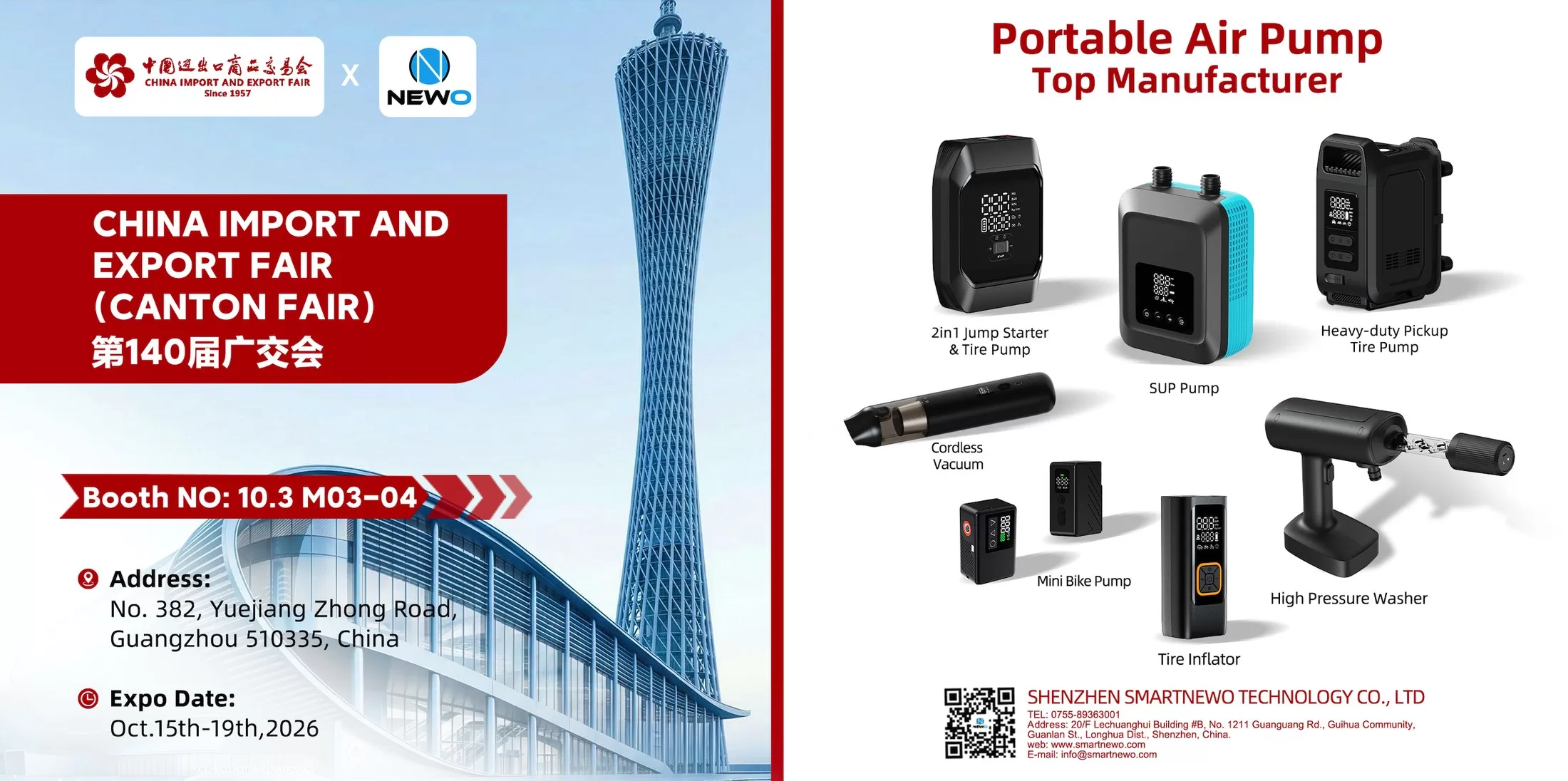
Meet NEWO at the 140th Canton Fair: Visit Booth 10.3 M03–04
Meet NEWO at the 140th Canton Fair in Guangzhou, October 15–19, 2026. Visit Booth 10.3 M03–04 to explore portable air pumps and discuss OEM, ODM and distribution opportunities.... -

As Shenzhen Welcomes the World for APEC 2026, NEWO Welcomes You to Our Factory
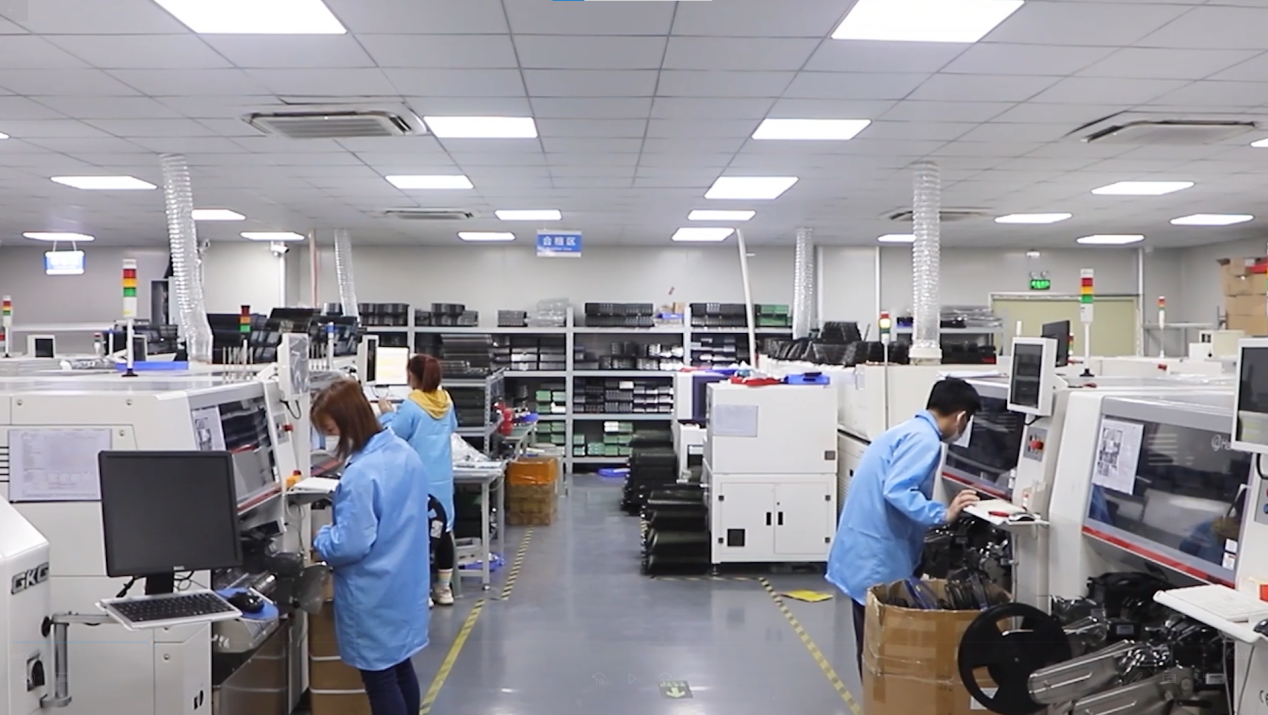
As Shenzhen prepares for APEC 2026, NEWO welcomes international buyers and partners to visit our factory, meet our team and explore future cooperation.... -

Leading the Way in Product Innovation and Excellence
Smartnewo exemplifies professionalism in product innovation and manufacturing. Their collaboration with Xiaomi Youpin on the G01 crowdfunding project highlights their expertise in creating compact, powerful inflatable pumps. Rigorous engineering, meticulous production processes, and advanced quality assurance underscore their commitment to excellence. The success of the G01 project, with significant market... -

Essential Qualities of an Excellent Supplier
In today's competitive market, finding a reliable supplier is crucial for business success. Based on insights from Smartnewo and broader internet research, here are key qualities an excellent supplier must possess:... -

NW06 Tire Inflator: Compact Power for Quick Inflation
Summary The NW06 Tire Inflator delivers quick and efficient tire inflation with a powerful 35L/min airflow. It features a user-friendly LCD screen for real-time pressure monitoring, dual power options with a built-in 6000mAh battery, and multiple nozzle attachments for versatile use. Its compact design and integrated LED light ensure convenience and... -

Unleash the Power of Portability: The SmartNewo Jump Starter with Air Compressor KF03
This guide will walk you through the steps to effectively use a portable tire inflator, helping you stay prepared and safe on the road.... -

Newo Attends The 2024 Consumer Electronics Show (CES)
Smartnewo booth is located at 53672, Halls A-D, Level 2, Venetian Expo, Las Vegas Convention Center (LVCC). ... -

Smartnewo’s Dual-Cylinder Air Pump Rocks the Hong Kong Autumn Electronics Fair!
Smartnewo’s Dual-Cylinder Air Pump Rocks the Hong Kong Autumn Electronics Fair!... -

Meet at the Canton Fair! Smartnewo brings dual-cylinder air pumps, making your inflation experience faster and more stable!
NEWO has went deep communication and negotiation with customers from all over the world on booth.... -

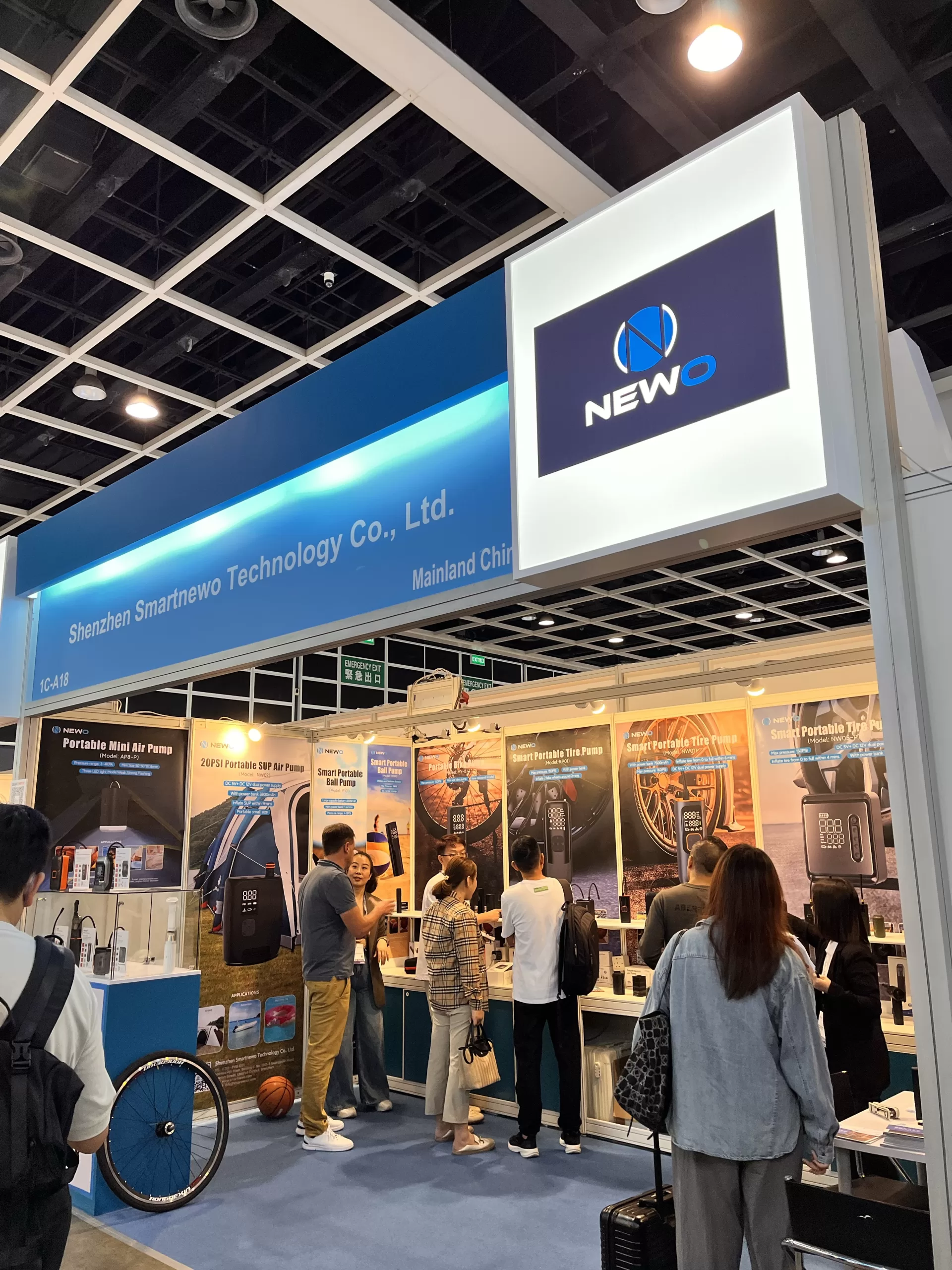
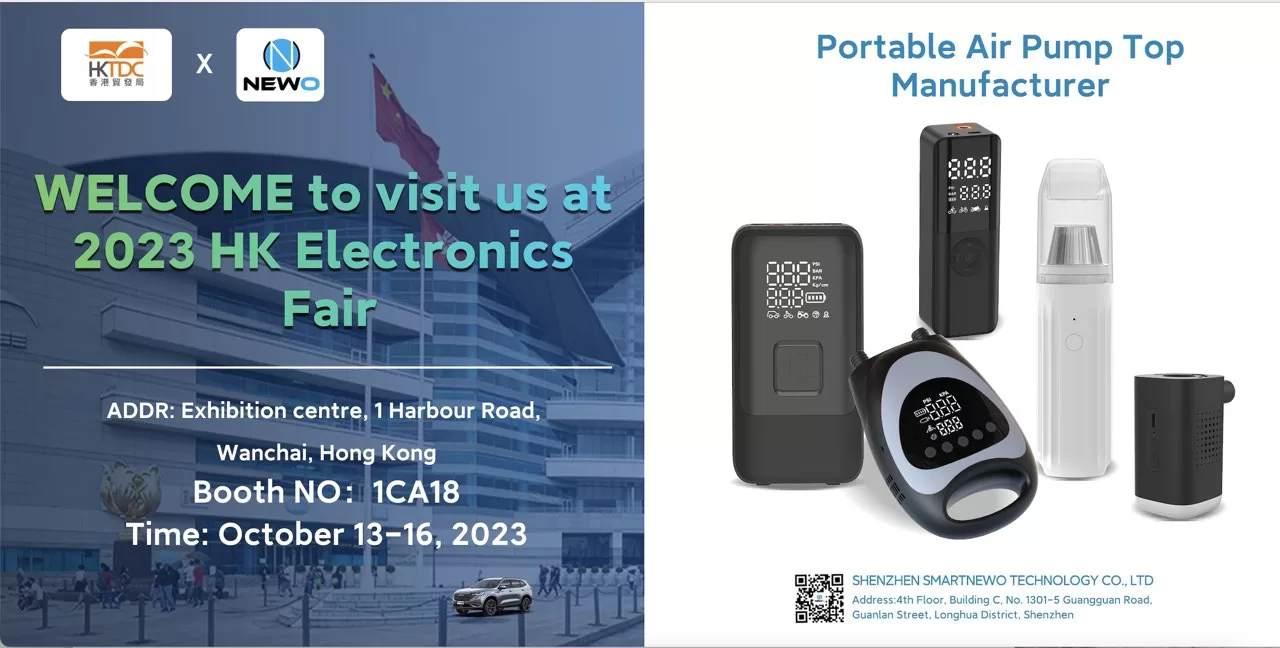
“Hong Kong Autumn Electronics Fair – 1CA18 (October 13th to 16th): Smartnewo invites you to visit our booth!
Hong Kong Autumn Electronics Fair...



-

What to Check Before Ordering Custom Electric Bike Pumps
Plan custom electric bike pumps with a clear requirements freeze for valves, TPU tubes, portability, repeated top-ups, charging, and model-specific documents.... -

OEM vs ODM Air Pumps: Which Manufacturing Model Fits Your Brand?
Compare OEM and ODM air pump projects by design responsibility, change approval, development scope, and written ownership terms before choosing your route.... -
How to Choose a Reliable Tire Inflator Manufacturer in China
Choose a tire inflator manufacturer in China with a focused RFQ, supplier evidence, configuration checks, and clear sample-to-pilot decisions for your brand.... -

Rechargeable Electric SUP Pump for Paddle Boards: Faster Inflation for SUPs, Kayaks and Inflatable Tents
The BL10-C Portable Electric Bike Tire Inflator is a compact and lightweight mini electric bike pump designed for modern cyclists. With up to 120 PSI pressure, a digital LED display, preset pressure control, automatic shut-off, USB-C charging, and multiple valve adapters, BL10-C offers a convenient inflation solution for road bikes,... -

Are Electric Bike Pumps Worth It in 2026? Electric Pump vs CO₂ vs Mini Hand Pump
Discover whether electric bike pumps are worth it in 2026. This guide compares electric bike pumps, CO₂ inflators, and mini hand pumps for road cycling, gravel riding, commuting, and long-distance rides. Learn the pros, limitations, best use cases, and key features to look for before choosing the right portable tire... -
BL10-C Portable Electric Bike Tire Inflator: Small Size, Reliable Power for Every Ride
The BL10-C Portable Electric Bike Tire Inflator is a compact and lightweight mini electric bike pump designed for modern cyclists. With up to 120 PSI pressure, a digital LED display, preset pressure control, automatic shut-off, USB-C charging, and multiple valve adapters, BL10-C offers a convenient inflation solution for road bikes,... -

Why Mini Electric Bike Pumps Are Becoming Essential for Modern Cycling
Discover why mini electric bike pumps are becoming essential for modern cyclists. Learn how portable electric bike pumps improve tire pressure management, riding safety, and convenience.... -

The Ultimate Smart Solution for Easy Outdoor Adventures in 2026
Discover how a spring travel air pump simplifies outdoor trips with fast inflation, smart features, and powerful performance—perfect for every adventure.... -

Powerful 5-in-1 Portable Car Tire Inflator and Jump Starter: The Ultimate Emergency Tool for Every Driver
Why Every Driver Needs a Portable Car Tire Inflator and Jump Starter Modern drivers face many unexpected situations on the road. A flat tire, low tire pressure, or a dead car battery can happen at the worst possible time. That’s why having a portable car tire inflator and jump starter is... -

7 Real Cycling Scenarios That Show Why Every Rider Should Carry a Mini Bike Pump
Cycling is one of the most freeing activities you can enjoy. Whether you’re commuting to work, riding through city streets, or exploring quiet countryside roads, a bike ride can instantly improve your day. But there’s one small problem that almost every cyclist eventually faces: Low tire pressure. It might happen...



-
How Is a Football Properly Inflated?
The correct inflation of a football - with not too much and not too little air - is a hotly debated topic among footballers.... -
Application Scenarios of Car Inflator Pump
Often long-distance business trips or play car owners because the road may be more remote areas, in this case if you encounter a tire leak....