
 Portable Tire Inflators
 Electric Air Pumps
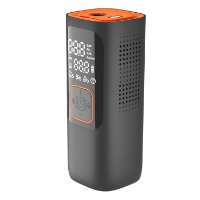 Electric Car Tyre Pumps
 Electric Ball Pumps
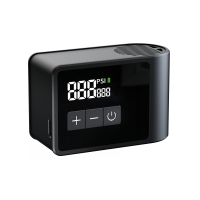 Electric Bike Pump
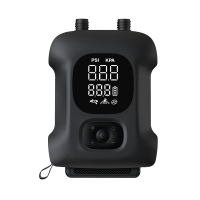 SUP Air Pump

How a High Pressure Electric SUP Pump Solves the Paddle Board Inflation Bottleneck: Engineering, Specs, and Selection Guide
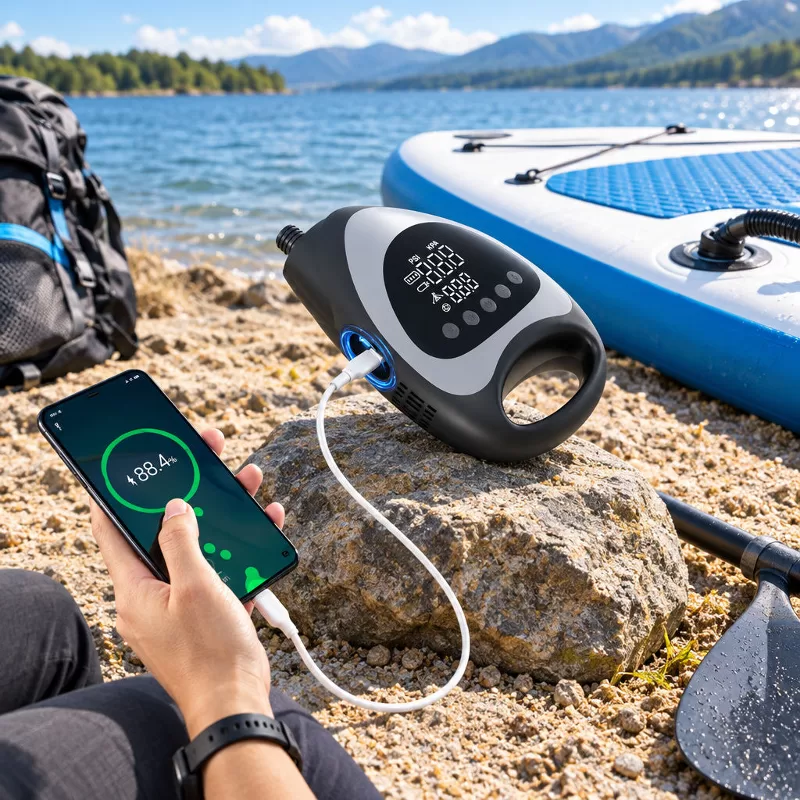
Pumping an inflatable paddle board by hand feels manageable for the first few minutes. Then the pressure climbs, each stroke meets more resistance, and your lower back absorbs the strain long before the board touches the water. Choosing a purpose-built high pressure electric sup pump reduces this pre-session fatigue by pairing a high-flow stage for filling with a high-pressure stage for finishing, turning a grueling workout into a mostly automated lakeside setup.
Many paddlers first try a standard air mattress blower or a compact automotive tire inflator from the garage. Both can disappoint at the boat ramp, because each is built for a different job. Understanding why requires a closer look at how an inflatable stand-up paddle board is built and why its final pressure matters so much.
The Pneumatic Paradox: Why Standard Air Pumps Fail on Inflatable Paddle Boards
An inflatable stand-up paddle board presents a pneumatic contradiction that single-purpose inflators are rarely designed to handle. The board needs a large volume of air just to take shape, yet it also needs a much higher pressure than most camping gear before it becomes rigid enough to support a standing adult on the water.
The Volume-to-Pressure Transition Inside a Drop-Stitch Chamber
Many inflatable paddle boards use drop-stitch construction, in which a dense network of fine fibers connects the top deck to the bottom hull. In the early part of inflation, the board takes shape quickly because the chamber is still slack and air flows in with little resistance. At this point the board may look finished on the beach, yet it will usually flex noticeably under body weight.
Real rigidity arrives only as pressure builds. Boards of this type commonly specify working pressures in the teens of PSI, although each manufacturer sets its own limit. Forcing more air into a chamber that is already nearly full creates backpressure at the pump outlet. The blower handles high-volume filling, while the high-pressure pump is used to reach the board’s final pressure, and a compact tire inflator is designed for pressure but moves little air per minute.
How Dual-Pump Architecture Overcomes Backpressure
Engineers resolve this conflict by housing two different air-moving mechanisms in a single high pressure electric sup pump. Rather than forcing one mechanism to compromise between speed and pressure, a dual-pump system divides the workload into two roles. Think of a multi-speed bicycle: a light gear for fast spinning on flat ground, then a stronger gear when the hill gets steep.
In the first stage, a high-flow blower moves a large volume of air into the slack board cavity. As resistance rises, a high-pressure pump handles the final pressurization. According to the product specifications, the NW03-P cordless electric SUP air pump pairs a 90W blower rated at 220 to 240 L/min with a 170W high-pressure pump rated at 120 to 130 L/min, and offers an adjustable range of 1 to 20 PSI.
The comparison below stays qualitative on purpose. Actual performance varies by model, battery state, and operating conditions, so treat the first three rows as general tendencies and the last row as manufacturer-listed data for one specific pump. Always confirm details in each product’s own manual before relying on any pump for a particular board.
| Pump Category | Main Strength | Typical Limitation for SUP Use |
|---|---|---|
| Manual double-action hand pump | Needs no power source | Physical effort rises as pressure climbs |
| Low-pressure blower or mattress inflator | Moves a large volume of air quickly | Generally built for low pressure, so it may not bring a board to full rigidity |
| Compact automotive tire inflator | Built to reach high pressure | Small air volume per minute can make large-volume filling slow; check the maker’s duty-cycle guidance |
| Dual-pump electric SUP pump (NW03-P, per manufacturer data) | Blower rated 220–240 L/min plus high-pressure pump rated 120–130 L/min, adjustable 1–20 PSI | Needs a charged battery or a 12V–16V vehicle connection |
Key Technical Metrics When Evaluating a High Pressure Electric SUP Pump
Reading product spec sheets can feel confusing when many models advertise a similar 20 PSI ceiling. That peak number only tells you where the pump stops, not how conveniently it gets there. Three metrics help clarify how a unit fits your actual use: airflow across both stages, the power source, and the stated operating limits.
Airflow Rates Across Both Stages
Stage one is about volume and stage two is about pressure, so the two airflow ratings answer different questions. The manufacturer lists the NW03-P blower at 220–240 L/min and its high-pressure pump at 120–130 L/min. Because the final pressurization phase is where backpressure is highest, the high-pressure stage is the part worth examining most closely when you compare models.
When comparing any rechargeable 20 psi sup pump, check how each stage is rated and ask what conditions the figures describe. Rated airflow is a manufacturer-listed value, not a promise of identical speed at every pressure level. Reading the numbers this way keeps expectations realistic and makes comparisons between brands fairer.
Cordless Battery Independence vs. 12V Vehicle Tethered Power
Corded 12V inflators tie you to the vehicle, which means inflating the board beside the car and then carrying it, fully rigid, to the water. Carrying an inflated eleven-foot board across a busy road, down a trail, or through narrow gates can become an awkward balancing act in crosswinds. A cordless electric sup pump with a battery pack lets you carry the board rolled up and inflate at the water’s edge.
Battery capacity is best judged in watt-hours and cell configuration rather than milliamp-hour figures alone, since those ignore voltage. According to the NW03-P data, the capacity is listed as 2600mAh × 8, forming a 14.8V pack rated at 76.96Wh. The manufacturer lists about 40 minutes of runtime and about four 2.8 m paddle boards per full charge, with a charging time of about 4.5 hours.
The product also supports 12V–16V cigarette-lighter vehicle power. That gives you a fallback if you forget to recharge the battery before a weekend trip, since you can run the pump from the vehicle instead. Real-world runtime still depends on board size, target pressure, and temperature, so treat the listed figures as a planning guide rather than a guarantee.
Thermal Management, Noise Thresholds, and Battery Lifespan
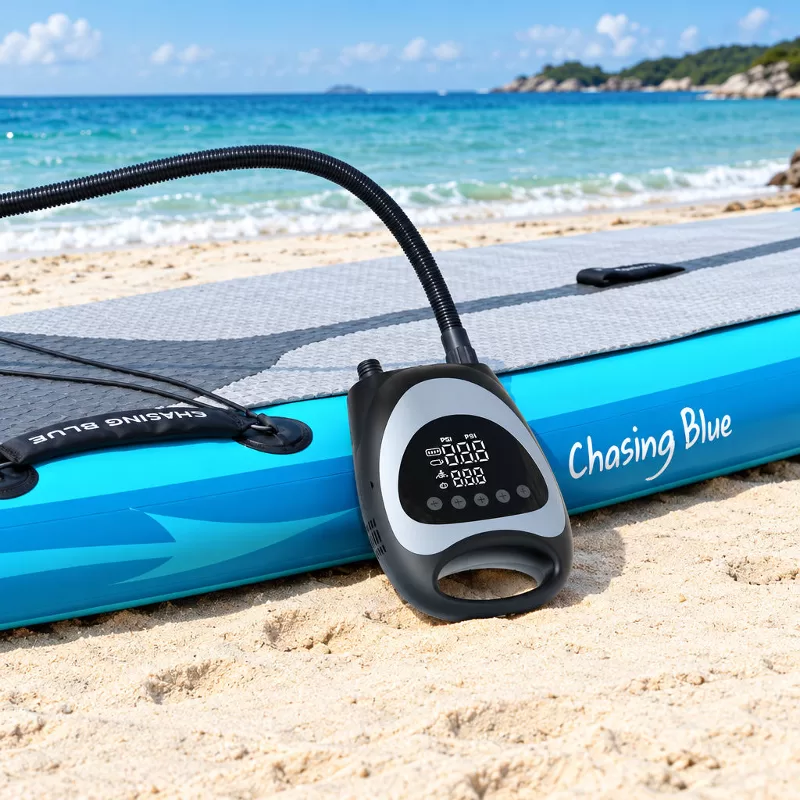
Compressing air to high pressure generates heat, so it is sensible to give any pump a short rest between large inflatable jobs and to follow the maker’s instructions. The NW03-P is listed for a working temperature of -10°C to 45°C. Its noise level is listed as 95 dB or below at 1 meter, which is noticeable at close range during long sessions.
Battery longevity matters for anyone planning repeated trips. The product data lists battery protection voltages of 16.8V and 12V and a cycle life of 100 cycles while retaining 80% or more of original capacity. These are manufacturer-supplied figures, so they are best read as stated design targets, and actual lifespan will vary with charging habits and storage conditions.
Inside Practical Multi-Scenario Inflation: From Water Sports to Basecamp
Treating a dual-stage inflator strictly as a paddle board accessory overlooks its usefulness across the rest of your outdoor gear. Because the NW03-P offers an adjustable range from 1 to 20 PSI, the same portable unit is listed for everything from paddle boards and kayaks to tents, air mattresses, and yoga balls. Each item still has its own pressure limit, which should always guide your settings.
Precision Pressure Control and Automatic Shut-Off Mechanics
Judging pressure by pressing your thumb on the deck is unreliable, since a board can feel firm well before it reaches its rated pressure. Under-inflation can leave a board feeling soft underfoot, while over-inflation can stress seams and valves. The NW03-P includes an LED display so you can read the pressure setting directly instead of relying on feel alone.
Instead of watching the valve and switching off manually, you can choose preset modes or enter a custom pressure before pressing start. According to the product data, automatic shut-off then stops the pump once the selected pressure is reached. That hands-free window gives you time to apply sunscreen, adjust your paddle length, and organize dry bags.
Adapting One Pump Across Diverse Outdoor Gear
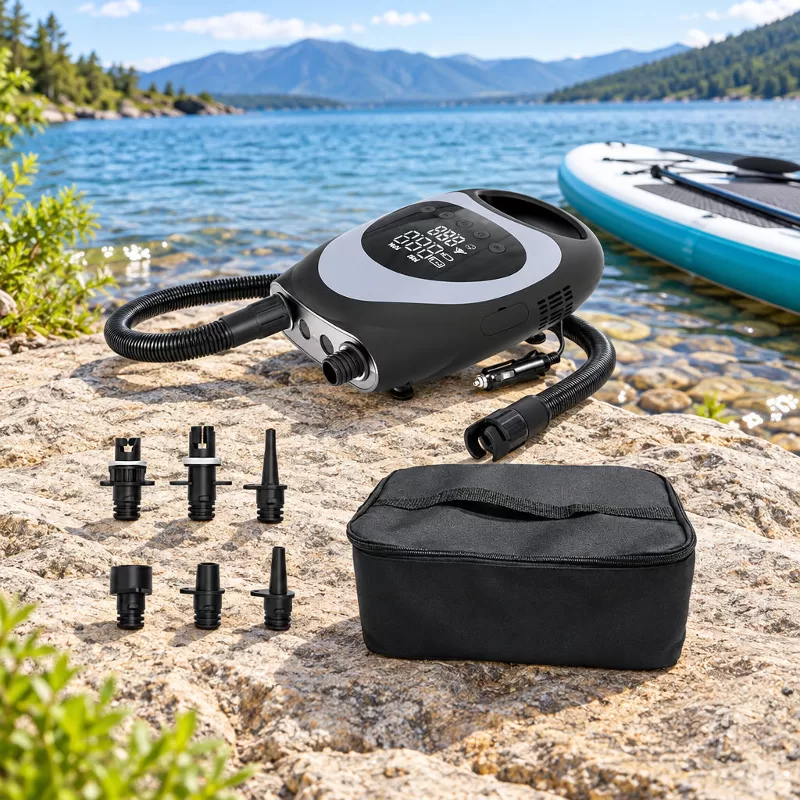
Switching between watercraft and camp equipment means attaching a suitable adapter to the hose and choosing a pressure that suits the item being inflated. The product information lists the compatible uses below, and each item should always be filled to its own printed or manual-recommended pressure, never simply to the pump’s maximum.
- Stand-up paddle boards: the primary use case, where both the blower and the high-pressure pump come into play for filling and final pressurization.
- Inflatable kayaks and boats: large-volume items where adjustable pressure and preset modes help you match the pressure the manufacturer specifies.
- Inflatable tents and camping shelters: bulky items that benefit from the high-flow stage during the initial fill, followed by a careful stop at the recommended pressure.
- Air mattresses, inflatable pools, and swim rings: large-volume items where the adjustable low end of the pressure range is useful.
- Yoga balls: smaller items that call for extra care to stop at the pressure the ball’s maker recommends, with an adapter that suits the valve.
Off-Grid Power Bank Integration and Manufacturing Reliability
Packing fewer single-purpose chargers makes remote camping and multi-day trips easier to organize. According to the product data, the NW03-P weighs 1700 g and measures 283 × 194 × 90 mm, and its Type-C port serves both charging and power-bank output. Charging inputs are listed as 5V/2A, 9V/2A, and 12V/1.5A, so a compatible USB-C power source is needed to recharge it.
In the other direction, the listed power-bank output is 5V/3A, 9V/2A, and 12V/2A, which can supply compatible devices such as phones or headlamps at camp. Check each device’s input requirements before connecting it. Because one battery serves both purposes, power drawn for devices reduces what remains for inflating your gear.
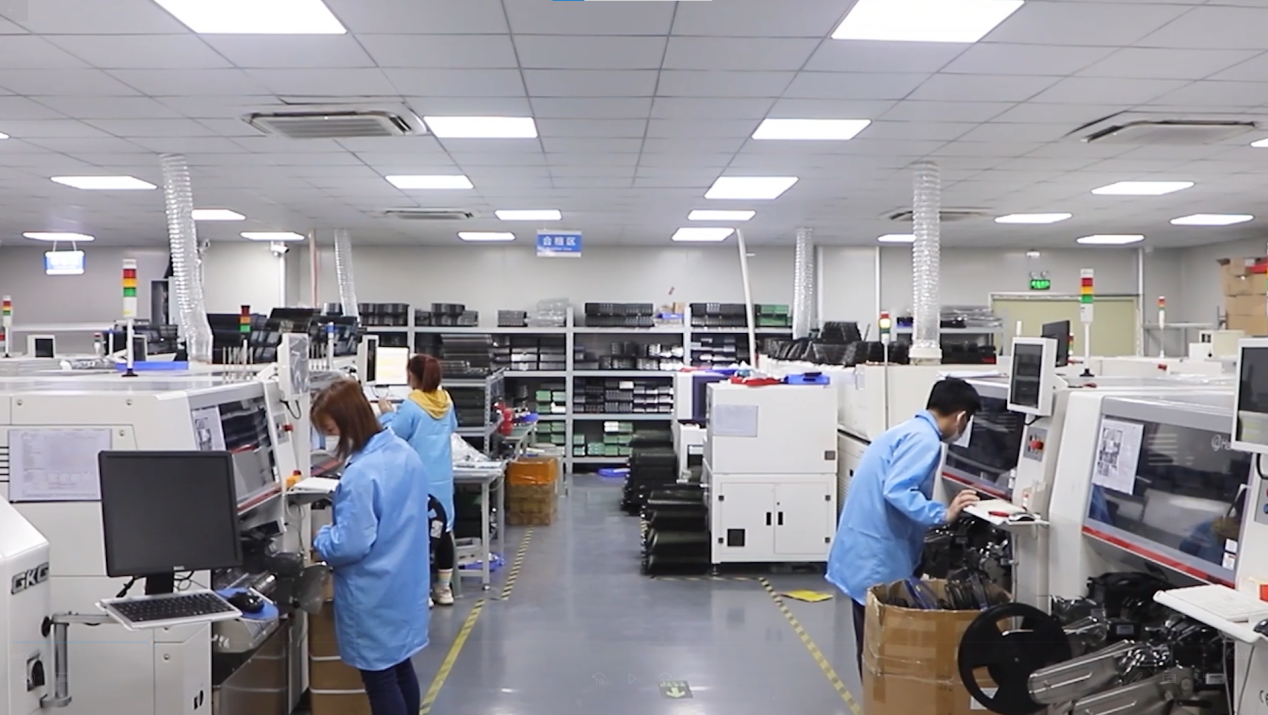
Building a compact device that balances 170W high-pressure pumping with multi-voltage battery power takes careful engineering. Newo is a professional manufacturer specializing in the research, development, and production of smart electric air pumps and portable inflation solutions, ranging from portable tire inflators and electric bike pumps to car air pumps, ball pumps, and outdoor inflation solutions. For us, experienced engineers and strict quality management are central to building each inflator for outdoor gear distributors, retailers, and individual paddlers.
Step-by-Step Operational Workflow and Selection Decision Guide
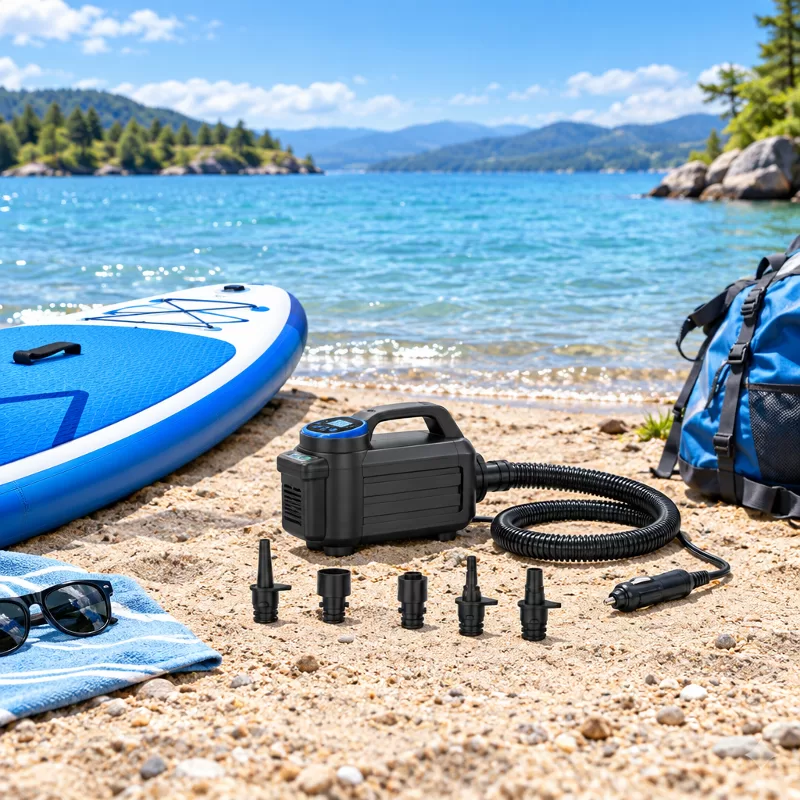
Even a capable dual-stage electric sup air pump loses efficiency if a twisted hose or a poorly seated adapter restricts airflow. A short selection checklist and a consistent inflation routine help protect both the pump and your board’s valve, and they make each session faster to set up. The two lists below cover both.
Buyer Decision Checklist Based on Paddling Habits
- Map your typical launch distance from the parking lot: if you regularly walk some distance along beaches, stairs, or trails to reach the water, a cordless battery-powered unit is easier to use than a corded-only 12V model.
- Estimate how many items you inflate per outing: the manufacturer lists about four 2.8 m paddle boards per full charge, so a larger group or longer session may call for the 12V–16V vehicle power option as backup.
- Check your board’s rated pressure: confirm that the pressure printed on the board falls within the pump’s 1–20 PSI range, and set the target to the board’s value rather than the pump’s maximum.
- Audit your other gear: check the valve types on your tent, kayak, pool, or yoga ball, confirm that matching adapters are included or available, and look up each item’s own recommended pressure.
Standardized Inflation and Post-Session Maintenance Protocol
- Check the board valve before connecting: follow your board’s instructions for opening and closing its valve so air cannot escape when you disconnect the hose.
- Select a matching adapter and seat the hose firmly: attach the hose to the pump, fit the adapter to the valve, and make sure the connection is snug and the hose is not twisted.
- Set the target pressure and start: power on the pump, choose a preset mode or enter a custom pressure based on the board’s rating, and let the pump work until automatic shut-off.
- Allow a rest between large jobs: after shut-off, disconnect the hose, close the board valve, and let the pump rest before inflating another item, following the manual’s guidance.
- Keep the pump clean and charged: keep sand and water away from the vents and the Type-C port, recharge the battery after use, and store the unit in a cool, dry place according to the manual.
Frequently Asked Questions About High Pressure Electric SUP Pumps
Why does my electric SUP pump change sound and slow down during inflation?
A change in sound may occur during inflation, but sound alone does not confirm which pump stage is operating. Check the pump manual for normal operating behavior. Stop and consult the manufacturer if the noise seems unusual, or if you notice smoke or a burning smell.
What PSI should I use for my inflatable stand-up paddle board?
Use the pressure printed on your board or listed in its manual, and never exceed the maximum stated by the board maker. Recommended pressure differs between brands and models, and rider weight, board type, and intended use may influence where you land within the approved range. Because the NW03-P is adjustable from 1 to 20 PSI, set the target to the board’s value rather than the pump’s maximum.
How many paddle boards can a battery-powered SUP pump inflate on one charge?
Inflation capacity depends on battery watt-hours, ambient temperature, board volume, and target pressure. For the NW03-P, whose battery is listed at 14.8V and 76.96Wh, the manufacturer’s data indicates roughly 40 minutes of runtime per charge, which is stated as enough to inflate about four 2.8 m paddle boards. Treat that as a planning figure, since conditions in the field vary.
Can I run a cordless SUP pump from my car if the internal battery is depleted?
Yes, according to the product data, the NW03-P supports 12V–16V cigarette-lighter vehicle power in addition to its built-in battery. That means a depleted battery does not have to end the session, since you can connect to the vehicle instead. Start the vehicle first if the manual recommends it, and confirm that your cable and socket suit the pump’s requirements.
How does ambient temperature affect paddle board pressure after inflation?
Air inside a sealed chamber expands when heated and contracts when cooled, so a board’s pressure can change between a cool morning and a hot afternoon. Rather than adjusting pressure by guesswork, follow the board maker’s care guidance, keep to its stated maximum, and move the board out of direct sun when possible. Checking pressure before launch is a sensible habit.
Conclusion: Making Every Water Session About Paddling, Not Pumping
Wrestling a manual hand pump at the shoreline drains the same core and shoulder muscles you need for balance and stroke efficiency on the water. A dual-stage high pressure electric sup pump addresses the conflict between large-volume filling and high-pressure finishing without relying on manual effort. By pairing a 220–240 L/min blower with a 120–130 L/min high-pressure pump, a 76.96Wh cordless battery with 12V–16V vehicle backup, and automatic shut-off within a 1–20 PSI range, a portable electric paddle board pump turns setup into straightforward preparation for your next paddle.
-

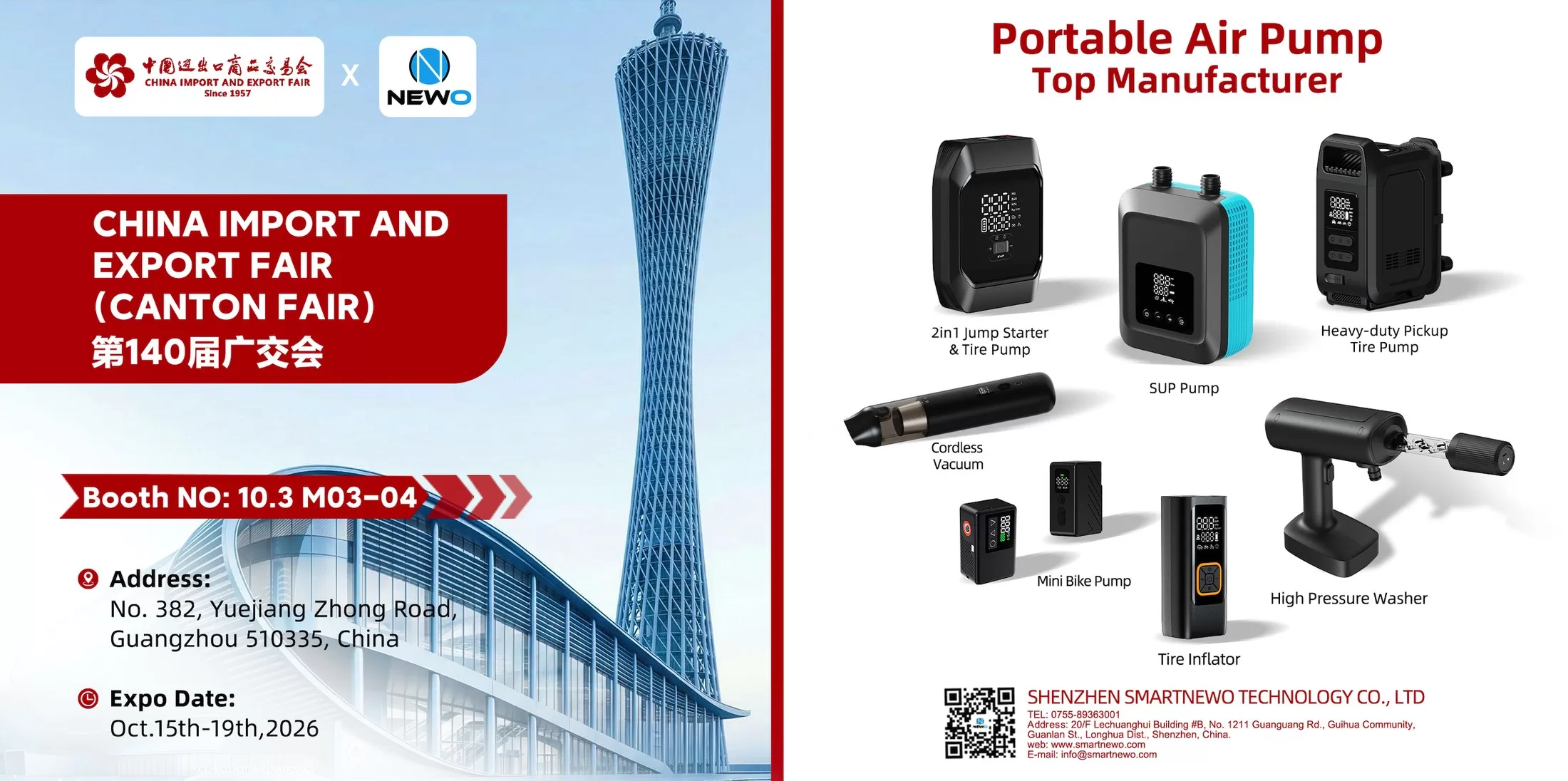
Meet NEWO at the 140th Canton Fair: Visit Booth 10.3 M03–04
Meet NEWO at the 140th Canton Fair in Guangzhou, October 15–19, 2026. Visit Booth 10.3 M03–04 to explore portable air pumps and discuss OEM, ODM and distribution opportunities.... -

As Shenzhen Welcomes the World for APEC 2026, NEWO Welcomes You to Our Factory
As Shenzhen prepares for APEC 2026, NEWO welcomes international buyers and partners to visit our factory, meet our team and explore future cooperation.... -

Leading the Way in Product Innovation and Excellence
Smartnewo exemplifies professionalism in product innovation and manufacturing. Their collaboration with Xiaomi Youpin on the G01 crowdfunding project highlights their expertise in creating compact, powerful inflatable pumps. Rigorous engineering, meticulous production processes, and advanced quality assurance underscore their commitment to excellence. The success of the G01 project, with significant market... -

Essential Qualities of an Excellent Supplier
In today's competitive market, finding a reliable supplier is crucial for business success. Based on insights from Smartnewo and broader internet research, here are key qualities an excellent supplier must possess:... -

NW06 Tire Inflator: Compact Power for Quick Inflation
Summary The NW06 Tire Inflator delivers quick and efficient tire inflation with a powerful 35L/min airflow. It features a user-friendly LCD screen for real-time pressure monitoring, dual power options with a built-in 6000mAh battery, and multiple nozzle attachments for versatile use. Its compact design and integrated LED light ensure convenience and... -

Unleash the Power of Portability: The SmartNewo Jump Starter with Air Compressor KF03
This guide will walk you through the steps to effectively use a portable tire inflator, helping you stay prepared and safe on the road.... -

Newo Attends The 2024 Consumer Electronics Show (CES)
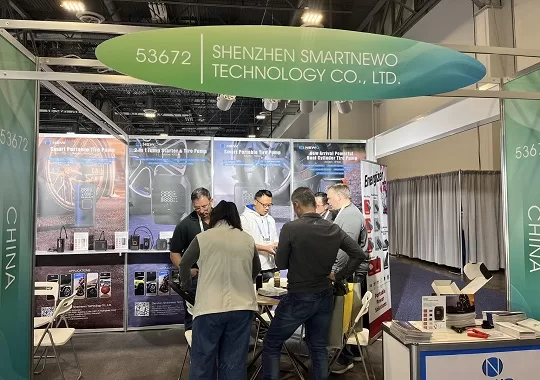
Smartnewo booth is located at 53672, Halls A-D, Level 2, Venetian Expo, Las Vegas Convention Center (LVCC). ... -

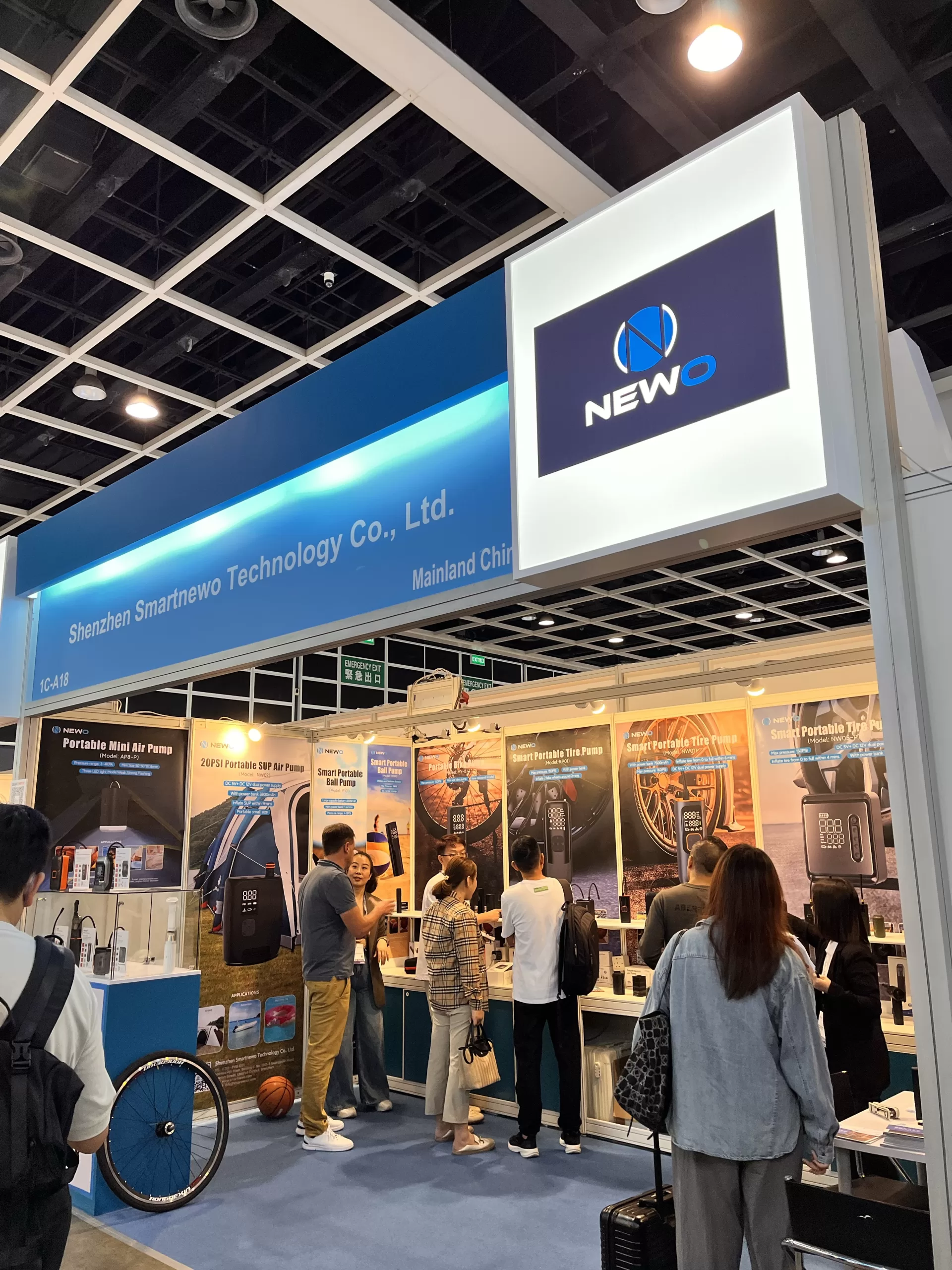
Smartnewo’s Dual-Cylinder Air Pump Rocks the Hong Kong Autumn Electronics Fair!
Smartnewo’s Dual-Cylinder Air Pump Rocks the Hong Kong Autumn Electronics Fair!... -

Meet at the Canton Fair! Smartnewo brings dual-cylinder air pumps, making your inflation experience faster and more stable!
NEWO has went deep communication and negotiation with customers from all over the world on booth.... -

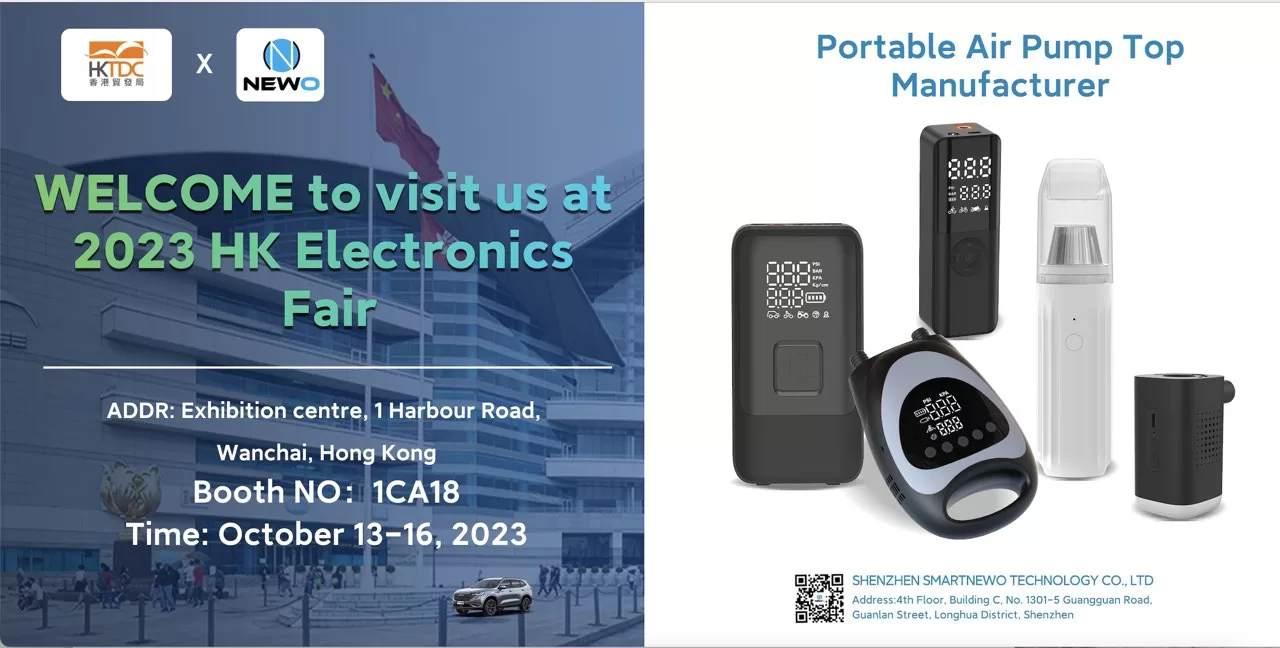
“Hong Kong Autumn Electronics Fair – 1CA18 (October 13th to 16th): Smartnewo invites you to visit our booth!
Hong Kong Autumn Electronics Fair...

-

How to Choose a Reliable Tire Inflator Manufacturer in China
Choose a tire inflator manufacturer in China with a focused RFQ, supplier evidence, configuration checks, and clear sample-to-pilot decisions for your brand.... -

Rechargeable Electric SUP Pump for Paddle Boards: Faster Inflation for SUPs, Kayaks and Inflatable Tents
The BL10-C Portable Electric Bike Tire Inflator is a compact and lightweight mini electric bike pump designed for modern cyclists. With up to 120 PSI pressure, a digital LED display, preset pressure control, automatic shut-off, USB-C charging, and multiple valve adapters, BL10-C offers a convenient inflation solution for road bikes,... -

Are Electric Bike Pumps Worth It in 2026? Electric Pump vs CO₂ vs Mini Hand Pump
Discover whether electric bike pumps are worth it in 2026. This guide compares electric bike pumps, CO₂ inflators, and mini hand pumps for road cycling, gravel riding, commuting, and long-distance rides. Learn the pros, limitations, best use cases, and key features to look for before choosing the right portable tire... -
BL10-C Portable Electric Bike Tire Inflator: Small Size, Reliable Power for Every Ride
The BL10-C Portable Electric Bike Tire Inflator is a compact and lightweight mini electric bike pump designed for modern cyclists. With up to 120 PSI pressure, a digital LED display, preset pressure control, automatic shut-off, USB-C charging, and multiple valve adapters, BL10-C offers a convenient inflation solution for road bikes,... -

Why Mini Electric Bike Pumps Are Becoming Essential for Modern Cycling
Discover why mini electric bike pumps are becoming essential for modern cyclists. Learn how portable electric bike pumps improve tire pressure management, riding safety, and convenience.... -

The Ultimate Smart Solution for Easy Outdoor Adventures in 2026
Discover how a spring travel air pump simplifies outdoor trips with fast inflation, smart features, and powerful performance—perfect for every adventure.... -

Powerful 5-in-1 Portable Car Tire Inflator and Jump Starter: The Ultimate Emergency Tool for Every Driver
Why Every Driver Needs a Portable Car Tire Inflator and Jump Starter Modern drivers face many unexpected situations on the road. A flat tire, low tire pressure, or a dead car battery can happen at the worst possible time. That’s why having a portable car tire inflator and jump starter is... -

7 Real Cycling Scenarios That Show Why Every Rider Should Carry a Mini Bike Pump
Cycling is one of the most freeing activities you can enjoy. Whether you’re commuting to work, riding through city streets, or exploring quiet countryside roads, a bike ride can instantly improve your day. But there’s one small problem that almost every cyclist eventually faces: Low tire pressure. It might happen... -
BL08-A Portable Electric Bike Pump: A Global Distribution Opportunity with Smartnewo
Smartnewo, a professional manufacturer of portable electric air pumps, introduces the BL08-A model — a compact and efficient inflator designed for global distributors, e-commerce sellers, and outdoor accessory brands seeking reliable OEM/ODM solutions. Table of Contents Main Heading Subtopics 1. Introduction: Expanding the Global Market for Smart Inflation Tools Portable... -

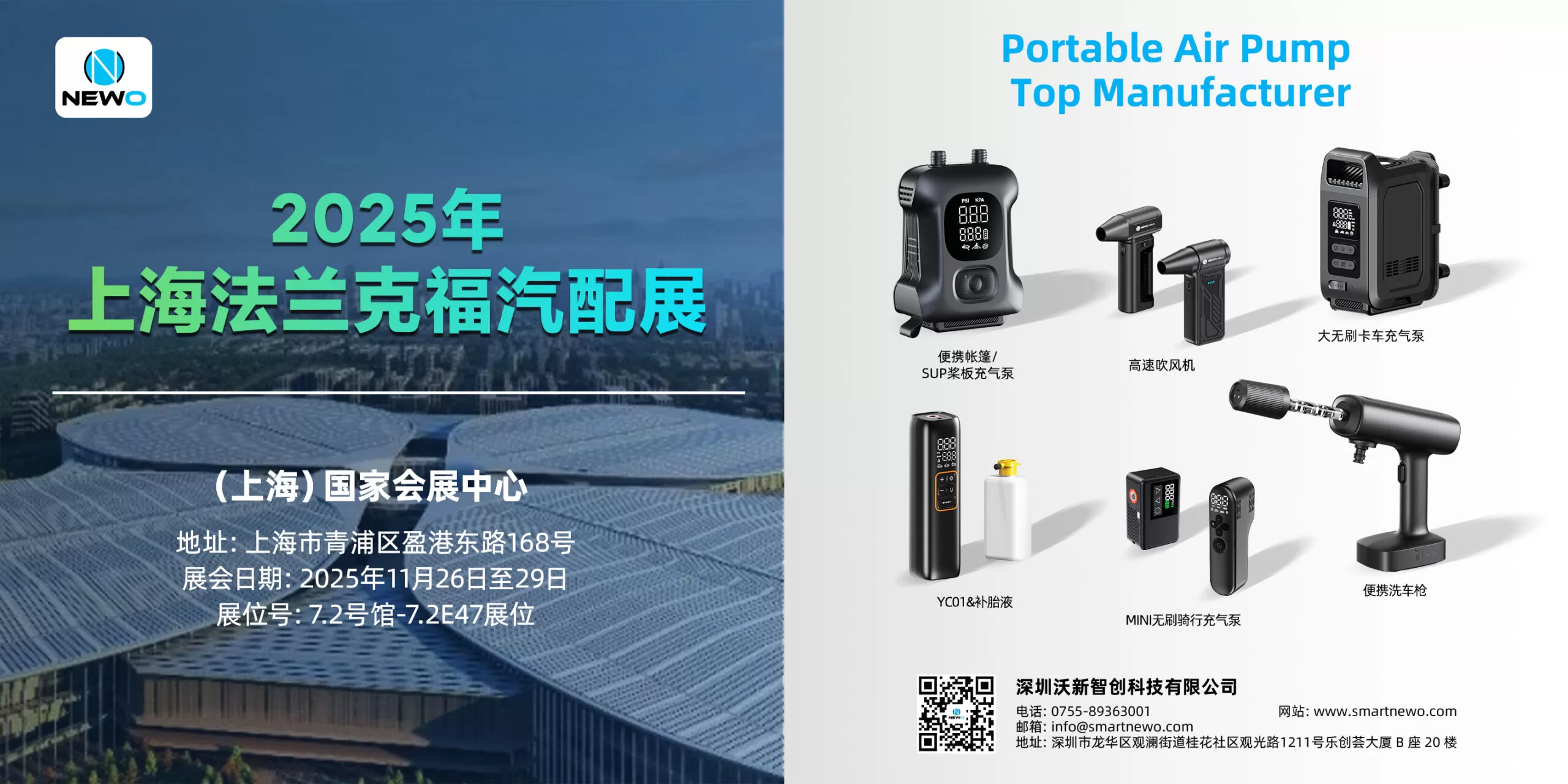
Connecting Opportunities at Automechanika Shanghai 2025 — Smartnewo Exhibition Day 1
Today marks an exciting beginning as Smartnewo officially opens its booth at Automechanika Shanghai 2025. As one of the largest and most influential automotive aftermarket exhibitions in the world, the show provides an exceptional platform for meaningful conversations, partnership building, and global industry exchange. Located at Booth 7.2E47, Smartnewo presents...

-
How Is a Football Properly Inflated?
The correct inflation of a football - with not too much and not too little air - is a hotly debated topic among footballers.... -
Application Scenarios of Car Inflator Pump
Often long-distance business trips or play car owners because the road may be more remote areas, in this case if you encounter a tire leak....