
 Portable Tire Inflators
 Electric Air Pumps
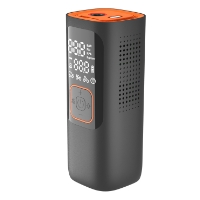 Electric Car Tyre Pumps
 Electric Ball Pumps
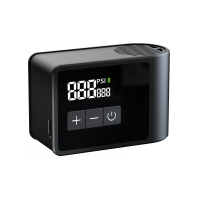 Electric Bike Pump
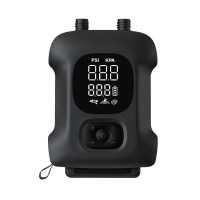 SUP Air Pump
Navigating the SUP Air Pump Ecosystem: Mechanisms, Metrics, and Thermal Limits
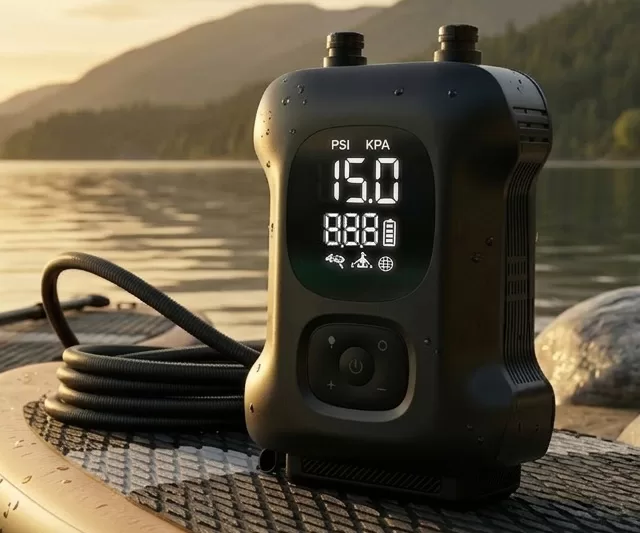
Preparing a paddleboard for the water often becomes a hidden workout before the actual activity. The transition from a deflated PVC shell to a rigid watercraft requires moving a massive volume of air at increasing resistance. This is where a specialized SUP air pump becomes a necessary tool rather than a luxury.
Getting a board to 15 or 20 PSI demands specific pneumatic engineering. Standard mattress inflators lack the pressure output. Bicycle tire compressors lack the initial volume flow. An effective SUP air pump bridges this exact gap between high volume and high pressure.
The Evolution of Stand-Up Paddleboard Inflation
Early paddleboarders relied heavily on single-action hand pumps. These basic cylinders pushed air only on the downstroke. Riders expended significant energy just to reach the baseline rigidity needed for flotation.
The industry later moved to double-action and triple-action manual systems. These mechanisms allowed air delivery on both the upstroke and downstroke. Riders could then switch mechanical advantages as internal board pressure increased.
Today, the electric SUP air pump dominates the landscape. These devices remove the physical toll entirely. They allow users to conserve their energy for paddling against headwinds rather than fighting a hand plunger on the beach.
Analyzing Dual-Stage Pumping Architecture
The internal architecture of a modern electric SUP pump relies on a dual-stage delivery system. This design perfectly mirrors the physics of inflating a large drop-stitch cavity.
The first stage focuses purely on air volume. A low-pressure turbine fan rapidly pushes hundreds of liters of air into the board. This fills the physical shape of the paddleboard within a minute or two.
Once internal resistance reaches approximately 1 PSI, the turbine becomes highly inefficient. The system then automatically engages the second stage. A high-pressure piston compressor takes over the heavy workload.
This piston mechanism drives the pressure up to the required 15 to 20 PSI range. It operates slower but generates the raw force needed to tension the internal drop-stitch threads. This tension gives an inflatable board its rock-hard deck.
Evaluating Specifications and Board Requirements
Choosing the right equipment requires matching pump specifications to the actual volume of your watercraft. A standard 10-foot all-around board demands a very different airflow profile compared to a 14-foot touring board.
As a manufacturer specializing in smart electric air pumps and portable inflation solutions, our engineering focus always returns to the balance between flow rate and sustained pressure.
To navigate these technical specifications, we can break down the typical airflow metrics. Understanding these numbers helps predict actual inflation times on the sand.
| Pump Type | Average Stage 1 Flow (L/min) | Average Stage 2 Flow (L/min) | Ideal Board Size |
|---|---|---|---|
| Compact Electric | 250 | 30 | Under 10 feet |
| Standard Dual-Stage | 350 | 70 | 10 to 12 feet |
| Heavy-Duty | 500+ | 100+ | 12+ feet or multiple boards |
The Thermal Management Challenge in High-Pressure Systems
Compressing air generates heat. This is an unavoidable thermodynamic reality. When a high-pressure SUP air pump pushes past 10 PSI, internal cylinder temperatures spike dramatically.
If this heat cannot escape, the internal seals begin to warp. Teflon piston rings lose their structural integrity. The motor itself may enter a thermal shutdown to prevent permanent damage to the copper windings.
Effective thermal management separates premium equipment from budget alternatives. Engineers utilize several methods to mitigate heat buildup during long operation cycles:
- Active cooling fans that draw ambient air across the motor block.
- Aluminum alloy cylinders that dissipate heat faster than plastic housings.
- Teflon-coated piston rings designed specifically for high-friction environments.
Users often experience this thermal limit when inflating multiple boards back-to-back. A pump lacking proper heat dissipation will struggle on the second board. It may fail completely on the third attempt.
Frequently Asked Questions About Inflation Metrics
Misunderstandings about PSI and battery capacity often lead to poor equipment choices. Let us address the most common technical friction points users encounter at the water’s edge.
Why does the pump sound like it is breaking at 1 PSI?
The sudden noise change is completely normal. The low-pitch hum of the turbine shuts off. The loud, rattling sound is the high-pressure piston engaging to tackle the rising resistance.
Can a car tire inflator pump up a paddleboard?
Technically yes, but practically no. A tire inflator outputs high pressure but extremely low volume. It would take over an hour to fill a paddleboard, likely burning out its motor in the process.
Does over-inflating a board make it faster?
Only up to the manufacturer’s maximum rating. Pushing a 15 PSI board to 20 PSI stresses the seams without adding meaningful stiffness. It risks catastrophic seam failure under direct sunlight.
The Path Forward for Portable Inflation
The demand for untethered inflation is pushing battery integration further. Relying on a 12V car cigarette lighter creates an artificial tether. It forces users to inflate their boards in parking lots rather than near the water.
Integrating lithium-ion power banks directly into the pump chassis solves this spatial restriction. It does introduce new weight and thermal challenges. Balancing battery cell density with motor power remains the core engineering hurdle today.
A reliable SUP air pump ensures your time is spent enjoying the water. Understanding the mechanics behind dual-stage inflation, thermal limits, and flow rates transforms a frustrating setup process into a seamless routine.
-

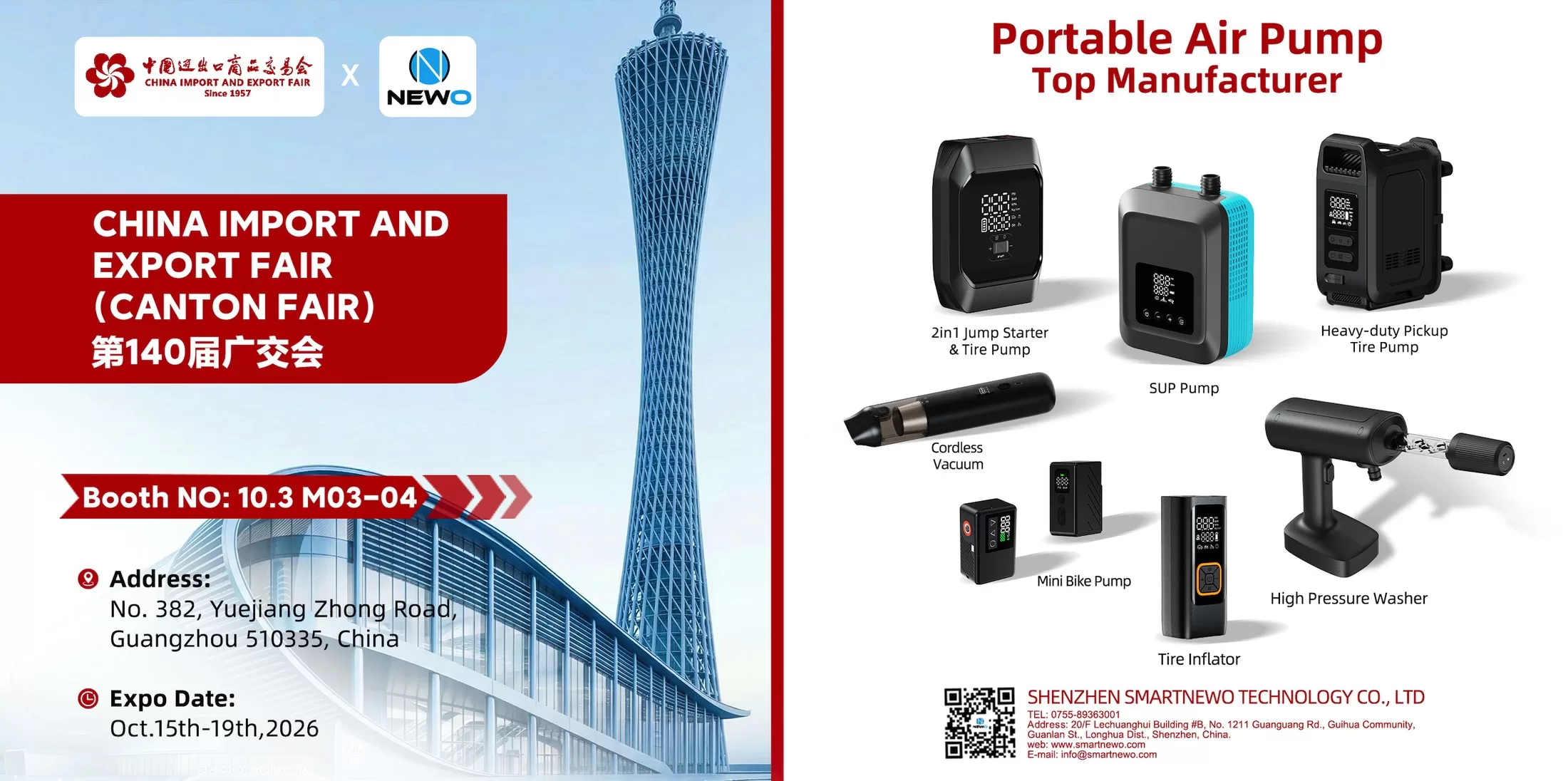
Meet NEWO at the 140th Canton Fair: Visit Booth 10.3 M03–04
Meet NEWO at the 140th Canton Fair in Guangzhou, October 15–19, 2026. Visit Booth 10.3 M03–04 to explore portable air pumps and discuss OEM, ODM and distribution opportunities.... -

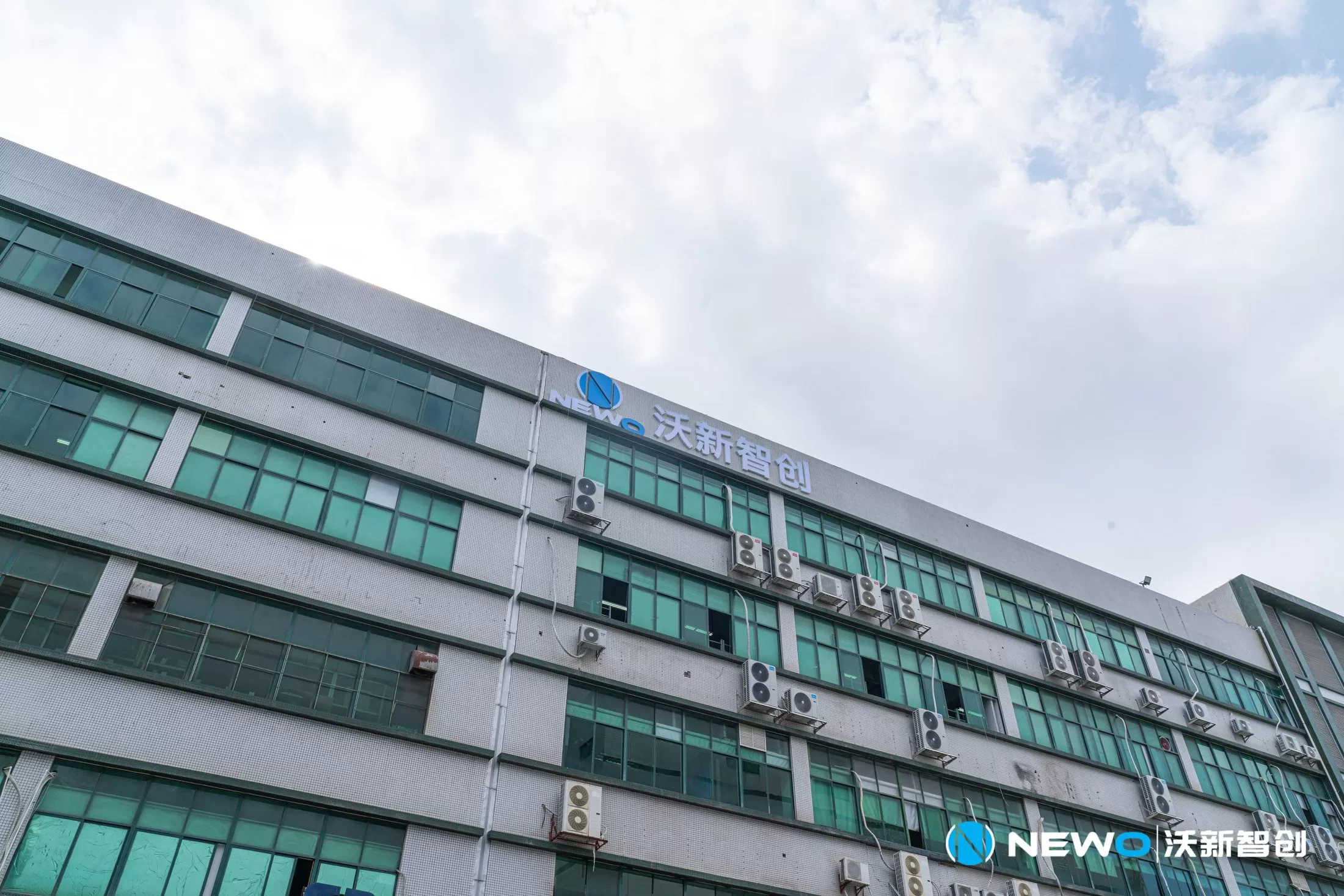
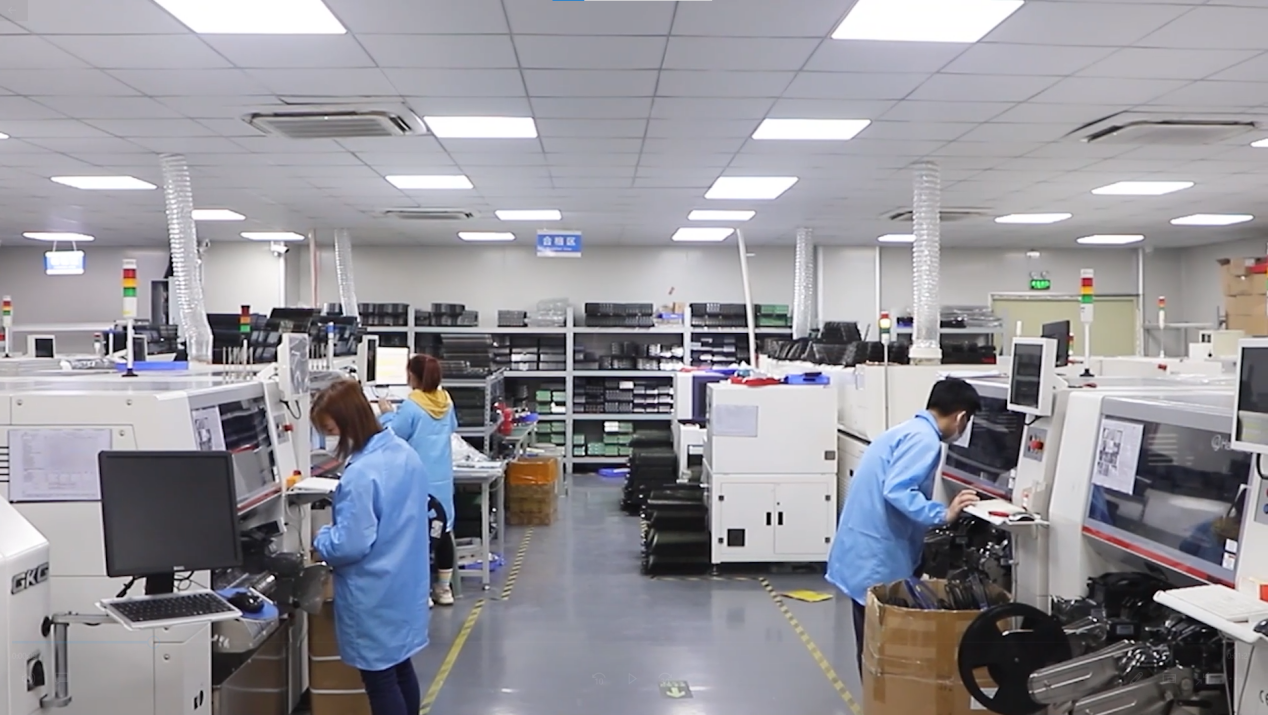
As Shenzhen Welcomes the World for APEC 2026, NEWO Welcomes You to Our Factory
As Shenzhen prepares for APEC 2026, NEWO welcomes international buyers and partners to visit our factory, meet our team and explore future cooperation.... -

Leading the Way in Product Innovation and Excellence
Smartnewo exemplifies professionalism in product innovation and manufacturing. Their collaboration with Xiaomi Youpin on the G01 crowdfunding project highlights their expertise in creating compact, powerful inflatable pumps. Rigorous engineering, meticulous production processes, and advanced quality assurance underscore their commitment to excellence. The success of the G01 project, with significant market... -

Essential Qualities of an Excellent Supplier
In today's competitive market, finding a reliable supplier is crucial for business success. Based on insights from Smartnewo and broader internet research, here are key qualities an excellent supplier must possess:... -

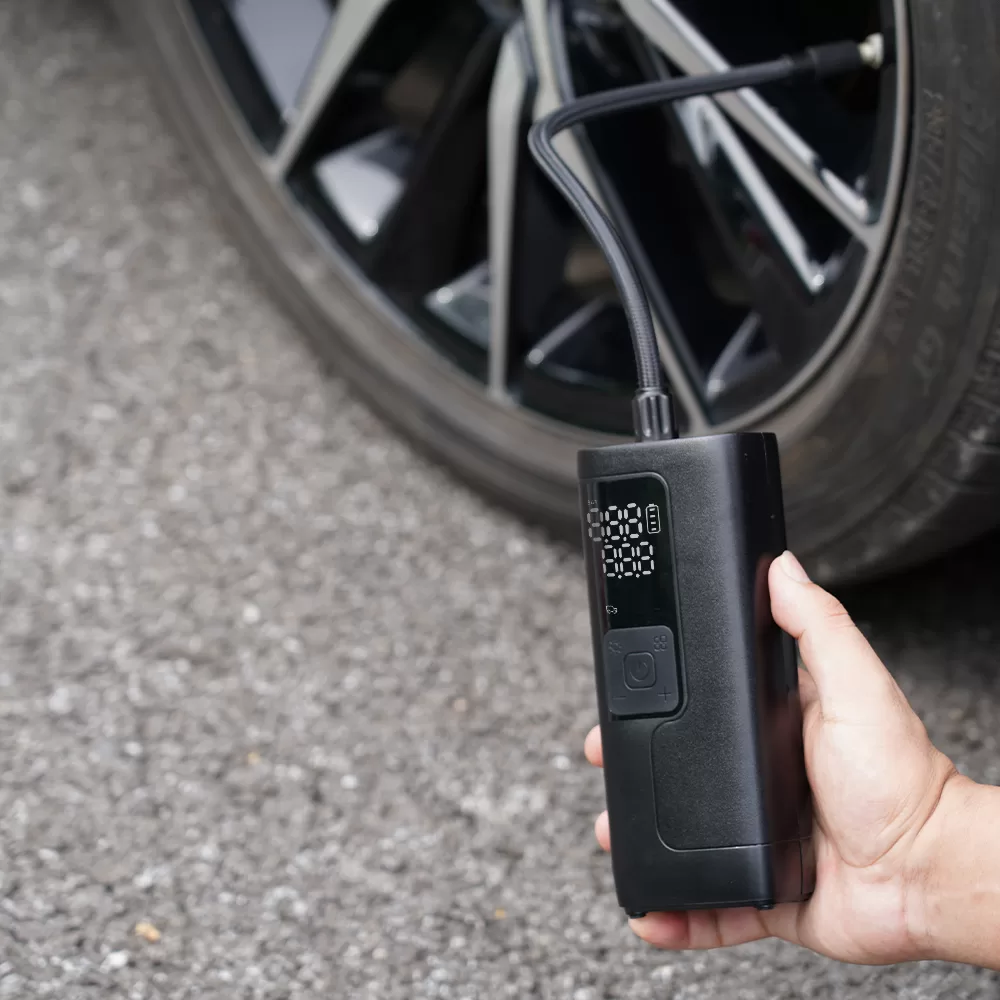
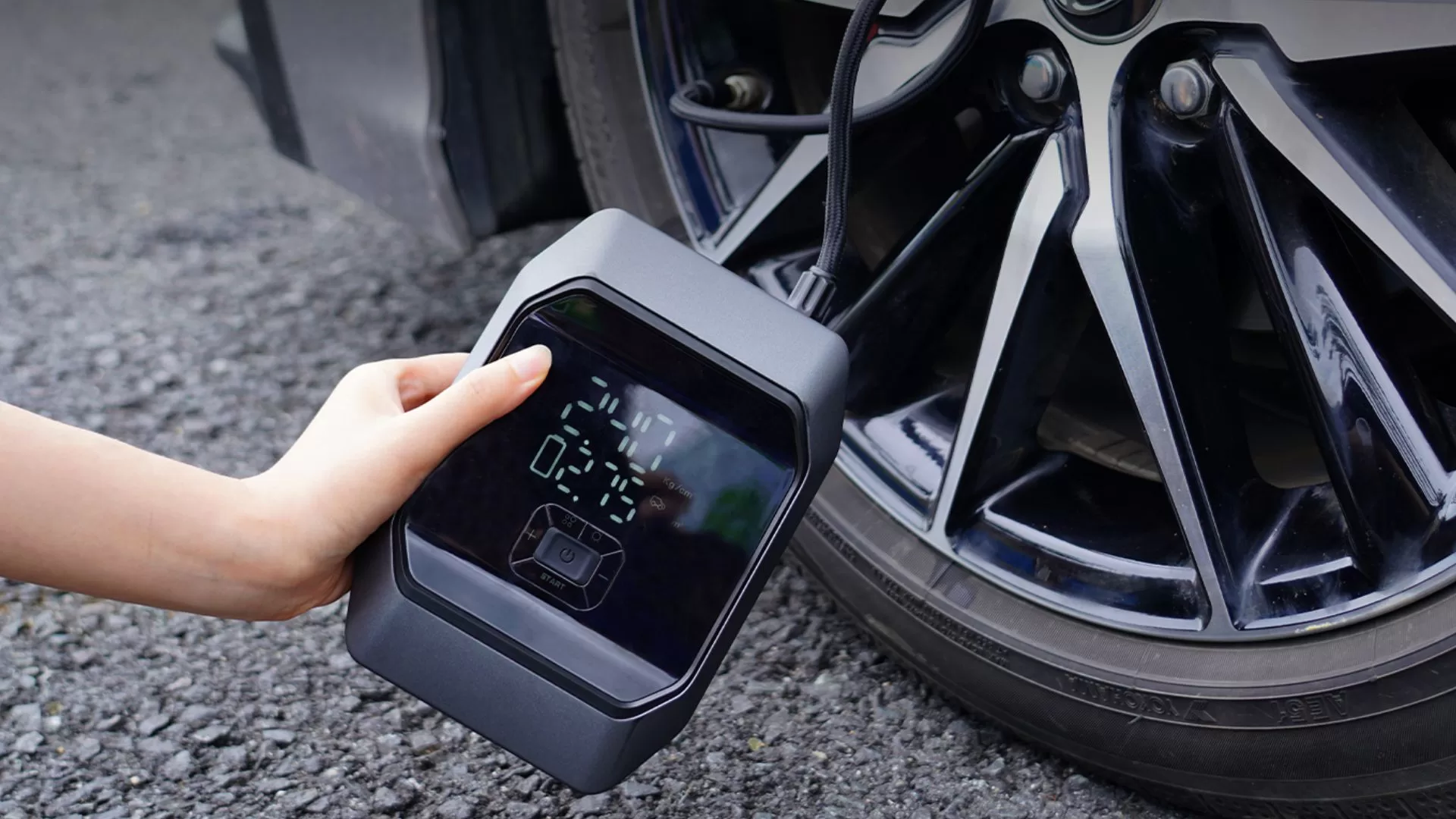
NW06 Tire Inflator: Compact Power for Quick Inflation
Summary The NW06 Tire Inflator delivers quick and efficient tire inflation with a powerful 35L/min airflow. It features a user-friendly LCD screen for real-time pressure monitoring, dual power options with a built-in 6000mAh battery, and multiple nozzle attachments for versatile use. Its compact design and integrated LED light ensure convenience and... -

Unleash the Power of Portability: The SmartNewo Jump Starter with Air Compressor KF03
This guide will walk you through the steps to effectively use a portable tire inflator, helping you stay prepared and safe on the road.... -

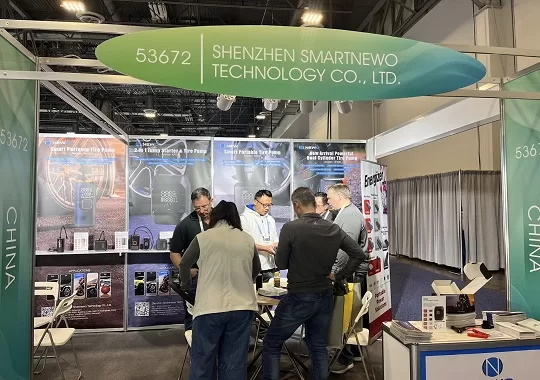
Newo Attends The 2024 Consumer Electronics Show (CES)
Smartnewo booth is located at 53672, Halls A-D, Level 2, Venetian Expo, Las Vegas Convention Center (LVCC). ... -

Smartnewo’s Dual-Cylinder Air Pump Rocks the Hong Kong Autumn Electronics Fair!
Smartnewo’s Dual-Cylinder Air Pump Rocks the Hong Kong Autumn Electronics Fair!... -

Meet at the Canton Fair! Smartnewo brings dual-cylinder air pumps, making your inflation experience faster and more stable!
NEWO has went deep communication and negotiation with customers from all over the world on booth.... -

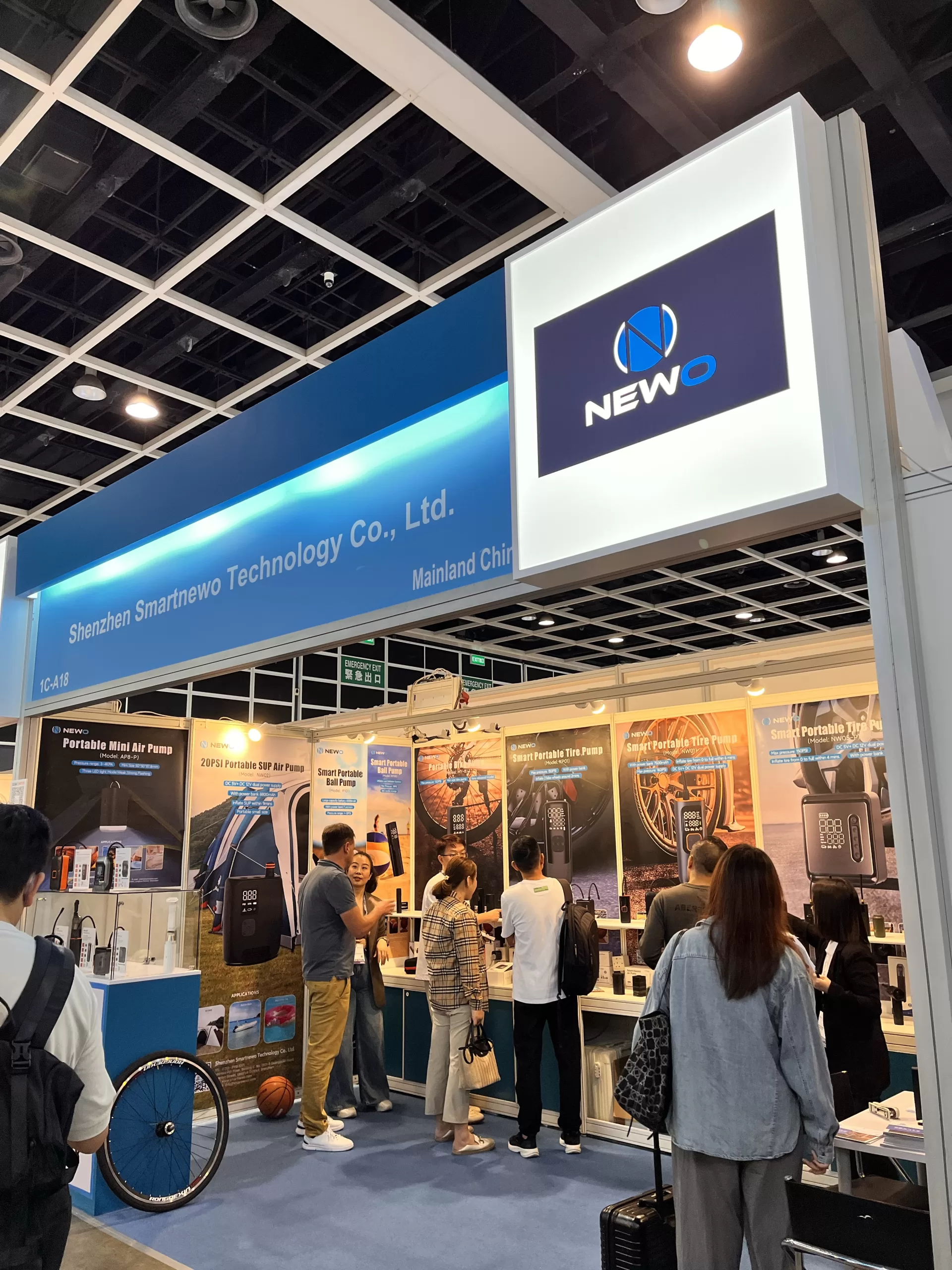
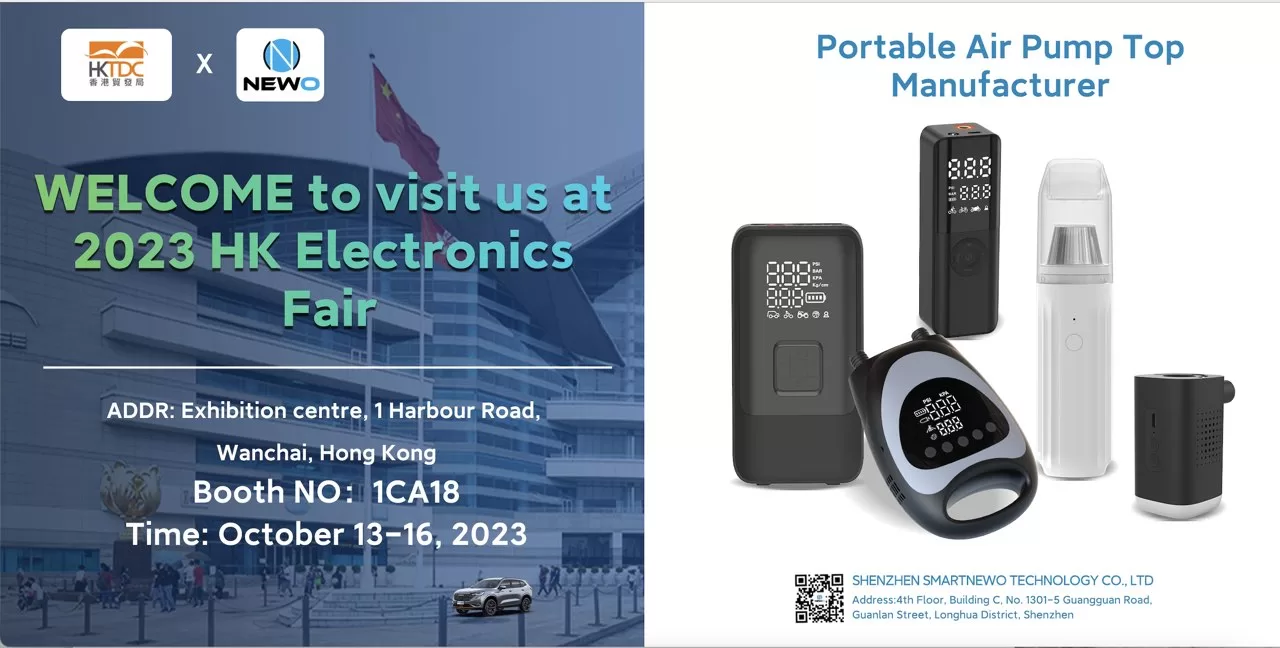
“Hong Kong Autumn Electronics Fair – 1CA18 (October 13th to 16th): Smartnewo invites you to visit our booth!
Hong Kong Autumn Electronics Fair...
-

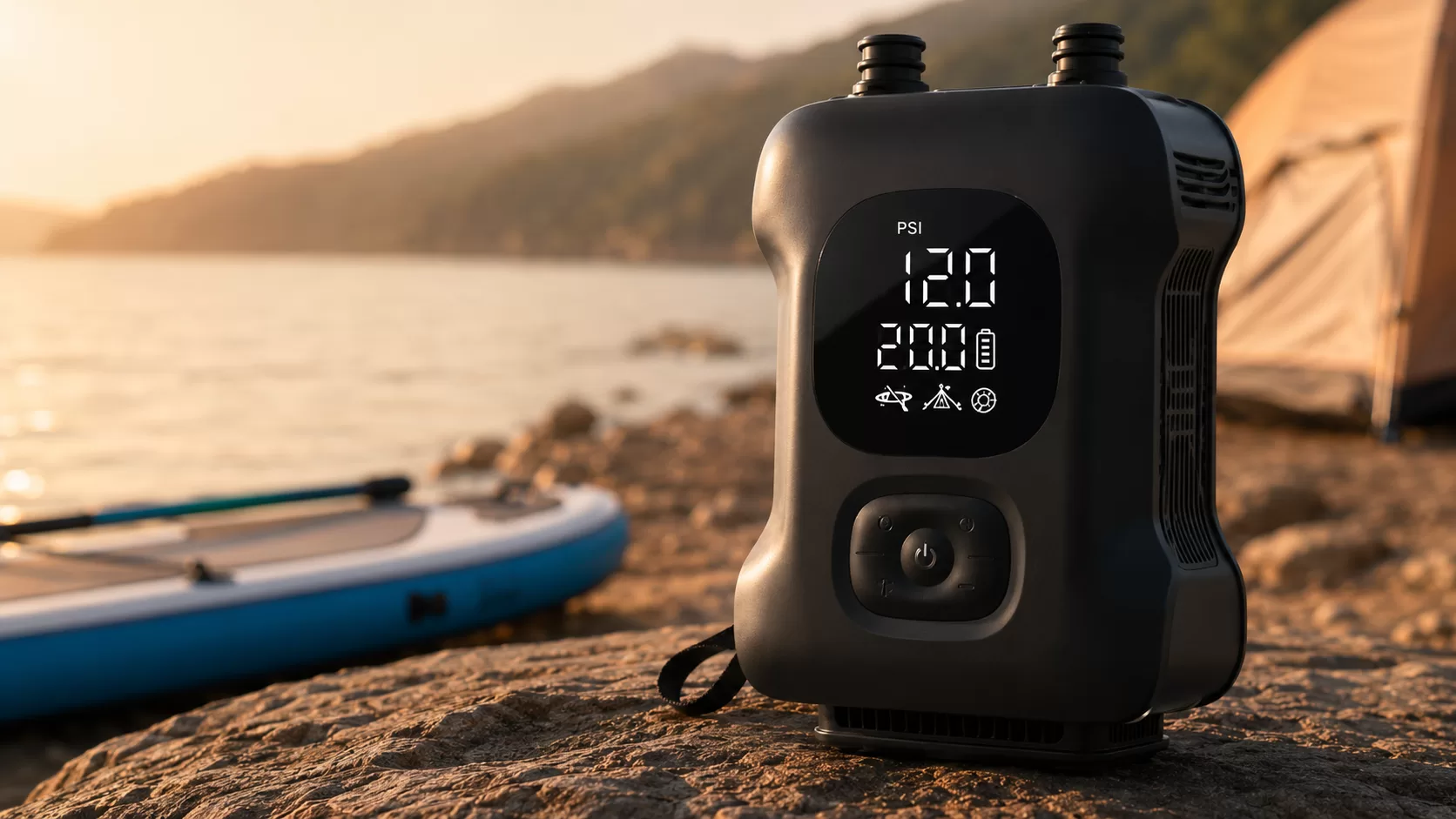
Rechargeable Electric SUP Pump for Paddle Boards: Faster Inflation for SUPs, Kayaks and Inflatable Tents
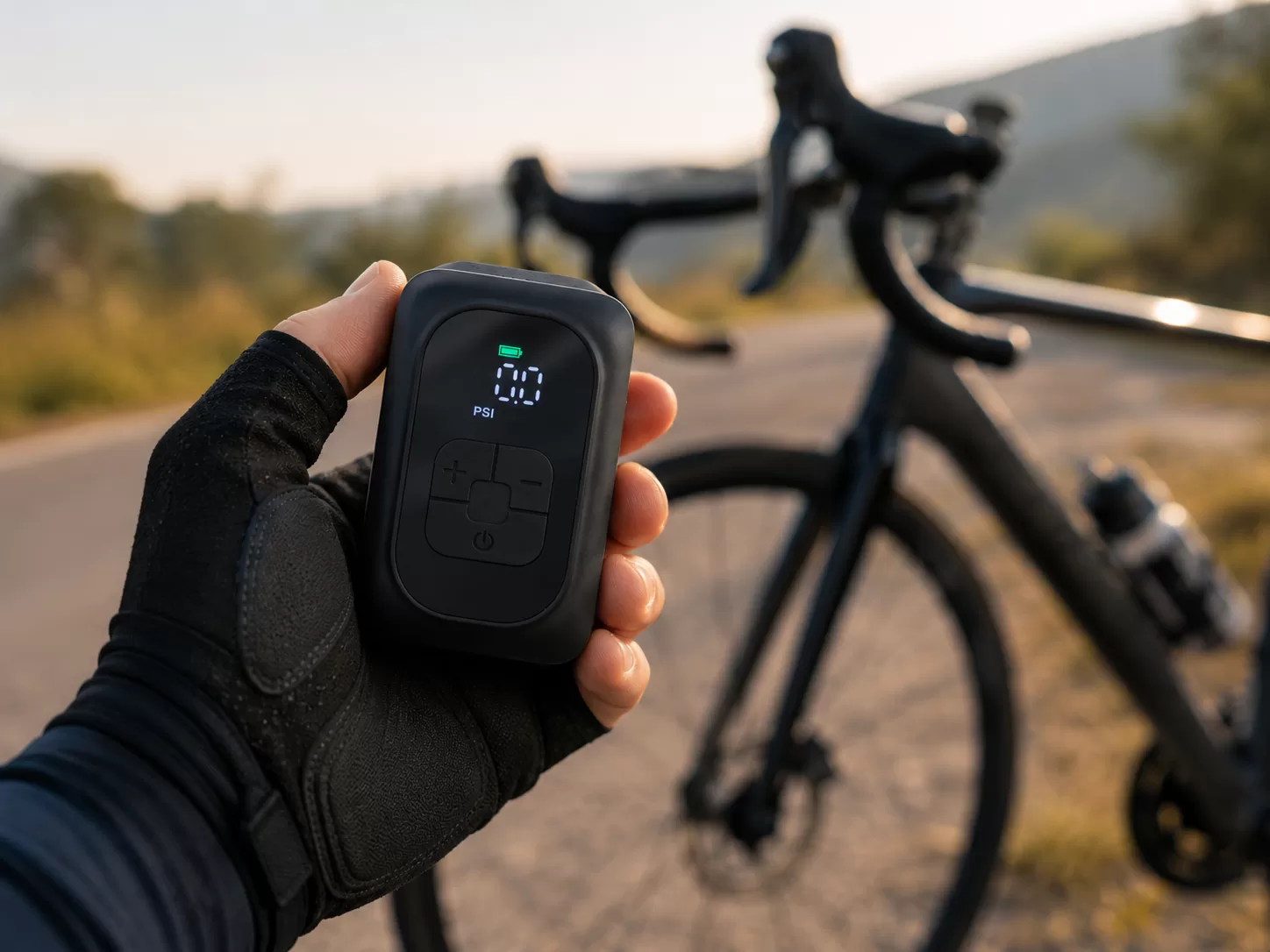
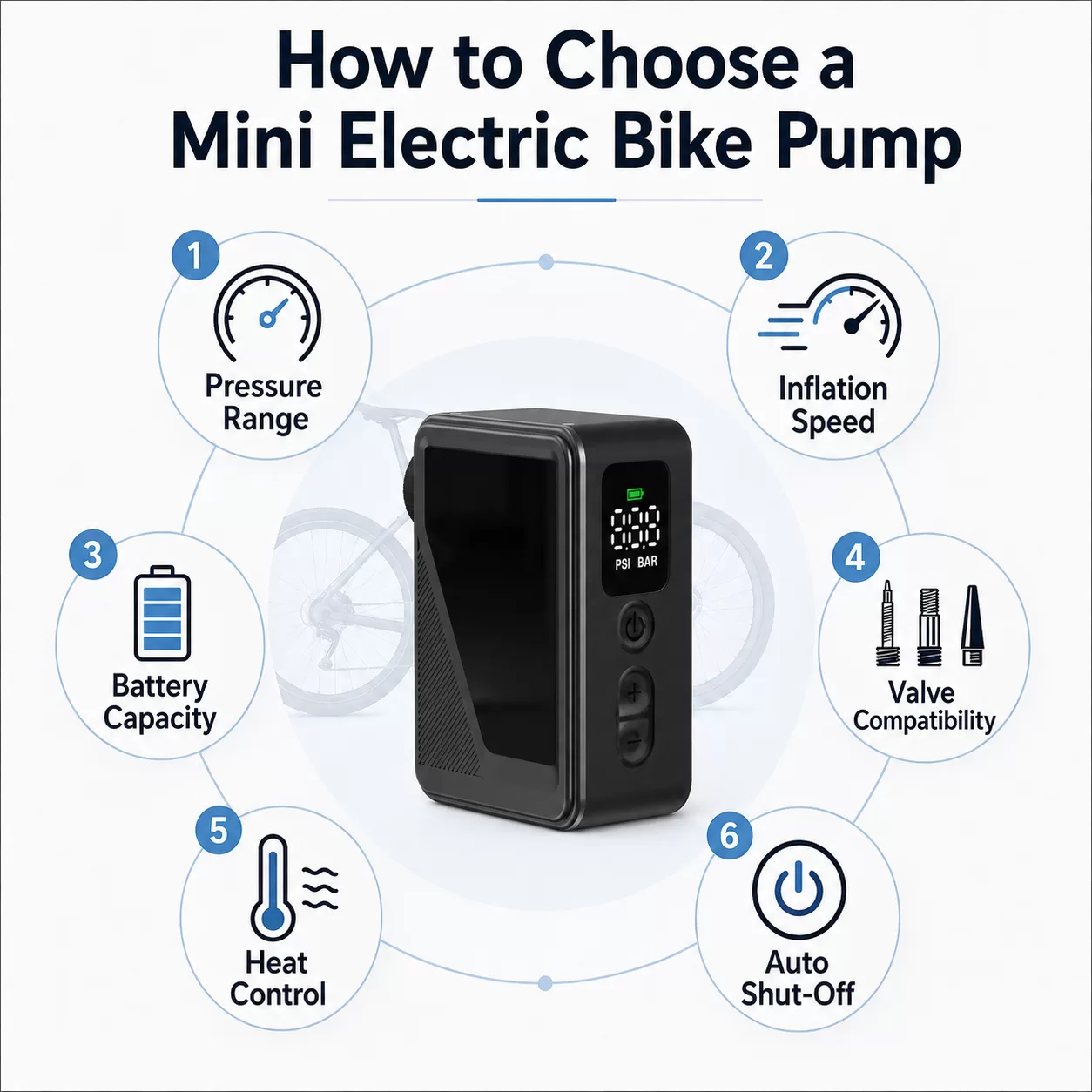
The BL10-C Portable Electric Bike Tire Inflator is a compact and lightweight mini electric bike pump designed for modern cyclists. With up to 120 PSI pressure, a digital LED display, preset pressure control, automatic shut-off, USB-C charging, and multiple valve adapters, BL10-C offers a convenient inflation solution for road bikes,... -

Are Electric Bike Pumps Worth It in 2026? Electric Pump vs CO₂ vs Mini Hand Pump
Discover whether electric bike pumps are worth it in 2026. This guide compares electric bike pumps, CO₂ inflators, and mini hand pumps for road cycling, gravel riding, commuting, and long-distance rides. Learn the pros, limitations, best use cases, and key features to look for before choosing the right portable tire... -
BL10-C Portable Electric Bike Tire Inflator: Small Size, Reliable Power for Every Ride
The BL10-C Portable Electric Bike Tire Inflator is a compact and lightweight mini electric bike pump designed for modern cyclists. With up to 120 PSI pressure, a digital LED display, preset pressure control, automatic shut-off, USB-C charging, and multiple valve adapters, BL10-C offers a convenient inflation solution for road bikes,... -

Why Mini Electric Bike Pumps Are Becoming Essential for Modern Cycling
Discover why mini electric bike pumps are becoming essential for modern cyclists. Learn how portable electric bike pumps improve tire pressure management, riding safety, and convenience.... -

The Ultimate Smart Solution for Easy Outdoor Adventures in 2026
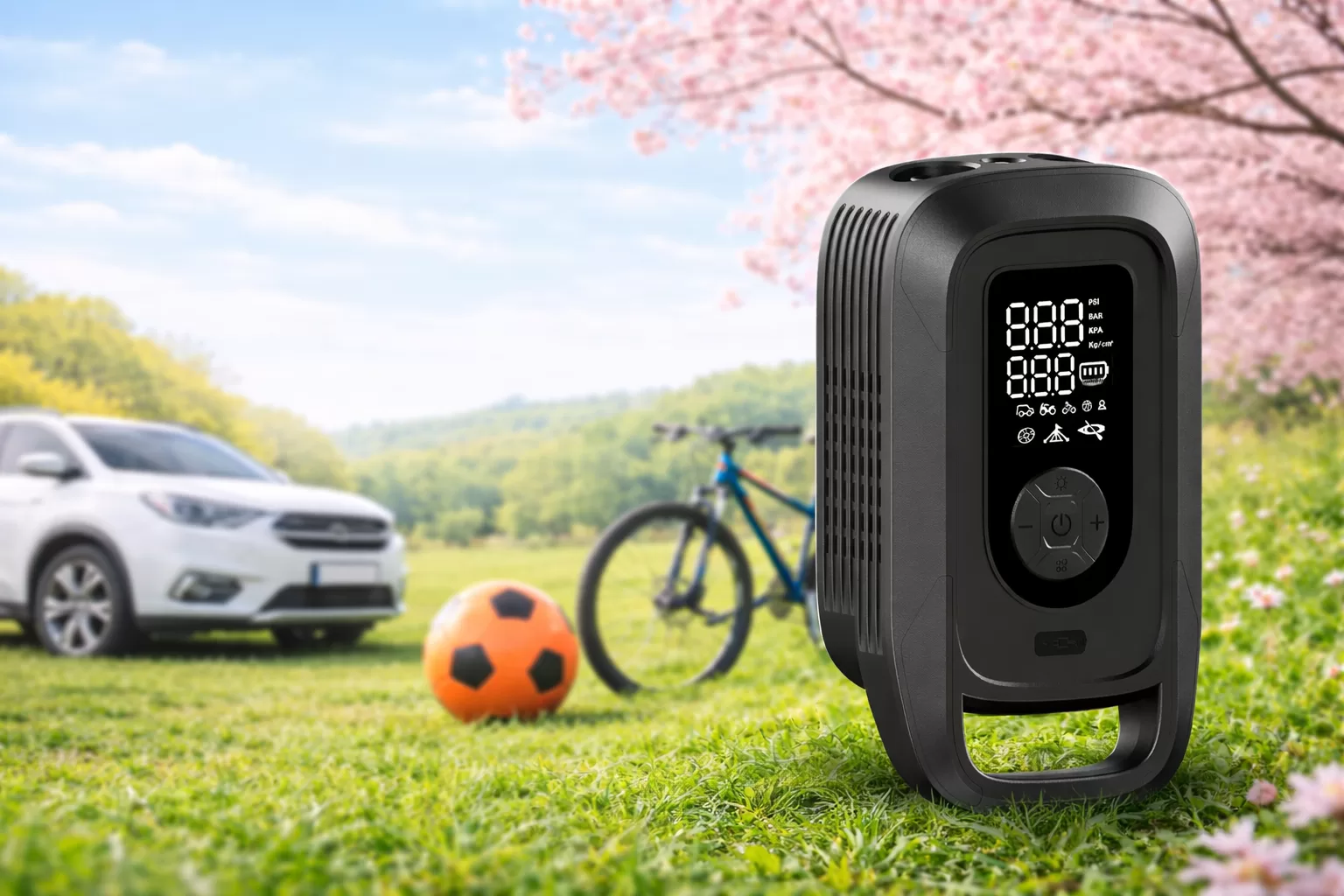
Discover how a spring travel air pump simplifies outdoor trips with fast inflation, smart features, and powerful performance—perfect for every adventure.... -

Powerful 5-in-1 Portable Car Tire Inflator and Jump Starter: The Ultimate Emergency Tool for Every Driver
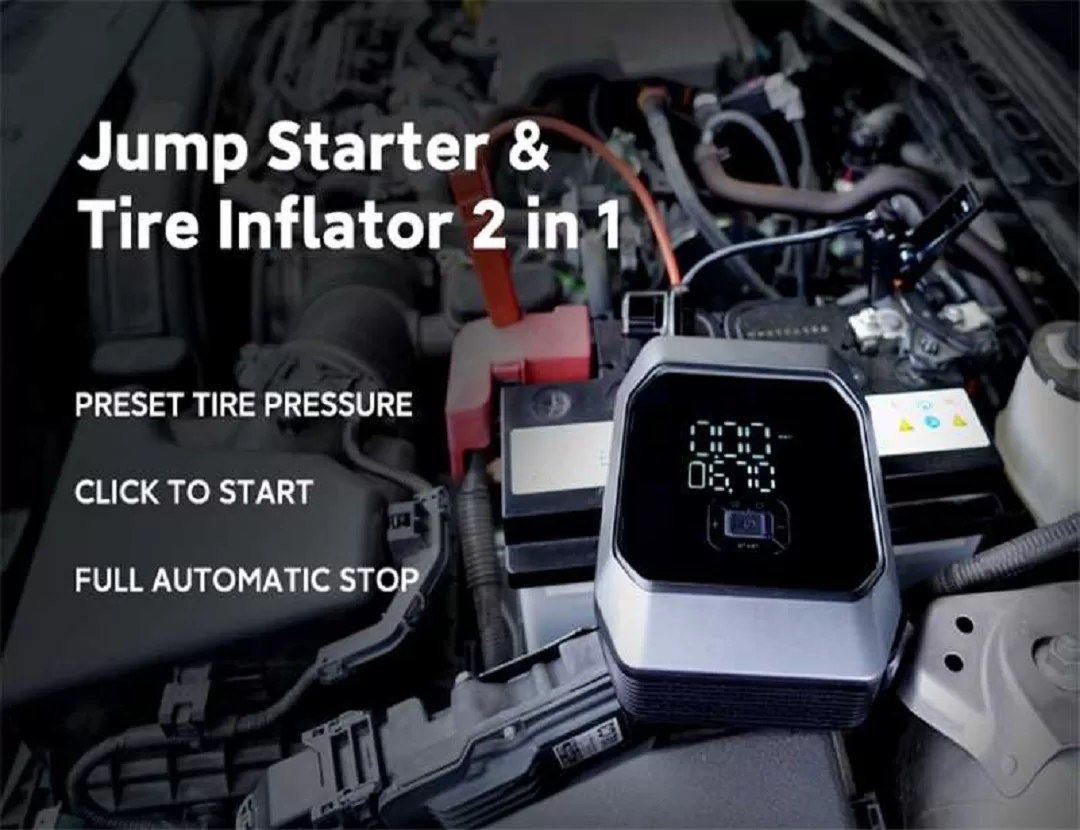
Why Every Driver Needs a Portable Car Tire Inflator and Jump Starter Modern drivers face many unexpected situations on the road. A flat tire, low tire pressure, or a dead car battery can happen at the worst possible time. That’s why having a portable car tire inflator and jump starter is... -

7 Real Cycling Scenarios That Show Why Every Rider Should Carry a Mini Bike Pump
Cycling is one of the most freeing activities you can enjoy. Whether you’re commuting to work, riding through city streets, or exploring quiet countryside roads, a bike ride can instantly improve your day. But there’s one small problem that almost every cyclist eventually faces: Low tire pressure. It might happen... -
BL08-A Portable Electric Bike Pump: A Global Distribution Opportunity with Smartnewo
Smartnewo, a professional manufacturer of portable electric air pumps, introduces the BL08-A model — a compact and efficient inflator designed for global distributors, e-commerce sellers, and outdoor accessory brands seeking reliable OEM/ODM solutions. Table of Contents Main Heading Subtopics 1. Introduction: Expanding the Global Market for Smart Inflation Tools Portable... -

Connecting Opportunities at Automechanika Shanghai 2025 — Smartnewo Exhibition Day 1
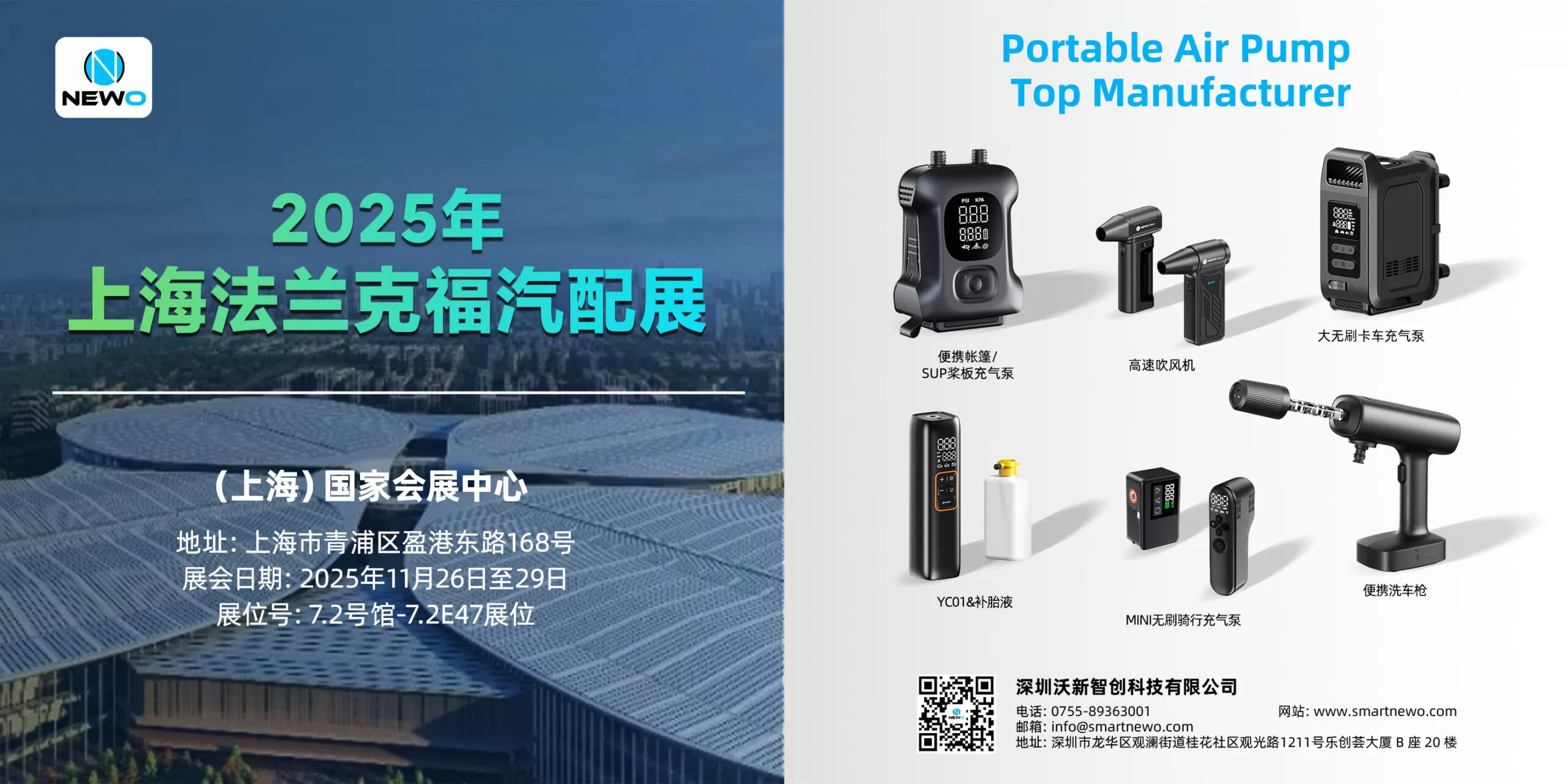
Today marks an exciting beginning as Smartnewo officially opens its booth at Automechanika Shanghai 2025. As one of the largest and most influential automotive aftermarket exhibitions in the world, the show provides an exceptional platform for meaningful conversations, partnership building, and global industry exchange. Located at Booth 7.2E47, Smartnewo presents... -

Why Every Outdoor Cyclist Should Carry a Mini Electric Bike Pump
Whether you are an experienced mountain rider or a weekend road-cycling enthusiast, one thing is certain: unexpected tire pressure issues can ruin an entire ride. That’s why more cyclists are turning to mini electric bike pumps—compact, lightweight, and far more reliable than traditional hand pumps. 1. Consistent Pressure, Even in...

-
How Is a Football Properly Inflated?
The correct inflation of a football - with not too much and not too little air - is a hotly debated topic among footballers.... -
Application Scenarios of Car Inflator Pump
Often long-distance business trips or play car owners because the road may be more remote areas, in this case if you encounter a tire leak....