

 Portable Tire Inflators
 Electric Air Pumps
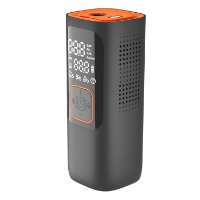 Electric Car Tyre Pumps
 Electric Ball Pumps
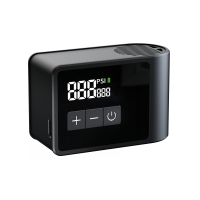 Electric Bike Pump
 SUP Air Pump

How to Choose an Electric Bicycle Tire Pump: Engineering, Pressure Control, and Roadside Reliability
Fixing a puncture by the side of the road often turns a minor delay into an exhausting mechanical struggle. Carrying a reliable electric bicycle tire pump changes that experience by replacing hundreds of frantic arm strokes with motorized air delivery and a digital display. Whether you ride narrow road clinchers or wide commuter tires, a portable electric bike tire inflator removes the guesswork of manual gauges and the waste of disposable gas canisters. Understanding how a mini electric bike pump manages pressure, heat, and battery power helps you pick the right tool for your saddle bag.
Why Cyclists Are Replacing Hand Pumps and CO2 With an Electric Bicycle Tire Pump
For decades, cyclists accepted a flawed compromise between two roadside tools: the tiring manual hand pump and the unforgiving carbon dioxide cartridge. Neither option gives riders repeatable, gauge-accurate pressure without physical strain or chemical trade-offs.
The Hidden Costs of Manual Mini Pumps and Single-Use CO2 Cartridges
Short-barrel hand pumps trade volume per stroke for pocket portability. The effort required depends on the pump design, tire volume, and starting pressure. As fatigue builds, lateral hand motion can rock the pump head back and forth. Keeping the pump head aligned straight with the valve stem helps avoid stressing or bending the valve core.
Pressurized CO2 cartridges solve the speed problem, yet they introduce thermal and chemical considerations of their own. When compressed liquid CO2 expands rapidly into a tire, adiabatic cooling drops the canister and valve to very cold temperatures. CO2 compatibility varies by sealant formulation, and some tubeless sealants may be adversely affected by CO2 inflation. Riders using tubeless setups should follow their sealant manufacturer’s guidance on CO2 use.
Carbon dioxide molecules are highly soluble in butyl and latex rubber. Once injected, CO2 diffuses through the tire wall much faster than ambient nitrogen-rich air. A tire inflated with CO2 on a morning ride will often feel noticeably soft by the next morning, forcing you to deflate and re-inflate the wheel with a floor pump at home.
Precision Pressure Control Across Road, Gravel, and Commuter Tires
Modern bicycle tires are sensitive to pressure changes, and small differences can affect rolling resistance and cornering grip. The exact impact depends on the tire, the rider’s weight, and the surface being ridden, so there is no single number that applies to every setup. Squeezing a tire casing with your thumb on the roadside tells you almost nothing about the actual internal pressure. Riding away under-inflated invites pinch flats on the next pothole, while over-inflating makes the bike bounce over rough pavement.
An electric bicycle tire pump with a digital display helps riders move away from thumb-squeeze guesswork toward a number-based reference point during inflation. Rather than relying on feel alone, you can refer to the pump’s own display while working and stop once you judge the tire has reached a suitable firmness for your setup. That shift toward a visible reference turns a temporary roadside patch job into a more consistent fix for the rest of your ride.
Comparing Roadside Inflation Tools Side by Side
Evaluating how different portable inflation tools perform under real riding conditions clarifies why motorized micro-pumps have gained traction among road, gravel, and urban cyclists.
| Evaluation Metric | Pocket Electric Bicycle Tire Pump | CO2 Inflator + Cartridges | Manual Mini Hand Pump |
|---|---|---|---|
| Maximum Pressure Capability | Up to 120 PSI with steady motorized delivery | Dependent on tire volume and cartridge size | Varies by design and rider strength |
| Pressure Gauge Accuracy | Dual LCD display with automatic shut-off | None; requires blind estimation or separate gauge | Rarely included; usually relies on thumb squeeze |
| Runtime and Rechargeability | About 5 minutes of continuous runtime per charge; rechargeable via Type-C | One cartridge per tire; dead weight once emptied | Unlimited air supply, limited by physical effort |
| Tubeless Sealant Compatibility | Safe ambient air; no thermal concerns | CO2 compatibility varies by sealant; consult manufacturer | Safe ambient air, though slow airflow cannot seat beads |
| Valve Stem Mechanical Risk | Low risk when held steady or used with a hose | Risk of freezing skin or components at cold valve | Risk of bending valve cores if pump head rocks during strokes |
| US Air Travel Rules (FAA/TSA) | Lithium-ion battery under 100Wh generally permitted in carry-on; confirm with airline | Compressed-gas cartridges prohibited unless empty, per TSA | Allowed in both carry-on and checked baggage |
Inside the Micro-Compressor: How a Pocket-Sized Electric Bike Pump Works
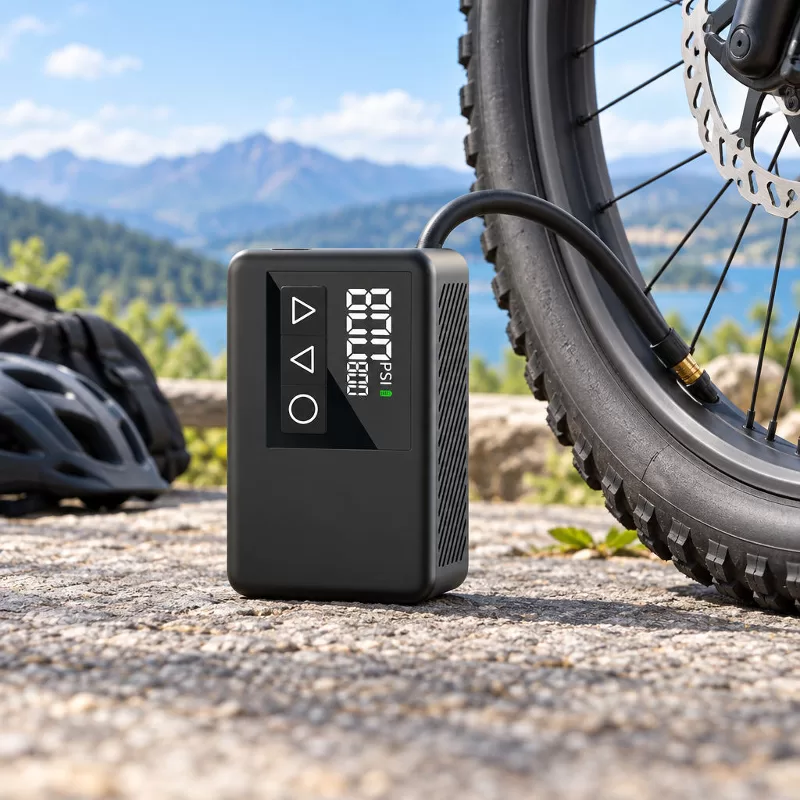
Shrinking an air compressor down to the size of a cycling computer requires rethinking how the motor and battery work together. Early cordless inflators relied on heavy brushed motors and bulky cylindrical housings that belonged in a car trunk rather than a jersey pocket. The image below shows a compact rectangular inflator of this general category, illustrating the kind of pocket-sized housing this design approach makes possible, rather than depicting the BL03 itself.
Small Brushless Motors and Airflow Dynamics
To achieve pocket dimensions without sacrificing high-pressure output, modern micro-pumps replace traditional carbon-brush assemblies with electronically commutated brushless motors. Removing physical brush friction allows the rotor to spin at much higher speeds while cutting down internal waste heat and mechanical wear. This architecture packs useful pneumatic output into a tiny footprint.
A practical example of this engineering is the Electric Bicycle Tire Pump 120PSI BL03, developed by Newo, a manufacturer specializing in smart electric air pumps and portable inflation solutions. According to its product specification, the BL03 measures 74 × 48 × 34 mm, weighs 129 g, and uses a small brushless pump operating at about 40W to deliver 14 L/min of airflow and up to 120 PSI of maximum pressure.
Battery Chemistry, Watt-Hours, and Real-World Runtime
Pushing air into a tire at elevated pressure puts backpressure on the pump during every compression cycle, which is part of why compact inflators need a battery pack sized to sustain their rated working power.
In the BL03 specification, a 500mAh, 7.4V lithium battery pack provides 3.7Wh of energy storage, supporting the roughly 40W working power needed for approximately 5 minutes of continuous runtime per the manufacturer’s listed data. Actual tire capacity per charge depends on tire volume, starting pressure, target pressure, and operating conditions, and the supplied specification does not state a specific number of tires or inflations per charge.
Battery longevity also depends on how well the cells handle repeated discharge cycles. According to the BL03 technical data, the battery pack retains 80% or more of its original capacity after 100 full charge cycles. When the pack runs low, a 5V / 1.5A Type-C charging input restores full capacity in less than one hour, making it easy to top up at a café stop or office desk.
Thermal Management, Acoustic Output, and Valve Stem Safety
Compressing air inside a miniature cylinder follows unforgiving laws of physics: squeezing gas molecules into a smaller volume rapidly increases their temperature. Combined with friction from a motor running at high speed, any pocket electric bike pump generates concentrated heat near its air outlet. Housing ventilation slots help dissipate warmth from the motor core, yet the nozzle itself can still feel warm during high-pressure inflations.
Sound is the other inescapable byproduct of a high-speed micro-compressor. Because there is no room inside a 129 g casing for heavy acoustic foam, the BL03 is rated at 85 dB or below at a distance of 1.5 meters, according to its specification. While brief and unnoticeable on a busy roadside, it will certainly catch attention inside a quiet apartment hallway.
Key Specifications to Evaluate Before Buying a Portable Electric Bike Tire Inflator
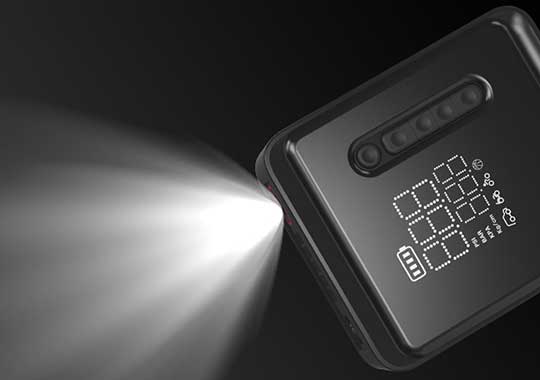
Not every cordless tire inflator suits cycling carry. Many portable air compressors sold online are scaled-down automotive units weighing over 400 grams—far too heavy for a jersey pocket and clumsy inside a compact saddle bag. The image below illustrates one such automotive-style inflator for comparison; it is not the BL03.
Matching Maximum PSI and Airflow to Your Tire Volume
When comparing technical sheets for a portable electric bike tire inflator, you need to balance maximum pressure against air volume per minute. Different cycling disciplines and sports gear demand very different points along the pressure curve.
High-pressure road cycling with narrow road tires requires elevated terminal pressure. Always follow the tire and rim manufacturers’ pressure limits, and choose a pressure appropriate for your specific tire-and-wheel combination and load rather than a single fixed number. A pump with a 120 PSI maximum rating provides headroom for tires that require higher pressure within their safe operating range.
Gravel and all-road riding with wider gravel casings typically run at lower pressures. The BL03’s listed airflow of 14 L/min is the manufacturer’s stated figure; how quickly it fills a given tire in practice will vary with tire volume and target pressure.
Urban commuting and e-bikes operate in the middle range. Punctures on heavy commuter bikes are frustrating in work clothes. Automated inflation lets commuters fix a flat cleanly without breaking a sweat before arriving at the office.
Sports balls and recreational gear require a wide operating range starting at 2 PSI. This allows the same pocket unit to inflate footballs, basketballs, or volleyballs within the stated pressure range, extending the device’s usefulness beyond cycling.
Dual LCD Interfaces and Automatic Shut-Off Logic
Single-line screens force you to toggle between modes or guess how close the tire is to your preset target. According to the BL03 product specification, the unit includes a dual LCD display and an automatic shut-off function that stops inflation to help simplify pressure management.
Beyond these two confirmed features, the manufacturer’s listed data does not detail the specific on-screen readout behavior, how a target value is set, or button layout, so riders should refer to the product manual for exact operating steps particular to their unit.
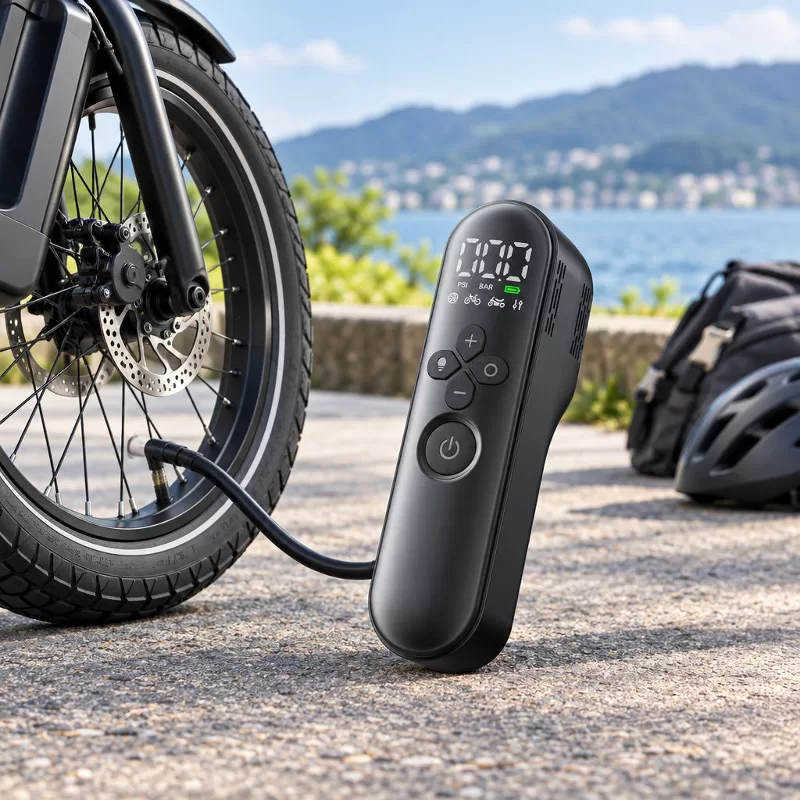
Form Factor, Weight Distribution, and Jersey Pocket Ergonomics
Every gram you carry on your back affects comfort over a four-hour ride. A bulky cylindrical pump bounces inside a Lycra jersey pocket and pokes into your lower spine if you ever slide out on a corner. Flat, rounded-rectangular profiles sit flush against your back or slide neatly beside a spare tube and tire levers inside a seat pack.
Measuring 74 × 48 × 34 mm and weighing 129 g, the BL03 mini bike tire inflator occupies minimal space while delivering the pressure range needed for bicycle tires and sports balls. Unlike disposable CO2 cartridges that become useless once emptied, a rechargeable micro-pump remains ready throughout your ride.
Step-by-Step Roadside Protocol: Operating Your Electric Bicycle Tire Pump Safely
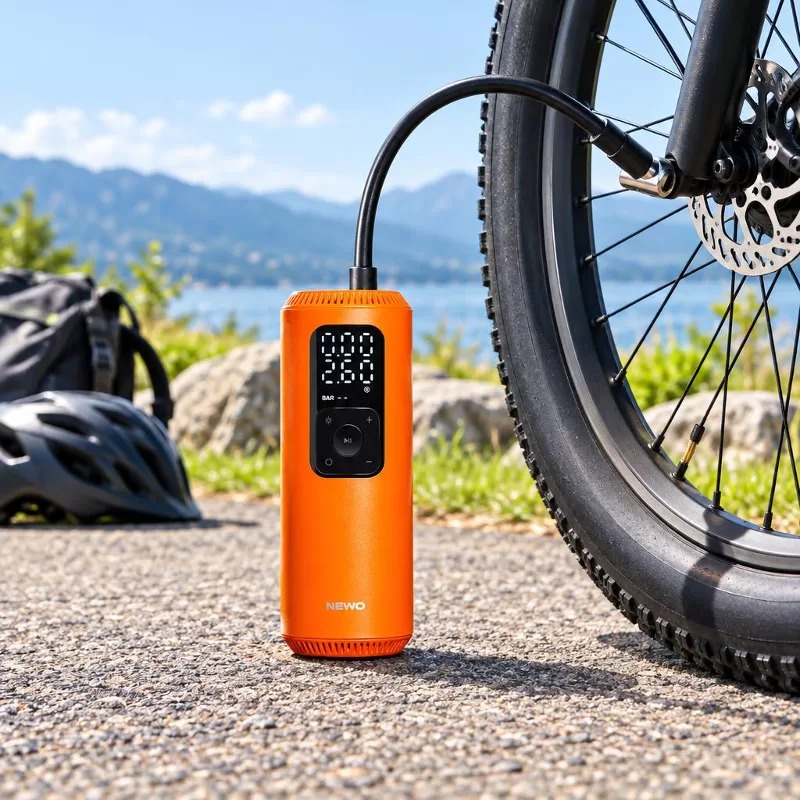
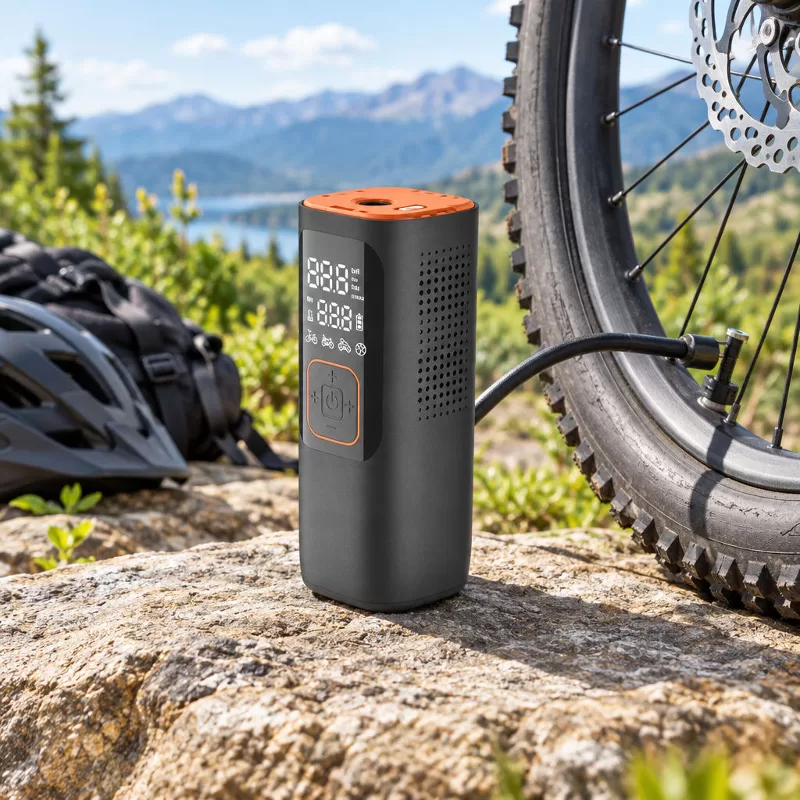
Even the best hardware can fail you on the roadside if you lose battery charge to a leaky valve connection. Following a disciplined inflation sequence protects your valve cores and maximizes the useful work from a 3.7Wh battery. The photo below shows a similar cylindrical inflator in use as a general illustration of roadside inflation, not the BL03 itself.
Pre-Ride Preparation and Valve Compatibility Checks
Before tossing your electric bicycle tire pump into a pack, check whether your wheels use Presta or Schrader valves and verify that the nozzle adapter matches. On Presta valves, always unscrew the small knurled locknut at the tip and press it down briefly with your fingertip to break the rubber seal loose. On tubeless wheels, dried sealant can sometimes obstruct the valve pin. Opening it beforehand prevents the pump from fighting a blocked valve.
Execution: From Target Pressure Preset to Automatic Shut-Off
When you have patched or replaced the tube and seated the tire bead back onto the rim, follow these steps for a clean inflation.
Position the wheel valve where you can attach the pump straight and securely, giving you unobstructed access to press the nozzle on squarely.
Power on the pump and check its display, following the manufacturer’s instructions for setting your desired pressure before engaging the motor.
Engage the valve seal by pressing the inflator nozzle (or threading the extension hose) firmly onto the valve stem along its straight axis so no air hisses out around the rubber gasket.
Start the pump to initiate airflow and hold the unit steady so vibration does not wiggle the valve stem.
Wait for the automatic shut-off to stop the motor at your target pressure, then pull the nozzle straight off in one quick motion to minimize air loss.
Managing Battery Lifespan and Seasonal Storage
Lithium-ion cells require basic seasonal care to stay reliable when emergencies happen. The BL03 is engineered to operate within a working temperature range of 0°C to 45°C. Leaving any rechargeable inflator inside a freezing garage all winter or baking inside a car glovebox in summer accelerates internal resistance and degrades battery capacity.
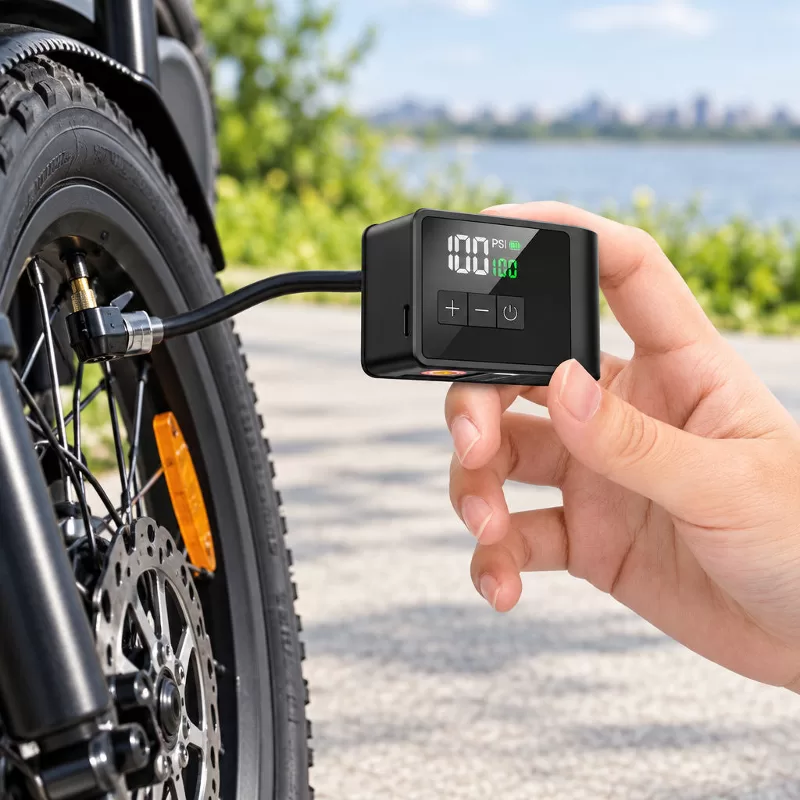
For longer periods between rides, check the BL03’s manual for any specific storage guidance. Where no specific instructions are given, a general practice for lithium-ion devices is to avoid storing them fully drained or at full charge for extended periods, keeping the unit indoors at room temperature instead. Because the 5V / 1.5A Type-C port completes a full recharge in under an hour, topping up the 500mAh pack shortly before a ride is a practical habit.
Frequently Asked Questions About Electric Bicycle Tire Pumps
Can a mini electric bicycle tire pump seat a tubeless tire bead?
A pocket-sized micro-pump with a 14 L/min airflow rate is designed to inflate inner tubes and top up or re-inflate tubeless tires whose beads are already locked onto the rim shelf. Seating a brand-new, unmounted tubeless tire from scratch typically requires a sudden high-volume blast of air from a shop compressor or dedicated tubeless booster tank.
How does the BL03 compare to typical CO2 cartridge systems?
The BL03 offers rechargeable convenience and a dual LCD display with automatic shut-off, while CO2 cartridges provide one-time high-speed inflation. CO2 compatibility with tubeless sealants varies by formulation, so riders should consult their sealant manufacturer before using CO2. The BL03 uses ambient air and runs for approximately 5 minutes per charge according to its specification; the number of tires that supports will depend on tire size and pressure requirements, since the manufacturer’s data does not specify an inflation count per charge.
How does cold weather affect a portable electric bike tire inflator?
Cold ambient temperatures slow down lithium-ion chemical reactions and temporarily reduce usable battery runtime, which is why the standard working temperature starts at 0°C. When riding in chilly weather, carry your 129 g inflator inside an inner jersey or jacket pocket rather than an exposed saddle bag so your body heat keeps the battery warm.
Can I take a rechargeable electric bicycle tire pump on an airplane?
In the United States, FAA and TSA rules generally permit a lithium-ion battery under 100Wh to travel in carry-on baggage, and the BL03’s 3.7Wh battery pack sits well below that threshold. By contrast, TSA guidance allows compressed-gas cartridges such as CO2 only when empty, and typically prohibits pressurized ones in both carry-on and checked bags. These rules apply to US flights; rules vary by country and airline, so confirm the specific requirements with your airline and any transit or destination authority before flying.
Conclusion: Making the Switch to Smarter Roadside Inflation
Upgrading your flat-repair kit to an electric bicycle tire pump eliminates the two worst parts of a roadside puncture: exhausting manual pumping and blind pressure guesswork. By pairing a small brushless motor with a 7.4V, 500mAh lithium battery and a dual LCD display with automatic shut-off, a compact 129 g unit like the BL03 delivers performance up to 120 PSI right from your jersey pocket. Whether you are outfitting a commuter pack, stocking a cycling retail shelf, or preparing for a long road century, choosing a well-engineered portable electric bike tire inflator helps every flat fix end with a clearer sense of tire pressure and less wasted effort.
-
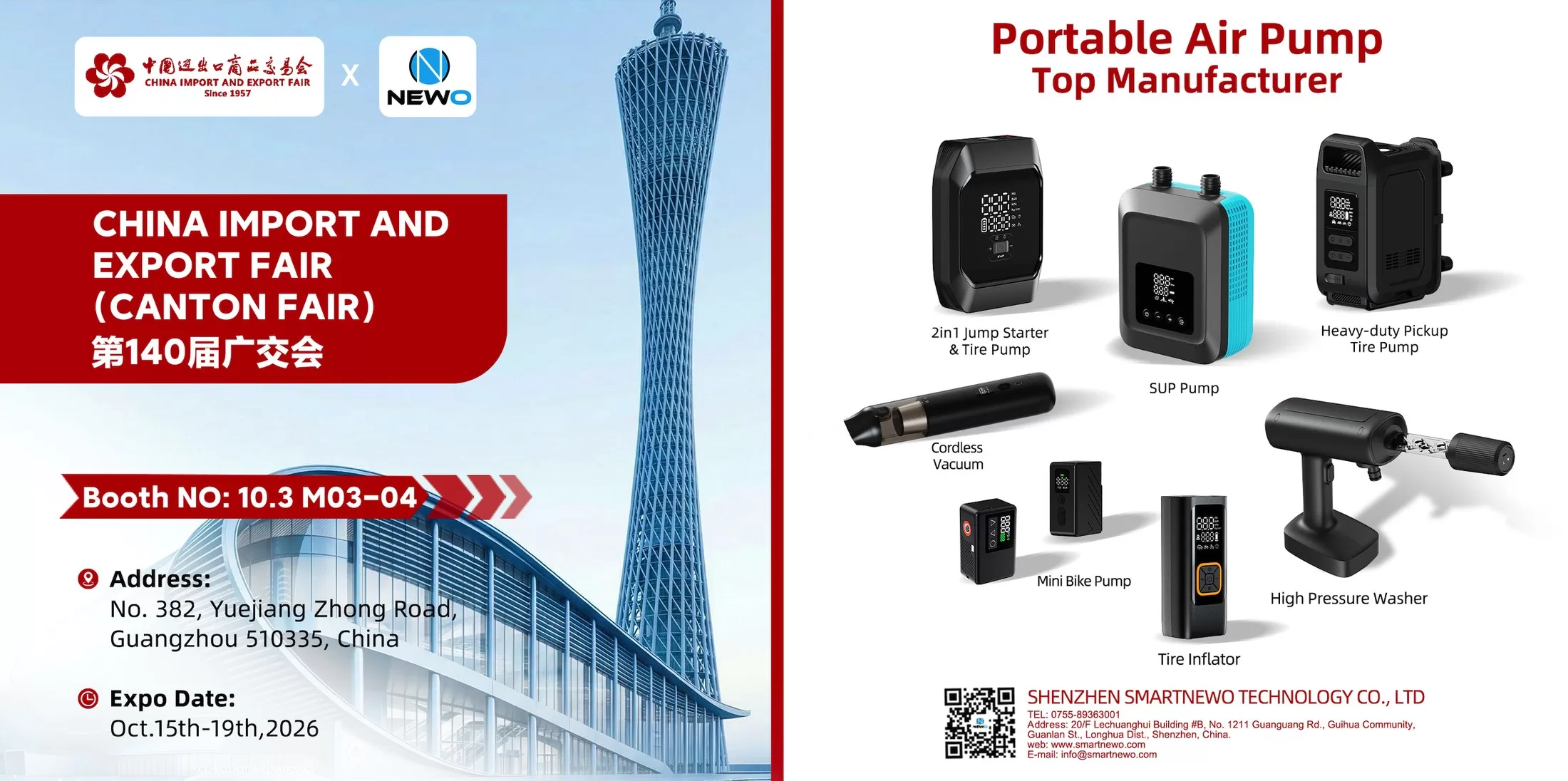
Meet NEWO at the 140th Canton Fair: Visit Booth 10.3 M03–04
Meet NEWO at the 140th Canton Fair in Guangzhou, October 15–19, 2026. Visit Booth 10.3 M03–04 to explore portable air pumps and discuss OEM, ODM and distribution opportunities.... -

As Shenzhen Welcomes the World for APEC 2026, NEWO Welcomes You to Our Factory
As Shenzhen prepares for APEC 2026, NEWO welcomes international buyers and partners to visit our factory, meet our team and explore future cooperation.... -
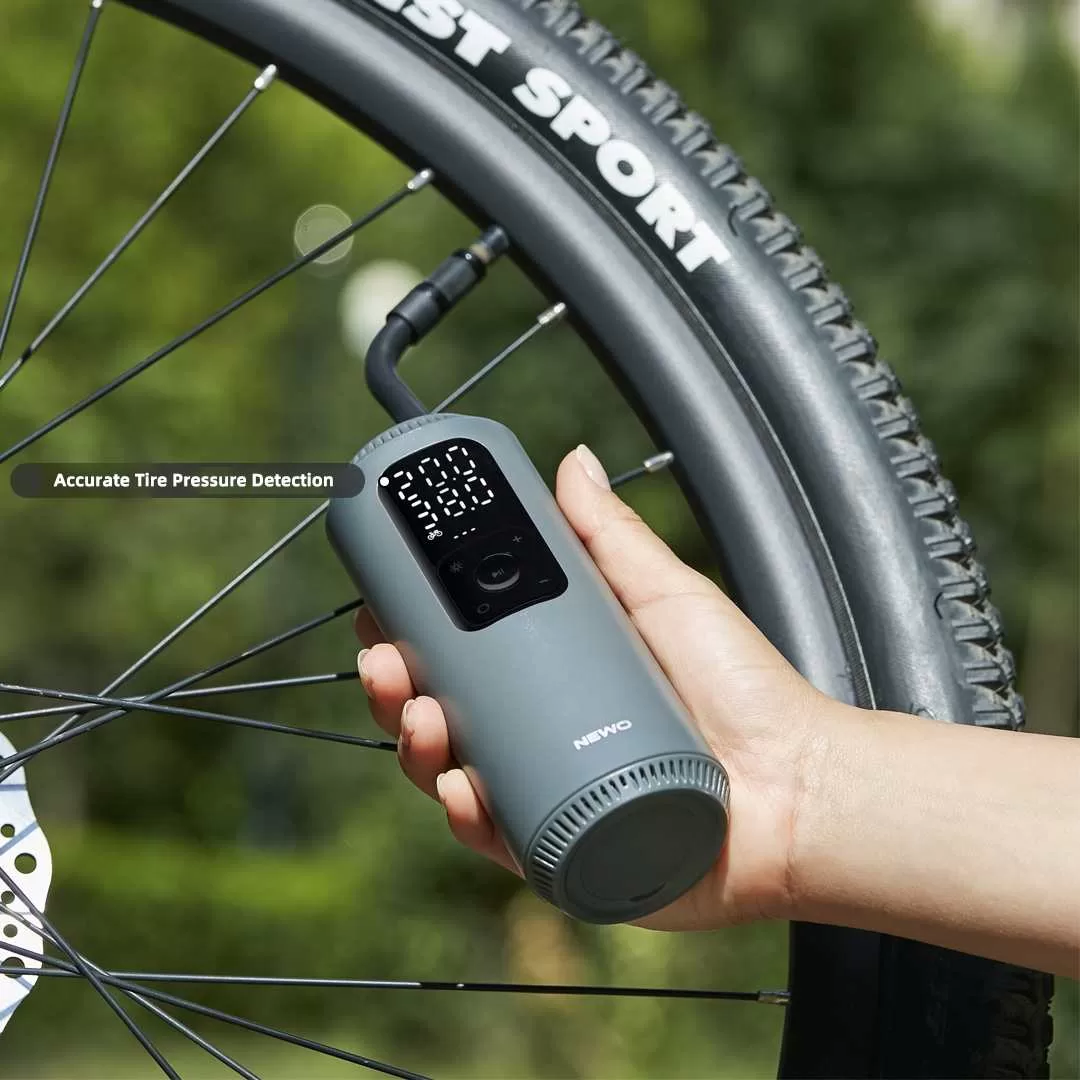
Leading the Way in Product Innovation and Excellence
Smartnewo exemplifies professionalism in product innovation and manufacturing. Their collaboration with Xiaomi Youpin on the G01 crowdfunding project highlights their expertise in creating compact, powerful inflatable pumps. Rigorous engineering, meticulous production processes, and advanced quality assurance underscore their commitment to excellence. The success of the G01 project, with significant market... -
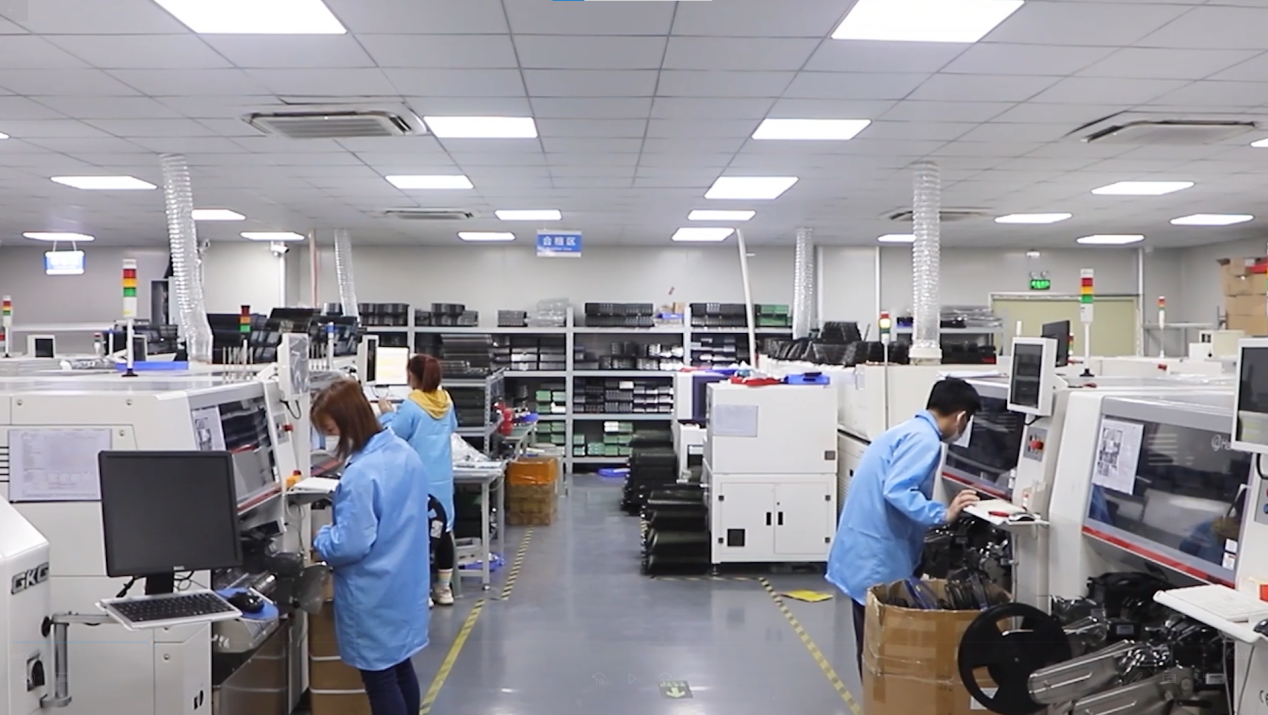
Essential Qualities of an Excellent Supplier
In today's competitive market, finding a reliable supplier is crucial for business success. Based on insights from Smartnewo and broader internet research, here are key qualities an excellent supplier must possess:... -
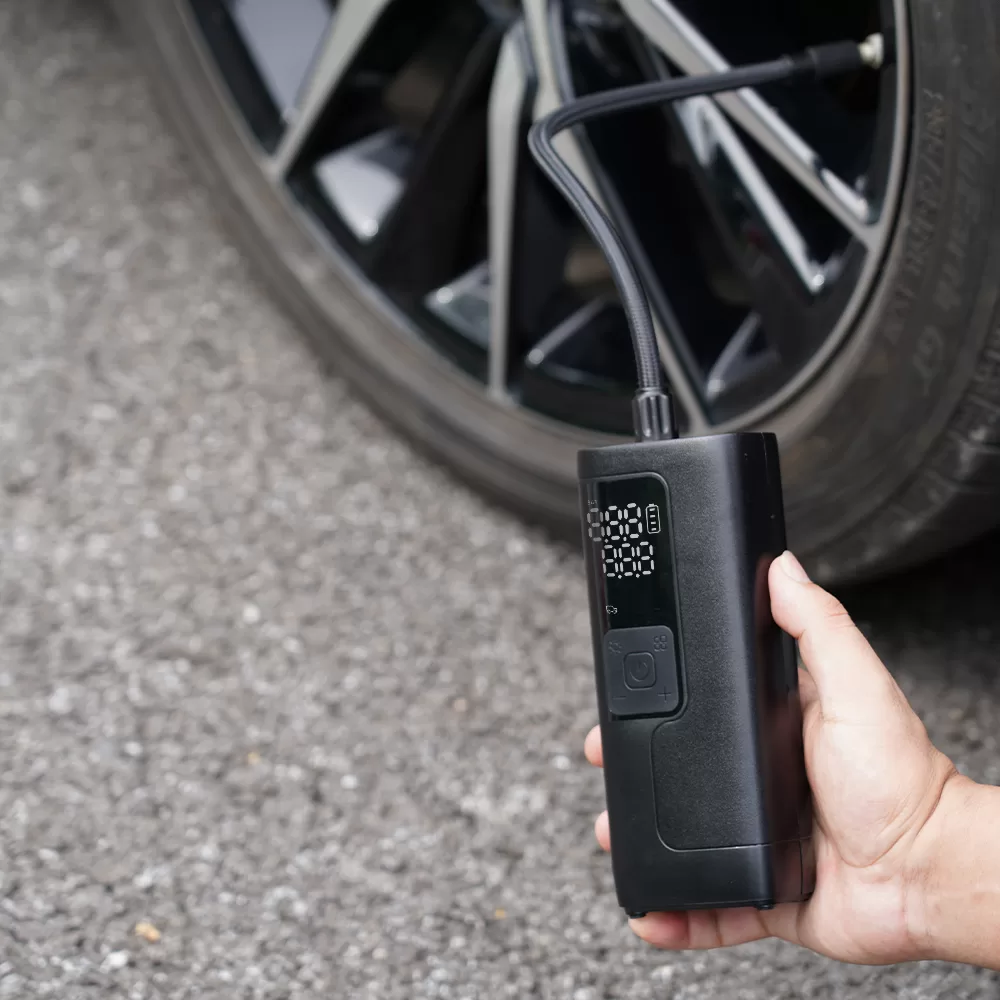
NW06 Tire Inflator: Compact Power for Quick Inflation
Summary The NW06 Tire Inflator delivers quick and efficient tire inflation with a powerful 35L/min airflow. It features a user-friendly LCD screen for real-time pressure monitoring, dual power options with a built-in 6000mAh battery, and multiple nozzle attachments for versatile use. Its compact design and integrated LED light ensure convenience and... -
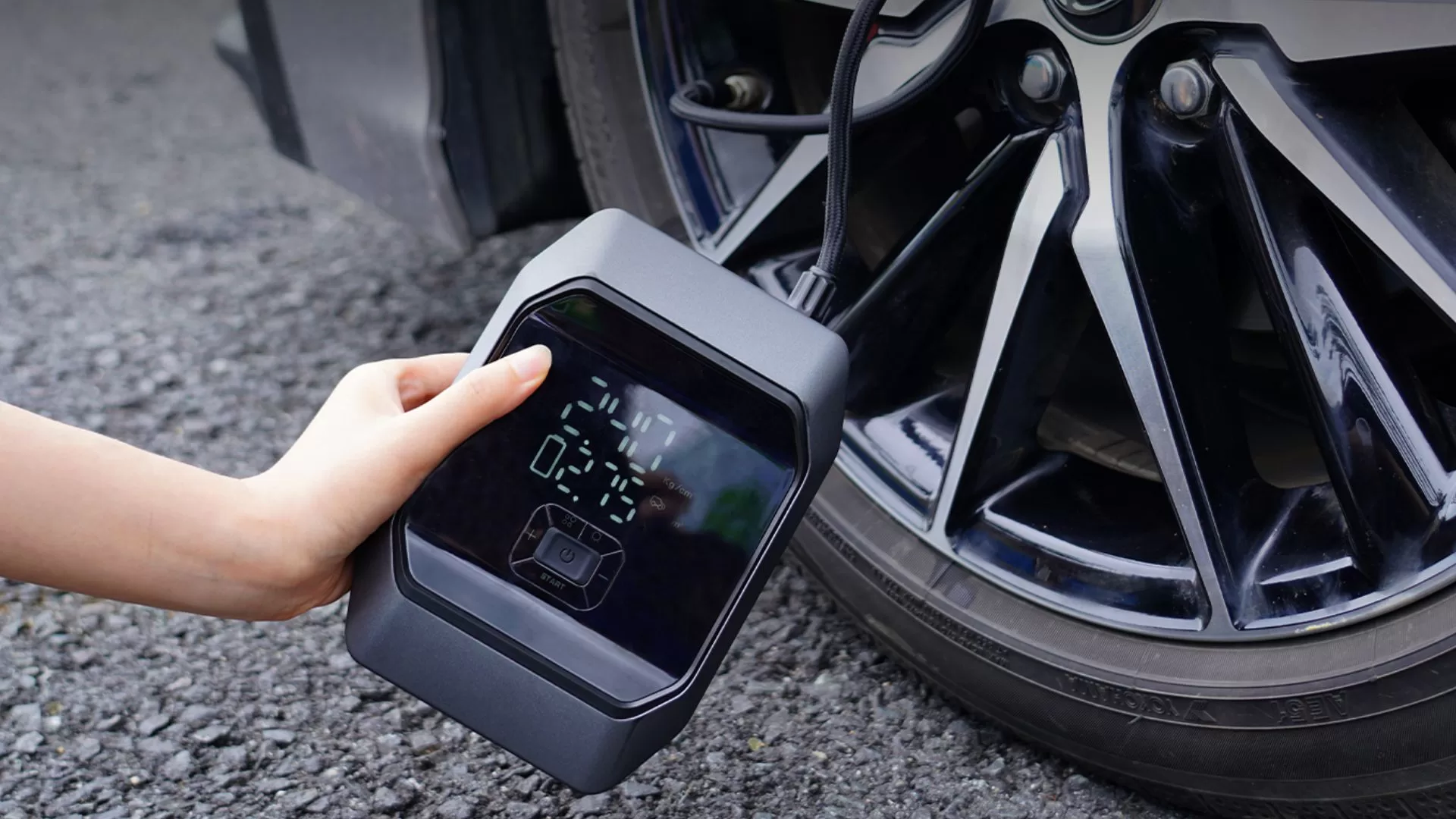
Unleash the Power of Portability: The SmartNewo Jump Starter with Air Compressor KF03
This guide will walk you through the steps to effectively use a portable tire inflator, helping you stay prepared and safe on the road.... -

Newo Attends The 2024 Consumer Electronics Show (CES)
Smartnewo booth is located at 53672, Halls A-D, Level 2, Venetian Expo, Las Vegas Convention Center (LVCC). ... -
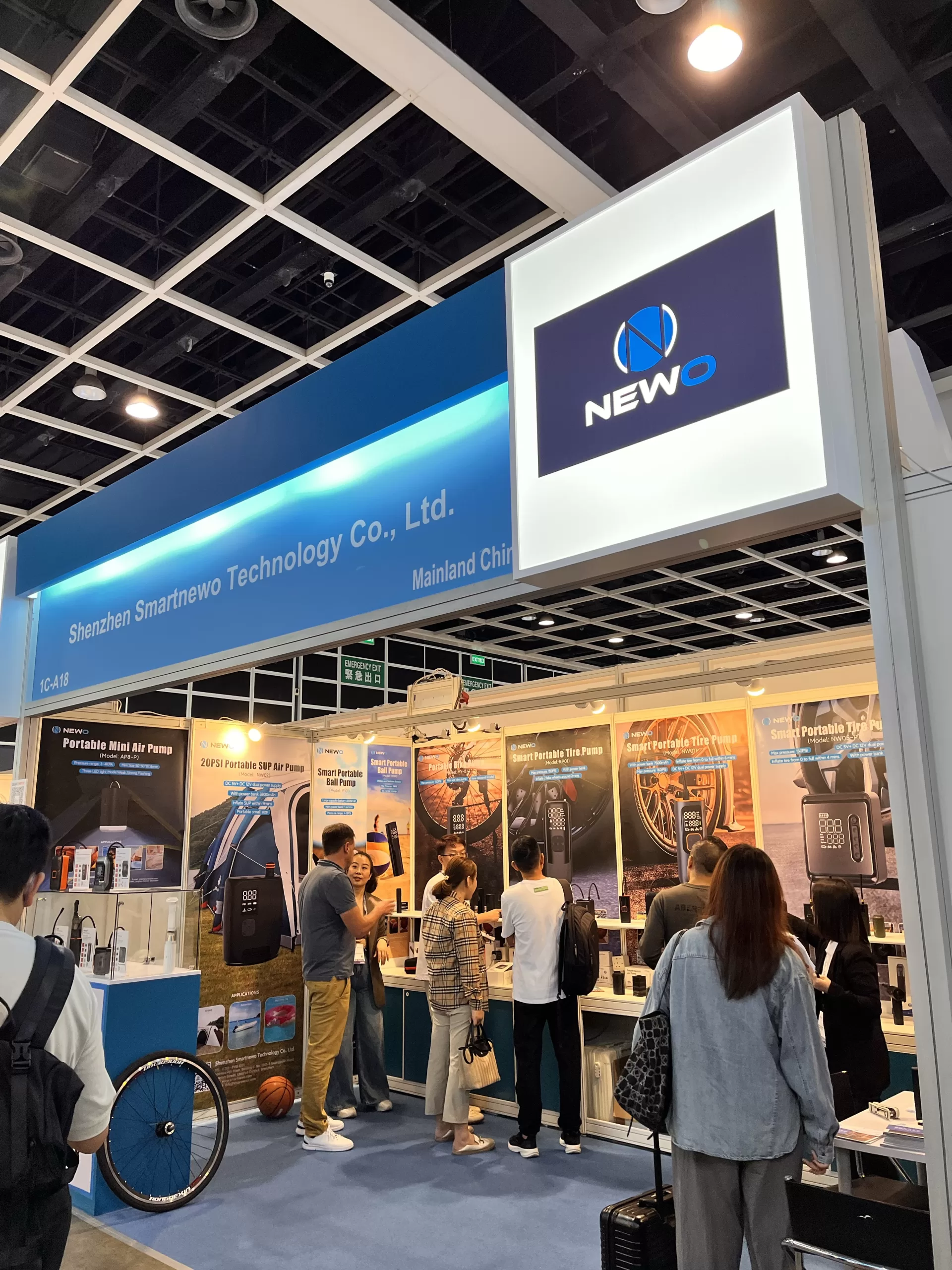
Smartnewo’s Dual-Cylinder Air Pump Rocks the Hong Kong Autumn Electronics Fair!
Smartnewo’s Dual-Cylinder Air Pump Rocks the Hong Kong Autumn Electronics Fair!... -
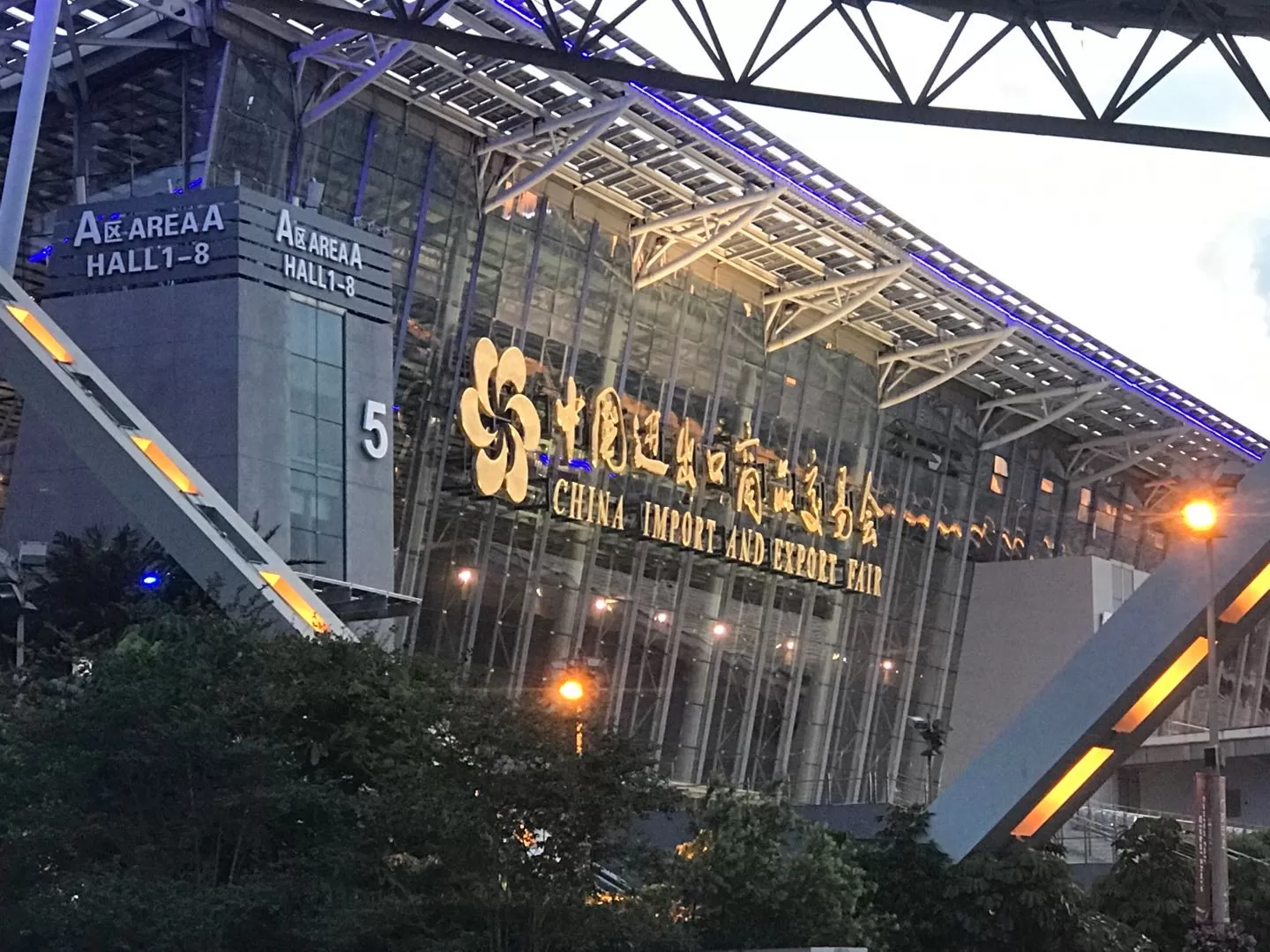
Meet at the Canton Fair! Smartnewo brings dual-cylinder air pumps, making your inflation experience faster and more stable!
NEWO has went deep communication and negotiation with customers from all over the world on booth.... -
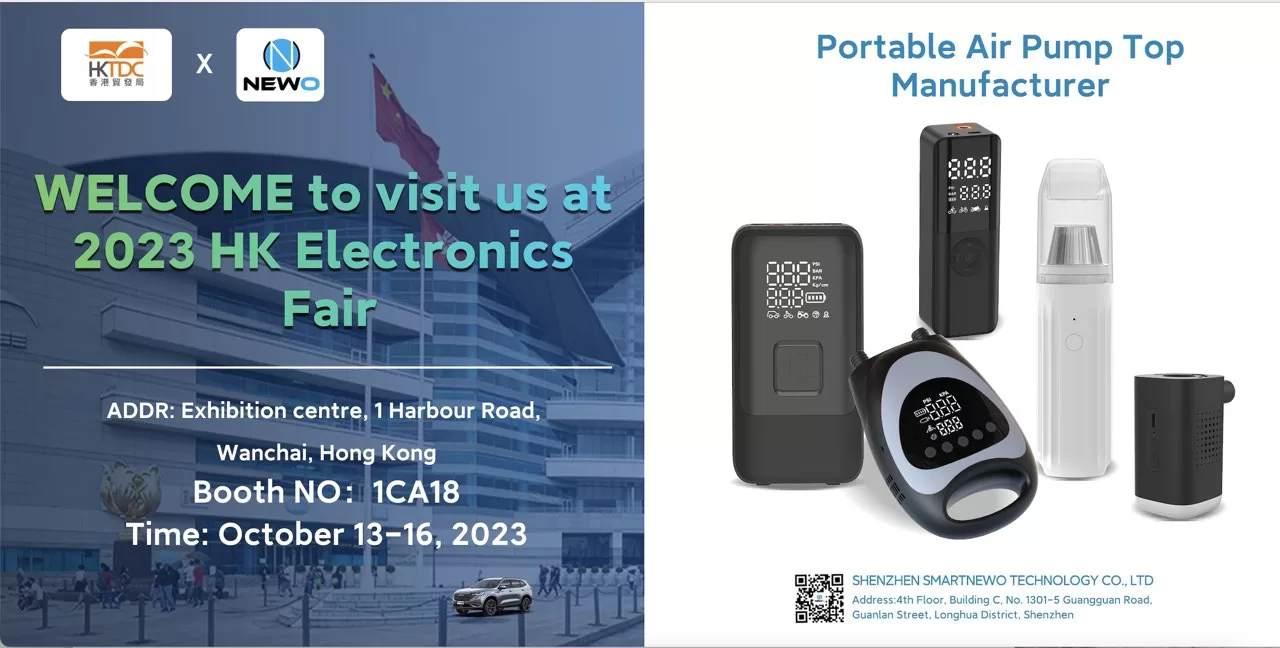
“Hong Kong Autumn Electronics Fair – 1CA18 (October 13th to 16th): Smartnewo invites you to visit our booth!
Hong Kong Autumn Electronics Fair...
-

How to Choose a Reliable Tire Inflator Manufacturer in China
Choose a tire inflator manufacturer in China with a focused RFQ, supplier evidence, configuration checks, and clear sample-to-pilot decisions for your brand.... -
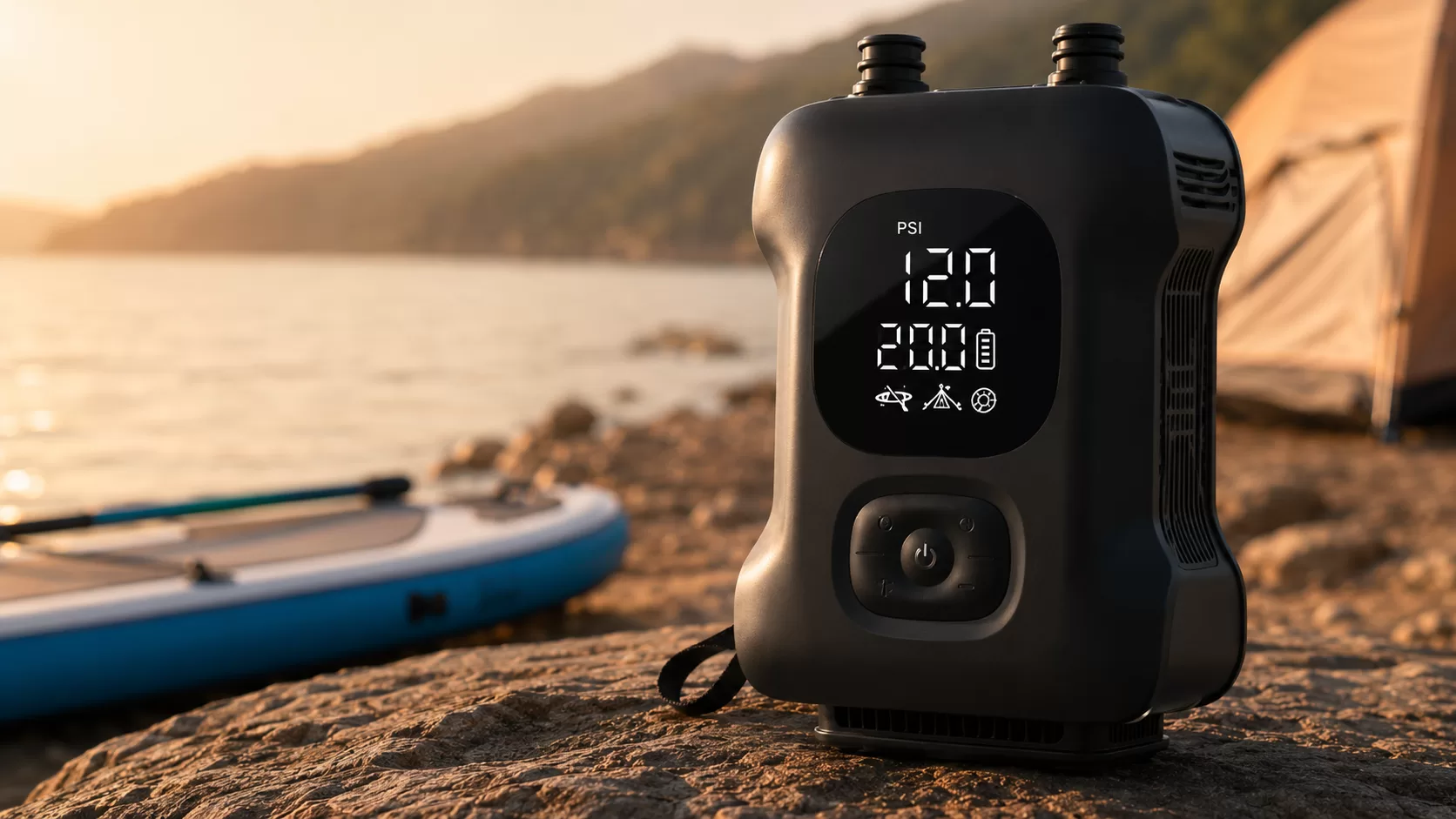
Rechargeable Electric SUP Pump for Paddle Boards: Faster Inflation for SUPs, Kayaks and Inflatable Tents
The BL10-C Portable Electric Bike Tire Inflator is a compact and lightweight mini electric bike pump designed for modern cyclists. With up to 120 PSI pressure, a digital LED display, preset pressure control, automatic shut-off, USB-C charging, and multiple valve adapters, BL10-C offers a convenient inflation solution for road bikes,... -
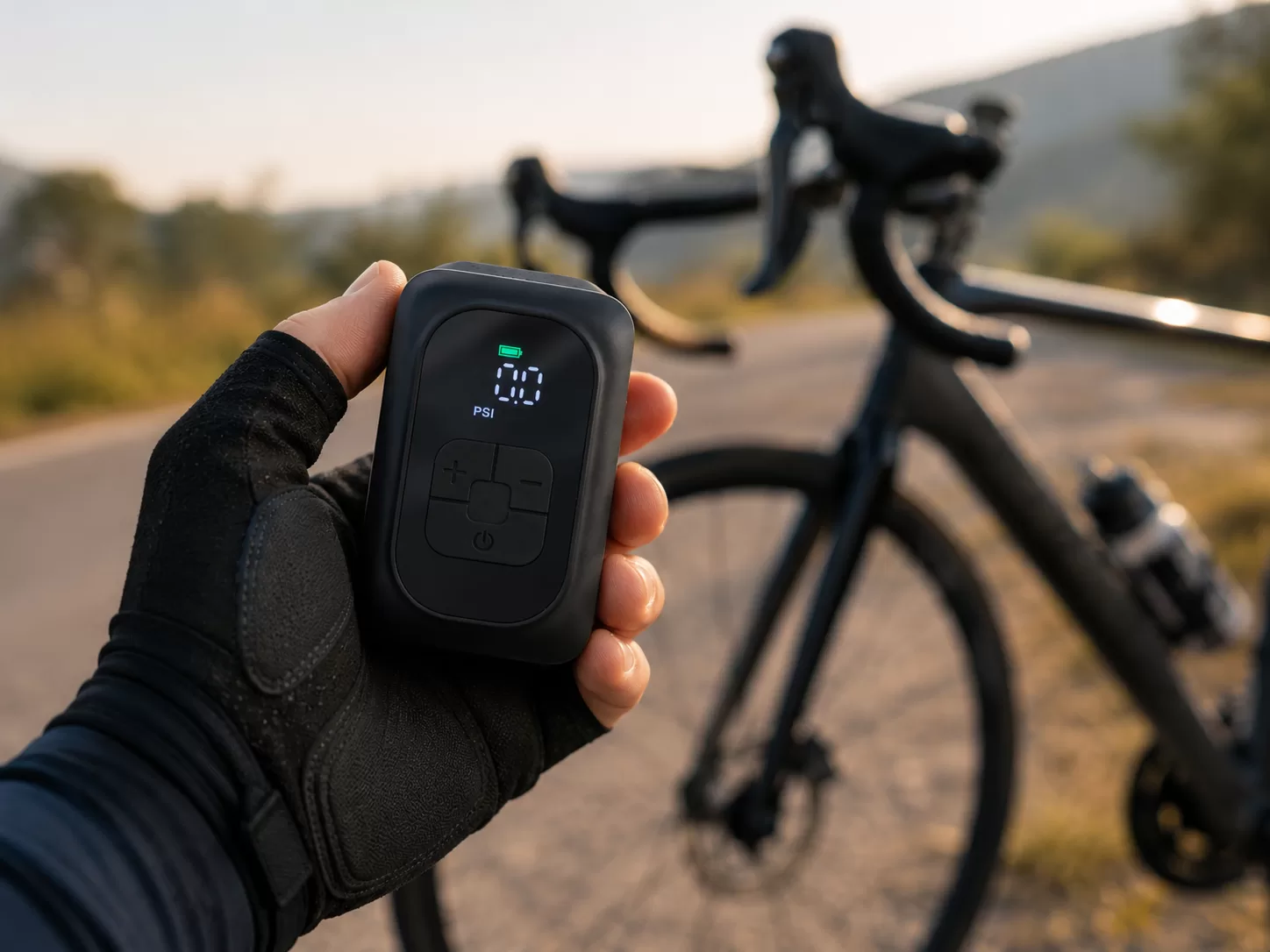
Are Electric Bike Pumps Worth It in 2026? Electric Pump vs CO₂ vs Mini Hand Pump
Discover whether electric bike pumps are worth it in 2026. This guide compares electric bike pumps, CO₂ inflators, and mini hand pumps for road cycling, gravel riding, commuting, and long-distance rides. Learn the pros, limitations, best use cases, and key features to look for before choosing the right portable tire... -
BL10-C Portable Electric Bike Tire Inflator: Small Size, Reliable Power for Every Ride
The BL10-C Portable Electric Bike Tire Inflator is a compact and lightweight mini electric bike pump designed for modern cyclists. With up to 120 PSI pressure, a digital LED display, preset pressure control, automatic shut-off, USB-C charging, and multiple valve adapters, BL10-C offers a convenient inflation solution for road bikes,... -
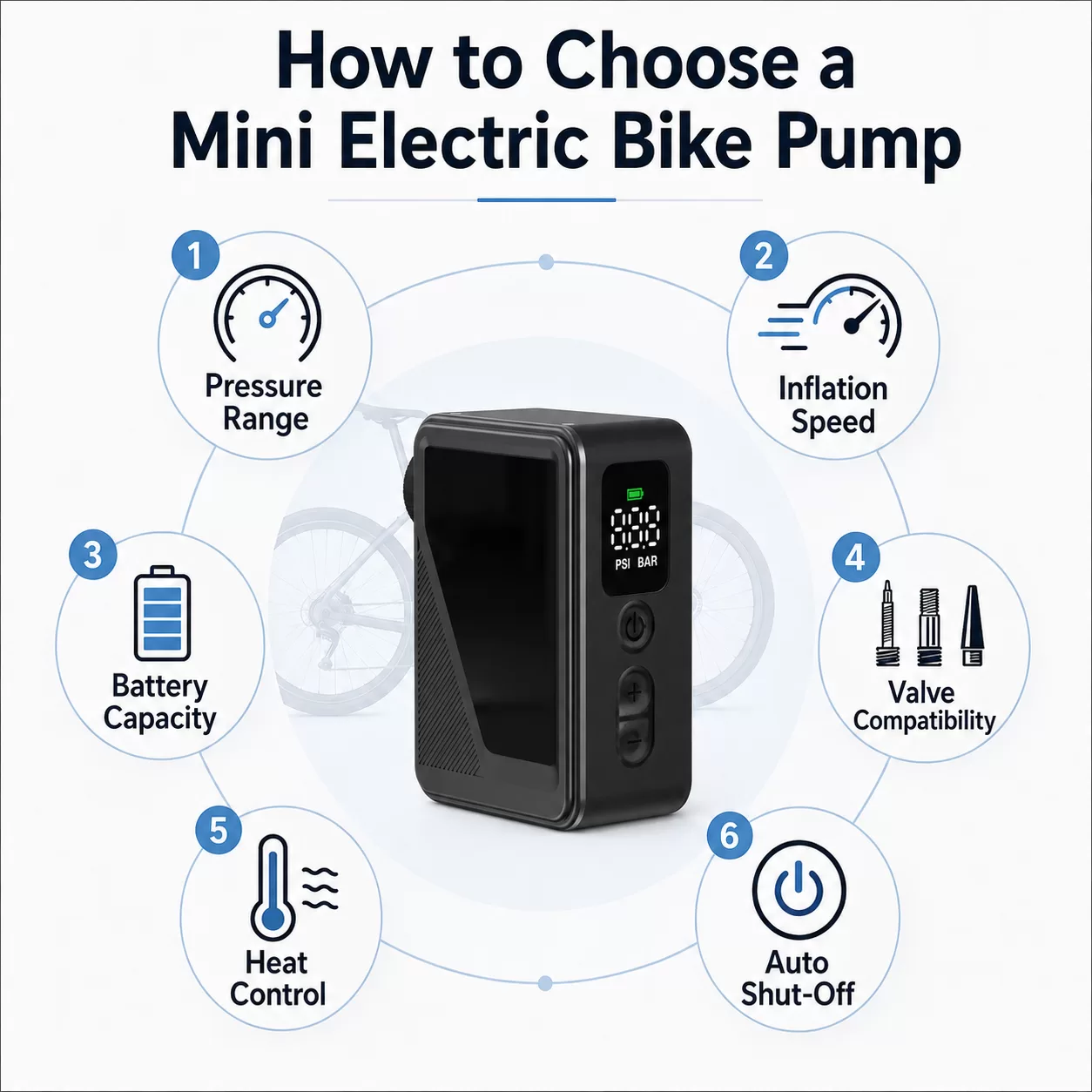
Why Mini Electric Bike Pumps Are Becoming Essential for Modern Cycling
Discover why mini electric bike pumps are becoming essential for modern cyclists. Learn how portable electric bike pumps improve tire pressure management, riding safety, and convenience.... -
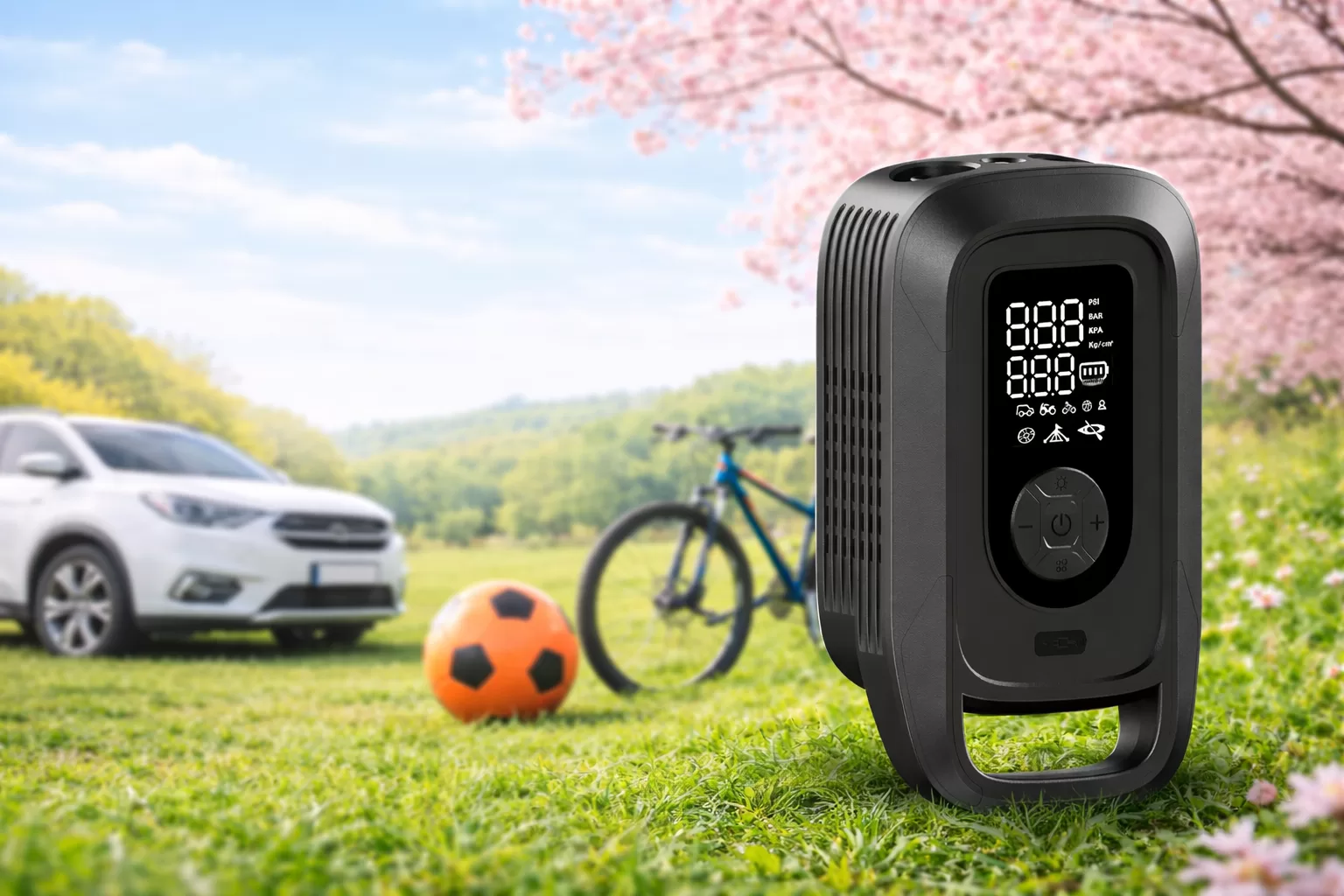
The Ultimate Smart Solution for Easy Outdoor Adventures in 2026
Discover how a spring travel air pump simplifies outdoor trips with fast inflation, smart features, and powerful performance—perfect for every adventure.... -
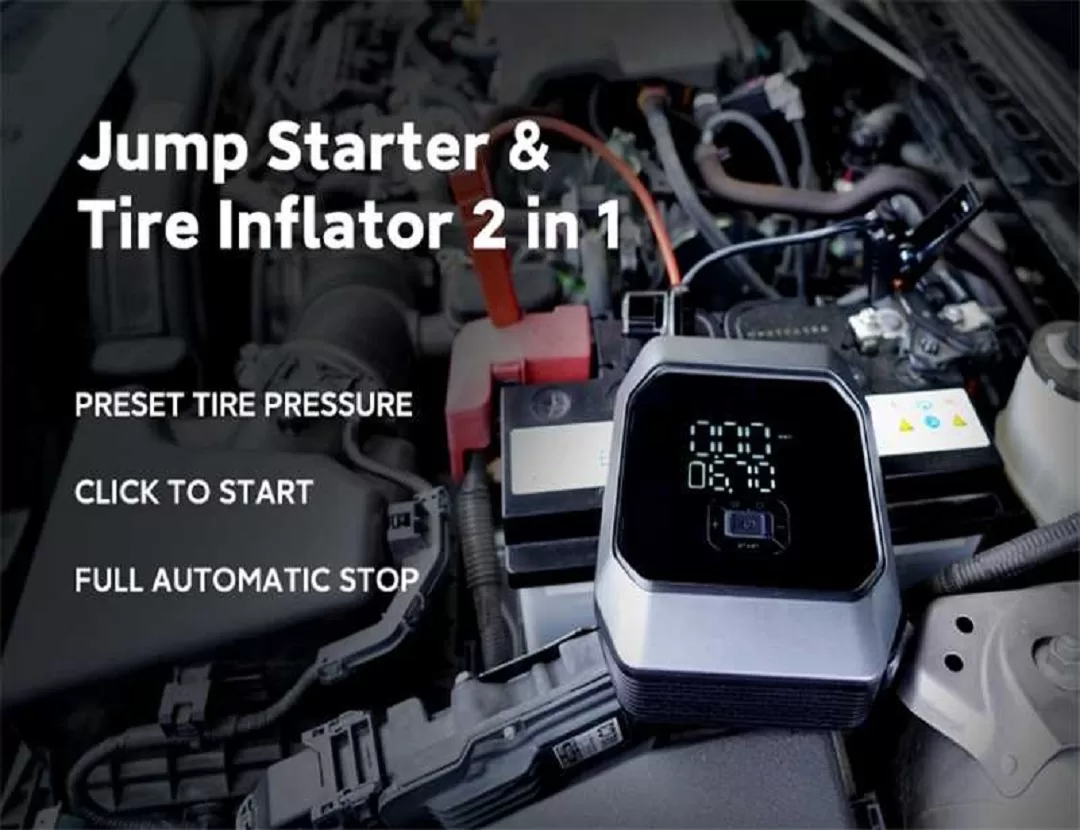
Powerful 5-in-1 Portable Car Tire Inflator and Jump Starter: The Ultimate Emergency Tool for Every Driver
Why Every Driver Needs a Portable Car Tire Inflator and Jump Starter Modern drivers face many unexpected situations on the road. A flat tire, low tire pressure, or a dead car battery can happen at the worst possible time. That’s why having a portable car tire inflator and jump starter is... -
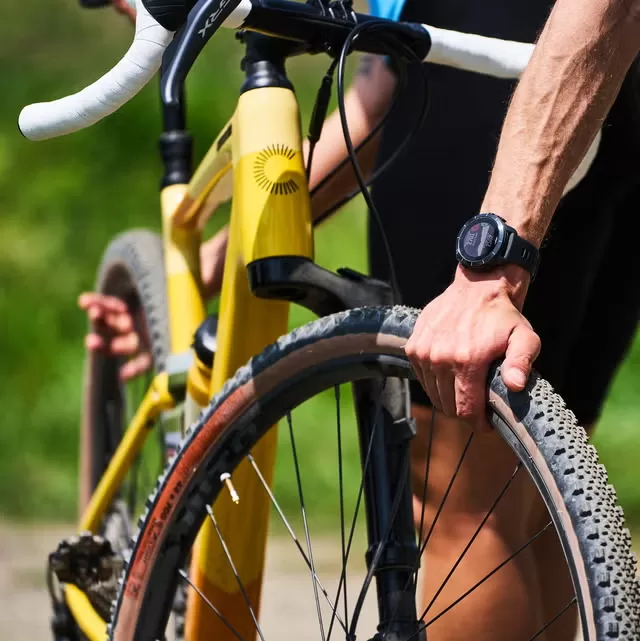
7 Real Cycling Scenarios That Show Why Every Rider Should Carry a Mini Bike Pump
Cycling is one of the most freeing activities you can enjoy. Whether you’re commuting to work, riding through city streets, or exploring quiet countryside roads, a bike ride can instantly improve your day. But there’s one small problem that almost every cyclist eventually faces: Low tire pressure. It might happen... -
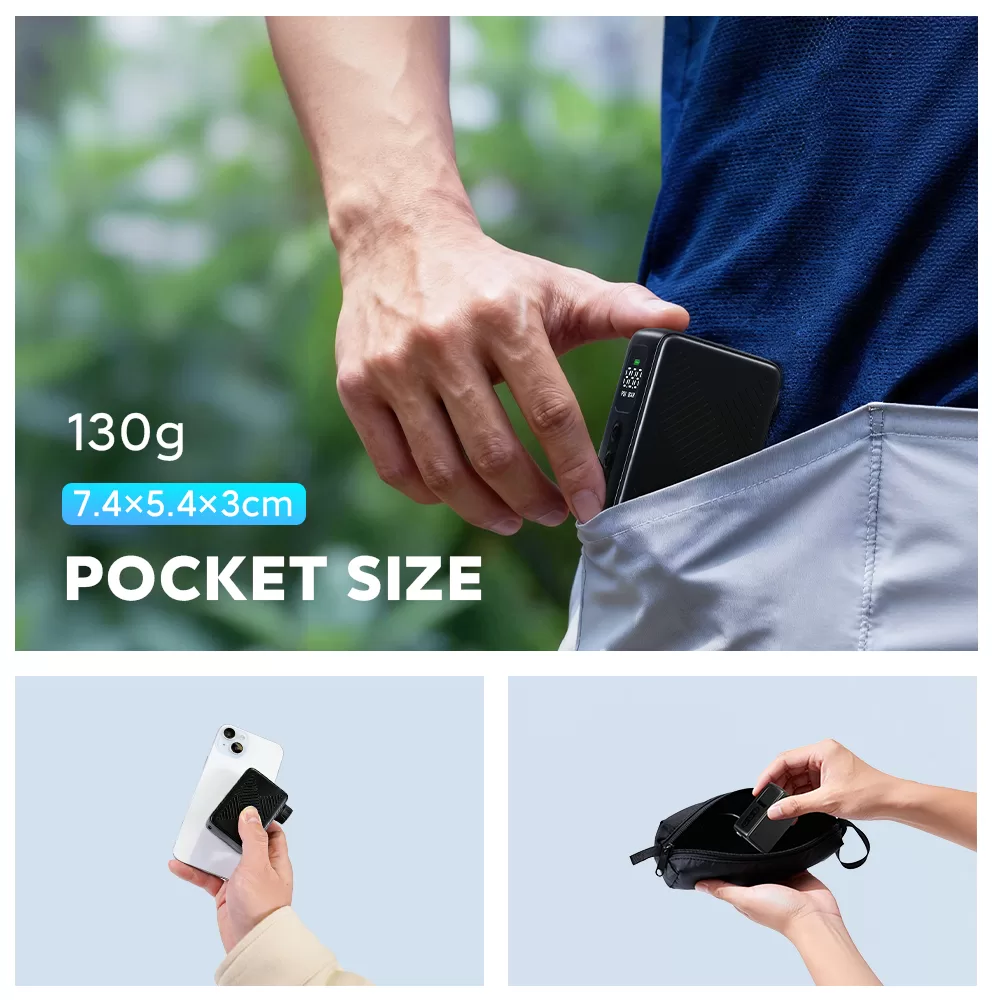
BL08-A Portable Electric Bike Pump: A Global Distribution Opportunity with Smartnewo
Smartnewo, a professional manufacturer of portable electric air pumps, introduces the BL08-A model — a compact and efficient inflator designed for global distributors, e-commerce sellers, and outdoor accessory brands seeking reliable OEM/ODM solutions. Table of Contents Main Heading Subtopics 1. Introduction: Expanding the Global Market for Smart Inflation Tools Portable... -
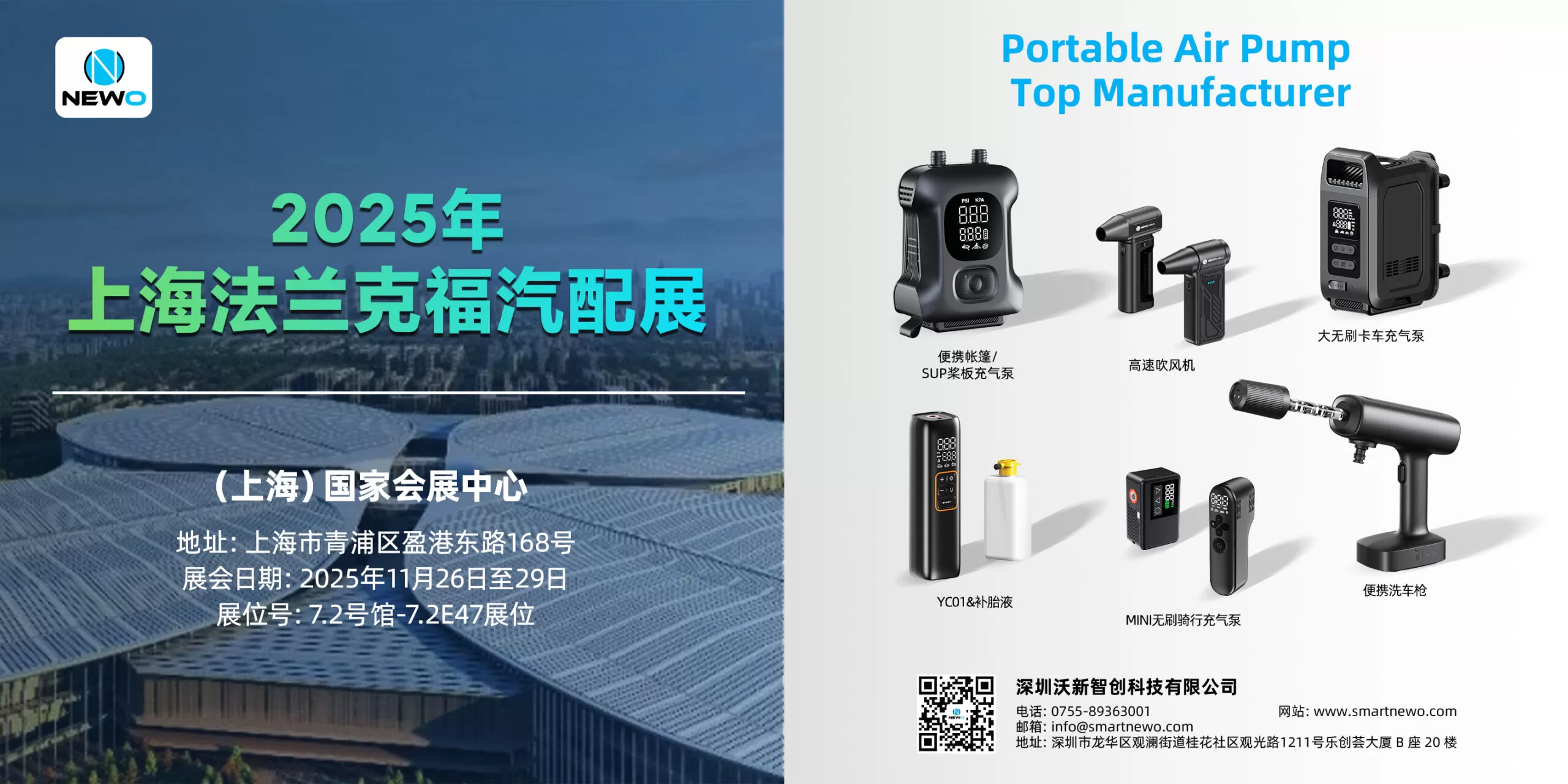
Connecting Opportunities at Automechanika Shanghai 2025 — Smartnewo Exhibition Day 1
Today marks an exciting beginning as Smartnewo officially opens its booth at Automechanika Shanghai 2025. As one of the largest and most influential automotive aftermarket exhibitions in the world, the show provides an exceptional platform for meaningful conversations, partnership building, and global industry exchange. Located at Booth 7.2E47, Smartnewo presents...
-
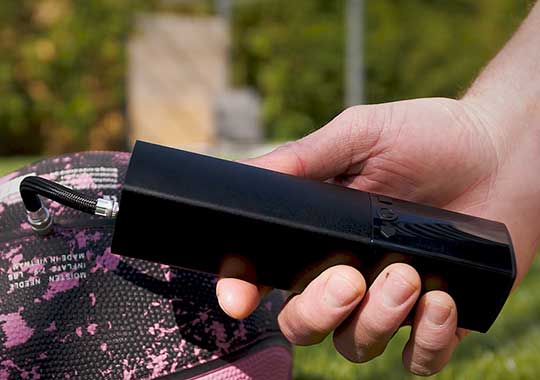
How Is a Football Properly Inflated?
The correct inflation of a football - with not too much and not too little air - is a hotly debated topic among footballers.... -
Application Scenarios of Car Inflator Pump
Often long-distance business trips or play car owners because the road may be more remote areas, in this case if you encounter a tire leak....