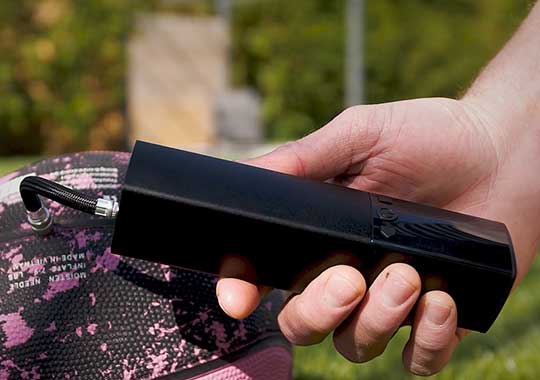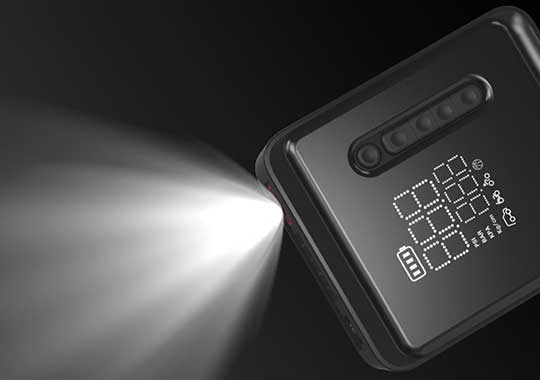

 Portable Tire Inflators
 Electric Air Pumps
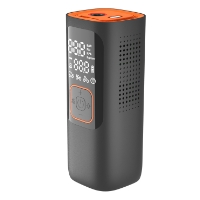 Electric Car Tyre Pumps
 Electric Ball Pumps
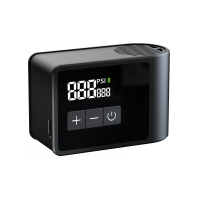 Electric Bike Pump
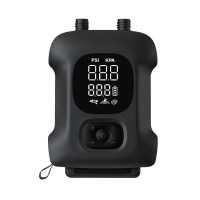 SUP Air Pump
Portable Bicycle Tire Inflator: Pressure Control and Charging Design for Everyday Cycling
Flat tires interrupt rides. A portable bicycle tire inflator removes the guesswork from roadside pressure adjustments and shortens the time between discovering a soft tire and resuming a ride. Road cyclists maintain higher pressures than mountain bikers, commuters need reliability across weather conditions, and all riders benefit from a tool that fits into a jersey pocket or handlebar bag without adding bulk.
Modern inflators address these demands through pressure sensing, compact pump architecture, and flexible charging. The BL01 reaches 120 PSI with a brushless motor housed in a 71.5 × 45 × 32 mm frame, pairs dual LCD readouts with automatic shut-off, and charges via Type-C from both USB-A and USB-C sources. This article examines the engineering decisions behind portable inflators, the role of pressure accuracy in cycling performance, and the practical trade-offs riders face when choosing equipment for different tire types and ride scenarios.
Pressure Requirements Across Bicycle Categories
Bicycle tires operate across a wide pressure spectrum. Road bikes demand 80 to 130 PSI for low rolling resistance on smooth surfaces, while mountain bikes run 25 to 40 PSI to balance traction and comfort over rough terrain. Hybrid and city bikes settle between 50 and 70 PSI, and e-bikes require similar ranges but often use higher-volume tires that hold more air per stroke.
Under-inflation increases rolling resistance and pinch-flat risk. A road tire at 70 PSI instead of 100 PSI compresses more under load, deforms on sharp edges, and slows the rider. Over-inflation reduces contact area and grip, particularly on wet pavement or loose gravel. Mountain bikers adjust pressure by trail condition; rocky descents benefit from lower pressures that absorb impact, while hardpack climbs call for higher pressures to minimize energy loss.
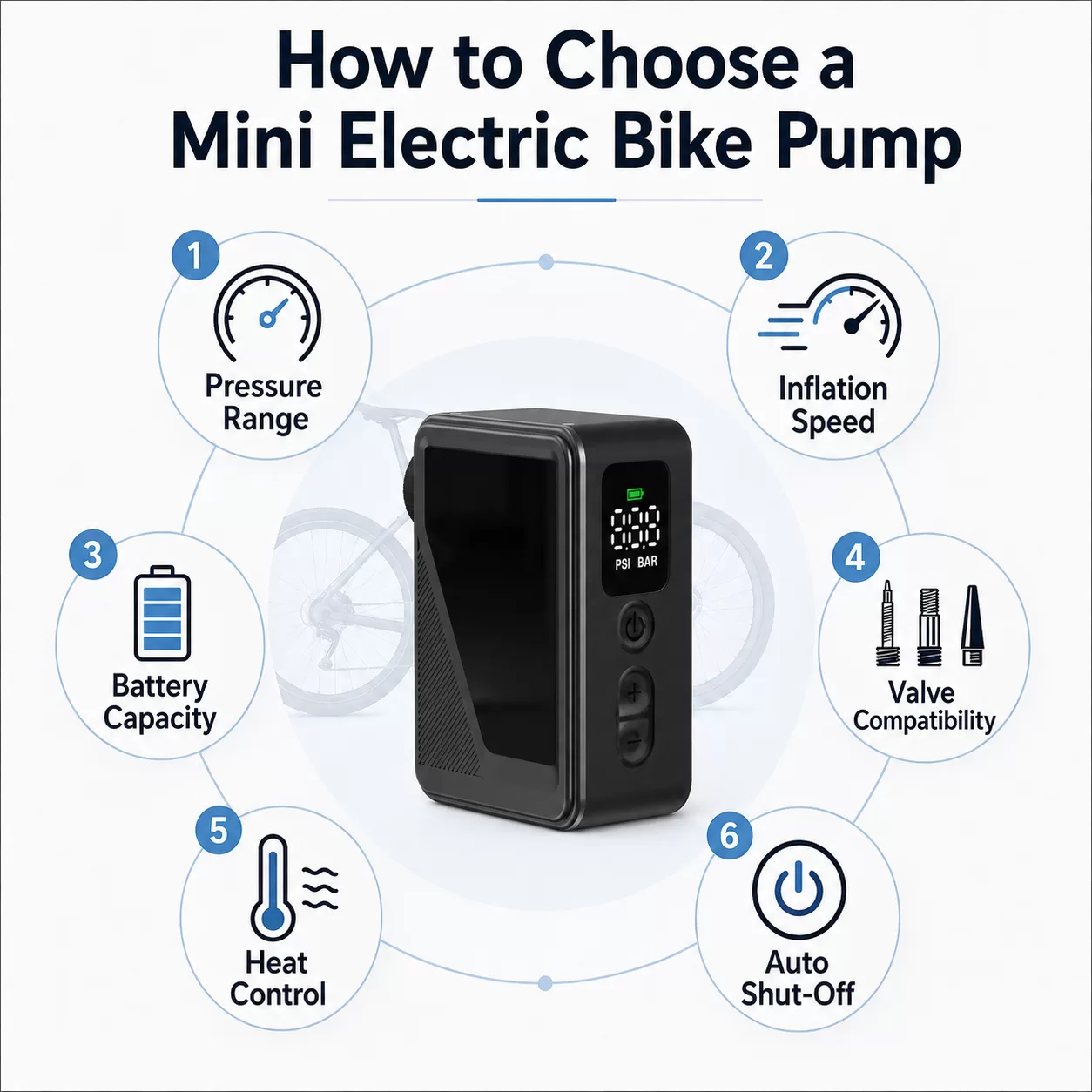
Portable inflators must span this range without sacrificing accuracy. The BL01 adjusts from 2 to 120 PSI and delivers 14 L/min airflow, filling a road tire in one to two minutes and a mountain tire in under one minute. Built-in pressure sensing measures real-time PSI during inflation and stops automatically when the selected value is reached, preventing the overshoot common with manual pumps.
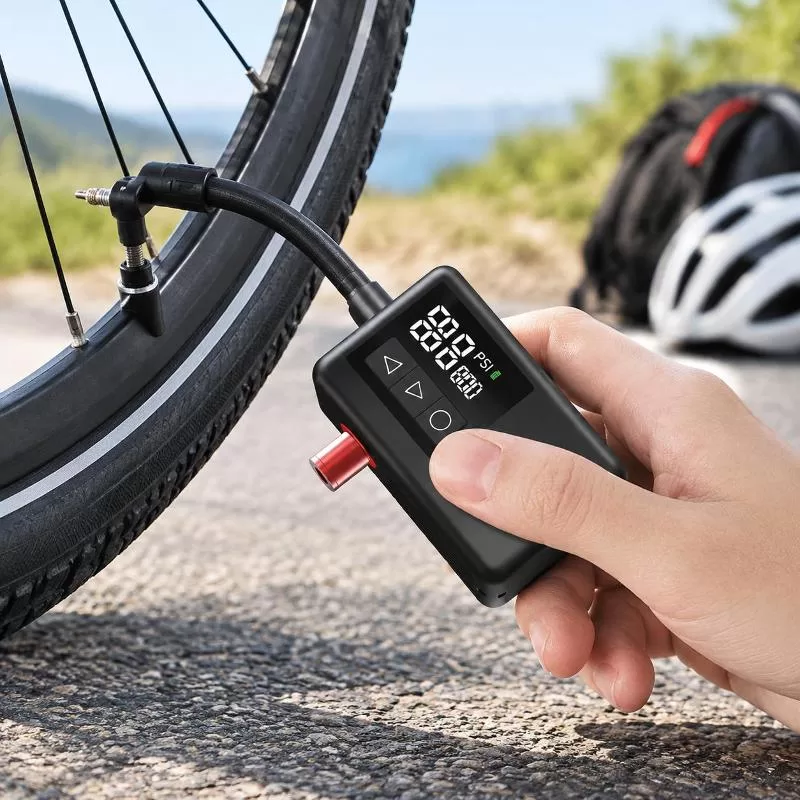
Brushless Motor Architecture and Airflow Efficiency
Traditional mini-pumps rely on piston displacement driven by manual effort or brushed motors. Brushless motors eliminate carbon-brush friction, reduce heat generation, and improve cycle life. The BL01 uses a small brushless pump rated at approximately 40W working power, paired with a 25C polymer battery that delivers 7.4V at 500mAh capacity.
Airflow efficiency depends on pump chamber geometry and motor speed control. At 14 L/min, the unit fills a mountain bike tire from flat to 38 PSI in about seven tires per charge or inflates two road bike tires to 100 PSI on a single charge. The compact chamber design maintains flow rate despite the small footprint, and the integrated pressure sensor adjusts motor speed as internal resistance increases near the target PSI.
Battery cycle life reaches 100 cycles at 80 percent or above original capacity. Charging time completes in under two hours at 5V / 1.5A input, and runtime spans five to seven minutes of continuous operation. These specifications align with typical ride scenarios: a commuter carries enough capacity for multiple emergency fills, and a weekend rider recharges between trips without keeping the device tethered to a power source.
Dual LCD Display and Automatic Shut-Off Logic
Pressure accuracy matters less if the rider cannot read the current value or must stop inflation manually. Dual LCD screens show real-time PSI, selected pressure unit, inflation mode, and battery status. The auto shut-off function monitors chamber pressure through the built-in sensor and cuts motor power when the target is reached, preventing over-inflation and battery waste.
Display readability under sunlight depends on contrast ratio and screen orientation. The BL01 positions one LCD vertically on the front panel, visible while the user holds the device, and a second display provides redundancy or mode information. Buttons include a large circular power control and smaller unit or mode selectors, arranged for one-handed operation.
Automatic shut-off relies on millisecond-level pressure feedback. When chamber pressure matches the preset value within a tolerance band, the controller halts the pump cycle. This closed-loop approach reduces user intervention and maintains consistency across tire types, eliminating the manual gauge checks required by non-sensing inflators.
Type-C Charging Compatibility and Cable Flexibility
USB Type-C replaces proprietary charging ports in many portable devices. The BL01 accepts both USB-A-to-C and USB-C-to-C cables, supporting legacy wall adapters, laptop ports, and modern fast-charge bricks. Input specification of 5V / 1.5A balances charging speed with thermal safety, and the reversible connector simplifies connection in low-light conditions.
Charging flexibility affects field usability. A rider carrying a phone power bank can recharge the inflator mid-trip, extending range beyond the initial battery capacity. The included charging cable ships with the unit, but riders often prefer their own cables to reduce the accessory count in a saddlebag or backpack.
Battery energy of 3.7Wh limits continuous runtime but matches the duty cycle of emergency inflation. A typical road flat requires one to two minutes of pumping, allowing the motor to cool between uses. Extended runtime or commercial applications demand higher-capacity cells, but cyclists prioritize weight and size over multi-hour operation.
Valve Adapter Compatibility and Sports-Ball Inflation
Bicycle valves come in two dominant standards: Schrader and Presta (French). Schrader valves match automobile tire stems and accept standard pump heads, while Presta valves use a narrower body and threaded lock nut, common on road and high-end mountain bikes. The BL01 ships with adapters for both valve types, plus a ball needle for inflating sports equipment.
Adapter design affects seal integrity and airflow restriction. The Schrader adapter threads directly onto the pump outlet, and the Presta adapter adds a narrower tip that fits through the smaller valve opening. Poor seal contact leads to pressure loss and extended inflation time, so the adapters use o-ring or gasket materials that compress under thread tension.
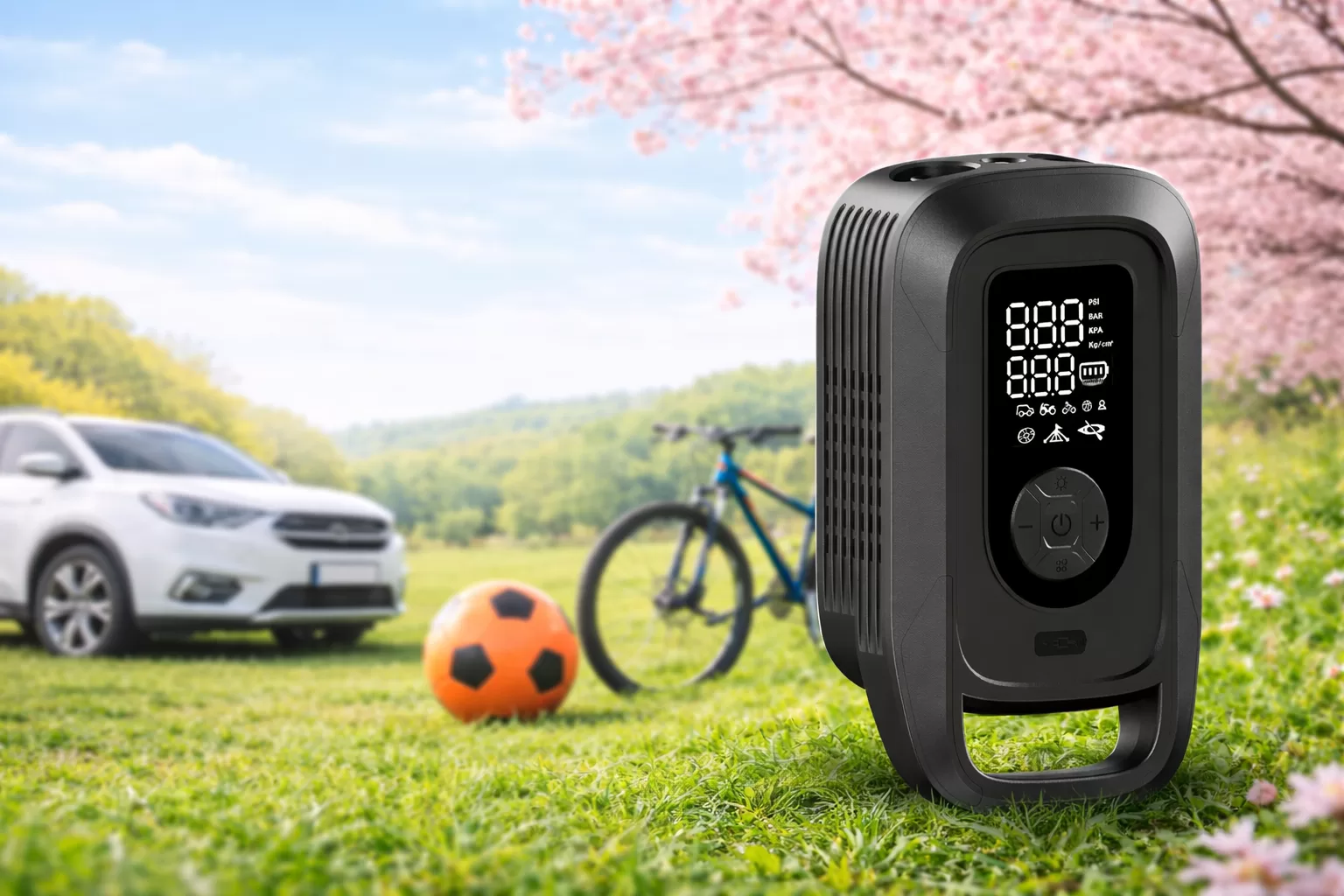
Ball inflation serves secondary use cases. The included needle attaches to the pump outlet and inserts into basketball, soccer, or volleyball valves, providing PSI control for equipment that typically relies on subjective squeeze tests. This expands the device’s utility beyond cycling, appealing to multi-sport users and families who share the inflator.
Portable Form Factor and Carry Integration
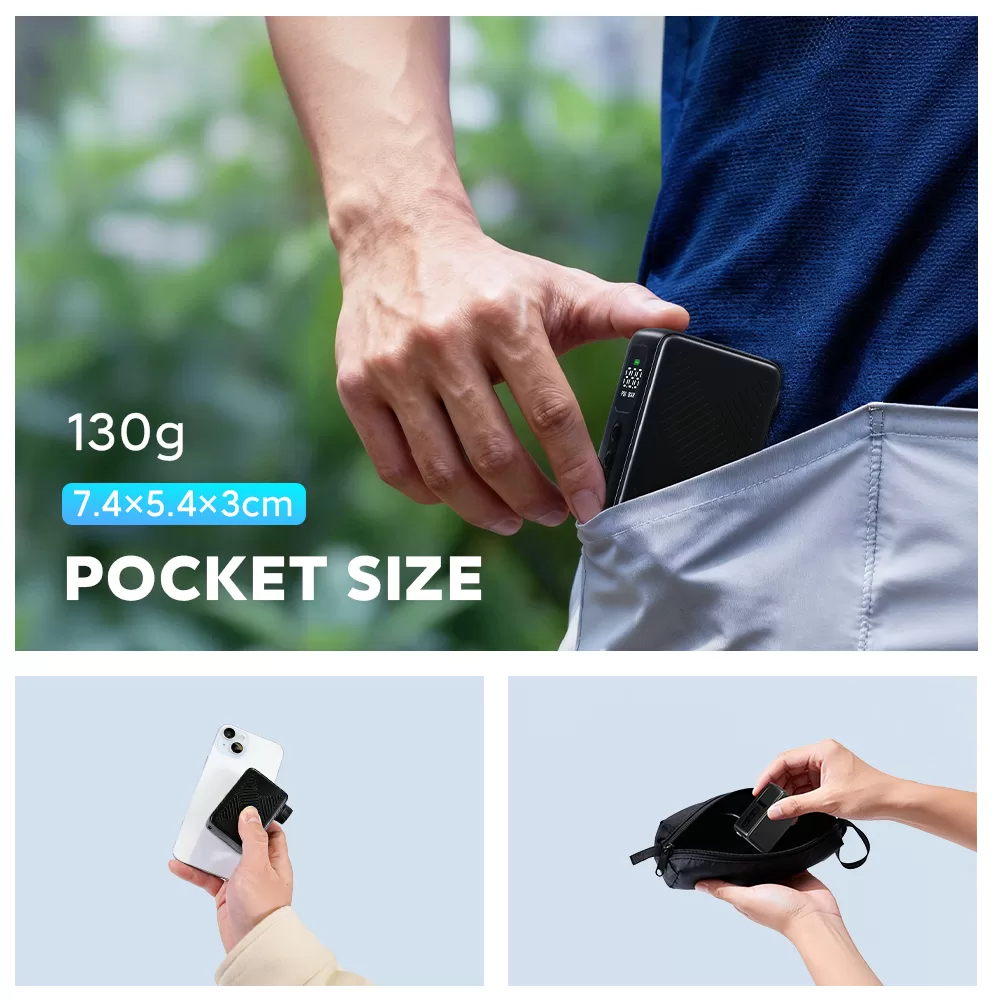
Size and weight determine whether a rider actually carries the inflator. At 71.5 × 45 × 32 mm, the BL01 fits into jersey pockets, frame bags, and small handlebar pouches. The matte black housing resists scuffs, and side ventilation slots allow airflow during motor operation while maintaining structural rigidity.
Carry integration varies by rider preference. Commuters may leave the inflator in a backpack or pannier, while road cyclists prefer the smallest possible profile in a jersey pocket. Mountain bikers use frame bags or hip packs, accepting slightly larger tools in exchange for more robust construction. The BL01 targets the middle ground: small enough for road use, durable enough for trail conditions.
Weight affects pocket sag and ride feel. The unit’s compact brushless pump and 500mAh battery keep mass low, avoiding the pendulum effect that heavier tools create in loose pockets. Riders notice tools above 150 grams during climbs or sprints, so portable inflators aim below that threshold without sacrificing motor power or battery capacity.
Working Temperature Range and Environmental Durability
Electric pumps operate across narrower temperature windows than manual pumps. The BL01 specifies -10°C to 45°C working range, covering most cycling conditions but excluding extreme cold or desert heat. Polymer batteries lose capacity below freezing, and motor efficiency drops as lubricant viscosity changes. At the upper limit, thermal cutoffs protect internal electronics from damage.
Riders in cold climates carry inflators inside insulated layers to keep batteries warm, then expose the device only during active use. In hot conditions, direct sunlight on a black housing raises surface temperature, so users shade the inflator or allow cooling time between inflation cycles. These precautions extend service life and maintain consistent performance.
Noise output reaches 80dB or below at 1.5 meters, comparable to household vacuum cleaners or city traffic. During roadside inflation, ambient noise from passing vehicles often masks pump sound. In quiet trail settings, the motor is audible but brief, ending within one to two minutes as the tire reaches target pressure.
Application Scenarios and Usage Patterns
Portable inflators serve distinct scenarios. Emergency flats during long rides demand fast, accurate inflation without manual effort. Pre-ride pressure checks let cyclists dial in tire feel for specific conditions. Group rides benefit when one rider carries a shared inflator, reducing per-person gear load. Commuters use the tool for weekly top-offs, preventing slow leaks from becoming flat tires.
Mountain bikers adjust pressure between trail sections, lowering PSI for technical descents and raising it for fire-road climbs. Road cyclists traveling to events pack the inflator instead of a floor pump, saving luggage space. E-bike riders appreciate the higher capacity needed for larger-volume tires, and the BL01’s 14 L/min flow rate handles these tires without excessive runtime.
Sports-ball inflation extends use beyond cycling. Coaches and recreational players inflate equipment to regulation pressure using the included needle, replacing manual pumps that offer no pressure readout. This multi-sport functionality increases the device’s value for households and multi-activity users.
Specification Comparison for Tire Types
Different tire volumes and target pressures affect inflation performance. The table below compares the BL01’s capacity across common bicycle categories:
| Tire Type | Target PSI | Approximate Inflation Count per Charge | Inflation Time per Tire |
|---|---|---|---|
| Mountain Bike | 38 PSI | ~7 tires | <1 minute |
| Road Bike | 100 PSI | ~2 tires | 1–2 minutes |
| Hybrid / City | 60 PSI | ~4 tires | ~1 minute |
| E-Bike | 50 PSI | ~3–4 tires | 1–2 minutes |
These figures assume inflation from flat to target pressure. Partial top-offs consume less battery and complete faster, allowing more fills per charge. Riders who check pressure weekly and add 10 to 20 PSI extend the effective battery capacity beyond the listed tire counts.
Common Questions and Practical Considerations
Can the inflator handle tubeless tire seating?
Tubeless tires require a rapid burst of high-volume air to seat the bead against the rim. The BL01’s 14 L/min flow rate and 120 PSI maximum pressure may not deliver sufficient initial volume for stubborn tubeless setups, particularly on wide mountain rims. Riders typically use a floor pump or CO₂ cartridge for initial seating, then rely on the portable inflator for pressure adjustments and top-offs after sealant has spread.
How does automatic shut-off respond to pressure fluctuations?
The built-in sensor samples chamber pressure continuously during inflation. When the measured value reaches the selected PSI within a small tolerance, the controller stops the motor. Rapid temperature changes or altitude shifts can affect absolute pressure readings, but the sensor recalibrates each time the device powers on, maintaining accuracy across ride conditions.
What charging sources work best for field use?
Any USB power source delivering 5V / 1.5A or higher charges the BL01. Phone power banks, laptop ports, car USB outlets, and wall adapters all work, though lower-current sources extend charging time beyond the two-hour specification. Riders planning multi-day trips carry a small power bank rated at 5,000 mAh or above, enough to recharge the inflator several times without access to mains power.
Does the device require maintenance between uses?
Brushless motors and sealed electronics need little routine care. After wet rides, riders dry the exterior housing and charging port to prevent corrosion. Valve adapters benefit from occasional cleaning to remove dirt that could block airflow or damage seals. Battery longevity improves when the device is stored at partial charge rather than fully depleted or continuously topped off.
Integration into Broader Cycling Kits
At Newo, we design portable inflation solutions alongside other pneumatic tools, including electric bike pumps, car air pumps, and outdoor inflation devices. Our engineering focus balances compact form factors with the pressure ranges and flow rates cyclists depend on. The BL01 reflects this approach: small brushless pump architecture, dual displays for clarity, and Type-C charging for compatibility with existing power ecosystems.
Riders assembling a complete kit pair the inflator with tire levers, patch kits, and multi-tools. The inflator replaces or supplements manual mini-pumps, offering faster inflation and precise pressure control at the cost of battery dependency. For cyclists who prioritize weight, a CO₂ cartridge inflator remains lighter, but the rechargeable electric pump eliminates the need to carry multiple cartridges and provides unlimited re-inflation capacity given access to USB power.
The tool also suits cycling media and product reviewers who test equipment across varied conditions. Consistent pressure control removes one variable from tire-performance evaluations, and the compact size simplifies field testing without adding bulk to a reviewer’s gear load.
Selecting the Right Inflator for Your Ride Style
Road cyclists prioritizing high-pressure tires should confirm that the inflator reaches at least 100 PSI and delivers sufficient flow rate to avoid extended pumping time. The BL01’s 120 PSI maximum and 14 L/min flow meet these requirements, filling narrow road tires in one to two minutes.
Mountain bikers need lower maximum pressures but benefit from higher flow rates that fill large-volume tires quickly. The same 14 L/min specification supports fast inflation at 30 to 40 PSI, and the automatic shut-off prevents over-inflation when switching between trail and climb pressures.
Commuters value reliability and charging convenience. Type-C compatibility means the inflator charges from the same cable as a phone or laptop, reducing the accessory count in a daily-carry bag. Battery capacity of 500mAh and a two-hour charging window fit into evening routines, ensuring the device is ready each morning.
Touring cyclists weigh runtime against pack weight. The BL01’s 3.7Wh battery limits continuous use but pairs well with a portable power bank, allowing unlimited inflation over multi-day trips. Riders who camp or travel through remote areas appreciate the ability to recharge from solar panels or vehicle USB ports.
Portable bicycle tire inflators shift pressure management from manual effort and guesswork to sensor-driven automation. Compact brushless motors, dual displays, automatic shut-off, and flexible charging converge in devices like the BL01, delivering the pressure range and accuracy cyclists require without the bulk of traditional floor pumps. Riders who carry one discover that roadside flats become brief pauses rather than extended delays, and pre-ride pressure adjustments become routine checks rather than skipped steps.
-

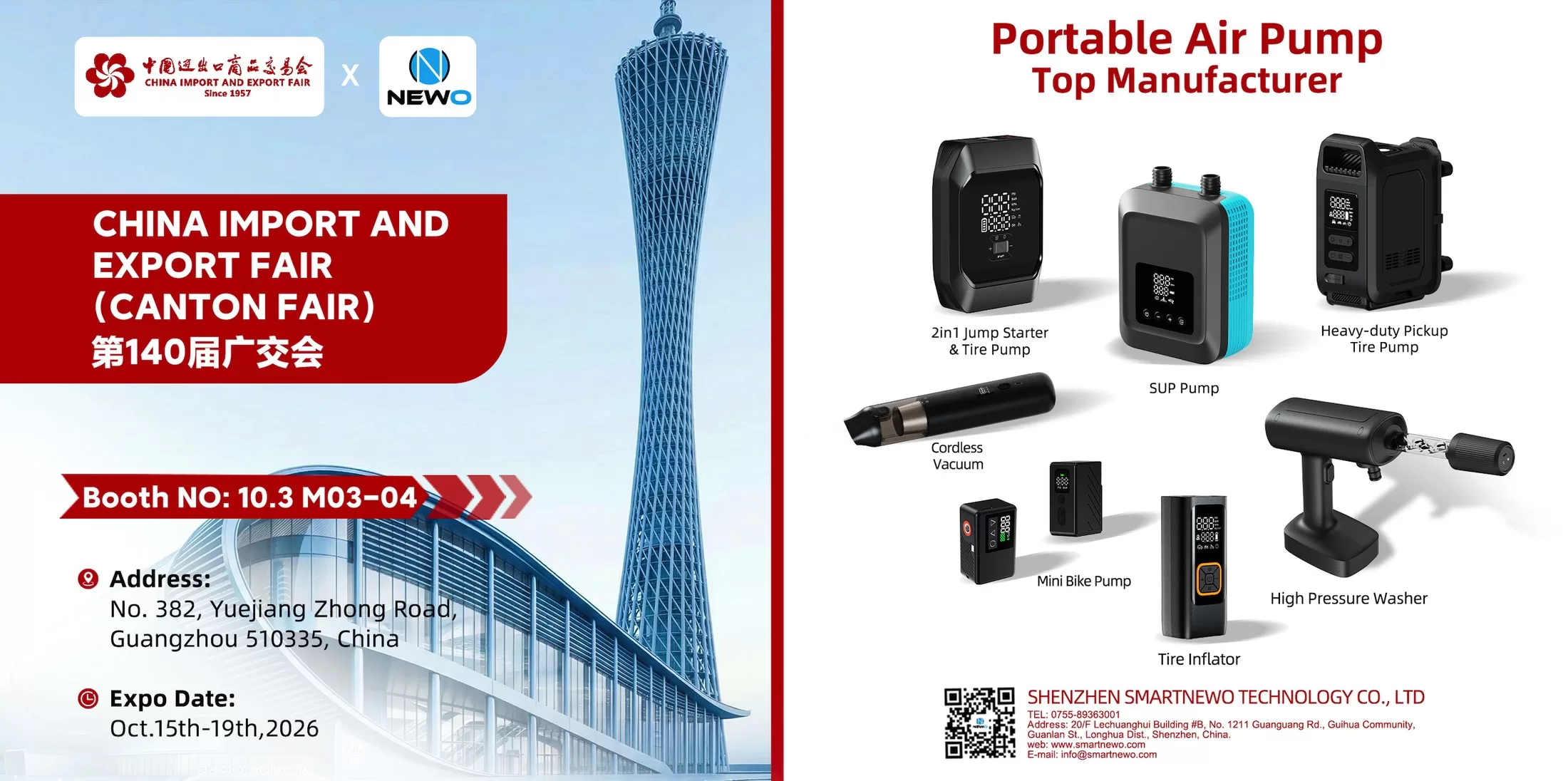
Meet NEWO at the 140th Canton Fair: Visit Booth 10.3 M03–04
Meet NEWO at the 140th Canton Fair in Guangzhou, October 15–19, 2026. Visit Booth 10.3 M03–04 to explore portable air pumps and discuss OEM, ODM and distribution opportunities.... -

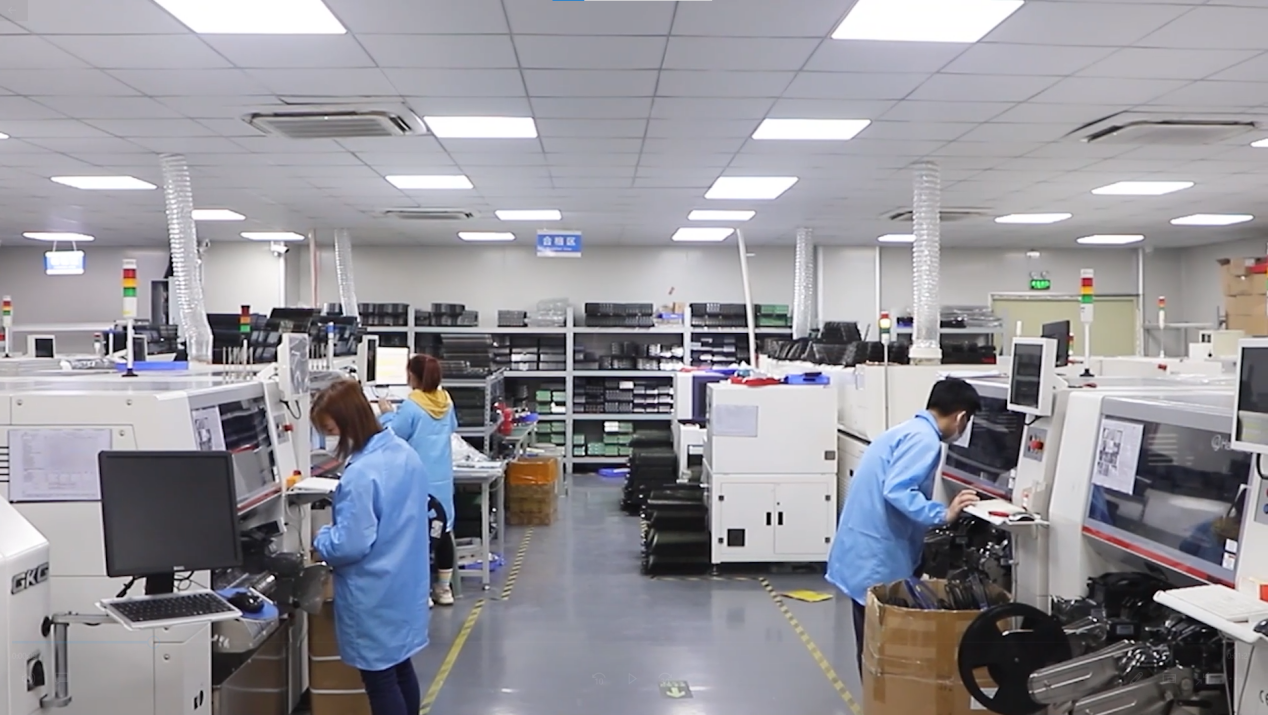
As Shenzhen Welcomes the World for APEC 2026, NEWO Welcomes You to Our Factory
As Shenzhen prepares for APEC 2026, NEWO welcomes international buyers and partners to visit our factory, meet our team and explore future cooperation.... -

Leading the Way in Product Innovation and Excellence
Smartnewo exemplifies professionalism in product innovation and manufacturing. Their collaboration with Xiaomi Youpin on the G01 crowdfunding project highlights their expertise in creating compact, powerful inflatable pumps. Rigorous engineering, meticulous production processes, and advanced quality assurance underscore their commitment to excellence. The success of the G01 project, with significant market... -

Essential Qualities of an Excellent Supplier
In today's competitive market, finding a reliable supplier is crucial for business success. Based on insights from Smartnewo and broader internet research, here are key qualities an excellent supplier must possess:... -

NW06 Tire Inflator: Compact Power for Quick Inflation
Summary The NW06 Tire Inflator delivers quick and efficient tire inflation with a powerful 35L/min airflow. It features a user-friendly LCD screen for real-time pressure monitoring, dual power options with a built-in 6000mAh battery, and multiple nozzle attachments for versatile use. Its compact design and integrated LED light ensure convenience and... -

Unleash the Power of Portability: The SmartNewo Jump Starter with Air Compressor KF03
This guide will walk you through the steps to effectively use a portable tire inflator, helping you stay prepared and safe on the road.... -

Newo Attends The 2024 Consumer Electronics Show (CES)
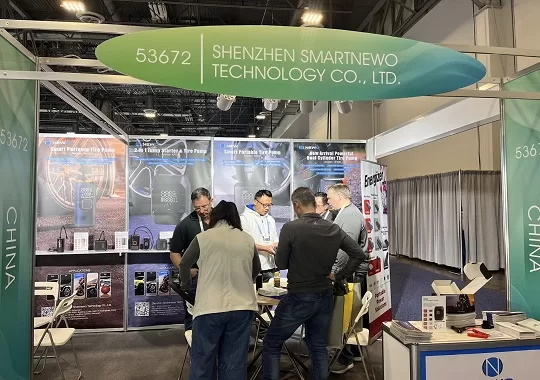
Smartnewo booth is located at 53672, Halls A-D, Level 2, Venetian Expo, Las Vegas Convention Center (LVCC). ... -

Smartnewo’s Dual-Cylinder Air Pump Rocks the Hong Kong Autumn Electronics Fair!
Smartnewo’s Dual-Cylinder Air Pump Rocks the Hong Kong Autumn Electronics Fair!... -

Meet at the Canton Fair! Smartnewo brings dual-cylinder air pumps, making your inflation experience faster and more stable!
NEWO has went deep communication and negotiation with customers from all over the world on booth.... -

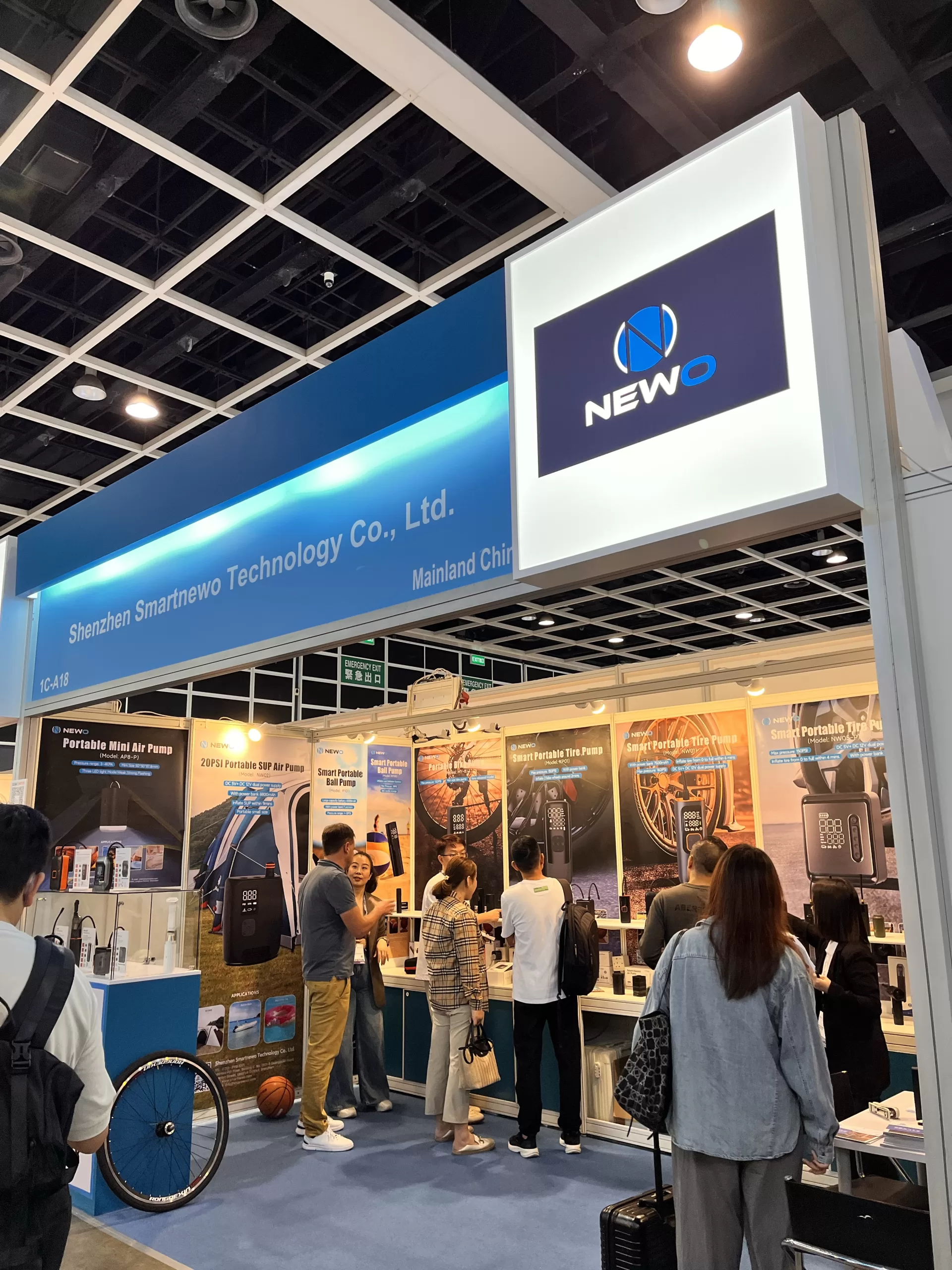
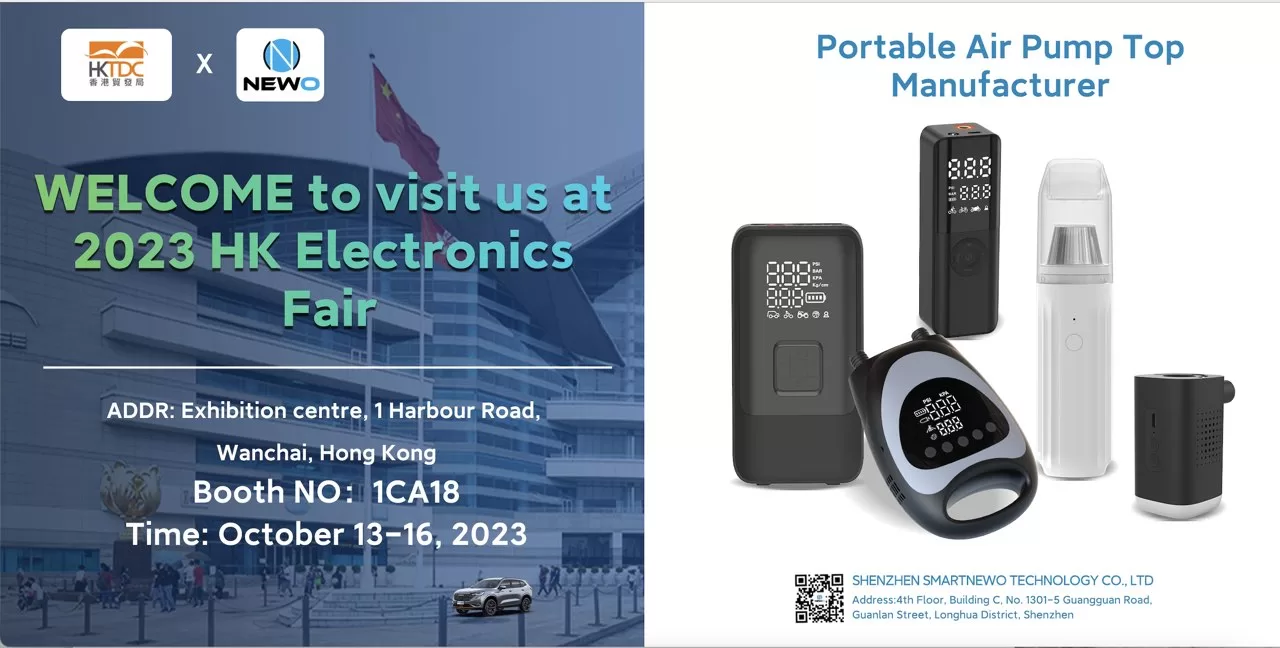
“Hong Kong Autumn Electronics Fair – 1CA18 (October 13th to 16th): Smartnewo invites you to visit our booth!
Hong Kong Autumn Electronics Fair...

-

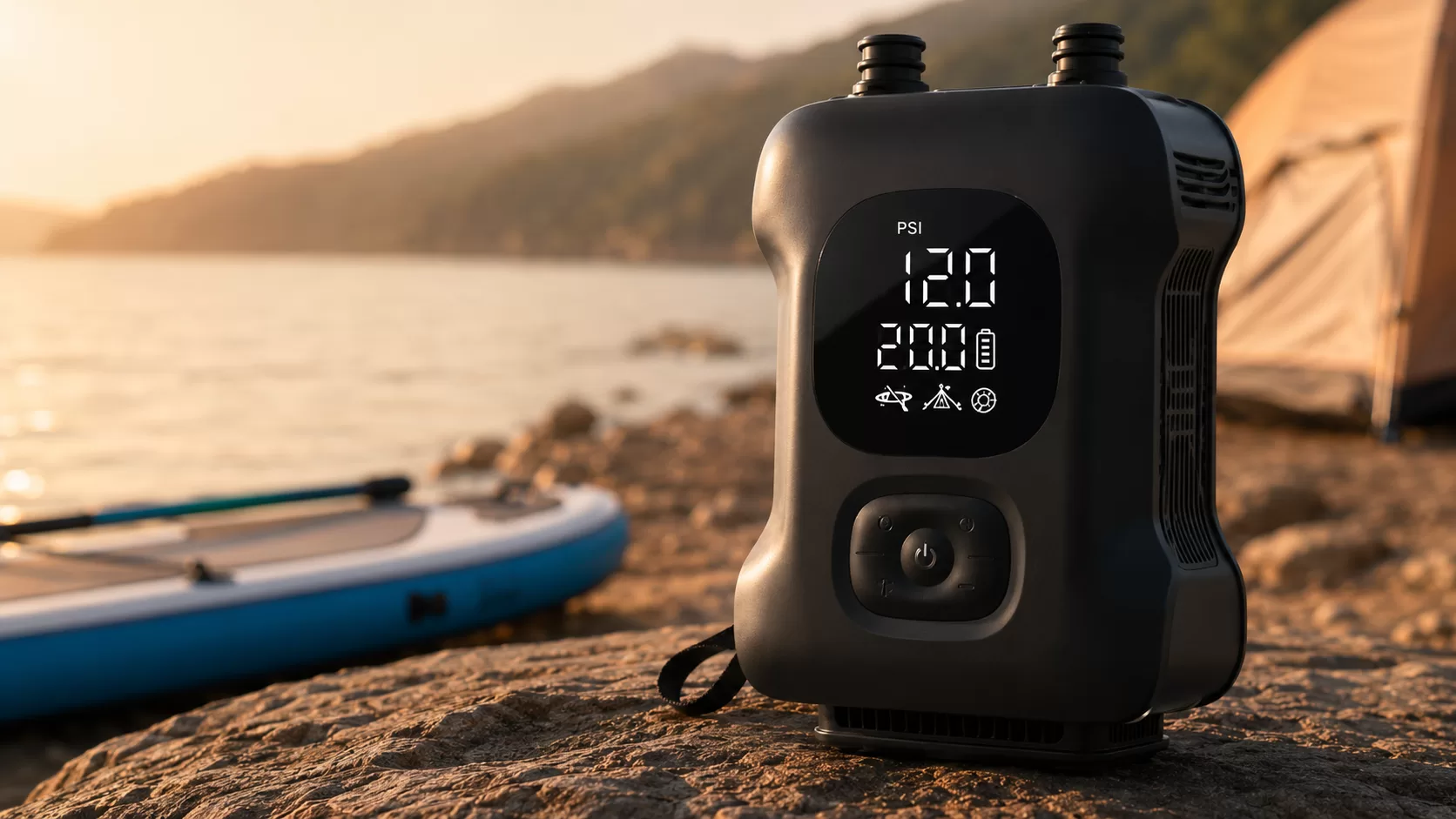
Rechargeable Electric SUP Pump for Paddle Boards: Faster Inflation for SUPs, Kayaks and Inflatable Tents
The BL10-C Portable Electric Bike Tire Inflator is a compact and lightweight mini electric bike pump designed for modern cyclists. With up to 120 PSI pressure, a digital LED display, preset pressure control, automatic shut-off, USB-C charging, and multiple valve adapters, BL10-C offers a convenient inflation solution for road bikes,... -

Are Electric Bike Pumps Worth It in 2026? Electric Pump vs CO₂ vs Mini Hand Pump
Discover whether electric bike pumps are worth it in 2026. This guide compares electric bike pumps, CO₂ inflators, and mini hand pumps for road cycling, gravel riding, commuting, and long-distance rides. Learn the pros, limitations, best use cases, and key features to look for before choosing the right portable tire... -
BL10-C Portable Electric Bike Tire Inflator: Small Size, Reliable Power for Every Ride
The BL10-C Portable Electric Bike Tire Inflator is a compact and lightweight mini electric bike pump designed for modern cyclists. With up to 120 PSI pressure, a digital LED display, preset pressure control, automatic shut-off, USB-C charging, and multiple valve adapters, BL10-C offers a convenient inflation solution for road bikes,... -

Why Mini Electric Bike Pumps Are Becoming Essential for Modern Cycling
Discover why mini electric bike pumps are becoming essential for modern cyclists. Learn how portable electric bike pumps improve tire pressure management, riding safety, and convenience.... -

The Ultimate Smart Solution for Easy Outdoor Adventures in 2026
Discover how a spring travel air pump simplifies outdoor trips with fast inflation, smart features, and powerful performance—perfect for every adventure.... -

Powerful 5-in-1 Portable Car Tire Inflator and Jump Starter: The Ultimate Emergency Tool for Every Driver
Why Every Driver Needs a Portable Car Tire Inflator and Jump Starter Modern drivers face many unexpected situations on the road. A flat tire, low tire pressure, or a dead car battery can happen at the worst possible time. That’s why having a portable car tire inflator and jump starter is... -

7 Real Cycling Scenarios That Show Why Every Rider Should Carry a Mini Bike Pump
Cycling is one of the most freeing activities you can enjoy. Whether you’re commuting to work, riding through city streets, or exploring quiet countryside roads, a bike ride can instantly improve your day. But there’s one small problem that almost every cyclist eventually faces: Low tire pressure. It might happen... -
BL08-A Portable Electric Bike Pump: A Global Distribution Opportunity with Smartnewo
Smartnewo, a professional manufacturer of portable electric air pumps, introduces the BL08-A model — a compact and efficient inflator designed for global distributors, e-commerce sellers, and outdoor accessory brands seeking reliable OEM/ODM solutions. Table of Contents Main Heading Subtopics 1. Introduction: Expanding the Global Market for Smart Inflation Tools Portable... -

Connecting Opportunities at Automechanika Shanghai 2025 — Smartnewo Exhibition Day 1
Today marks an exciting beginning as Smartnewo officially opens its booth at Automechanika Shanghai 2025. As one of the largest and most influential automotive aftermarket exhibitions in the world, the show provides an exceptional platform for meaningful conversations, partnership building, and global industry exchange. Located at Booth 7.2E47, Smartnewo presents... -

Why Every Outdoor Cyclist Should Carry a Mini Electric Bike Pump
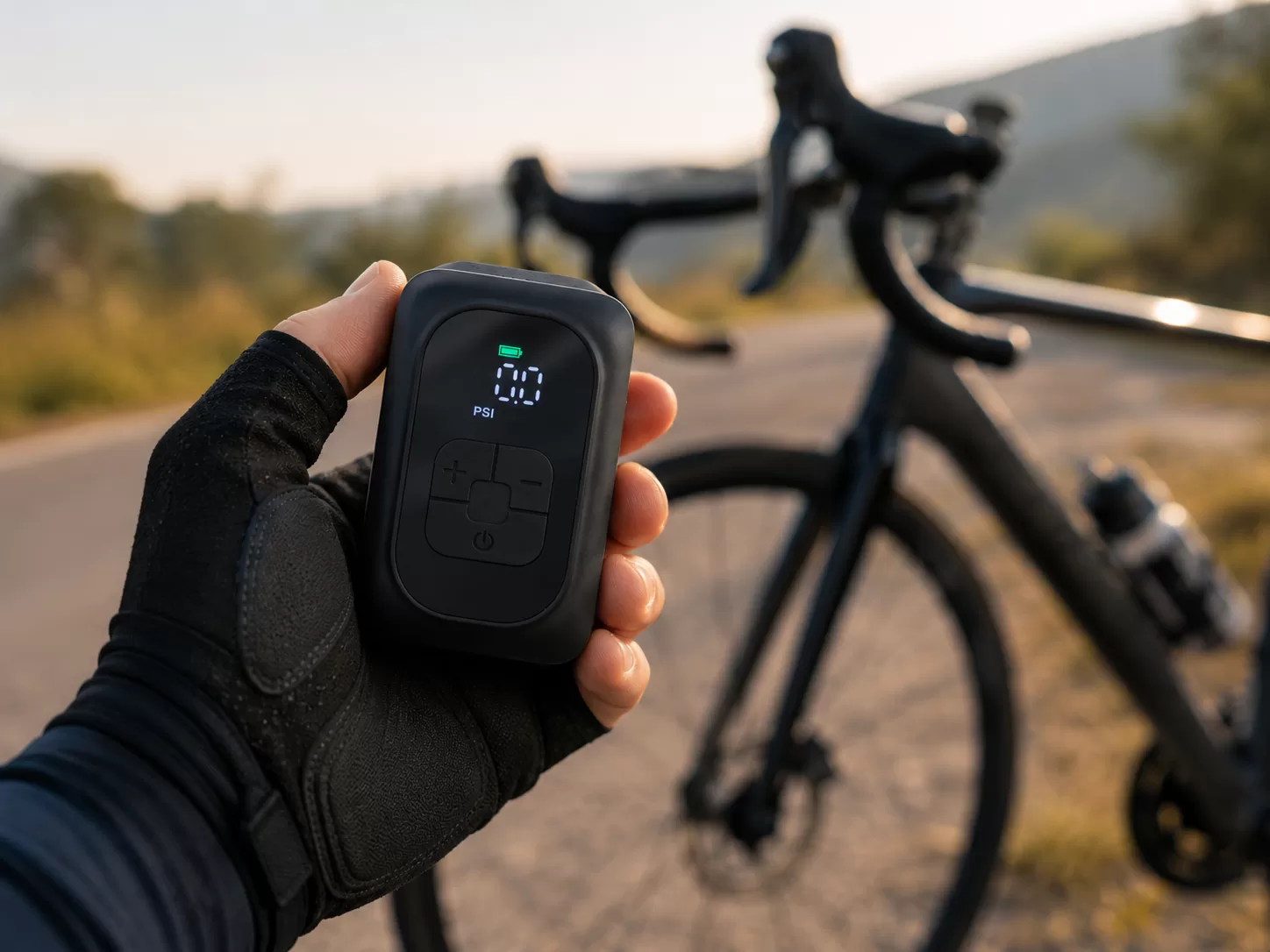
Whether you are an experienced mountain rider or a weekend road-cycling enthusiast, one thing is certain: unexpected tire pressure issues can ruin an entire ride. That’s why more cyclists are turning to mini electric bike pumps—compact, lightweight, and far more reliable than traditional hand pumps. 1. Consistent Pressure, Even in...
-
How Is a Football Properly Inflated?
The correct inflation of a football - with not too much and not too little air - is a hotly debated topic among footballers.... -
Application Scenarios of Car Inflator Pump
Often long-distance business trips or play car owners because the road may be more remote areas, in this case if you encounter a tire leak....