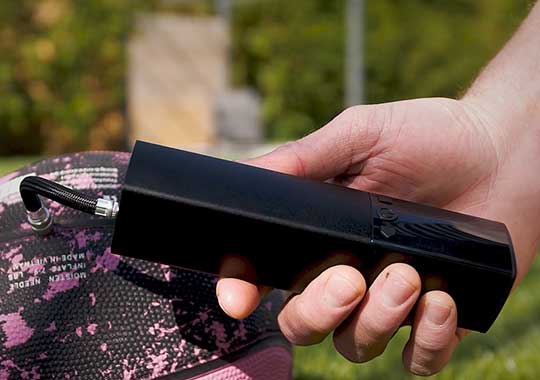

 Portable Tire Inflators
 Electric Air Pumps
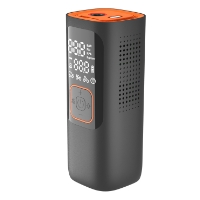 Electric Car Tyre Pumps
 Electric Ball Pumps
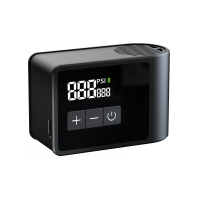 Electric Bike Pump
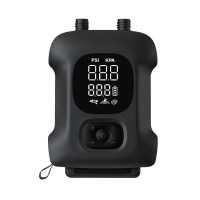 SUP Air Pump
Sourcing Wholesale Electric Bike Pumps: A Buyer’s Technical Guide
Buyers searching for wholesale electric bike pumps are usually solving a sourcing problem, not a shopping one. A single rider can tolerate a mediocre pump, but a distributor or retailer stocking hundreds of units cannot afford inconsistent pressure accuracy, weak batteries, or a supplier who can’t explain their own specs. This guide walks through what actually separates a reliable wholesale electric bike pump from one that generates returns, using the kind of technical detail a procurement team needs before placing a bulk order.
Why Bulk Buyers Need More Than a Spec Sheet
A spec sheet tells you the ceiling, not the daily reality. Many listings advertise "150 PSI" prominently, but a bike tire rarely needs more than 80-100 PSI, so the real question is whether the pump holds accuracy at the pressures your end users actually inflate to. Wholesale buyers also need to think about battery consistency across a full shipment, not just the number printed on one sample unit.
This matters because e-bikes, standard bicycles, wheelchairs, and balance vehicles all demand different pressure ranges and nozzle fittings. A pump that only handles one valve type creates friction at the point of sale, and that friction becomes a support ticket for the retailer. The more application scenarios a single unit covers, the fewer SKUs a distributor has to manage.
Core Technical Benchmarks for Bulk Evaluation
When comparing suppliers, four technical areas tend to predict long-term performance better than marketing copy does: pressure control, battery life, motor type, and build tolerance under repeated use. The Newo AP2, for example, illustrates how these specs translate into real-world behavior.
| Specification | AP2 Detail | Why It Matters for Bulk Orders |
|---|---|---|
| Maximum pressure | 150 PSI | Covers car, motorcycle, and bike use in one unit |
| Pressure range | 0-150 PSI, adjustable | Supports precise inflation across vehicle types |
| Air flow | 15-18 L/min | Determines how fast a batch of tires gets inflated |
| Motor type | Brushed, 35W | Common, serviceable motor type for cost-controlled products |
| Battery | 2 × 2000mAh, 7.4V, 14.8Wh | Rated for 20-30 minutes continuous run time |
| Charging | Type-C, 5V/2A input | Standardized charging reduces accessory costs |
| Noise level | ≤85dB at 1 meter | Relevant for retail demo environments |
| Operating temp | -10°C to 45°C | Matters for distributors shipping to varied climates |
Air flow rate deserves particular attention because it’s often skipped in casual comparisons. A pump rated at 15-18 L/min will inflate a standard bicycle tire noticeably faster than a lower-flow unit, even if both share the same max pressure rating. For a retailer demonstrating the product on a sales floor, that speed difference is the difference between a confident pitch and an awkward wait.
Battery Performance and Why It’s the First Thing to Fail
Battery degradation is the most common reason inflators get returned, so it’s worth scrutinizing before committing to a wholesale order. The AP2 uses a built-in 2 × 2000mAh lithium battery rated for roughly 20-30 minutes of operation, which the manufacturer states translates to about 10-15 bicycle tire inflations per charge. That number matters more to a wholesale buyer than the peak PSI figure, because it defines how often an end user has to recharge during a week of commuting.
Charging time is the other half of that equation. A 2-3 hour recharge window, paired with Type-C input at 5V/2A, keeps the unit practical for daily use without requiring a proprietary cable that complicates after-sales support. Distributors should also ask suppliers how battery capacity is verified across production batches, since cell-level variance is a known issue in low-cost lithium packs.
Multi-Purpose Design Reduces SKU Complexity
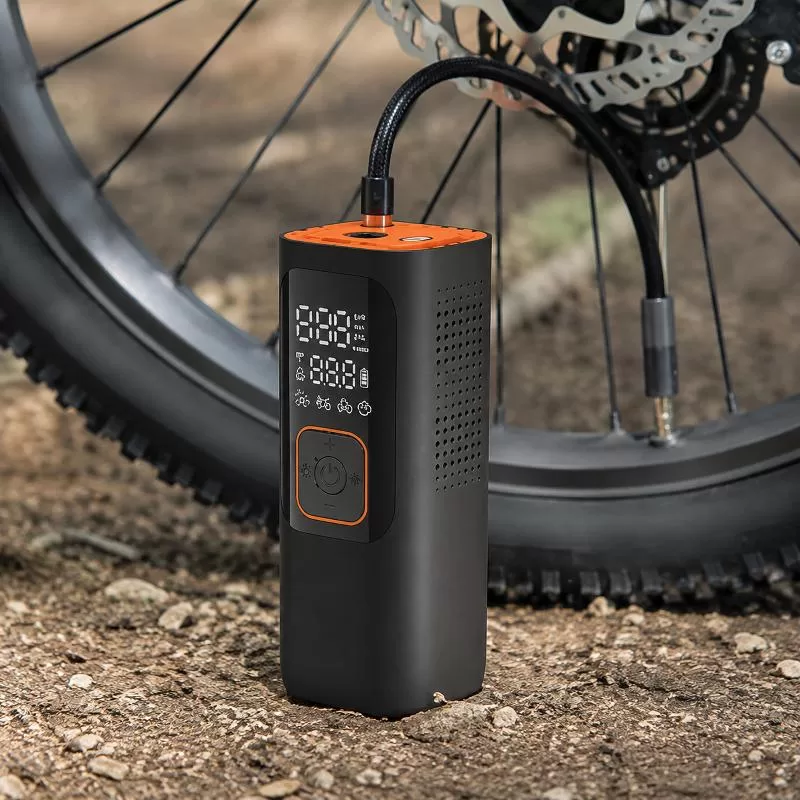
One underappreciated advantage of a well-designed wholesale electric bike pump is how many product categories it can replace on a shelf. The AP2 ships with three adapters and supports car tires, motorcycles, bicycles, e-bikes, wheelchairs, balance vehicles, and sports balls. For a retailer, that means one inflator model can serve customers who would otherwise need separate car and bike pumps.
Preset modes reinforce this versatility rather than just adding a feature checkbox. The unit offers car, motorcycle, bicycle, and ball modes alongside a custom setting, so a less experienced buyer doesn’t need to know the correct PSI for their vehicle type. Automatic shut-off then closes the loop by stopping inflation once the target pressure is reached, which reduces the risk of overinflation complaints reaching a retailer’s customer service line.
Display, Controls, and the Overlooked Role of Visibility
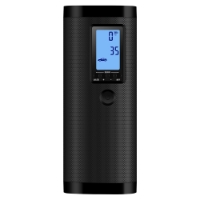
A digital display sounds like a minor detail until a customer tries to read it in a dim garage or at night on the roadside. The AP2’s backlit LCD screen shows pressure readings in PSI, BAR, KPA, and Kg/cm², which covers both domestic and export markets without requiring separate SKUs for different regions.
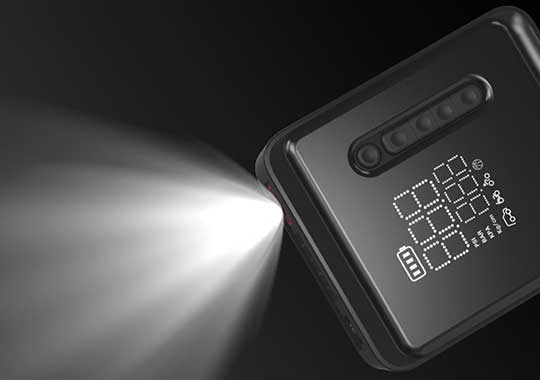
The built-in LED light adds a second layer of practical value here, since it doubles as emergency illumination during roadside tire changes. Wholesale buyers selling into markets with frequent power outages or rural road use should weigh this feature seriously, as it extends the product’s relevance beyond simple tire maintenance.
Power-Bank Function: A Secondary Value Driver
Here’s a detail that often gets buried in spec sheets but shouldn’t be: the AP2 includes a power-bank function with 5V/1.5A output, letting it charge a phone through the same Type-C port used for its own charging. This isn’t a core inflation feature, but it’s the kind of secondary utility that improves perceived value at retail without adding meaningful cost to the unit itself.
For bulk buyers targeting outdoor, travel, or emergency-preparedness retail channels, this dual function can be a genuine differentiator in product listings and in-store signage. It positions the pump as a travel companion rather than a single-purpose tool, which tends to justify a slightly higher shelf price.
Noise, Temperature Range, and Operational Reliability
Noise level and temperature tolerance rarely make it into marketing headlines, but they affect customer satisfaction in subtle ways. At ≤85dB measured at one meter, the AP2 sits at a volume comparable to a loud vacuum cleaner, which is reasonable for a compact brushed motor but worth disclosing honestly to retail partners rather than glossing over.
Operating temperature range, listed at -10°C to 45°C, is particularly relevant for distributors shipping into regions with harsh winters or hot climates. A pump that fails to perform reliably outside a narrow comfort zone creates warranty claims that eat into margin, so this spec deserves a direct conversation with any supplier before a container order ships.
How to Choose a Supplier, Not Just a Product
Selecting the right wholesale electric bike pump partner involves more than comparing PSI numbers. A practical evaluation checklist looks like this:
- Confirm pressure accuracy at the specific PSI ranges your target market actually uses, not just the maximum rating.
- Ask for battery cycle data or at minimum a clear charge-time and runtime figure, like the 2-3 hour charge for 20-30 minutes of use.
- Verify included accessories, such as adapter types, since missing fittings generate avoidable support requests.
- Check motor type and power rating, since brushed motors like the 35W unit here are generally easier and cheaper to service than brushless alternatives.
- Request warranty terms in writing; a 1-year warranty is a reasonable baseline for this product category.
- Clarify charging port standardization, since Type-C compatibility simplifies after-sales accessory sourcing.
Working through this list before negotiating price prevents a common mistake: locking in a low per-unit cost on a batch that later generates disproportionate returns or warranty claims.
Frequently Asked Questions
Does a higher max PSI rating always mean better performance for bike tires?
Not necessarily. Bicycle and e-bike tires typically require 40-100 PSI depending on tire type, so a 150 PSI ceiling mainly matters for buyers who also sell or use the pump for car tires. What matters more for bike-specific use is consistent accuracy within that lower range.
How many units can a single battery charge realistically inflate before dying?
Based on the AP2’s stated specs, roughly 10-15 bicycle tires per full charge is the manufacturer’s figure, with 20-30 minutes of continuous runtime. Actual results vary with tire size and target pressure.
Is a brushed motor a disadvantage compared to brushless designs?
Brushed motors like the 35W unit in the AP2 are generally less expensive to produce and repair, though they typically have a shorter service life than brushless motors under heavy continuous use. For consumer-grade inflation tasks performed intermittently, this tradeoff is usually acceptable.
What should a distributor ask about before placing a large order?
Beyond price, ask about adapter compatibility, charging standard, warranty length, and whether the supplier can provide consistent battery performance across production batches rather than just a single tested sample.
Final Considerations for Procurement Teams
Choosing wholesale electric bike pumps comes down to matching real usage patterns with verifiable specifications, rather than chasing the highest number on a listing page. Pressure range, battery runtime, motor durability, and accessory compatibility together determine whether a shipment performs well in the field or generates a wave of returns within the first few months. For us, the goal in supplying these units has always been giving distributors specs they can verify and explain to their own customers, since that transparency is what actually reduces post-sale friction. A thoughtful evaluation process, grounded in the technical details covered here, puts buyers in a far stronger position when negotiating their next order of wholesale electric bike pumps.
-

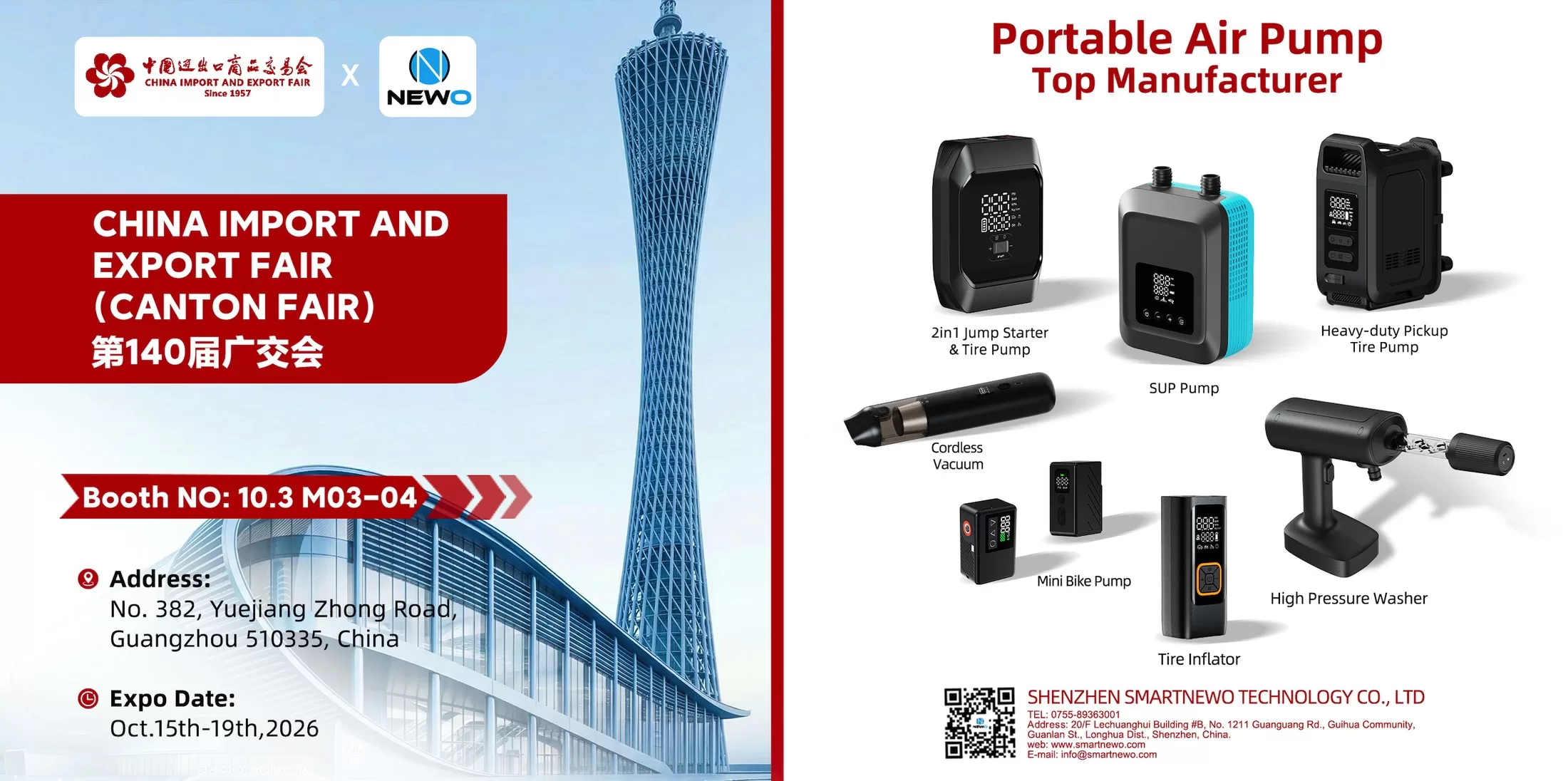
Meet NEWO at the 140th Canton Fair: Visit Booth 10.3 M03–04
Meet NEWO at the 140th Canton Fair in Guangzhou, October 15–19, 2026. Visit Booth 10.3 M03–04 to explore portable air pumps and discuss OEM, ODM and distribution opportunities.... -

As Shenzhen Welcomes the World for APEC 2026, NEWO Welcomes You to Our Factory
As Shenzhen prepares for APEC 2026, NEWO welcomes international buyers and partners to visit our factory, meet our team and explore future cooperation.... -

Leading the Way in Product Innovation and Excellence
Smartnewo exemplifies professionalism in product innovation and manufacturing. Their collaboration with Xiaomi Youpin on the G01 crowdfunding project highlights their expertise in creating compact, powerful inflatable pumps. Rigorous engineering, meticulous production processes, and advanced quality assurance underscore their commitment to excellence. The success of the G01 project, with significant market... -

Essential Qualities of an Excellent Supplier
In today's competitive market, finding a reliable supplier is crucial for business success. Based on insights from Smartnewo and broader internet research, here are key qualities an excellent supplier must possess:... -

NW06 Tire Inflator: Compact Power for Quick Inflation
Summary The NW06 Tire Inflator delivers quick and efficient tire inflation with a powerful 35L/min airflow. It features a user-friendly LCD screen for real-time pressure monitoring, dual power options with a built-in 6000mAh battery, and multiple nozzle attachments for versatile use. Its compact design and integrated LED light ensure convenience and... -

Unleash the Power of Portability: The SmartNewo Jump Starter with Air Compressor KF03
This guide will walk you through the steps to effectively use a portable tire inflator, helping you stay prepared and safe on the road.... -

Newo Attends The 2024 Consumer Electronics Show (CES)
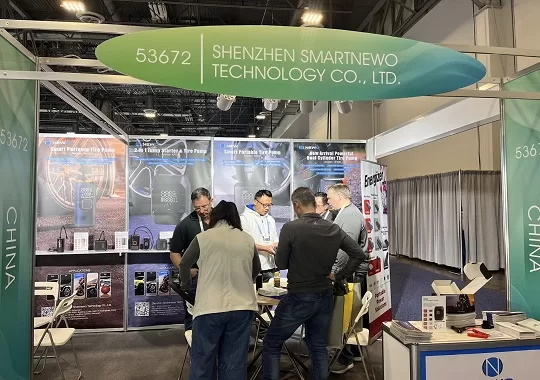
Smartnewo booth is located at 53672, Halls A-D, Level 2, Venetian Expo, Las Vegas Convention Center (LVCC). ... -

Smartnewo’s Dual-Cylinder Air Pump Rocks the Hong Kong Autumn Electronics Fair!
Smartnewo’s Dual-Cylinder Air Pump Rocks the Hong Kong Autumn Electronics Fair!... -

Meet at the Canton Fair! Smartnewo brings dual-cylinder air pumps, making your inflation experience faster and more stable!
NEWO has went deep communication and negotiation with customers from all over the world on booth.... -

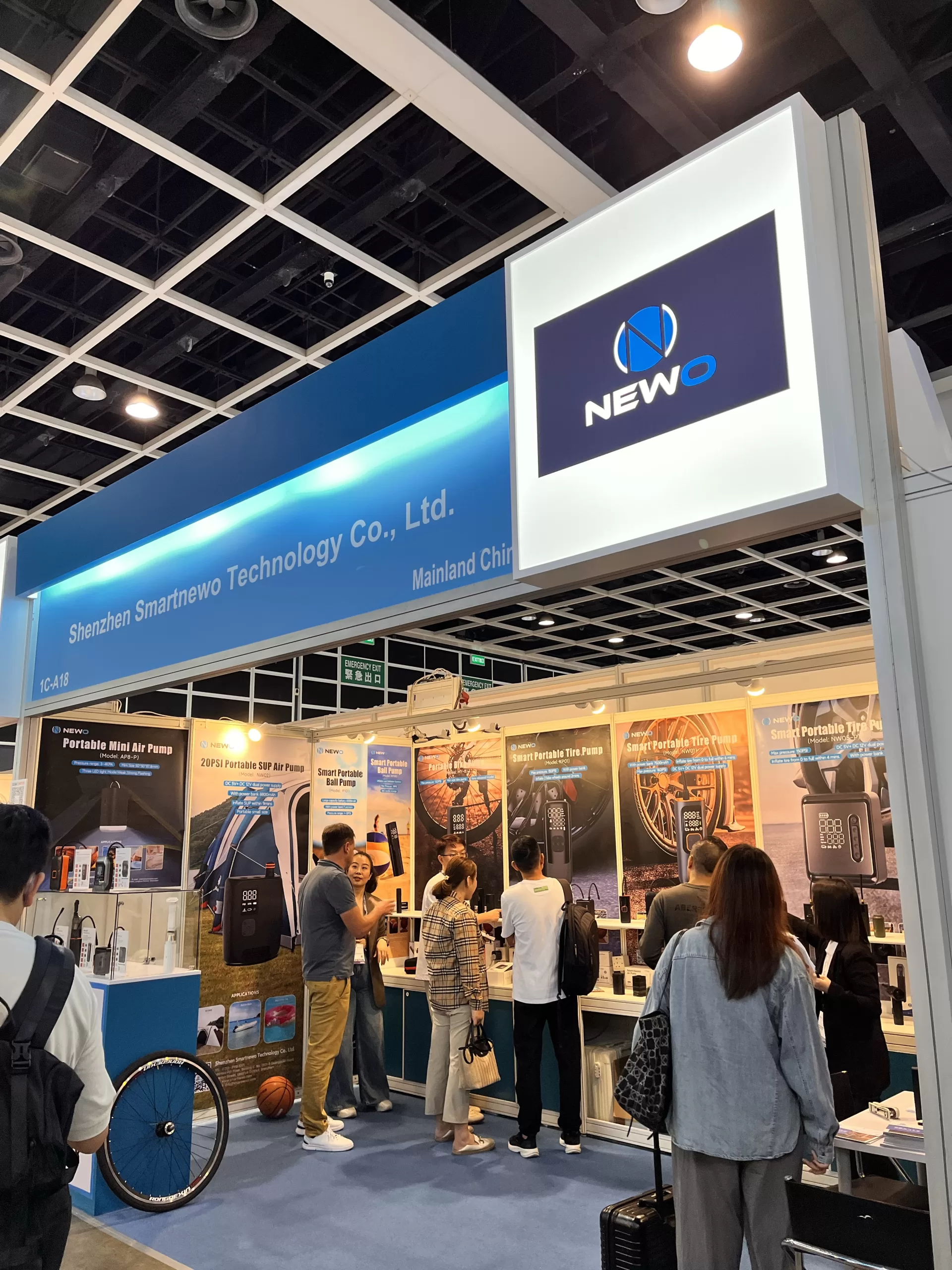
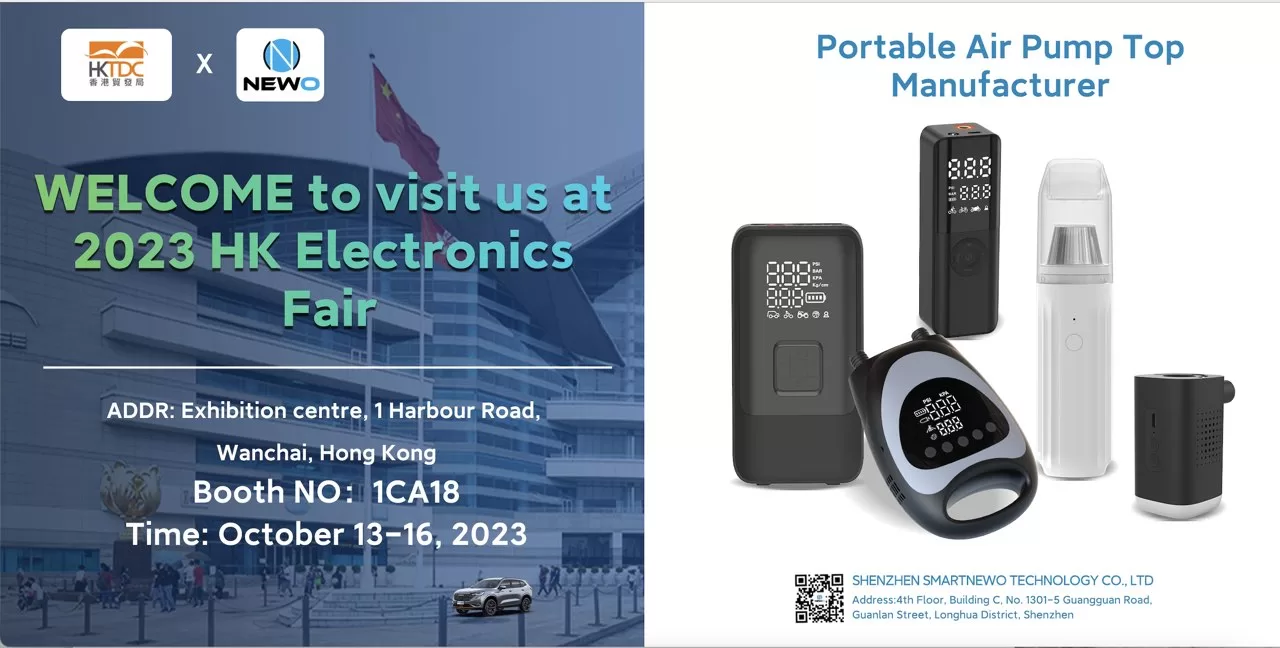
“Hong Kong Autumn Electronics Fair – 1CA18 (October 13th to 16th): Smartnewo invites you to visit our booth!
Hong Kong Autumn Electronics Fair...
-

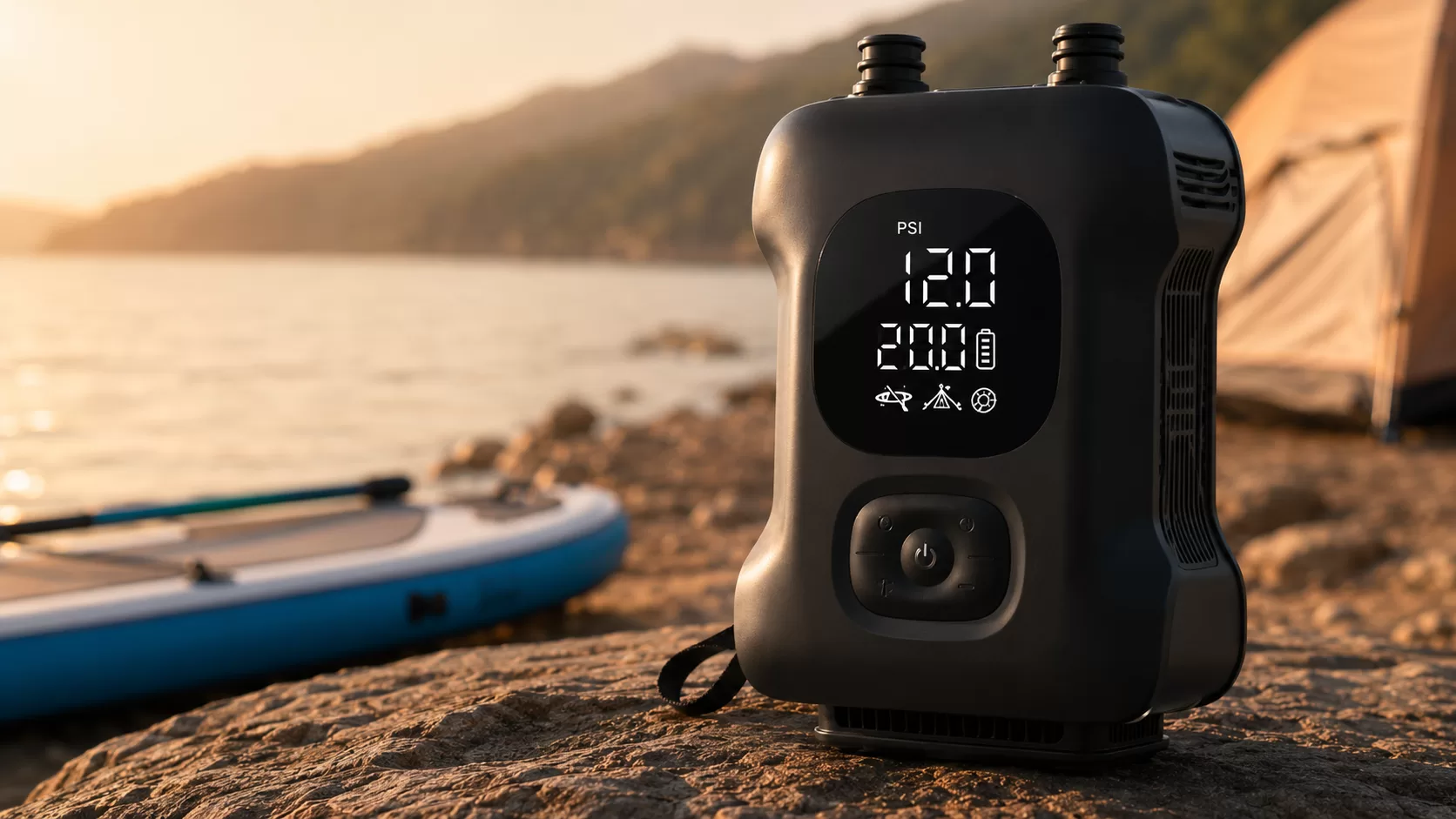
Rechargeable Electric SUP Pump for Paddle Boards: Faster Inflation for SUPs, Kayaks and Inflatable Tents
The BL10-C Portable Electric Bike Tire Inflator is a compact and lightweight mini electric bike pump designed for modern cyclists. With up to 120 PSI pressure, a digital LED display, preset pressure control, automatic shut-off, USB-C charging, and multiple valve adapters, BL10-C offers a convenient inflation solution for road bikes,... -

Are Electric Bike Pumps Worth It in 2026? Electric Pump vs CO₂ vs Mini Hand Pump
Discover whether electric bike pumps are worth it in 2026. This guide compares electric bike pumps, CO₂ inflators, and mini hand pumps for road cycling, gravel riding, commuting, and long-distance rides. Learn the pros, limitations, best use cases, and key features to look for before choosing the right portable tire... -
BL10-C Portable Electric Bike Tire Inflator: Small Size, Reliable Power for Every Ride
The BL10-C Portable Electric Bike Tire Inflator is a compact and lightweight mini electric bike pump designed for modern cyclists. With up to 120 PSI pressure, a digital LED display, preset pressure control, automatic shut-off, USB-C charging, and multiple valve adapters, BL10-C offers a convenient inflation solution for road bikes,... -

Why Mini Electric Bike Pumps Are Becoming Essential for Modern Cycling
Discover why mini electric bike pumps are becoming essential for modern cyclists. Learn how portable electric bike pumps improve tire pressure management, riding safety, and convenience.... -

The Ultimate Smart Solution for Easy Outdoor Adventures in 2026
Discover how a spring travel air pump simplifies outdoor trips with fast inflation, smart features, and powerful performance—perfect for every adventure.... -

Powerful 5-in-1 Portable Car Tire Inflator and Jump Starter: The Ultimate Emergency Tool for Every Driver
Why Every Driver Needs a Portable Car Tire Inflator and Jump Starter Modern drivers face many unexpected situations on the road. A flat tire, low tire pressure, or a dead car battery can happen at the worst possible time. That’s why having a portable car tire inflator and jump starter is... -

7 Real Cycling Scenarios That Show Why Every Rider Should Carry a Mini Bike Pump
Cycling is one of the most freeing activities you can enjoy. Whether you’re commuting to work, riding through city streets, or exploring quiet countryside roads, a bike ride can instantly improve your day. But there’s one small problem that almost every cyclist eventually faces: Low tire pressure. It might happen... -
BL08-A Portable Electric Bike Pump: A Global Distribution Opportunity with Smartnewo
Smartnewo, a professional manufacturer of portable electric air pumps, introduces the BL08-A model — a compact and efficient inflator designed for global distributors, e-commerce sellers, and outdoor accessory brands seeking reliable OEM/ODM solutions. Table of Contents Main Heading Subtopics 1. Introduction: Expanding the Global Market for Smart Inflation Tools Portable... -

Connecting Opportunities at Automechanika Shanghai 2025 — Smartnewo Exhibition Day 1
Today marks an exciting beginning as Smartnewo officially opens its booth at Automechanika Shanghai 2025. As one of the largest and most influential automotive aftermarket exhibitions in the world, the show provides an exceptional platform for meaningful conversations, partnership building, and global industry exchange. Located at Booth 7.2E47, Smartnewo presents... -

Why Every Outdoor Cyclist Should Carry a Mini Electric Bike Pump
Whether you are an experienced mountain rider or a weekend road-cycling enthusiast, one thing is certain: unexpected tire pressure issues can ruin an entire ride. That’s why more cyclists are turning to mini electric bike pumps—compact, lightweight, and far more reliable than traditional hand pumps. 1. Consistent Pressure, Even in...

-
How Is a Football Properly Inflated?
The correct inflation of a football - with not too much and not too little air - is a hotly debated topic among footballers.... -
Application Scenarios of Car Inflator Pump
Often long-distance business trips or play car owners because the road may be more remote areas, in this case if you encounter a tire leak....