

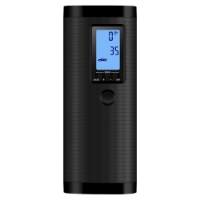
 Portable Tire Inflators
 Electric Air Pumps
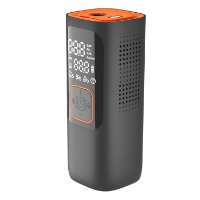 Electric Car Tyre Pumps
 Electric Ball Pumps
 Electric Bike Pump
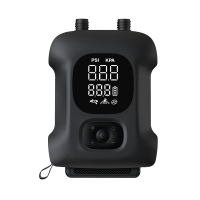 SUP Air Pump

Portable Car Tire Pump: A Comprehensive Guide to Roadside Readiness
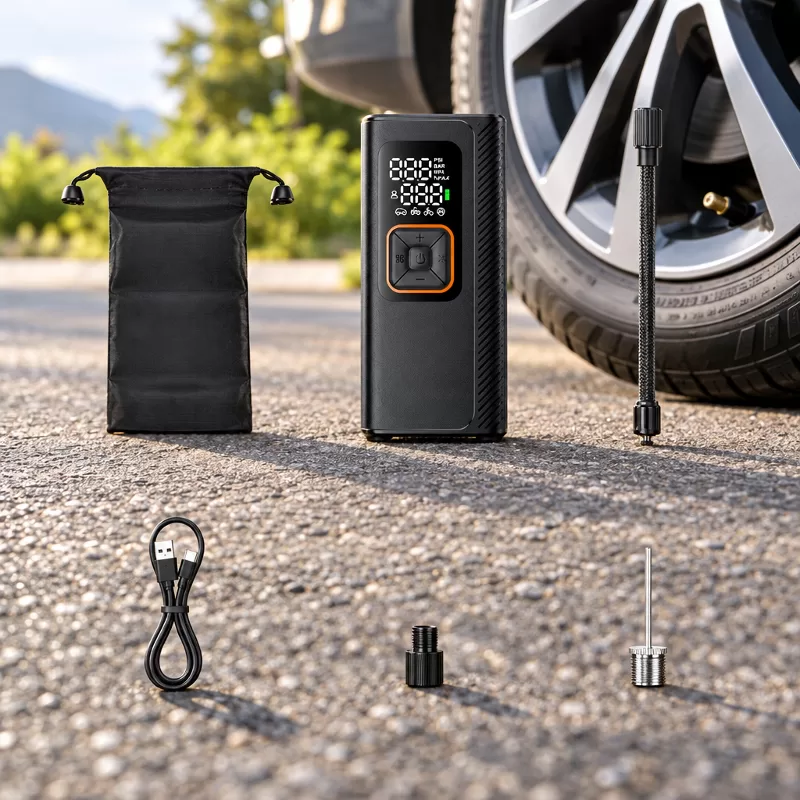
Maintaining correct tire pressure is one of the most effective habits for ensuring vehicle safety, extending tread life, and preserving fuel efficiency. Yet, countless motorists discover an underinflated tire only when a warning light flickers on a desolate stretch of highway. Keeping a portable car tire pump in your trunk shifts tire maintenance from an inconvenient garage chore into an immediate, self-reliant routine. Modern compact inflators eliminate the reliance on erratic gas station air compressors, allowing drivers to address slow leaks, seasonal pressure drops, and unexpected emergencies on their own terms.
Understanding the Role of a Portable Car Tire Pump
Why drivers choose personal inflators for routine maintenance
Routine pressure checks often fall victim to busy schedules. Traditional filling stations frequently feature broken pressure gauges, coin-operated mechanisms, or hoses that fail to reach all four corners of a larger vehicle. A personal portable tire inflator removes these friction points entirely. Having reliable pneumatic equipment at home means you can adjust pressures when tires are completely cold, which delivers the most accurate baseline readings possible.
Pneumatic tires naturally lose small amounts of air over time due to permeation through the rubber casing, typically on the order of one to two PSI over a month. Distinct from this ongoing natural permeation, seasonal weather changes also alter air density within the sealed wheel. When ambient temperatures drop roughly ten degrees Fahrenheit, internal tire pressure generally falls by approximately one to two PSI. Because these changes compound over seasons, regular monitoring remains far safer than relying on mental estimates.
The critical difference between air-top-ups and emergency tire repair
An electric air pump serves primarily as a pressure maintenance instrument rather than a structural repair tool. Understanding this boundary protects drivers from making hazardous roadside assumptions. When a tire loses two to three PSI over several weeks of normal use, replenishing that volume takes mere minutes and restores original handling dynamics.
In contrast, sudden pressure loss caused by a puncture, rim damage, or valve core failure introduces mechanical complications. Merely adding air to a tire punctured by road debris does not seal the casing or make the vehicle roadworthy. Motorists must remember that an inflator cannot repair a physical breach, and driving on a structurally compromised tire creates severe hazard.
Evaluating when a portable tool is sufficient versus when roadside assistance is required
Assessing tire integrity determines whether you should inflate the wheel or call for a tow truck. Driving on a flat or severely underinflated tire can cause hidden internal damage to the casing plies, necessitating a complete professional evaluation rather than casual inflation.
- Visible sidewall punctures or bulges: An inflator cannot seal a ruptured sidewall, and applying pressure to a damaged carcass risks personal injury.
- Wheel bead separation from the rim: If the tire has unseated from the rim flange, reseating the bead requires specialized shop safety procedures; do not attempt this with a portable inflator, but arrange professional tire service instead.
- Deep wheel damage: Severe potholes that bend or crack alloy wheels prevent an airtight seal regardless of pump volume.
- Lack of pressure increase: If the pressure reading fails to rise during pumping, or if air is audibly hissing out, stop the process immediately and seek professional assistance.
Selecting the Right Portable Tire Inflator for Your Vehicle
Battery-powered cordless designs versus 12V vehicle-powered models
Choosing between battery power and corded direct-current power depends on your travel patterns and storage habits. Lithium-ion battery models provide remarkable agility, freeing you from tangled cables and allowing effortless movement around the vehicle chassis. They also function independently when an electrical fault disables your car’s auxiliary 12V socket.
Corded 12V inflators, by comparison, draw directly from the vehicle battery through the auxiliary cigarette lighter port. While they never face internal battery degradation, their operational range is strictly constrained by cord length. Heavy-duty pickup trucks and extended wheelbase SUVs often require awkward cable stretching, which risks damaging vehicle interior trim panels or socket fuses.
| Configuration Type | Primary Advantages | Operational Limitations | Ideal Use Case |
|---|---|---|---|
| Cordless Lithium-Ion | High mobility, rapid setup, independent power bank capability | Requires periodic recharge, battery capacity naturally ages over time | Daily commutes, urban driving, cycling, mixed recreational gear |
| Corded 12V DC | Continuous operation drawn from vehicle electrical system | Cable reach limits, requires active car battery, interior cord clutter | Long-distance cross-country touring, dedicated automotive kits |
| Hybrid Dual-Power | Operational flexibility, runs via vehicle 12V or internal cells | Slightly larger housing dimensions, higher total carrying weight | Extended road travel, emergency preparedness kits |
Analyzing essential features: pressure ranges, airflow efficiency, and control interfaces
Motorists should look beyond raw exterior styling and examine the core internal compressor assembly. Maximum pressure ratings, expressed in PSI, indicate the upper mechanical limit the cylinder assembly can withstand without seal failure. However, volumetric flow rate—measured in liters per minute—reflects how quickly the pump delivers air under specified test conditions.
Digital pressure interfaces with auto-stop automation prevent the dangers of distracted inflation. High-contrast LED screens allow accurate monitoring in bright midday sun or deep night. For many drivers, physical tactile buttons are easier to navigate while wearing thick winter gloves compared to flat touch-sensitive surfaces.
Understanding the importance of hose accessibility, valve compatibility, and compact storage
Air hoses endure pneumatic stress and thermal spikes during operation. A quality braided hose resists kinking and protects the internal airway from heat generated at the compressor head. Drivers should ensure that the supplied connection fittings seat securely on standard Schrader valves without damaging the delicate valve threads.
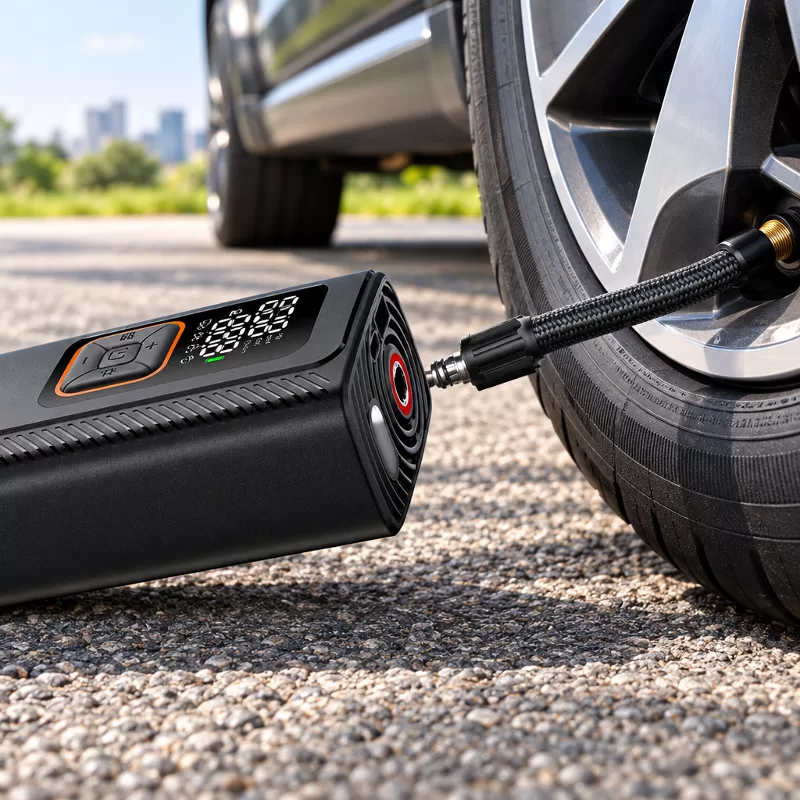
Storage efficiency inside a vehicle cabin or spare wheel well matters just as much. Bulky boxy compressors often end up left behind in home garages due to trunk clutter. A compact form factor encourages drivers to keep the pump continuously in the vehicle, ensuring preparedness for unexpected pressure drops.
Reality check: Interpreting duty-cycle claims and runtime expectations
Every mechanical compressor generates significant heat as air molecules undergo rapid compression. Compact inflators rely on small piston cylinders that shed heat through passive convection and integrated casing vents. Duty cycles dictate the operational run time an inflator can sustain before internal thermal protections intervene.
Operating limits vary significantly depending on motor sizing, housing geometry, and ambient weather. Motorists should always review the manufacturer’s specific duty-cycle and cool-down instructions rather than assuming arbitrary runtime boundaries. Following recommended operational intervals protects internal valve seals and prevents premature motor wear.
Technical Considerations: Pressure Ratings and Accuracy
Decoding PSI, kPa, and bar units: What your dashboard and tire sidewall tell you
Tire pressure measurements vary across regions and vehicle manufacturers. Pounds per square inch (PSI) remains standard in North America, while bar and kilopascals (kPa) dominate European and Asian technical documentation. Most modern digital tire inflators allow users to switch between these units instantly at the touch of a button.
Understanding unit conversions prevents dangerous inflation mistakes. For general reference, 1 bar is about 14.5 PSI, and 100 kPa is about 1 bar. When reading dashboard TPMS alerts that output in kPa, converting accurately to the pump’s native scale ensures you restore manufacturer-specified equilibrium without trial and error.
Locating the vehicle placard for the manufacturer’s recommended tire pressure
When setting your vehicle’s baseline tire pressure, remember that the tire sidewall pressure marking indicates the maximum allowed inflation pressure; use the vehicle placard or owner’s manual for the recommended cold pressure. The sidewall value does not indicate the pressure level required for normal driving conditions on your specific vehicle.
The vehicle tire-information placard is usually located on the driver’s door edge or door pillar, and drivers should consult the owner’s manual if it cannot be found there. The placard gives the recommended cold pressures; some vehicles list different values by axle or loading condition.
+-------------------------------------------------------------+
|           EXAMPLE TIRE PLACARD (FOR ILLUSTRATION ONLY)      |
|   TIRE POSITION        | RECOMMENDED COLD PRESSURE          |
|   FRONT TIRE           | Refer to your own vehicle door     |
|   REAR TIRE            | placard or official owner's        |
|   SPARE TIRE           | manual for specific manufacturer   |
|                        | pressure values and specifications |
+-------------------------------------------------------------+
  * Always verify cold tire pressures before extended driving *
Why high PSI ratings do not correlate directly with inflation speed
Retail packaging frequently touts extreme figures like 150 or 160 PSI. While these numbers confirm the pump can handle high-pressure bicycle tires or athletic equipment, they do not establish how quickly a high-volume passenger tire will inflate. Flow rate and mechanical output dictate the actual time required to fill a tire cavity.
Pneumatic volume and maximum pressure capability depend on compressor engineering, motor power, and piston displacement. Airflow ratings should only be compared directly when manufacturers disclose identical test pressures and evaluation conditions. For routine car maintenance, a dependable motor and consistent airflow provide practical, reliable service.
Safety protocols: Avoiding the risks of overinflation and sidewall-maximum pressure
Overinflated tires behave like overstretched balloons, diminishing the compliance necessary to absorb road irregularities. Impact harshness transfers directly into suspension bushings and steering linkages, accelerating wear on chassis components. Furthermore, overinflation shrinks the contact patch, concentrating tread wear down the center of the tire.
Modern digital tire inflators mitigate this risk through integrated pressure transducers and cut-off relays. Once the sensor registers target pressure, power cuts to the motor within milliseconds. This automated shut-off eliminates the continuous manual guesswork and valve-bleeding rituals required by older analog gauges.
Step-by-Step Guide: How to Safely Inflate Your Tires
Pre-inflation inspection: Ensuring the tire is cool and visually intact
Always perform a thorough visual assessment before threading an air hose onto the valve stem. Park the car on a flat, stable surface away from moving traffic, engage the parking brake, and switch on hazard flashers if positioned on a shoulder.
- Verify thermal state: Allow tires to rest for at least three hours after highway travel, or inflate before driving more than one mile.
- Inspect tread surfaces: Scan for imbedded debris, screws, or sharp stones wedged between tread blocks.
- Check sidewall integrity: Examine both inner and outer sidewalls for cracking, cuts, or localized rubber blisters.
- Inspect the valve stem: Ensure the rubber stem has not perished or torn away from the wheel rim hole.
Configuring the target pressure based on your specific vehicle requirements
Power on your portable car tire pump and confirm your target pressure setting. If your vehicle specifies distinct pressure values between front and rear axles on the door placard, adjust each target value manually using the plus and minus controls.
Before initiating the pump, verify that the selected target matches the exact pressure indicated on your vehicle placard. Taking a moment to confirm that the displayed unit matches your documentation, whether PSI, bar, or kPa, avoids gross calculation errors during roadside setup.
Proper connection techniques: Attaching the hose and securing valve seals
Unscrew the plastic dust cap from the tire valve stem and store it safely in your pocket or center console. Align the chuck of the inflator hose squarely with the valve threads to prevent cross-threading the soft brass stem.
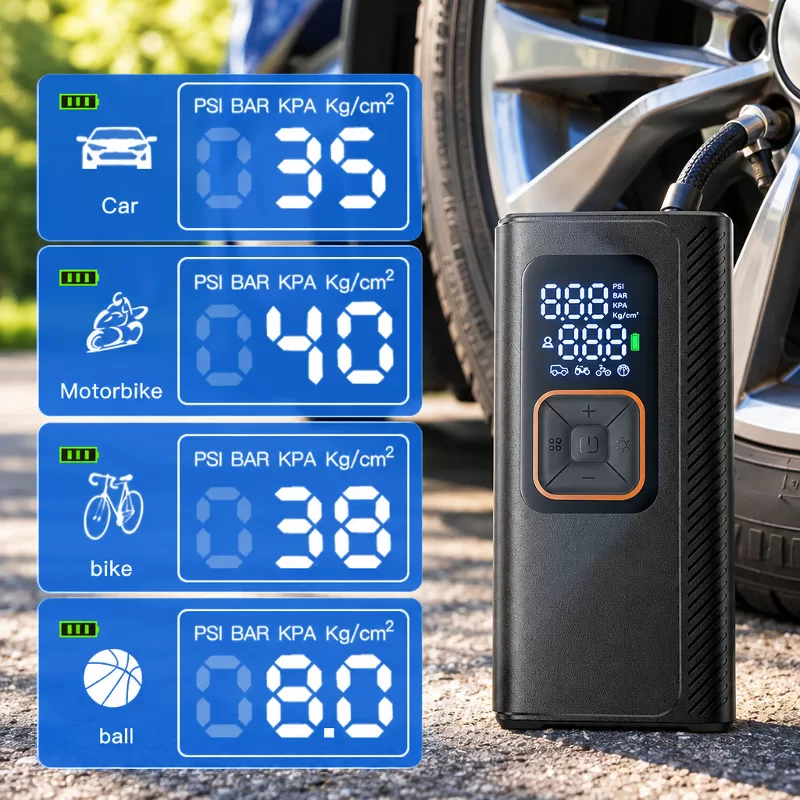
Screw the fitting down smoothly until the digital screen awakens with the tire’s current baseline pressure reading. A brief hiss of escaping air can occur during initial connection as the chuck depresses the valve pin, but if air continues hissing out audibly, unscrew and reseat the fitting immediately to secure an airtight seal. Hand-tighten the connection using finger pressure alone without tools.
The inflation process: Monitoring progress and performing final safety checks
Initiate the pumping cycle using the main power trigger. The inflator motor will produce an audible hum as the piston begins cycling pressurized air down the braided line. Stay near the wheel throughout the process to watch the live digital display and monitor the hose for sudden kinks.
- Observe mechanical stability: Keep the inflator upright on level pavement to avoid excessive abrasion to its outer plastic shell.
- Monitor gauge response: If the pressure reading fails to rise or air is heard hissing out rapidly, stop inflation immediately and inspect the tire.
- Verify auto-shutoff: Ensure the compressor halts smoothly once the display reaches your pre-configured target pressure.
- Disconnect swiftly: Unscrew the chuck briskly to minimize air bleed, inspect the valve orifice for dust, and reinstall the valve stem cap tightly.
Spotlight: The A01 Battery-Operated Car Tire Pump
Understanding the dual-cylinder structure and its contribution to inflation performance
Pneumatic efficiency in handheld inflators often stalls when single-piston setups struggle against rising counter-pressure. According to manufacturer specifications, the A01 Battery Operated Car Tire Pump employs a dual 19-cylinder structure driven by an 85W working power motor. The manufacturer states an air flow rating of 30 to 35 L/min across an operating pressure range from 2 to 160 PSI, providing an engineering baseline for varied inflation tasks.
By incorporating two 19-size cylinders, the unit handles standard automotive pressures alongside lower-pressure inflatables. The maximum design threshold reaches 160 PSI, allowing users to select target parameters across a 2 to 160 PSI window as documented by the factory data sheet.
Multi-functional utility: Using the A01 for diverse applications beyond car tires
While automotive support remains the baseline requirement, versatility across diverse inflation formats adds significant practical value. The A01 supports an operating pressure range spanning from 2 up to 160 PSI. This expansive window enables reliable service across passenger cars, motorcycles, high-pressure road bicycles, electric bikes, mobility wheelchairs, balance vehicles, and recreational sports gear.
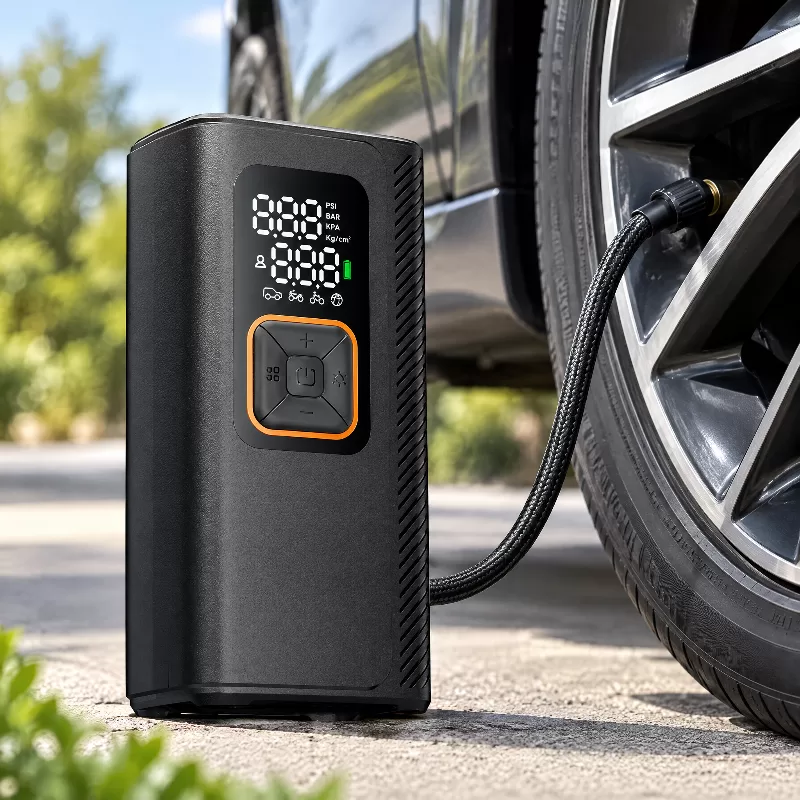
According to product specifications, five preset modes are provided to simplify common inflation tasks. While preset options deliver immediate operating convenience, users must always verify that the selected target matches the pressure specification recommended by the equipment manufacturer before starting the motor. Custom manual settings allow fine-tuning for applications requiring specific pressures.
Performance specifications: Battery capacity, charging, and smart pressure controls
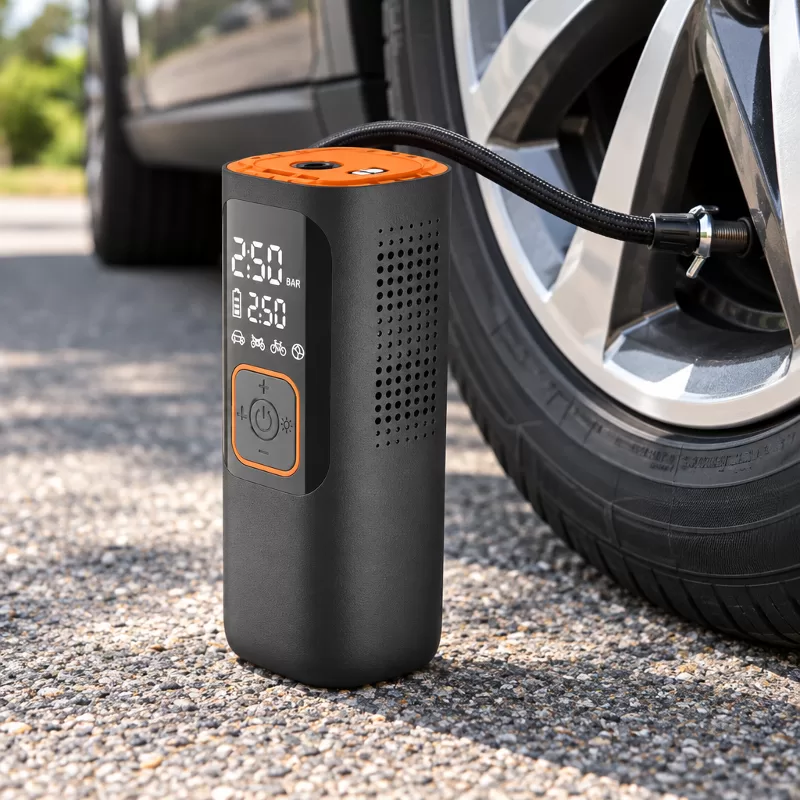
The engineering specifications of the A01 reflect deliberate roadside optimization. With a dual LED screen displaying real-time pressure, operating information, and battery reserves simultaneously, drivers operate with clear visual feedback. The pump features listed external dimensions of 152 × 53 × 76 mm and weighs approximately 610g for the 3-cell version or 655g for the 4-cell version; check your vehicle’s specific storage trays or door compartments to confirm exact placement.
| Specification Parameter | 3-Cell Configuration Standard | 4-Cell Configuration Optional |
|---|---|---|
| Battery Array | 3 × 18650 cells (11.1V, 27.75Wh) | 4 × 18650 cells (14.8V, 37Wh) |
| Battery Capacity | 2500 mAh rated capacity | 2500 mAh rated capacity |
| Manufacturer Runtime | Approximately 20 minutes | Approximately 30 minutes |
| Product Net Weight | Approximately 610g | Approximately 655g |
| Charging Duration | 3 to 4 hours via Type-C | 3 to 4 hours via Type-C |
| Operating Temperature | -10°C to 45°C rated range | -10°C to 45°C rated range |
For us at Newo, as a professional manufacturer specializing in smart electric air pumps and portable inflation solutions, delivering dependable pneumatic engineering worldwide remains our commitment. The A01 supports 12V to 14V car power alongside standard Type-C charging. Drivers should check the product manual and their vehicle socket specifications before relying on vehicle-supplied auxiliary power as an emergency backup.
Assessing the A01 as an emergency power solution and backup tool
Stranded situations rarely involve a single isolated problem. A flat tire on a country road often accompanies a drained smartphone battery, compounding travel stress. The A01 integrates robust power bank functionality directly into its control architecture.
With Type-C input and output protocols, the unit delivers up to 45W of external fast output. Auxiliary USB ports supporting 5V/2A and 9V/2A ensure mobile communication devices stay operational. This dual identity transforms the pump from a single-purpose automotive accessory into an adaptable roadside backup device.
Maintaining Your Equipment for Long-Term Reliability
Periodic pressure checks and equipment inspection
A neglected emergency tool creates false confidence. Dedicate five minutes periodically to inspect your portable tire pump. Unwind the braided hose completely, examining the synthetic outer sheath for fraying, cracking, or grease contamination.
Power on the digital display to verify battery reserve status. Lithium-ion cells naturally undergo microscopic parasitic drain even when powered down. Topping up the charge on a regular schedule ensures the pump remains ready to deliver full motor torque whenever a cold morning triggers a low-pressure light.
Safe storage practices to protect battery health and internal components
Vehicle passenger cabins endure noticeable thermal shifts between seasons. To preserve lithium battery longevity and internal mechanical components, store the inflator according to manufacturer guidance and protect it from prolonged exposure to extreme weather.
- Store in a shielded compartment: Keep the pump inside its fabric storage bag in the vehicle trunk or cargo compartment away from direct sunlight.
- Avoid damp areas: Moisture pooling on floor mats can penetrate charging ports and cause contact corrosion over time.
- Follow manufacturer storage recommendations: Adhere to published guidelines regarding charging intervals and ambient storage environments.
- Protect connector threads: Always handle adapters carefully and keep the hose nozzle free from road grit or fine dust.
Recognizing the limitations: When an inflator cannot resolve structural tire damage
No mechanical pump can heal severe structural damage. Attempting to force air into a compromised tire endangers yourself and other motorists sharing the road. Understanding when to stow the pump and contact roadside assistance is a critical safety judgment.
If you hear air escaping rapidly or see visible physical cuts during inflation, stop the process immediately. Driving on a compromised tire with damaged cords or internal breaches risks sudden failure on the road. When structural damage is evident, mounting a spare tire or arranging professional recovery remains the necessary course of action.
Portable Car Tire Pump Buying Checklist
Matching power sources to your travel habits and vehicle needs
Selecting the right inflation hardware requires matching technical specs to your everyday driving habits. Long-distance overland drivers require different features than urban commuters who rarely travel beyond city limits.
- Determine primary usage patterns: Urban drivers often prefer lightweight cordless lithium tools, whereas remote highway travelers may value secondary 12V vehicle-power cords.
- Examine vehicle wheel size: Standard compact sedans require less air volume per tire than large commercial vehicles or off-road rigs.
- Inspect vehicle socket fusing: Verify that your vehicle’s 12V auxiliary port supports the pump’s electrical requirements without exceeding circuit limits.
Comparing specifications with a focus on consistent units
Do not let retail marketing confuse your hardware comparisons. Evaluate all prospective models using standardized engineering metrics rather than exaggerated performance labels.
- Compare airflow under stated test conditions: Only compare volumetric flow figures when manufacturers specify comparable operational pressures.
- Evaluate real battery watt-hours: Review total Wh ratings to understand the true energetic storage of the internal battery array.
- Confirm acoustic output levels: Check product noise ratings, such as the A01’s specification of 85 dB or below at 1.5 meters, to understand operational sound levels.
- Verify operating temperature thresholds: Ensure the stated operating window aligns with your local winter and summer driving conditions.
Ensuring compatibility with your vehicle’s valve stems and pressure requirements
Finally, verify physical compatibility with your entire garage fleet. While automotive Schrader valves remain the global vehicle standard, household bicycles frequently use Presta valves, and sports gear relies on narrow inflation needles.
Ensure that the inflator package includes appropriate adapters that fit your equipment securely without air leakage. Well-machined adapters maintain proper mechanical engagement, allowing trouble-free pressure adjustments during vital road trips.
Frequently Asked Questions (FAQ)
Is a 160 PSI portable tire pump suitable for standard passenger vehicles?
A 160 PSI maximum rating does not mean the inflator forces extreme pressure into every tire; it simply indicates the highest mechanical pressure the compressor assembly can deliver. Passenger vehicle cold tire pressure targets vary by model, and drivers should always look up their vehicle’s exact specification on the door placard or in the manual. While auto shut-off features add operating convenience, users must configure the exact target pressure recommended by the automaker and verify the final reading on the digital screen.
Why should I rely on the vehicle placard rather than the tire sidewall pressure?
The tire sidewall pressure marking indicates the maximum allowed cold inflation pressure for the tire casing, not the vehicle manufacturer’s recommended operating pressure. The vehicle placard located on the door edge or pillar, or the vehicle owner’s manual, specifies the proper pressure for balanced driving dynamics, tire wear, and safety.
Can a cordless inflator fully restore a completely flat tire safely?
A cordless inflator can add air to a flat tire provided the tire shows no physical structural damage and the tire bead remains fully seated on the rim flange. However, if the car was driven while flat, internal structural cords may be broken even if unseen. Motorists should inspect the tire thoroughly and avoid driving on any tire that has suffered run-flat structural damage.
How often should a driver verify tire pressure to maintain optimal performance?
Automotive safety guidelines recommend inspecting cold tire pressure roughly once a month and prior to embarking on long journeys. Natural permeation through the rubber liner and ambient seasonal temperature changes gradually alter pressure levels over time, making routine checks an essential habit.
Should a portable tire pump be viewed as a permanent replacement for a spare tire?
An electric inflator complements your emergency kit but cannot replace a mechanical spare wheel. While a portable pump handles slow pressure drops and minor top-ups, it cannot restore a tire that has suffered sidewall splits, large punctures, or wheel rim deformations. Carrying both an inflator and a properly inflated spare tire provides the greatest security.
How should I proceed if a tire continues to lose pressure after manual inflation?
If the pressure reading continues to drop after inflation is complete, air is actively escaping from the wheel assembly. Do not continue driving on a tire that is steadily losing air. Park the vehicle safely, mount the spare wheel if equipped, or contact roadside assistance to have the tire professionally inspected and repaired.
Conclusion: Empowering Your Journey Through Preparedness
Investing in a reliable portable car tire pump delivers unmatched peace of mind, transforming an intimidating roadside vulnerability into a managed, routine task. Whether addressing morning pressure fluctuations during sudden seasonal chills or maintaining optimal fuel economy across extended road trips, compact pneumatic equipment places complete control in your hands. Equipping your vehicle with a capable cordless tire inflator guarantees that you remain self-sufficient, confident, and prepared for every mile ahead.
-
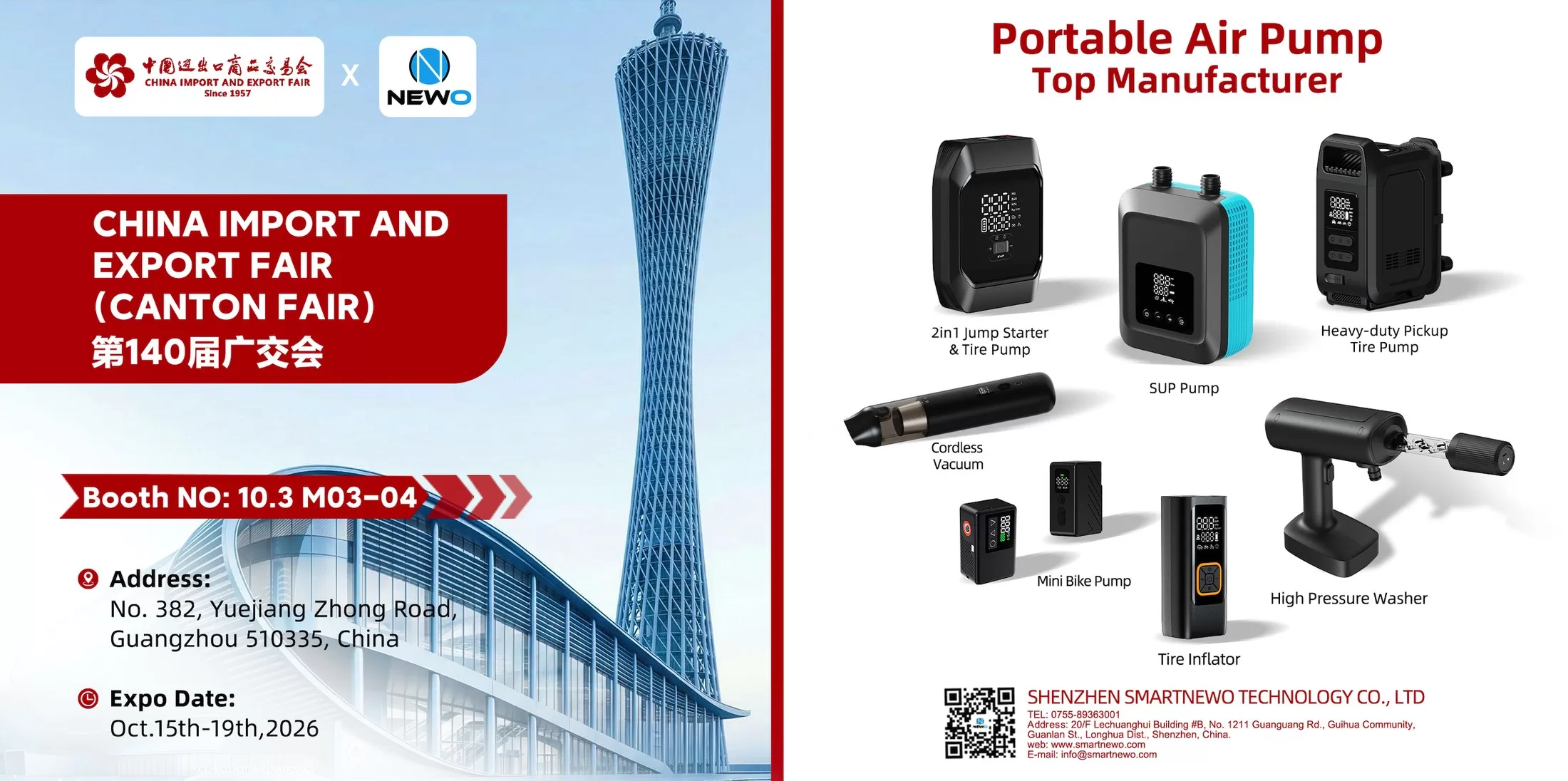
Meet NEWO at the 140th Canton Fair: Visit Booth 10.3 M03–04
Meet NEWO at the 140th Canton Fair in Guangzhou, October 15–19, 2026. Visit Booth 10.3 M03–04 to explore portable air pumps and discuss OEM, ODM and distribution opportunities.... -

As Shenzhen Welcomes the World for APEC 2026, NEWO Welcomes You to Our Factory
As Shenzhen prepares for APEC 2026, NEWO welcomes international buyers and partners to visit our factory, meet our team and explore future cooperation.... -
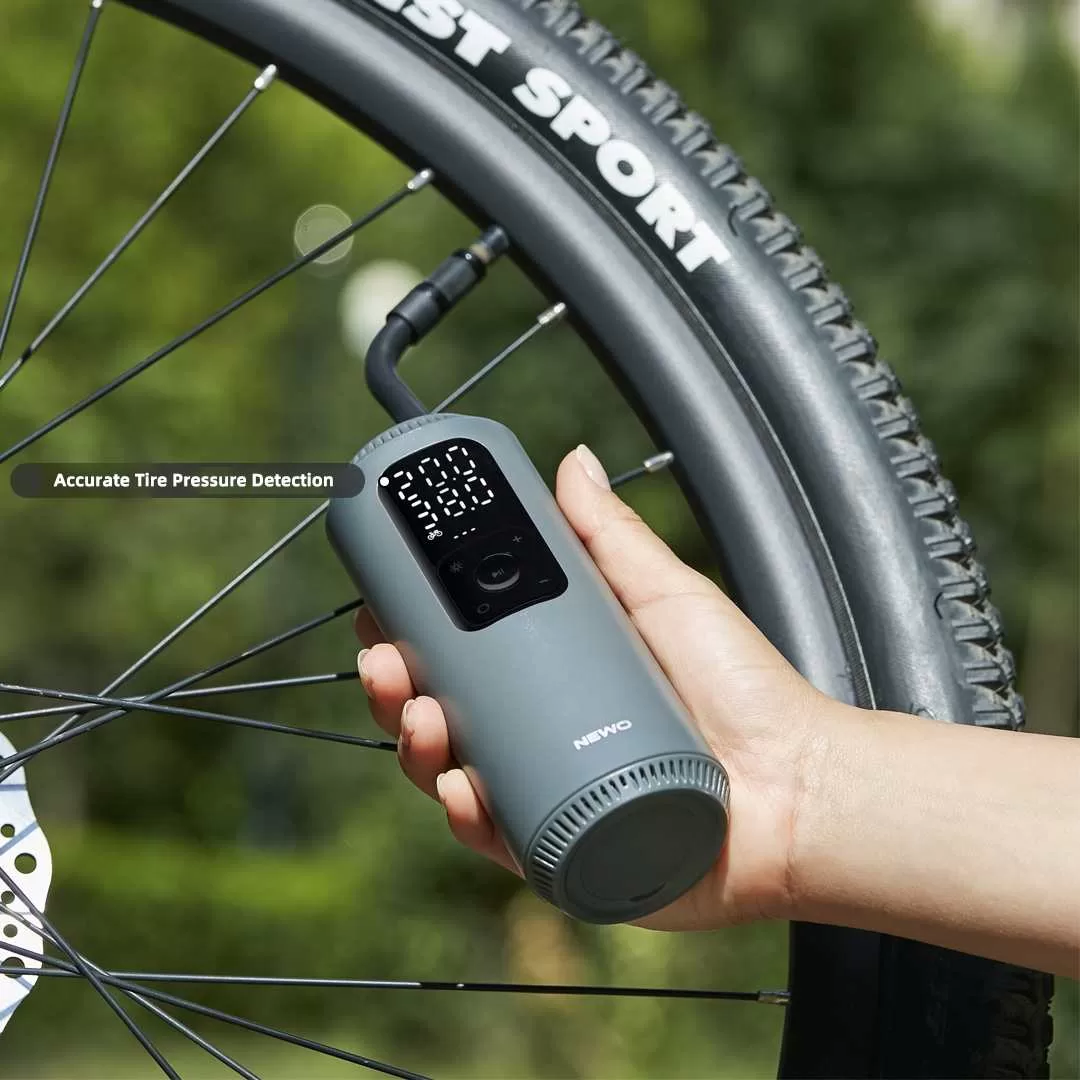
Leading the Way in Product Innovation and Excellence
Smartnewo exemplifies professionalism in product innovation and manufacturing. Their collaboration with Xiaomi Youpin on the G01 crowdfunding project highlights their expertise in creating compact, powerful inflatable pumps. Rigorous engineering, meticulous production processes, and advanced quality assurance underscore their commitment to excellence. The success of the G01 project, with significant market... -
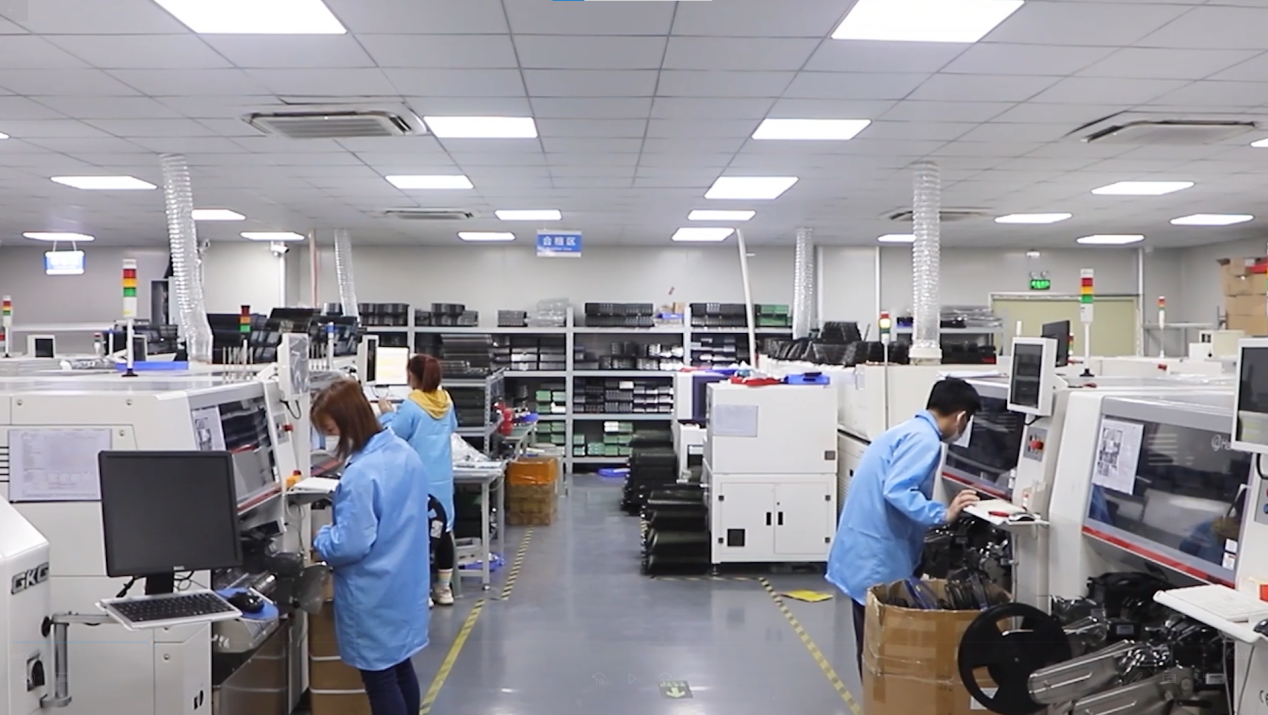
Essential Qualities of an Excellent Supplier
In today's competitive market, finding a reliable supplier is crucial for business success. Based on insights from Smartnewo and broader internet research, here are key qualities an excellent supplier must possess:... -
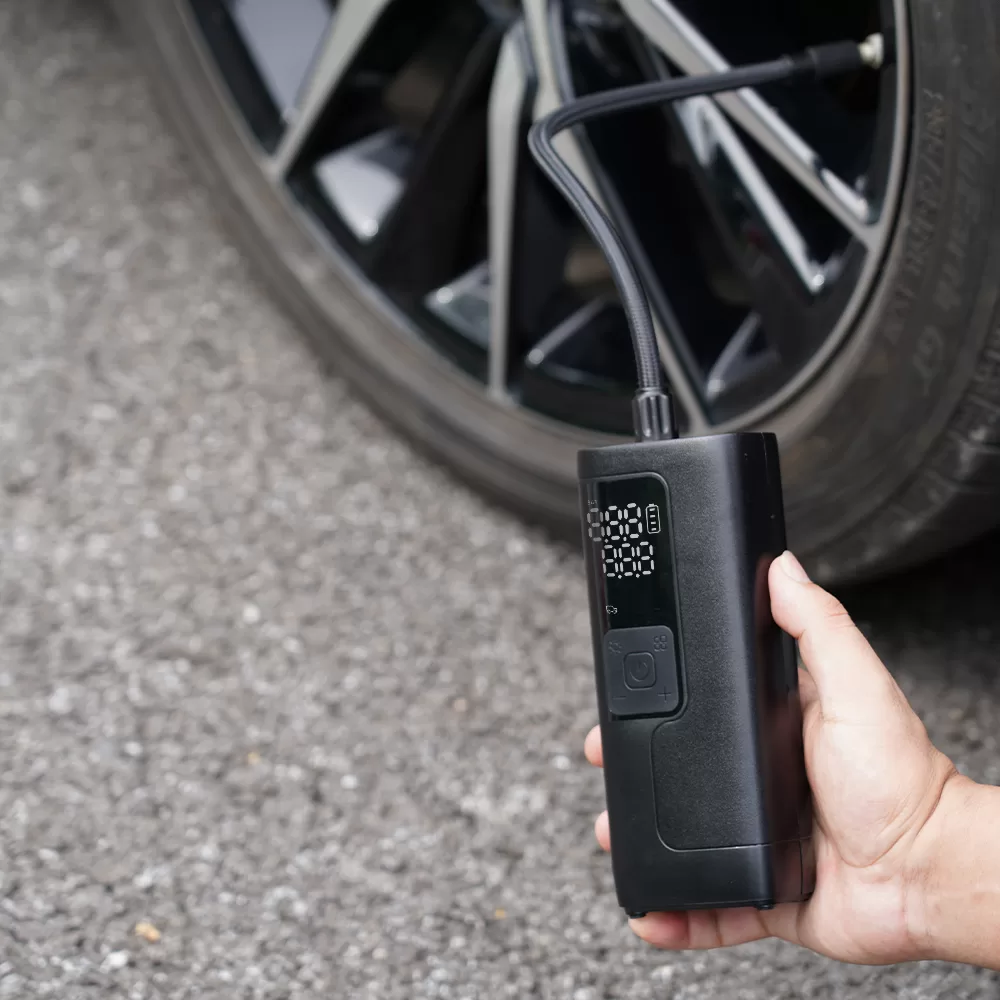
NW06 Tire Inflator: Compact Power for Quick Inflation
Summary The NW06 Tire Inflator delivers quick and efficient tire inflation with a powerful 35L/min airflow. It features a user-friendly LCD screen for real-time pressure monitoring, dual power options with a built-in 6000mAh battery, and multiple nozzle attachments for versatile use. Its compact design and integrated LED light ensure convenience and... -
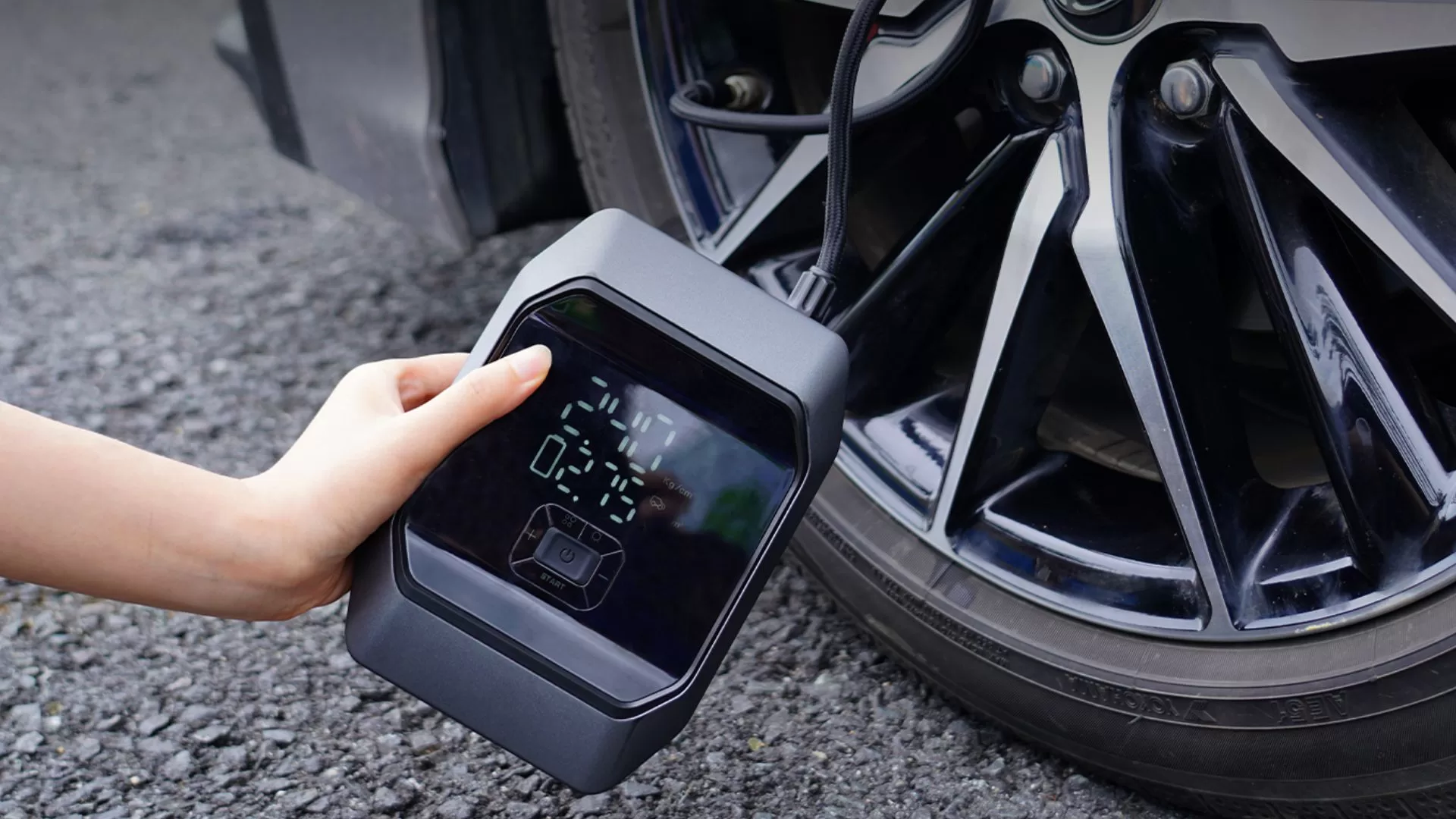
Unleash the Power of Portability: The SmartNewo Jump Starter with Air Compressor KF03
This guide will walk you through the steps to effectively use a portable tire inflator, helping you stay prepared and safe on the road.... -

Newo Attends The 2024 Consumer Electronics Show (CES)
Smartnewo booth is located at 53672, Halls A-D, Level 2, Venetian Expo, Las Vegas Convention Center (LVCC). ... -
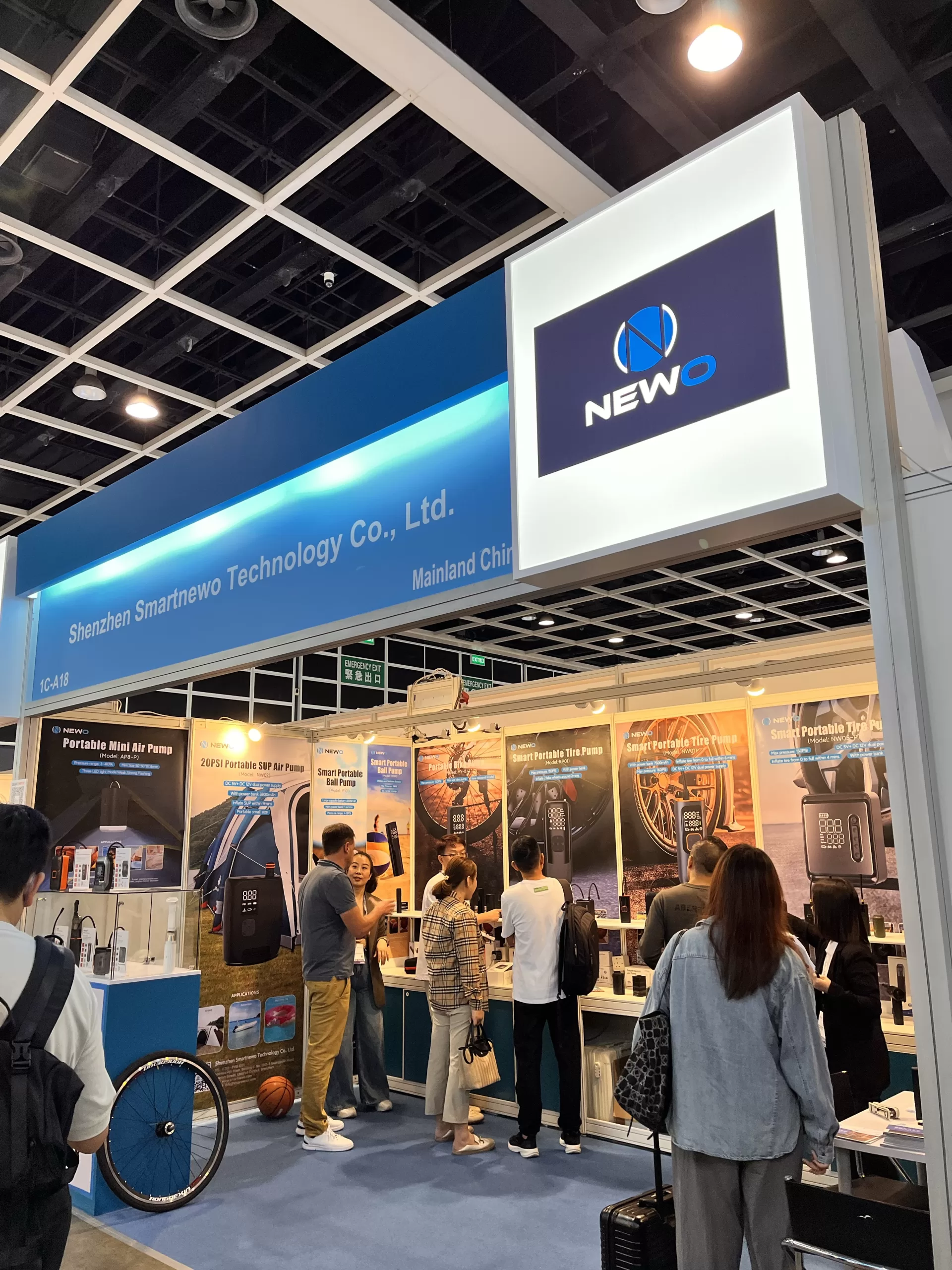
Smartnewo’s Dual-Cylinder Air Pump Rocks the Hong Kong Autumn Electronics Fair!
Smartnewo’s Dual-Cylinder Air Pump Rocks the Hong Kong Autumn Electronics Fair!... -

Meet at the Canton Fair! Smartnewo brings dual-cylinder air pumps, making your inflation experience faster and more stable!
NEWO has went deep communication and negotiation with customers from all over the world on booth.... -
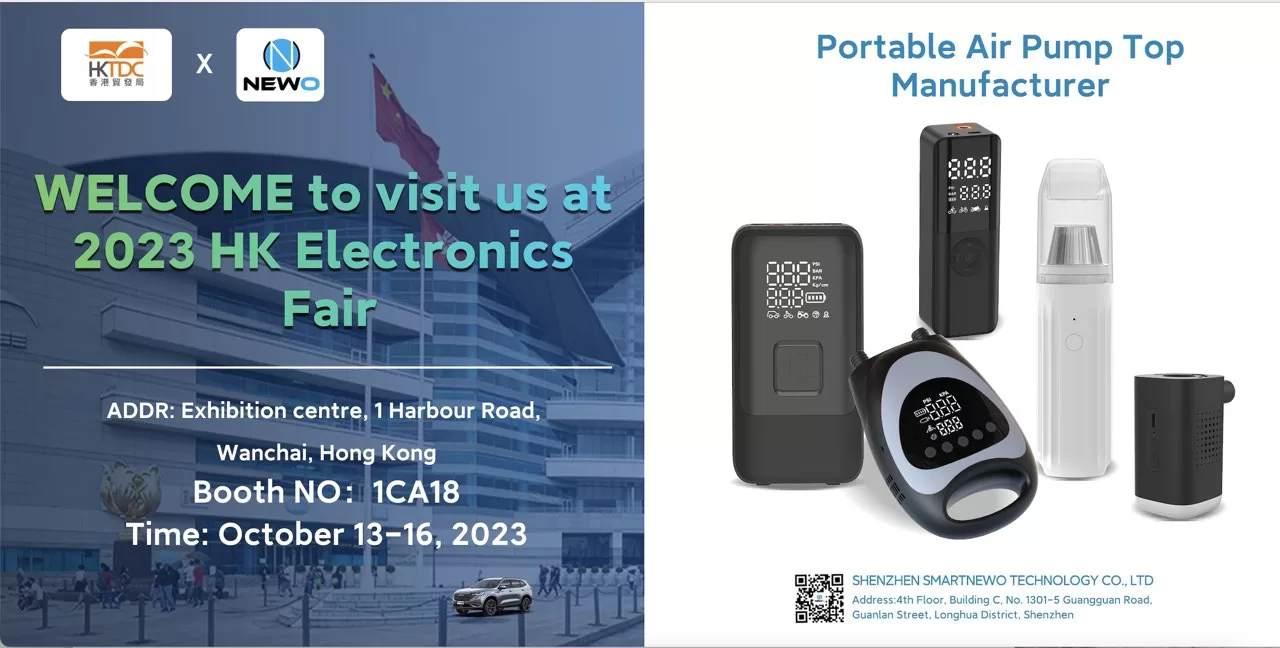
“Hong Kong Autumn Electronics Fair – 1CA18 (October 13th to 16th): Smartnewo invites you to visit our booth!
Hong Kong Autumn Electronics Fair...
-
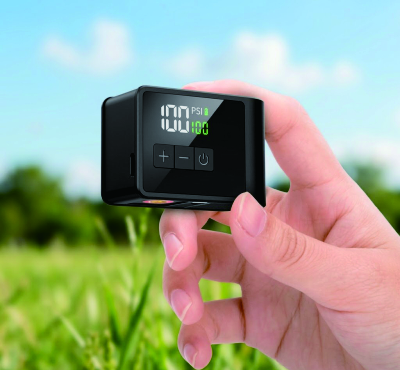
What to Check Before Ordering Custom Electric Bike Pumps
Plan custom electric bike pumps with a clear requirements freeze for valves, TPU tubes, portability, repeated top-ups, charging, and model-specific documents.... -

OEM vs ODM Air Pumps: Which Manufacturing Model Fits Your Brand?
Compare OEM and ODM air pump projects by design responsibility, change approval, development scope, and written ownership terms before choosing your route.... -

How to Choose a Reliable Tire Inflator Manufacturer in China
Choose a tire inflator manufacturer in China with a focused RFQ, supplier evidence, configuration checks, and clear sample-to-pilot decisions for your brand.... -

Rechargeable Electric SUP Pump for Paddle Boards: Faster Inflation for SUPs, Kayaks and Inflatable Tents
The BL10-C Portable Electric Bike Tire Inflator is a compact and lightweight mini electric bike pump designed for modern cyclists. With up to 120 PSI pressure, a digital LED display, preset pressure control, automatic shut-off, USB-C charging, and multiple valve adapters, BL10-C offers a convenient inflation solution for road bikes,... -
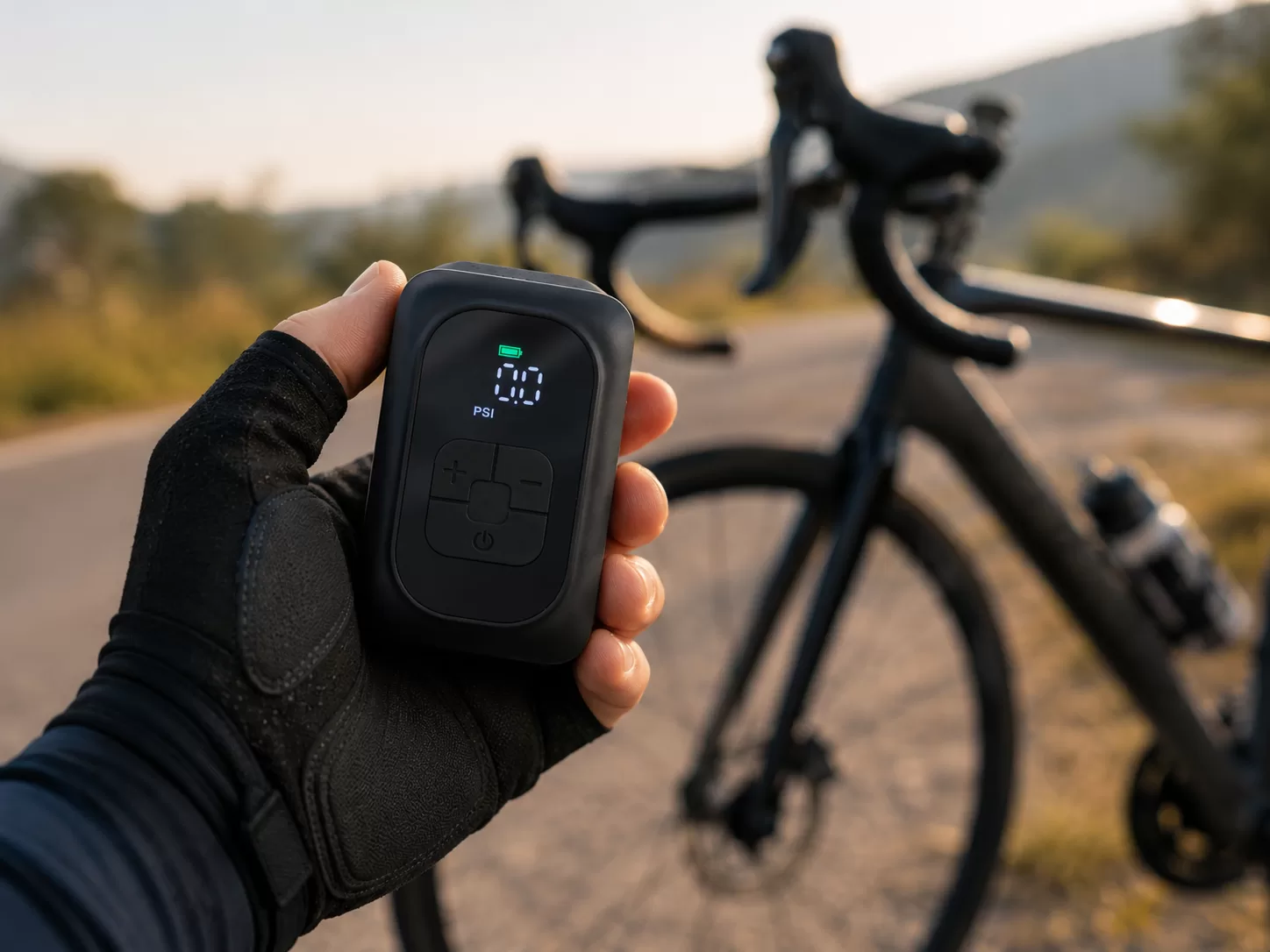
Are Electric Bike Pumps Worth It in 2026? Electric Pump vs CO₂ vs Mini Hand Pump
Discover whether electric bike pumps are worth it in 2026. This guide compares electric bike pumps, CO₂ inflators, and mini hand pumps for road cycling, gravel riding, commuting, and long-distance rides. Learn the pros, limitations, best use cases, and key features to look for before choosing the right portable tire... -
BL10-C Portable Electric Bike Tire Inflator: Small Size, Reliable Power for Every Ride
The BL10-C Portable Electric Bike Tire Inflator is a compact and lightweight mini electric bike pump designed for modern cyclists. With up to 120 PSI pressure, a digital LED display, preset pressure control, automatic shut-off, USB-C charging, and multiple valve adapters, BL10-C offers a convenient inflation solution for road bikes,... -
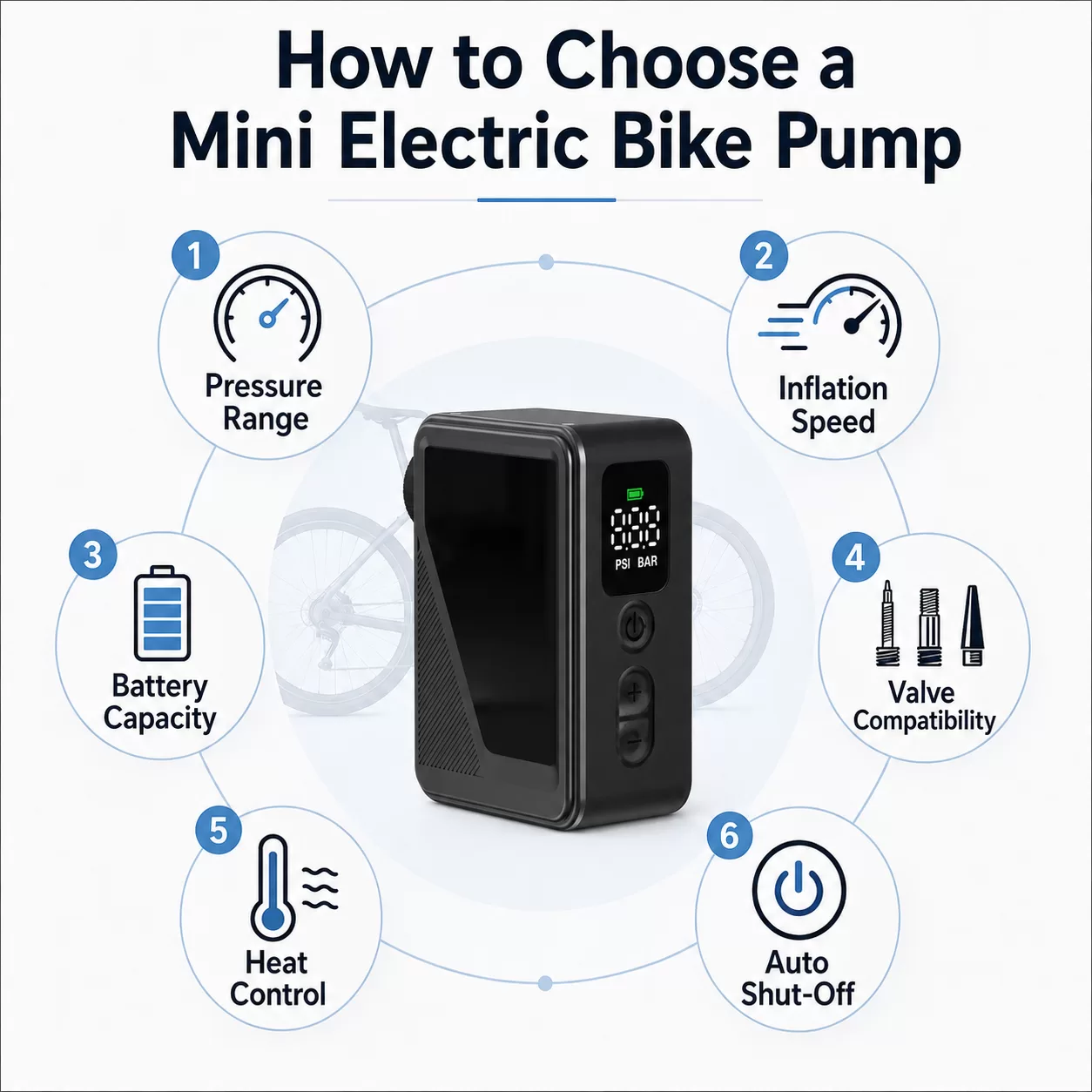
Why Mini Electric Bike Pumps Are Becoming Essential for Modern Cycling
Discover why mini electric bike pumps are becoming essential for modern cyclists. Learn how portable electric bike pumps improve tire pressure management, riding safety, and convenience.... -
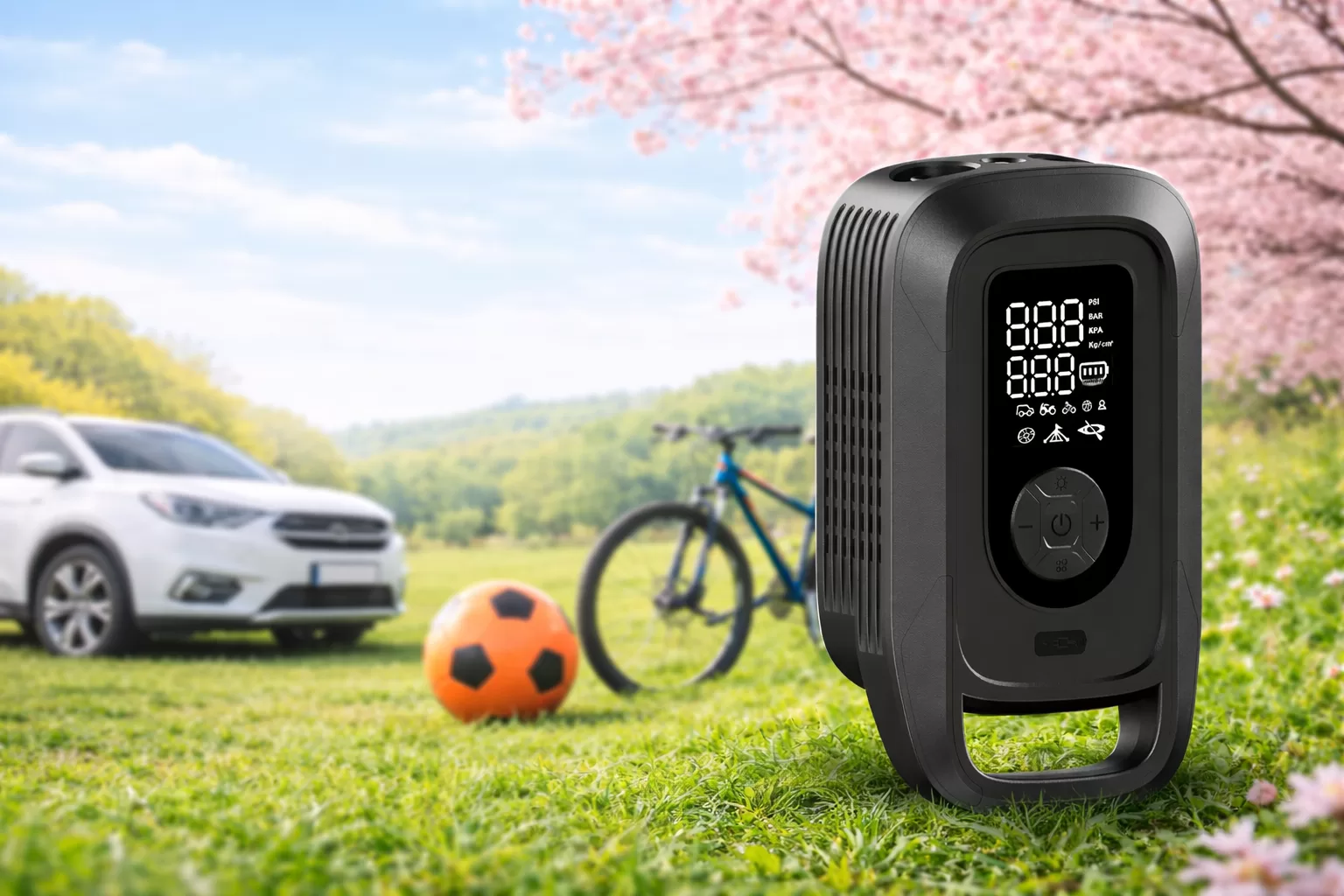
The Ultimate Smart Solution for Easy Outdoor Adventures in 2026
Discover how a spring travel air pump simplifies outdoor trips with fast inflation, smart features, and powerful performance—perfect for every adventure.... -
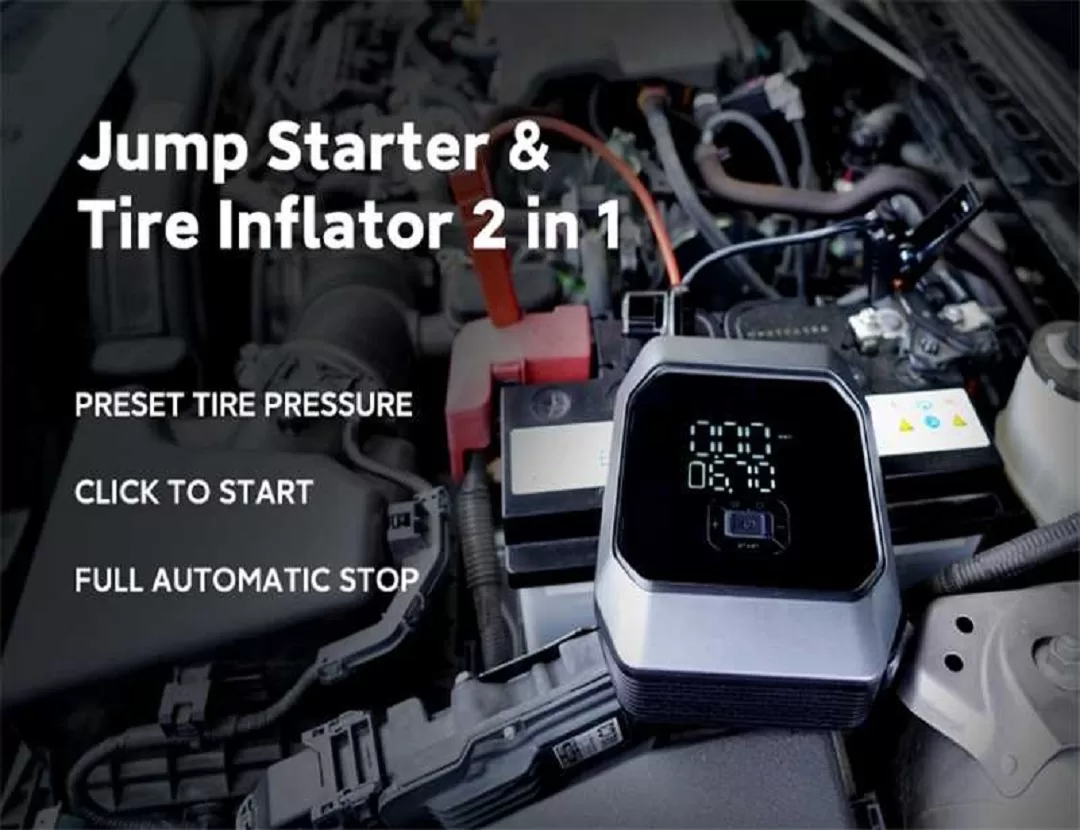
Powerful 5-in-1 Portable Car Tire Inflator and Jump Starter: The Ultimate Emergency Tool for Every Driver
Why Every Driver Needs a Portable Car Tire Inflator and Jump Starter Modern drivers face many unexpected situations on the road. A flat tire, low tire pressure, or a dead car battery can happen at the worst possible time. That’s why having a portable car tire inflator and jump starter is... -

7 Real Cycling Scenarios That Show Why Every Rider Should Carry a Mini Bike Pump
Cycling is one of the most freeing activities you can enjoy. Whether you’re commuting to work, riding through city streets, or exploring quiet countryside roads, a bike ride can instantly improve your day. But there’s one small problem that almost every cyclist eventually faces: Low tire pressure. It might happen...
-
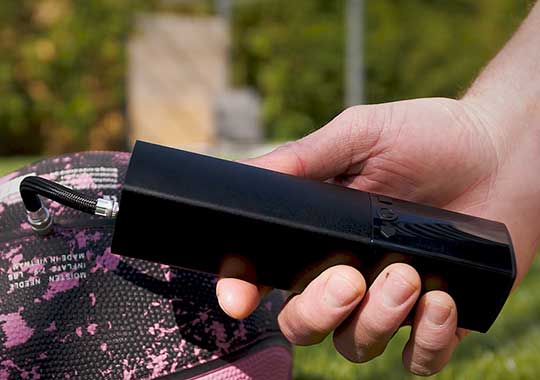
How Is a Football Properly Inflated?
The correct inflation of a football - with not too much and not too little air - is a hotly debated topic among footballers.... -

Application Scenarios of Car Inflator Pump
Often long-distance business trips or play car owners because the road may be more remote areas, in this case if you encounter a tire leak....