

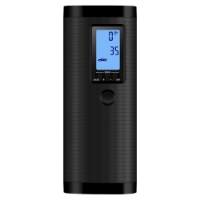
 Portable Tire Inflators
 Electric Air Pumps
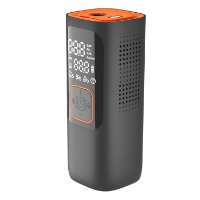 Electric Car Tyre Pumps
 Electric Ball Pumps
 Electric Bike Pump
 SUP Air Pump

Mastering Your Drive: The Complete Technical Guide to the Modern Portable Tyre Air Pump
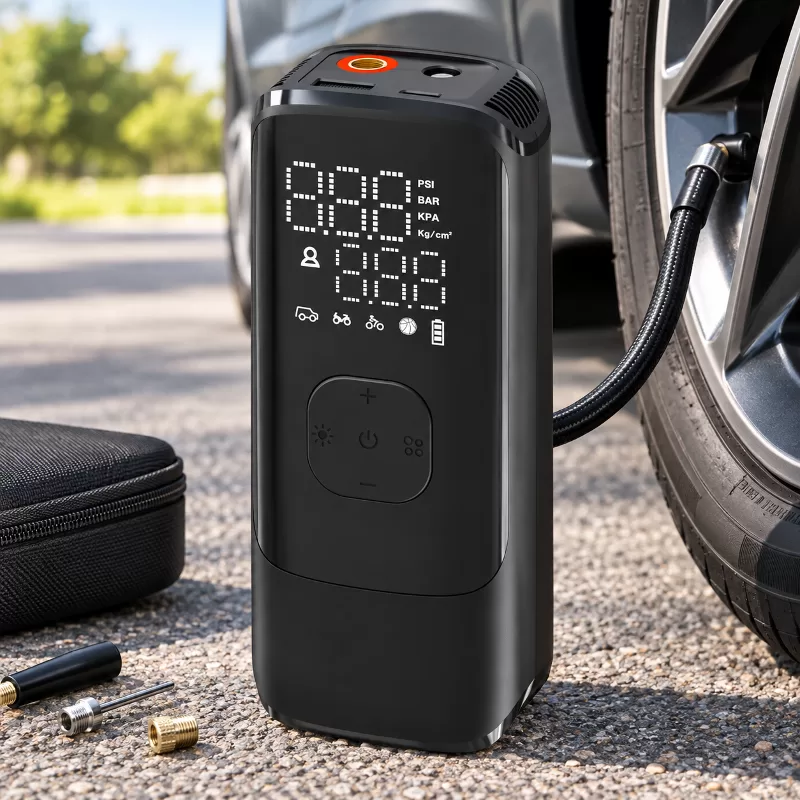
Maintaining correct tire pressure is one of the most critical safety routines for any vehicle owner. Yet, thousands of drivers regularly travel on under-inflated rubber, compromising handling and accelerating tire wear. Investing in a quality portable tyre air pump eliminates dependence on broken gas station air towers and awkward roadside stops. A compact, reliable portable tyre air pump can help you check and adjust tire pressure away from a service station whenever necessary. Whether facing seasonal temperature drops or preparing for a long highway journey, portable inflators offer practical everyday utility.
1. Pneumatic Dynamics: Why Compact Air Tools Matter for Modern Drivers
Automotive tires are not hermetically sealed pressure vessels; they naturally lose gas over time through microscopic pores in the rubber matrix. Understanding this physical behavior explains why frequent pressure calibration is necessary, even on pristine tires without puncture wounds.
How Seasonal Temperature Shifts Deplete Stored Air Volume
Tire pressure drops when ambient temperatures decline during seasonal weather shifts. USTMA guidance indicates that tire pressure can change by approximately 1 to 2 PSI for every 10°F change in ambient temperature.
This drop occurs without any mechanical leakage or puncture. The air volume within the sealed chamber simply contracts as thermal energy declines, meaning the actual pressure variation experienced depends directly on specific local weather fluctuations. When drivers rely solely on visual inspection, this gradual loss remains unnoticed until the tire pressure monitoring system triggers an urgent dashboard alert.
The Direct Consequences of Driving on Sub-Optimal Pressure
Under-inflation fundamentally alters the operational dynamics of a tire against the road surface. Operating below the vehicle manufacturer’s specified inflation level leads to uneven pressure distribution across the tread, degrading vehicle performance and accelerating fatigue.
- Irregular Tread Wear: Insufficient inflation induces irregular tread wear patterns, shortening usable tire life and accelerating replacement cycles.
- Excess Thermal Stress: Running with low pressure causes additional casing flex, which generates internal heat and increases the risk of tire damage during continuous driving.
- Compromised Braking and Handling: Sub-optimal inflation affects the tire’s interaction with the road, impairing stability during emergency maneuvers and lengthening braking distances.
- Increased Rolling Resistance: Pushing an under-inflated tire creates higher drag, requiring additional energy from the engine or electric battery pack.
2. Core Architectures: How a Handheld Portable Tyre Air Pump Functions
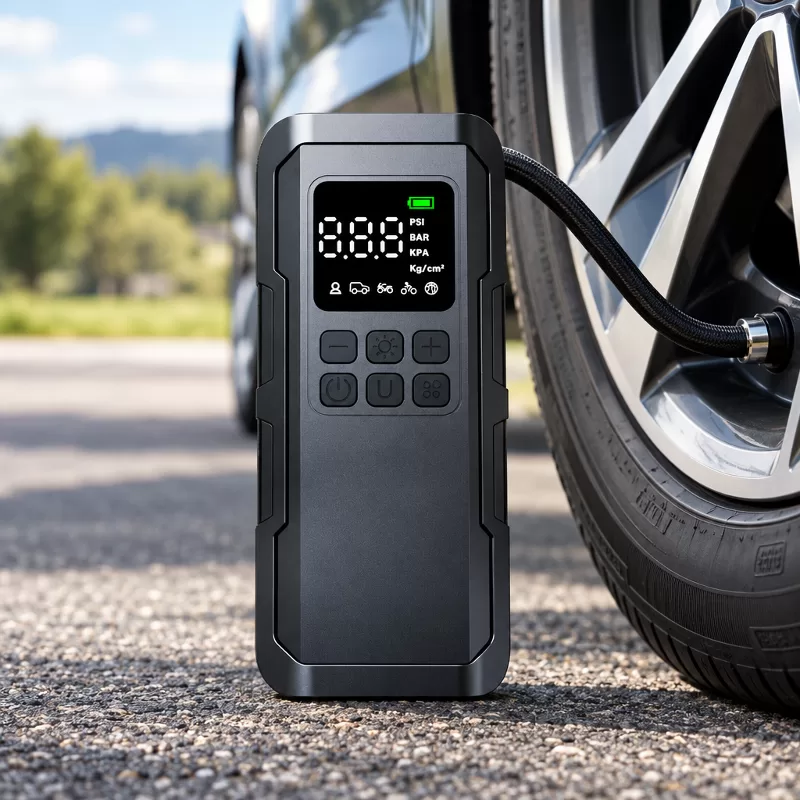
Modern handheld air pumps integrate functional pneumatic assemblies into compact enclosures. Instead of bulky industrial shop compressors, these portable units utilize compact DC electric motors coupled with reciprocating mechanical drive structures.
Mechanical Airflow and Cylinder Construction
At the core of a portable inflator is its internal pumping assembly. Devices in this category often feature compact engineering configurations, including models with a manufacturer-listed 17-cylinder structure designed to provide steady airflow through the attached air hose.
In terms of volumetric delivery, product specifications often list delivery rates such as 17 to 18 liters per minute under standard operating conditions. While this airflow allows regular maintenance top-offs, moving mechanical elements inevitably generate thermal energy during pumping cycles, making ventilation openings around the exterior casing important for heat management.
Digital Pressure Setting and Automatic Shut-Off Capabilities
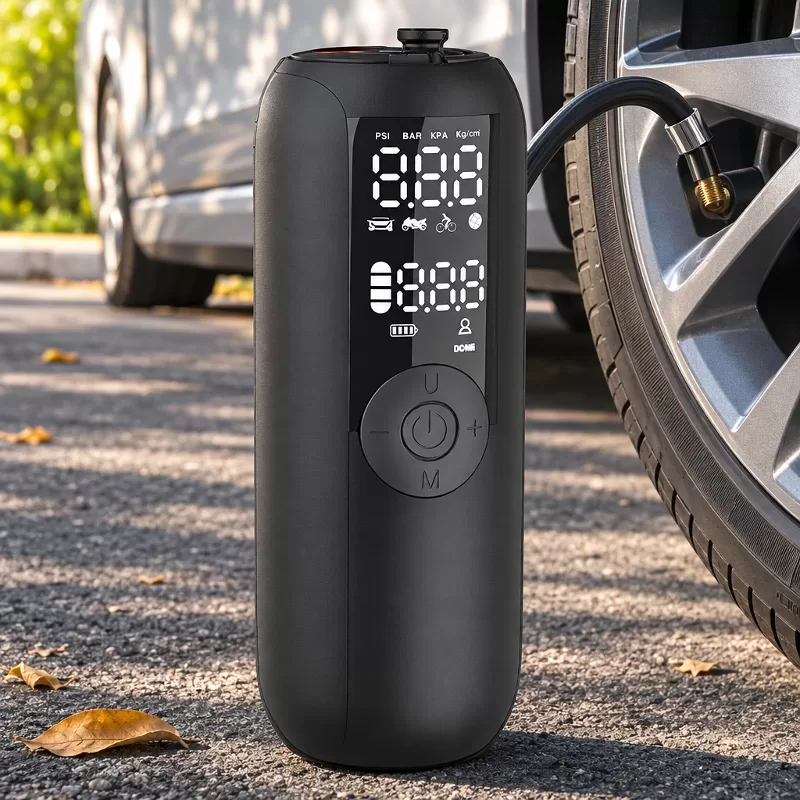
Modern electronic portable inflators are equipped with a dual LED display, preset operational modes, custom pressure settings, and automatic shut-off functionality to simplify regular maintenance.
These systems allow users to select a target setpoint or choose among application presets prior to operation. The unit operates toward the selected setting and includes an automatic shut-off function intended to stop motor operation once the preset pressure value is registered. While this automated cutoff assists users during inflation, cross-checking finished pressure levels with a verified external tire pressure gauge remains recommended practice.
3. Power Architecture: Rechargeable Lithium vs. 12V Auxiliary Supply
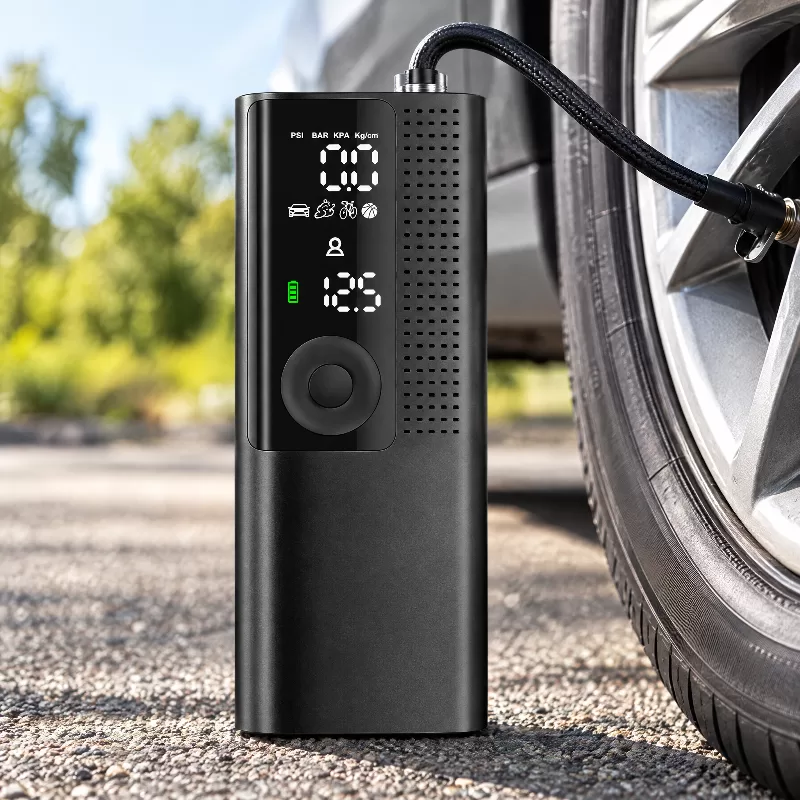
Choosing an inflator requires evaluating how the unit receives electrical power during daily routines and unexpected emergencies. Modern inflator architectures fall into cordless lithium-ion systems, direct corded 12V auxiliary vehicle inputs, or hybrid dual-power configurations.
Cordless Convenience for Fast Garage and Driveway Adjustments
Battery-powered inflators give you absolute freedom of movement around the vehicle. By integrating internal lithium-ion cells—such as two 18650 cells arranged in series—the pump delivers 7.4V operating power without dragging cables over wheels or through interior vehicle cabins.
Cordless designs are ideal for quick monthly tire top-offs in home driveways, community parking garages, or remote trailheads. With standardized Type-C charging inputs operating at 5V/2A, these inflators charge easily via ordinary household USB bricks, computer ports, or in-car charging adapters.
12V–14V Vehicle Power as a Roadside Lifeline
To accommodate diverse roadside situations, advanced compact models offer dual-power operation, supporting both an internal rechargeable battery and 12V to 14V vehicle power.
Connecting directly to a compatible vehicle power port provides operation independent of internal battery charge levels while power remains supplied by the vehicle. Operators should take note of the manufacturer’s specified working temperature range of minus 10°C to 45°C to ensure standard performance across changing seasonal driving environments.
| Power Topology | Primary Strengths | Inherent Limitations | Ideal Use Scenarios |
|---|---|---|---|
| Pure Cordless (Internal Battery) | Maximum mobility; zero tangled cords; compact storage footprint. | Runtime bounded by battery capacity; subject to ambient environmental limits. | Commuter top-offs, bicycles, e-bikes, wheelchairs, and sports balls. |
| Pure 12V DC Corded | Operates from a compatible vehicle power source while connected; avoids battery aging. | Requires routing cords to each wheel; dependent on an active vehicle electrical socket. | Dedicated trunk storage, utility trailers, and routine vehicle maintenance. |
| Hybrid Dual-Power | Combines cordless flexibility with a 12V–14V vehicle power option. | Slightly greater internal component complexity compared to single-source units. | Comprehensive automotive travel, multi-vehicle households, and daily driving. |
4. Operational Baselines: Door Jamb Placards vs. Sidewall Markings
A common mistake drivers make is reading the maximum pressure stamped directly onto the tire’s exterior rubber sidewall. Using the wrong baseline creates dangerous handling issues and accelerates tread degradation.
The Placard: The True Cold Pressure Authority
The vehicle manufacturer’s recommended pressure is shown on the vehicle tire-information placard or in the owner’s manual. This specification is officially provided on the Tire and Loading Information label, which is commonly located on the driver’s door edge or doorjamb.
- Open the driver door and locate the vehicle Tire and Loading Information label on the door edge or doorjamb, or consult the vehicle owner’s manual.
- Note the front and rear cold tire inflation specifications, recognizing that requirements vary by vehicle model, chassis design, and tire size.
- Verify whether your vehicle specifies different pressures for front and rear axles based on designated axle load ratings.
- Ensure the vehicle has been parked for at least three hours or driven less than one mile before testing pressure.
Checking tires cold is essential because pressure naturally rises as tires warm during driving. Drivers should check pressures when cold whenever possible and avoid bleeding air from warm tires down to the cold placard level, rechecking once the tires have fully cooled.
Demystifying Sidewall Markings and Maximum Tool Ratings
The sidewall marking gives the tire’s maximum permissible inflation pressure; drivers should always consult the vehicle placard or owner’s manual for the recommended operating pressure.
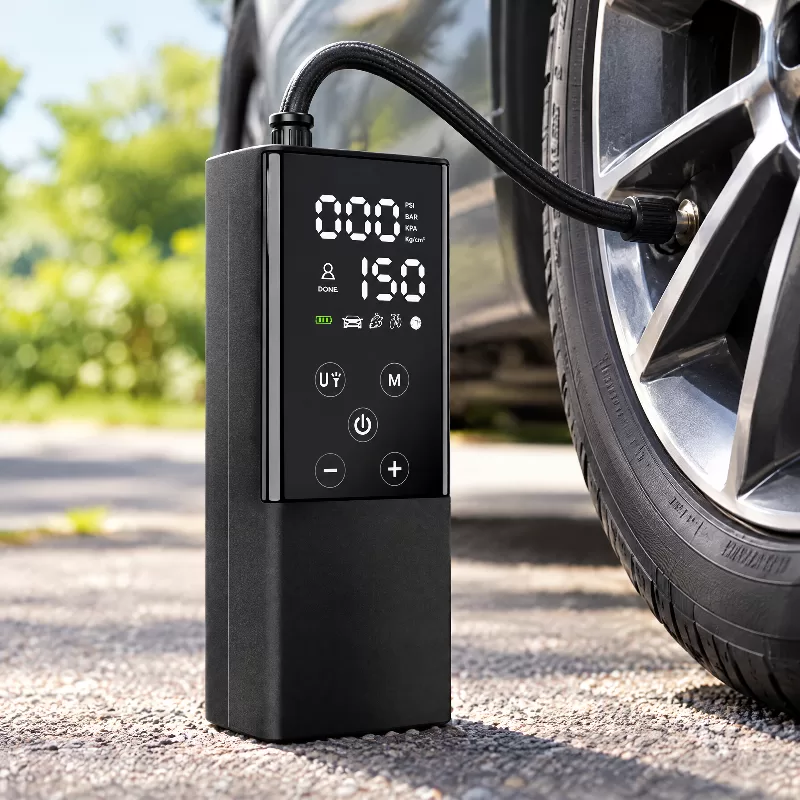
Similarly, when evaluating a portable tyre air pump rated up to 150 PSI, drivers often wonder why a personal car pump requires such high capacity. This ceiling reflects pneumatic mechanical capability rather than target vehicle pressure. High pressure ceilings allow the same tool to inflate high-pressure bicycle tires, motorcycle wheels, and other equipment without stressing the motor.
5. Engineering Profile: Examining the LP17A-P Dual-Power Architecture
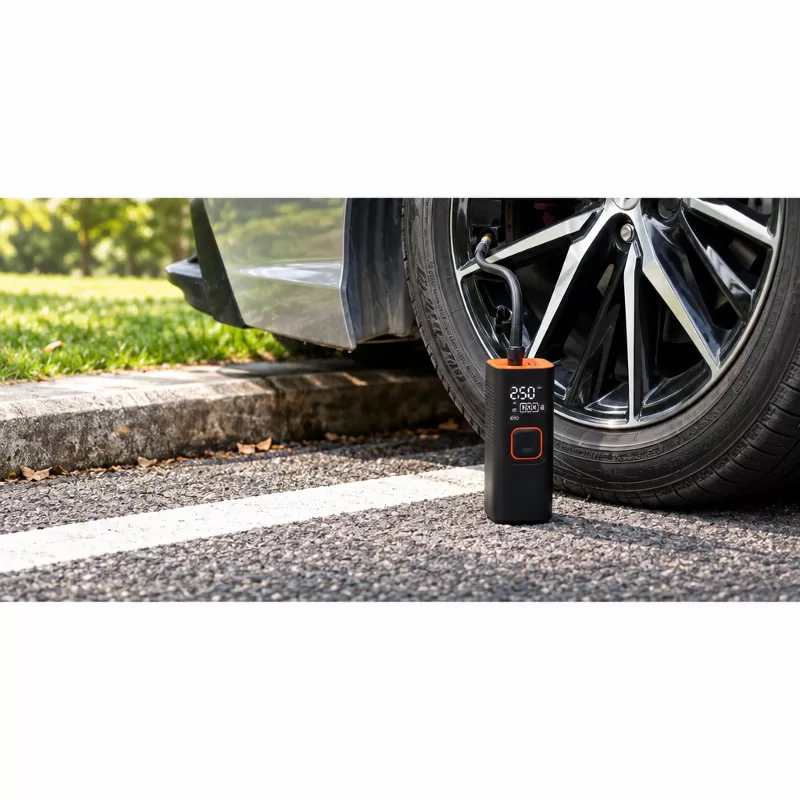
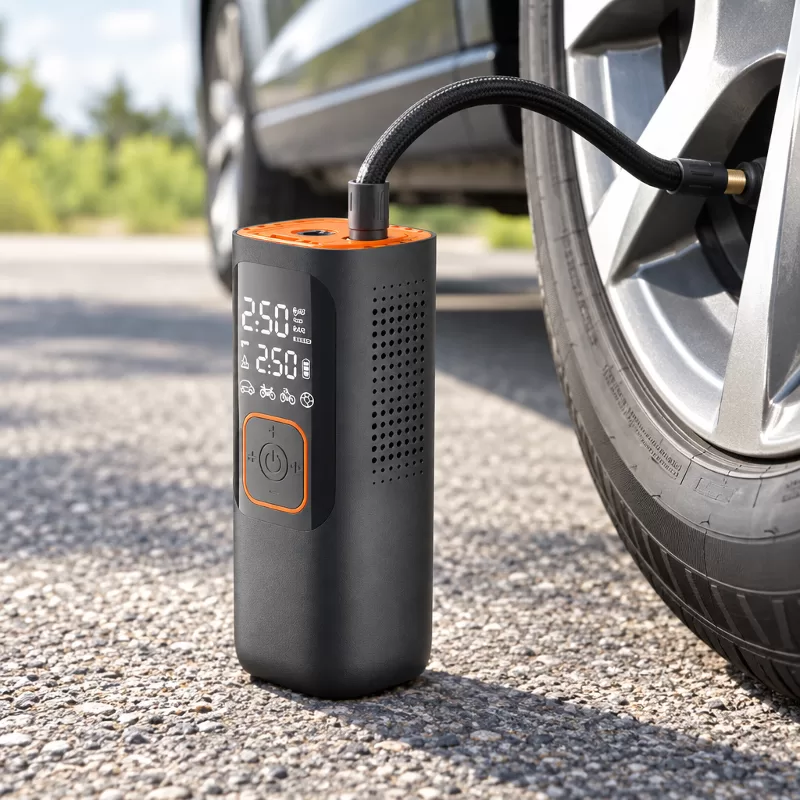
Understanding technical specifications helps you evaluate how modern smart inflators balance physical dimensions against operational throughput. The LP17A-P portable tire inflator exemplifies this design balance, combining dual-power circuitry with a pocket-friendly form factor.
Newo is a professional manufacturer specializing in the research, development, and production of smart electric air pumps and portable inflation solutions. With strong expertise in pneumatic technology, product design, and manufacturing, we provide a wide range of innovative products, including portable tire inflators, electric bike pumps, car air pumps, ball pumps, and outdoor inflation solutions. Our products are designed to deliver convenience, efficiency, and reliability for customers worldwide. The LP17A-P demonstrates how thoughtful pneumatic design solves real-world motoring challenges.
Technical Specifications and Hardware Architecture
The LP17A-P features a manufacturer-specified 17-cylinder structure powered by an electric motor with a 50W maximum working draw. Its dual-power design incorporates two internal 18650 lithium-ion cells delivering 7.4V and 14.8Wh of capacity, while also supporting direct 12V to 14V automotive vehicle power.
- Pressure Capability: 2 to 150 PSI working range, offering versatile calibration across high-volume and high-pressure inflatables.
- Volumetric Airflow Output: 17 to 18 L/min airflow rate, supporting steady inflation cycles.
- Battery System: 2 × 18650 cells (2000mAh, 7.4V, 14.8Wh) delivering approximately 20 minutes of runtime on a full charge.
- Physical Dimensions: Compact 68 × 46 × 160 mm housing weighing approximately 453.1 g, facilitating convenient vehicle storage.
- Electrical Interfaces: Type-C charging port accepting 5V/2A input, complemented by a 5V/2A power-bank output for mobile device top-offs.
- Operational Acoustic Range: Rated at 85 dB or below at a 1-meter distance under standard operating conditions.
Cross-Application Versatility and Output Capabilities
According to customer product data, the LP17A-P provides a manufacturer-listed capacity of about two 205-size tires per full charge, alongside approximately 20 minutes of continuous runtime. In practical daily routines, this runtime accommodates regular multi-tire pressure adjustments.
Beyond standard passenger sedans, the wide 2 to 150 PSI pressure range allows the unit to service diverse items. The device features five preset modes alongside custom pressure setting capabilities, supporting car tires, bicycles, motorcycles, e-bikes, wheelchairs, balance vehicles, and sports balls.
6. Practical Field Operation: Step-by-Step Tire Servicing
Operating a portable compressor safely requires following a systematic process. Adhering to proper steps preserves valve stems, ensures accurate transducer readings, and prevents premature mechanical wear on the pump.
Step 1: Pre-Check and Connecting the Air Chuck
- Remove the plastic dust cap from the tire’s Schrader valve stem and store it in a clean, secure spot.
- Inspect the valve stem threads for grit, corrosion, or rubber degradation.
- Attach the inflator hose securely to the valve stem threads until the internal pin depresses and the dual LED screen displays the current line pressure.
- Verify that you hear no hissing sounds, which indicate a loose mechanical seal.
Step 2: Setting Your Target Pressure and Initiating Inflation
- Power on the inflator and select your desired mode or custom setting via the interface controls.
- Adjust the pressure setting using the control buttons to match the cold target specified on your vehicle’s placard.
- Press the start control to initiate the inflation motor.
- Keep the inflator in a stable position on level pavement, ensuring the ventilation openings remain free of dust, standing water, or loose debris.
Step 3: Automated Shut-Off, Thermal Handling, and Storage
- Allow the pump to run until the automatic shut-off feature disengages the motor at the preset target.
- Carefully disconnect the air hose connector from the valve stem, following the manufacturer’s handling instructions.
- Reinstall the plastic dust cap onto the tire valve stem to seal out moisture and road grit.
- Allow the unit a short cool-down period before placing it back into its storage bag or compartment.
7. Comparative Selection Guide: Choosing Your Ideal Emergency Inflator
Not every inflator matches every driving profile. Selecting the right device means balancing travel weight, airflow displacement, and mechanical resilience against your typical vehicle journeys.
                    [Assess Primary Vehicle Requirement]
                                    |
        +---------------------------+---------------------------+
        |                                                       |
[Compact Commuter / Multi-Sport]                       [Heavy Commercial / Off-Road]
        |                                                       |
[Handheld Dual-Power / Battery Unit]                   [High-Displacement Direct 12V Unit]
- Lightweight handheld chassis                         - Larger multi-piston metal housing
- Fits inside glove box / door pocket                  - Carried in dedicated tool storage
- Operates from battery or 12V car port                - Often connects directly to car battery
Volumetric Airflow vs. Everyday Storage Footprint
Heavy-duty off-road compressors offer higher displacement rates intended for large light-truck or off-road tires. However, those larger units carry substantial weight, occupy dedicated cargo space, and often require direct connection to the vehicle battery terminals via heavy-gauge alligator clamps.
For suburban commuters, light utility vehicles, and family sedans, a palm-sized portable tyre air pump weighing approximately 453.1 grams provides practical portability. It tucks neatly beneath trunk floor compartments, glove boxes, or side door bins, remaining accessible whenever a tire pressure warning light appears on your instrument cluster.
Dual Display Readouts and Emergency Power Functionality
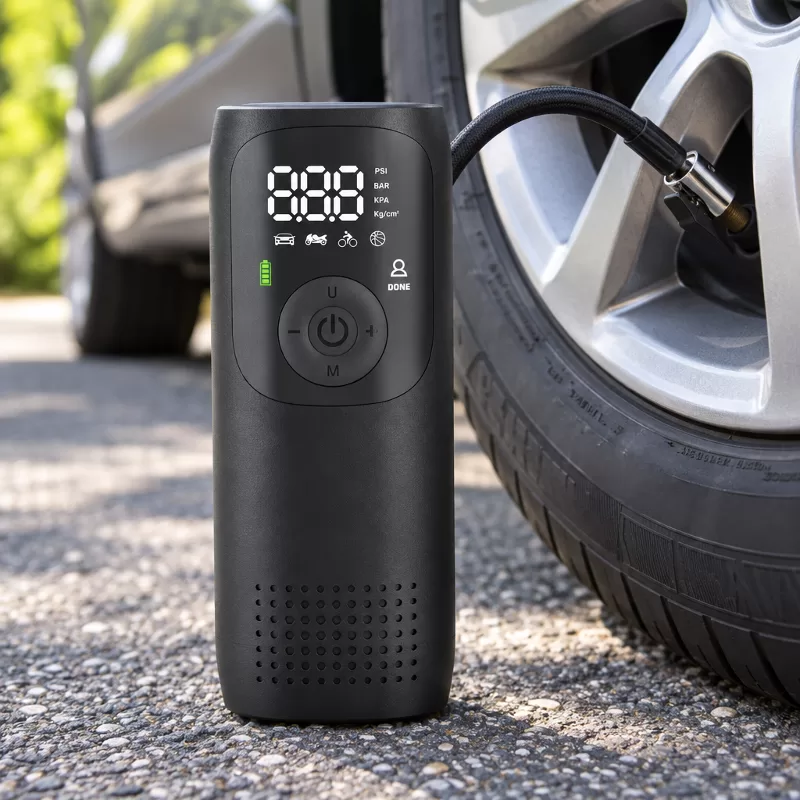
Hardware interfaces directly impact convenience during roadside checks. The unit incorporates a dual LED screen display along with clearly marked controls to simplify mode selection and pressure monitoring.
In addition to pneumatic maintenance, integrated electrical features add everyday utility. A 5V/2A power-bank output port transforms the device into an auxiliary power source, allowing drivers to recharge small personal electronics or mobile phones when away from standard wall outlets.
Frequently Asked Questions (FAQs)
How long does a portable tyre air pump take to inflate a car tire?
Inflation duration varies significantly depending on total tire volume, starting pressure, and available pump output. Model-specific inflation time figures are not supplied for every tire size and pressure increment, meaning actual speeds fluctuate based on the specific application, tire dimensions, and power mode in use.
Can an automatic shut-off feature eliminate all tire inflation risks?
Automatic shut-off features are designed to stop the pump when the user’s preset target is reached, helping to prevent unintended over-inflation. However, this does not eliminate all risks. Users must ensure they enter the correct setpoint according to their vehicle door placard, avoid setting pressures beyond tire load ratings, and periodically cross-check pressures using a verified secondary pressure gauge.
What are the operational temperature limits for the LP17A-P inflator?
According to manufacturer technical specifications, the LP17A-P is rated for a working temperature range of minus 10°C to 45°C. Operating the device within this environmental window ensures standard mechanical and electronic performance. As with any portable equipment, following the product manual regarding environmental conditions helps preserve overall device reliability.
Why does the air hose connector become warm during operation?
Air compression naturally concentrates thermal energy, which transfers outward through the pump assembly and along the air hose. Users should consult the manufacturer instructions, exercise caution when handling the hose and connection fittings after continuous pumping cycles, and allow the unit adequate time to cool before packing.
Can a portable car tire pump be used for bicycles and sports balls?
Yes, compact inflators with broad operating windows—such as the 2 to 150 PSI range on the LP17A-P—can inflate bicycles, e-bikes, motorcycles, wheelchairs, balance vehicles, and sports balls. Selecting the appropriate preset mode or setting a custom target pressure ensures the unit delivers air safely within the specific parameters required for each item.
Reliable Pressure Management on Every Route
Vehicle safety fundamentally depends on the four small patches of rubber connecting your chassis to the road. Entrusting that critical contact area to neglected gas station air hoses or visual guesswork invites unnecessary roadside hazards. Equipping your vehicle with a modern, high-precision portable tyre air pump guarantees that you can verify cold pressures and adjust for seasonal temperature swings wherever your journeys take you. Compact, dual-powered inflation tools deliver self-sufficient roadside capability, protecting tread life, optimizing fuel economy, and ensuring family safety on every trip.
-
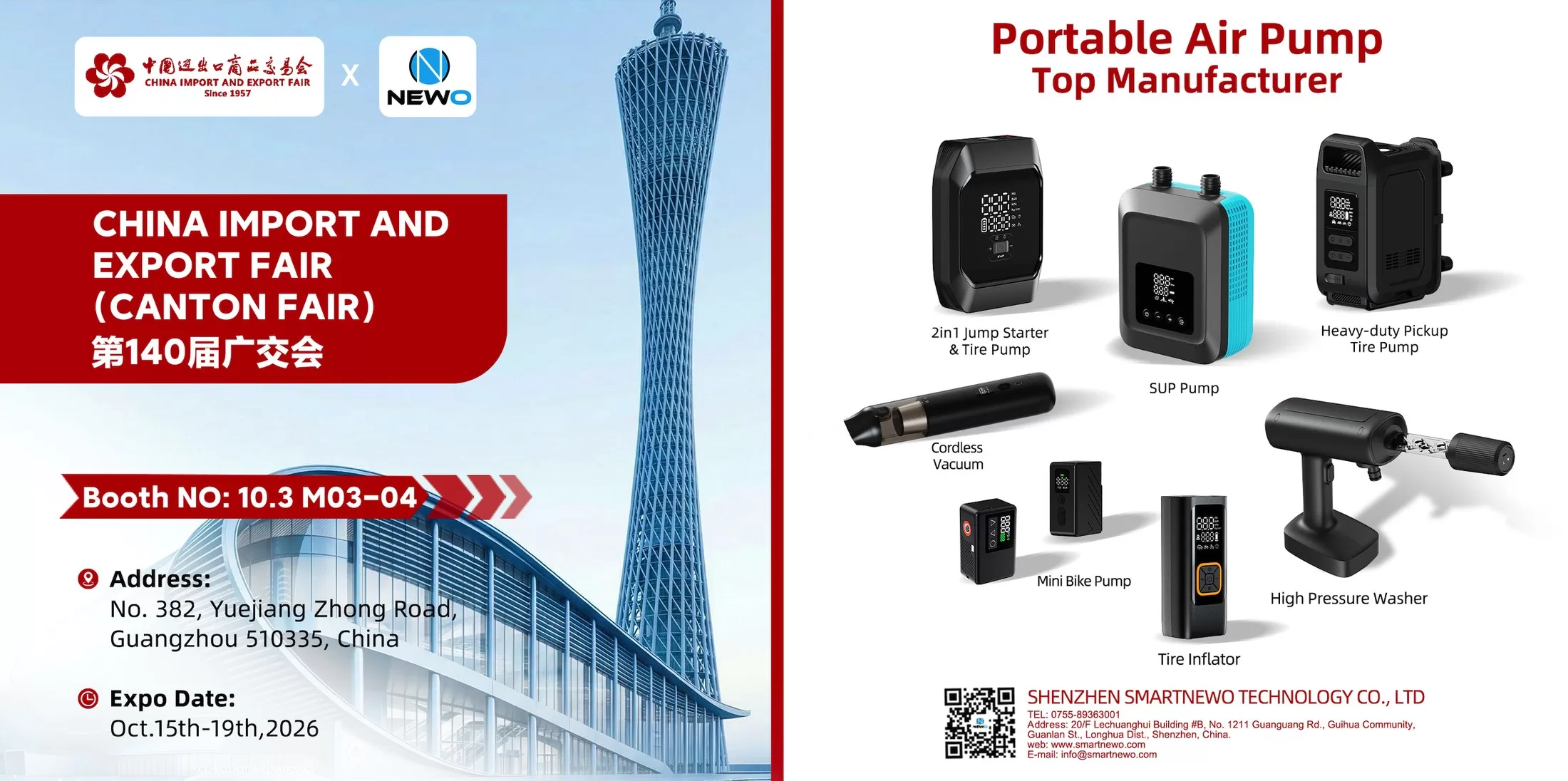
Meet NEWO at the 140th Canton Fair: Visit Booth 10.3 M03–04
Meet NEWO at the 140th Canton Fair in Guangzhou, October 15–19, 2026. Visit Booth 10.3 M03–04 to explore portable air pumps and discuss OEM, ODM and distribution opportunities.... -

As Shenzhen Welcomes the World for APEC 2026, NEWO Welcomes You to Our Factory
As Shenzhen prepares for APEC 2026, NEWO welcomes international buyers and partners to visit our factory, meet our team and explore future cooperation.... -
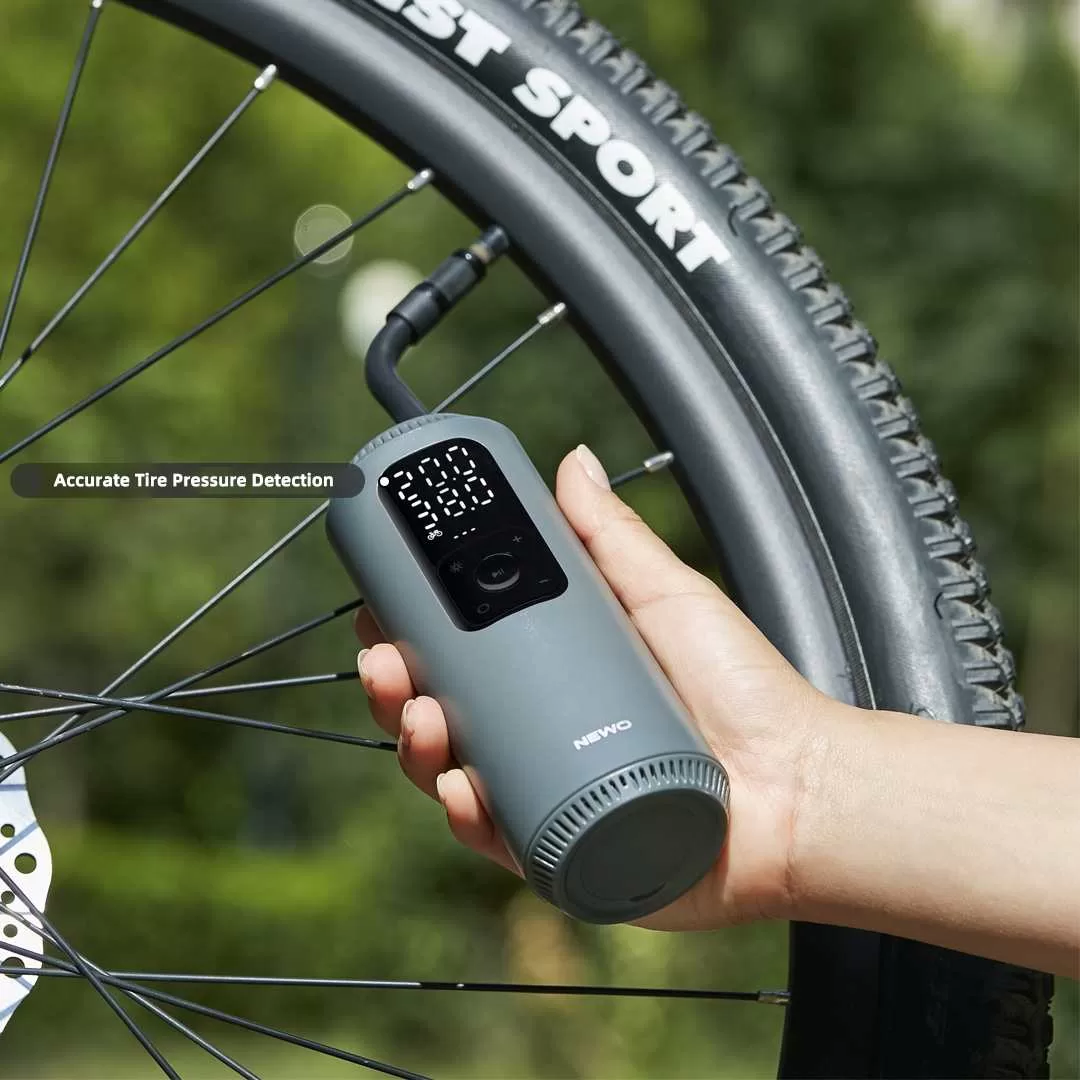
Leading the Way in Product Innovation and Excellence
Smartnewo exemplifies professionalism in product innovation and manufacturing. Their collaboration with Xiaomi Youpin on the G01 crowdfunding project highlights their expertise in creating compact, powerful inflatable pumps. Rigorous engineering, meticulous production processes, and advanced quality assurance underscore their commitment to excellence. The success of the G01 project, with significant market... -
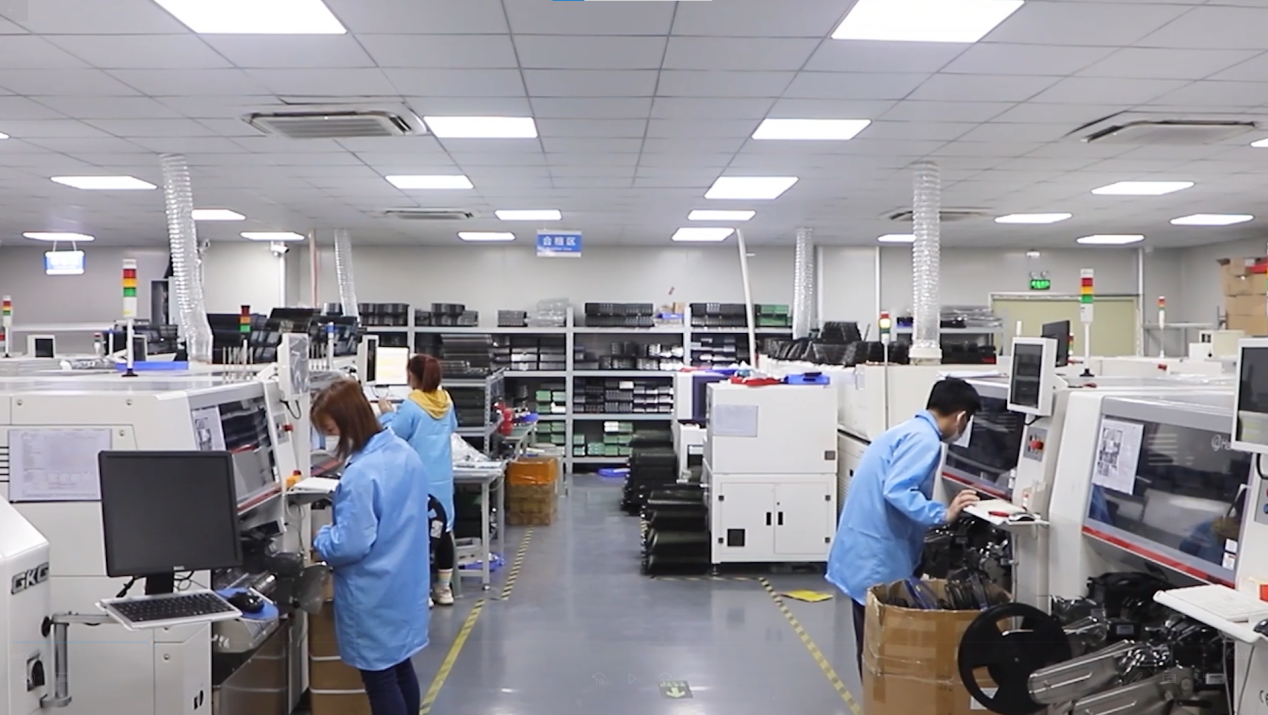
Essential Qualities of an Excellent Supplier
In today's competitive market, finding a reliable supplier is crucial for business success. Based on insights from Smartnewo and broader internet research, here are key qualities an excellent supplier must possess:... -
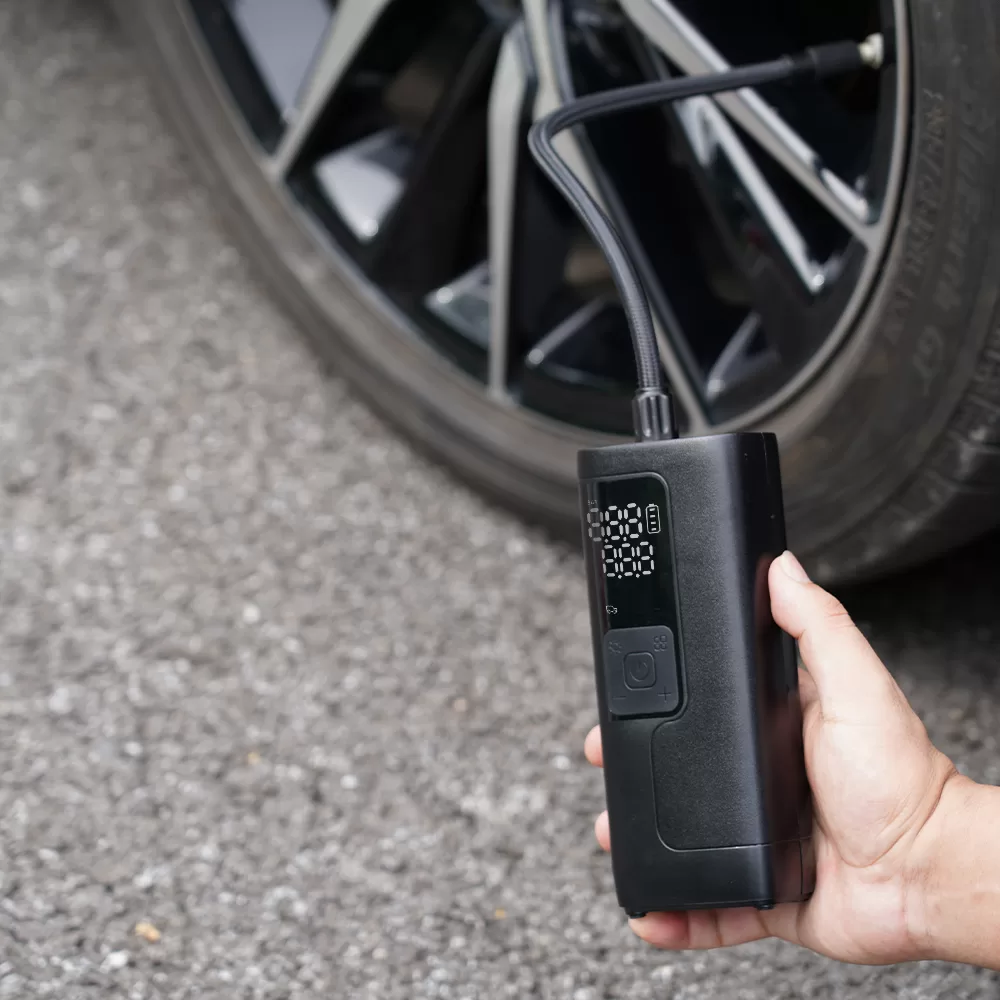
NW06 Tire Inflator: Compact Power for Quick Inflation
Summary The NW06 Tire Inflator delivers quick and efficient tire inflation with a powerful 35L/min airflow. It features a user-friendly LCD screen for real-time pressure monitoring, dual power options with a built-in 6000mAh battery, and multiple nozzle attachments for versatile use. Its compact design and integrated LED light ensure convenience and... -
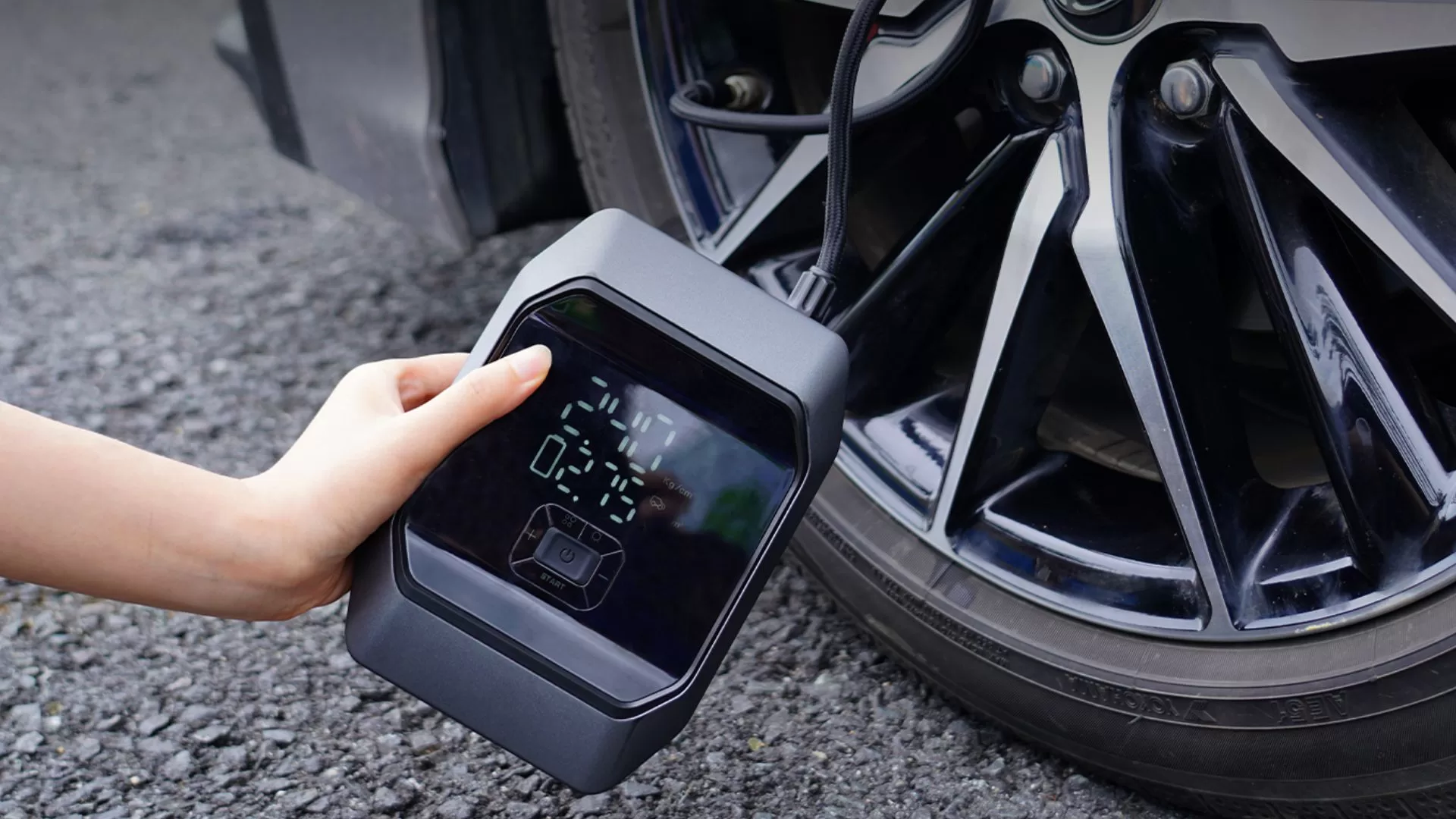
Unleash the Power of Portability: The SmartNewo Jump Starter with Air Compressor KF03
This guide will walk you through the steps to effectively use a portable tire inflator, helping you stay prepared and safe on the road.... -

Newo Attends The 2024 Consumer Electronics Show (CES)
Smartnewo booth is located at 53672, Halls A-D, Level 2, Venetian Expo, Las Vegas Convention Center (LVCC). ... -
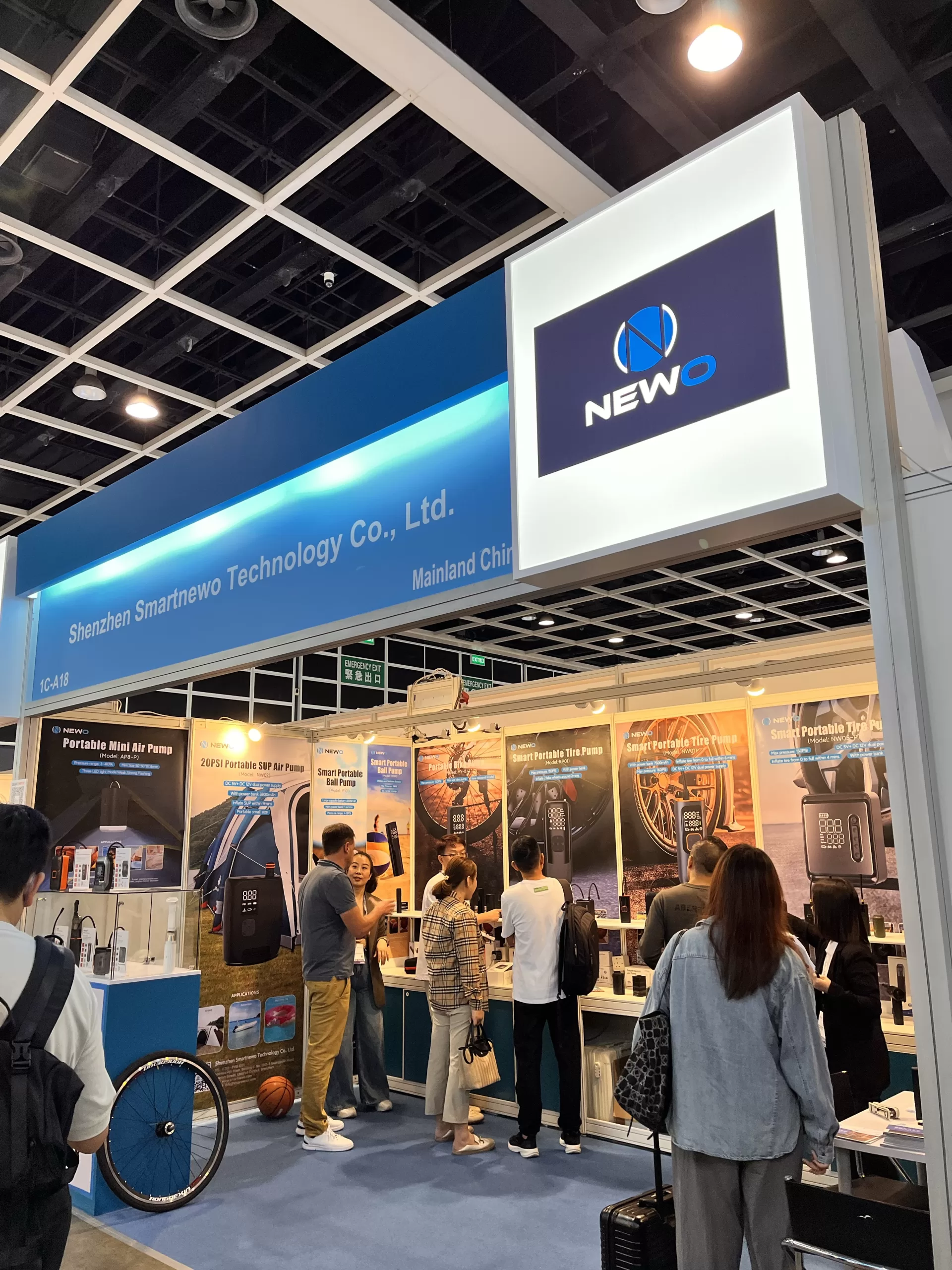
Smartnewo’s Dual-Cylinder Air Pump Rocks the Hong Kong Autumn Electronics Fair!
Smartnewo’s Dual-Cylinder Air Pump Rocks the Hong Kong Autumn Electronics Fair!... -

Meet at the Canton Fair! Smartnewo brings dual-cylinder air pumps, making your inflation experience faster and more stable!
NEWO has went deep communication and negotiation with customers from all over the world on booth.... -
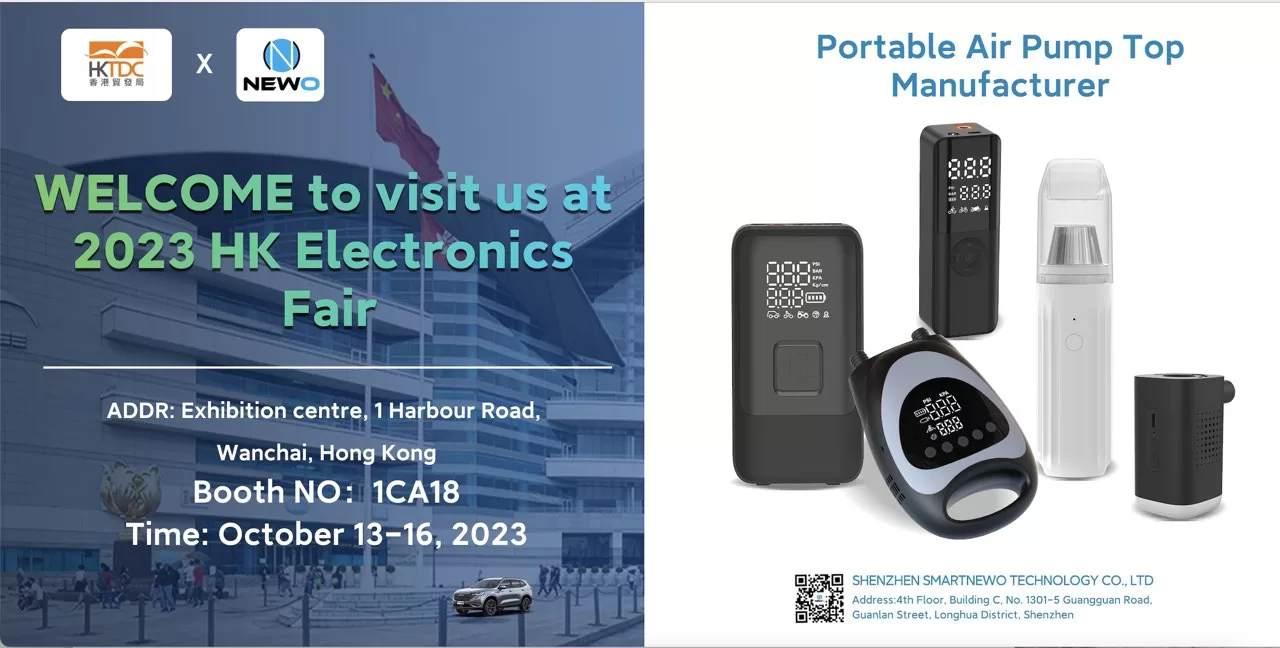
“Hong Kong Autumn Electronics Fair – 1CA18 (October 13th to 16th): Smartnewo invites you to visit our booth!
Hong Kong Autumn Electronics Fair...
-
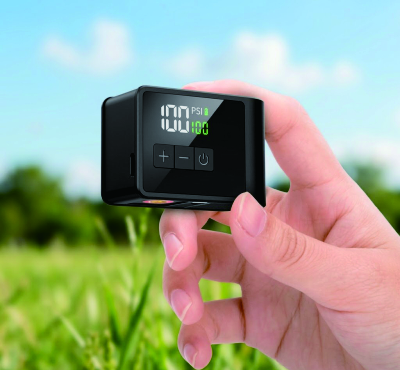
What to Check Before Ordering Custom Electric Bike Pumps
Plan custom electric bike pumps with a clear requirements freeze for valves, TPU tubes, portability, repeated top-ups, charging, and model-specific documents.... -

OEM vs ODM Air Pumps: Which Manufacturing Model Fits Your Brand?
Compare OEM and ODM air pump projects by design responsibility, change approval, development scope, and written ownership terms before choosing your route.... -

How to Choose a Reliable Tire Inflator Manufacturer in China
Choose a tire inflator manufacturer in China with a focused RFQ, supplier evidence, configuration checks, and clear sample-to-pilot decisions for your brand.... -
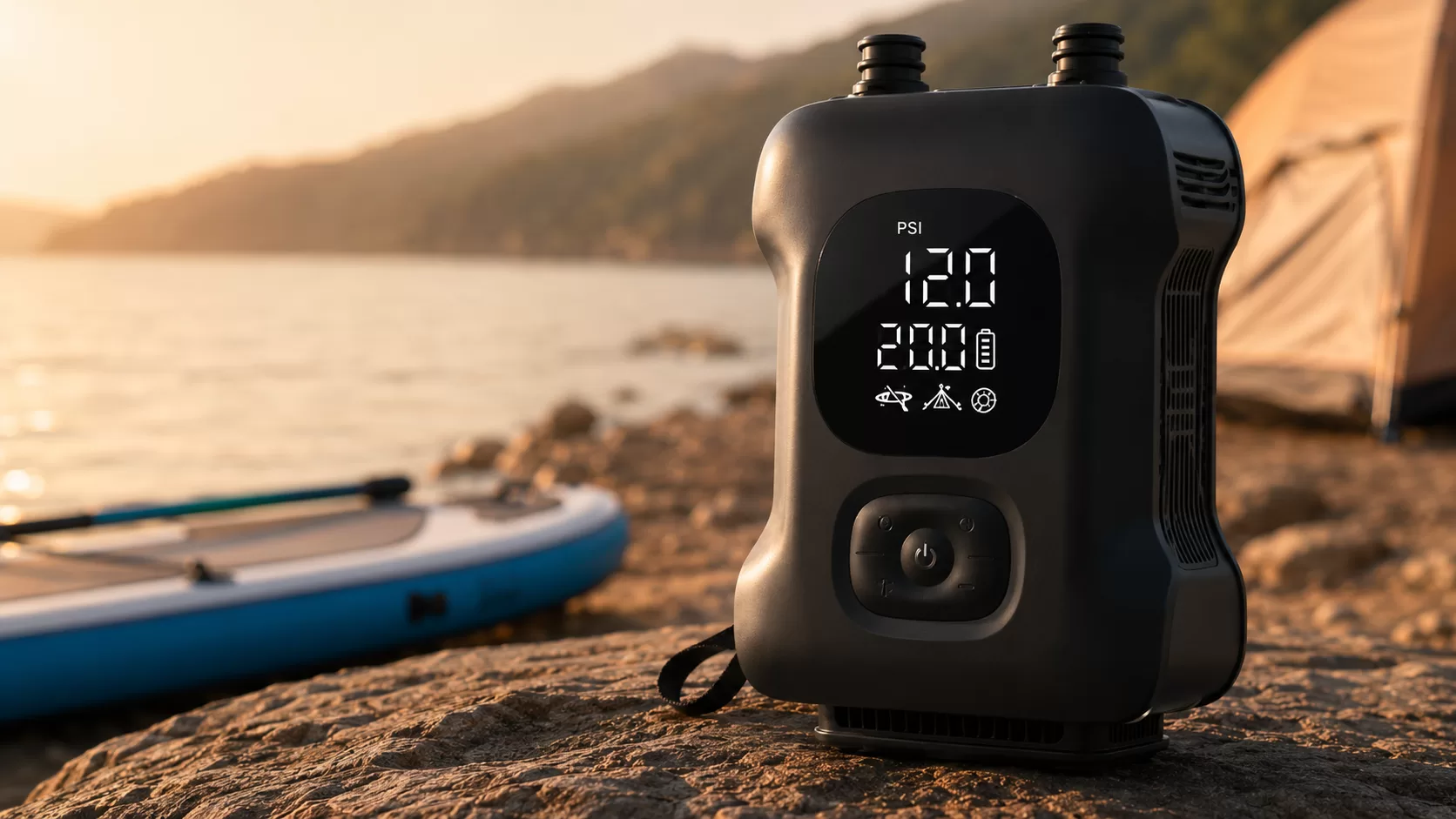
Rechargeable Electric SUP Pump for Paddle Boards: Faster Inflation for SUPs, Kayaks and Inflatable Tents
The BL10-C Portable Electric Bike Tire Inflator is a compact and lightweight mini electric bike pump designed for modern cyclists. With up to 120 PSI pressure, a digital LED display, preset pressure control, automatic shut-off, USB-C charging, and multiple valve adapters, BL10-C offers a convenient inflation solution for road bikes,... -
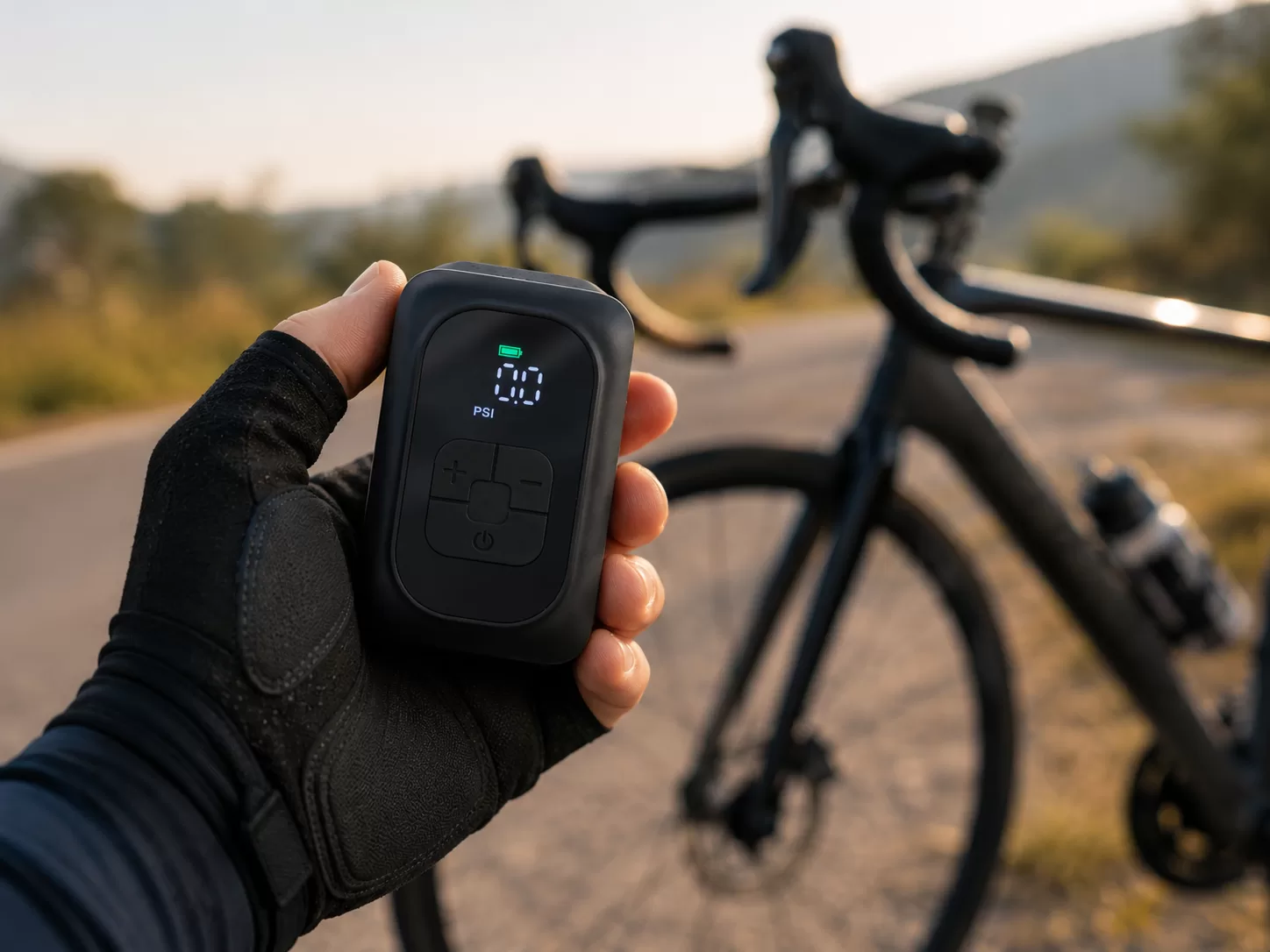
Are Electric Bike Pumps Worth It in 2026? Electric Pump vs CO₂ vs Mini Hand Pump
Discover whether electric bike pumps are worth it in 2026. This guide compares electric bike pumps, CO₂ inflators, and mini hand pumps for road cycling, gravel riding, commuting, and long-distance rides. Learn the pros, limitations, best use cases, and key features to look for before choosing the right portable tire... -
BL10-C Portable Electric Bike Tire Inflator: Small Size, Reliable Power for Every Ride
The BL10-C Portable Electric Bike Tire Inflator is a compact and lightweight mini electric bike pump designed for modern cyclists. With up to 120 PSI pressure, a digital LED display, preset pressure control, automatic shut-off, USB-C charging, and multiple valve adapters, BL10-C offers a convenient inflation solution for road bikes,... -
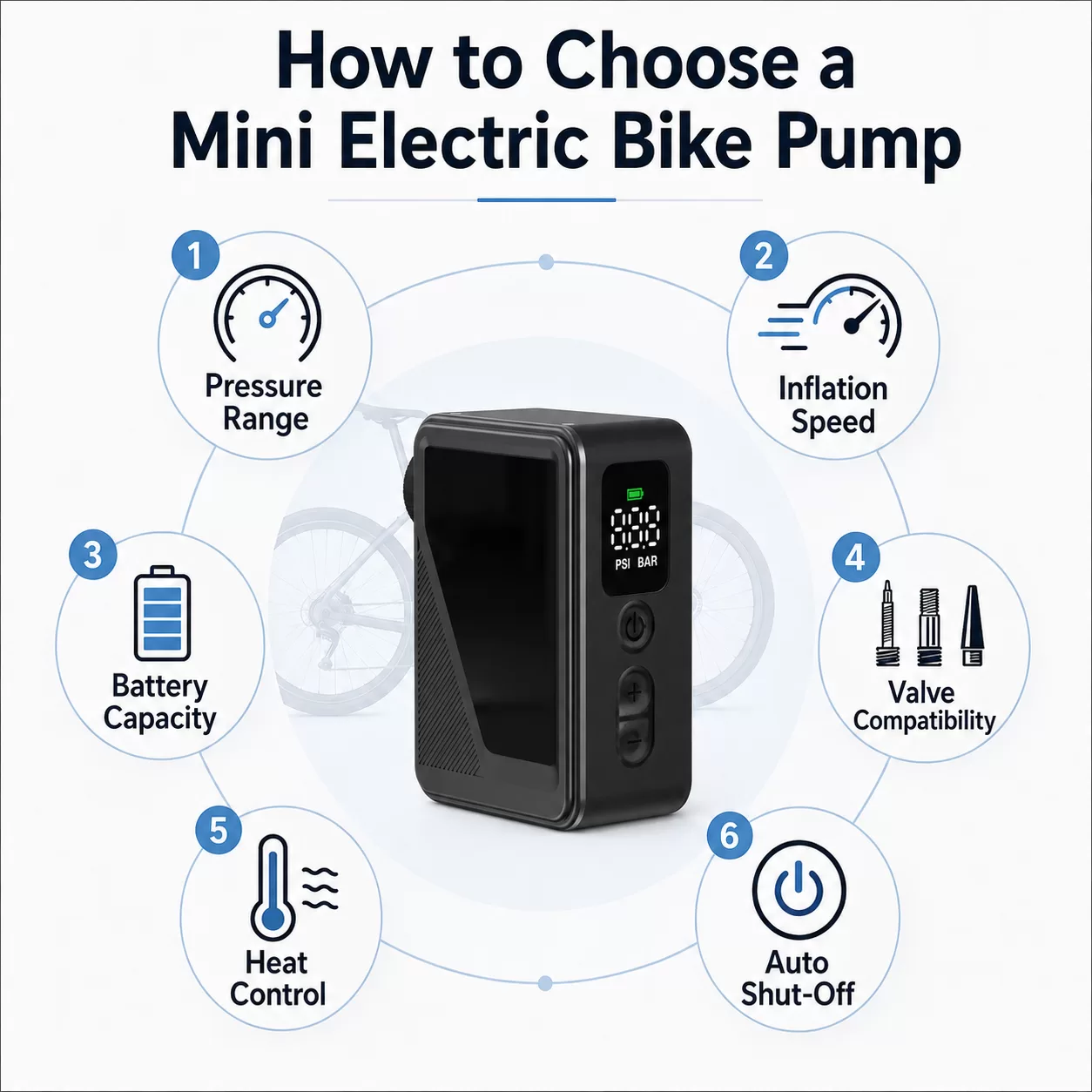
Why Mini Electric Bike Pumps Are Becoming Essential for Modern Cycling
Discover why mini electric bike pumps are becoming essential for modern cyclists. Learn how portable electric bike pumps improve tire pressure management, riding safety, and convenience.... -
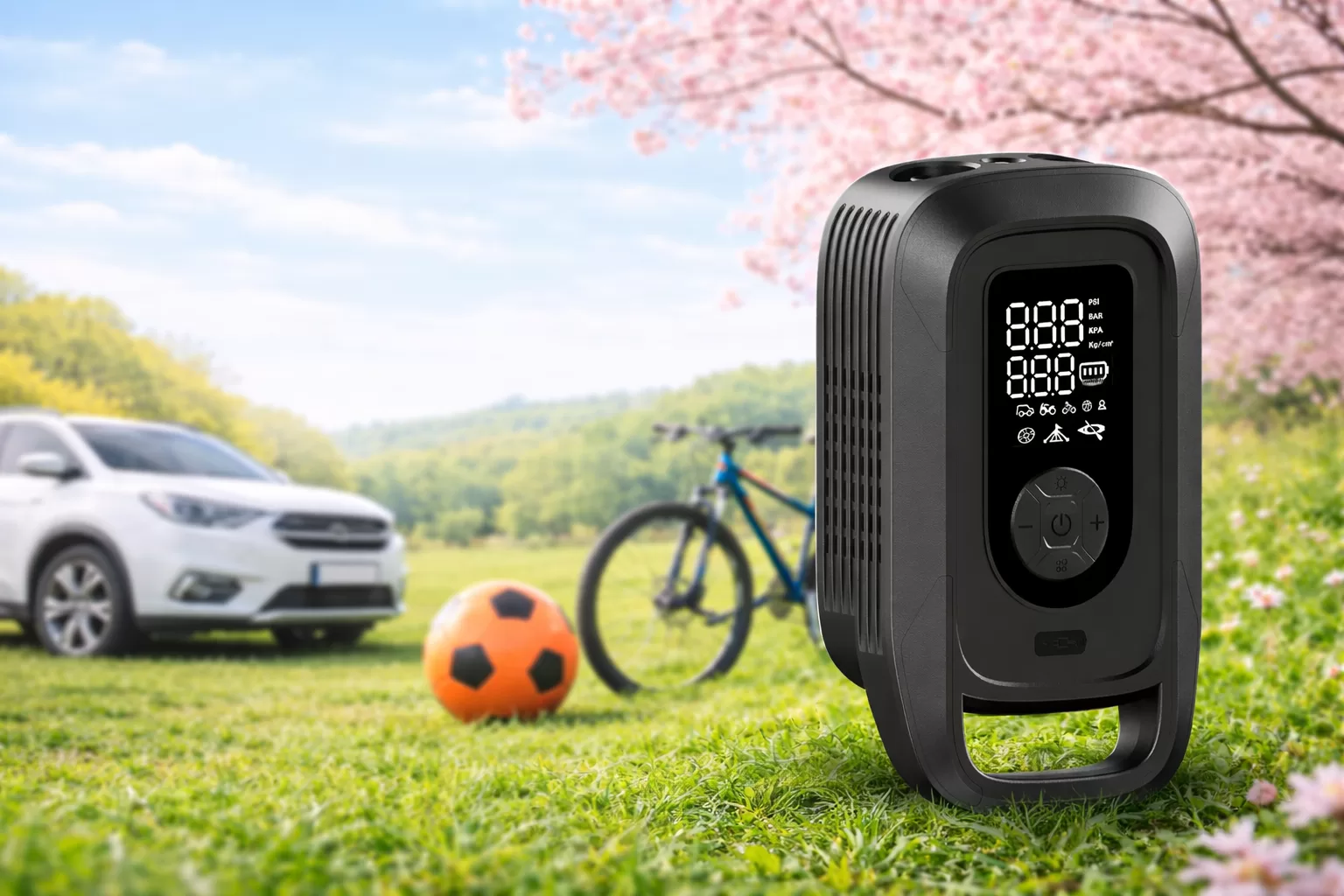
The Ultimate Smart Solution for Easy Outdoor Adventures in 2026
Discover how a spring travel air pump simplifies outdoor trips with fast inflation, smart features, and powerful performance—perfect for every adventure.... -
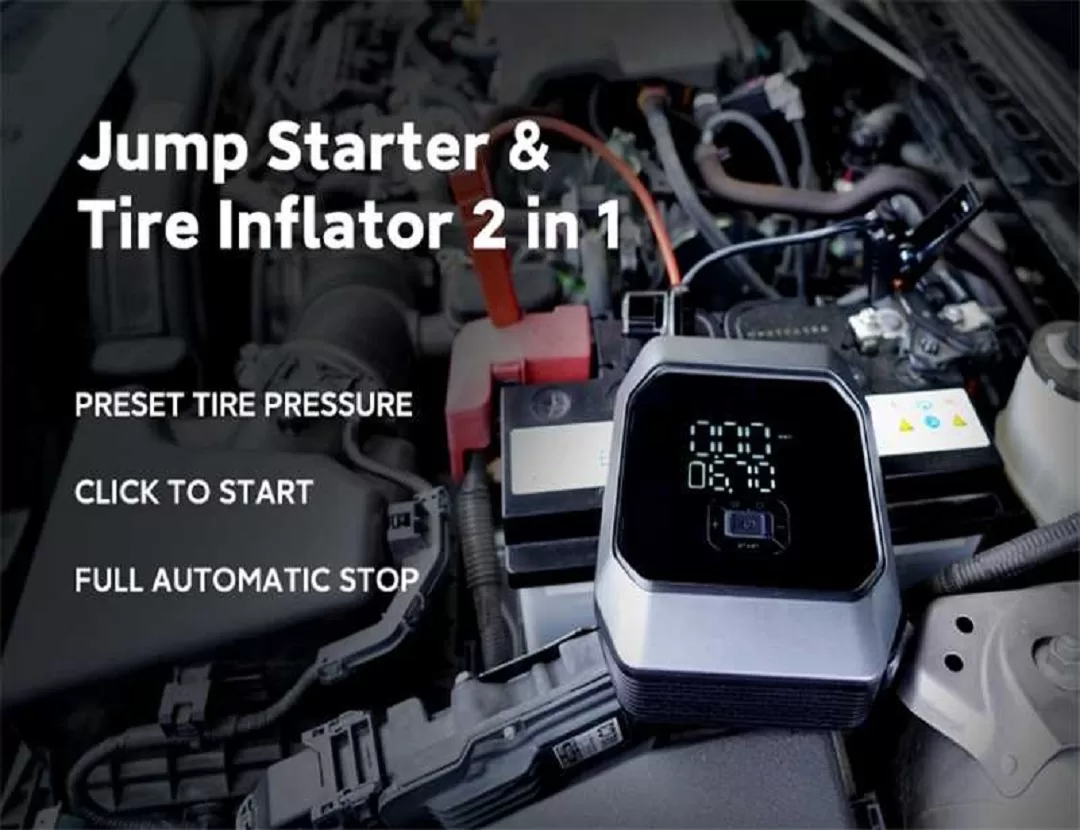
Powerful 5-in-1 Portable Car Tire Inflator and Jump Starter: The Ultimate Emergency Tool for Every Driver
Why Every Driver Needs a Portable Car Tire Inflator and Jump Starter Modern drivers face many unexpected situations on the road. A flat tire, low tire pressure, or a dead car battery can happen at the worst possible time. That’s why having a portable car tire inflator and jump starter is... -

7 Real Cycling Scenarios That Show Why Every Rider Should Carry a Mini Bike Pump
Cycling is one of the most freeing activities you can enjoy. Whether you’re commuting to work, riding through city streets, or exploring quiet countryside roads, a bike ride can instantly improve your day. But there’s one small problem that almost every cyclist eventually faces: Low tire pressure. It might happen...
-
How Is a Football Properly Inflated?
The correct inflation of a football - with not too much and not too little air - is a hotly debated topic among footballers.... -
Application Scenarios of Car Inflator Pump
Often long-distance business trips or play car owners because the road may be more remote areas, in this case if you encounter a tire leak....