

 Portable Tire Inflators
 Electric Air Pumps
 Electric Car Tyre Pumps
 Electric Ball Pumps
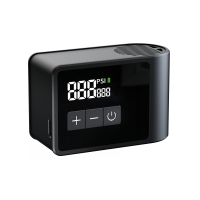 Electric Bike Pump
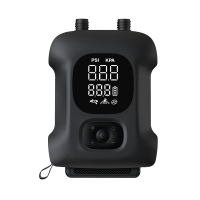 SUP Air Pump

Portable Electric Tire Inflator: Practical Engineering, Pressure Physics, and Selection Guide
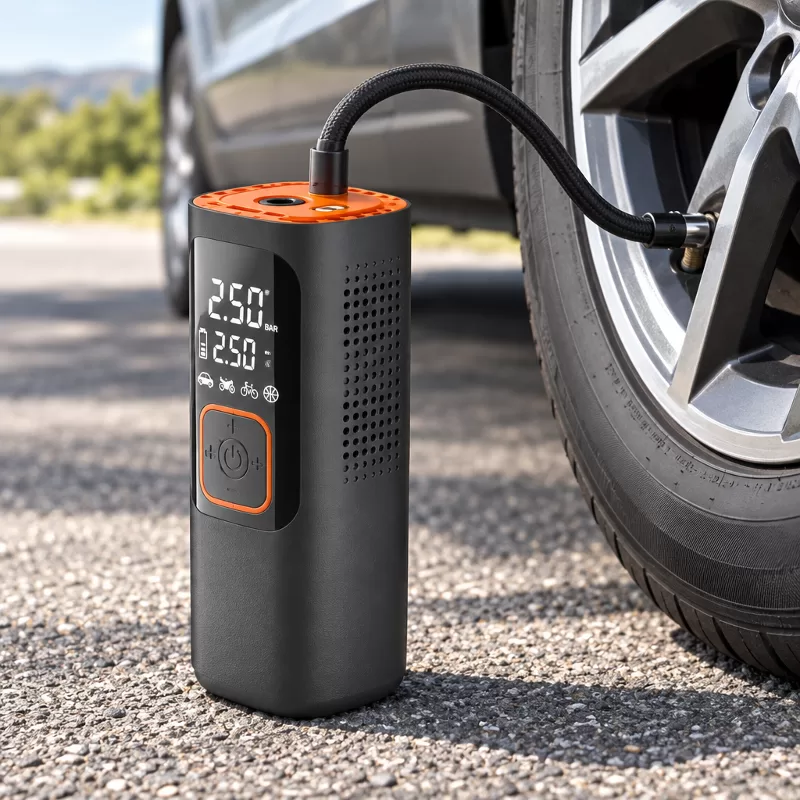
Underinflated tires compromise fuel economy, impact braking performance, and accelerate irregular tread wear over time. A dashboard tire pressure monitoring warning indicates that one or more tires may be significantly underinflated and should be checked promptly. Searching for a functioning service station air tower late at night introduces unnecessary delays and travel disruptions. A modern portable electric tire inflator resolves these concerns by providing on-demand pneumatic power directly from your vehicle trunk or equipment pack. Handheld engineering now delivers accessible compression across passenger cars, motorcycles, high-pressure bicycle tires, and recreation equipment without manual labor.
1. Demystifying the Portable Electric Tire Inflator
What Is a Compact Electric Air Pump?
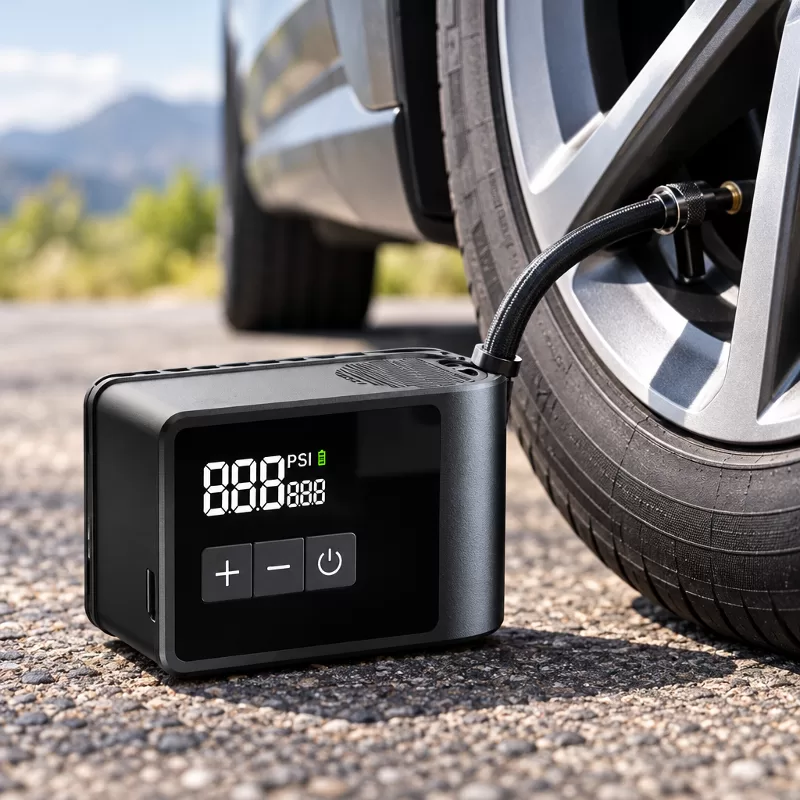
At its mechanical foundation, a compact electric air pump packages motor-driven pneumatic compression into an easily manageable handheld form factor. A direct-current electric motor drives an internal reciprocating compression assembly to draw ambient air through exterior intake vents. Internal one-way valves contain the air charge before directing pressurized airflow through a reinforced delivery hose.
Unlike traditional garage shop compressors relying on large stationary steel receiver tanks, a portable inflator operates as a direct continuous-flow unit. It delivers compressed atmospheric air into the receiving tire chamber in real time. Modern lithium-ion battery integration enables these compact tools to generate functional pressures without requiring continuous connection to a standard wall socket.
Common Operating Scenarios and Roadside Applications
Routine monthly maintenance represents the most frequent application for compact inflators. Automotive tire casings naturally experience minor pressure losses over normal operating periods due to microscopic rubber permeation and changing seasons. Maintaining optimal inflation values at home avoids repeated visits to commercial pay-per-use air hoses.
Roadside monitoring presents an equally practical use case during sudden weather transitions. Seasonal temperature drops reduce ambient air density inside tires, frequently triggering low-pressure dashboard warning lights on cold mornings. Carrying a portable device allows drivers to restore specified pressures before highway friction generates uneven heat across underinflated tire walls.
Micro-mobility users also rely heavily on compact pneumatic solutions for daily transport. Modern road bicycles, gravel rigs, commuter e-bikes, and motorized wheelchairs demand precise pressure management to preserve rim integrity and roll smoothly. Programmable pressure controls allow users to inflate these diverse tires without relying on cumbersome manual floor pumps.
2. Tire Pressure Fundamentals: Safety, Handling, and Efficiency
Vehicle Placard Pressure Versus Sidewall Maximum Pressure
A frequent misconception among motorists involves reading the embossed lettering on the tire sidewall to find the proper operating pressure. That molded sidewall marking identifies the absolute maximum cold pressure the tire structure is rated to hold. It does not state the vehicle manufacturer’s recommended operating specification, which must be followed for everyday driving.
Correct baseline pressure is engineered specifically for the automobile’s gross weight, chassis configuration, and suspension dynamics. This authoritative specification is located on the vehicle certification placard positioned along the driver-side door jamb or within the official owner’s manual. Motorists should always reference this vehicle documentation rather than the maximum rating printed on the tire rubber.
Operating significantly below the manufacturer’s recommended placard pressure presents recognized operating hazards. When air volume drops, tire sidewalls flex excessively under load, generating accelerated heat accumulation during highway rotation. Sustained underinflation stresses the internal casing construction and increases the probability of structural tire failure over prolonged driving.
The Mechanics of Cold-Tire Measurement
Accurate inflation checks require measuring tire pressure when the rubber is completely cold. Vehicle safety agencies define cold tire pressure as a measurement taken when the vehicle has remained stationary for at least three hours or traveled less than one mile at moderate speed. Driving heats the compressed air within the carcass, temporarily elevating internal pressure readings above baseline.
Inspecting tires immediately following highway travel reflects this thermal expansion rather than true cold volume. Releasing air from a warm tire to match the placard target leaves the tire dangerously underinflated once ambient cooling occurs. If an inspection after driving reveals that a tire is underinflated, it should be inflated to the vehicle placard’s recommended cold pressure immediately, without releasing warm air, and then rechecked once the tire has cooled completely.
3. Engineering Criteria: How to Evaluate a Portable Air Pump
Pressure Capability and Usable Range
Compressor output ratings require careful interpretation in relation to actual consumer needs. Portable units frequently advertise ratings up to 150 PSI, representing an upper threshold suitable for high-pressure bicycle tubes and diverse recreational gear. The manufacturer lists the NW05-P as supporting an overall pressure range from 2 to 150 PSI for multi-application versatility.
However, a high maximum pressure rating does not determine the volumetric speed required to fill larger passenger vehicle tires. Typical passenger sedans operate within a moderate range between 30 and 36 PSI. For passenger car drivers, steady delivery and dependable thermal stability across standard pressure thresholds matter far more than theoretical maximum ratings.
Airflow Rate, Displacement, and Cylinder Volume
Air delivery volume, commonly expressed in liters per minute, determines how rapidly a pump inflates a given tire volume. Portable pumps generally offer varied flow rates depending on internal mechanical dimensions, motor power, and working back-pressure. The NW05-P features a manufacturer-specified 26-cylinder structure and an airflow rating between 34 and 36 L/min.
Actual inflation times depend on initial tire volume, target pressure, ambient temperature, and operational load. Rather than relying on assumptions regarding internal mechanical mechanisms, users should evaluate documented airflow ratings to gauge general filling capability. Following recommended operating duty intervals ensures that internal assemblies remain within safe working boundaries.
Power Architecture: Cordless Battery Systems vs. 12V Direct Sockets
Internal battery architecture defines cordless flexibility for roadside and outdoor maintenance. Advanced inflators employ multi-cell lithium-ion packs, such as the 3 × 2600 mAh configuration (11.1V, 28.86 Wh) found in the NW05-P. Cordless operation eliminates the need to route lengthy power cords across damp driveways or busy roadsides.
To expand usability, the NW05-P lists auxiliary support for 12V to 14V vehicle cigarette-lighter connections alongside its primary battery system. Supplying dual power choices gives users an alternate vehicle-based power source for extended roadside readiness. Users should consult product documentation to confirm operational procedures when using auxiliary vehicle cords.
- Lithium-Ion Battery Portability: Provides untethered convenience when servicing bicycles, balance vehicles, sports gear, and trailers.
- Auxiliary 12V–14V Vehicle Support: Offers a designated alternative power connection through automotive cigarette-lighter sockets.
- Type-C Recharging Input: Supports listed charging parameters of 5V/2A and 9V/1.5A via standard Type-C cables and compatible power adapters.
- Secondary Power-Bank Output: Supplies 5V/1.5A external charging power through a USB port to charge mobile devices during travel emergencies.
Thermal Load Management and Operating Duty Cycles
The physical compression of air naturally generates localized heat within pneumatic equipment. In compact inflator housings, thermal energy builds around internal compression cylinders and transfers toward the metal hose connections. Managing heat accumulation requires respecting designated operating times during multi-tire service.
The manufacturer lists an approximate runtime of 15 to 18 minutes for the NW05-P within an ambient operating range of -10°C to 45°C. Actual runtime and thermal behavior vary based on back-pressure, tire dimensions, and ambient weather. Allowing the unit to rest between extensive filling cycles helps protect mechanical components from thermal wear.
Digital Metering Accuracy, Presets, and Automatic Shut-Off
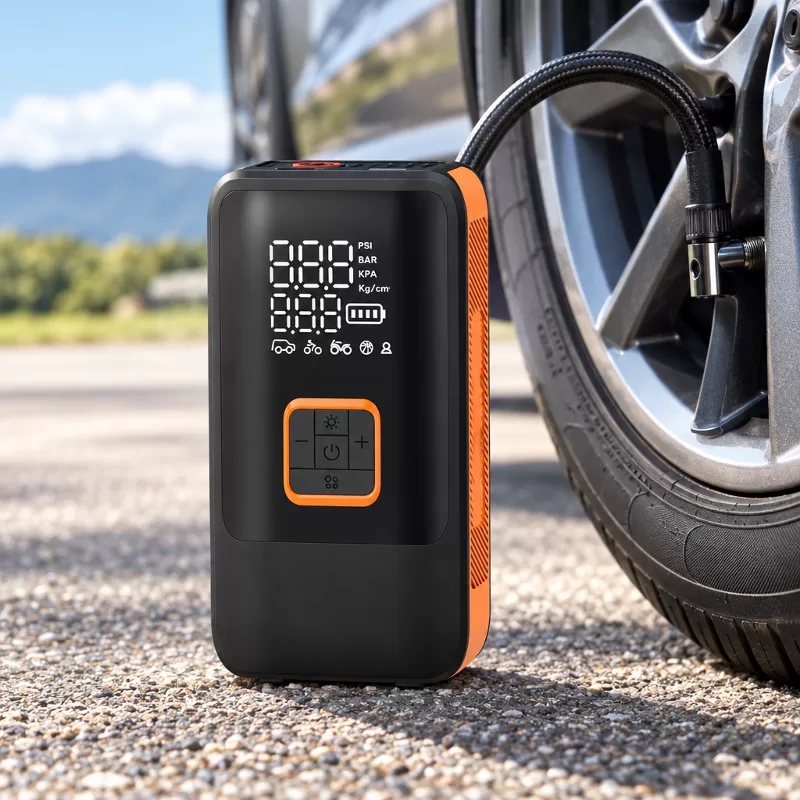
Traditional analog needle gauges can be difficult to read accurately in dim roadside lighting. Modern portable tire inflators employ digital pressure sensors linked to bright LED screens, displaying current and target pressures in PSI, BAR, or KPA. Clear numerical feedback simplifies monitoring and reduces uncertainty during nighttime roadside adjustments.
The NW05-P incorporates automatic shut-off functionality designed to halt pumping when reaching the user’s selected pressure target. While auto shut-off prevents gross overinflation, sensor tolerances can vary across consumer electronic devices. Checking the finished tire with a calibrated pressure gauge remains a recommended practice whenever high precision is required.
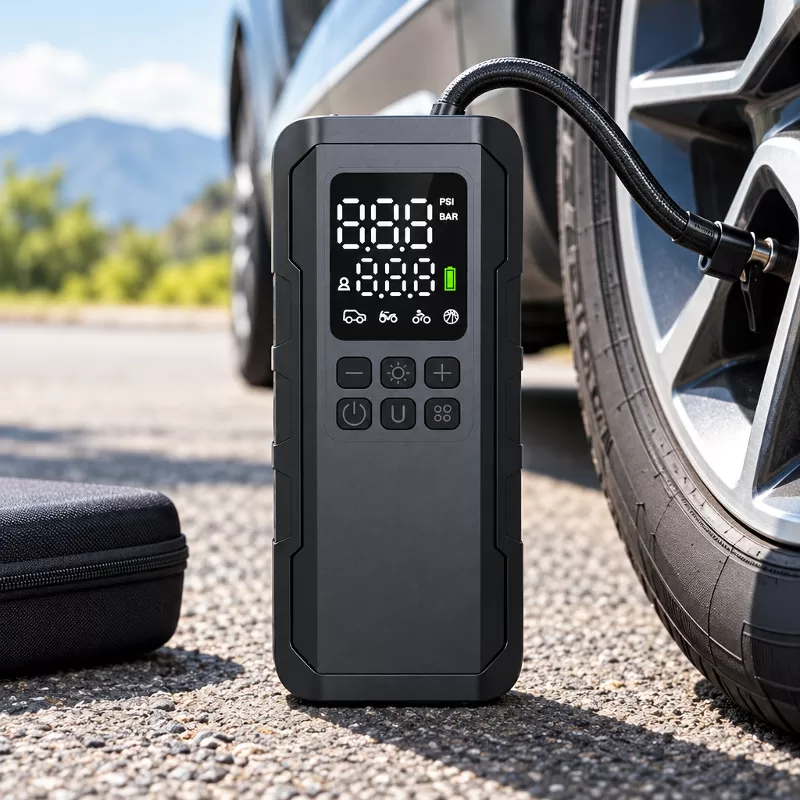
4. Product Deep-Dive: Specifications of the NW05-P
Technical Performance Parameters
Reviewing published technical specifications clarifies the operational scope of portable pneumatic tools. Newo specializes in manufacturing smart electric air pumps and portable inflation hardware engineered for vehicle and recreational use. Within our portable lineup, the NW05-P demonstrates how practical specifications translate into everyday utility.
| Technical Parameter | Manufacturer Specification | Functional Purpose |
|---|---|---|
| Model Designation | NW05-P | Multi-purpose portable electric air pump |
| Cylinder Architecture | 26-Cylinder Structure | Listed internal mechanical compression configuration |
| Rated Working Power | 120 Watts | Motor power rating driving the pneumatic pump |
| Operating Pressure Scope | 2 to 150 PSI | Functional range spanning micro-mobility to high-pressure tubes |
| Airflow Delivery Rate | 34 to 36 L/min | Manufacturer-rated volume displacement under test conditions |
| Battery Pack Capacity | 2600 mAh × 3 (11.1V, 28.86 Wh) | Internal rechargeable power reserve for cordless operation |
| Auxiliary Vehicle Input | 12V to 14V Cigarette-Lighter Power | Listed auxiliary vehicle power connection option |
| Recharging Input Specs | Type-C (5V/2A, 9V/1.5A) | Input parameters requiring compatible USB charging sources |
| Auxiliary Output Rating | 5V / 1.5A USB Port | Emergency power-bank reserve for secondary mobile devices |
| Manufacturer-Listed Runtime | Approximately 15 to 18 Minutes | Operational duration listed on battery power |
| Operating Temperature | -10°C to 45°C | Manufacturer-specified environmental working envelope |
| Acoustic Rating | 85 dB or below at 1 Meter | Standard acoustic profile during active motor operation |
| Dimensions and Net Weight | 130 × 112 × 56 mm; 650 grams | Compact physical dimensions suitable for onboard stowage |
First-Party Feature Integration and Usability
The NW05-P includes five dedicated preset modes covering car tires, motorcycles, bicycles, sports balls, and custom pressure adjustments. These programmed modes provide baseline starting points for everyday maintenance while letting experienced users fine-tune custom pressure levels. The internal battery cycle life is rated at 300 cycles while retaining 80% or more of its original capacity.
The manufacturer lists an inflation capacity of approximately 30 mountain-bike tires per full battery charge, though actual results depend on tire volume, starting pressure, and ambient conditions. With a net weight of 650 grams, the unit stows conveniently in door pockets, tool bags, or vehicle consoles without adding excessive bulk. Recharging takes between 2.5 and 3.5 hours when connected to an appropriate power supply.
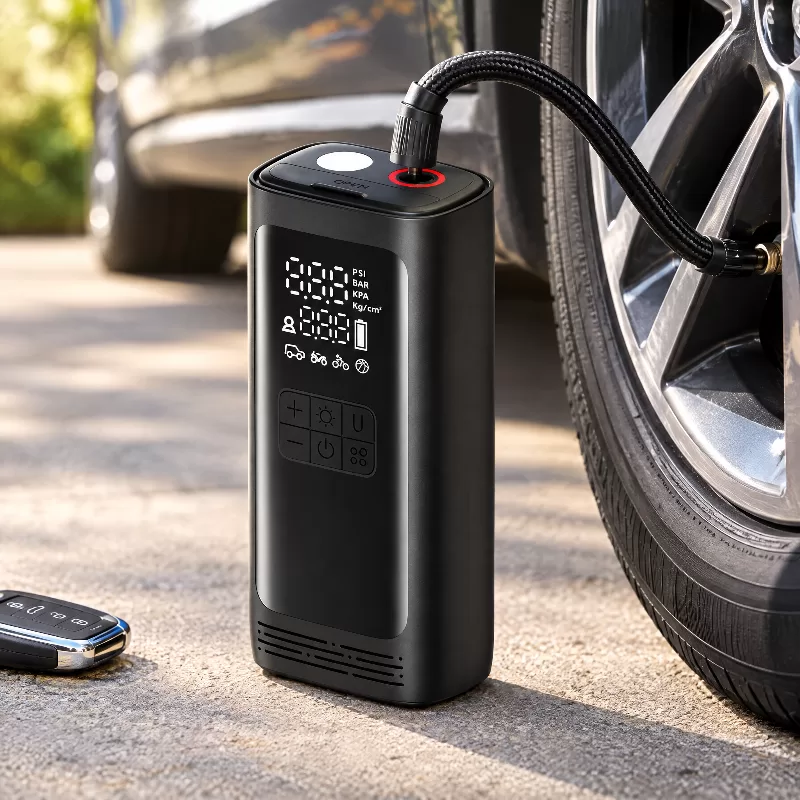
5. Step-by-Step Operating Guide: Safe and Accurate Inflation
Pre-Inflation Inspection: Tire Integrity and Valve Stems
Before attaching any inflation hardware, perform a quick visual inspection of the entire tire tread and sidewall. Check for embedded screws, metal fragments, severe cuts, or localized sidewall bulges that could indicate internal ply damage. Attempting to inflate a tire with structural damage cannot restore roadworthiness and requires professional tire service.
Examine the rubber valve stem to ensure it remains free of weather cracking, corrosion, or debris around the core. Thread off the valve cap and wipe away loose road grit to prevent foreign matter from entering the valve assembly. Starting with clean stem threads ensures smooth connection and minimizes wear on the inflator fittings.
Setting Up the Digital Target
- Press and hold the power switch to activate the digital display and verify sufficient battery reserve.
- Press the mode or unit selection control to select your desired unit of measurement (PSI, BAR, or KPA).
- Check your vehicle’s driver-door placard or owner’s manual to confirm the specified cold target pressure for the tire being serviced.
- Adjust the preset target pressure using the plus and minus controls until the digital screen displays your exact vehicle specification.
Engaging the Airflow and Monitoring Cycle
Thread or press the air hose connector securely onto the tire valve stem according to the product manual instructions. Ensure a tight, stable mechanical fit without audible air leakage around the junction. Once connected, the digital display will register and reflect the current static pressure inside the tire.
Press the start button to activate the internal motor and begin pumping air into the tire. Position the inflator securely on flat ground or hold it steadily, avoiding sharp bends along the air delivery hose. Maintain clear line-of-sight to the digital screen throughout the inflation cycle.
The automatic shut-off system is designed to stop pumping once the internal sensor detects the preselected target pressure. After the motor stops, observe the final pressure reading on the display. Users desiring high accuracy should verify final tire pressure with an independent, calibrated pressure gauge.
Post-Inflation Procedure and Safe Storage
Disconnect the air hose fitting from the tire valve following the connector-release instructions in the product manual. Note that the metal connector fitting naturally absorbs heat during operation and may feel warm to the touch. Reinstall the plastic valve stem cap securely to prevent water, salt, and dirt intrusion.
Allow the inflator to dissipate residual operating heat before packing it into its protective case or vehicle storage bin. Coil the air hose loosely without tight bends to prevent strain on the rubber fittings. Storing your portable electric tire inflator securely inside the vehicle keeps it ready for routine maintenance and roadside needs.
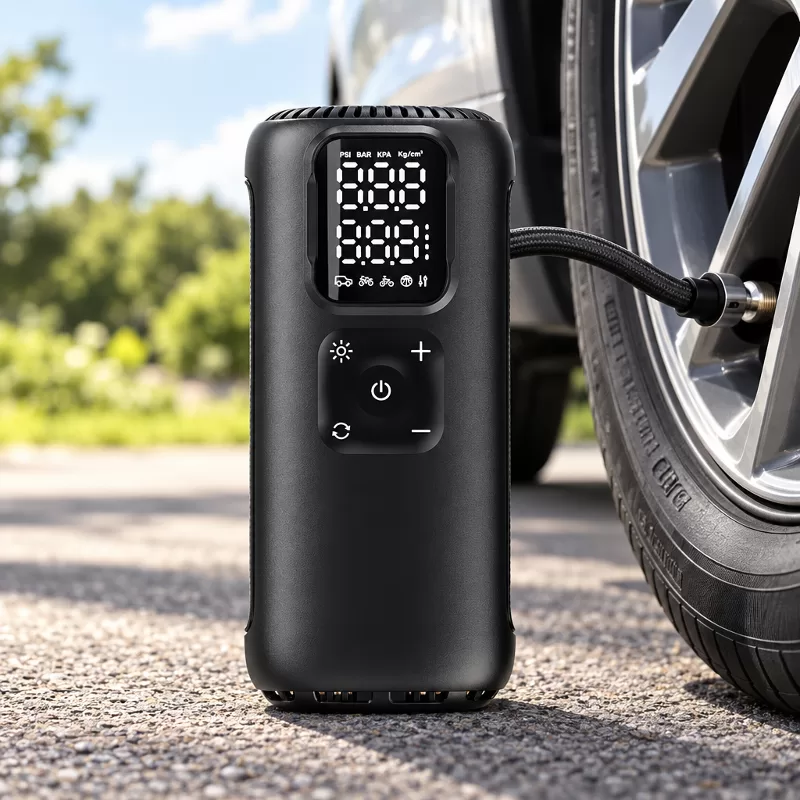
6. Comparison: Handheld Electric Inflators vs. Alternative Methods
Comparison Matrix: Inflation Equipment Compared
Selecting appropriate inflation equipment involves weighing portability, operational convenience, physical effort, and primary usage requirements. The matrix below illustrates functional differences between compact inflators and alternative air delivery options.
| Inflation Equipment | Primary Power Source | Equipment Footprint & Storage | Physical User Exertion | Best Suited Applications |
|---|---|---|---|---|
| Cordless Portable Inflator | Internal Li-ion Battery & 12V Lead | Compact handheld form; fits in glovebox or trunk | Zero; hands-free operation with auto shut-off | Routine maintenance, micro-mobility, roadside readiness |
| Corded 12V Tire Compressor | Vehicle 12V Auxiliary Socket | Medium storage case; limited by cord reach | Minimal; requires vehicle cord routing | Vehicle-centric roadside emergency storage |
| Manual Floor Bicycle Pump | Human Muscle Power | Tall frame; awkward for vehicle storage | High exertion; challenging for automotive tire volumes | Home cycling workshops, emergency backup |
| Stationary Shop Compressor | AC Electrical Mains (110V/230V) | Large stationary steel tank on castors | Minimal physical pumping effort | Professional workshops, tire mounting, air tools |
Strengths and Tradeoffs of Each System
Stationary shop compressors excel at seating tire beads and operating pneumatic workshop tools because their large receiver tanks store considerable air volume. However, their stationary nature limits utility strictly to workshop bays or home garages. They cannot provide assistance when a tire loses pressure far from a wall outlet.
Manual floor pumps provide dependable mechanics free of electrical failure points, yet inflating a car tire by hand demands substantial physical exertion. Cordless electric inflators bridge this gap by offering automated pumping in a portable format. They allow drivers of any physical strength to manage routine tire care easily without relying on commercial service bays.
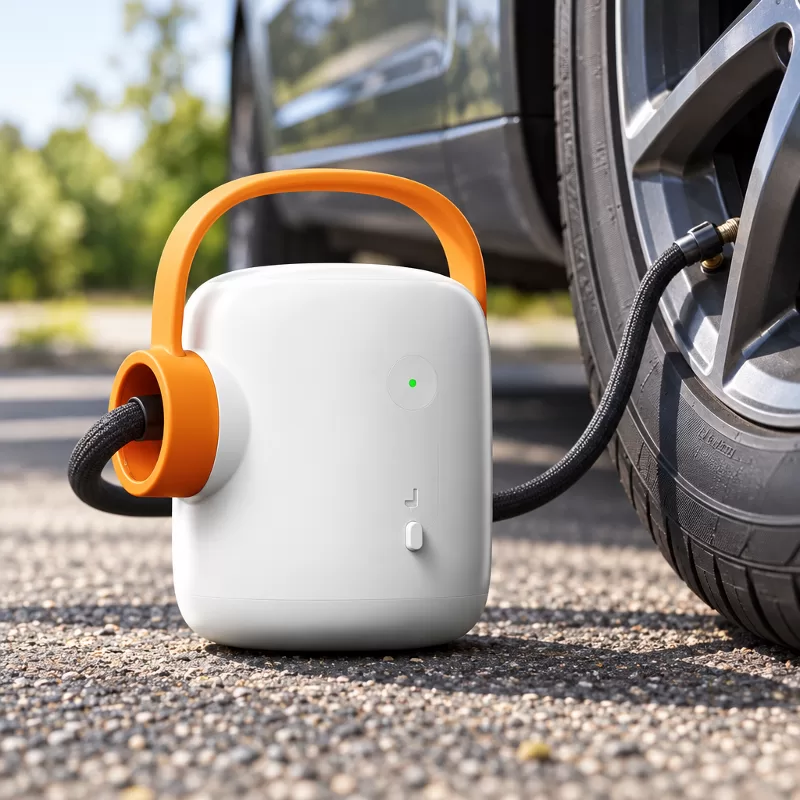
7. Practical Selection Checklist: Choosing Your Ideal Device
When evaluating a portable inflator, align your choice with the specific tire dimensions and operating conditions you encounter. Matching hardware ratings to your regular vehicle profile ensures reliable performance and prolongs equipment lifespan.
- Target Tire Profiles: Standard sedans, crossovers, and micro-mobility vehicles pair effectively with compact 120W units, whereas commercial haulers may require high-output equipment.
- Display Legibility: Choose high-contrast digital displays that remain easy to read in bright daylight and low-light roadside settings.
- Connector Compatibility: Verify that the included valve adapters support standard automotive Schrader valves, bicycle Presta stems, and recreational sports accessories.
- Acoustic Output: Motor-driven air compressors generate noticeable sound during operation; selecting units rated at or below 85 dB at 1 meter keeps noise manageable.
- Integrated Work Light: Built-in LED lights provide essential illumination when locating valve stems and inspecting tires in dark or unlit conditions.
8. Frequently Asked Questions (FAQs)
Is a 150 PSI portable electric tire inflator suitable for passenger cars?
Yes, an inflator rated up to 150 PSI is fully suitable for passenger car tires. Passenger vehicles typically require inflation pressures between 30 and 36 PSI, well within the device’s operational range. The 150 PSI maximum rating indicates that the pump can also service high-pressure bicycle tires and other high-pressure equipment that demand higher operating pressures.
Can a compact electric pump inflate a completely flat car tire?
A portable electric pump can inflate a tire from zero pressure provided the tire bead remains properly seated against the wheel rim. Actual inflation time varies depending on tire volume, initial pressure, and battery charge levels. If a tire has slipped off its bead seat, a portable unit lacks the rapid air surge needed to reseat the rubber against the rim.
Why shouldn’t I inflate my tires to the maximum PSI molded on the tire wall?
The sidewall marking indicates the tire manufacturer’s maximum permissible pressure rating for that specific tire, rather than the vehicle’s recommended operating specification. Drivers should always consult and follow the cold inflation specifications documented on the vehicle door placard or in the owner’s manual to ensure proper alignment with engineered vehicle dynamics.
How does cold winter weather affect tire pressure and battery pump output?
Tire pressure drops as ambient temperatures decline, commonly estimated at roughly 1 PSI for every 10-degree Fahrenheit drop in ambient temperature. Cold weather can also temporarily reduce the operational performance and runtime of lithium-ion battery cells. Storing the inflator in a climate-controlled environment before winter travel helps maintain peak battery efficiency.
Can I leave a portable electric tire inflator stored in my car during summer or winter?
The NW05-P lists an ambient operating temperature range of -10°C to 45°C, but operating ranges differ from vehicle cabin storage boundaries. In closed vehicles under intense summer sun or freezing winter nights, cabin temperatures can swing beyond normal operational limits. Users should consult the product manual for designated storage temperature parameters and consider storing the device in climate-controlled spaces during extreme weather.
How often should I check vehicle tire pressure with a portable device?
Tire pressure should be checked at least once a month and prior to long road trips. Regular monthly checks identify gradual pressure losses from changing seasons or minor valve leaks before they lead to excessive tread wear. Consistent pressure management supports predictable vehicle handling and maintains optimal fuel efficiency across everyday commutes.
9. Conclusion
Consistent tire maintenance remains a foundational practice for preserving road safety, vehicle handling, and tire service life. Keeping a reliable portable electric tire inflator in your vehicle simplifies monthly pressure checks and provides peace of mind during unexpected roadside low-pressure alerts. Modern handheld units combine practical airflow rates, digital pressure monitoring, and flexible power options into a single compact package. Referencing your vehicle manufacturer’s door-jamb placard and maintaining specified cold inflation targets ensures dependable performance across every journey.
-
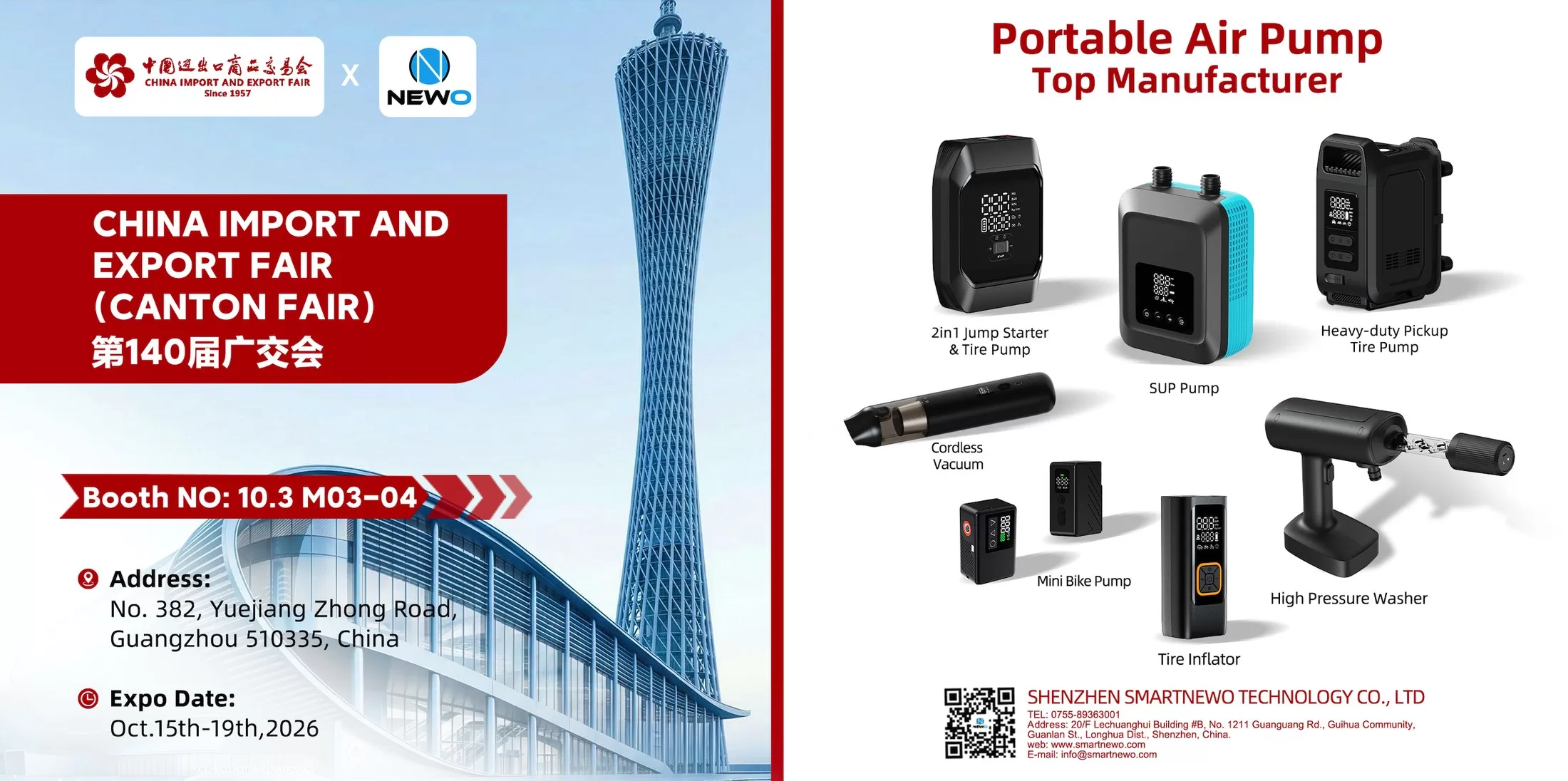
Meet NEWO at the 140th Canton Fair: Visit Booth 10.3 M03–04
Meet NEWO at the 140th Canton Fair in Guangzhou, October 15–19, 2026. Visit Booth 10.3 M03–04 to explore portable air pumps and discuss OEM, ODM and distribution opportunities.... -

As Shenzhen Welcomes the World for APEC 2026, NEWO Welcomes You to Our Factory
As Shenzhen prepares for APEC 2026, NEWO welcomes international buyers and partners to visit our factory, meet our team and explore future cooperation.... -
Leading the Way in Product Innovation and Excellence
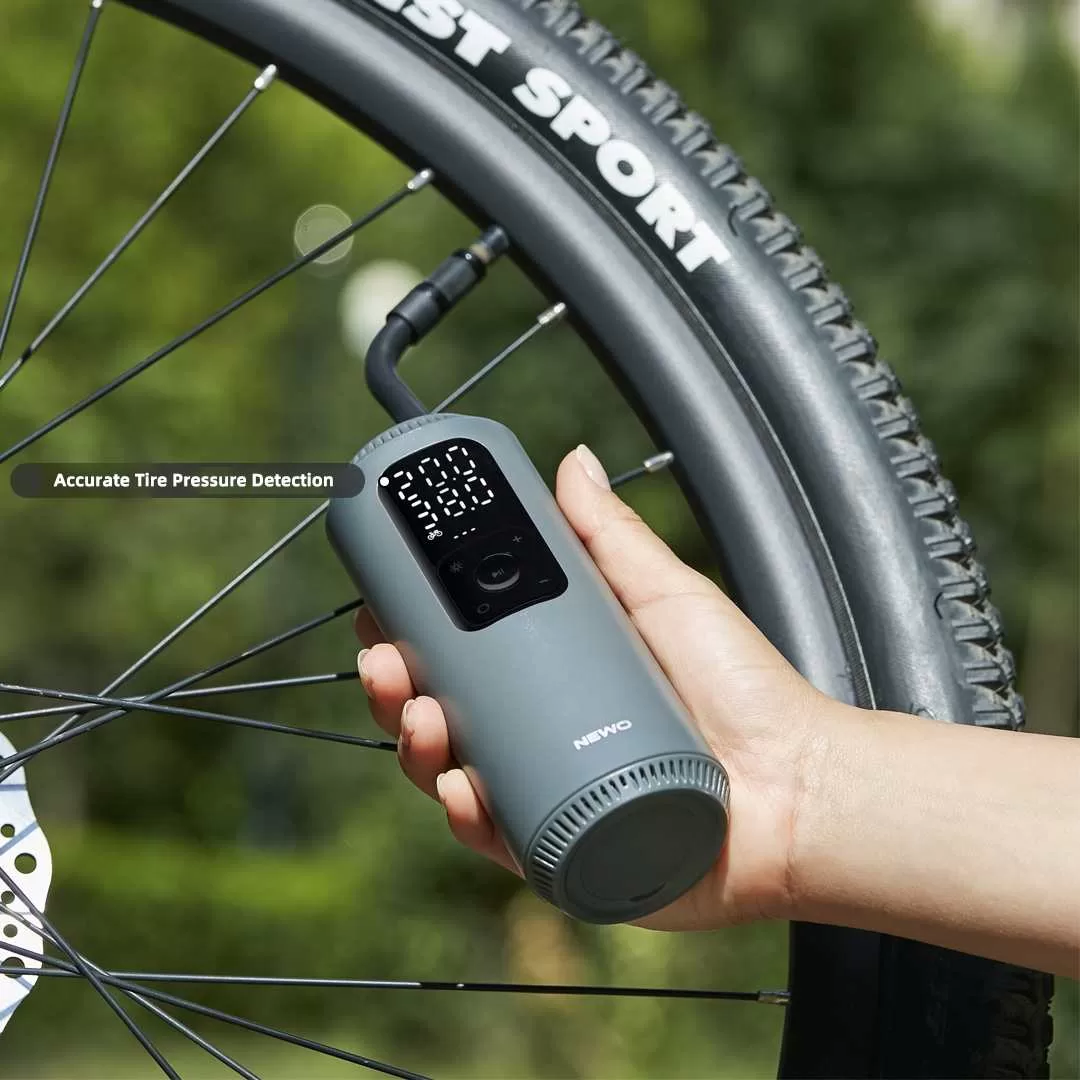
Smartnewo exemplifies professionalism in product innovation and manufacturing. Their collaboration with Xiaomi Youpin on the G01 crowdfunding project highlights their expertise in creating compact, powerful inflatable pumps. Rigorous engineering, meticulous production processes, and advanced quality assurance underscore their commitment to excellence. The success of the G01 project, with significant market... -
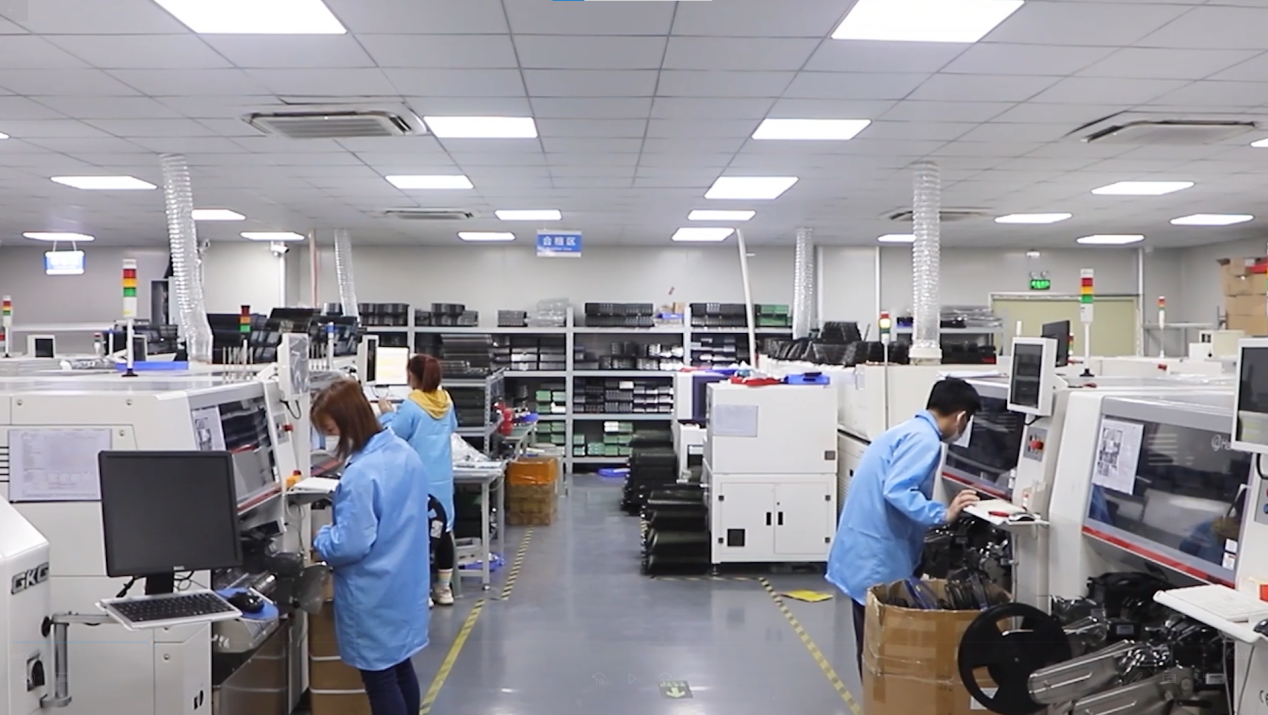
Essential Qualities of an Excellent Supplier
In today's competitive market, finding a reliable supplier is crucial for business success. Based on insights from Smartnewo and broader internet research, here are key qualities an excellent supplier must possess:... -
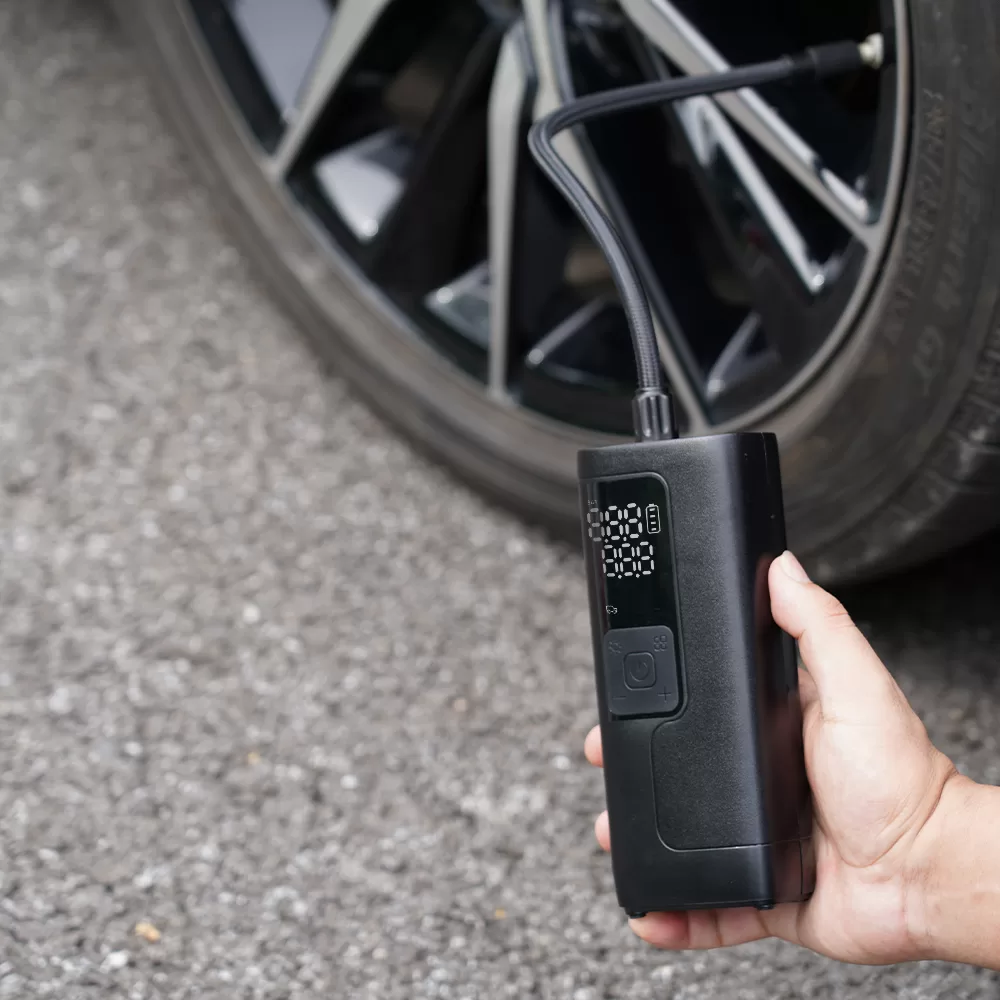
NW06 Tire Inflator: Compact Power for Quick Inflation
Summary The NW06 Tire Inflator delivers quick and efficient tire inflation with a powerful 35L/min airflow. It features a user-friendly LCD screen for real-time pressure monitoring, dual power options with a built-in 6000mAh battery, and multiple nozzle attachments for versatile use. Its compact design and integrated LED light ensure convenience and... -
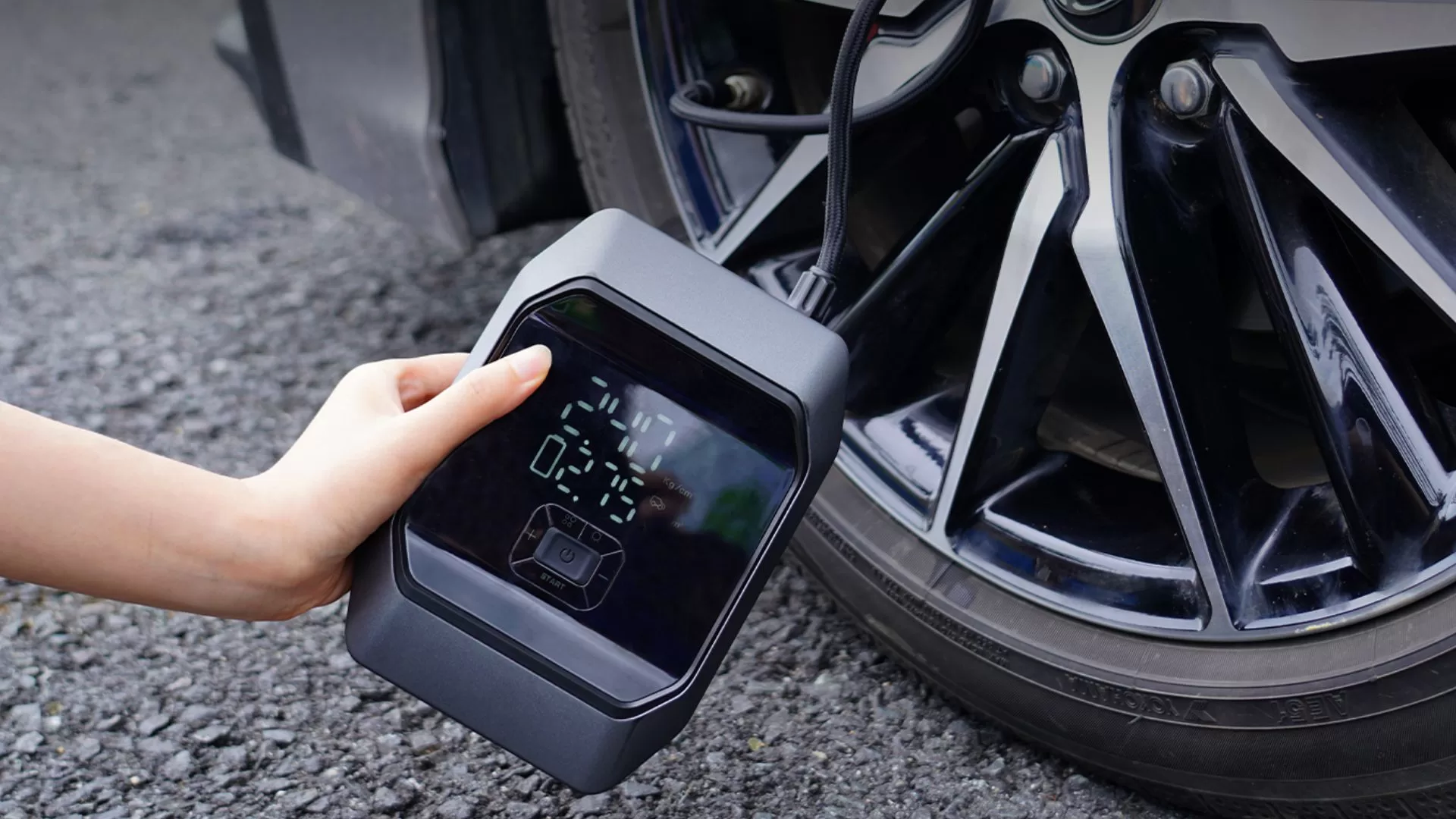
Unleash the Power of Portability: The SmartNewo Jump Starter with Air Compressor KF03
This guide will walk you through the steps to effectively use a portable tire inflator, helping you stay prepared and safe on the road.... -

Newo Attends The 2024 Consumer Electronics Show (CES)
Smartnewo booth is located at 53672, Halls A-D, Level 2, Venetian Expo, Las Vegas Convention Center (LVCC). ... -
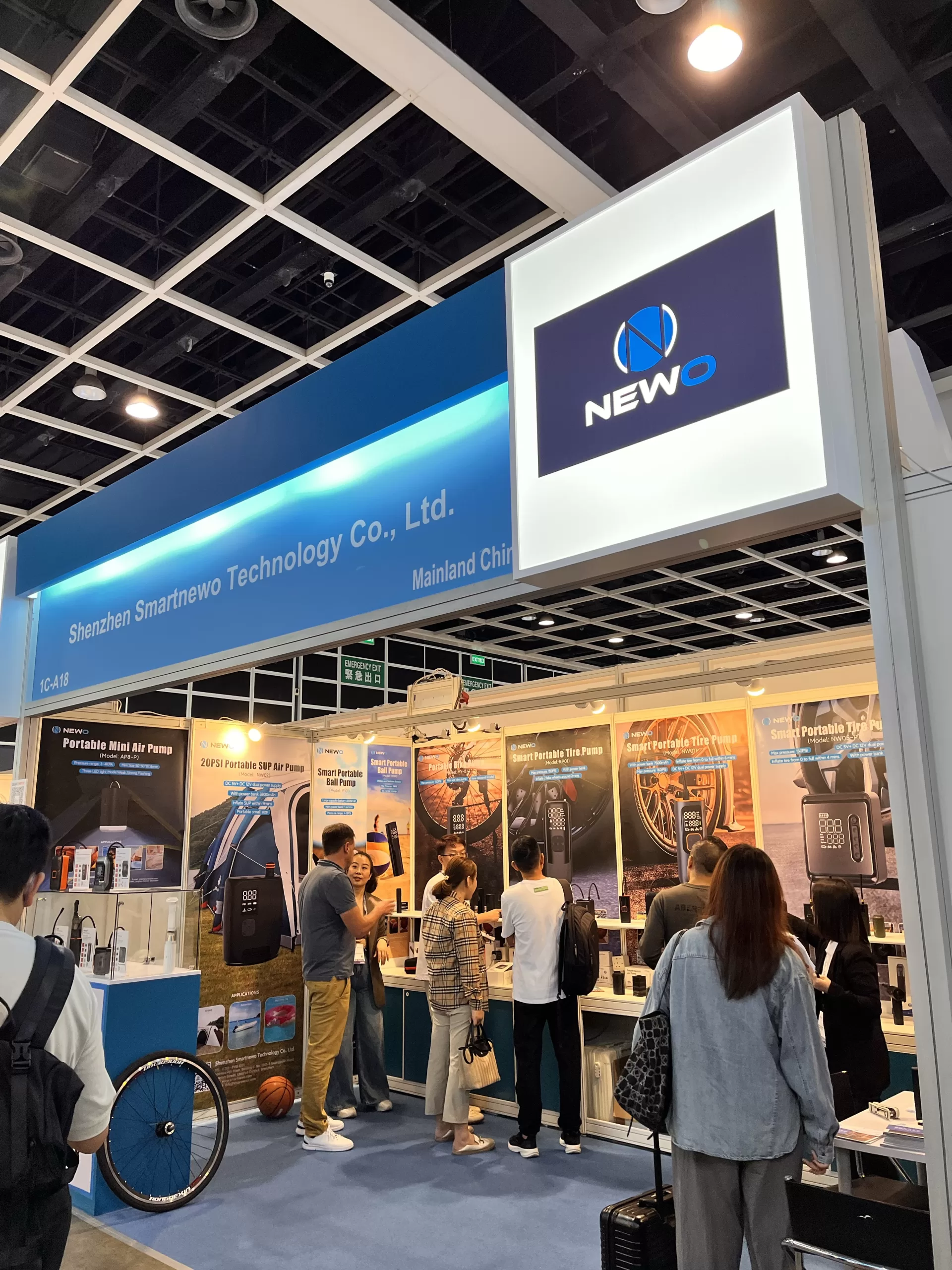
Smartnewo’s Dual-Cylinder Air Pump Rocks the Hong Kong Autumn Electronics Fair!
Smartnewo’s Dual-Cylinder Air Pump Rocks the Hong Kong Autumn Electronics Fair!... -

Meet at the Canton Fair! Smartnewo brings dual-cylinder air pumps, making your inflation experience faster and more stable!
NEWO has went deep communication and negotiation with customers from all over the world on booth.... -
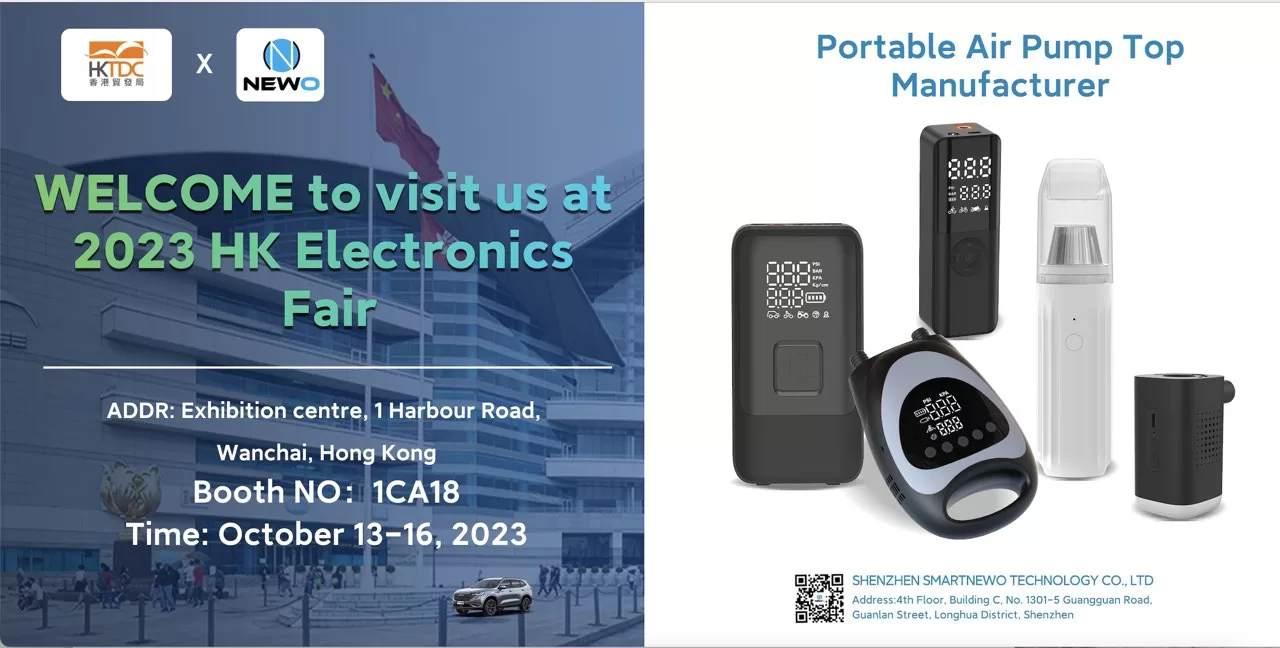
“Hong Kong Autumn Electronics Fair – 1CA18 (October 13th to 16th): Smartnewo invites you to visit our booth!
Hong Kong Autumn Electronics Fair...
-
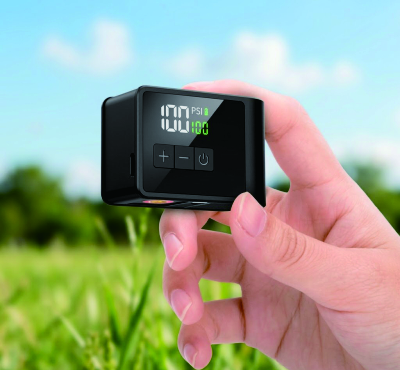
What to Check Before Ordering Custom Electric Bike Pumps
Plan custom electric bike pumps with a clear requirements freeze for valves, TPU tubes, portability, repeated top-ups, charging, and model-specific documents.... -

OEM vs ODM Air Pumps: Which Manufacturing Model Fits Your Brand?
Compare OEM and ODM air pump projects by design responsibility, change approval, development scope, and written ownership terms before choosing your route.... -

How to Choose a Reliable Tire Inflator Manufacturer in China
Choose a tire inflator manufacturer in China with a focused RFQ, supplier evidence, configuration checks, and clear sample-to-pilot decisions for your brand.... -
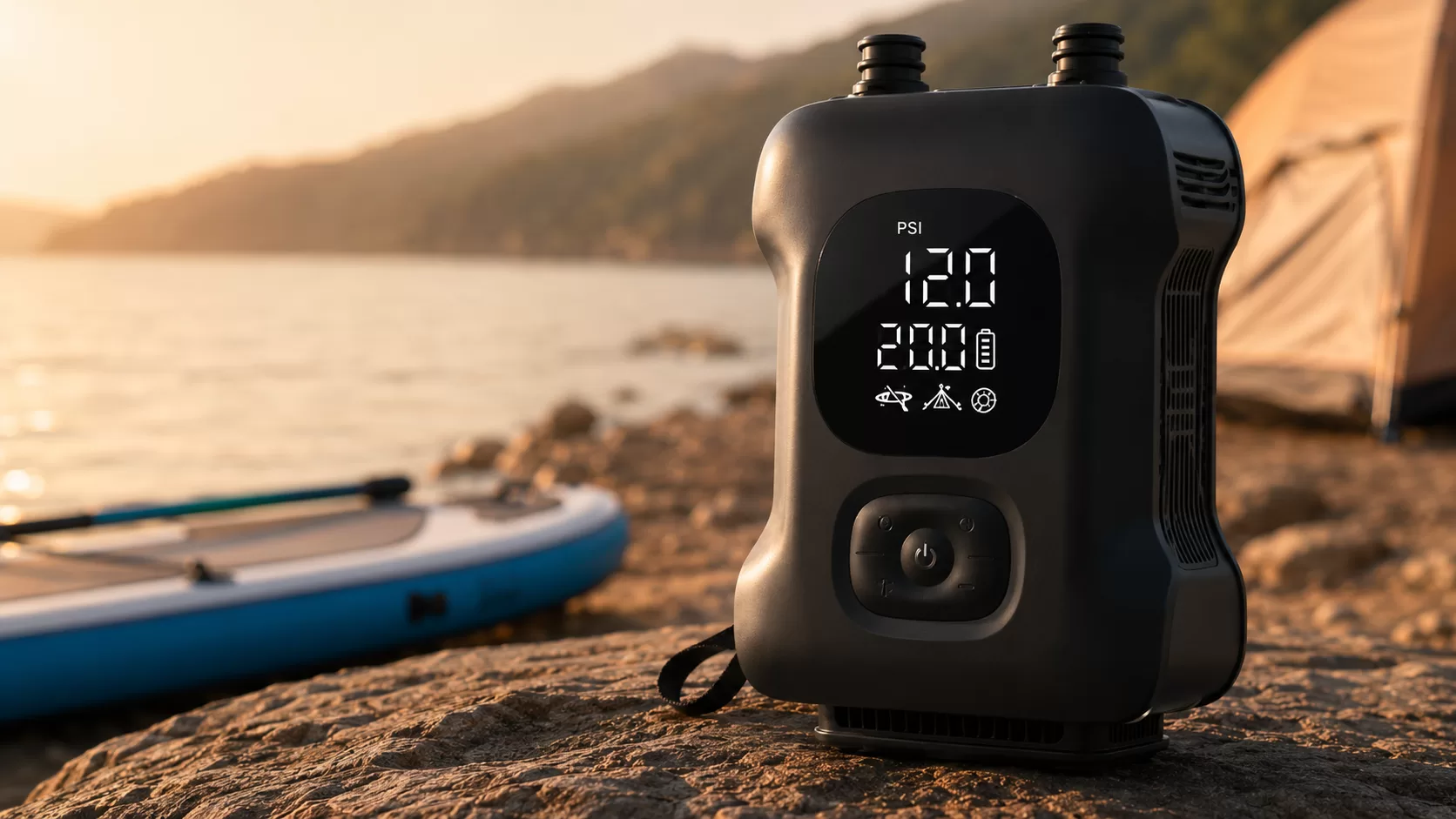
Rechargeable Electric SUP Pump for Paddle Boards: Faster Inflation for SUPs, Kayaks and Inflatable Tents
The BL10-C Portable Electric Bike Tire Inflator is a compact and lightweight mini electric bike pump designed for modern cyclists. With up to 120 PSI pressure, a digital LED display, preset pressure control, automatic shut-off, USB-C charging, and multiple valve adapters, BL10-C offers a convenient inflation solution for road bikes,... -
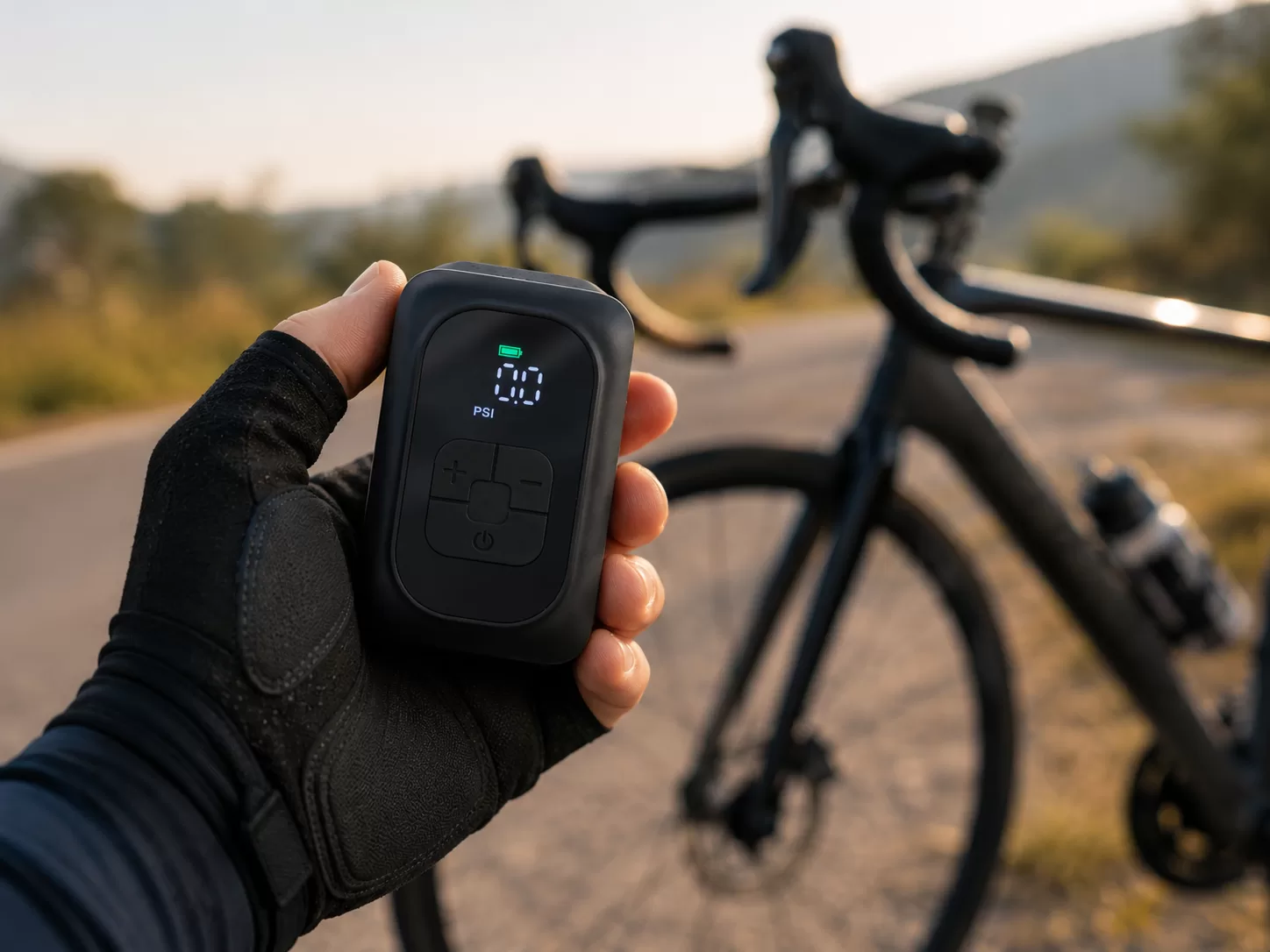
Are Electric Bike Pumps Worth It in 2026? Electric Pump vs CO₂ vs Mini Hand Pump
Discover whether electric bike pumps are worth it in 2026. This guide compares electric bike pumps, CO₂ inflators, and mini hand pumps for road cycling, gravel riding, commuting, and long-distance rides. Learn the pros, limitations, best use cases, and key features to look for before choosing the right portable tire... -
BL10-C Portable Electric Bike Tire Inflator: Small Size, Reliable Power for Every Ride
The BL10-C Portable Electric Bike Tire Inflator is a compact and lightweight mini electric bike pump designed for modern cyclists. With up to 120 PSI pressure, a digital LED display, preset pressure control, automatic shut-off, USB-C charging, and multiple valve adapters, BL10-C offers a convenient inflation solution for road bikes,... -
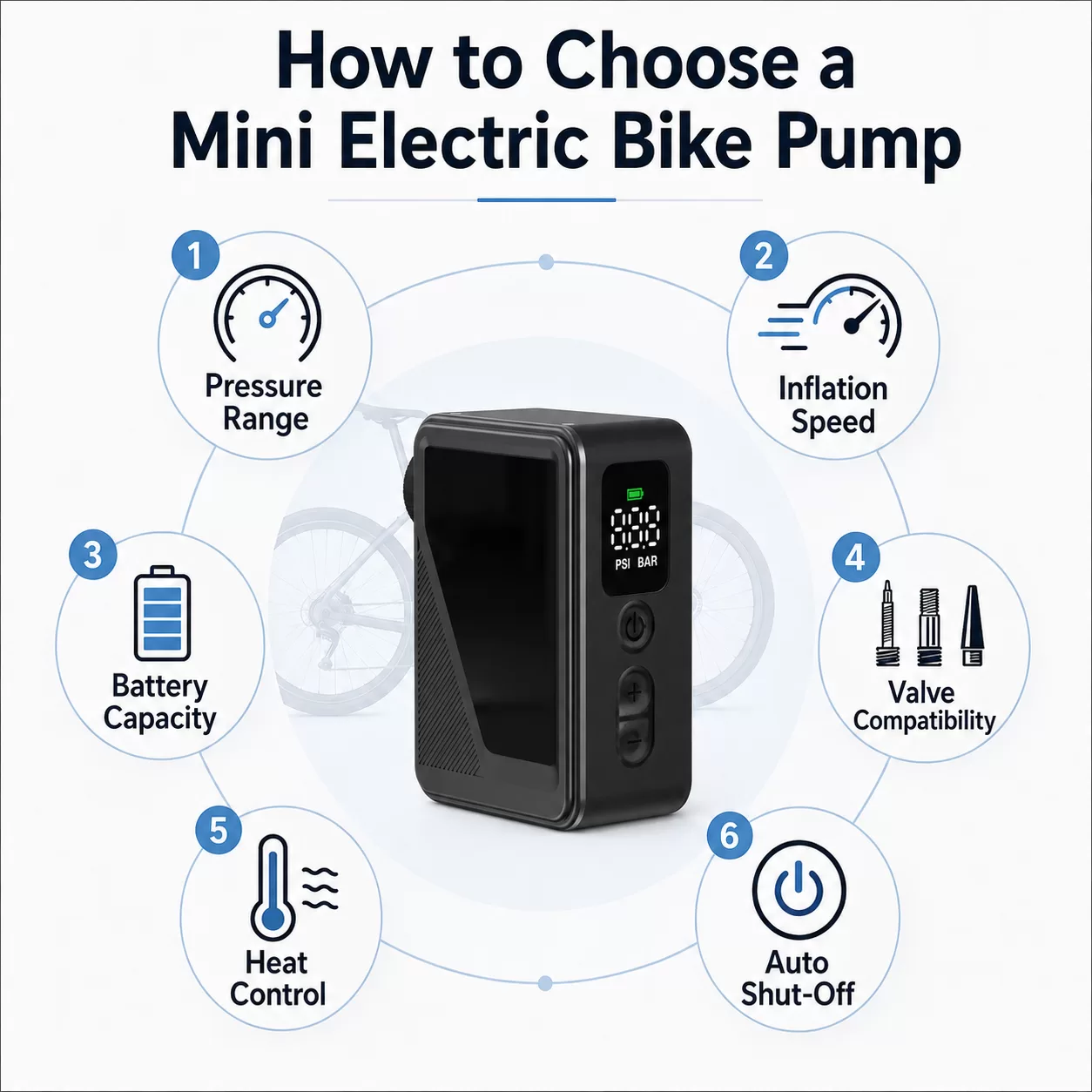
Why Mini Electric Bike Pumps Are Becoming Essential for Modern Cycling
Discover why mini electric bike pumps are becoming essential for modern cyclists. Learn how portable electric bike pumps improve tire pressure management, riding safety, and convenience.... -
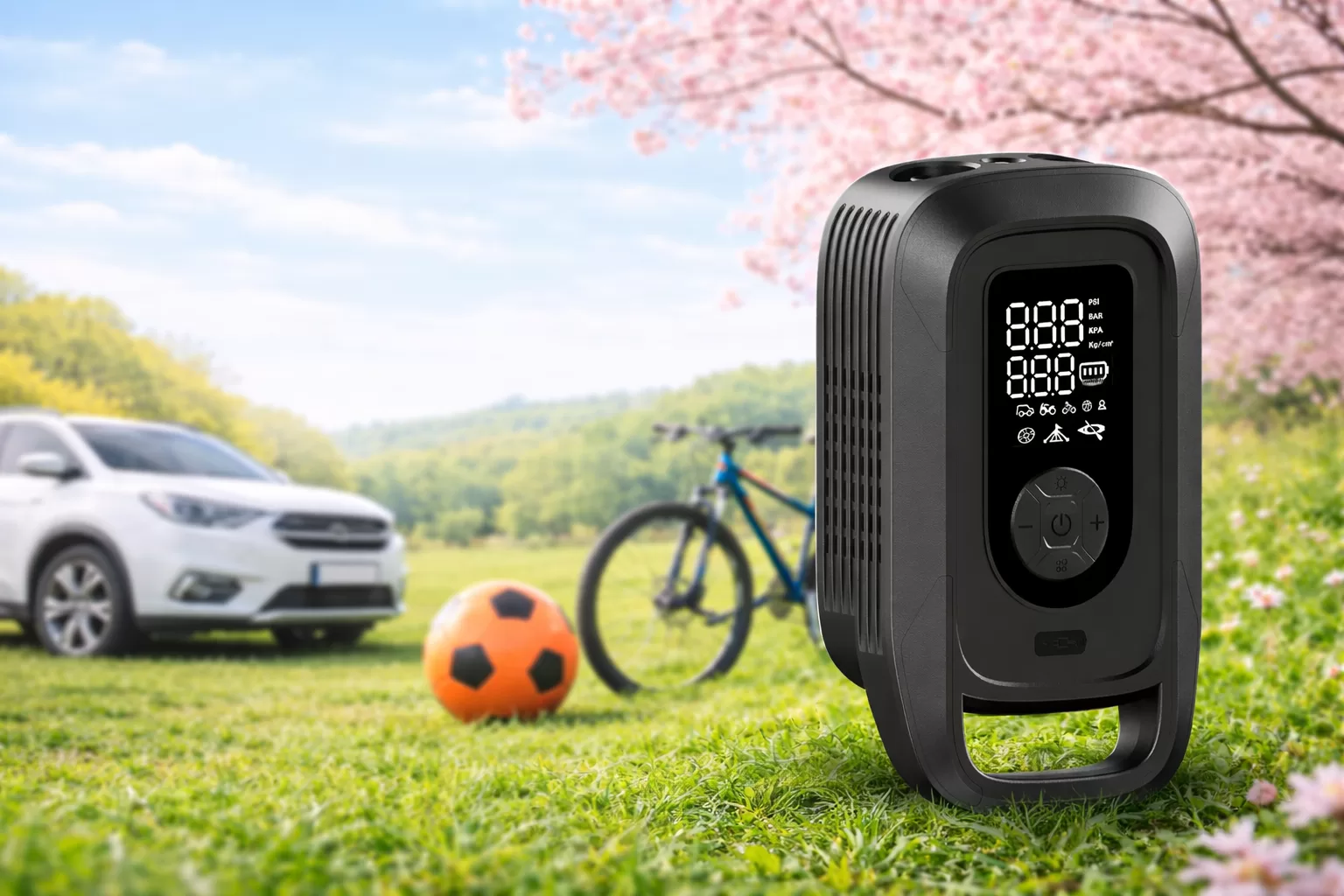
The Ultimate Smart Solution for Easy Outdoor Adventures in 2026
Discover how a spring travel air pump simplifies outdoor trips with fast inflation, smart features, and powerful performance—perfect for every adventure.... -
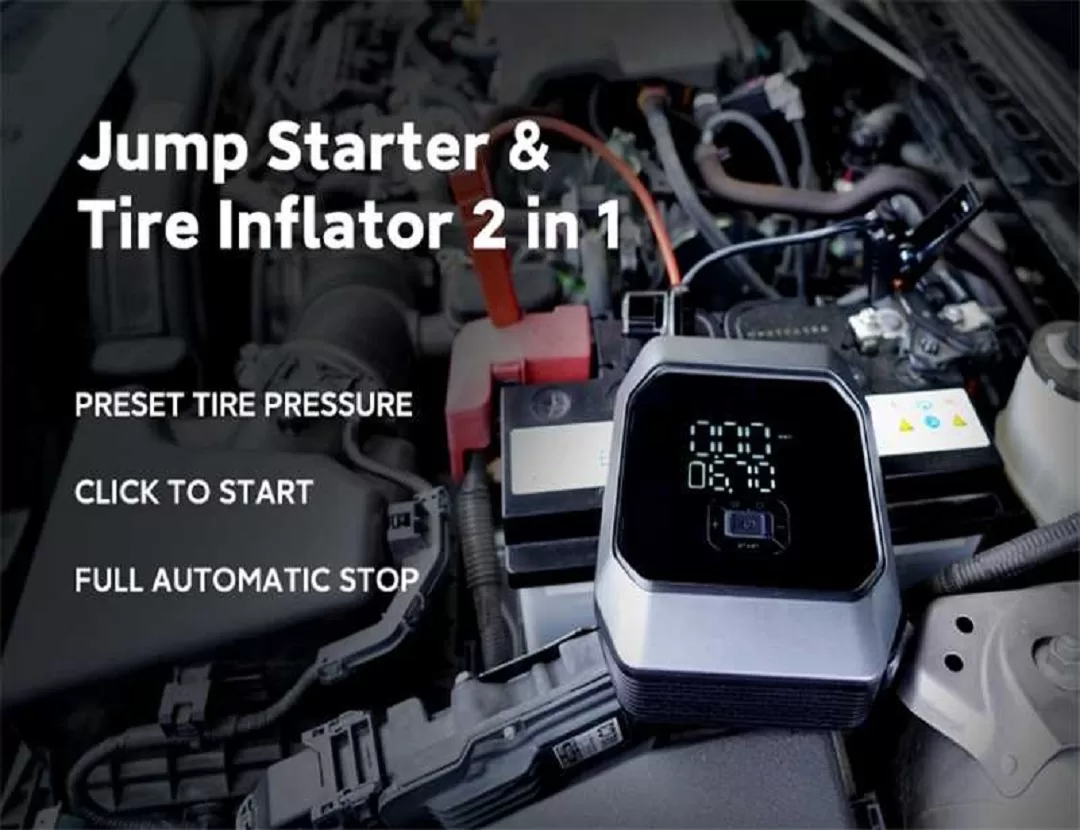
Powerful 5-in-1 Portable Car Tire Inflator and Jump Starter: The Ultimate Emergency Tool for Every Driver
Why Every Driver Needs a Portable Car Tire Inflator and Jump Starter Modern drivers face many unexpected situations on the road. A flat tire, low tire pressure, or a dead car battery can happen at the worst possible time. That’s why having a portable car tire inflator and jump starter is... -

7 Real Cycling Scenarios That Show Why Every Rider Should Carry a Mini Bike Pump
Cycling is one of the most freeing activities you can enjoy. Whether you’re commuting to work, riding through city streets, or exploring quiet countryside roads, a bike ride can instantly improve your day. But there’s one small problem that almost every cyclist eventually faces: Low tire pressure. It might happen...
-
How Is a Football Properly Inflated?
The correct inflation of a football - with not too much and not too little air - is a hotly debated topic among footballers.... -
Application Scenarios of Car Inflator Pump
Often long-distance business trips or play car owners because the road may be more remote areas, in this case if you encounter a tire leak....