

 Portable Tire Inflators
 Electric Air Pumps
 Electric Car Tyre Pumps
 Electric Ball Pumps
 Electric Bike Pump
 SUP Air Pump

Portable Truck Tire Inflator Guide: Selection, Power, and Field Safety
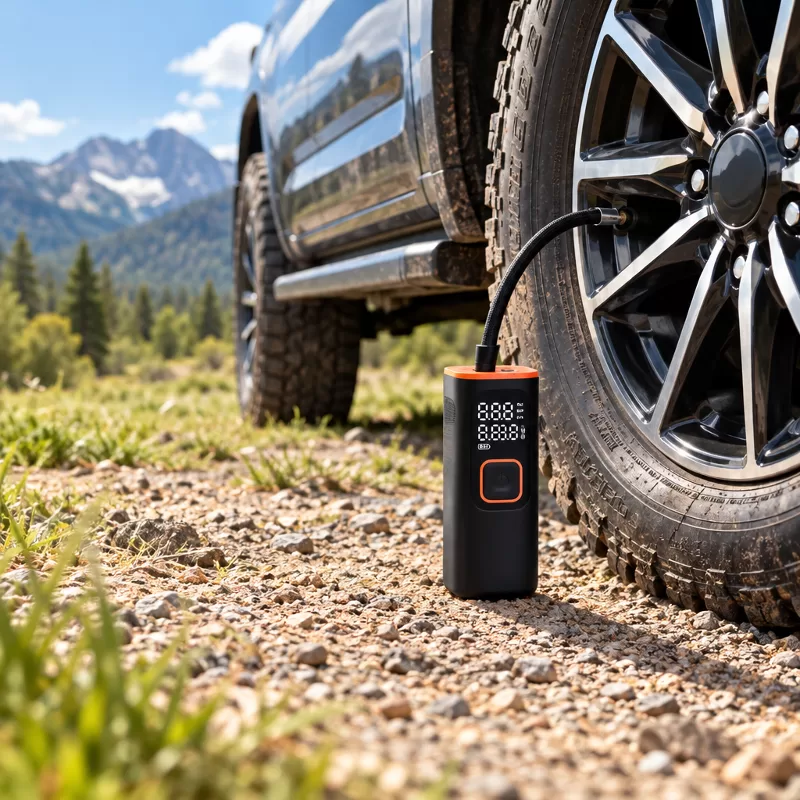
Operating an SUV, pickup, or overland vehicle exposes drivers to demanding pneumatic conditions across rough trails and highway stretches. Finding an effective portable truck tire inflator involves balancing volumetric air displacement against motor runtimes, helping motorists maintain recommended pressures away from service stations. Driving with improperly inflated tires increases rolling resistance, degrades fuel efficiency, and compromises handling stability under heavy cargo loads. Reliable inflation tools provide drivers with the independence required to handle routine top-ups, seasonal adjustments, and roadside situations safely.
Selecting the right inflation equipment requires distinguishing consumer utility vehicles from heavy commercial freight rigs. While compact compressors serve passenger vehicles, sport utility platforms, and compatible light utility vehicles, they are not engineered for industrial freight carriers. A portable truck tire inflator offers convenient mobile service for manufacturer-supported wheel sizes, but operators must understand technical limitations regarding airflow, power sources, and duty cycles. This guide examines how pneumatic mechanisms operate, reviews manufacturer benchmarks, and outlines structured procedures to inspect, inflate, and preserve vehicle tires effectively.
What Defines an Effective Portable Truck Tire Inflator?
Light-Duty Pickups and SUVs vs. Commercial Semi-Trucks
Selecting pneumatic equipment requires a clear understanding of vehicle classifications and structural air volume demands. Light-duty pickups, SUVs, and passenger vehicles can have different recommended pressures depending on vehicle design, tire size, load, and configuration. These applications require a pump whose airflow and operating limits match the tire size and the pressure increase required.
Commercial tractor-trailers, multi-axle freight carriers, and heavy transport platforms operate under vastly different pneumatic requirements. The SH03 is specified for SUVs, off-road vehicles, and larger car tires, not commercial multi-axle freight applications. Commercial operators should use equipment rated for the tire, load, and required duty cycle. Fleet operators require dedicated shop compressors or heavy pneumatic systems, and consumer portable equipment should not be treated as a substitute for industrial truck service machinery.
Emergency Roadside Inflation vs. Routine Maintenance Top-Ups
Routine tire pressure maintenance typically involves minor adjustments, such as adding three to five pounds per square inch to offset seasonal temperature fluctuations. Performing these corrective top-ups requires modest runtimes, placing low thermal stress on internal mechanical assemblies during monthly inspections. Such tasks fit well within the standard operational parameters of compact, handheld inflation devices.
In contrast, addressing low pressure after a puncture or filling tires from near-empty conditions demands prolonged mechanical operation against continuous resistance. After a slow puncture or pressure loss, an inflator may provide temporary air for reaching a safe repair location, but the tire must be inspected and the underlying leak repaired. Understanding the operational difference between routine top-ups and complete fills helps drivers plan appropriate intervals and avoid exceeding product limitations.
High Airflow (L/min) vs. Maximum Pressure (PSI)
Many consumers evaluate portable pumps primarily by maximum rated pressure, but this metric provides an incomplete picture of performance. A 150 PSI maximum-pressure specification describes the pump’s stated pressure capability; it does not determine whether the pump is suitable for every tire size or commercial truck application. The speed at which a pump fills a tire depends directly on volumetric delivery, typically measured in liters per minute (L/min) or cubic feet per minute (CFM).
A higher stated airflow can be useful for larger tire cavities, but compare airflow figures cautiously because test conditions and pressure points may differ between manufacturers. Conversely, a pump with high static pressure ratings but low volumetric delivery takes considerably longer to reach targeted highway pressures on high-volume tires. Prioritizing realistic airflow ratings over nominal maximum pressure thresholds ensures that chosen gear aligns with the practical volumetric requirements of larger passenger vehicles and light trucks.
Core Technical Criteria for Selecting a Portable Inflator
Dual-Cylinder Architecture and Motor Output
Internal cylinder construction plays a central role in determining how efficiently a portable compressor delivers air against counter-pressure. Many compact inflators utilize a single reciprocating piston, which can require extended runtimes when servicing larger SUV or truck tires. Multi-cylinder layouts represent an alternative mechanical configuration intended to change how volume is displaced during operation.
A multi-cylinder layout is one design approach used to provide the stated airflow. Actual delivery varies with pressure, tire size, power source, and operating conditions. For high-output consumer utility platforms, the manufacturer lists a dual 24-cylinder structure, 100W working power, and 42 L/min airflow. For the SH03, the manufacturer lists 100W working power and 42 L/min airflow; suitability depends on the specific tire and operating conditions.
Power Architecture: Rechargeable Battery vs. 12V/14V Auxiliary Power
Selecting a power configuration requires balancing operational convenience against continuous emergency availability. Cordless lithium-ion battery packs eliminate trailing cables, letting users move freely around the vehicle without threading wires through door seals or tailgates. However, extreme cold can temporarily reduce lithium-ion battery output, which may limit runtime if the battery is not fully charged or maintained in moderate conditions.
The 12V–14V vehicle connection can provide an alternative power source while the vehicle is available, subject to the vehicle socket, cable, and fuse limits. Operating directly from vehicle sockets avoids reliance on pre-charged internal cells during roadside stops. Hybrid inflators that support both internal rechargeable batteries and 12V–14V auxiliary inputs combine portable convenience with supplementary vehicle power, providing flexibility across varying travel and garage conditions.
Duty Cycle, Thermal Limits, and Run Time
Compressing ambient air generates thermal energy within cylinder sleeves, piston seals, and outlet hoses. Duty cycle measures the safe proportion of active operating time relative to necessary cooling periods. Compact portable models are designed for intermittent use rather than continuous industrial output, meaning thermal buildup must be managed responsibly during multi-tire service.
Portable units typically list total continuous runtimes, such as approximately 20 minutes under normal operating conditions. Ambient weather also influences thermal management, with equipment manufacturers specifying working-temperature ranges such as -10°C to 45°C. For multiple tires or extended operation, follow the product manual if available, and stop if the housing, hose, or power connection becomes excessively hot.
Pressure Precision, Gauges, and Automatic Shut-Off
Accurate pressure monitoring is essential for safe driving, tire durability, and fuel economy. Analog mechanical gauges can suffer calibration drift when subjected to vehicle vibrations, dropped toolboxes, or rough transport. Modern digital displays provide clear numerical readings, allowing operators to monitor current inflation levels and toggle between standard measurement units such as PSI, BAR, or KPA.
Automatic shut-off can help reduce over-inflation by stopping the pump at the selected target, but users must set the correct pressure and verify the final reading. Once the operator programs the recommended target pressure, internal microprocessors continuously track line resistance during the compression cycle. The pump stops when the target pressure is reached, allowing users to monitor progress safely without having to manually feather release valves.
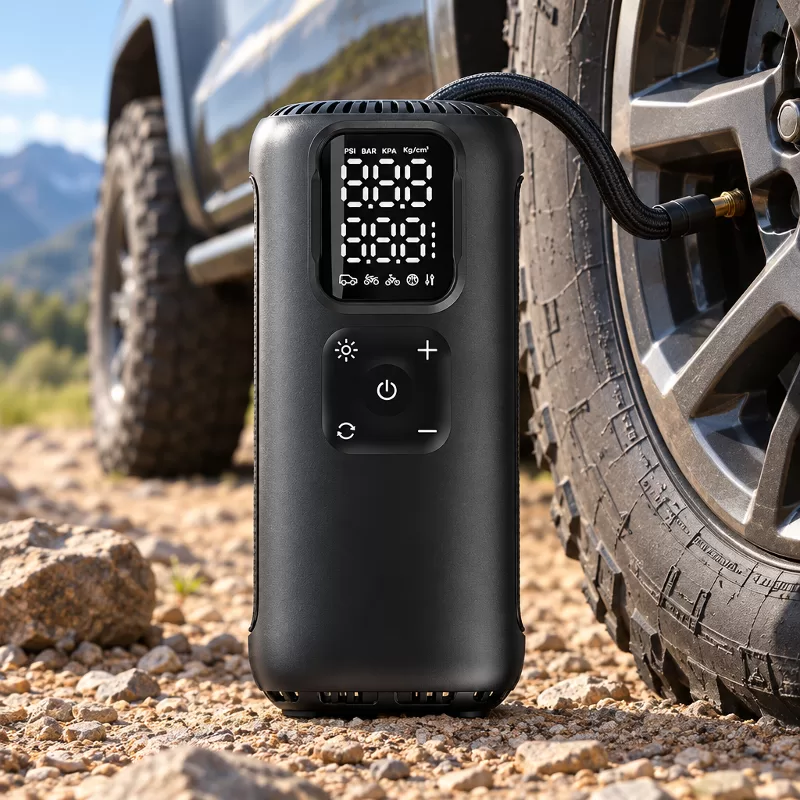
Technical Snapshot: Evaluating the SH03 High-Output Inflator
Published Manufacturer Specifications and Performance Profile
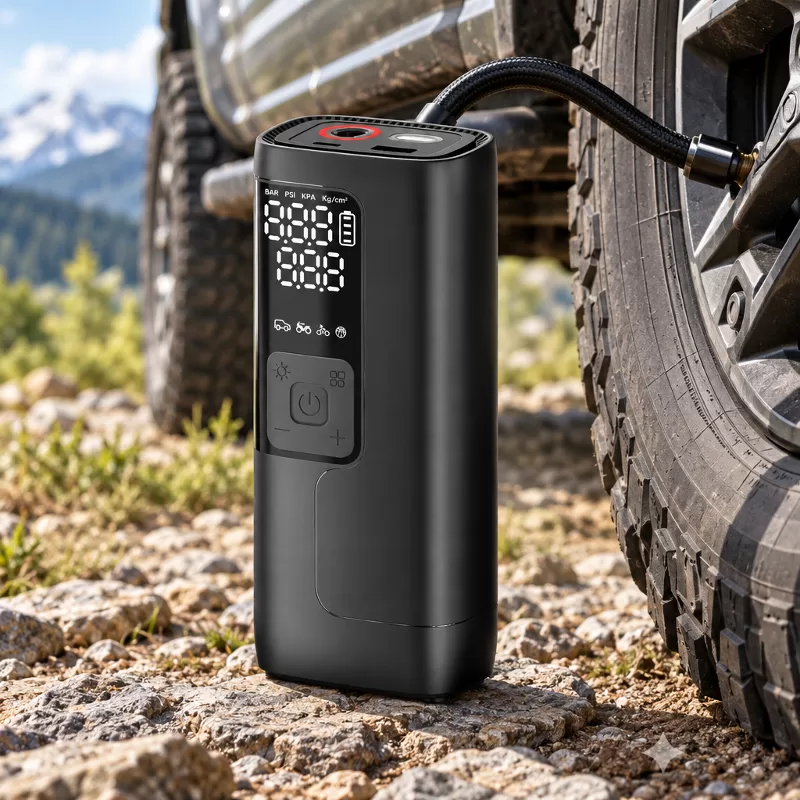
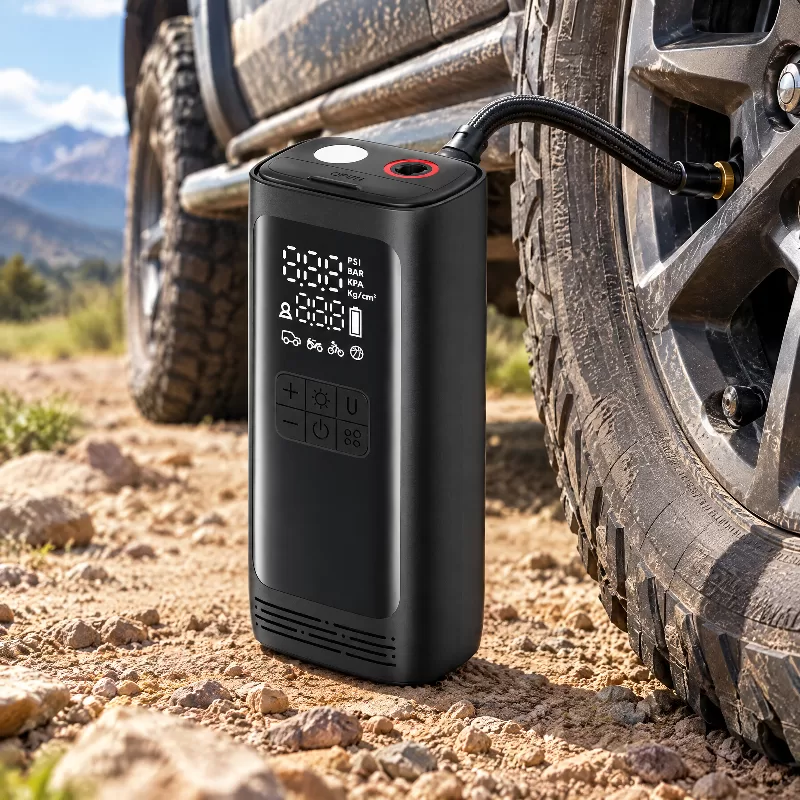
The SH03 portable dual-cylinder tire inflator illustrates how modern engineering caters to SUVs, off-road vehicles, and larger passenger cars. The manufacturer lists a dual 24-cylinder structure, 100W working power, and 42 L/min airflow. It provides an adjustable working pressure range spanning from 2 to 150 PSI for versatile inflation tasks across supported vehicle and sports gear categories.
Power is supplied by an internal 3-cell rechargeable lithium battery setup (3 × 4000mAh, 11.1V, 44.4Wh), providing about 20 minutes of runtime. The manufacturer lists an approximate capacity of four 205-width car tires per full charge; actual results may vary depending on initial pressure and operating conditions. The battery system is rated for approximately 300 cycles while retaining 80% or more of its original capacity, supporting dependable routine maintenance.
Dual Power Inputs and PD30W Fast Charging
To accommodate varied field conditions, the SH03 supports hybrid power operation from its internal battery or an auxiliary 12V to 14V vehicle cigarette-lighter connection. This dual-power design can provide additional flexibility on trips, provided the battery is charged and the vehicle socket and cable support the required load. This backup capability supports practical roadside readiness across long journeys.
The inflator includes a Type-C port supporting PD30W input and output profiles, including 5V/3A, 9V/3A, 12V/2.5A, 15V/2A, and 20V/1.5A. Recharging the internal battery takes approximately 2 to 3 hours when connected to compatible power delivery adapters. The Type-C port also provides stated PD30W output for compatible USB-C devices, adding convenient mobile charging functionality during outdoor excursions.
Form Factor, Acoustic Levels, and Portability Metrics
The SH03 is designed for mobile storage, with physical dimensions of 188 × 97 × 63 mm and a net weight of approximately 1014 grams. The unit can be carried in a vehicle or gear bag; users should check the 188 × 97 × 63 mm dimensions against the intended storage space, such as door pockets or console compartments. Five preset modes and custom digital controls simplify pressure selection across supported inflatables.
Acoustic output is rated at 85 dB or below at a distance of 1.5 meters based on manufacturer technical data. Operators should consider local noise conditions and wear hearing protection during prolonged operation. The manufacturer lists a working-temperature range of -10°C to 45°C; users should follow the product instructions and avoid operation outside that range. The LED screen is intended to show pressure and operating information during use.
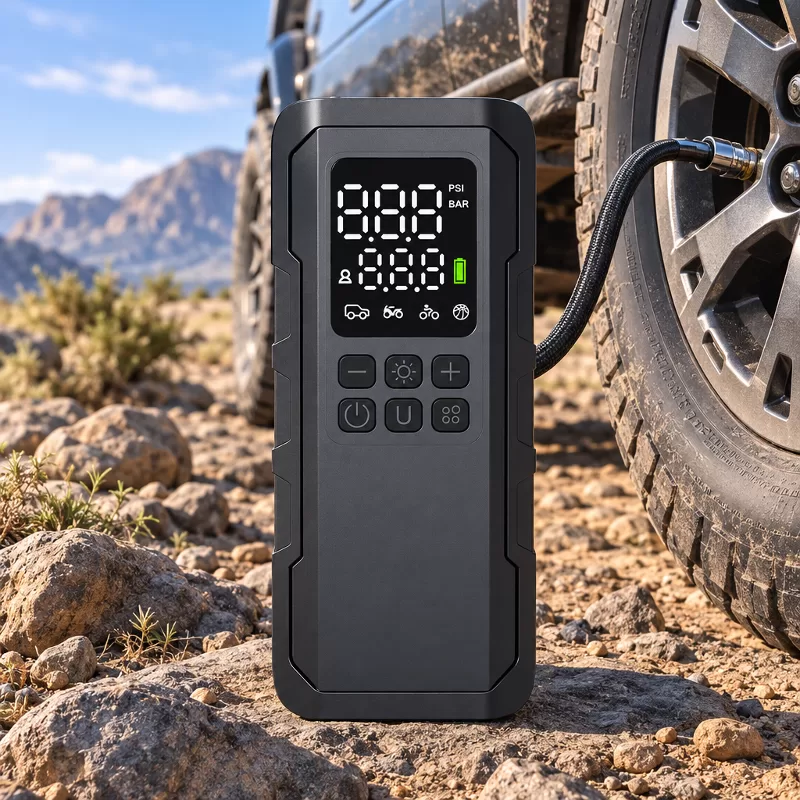
Step-by-Step Guide: Safely Inflating Truck Tires in the Field
Locating Manufacturer Cold Tire Inflation Pressure
Before connecting any pneumatic device, drivers must identify the vehicle manufacturer’s recommended cold tire pressure. Do not use a tire-sidewall marking as the vehicle’s target pressure; use the vehicle placard or owner’s manual. Inflating tires to figures found on the sidewall can lead to improper inflation, uneven tread wear, and compromised vehicle handling dynamics.
Automotive engineers determine ideal inflation levels based on vehicle weight distribution, axle capacities, and suspension characteristics. Drivers should check the official Tire and Loading Information placard located on the driver-side door pillar or consult their owner’s manual. To obtain an accurate cold reading, verify tire pressures before driving or at least three hours after the vehicle has been parked.
Connecting, Setting Target Values, and Monitoring Inflation
Following a systematic procedure protects valve hardware and ensures accurate pressure delivery across all four tires. Use the following structured sequence when servicing tires with a portable inflator:
- Park the vehicle on level, stable ground away from moving traffic, set the parking brake firmly, and locate the valve stem on the wheel.
- Remove the valve stem dust cap, check threads for dirt or debris, and attach the inflator chuck securely to create an airtight seal.
- Power on the inflator and check the digital display to confirm the baseline static pressure before beginning the cycle.
- Select the appropriate preset vehicle mode or manually program your target cold inflation pressure in PSI, BAR, or KPA.
- Start the compressor motor, ensuring the air hose rests without severe bends or tension while air flows into the tire.
- Let the unit run until the automatic shut-off mechanism halts the motor upon reaching the programmed pressure threshold.
Post-Inflation Inspection and Valve Sealing
After the compressor shuts off, disconnect the air chuck with a swift, straight motion to minimize pressure venting. Inspect the valve stem to ensure the internal Schrader valve core has fully reseated without hissing or continuous micro-leaks. Reinstalling a quality dust cap with an internal rubber seal protects the valve mechanism from road moisture, grit, and corrosion.
Allow the inflator and hose fittings to cool briefly before packing them into storage cases or onboard gear bags. Coil the flexible air line loosely to avoid sharp kinks that can weaken internal reinforcement layers over repeated use. Periodically verifying digital inflator readings against a calibrated manual pressure gauge ensures sensor accuracy remains consistent over time.
Comparing Inflation Sources: Portable Inflators vs. Onboard Air vs. Shop Compressors
Choosing an inflation system involves evaluating tradeoffs among portability, power delivery, installation complexity, and intended application. Off-road enthusiasts, commercial fleet operators, and daily commuters often rely on different pneumatic solutions depending on their operational environments. The table below outlines how compact dual-cylinder inflators compare with hardwired onboard air installations and stationary workshop compressors.
| Technical Parameter | Compact Dual-Cylinder Portable (e.g., SH03) | Hardwired Onboard Air (OBA) Systems | Stationary Garage Tank Compressors |
|---|---|---|---|
| Portability & Mounting | Handheld; easily transferred between different vehicles | Permanently mounted in engine bays or chassis brackets | Stationary workshop fixture; relies on extended shop hoses |
| Power Delivery Source | Rechargeable internal battery and 12V–14V auxiliary vehicle socket | Hardwired directly to primary 12V vehicle battery circuit | Dedicated 110V to 240V AC electrical mains connection |
| Installation Complexity | Zero installation; fully operational out of the box | High; requires custom mounting plates, relays, and wiring | Moderate to high; requires dedicated workshop space and wiring |
| Typical Use Profile | Roadside checks, emergency top-ups, SUVs, light utility | Dedicated trail re-inflation after low-pressure off-roading | Continuous tire mounting, heavy fleet repairs, air tools |
| System Availability | Operates independently anywhere around or away from vehicle | Bound directly to the host vehicle’s electrical system | Limited strictly to garage, shop, or commercial facility locations |
For drivers seeking dependable tire maintenance without modifying vehicle electrical systems, portable dual-cylinder inflators provide a balanced and practical solution. They deliver capable volumetric airflow for regular tire care without the substantial costs, complex plumbing, and permanent weight of onboard installations. For us at Newo, refining pneumatic components and smart electric pump platforms gives drivers reliable inflation equipment suited for everyday travel and outdoor use.
Important Operational Considerations and Equipment Care
Managing Thermal Dissipation During Multi-Tire Runs
Air compression naturally generates heat as mechanical energy transforms into thermal energy within the pump cylinder. Portable units concentrate heat around the primary cylinder housing and metal hose connectors during extended operation. Operators should handle brass quick-disconnect fittings carefully after lengthy runs, as metal surfaces can become hot to the touch.
For multiple tires or extended operation, follow the product manual if available, and stop if the housing, hose, or power connection becomes excessively hot. Allowing the compressor to rest periodically between tires helps dissipate heat from internal motor windings. Proactive thermal management prevents excessive wear on internal seals and helps maintain consistent volumetric efficiency across multiple inflation cycles.
Battery Maintenance in Cold and Extreme Climates
Lithium-ion battery performance is influenced by environmental conditions, particularly when exposed to freezing winter weather. Storing battery-powered equipment in unheated vehicle beds or cold utility compartments can temporarily reduce available output. Cold temperatures increase internal cell resistance, reducing effective runtime when the motor draws substantial operating current.
Extreme cold can temporarily reduce lithium-ion battery output. Keep the inflator within the storage and operating limits specified by the manufacturer, and use the vehicle power connection when appropriate. Storing the unit inside the passenger cabin or bringing it to moderate temperatures prior to use supports optimal battery discharge. Utilizing the 12V vehicle connection provides an effective operational alternative when working in sub-zero winter environments.
Protecting Pneumatic Lines and Air Nozzle Chucks
Flexible air lines are exposed to demanding outdoor conditions, frequently resting on rough asphalt, mud, sharp gravel, or damp soils. Dirt and grit can enter the connector threads, potentially damaging internal rubber O-rings that maintain pressure seals. A damaged or worn connector can cause air leaks during inflation, distorting sensor readings and slowing tire service.
Wiping brass threads, chuck levers, and air hoses with a clean cloth before storage keeps contaminants out of critical sealing surfaces. Never drag or suspend an inflator by its flexible hose, as tension can weaken the crimped end collars over time. Storing the hose coiled loosely in a protective carry case prevents kinks and protects the structural integrity of the line.
Frequently Asked Questions (FAQs)
Can a 150 PSI portable inflator fill any truck tire?
A 150 PSI maximum-pressure specification describes the pump’s stated pressure capability; it does not determine whether the pump is suitable for every tire size or commercial truck application. While a portable inflator can service manufacturer-specified vehicles such as SUVs, off-road platforms, and larger passenger cars, it is not engineered for heavy commercial freight trucks. Heavy multi-axle commercial vehicles require high-capacity industrial compressors capable of delivering substantial air volume continuously under high counter-pressures.
Why shouldn’t I inflate my truck tire to the PSI listed on the sidewall?
Do not use a tire-sidewall marking as the vehicle’s target pressure; use the vehicle placard or owner’s manual. The numbers on the sidewall reflect specific manufacturing and casing limits rather than vehicle chassis requirements. Following sidewall figures rather than vehicle manufacturer recommendations can lead to uneven tire wear, compromised grip, and altered braking performance. Always reference the recommended cold inflation pressures on the driver-side door jamb placard.
How many truck tires can a cordless portable inflator top up on a single charge?
Battery coverage depends on tire volume, initial starting pressure, target pressure, ambient temperature, and hose connections. The manufacturer lists an approximate capacity of four 205-width car tires per full charge; actual results may vary depending on initial pressure and operating conditions. For routine maintenance where only a few PSI are added to each tire, an inflator can service several tires on a charge, but filling large tires from completely flat draws significantly more stored energy.
Does automatic shut-off replace the need for routine tire pressure monitoring?
Automatic shut-off provides valuable convenience by halting the compressor when a preset target pressure is reached, preventing accidental over-inflation. However, this feature does not eliminate the need for monthly manual pressure checks or visual inspections for tire wear and damage. Portable inflators serve as maintenance and recovery tools that complement, rather than replace, regular tire inspections and onboard Tire Pressure Monitoring Systems (TPMS).
How does ambient winter temperature affect digital tire inflator readouts?
Tire pressure changes approximately with temperature; many vehicle manuals use about 1 PSI for each 10–12°F change. Follow the vehicle manufacturer’s cold-pressure guidance and recheck the tires when cold. Because cold air reduces static pressure inside the tire, digital gauges will reflect lower readings during winter months. Tires should always be checked and adjusted outdoors in ambient temperatures matching driving conditions rather than inside heated garages.
Summary: Selecting the Ideal Portable Inflation Solution
Maintaining correct tire pressure improves vehicle handling stability, extends tire tread life, and supports optimal fuel economy across every journey. Choosing an effective portable truck tire inflator provides drivers with the volumetric output, digital pressure display, and dual-power flexibility needed to maintain supported tires confidently. By understanding equipment capabilities, managing thermal cycles responsibly, and adhering to door placard pressure guidelines, motorists can handle roadside inflation tasks safely and effectively.
-
Meet NEWO at the 140th Canton Fair: Visit Booth 10.3 M03–04
Meet NEWO at the 140th Canton Fair in Guangzhou, October 15–19, 2026. Visit Booth 10.3 M03–04 to explore portable air pumps and discuss OEM, ODM and distribution opportunities.... -

As Shenzhen Welcomes the World for APEC 2026, NEWO Welcomes You to Our Factory
As Shenzhen prepares for APEC 2026, NEWO welcomes international buyers and partners to visit our factory, meet our team and explore future cooperation.... -
Leading the Way in Product Innovation and Excellence
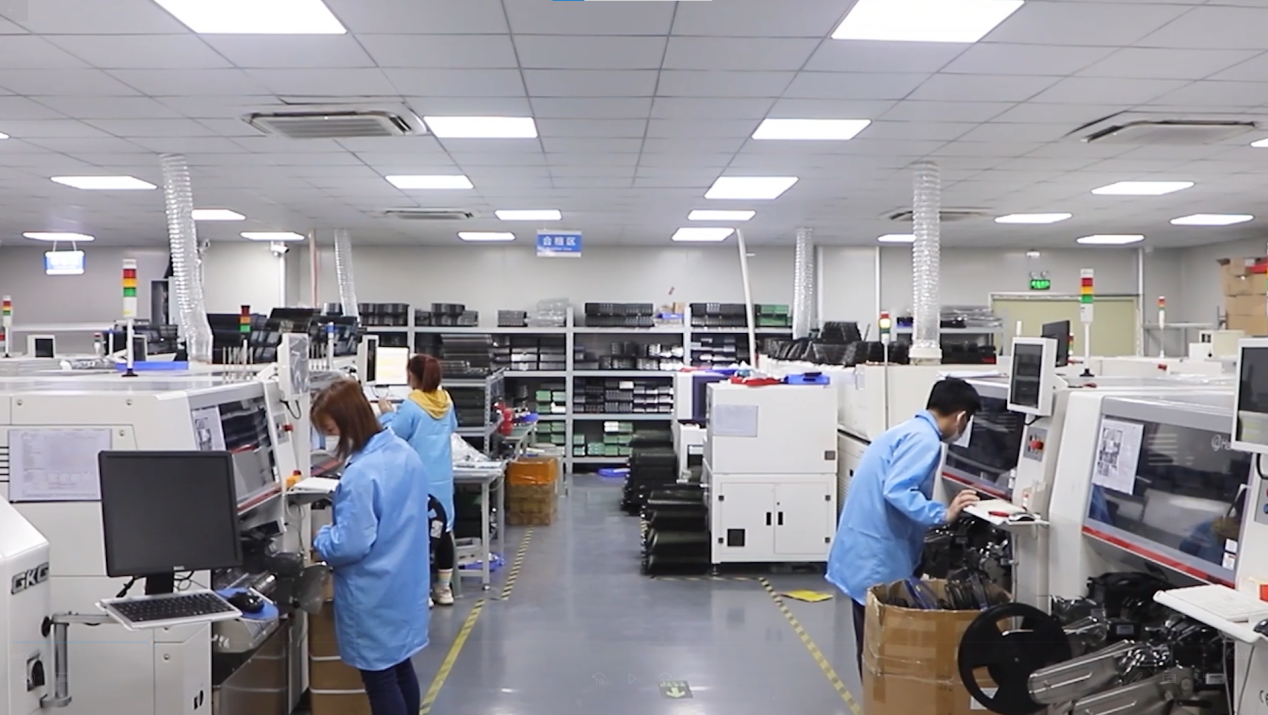
Smartnewo exemplifies professionalism in product innovation and manufacturing. Their collaboration with Xiaomi Youpin on the G01 crowdfunding project highlights their expertise in creating compact, powerful inflatable pumps. Rigorous engineering, meticulous production processes, and advanced quality assurance underscore their commitment to excellence. The success of the G01 project, with significant market... -
Essential Qualities of an Excellent Supplier
In today's competitive market, finding a reliable supplier is crucial for business success. Based on insights from Smartnewo and broader internet research, here are key qualities an excellent supplier must possess:... -
NW06 Tire Inflator: Compact Power for Quick Inflation
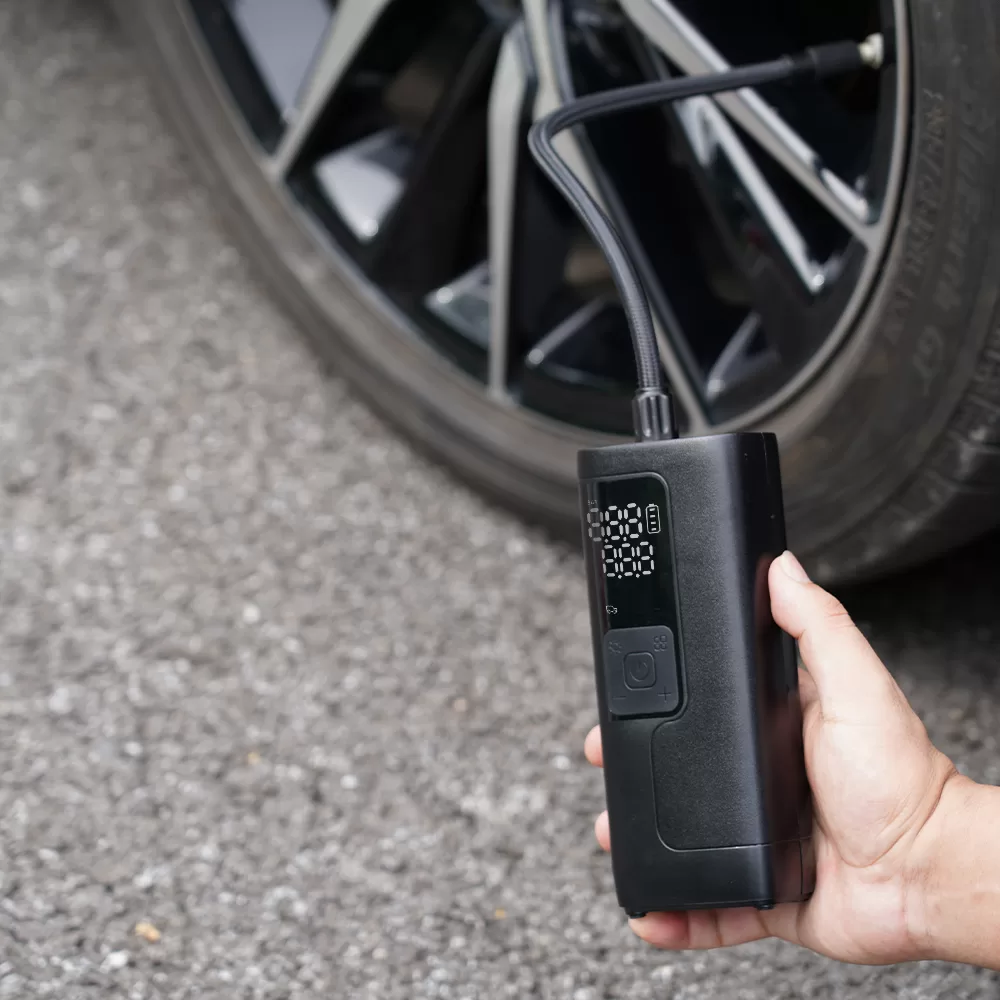
Summary The NW06 Tire Inflator delivers quick and efficient tire inflation with a powerful 35L/min airflow. It features a user-friendly LCD screen for real-time pressure monitoring, dual power options with a built-in 6000mAh battery, and multiple nozzle attachments for versatile use. Its compact design and integrated LED light ensure convenience and... -
Unleash the Power of Portability: The SmartNewo Jump Starter with Air Compressor KF03
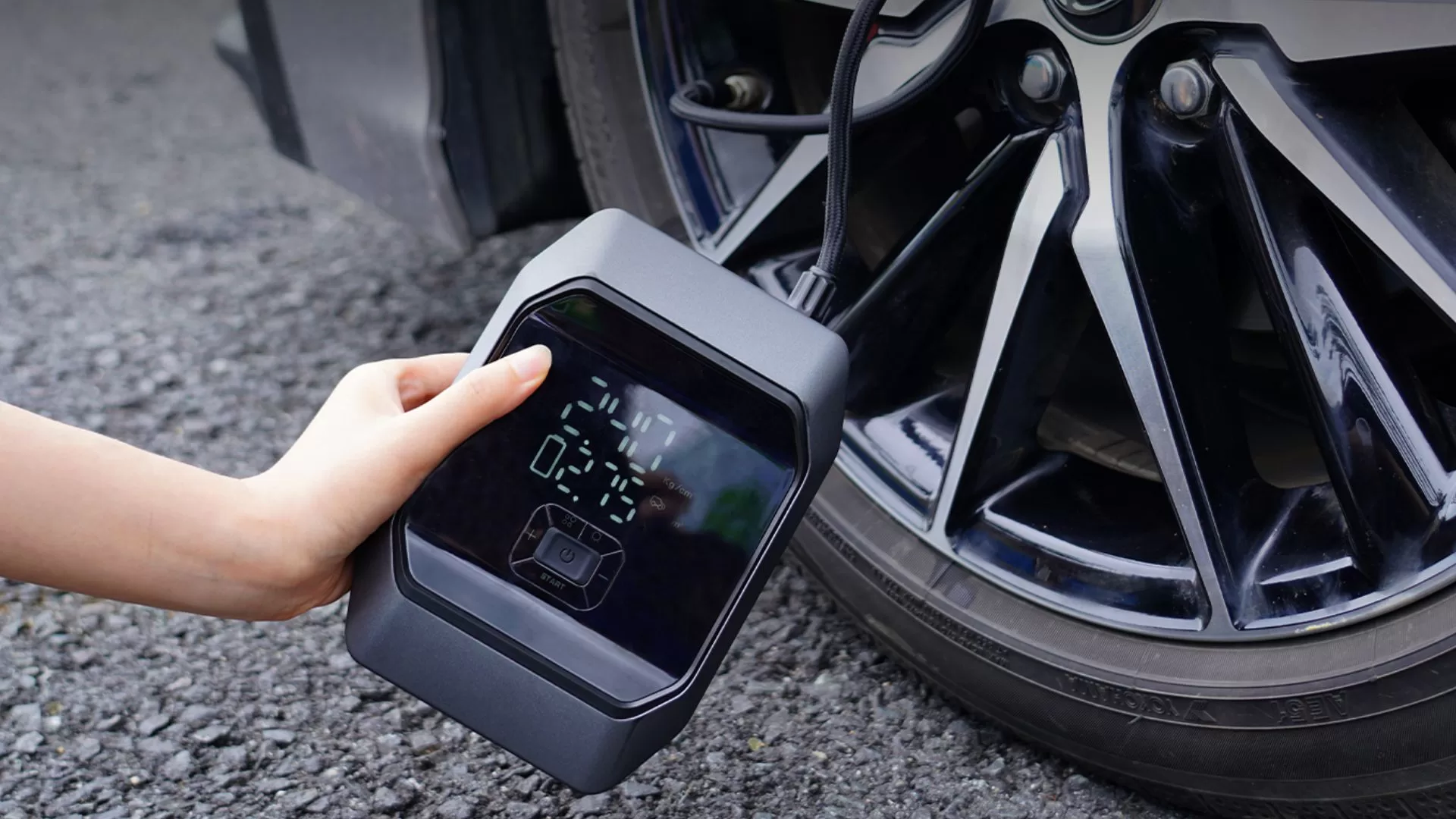
This guide will walk you through the steps to effectively use a portable tire inflator, helping you stay prepared and safe on the road.... -
Newo Attends The 2024 Consumer Electronics Show (CES)
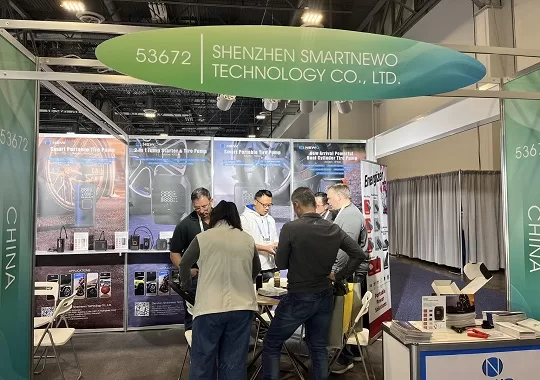
Smartnewo booth is located at 53672, Halls A-D, Level 2, Venetian Expo, Las Vegas Convention Center (LVCC). ... -
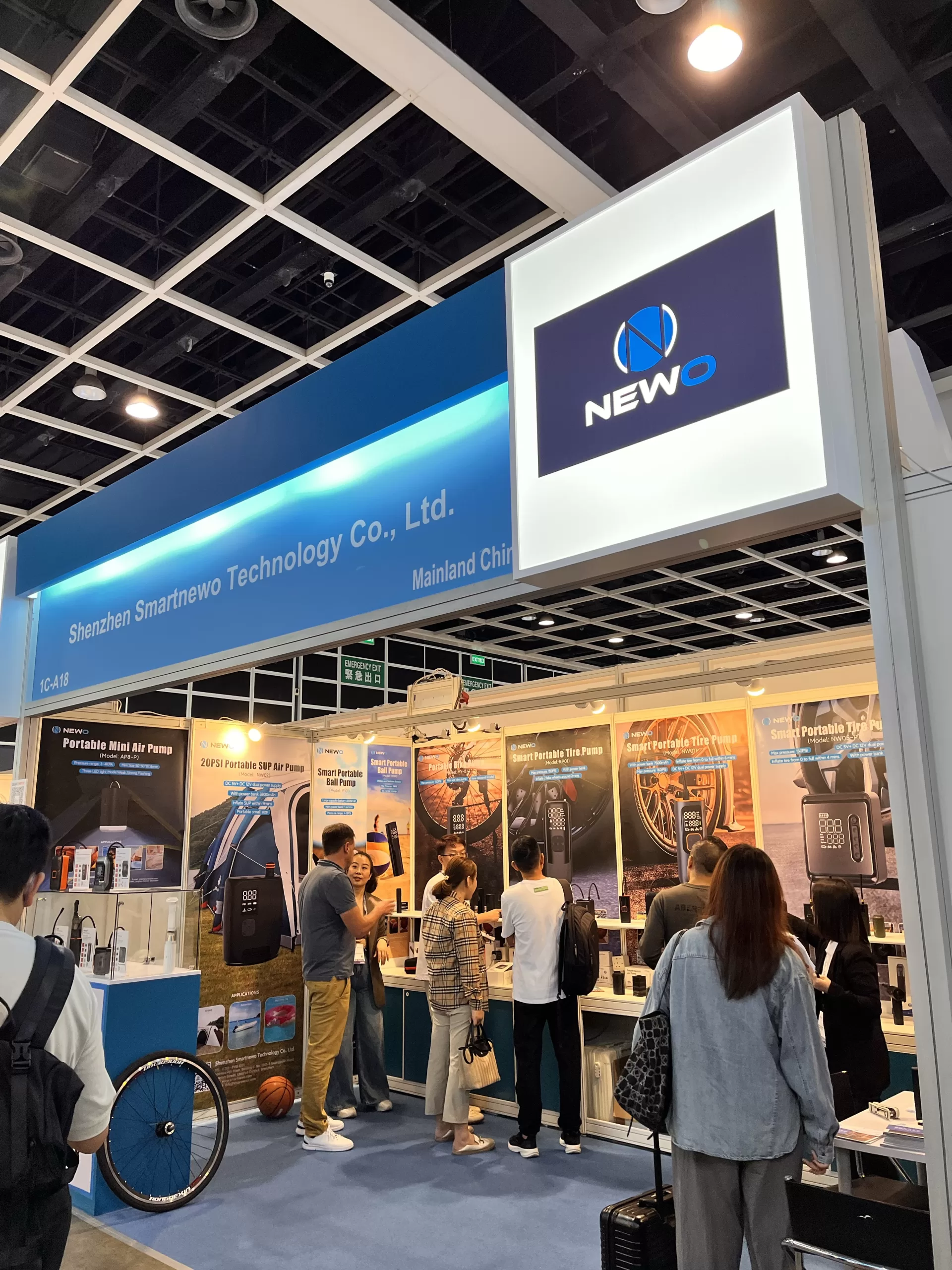
Smartnewo’s Dual-Cylinder Air Pump Rocks the Hong Kong Autumn Electronics Fair!
Smartnewo’s Dual-Cylinder Air Pump Rocks the Hong Kong Autumn Electronics Fair!... -

Meet at the Canton Fair! Smartnewo brings dual-cylinder air pumps, making your inflation experience faster and more stable!
NEWO has went deep communication and negotiation with customers from all over the world on booth.... -
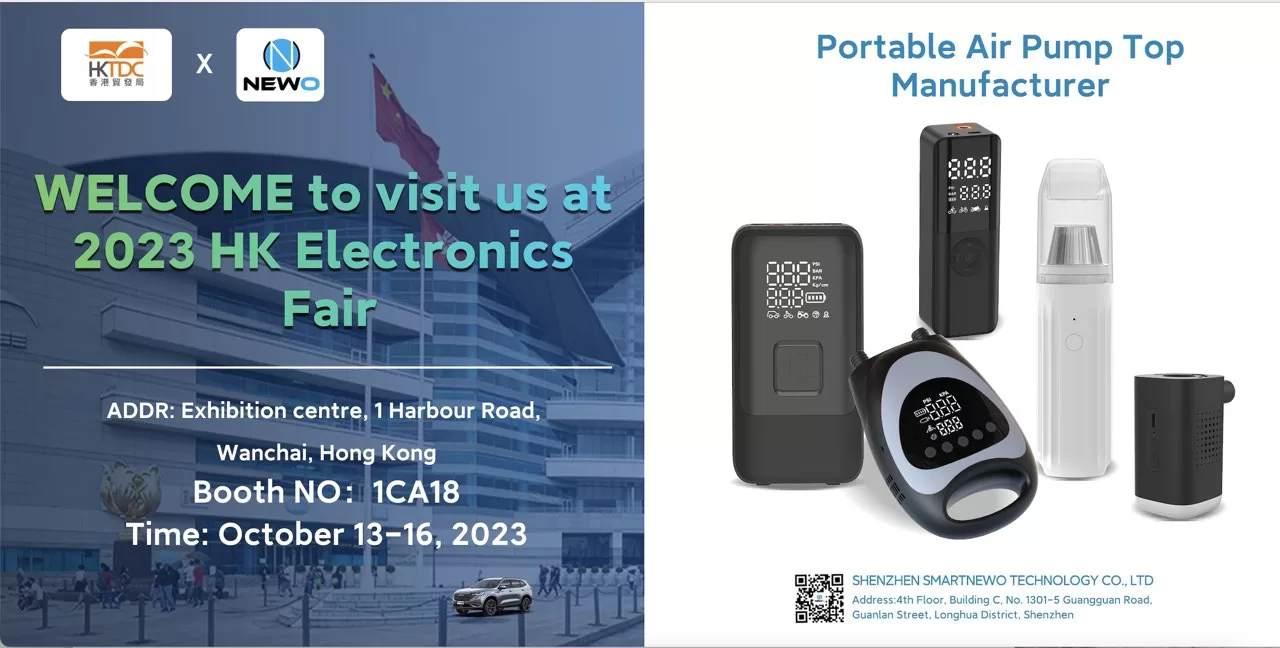
“Hong Kong Autumn Electronics Fair – 1CA18 (October 13th to 16th): Smartnewo invites you to visit our booth!
Hong Kong Autumn Electronics Fair...
-
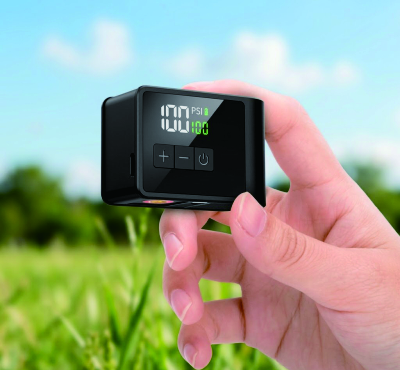
What to Check Before Ordering Custom Electric Bike Pumps
Plan custom electric bike pumps with a clear requirements freeze for valves, TPU tubes, portability, repeated top-ups, charging, and model-specific documents.... -
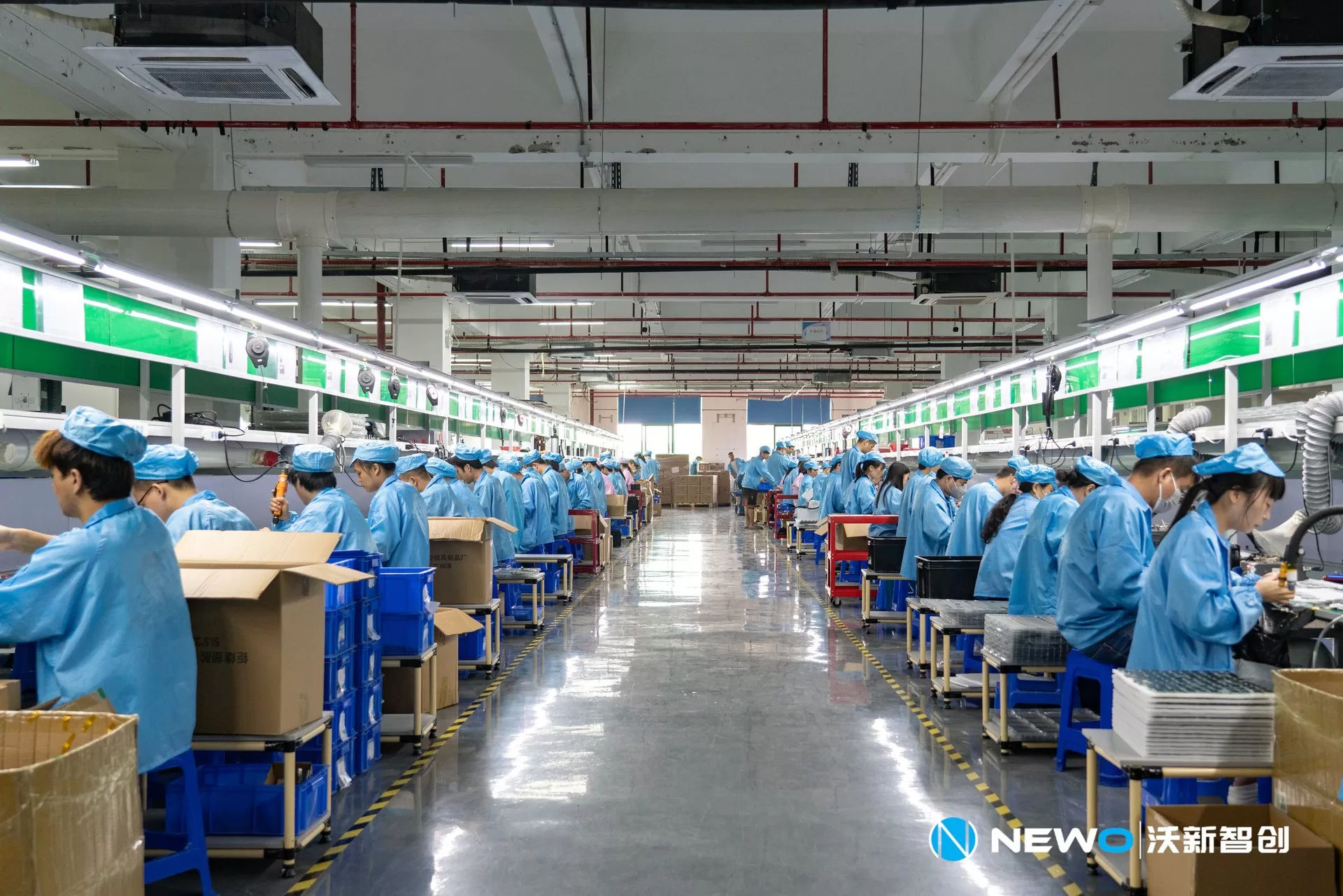
OEM vs ODM Air Pumps: Which Manufacturing Model Fits Your Brand?
Compare OEM and ODM air pump projects by design responsibility, change approval, development scope, and written ownership terms before choosing your route.... -

How to Choose a Reliable Tire Inflator Manufacturer in China
Choose a tire inflator manufacturer in China with a focused RFQ, supplier evidence, configuration checks, and clear sample-to-pilot decisions for your brand.... -

Rechargeable Electric SUP Pump for Paddle Boards: Faster Inflation for SUPs, Kayaks and Inflatable Tents
The BL10-C Portable Electric Bike Tire Inflator is a compact and lightweight mini electric bike pump designed for modern cyclists. With up to 120 PSI pressure, a digital LED display, preset pressure control, automatic shut-off, USB-C charging, and multiple valve adapters, BL10-C offers a convenient inflation solution for road bikes,... -
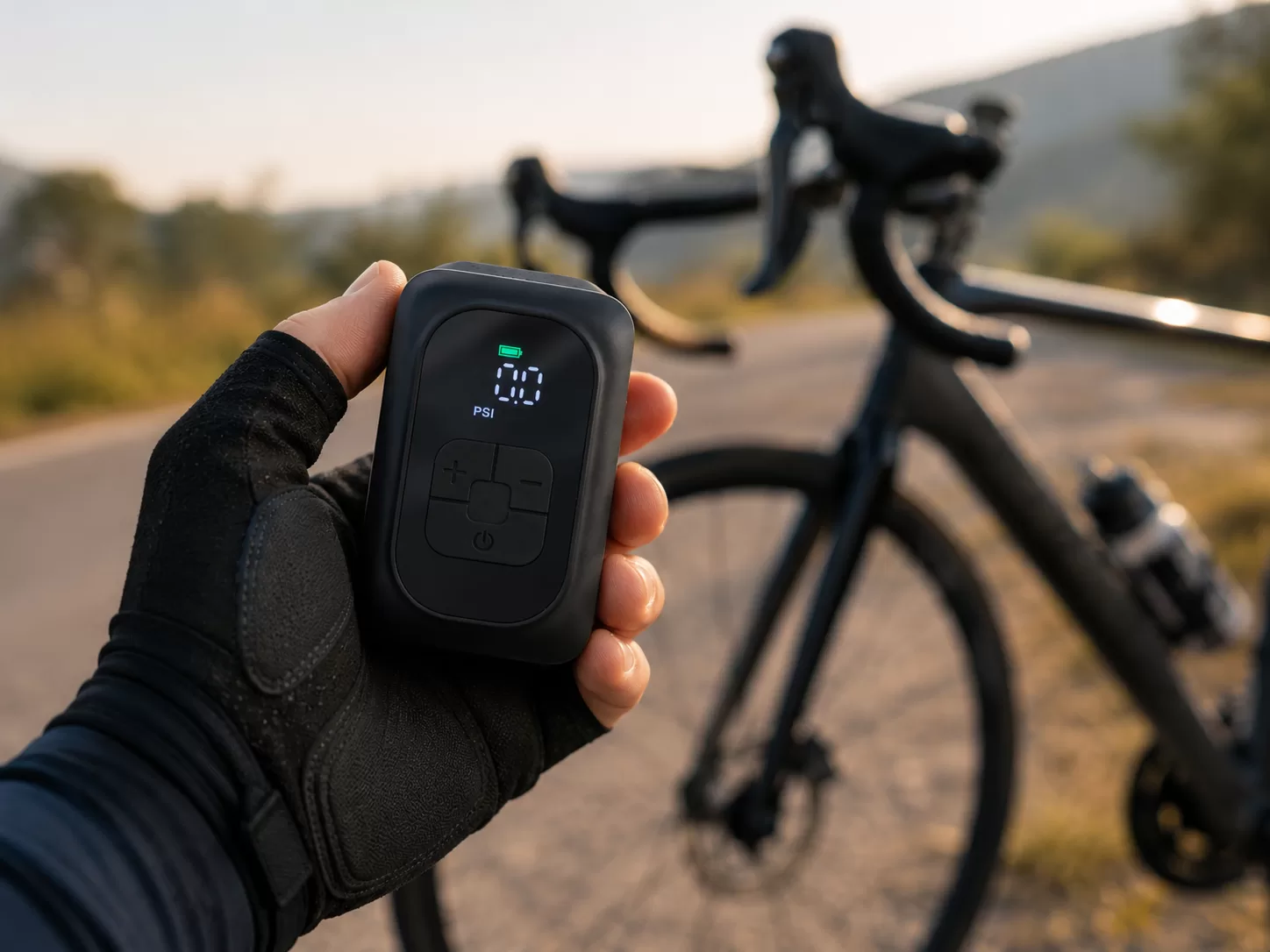
Are Electric Bike Pumps Worth It in 2026? Electric Pump vs CO₂ vs Mini Hand Pump
Discover whether electric bike pumps are worth it in 2026. This guide compares electric bike pumps, CO₂ inflators, and mini hand pumps for road cycling, gravel riding, commuting, and long-distance rides. Learn the pros, limitations, best use cases, and key features to look for before choosing the right portable tire... -
BL10-C Portable Electric Bike Tire Inflator: Small Size, Reliable Power for Every Ride
The BL10-C Portable Electric Bike Tire Inflator is a compact and lightweight mini electric bike pump designed for modern cyclists. With up to 120 PSI pressure, a digital LED display, preset pressure control, automatic shut-off, USB-C charging, and multiple valve adapters, BL10-C offers a convenient inflation solution for road bikes,... -
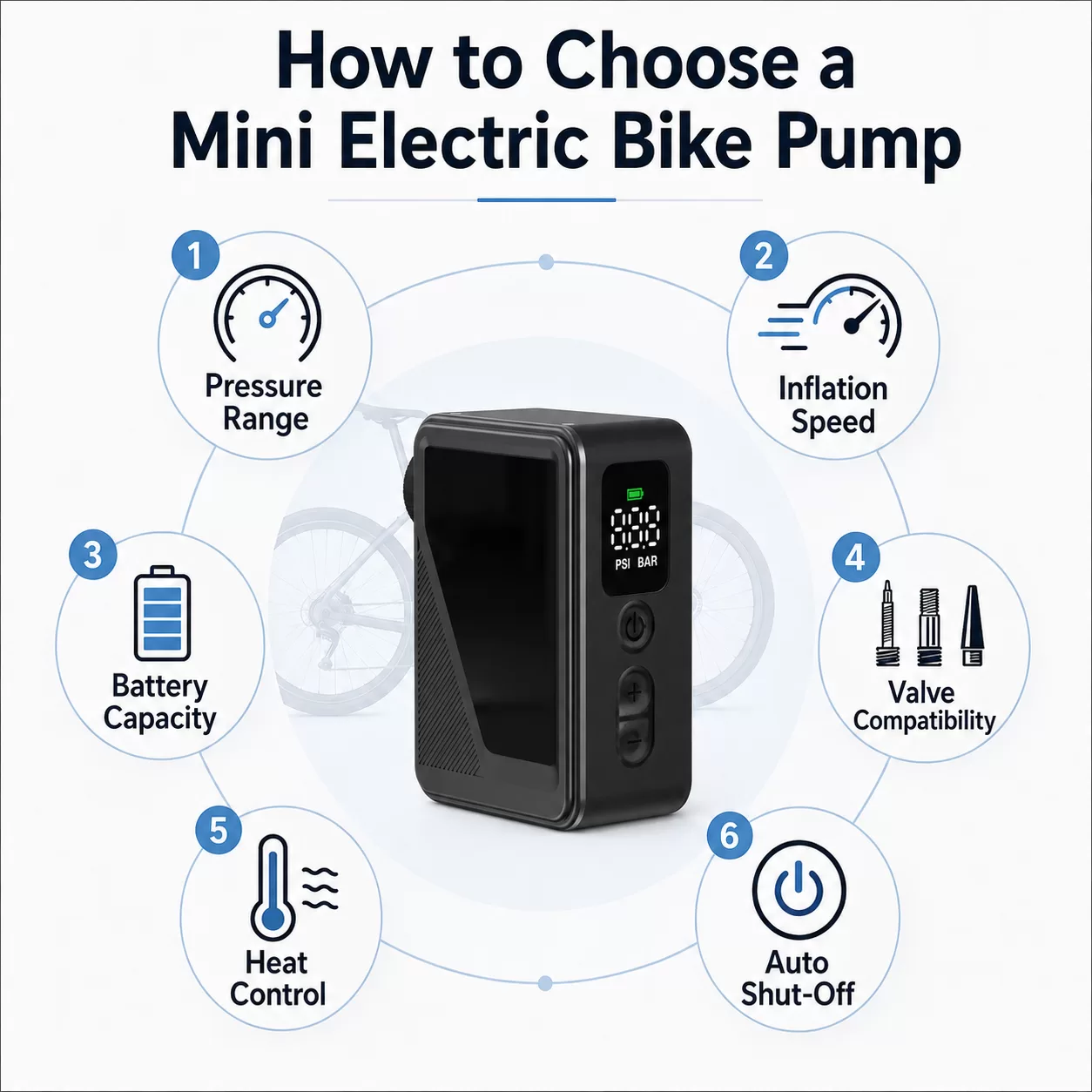
Why Mini Electric Bike Pumps Are Becoming Essential for Modern Cycling
Discover why mini electric bike pumps are becoming essential for modern cyclists. Learn how portable electric bike pumps improve tire pressure management, riding safety, and convenience.... -
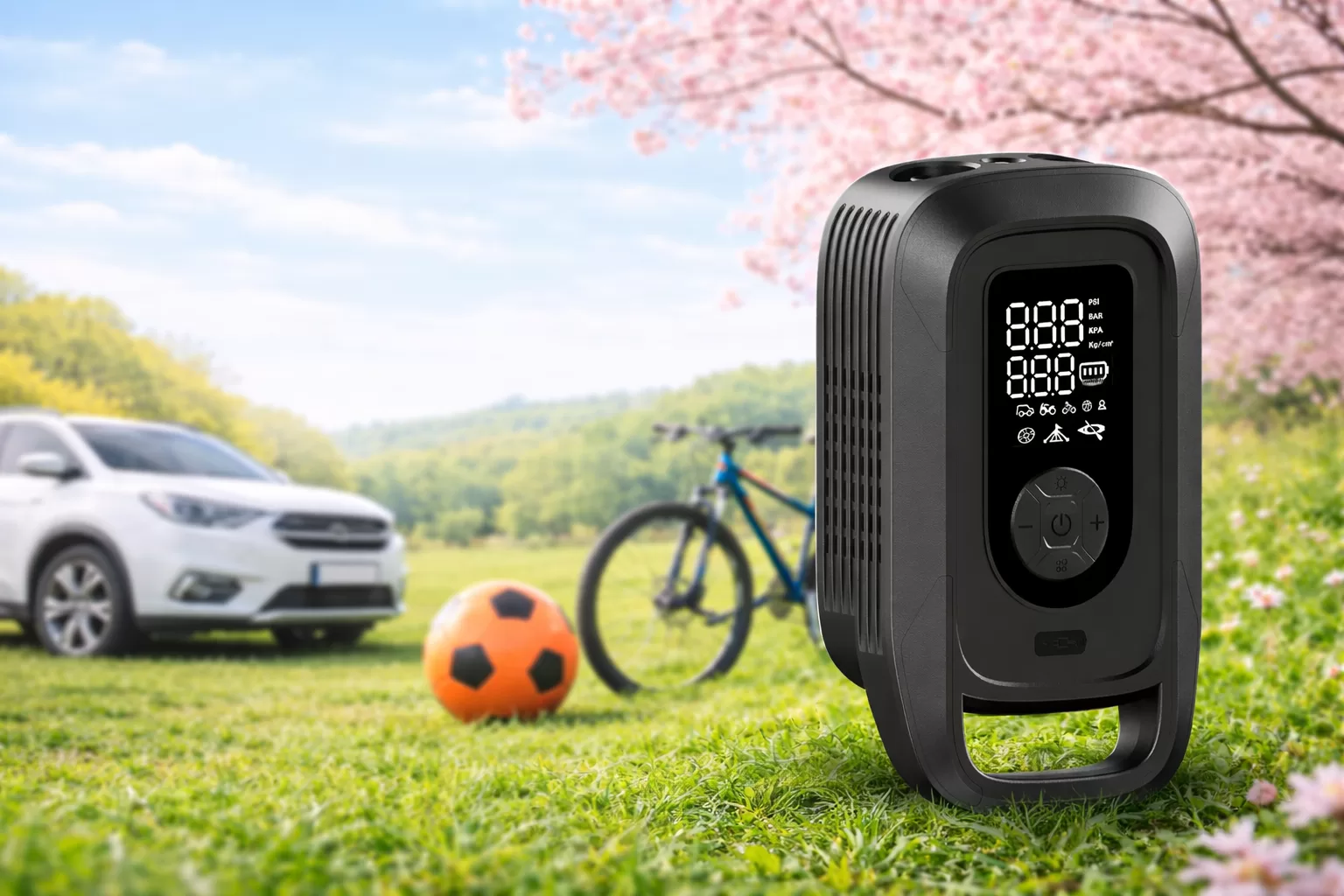
The Ultimate Smart Solution for Easy Outdoor Adventures in 2026
Discover how a spring travel air pump simplifies outdoor trips with fast inflation, smart features, and powerful performance—perfect for every adventure.... -
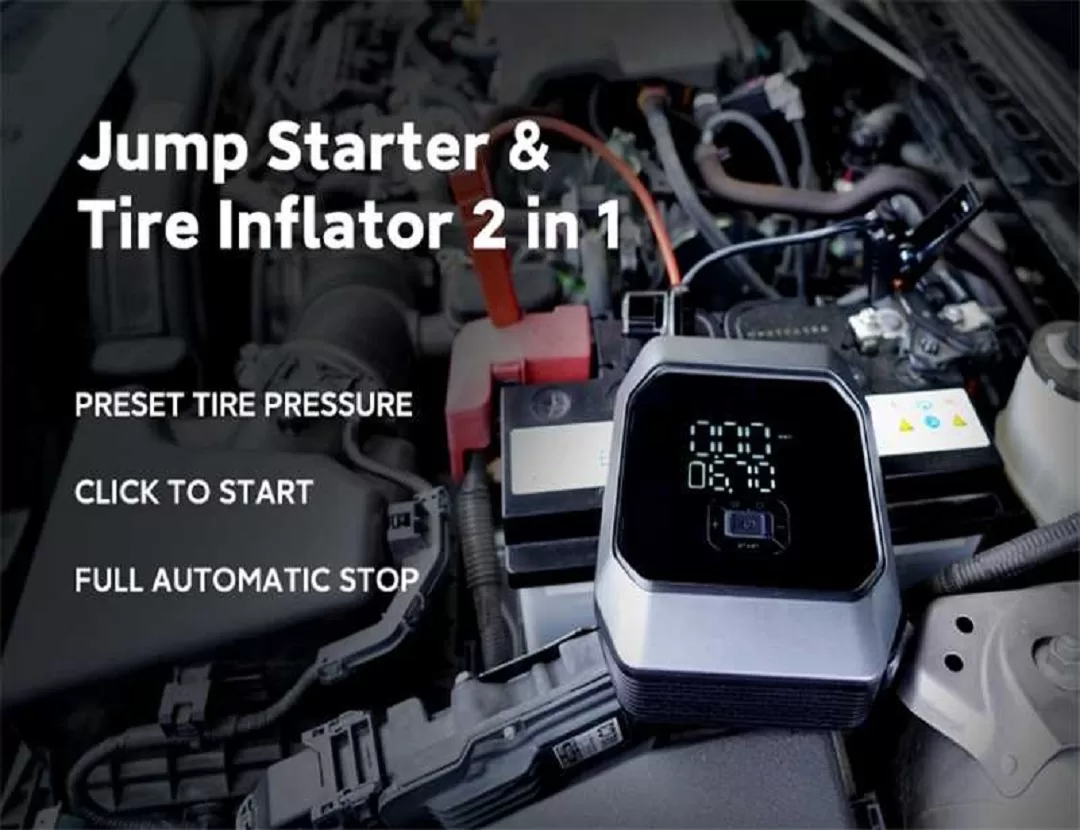
Powerful 5-in-1 Portable Car Tire Inflator and Jump Starter: The Ultimate Emergency Tool for Every Driver
Why Every Driver Needs a Portable Car Tire Inflator and Jump Starter Modern drivers face many unexpected situations on the road. A flat tire, low tire pressure, or a dead car battery can happen at the worst possible time. That’s why having a portable car tire inflator and jump starter is... -

7 Real Cycling Scenarios That Show Why Every Rider Should Carry a Mini Bike Pump
Cycling is one of the most freeing activities you can enjoy. Whether you’re commuting to work, riding through city streets, or exploring quiet countryside roads, a bike ride can instantly improve your day. But there’s one small problem that almost every cyclist eventually faces: Low tire pressure. It might happen...
-
How Is a Football Properly Inflated?
The correct inflation of a football - with not too much and not too little air - is a hotly debated topic among footballers.... -

Application Scenarios of Car Inflator Pump
Often long-distance business trips or play car owners because the road may be more remote areas, in this case if you encounter a tire leak....