

 Portable Tire Inflators
 Electric Air Pumps
 Electric Car Tyre Pumps
 Electric Ball Pumps
 Electric Bike Pump
 SUP Air Pump

Portable Tyre Inflator for Bike: Engineering, Selection, and Roadside Reliability
When a sudden flat halts a long ride miles away from support, the limitations of traditional recovery gear become glaringly obvious. Relying on an outdated hand pump often leaves you stranded on a gravel shoulder, sweating through your jersey while fighting high back-pressure. A modern portable tyre inflator for bike use changes this dynamic entirely, transforming a frustrating mechanical ordeal into a predictable, push-button task that gets you back on the road in minutes.
Compact pneumatic technology has evolved rapidly over recent seasons, providing cyclists with dependable alternatives to traditional roadside tools. Riders are no longer forced to choose between the exhausting stroke volume of mini-pumps and the unpredictable, freezing discharge of disposable CO2 cartridges. Today, lightweight electronic compressors integrate micro-brushless motors, digital pressure sensing, and lithium-ion cells into enclosures small enough for a jersey pocket. Selecting the right portable tyre inflator for bike tires requires understanding the engineering trade-offs between pressure capability, airflow rates, thermal management, and valve interfaces. The following analysis examines how these handheld tools function, how to evaluate their technical limits, and how to execute reliable roadside repairs without second-guessing your setup.
Understanding the Roadside Shift: Electric Pumps vs. Traditional Methods
The Mechanics and Limitations of Manual Hand Pumps
Miniature manual frame pumps rely entirely on direct mechanical leverage and human arm strength. As internal tyre pressure climbs during inflation, the physical resistance against the small piston head increases, demanding progressively greater upper-body exertion from the rider with every single stroke. This escalating resistance turns basic roadside tire repair into a fatiguing physical challenge, especially after several hours of hard cycling when hand fatigue sets in quickly.
Because travel pumps feature compact displacement chambers, reaching an acceptable riding pressure requires sustained, repetitive pumping. This prolonged physical motion frequently transfers direct twisting force and lateral leverage to the valve stem, which can bend delicate Presta valve tips or fatigue the rubber base on inner tubes. In remote locations, damaging a valve stem during pumping can cause an irreparable failure that leaves a cyclist completely stranded.
The Realities and Trade-Offs of CO2 Inflators
Threaded CO2 canisters offer rapid delivery, emptying compressed gas into an inner tube or tubeless casing in just a few seconds. However, this convenience brings notable mechanical considerations that riders must weigh carefully before relying exclusively on cartridges for remote emergencies. The rapid thermodynamic expansion causes the canister and inflator head to drop to sub-zero temperatures almost instantaneously during discharge, presenting distinct handling hazards.
Some sealant manufacturers warn that CO2 can deteriorate or shorten the life of their sealant, so check the sealant manufacturer’s guidance before relying on cartridges. In addition, cartridges provide zero margin for error during field repairs. If the inflator head slips off the valve stem or a pinch occurs during initial seating, the gas escapes immediately, leaving the cyclist with an exhausted canister, no secondary pressure adjustment capability, and no alternative air supply on the road.
How Micro-Compressor Technology Solved the Travel Equation
Handheld battery-powered inflators bridge the gap by combining the repeatable reusability of a pump with the motorized speed of powered air delivery. These devices integrate compact electric motor assemblies driving miniature mechanical pumping stages to generate steady positive pressure without requiring manual physical pumping strokes from the cyclist. This mechanical automation reduces manual effort and provides a more repeatable inflation process, subject to the battery level, tire volume, and operating conditions.
Modern rechargeable lithium cells supply the necessary current to sustain output against higher back-pressure without human fatigue. As a result, riders can reach their desired operating pressure consistently without manual strain, bruised palms, or cold-temperature handling issues. The motorized approach reduces manual effort and provides a measurable pressure target during roadside inflation, helping cyclists carry out routine adjustments or unexpected repairs with clarity and control.
Core Technical Criteria for a Portable Bike Tyre Inflator
Target Pressure Range and Volume Delivery
Different cycling disciplines present distinctly different pneumatic requirements across wheel sizes and casing designs. Narrow road tires frequently demand higher inflation pressures to match specific rider weights, tire constructions, and rim widths, requiring sustained mechanical output from the compressor mechanism. Off-road setups, by contrast, focus heavily on tire compliance and traction rather than maximum operating pressure.
In contrast, wider gravel and mountain bike tires operate at substantially lower pressures but contain a far larger volume of air. Handheld electric pumps must balance their air delivery rate, typically reported in liters per minute, to avoid excessive runtimes across wider tire casings. Understanding this performance balance helps riders evaluate whether a compact compressor matches the specific air volume of their tires.
Pressure Sensing Precision and Auto Shut-Off Functions
Estimating tire pressure roadside by pinching the tread between thumb and forefinger is notoriously imprecise and unreliable. Modern wheel setups, including hookless rim designs, require strict adherence to manufacturer maximum pressure thresholds to preserve bead retention and rider safety. Over-inflating lightweight performance tires on the shoulder of a road can lead to catastrophic casing blowouts or damaged rim structures.
Digital inflators use electronic pressure sensing to monitor pressure during the inflation cycle. Once the user enters a preset target, automatic shut-off is intended to stop inflation at the selected target, although users should still follow the tire and rim pressure limits and monitor the process. This digital oversight simplifies roadside maintenance by eliminating guesswork and keeping air delivery within intended boundaries.
Thermal Management and Motor Longevity
Compressing ambient air generates localized heat as physical work is performed continuously on the gas. As the internal motor and pumping mechanism cycle, thermal energy accumulates near the pump cylinder and air outlet, raising the internal temperature of the handheld housing. Managing this thermal accumulation is critical to preserving motor life and protecting internal electronic control boards from heat stress.
Without adequate heat dissipation, elevated temperatures can degrade motor efficiency or trigger protective thermal shut-offs during long inflation cycles. Manufacturers address this challenge through varied internal engineering approaches, including active cooling fans, specialized internal airflow routing, and ventilated chassis designs that help disperse heat during longer cycles. Effective thermal management keeps handheld tools operating within stable limits across varied environmental conditions.
Battery Architecture and Rapid Field Recharging
Roadside equipment must retain power across long periods of inactivity inside a saddlebag, handlebar pack, or tool bottle. Stable lithium-ion cells paired with low-quiescent-current circuitry ensure minimal self-discharge between scheduled maintenance checks, keeping the device functional when an unexpected puncture occurs weeks after the last charge.
Because the T05 uses a 5V/2A Type-C input, it may be rechargeable from a compatible power bank, computer port, or vehicle adapter that can provide the required output. This standard Type-C interface eliminates the need for proprietary charging bricks or specialized cables during travel, providing practical power replenishment options during multi-day bikepacking trips, daily commutes, or extended weekend touring.
Valve Compatibility and Connection Mechanics
Navigating Presta, Schrader, and Dunlop Interfaces
Performance road, gravel, and mountain bikes predominantly utilize slender Presta valves, whereas city commuters, utility frames, and many e-bikes feature wider automotive-style Schrader valves. A practical inflator must accommodate both valve standards without requiring cumbersome adapters or causing air loss during attachment. Matching the chuck correctly prevents damage to delicate valve hardware.
Presta valves require deliberate handling because the small tip locknut must be loosened before inflation, and removable valve cores can be disturbed if an adapter is handled carelessly. The T05 includes French and Schrader valve adapters; users should fit the correct adapter and follow the product instructions to obtain an airtight connection. Taking time to seat the adapter prevents thread damage and protects the internal sealing surfaces.
| Valve Type | Mechanical Sealing Interface | Typical Bicycle Application |
|---|---|---|
| Presta (French) | Threaded locknut at the valve tip | Road, gravel, and performance mountain bikes |
| Schrader (Automotive) | Internal spring-loaded center pin | Utility bikes, commuter frames, and e-bikes |
| Dunlop (Woods) | External threaded collar with internal plug | Traditional European city bikes and utility designs |
Flexible Air Hoses vs. Direct-Mount Chucks
Direct-mount inflators attach the main body of the pump directly to the valve stem, saving minor pack volume and reducing mechanical parts. However, supporting the weight of the motor and battery on the stem creates mechanical leverage that can strain the rim junction, especially when operating on lightweight tubeless stems or narrow rims.
A separate flexible air tube helps decouple the physical movement and handling of the tool from the tire valve. This configuration also allows the rider to position the digital display for comfortable viewing, especially around tight disc-brake rotors or closely spaced aero spokes. Isolating the tool from the wheel reduces mechanical stress on the valve and improves overall stability.
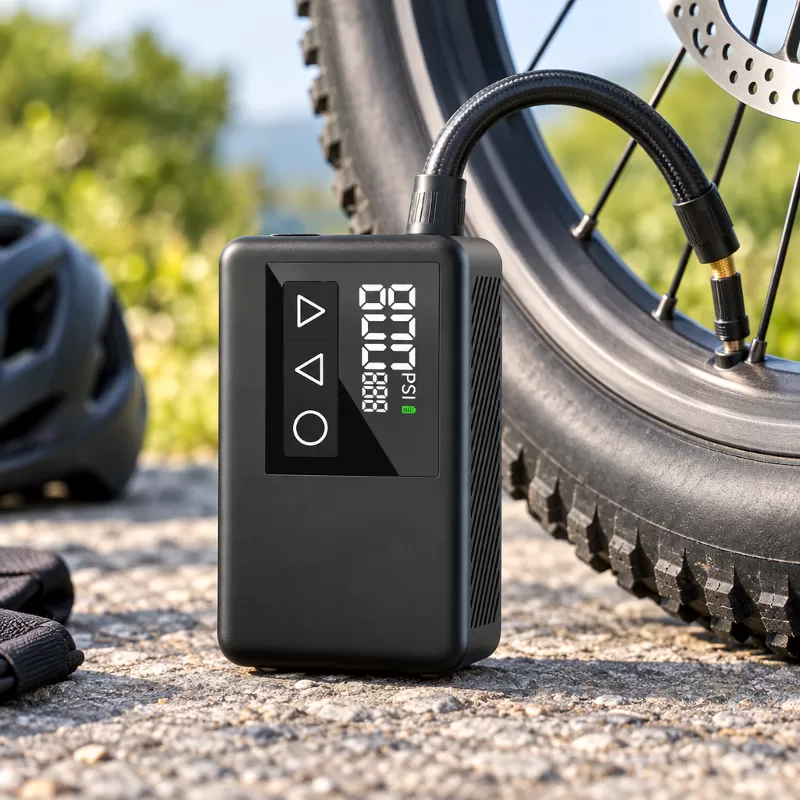
Engineering Profile: Portable Electric Pump T05
Dimensional Ergonomics and Pocket Portability
Striking a functional balance between pocket dimensions and mechanical capability is central to the design of compact cycling inflators. Measuring 132 × 35 × 51.5 mm and weighing approximately 192.4g, the T05 is sized to fit comfortably inside a jersey pocket, frame bag, or compact saddle pack without adding noticeable ballast. Its slender rectangular housing keeps total pack bulk minimal while providing a secure grip during operation.
As a professional manufacturer specializing in the research, development, and production of smart electric air pumps and portable inflation solutions, Newo designs products to deliver convenience, efficiency, and reliability for customers worldwide. Advanced production capabilities, experienced engineers, and strict quality management support this compact engineering approach, ensuring that everyday carry tools deliver dependable pneumatic utility in demanding cycling environments.
Pneumatic Performance and Operating Parameters
Internally, the T05 is built around a small brushless pump mechanism operating at approximately 40W of working power. Manufacturer technical data indicates an air flow of about 14 L/min, providing steady volume delivery across a variety of inflation tasks, from roadside tire repairs to routine pressure adjustments before setting out.
The published specifications list an operational pressure range of 2 to 120 PSI, allowing it to service both low-pressure off-road setups and higher-pressure road casings. To assist with heat dissipation during sustained operation, the product includes an independent cooling fan designed as a heat-management feature, rated to operate within an ambient temperature span from minus 10°C to 45°C.
- Operating Pressure Range: 2 to 120 PSI according to manufacturer specifications.
- Air Flow: About 14 L/min powered by a 40W small brushless pump mechanism.
- Thermal Engineering: Independent internal cooling fan designed to manage heat buildup during use.
- Acoustic Output: Sound level rated at 80dB or below at an operating distance of 1.5 meters.
- User Interface: Segmented LED screen displaying current pressure readings and battery status.
Power Delivery and Accessories Overview
The T05 utilizes a built-in 1200mAh, 7.4V (8.88Wh) rechargeable battery designed for practical turnaround in the field. The manufacturer lists a charging time of less than one hour when using the specified 5V/2A input through its Type-C port, allowing riders to replenish capacity easily between rides with standard charging equipment.
Factory specifications rate the cell for 300 recharge cycles while retaining 80% or more of its original capacity. The manufacturer lists a runtime of 5 to 10 minutes. Each unit ships with a versatile accessory set to ensure direct roadside connection right out of the box without requiring extra third-party components.
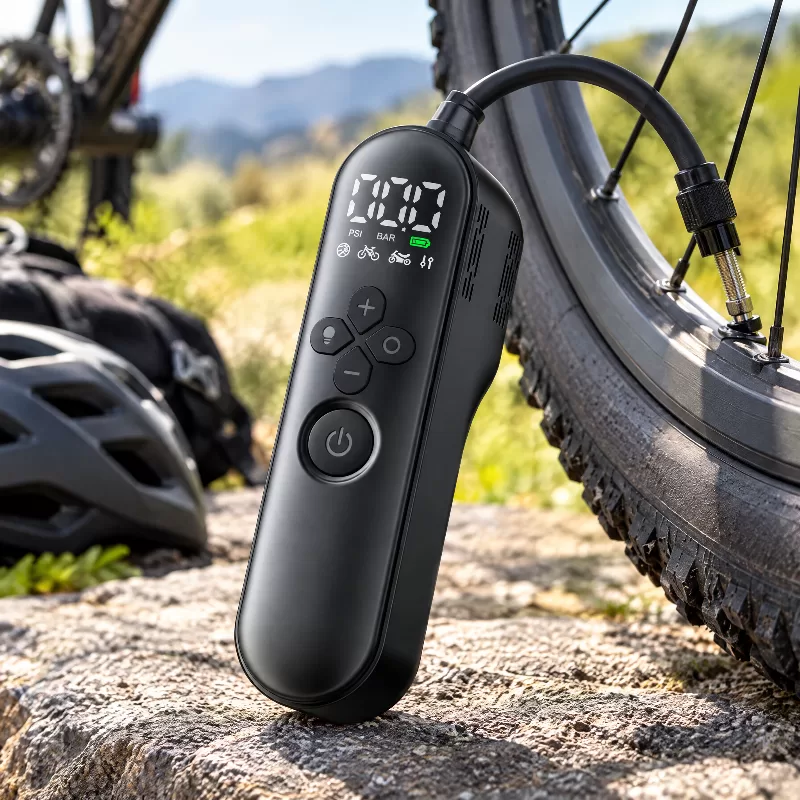
- Inflatable Air Tube: Flexible hose for connecting the pump to the tire valve.
- French Valve Adapter: Dedicated connector ensuring direct compatibility with Presta valves.
- Schrader Valve Adapter: Direct interface for standard mountain bike, e-bike, and automotive stems.
- Ball Needle & Storage Bag: Multi-purpose needle for sports gear alongside a protective travel pouch.
- Type-C Cable: Standard charging cord compatible with modern mobile power banks.
Roadside Inflation Solutions Compared
Selecting a roadside inflation method involves clear trade-offs between carried weight, physical effort, setup complexity, and multi-tire capability. Comparing these options side by side clarifies their relative strengths during remote cycling emergencies, helping riders choose the right companion for their riding style and trip length.
| Inflation Method | Typical Carried Weight | Physical Effort | Pressure Monitoring Method | Multi-Tyre Capability | Thermal and Sealant Considerations |
|---|---|---|---|---|---|
| Manual Mini Pump | 100g – 180g | Significant manual effort | Manual estimation or separate inline gauge | Unlimited by battery (dependent on user stamina) | Does not introduce CO2 into the tire or sealant |
| CO2 Canister System | 120g – 160g (head + 2 cartridges) | Instantaneous release | Pressure cannot be preset; single-burst fill | Limited strictly by number of carried cartridges | Rapid freezing; some sealants advise against use |
| Compact Electric Pump (T05) | ~192.4g | Push-button automated operation | Electronic pressure sensing with LED display and automatic shut-off | Dependent on starting pressure and battery charge | Independent cooling fan manages compression heat |
Best Practices: Step-by-Step Roadside Tyre Inflation Guide
Pre-Inflation Inspection and Target Setting
Before connecting your inflator, carefully inspect the exterior casing and inner rim bed to clear whatever sharp debris caused the flat. Skipping this quick tactile check risks puncturing the replacement tube immediately upon inflation, wasting valuable time and replacement tubes on the roadside.
Always check the sidewalls of your tire and consult your rim manufacturer guidelines for maximum pressure limits. When selecting your working pressure, always adhere to the lower value between the tire and rim ratings to prevent bead blowout, particularly on hookless wheelsets that operate with narrower pressure margins.
Proper Attachment and Sealing Techniques
- Remove the protective dust cap from the valve stem and loosen the small brass locknut at the tip of the Presta valve enough to open the air pathway.
- Tap the opened Presta valve tip briefly with your fingertip to ensure the valve pin moves freely and is not stuck.
- Secure the compatible adapter and flexible air tube to the tire valve following the inflator manual instructions, ensuring an airtight seal against the internal gasket.
- Confirm that the inflator digital screen registers an initial pressure reading, verifying a correct mechanical connection before starting the motor.
Operating the Cycle and Verifying Pressure Stability
Power on the inflator to activate the digital display, then adjust the target pressure setting upward or downward using the control buttons to match your intended PSI. Once confirmed, engage the motor to begin air delivery while monitoring the connection.
Support the inflator comfortably while the internal pump operates, allowing the flexible hose to absorb any minor mechanical movement. The digital screen will display the rising pressure in real time until the sensor triggers the automatic shut-off feature at your preset value.
After the compressor stops, detach the hose from the stem promptly to minimize air escape. Snug the Presta valve locknut closed with your fingers, replace the dust cap, and verify that the tire bead remains evenly seated against the rim bead seat or rim edge before riding away.
Frequently Asked Questions (FAQs)
Can a portable electric bike pump seat a tubeless tyre bead?
Snapping a completely unseated tubeless tire bead onto the rim shelf generally requires a sudden, high-volume surge of air that compact electric travel pumps are not designed to supply. Handheld compressors deliver steady airflow, such as the approximately 14 L/min delivered by the T05, which is optimized for controlled pressure delivery rather than explosive initial seating volume. While an electric travel pump cannot reliably pop an unseated tubeless bead into place from flat, it is ideally suited for topping up and maintaining tubeless tires that are already seated.
Will an electric tyre inflator overheat during a high-pressure top-up?
Air compression naturally concentrates heat within the pump head and discharge connections as air is forced into the tire casing under pressure. Handheld electric inflators manage this thermal energy through specific internal design choices, including dedicated airflow pathways and integrated cooling components. The T05 incorporates an independent cooling fan designed as a heat-management feature during operation. Users should follow the operating and cooling instructions in the product manual and stop if the unit becomes excessively hot.
How many bike tyres can a compact inflator fill on a single charge?
The total number of bicycle tires an electric inflator can fill on one charge depends on several variables, including tire volume, initial starting pressure, target pressure, and remaining battery capacity. While routine pressure top-ups consume very little electrical energy, inflating wide gravel or mountain bike tires entirely from zero demands substantially more motor runtime. Checking the battery indicator before embarking on major rides helps riders identify whether the displayed charge level is sufficient for their planned use.
How does cold weather affect electric bike inflator performance?
Sub-zero ambient temperatures temporarily decrease chemical reaction rates inside lithium-ion battery cells, which can shorten available runtime under heavy mechanical motor loads. A range of minus 10°C to 45°C is the manufacturer-specified working-temperature range for the T05 inflator. On cold winter outings, carrying the inflator inside a jersey pocket or insulated frame pack serves as a practical precaution to keep the battery warm before use.
How often should the digital pressure gauge calibration be checked?
Solid-state pressure transducers in modern electronic inflators provide steady readings without the mechanical wear common to analog spring-and-needle gauges. Occasional comparison with a trusted gauge can reveal noticeable discrepancies; follow the product manual for any formal calibration or accuracy checks. Regular verification helps maintain confidence in roadside pressure readouts over time.
Final Thoughts: Choosing the Right Roadside Inflation Solution
True reliability on the road comes down to carrying gear that eliminates guesswork and reduces physical exhaustion during an unexpected mechanical stop. While traditional manual frame pumps demand significant physical exertion at the roadside, and single-use cartridges carry cold-burn risks with only one attempt, a modern portable tyre inflator for bike use delivers accurate pressure management and push-button operation. By evaluating realistic motor capabilities, practical battery designs, sound thermal management, and robust valve connections, cyclists can equip themselves with a practical inflation tool for riders who value portability, electronic pressure control, and rechargeable operation.
-
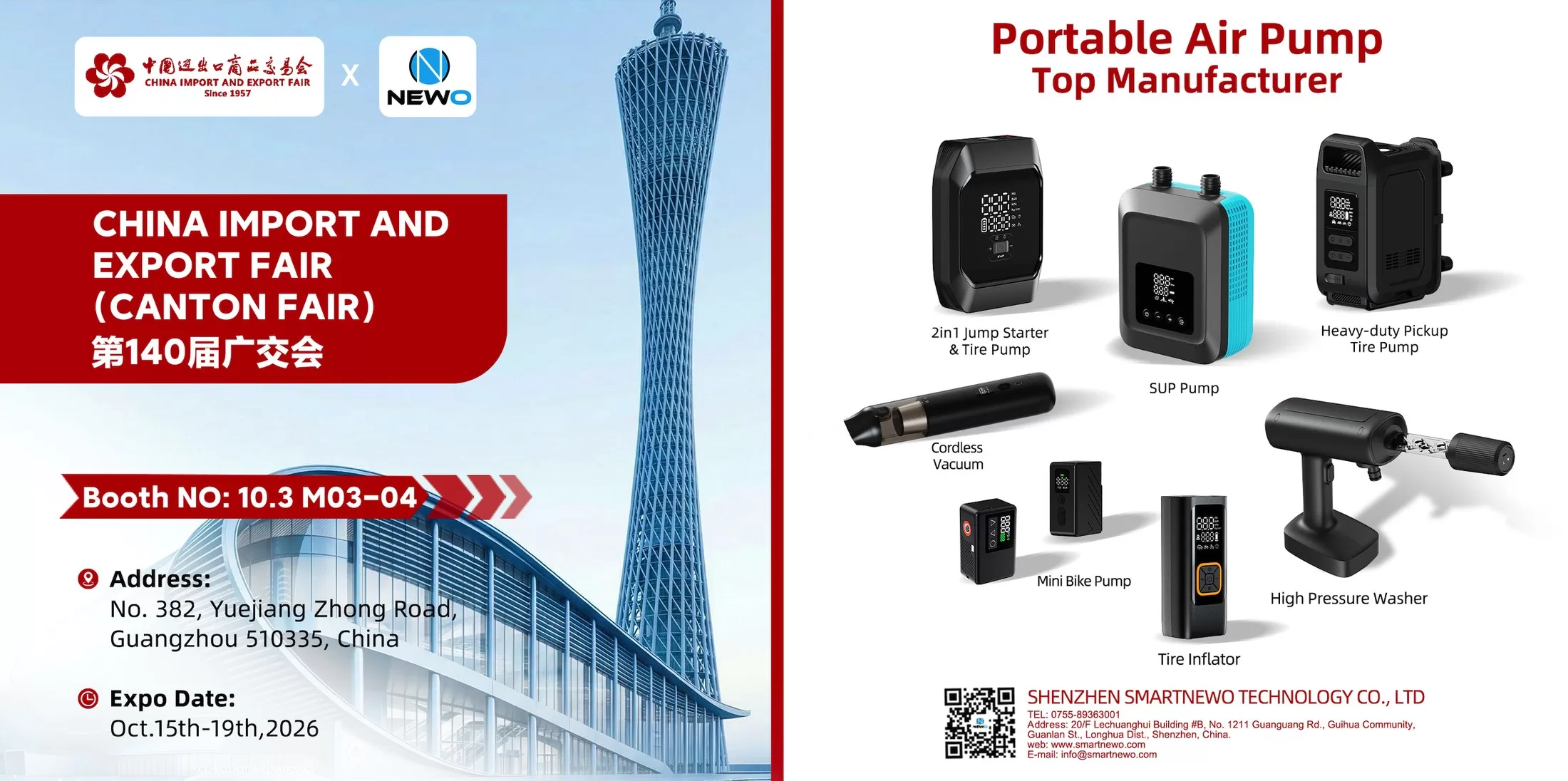
Meet NEWO at the 140th Canton Fair: Visit Booth 10.3 M03–04
Meet NEWO at the 140th Canton Fair in Guangzhou, October 15–19, 2026. Visit Booth 10.3 M03–04 to explore portable air pumps and discuss OEM, ODM and distribution opportunities.... -

As Shenzhen Welcomes the World for APEC 2026, NEWO Welcomes You to Our Factory
As Shenzhen prepares for APEC 2026, NEWO welcomes international buyers and partners to visit our factory, meet our team and explore future cooperation.... -
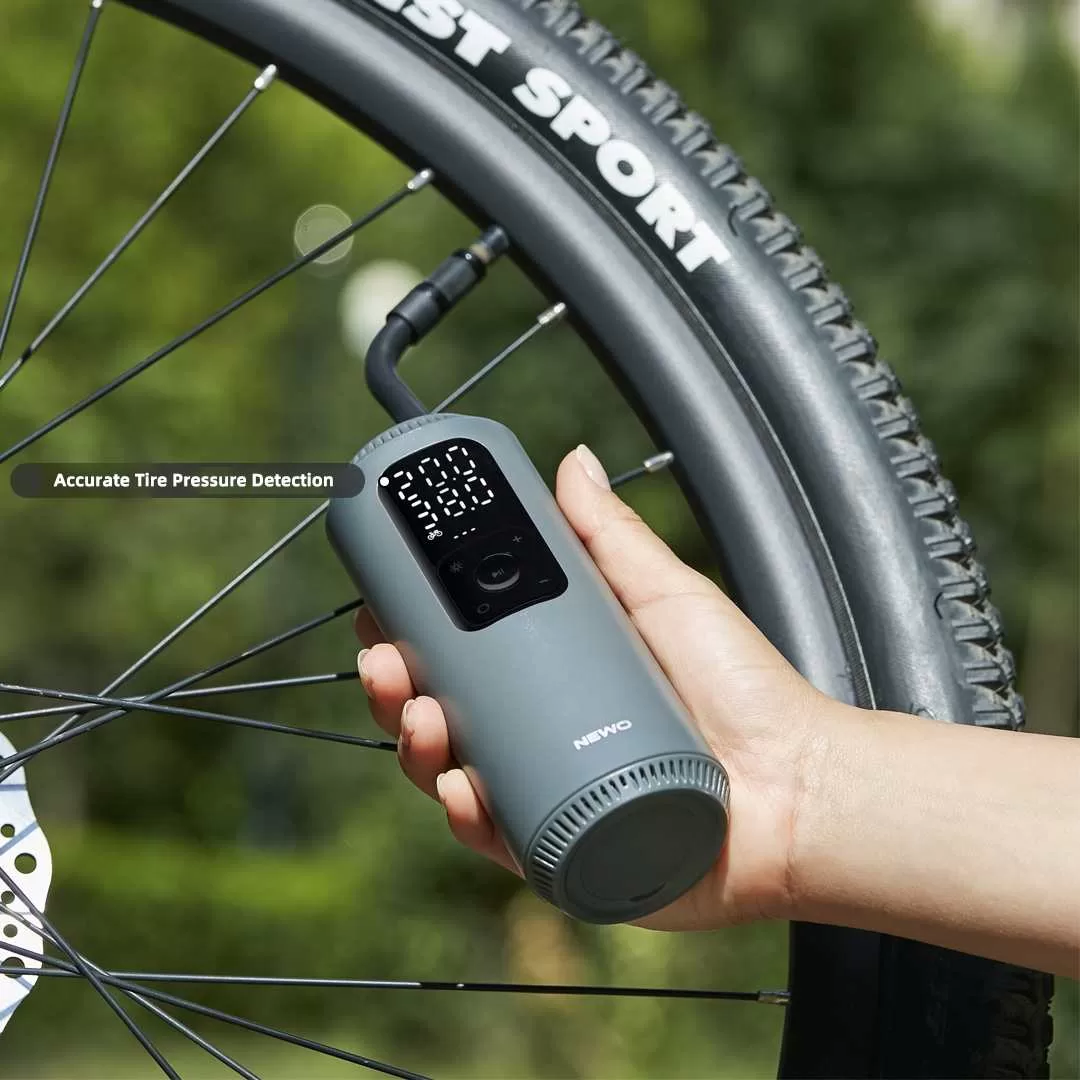
Leading the Way in Product Innovation and Excellence
Smartnewo exemplifies professionalism in product innovation and manufacturing. Their collaboration with Xiaomi Youpin on the G01 crowdfunding project highlights their expertise in creating compact, powerful inflatable pumps. Rigorous engineering, meticulous production processes, and advanced quality assurance underscore their commitment to excellence. The success of the G01 project, with significant market... -
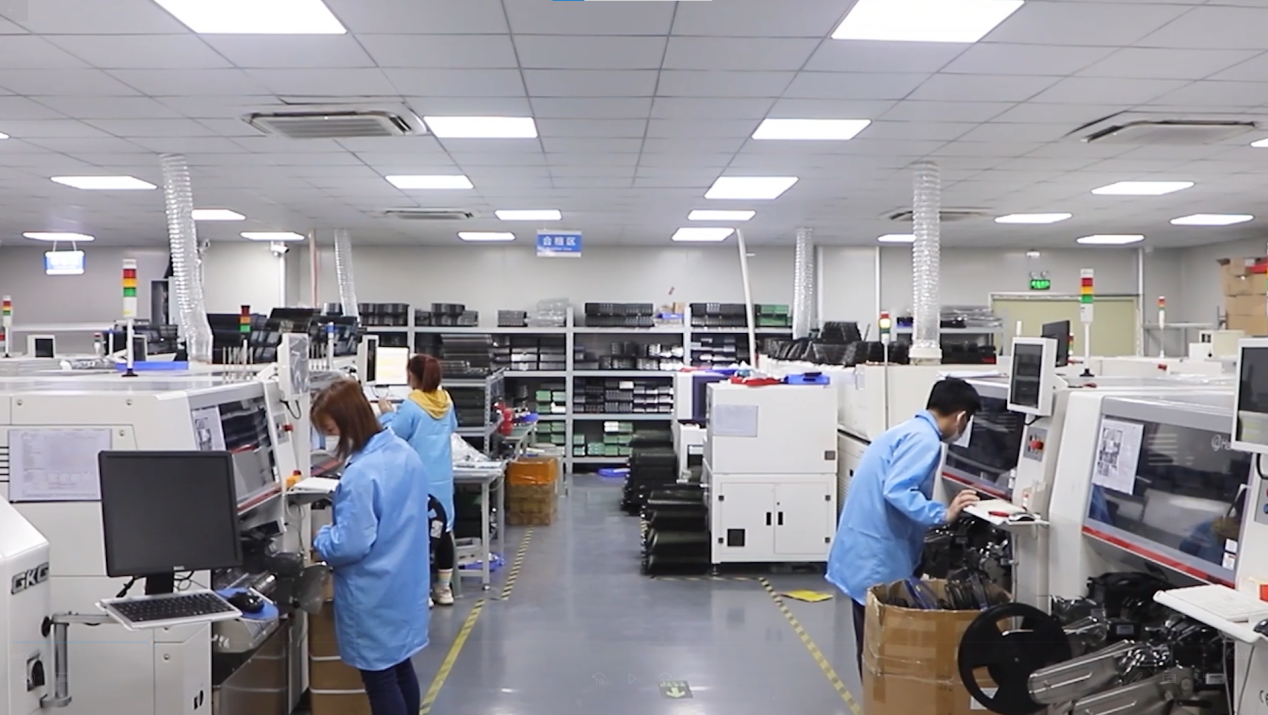
Essential Qualities of an Excellent Supplier
In today's competitive market, finding a reliable supplier is crucial for business success. Based on insights from Smartnewo and broader internet research, here are key qualities an excellent supplier must possess:... -
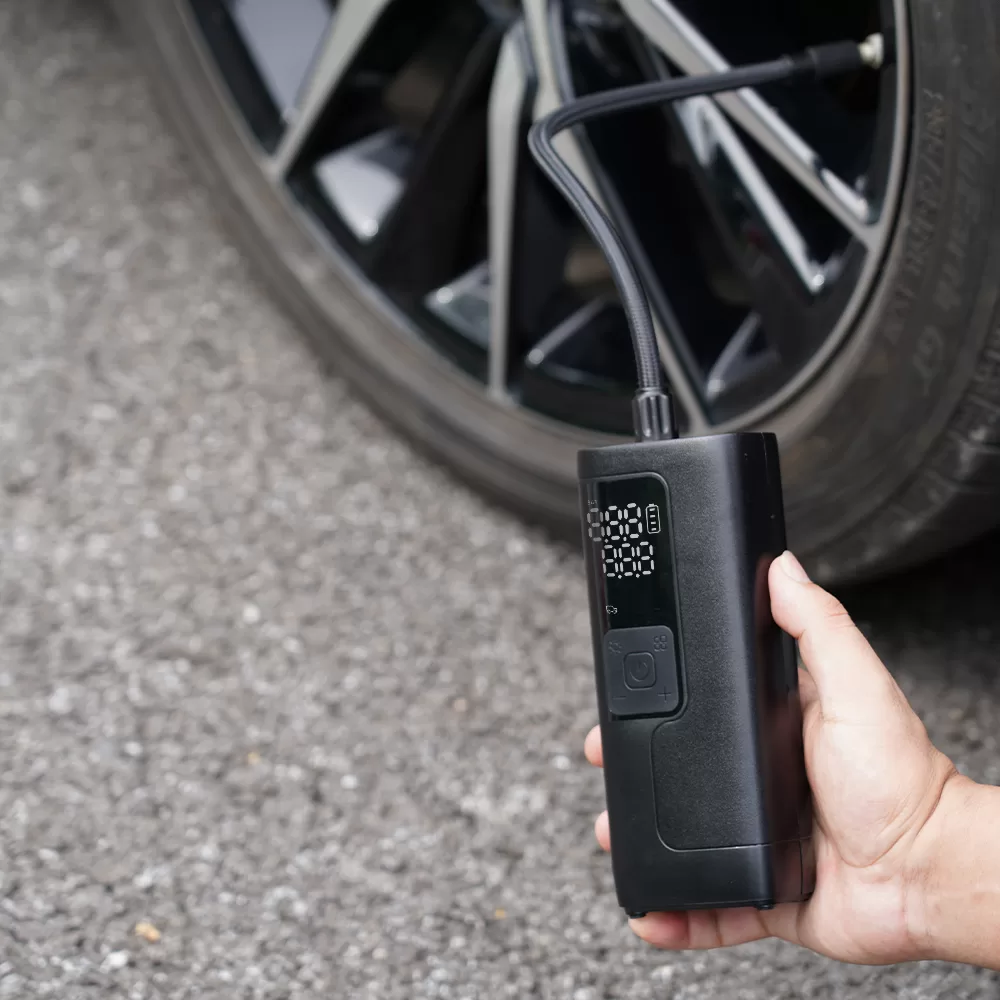
NW06 Tire Inflator: Compact Power for Quick Inflation
Summary The NW06 Tire Inflator delivers quick and efficient tire inflation with a powerful 35L/min airflow. It features a user-friendly LCD screen for real-time pressure monitoring, dual power options with a built-in 6000mAh battery, and multiple nozzle attachments for versatile use. Its compact design and integrated LED light ensure convenience and... -
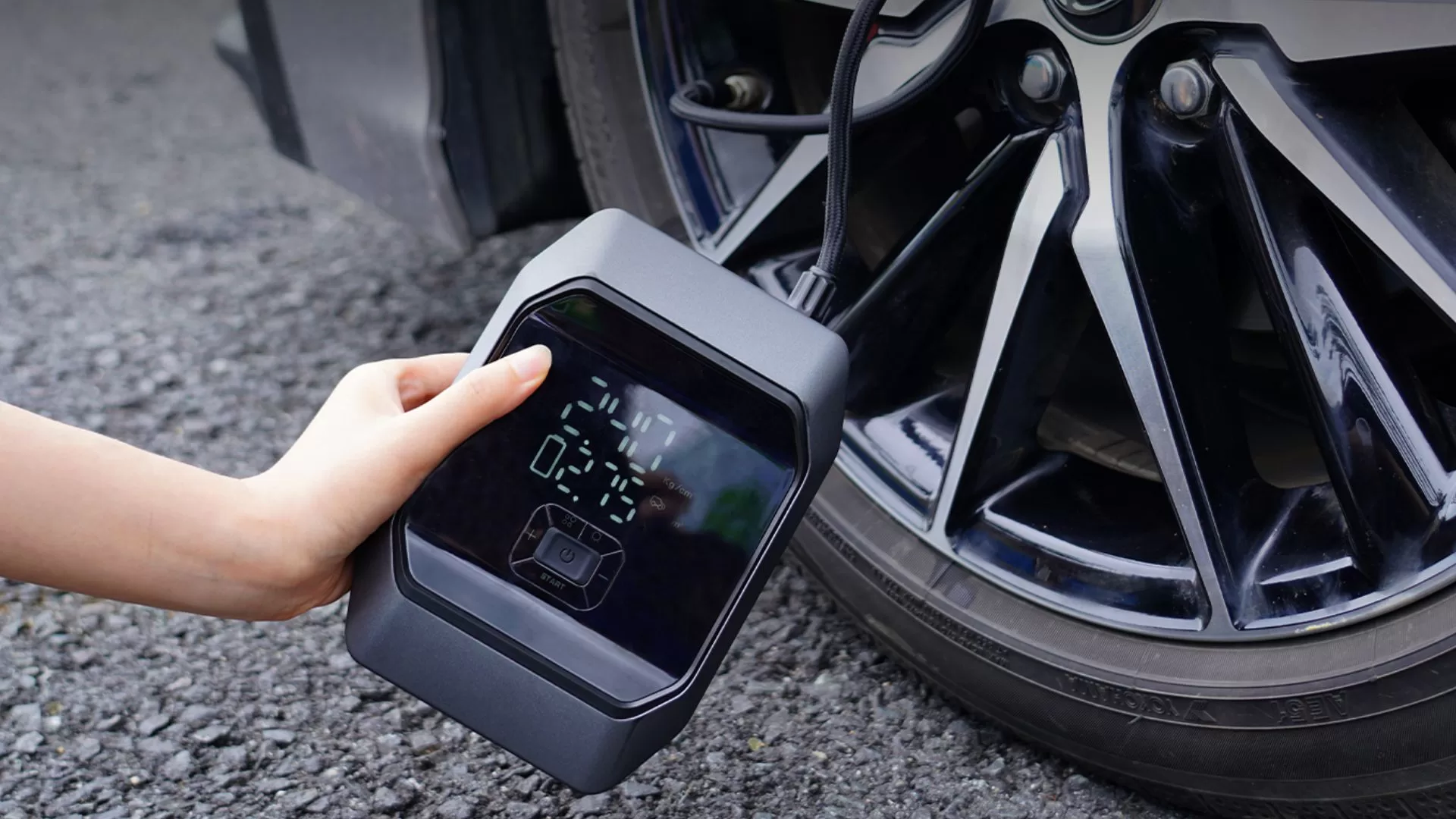
Unleash the Power of Portability: The SmartNewo Jump Starter with Air Compressor KF03
This guide will walk you through the steps to effectively use a portable tire inflator, helping you stay prepared and safe on the road.... -

Newo Attends The 2024 Consumer Electronics Show (CES)
Smartnewo booth is located at 53672, Halls A-D, Level 2, Venetian Expo, Las Vegas Convention Center (LVCC). ... -
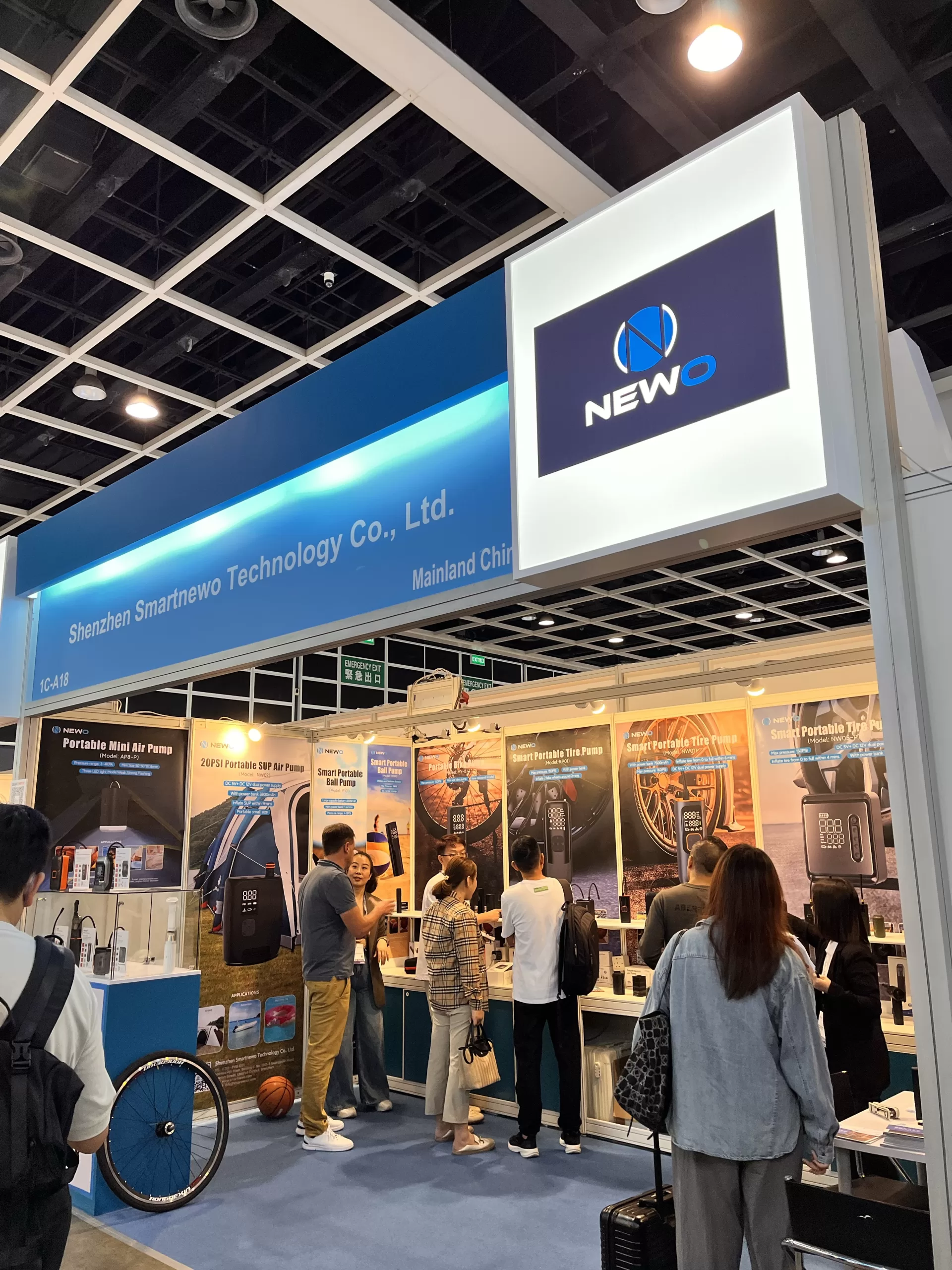
Smartnewo’s Dual-Cylinder Air Pump Rocks the Hong Kong Autumn Electronics Fair!
Smartnewo’s Dual-Cylinder Air Pump Rocks the Hong Kong Autumn Electronics Fair!... -
Meet at the Canton Fair! Smartnewo brings dual-cylinder air pumps, making your inflation experience faster and more stable!
NEWO has went deep communication and negotiation with customers from all over the world on booth.... -
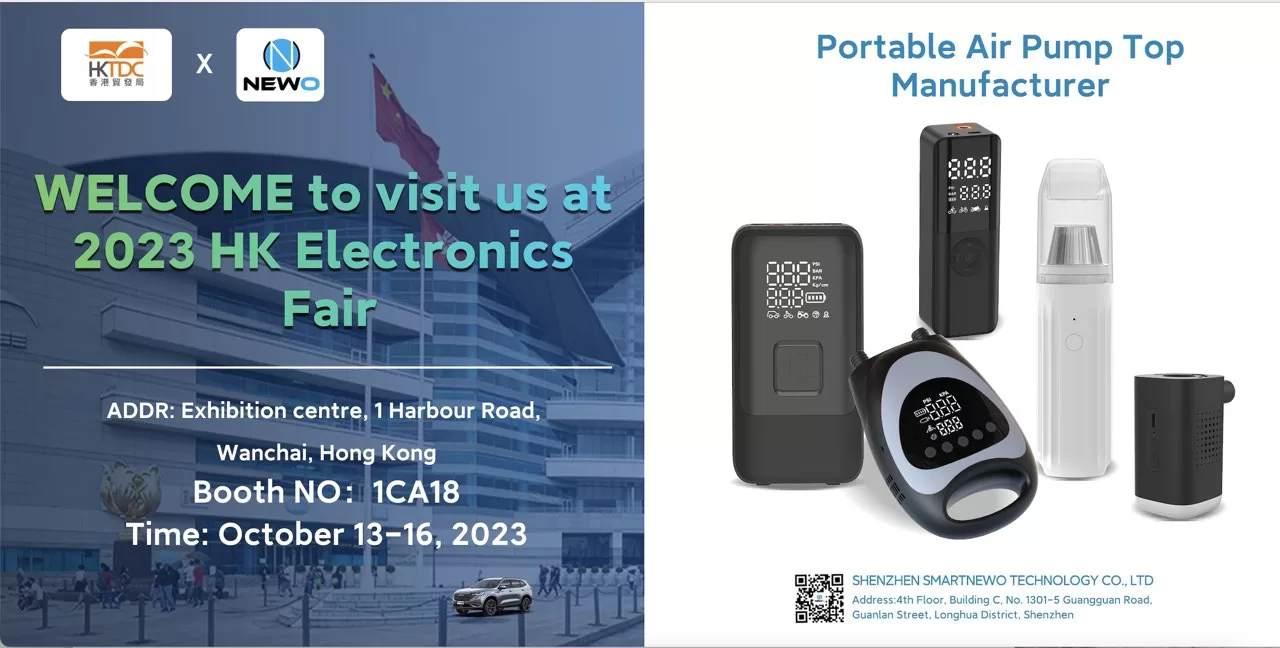
“Hong Kong Autumn Electronics Fair – 1CA18 (October 13th to 16th): Smartnewo invites you to visit our booth!
Hong Kong Autumn Electronics Fair...
-
What to Check Before Ordering Custom Electric Bike Pumps
Plan custom electric bike pumps with a clear requirements freeze for valves, TPU tubes, portability, repeated top-ups, charging, and model-specific documents.... -

OEM vs ODM Air Pumps: Which Manufacturing Model Fits Your Brand?
Compare OEM and ODM air pump projects by design responsibility, change approval, development scope, and written ownership terms before choosing your route.... -

How to Choose a Reliable Tire Inflator Manufacturer in China
Choose a tire inflator manufacturer in China with a focused RFQ, supplier evidence, configuration checks, and clear sample-to-pilot decisions for your brand.... -
Rechargeable Electric SUP Pump for Paddle Boards: Faster Inflation for SUPs, Kayaks and Inflatable Tents
The BL10-C Portable Electric Bike Tire Inflator is a compact and lightweight mini electric bike pump designed for modern cyclists. With up to 120 PSI pressure, a digital LED display, preset pressure control, automatic shut-off, USB-C charging, and multiple valve adapters, BL10-C offers a convenient inflation solution for road bikes,... -
Are Electric Bike Pumps Worth It in 2026? Electric Pump vs CO₂ vs Mini Hand Pump
Discover whether electric bike pumps are worth it in 2026. This guide compares electric bike pumps, CO₂ inflators, and mini hand pumps for road cycling, gravel riding, commuting, and long-distance rides. Learn the pros, limitations, best use cases, and key features to look for before choosing the right portable tire... -
BL10-C Portable Electric Bike Tire Inflator: Small Size, Reliable Power for Every Ride
The BL10-C Portable Electric Bike Tire Inflator is a compact and lightweight mini electric bike pump designed for modern cyclists. With up to 120 PSI pressure, a digital LED display, preset pressure control, automatic shut-off, USB-C charging, and multiple valve adapters, BL10-C offers a convenient inflation solution for road bikes,... -
Why Mini Electric Bike Pumps Are Becoming Essential for Modern Cycling
Discover why mini electric bike pumps are becoming essential for modern cyclists. Learn how portable electric bike pumps improve tire pressure management, riding safety, and convenience.... -
The Ultimate Smart Solution for Easy Outdoor Adventures in 2026
Discover how a spring travel air pump simplifies outdoor trips with fast inflation, smart features, and powerful performance—perfect for every adventure.... -
Powerful 5-in-1 Portable Car Tire Inflator and Jump Starter: The Ultimate Emergency Tool for Every Driver
Why Every Driver Needs a Portable Car Tire Inflator and Jump Starter Modern drivers face many unexpected situations on the road. A flat tire, low tire pressure, or a dead car battery can happen at the worst possible time. That’s why having a portable car tire inflator and jump starter is... -
7 Real Cycling Scenarios That Show Why Every Rider Should Carry a Mini Bike Pump
Cycling is one of the most freeing activities you can enjoy. Whether you’re commuting to work, riding through city streets, or exploring quiet countryside roads, a bike ride can instantly improve your day. But there’s one small problem that almost every cyclist eventually faces: Low tire pressure. It might happen...
-
How Is a Football Properly Inflated?
The correct inflation of a football - with not too much and not too little air - is a hotly debated topic among footballers.... -
Application Scenarios of Car Inflator Pump
Often long-distance business trips or play car owners because the road may be more remote areas, in this case if you encounter a tire leak....