

 Portable Tire Inflators
 Electric Air Pumps
 Electric Car Tyre Pumps
 Electric Ball Pumps
 Electric Bike Pump
 SUP Air Pump

The Complete Air Tire Pump Portable Guide: Engineering Fundamentals, Pressure Calibration, and Roadside Reliability
Pneumatic stability dictates vehicular handling, braking distances, and rolling resistance across modern transit. When ambient autumn temperatures plunge, tire pressures decrease noticeably because confined air molecules lose kinetic energy. Drivers facing an unexpected low-tire warning light often discover that gas station forecourt compressors are out of service or awkward to access. Keeping an air tire pump portable inside the vehicle turns a potential travel delay into a manageable routine task. This comprehensive guide examines the mechanical principles, power delivery architectures, and calibration methods needed to maintain pneumatic tires safely across varied driving environments.
Maintaining correct tire pressure remains a fundamental vehicle maintenance responsibility that directly affects safety, fuel economy, and tread life. Driving on improperly pressurized tires compromises stability during evasive steering maneuvers and increases stopping distances under wet conditions. For everyday motorists, commercial delivery drivers, and outdoor enthusiasts alike, understanding how compact inflation equipment operates ensures preparedness whenever unexpected pressure drops occur away from garage facilities.
Defining Inflation Boundaries: Emergency Rescue vs. Routine Maintenance
The Mechanics of Tire Displacement vs. Puncture Repair
A portable inflator acts as a compact mechanical displacement compressor, drawing ambient atmospheric air and driving it through a valve stem into the tire. It is engineered to alter air density and gauge pressure within an enclosed, structurally sound elastomeric vessel. When road debris breaches the carcass or a rim bead unseats, pushing compressed air into the chamber cannot solve the underlying problem. Air escapes just as quickly through the structural breach, leaving the tire unable to support mechanical loads.
Operating an under-inflated tire creates intense mechanical flexion along the internal sidewalls, causing rapid heat accumulation that can degrade rubber plies and internal cords over time. A compact inflator helps restore cold pressure when a tire experiences gradual seepage, minor valve core weeping, or seasonal thermal contraction. If the tire casing suffers cord exposure, sidewall cracking, or penetrating puncture holes, reinflation will not restore roadworthiness. In those severe circumstances, mounting a spare wheel or arranging vehicle transport remains the only sound procedure.
Routine pressure loss occurs naturally in all automotive and bicycle tires over weeks of regular operation. Permeation through microscopic pores in the rubber matrix, temperature drops, and minor flexing around the wheel rim bead gradually lower internal gauge pressure. Using an inflator to replace this lost air on a monthly basis maintains the designed mechanical profile of the tire without requiring visits to commercial service bays.
Decoding Target Pressure: Sidewall Maxima vs. Placard Truth
A persistent error among motorists involves reading the raised alpha-numeric markings on the tire sidewall to determine operational pressure. The sidewall marking identifies a tire-specific maximum pressure limit; it is not the vehicle’s recommended operating pressure. Use the vehicle placard or owner’s manual for the recommended cold pressure. The maximum pressure rating indicates the upper structural limit the tire can hold under maximum load, rather than the calibrated setting engineered for everyday driving.
Automotive engineers determine cold inflation specifications based on chassis weight distribution, suspension kinematics, and expected passenger loading rather than arbitrary tire mold maximums. The authoritative specification appears on the vehicle safety certification placard affixed to the driver B-pillar or fuel door. The National Highway Traffic Safety Administration defines cold inflation as testing conducted when the vehicle has been stationary for three hours or driven less than one mile. Measuring pressures after prolonged high-speed travel produces elevated numbers caused by operational friction.
Tire pressure monitoring systems in modern vehicles alert drivers when inflation drops significantly below the vehicle’s target baseline. Relying entirely on dashboard warning indicators can lead to delayed maintenance, as dashboard alerts often trigger only after pressure has fallen significantly below the factory threshold. Routine manual checks with a dedicated gauge or digital inflator ensure that tires remain properly pressurized well before warning lights illuminate.
Critical Specifications: How to Evaluate Compact Tire Pumps
Pressure Headroom vs. Volumetric Airflow
Product evaluations frequently emphasize maximum pressure ratings, often highlighting capabilities reaching up to 150 PSI. Maximum pressure is the highest stated pressure rating; airflow describes how much air the pump delivers over time. Neither figure alone establishes inflation time. High maximum pressure shows the pneumatic resistance the internal drive can push against, whereas volumetric displacement, expressed in liters per minute, defines actual delivery volume.
Generating higher pressures within a handheld footprint requires a modest cylinder bore, which naturally limits the air volume displaced per motor cycle. Inflating a compact bicycle tire to elevated pressure requires very little overall volume, making small-bore designs highly effective. In contrast, bringing a broad light truck or passenger tire up by several PSI requires shifting substantial air mass against continuous backpressure. When evaluating an air tire pump portable, one must balance pressure thresholds with airflow delivery.
Understanding this engineering compromise prevents mismatched expectations between equipment capability and specific user applications. A pump optimized solely for rapid volume delivery at lower pressures may struggle against high backpressure. Conversely, an ultra-compact pump engineered for high-pressure bicycle tires may take several minutes to displace enough air volume for a large automotive tire. Evaluating manufacturer ratings across both dimensions ensures that the inflator meets the physical demands of your primary vehicle tires.
Power Delivery Architectures: Dedicated Lithium vs. Direct 12V DC
Power supply architecture determines how dependable an inflator remains during unexpected travel disruptions. Portable devices generally utilize internal rechargeable lithium cells, a corded 12V direct-current connection, or a combined multi-power configuration:
- Internal Lithium-Ion Battery Systems: These configurations offer cordless freedom, allowing operators to service all four corners without dragging dirty cords across wet pavement. However, lithium cells experience natural self-discharge during storage and require periodic top-up charges.
- Direct 12V DC Vehicle Power: Connecting directly to vehicle electrical outlets provides sustained operation independent of onboard battery levels. The trade-off involves managing a long trailing wire that must reach all wheel positions and withstand roadway grit.
- Dual-Power Architecture: Combining internal lithium cells with 12V vehicle input gives drivers flexible primary operation alongside corded backup. This hybrid layout maintains readiness whether working far from a vehicle or managing an unexpected dead battery.
Selecting between these power layouts depends largely on how and where the inflator will be deployed. Commuters who prefer rapid driveway top-offs often favor the cordless freedom of battery-powered models. In contrast, long-distance travelers and overland drivers who keep equipment stored in trunks for months may prefer the continuous readiness of a 12V connection or the comprehensive versatility of a dual-power unit.
Thermal Saturation, Dissipation, and Piston Ring Fatigue
Compressing atmospheric air concentrates thermal energy inside the mechanical cylinder head and connecting lines. In miniature reciprocating inflators, rapid piston strokes inside a compact bore generate significant heat in a confined housing. If heat cannot dissipate effectively, elevated temperatures can cause piston seals to wear prematurely, break down synthetic lubricants, and trigger automatic thermal cutoffs.
Cooling design and duty-cycle limits vary considerably across different pump models, so users should always consult manufacturer specifications for recommended operating windows. Handheld inflators rely on convection cooling through chassis ventilation slots, structural heat sinks, or internal draft fans. Operating within stated runtime intervals prevents thermal stress on internal drive gears and preserves consistent pneumatic efficiency over repeated cycles.
Continuous operation can produce heat, so follow the model’s stated runtime and cooling instructions rather than assuming it is suitable for uninterrupted multiple-tire inflation. Allowing adequate rest intervals between multiple tire fills helps protect the mechanical drive mechanism. Operators who manage multiple vehicles should plan small pauses between tires rather than running the compressor without interruption across extended maintenance sessions.
Digital Manometry and Auto-Shutoff Precision
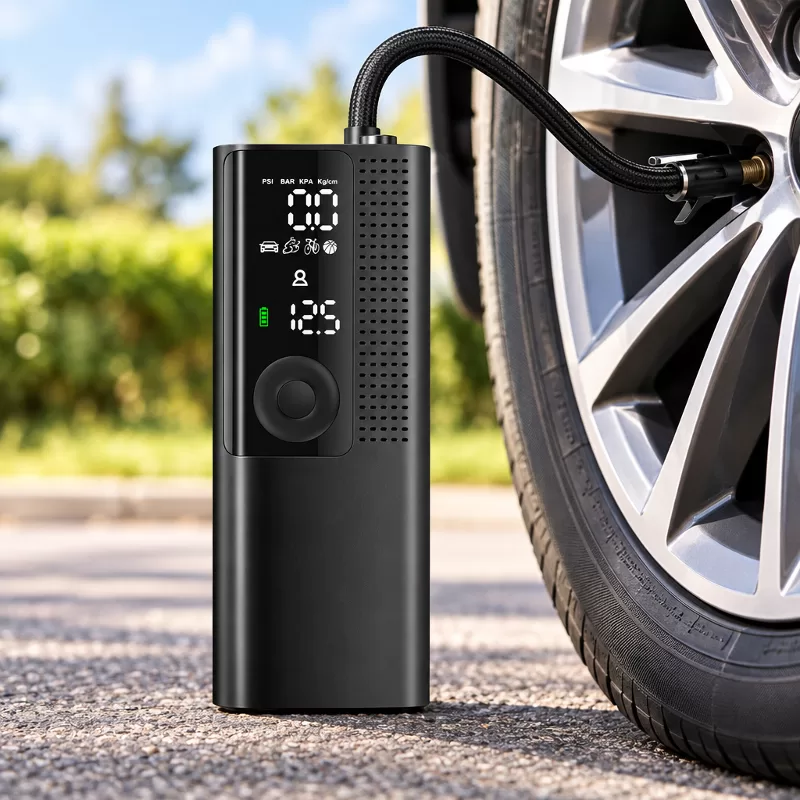
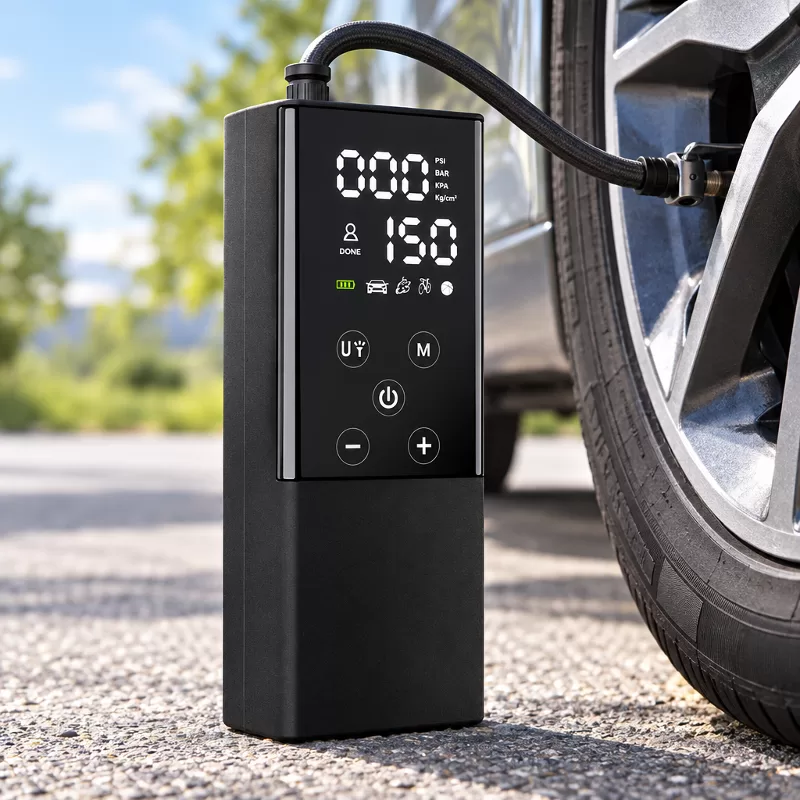
Analogue mechanical dial gauges use internal Bourdon tubes that can lose calibration when subjected to vehicle vibration, drops, or harsh temperature changes. Digital inflators display measured pressure and may offer automatic shut-off. Sensor design and reading behavior vary by model; consult the manufacturer’s specifications. High-resolution digital displays allow operators to toggle between international pressure units, including PSI, BAR, KPA, and kg/cm², reducing unit conversion errors.
The automatic shut-off function is designed to stop inflation at the programmed target; follow the product instructions and verify the final pressure with a suitable gauge. Depending on the model, pressure readings during active inflation may reflect continuous sensing or periodic pauses in pumping to measure static pressure. Automatic shut-off can reduce over-inflation risk when the correct target is entered, but remain nearby and monitor the pump, especially during roadside use.
Checking digital readouts against a dedicated mechanical pencil gauge or a calibrated digital dial gauge provides extra reassurance during seasonal maintenance checks. While integrated digital displays offer convenience, regular verification confirms that the onboard sensor maintains its accuracy over months of travel and temperature fluctuations.
Technical Profile: The LP17A-P Multi-Power Architecture
Specification Blueprint and Internal Geometry
Examining verified engineering parameters demonstrates how modern inflators balance compact dimensions with functional power. The LP17A-P tire inflator, developed by Newo as part of its pneumatic product portfolio, combines dual-power functionality with a streamlined, compact form factor. For us, the specifications below describe the product’s stated dimensions, power options, pressure range, and operating data.
| Technical Parameter | Engineering Specification |
|---|---|
| Model Designation | LP17A-P |
| Form Factor Dimensions | 68 mm × 46 mm × 160 mm |
| Net Weight | Approximately 453.1 g |
| Internal Cylinder Size | 17-cylinder architecture |
| Pressure Range | 2 to 150 PSI |
| Displacement Air Flow | 17 to 18 L/min |
| Internal Battery Pack | 2 × 18650 cells (7.4V / 2000 mAh / 14.8 Wh) |
| Rated Working Power | 50W maximum |
| Vehicle Power Input | Direct 12V to 14V car power |
| Recharge Port & Input | Type-C interface (5V / 2A) |
| Auxiliary Output Port | 5V / 2A output |
| Acoustic Signature | 85 dB or below at 1 meter distance |
| Operational Temperature | -10°C to 45°C |
Measured Operating Capacity and Thermal Envelope
The LP17A-P is specified with a 17-cylinder structure, a 17–18 L/min airflow figure, and a 2–150 PSI pressure range. The product specifications list inflation capacity as about two “205” tires per full charge; the supplied information does not state the test conditions or starting pressure. The actual number of tires an operator can service depends directly on tire volume, initial pressure, and ambient working temperatures.
The listed runtime is about 20 minutes. Follow the product instructions for any operating or cooling limits. The listed working-temperature range is -10°C to 45°C; consult the product instructions for operating, charging, and cooling guidance. Adhering to these manufacturer guidelines ensures that the equipment is operated within its stated environmental boundaries.
Battery cycle life for the internal power cells is rated at 100 cycles to 80% original capacity or above. This metric provides a clear benchmark for long-term ownership expectations across typical household and automotive maintenance duties. Understanding these electrical boundaries helps users plan recharging schedules that support consistent readiness throughout the driving year.
Emergency Standby and Auxiliary Power Utility
Measuring 68 × 46 × 160 mm with a mass of approximately 453.1 g, the LP17A-P packs cleanly into vehicle consoles, door storage bins, or saddlebags. To avoid leaving motorists stranded with an empty battery, the device supports both 12V to 14V vehicle power and portable recharging via a Type-C port drawing 5V/2A, which takes about two hours.
The specifications also include a secondary 5V/2A output port, giving the unit practical multi-purpose utility during travel or unexpected roadside delays. The product specifications list a dual LED display alongside five preset modes and custom pressure configuration settings. These integrated interface options streamline menu selection and ensure clear numerical tracking when servicing equipment in low-light environments.
Compact dimensions allow the unit to be stowed alongside emergency medical kits, tire repair plugs, or reflective warning triangles without taking up valuable luggage space. Keeping the inflator easily accessible encourages regular tire inspections rather than postponing maintenance until warning lights appear.
Safe Field Operation: Best Practices for Tire Pressure Management
Pre-Inflation Environmental and Safety Checklist
Deploying an air tire pump portable on an active roadside requires strict attention to environmental safety. Narrow shoulders leave operators vulnerable to passing traffic, turbulence, and debris. If low tire pressure occurs on a highway, prioritize exiting to a wide rest area, service plaza, or well-lit parking area, even if driving slowly on the shoulder is necessary to avoid high-risk exposure.
Position the vehicle on level, solid pavement, activate the hazard warning flashers, and engage the mechanical parking brake. Before connecting the inflation chuck, inspect the tire valve stem for physical damage, rubber cracking, or internal contamination. Road sand, salt, or mud packed inside the stem can dislodge into the Schrader core, creating persistent slow leaks after you finish the job.
Checking the surrounding work area for sharp objects, glass, or uneven gravel prevents personal injury while kneeling near the wheel assemblies. In wet or snowy conditions, placing a small mat or towel on the ground creates a clean workspace and protects the inflator housing from road moisture.
Coupling, Interface Programming, and Sealing Mechanics
Adhering to a standardized connection sequence ensures dependable pressure measurement and prevents unnecessary air loss:
- Locate Factory Pressure Placard: Open the driver door and read the required cold inflation PSI from the B-pillar label. Disregard maximum pressure figures molded on the tire sidewall.
- Inspect and Clean Valve Stem: Remove the dust cap and clear away loose dirt around the valve threads to prevent debris ingress.
- Secure the Chuck Connection: Thread the pump chuck squarely onto the stem threads, pressing straight inward to depress the Schrader pin cleanly and minimize air hiss.
- Verify Baseline Pressure: Switch on the digital display to read the tire’s resting pressure before activating the motor.
- Select Target Pressure: Choose the appropriate preset mode or adjust the plus and minus controls to set your desired target value.
- Run and Monitor Inflation: Start the compressor, keeping the delivery hose unkinked while observing inflation progress until the automatic cutoff engages.
Maintaining the air delivery hose in a straight, gentle curve without sharp kinks ensures unrestricted airflow from the cylinder block to the valve stem. If an unusual rattling noise or rapid pressure fluctuation occurs on the display, stop the pump immediately and check the chuck connection for cross-threading or mechanical binding.
Thermal Handling and Post-Inflation Seal Verification
Once the pump motor completes its cycle, the brass connector and surrounding metal components will be warm due to heat transfer from compressed air. Operators should grip the insulated rubber hose collar rather than touching bare metal fittings immediately after operation.
After unscrewing the chuck, check the valve stem core to ensure it has sealed properly. A quick drop of water over the valve opening will reveal persistent bubbles if the internal pin is sticking. Reinstall the valve stem cap firmly to protect the core against grit, water, and road grime. Return the inflator, power leads, and adapters to their protective storage case to shield the digital screen from loose trunk cargo.
Inspecting the air hose for signs of thermal softening, surface abrasions, or connector strain after each use extends the life of the accessory kit. Stowing cables neatly coiled without tight bends protects internal copper strands from fatigue over repeated travel cycles.
Application Matching: Matching Inflator Class to Tire Demands
Passenger Vehicles and Daily Commuting Demands
Recommended pressures vary by vehicle; check the placard or owner’s manual rather than relying on a general range. For passenger cars, hatchbacks, and compact crossovers, a portable inflator serves as an efficient tool for routine pressure correction. For instance, addressing minor seasonal losses of a few PSI across all four wheels helps keep tire geometry aligned with factory handling standards.
Using an air tire pump portable at home allows drivers to check tires when they are genuinely cold, avoiding the inaccurate pressure readings that occur when driving to a filling station on warm tires. Regular cold-pressure maintenance preserves proper contact patch distribution, supports predictable braking, and helps prevent irregular shoulder wear.
In urban driving environments where potholes and curb strikes are common, catching slow leaks early prevents driving on dangerously under-inflated tires. Drivers who make monthly pressure checks part of their routine enjoy consistent fuel economy and get the full service life out of their tire investment.
High-Pressure Bicycles, E-Bikes, and Urban Micro-Mobility
Micro-mobility platforms, including electric commuter bicycles, balance boards, and standard road bikes, feature pneumatic tires that operate across a wide range of pressures. High-pressure bicycle tires hold relatively small air volumes, meaning minor air seepage through inner tube walls produces significant pressure drops over short periods. Manual hand pumps require substantial physical effort to reach target pressures, and small inline analog gauges can be difficult to read accurately.
A digital portable inflator provides consistent motor-driven air delivery for these higher-pressure, low-volume setups. Note that mode selection and mechanical valve connection remain separate considerations: the inflator controls operational pressure targets, while the physical hose fitting must match the valve stem. Always follow the tire and rim manufacturers’ pressure guidance to avoid bead unseating, pinch flats, or over-pressurization.
E-bikes and cargo bicycles carry higher system weights than traditional bicycles, making proper tire inflation essential for battery range and rim protection. An electric inflator simplifies the task of maintaining precise pressures on commuter bikes, eliminating the strenuous pumping often required with compact manual hand pumps.
Displacement Boundaries: Heavy Light Trucks and Commercial Platforms
While personal portable inflators are remarkably versatile, their physical displacement limits make them unsuitable for large commercial vehicles. Heavy-duty pickup trucks, commercial vans, and heavy equipment haulers frequently use commercial load-range tires that require high pressures combined with substantial internal air volumes. Supplying that volume with a compact 17-cylinder displacement pump would exceed the unit’s recommended runtime limits.
Commercial platforms require high-displacement, direct-battery-clamped compressors engineered for long continuous duty cycles and rapid cubic-feet-per-minute delivery. Attempting to fill a massive, completely flat commercial tire with a compact consumer pump can cause thermal overload and excessive mechanical wear. Selecting the right inflation tool requires matching pump displacement to the tire’s total internal volume.
Fleet operators and drivers who tow heavy travel trailers or livestock haulers should equip their service kits with dedicated high-output pneumatic systems designed for commercial duty cycles. Using personal handheld inflators outside their intended design scope risks motor damage and leads to frustrating delays during roadside emergencies.
Frequently Asked Questions
Does a 150 PSI maximum rating mean an inflator can quickly fill large truck tires?
A 150 PSI rating is the stated maximum pressure; it does not, by itself, specify how quickly the pump inflates a tire. Filling large truck tires requires moving high volumes of air over time. Because compact inflators use narrow cylinders to achieve high pressures safely, filling high-volume truck tires takes substantially longer and may exceed the tool’s recommended runtime limits.
Why should tire pressure be measured only when tires are cold?
Tire pressure increases during driving because internal friction and road contact generate heat, causing air inside to expand and raise internal pressure. Vehicle placards specify cold inflation pressures, which assume the vehicle has been parked for at least three hours. Checking warm tires often leads drivers to let air out mistakenly, resulting in dangerous under-inflation once the tires cool down.
Can the LP17A-P be operated if its internal battery is completely drained?
The specifications list 12V–14V vehicle-power support; check the included accessories and manual for the required connection. This dual-power design allows the inflator to run directly from vehicle power when the internal lithium cells are depleted, providing dependable operation during travel without waiting for a recharge.
How often should a portable inflator be recharged when stored in a vehicle trunk?
Storage conditions and battery maintenance vary by model; consult the manufacturer’s storage and charging instructions to maintain readiness. Keeping the vehicle power cable in the vehicle ensures you can still use the pump if the battery runs low between routine maintenance checks.
Does the auto-shutoff mechanism completely eliminate over-inflation risks?
The automatic shut-off system cuts motor power once internal sensors reach the pre-set target value, preventing unintended over-inflation. However, system accuracy depends on the user entering the correct pressure specified on the vehicle placard. Always double-check the programmed number on the digital display before starting the pump.
How does ambient temperature affect tire pressure readings?
Tire pressure changes with temperature; NHTSA cites an approximate change of 1 psi per 12°F (about 6.5°C). Set tires to the vehicle’s recommended cold pressure. The LP17A-P’s listed working-temperature range is -10°C to 45°C. Checking pressures when seasonal weather transitions occur ensures tires remain properly supported as outside temperatures shift.
What maintenance is required to keep a portable air pump in good condition?
Routine maintenance involves inspecting the air delivery hose for surface cracks, cleaning dust or dirt from ventilation slots, and ensuring brass connector threads remain clean and undamaged. Storing the unit in a dry protective case shields internal electronics and digital screens from luggage impacts and excessive moisture during everyday transport.
Final Considerations for Mobile Pressure Management
Maintaining correct tire pressure remains a fundamental maintenance responsibility that directly affects driving safety, fuel economy, and tread life. Relying on commercial service station compressors often leads to irregular checks due to broken equipment, awkward hose reels, or inaccurate built-in gauges. A portable inflator can help drivers restore pressure to the vehicle’s recommended level; verify pressure with a suitable gauge and follow the placard. Equipping your vehicle with an air tire pump portable provides an accessible, reliable way to manage tire health, prevent uneven tire wear, and maintain road readiness wherever your travel takes you.
-
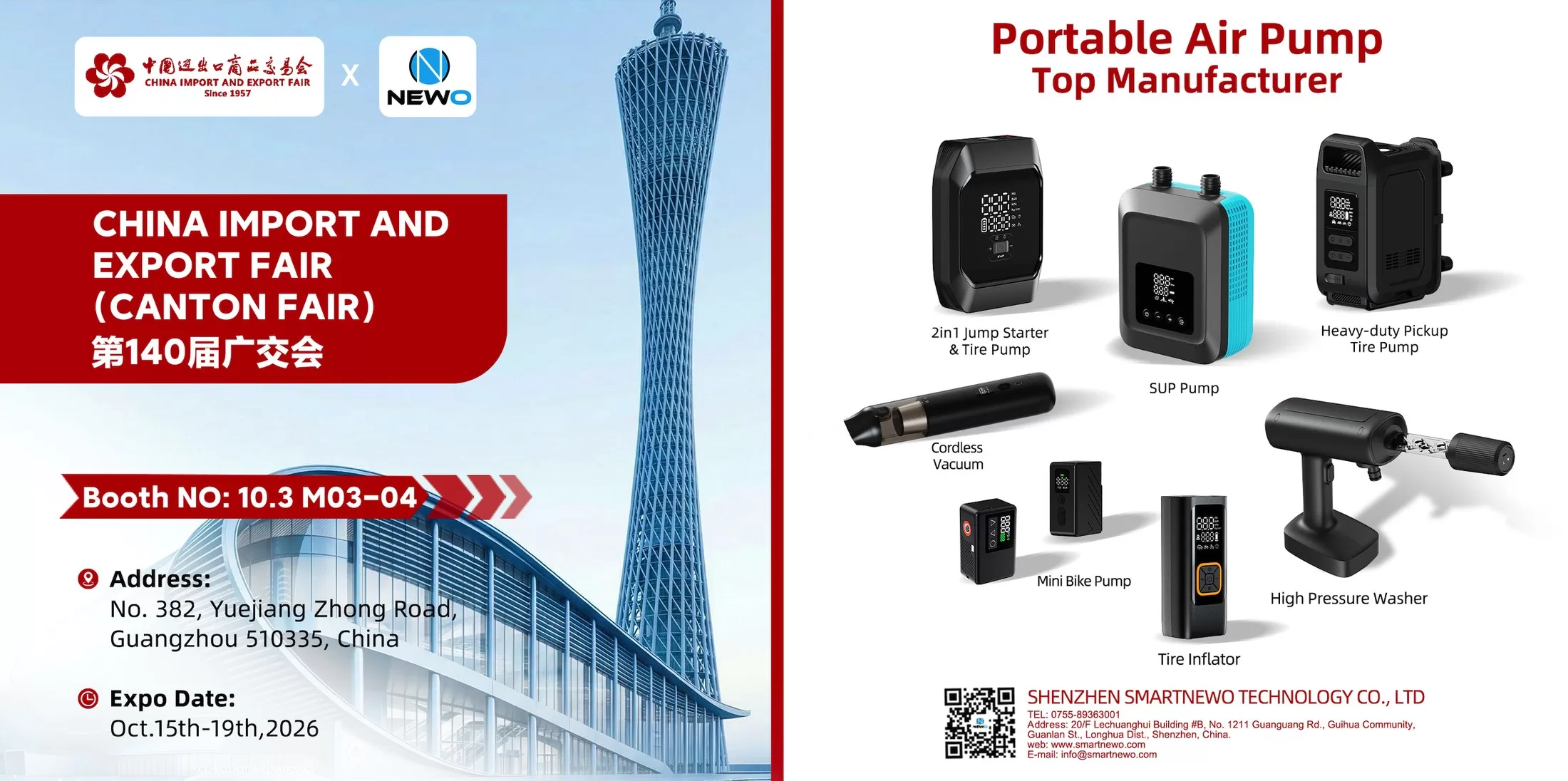
Meet NEWO at the 140th Canton Fair: Visit Booth 10.3 M03–04
Meet NEWO at the 140th Canton Fair in Guangzhou, October 15–19, 2026. Visit Booth 10.3 M03–04 to explore portable air pumps and discuss OEM, ODM and distribution opportunities.... -

As Shenzhen Welcomes the World for APEC 2026, NEWO Welcomes You to Our Factory
As Shenzhen prepares for APEC 2026, NEWO welcomes international buyers and partners to visit our factory, meet our team and explore future cooperation.... -
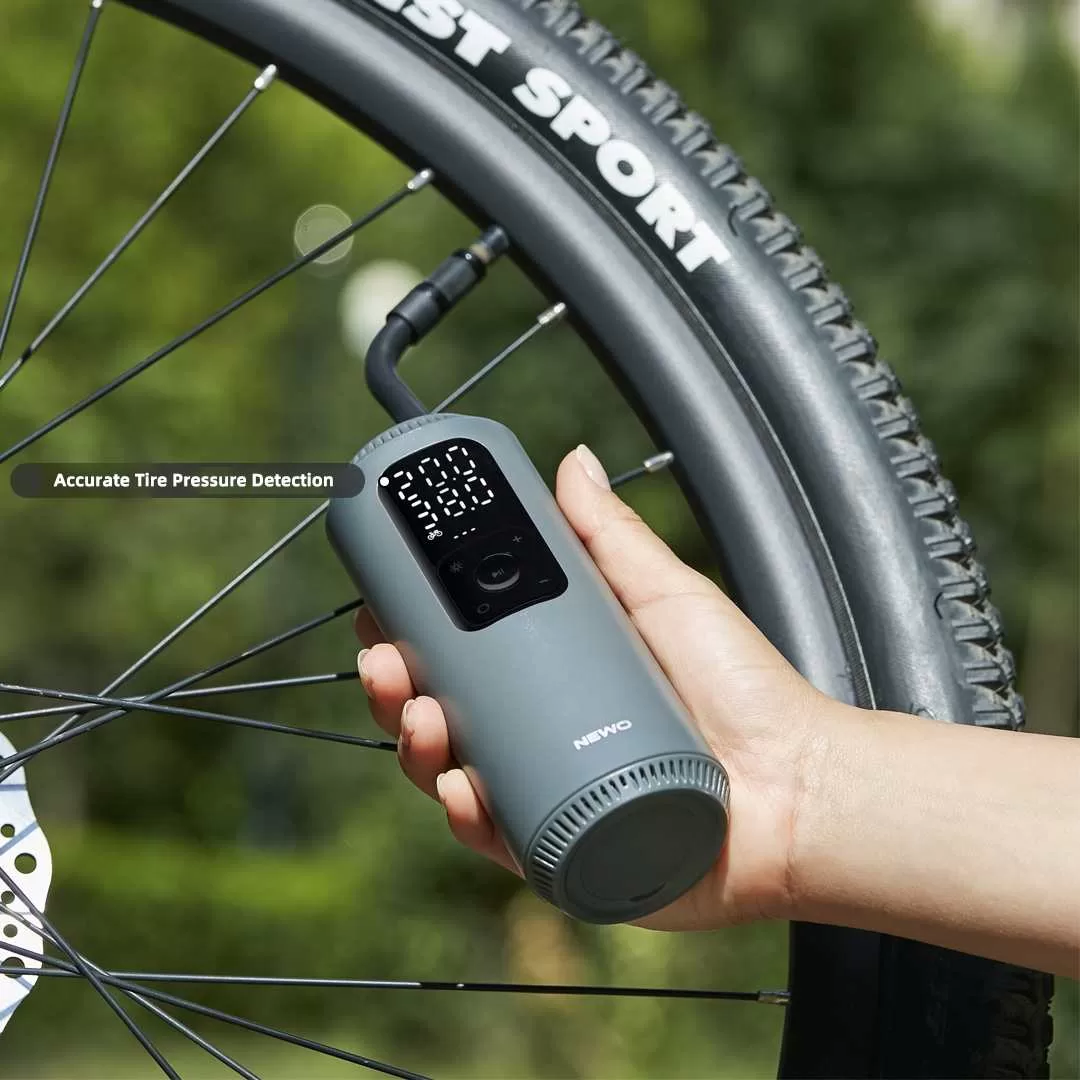
Leading the Way in Product Innovation and Excellence
Smartnewo exemplifies professionalism in product innovation and manufacturing. Their collaboration with Xiaomi Youpin on the G01 crowdfunding project highlights their expertise in creating compact, powerful inflatable pumps. Rigorous engineering, meticulous production processes, and advanced quality assurance underscore their commitment to excellence. The success of the G01 project, with significant market... -
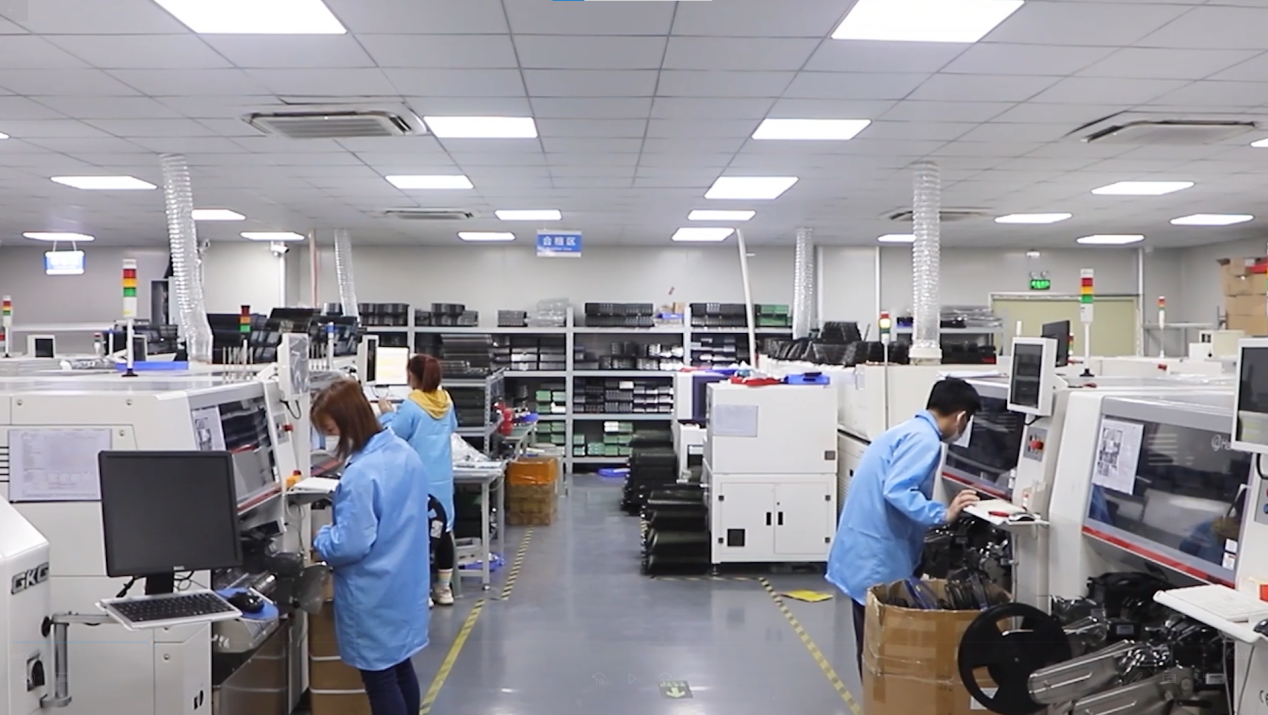
Essential Qualities of an Excellent Supplier
In today's competitive market, finding a reliable supplier is crucial for business success. Based on insights from Smartnewo and broader internet research, here are key qualities an excellent supplier must possess:... -
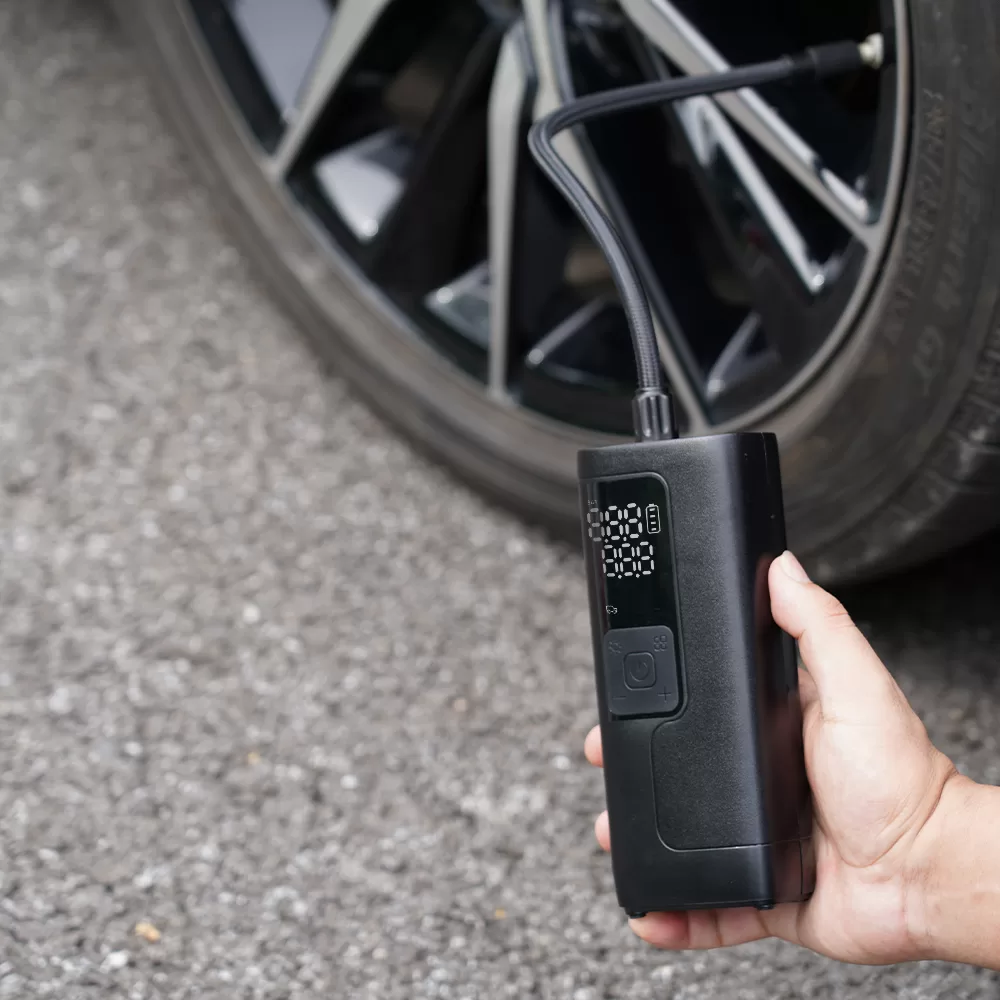
NW06 Tire Inflator: Compact Power for Quick Inflation
Summary The NW06 Tire Inflator delivers quick and efficient tire inflation with a powerful 35L/min airflow. It features a user-friendly LCD screen for real-time pressure monitoring, dual power options with a built-in 6000mAh battery, and multiple nozzle attachments for versatile use. Its compact design and integrated LED light ensure convenience and... -
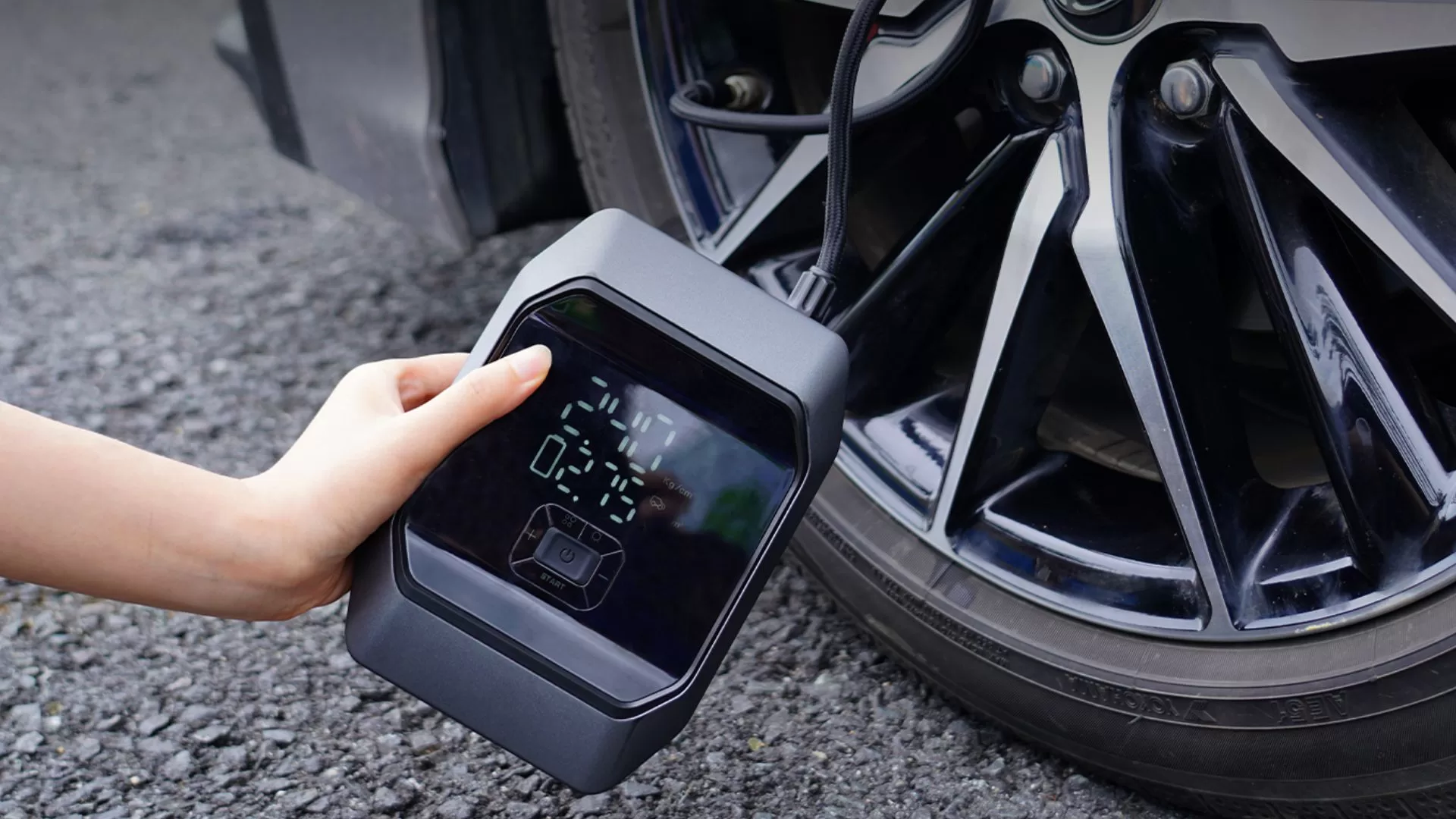
Unleash the Power of Portability: The SmartNewo Jump Starter with Air Compressor KF03
This guide will walk you through the steps to effectively use a portable tire inflator, helping you stay prepared and safe on the road.... -

Newo Attends The 2024 Consumer Electronics Show (CES)
Smartnewo booth is located at 53672, Halls A-D, Level 2, Venetian Expo, Las Vegas Convention Center (LVCC). ... -
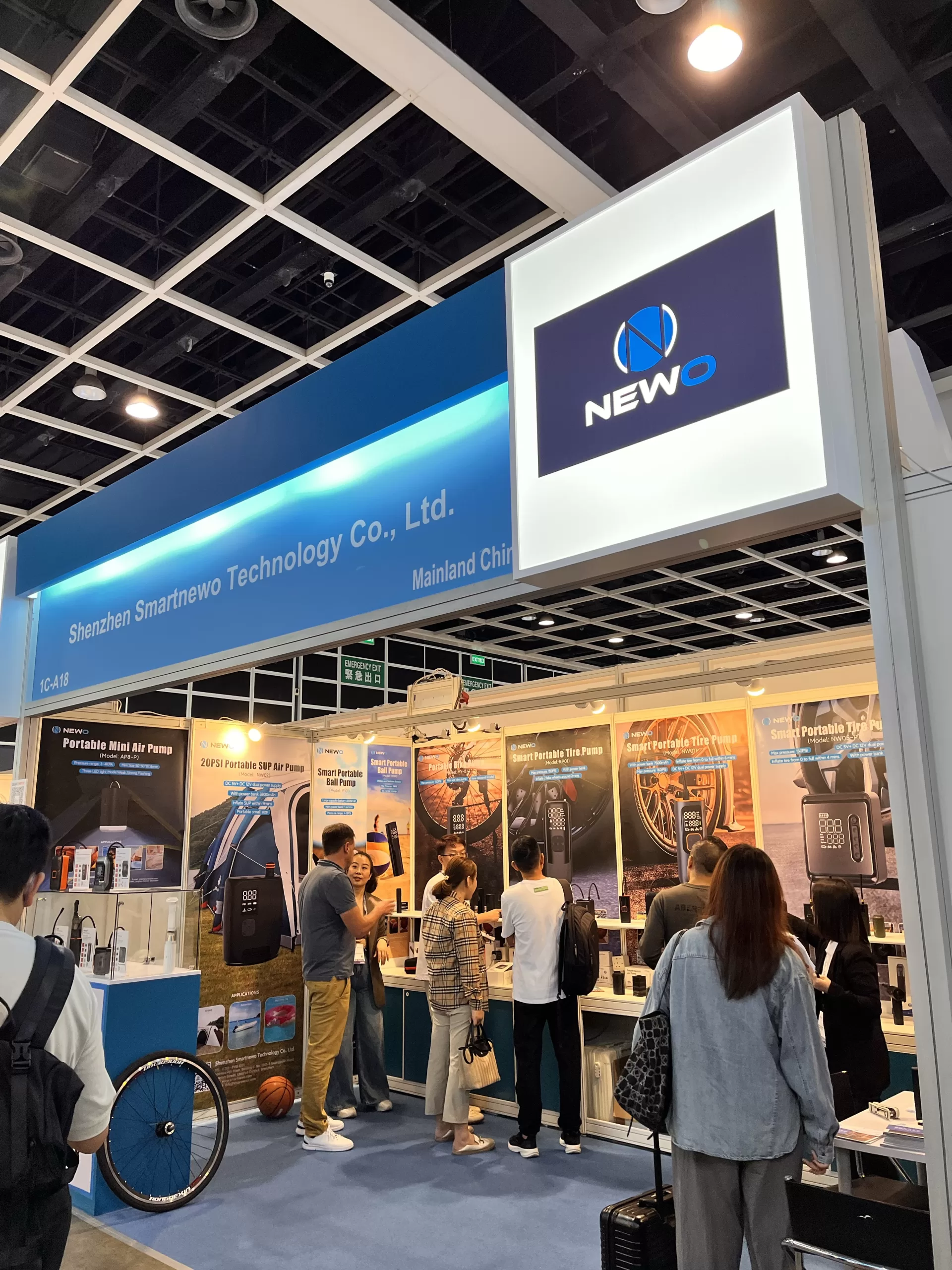
Smartnewo’s Dual-Cylinder Air Pump Rocks the Hong Kong Autumn Electronics Fair!
Smartnewo’s Dual-Cylinder Air Pump Rocks the Hong Kong Autumn Electronics Fair!... -

Meet at the Canton Fair! Smartnewo brings dual-cylinder air pumps, making your inflation experience faster and more stable!
NEWO has went deep communication and negotiation with customers from all over the world on booth.... -
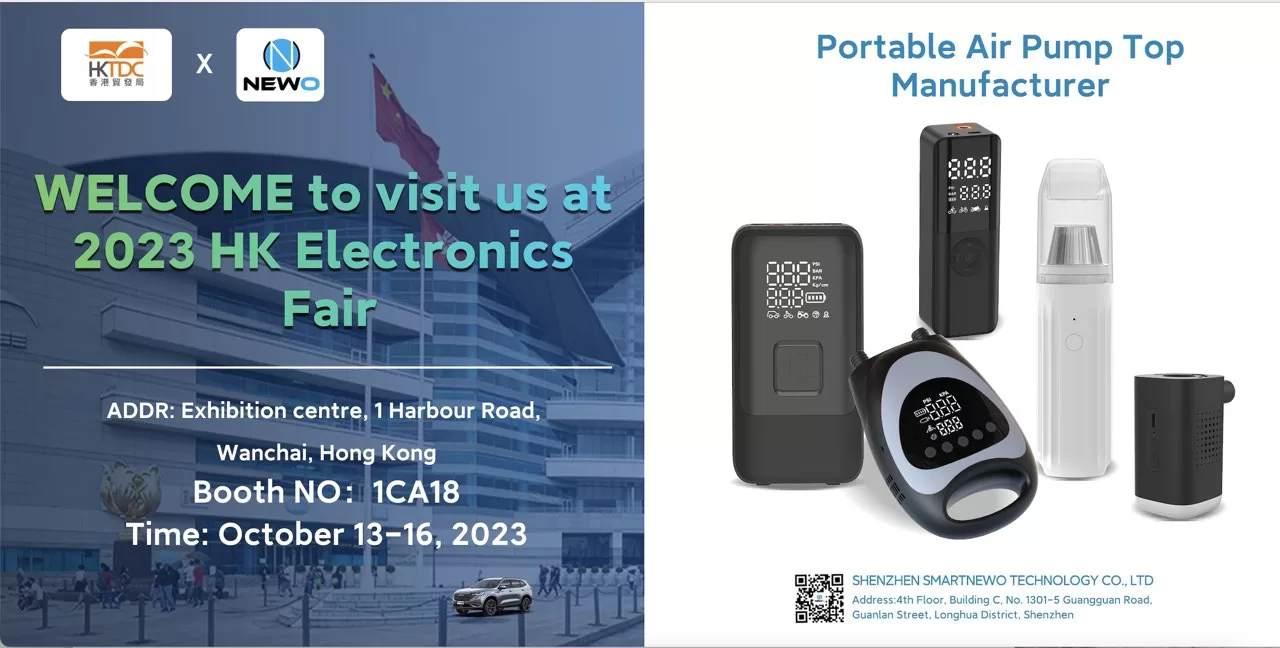
“Hong Kong Autumn Electronics Fair – 1CA18 (October 13th to 16th): Smartnewo invites you to visit our booth!
Hong Kong Autumn Electronics Fair...
-
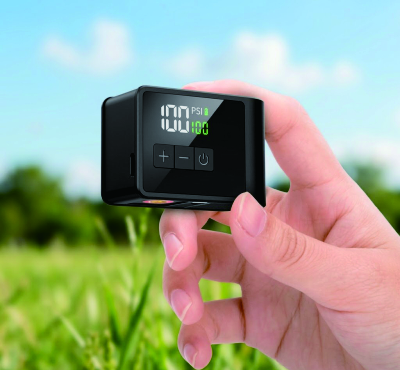
What to Check Before Ordering Custom Electric Bike Pumps
Plan custom electric bike pumps with a clear requirements freeze for valves, TPU tubes, portability, repeated top-ups, charging, and model-specific documents.... -

OEM vs ODM Air Pumps: Which Manufacturing Model Fits Your Brand?
Compare OEM and ODM air pump projects by design responsibility, change approval, development scope, and written ownership terms before choosing your route.... -

How to Choose a Reliable Tire Inflator Manufacturer in China
Choose a tire inflator manufacturer in China with a focused RFQ, supplier evidence, configuration checks, and clear sample-to-pilot decisions for your brand.... -
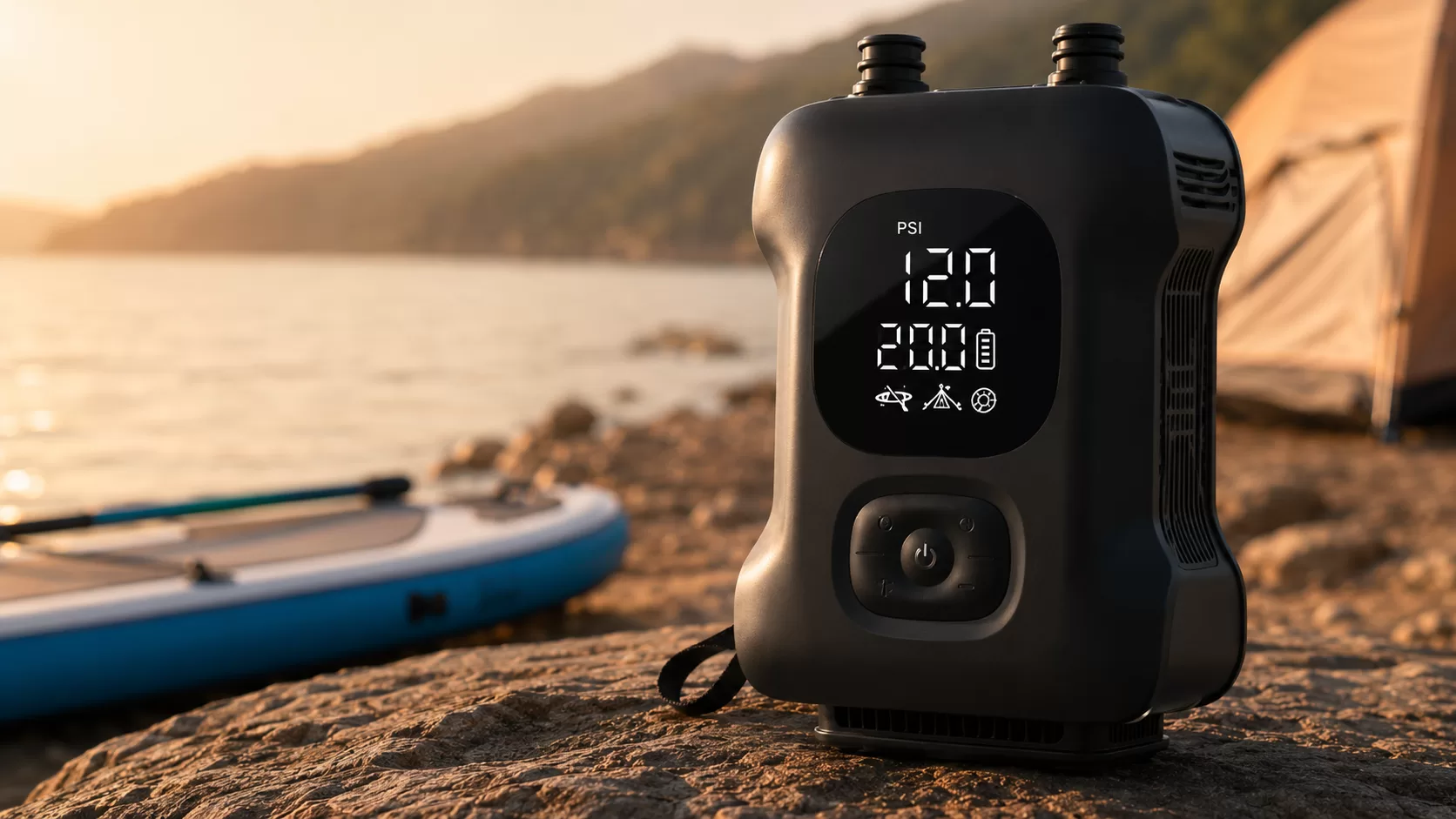
Rechargeable Electric SUP Pump for Paddle Boards: Faster Inflation for SUPs, Kayaks and Inflatable Tents
The BL10-C Portable Electric Bike Tire Inflator is a compact and lightweight mini electric bike pump designed for modern cyclists. With up to 120 PSI pressure, a digital LED display, preset pressure control, automatic shut-off, USB-C charging, and multiple valve adapters, BL10-C offers a convenient inflation solution for road bikes,... -
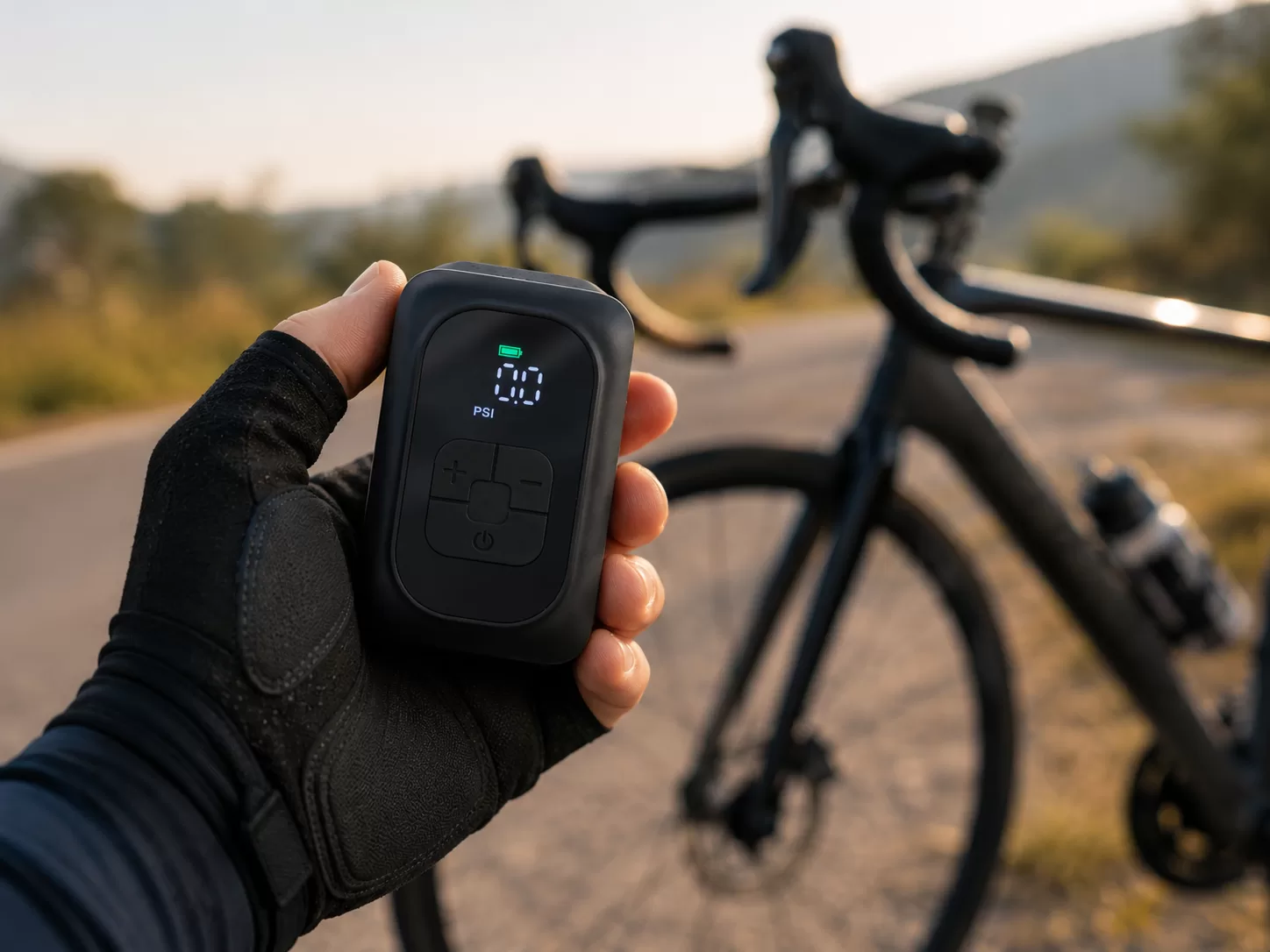
Are Electric Bike Pumps Worth It in 2026? Electric Pump vs CO₂ vs Mini Hand Pump
Discover whether electric bike pumps are worth it in 2026. This guide compares electric bike pumps, CO₂ inflators, and mini hand pumps for road cycling, gravel riding, commuting, and long-distance rides. Learn the pros, limitations, best use cases, and key features to look for before choosing the right portable tire... -
BL10-C Portable Electric Bike Tire Inflator: Small Size, Reliable Power for Every Ride
The BL10-C Portable Electric Bike Tire Inflator is a compact and lightweight mini electric bike pump designed for modern cyclists. With up to 120 PSI pressure, a digital LED display, preset pressure control, automatic shut-off, USB-C charging, and multiple valve adapters, BL10-C offers a convenient inflation solution for road bikes,... -
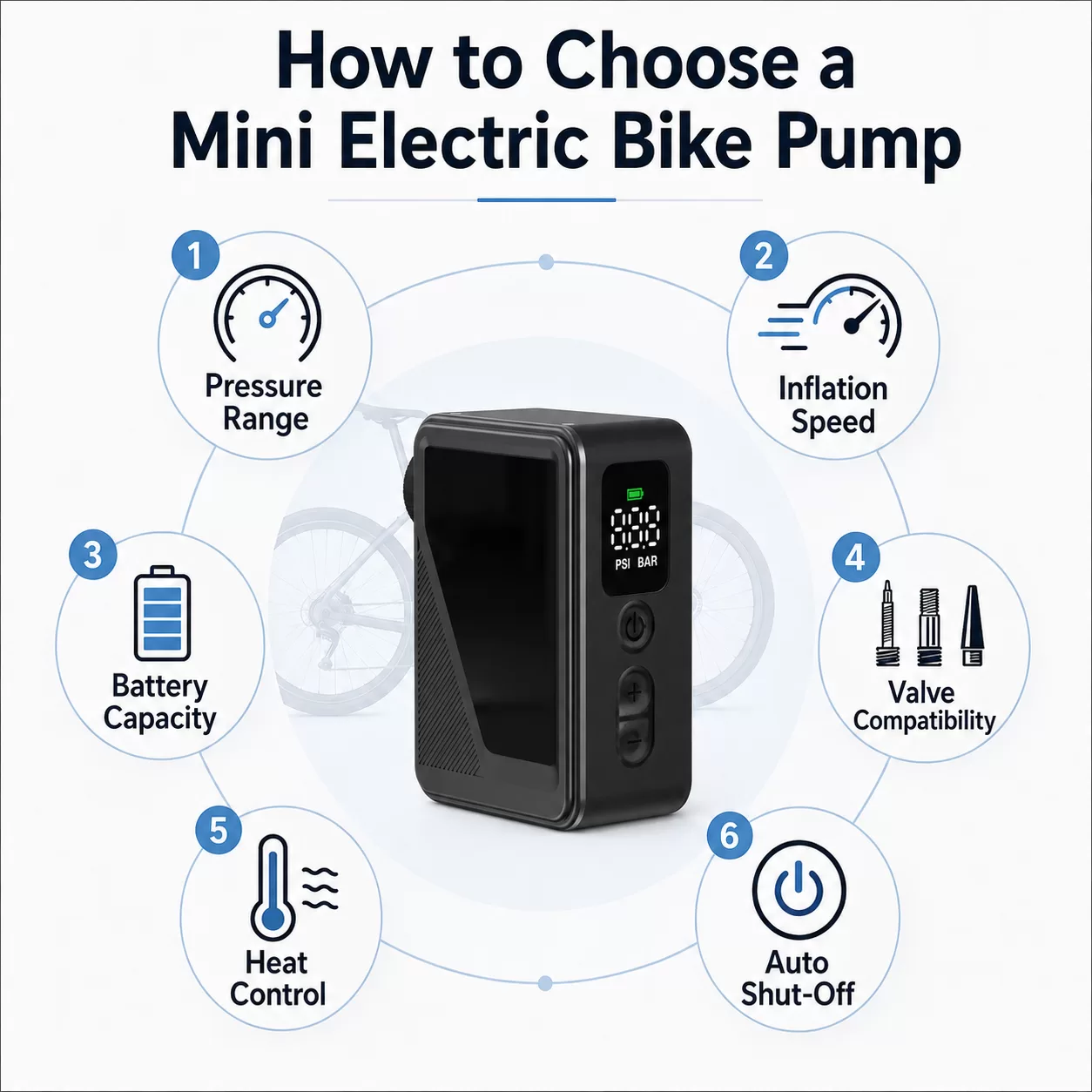
Why Mini Electric Bike Pumps Are Becoming Essential for Modern Cycling
Discover why mini electric bike pumps are becoming essential for modern cyclists. Learn how portable electric bike pumps improve tire pressure management, riding safety, and convenience.... -
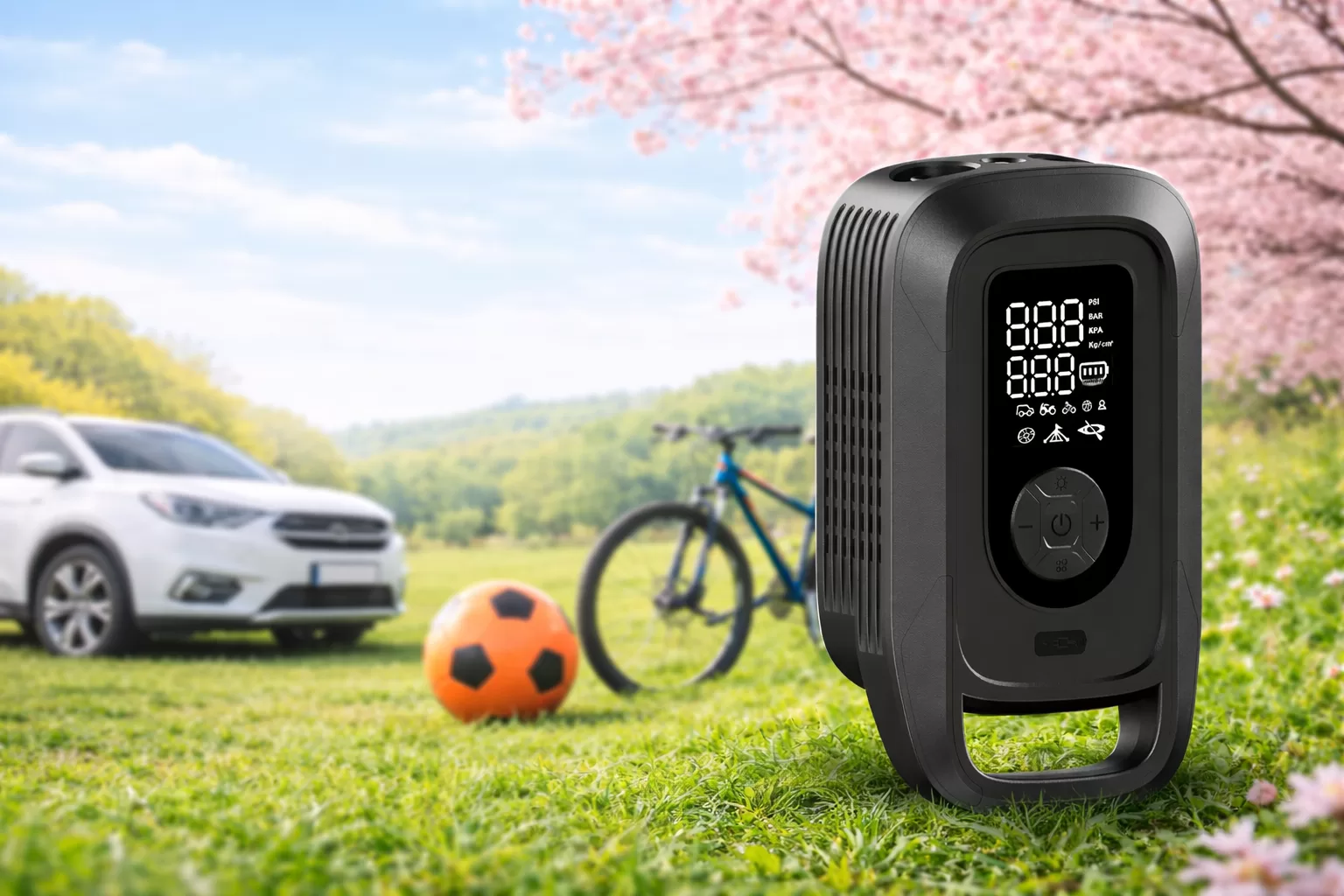
The Ultimate Smart Solution for Easy Outdoor Adventures in 2026
Discover how a spring travel air pump simplifies outdoor trips with fast inflation, smart features, and powerful performance—perfect for every adventure.... -
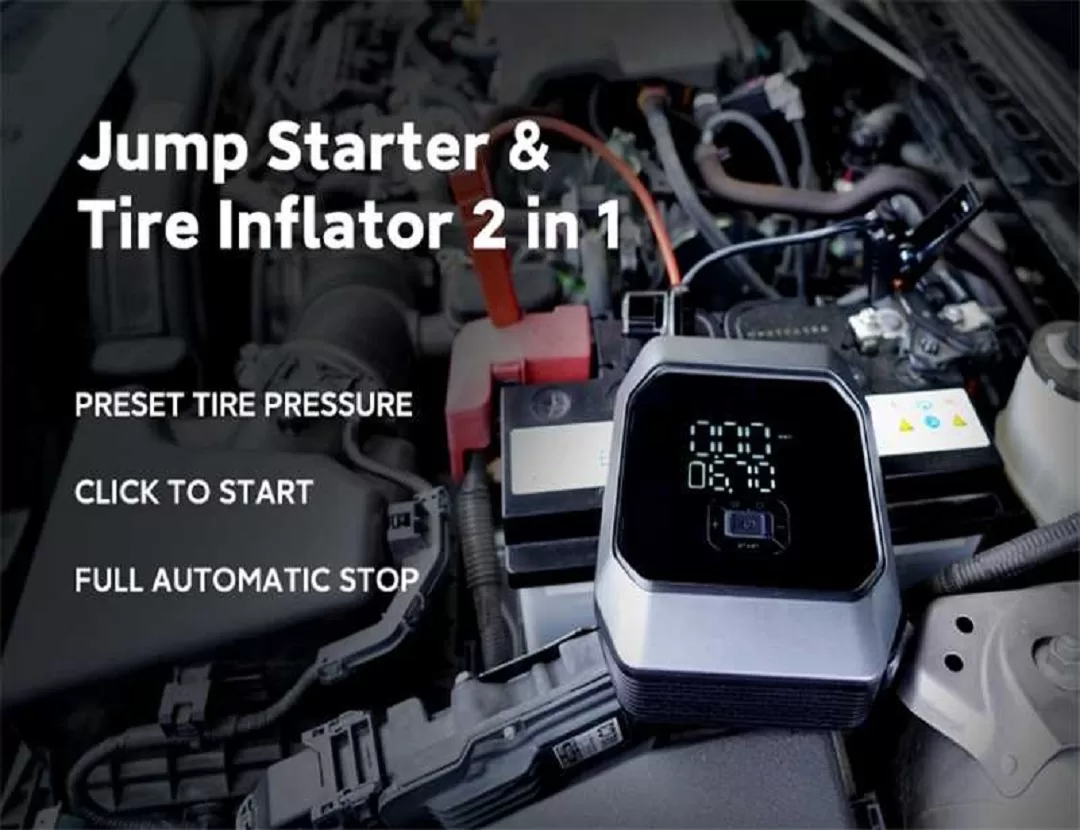
Powerful 5-in-1 Portable Car Tire Inflator and Jump Starter: The Ultimate Emergency Tool for Every Driver
Why Every Driver Needs a Portable Car Tire Inflator and Jump Starter Modern drivers face many unexpected situations on the road. A flat tire, low tire pressure, or a dead car battery can happen at the worst possible time. That’s why having a portable car tire inflator and jump starter is... -

7 Real Cycling Scenarios That Show Why Every Rider Should Carry a Mini Bike Pump
Cycling is one of the most freeing activities you can enjoy. Whether you’re commuting to work, riding through city streets, or exploring quiet countryside roads, a bike ride can instantly improve your day. But there’s one small problem that almost every cyclist eventually faces: Low tire pressure. It might happen...
-
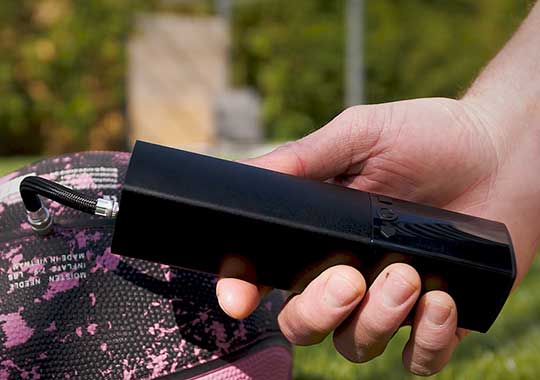
How Is a Football Properly Inflated?
The correct inflation of a football - with not too much and not too little air - is a hotly debated topic among footballers.... -

Application Scenarios of Car Inflator Pump
Often long-distance business trips or play car owners because the road may be more remote areas, in this case if you encounter a tire leak....