

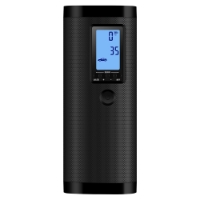
 Portable Tire Inflators
 Electric Air Pumps
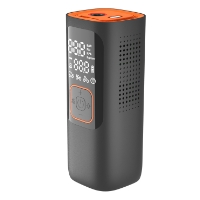 Electric Car Tyre Pumps
 Electric Ball Pumps
 Electric Bike Pump
 SUP Air Pump
SUP Electric Pump: A Smarter Way to Inflate Your Paddle Board
Inflating an inflatable stand-up paddle board (SUP) is often one of the least enjoyable parts of getting ready for a day on the water. A traditional hand pump can require significant time and physical effort, especially when the board needs to reach a relatively high pressure. An SUP electric pump offers a smarter alternative by automating the inflation process and helping paddlers reach the recommended pressure with less effort.
For outdoor enthusiasts, retailers, and water-sports brands, electric SUP pumps are becoming an increasingly practical solution. With features such as adjustable pressure settings, automatic shut-off, portable designs, and high-efficiency inflation, they can make the entire setup process faster and more convenient.
What Is an SUP Electric Pump?
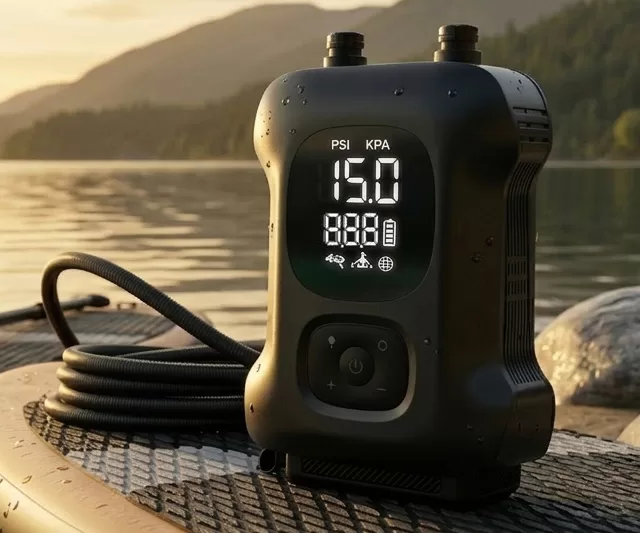
An SUP electric pump is a powered air pump specifically designed to inflate inflatable paddle boards and other large inflatables. Instead of manually pushing air into the board, users connect the pump hose to the board’s inflation valve, select the desired pressure, and allow the pump to do the work.
Many modern electric SUP pumps use a two-stage inflation system. The first stage delivers a large volume of air quickly to expand the board, while the second stage provides higher pressure to reach the final PSI setting. This design allows the pump to balance inflation speed and pressure performance.
For most inflatable SUPs, the recommended operating pressure is commonly around 12–15 PSI, although the correct pressure always depends on the specific board manufacturer’s instructions.
Why Choose an Electric Pump for Your SUP?
Save Time and Physical Energy
Manually inflating a paddle board can be tiring, particularly when the board requires a higher PSI. Instead of spending your energy pumping before you even reach the water, an electric pump can handle most of the inflation work automatically.
This is especially useful for larger SUPs, multiple boards, family outings, and frequent paddlers. You can connect the pump, set the pressure, and use the waiting time to prepare your paddle, safety equipment, or other gear.
Automatic Pressure Control
One of the most useful features of a quality electric SUP pump is automatic shut-off. After setting the target PSI, the pump stops automatically once the board reaches the selected pressure.
This provides more consistent inflation and reduces the need to constantly monitor the gauge. However, users should always follow the paddle board manufacturer’s recommended pressure rather than simply selecting the pump’s maximum PSI.
Consistent Inflation
A properly inflated SUP should have enough rigidity to provide stable support and efficient performance on the water. An electric pump with adjustable pressure settings can make it easier to achieve a consistent pressure from one session to another.
Instead of estimating pressure based on how hard the board feels, users can select a specific PSI according to the manufacturer’s specifications. This can be particularly valuable for paddlers who regularly use the same board.
Easier Preparation for Multiple Boards
If you are preparing two or more paddle boards, manual inflation becomes considerably more demanding. An electric pump can reduce the physical workload and make preparing several boards much more manageable.
For families, rental businesses, outdoor activity providers, and water-sports retailers, this time-saving advantage can be particularly important.
Key Features to Look for in an SUP Electric Pump
Not every electric air pump is equally suitable for paddle boards. When choosing an SUP electric pump, several features deserve careful consideration.
High-Pressure Performance
SUPs generally require substantially more pressure than products such as inflatable toys. Therefore, the pump should be capable of reaching the recommended PSI for your particular board without operating continuously at its maximum limit.
A pump with sufficient pressure capacity provides more flexibility and can help ensure reliable performance during repeated inflation cycles.
Adjustable PSI Settings
An adjustable pressure setting allows users to select the appropriate inflation level for different boards and applications. A digital display can make this process even easier by clearly showing the selected pressure.
When using an electric pump, always check the SUP manufacturer’s recommended PSI before starting inflation.
Automatic Shut-Off
Automatic shut-off is one of the most important convenience and safety-oriented features. Once the target pressure is reached, the pump stops instead of continuing to add air.
This “set and forget” approach is a major reason electric pumps are attractive to modern SUP users.
Compact and Portable Design
An SUP electric pump should be easy to transport between your home, car, campsite, and launch location. A compact design can fit more easily into an SUP storage bag or outdoor gear kit.
Portability is particularly important for paddlers who frequently travel to different lakes, rivers, beaches, or coastal locations.
Suitable Power Options
Electric SUP pumps can use different power sources, including vehicle power connections, rechargeable batteries, or other portable power solutions. The best option depends on where you normally inflate your board.
If you usually launch close to your vehicle, a car-powered pump can be practical. For remote locations, a rechargeable or portable power solution may offer greater flexibility.
Inflation and Deflation Functions
Some electric SUP pumps can both inflate and deflate inflatable equipment. Deflation is useful when packing your paddle board because removing air efficiently makes the board easier to roll and store.
For frequent paddlers, having both functions in one compact device can reduce the amount of equipment needed for each trip.
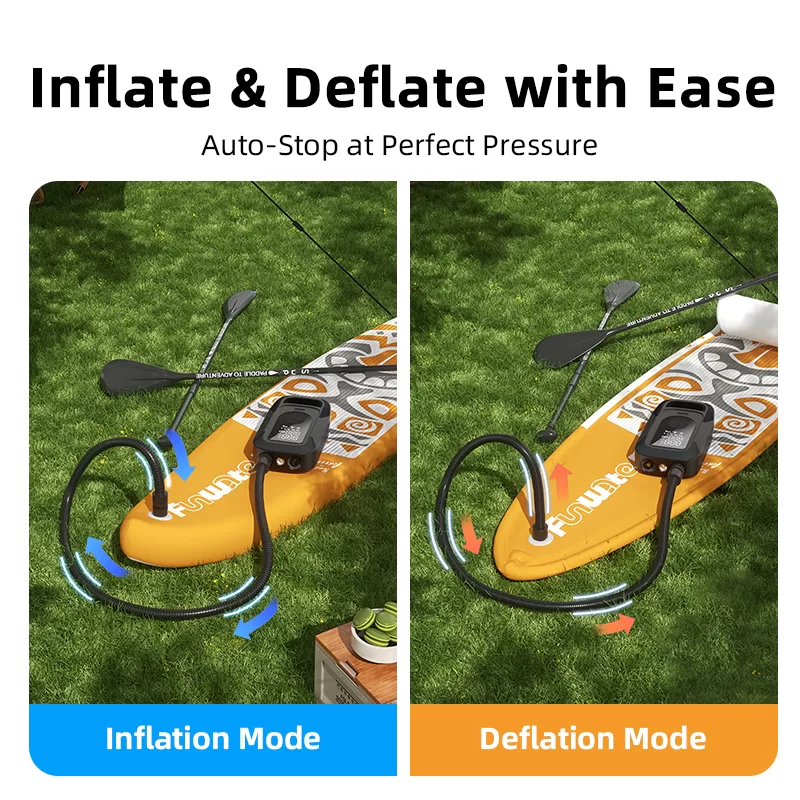
How to Use an SUP Electric Pump
Using an electric pump is generally straightforward, but following the correct sequence helps ensure efficient and safe inflation.
Step 1: Unroll the Paddle Board
Place the SUP on a clean, flat surface and fully unroll it. Check the board for visible damage before inflation.
Step 2: Check the Valve
Make sure the inflation valve is correctly positioned according to the board manufacturer’s instructions. An incorrectly positioned valve can prevent proper inflation.
Step 3: Connect the Hose
Attach the correct hose and valve adapter securely to the SUP. Make sure the connection is tight before starting the pump.
Step 4: Set the Target PSI
Check the recommended pressure printed on the board or provided in the manufacturer’s instructions. Set the electric pump to the appropriate PSI.
Many recreational inflatable SUPs operate around the 12–15 PSI range, but the manufacturer’s specification should always take priority.
Step 5: Start the Pump
Turn on the pump and allow it to inflate the board. A two-stage pump may initially sound different as it moves from high-volume inflation to higher-pressure inflation. This is normal for many designs.
Step 6: Let the Automatic Shut-Off Work
If the pump has an automatic shut-off function, it will stop when the preset pressure is reached. Once inflation is complete, disconnect the hose carefully and close the valve.
Conclusion
An SUP electric pump is more than a convenient accessory—it can fundamentally improve the paddle-board preparation experience. By reducing manual effort, supporting consistent pressure control, and offering features such as automatic shut-off and portable operation, an electric pump allows paddlers to spend less time preparing their equipment and more time enjoying the water.
When choosing an electric SUP pump, focus on the features that matter most: suitable pressure capacity, accurate PSI control, automatic shut-off, reliable power, portability, and durable construction. With the right pump, inflating your paddle board can become one of the easiest parts of your outdoor adventure.
-
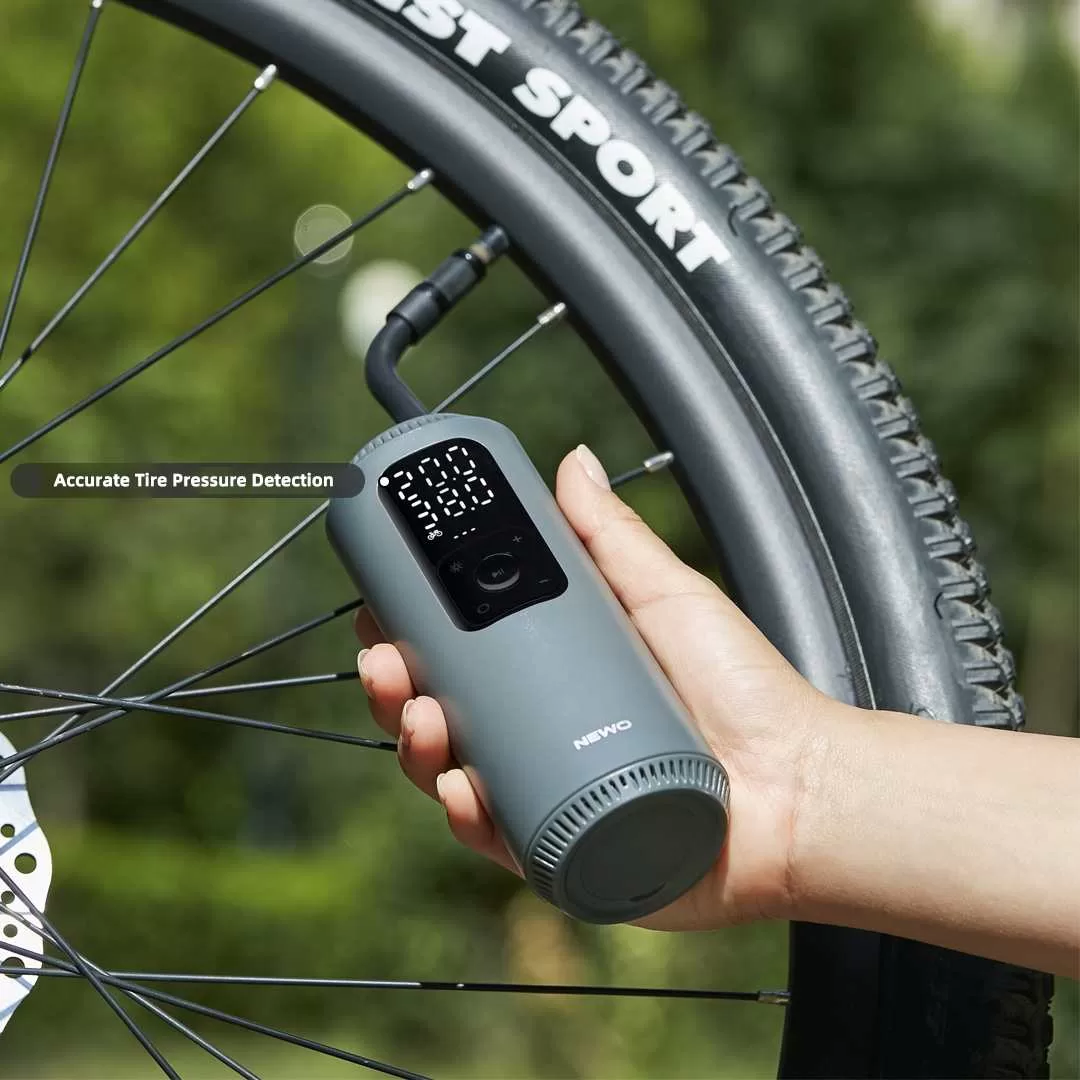
Leading the Way in Product Innovation and Excellence
Smartnewo exemplifies professionalism in product innovation and manufacturing. Their collaboration with Xiaomi Youpin on the G01 crowdfunding project highlights their expertise in creating compact, powerful inflatable pumps. Rigorous engineering, meticulous production processes, and advanced quality assurance underscore their commitment to excellence. The success of the G01 project, with significant market... -
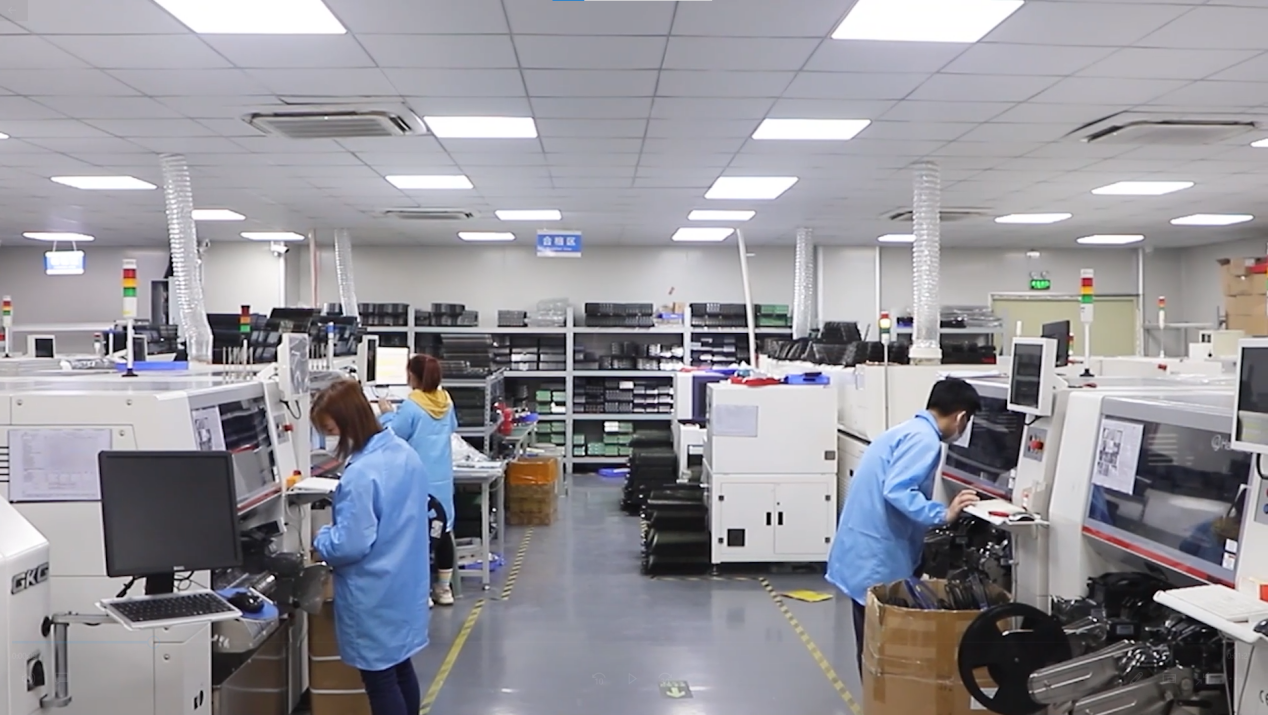
Essential Qualities of an Excellent Supplier
In today's competitive market, finding a reliable supplier is crucial for business success. Based on insights from Smartnewo and broader internet research, here are key qualities an excellent supplier must possess:... -
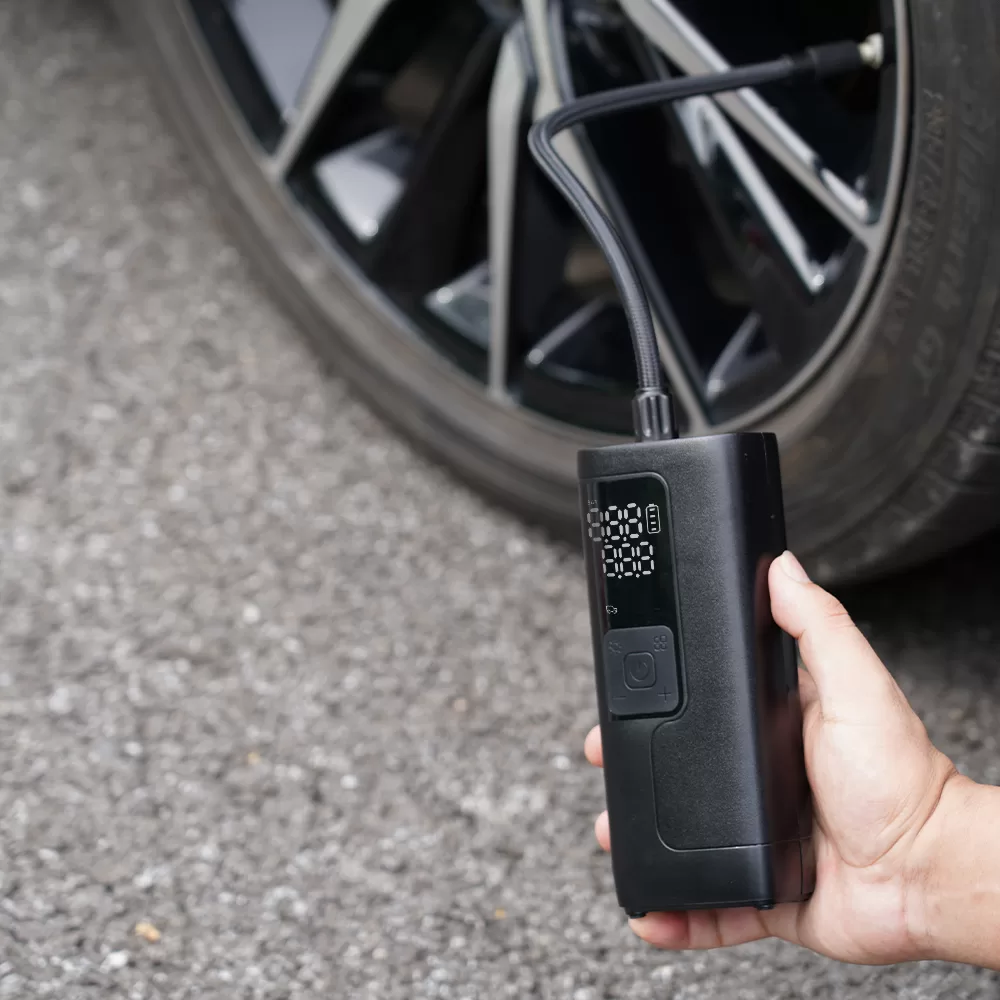
NW06 Tire Inflator: Compact Power for Quick Inflation
Summary The NW06 Tire Inflator delivers quick and efficient tire inflation with a powerful 35L/min airflow. It features a user-friendly LCD screen for real-time pressure monitoring, dual power options with a built-in 6000mAh battery, and multiple nozzle attachments for versatile use. Its compact design and integrated LED light ensure convenience and... -
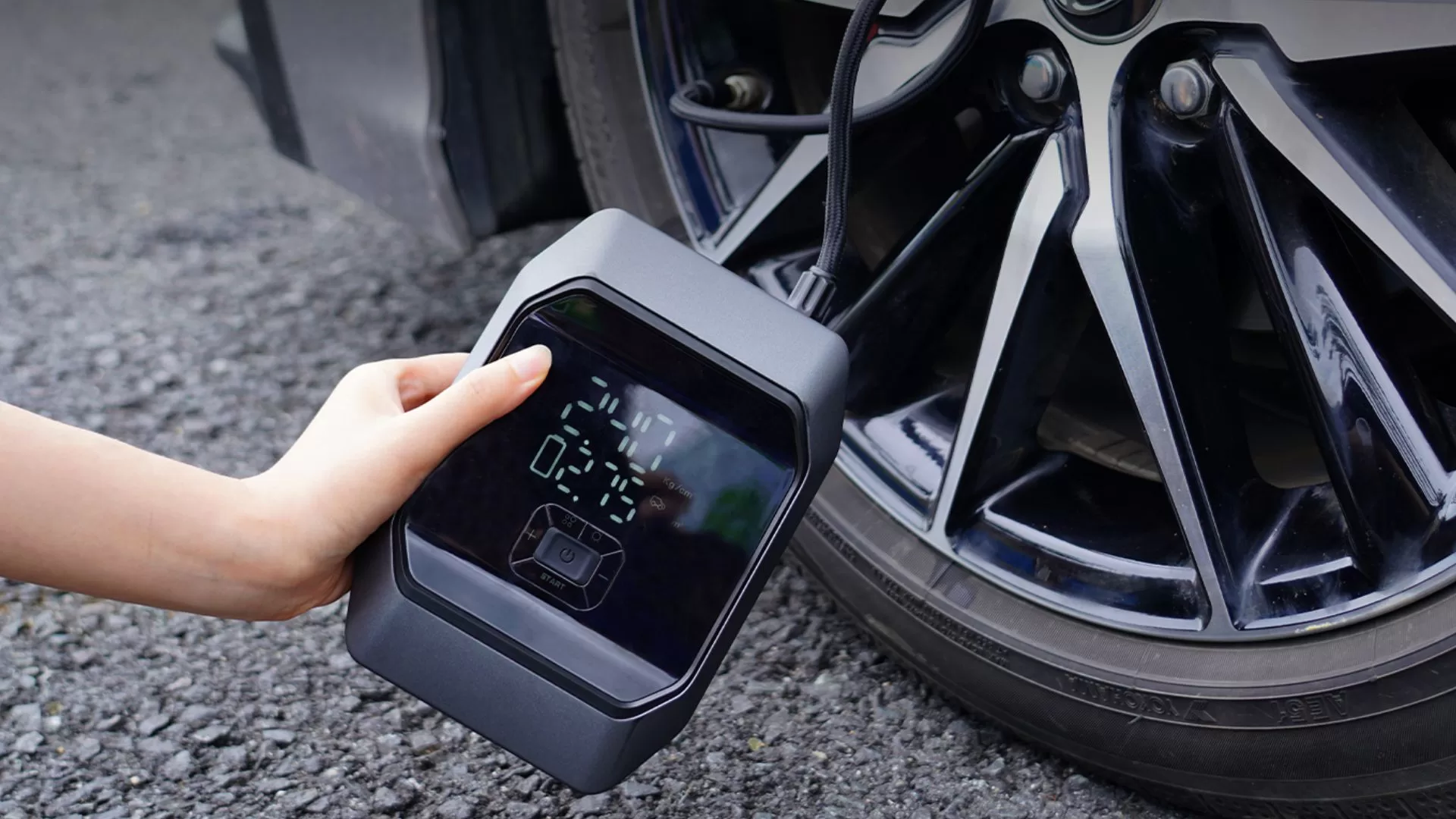
Unleash the Power of Portability: The SmartNewo Jump Starter with Air Compressor KF03
This guide will walk you through the steps to effectively use a portable tire inflator, helping you stay prepared and safe on the road.... -
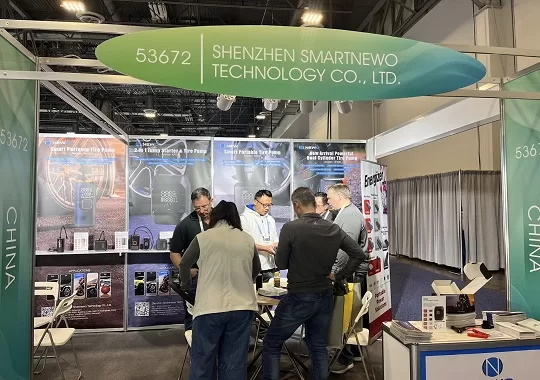
Newo Attends The 2024 Consumer Electronics Show (CES)
Smartnewo booth is located at 53672, Halls A-D, Level 2, Venetian Expo, Las Vegas Convention Center (LVCC). ... -
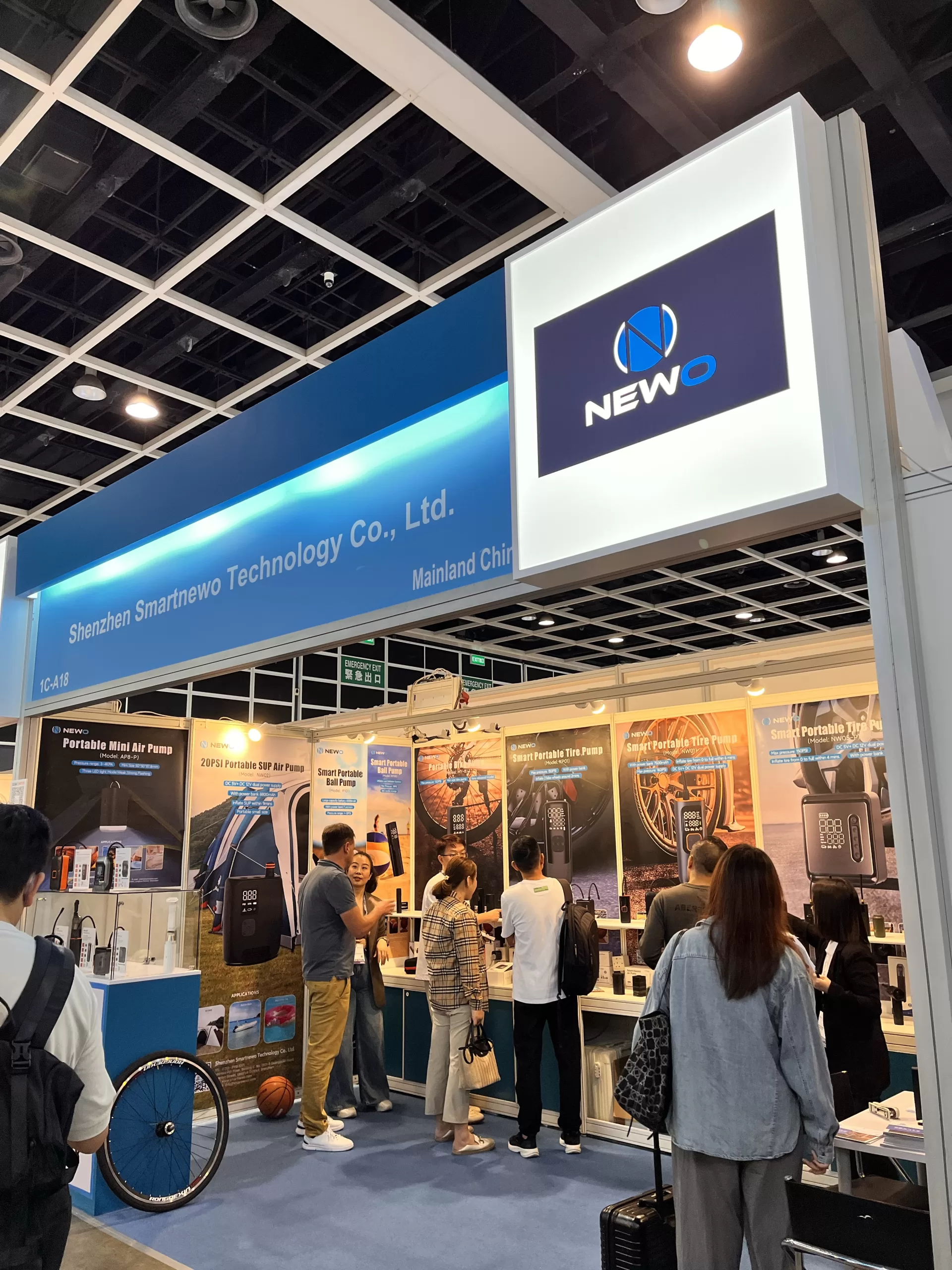
Smartnewo’s Dual-Cylinder Air Pump Rocks the Hong Kong Autumn Electronics Fair!
Smartnewo’s Dual-Cylinder Air Pump Rocks the Hong Kong Autumn Electronics Fair!... -
Meet at the Canton Fair! Smartnewo brings dual-cylinder air pumps, making your inflation experience faster and more stable!
NEWO has went deep communication and negotiation with customers from all over the world on booth.... -
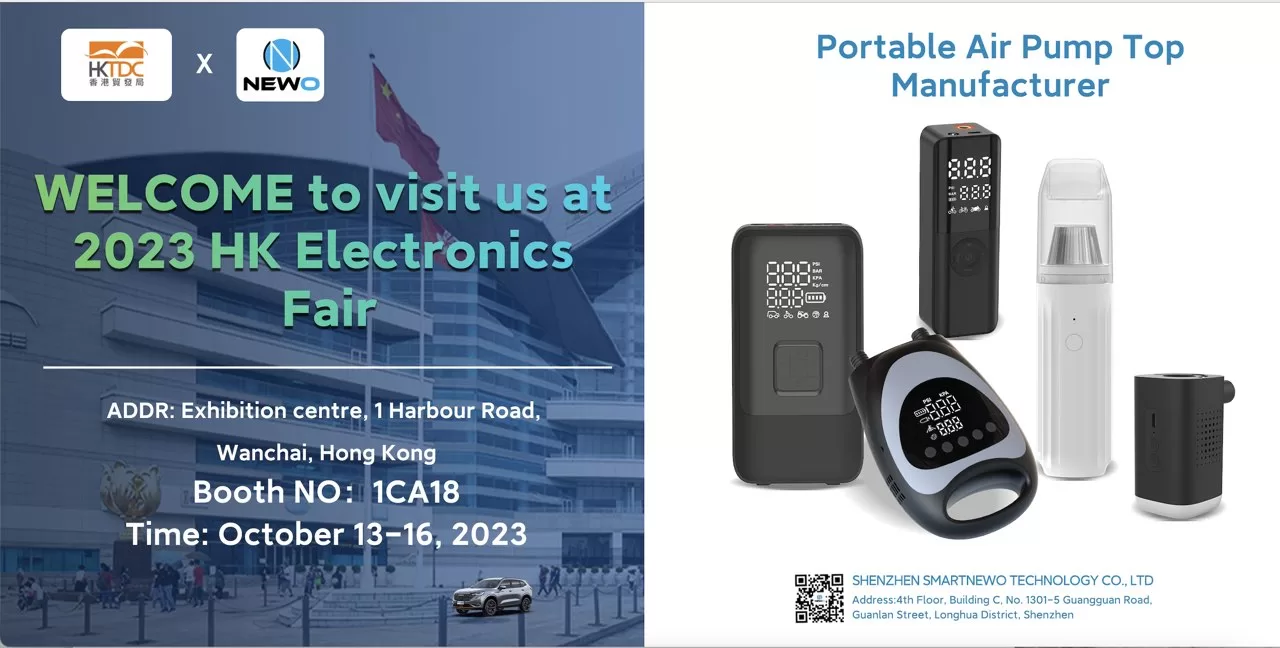
“Hong Kong Autumn Electronics Fair – 1CA18 (October 13th to 16th): Smartnewo invites you to visit our booth!
Hong Kong Autumn Electronics Fair... -
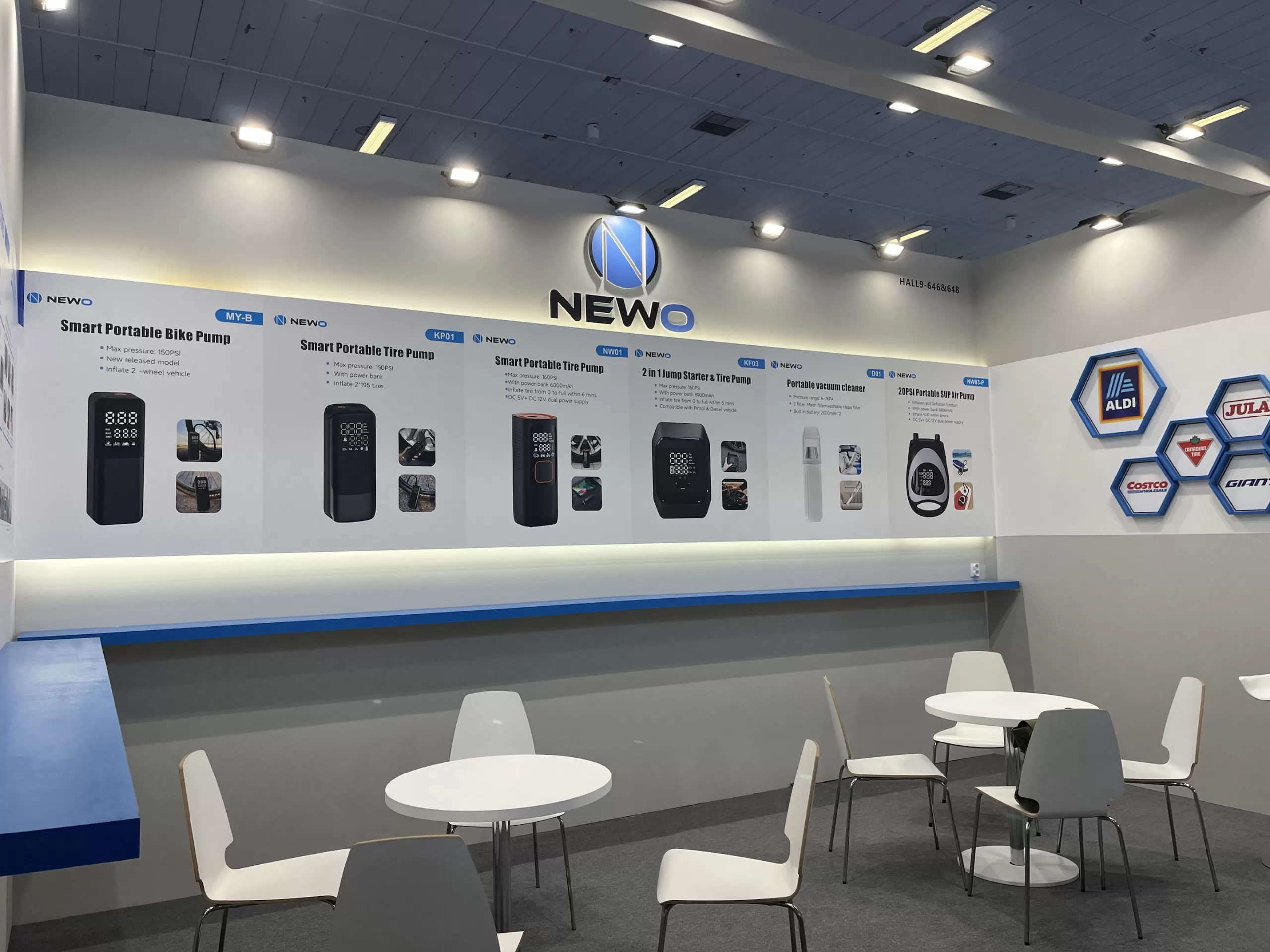
Smartnewo showcases its innovative range of electric air pumps at IFA 2023
Smartnewo will participate in the Consumer Electronics Show (IFA) in Berlin, Germany from September 3rd to September 5th.... -

Consumer Electronics Show (IFA) In Berlin 2023
Smartnewo will participate in the Consumer Electronics Show (IFA) in Berlin, Germany from September 3rd to September 5th....
-
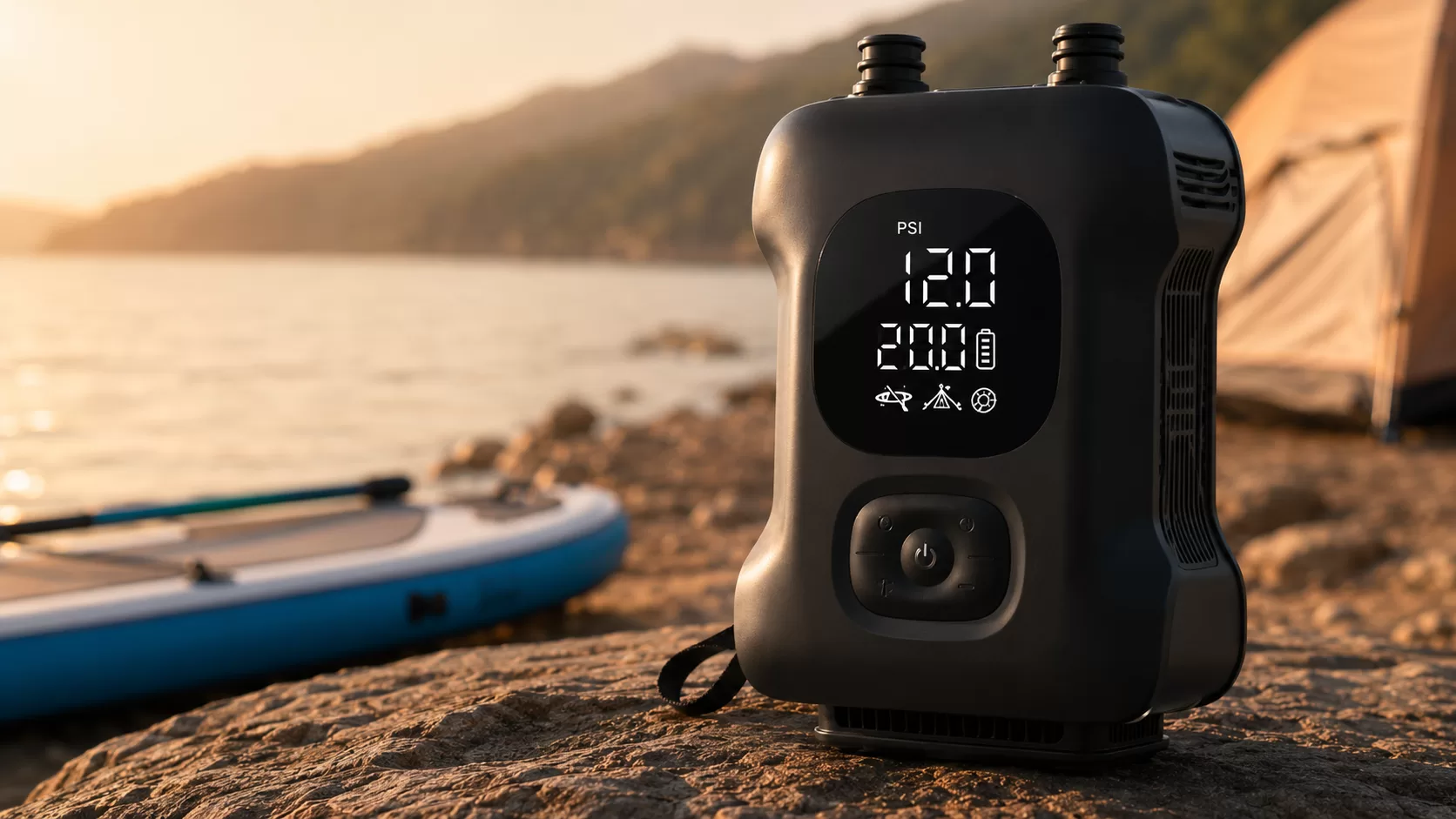
Rechargeable Electric SUP Pump for Paddle Boards: Faster Inflation for SUPs, Kayaks and Inflatable Tents
The BL10-C Portable Electric Bike Tire Inflator is a compact and lightweight mini electric bike pump designed for modern cyclists. With up to 120 PSI pressure, a digital LED display, preset pressure control, automatic shut-off, USB-C charging, and multiple valve adapters, BL10-C offers a convenient inflation solution for road bikes,... -
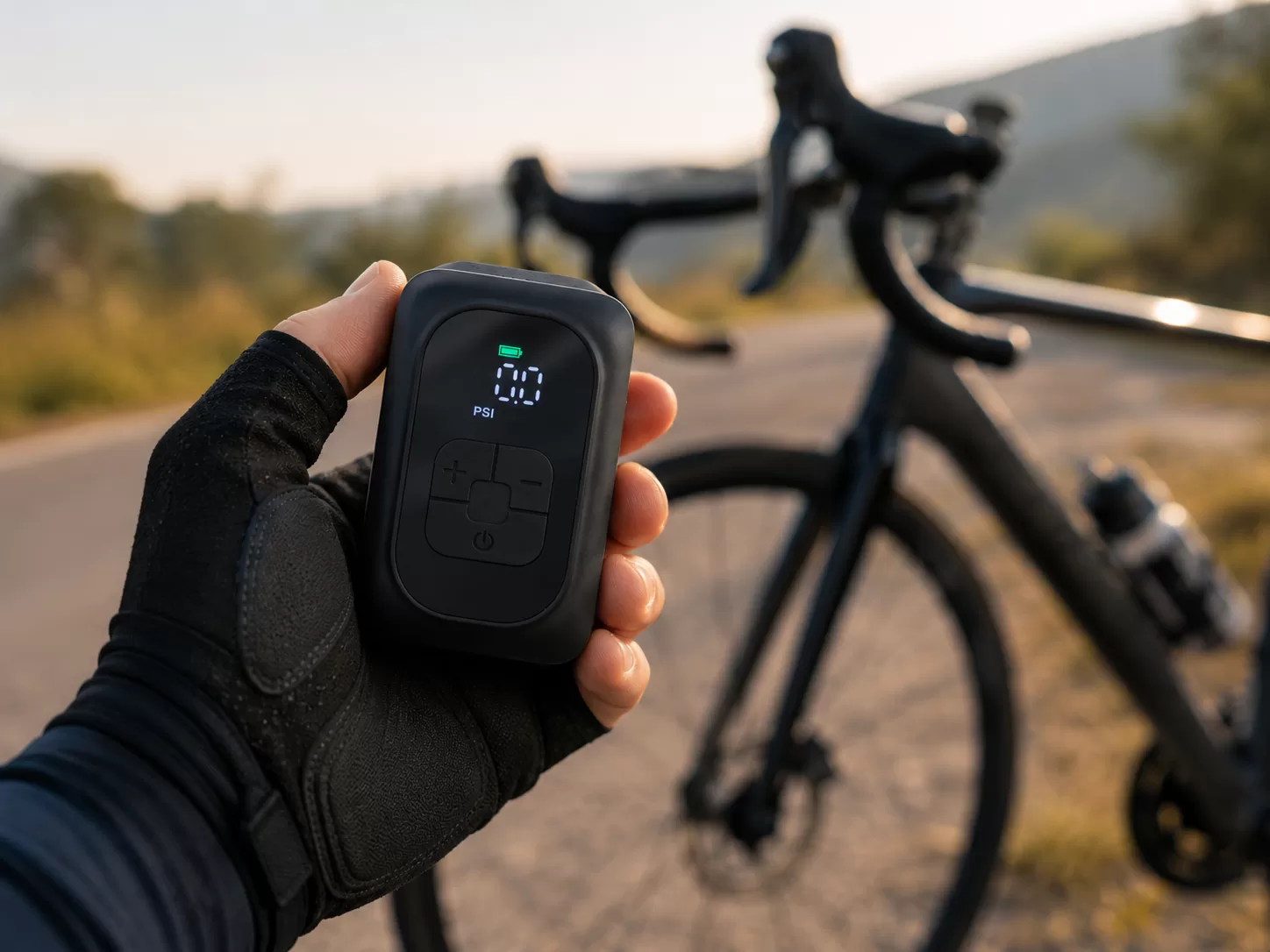
Are Electric Bike Pumps Worth It in 2026? Electric Pump vs CO₂ vs Mini Hand Pump
Discover whether electric bike pumps are worth it in 2026. This guide compares electric bike pumps, CO₂ inflators, and mini hand pumps for road cycling, gravel riding, commuting, and long-distance rides. Learn the pros, limitations, best use cases, and key features to look for before choosing the right portable tire... -
BL10-C Portable Electric Bike Tire Inflator: Small Size, Reliable Power for Every Ride
The BL10-C Portable Electric Bike Tire Inflator is a compact and lightweight mini electric bike pump designed for modern cyclists. With up to 120 PSI pressure, a digital LED display, preset pressure control, automatic shut-off, USB-C charging, and multiple valve adapters, BL10-C offers a convenient inflation solution for road bikes,... -
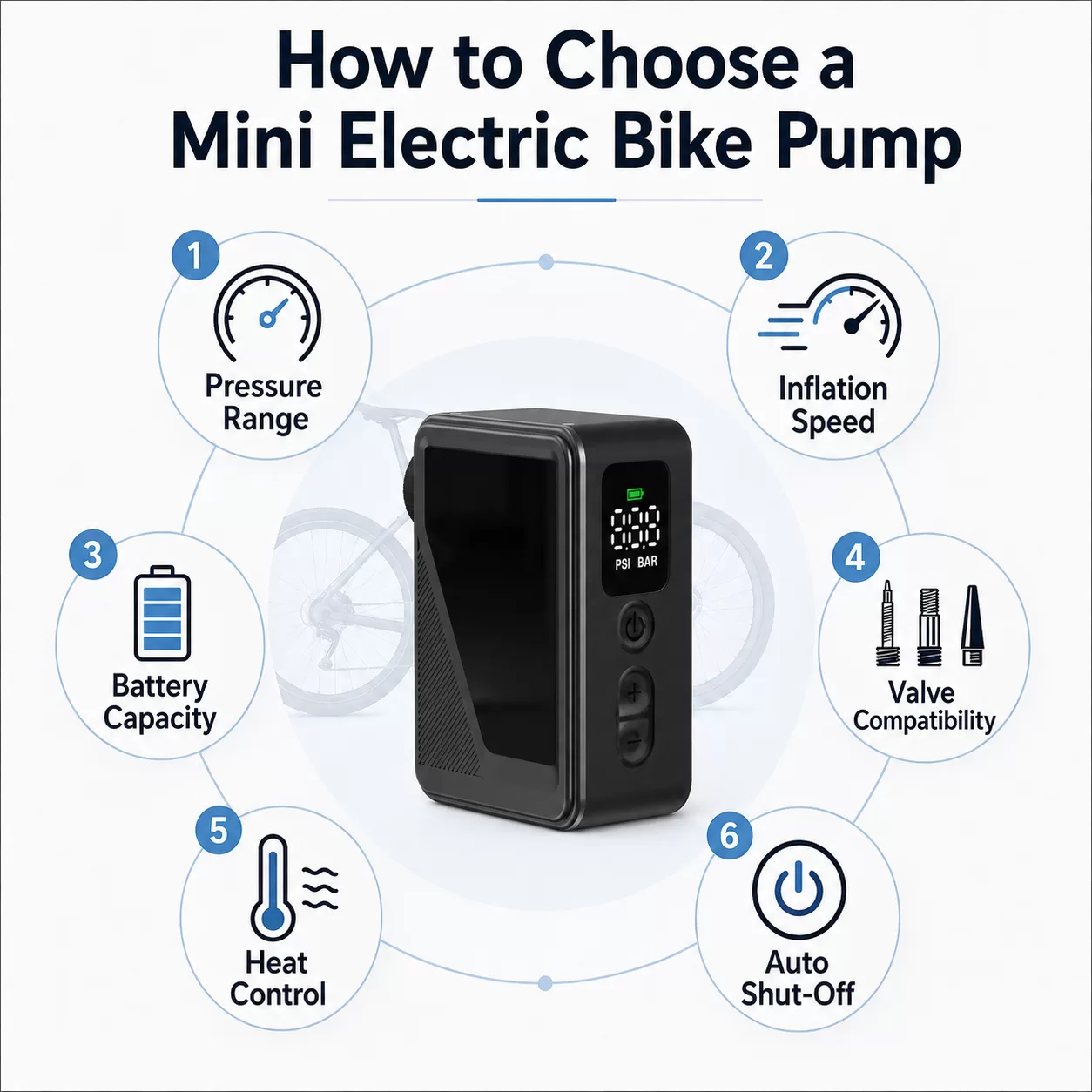
Why Mini Electric Bike Pumps Are Becoming Essential for Modern Cycling
Discover why mini electric bike pumps are becoming essential for modern cyclists. Learn how portable electric bike pumps improve tire pressure management, riding safety, and convenience.... -
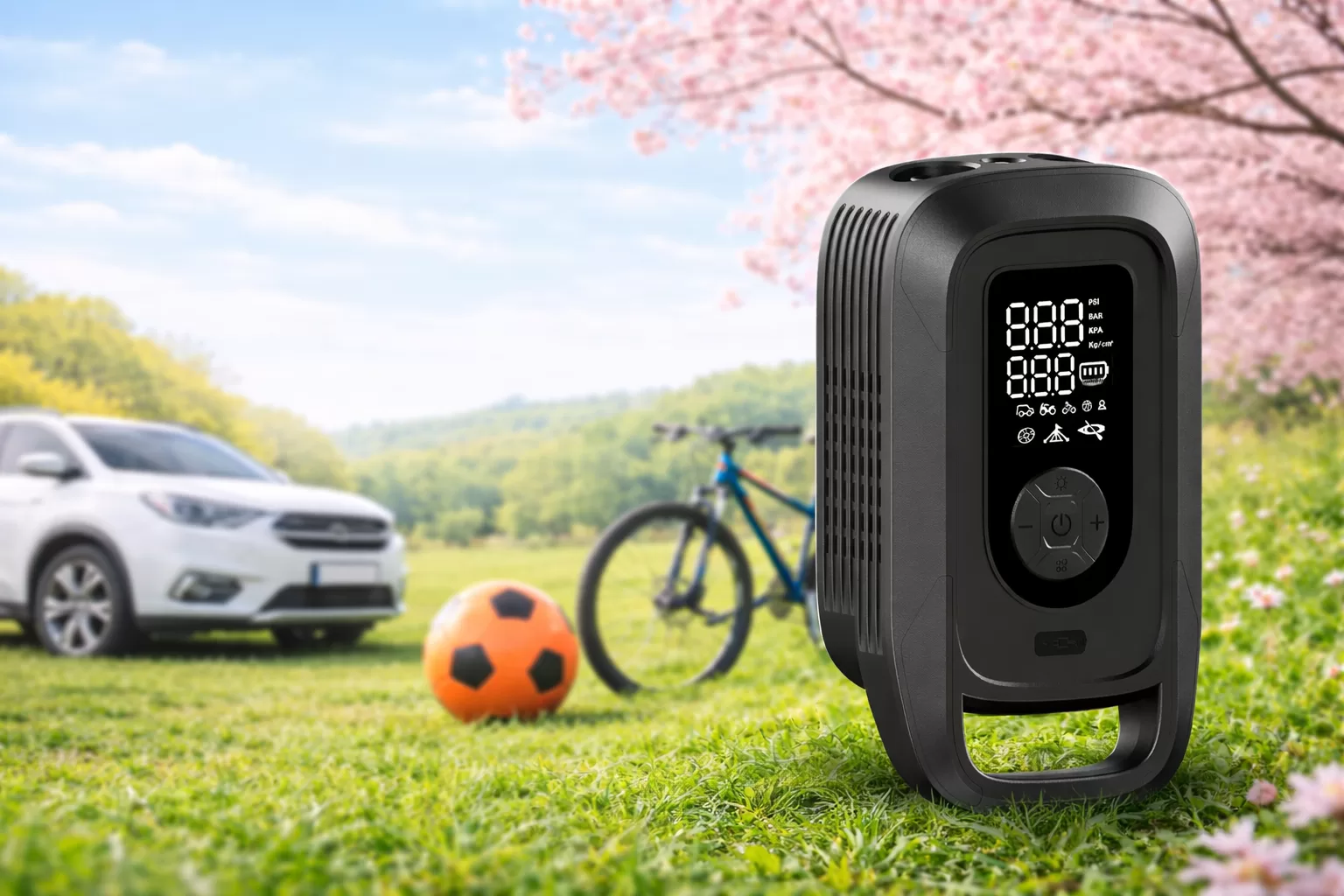
The Ultimate Smart Solution for Easy Outdoor Adventures in 2026
Discover how a spring travel air pump simplifies outdoor trips with fast inflation, smart features, and powerful performance—perfect for every adventure.... -
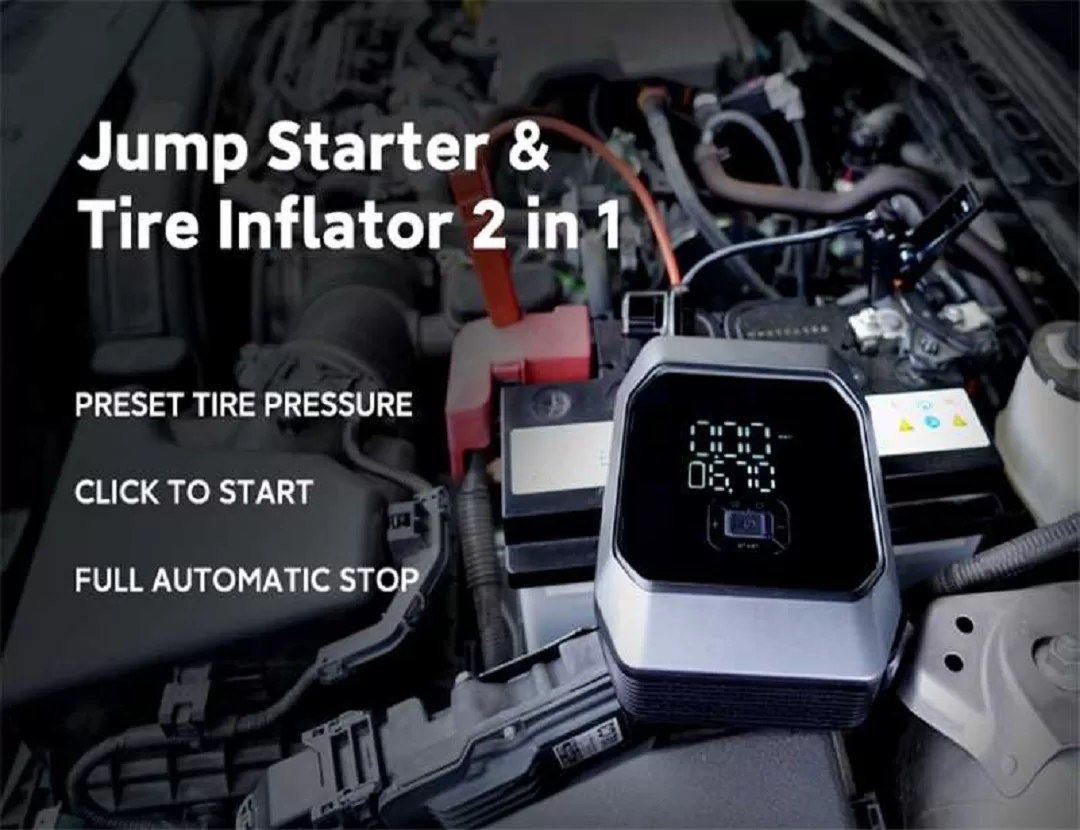
Powerful 5-in-1 Portable Car Tire Inflator and Jump Starter: The Ultimate Emergency Tool for Every Driver
Why Every Driver Needs a Portable Car Tire Inflator and Jump Starter Modern drivers face many unexpected situations on the road. A flat tire, low tire pressure, or a dead car battery can happen at the worst possible time. That’s why having a portable car tire inflator and jump starter is... -
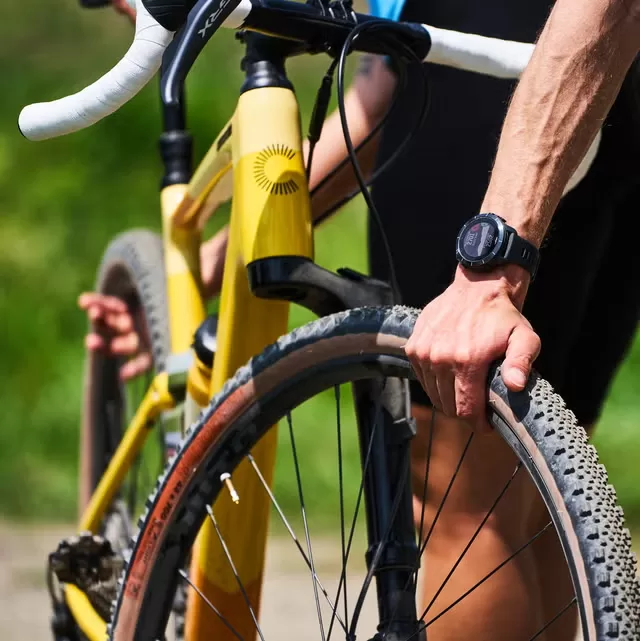
7 Real Cycling Scenarios That Show Why Every Rider Should Carry a Mini Bike Pump
Cycling is one of the most freeing activities you can enjoy. Whether you’re commuting to work, riding through city streets, or exploring quiet countryside roads, a bike ride can instantly improve your day. But there’s one small problem that almost every cyclist eventually faces: Low tire pressure. It might happen... -
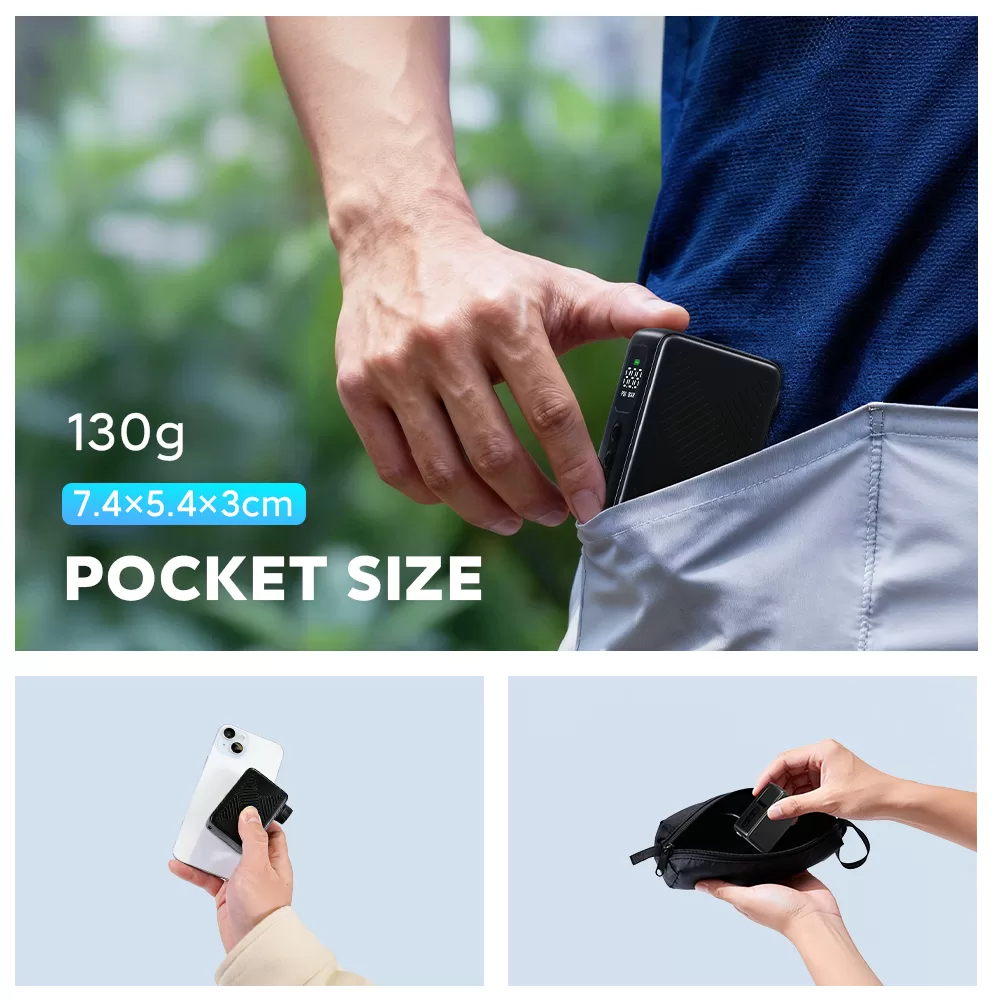
BL08-A Portable Electric Bike Pump: A Global Distribution Opportunity with Smartnewo
Smartnewo, a professional manufacturer of portable electric air pumps, introduces the BL08-A model — a compact and efficient inflator designed for global distributors, e-commerce sellers, and outdoor accessory brands seeking reliable OEM/ODM solutions. Table of Contents Main Heading Subtopics 1. Introduction: Expanding the Global Market for Smart Inflation Tools Portable... -
Connecting Opportunities at Automechanika Shanghai 2025 — Smartnewo Exhibition Day 1
Today marks an exciting beginning as Smartnewo officially opens its booth at Automechanika Shanghai 2025. As one of the largest and most influential automotive aftermarket exhibitions in the world, the show provides an exceptional platform for meaningful conversations, partnership building, and global industry exchange. Located at Booth 7.2E47, Smartnewo presents... -

Why Every Outdoor Cyclist Should Carry a Mini Electric Bike Pump
Whether you are an experienced mountain rider or a weekend road-cycling enthusiast, one thing is certain: unexpected tire pressure issues can ruin an entire ride. That’s why more cyclists are turning to mini electric bike pumps—compact, lightweight, and far more reliable than traditional hand pumps. 1. Consistent Pressure, Even in...
-
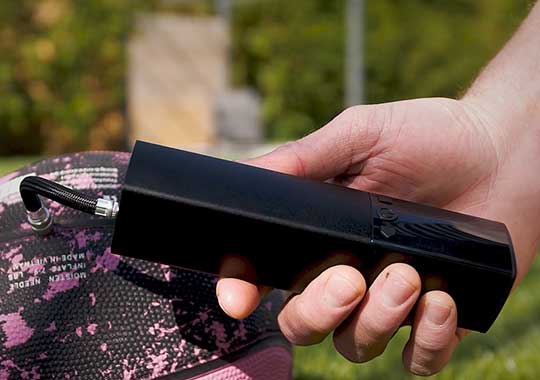
How Is a Football Properly Inflated?
The correct inflation of a football - with not too much and not too little air - is a hotly debated topic among footballers.... -
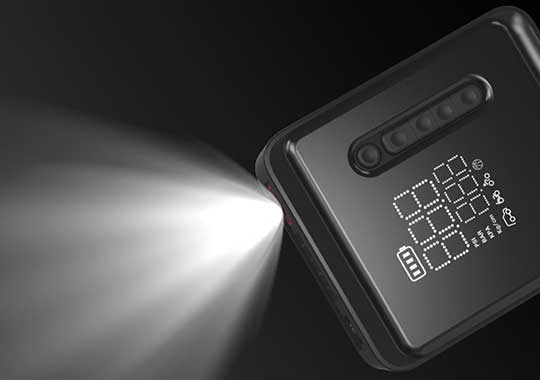
Application Scenarios of Car Inflator Pump
Often long-distance business trips or play car owners because the road may be more remote areas, in this case if you encounter a tire leak....