

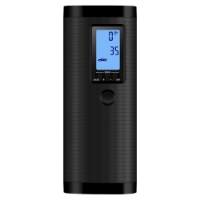
 Portable Tire Inflators
 Electric Air Pumps
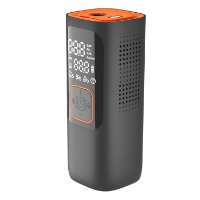 Electric Car Tyre Pumps
 Electric Ball Pumps
 Electric Bike Pump
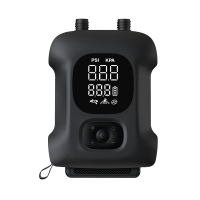 SUP Air Pump

The Comprehensive Guide to Choosing and Using a Portable Electric Inflator
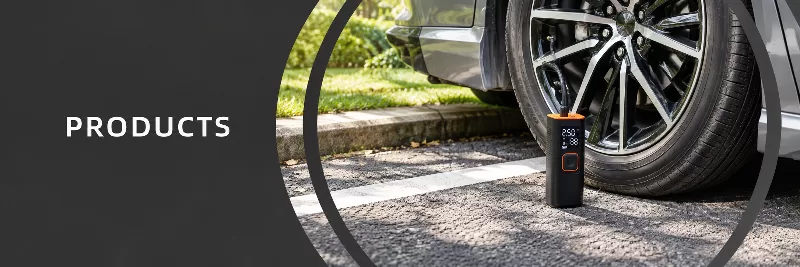
A dependable portable electric inflator has become an essential companion for motorists, daily bicycle commuters, and outdoor travelers who need to manage tire pressure without depending on fixed infrastructure. Instead of searching for an operational commercial air dispenser or straining over a manual floor pump beside a busy highway, drivers can maintain their tires using compact, self-contained equipment. Consistent tire pressure directly supports vehicular stability, preserves designed contact patches, and reduces excessive rolling resistance. This practical manual examines the functional attributes, inflation principles, practical applications, and operating considerations associated with modern portable inflators.
Demystifying the Portable Electric Inflator: Compact Pneumatics in Practice
Moving from Manual Labor to Autonomous Maintenance
Managing pneumatic equipment once required significant physical labor or proximity to commercial service facilities. Hand and foot pumps require continuous bodily exertion, which can prove exhausting or impractical during adverse weather or unexpected roadside stops. Furthermore, public air hoses at service stations are sometimes out of service, damaged, or equipped with unverified gauges that introduce uncertainty.
A modern portable electric inflator addresses these inconveniences by pairing a dedicated electric motor with a compact pneumatic cylinder and an onboard power source. Many compact models can be stored in a vehicle or gear bag; check the specific model’s dimensions and weight before choosing a storage location. This shift gives vehicle operators greater independence across rural corridors, trailheads, and residential driveways.
Mechanical Principles and Digital Monitoring
While internal designs vary across different manufacturers and pump formats, many compact inflators use an electric motor and a reciprocating compression mechanism, although internal designs vary widely. Pressurized air is routed through an outlet connection directly into the tire or inflatable item.
Some digital inflators display pressure electronically and provide preset or automatic shut-off functions; the exact sensing and control architecture varies by model. When available, automation assists users in managing their equipment without continuous manual monitoring, though verifying results with a separate, dedicated gauge remains good practice.
Critical Tire Pressure Principles: What Every Driver Must Know
The Importance of Cold Tire Inflation
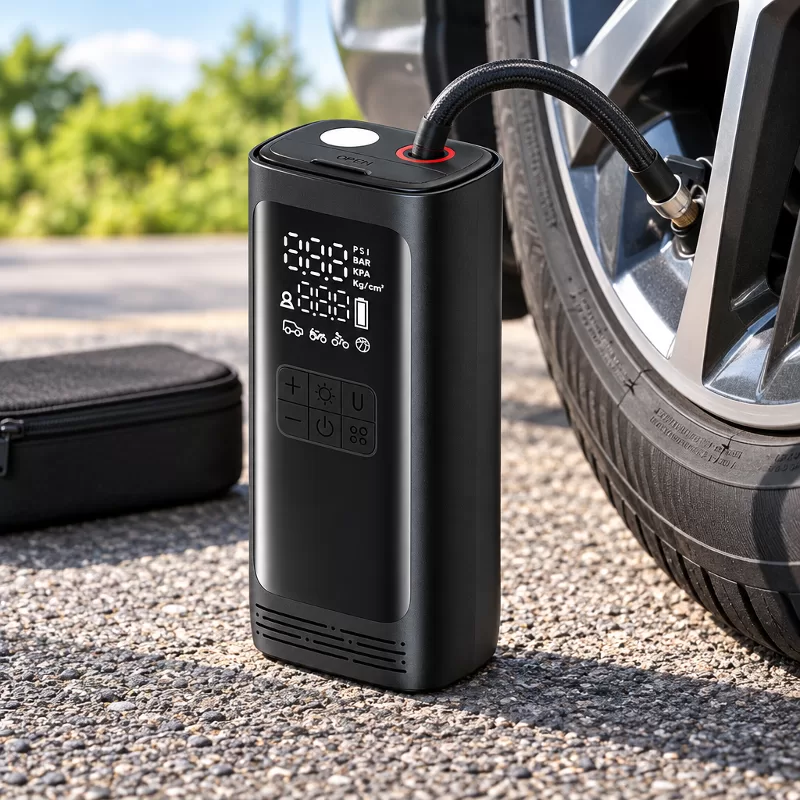
Tire pressure must always be checked and adjusted when tires are cold to obtain consistent, accurate readings that align with vehicle recommendations. Safety authorities specify that a cold tire is one that has been parked for at least three hours, or has been driven for less than one mile after sitting for at least three hours.
- Thermal Expansion: Driving naturally creates friction within the tread and sidewall, heating internal air and causing resting pressure readings to climb above cold values.
- Risk of Underinflation: Releasing air from a hot tire to match cold pressure figures causes the tire to become underinflated once it returns to ambient temperature.
- Ambient Weather Influences: Seasonal changes in weather shift internal pressure, meaning seasonal temperature drops naturally lower cold inflation levels.
Door Placard Values vs. Sidewall Maximums
A frequent error among motorists is setting inflation targets to match the maximum pressure stamped along the outer rubber sidewall. The sidewall marking indicates the upper structural limit permitted by the tire manufacturer under maximum rated load, rather than the vehicle’s tuned operating pressure.
Correct operational pressure figures are specified by the automobile manufacturer on the official vehicle safety placard, typically affixed to the driver-side door jamb (B-pillar) or listed in the owner’s manual. Aligning inflation with these door jamb values helps maintain proper contact patch distribution, supports braking balance, and promotes even tread wear.
Core Selection Criteria for Portable Tire Inflators
Airflow Ratings, Pressure Capability, and Workloads
When evaluating a portable inflator, buyers must balance maximum rated pressure against volumetric airflow. Maximum pressure, stated in PSI or Bar, reflects the resistance the pump mechanism can push against, whereas volumetric airflow, stated in liters per minute, indicates how rapidly air moves into a chamber under specific conditions.
Prospective buyers should review manufacturer airflow ratings relative to the items they intend to service. A pump designed primarily for high pressures at lower volumes may excel on bicycle tires but require longer runtimes when topping off large passenger vehicle tires. Operating conditions, initial tire state, and ambient environment all influence overall inflation speed.
Power Delivery: Battery Mobility and Auxiliary Inputs
Cordless battery inflators eliminate trailing cables, allowing users to move freely around four wheels without dragging cords through slush, dirt, or puddles. Even so, lithium-ion battery packs undergo gradual self-discharge during storage, especially when kept inside vehicle compartments over extended periods.
Models that support compatible 12V to 14V vehicle cigarette-lighter power provide a valuable auxiliary operating option. Having access to a compatible automotive power port allows operators to run the equipment even if internal cells require recharging, providing an extra layer of readiness during travel.
Digital Displays and Auto Shut-Off Functions
Mechanical and digital gauges can differ in readability and specified accuracy; compare the manufacturer’s accuracy information rather than assuming one display type is always more accurate. Digital screens present numeric information under varying daylight or night conditions.
Integrated auto shut-off features help reduce the risk of exceeding user-selected pressure targets by interrupting pump activity automatically. Because sensor tolerances and connector fits vary, users should treat automatic cut-offs as an operating aid rather than an absolute guarantee against overinflation, checking final values with a calibrated manual gauge when high precision is vital.
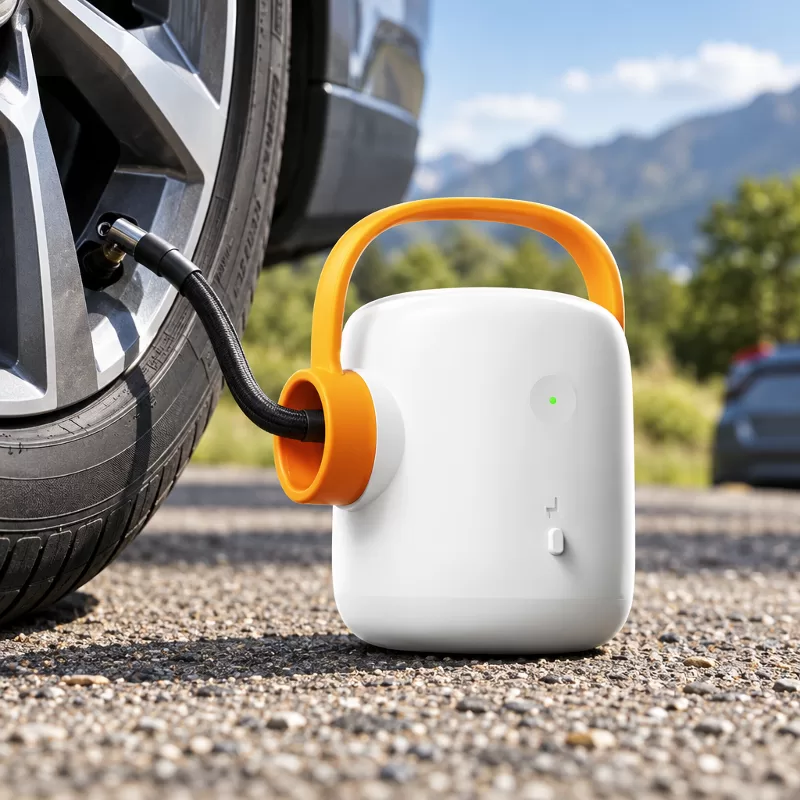
Technical Spotlight: The NW05-P High-Output Platform
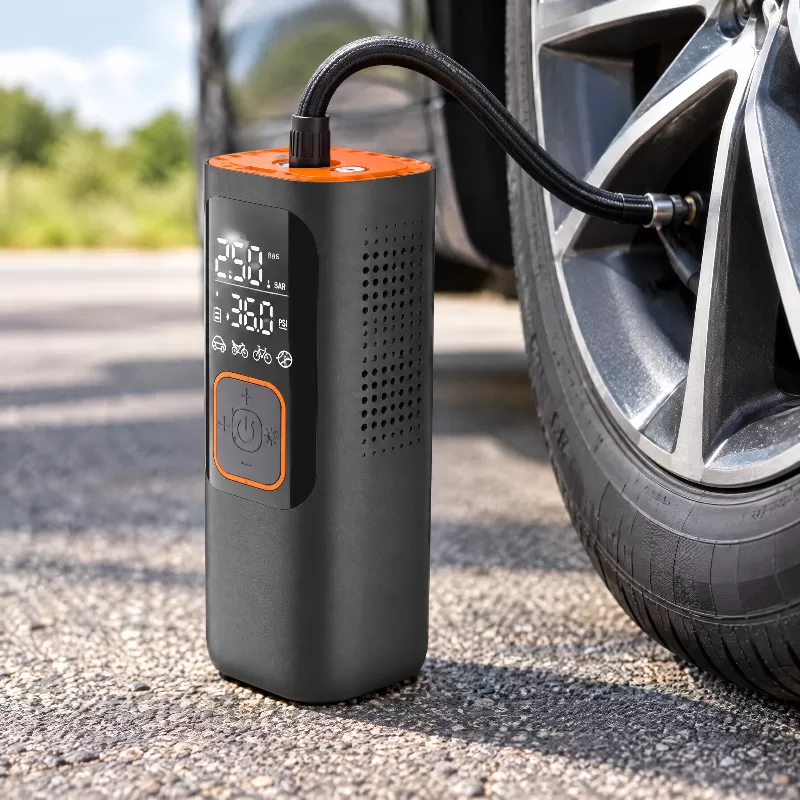
Newo is a professional manufacturer specializing in the research, development, and production of smart electric air pumps and portable inflation solutions. With strong expertise in pneumatic technology, product design, and manufacturing, we provide a wide range of innovative products, including portable tire inflators, electric bike pumps, car air pumps, ball pumps, and outdoor inflation solutions. Our products are designed to deliver convenience, efficiency, and reliability for customers worldwide. The NW05-P model illustrates how dedicated pneumatic components can be integrated into a compact roadside chassis.
Architectural Design and Performance Specifications
According to manufacturer technical documentation, the NW05-P combines a 26-cylinder structure with 120W working power; the manufacturer lists an airflow of 34–36 L/min and a pressure range of 2–150 PSI. The entire enclosure measures 130 × 112 × 56 mm, with a net weight of approximately 650g.
The system is powered by an internal three-cell battery pack rated at 2600mAh × 3 (11.1V, 28.86Wh), accompanied by battery protection voltages of 12.6V and 9V. Factory testing lists a cycle life of 300 cycles at or above 80% original capacity. For additional versatility, the hardware supports 12V to 14V vehicle cigarette-lighter power inputs.
Operating Features and Auxiliary Connectivity
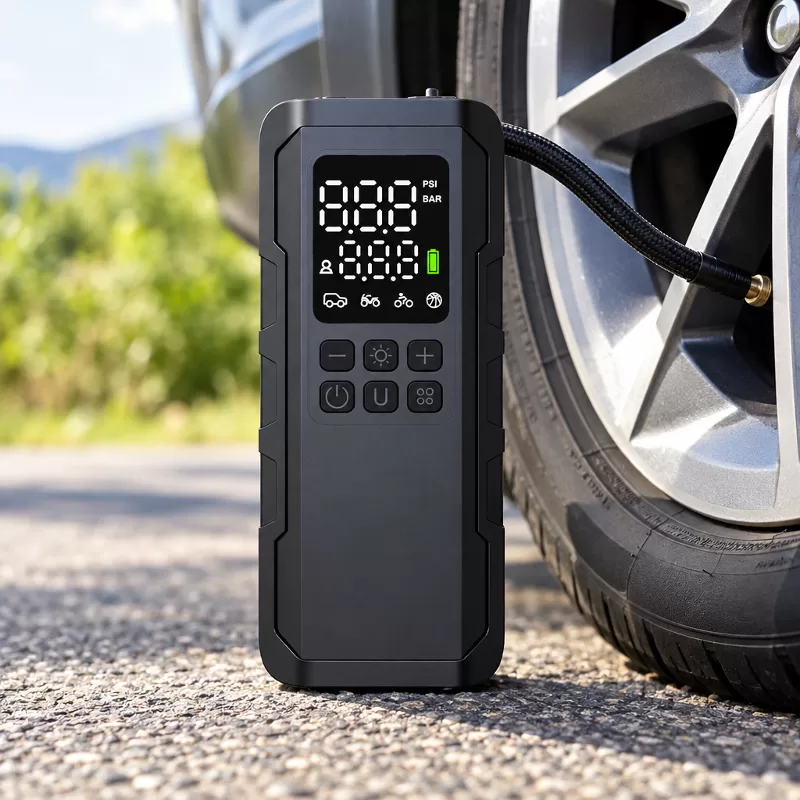
The NW05-P provides five preset modes alongside custom pressure adjustment across its 2 to 150 PSI range, allowing users to configure settings according to the task at hand. An integrated LED display communicates operating data, while the automatic shut-off mechanism stops inflation when the preset limit is achieved.
In addition to pneumatic maintenance, the device includes a 5V/1.5A power-bank output for emergency charging of mobile devices. Specified charging inputs include 5V/2A and 9V/1.5A via a Type-C port, with manufacturer specifications noting a typical charging duration of 2.5 to 3.5 hours when connected to compatible power supplies and cables.
| Technical Parameter | Manufacturer Specification (NW05-P) |
|---|---|
| Rated Working Power | 120W working power |
| Cylinder Architecture | 26-cylinder structure |
| Working Pressure Range | 2 to 150 PSI (Maximum 150 PSI) |
| Volumetric Airflow | 34 to 36 L/min |
| Battery Capacity | 2600mAh × 3, 11.1V, 28.86Wh |
| Vehicle Power Support | 12V to 14V cigarette-lighter input |
| Dimensions & Net Weight | 130 × 112 × 56 mm; 650g |
| Operating Temperature Range | -10°C to 45°C |
| Stated Noise Level | 85dB or below at 1 meter |
| Continuous Runtime | Approximately 15 to 18 minutes |
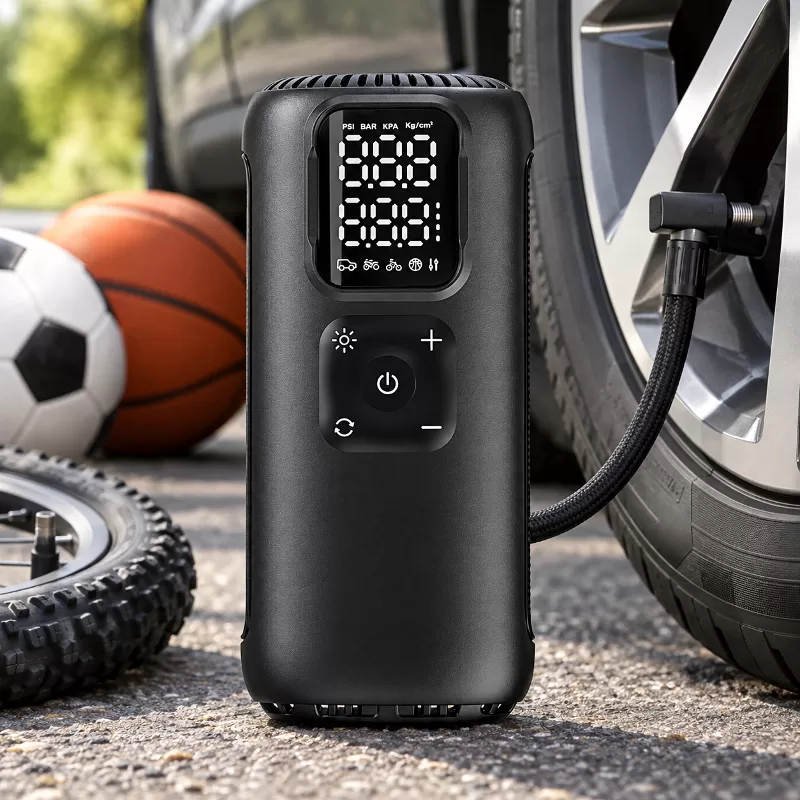
Multi-Vehicle Applications: Matching Presets to Real-World Tasks
Passenger Vehicles and Temporary Spares
Standard passenger vehicles require regular tire inspections to maintain traction and support even tire wear. Drivers should consult their vehicle door jamb certification placard to identify required cold inflation levels, ensuring that routine pressure top-ups keep tires within the automobile maker’s specified operating bounds.
Compact temporary spare tires often carry distinct pressure requirements that differ substantially from standard road tires. Motorists should inspect their spare tire sidewall markings or owner’s manual instructions to confirm its exact target pressure, using an inflator capable of reaching those designated levels to maintain full roadside preparedness.
Bicycles, Mountain Bikes, and E-Bikes
Bicycle pressure requirements vary widely depending on tire volume, casing construction, rider weight, and surface conditions. High-volume mountain bike setups function at lower pressures to maximize trail grip, whereas narrow road tires require higher operating pressures to perform as designed.
Manufacturer specifications list capacity for about 30 mountain-bike tires per full charge; actual results depend on tire size, starting pressure, temperature, and battery condition. For heavier e-bikes, maintaining manufacturer-recommended inflation values helps avoid riding with an underinflated tire and supports more predictable rolling behavior.
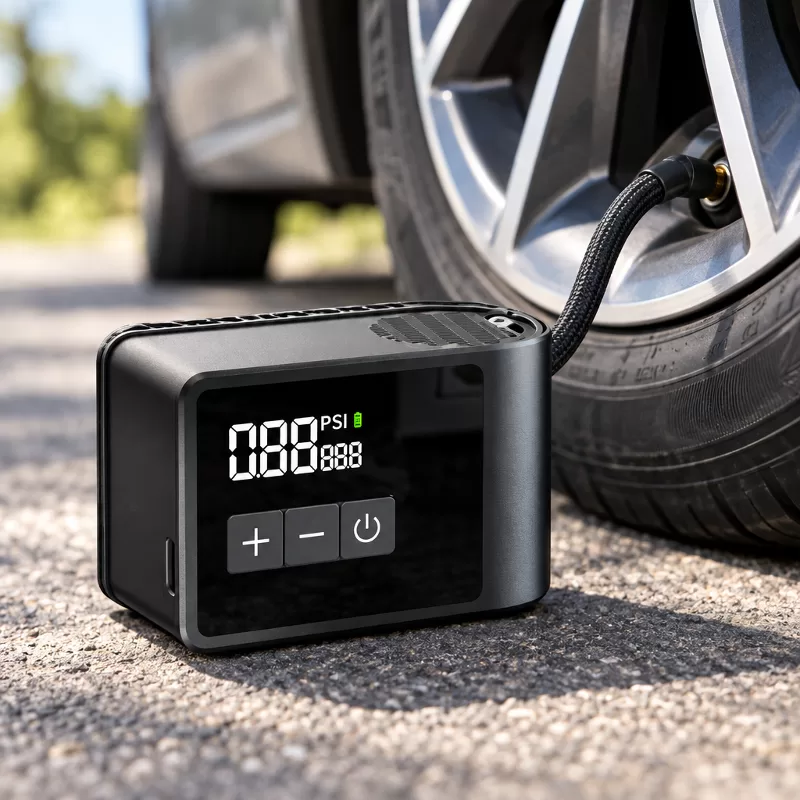
Motorcycles, Mobility Devices, and Sports Balls
Motorcycles demand precise pressure maintenance because tire contact patches govern balance, lean angles, and braking dynamics. Riders should always inspect tire pressures against the motorcycle manufacturer’s cold specifications using a dependable inflator prior to embarking on highway journeys.
Wheelchairs, personal mobility carts, and balance vehicles similarly require correct inflation for smooth operation. For sports balls such as basketballs, soccer balls, and volleyballs, users should reference the pressure targets stamped directly near the valve aperture and install the appropriate needle adapter, ensuring the equipment is pressurized according to equipment guidelines.
Operational Realities: Runtime, Heat, and Noise
Managing Heat Build-Up and Duty Cycles
Compressing ambient air into dense tire chambers naturally generates thermal energy. As mechanical components cycle against air resistance, internal friction and thermodynamic effects cause heat to accumulate within the cylinder sleeve, pump casing, and air hose fittings.
- Runtime Awareness: The NW05-P is listed with an approximately 15–18 minute runtime; users should follow the product manual for duty-cycle and cooling instructions.
- Cooling Recommendations: Operators should follow manufacturer guidelines regarding duty cycles, allowing warm equipment to cool between demanding inflation sessions.
- Connector Caution: Connection points and hose ends absorb heat during extended pumping cycles, making cautious handling advisable upon detachment.
Acoustic Characteristics in Portable Units
Electric inflators can produce noticeable operating noise during compression. Compact dimensions mean sound insulation is balanced against overall device portability and thermal ventilation requirements.
As indicated in the NW05-P technical specifications, sound levels are rated at 85dB or below at a distance of 1 meter. Users should expect noticeable operating noise during active compression rather than near-silent pumping.
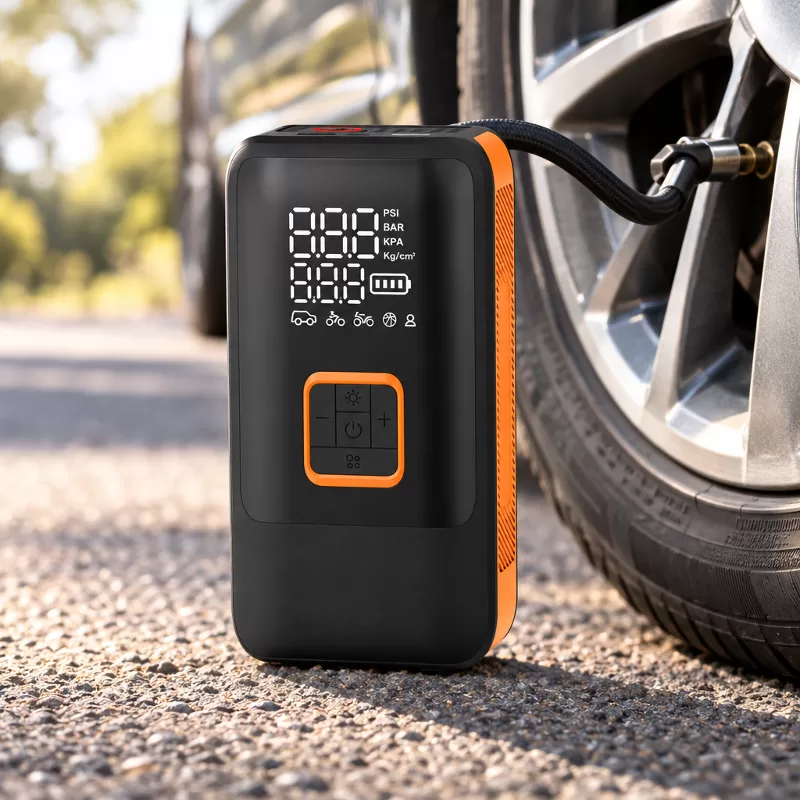
Step-by-Step Field Operation: Safe Roadside Inflation Protocol
1. Scene Assessment and Roadside Safety
Before attending to an underinflated tire along a public roadway, operators must establish a safe working perimeter. Guide the vehicle onto flat, solid ground away from oncoming traffic lanes, set the parking brake firmly, and switch on hazard flashers.
Perform a thorough visual inspection of the wheel assembly. If the tire exhibits severe structural ruptures, sidewall bulging, bead separation from the rim, or visible foreign objects lodged in unrepairable zones, inflation will not restore roadworthiness. In such scenarios, mount the spare wheel or call for roadside recovery.
2. Attaching the Chuck, Setting Targets, and Inflating
Unthread the protective valve dust cap and secure the inflator hose chuck squarely onto the tire valve stem. Ensuring a firm connection prevents ambient air leakage while depressing the internal Schrader valve core.
- Switch on the portable electric inflator and verify that the screen shows the current resting tire pressure.
- Choose the relevant preset mode or manually adjust target pressure to match the vehicle door placard specification.
- Initiate the compressor motor via the control interface to start active air delivery.
- Observe the inflation process until the automatic shut-off halts the motor upon reaching the chosen setting.
3. Detaching Hardware and Inspecting the Seal
Disconnect the air chuck steadily to minimize air loss during detachment. Reinstall the valve stem cap promptly, as this small component protects the inner valve core from road debris, moisture, and corrosive winter salts.
Store the inflator and its associated charging cables neatly within its protective sleeve or vehicle storage compartment, keeping it positioned where it is shielded from impact or cargo shift.
Comparative Analysis: Portable Electric Units vs. Traditional Alternatives
Selecting appropriate inflation gear involves reviewing power dependency, storage convenience, and physical effort. The comparative matrix below outlines key operational differences across common inflation formats.
| Format Category | Power Source Setup | Portability & Storage | Physical Demand | Operational Flexibility |
|---|---|---|---|---|
| Cordless Electric Inflator | Rechargeable lithium battery (often with 12V backup) | Compact; stores in vehicle glovebox or gear bag | Minimal; automated motor does the pumping | Reaches tires independently; subject to battery charge levels |
| 12V Corded Vehicle Pump | Automotive 12V auxiliary DC socket | Moderate; requires cord management in trunk | Minimal; automated motor does the pumping | Dependent on vehicle socket proximity and power cord length |
| Manual Floor / Foot Pump | Human mechanical effort | Bulky; rigid frame requires dedicated storage space | High; requires continuous physical exertion | Operates independently of electrical power; tiring on large tires |
| Commercial Service Air Station | Fixed electrical grid connection | Stationary; requires visiting a dedicated commercial site | Low; trigger-operated hose dispensing | Constrained to facility location; may require service fees |
Frequently Asked Questions (FAQs)
Can a portable electric inflator fill a completely flat car tire?
A portable electric inflator may be able to add air to a flat tire when the bead remains seated and the tire is otherwise undamaged, but success depends on the leak, tire size, battery, and pump limits. If a tire has unseated from the rim or sustained structural punctures, portable pumping cannot restore safety; motorists should mount a spare wheel or contact roadside assistance.
How often should vehicle tire pressure be checked with an inflator?
Automotive safety guidelines recommend checking cold tire pressure at least once a month and prior to long road trips. Drivers should also inspect compact spare tires regularly, ensuring the emergency wheel remains properly inflated and ready for use.
Will an electric inflator damage tire pressure monitoring sensors (TPMS)?
Standard inflation with clean ambient air through the valve stem does not harm internal or valve-mounted TPMS sensors. However, motorists must follow vehicle instructions carefully and avoid using unapproved liquid sealants that could clog sensor ports or damage sensitive electronic components inside the wheel.
How should an inflator battery be maintained during vehicle storage?
Users should consult their specific product manual for battery care and storage recommendations. To ensure the device remains ready for roadside emergencies, it is advisable to inspect the charge level periodically and recharge the internal battery as advised by the manufacturer.
Why does the pressure display fluctuate when the pump motor starts?
Pressure readings may change when the compressor starts because the system is actively pressurizing the hose and tire; allow the pump to stop, then check the resting pressure according to the manual. Operators should allow the pump to complete its cycle and confirm static values once the motor halts.
Preparedness and Efficiency on the Modern Road
Maintaining correct tire pressure remains a fundamental aspect of vehicle safety, fuel efficiency, and tire longevity. Carrying an adaptable portable electric inflator equips drivers and riders with reliable independence, turning what could be a stressful roadside delay into a brief, manageable maintenance check.
-
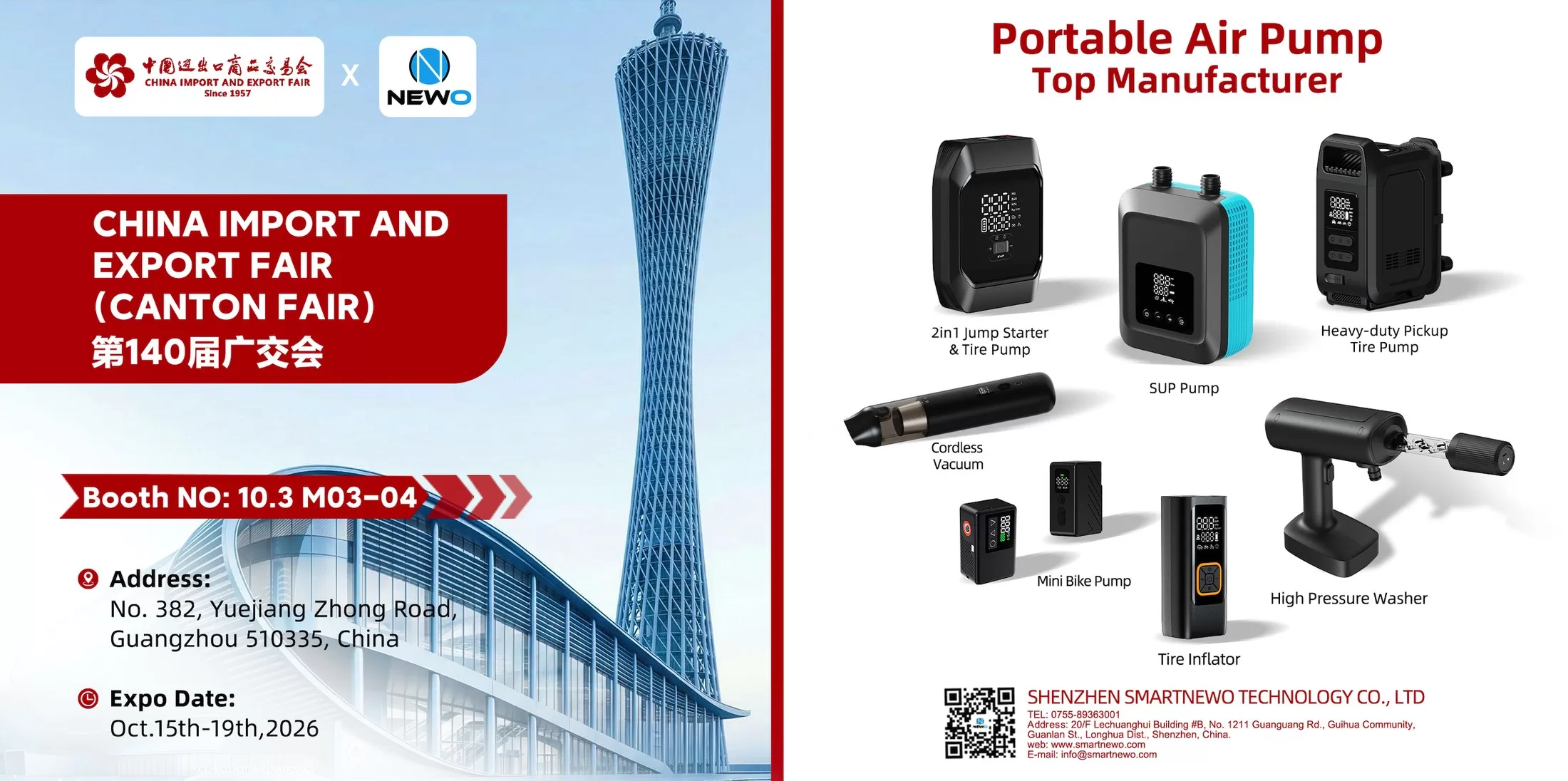
Meet NEWO at the 140th Canton Fair: Visit Booth 10.3 M03–04
Meet NEWO at the 140th Canton Fair in Guangzhou, October 15–19, 2026. Visit Booth 10.3 M03–04 to explore portable air pumps and discuss OEM, ODM and distribution opportunities.... -

As Shenzhen Welcomes the World for APEC 2026, NEWO Welcomes You to Our Factory
As Shenzhen prepares for APEC 2026, NEWO welcomes international buyers and partners to visit our factory, meet our team and explore future cooperation.... -
Leading the Way in Product Innovation and Excellence
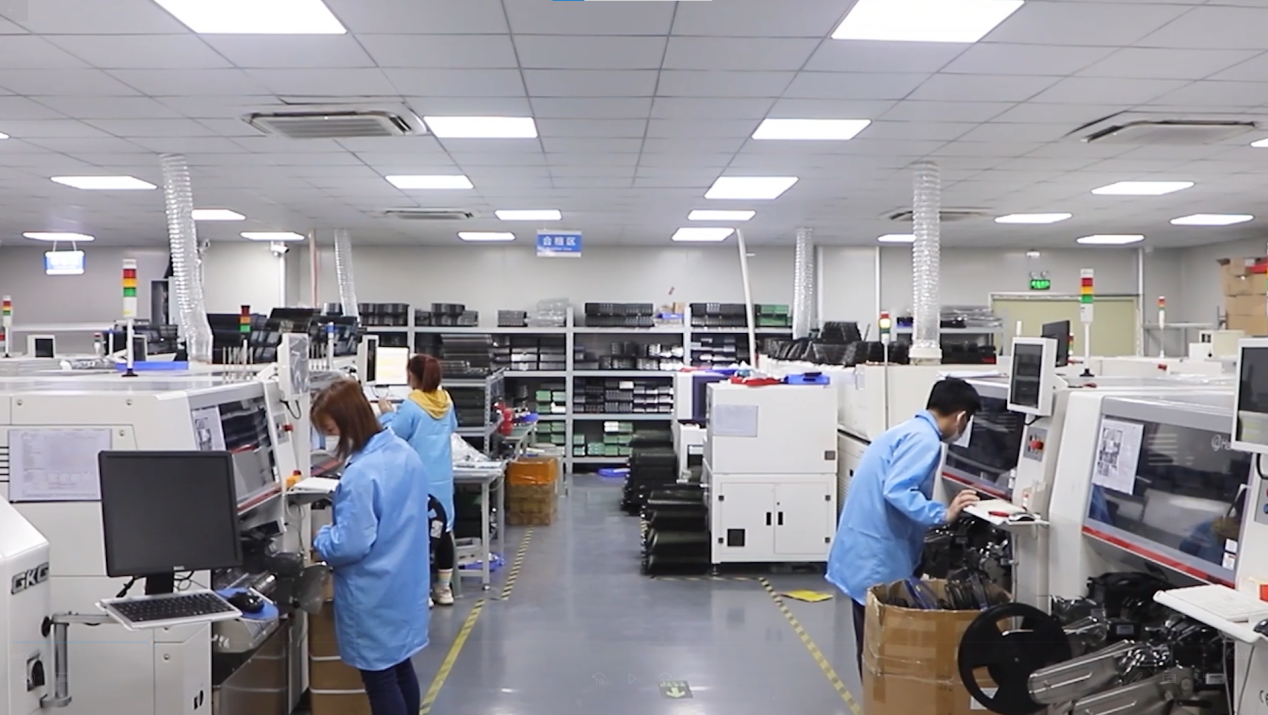
Smartnewo exemplifies professionalism in product innovation and manufacturing. Their collaboration with Xiaomi Youpin on the G01 crowdfunding project highlights their expertise in creating compact, powerful inflatable pumps. Rigorous engineering, meticulous production processes, and advanced quality assurance underscore their commitment to excellence. The success of the G01 project, with significant market... -
Essential Qualities of an Excellent Supplier
In today's competitive market, finding a reliable supplier is crucial for business success. Based on insights from Smartnewo and broader internet research, here are key qualities an excellent supplier must possess:... -
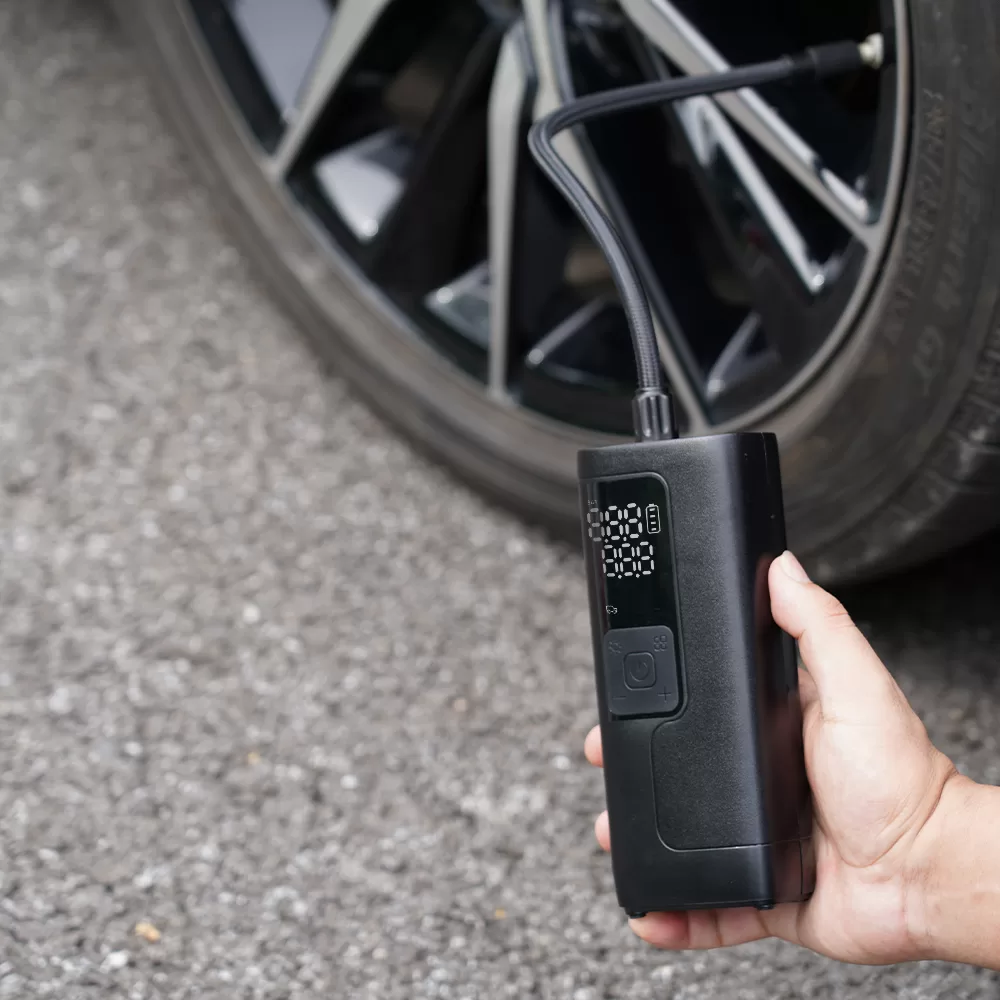
NW06 Tire Inflator: Compact Power for Quick Inflation
Summary The NW06 Tire Inflator delivers quick and efficient tire inflation with a powerful 35L/min airflow. It features a user-friendly LCD screen for real-time pressure monitoring, dual power options with a built-in 6000mAh battery, and multiple nozzle attachments for versatile use. Its compact design and integrated LED light ensure convenience and... -
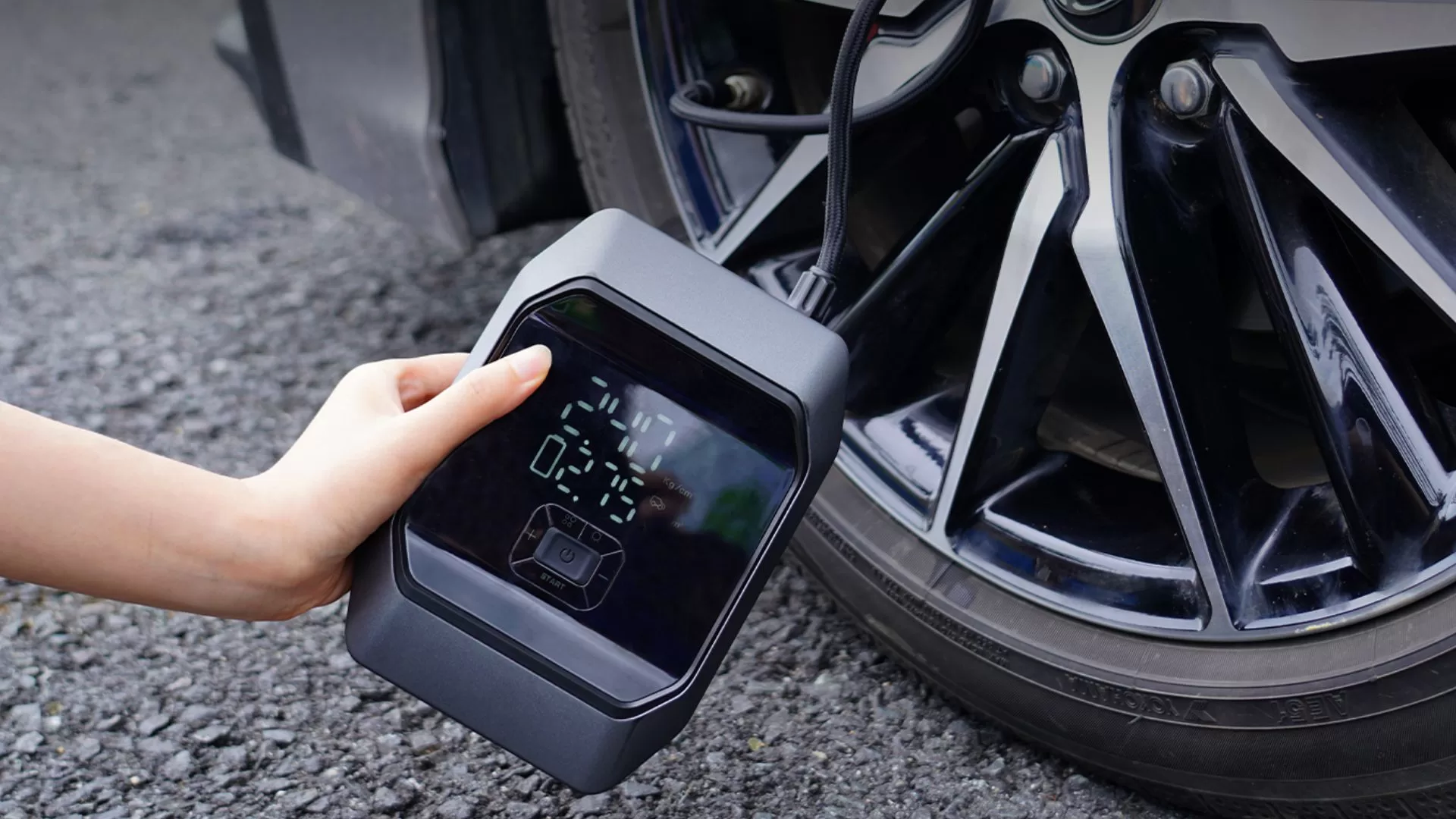
Unleash the Power of Portability: The SmartNewo Jump Starter with Air Compressor KF03
This guide will walk you through the steps to effectively use a portable tire inflator, helping you stay prepared and safe on the road.... -

Newo Attends The 2024 Consumer Electronics Show (CES)
Smartnewo booth is located at 53672, Halls A-D, Level 2, Venetian Expo, Las Vegas Convention Center (LVCC). ... -
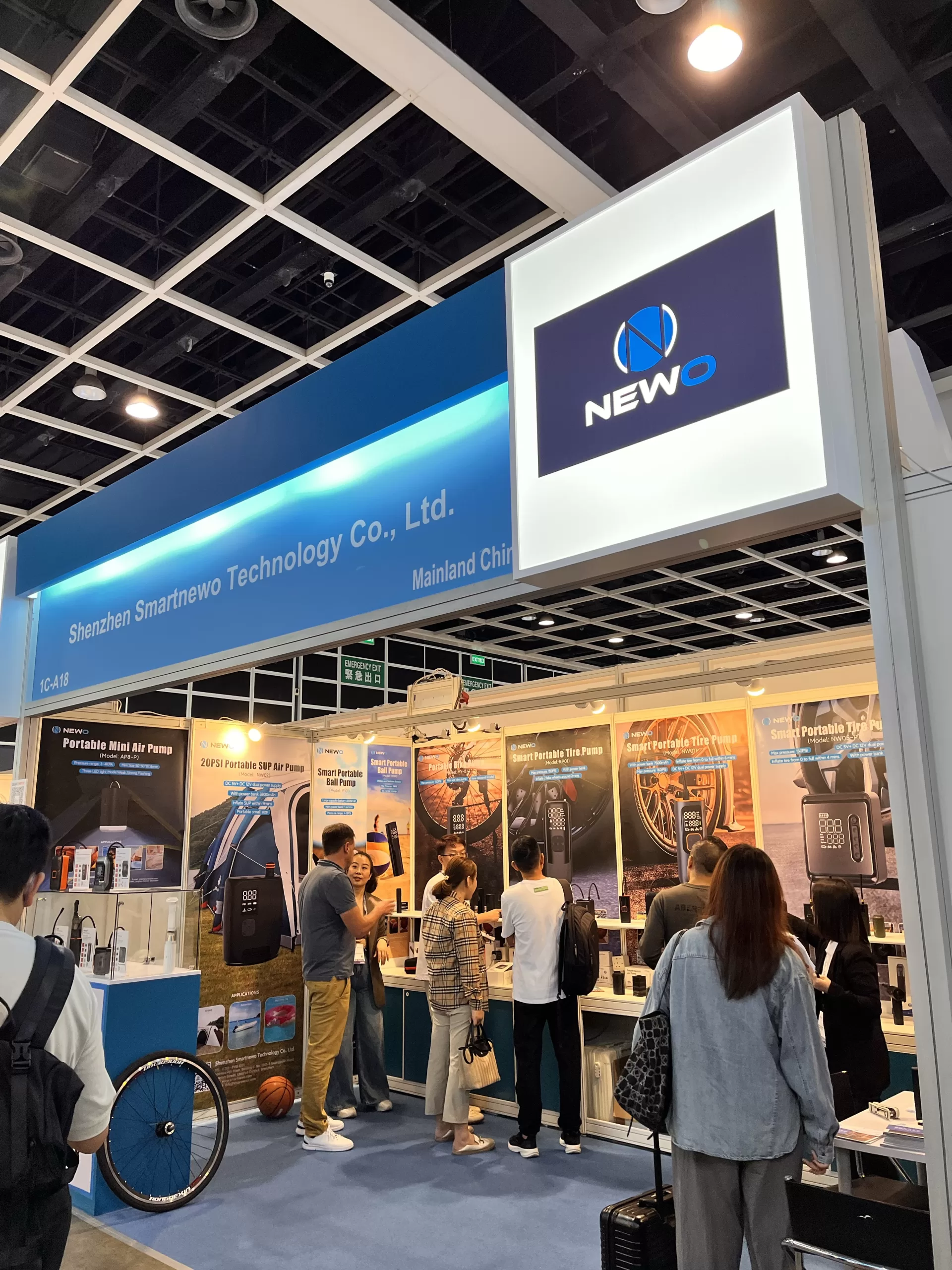
Smartnewo’s Dual-Cylinder Air Pump Rocks the Hong Kong Autumn Electronics Fair!
Smartnewo’s Dual-Cylinder Air Pump Rocks the Hong Kong Autumn Electronics Fair!... -

Meet at the Canton Fair! Smartnewo brings dual-cylinder air pumps, making your inflation experience faster and more stable!
NEWO has went deep communication and negotiation with customers from all over the world on booth.... -
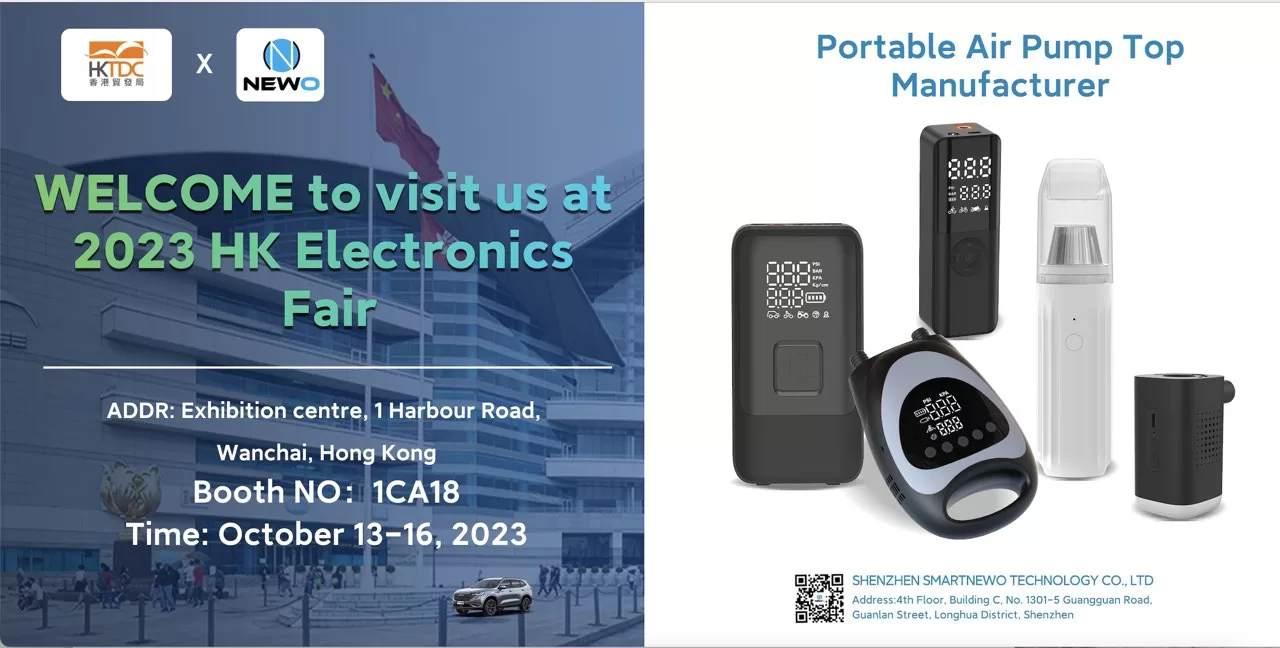
“Hong Kong Autumn Electronics Fair – 1CA18 (October 13th to 16th): Smartnewo invites you to visit our booth!
Hong Kong Autumn Electronics Fair...
-
What to Check Before Ordering Custom Electric Bike Pumps
Plan custom electric bike pumps with a clear requirements freeze for valves, TPU tubes, portability, repeated top-ups, charging, and model-specific documents.... -

OEM vs ODM Air Pumps: Which Manufacturing Model Fits Your Brand?
Compare OEM and ODM air pump projects by design responsibility, change approval, development scope, and written ownership terms before choosing your route.... -

How to Choose a Reliable Tire Inflator Manufacturer in China
Choose a tire inflator manufacturer in China with a focused RFQ, supplier evidence, configuration checks, and clear sample-to-pilot decisions for your brand.... -
Rechargeable Electric SUP Pump for Paddle Boards: Faster Inflation for SUPs, Kayaks and Inflatable Tents
The BL10-C Portable Electric Bike Tire Inflator is a compact and lightweight mini electric bike pump designed for modern cyclists. With up to 120 PSI pressure, a digital LED display, preset pressure control, automatic shut-off, USB-C charging, and multiple valve adapters, BL10-C offers a convenient inflation solution for road bikes,... -
Are Electric Bike Pumps Worth It in 2026? Electric Pump vs CO₂ vs Mini Hand Pump
Discover whether electric bike pumps are worth it in 2026. This guide compares electric bike pumps, CO₂ inflators, and mini hand pumps for road cycling, gravel riding, commuting, and long-distance rides. Learn the pros, limitations, best use cases, and key features to look for before choosing the right portable tire... -
BL10-C Portable Electric Bike Tire Inflator: Small Size, Reliable Power for Every Ride
The BL10-C Portable Electric Bike Tire Inflator is a compact and lightweight mini electric bike pump designed for modern cyclists. With up to 120 PSI pressure, a digital LED display, preset pressure control, automatic shut-off, USB-C charging, and multiple valve adapters, BL10-C offers a convenient inflation solution for road bikes,... -
Why Mini Electric Bike Pumps Are Becoming Essential for Modern Cycling
Discover why mini electric bike pumps are becoming essential for modern cyclists. Learn how portable electric bike pumps improve tire pressure management, riding safety, and convenience.... -
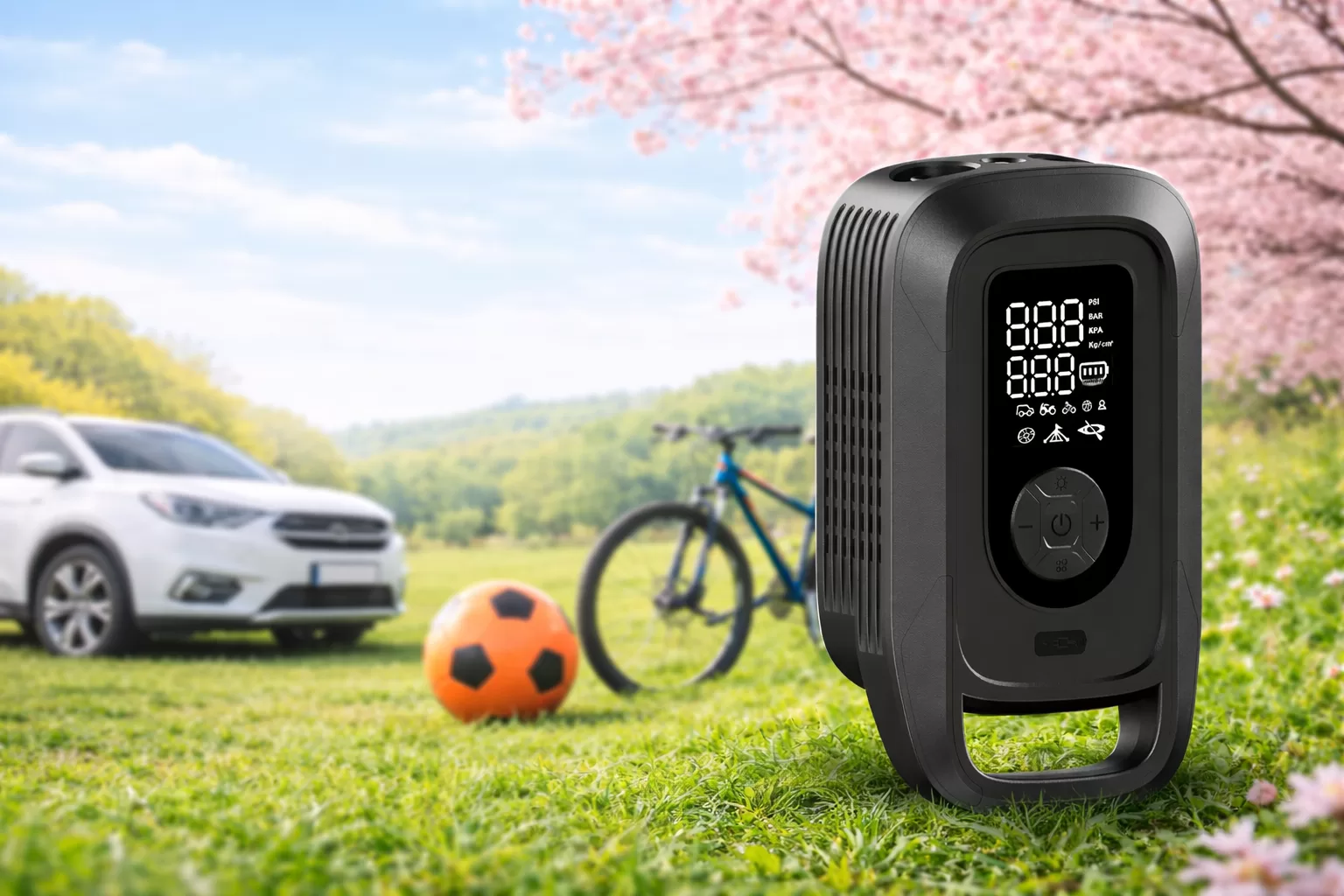
The Ultimate Smart Solution for Easy Outdoor Adventures in 2026
Discover how a spring travel air pump simplifies outdoor trips with fast inflation, smart features, and powerful performance—perfect for every adventure.... -
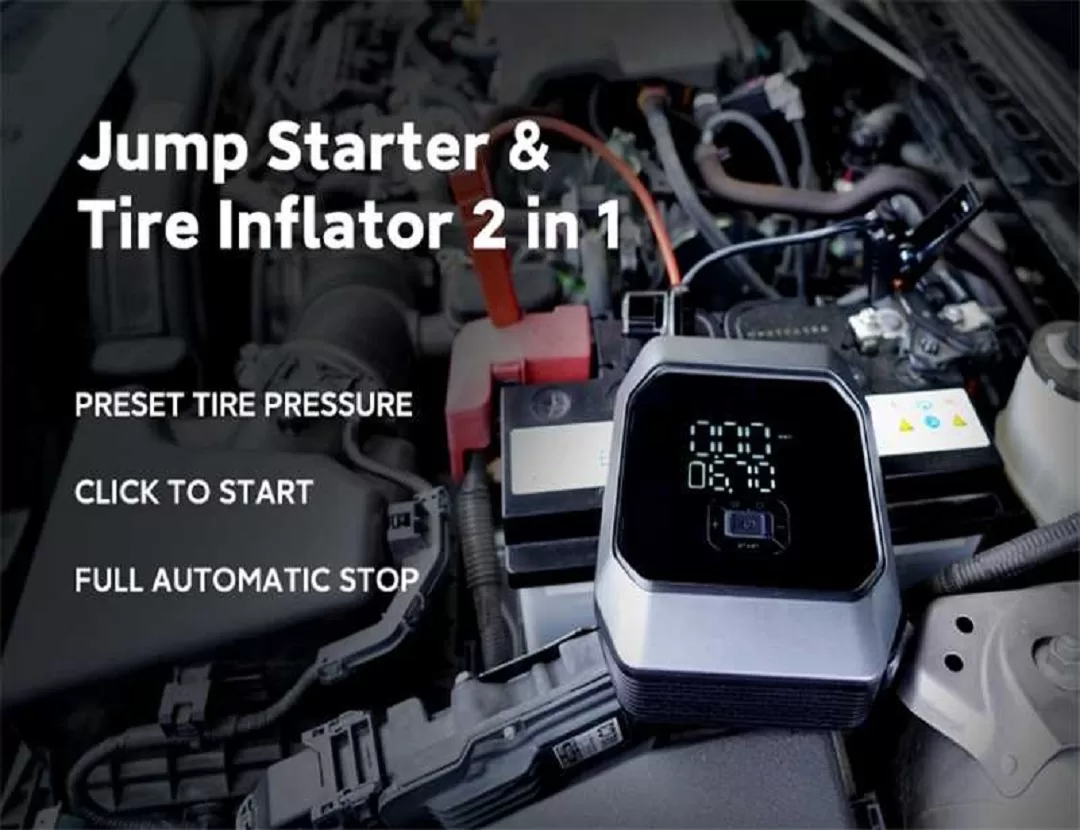
Powerful 5-in-1 Portable Car Tire Inflator and Jump Starter: The Ultimate Emergency Tool for Every Driver
Why Every Driver Needs a Portable Car Tire Inflator and Jump Starter Modern drivers face many unexpected situations on the road. A flat tire, low tire pressure, or a dead car battery can happen at the worst possible time. That’s why having a portable car tire inflator and jump starter is... -

7 Real Cycling Scenarios That Show Why Every Rider Should Carry a Mini Bike Pump
Cycling is one of the most freeing activities you can enjoy. Whether you’re commuting to work, riding through city streets, or exploring quiet countryside roads, a bike ride can instantly improve your day. But there’s one small problem that almost every cyclist eventually faces: Low tire pressure. It might happen...
-
How Is a Football Properly Inflated?
The correct inflation of a football - with not too much and not too little air - is a hotly debated topic among footballers.... -
Application Scenarios of Car Inflator Pump
Often long-distance business trips or play car owners because the road may be more remote areas, in this case if you encounter a tire leak....