

 Portable Tire Inflators
 Electric Air Pumps
 Electric Car Tyre Pumps
 Electric Ball Pumps
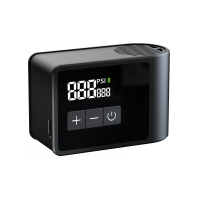 Electric Bike Pump
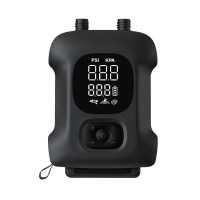 SUP Air Pump
The Engineering Behind a Cordless Auto Stop Tire Inflator: Precision Pressure Control
Relying on a gas station air pump often involves guesswork, and you are left trusting heavily abused analog dials. The structural integrity of a tire demands exact pressure limits rather than rough estimations. A modern cordless auto stop tire inflator replaces that mechanical uncertainty, delivering precise digital pressure sensing directly into the hands of a driver.
The core utility of these portable devices is not simply their compact footprint or lack of wires. The actual value lies in their ability to halt inflation precisely, stopping the motor exactly when a tire reaches optimal operational pressure.
Understanding the internal mechanics reveals why some compact pumps fail early, while others maintain accuracy over hundreds of duty cycles. We need to examine the tight relationship between pressure transducers, thermal management, and lithium power delivery.
The Mechanics of Digital Pressure Sensing
Most portable electric inflators rely on a microscopic piezoresistive pressure sensor. This highly sensitive component sits directly next to the internal air manifold. It continuously measures the raw physical force of compressed air pushing against a tiny internal diaphragm.
As the pressure inside the tire rises, this small diaphragm bends slightly under the force. This microscopic structural deformation changes the electrical resistance within the internal sensor circuit. A dedicated microcontroller translates this shifting resistance into a readable PSI or BAR value.
The logic board continuously compares these real-time resistance readings against your predetermined target threshold. Once the electrical signal matches the programmed limit, the control board instantly severs power to the brushed motor.
Thermal Interference and Sensor Accuracy
Compressing atmospheric air into a confined tire volume inherently generates immense thermodynamic heat. This sudden temperature spike near the compression cylinder directly affects the surrounding electronic components. Heat causes the electrical resistance within the pressure sensor to drift, threatening the accuracy of the entire system.
Plastic casings act as thick insulators, trapping this mechanical heat tightly inside the inflation chamber. When the transducer overheats, the microcontroller receives distorted electrical signals. This thermal interference often causes poorly designed pumps to stop prematurely.
Engineering a device with an extruded aluminum shell provides active heat dissipation. Aluminum acts as a large thermal sink, aggressively pulling high temperatures away from the sensitive microcontroller.
The inclusion of an active internal cooling fan forces ambient air across the heated metal block. This continuous airflow prevents thermal runaway during extended topping-off sessions, ensuring the transducer delivers perfectly accurate cutoff commands.
Analyzing the Metallic Compression System
Manufacturers often list specific cylinder sizes to denote internal air output capabilities. A 14-cylinder specification refers to a 14mm inner diameter metallic cylinder block. This specific dimension represents a calculated balance between compact casing design and required mechanical throughput.
A smaller piston requires the brushed motor to spin at extremely high RPMs to push enough air. This high-speed reciprocation generates excessive mechanical friction, drastically increasing battery strain and reducing the physical lifespan of internal seals.
A 35W motor driving a 14mm piston can output a highly stable 15 to 18 liters per minute. This specific volumetric flow rate is perfectly sufficient to top off a standard sedan tire without causing critical thermal overload.
Managing Lithium Power Delivery
Pushing dense compressed air against 40 PSI of resistance requires significant rotational torque. A single 3.7V lithium cell struggles to supply enough continuous current without suffering from massive voltage sag.
Configuring two 1200mAh lithium cells in series creates a robust 7.4V electrical architecture. This setup provides a higher operating voltage, allowing the brushed motor to draw lower amperage while maintaining high rotational force.
For us, developing smart pneumatic solutions requires strict adherence to these electrical physics. Lower continuous amperage directly translates to less battery heating, ensuring the power cells maintain at least 85% capacity after 300 charge cycles.
Pre-programmed microcontroller settings instantly adjust the baseline parameters for different pneumatic targets, including:
- High-pressure road bicycle tires
- Standard volume automotive tires
- Low-pressure sports equipment
Technical Specifications Breakdown
| Component | Specification | Engineering Purpose |
|---|---|---|
| Motor Type | 35W Brushed Motor | Delivers consistent torque for continuous air compression |
| Cylinder Size | 14mm Metallic Block | Balances volumetric flow rate and internal thermal mass |
| Battery System | 7.4V (2x 1200mAh) | Prevents severe voltage sag under heavy mechanical load |
| Control Board | Auto-Stop Microcontroller | Cuts power precisely at the targeted pressure limit |
| Housing Material | Aluminum Casing | Dissipates thermodynamic heat away from internal sensors |
Answering Frequently Asked Technical Questions
Why does the pump sound so loud for its size?
Compressing air requires a fast-moving metallic piston oscillating violently inside a metal cylinder. This rapid mechanical reciprocation inherently produces percussive shockwaves.
A compact footprint leaves absolutely no physical space for thick acoustic dampening materials. An operational noise level hovering around 85 decibels is a strict physical reality for this specific class of pneumatic hardware.

Can I use a compact pump to inflate a completely flat truck tire?
These compact devices are strictly designed for pressure maintenance rather than full-volume inflation. A large truck tire contains a massive internal air volume, requiring sustained mechanical work.
Filling a heavy tire from zero would force the brushed motor to exceed its continuous thermal runtime. This risks melting the internal piston rings or permanently triggering the hardware overcurrent protection circuit.
Practical Implications for Daily Operation
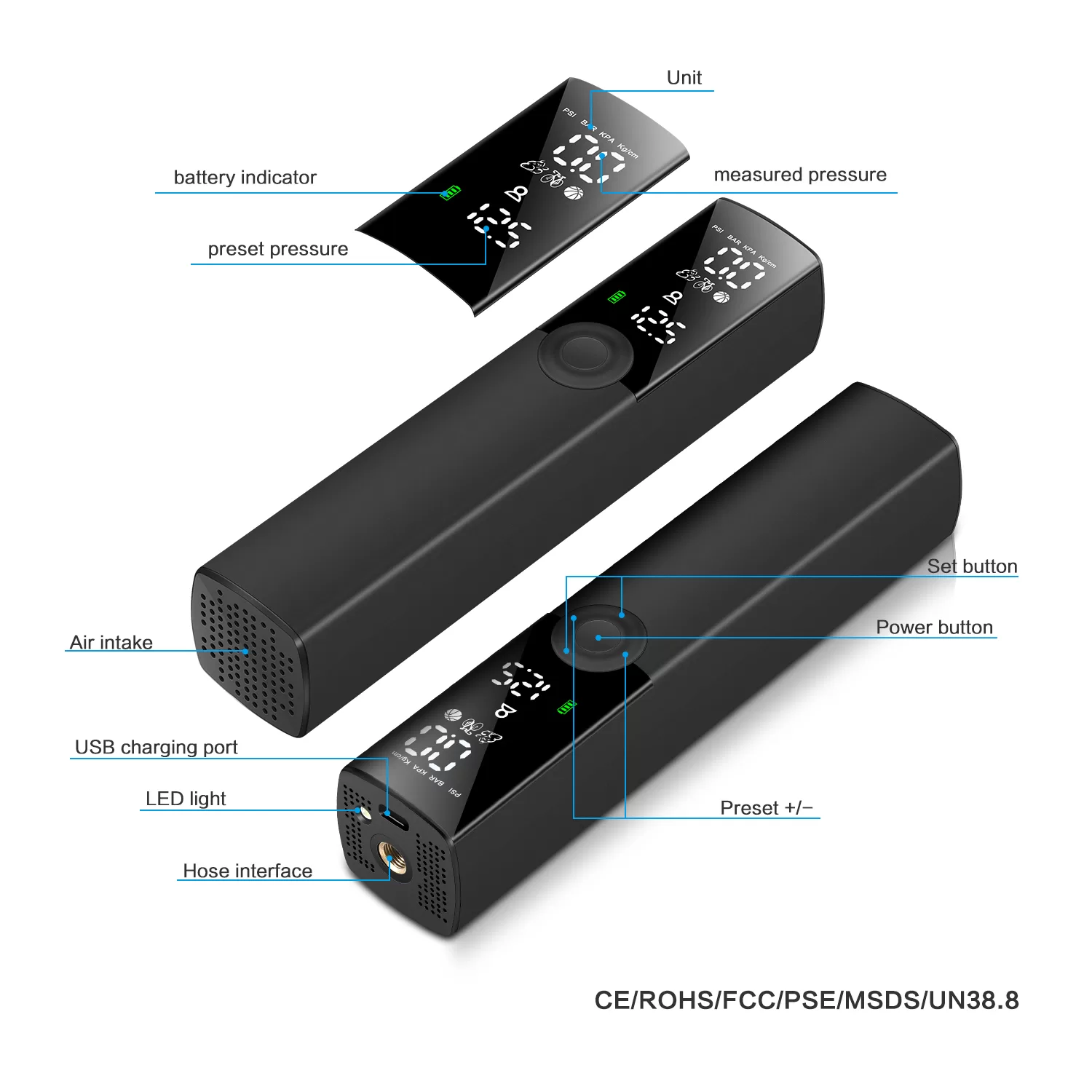
Operating a high-pressure pneumatic tool requires a clear understanding of its physical operating limits. The integrated LED display provides necessary real-time telemetry regarding remaining battery reserves and current atmospheric pressure.
Selectable unit interfaces eliminate the need for clumsy mental conversions on the side of a busy highway. A built-in manual deflation valve allows operators to correct accidental over-pressurization immediately, maintaining total control over the tire profile.
Relying on a quality cordless auto stop tire inflator ensures accurate tire maintenance across constantly changing seasonal temperatures. Precise pressure management directly improves vehicle traction, prevents uneven tread wear, and maximizes daily fuel economy.
-
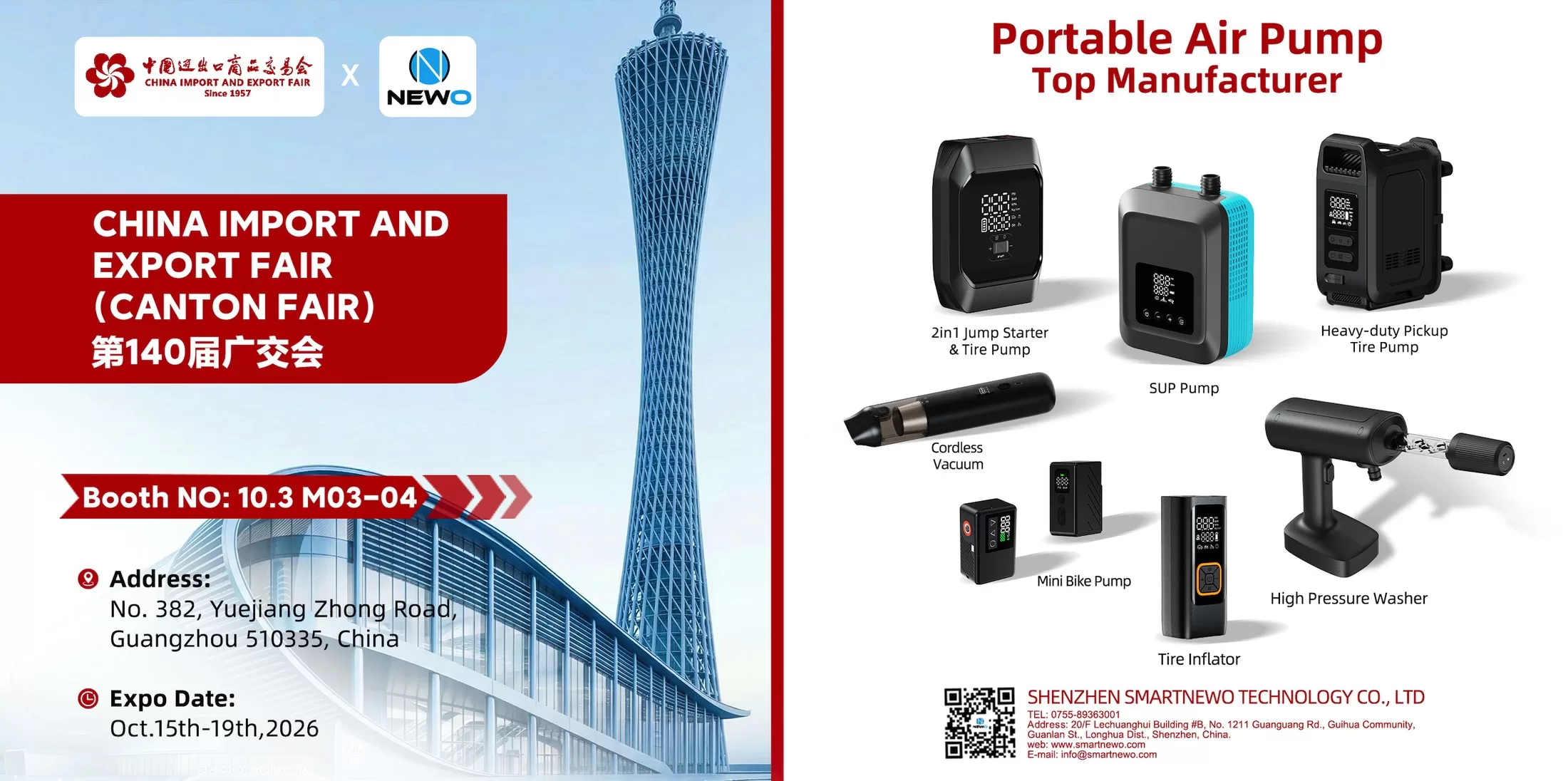
Meet NEWO at the 140th Canton Fair: Visit Booth 10.3 M03–04
Meet NEWO at the 140th Canton Fair in Guangzhou, October 15–19, 2026. Visit Booth 10.3 M03–04 to explore portable air pumps and discuss OEM, ODM and distribution opportunities.... -

As Shenzhen Welcomes the World for APEC 2026, NEWO Welcomes You to Our Factory
As Shenzhen prepares for APEC 2026, NEWO welcomes international buyers and partners to visit our factory, meet our team and explore future cooperation.... -
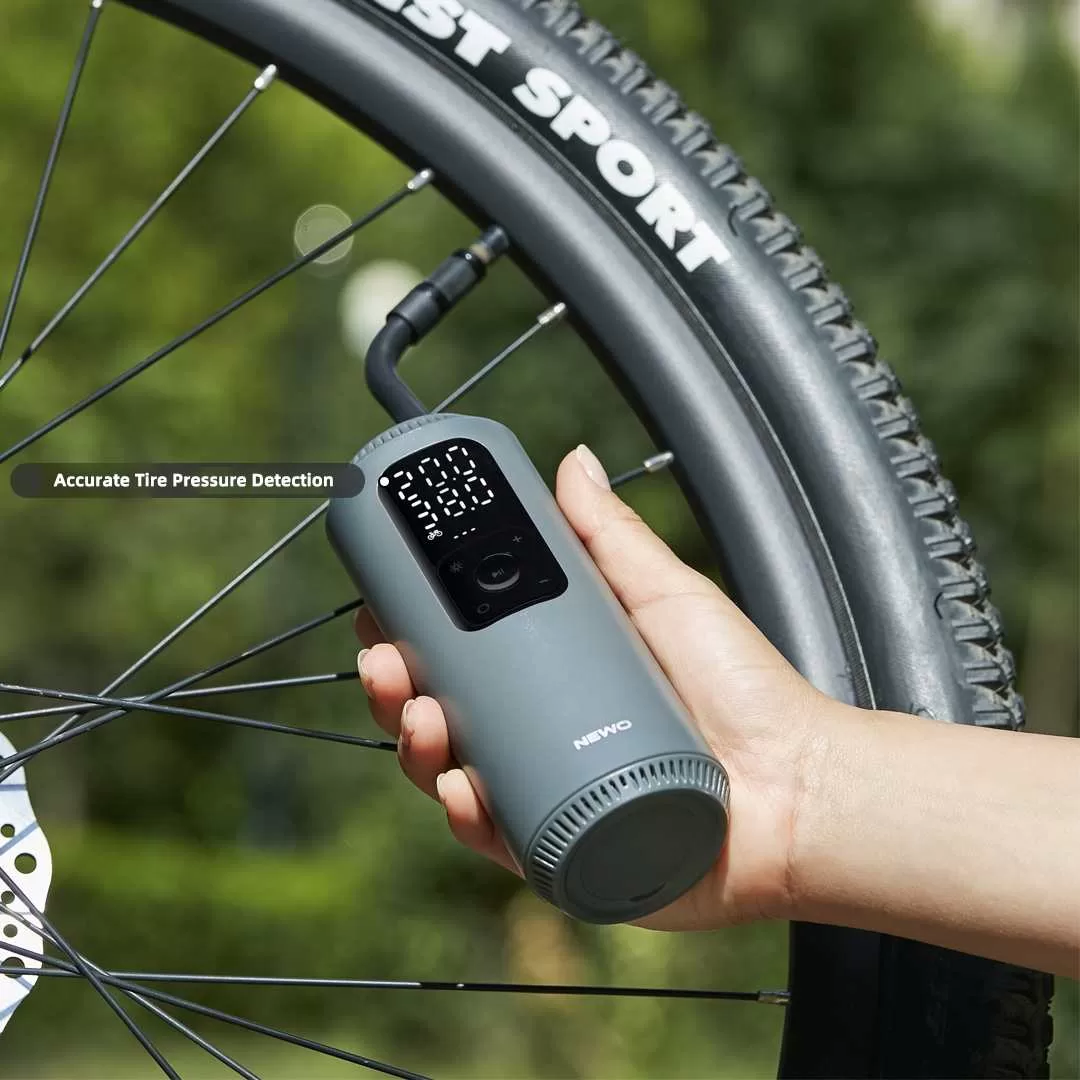
Leading the Way in Product Innovation and Excellence
Smartnewo exemplifies professionalism in product innovation and manufacturing. Their collaboration with Xiaomi Youpin on the G01 crowdfunding project highlights their expertise in creating compact, powerful inflatable pumps. Rigorous engineering, meticulous production processes, and advanced quality assurance underscore their commitment to excellence. The success of the G01 project, with significant market... -
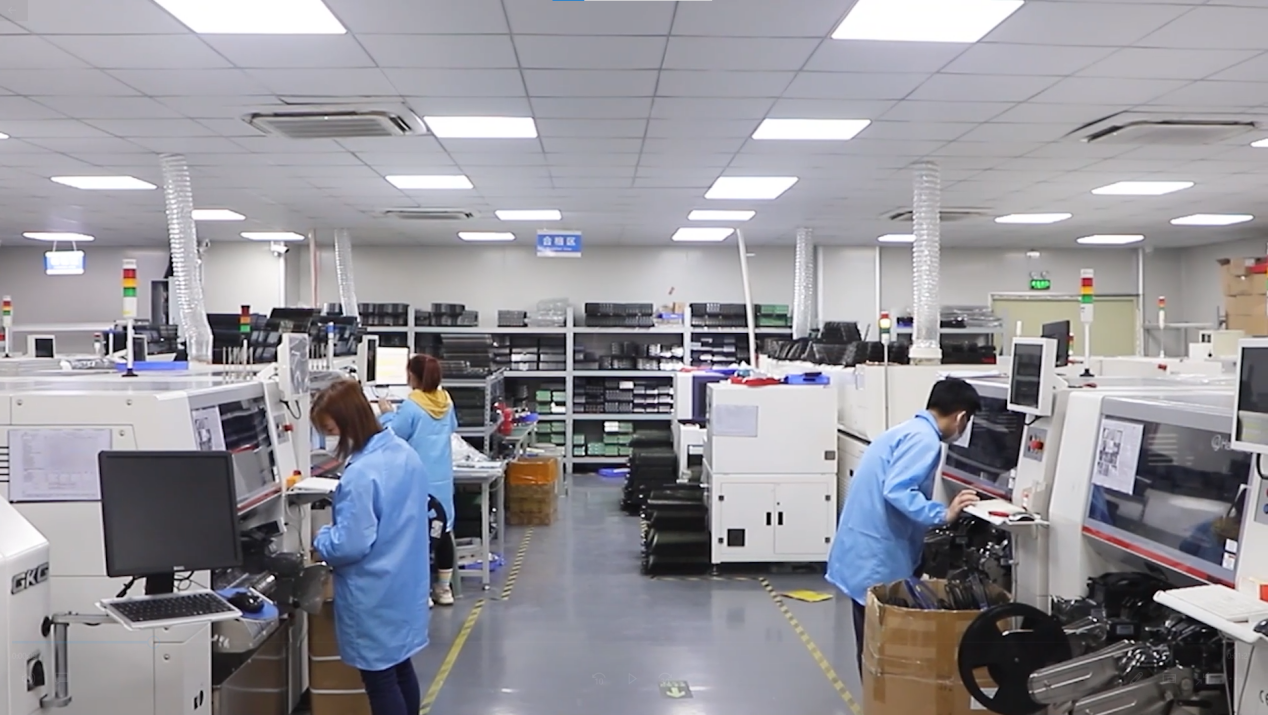
Essential Qualities of an Excellent Supplier
In today's competitive market, finding a reliable supplier is crucial for business success. Based on insights from Smartnewo and broader internet research, here are key qualities an excellent supplier must possess:... -
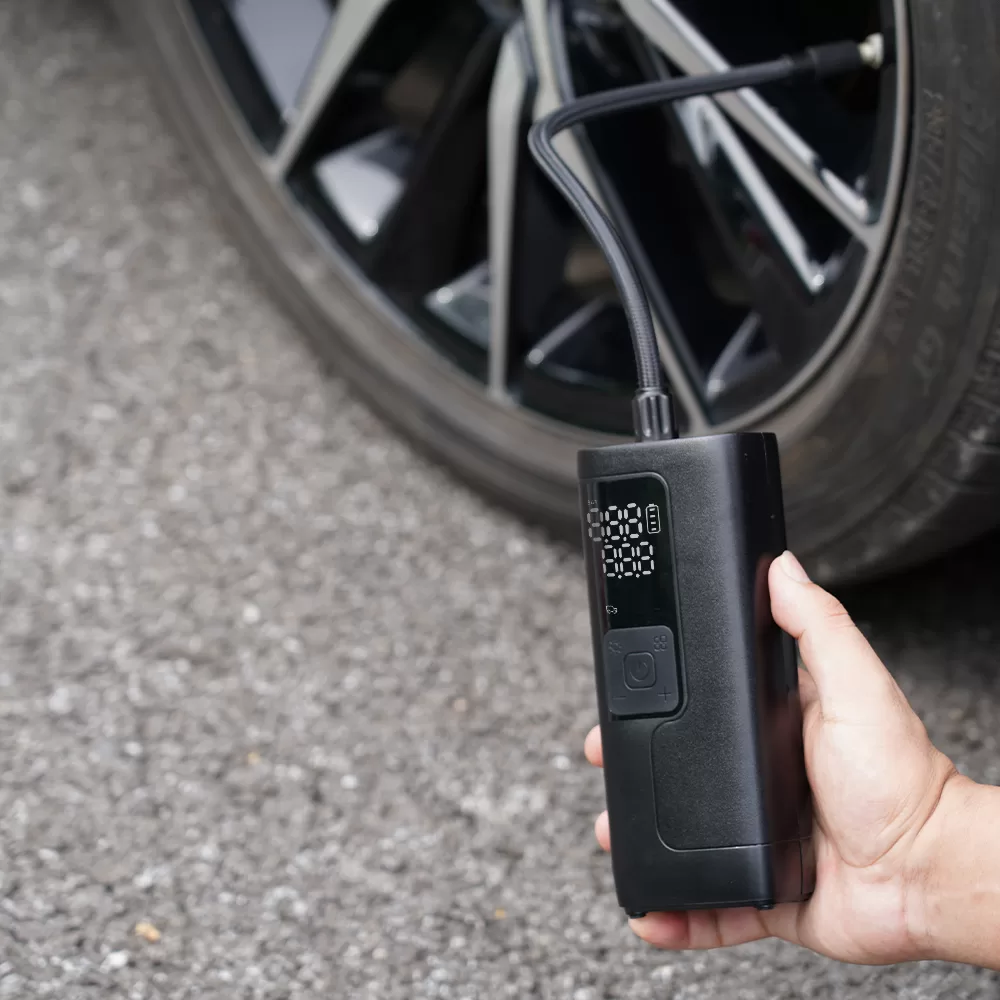
NW06 Tire Inflator: Compact Power for Quick Inflation
Summary The NW06 Tire Inflator delivers quick and efficient tire inflation with a powerful 35L/min airflow. It features a user-friendly LCD screen for real-time pressure monitoring, dual power options with a built-in 6000mAh battery, and multiple nozzle attachments for versatile use. Its compact design and integrated LED light ensure convenience and... -
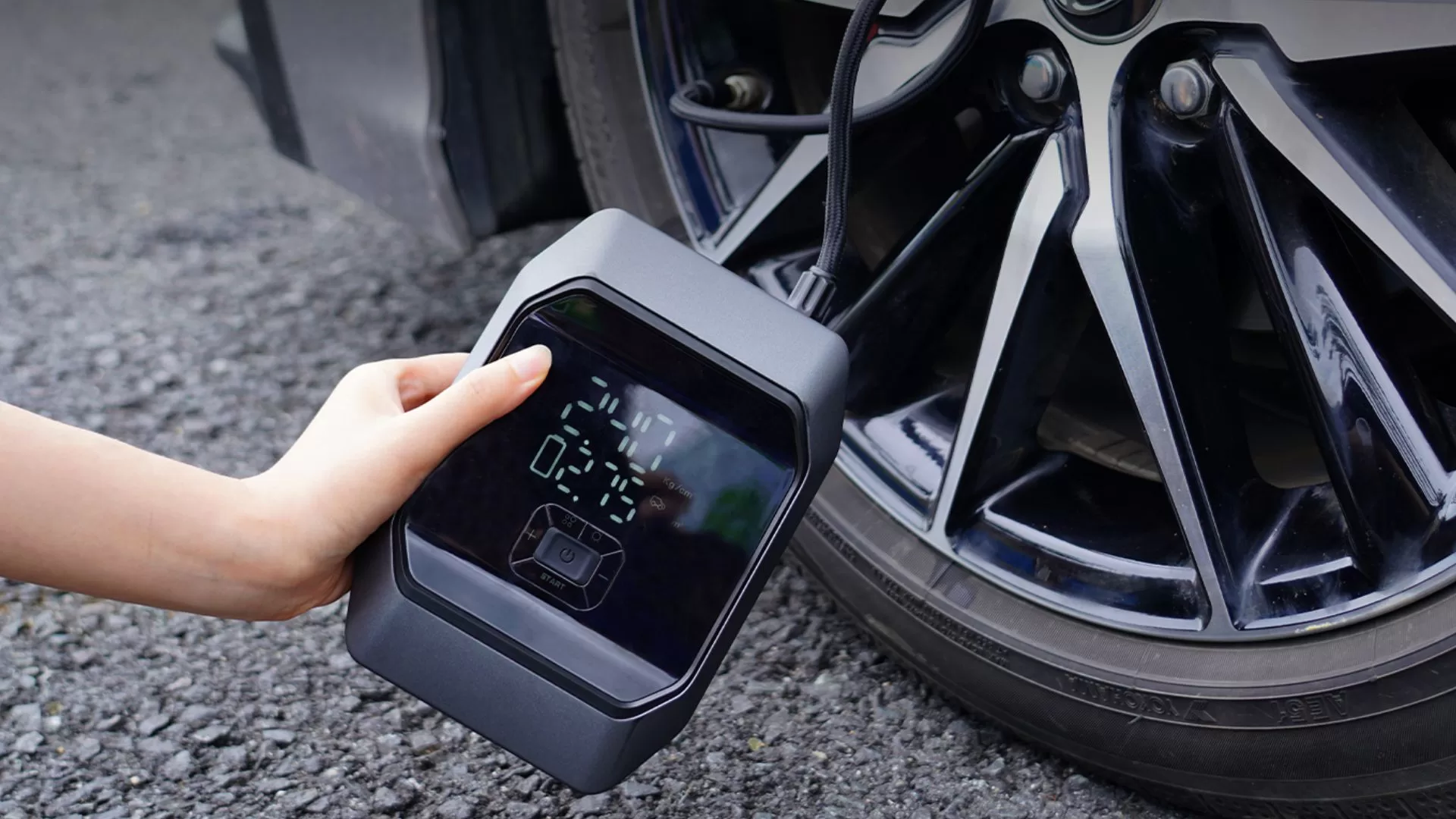
Unleash the Power of Portability: The SmartNewo Jump Starter with Air Compressor KF03
This guide will walk you through the steps to effectively use a portable tire inflator, helping you stay prepared and safe on the road.... -
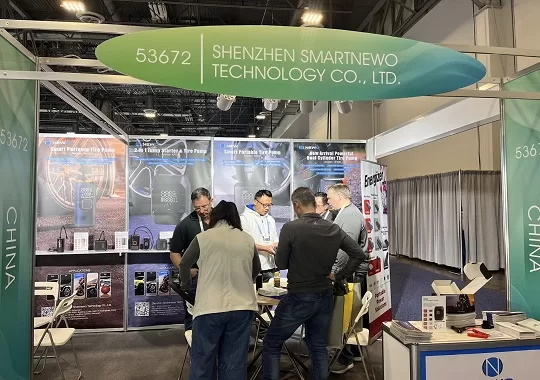
Newo Attends The 2024 Consumer Electronics Show (CES)
Smartnewo booth is located at 53672, Halls A-D, Level 2, Venetian Expo, Las Vegas Convention Center (LVCC). ... -
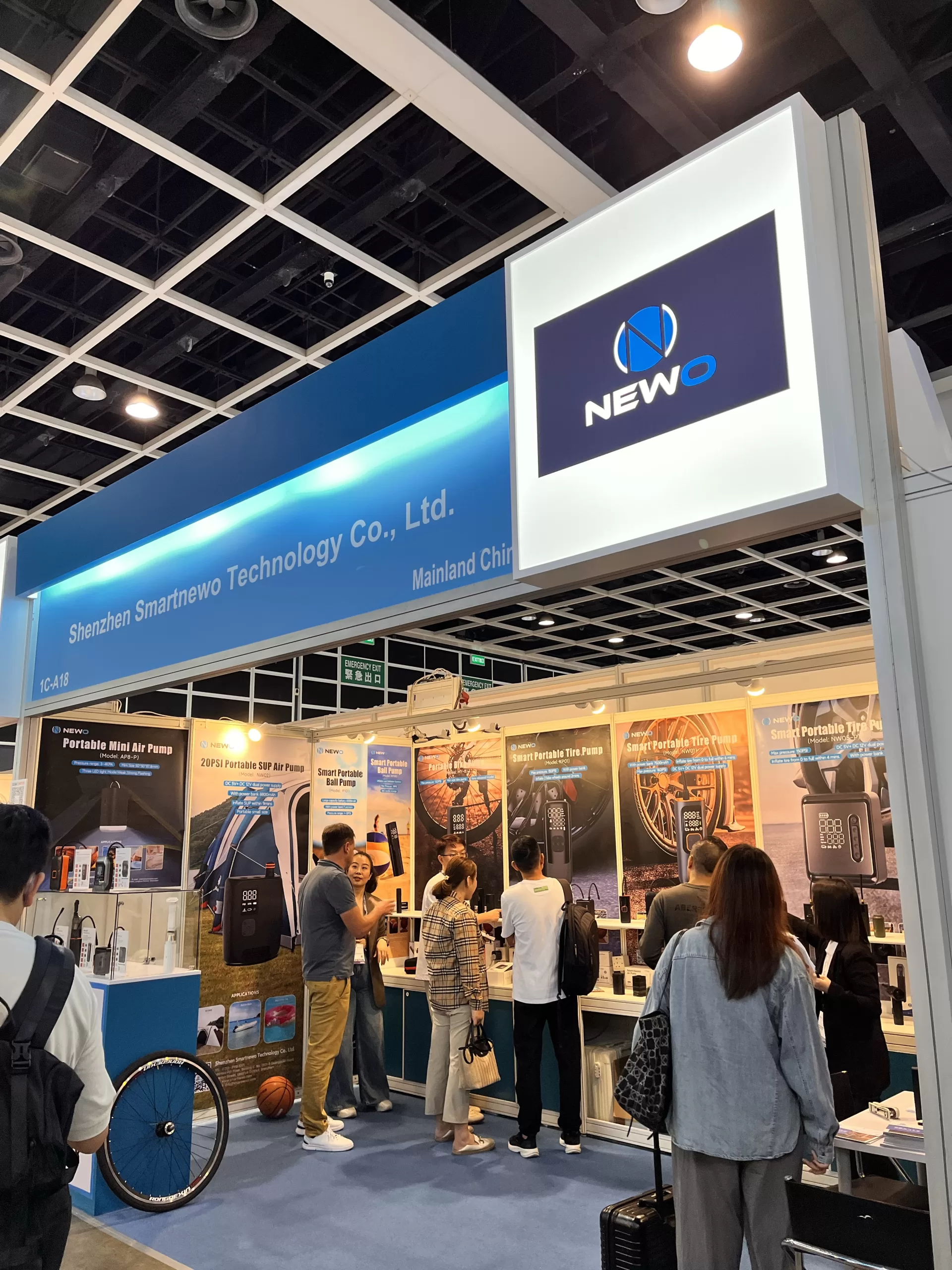
Smartnewo’s Dual-Cylinder Air Pump Rocks the Hong Kong Autumn Electronics Fair!
Smartnewo’s Dual-Cylinder Air Pump Rocks the Hong Kong Autumn Electronics Fair!... -

Meet at the Canton Fair! Smartnewo brings dual-cylinder air pumps, making your inflation experience faster and more stable!
NEWO has went deep communication and negotiation with customers from all over the world on booth.... -
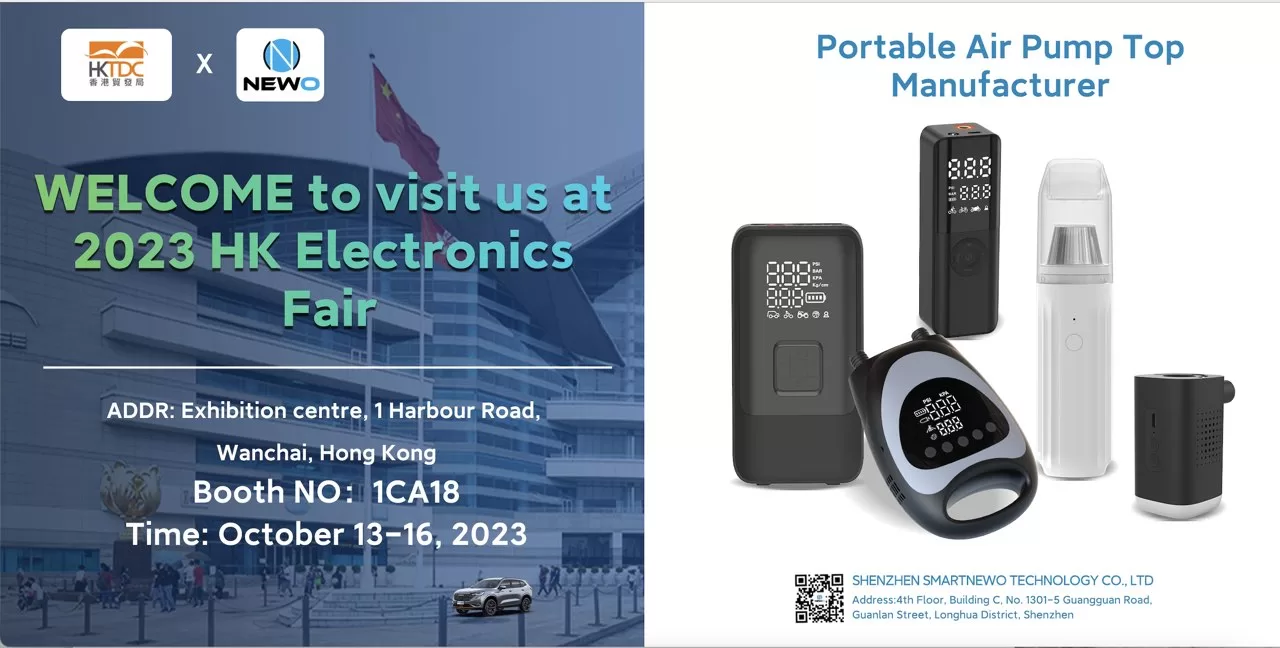
“Hong Kong Autumn Electronics Fair – 1CA18 (October 13th to 16th): Smartnewo invites you to visit our booth!
Hong Kong Autumn Electronics Fair...
-

How to Choose a Reliable Tire Inflator Manufacturer in China
Choose a tire inflator manufacturer in China with a focused RFQ, supplier evidence, configuration checks, and clear sample-to-pilot decisions for your brand.... -
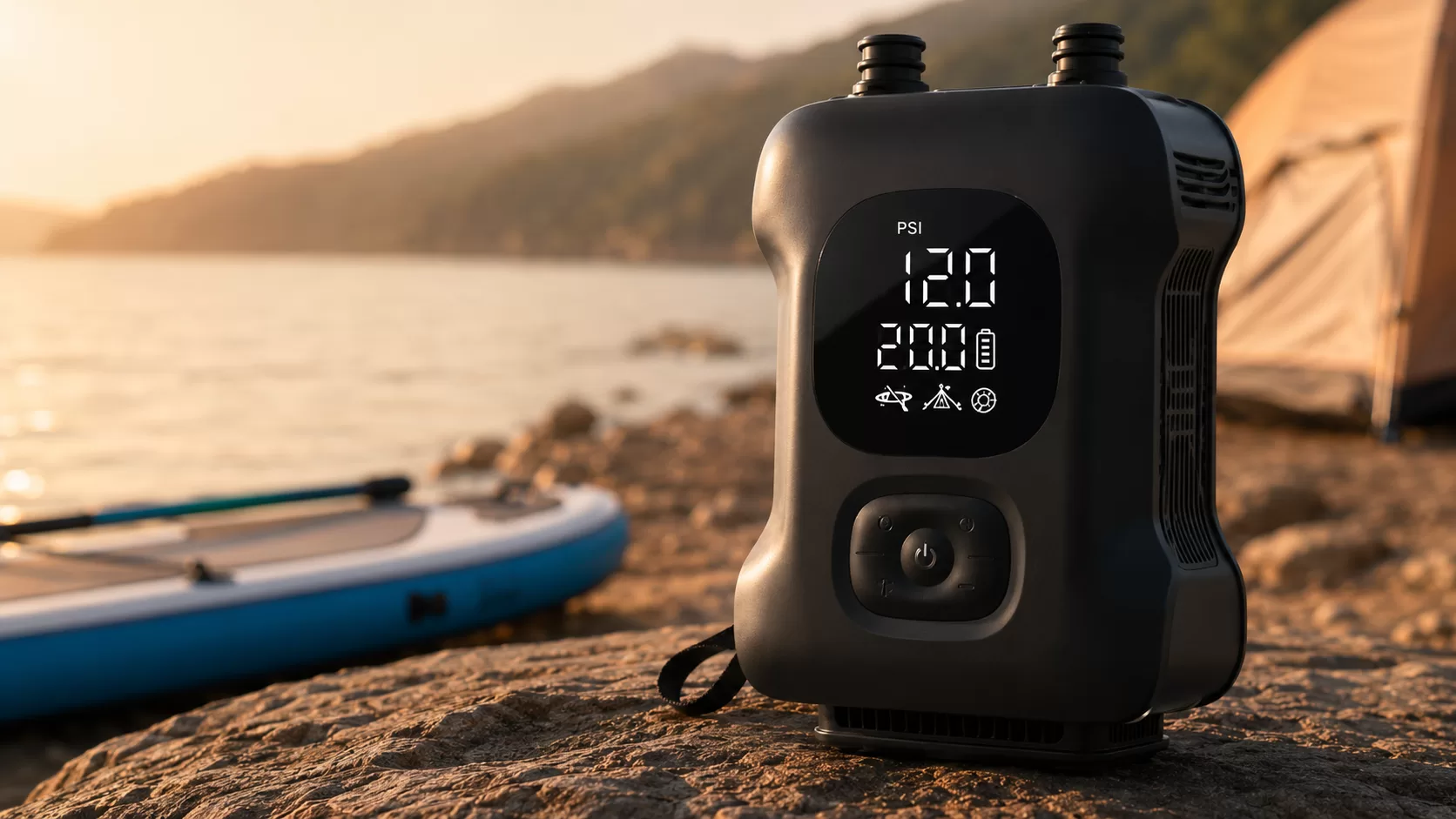
Rechargeable Electric SUP Pump for Paddle Boards: Faster Inflation for SUPs, Kayaks and Inflatable Tents
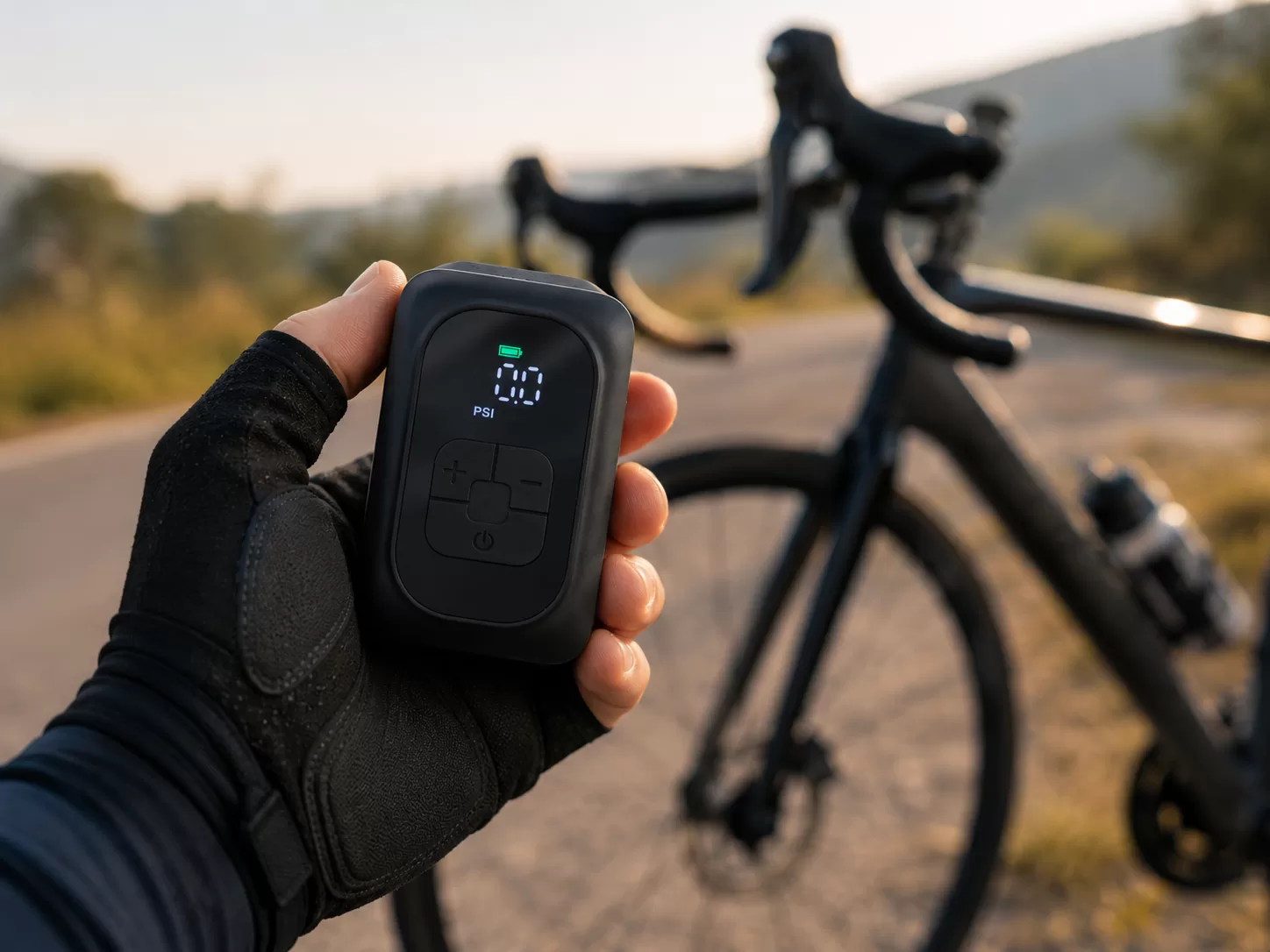
The BL10-C Portable Electric Bike Tire Inflator is a compact and lightweight mini electric bike pump designed for modern cyclists. With up to 120 PSI pressure, a digital LED display, preset pressure control, automatic shut-off, USB-C charging, and multiple valve adapters, BL10-C offers a convenient inflation solution for road bikes,... -
Are Electric Bike Pumps Worth It in 2026? Electric Pump vs CO₂ vs Mini Hand Pump
Discover whether electric bike pumps are worth it in 2026. This guide compares electric bike pumps, CO₂ inflators, and mini hand pumps for road cycling, gravel riding, commuting, and long-distance rides. Learn the pros, limitations, best use cases, and key features to look for before choosing the right portable tire... -
BL10-C Portable Electric Bike Tire Inflator: Small Size, Reliable Power for Every Ride
The BL10-C Portable Electric Bike Tire Inflator is a compact and lightweight mini electric bike pump designed for modern cyclists. With up to 120 PSI pressure, a digital LED display, preset pressure control, automatic shut-off, USB-C charging, and multiple valve adapters, BL10-C offers a convenient inflation solution for road bikes,... -
Why Mini Electric Bike Pumps Are Becoming Essential for Modern Cycling
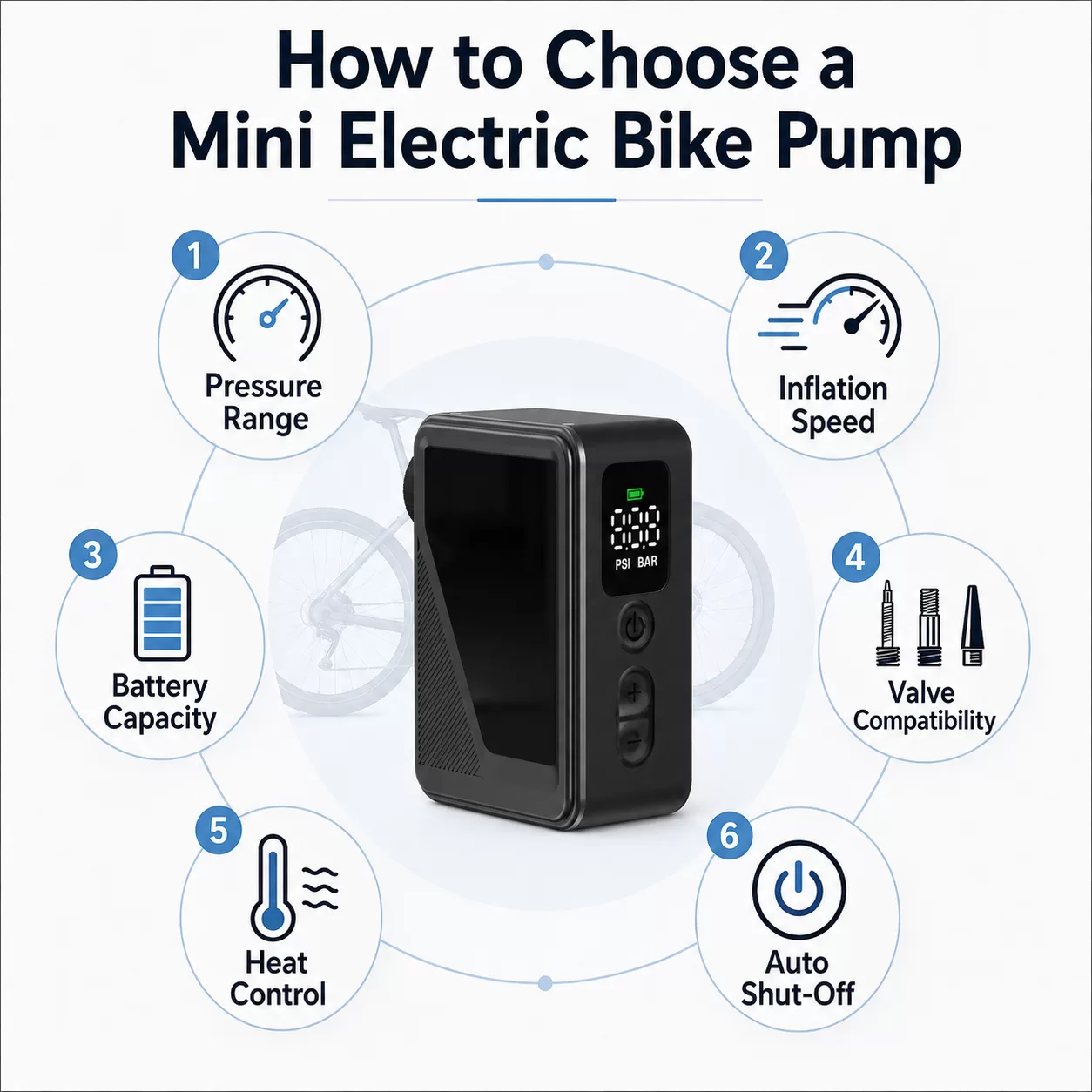
Discover why mini electric bike pumps are becoming essential for modern cyclists. Learn how portable electric bike pumps improve tire pressure management, riding safety, and convenience.... -
The Ultimate Smart Solution for Easy Outdoor Adventures in 2026
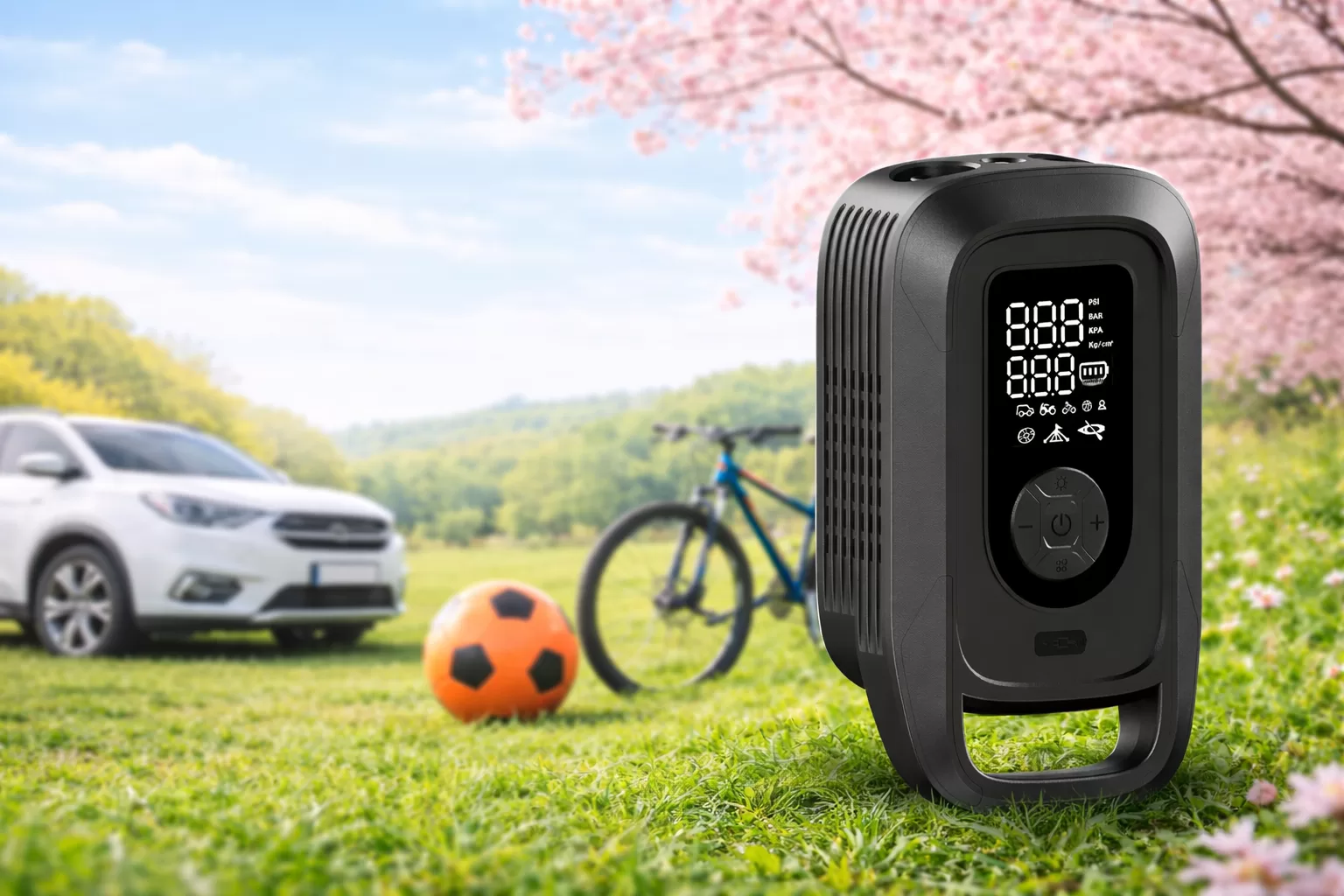
Discover how a spring travel air pump simplifies outdoor trips with fast inflation, smart features, and powerful performance—perfect for every adventure.... -
Powerful 5-in-1 Portable Car Tire Inflator and Jump Starter: The Ultimate Emergency Tool for Every Driver
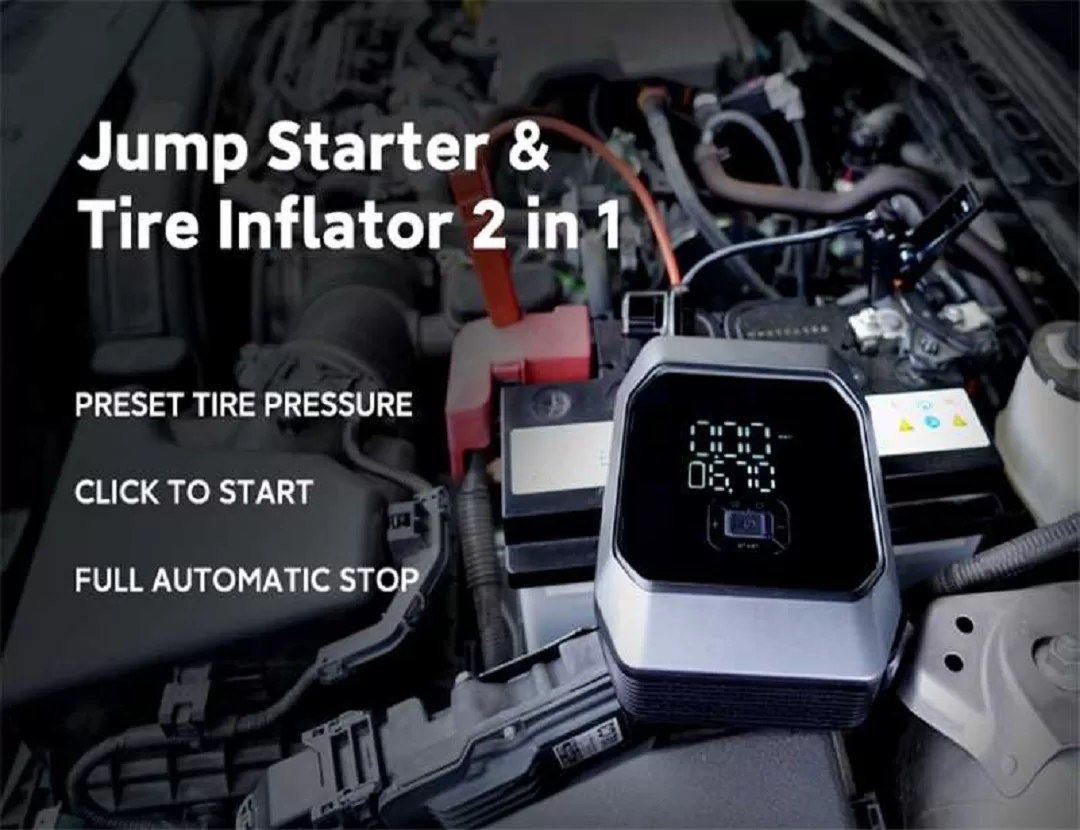
Why Every Driver Needs a Portable Car Tire Inflator and Jump Starter Modern drivers face many unexpected situations on the road. A flat tire, low tire pressure, or a dead car battery can happen at the worst possible time. That’s why having a portable car tire inflator and jump starter is... -
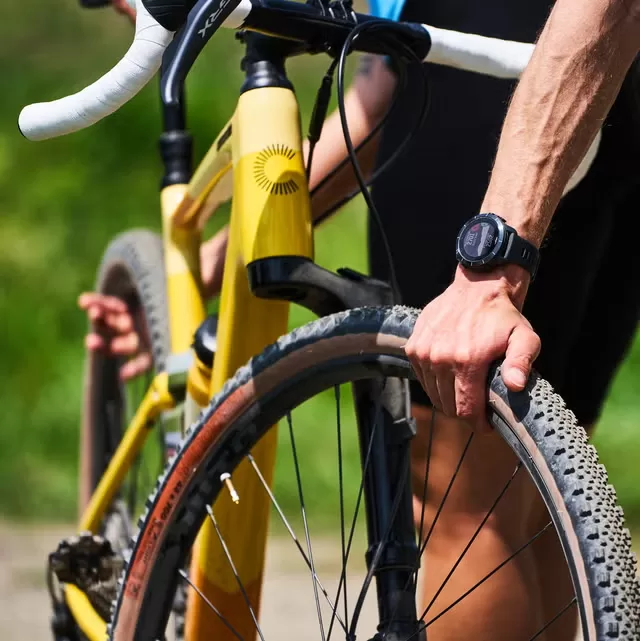
7 Real Cycling Scenarios That Show Why Every Rider Should Carry a Mini Bike Pump
Cycling is one of the most freeing activities you can enjoy. Whether you’re commuting to work, riding through city streets, or exploring quiet countryside roads, a bike ride can instantly improve your day. But there’s one small problem that almost every cyclist eventually faces: Low tire pressure. It might happen... -
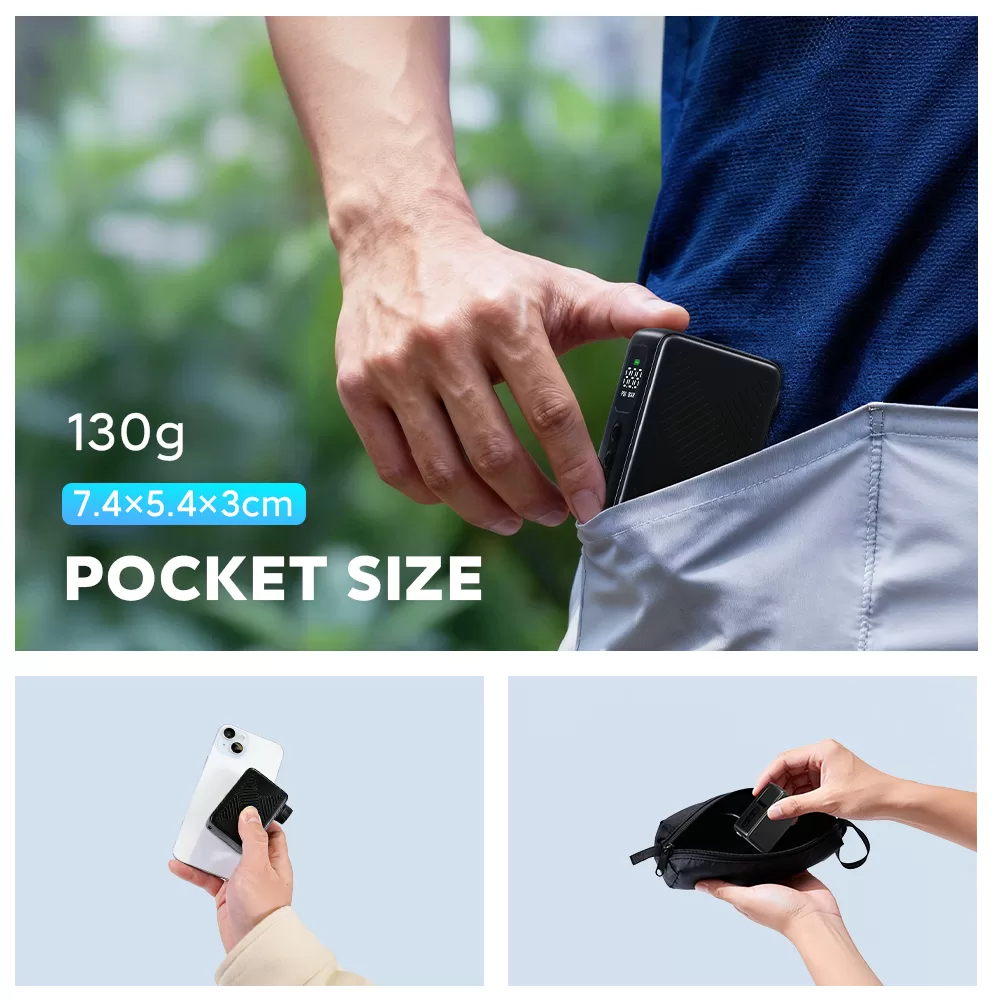
BL08-A Portable Electric Bike Pump: A Global Distribution Opportunity with Smartnewo
Smartnewo, a professional manufacturer of portable electric air pumps, introduces the BL08-A model — a compact and efficient inflator designed for global distributors, e-commerce sellers, and outdoor accessory brands seeking reliable OEM/ODM solutions. Table of Contents Main Heading Subtopics 1. Introduction: Expanding the Global Market for Smart Inflation Tools Portable... -
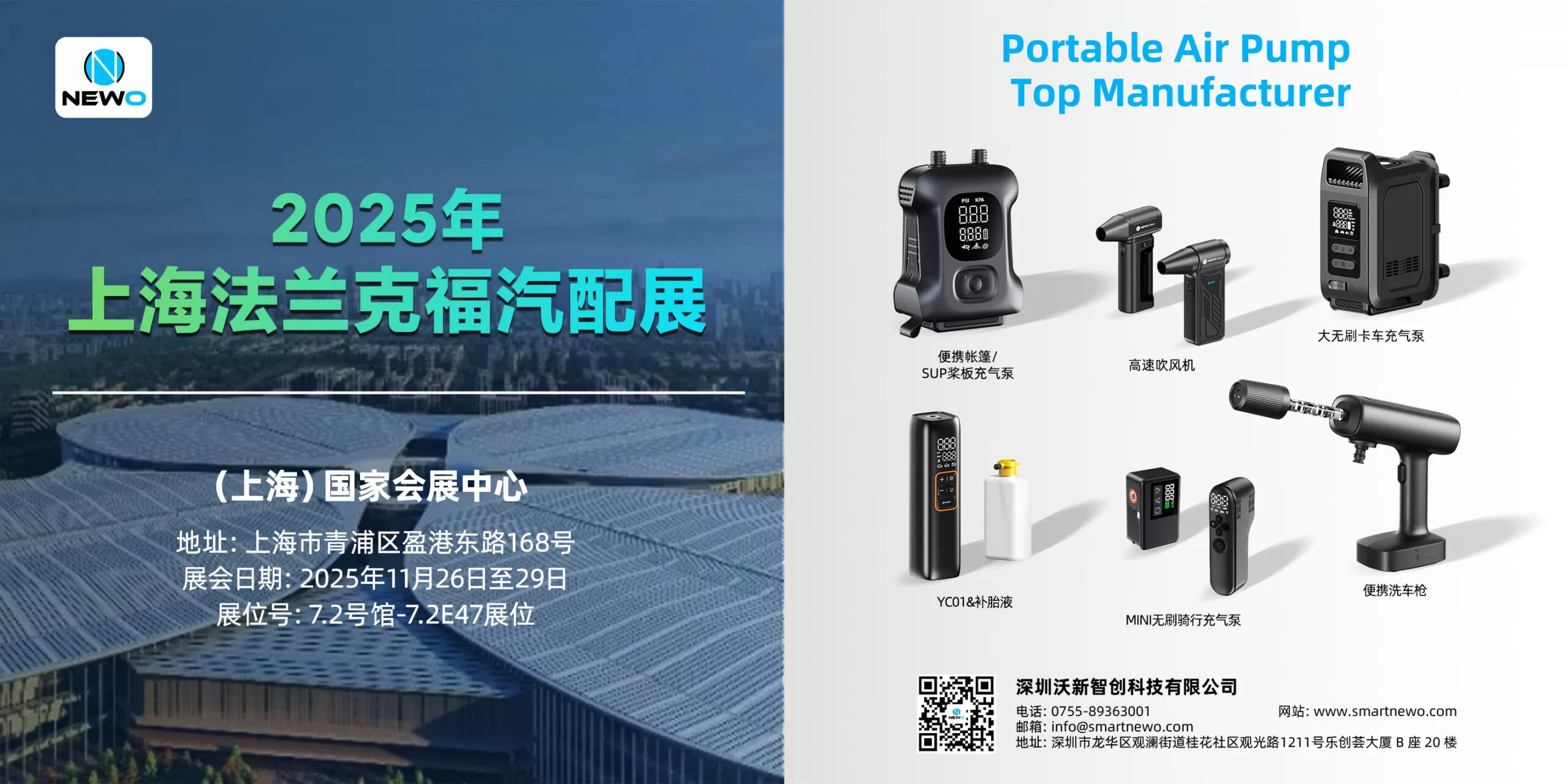
Connecting Opportunities at Automechanika Shanghai 2025 — Smartnewo Exhibition Day 1
Today marks an exciting beginning as Smartnewo officially opens its booth at Automechanika Shanghai 2025. As one of the largest and most influential automotive aftermarket exhibitions in the world, the show provides an exceptional platform for meaningful conversations, partnership building, and global industry exchange. Located at Booth 7.2E47, Smartnewo presents...
-
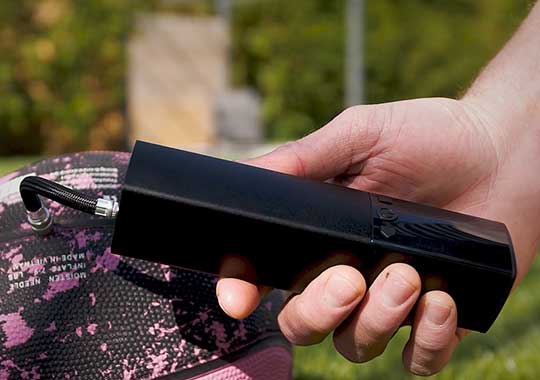
How Is a Football Properly Inflated?
The correct inflation of a football - with not too much and not too little air - is a hotly debated topic among footballers.... -

Application Scenarios of Car Inflator Pump
Often long-distance business trips or play car owners because the road may be more remote areas, in this case if you encounter a tire leak....