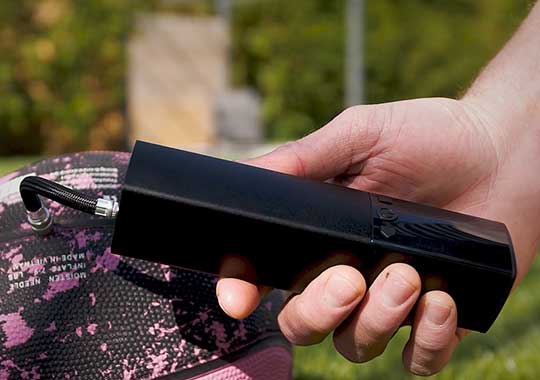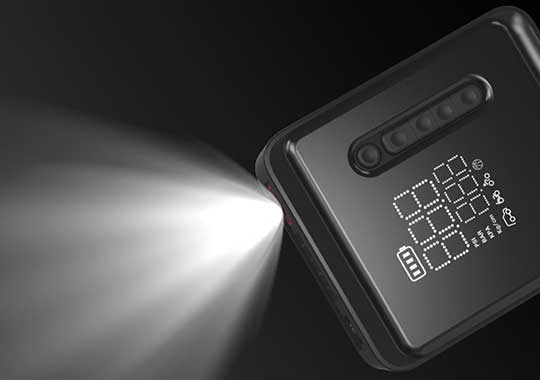

 Portable Tire Inflators
 Electric Air Pumps
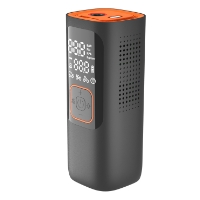 Electric Car Tyre Pumps
 Electric Ball Pumps
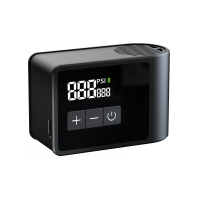 Electric Bike Pump
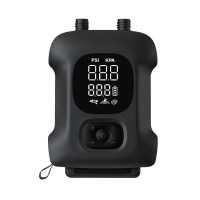 SUP Air Pump
The Engineering Mechanics Behind a 129g Electric Bicycle Tire Pump
Road cyclists frequently face a strict carrying capacity limit. Every single gram stored on the bike actively affects riding posture and long-distance endurance. Riders typically distribute this weight across specific storage points:
- Rear jersey pockets
- Under-seat saddle bags
- Daily commuting packs
Carrying a mechanical hand pump often means compromising on actual tire pressure during a roadside repair. A manual tool rarely achieves the necessary 100 PSI threshold on a remote shoulder without physically exhausting the rider. The emergence of the compact electric bicycle tire pump attempts to resolve this exact mechanical friction through miniaturization.
The Physics of High Pressure in a Micro Housing
The core engineering challenge in miniature pneumatics is thermal management. Compressing ambient air to 120 PSI generates intense heat through thermodynamic principles. Traditional portable compressors rely on heavy metal cylinders to dissipate this thermal load before it damages the internal seals.
Shrinking that mechanism into a footprint smaller than a smartphone requires a fundamental shift in motor design. A standard brushed motor will quickly overheat and seize when forcing air into a tightly confined space. The mechanical friction of physical commutators generates too much waste heat.
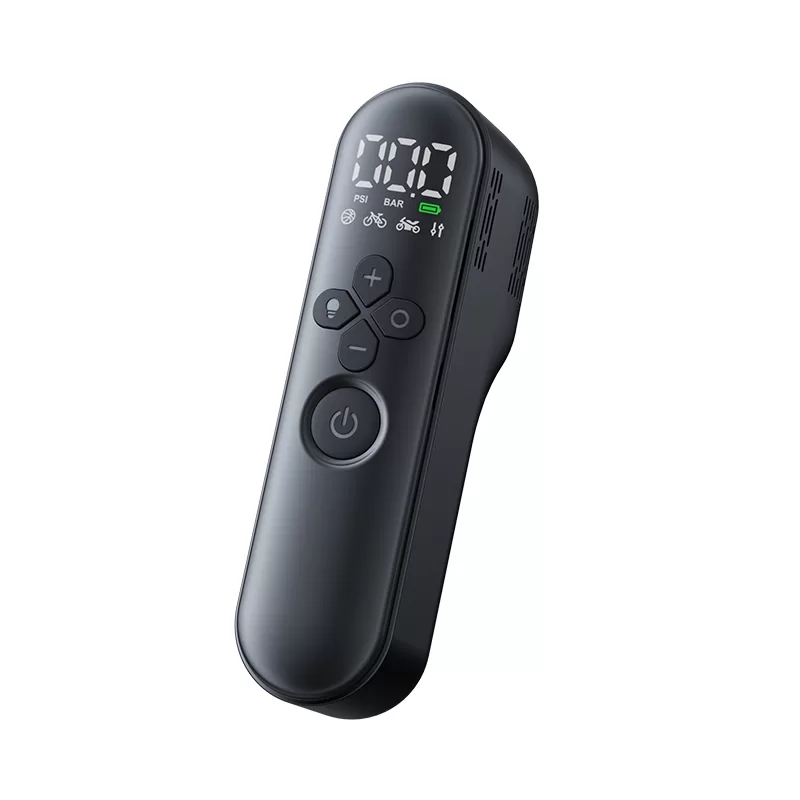
We must examine the internal architecture to understand how a 129g device survives this thermal stress. A small brushless pump replaces the physical brushes with electronic speed controllers. This eliminates direct mechanical friction, drastically lowering the baseline operating temperature of the motor core.
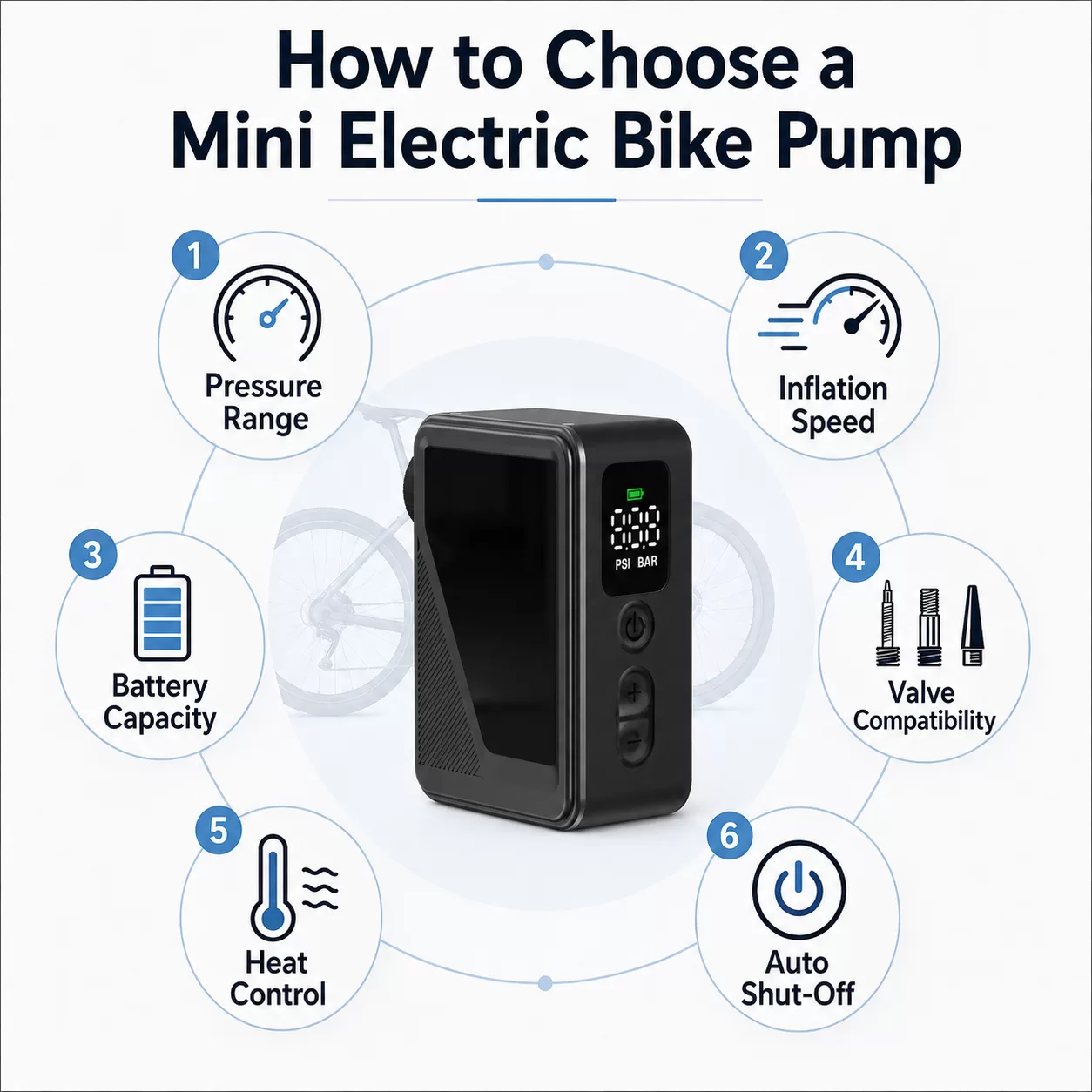
By operating at higher RPMs, a brushless motor compensates for its tiny internal piston. The device draws about 40W of working power to maintain a 14 L/min airflow. Pushing more volume would require a larger battery, while pushing less would extend inflation time beyond thermal safety limits.
Power Delivery and Voltage Architecture
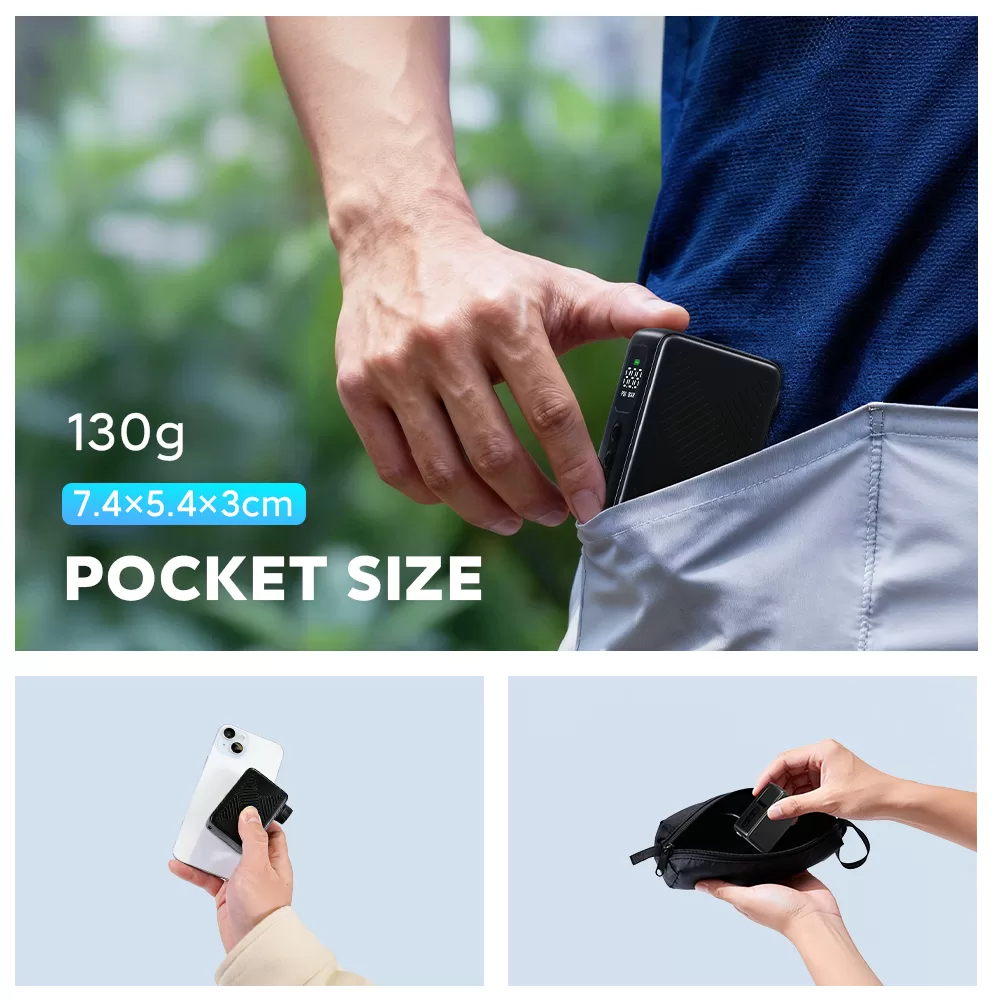
Generating 40W of sustained power from a device measuring just 74 × 48 × 34 mm presents another significant electrical bottleneck. Most entry-level consumer electronics utilize a standard 3.7V single-cell battery structure. Delivering 40W at 3.7V requires over 10 amps of electrical current.
Pushing 10 amps generates excessive heat across the wiring and the main control board. This specific tire inflator utilizes a 7.4V battery configuration with a 500mAh capacity. Doubling the operating voltage halves the required current to achieve the exact same 40W power output.

Less current means less thermal waste across the internal circuit board. This electrical efficiency keeps the external matte plastic housing cool enough to handle barehanded. The 3.7Wh total energy capacity strictly dictates the intended field use case.
A five-minute total runtime is intentionally engineered for emergency road top-ups rather than workshop inflation. It provides exactly enough stored energy to seat a high-pressure road tire or recover from a mid-ride puncture before programmed thermal throttling intervenes.
Precision Control and Automatic Shut-off
Manual inflation requires constant tactile guessing or carrying a separate mechanical pressure gauge. Squeezing a tire wall provides incredibly inaccurate feedback for high-pressure bicycle tires. A dual LCD screen integrated into the control panel eliminates this physical guesswork by displaying real-time internal pressure metrics.
The automatic shut-off mechanism acts as a critical safety barrier against catastrophic blowouts. Once the pre-set PSI target is reached, the control board instantly cuts power to the brushless motor. This conserves the strictly limited 3.7Wh battery capacity for future roadside utility.
Technical Specifications Breakdown
Evaluating a micro pump requires looking past isolated numbers and understanding how the components interact. The table below outlines the core hardware parameters defining this specific pneumatic platform.
| Parameter | Engineering Specification |
|---|---|
| Maximum Pressure | 120 PSI |
| Air Flow Rate | 14 L/min |
| Motor Structure | Small Brushless Pump |
| Battery Architecture | 7.4V / 500mAh (3.7Wh) |
| Dimensions | 74 × 48 × 34 mm |
| Net Weight | 129 g |
| Charging Interface | Type-C (5V / 1.5A) |
Clarifying Common Technical Misconceptions
Users often misinterpret the physical capabilities of micro pneumatic tools. We regularly observe riders expecting workshop-level performance from tools designed strictly for emergency mobility. Addressing these operational realities prevents equipment misuse on the road.
Q: Can this 120 PSI pump inflate a car tire in an emergency?
A: No. While the pump can technically reach 120 PSI, car tires require massive air volume, not just high pressure. The 14 L/min flow rate means the 500mAh battery will completely deplete long before a car tire registers a meaningful pressure change.
Q: Why does a device this small produce 85 dB of noise?
A: Sound is a direct byproduct of the micro brushless motor spinning at extreme RPMs to compensate for its tiny internal piston. Heavy sound-dampening insulation would ruin the 129g weight profile. High noise levels remain a necessary trade-off for extreme portability.
Q: Is a 500mAh battery too small for a cycling trip?
A: It depends entirely on the application. The 7.4V structure yields 3.7Wh of usable energy, which mathematically inflates one to two high-pressure road bike tires from flat. It serves as a rapid recovery tool, not a continuous multi-bike servicing station.
Redefining Roadside Inflation
Designing reliable cycling equipment involves managing strict physical compromises. Adding battery capacity always increases weight, while lowering acoustic noise always requires thicker housing materials. The engineering decisions behind this hardware prioritize the absolute minimum footprint required to achieve high-pressure air delivery.
For us, developing an electric bicycle tire pump means respecting the physical limits of thermodynamics. The integration of a dual LCD screen, automatic pressure shut-off, and a brushless stator inside a 129g shell represents a highly targeted solution. It successfully replaces the physical exhaustion of manual pumping with a precise, engineered alternative.
-

Leading the Way in Product Innovation and Excellence
Smartnewo exemplifies professionalism in product innovation and manufacturing. Their collaboration with Xiaomi Youpin on the G01 crowdfunding project highlights their expertise in creating compact, powerful inflatable pumps. Rigorous engineering, meticulous production processes, and advanced quality assurance underscore their commitment to excellence. The success of the G01 project, with significant market... -

Essential Qualities of an Excellent Supplier
In today's competitive market, finding a reliable supplier is crucial for business success. Based on insights from Smartnewo and broader internet research, here are key qualities an excellent supplier must possess:... -

NW06 Tire Inflator: Compact Power for Quick Inflation
Summary The NW06 Tire Inflator delivers quick and efficient tire inflation with a powerful 35L/min airflow. It features a user-friendly LCD screen for real-time pressure monitoring, dual power options with a built-in 6000mAh battery, and multiple nozzle attachments for versatile use. Its compact design and integrated LED light ensure convenience and... -

Unleash the Power of Portability: The SmartNewo Jump Starter with Air Compressor KF03
This guide will walk you through the steps to effectively use a portable tire inflator, helping you stay prepared and safe on the road.... -

Newo Attends The 2024 Consumer Electronics Show (CES)
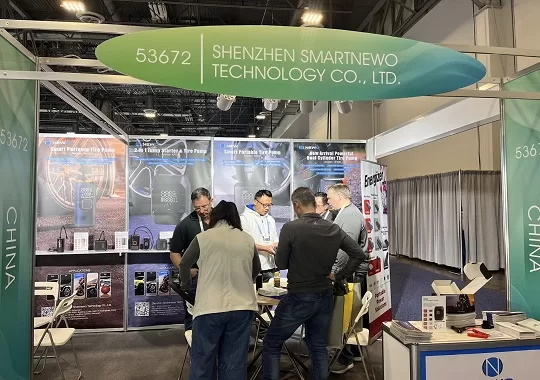
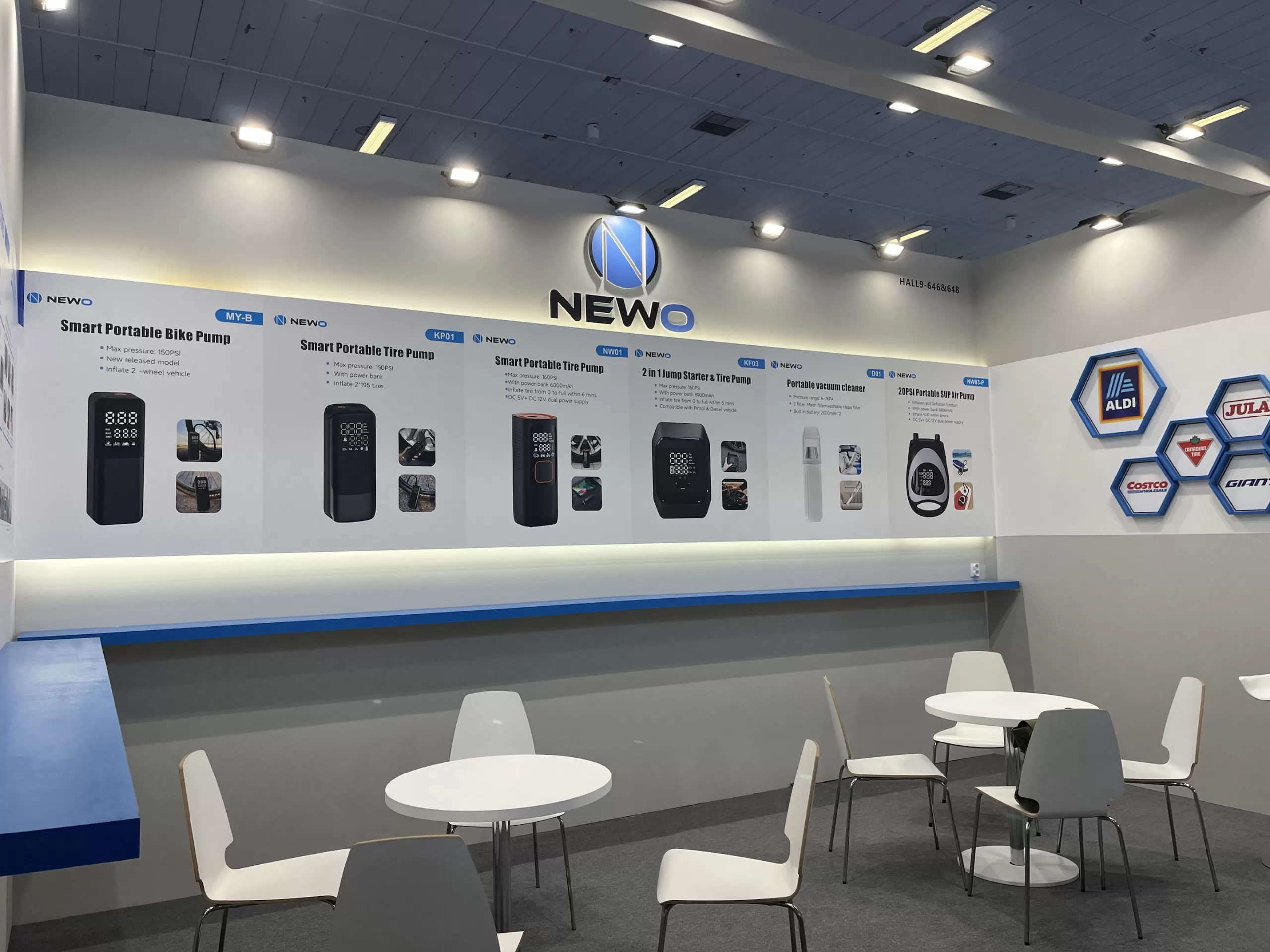
Smartnewo booth is located at 53672, Halls A-D, Level 2, Venetian Expo, Las Vegas Convention Center (LVCC). ... -

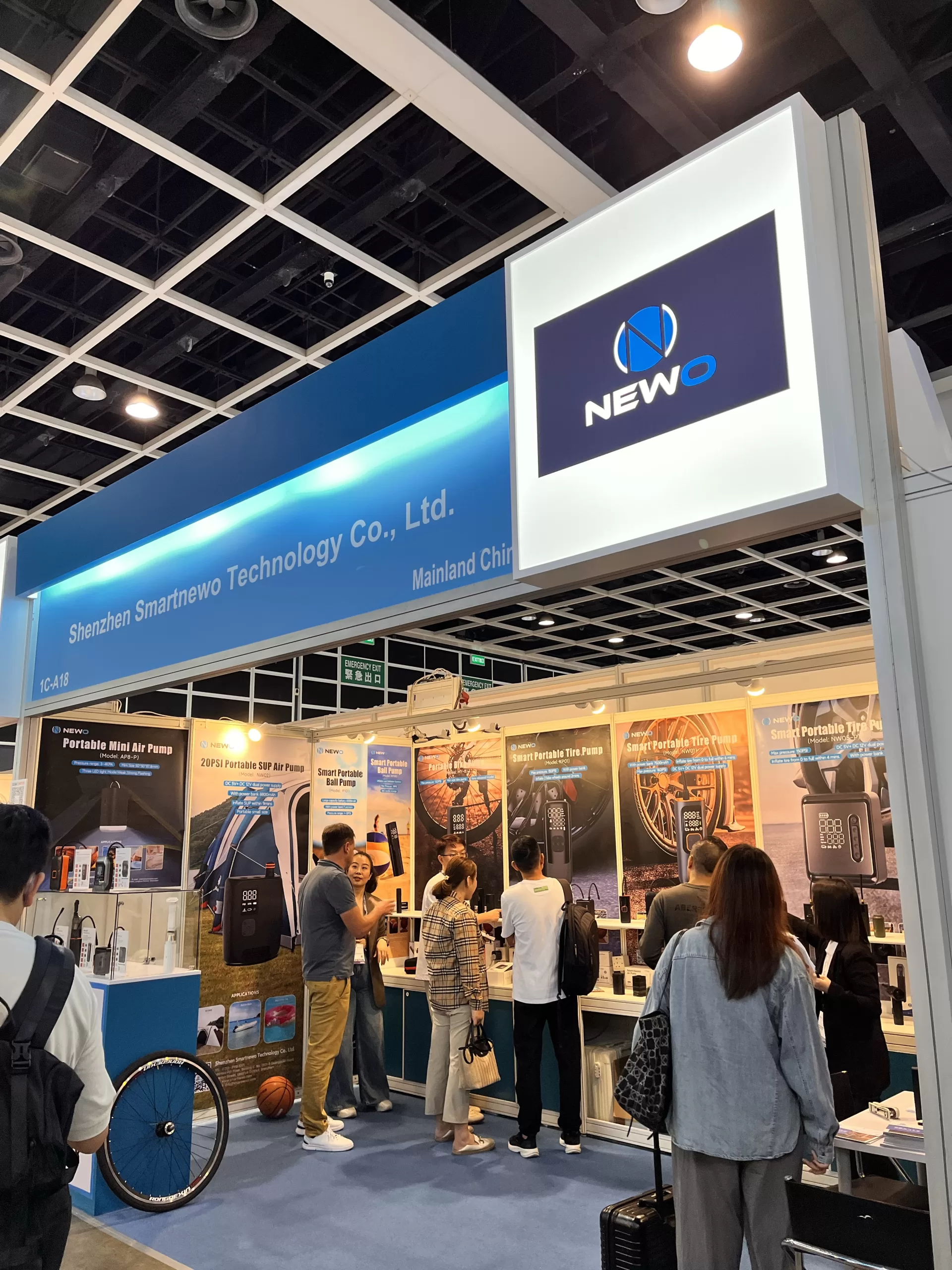
Smartnewo’s Dual-Cylinder Air Pump Rocks the Hong Kong Autumn Electronics Fair!
Smartnewo’s Dual-Cylinder Air Pump Rocks the Hong Kong Autumn Electronics Fair!... -

Meet at the Canton Fair! Smartnewo brings dual-cylinder air pumps, making your inflation experience faster and more stable!
NEWO has went deep communication and negotiation with customers from all over the world on booth.... -

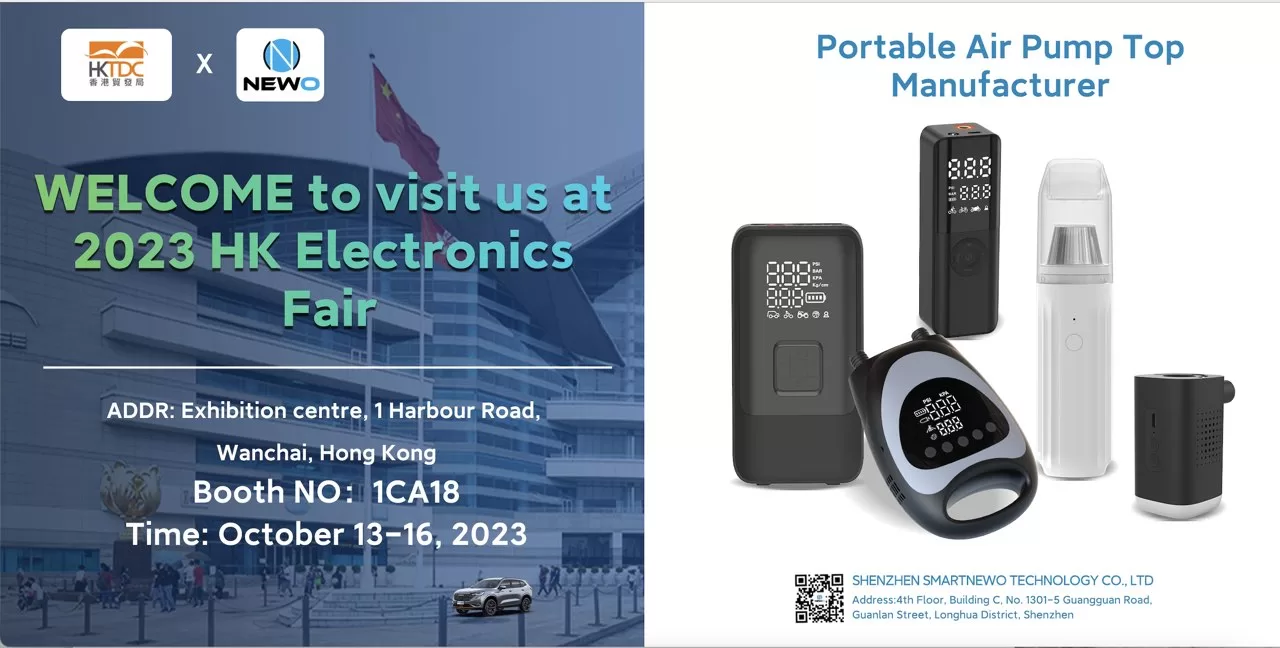
“Hong Kong Autumn Electronics Fair – 1CA18 (October 13th to 16th): Smartnewo invites you to visit our booth!
Hong Kong Autumn Electronics Fair... -

Smartnewo showcases its innovative range of electric air pumps at IFA 2023
Smartnewo will participate in the Consumer Electronics Show (IFA) in Berlin, Germany from September 3rd to September 5th.... -
Consumer Electronics Show (IFA) In Berlin 2023
Smartnewo will participate in the Consumer Electronics Show (IFA) in Berlin, Germany from September 3rd to September 5th....

-

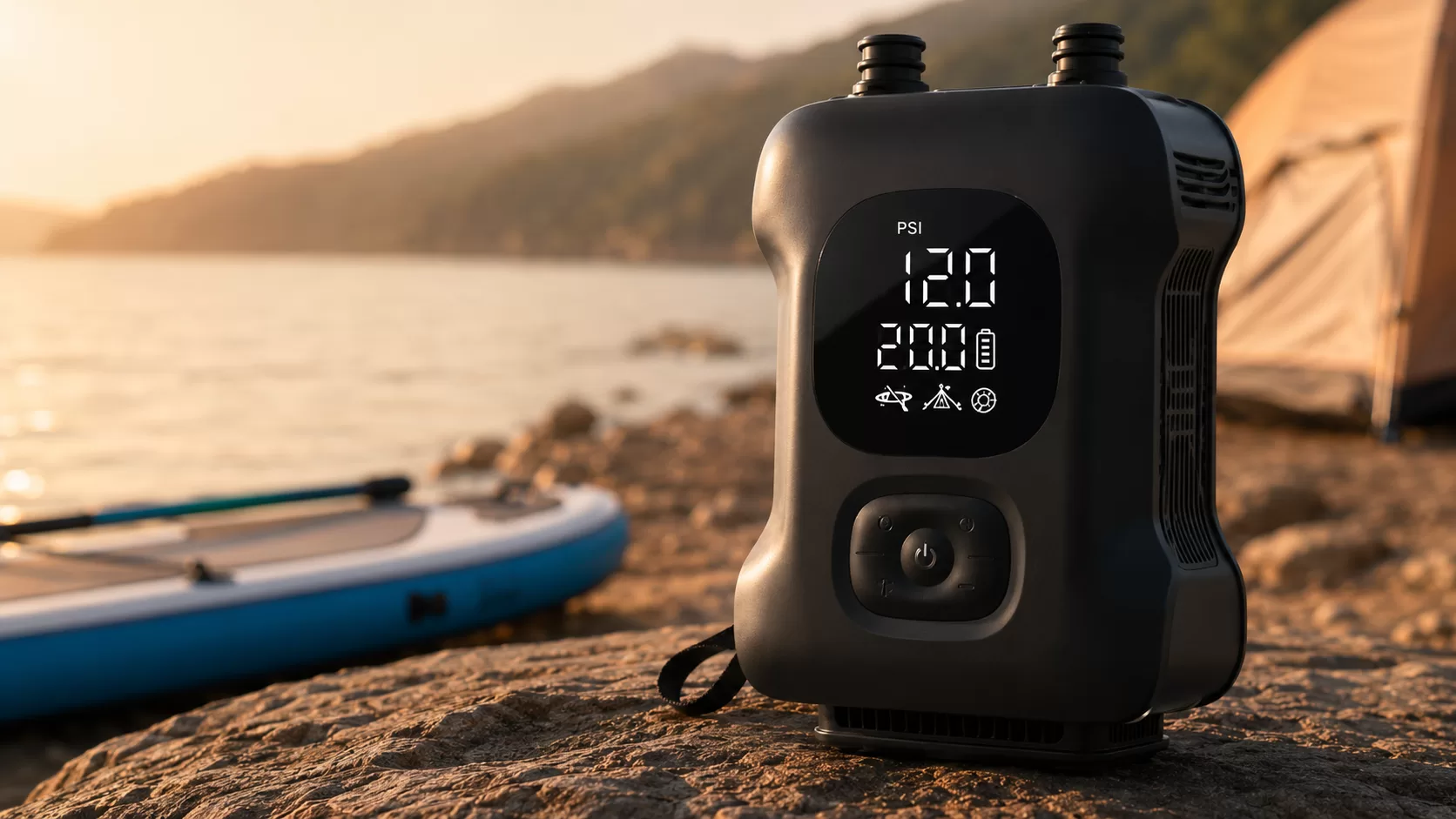
Rechargeable Electric SUP Pump for Paddle Boards: Faster Inflation for SUPs, Kayaks and Inflatable Tents
The BL10-C Portable Electric Bike Tire Inflator is a compact and lightweight mini electric bike pump designed for modern cyclists. With up to 120 PSI pressure, a digital LED display, preset pressure control, automatic shut-off, USB-C charging, and multiple valve adapters, BL10-C offers a convenient inflation solution for road bikes,... -

Are Electric Bike Pumps Worth It in 2026? Electric Pump vs CO₂ vs Mini Hand Pump
Discover whether electric bike pumps are worth it in 2026. This guide compares electric bike pumps, CO₂ inflators, and mini hand pumps for road cycling, gravel riding, commuting, and long-distance rides. Learn the pros, limitations, best use cases, and key features to look for before choosing the right portable tire... -
BL10-C Portable Electric Bike Tire Inflator: Small Size, Reliable Power for Every Ride
The BL10-C Portable Electric Bike Tire Inflator is a compact and lightweight mini electric bike pump designed for modern cyclists. With up to 120 PSI pressure, a digital LED display, preset pressure control, automatic shut-off, USB-C charging, and multiple valve adapters, BL10-C offers a convenient inflation solution for road bikes,... -

Why Mini Electric Bike Pumps Are Becoming Essential for Modern Cycling
Discover why mini electric bike pumps are becoming essential for modern cyclists. Learn how portable electric bike pumps improve tire pressure management, riding safety, and convenience.... -

The Ultimate Smart Solution for Easy Outdoor Adventures in 2026
Discover how a spring travel air pump simplifies outdoor trips with fast inflation, smart features, and powerful performance—perfect for every adventure.... -

Powerful 5-in-1 Portable Car Tire Inflator and Jump Starter: The Ultimate Emergency Tool for Every Driver
Why Every Driver Needs a Portable Car Tire Inflator and Jump Starter Modern drivers face many unexpected situations on the road. A flat tire, low tire pressure, or a dead car battery can happen at the worst possible time. That’s why having a portable car tire inflator and jump starter is... -

7 Real Cycling Scenarios That Show Why Every Rider Should Carry a Mini Bike Pump
Cycling is one of the most freeing activities you can enjoy. Whether you’re commuting to work, riding through city streets, or exploring quiet countryside roads, a bike ride can instantly improve your day. But there’s one small problem that almost every cyclist eventually faces: Low tire pressure. It might happen... -
BL08-A Portable Electric Bike Pump: A Global Distribution Opportunity with Smartnewo
Smartnewo, a professional manufacturer of portable electric air pumps, introduces the BL08-A model — a compact and efficient inflator designed for global distributors, e-commerce sellers, and outdoor accessory brands seeking reliable OEM/ODM solutions. Table of Contents Main Heading Subtopics 1. Introduction: Expanding the Global Market for Smart Inflation Tools Portable... -

Connecting Opportunities at Automechanika Shanghai 2025 — Smartnewo Exhibition Day 1
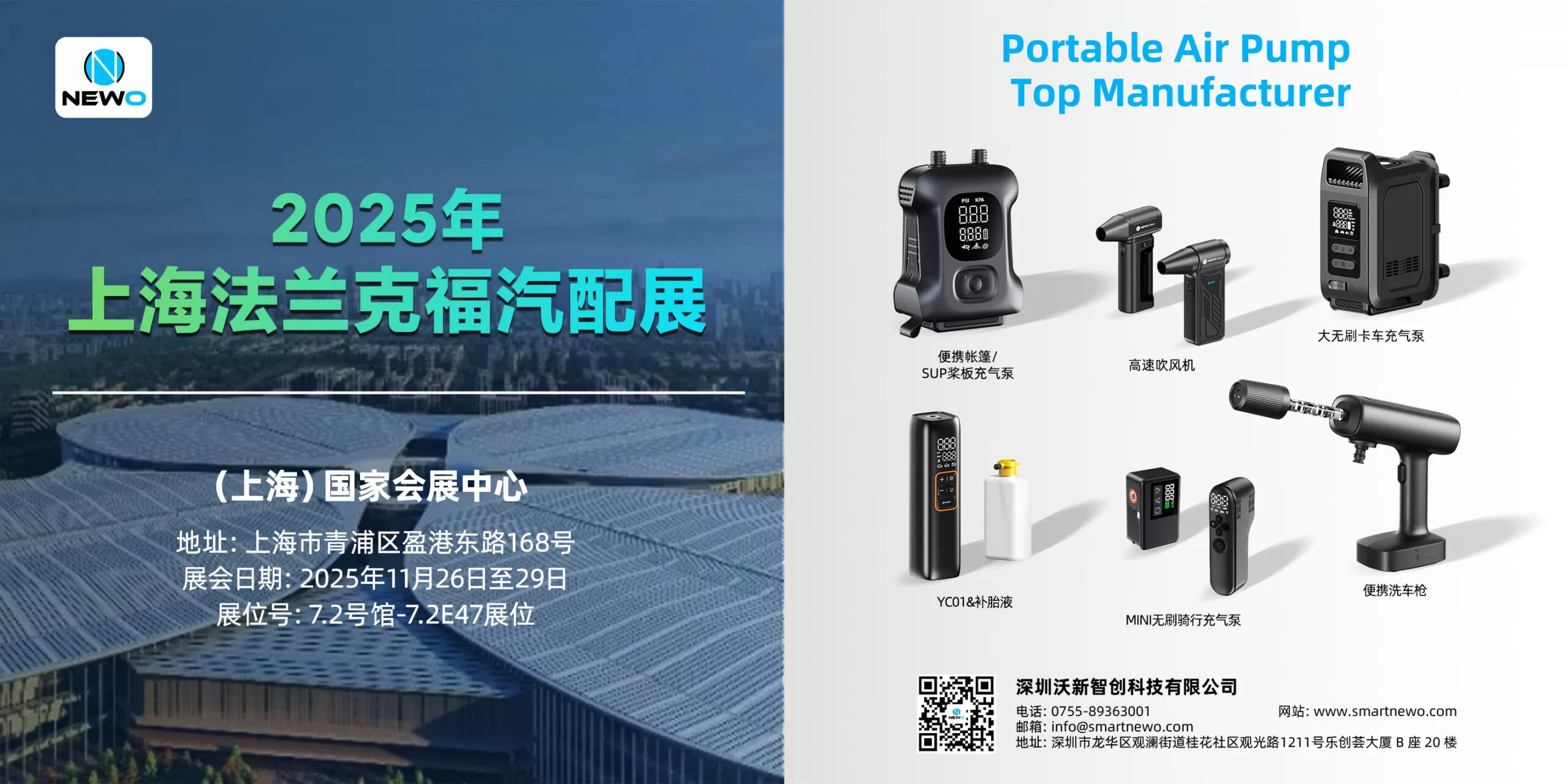
Today marks an exciting beginning as Smartnewo officially opens its booth at Automechanika Shanghai 2025. As one of the largest and most influential automotive aftermarket exhibitions in the world, the show provides an exceptional platform for meaningful conversations, partnership building, and global industry exchange. Located at Booth 7.2E47, Smartnewo presents... -

Why Every Outdoor Cyclist Should Carry a Mini Electric Bike Pump
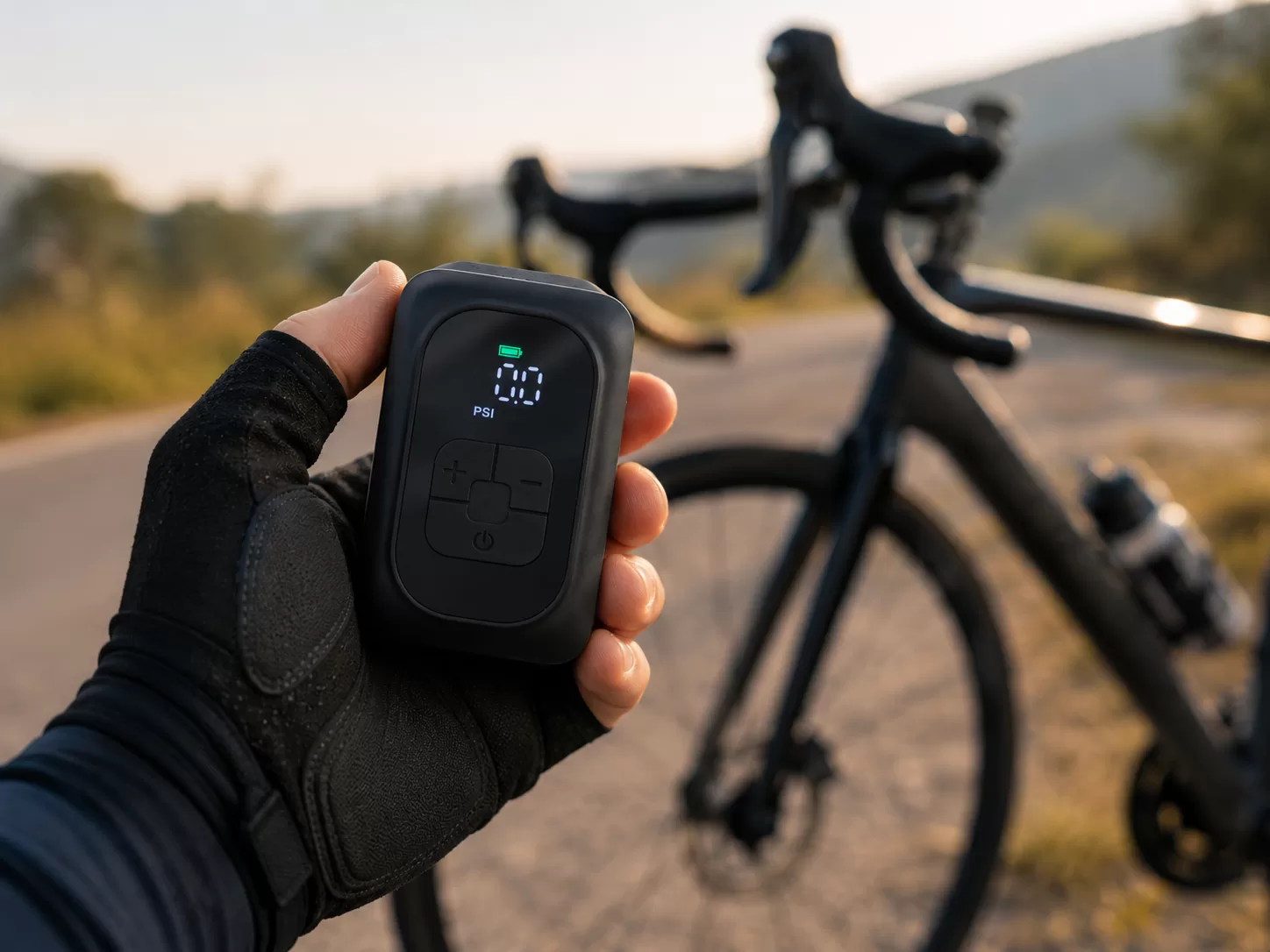
Whether you are an experienced mountain rider or a weekend road-cycling enthusiast, one thing is certain: unexpected tire pressure issues can ruin an entire ride. That’s why more cyclists are turning to mini electric bike pumps—compact, lightweight, and far more reliable than traditional hand pumps. 1. Consistent Pressure, Even in...

-
How Is a Football Properly Inflated?
The correct inflation of a football - with not too much and not too little air - is a hotly debated topic among footballers.... -
Application Scenarios of Car Inflator Pump
Often long-distance business trips or play car owners because the road may be more remote areas, in this case if you encounter a tire leak....