
 Portable Tire Inflators
 Electric Air Pumps
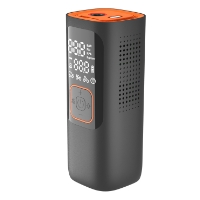 Electric Car Tyre Pumps
 Electric Ball Pumps
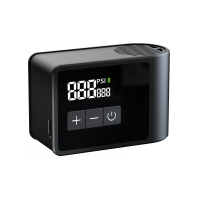 Electric Bike Pump
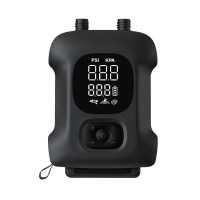 SUP Air Pump
The Engineering Behind a Reliable Electric Car Tyre Pump: Decoding Cylinder Volume and Airflow Dynam
A flat tire on a dark shoulder creates immediate anxiety. Drivers often grab an electric car tyre pump, plug it in, and wait. Sometimes the pump screeches for twenty minutes before dying completely. The motor burns out before the rubber even leaves the rim.
This failure rarely stems from a defective lithium battery. The real culprit is poor thermal management inside undersized pneumatic cylinders. When you force high-pressure air through a tiny metal chamber, friction and compression generate immense heat.
Air behaves stubbornly when confined inside a tight space. Compressing ambient air to 35 PSI requires significant continuous mechanical force. Cheap inflators use tiny mechanisms, forcing them to spin at dangerous speeds to push enough air.
The Heat Problem in High-Pressure Micro Compressors
Rapid piston movement creates severe friction against the internal cylinder walls. Simultaneously, the physical act of compressing gas releases concentrated thermal energy. If the metal housing cannot dissipate this heat fast enough, internal plastic gears simply melt.
You might notice a distinct burning smell during continuous operation. The device gets too hot to hold comfortably in your bare hands. Most standard models fail right here because they lack the physical mass to absorb heat.
A larger mechanical diameter fundamentally slows down the required stroke rate. When you upgrade to a 19-cylinder metal block, the piston pushes far more volume per stroke. The internal motor operates at a lower, safer RPM.
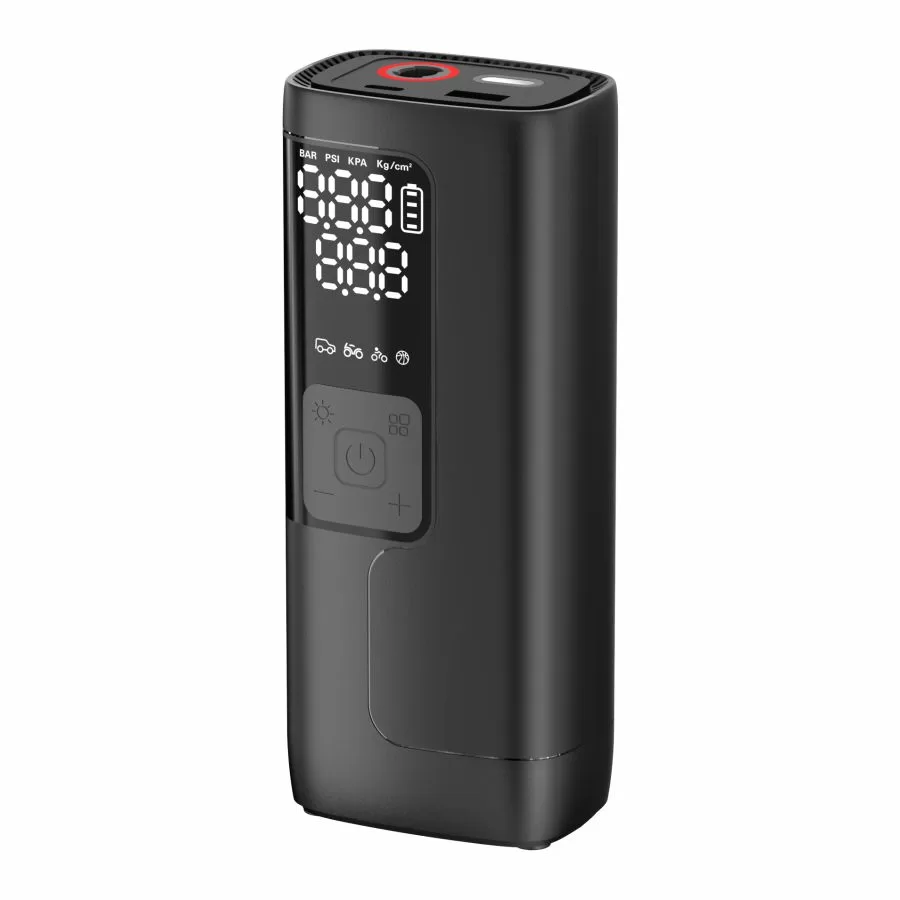
Why a 19-Cylinder Mechanism Survives Highway Shoulders
We measure inflation efficiency through actual air displacement, not just theoretical pressure ratings. A solid 19-cylinder mechanism paired with a 60W motor hits a strict engineering sweet spot. It provides enough torque without instantly draining portable power cells.
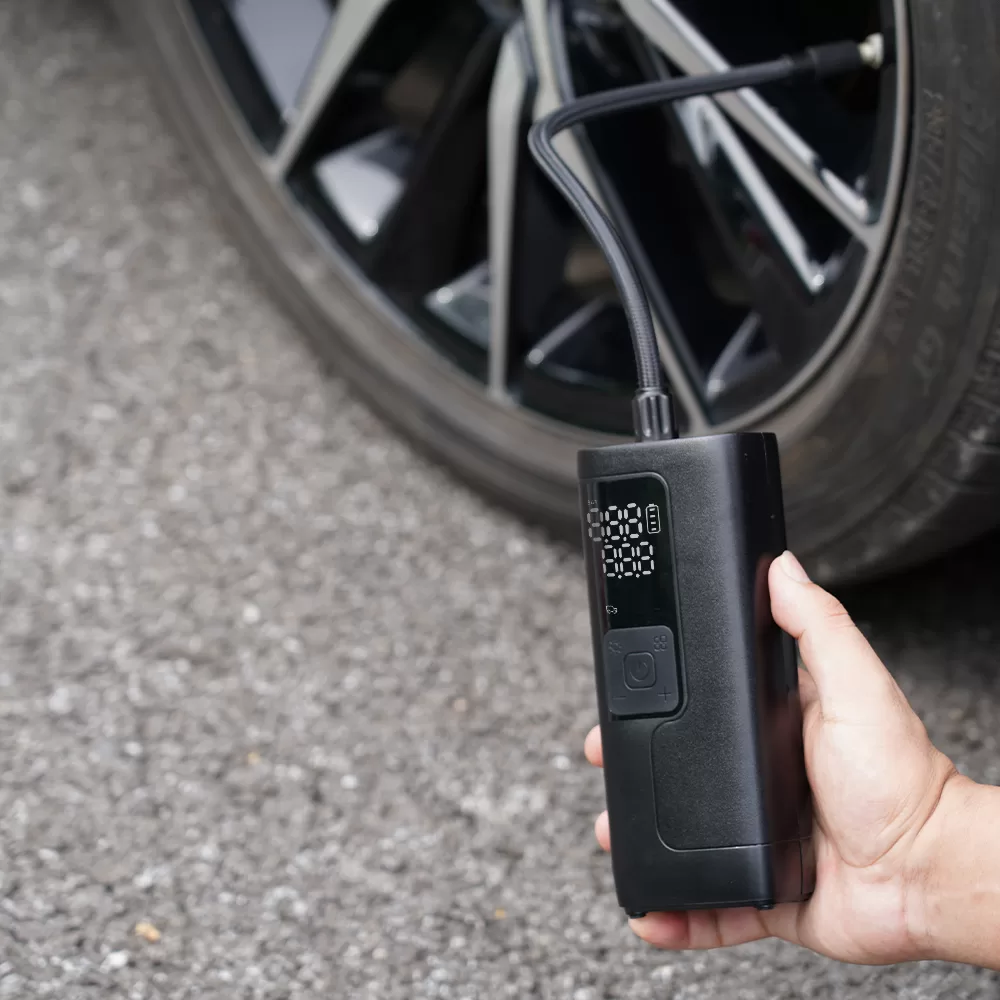
This precise setup delivers a consistent 26 to 28 L/min airflow directly into the valve. To put that into perspective, inflating a standard 205/55 R16 tire takes minutes instead of half an hour. You spend less time standing completely exposed next to fast-moving highway traffic.
Designing the internal thermal pathways requires careful geometry and material selection. For us, balancing the 522g portable weight against the heavy metal required for a 19-cylinder block involved testing dozens of prototypes.
The heat needs a direct physical place to escape the housing. Proper casing design incorporates specific ventilation perforations along the upper side panels. The external shell must stay rigid while internal temperatures rapidly approach 80 degrees Celsius.
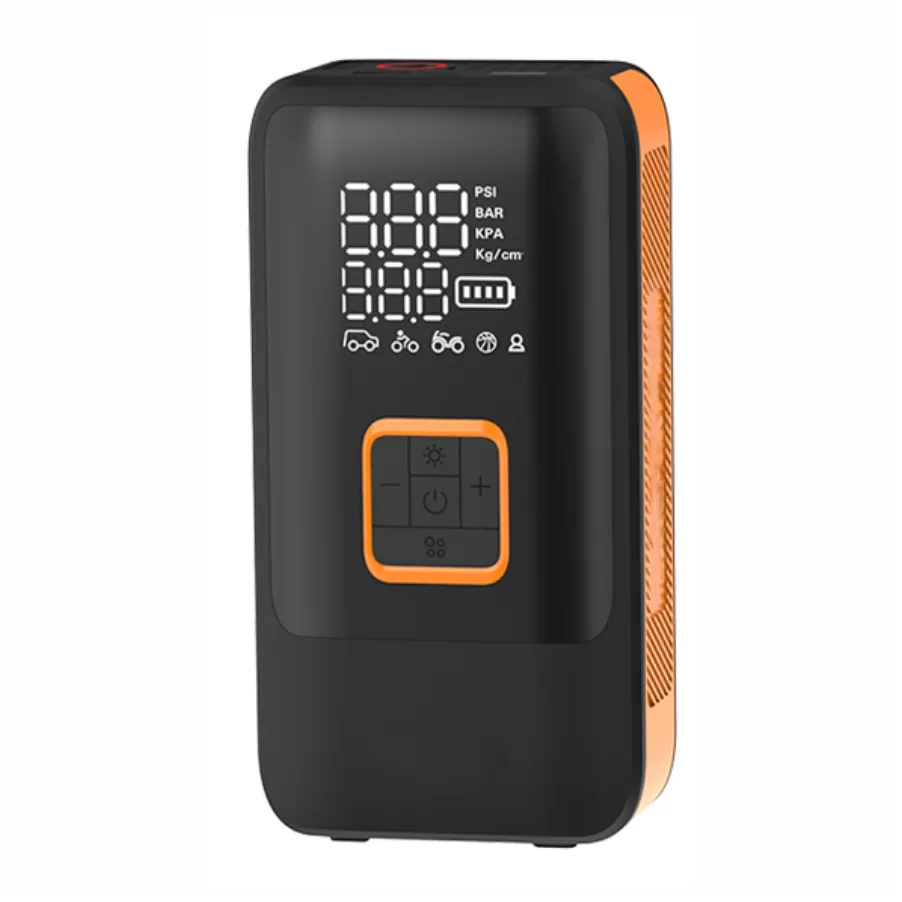
Battery Drain Under High Pressure Constraints
Pushing air into an already inflated tire requires exponentially more electrical power. Reaching the first 15 PSI is easy. Forcing air against 35 PSI of backpressure strains every electrical component inside your electric car tyre pump.
Lithium cells experience severe voltage drops under high-load thermal stress. Three standard 18650 cells providing 22.2Wh need absolute protection from the compressor’s radiant heat. If the battery gets hot, internal resistance spikes rapidly.
The 60W power draw must remain completely stable as tire pressure increases. A smart control board actively monitors the current delivery from the Type-C rechargeable pack. It prevents the batteries from over-discharging during a prolonged roadside inflation session.
Consider the actual practical inflation capacity per single charge. A well-engineered 2000mAh system can fill roughly 3.5 standard commuter tires on a continuous run. That covers most severe puncture scenarios or seasonal pressure top-ups.
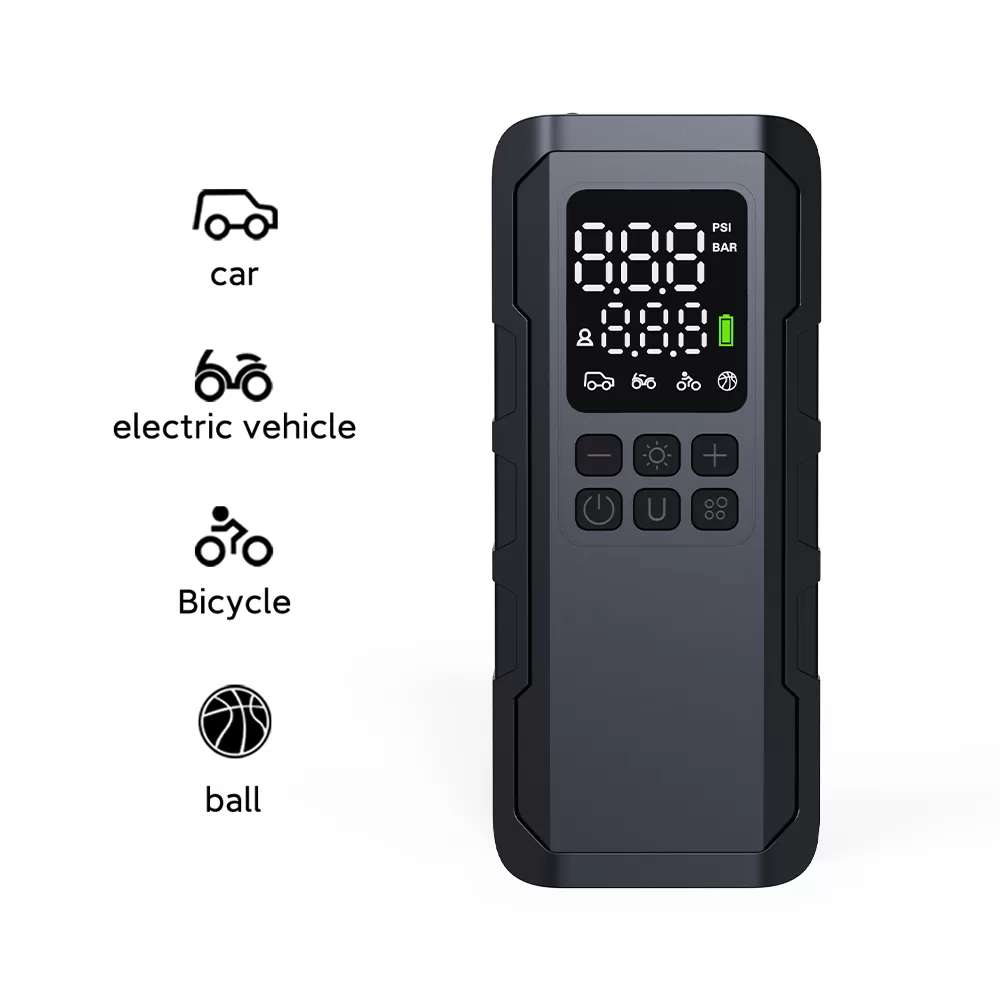
Technical Specifications Breakdown
| Technical Parameter | Engineering Significance | Performance Output |
|---|---|---|
| Cylinder Geometry | Determines heat generation and stroke efficiency | 19-cylinder block |
| Motor Power | Sustains torque against high tire backpressure | 60W stable output |
| Air Volume | Dictates actual time spent waiting on the roadside | 26 to 28 L/min |
| Power Delivery | Manages thermal load during high current draw | 3 × 18650 (22.2Wh) |
| Acoustic Profile | Indicates motor friction and internal vibration isolation | Under 85 dB at 1m |
Notice the acoustic profile listed in the engineering data. Noise levels under 85 decibels indicate tight manufacturing tolerances. Loose pistons rattle violently against cylinder walls, creating a deafening mechanical screech rather than a low hum.
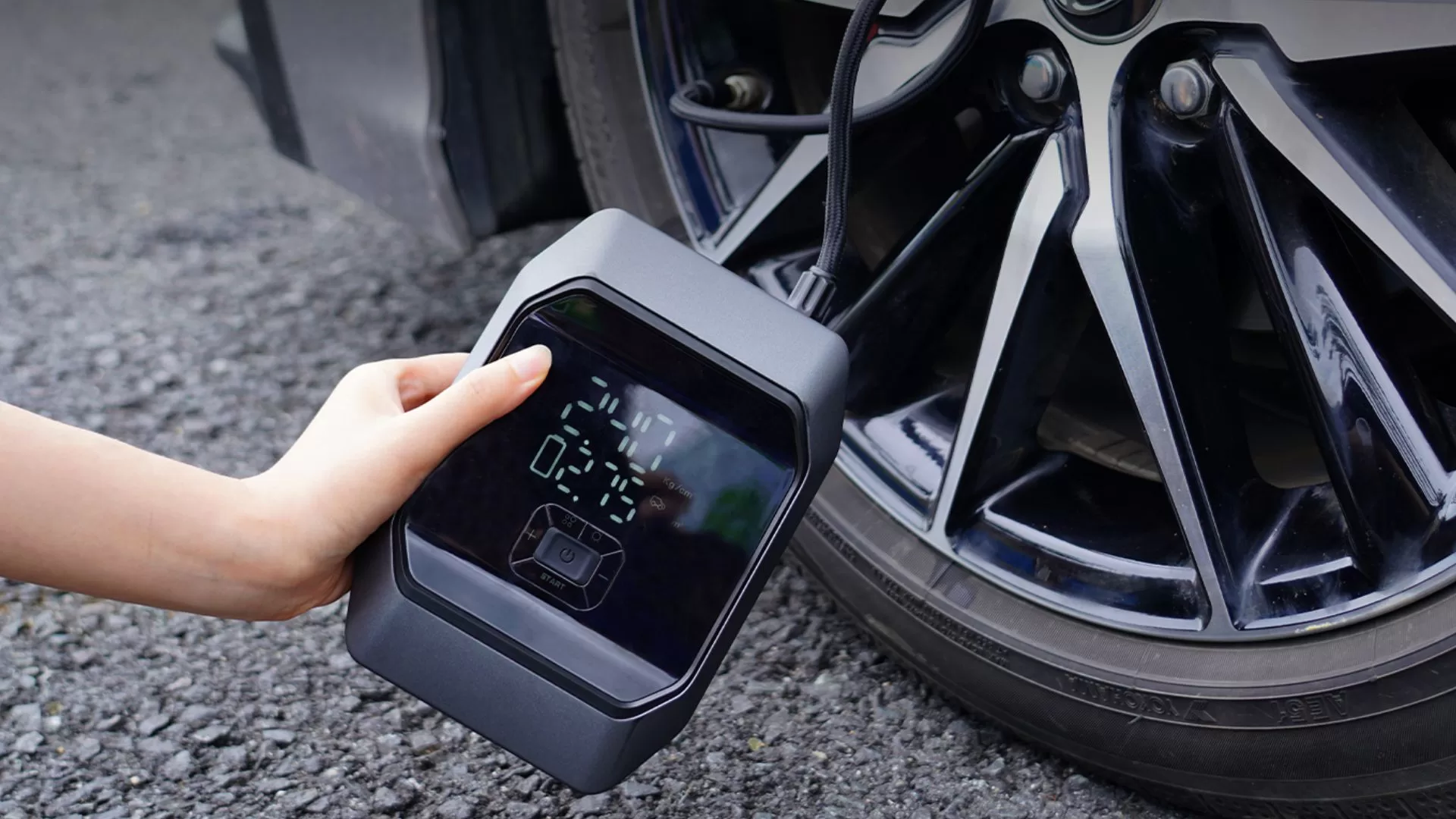
A dual LED screen does much more than show digital numbers. It requires an independent power rail to maintain sharp visibility under bright sunlight. You need absolute certainty about your target pressure before the automatic shut-off engages.

Interpreting Realistic Airflow Over Fake PSI Claims
Many consumer inflators boast extreme 150 PSI ratings on their glossy packaging. A high maximum pressure rating means absolutely nothing if the airflow drops to a trickle at 30 PSI. The pump will stall hopelessly against the tire’s resistance.
Real-world emergency usability depends entirely on the air volume metric. Pushing 26 liters per minute guarantees the pump can seat a bead or fill a flat before the battery fails. Maximum pressure is just a static threshold.
You should select pneumatic equipment based on its cylinder size and L/min rating. A compact body is convenient to store in your glovebox. The internal metal block must still be robust enough to handle the physical violence of air compression.
Common Technical Misconceptions
Understanding pneumatic tools requires cutting through marketing noise. Here are the core engineering realities behind portable air compressors.
- Q: Can a smaller inflator pump a tire faster if it has a higher PSI rating? A: No. PSI only measures the maximum resistance the pump can overcome before stalling. Inflation speed relies purely on actual airflow displacement, measured in liters per minute. A 19-cylinder design will always outpace a tiny cylinder, regardless of arbitrary maximum pressure claims.
- Q: Why does the connecting hose get dangerously hot to the touch? A: The laws of thermodynamics dictate that compressing a gas drastically increases its thermal temperature. The flexible braided inflation hose acts as a thermal exhaust pipe. This heat is a normal byproduct of physics, not a manufacturing defect.
Making the Final Choice
Selecting rescue equipment requires ignoring shiny aesthetics and examining the mechanical core. The physical dimensions of the internal compressor dictate your survival on a dark road. You cannot cheat the basic physics of gas compression.
A proper pneumatic tool balances battery chemistry, thermal management, and mechanical displacement. It relies on a specific 19-cylinder geometry to prevent internal gears from melting. It pushes air consistently rather than struggling against rising backpressure.
When you find yourself stranded with a completely flat tire, you need a mechanism that respects thermal dynamics. A precisely engineered electric car tyre pump turns a dangerous roadside hazard into a minor, five-minute inconvenience.
-

Leading the Way in Product Innovation and Excellence
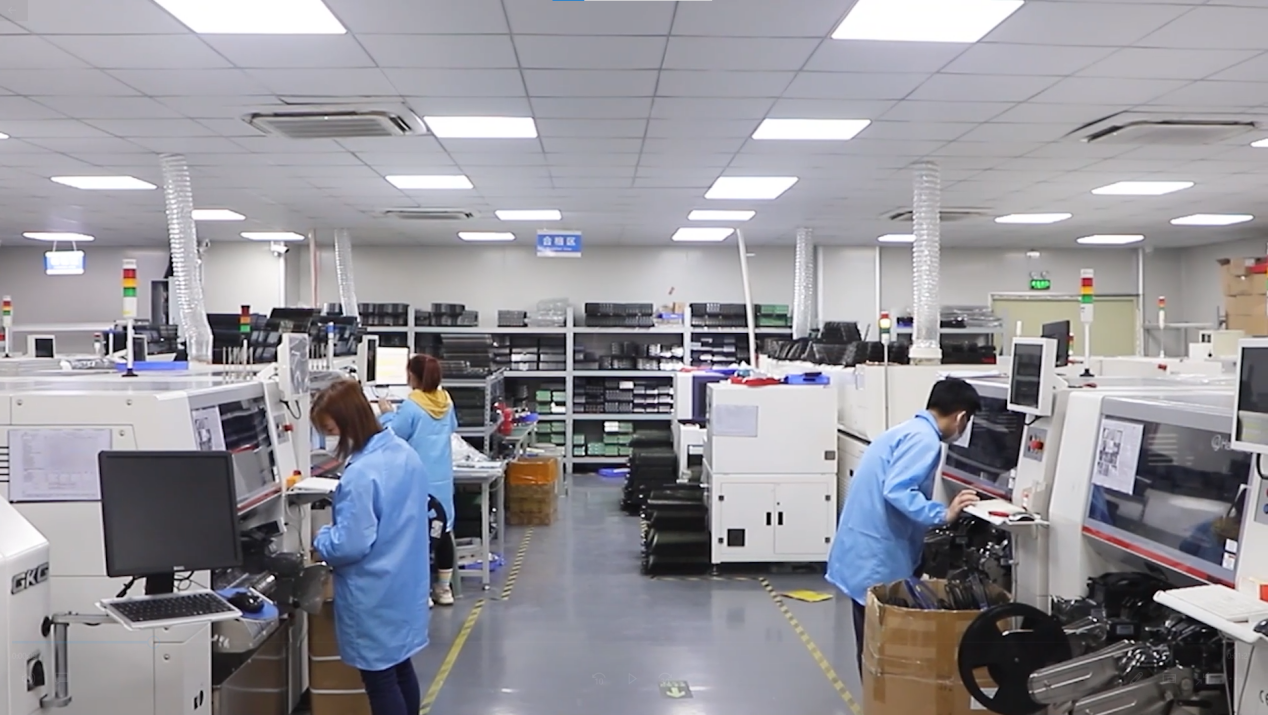
Smartnewo exemplifies professionalism in product innovation and manufacturing. Their collaboration with Xiaomi Youpin on the G01 crowdfunding project highlights their expertise in creating compact, powerful inflatable pumps. Rigorous engineering, meticulous production processes, and advanced quality assurance underscore their commitment to excellence. The success of the G01 project, with significant market... -

Essential Qualities of an Excellent Supplier
In today's competitive market, finding a reliable supplier is crucial for business success. Based on insights from Smartnewo and broader internet research, here are key qualities an excellent supplier must possess:... -

NW06 Tire Inflator: Compact Power for Quick Inflation
Summary The NW06 Tire Inflator delivers quick and efficient tire inflation with a powerful 35L/min airflow. It features a user-friendly LCD screen for real-time pressure monitoring, dual power options with a built-in 6000mAh battery, and multiple nozzle attachments for versatile use. Its compact design and integrated LED light ensure convenience and... -

Unleash the Power of Portability: The SmartNewo Jump Starter with Air Compressor KF03
This guide will walk you through the steps to effectively use a portable tire inflator, helping you stay prepared and safe on the road.... -

Newo Attends The 2024 Consumer Electronics Show (CES)
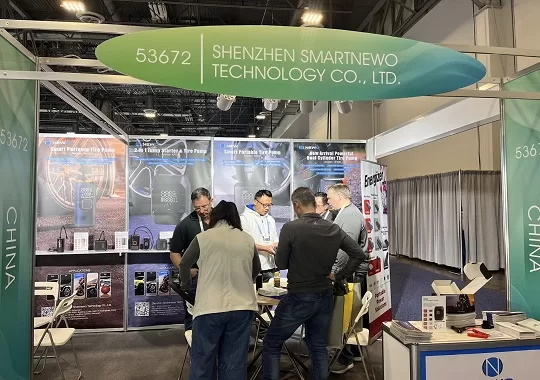
Smartnewo booth is located at 53672, Halls A-D, Level 2, Venetian Expo, Las Vegas Convention Center (LVCC). ... -

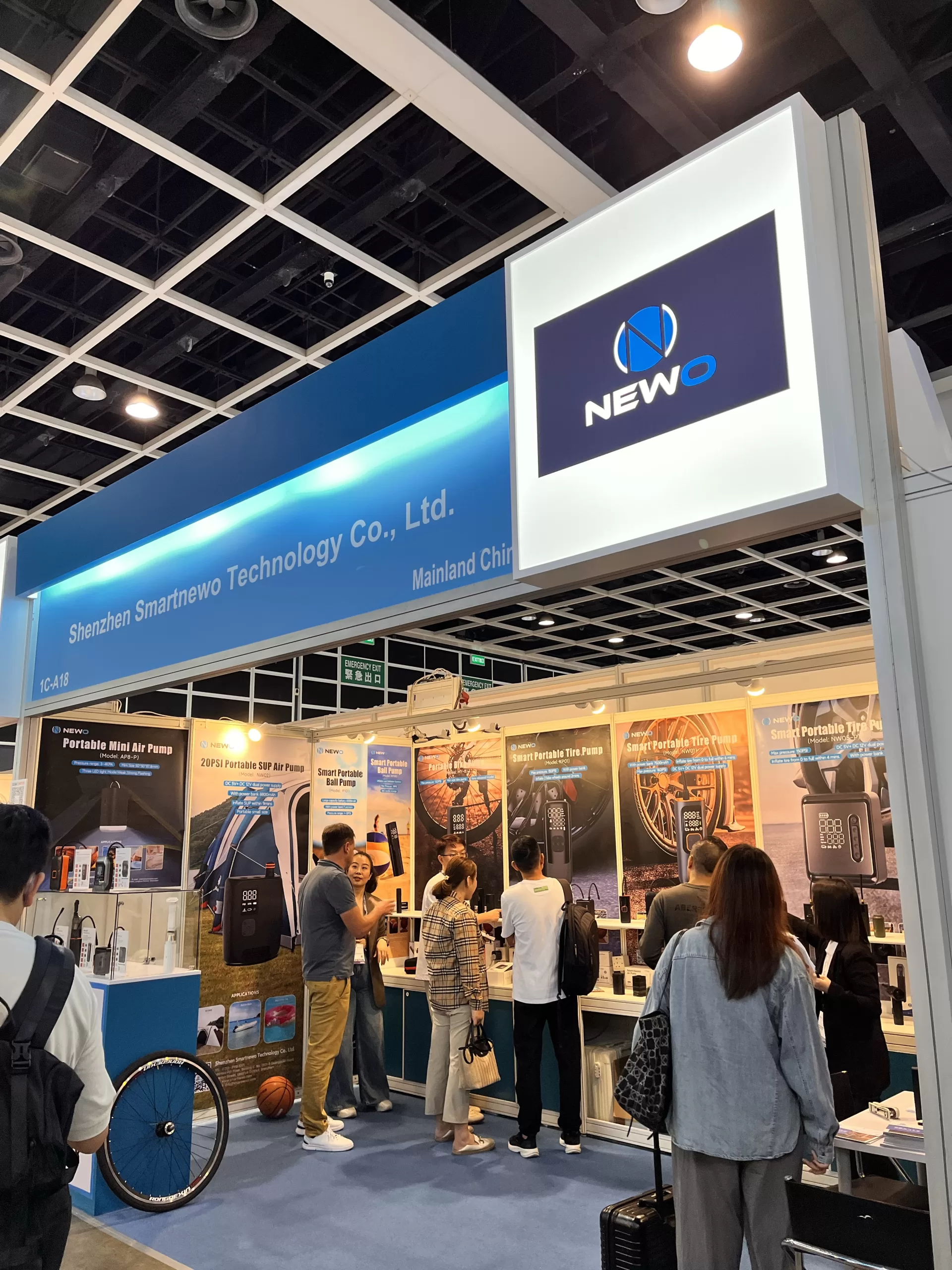
Smartnewo’s Dual-Cylinder Air Pump Rocks the Hong Kong Autumn Electronics Fair!
Smartnewo’s Dual-Cylinder Air Pump Rocks the Hong Kong Autumn Electronics Fair!... -

Meet at the Canton Fair! Smartnewo brings dual-cylinder air pumps, making your inflation experience faster and more stable!
NEWO has went deep communication and negotiation with customers from all over the world on booth.... -

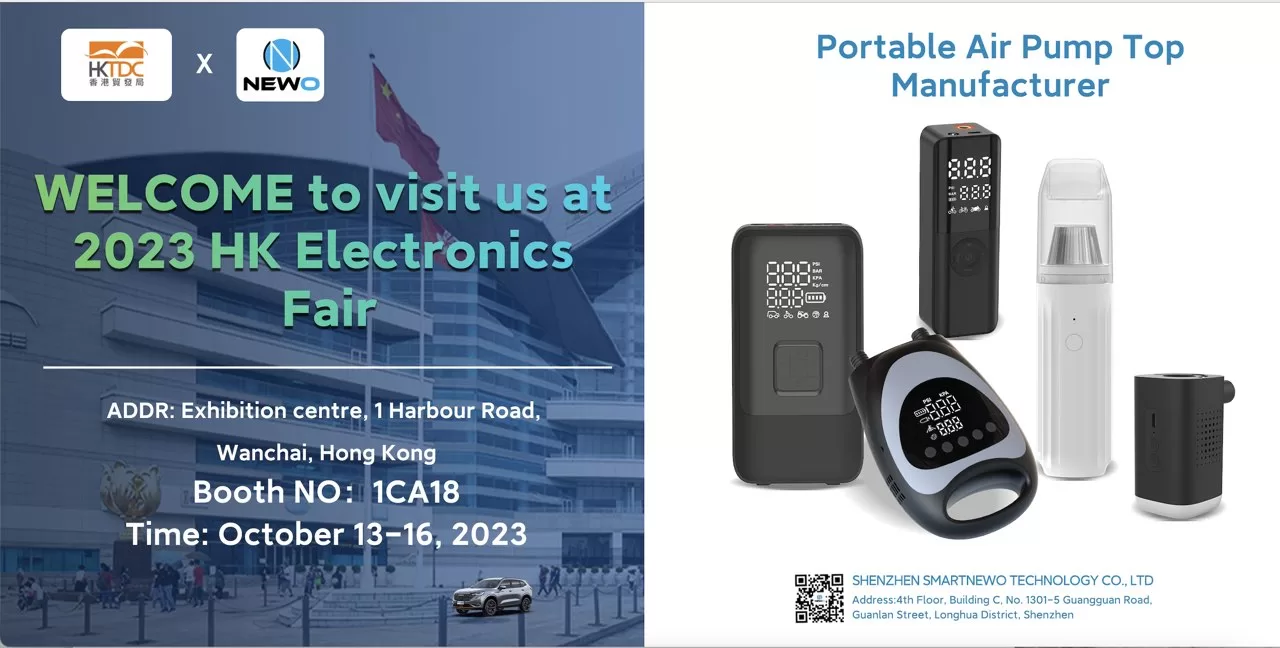
“Hong Kong Autumn Electronics Fair – 1CA18 (October 13th to 16th): Smartnewo invites you to visit our booth!
Hong Kong Autumn Electronics Fair... -

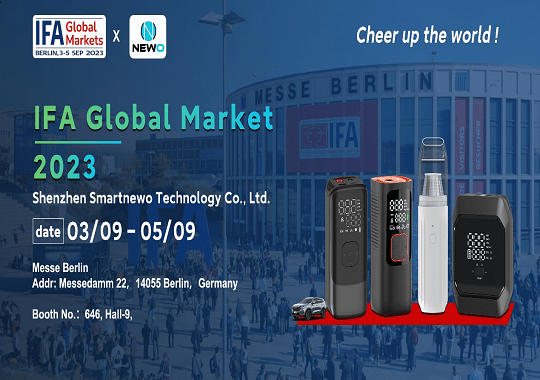
Smartnewo showcases its innovative range of electric air pumps at IFA 2023
Smartnewo will participate in the Consumer Electronics Show (IFA) in Berlin, Germany from September 3rd to September 5th.... -
Consumer Electronics Show (IFA) In Berlin 2023
Smartnewo will participate in the Consumer Electronics Show (IFA) in Berlin, Germany from September 3rd to September 5th....

-

Rechargeable Electric SUP Pump for Paddle Boards: Faster Inflation for SUPs, Kayaks and Inflatable Tents
The BL10-C Portable Electric Bike Tire Inflator is a compact and lightweight mini electric bike pump designed for modern cyclists. With up to 120 PSI pressure, a digital LED display, preset pressure control, automatic shut-off, USB-C charging, and multiple valve adapters, BL10-C offers a convenient inflation solution for road bikes,... -

Are Electric Bike Pumps Worth It in 2026? Electric Pump vs CO₂ vs Mini Hand Pump
Discover whether electric bike pumps are worth it in 2026. This guide compares electric bike pumps, CO₂ inflators, and mini hand pumps for road cycling, gravel riding, commuting, and long-distance rides. Learn the pros, limitations, best use cases, and key features to look for before choosing the right portable tire... -
BL10-C Portable Electric Bike Tire Inflator: Small Size, Reliable Power for Every Ride
The BL10-C Portable Electric Bike Tire Inflator is a compact and lightweight mini electric bike pump designed for modern cyclists. With up to 120 PSI pressure, a digital LED display, preset pressure control, automatic shut-off, USB-C charging, and multiple valve adapters, BL10-C offers a convenient inflation solution for road bikes,... -

Why Mini Electric Bike Pumps Are Becoming Essential for Modern Cycling
Discover why mini electric bike pumps are becoming essential for modern cyclists. Learn how portable electric bike pumps improve tire pressure management, riding safety, and convenience.... -

The Ultimate Smart Solution for Easy Outdoor Adventures in 2026
Discover how a spring travel air pump simplifies outdoor trips with fast inflation, smart features, and powerful performance—perfect for every adventure.... -

Powerful 5-in-1 Portable Car Tire Inflator and Jump Starter: The Ultimate Emergency Tool for Every Driver
Why Every Driver Needs a Portable Car Tire Inflator and Jump Starter Modern drivers face many unexpected situations on the road. A flat tire, low tire pressure, or a dead car battery can happen at the worst possible time. That’s why having a portable car tire inflator and jump starter is... -

7 Real Cycling Scenarios That Show Why Every Rider Should Carry a Mini Bike Pump
Cycling is one of the most freeing activities you can enjoy. Whether you’re commuting to work, riding through city streets, or exploring quiet countryside roads, a bike ride can instantly improve your day. But there’s one small problem that almost every cyclist eventually faces: Low tire pressure. It might happen... -
BL08-A Portable Electric Bike Pump: A Global Distribution Opportunity with Smartnewo
Smartnewo, a professional manufacturer of portable electric air pumps, introduces the BL08-A model — a compact and efficient inflator designed for global distributors, e-commerce sellers, and outdoor accessory brands seeking reliable OEM/ODM solutions. Table of Contents Main Heading Subtopics 1. Introduction: Expanding the Global Market for Smart Inflation Tools Portable... -

Connecting Opportunities at Automechanika Shanghai 2025 — Smartnewo Exhibition Day 1
Today marks an exciting beginning as Smartnewo officially opens its booth at Automechanika Shanghai 2025. As one of the largest and most influential automotive aftermarket exhibitions in the world, the show provides an exceptional platform for meaningful conversations, partnership building, and global industry exchange. Located at Booth 7.2E47, Smartnewo presents... -

Why Every Outdoor Cyclist Should Carry a Mini Electric Bike Pump
Whether you are an experienced mountain rider or a weekend road-cycling enthusiast, one thing is certain: unexpected tire pressure issues can ruin an entire ride. That’s why more cyclists are turning to mini electric bike pumps—compact, lightweight, and far more reliable than traditional hand pumps. 1. Consistent Pressure, Even in...

-
How Is a Football Properly Inflated?
The correct inflation of a football - with not too much and not too little air - is a hotly debated topic among footballers.... -
Application Scenarios of Car Inflator Pump
Often long-distance business trips or play car owners because the road may be more remote areas, in this case if you encounter a tire leak....