

 Portable Tire Inflators
 Electric Air Pumps
 Electric Car Tyre Pumps
 Electric Ball Pumps
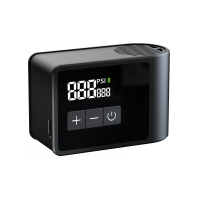 Electric Bike Pump
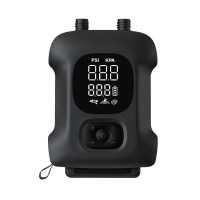 SUP Air Pump
Portable Electric Air Pump for Inflatables: Why Low-Pressure Airflow Matters More Than Peak PSI
When you’re standing beside a half-deflated air mattress at a campsite or watching a swim ring slowly collapse at the beach, the problem isn’t about pressure. It’s about volume. Most people shop for portable electric air pumps by comparing maximum PSI ratings, then wonder why their high-pressure tire inflator takes ten minutes to fill a pool float. The mismatch happens because inflatables don’t need high pressure—they need high airflow.
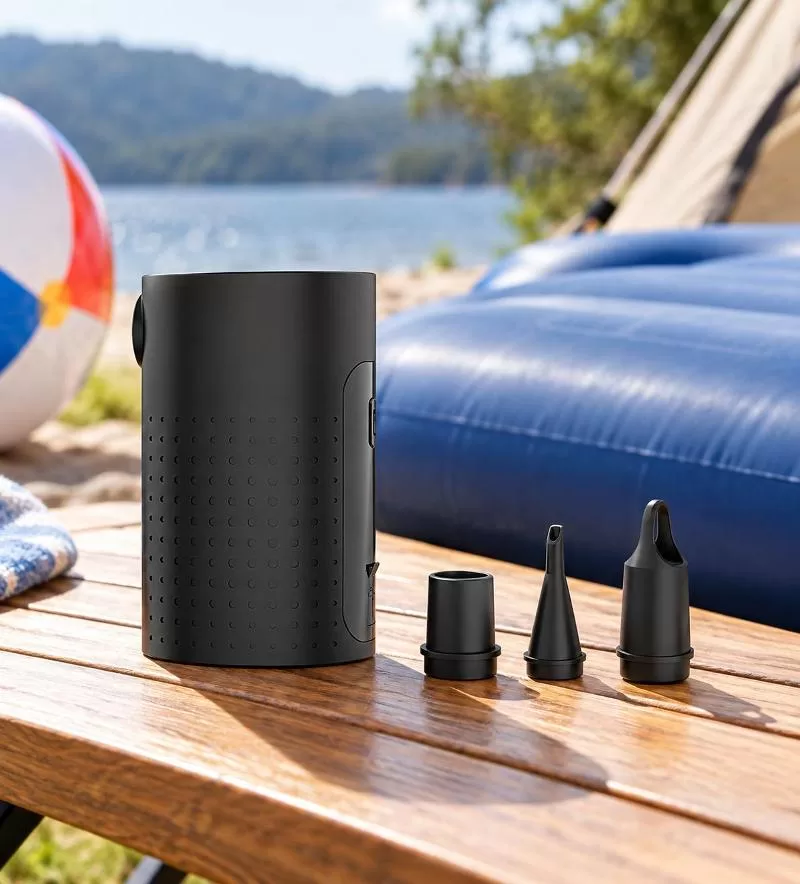
A portable electric air pump for inflatables solves a specific engineering challenge: moving large volumes of air at low pressure without overheating, draining the battery in two minutes, or weighing as much as a laptop. The EP6 delivers 200 to 250 liters per minute at 3 to 4 KPa, which translates to filling a standard twin air mattress in roughly 30 seconds according to product specifications. That performance comes from a brushed motor optimized for sustained low-resistance operation, not peak torque.
Volume vs. Pressure: Understanding the Core Design Trade-off
Inflatables operate in a fundamentally different regime than tires or sports balls. A car tire holds 30 to 35 PSI in roughly 20 to 30 liters of internal volume. An air mattress holds under 1 PSI across 200 liters or more. The product that inflates one efficiently will struggle with the other, because compressors and blowers scale airflow and pressure in opposite directions.
High-pressure pumps use multi-stage compression with reinforced seals. They’re built to withstand back-pressure and maintain flow against resistance. Low-pressure pumps use open impellers with wide blade spacing, maximizing swept volume per rotation while keeping friction and heat generation low. The EP6’s 35W brushed motor drives a single-stage impeller at speeds that prioritize liters per minute over pressure buildup.
This design choice has practical consequences. The EP6 will fill an inflatable canoe in a few minutes but cannot inflate a basketball. A dual-sport tire inflator will eventually fill the same canoe, but the motor will cycle on and off for thermal protection, the battery will drain faster, and the total time will take considerably longer. Each tool exists because the physics of gas compression doesn’t allow a single device to serve both extremes efficiently.
Cordless Operation and the 2000mAh Constraint
Battery capacity defines usability. A 2000mAh lithium-ion cell at 7.4V stores roughly 14.8 watt-hours. At 35W continuous draw, theoretical runtime is around 25 minutes, though real-world operation accounts for conversion losses, voltage sag under load, and thermal cutoffs. The EP6’s specified 15 to 20 minutes of no-load runtime reflects those losses.
One inflation cycle for a twin air mattress consumes a fraction of the battery’s total capacity, meaning a full charge supports multiple mattress inflations before requiring USB-C recharge. That capacity meets typical camping and travel needs—setting up sleeping arrangements for a small group, inflating pool toys for an afternoon, or packing vacuum storage bags after a trip—without daily charging.
The 2 to 3 hour recharge time using a standard 5V/2A USB-C adapter keeps the pump compatible with power banks, car USB ports, and solar panels. Fast-charging protocols aren’t supported because the 10W input power matches the battery’s safe charge rate, and higher current would require active thermal management that adds weight and complexity.
IP64 Rating and Real-World Durability Limits
IP64 protection means the enclosure blocks dust ingress to a protected degree and withstands water splashing from any direction. It does not mean the pump is submersible or rain-proof during operation. The rating protects against scenarios like inflating a raft at the water’s edge, using the pump on damp grass, or storing it in a beach bag with sandy towels.
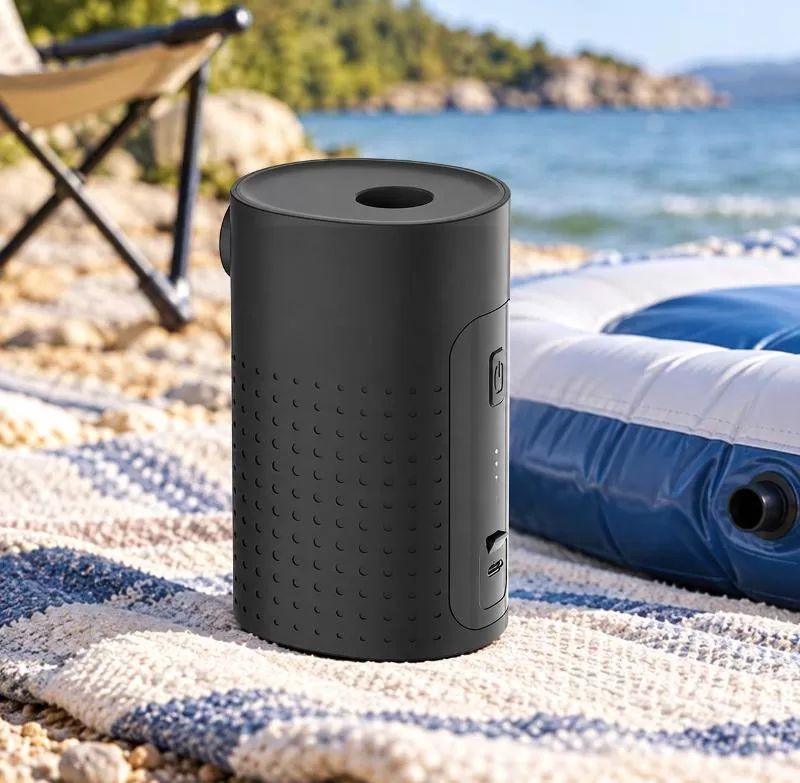
The ABS housing is designed with sealed seams and gaskets around the Type-C port and power switch to support this protection level. The ventilation perforations on the side panel are positioned above the internal motor chamber and oriented to limit water intrusion while allowing airflow. During heavy rain or if dropped in water, the pump should be powered off and dried before use.
For users who need higher ingress protection—extended offshore use, multi-day river trips, or regular saltwater exposure—the EP6’s rating falls short. Those applications require higher-rated enclosures with more extensive sealing, which increase cost and size significantly.
Motor Service Life and Maintenance-Free Operation
Brushed motors trade longevity for cost and simplicity. The EP6’s motor is rated for 200 to 400 hours of operation. For recreational users, that lifespan spans several years of typical use. For commercial rental operations or daily guide services, it may represent a much shorter service period.
Brush wear is the limiting factor. Carbon brushes maintain electrical contact with the rotating commutator through spring tension. As the brushes erode, contact resistance increases, efficiency drops, and eventually the motor stops. This degradation is gradual and predictable, giving users warning through increased noise and reduced airflow before total failure.
The motor includes overcurrent protection to prevent winding damage if the impeller jams or the pump runs under excessive load. This protection circuit cuts power when current draw exceeds safe limits, then resets after cooling. Users should not attempt to inflate products beyond the pump’s 4 KPa rating or block the air outlet during operation.
Nozzle Compatibility and Valve Interface Standards
Inflatables use inconsistent valve designs. Boston valves, pinch valves, push-pin valves, and threaded screw valves all appear across different product categories. The EP6 includes multiple nozzle adapters to bridge these interfaces, but success depends on valve quality and dimensional tolerance.
Loose-fitting nozzles leak air and reduce effective flow. Forcing an oversized adapter risks damaging the valve seat. The most reliable connection uses a nozzle that fits snugly inside the valve stem with minimal gap, secured by friction or a threaded lock ring if the valve design supports it. For products with recessed or protected valves, an extension tube adapter may be necessary.
Deflation mode reverses airflow direction, creating suction at the outlet. This function works well for removing air from vacuum storage bags and swim rings with open valves, but struggles with spring-loaded or one-way valves that resist reverse flow. For those products, manually opening the valve and allowing passive deflation is faster.
Noise Output and Acoustic Comfort
The EP6 produces 80dB or less at one meter, comparable to a kitchen blender or a vacuum cleaner on low power. That level is loud enough to interfere with conversation but quiet enough for campsite use without disturbing neighboring tents at a distance. In enclosed spaces like a car or RV, the noise becomes more pronounced due to reverberation.
Brushed motor designs generate acoustic noise from two sources: electromagnetic cogging as the commutator switches phases, and aerodynamic turbulence from the impeller. The EP6 uses a multi-blade impeller intended to reduce tonal noise, but some whine remains inherent to the design. Users sensitive to motor noise may prefer to inflate gear outdoors or away from sleeping areas.
Noise can increase slightly as battery voltage drops, because the motor may draw more current to maintain torque, increasing winding vibration. Operating at temperatures below 0°C also raises noise and reduces efficiency, as the battery’s internal resistance increases and lubricants in the motor bearings stiffen.
Application Scope and Product Category Boundaries
The EP6 targets low-pressure, high-volume inflatables that operate at a fraction of 1 PSI. This category includes air mattresses, pool floats, inflatable sofas, yoga balls, and small inflatable boats or stand-up paddleboards intended for calm water. It also handles vacuum storage bags in deflation mode, compressing bedding or clothing for seasonal storage.
The pump does not support applications requiring sustained pressure or resistance:
- Sports balls (basketballs, soccer balls, volleyballs) need several PSI of internal pressure
- Bicycle tires require significantly higher pressure depending on type
- Car tires operate at 30 to 35 PSI
- High-pressure stand-up paddleboards rated for 15 PSI or more
Attempting to use the EP6 for these products will trigger thermal or overcurrent protection, and even if the pump runs, inflation time will be impractically long. For users who need a single device for both categories, a dual-mode pump with pressure and volume settings is a better choice, though those units are typically larger and heavier.
Thermal Management and Continuous-Use Limits
The EP6’s 15 to 20 minute runtime refers to no-load operation, when the pump is running but not inflating anything. Under load, the motor draws more current and generates more heat, which can reduce safe continuous operation time before thermal cutoff engages.
For typical use cases—inflating 2 or 3 air mattresses in sequence, filling a few swim rings, or setting up a small inflatable boat—this limit isn’t restrictive. Each individual inflation takes roughly 30 seconds to a few minutes, with natural pauses between items that allow the motor to cool. Problems arise when users attempt to inflate multiple large-volume products consecutively without breaks.
If the pump shuts off due to overheating, it should be allowed to cool before resuming operation. The housing will feel warm to the touch, and the battery indicator may blink to signal thermal protection. Forcing the pump to restart before cooling can damage the motor windings or reduce battery cycle life.
Weight and Portability in Practice
At 320 grams net weight, the EP6 is lighter than most water bottles. The 115 × 74 × 60 mm form factor fits in a backpack side pocket, glove compartment, or camping bin without requiring dedicated storage space. For users who prioritize minimal pack weight—ultralight backpackers, bicycle tourists, or minimalist travelers—this size represents a meaningful advantage over larger pumps that weigh considerably more.
The absence of an external hose or pressure gauge further simplifies packing. The pump connects directly to the valve via nozzle adapter, eliminating the need to coil and secure a hose or protect a fragile analog gauge during transport. This integrated design reduces failure points and setup time.
However, the compact size imposes handling trade-offs. The pump must be held in place during inflation to prevent the nozzle from pulling loose, and the small body offers limited grip surface for users with large hands or reduced dexterity. A lanyard or wrist strap attachment point would improve control during use, but is not included.
Operating Temperature Range and Cold-Weather Performance
The specified operating range of -10°C to 45°C covers most recreational use cases, but performance degrades at the extremes. Below 0°C, lithium-ion battery capacity typically drops due to increased internal resistance and slower electrochemical reactions. The motor also requires more current to overcome stiffened bearing grease and denser air.
In practice, this means winter camping users should expect noticeably fewer inflation cycles per charge when operating in sub-freezing conditions. Keeping the pump inside a sleeping bag or jacket until needed helps preserve battery warmth and performance. Attempting to charge the battery below freezing can cause permanent capacity loss, so the pump should be brought indoors or into a heated vehicle before recharging.
At the upper limit, operating near 45°C can trigger earlier thermal cutoff because the motor and battery start closer to their maximum safe temperature. Desert camping or inflating gear in direct summer sunlight can push internal temperatures toward safe thresholds within minutes. Shading the pump or allowing it to cool between cycles extends usable runtime.
Comparing the EP6 to Alternative Inflation Methods
Hand pumps remain lighter and require no charging, but demand sustained physical effort. Inflating a twin air mattress by hand typically takes several minutes of continuous pumping, which is exhausting after a long day of hiking or travel. For users with limited strength or mobility, manual pumps are impractical.
Foot pumps reduce upper-body fatigue but often take even longer for the same mattress, and require stable footing. They’re bulkier than hand pumps and difficult to use on uneven ground. Their primary advantage is reliability: no batteries, no motors, no electronics to fail.
Mains-powered electric pumps deliver higher airflow and unlimited runtime, but require access to an electrical outlet. They’re unsuitable for camping, beach outings, or any location without grid power. Their weight and rigid AC cables also make them less packable.
The EP6 occupies the middle ground: faster and less tiring than manual pumps, more portable than AC pumps, with enough battery capacity for a weekend trip. For users who inflate gear occasionally and value convenience over raw performance, this balance is appropriate.
Practical Ownership Considerations
The battery is rated for 300 cycles while retaining 80 percent of its original capacity, according to product specifications. In reality, calendar aging (electrolyte degradation over time) will often reduce capacity before cycle aging does, typically within a few years of use depending on charging habits and storage conditions.
Replacement batteries are not user-serviceable. The pack is integrated into internal terminals and requires disassembly to access. For users who need extended service life, purchasing a second pump for rotation after several years is more practical than attempting battery replacement.
The brushed motor’s 200 to 400 hour lifespan means heavy users—those inflating gear daily or operating the pump for extended periods—will eventually need to replace the unit. Recreational users will likely reach battery end-of-life before motor failure. There are no user-serviceable motor parts; once the brushes wear down, the pump must be replaced.
Newo provides a range of portable inflation solutions for different use cases, and understanding the EP6’s specific design constraints helps match the tool to the task. A portable electric air pump for inflatables should move air quickly at low pressure without excessive weight or complexity, and that focus shapes every engineering decision in the EP6’s design.
-
As Shenzhen Welcomes the World for APEC 2026, NEWO Welcomes You to Our Factory
As Shenzhen prepares for APEC 2026, NEWO welcomes international buyers and partners to visit our factory, meet our team and explore future cooperation.... -
Leading the Way in Product Innovation and Excellence
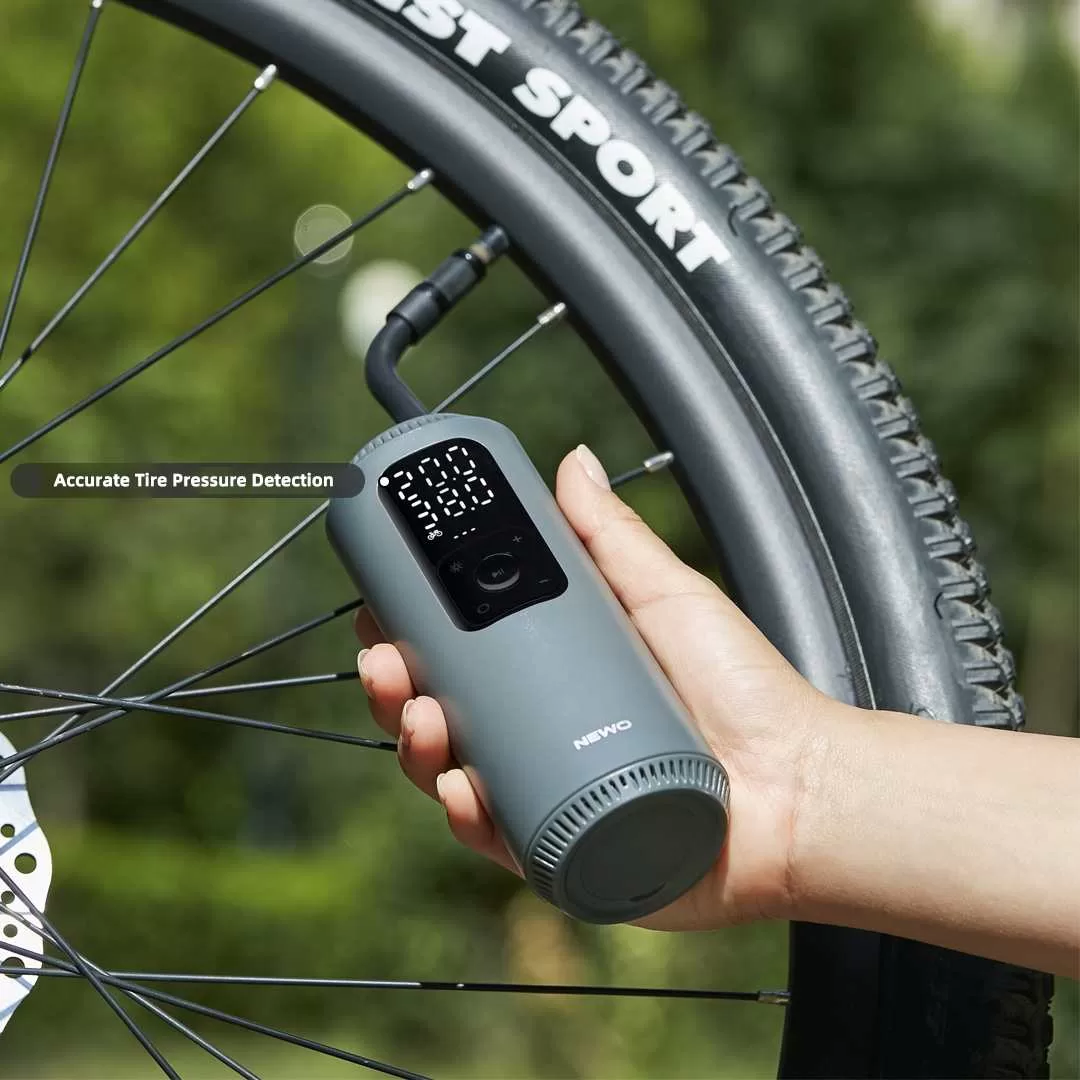
Smartnewo exemplifies professionalism in product innovation and manufacturing. Their collaboration with Xiaomi Youpin on the G01 crowdfunding project highlights their expertise in creating compact, powerful inflatable pumps. Rigorous engineering, meticulous production processes, and advanced quality assurance underscore their commitment to excellence. The success of the G01 project, with significant market... -
Essential Qualities of an Excellent Supplier
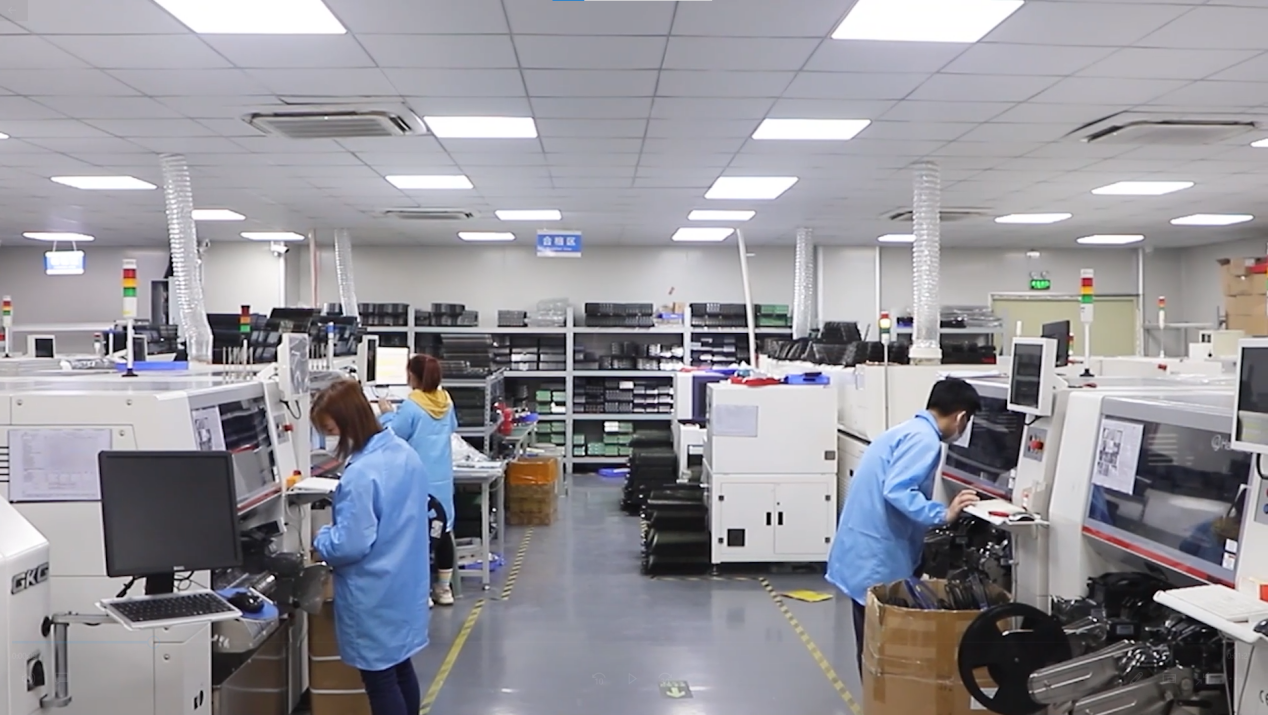
In today's competitive market, finding a reliable supplier is crucial for business success. Based on insights from Smartnewo and broader internet research, here are key qualities an excellent supplier must possess:... -
NW06 Tire Inflator: Compact Power for Quick Inflation
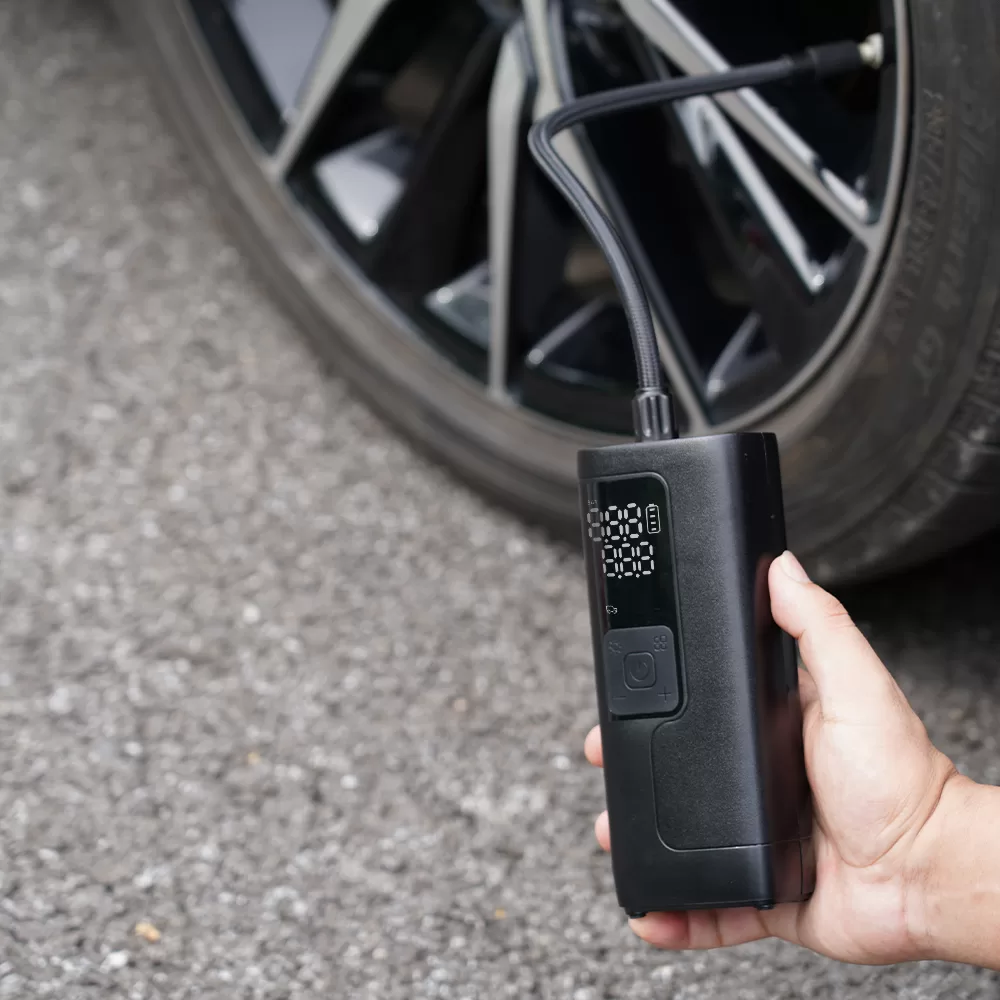
Summary The NW06 Tire Inflator delivers quick and efficient tire inflation with a powerful 35L/min airflow. It features a user-friendly LCD screen for real-time pressure monitoring, dual power options with a built-in 6000mAh battery, and multiple nozzle attachments for versatile use. Its compact design and integrated LED light ensure convenience and... -
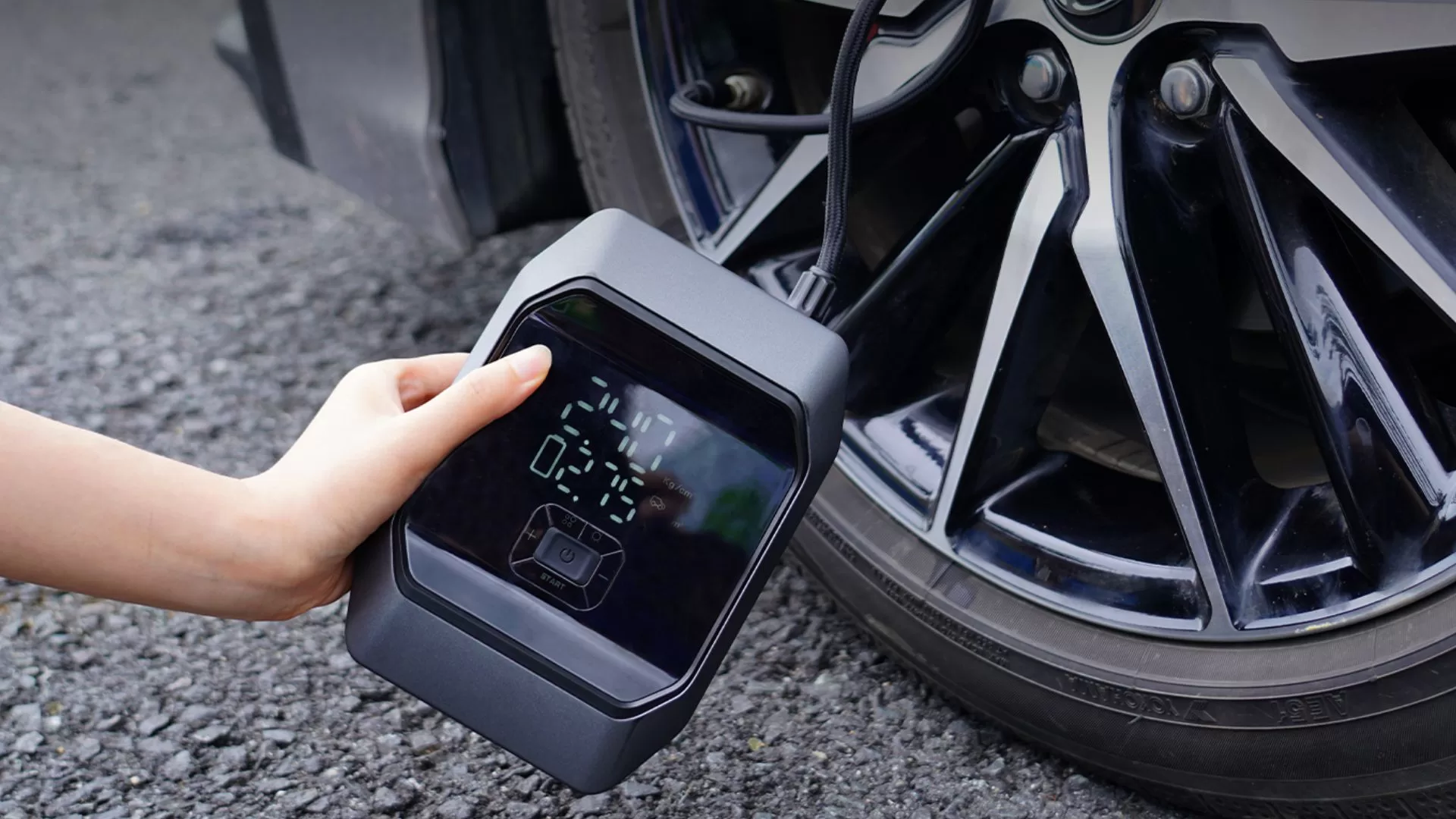
Unleash the Power of Portability: The SmartNewo Jump Starter with Air Compressor KF03
This guide will walk you through the steps to effectively use a portable tire inflator, helping you stay prepared and safe on the road.... -
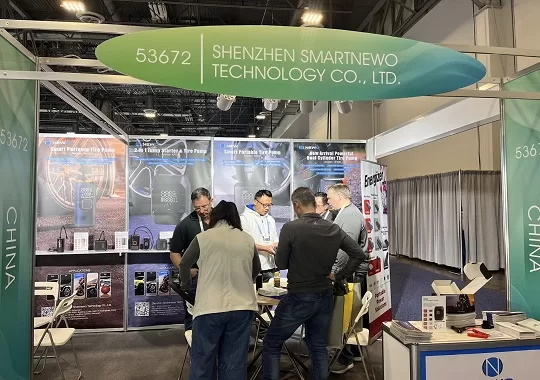
Newo Attends The 2024 Consumer Electronics Show (CES)
Smartnewo booth is located at 53672, Halls A-D, Level 2, Venetian Expo, Las Vegas Convention Center (LVCC). ... -
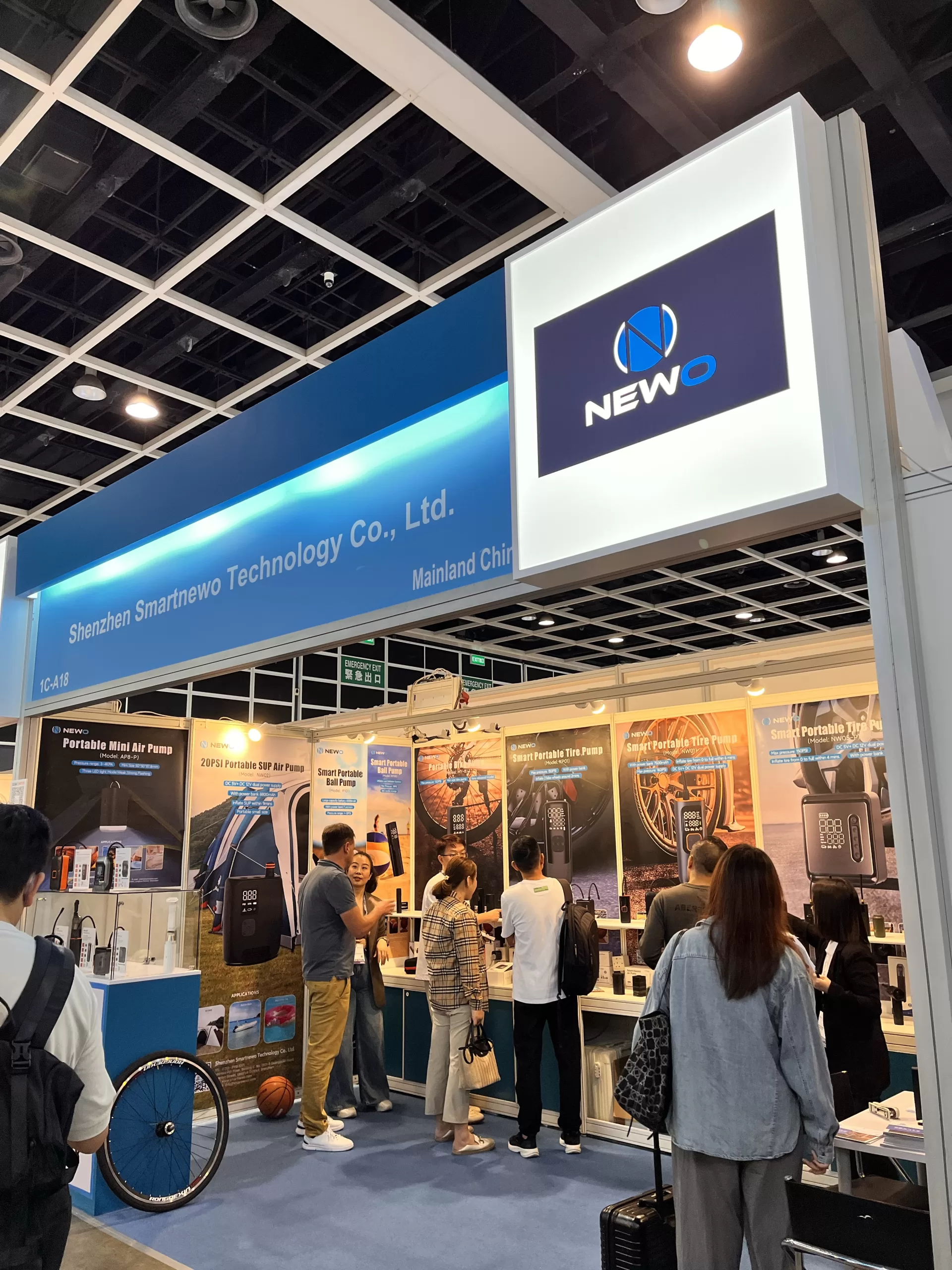
Smartnewo’s Dual-Cylinder Air Pump Rocks the Hong Kong Autumn Electronics Fair!
Smartnewo’s Dual-Cylinder Air Pump Rocks the Hong Kong Autumn Electronics Fair!... -
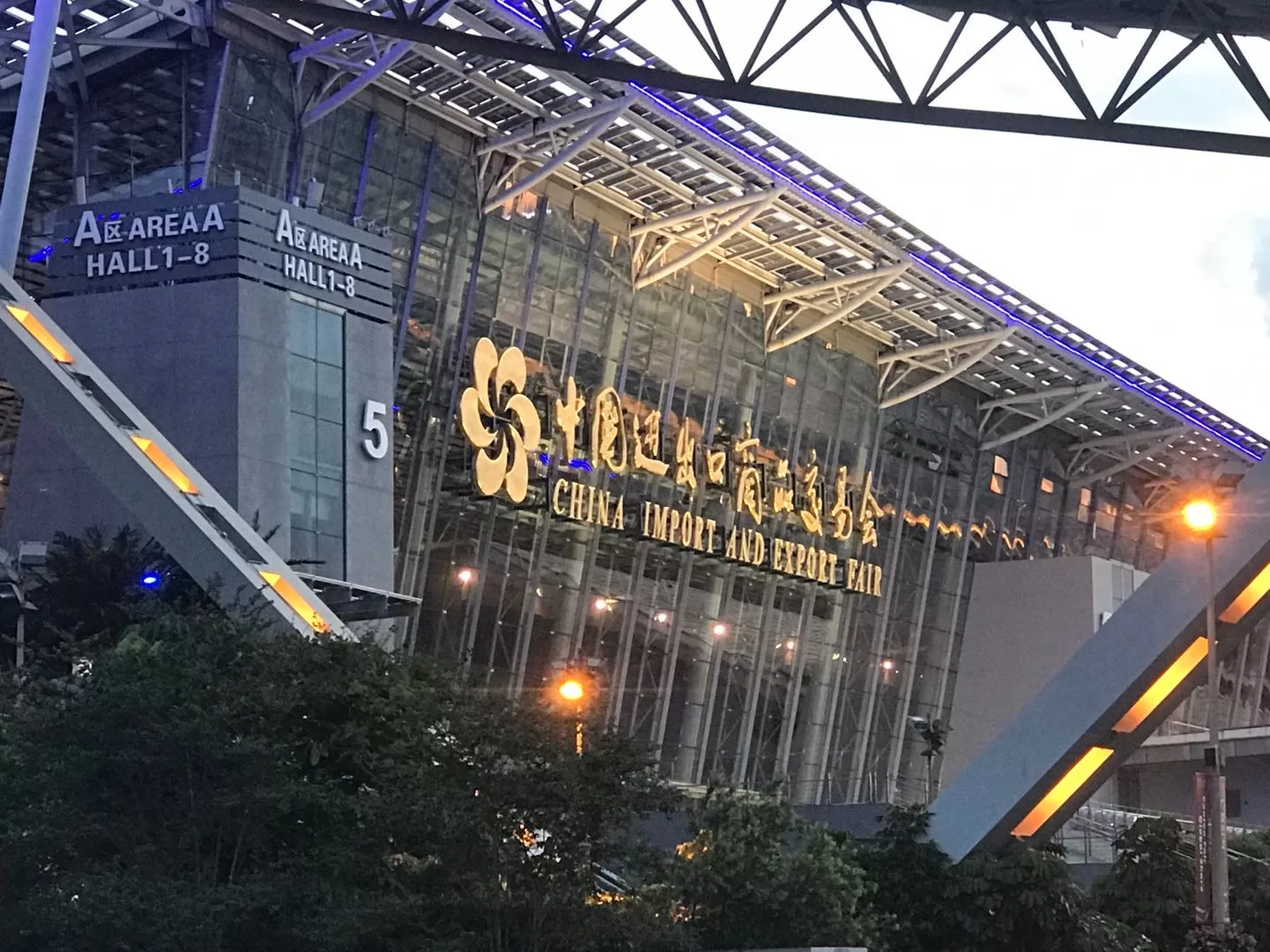
Meet at the Canton Fair! Smartnewo brings dual-cylinder air pumps, making your inflation experience faster and more stable!
NEWO has went deep communication and negotiation with customers from all over the world on booth.... -
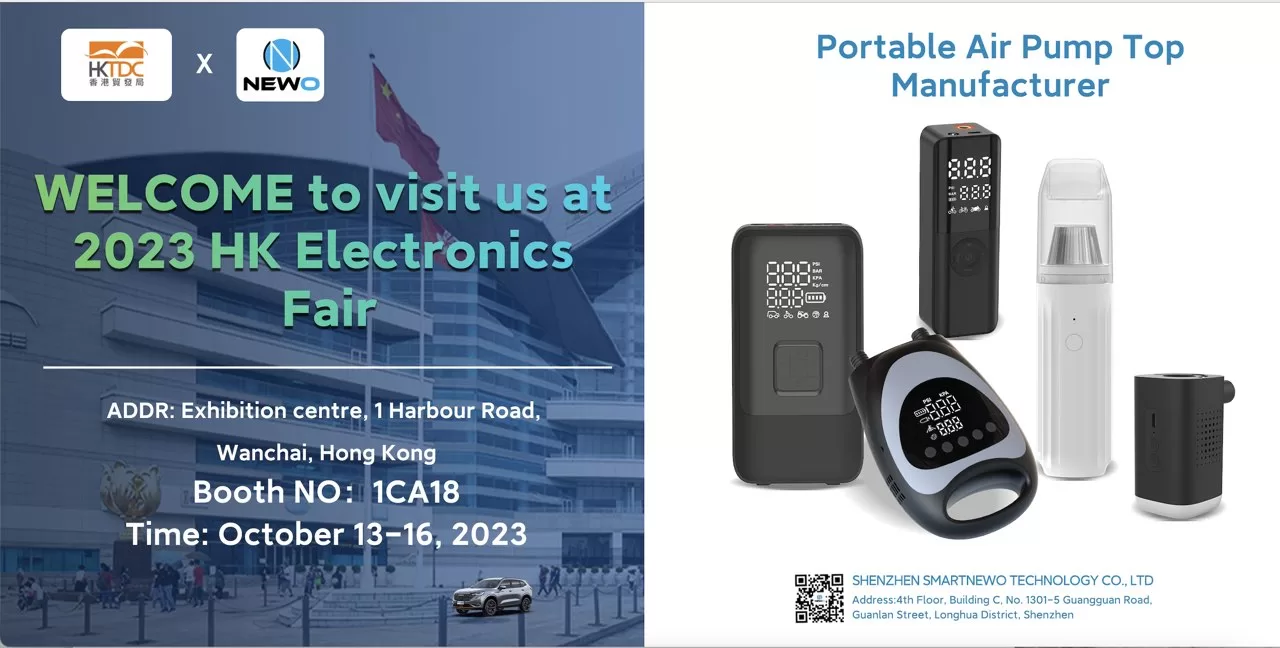
“Hong Kong Autumn Electronics Fair – 1CA18 (October 13th to 16th): Smartnewo invites you to visit our booth!
Hong Kong Autumn Electronics Fair... -
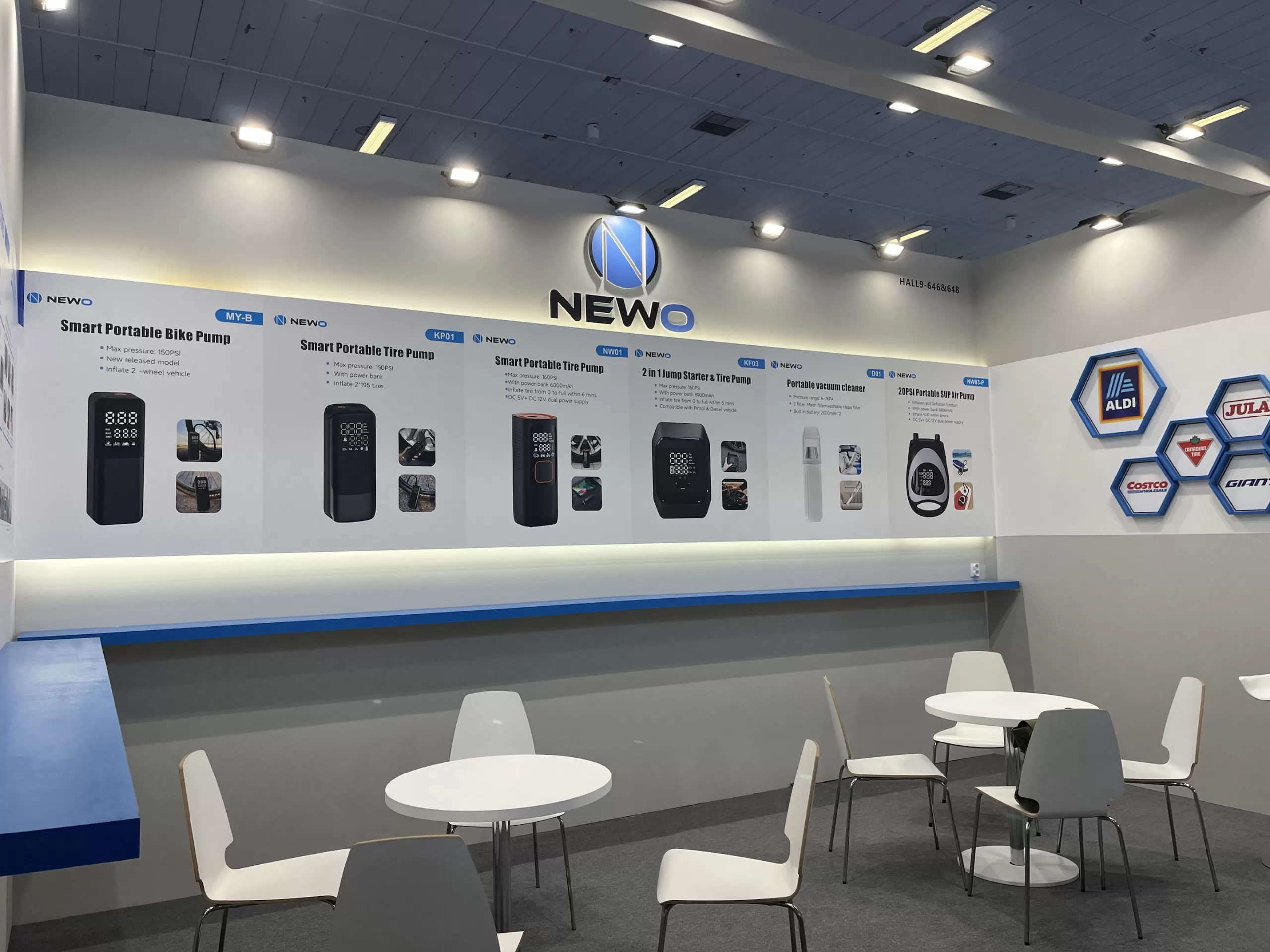
Smartnewo showcases its innovative range of electric air pumps at IFA 2023
Smartnewo will participate in the Consumer Electronics Show (IFA) in Berlin, Germany from September 3rd to September 5th....
-
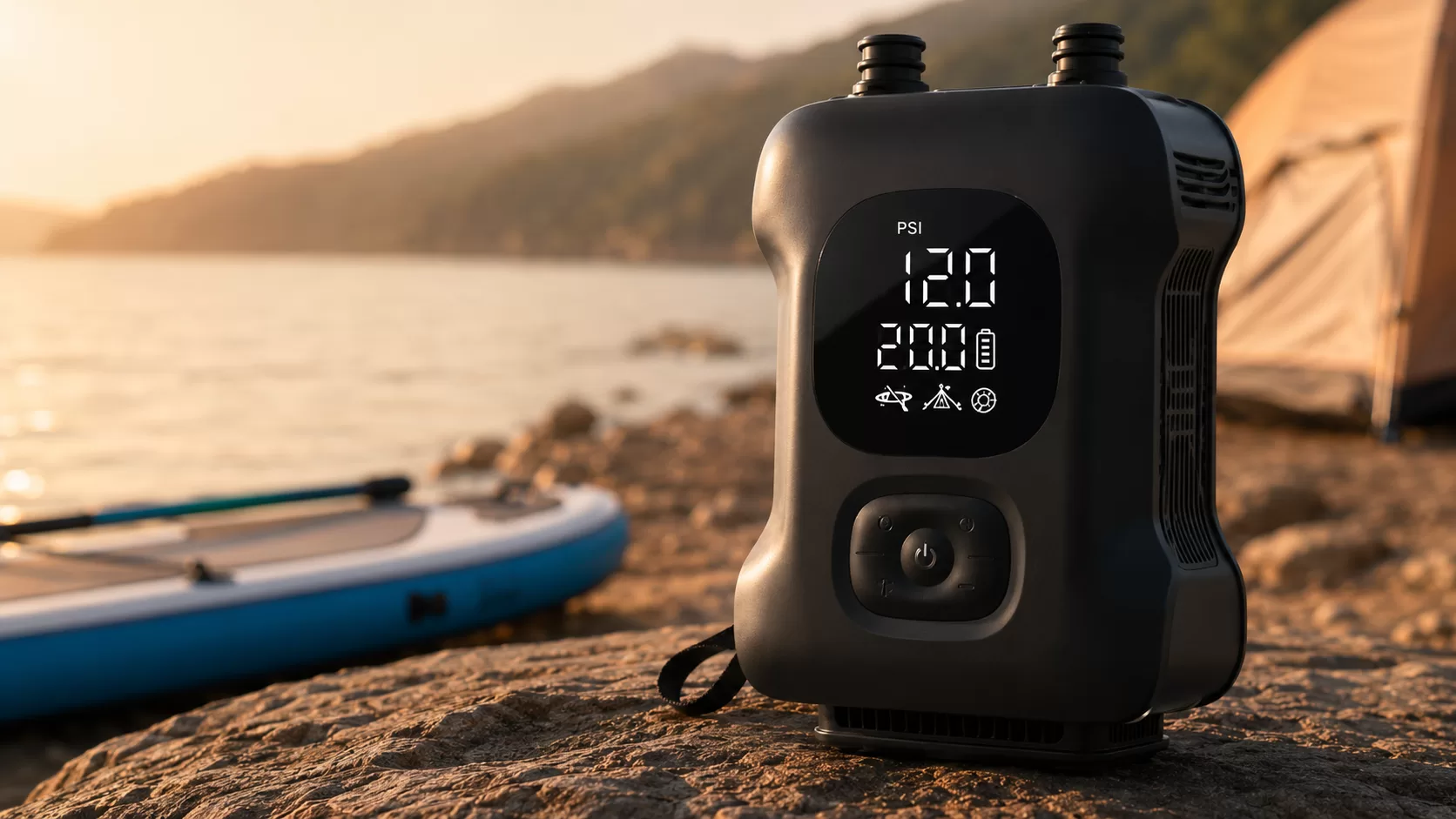
Rechargeable Electric SUP Pump for Paddle Boards: Faster Inflation for SUPs, Kayaks and Inflatable Tents
The BL10-C Portable Electric Bike Tire Inflator is a compact and lightweight mini electric bike pump designed for modern cyclists. With up to 120 PSI pressure, a digital LED display, preset pressure control, automatic shut-off, USB-C charging, and multiple valve adapters, BL10-C offers a convenient inflation solution for road bikes,... -
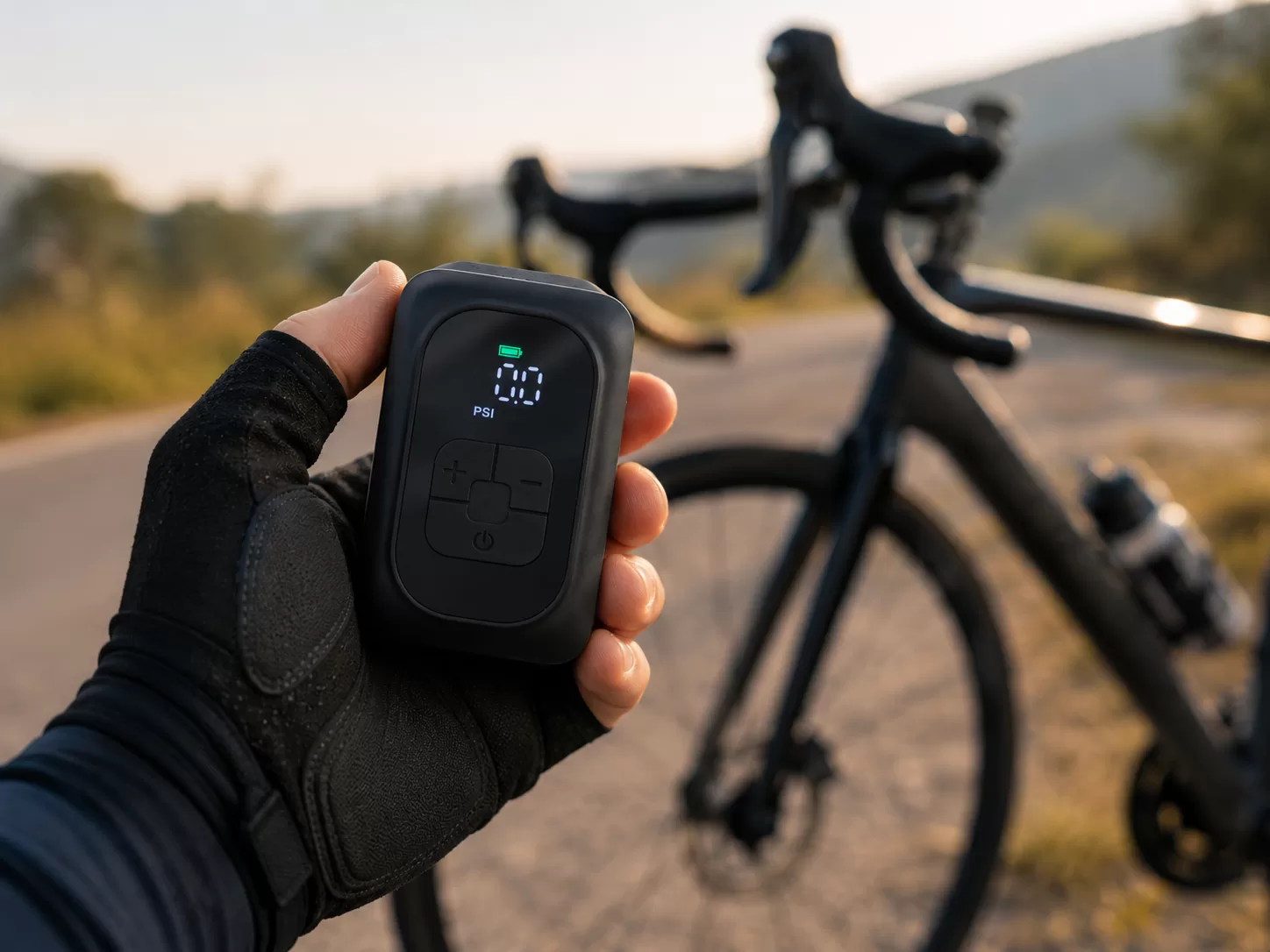
Are Electric Bike Pumps Worth It in 2026? Electric Pump vs CO₂ vs Mini Hand Pump
Discover whether electric bike pumps are worth it in 2026. This guide compares electric bike pumps, CO₂ inflators, and mini hand pumps for road cycling, gravel riding, commuting, and long-distance rides. Learn the pros, limitations, best use cases, and key features to look for before choosing the right portable tire... -
BL10-C Portable Electric Bike Tire Inflator: Small Size, Reliable Power for Every Ride
The BL10-C Portable Electric Bike Tire Inflator is a compact and lightweight mini electric bike pump designed for modern cyclists. With up to 120 PSI pressure, a digital LED display, preset pressure control, automatic shut-off, USB-C charging, and multiple valve adapters, BL10-C offers a convenient inflation solution for road bikes,... -
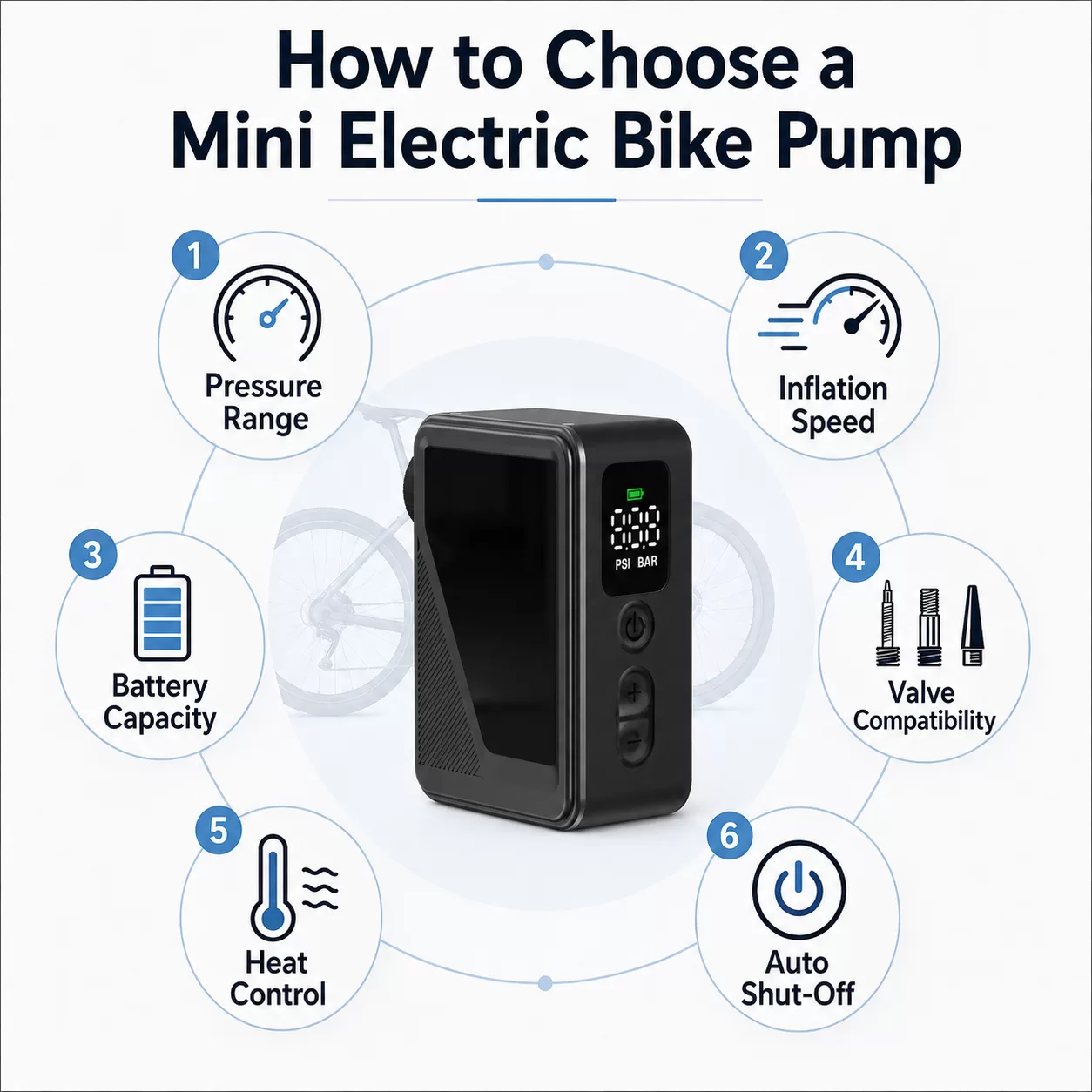
Why Mini Electric Bike Pumps Are Becoming Essential for Modern Cycling
Discover why mini electric bike pumps are becoming essential for modern cyclists. Learn how portable electric bike pumps improve tire pressure management, riding safety, and convenience.... -
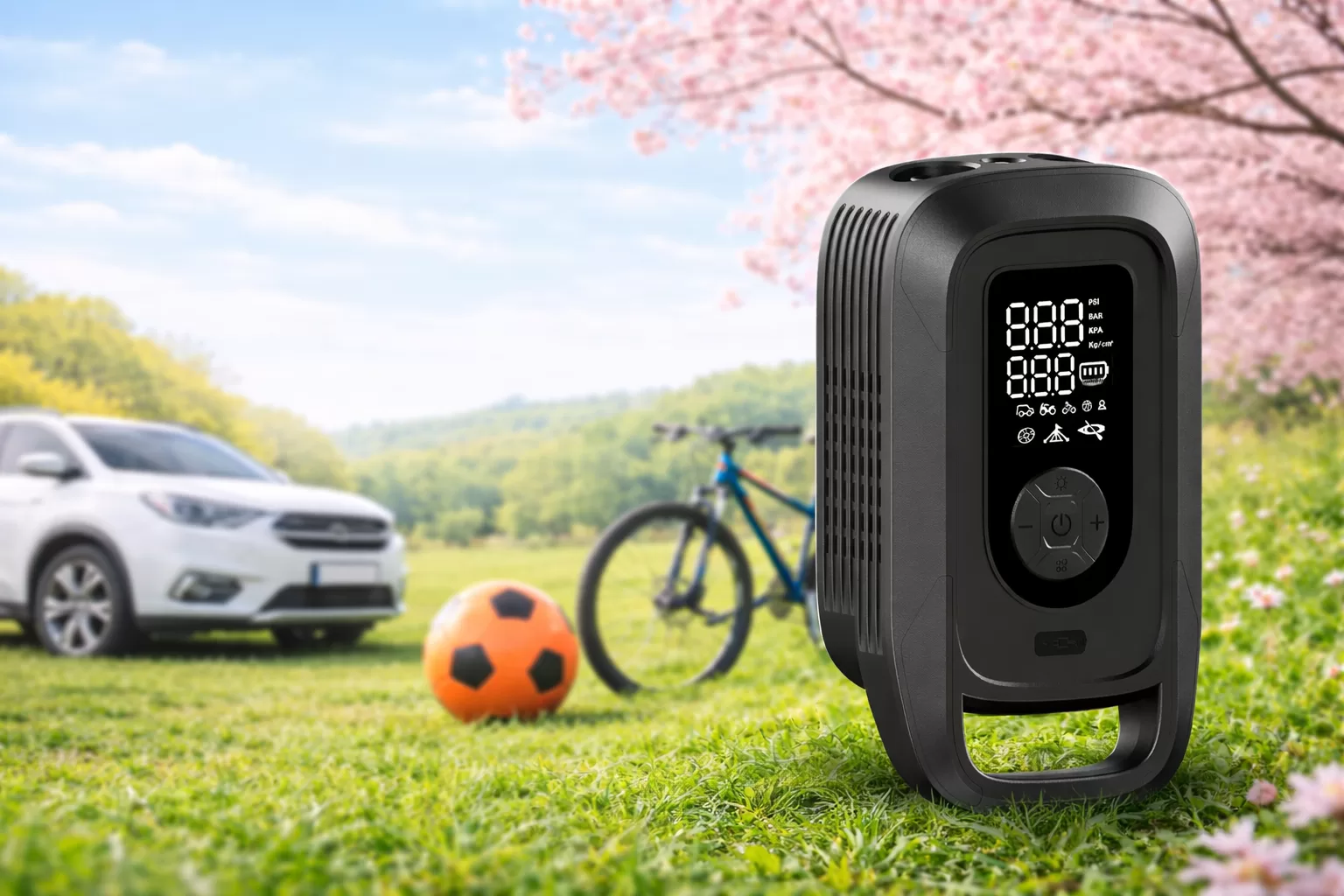
The Ultimate Smart Solution for Easy Outdoor Adventures in 2026
Discover how a spring travel air pump simplifies outdoor trips with fast inflation, smart features, and powerful performance—perfect for every adventure.... -
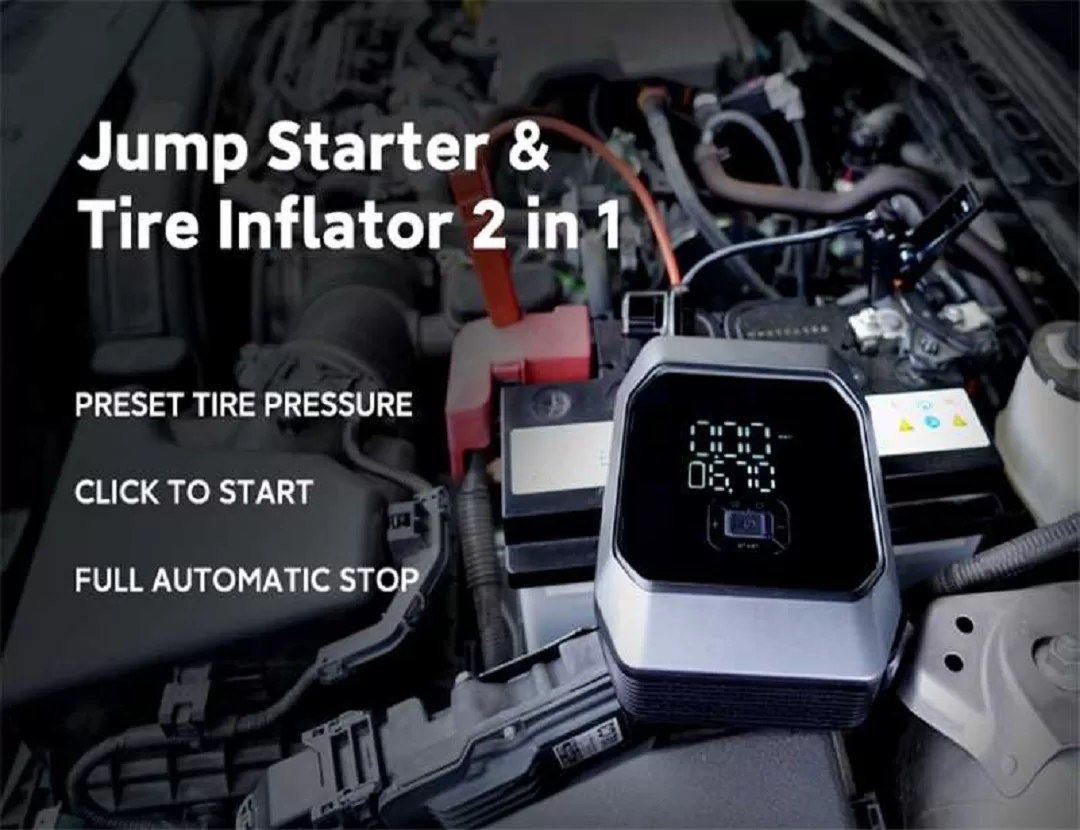
Powerful 5-in-1 Portable Car Tire Inflator and Jump Starter: The Ultimate Emergency Tool for Every Driver
Why Every Driver Needs a Portable Car Tire Inflator and Jump Starter Modern drivers face many unexpected situations on the road. A flat tire, low tire pressure, or a dead car battery can happen at the worst possible time. That’s why having a portable car tire inflator and jump starter is... -
7 Real Cycling Scenarios That Show Why Every Rider Should Carry a Mini Bike Pump
Cycling is one of the most freeing activities you can enjoy. Whether you’re commuting to work, riding through city streets, or exploring quiet countryside roads, a bike ride can instantly improve your day. But there’s one small problem that almost every cyclist eventually faces: Low tire pressure. It might happen... -
BL08-A Portable Electric Bike Pump: A Global Distribution Opportunity with Smartnewo
Smartnewo, a professional manufacturer of portable electric air pumps, introduces the BL08-A model — a compact and efficient inflator designed for global distributors, e-commerce sellers, and outdoor accessory brands seeking reliable OEM/ODM solutions. Table of Contents Main Heading Subtopics 1. Introduction: Expanding the Global Market for Smart Inflation Tools Portable... -
Connecting Opportunities at Automechanika Shanghai 2025 — Smartnewo Exhibition Day 1
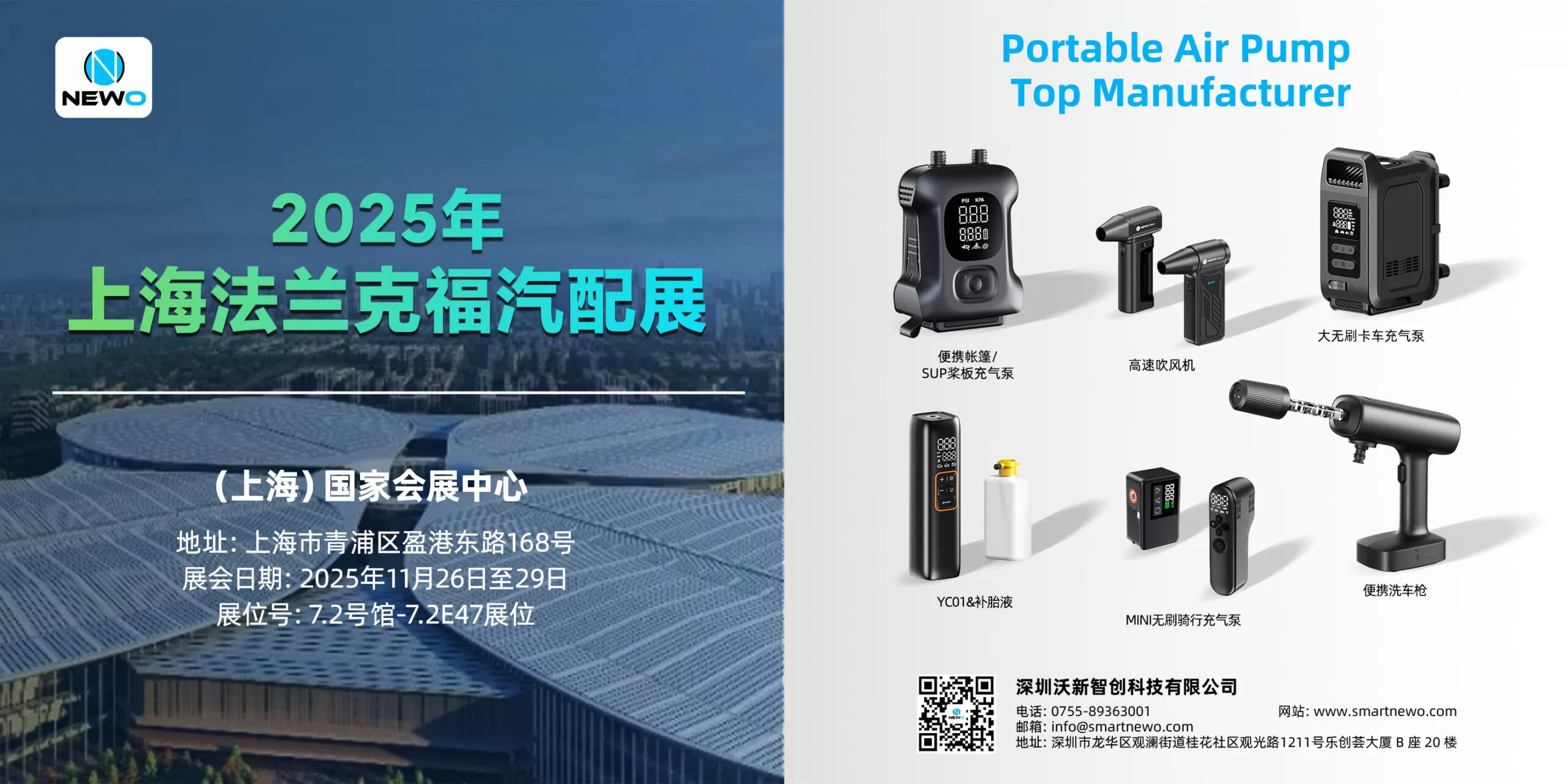
Today marks an exciting beginning as Smartnewo officially opens its booth at Automechanika Shanghai 2025. As one of the largest and most influential automotive aftermarket exhibitions in the world, the show provides an exceptional platform for meaningful conversations, partnership building, and global industry exchange. Located at Booth 7.2E47, Smartnewo presents... -

Why Every Outdoor Cyclist Should Carry a Mini Electric Bike Pump
Whether you are an experienced mountain rider or a weekend road-cycling enthusiast, one thing is certain: unexpected tire pressure issues can ruin an entire ride. That’s why more cyclists are turning to mini electric bike pumps—compact, lightweight, and far more reliable than traditional hand pumps. 1. Consistent Pressure, Even in...
-
How Is a Football Properly Inflated?
The correct inflation of a football - with not too much and not too little air - is a hotly debated topic among footballers.... -
Application Scenarios of Car Inflator Pump
Often long-distance business trips or play car owners because the road may be more remote areas, in this case if you encounter a tire leak....