
 Portable Tire Inflators
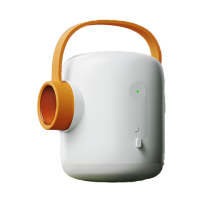 Electric Air Pumps
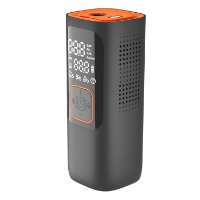 Electric Car Tyre Pumps
 Electric Ball Pumps
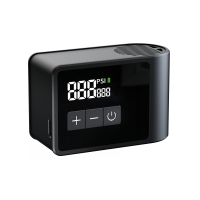 Electric Bike Pump
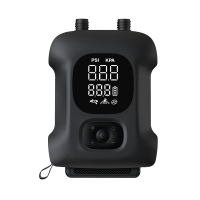 SUP Air Pump

Smartnewo buyer guidance · Prepared October 23, 2026
Choose a tire inflator manufacturer in China by checking whether its quoted configuration, production responsibilities, supporting documents, and sample evidence match your intended tire-inflation task. Use the same RFQ for every shortlisted supplier, resolve differences in writing, and approve a pilot only after the production specification and change-control rules are agreed.
For an automotive importer, a high maximum-pressure figure leaves several purchasing questions unanswered. Can the selected model complete your top-up task? Which battery, hose, pressure sensor, and firmware version does the quote cover? Which company will manufacture it, invoice you, and handle a configuration problem? Resolve those questions before comparing unit prices.
Define the tire-inflation task before shortlisting factories
Start with the job your retail packaging will promise. Routine passenger-car top-ups, inflation after a tire repair, and repeated use across several vehicles create different requirements. State the intended task explicitly; do not let a supplier interpret a general request for a portable compressor on your behalf.
Specify representative tire sizes, starting and target pressures, power source, and expected sequence of use. Include the environment in which buyers will use and store the product. Your engineering team should set the acceptance criteria. Keep recommended vehicle tire pressure separate from the pump’s maximum-pressure rating.
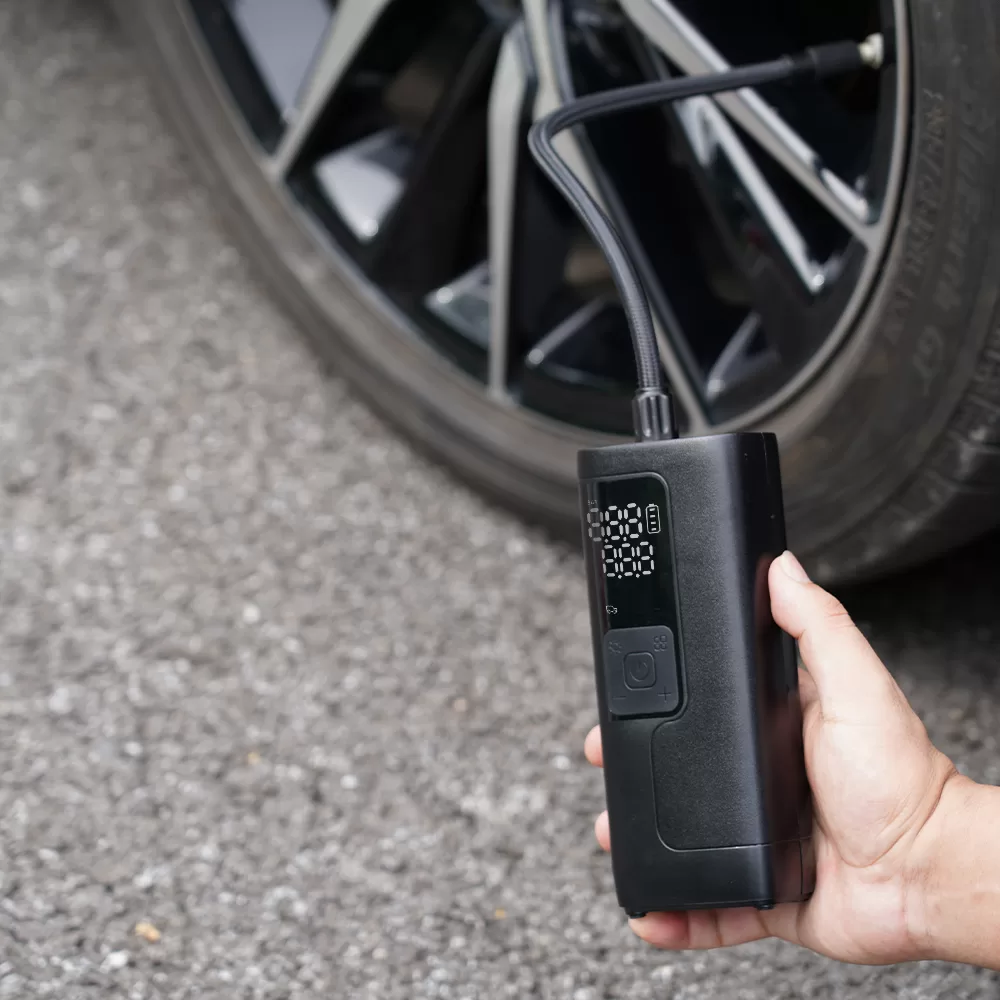
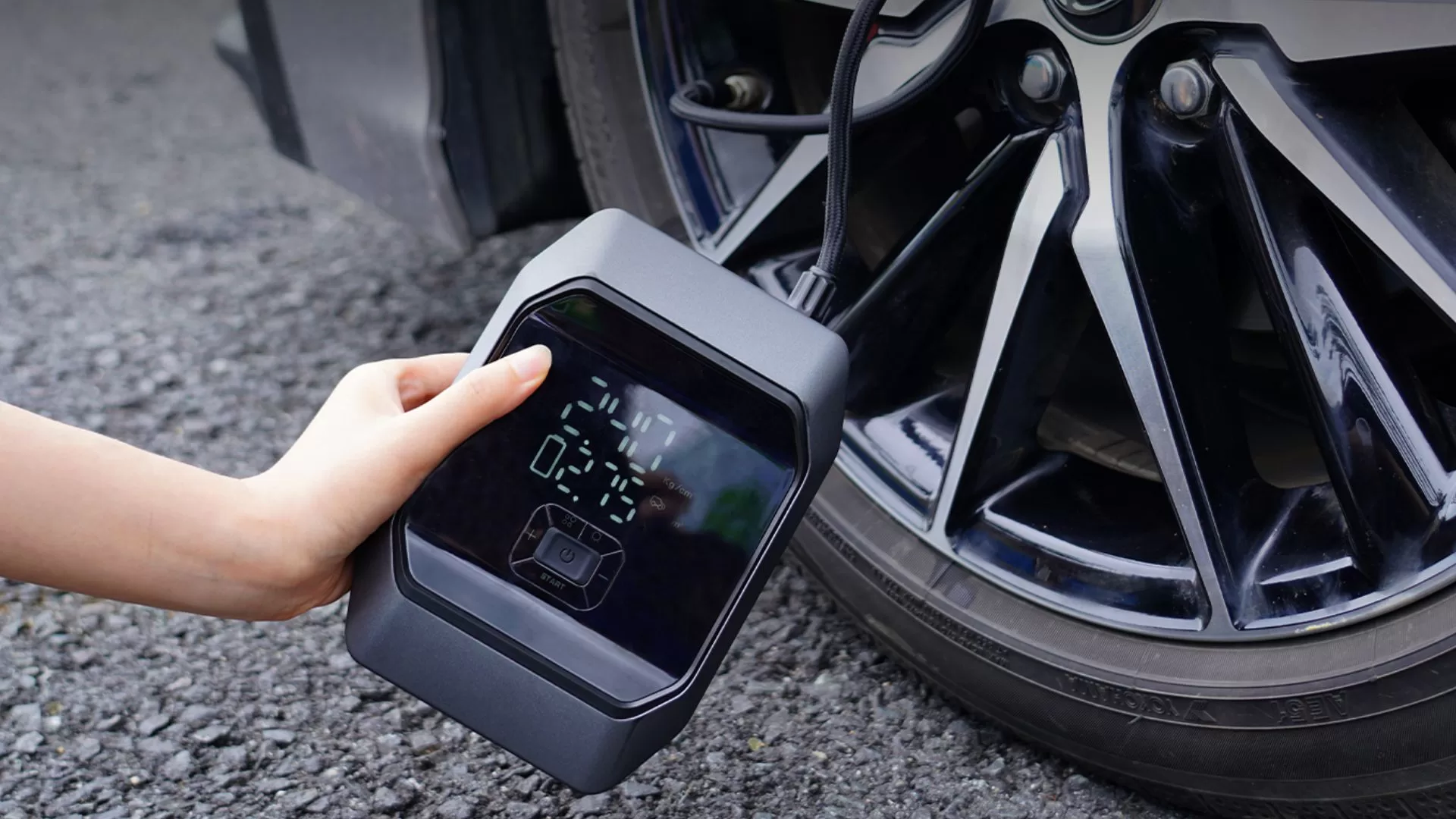
Use the portable tire inflator range to identify candidate formats, then request the current specification for each shortlisted model. A product-category listing is a starting point for selection; it does not establish suitability for every vehicle.
Map who controls the components that determine your result
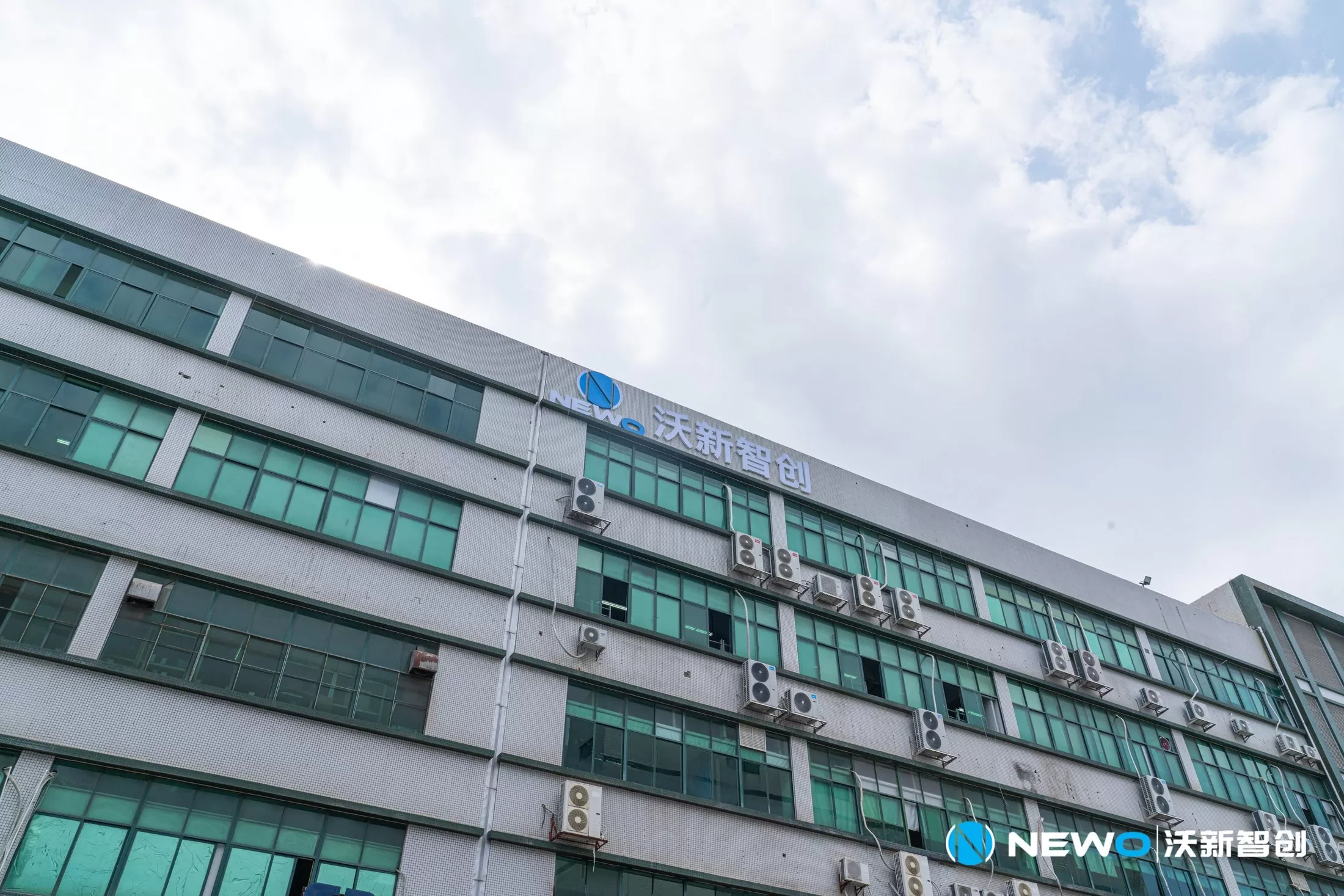
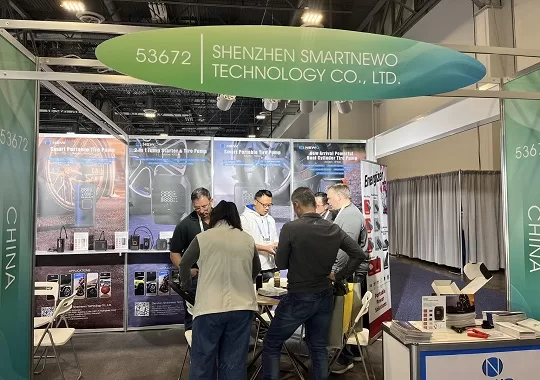
Ask a China-based supplier to identify its registered Chinese company name, English trading name, contracting entity, production address, and export arrangement. Request business-license information for entity checks. Then map responsibility for pump assembly, electronics, battery packs, final assembly, and testing. Outsourcing should have a clear owner for specification control and defects.
For tire inflators, focus the discussion on the pump and motor combination, pressure-sensing system, hose and connector, battery or vehicle-power input, and control software. Ask which parts are fixed in the quoted configuration and which may vary. A shared housing or similar model name can conceal different internal builds.
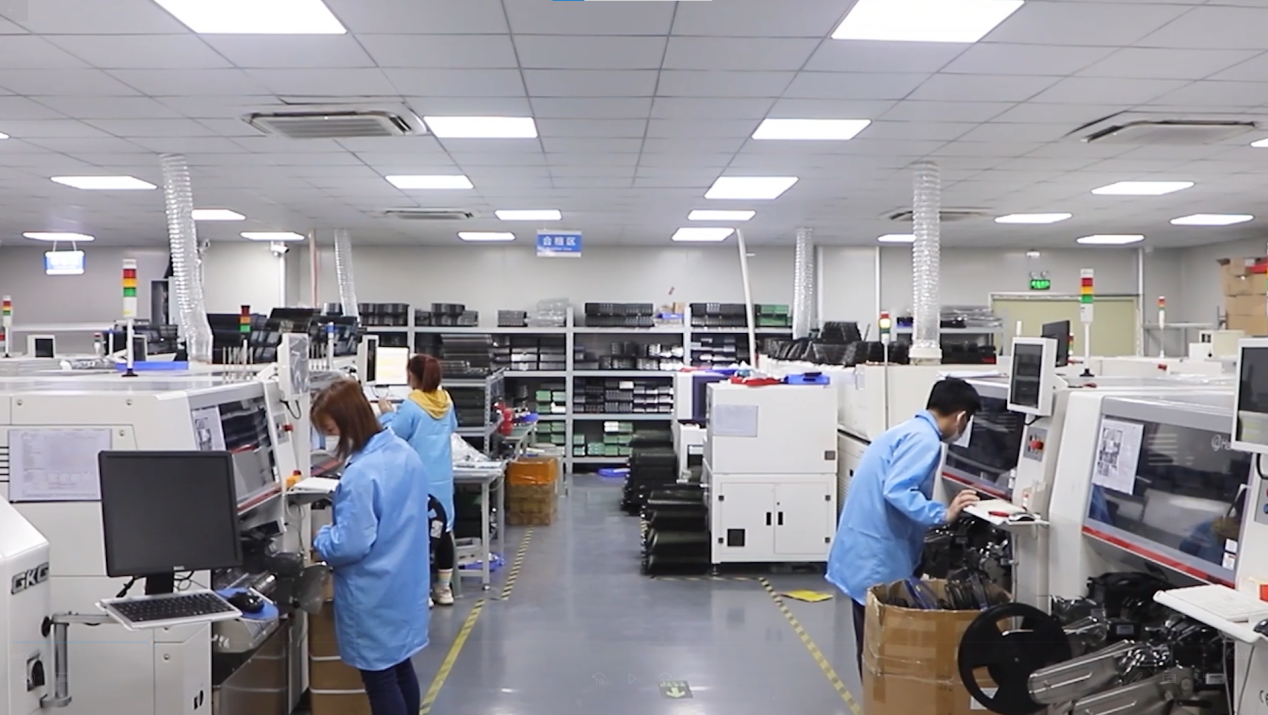
If you commission a site visit or independent audit in China, give the reviewer this product-specific scope. Ask them to reconcile the proposed production location with the quotation and component-control plan. Photographs of a general assembly line alone cannot settle who builds your selected configuration.
Send one RFQ that makes competing quotations comparable
A useful tire inflator RFQ separates your required outcome from the supplier’s proposed solution. Ask each supplier to complete the same response sheet and identify exceptions. Preserve the original quotation and every revision so a lower price can be traced to an actual configuration or scope change.
| Buyer input | Supplier response to request | Decision it supports |
|---|---|---|
| Tire sizes and top-up task | Proposed model, limits, and test conditions | Application fit |
| Battery-powered or vehicle-powered format | Exact power configuration and included charging or power accessories | Comparable product scope |
| Pressure measurement requirements | Declared tolerance, measurement method, and relevant range | Useful evidence rather than display resolution |
| Expected repeated-use sequence | Permitted operating and cooling intervals for the model | Suitability for the stated use |
| Branding and retail pack brief | Available changes, approval stages, and exclusions | Customization scope |
| Destination and order estimate | Project-specific quotation, documentation scope, and commercial terms | Purchasing feasibility |
Request separate identification of the product, accessories, packaging, development work, and other chargeable items. Confirm the quoted delivery basis and what is excluded. MOQ, sample arrangements, tooling charges, payment terms, and production timing belong in the supplier’s written offer; industry averages cannot replace them.

Use samples to decide whether the supplier understands the specification
A sample request should name the proposed production configuration and list any prototype differences. Ask the supplier to explain those differences before dispatch. Otherwise, your team may approve a hand-built sample whose battery, connector, or control settings differ from the eventual order.
Request evidence for the agreed tire task, including tire size, starting and target pressure, ambient conditions, power state, operating sequence, and measurement method. Compare supplier results with your own assessment or an independent evaluation. Investigate disagreement before moving to a pilot.
For pressure readings, ask how the reference instrument is calibrated and whether its uncertainty suits your acceptance limit. NIST’s traceability guidance explains the need for a documented calibration chain and measurement uncertainty. Traceability alone does not establish fitness for a particular measurement task.
Keep the supplier decision broader than a pass/fail result on one unit. Did the supplier identify an unsuitable use case? Did it explain a discrepancy with evidence? Did it revise the specification consistently? Those responses help you assess whether future problems will receive usable technical answers.
Check documents against the company, model, and configuration
Separate management-system evidence, product documentation, and transport documentation. ISO’s supply-chain guide explains that ISO 9001 addresses quality management and does not define your product’s requirements. Check any claimed certificate’s organization, location, scope, and status; ISO itself does not certify organizations.
For a lithium-battery configuration, request transport-related evidence matching the cell or battery design in the order. PHMSA’s lithium-battery guidance describes UN 38.3 design testing and test-summary availability. Treat this as transport evidence, not whole-product authorization for your sales market.
Have your quality team or qualified laboratory identify applicable destination-market requirements. Reconcile documents with the proposed manufacturer, model reference, battery, electrical configuration, and accessories. A familiar mark in a brochure does not settle that review.
Approve a pilot with an explicit release decision
Before a pilot order, freeze the specification, bill-of-materials references, approved sample, packaging version, and inspection requirements. Agree who must approve a component substitution and how affected evidence will be reviewed. Define how units and batches will be identified if a problem appears after delivery.
- Proceed when application fit, configuration, evidence, and commercial scope are aligned.
- Hold when a gap has an assigned owner and an agreed way to close it.
- Reconsider the supplier when material discrepancies remain unexplained or proposed substitutions bypass approval.
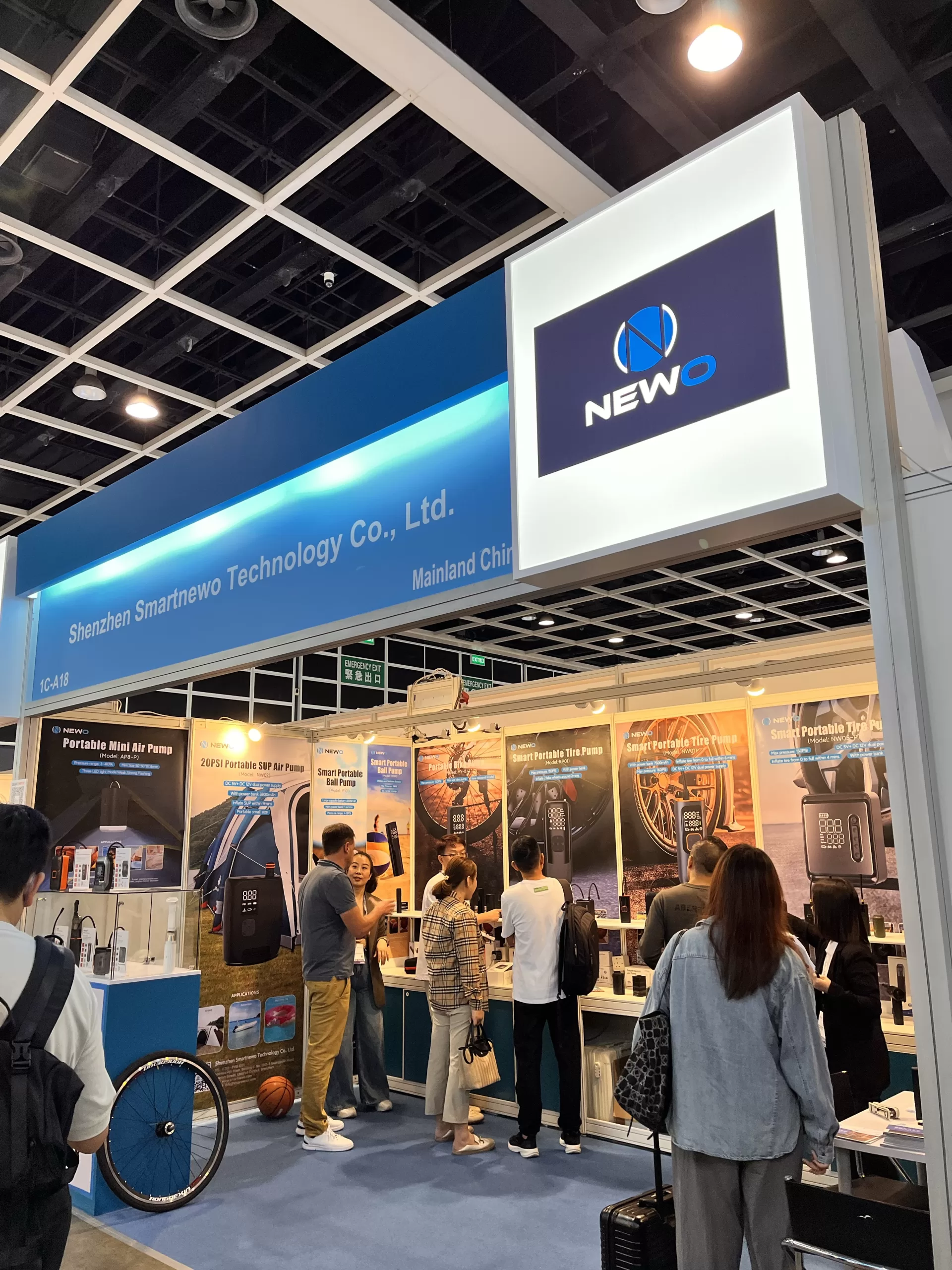
Smartnewo lists OEM, ODM, and wholesale cooperation; the scope for a particular tire inflator project should be confirmed directly.
Frequently asked questions
Should we buy from a manufacturer or a trading company?
Evaluate the arrangement rather than relying on the label. Confirm who controls the product specification, communicates with production, provides documents, and handles defects. Require the contracting entity and production responsibilities to be clear in your project records.
Does a higher maximum PSI mean a better tire inflator?
A maximum-pressure rating does not establish inflation speed, measurement accuracy, or repeated-use capability. Compare the selected models against the same tire task and power conditions, then assess their documented operating limits.
Can a good sample replace a pilot order?
A sample answers questions about the submitted unit. A pilot can examine whether the agreed configuration, packaging, identification, and inspection arrangements carry into a production run. Decide its scope around your remaining sourcing risks.
What should we send Smartnewo first?
Send your destination market, tire-inflation task, preferred power format, order estimate, and branding requirements. Include the evidence your team needs before sampling. Request tire inflator model recommendations for your project.